Part 6: Estimating, Pricing, and Managing Work
Connecting the Financial System of Your Business
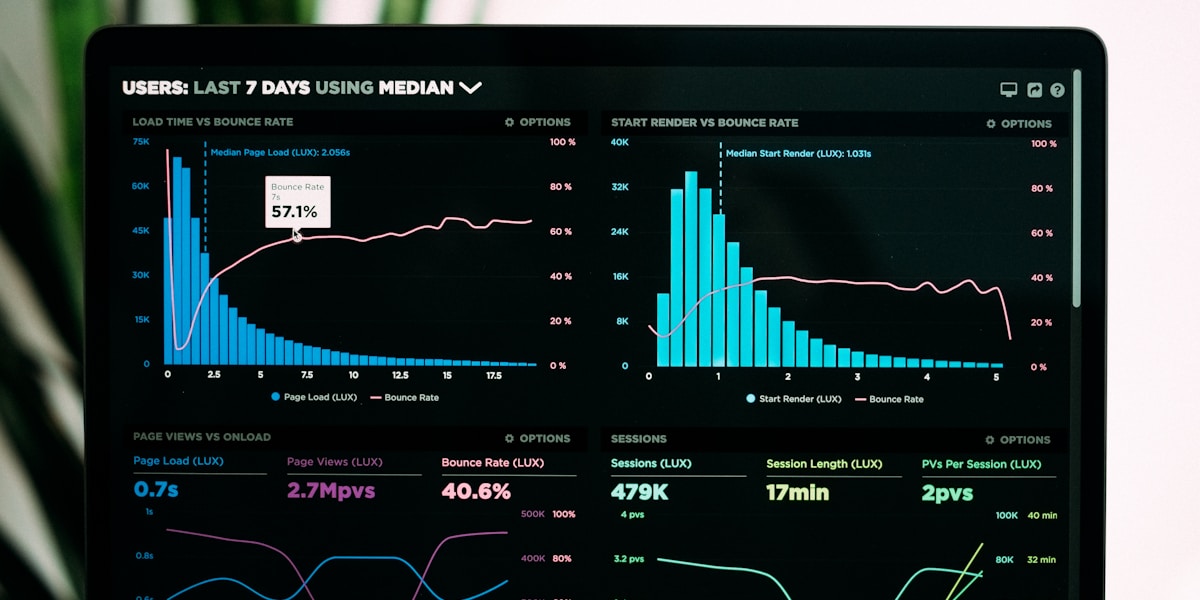
A connected financial system gives you a clear picture of your business.
Throughout this section of the book you have learned several tools that help entrepreneurs manage the financial side of a business. Individually each tool is useful. Together they form a financial system that helps a business owner understand how money flows through the operation. Many new entrepreneurs treat these tools as separate tasks: estimating a job, sending an invoice, tracking expenses. Experienced business owners understand that these pieces are connected. Each step feeds information into the next. When the system works well entrepreneurs can see clearly how their business is performing. When it breaks down they find themselves guessing.
Learning Objectives
By the end of this chapter, you will be able to:
- Explain how estimating, job tracking, invoicing, and cash flow management connect to form a complete financial system.
- Trace the financial workflow of a project from estimate through to cash flow.
- Describe how each step in the financial workflow feeds information into the next step.
- Identify the consistent habits that allow business owners to manage finances with confidence rather than guesswork.
The Financial Workflow
Every project moves through the same sequence of financial steps.
Estimate → Proposal → Job Tracking → Invoice → Cash Flow
The estimate determines the expected price and cost of the project. The proposal communicates that price to the customer and secures the work. Job tracking records what actually happens during the project. The invoice requests payment for the completed work. That payment then becomes part of the business’s overall cash flow.
Understanding this sequence helps entrepreneurs see how daily decisions affect the financial health of the business over time.
Estimates Start the System
Every project begins with an estimate. The estimate calculates expected labour, materials, and overhead costs and includes the markup needed to generate profit. Accurate estimates help ensure the business charges enough to cover costs and earn a return for the work.
But estimates are only predictions. Real projects involve unexpected challenges, which is why the steps that follow are just as important as the estimate itself.
Job Tracking Connects the Estimate to Reality
Job tracking is where the estimate meets the real world. Recording actual labour hours, material costs, and any changes to scope during the job allows contractors to compare what they predicted with what actually happened. That comparison is how estimating accuracy improves over time.
Contractors who skip job tracking are essentially throwing away the feedback that would make their next estimate better.
Invoicing Brings Money Into the Business
Once the work is complete the invoice communicates what was done and what is owed. Sending invoices promptly is essential because delays in invoicing lead directly to delays in payment. When job tracking has been done consistently, preparing the invoice is straightforward because the necessary information is already recorded. This is one of the clearest examples of how the system works best when each step supports the next.
Cash Flow Keeps the Business Running
When invoices are paid the money enters the business and is used to cover wages, materials, tools and equipment, vehicle costs, insurance, and taxes. Earlier in this book you learned how to build a cash flow projection. The revenue generated from invoices becomes part of that larger financial picture.
Understanding how money flows through the business helps entrepreneurs ensure they always have enough cash available to keep operating, even during the gaps between project completion and customer payment.
Why the System Matters
Many new entrepreneurs focus on only one part of this system. Some estimate carefully but never review completed jobs. Others complete strong projects but delay invoicing. Some send invoices but fail to track expenses. When one part of the system breaks down the entire financial picture becomes unclear.
The strength of the system comes from consistent habits across all of it: building careful estimates, tracking labour and materials regularly, documenting change orders, sending invoices promptly, and reviewing financial information on a regular schedule. These habits allow entrepreneurs to make informed decisions instead of relying on guesswork.
From Contractor to Business Owner
Many skilled tradespeople begin their careers focused entirely on the technical side of the work. They know how to build, repair, and install complex systems. Running a business requires an additional set of skills. Business owners must also understand how to manage money, track costs, and monitor performance.
The financial tools covered in this section help bridge that gap, allowing skilled tradespeople to move from simply completing work to running a business with confidence and clarity.
Key Takeaways
- Estimating, job tracking, invoicing, and cash flow management are connected steps in a single financial system — each step feeds information into the next.
- The financial workflow follows the sequence: Estimate → Proposal → Job Tracking → Invoice → Cash Flow.
- Accurate job tracking improves future estimates by comparing predicted costs against actual costs.
- Sending invoices promptly is essential because delays in invoicing lead directly to delays in payment and disrupted cash flow.
- Strong financial habits — consistent estimates, regular tracking, prompt invoicing, and routine review — allow entrepreneurs to manage their business with confidence rather than guesswork.
Reflect
Review the financial workflow: Estimate, Proposal, Job Tracking, Invoice, Cash Flow. Think about how information moves through each step.
- Where does the pricing for a project begin, and how does it inform the rest of the process?
- How does job tracking help improve future estimates?
- Why does invoicing quickly matter for the financial health of the business?
Understanding these connections helps entrepreneurs see how everyday decisions affect the long-term success of the business.