Part 1: What is Entrepreneurship? Really
The C Word: Commitment
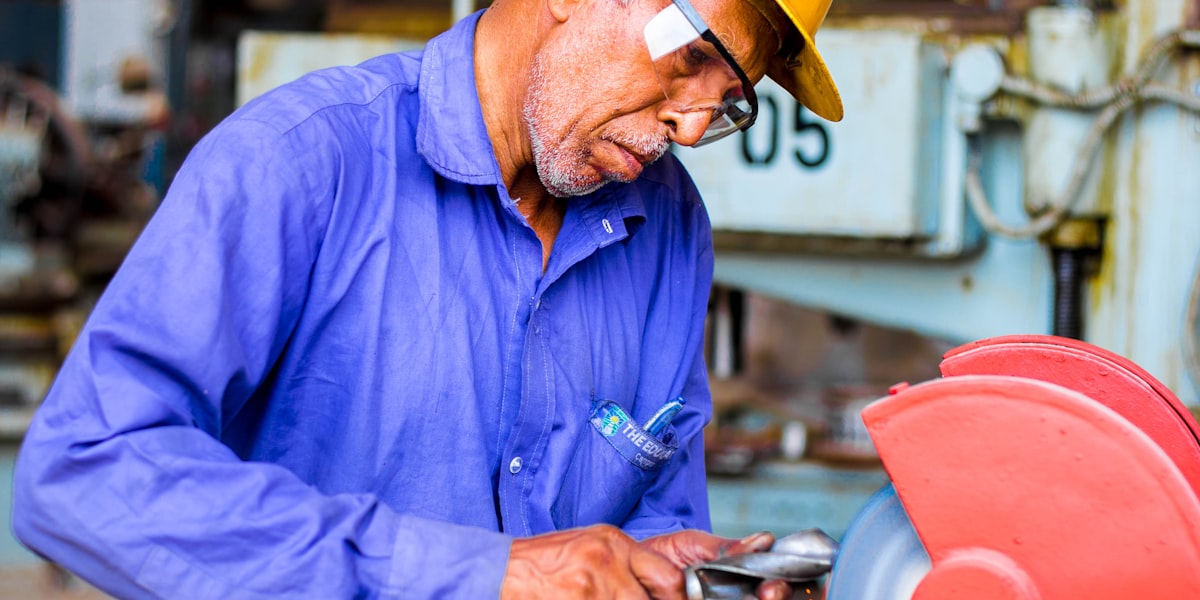
Commitment is the foundation of every successful trades business.
There is a word that does not get talked about enough in entrepreneurship: commitment. Starting a business is often described in terms of opportunity, independence, and growth. Those things are real. But behind them sits a deeper requirement. In practice, entrepreneurship commitment shows up in two concrete ways — time and money.
Learning Objectives
By the end of this chapter, you will be able to:
- Explain the two primary commitments required to start and run a trades business
- Describe how your relationship with time changes when you become a business owner
- Identify the types of financial investment required before a business generates reliable revenue
- Distinguish between reckless risk-taking and the calculated approach that successful entrepreneurs use
Time Commitment
When you start a trades business, the way you think about time begins to change. You are no longer responsible only for completing the work — you are responsible for the entire operation of the business. That means answering client calls in the evening, preparing quotes on weekends, following up on unpaid invoices, managing employees or subcontractors, and solving problems that previously belonged to someone else.
Time commitment is not simply about working more hours. It is about thinking differently about your role. When you own the business, it becomes difficult to completely clock out. The responsibility for the work, the customers, and the reputation of the business stays with you.
Successful entrepreneurs sustain high levels of effort over time — but that effort rarely looks the way people imagine. It looks like staying late to correct a mistake, redoing paperwork that was submitted incorrectly, or driving back to a jobsite to fix a small issue without charging the customer. These moments do not appear in business success stories, but they are common in the early stages of running a business.
Money Commitment
Starting a trades business often requires significant upfront investment. Tools and equipment, vehicles, insurance, licensing and permits, marketing, software, and working capital all cost money before revenue starts flowing reliably.
And money does not always flow in a predictable way. You may need to purchase materials before a customer pays their invoice. You may need to pay employees before you receive payment for the project. You may invest in equipment before the revenue from that work is guaranteed.
Entrepreneurship involves financial risk — but research consistently describes that risk as moderate and calculated rather than reckless. Entrepreneurs do not gamble with their resources. They make decisions based on available information, careful planning, and an honest understanding of their tolerance for uncertainty. Understanding that distinction matters, because it shapes every financial decision you make as a business owner.
Understanding Commitment
Commitment is not an abstract idea. It appears in everyday decisions — sometimes as longer hours to meet a deadline, sometimes as a careful financial choice that affects the future of the business. Entrepreneurship is not about being fearless. It is about understanding your limits and gradually stretching them as your experience grows.
Before starting a business, it is worth asking an honest question: Am I ready for this level of commitment? If the answer is not yet, that is not a problem. It simply means there are skills, resources, or experience worth developing before taking the next step.
Key Takeaways
- Entrepreneurship requires two concrete commitments: time and money — both more demanding than they first appear
- As a business owner, you are responsible for the entire operation, not just the technical work — and that responsibility does not clock out
- Starting a trades business requires upfront investment in tools, insurance, licensing, and working capital before revenue is reliable
- Entrepreneurial risk is calculated, not reckless — good entrepreneurs make decisions based on information, planning, and honest self-assessment
Reflect
You have been running small residential jobs successfully. A general contractor calls and offers you a $25,000 commercial job. It is slightly outside your experience — it would require more labour, a faster turnaround, new coordination, and tighter cash flow management. The job could elevate your reputation. It could also expose your weaknesses.
What do you do? There is no single correct answer. Each decision reveals something about your risk tolerance, your financial readiness, your confidence in your business, and your appetite for growth. What does your answer tell you about where you are right now?