
<?xml version="1.0" encoding="UTF-8"?>
<!DOCTYPE html PUBLIC "-//W3C//DTD XHTML 1.1//EN" "http://www.w3.org/TR/xhtml11/DTD/xhtml11.dtd">
<html xmlns="http://www.w3.org/1999/xhtml" xml:lang="en">
<head>
<meta content="text/html; charset=UTF-8" http-equiv="content-type" />
<meta http-equiv="Content-Language" content="en" />
<meta name="generator" content="Pressbooks 6.8.0" />
<meta name="pb-authors" content="University of British Columbia" />
<meta name="pb-title" content="Digital Tattoo" />
<meta name="pb-language" content="en-ca" />
<meta name="pb-cover-image" content="https://pressbooks.bccampus.ca/wp-content/plugins/pressbooks/assets/dist/images/default-book-cover.jpg" />
<meta name="pb-subtitle" content="Your digital identity matters. Let’s discuss." />
<meta name="pb-book-license" content="cc-by-sa" />
<meta name="pb-about-50" content="This is an editable Pressbooks copy of selected topics from the Digital Tattoo by University of British Columbia." />
<title>Digital Tattoo</title>
</head>
<body lang='en' >
<div id="half-title-page"><h1 class="title">Digital Tattoo</h1></div>
<div id="title-page">
			<h1 class="title">Digital Tattoo</h1>
		<h2 class="subtitle">Your digital identity matters. Let’s discuss.</h2>
					<p class="author">University of British Columbia</p>
								<p class="publisher"></p>
		<p class="publisher-city"></p>
	</div>
<div id="copyright-page">
	<div class="ugc">
					
<div class="license-attribution"><p><img src="https://pressbooks.bccampus.ca/digitaltattooimport/wp-content/themes/pressbooks-book/packages/buckram/assets/images/cc-by-sa.svg" alt="Icon for the Creative Commons Attribution-ShareAlike 4.0 International License" /></p><p>Digital Tattoo by University of British Columbia is licensed under a <a rel="license" href="https://creativecommons.org/licenses/by-sa/4.0/">Creative Commons Attribution-ShareAlike 4.0 International License</a>, except where otherwise noted.</p></div>

									</div>
</div>
<div id="toc">
	<h1>Contents</h1>
	<ul>
					<li class="part">
	<a href="#part-ethic-and-legal-considerations">
					Ethic and Legal Considerations
			</a>
</li>

					<li class="chapter standard">
	<a href="#chapter-algorithms-and-your-data">
		<span class="toc-chapter-title">Algorithms and Your Data</span>
							</a>
	</li>

					<li class="part">
	<a href="#part-information-literacy">
					Information Literacy
			</a>
</li>

					<li class="chapter standard">
	<a href="#chapter-managing-your-online-professional-profile">
		<span class="toc-chapter-title">Managing Your Online Professional Profile</span>
							</a>
	</li>

					<li class="chapter standard">
	<a href="#chapter-quiz-how-good-are-you-at-spotting-fake-news">
		<span class="toc-chapter-title">QUIZ: How good are you at spotting fake news?</span>
							</a>
	</li>

					<li class="part">
	<a href="#part-communication-and-collaboration">
					Communication and Collaboration
			</a>
</li>

					<li class="chapter standard">
	<a href="#chapter-staying-tranquil-in-your-digital-life">
		<span class="toc-chapter-title">Staying Tranquil in Your Digital Life</span>
							</a>
	</li>

					<li class="part">
	<a href="#part-creation-and-curation">
					Creation and Curation
			</a>
</li>

					<li class="chapter standard">
	<a href="#chapter-academic-and-professional-life-quiz">
		<span class="toc-chapter-title">Academic and Professional Life Quiz</span>
							</a>
	</li>

					<li class="chapter standard">
	<a href="#chapter-your-digital-dossier">
		<span class="toc-chapter-title">Your Digital Dossier</span>
							</a>
	</li>

					<li class="part">
	<a href="#part-community-based-learning">
					Community-Based Learning
			</a>
</li>

					<li class="chapter standard">
	<a href="#chapter-sovereignty-and-tradition-indigenous-knowledge-open-educational-resources">
		<span class="toc-chapter-title">Sovereignty and Tradition: Indigenous Knowledge & Open Educational Resources</span>
							</a>
	</li>

			</ul>
</div>
<div class="part-wrapper" id="part-ethic-and-legal-considerations-wrapper">
    <div class="part  introduction" id="part-ethic-and-legal-considerations">
	<div class="part-title-wrap">
		<p class="part-number">I</p>
		<h1 class="part-title">Ethic and Legal Considerations</h1>
	</div>
	<div class="ugc part-ugc">
		
	</div>
			
				
	</div>
<div class="chapter standard " id="chapter-algorithms-and-your-data" title="Algorithms and Your Data">
	<div class="chapter-title-wrap">
		<p class="chapter-number">1</p>
		<h1 class="chapter-title">Algorithms and Your Data</h1>
								</div>
	<div class="ugc chapter-ugc">
				 <div class="textbox">This is an imported copy of <a href="https://digitaltattoo.ubc.ca/tutorials/privacy-and-surveillance/data/algorithms-and-your-data/#" data-url="https://digitaltattoo.ubc.ca/tutorials/privacy-and-surveillance/data/algorithms-and-your-data/#">Algorithms and Your Data – Digital Tattoo</a>.</div> <h1>Watch</h1> <div class="textbox interactive-content interactive-content--oembed"><span class="interactive-content__icon"></span> <p>One or more interactive elements has been excluded from this version of the text. You can view them online here: <a href="#oembed-2" title="The Coded Gaze: Unmasking Algorithmic Bias" data-url="https://pressbooks.bccampus.ca/digitaltattooimport/?p=25#oembed-2">https://pressbooks.bccampus.ca/digitaltattooimport/?p=25#oembed-2</a> </p> </div> <p><strong>Video credit:&nbsp;</strong> The Coded Gaze: Unmasking Algorithmic Bias – posted by Joy Buolamwini on <a href="https://www.youtube.com/channel/UCSJCNSQvojH7h_mx30ag4zg" data-url="https://www.youtube.com/channel/UCSJCNSQvojH7h_mx30ag4zg">YouTube</a></p> <h1><i class="icon-check"></i> Think</h1> <ol><li>What is an algorithm? <ol type="a"><li>Frankly, it sounds very complicated and I have no idea.</li> <li>They are rules that help computers work.</li> <li>They are used in many technologies like computer software to help automate the decision-making process.</li> </ol> </li> <li>When do you encounter algorithms? <ol type="a"><li>Wait, I encounter algorithms?</li> <li>I know they’re used in advertising online.</li> <li>They’re all over the place, both online and in the outside world too.</li> </ol> </li> <li>How do algorithms affect the information you access? <ol type="a"><li>They shouldn’t affect anything, right? Don’t they just make websites run correctly?</li> <li>They use my data to do things like show me interesting ads or social media posts that I’m likely to click on.</li> <li>They affect a lot of the content and information that I see, even my Google searches.</li> </ol> </li> <li>Can algorithms be biased? <ol type="a"><li>Uh, no? Aren’t they just math?</li> <li>I guess it’s technically a “bias” to use your data for greater personalization, but it’s harmless, right?</li> <li>Yes, and this can have some serious consequences.</li> </ol> </li> <li>When do you think algorithms should be used? <ol type="a"><li>Never! If they’re biased, we should ban them outright.</li> <li>I mean, there’s so much information to go through these days. Surely, it’s not bad to use them in things like initial job screenings, right?</li> <li>They are probably okay in low-stakes cases, but we should treat them with caution.</li> </ol> </li> </ol> <h1><i class="icon-book"></i> Explore</h1> <p>When you hear terms like “algorithm,” “machine learning,” and “artificial intelligence (AI),” they might seem intimidating and complicated. And while yes, the mathematics behind them can be rather complex, it is easiest to just think of algorithms as “the set of rules a machine (and especially a computer) follows to achieve a particular goal,” of which artificial intelligence are the result (<a href="https://www.merriam-webster.com/dictionary/algorithm" data-url="https://www.merriam-webster.com/dictionary/algorithm">Merriam Webster</a>).</p> <p>Algorithms exist all around us, both on the internet and in the physical world too. They have a huge variety of uses, from gathering your data in order to populate your social media feed with posts that the algorithm thinks you will likely click on to more external uses such as facial recognition software for tasks like unlocking your phone.</p> <p>While algorithms do make the world around us faster and more convenient, it’s important to remember that they – like all technology – are not just neutral sets of numbers working away in the background with no agenda. Algorithms might be rules, but they are rules created by people, each of whom has their own biases that get written into the programming that they create. These biases are not always intentional, but they can have a huge effect on the type of information that we access. And when algorithms are used to make complicated, human-based decisions such as job suitability or prison sentencing, the biases inherent in algorithmic programming can have the serious result of perpetuating existing inequalities.</p> <h2>Popping the Filter Bubble</h2> <p>One important use of algorithms online is to take your data (including demographic information like your age, gender, sexual orientation, and more) and use it to place advertisements on your feed that you are more likely to click on. However, did you know that this same tactic is used for your search results on websites like Google and YouTube too? Depending on the data that Google gathers about you, <a href="https://arxiv.org/abs/1706.05011" data-url="https://arxiv.org/abs/1706.05011">the links that you see in a Google search result will be different</a>.</p> <p>Remember, while Google is a search engine, it is also a company that wants to make as much profit as possible. The more you interact with the search results and the ads around them, the more money Google and its affiliate websites make. It makes sense from a profit standpoint to customize search results using algorithms fed by your data.</p> <p>However, this process of customizing search results means that you are likely to only see things online that you like and agree with. This makes it all too easy for objectivity to be lost, especially since people tend to use Google uncritically as an information source and not think very hard about its profit-driven nature. This particular type of personalization can lead to a phenomenon called “filter bubbles,” which are <a href="https://digitaltattoo.ubc.ca/2021/02/09/guest-post-personalized-personal-lives-students-vs-filter-bubbles/" data-url="https://digitaltattoo.ubc.ca/2021/02/09/guest-post-personalized-personal-lives-students-vs-filter-bubbles/">“spheres of algorithmically imposed ignorance that mean we don’t know how the content we’re seeing might be biased to please us and protect us from information that challenges our views.”</a>&nbsp;The combination of uncritical acceptance of algorithmically influenced search results as fact and a lack of transparency from companies such as Google and Facebook about their practices is believed by some to be linked to issues such as <a href="https://www.vox.com/recode/21534345/polarization-election-social-media-filter-bubble" data-url="https://www.vox.com/recode/21534345/polarization-election-social-media-filter-bubble">increasing partisanship and the spread of misinformation</a>.</p> <h2>Algorithms and Bias: Facial Recognition and Beyond</h2> <p>Online filter bubbles are not the only places where the dangers of uncritical acceptance of algorithmically produced results can be seen. Algorithms are also commonly used in facial recognition software, which can be used for many tasks, from unlocking your smartphone to police surveillance. Joy Bulomwini, founder of the <a href="https://www.ajl.org/about" data-url="https://www.ajl.org/about">Algorithmic Justice League</a>, discovered while working on a project as an MIT student that the facial recognition software that she was using could recognize the faces of white people with high accuracy, but was shockingly bad at registering the presence of Black faces. As she discovered, many facial recognition algorithms are trained using data sets that mostly include white male faces, making them bad at identifying faces of BIPOC and women, with <a href="https://www.youtube.com/watch?v=TWWsW1w-BVo" data-url="https://www.youtube.com/watch?v=TWWsW1w-BVo">Black women being accurately recognized at the lowest rates</a>. Given that facial recognition technologies are used in surveillance by police forces <a href="https://www.ctvnews.ca/canada/rcmp-admits-to-using-controversial-clearview-ai-facial-recognition-technology-1.4830939?cid=ps:localnewscampaign:searchad:ds:vancouvercrawl" data-url="https://www.ctvnews.ca/canada/rcmp-admits-to-using-controversial-clearview-ai-facial-recognition-technology-1.4830939?cid=ps:localnewscampaign:searchad:ds:vancouvercrawl">including the RCMP</a>, this lack of accuracy has the potential to lead to serious harms such as false identification and unjust detainment.</p> <p>Algorithmically driven technologies can also be used for complex, human-centered tasks such as recruiting job candidates and risk assessment tools that attempt to determine a person’s likelihood to criminally reoffend. Given what we already know about algorithms, it will likely not surprise you to know that in both tasks, the algorithms used created biased results. A recent study found that when algorithms were used to target ads for job recruitment, <a href="https://hbr.org/2019/05/all-the-ways-hiring-algorithms-can-introduce-bias" data-url="https://hbr.org/2019/05/all-the-ways-hiring-algorithms-can-introduce-bias">“broadly targeted ads on Facebook for supermarket cashier positions were shown to an audience of 85% women, while jobs with taxi companies went to an audience that was approximately 75% Black,”</a>&nbsp;exacerbating previously existing stereotypes and creating knowledge barriers for entry into different types of work. In the criminal justice case, studies found that software used in several U.S. states to determine the likelihood of criminal re-offense was <a href="https://www.propublica.org/article/machine-bias-risk-assessments-in-criminal-sentencing" data-url="https://www.propublica.org/article/machine-bias-risk-assessments-in-criminal-sentencing">“particularly likely to falsely flag Black defendants as future criminals, wrongly labeling them this way at almost twice the rate as white defendants.”</a>&nbsp;While it’s tempting to think about algorithms as neutral technologies that take away human errors like bias in complex cases such as these, algorithms have actually been shown to perpetuate existing biases.</p> <p>&nbsp;</p> <p><img src="https://pressbooks.bccampus.ca/digitaltattooimport/wp-content/uploads/sites/2075/2023/09/ThinkB2.png" alt="Think before you ink" title="" /></p> <p>Some legal challenges to unregulated algorithm use are now starting to come forward. In Canada in February of 2021, the Office of the Privacy Commissioner ruled that Clearview facial recognition technology, the same technology used by the RCMP, was <a href="https://www.securitymagazine.com/articles/94530-canadian-authorities-rule-clearview-facial-recognition-technology-illegal" data-url="https://www.securitymagazine.com/articles/94530-canadian-authorities-rule-clearview-facial-recognition-technology-illegal">an illegal violation of Canadian citizens’ privacy rights</a>. While <a href="https://www.cbc.ca/news/canada/nova-scotia/facial-recognition-police-privacy-laws-1.5452749" data-url="https://www.cbc.ca/news/canada/nova-scotia/facial-recognition-police-privacy-laws-1.5452749">there are no specific regulations</a> on how facial recognition technologies can be used by Canadian law enforcement, greater regulation is likely forthcoming. Similar <a href="https://www.govtrack.us/congress/bills/116/s2763" data-url="https://www.govtrack.us/congress/bills/116/s2763">legislation calling for transparency about filter bubbles</a> was introduced in the U.S. Congress in 2019, but the bill did not receive enough support to move forward.</p> <p>Clearly, a more nuanced and critical conversation around algorithms and their uses is needed in the wider public. Fortunately, these conversations are beginning to happen in both Canada and in other parts of the world. Documentaries like <a href="https://www.codedbias.com/" data-url="https://www.codedbias.com/">Coded Bias</a> and <a href="https://digitaltattoo.ubc.ca/2020/12/22/the-social-dilemma-an-aftermath-of-change/" data-url="https://digitaltattoo.ubc.ca/2020/12/22/the-social-dilemma-an-aftermath-of-change/">The Social Dilemma</a> are raising awareness of the biases that can be exacerbated by facial recognition technologies and social media filter bubbles. While algorithmic bias may be a daunting challenge to overcome, engaging with these issues, spreading awareness, and calling for political change by contacting your elected representatives and voting are vitally important ways in which you can actively encourage social and legal change on these issues.</p> <h1><i class="icon-link"></i> Links</h1> <h2>Algorithmic Bias</h2> <p><a href="https://www.ajl.org/about" data-url="https://www.ajl.org/about">The Algorithmic Justice League</a></p> <p><a href="https://www.youtube.com/watch?v=TWWsW1w-BVo" data-url="https://www.youtube.com/watch?v=TWWsW1w-BVo">Gender Shades │ Joy Buolamwini with MIT Media Lab</a> (2018)</p> <p><a href="https://www.youtube.com/watch?v=QxuyfWoVV98" data-url="https://www.youtube.com/watch?v=QxuyfWoVV98">AI, Ain’t I A Woman? │ Joy Buolamwini</a> (2018)</p> <p><a href="https://digitaltattoo.ubc.ca/2017/08/23/the-ethics-of-algorithms/" data-url="https://digitaltattoo.ubc.ca/2017/08/23/the-ethics-of-algorithms/">The Ethics of Algorithms │ Margaux Smith with the Digital Tattoo Project</a> (2017)</p> <p><a href="https://www.priv.gc.ca/en/opc-actions-and-decisions/ar_index/202021/sr_rcmp/#toc1" data-url="https://www.priv.gc.ca/en/opc-actions-and-decisions/ar_index/202021/sr_rcmp/#toc1">Special Report to Parliament on RCMP’s Use of Facial Recognition Technologies</a> (June 10, 2021)</p> <p><a href="https://www.ctvnews.ca/canada/privacy-investigation-finds-5-million-shoppers-images-collected-at-malls-across-canada-1.5166162" data-url="https://www.ctvnews.ca/canada/privacy-investigation-finds-5-million-shoppers-images-collected-at-malls-across-canada-1.5166162">Privacy investigation finds 5 million shoppers’ images collected at malls across Canada │ CTV News</a> (2020)</p> <p><a href="https://www.securitymagazine.com/articles/94530-canadian-authorities-rule-clearview-facial-recognition-technology-illegal" data-url="https://www.securitymagazine.com/articles/94530-canadian-authorities-rule-clearview-facial-recognition-technology-illegal">Canadian authorities rule Clearview facial recognition technology illegal │ Security Magazine</a> (2021)</p> <p><a href="https://www.priv.gc.ca/en/opc-news/news-and-announcements/2021/nr-c_210203/?=february-2-2021" data-url="https://www.priv.gc.ca/en/opc-news/news-and-announcements/2021/nr-c_210203/?=february-2-2021">Clearview AI’s unlawful practices represented mass surveillance of Canadians, commissioners say │ Office of the Privacy Commissioner of Canada</a> (2021)</p> <p><a href="https://ccla.org/clearview-ai-engaged-in-mass-surveillance/" data-url="https://ccla.org/clearview-ai-engaged-in-mass-surveillance/">Clearview AI engaged in “mass surveillance” │ Canadian Civil Liberties Association</a> (2021)</p> <p><a href="https://www.ctvnews.ca/canada/rcmp-admits-to-using-controversial-clearview-ai-facial-recognition-technology-1.4830939?cid=ps:localnewscampaign:searchad:ds:vancouvercrawl" data-url="https://www.ctvnews.ca/canada/rcmp-admits-to-using-controversial-clearview-ai-facial-recognition-technology-1.4830939?cid=ps:localnewscampaign:searchad:ds:vancouvercrawl">RCMP admits to using controversial Clearview AI facial recognition technology │ CTV News</a> (2020)</p> <p><a href="https://www.propublica.org/article/machine-bias-risk-assessments-in-criminal-sentencing" data-url="https://www.propublica.org/article/machine-bias-risk-assessments-in-criminal-sentencing">Machine Bias │ Pro Publica</a> (2016)</p> <p><a href="https://hbr.org/2019/05/all-the-ways-hiring-algorithms-can-introduce-bias" data-url="https://hbr.org/2019/05/all-the-ways-hiring-algorithms-can-introduce-bias">All the Ways Hiring Algorithms Can Introduce Bias │ Harvard Business Review</a> (2019)</p> <p><a href="https://sitn.hms.harvard.edu/flash/2020/racial-discrimination-in-face-recognition-technology/" data-url="https://sitn.hms.harvard.edu/flash/2020/racial-discrimination-in-face-recognition-technology/">Racial Discrimination in Face Recognition Technology │ Harvard University’s Science in the News</a> (2020)</p> <h2>Filter Bubbles</h2> <p><a href="https://www.ted.com/talks/eli_pariser_beware_online_filter_bubbles#t-524036" data-url="https://www.ted.com/talks/eli_pariser_beware_online_filter_bubbles#t-524036">Beware of Online Filter Bubbles │ Eli Pariser</a> (2011)</p> <p><a href="https://digitaltattoo.ubc.ca/2021/02/09/guest-post-personalized-personal-lives-students-vs-filter-bubbles/" data-url="https://digitaltattoo.ubc.ca/2021/02/09/guest-post-personalized-personal-lives-students-vs-filter-bubbles/">Personalized Personal Lives: Students vs. Filter Bubbles │ Joe Wright with the Digital Tattoo Project</a> (2020)</p> <p><a href="https://www.prindleinstitute.org/2019/08/youtube-and-the-filter-bubble/" data-url="https://www.prindleinstitute.org/2019/08/youtube-and-the-filter-bubble/">YouTube and the Filter Bubble │ The Prindle Post</a> (2019)</p> <h1><i class="icon-comments-alt"></i> Discuss</h1> <p>Algorithms are an essential functional component for many online functions, and yet they have potential to be biased in ways that are extremely harmful for marginalized populations. What do you think can be done to combat algorithmic bias?</p> 
	</div>


	</div>

</div>
<div class="part-wrapper" id="part-information-literacy-wrapper">
    <div class="part  " id="part-information-literacy">
	<div class="part-title-wrap">
		<p class="part-number">II</p>
		<h1 class="part-title">Information Literacy</h1>
	</div>
	<div class="ugc part-ugc">
		
	</div>
			
				
	</div>
<div class="chapter standard " id="chapter-managing-your-online-professional-profile" title="Managing Your Online Professional Profile">
	<div class="chapter-title-wrap">
		<p class="chapter-number">2</p>
		<h1 class="chapter-title">Managing Your Online Professional Profile</h1>
								</div>
	<div class="ugc chapter-ugc">
				 <div class="textbox">This is an imported copy of <a href="https://digitaltattoo.ubc.ca/tutorials/privacy-and-surveillance/online-presence/managing-your-online-profile/" data-url="https://digitaltattoo.ubc.ca/tutorials/privacy-and-surveillance/online-presence/managing-your-online-profile/">Managing Your Online Professional Profile – Digital Tattoo</a>.</div> <h1>Watch</h1> <div class="textbox interactive-content interactive-content--oembed"><span class="interactive-content__icon"></span> <p>One or more interactive elements has been excluded from this version of the text. You can view them online here: <a href="#oembed-2" title="Managing Your Online Professional Profile" data-url="https://pressbooks.bccampus.ca/digitaltattooimport/?p=31#oembed-2">https://pressbooks.bccampus.ca/digitaltattooimport/?p=31#oembed-2</a> </p> </div> <p><strong>Video credit: </strong>Managing Your Online Professional Profile – posted by The Digital Tattoo Project <a href="https://www.youtube.com/@digitaltattoo" data-url="https://www.youtube.com/@digitaltattoo">YouTube</a></p> <h1>Think</h1> <h2>Managing Your Online Profile</h2> <ol><li>How can I make myself searchable online? <ol type="a"><li>Create your own website</li> <li>Write a very controversial tweet</li> <li>Create a professional social media profile on a website like LinkedIn</li> <li>Create profiles on many social media websites</li> </ol> </li> <li>What’s the key to managing your online profile? <ol type="a"><li>Post your personal information online so everyone knows that you’re a real person</li> <li>Have consistency in the profiles that you want to be linked together</li> <li>Contribute to a community, such as posting in a Facebook community group or posting on community discussion board</li> <li>Only make posts that are consistent with the image of yourself that you want to exist in the wider internet world</li> </ol> </li> <li>How do I know if I’m in good standing with my online profile? <ol type="a"><li>Google myself</li> <li>Question if your social profile is appropriate for your coworkers and parents</li> <li>Ask your friend to evaluate your online profile</li> </ol> </li> <li>Is it important to maintain a consistent identity on all your social media platforms? <ol type="a"><li>Yes! It helps to build a consistent digital identity.</li> <li>No, I like to use my social media profiles for different purposes, so I don’t want them to all be the same.</li> <li>No, I think linking everything together will take away some of my privacy.</li> </ol> </li> </ol> <h1>Explore</h1> <h2>Why cultivate an online profile?</h2> <p>The fact is that even those of us who aren’t active on social media have a visible online presence. A quick Google search of your name will likely pull up a lot of information about you, and depending on what you have posted in the past, not all of it may match the image of yourself that you want the world to see. We all have a <a href="https://digitaltattoo.ubc.ca/learn/your-digital-dossier/" data-url="https://digitaltattoo.ubc.ca/learn/your-digital-dossier/">digital dossier</a>&nbsp;and as we discuss on our <a href="https://digitaltattoo.ubc.ca/work/work-feature/#" data-url="https://digitaltattoo.ubc.ca/work/work-feature/#">“Overexposed”</a> page, lots of employers perform&nbsp;<a href="https://digitaltattoo.ubc.ca/2016/01/04/ubc-streeters-cyber-vetting/" data-url="https://digitaltattoo.ubc.ca/2016/01/04/ubc-streeters-cyber-vetting/">cyber-vetting</a> to weed out potential employees. Some universities in the United States have even <a href="https://www.nytimes.com/2020/07/02/us/racism-social-media-college-admissions.html" data-url="https://www.nytimes.com/2020/07/02/us/racism-social-media-college-admissions.html">started rescinding offers of admission based upon candidates’ past social media posts</a>.</p> <p>Taking control of your personal information allows you to shape your digital identity and to connect with others, and this is particularly important for students and new graduates. Social networking and social media can help you find jobs, meet people with similar interests to yours, or find out what’s going on where you live. Your strategies for social media depend entirely upon your goals. If you want a polished, professional set of profiles to help you land your dream job, you should keep your profiles consistent and connected by maintaining the tone of your posts, using the same, up to date profile photo, or linking your accounts across profiles. If you instead use different platforms for different purposes or want a little extra privacy, consider upping your privacy settings and creating profiles with distinct user names, looks, and feels. However, there is no guarantee that people won’t be able to realize your accounts are all by you, even if they aren’t linked.</p> <p>You don’t even need to participate all that much (despite popular opinion); just do what works for you!</p> <p><img class="alignnone size-full wp-image-16523" src="https://pressbooks.bccampus.ca/digitaltattooimport/wp-content/uploads/sites/2075/2023/09/ThinkB2-1.png" srcset="https://digitaltattoo.ubc.ca/files/2013/09/ThinkB2.png 263w, https://digitaltattoo.ubc.ca/files/2013/09/ThinkB2-200x38.png 200w, https://digitaltattoo.ubc.ca/files/2013/09/ThinkB2-100x19.png 100w" alt="Think before you ink" width="263" height="50" title="" /></p> <h2>Things to consider:</h2> <ul><li>What is your purpose for cultivating an online profile and what do you want people to be able to see?&nbsp;Do you simply want to network online? Do you want to collaborate with others in your field? Are you looking to create and disseminate original content? This will impact what you post and where you post it.</li> <li>Who is your audience? Knowing who your content is directed towards will influence not only what you post, but your tone as well.</li> <li>Consider the intended use of each platform and think about how the platforms themselves influence expression. (Twitter’s 280-character limit seems to be the most commonly-cited example.)</li> <li>Depending on your professional interests, it may be wise to have both ‘personal’ and ‘professional’ accounts on certain social sites. This will allow you to be more ‘free’ on your personal account, while still maintaining a professional online profile.</li> <li>If you don’t want one of your social networks to be found by your employer or colleagues, consider improving your privacy settings on those sites that you wish to keep personal.</li> <li>Learn&nbsp;about&nbsp;<a href="https://digitaltattoo.ubc.ca/work/e-portfolios/" data-url="https://digitaltattoo.ubc.ca/work/e-portfolios/">e-portfolios</a>&nbsp;and decide if they are a good option to up your academic online profile.</li> </ul> <div class="content_wrap disnon"><h1><i class="icon-link"></i> Links</h1> <ul><li><a href="https://www.teachthought.com/the-future-of-learning/11-tips-for-students-tomanage-their-digital-footprints/" data-url="https://www.teachthought.com/the-future-of-learning/11-tips-for-students-tomanage-their-digital-footprints/">12 Tips For Students To Manage Their Digital Footprints | Teach Thought</a> (2019)</li> <li><a href="https://www.lifewire.com/social-networking-strategies-for-personal-and-professional-use-2378017" data-url="https://www.lifewire.com/social-networking-strategies-for-personal-and-professional-use-2378017">Managing Your Personal and Professional Online Profiles | Lifewire</a> (2019)</li> <li><a href="https://www.bestcolleges.com/resources/manage-your-online-reputation/" data-url="https://www.bestcolleges.com/resources/manage-your-online-reputation/">How to Manage Your Online Reputation | Best Colleges</a> (2019)</li> <li><a href="https://supplygem.com/social-media-statistics/" data-url="https://supplygem.com/social-media-statistics/">2020 Social Media Statistics for Digital Marketers | SupplyGem</a> (2020)</li> <li><a href="http://www.smartinsights.com/social-media-marketing/social-media-strategy/new-global-social-media-research/" data-url="http://www.smartinsights.com/social-media-marketing/social-media-strategy/new-global-social-media-research/">Global Social Media Research Summary 2020 | Smart Insights&nbsp;</a> (Updated in 2020)</li> <li><a href="https://www.inc.com/john-discala/5-ways-to-create-a-professional-online-presence.html" data-url="https://www.inc.com/john-discala/5-ways-to-create-a-professional-online-presence.html">5 Ways to Create a Professional Online Presence | Inc.</a> (2019)</li> </ul> </div> <div class="content_wrap disnon"><h1><i class="icon-comments-alt"></i> Discuss</h1> <p>The Digital Tattoo Project encourages critical discussion on topics surrounding digital citizenship and online identity. There are no correct answers and every person will view these topics from a different perspective. Be sure to complete the previous sections before answering the questions.</p> <ul><li><strong>Do you think having an online presence is important when searching for employment?</strong></li> <li><strong>Have you googled yourself recently? Did you like what you saw?</strong></li> </ul> </div> 
	</div>


	</div>
<div class="chapter standard " id="chapter-quiz-how-good-are-you-at-spotting-fake-news" title="QUIZ: How good are you at spotting fake news?">
	<div class="chapter-title-wrap">
		<p class="chapter-number">3</p>
		<h1 class="chapter-title">QUIZ: How good are you at spotting fake news?</h1>
								</div>
	<div class="ugc chapter-ugc">
				 <div class="textbox">This is an imported copy of <a href="https://digitaltattoo.ubc.ca/quizzes/quiz-how-good-are-you-at-spotting-fake-news/" data-url="https://digitaltattoo.ubc.ca/quizzes/quiz-how-good-are-you-at-spotting-fake-news/">QUIZ: How good are you at spotting fake news? – Digital Tattoo</a></div> <p></p> <div class="textbox interactive-content interactive-content--iframe"><span class="interactive-content__icon"></span> <p>One or more interactive elements has been excluded from this version of the text. You can view them online here: <a href="https://pressbooks.bccampus.ca/digitaltattooimport/?p=39" title="QUIZ: How good are you at spotting fake news?" data-url="https://pressbooks.bccampus.ca/digitaltattooimport/?p=39">https://pressbooks.bccampus.ca/digitaltattooimport/?p=39</a> </p> </div> <script src="https://pressbooks.bccampus.ca/digitaltattoo/wp-content/plugins/h5p/h5p-php-library/js/h5p-resizer.js" charset="UTF-8"></script> <h1>Fake News Resources:</h1> <p>To learn more about fact checking and spotting fake news, check out these Digital Tattoo resources:</p> <h2 class="accordion-heading">Digital Tattoo Tutorials</h2> <p><a href="https://digitaltattoo.ubc.ca/tutorials/academic-and-professional-life/accessing-information/fact-checking/#" data-url="https://digitaltattoo.ubc.ca/tutorials/academic-and-professional-life/accessing-information/fact-checking/#">Fact Checking</a><br /> <a href="https://digitaltattoo.ubc.ca/tutorials/academic-and-professional-life/accessing-information/assessing-the-partiality-of-online-content/" data-url="https://digitaltattoo.ubc.ca/tutorials/academic-and-professional-life/accessing-information/assessing-the-partiality-of-online-content/">Assessing the Partiality of Online Content</a></p> <div class="accordion-group"><div></div> <h2 class="accordion-heading">Digital Tattoo Blog Posts</h2> <div id="digital-tattoo-blog-posts-1" class="accordian-shortcode-content accordion-body collapse"><div class="accordion-inner"><p><a href="https://digitaltattoo.ubc.ca/2020/10/20/guest-post-fake-news-who-cares/" data-url="https://digitaltattoo.ubc.ca/2020/10/20/guest-post-fake-news-who-cares/">Fake News! Who Cares! │ Guest Contributor Johnson Huang (2020)</a><br /> <a href="https://digitaltattoo.ubc.ca/2021/01/13/guest-post-using-your-online-democratic-voice/" data-url="https://digitaltattoo.ubc.ca/2021/01/13/guest-post-using-your-online-democratic-voice/">Using Your Online Democratic Voice │ Guest Contributor Alexander Howes (2020)</a></p> </div> </div> </div> 
	</div>


	</div>

</div>
<div class="part-wrapper" id="part-communication-and-collaboration-wrapper">
    <div class="part  " id="part-communication-and-collaboration">
	<div class="part-title-wrap">
		<p class="part-number">III</p>
		<h1 class="part-title">Communication and Collaboration</h1>
	</div>
	<div class="ugc part-ugc">
		
	</div>
			
				
	</div>
<div class="chapter standard " id="chapter-staying-tranquil-in-your-digital-life" title="Staying Tranquil in Your Digital Life">
	<div class="chapter-title-wrap">
		<p class="chapter-number">4</p>
		<h1 class="chapter-title">Staying Tranquil in Your Digital Life</h1>
								</div>
	<div class="ugc chapter-ugc">
				 <div class="textbox">This is an imported copy of <a href="https://digitaltattoo.ubc.ca/tutorials/privacy-and-surveillance/online-safety/staying-tranquil-in-your-digital-life/" data-url="https://digitaltattoo.ubc.ca/tutorials/privacy-and-surveillance/online-safety/staying-tranquil-in-your-digital-life/">Staying Tranquil in Your Digital Life – Digital Tattoo</a></div> <h1>Watch</h1> <div class="textbox interactive-content interactive-content--oembed"><span class="interactive-content__icon"></span> <p>One or more interactive elements has been excluded from this version of the text. You can view them online here: <a href="#oembed-2" title="Why our screens make us less happy | Adam Alter" data-url="https://pressbooks.bccampus.ca/digitaltattooimport/?p=46#oembed-2">https://pressbooks.bccampus.ca/digitaltattooimport/?p=46#oembed-2</a> </p> </div> <p><strong>Video Credit: </strong>Why our screens make us less happy | Adam Alter – posted by TED <a href="https://www.youtube.com/@TED" data-url="https://www.youtube.com/@TED">YouTube</a>.</p> <h1>Think</h1> <ol><li>Do you follow celebrities or public figures on social media? <ol type="a"><li>Yes</li> <li>No</li> </ol> </li> <li>How quickly do you reply to messages from your friends? <ol type="a"><li>Immediately</li> <li>After a while, but in the same day</li> <li>Not until they send another message to remind me</li> </ol> </li> <li>You prefer… <ol type="a"><li>online interactions to socialize with friends</li> <li>in-person interactions to socialize with friends</li> </ol> </li> <li>Have you experienced harassment or insults on social networks? <ol type="a"><li>Yes</li> <li>No</li> </ol> </li> <li>Do you use your phone in bed before sleeping? <ol type="a"><li>Yes</li> <li>No</li> </ol> </li> </ol> <div class="content_wrap disnon"><h1><i class="icon-book"></i> Explore</h1> <p>Have you ever experienced anxiety in your digital life? According to OMICS International’s <em>Journal of Depression and Anxiety</em>, anxiety is “a feeling of worry, nervousness, or unease about something with an uncertain outcome and strong desire or concern to do something or for something to happen”<span class="footnote"><span class="footnote-indirect" data-fnref="46-1"></span></span>.</p> <p>What may be some of the sources of anxiety in your digital life? Let’s take a look at behaviours and attitudes that lead to an increase in such feelings of anxiety.</p> <h2>Observing a Skewed Reality of Others</h2> <p>When we browse through our news feeds and see the exciting, fun, and cool things that other people in the world are doing, it may cause feelings of inadequacy, self-doubt, or jealousy. We may feel dissatisfied with our own lives when we compare ourselves to the lives of others.</p> <p>However, we must remember that this comparison should not be made, as it is comparing your reality with a skewed reality of others. By viewing only the highlights of other people’s lives, we omit the more mundane, or even embarrassing, parts of their lives. We rarely see the other side of other people’s stories, but know our own story all too well.</p> <p>Some tips to counter this source of anxiety include:</p> <ul><li>Focus your energy on improving yourself</li> <li>Celebrate your achievements rather than celebrating being better or worse than others</li> <li>Remember that there is probably more to the story than meets the eye</li> </ul> <h2>Misguided Expectations of Others</h2> <p>Another source of anxiety stems from misguided expectations, which may lead to misguided conclusions of others. An example of such expectations include response time to messages from friends.</p> <p>As the Atlantic quotes Naomi Baron, instant messaging tools are “media that are in principle asynchronous increasingly function as if they are synchronous”<span class="footnote"><span class="footnote-indirect" data-fnref="46-2"></span></span>.</p> <p>Instant messaging, whether it is facilitated through SMS, MSN Messenger, Facebook Messenger, Whatsapp, Allo, or any other platform, provides the affordance of synchronous, or real-time, communication.</p> <p>You may have experienced this first hand when you catch your friend online at the same time as you; a high-speed string of back-and-forth messages between the two of you. As it’s happening, it seems very exciting! You get to send messages as quickly as you can think of them.</p> <p>However, this affordance sets us up for anxiety when reality does not always match with our expectations. Instead of an instant response, we may be faced with a delayed response that provokes those feelings of worry, unease, and nervousness about ourselves.</p> <p>Rationally, you may be aware of the reasons why someone may not respond to you – working at a job, driving, or sleeping are just some activities that prevent friends and family from replying to you. However, as Sherry Turkle states in the Atlantic article:</p> <p>“You create for people an environment where they feel as though they could be responded to instantaneously, and then people don’t do that. And that just has anxiety all over it”</p> <p>It is precisely that gap in the expectations of the affordances of technology and the reality that we face that causes the confusion and anxiety about ourselves when we do not receive an instant reply. Dr. Brandy Engler explains that the human ego is “what gets you saying things like, ‘Oh, they didn’t text back because they didn’t like me’”<span class="footnote"><span class="footnote-indirect" data-fnref="46-3"></span></span>.</p> <p>As a result, we should attempt to challenge our ego’s expectations of others by looking at how we respond to messages ourselves. Even if we determine that we reply to the messages of others quickly, we should not hold others to the same expectations that we hold for ourselves.</p> <h2>Preference for Online Interactions Instead of Face-to-Face Interactions</h2> <p>In the Journal <em>Pediatrics</em>, Elizabeth Hoge, David Bickham and Joanne Cantor reveal that by substituting face-to-face interactions with online interactions, people may increase their risk for social anxiety disorder. They state:</p> <blockquote><p>“the behavior may actually increase risk in individuals vulnerable to social anxiety disorder. For these individuals, opting to substitute digital media for interpersonal communication to avoid feared situations may become cyclically reinforced over time, making the person even more avoidant and worsening the symptoms and severity of social anxiety disorder”<span class="footnote"><span class="footnote-indirect" data-fnref="46-4"></span></span></p></blockquote> <p>By substituting with online interactions, social skills such as reading non-verbal cues, maintaining eye contact, and active listening are not practiced. As a result of these skills being underdeveloped, people who frequently substitute face-to-face interactions may find themselves to rely more on the internet as “a social outlet to the exclusion of face-to-face interactions”.</p> <h2>Cyber-bullying and Harassment Online</h2> <p>A potential source of major anxiety may be the impact of comments and behaviour of other people within your digital life. Of course, nobody likes getting insulted or harassed for being themselves, but these mean-spirited occurrences may happen to us at any moment.</p> <p>Strategies to reduce anxiety caused by cyber-bullying begin with not participating or reacting to the instigator’s provocation. You can monitor for repeat offenders and prevent them from harassing you by blocking their account or turning off notifications from them. By not responding, you can avoid providing validation to the instigator by not making it known that what they said affected you. In cases where you must respond, respond with kindness and sincerity instead of leveling and fighting fire with fire.</p> <p>Remember, if you don’t reply, the people who try to provoke you will seem like they are talking to themselves!</p> <h2>Improper Digital Work-Life Balance</h2> <p>In John Tomlinson’s text <em>The Culture of Speed</em>, he mentions that the dimensions of ‘Time’ and ‘Space’ were being sped up through technological advancement<span class="footnote"><span class="footnote-indirect" data-fnref="46-5"></span></span>. An example is how a webcam can ‘shrink’ space by allowing us to be ‘together’ with people across the globe as if they were next to us. Likewise, the smartphone can shrink and blur the boundaries between work and life, as its affordances allow employers to contact their employees at any moment and at any location.</p> <p>Now, we may even be accustomed to working from home, responding to emails at the dinner table, or answering calls from clients at home. If we can not truly disengage with the stress of work while at home, then it may lead to an accumulation of stress and anxiety that is unable to be released.</p> <p>In order to combat this speeding up of time and space, clear boundaries must be set by you and communicated to your workplace, family and friends. You can set the expectations of your friends, family, and employer by communicating the times which you are available for contact and the times which you are offline and away from your devices. This way, you recognize and actively prevent the abuse of the affordances of modern communication technologies in your work-life balance.</p> <h3>Sleep Dysregulation from Blue Light Exposure</h3> <p>Lastly, a physical cause of anxiety and stress may be the type of light emitted from the LED screens of smartphones. According to research done by Derk-Jan Dijk in <em>PLOS Biology</em>, the pineal gland of the brain can produce less melatonin<span class="footnote"><span class="footnote-indirect" data-fnref="46-6"></span></span> through exposure to light<span class="footnote"><span class="footnote-indirect" data-fnref="46-7"></span></span>.</p> <p>Dijk continues to explain that in dirunal animals like humans, who are awake during the day and sleep during the night, exposure to light exerts an acute (strong) alerting effect. Furthermore, he reveals that:</p> <blockquote><p>Blue light has been shown to be more effective than green light (the maximum sensitivity of the classical visual system) in attenuating (reducing) the increase in sleepiness and deterioration of performance in the evening and during the night</p></blockquote> <p>As a result, blue light should be avoided during the evening and night time as it reduces sleepiness and keeps us awake when we should be sleeping. Several apps are available for your computer, as well as your mobile phone to adjust the colour temperature of your display (See ‘Links’). As well, there are glasses that are coated with a substance that reflect blue light that help to reduce their alerting effects.</p> </div> <div class="content_wrap disnon"><h1><i class="icon-link"></i> Links</h1> <ul><li><a href="https://wanderlust.com/journal/5-rules-to-stay-zen-and-keep-your-iphone/" data-url="https://wanderlust.com/journal/5-rules-to-stay-zen-and-keep-your-iphone/">5 Rules to Stay Zen (and Keep Your iPhone) | Wanderlust</a></li> <li><a href="https://www.entrepreneur.com/article/272138" data-url="https://www.entrepreneur.com/article/272138">5 Ways to Cope With Online Haters | Entrepreneur</a></li> <li><a href="https://www.omicsonline.org/depression-and-anxiety.php" data-url="https://www.omicsonline.org/depression-and-anxiety.php">Journal of Depression and Anxiety</a></li> <li><a href="https://www.theatlantic.com/technology/archive/2018/01/ignoring-each-other-in-the-age-of-instant-communication/550325/" data-url="https://www.theatlantic.com/technology/archive/2018/01/ignoring-each-other-in-the-age-of-instant-communication/550325/">How How It Became Normal to Ignore Texts and Emails | The Atlantic</a></li> <li><a href="https://www.refinery29.com/waiting-for-a-text-back" data-url="https://www.refinery29.com/waiting-for-a-text-back">“Text Back” Anxiety Is Real — Here’s How To Fix It | Refinery29</a></li> <li><a href="http://pediatrics.aappublications.org/content/140/Supplement_2/S76" data-url="http://pediatrics.aappublications.org/content/140/Supplement_2/S76">Digital Media, Anxiety, and Depression in Children | AAP News and Journals</a></li> <li><a href="https://www.lifehack.org/275432/how-maintain-healthy-work-life-balance-the-age-technology" data-url="https://www.lifehack.org/275432/how-maintain-healthy-work-life-balance-the-age-technology">How to Maintain a Healthy Work-Life Balance in the Age of Technology | Lifehack</a></li> <li><a href="https://www.digitaltrends.com/computing/how-to-use-a-blue-light-filter-on-pc-mac/" data-url="https://www.digitaltrends.com/computing/how-to-use-a-blue-light-filter-on-pc-mac/">How to Use a Blue Light Filter | DigitalTrends</a></li> <li><a href="https://digitaltattoo.ubc.ca/2018/08/31/digital-mindfulness-preventing-screen-addiction/" data-url="https://digitaltattoo.ubc.ca/2018/08/31/digital-mindfulness-preventing-screen-addiction/">Digital Mindfulness – Preventing Screen Addiction | Digital Tattoo</a></li> </ul> </div> <div class="content_wrap disnon"><h1><i class="icon-comments-alt"></i> Discuss</h1> <p>The Digital Tattoo Project encourages critical discussion on topics surrounding digital citizenship and online identity. There are no correct answers and every person will view these topics from a different perspective. Be sure to complete the previous sections before answering the questions.</p> <ul><li><strong>Do you stay mindful of your emotions when consuming content on social media?</strong></li> <li><strong>What are some of your ideas to remind yourselves of the principles mentioned in this tutorial?</strong></li> <li><strong>What are the strategies you employ in dealing with unpleasant or hostile people on the web?</strong></li> <li><strong>How closely do you look at your phone or monitor in the evening? Do you defend against exposure to blue light?</strong></li> </ul> <div class="display-comments-shortcode"></div> </div> 
	</div>
			
				
				<div class="footnotes"><div id='46-1'>https://www.longdom.org/depression-and-anxiety.html</div><div id='46-2'>https://www.theatlantic.com/technology/archive/2018/01/ignoring-each-other-in-the-age-of-instant-communication/550325/</div><div id='46-3'>https://www.refinery29.com/en-us/waiting-for-a-text-back</div><div id='46-4'>http://pediatrics.aappublications.org/content/140/Supplement_2/S76</div><div id='46-5'>https://uk.sagepub.com/en-gb/eur/the-culture-of-speed/book228136</div><div id='46-6'>https://en.wikipedia.org/wiki/Melatonin</div><div id='46-7'>https://journals.plos.org/plosbiology/article?id=10.1371/journal.pbio.1000145</div></div>
	</div>

</div>
<div class="part-wrapper" id="part-creation-and-curation-wrapper">
    <div class="part  " id="part-creation-and-curation">
	<div class="part-title-wrap">
		<p class="part-number">IV</p>
		<h1 class="part-title">Creation and Curation</h1>
	</div>
	<div class="ugc part-ugc">
		
	</div>
			
				
	</div>
<div class="chapter standard " id="chapter-academic-and-professional-life-quiz" title="Academic and Professional Life Quiz">
	<div class="chapter-title-wrap">
		<p class="chapter-number">5</p>
		<h1 class="chapter-title">Academic and Professional Life Quiz</h1>
								</div>
	<div class="ugc chapter-ugc">
				 <div class="textbox">This is an imported copy of <a href="https://digitaltattoo.ubc.ca/quizzes/academic-and-professional-life/" data-url="https://digitaltattoo.ubc.ca/quizzes/academic-and-professional-life/">Academic and Professional Life Quiz – Digital Tattoo</a>.</div> <h1>Academic and Professional Life Self Assessment</h1> <p>Answer the 5 questions below and get feedback with links to the pages you’ll want to review!</p> <ol><li>Agree or disagree: my online contributions impact my professional life. <ol type="a"><li>Not right now while I’m still a student. But it might in the future.</li> <li>Yes, definitely. I try my best to be mindful of how the content I put online will affect my current or future employment.</li> <li>I’ve never really thought about it.</li> </ol> </li> <li>I hide my online interactions behind aliases and privacy settings. <ol type="a"><li>Not at all! I’m trying to build my online profile and showcase artifacts of my work so that employers will find them and want to hire me.</li> <li>Always. My personal life is private and I’m not interested in sharing information online with anyone but my friends.</li> <li>Sometimes — it depends on the website.</li> </ol> </li> <li>E-portfolios and resume banks are… <ol type="a"><li>…a waste of time. The type of employment I’m looking for won’t look at these resources.</li> <li>…a perfect way to showcase my work for future employment opportunities!</li> <li>…something I might look into in the future. I don’t have time right now.</li> </ol> </li> <li>When I see “Mom makes $5000/mth working online for Google” I… <ol type="a"><li>…resign from my current job and ‘click to join’.</li> <li>…ignore it and close the window.</li> <li>…feel curious and want to find out more.</li> </ol> </li> <li>Netiquette is… <ol type="a"><li>…I’ve never heard of it — are you sure that’s a word?</li> <li>…important because online communication can be easily misinterpreted and I wouldn’t want it to affect my job.</li> <li>…an attempt to limit freedom of expression.</li> </ol> </li> <li>Online courses are.. <ol type="a"><li>…something I would prefer to avoid.</li> <li>…convenient, but it doesn’t compare to the face-to-face experience of classroom learning.</li> <li>…my preferred way to learn.</li> </ol> </li> <li>Researching my term paper on the Internet is a good idea. <ol type="a"><li>Umm. Isn’t that what the library is for?</li> <li>I initially research my topics online, but I only use authoritative content for my assignments.</li> <li>Absolutely, Google Scholar is a lifesaver.</li> </ol> </li> <li>I know which digital content I’m allowed to use and I can accurately cite anything I find online. <ol type="a"><li>If it’s on the internet, isn’t it automatically free to use?</li> <li>I think I cite things properly most of the time, but I’m not 100% sure how to cite formats other than books or articles.</li> <li>Zotero is a dream come true.</li> </ol> </li> <li>I use social media to collaborate and study with others online. <ol type="a"><li>All the time! Wikis or Google docs are an essential part of every group project I’ve done.</li> <li>Sometimes. If I’m stuck, on a topic or want to meet up at the library, I’ll connect with friends online but that’s about it.</li> <li>Never. Social media is for my social life. I try to leave school out if it!</li> </ol> </li> <li>I have a digital dossier. <ol type="a"><li>Digital what? I try to keep my online footprint as small as possible.</li> <li>Probably, but I’ve never checked into it. When I’m actually looking for a job I’ll take care of my online profile. I don’t have time to manage it right now.</li> <li>I intentionally contribute online content to build the kind of digital identity I want.</li> </ol> </li> </ol> 
	</div>


	</div>
<div class="chapter standard " id="chapter-your-digital-dossier" title="Your Digital Dossier">
	<div class="chapter-title-wrap">
		<p class="chapter-number">6</p>
		<h1 class="chapter-title">Your Digital Dossier</h1>
								</div>
	<div class="ugc chapter-ugc">
				 <div class="textbox">This is an imported copy of <a href="https://digitaltattoo.ubc.ca/tutorials/privacy-and-surveillance/online-presence/your-digital-dossier/" data-url="https://digitaltattoo.ubc.ca/tutorials/privacy-and-surveillance/online-presence/your-digital-dossier/">Your Digital Dossier – Digital Tattoo</a>.</div> <h1>Watch</h1> <div class="textbox interactive-content interactive-content--oembed"><span class="interactive-content__icon"></span> <p>One or more interactive elements has been excluded from this version of the text. You can view them online here: <a href="#oembed-2" title="Your Digital Dossier" data-url="https://pressbooks.bccampus.ca/digitaltattooimport/?p=55#oembed-2">https://pressbooks.bccampus.ca/digitaltattooimport/?p=55#oembed-2</a> </p> </div> <p><strong>Video credit: </strong>Your Digital Dossier – posted by The Digital Tattoo Project on <a href="https://www.youtube.com/watch?v=24ToQpp3I4E" data-url="https://www.youtube.com/watch?v=24ToQpp3I4E">YouTube</a></p> <h1><i class="icon-check"></i> Think</h1> <ol><li>What is a digital dossier? <ol type="a"><li>My online identity.</li> <li>My portfolio.</li> <li>Records and information about me.</li> </ol> </li> <li>Do you know what your digital dossier looks like? <ol type="a"><li>I’ve seen it all.</li> <li>I haven’t thought about it.</li> <li>I know what it looks like, to some extent.</li> </ol> </li> <li>Do you think digital dossiers contribute to online identity? <ol type="a"><li>Nah – no one pays attention to that sort of thing.</li> <li>I’m not sure – how would they?</li> <li>Yes, I do!</li> </ol> </li> <li>Do you use your digital dossier in building online identity? <ol type="a"><li>I haven’t used it.</li> <li>Only to some extent – it’s not a major tool.</li> <li>I try to leverage it wherever possible.</li> </ol> </li> </ol> <h1><i class="icon-book"></i> Explore</h1> <p>All of us (especially those born in the last 20 years) will have some form of digital dossier. As soon as we are born, information starts being recorded about us and generates “digital tracks”. Some of the information in our dossier will be publicly accessible and some will be private and protected by the agencies who generate the records or information. Some of the information will be collected without our knowledge or direct consent, while other pieces of information will be recorded by us on purpose. In the digital age everything from sonograms, to marriage licenses, to photos are kept in digital repositories. Canada is even slowly rolling out a <a href="https://www.infoway-inforoute.ca/en/digital-health-initiatives" data-url="https://www.infoway-inforoute.ca/en/digital-health-initiatives">Digital health Initiative</a> whereby all medical records will be available online. Often times online we accidentally reveal more information about ourselves than is actually necessary, for example when we allow cookies to be installed on our browsers, or when we provide information to companies that is not mandatory.</p> <p><span data-contrast="none">The name of our project, Digital Tattoo, is a term closely related to digital dossier. While </span><i><span data-contrast="none">digital dossier</span></i> <span data-contrast="none">refers to the collection of personal information and data compiled and stored about an individual in a digital format,</span><i><span data-contrast="none">digital tattoo</span></i> <span data-contrast="none">is the permanent online presence and impact created through an individual’s online activities. In other words, digital dossier contributes to our digital tattoo, and may have positive or negative influence on our online identity.</span><span data-ccp-props="{&quot;134233117&quot;:false,&quot;134233118&quot;:false,&quot;201341983&quot;:0,&quot;335559738&quot;:0,&quot;335559739&quot;:150,&quot;335559740&quot;:259}">&nbsp;</span></p> <p><i><span data-contrast="none">Digital footprint</span></i><span data-contrast="none">, on the other hand, is the trail of data or information left by one’s activities and interactions on the internet. These tracks can be either passive or active. Some examples of passive traces include browsing history, cookies, and device information. The data is gathered by </span><a href="https://digitaltattoo.ubc.ca/tutorials/privacy-and-surveillance/digital-security/webtrackers/" data-url="https://digitaltattoo.ubc.ca/tutorials/privacy-and-surveillance/digital-security/webtrackers/"><span data-contrast="none">web trackers</span></a> <span data-contrast="none">and usually analyzed by businesses for target advertising. Active information and data include social media posts and online comments. A person can also shape their digital identity by</span> <a href="https://digitaltattoo.ubc.ca/tutorials/privacy-and-surveillance/online-presence/managing-your-online-profile/" data-url="https://digitaltattoo.ubc.ca/tutorials/privacy-and-surveillance/online-presence/managing-your-online-profile/"><span data-contrast="none">managing their online professional profile</span></a><span data-contrast="none">.</span><span data-ccp-props="{&quot;134233117&quot;:false,&quot;134233118&quot;:false,&quot;201341983&quot;:0,&quot;335559738&quot;:0,&quot;335559739&quot;:150,&quot;335559740&quot;:259}">&nbsp;</span></p> <p><span data-contrast="none">Digital tattoo, digital dossier and digital footprint are interconnected concepts in forming your digital identity. To take better control over your online presence, start with this question: </span><b><span data-contrast="none">Do you know what’s in your digital dossier?</span></b><span data-ccp-props="{&quot;134233117&quot;:false,&quot;134233118&quot;:false,&quot;201341983&quot;:0,&quot;335559738&quot;:0,&quot;335559739&quot;:150,&quot;335559740&quot;:259}">&nbsp;</span></p> <p>&nbsp;</p> <p><img class="alignnone size-full wp-image-16523" src="https://pressbooks.bccampus.ca/digitaltattooimport/wp-content/uploads/sites/2075/2023/09/ThinkB2-2.png" srcset="https://digitaltattoo.ubc.ca/files/2013/09/ThinkB2.png 263w, https://digitaltattoo.ubc.ca/files/2013/09/ThinkB2-200x38.png 200w, https://digitaltattoo.ubc.ca/files/2013/09/ThinkB2-100x19.png 100w" alt="Think before you ink" width="263" height="50" title="" /></p> <p>Do you know how to manage the parts of your dossier that you have control over?</p> <h2>Some things to consider:</h2> <ul><li>Be cognizant when filling out online forms, usually&nbsp;only things marked with an asterix are required. By providing more information than necessary you are impacting the scope of your digital dossier.</li> <li>What does a browser search on your name tell you about the kind of info that is publicly available about you? Are you OK with what you find? If not, you may want to review the <a href="https://digitaltattoo.ubc.ca/protect/" target="_blank" rel="noopener noreferrer" data-url="https://digitaltattoo.ubc.ca/protect/">Privacy and Surveillance</a> section of this site.</li> <li>While it is difficult to see your entire digital dossier, there are ways for you to keep track of your online profile. The <a href="http://www.huffingtonpost.com/eric-sheninger/your-digital-footprint-ma_b_8930874.html" data-url="http://www.huffingtonpost.com/eric-sheninger/your-digital-footprint-ma_b_8930874.html">Huffington Post</a> recommends using tools like <a href="https://www.google.ca/alerts" data-url="https://www.google.ca/alerts">Google Alerts</a>, <a href="https://mention.com/en/" data-url="https://mention.com/en/">Mention</a>, <a href="https://tweetdeck.twitter.com/" data-url="https://tweetdeck.twitter.com/">Tweetdeck</a>, <a href="https://hootsuite.com/" data-url="https://hootsuite.com/">Hootsuite</a>, or <a href="https://myaccount.google.com/intro/privacy" data-url="https://myaccount.google.com/intro/privacy">Google Dashboard</a> to track your name across the web.</li> <li>Who will manage your digital dossier when you die? There are companies that provide services such as these (like <a href="https://support.1password.com/emergency-kit/" data-url="https://support.1password.com/emergency-kit/">1Password’s Emergency Kit</a>) for a fee. Is this important to you?</li> <li>Remember to always consider how&nbsp;what you post online&nbsp;might&nbsp;impact other people’s digital dossiers.</li> </ul> <div class="content_wrap disnon"><h1><i class="icon-link"></i> Links</h1> <ul><li><a href="https://www.businessinsider.com/even-if-you-cleared-your-history-google-records-your-search-activity-2018-4" data-url="https://www.businessinsider.com/even-if-you-cleared-your-history-google-records-your-search-activity-2018-4">Even if you clear your history, Google has a record of all of your search activity — here’s how to delete it | Business Insider</a> (2018)</li> <li><a href="http://www.internetsociety.org/your-digital-footprint-matters" data-url="http://www.internetsociety.org/your-digital-footprint-matters">Your Digital Footprint Matters| Internet Society</a></li> <li><a href="https://www.teachthought.com/the-future-of-learning/11-tips-for-students-tomanage-their-digital-footprints/" data-url="https://www.teachthought.com/the-future-of-learning/11-tips-for-students-tomanage-their-digital-footprints/">12 Tips For Students To Manage Their Digital Footprints | TeachThought </a>(2019)</li> <li><a href="https://ca.norton.com/internetsecurity-privacy-clean-up-online-digital-footprint.html" data-url="https://ca.norton.com/internetsecurity-privacy-clean-up-online-digital-footprint.html">How to clean up your online digital footprint | Norton by Symantec</a></li> <li><a href="http://www.huffingtonpost.com/eric-sheninger/your-digital-footprint-ma_b_8930874.html" data-url="http://www.huffingtonpost.com/eric-sheninger/your-digital-footprint-ma_b_8930874.html">Your Digital Footprint Matters| Huffington Post Blog</a> (2016)</li> <li><a href="http://lgimages.s3.amazonaws.com/data/imagemanager/18189/dpd_2012_infographic.jpg" data-url="http://lgimages.s3.amazonaws.com/data/imagemanager/18189/dpd_2012_infographic.jpg">Online Image Infographic | Microsoft</a></li> <li><a href="https://www.rasmussen.edu/student-experience/college-life/what-is-digital-footprint/" data-url="https://www.rasmussen.edu/student-experience/college-life/what-is-digital-footprint/">Your Digital Footprint: What Is It and How Can You Manage It? | Rasmussen College</a> (2018)</li> </ul> </div> <div class="content_wrap disnon"><h1><i class="icon-comments-alt"></i> Discuss</h1> <p>The Digital Tattoo Project encourages critical discussion on topics surrounding digital citizenship and online identity. There are no correct answers and every person will view these topics from a different perspective. Be sure to complete the previous sections before answering the questions.</p> <p><strong>Your ‘digital dossier’ is comprised of the information about you available online and is under construction long before you begin to post content.</strong></p> <ul><li><strong>What impact do you think that has on your identity formation? </strong></li> <li><strong>Do you find it interesting that digital dossiers continue to grow even after death?</strong></li> </ul> </div> 
	</div>


	</div>

</div>
<div class="part-wrapper" id="part-community-based-learning-wrapper">
    <div class="part  " id="part-community-based-learning">
	<div class="part-title-wrap">
		<p class="part-number">V</p>
		<h1 class="part-title">Community-Based Learning</h1>
	</div>
	<div class="ugc part-ugc">
		
	</div>
			
				
	</div>
<div class="chapter standard " id="chapter-sovereignty-and-tradition-indigenous-knowledge-open-educational-resources" title="Sovereignty and Tradition: Indigenous Knowledge &#038; Open Educational Resources">
	<div class="chapter-title-wrap">
		<p class="chapter-number">7</p>
		<h1 class="chapter-title">Sovereignty and Tradition: Indigenous Knowledge & Open Educational Resources</h1>
								</div>
	<div class="ugc chapter-ugc">
				 <div class="textbox">This is an imported copy of <a href="https://digitaltattoo.ubc.ca/2021/11/05/sovereignty-and-tradition-indigenous-knowledge-open-educational-resources/" data-url="https://digitaltattoo.ubc.ca/2021/11/05/sovereignty-and-tradition-indigenous-knowledge-open-educational-resources/">Sovereignty and Tradition: Indigenous Knowledge &amp; Open Educational Resources – Digital Tattoo</a>.</div> <p>By&nbsp;<a title="Posts by Britt Dzioba" href="https://digitaltattoo.ubc.ca/2021/11/05/sovereignty-and-tradition-indigenous-knowledge-open-educational-resources/" data-url="https://digitaltattoo.ubc.ca/2021/11/05/sovereignty-and-tradition-indigenous-knowledge-open-educational-resources/">Britt Dzioba</a>&nbsp;on November 5, 2021 | Tagged with&nbsp;<a href="https://digitaltattoo.ubc.ca/tag/copyright/" rel="tag" data-url="https://digitaltattoo.ubc.ca/tag/copyright/">Copyright</a>,&nbsp;<a href="https://digitaltattoo.ubc.ca/tag/intellectual-property/" rel="tag" data-url="https://digitaltattoo.ubc.ca/tag/intellectual-property/">intellectual property</a>,&nbsp;<a href="https://digitaltattoo.ubc.ca/tag/open-access/" rel="tag" data-url="https://digitaltattoo.ubc.ca/tag/open-access/">open access</a></p> <h1><b><span data-contrast="auto">What’s an OER?</span></b><span data-ccp-props="{&quot;134233117&quot;:true,&quot;134233118&quot;:true}">&nbsp;</span></h1> <p><span data-contrast="auto">With rising publication costs and tuition fees, there is a movement challenging the exclusivity of academic research that contributes to educational inaccessibility. Academic publishing companies charge institutions thousands of dollars to lease the rights to the research that their own faculty and students create<span class="footnote"><span class="footnote-indirect" data-fnref="66-1"></span></span></span><span data-contrast="auto">. The paywall barriers enforced by these companies pass the cost onto students’ tuition and prevent knowledge from being freely shared among the community. Many concerned students, academics, and community members are pushing for Open Educational Resources (OER) that will alleviate some of the inequality created by the financial interests of publishing companies. Advocates of OER fight for free and accessible&nbsp;education.&nbsp;It’s a movement to break down the barriers in academic resources (such as paywalls and archival&nbsp;red-tape) and allow for a sharing economy. The conversation around OER is fundamentally community centred, focused on sharing knowledge publicly and allowing for community governance over knowledge ownership rights.</span><span data-ccp-props="{&quot;134233117&quot;:true,&quot;134233118&quot;:true}">&nbsp;</span></p> <h1><b><span data-contrast="auto">What does Indigenous Knowledge Mean?</span></b><span data-ccp-props="{&quot;134233117&quot;:true,&quot;134233118&quot;:true}">&nbsp;</span></h1> <p><span data-contrast="auto">The land that is now called Canada is the ancestral home to over 600 unique First Nations bands<span class="footnote"><span class="footnote-indirect" data-fnref="66-2"></span></span></span><span data-contrast="auto">. Within each nation are many individual communities that hold their own knowledge and each have protected their knowledge for thousands of years. Indigenous knowledges encompass oral traditions, are experiential (involving all of the senses in connection to the land), and bring together the spiritual and physical world through narrative and metaphor<span class="footnote"><span class="footnote-indirect" data-fnref="66-3"></span></span></span><span data-contrast="auto">. If institutions and organizations are serious about decolonization and respecting Indigenous&nbsp;sovereignty&nbsp;then the rights to create and control Indigenous OERs must remain with the relevant communities.</span><span data-ccp-props="{&quot;134233117&quot;:true,&quot;134233118&quot;:true}">&nbsp;</span></p> <h1><b><span data-contrast="auto">The 5 R’s of OER</span></b><span data-ccp-props="{&quot;134233117&quot;:true,&quot;134233118&quot;:true}">&nbsp;</span></h1> <p>The barriers that regulate the educational publishing market keep students and scholars from easily sharing and accessing knowledge. These regulations often take the ownership away from the creator and lock it up behind paywalls and restrictive copyright, which is a serious issue when this impacts traditional and sacred knowledge.</p> <p>The scholar David Wiley coined the “5 R’s of OER”<span class="footnote"><span class="footnote-indirect" data-fnref="66-4"></span></span>. These serve as a framework for OER creators (anyone producing academic and educational resources) and holders (institutions, open&nbsp;access ). The 5&nbsp;R’s&nbsp;clearly represent the values of open access and the goals of this movement:<img class="size-medium wp-image-22029 alignright" src="https://pressbooks.bccampus.ca/digitaltattooimport/wp-content/uploads/sites/2075/2023/09/The-5-Rs-of-OER-300x300-1.png" srcset="https://digitaltattoo.ubc.ca/files/2021/11/The-5-Rs-of-OER-300x300.png 300w, https://digitaltattoo.ubc.ca/files/2021/11/The-5-Rs-of-OER-200x200.png 200w, https://digitaltattoo.ubc.ca/files/2021/11/The-5-Rs-of-OER-768x768.png 768w, https://digitaltattoo.ubc.ca/files/2021/11/The-5-Rs-of-OER.png 1080w" alt="" width="300" height="300" title="" /></p> <ul><li><strong>Retain</strong>&nbsp;– the right to make, own, and control copies of the content</li> <li><strong>Reuse</strong> – the right to use the content in a wide range of ways (e.g., in a class, in a study group, on a website, in a video)</li> <li><strong>Revise</strong> – the right to adapt, adjust, modify, or alter the content itself (e.g., translate the content into another language)</li> <li><strong>Remix</strong>&nbsp;– the right to combine the original or revised content with other open content to create something new (e.g., incorporate the content into a mashup)</li> <li><strong>Redistribute</strong> – the right to share copies of the original content, your revisions, or your remixes with others (e.g., give a copy of the content to a friend)</li> </ul> <p><span data-contrast="auto">Even if you are not a content creator or holder, OER projects still impact you as a student and community member. We all lose out on productive conversations and new insights when there are barriers to resources. The latest research findings may not make it to the communities that need it most. Students also bear the brunt of expensive publishing paywalls in rising tuition fees. There is also the issue that only people affiliated with academic institutions can access these resources. This creates an unequal power dynamic and does not give the community whose knowledge it is the chance to review and distribute resources to the public in a fair way.</span><span data-ccp-props="{&quot;134233117&quot;:true,&quot;134233118&quot;:true}">&nbsp;</span></p> <h1>Indigenous Knowledges and OER</h1> <p><span data-contrast="auto">UBC’s 2021 Open Access week began with a symposium on Indigenous Knowledge and OpenEducational Resources. </span><a href="https://xwi7xwa.library.ubc.ca/?login" data-url="https://xwi7xwa.library.ubc.ca/?login"><span data-contrast="none">X̱wi7x̱wa Library’s</span></a><span data-contrast="auto">&nbsp;Indigenous Programs and Services Librarian Kayla Lar-Son gave a talk contextualizing the relationship between Indigenous knowledges and open education. She highlighted that there are challenges that arise from applying a westernized framework to Indigenous knowledge keeping. Indigenous knowledges are personal, holistic, experiential, sometimes orally transmitted, ecological, and they can centre the subjective narrative. Knowledge is alive and there are many truths, which are dependent on individual experiences.</span><span data-ccp-props="{&quot;134233117&quot;:true,&quot;134233118&quot;:true}">&nbsp;</span></p> <p><span data-contrast="auto">Lar-Son posed the question: how can we reimagine the 5 R’s of OER to honour Indigenous ways of knowing? One of the trickier aspects of the 5 R’s is the idea around ownership. There is power in knowledge and whoever possesses this knowledge holds power. With traditional knowledges, there are complications with ownership since “authors” are not always identifiable (thus there is no “rights holder”). The community holds knowledge collectively and some knowledges are so old they are deemed “Public Domain” by Canadian copyright standards. OER projects can help Indigenous knowledges break away from oppressive publishing standards and return the rights to the communities.</span><span data-ccp-props="{&quot;134233117&quot;:true,&quot;134233118&quot;:true}">&nbsp;</span></p> <p><span data-contrast="auto">There are also protocol considerations. Indigenous knowledges can be linked to traditions that inhibit open access. Within some Indigenous communities, various types of knowledge have protocols around the time of year for sharing, methods of sharing, and who can access the knowledge. Lar-Son gave an example of how some community archives are navigating traditions by using tiered-access OERs. This offers communities the opportunity to come together and decide collectively which elements of the knowledge to share with the public, and which aspects of the knowledge can only be shared with certain individuals or at specific times of the year.</span><span data-ccp-props="{&quot;134233117&quot;:true,&quot;134233118&quot;:true}">&nbsp;</span></p> <h1>The 6&nbsp;R’s&nbsp;of Indigenous OERs</h1> <p>Lar-Son reframes Wiley’s 5 R’s in a way that honours Indigenous ways of knowing, and respects traditional protocols. She draws inspiration from the “R’s” of Indigenous Knowledge<span class="footnote"><span class="footnote-indirect" data-fnref="66-5"></span></span> and contextualizes this framework in relation to OERs.  She lists the 6 R’s of Indigenous OERs:<img class="size-medium wp-image-21999 alignright" src="https://pressbooks.bccampus.ca/digitaltattooimport/wp-content/uploads/sites/2075/2023/09/The-6-Rs-of-Indigenous-Open-Educational-Resources-300x300-1.png" srcset="https://digitaltattoo.ubc.ca/files/2021/11/The-6-Rs-of-Indigenous-Open-Educational-Resources-300x300.png 300w, https://digitaltattoo.ubc.ca/files/2021/11/The-6-Rs-of-Indigenous-Open-Educational-Resources-200x200.png 200w, https://digitaltattoo.ubc.ca/files/2021/11/The-6-Rs-of-Indigenous-Open-Educational-Resources-768x768.png 768w, https://digitaltattoo.ubc.ca/files/2021/11/The-6-Rs-of-Indigenous-Open-Educational-Resources.png 1080w" alt="" width="300" height="300" title="" /></p> <ul><li><strong>Respect&nbsp;</strong>– honour the knowledge sovereignty of Indigenous communities</li> <li><strong>Relationships&nbsp;</strong>– build with the community to honour their traditions and protocols</li> <li><strong>Responsibility&nbsp;</strong>– put community practices first and only share when and what we are allowed, and to publish in an ethical way</li> <li><strong>Reverence&nbsp;</strong>– uphold what is sacred and respect sacred traditions</li> <li><strong>Relevance&nbsp;</strong>– ensure the project serves the needs of the community</li> <li><strong>Reciprocity&nbsp;</strong>– give back to the community through projects; don’t just take what you need</li> </ul> <p>There are some questions that we need to ask before embarking on OER projects. Who’s driving the need for OER creation? What kinds of knowledges are being shared? Are there any protocols that need to be adhered to? It is only in consultation with the community who created the content that we can answer these questions.</p> <p>For settlers working in education, open access, or any field that works with Indigenous knowledges, it’s critical that we situate ourselves as respectful but uninvited guests. We must work in partnership with related Indigenous communities and hold their needs at the forefront of OER projects. There may be protocols and traditions related to certain knowledges that require considerations. OER loses its power as a community driven effort if we only focus on the goal of making all knowledge accessible, in-spite of community desires. We have to have the collective autonomy of the community in our forefront.</p> <h1>Digital Data Rights and Indigenous Knowledges</h1> <p><span data-contrast="auto">As more resources are transferred online, we need to consider who benefits and who is harmed by knowledge access. We have seen how our personal data has been disrespected by corporations and governments and we must fight to prevent the same treatment of traditional knowledges<span class="footnote"><span class="footnote-indirect" data-fnref="66-6"></span></span><span class="footnote"><span class="footnote-indirect" data-fnref="66-7"></span></span><span class="footnote"><span class="footnote-indirect" data-fnref="66-8"></span></span></span><span data-contrast="auto">. Supporting Indigenous-led OER projects ensures that we are engaging with Traditional Knowledges in respectful and sustainable ways. Individual communities hold sovereign rights over their data, knowledge, and traditions, even when promoting open access projects. This process cannot be done with haste. Anyone engaging in OER projects relating to Indigenous knowledges must work with mindfulness and care. There is no checklist. It is a vital process to ensure we are respecting the Indigenous, ancestral sources of knowledge.</span><span data-ccp-props="{&quot;134233117&quot;:true,&quot;134233118&quot;:true}">&nbsp;</span></p> <h1>Further Questions</h1> <p><span data-contrast="auto">Do you have any ideas of how institutions can support Indigenous OER projects? How can non-Indigenous OER projects draw inspiration from the 6&nbsp;R’s&nbsp;of Indigenous OER? Feel free to share your comments below!</span><span data-ccp-props="{&quot;134233117&quot;:true,&quot;134233118&quot;:true}">&nbsp;</span></p> <h1>Resources</h1> <p><span data-contrast="auto">Digital Tattoo has&nbsp;</span><a href="https://digitaltattoo.ubc.ca/tutorials/copyright-and-open-access/" data-url="https://digitaltattoo.ubc.ca/tutorials/copyright-and-open-access/"><span data-contrast="none">tutorials on Copyright and Open Access</span></a><span data-contrast="auto">! We also provide resources on&nbsp;</span><a href="https://digitaltattoo.ubc.ca/tutorials/academic-and-professional-life/open-education/" data-url="https://digitaltattoo.ubc.ca/tutorials/academic-and-professional-life/open-education/"><span data-contrast="none">Open Education</span></a><span data-contrast="auto">&nbsp;and check out our tutorial on&nbsp;</span><a href="https://digitaltattoo.ubc.ca/tutorials/copyright-and-open-access/scholarly-publishing/" data-url="https://digitaltattoo.ubc.ca/tutorials/copyright-and-open-access/scholarly-publishing/"><span data-contrast="none">Scholarly Publishing</span></a><span data-contrast="auto">.</span><span data-ccp-props="{&quot;134233117&quot;:true,&quot;134233118&quot;:true}">&nbsp;</span></p> <p><span data-contrast="auto">Xwi7xwa also has a database of&nbsp;</span><a href="https://xwi7xwa.library.ubc.ca/open-content/" data-url="https://xwi7xwa.library.ubc.ca/open-content/"><span data-contrast="none">Open Indigenous databases</span></a><span data-contrast="auto">&nbsp;that is freely available to anyone through the UBC Library.</span><span data-ccp-props="{&quot;134233117&quot;:true,&quot;134233118&quot;:true}">&nbsp;</span></p> <p><span data-contrast="auto">Check out&nbsp;</span><a href="https://localcontexts.org/about/about-local-contexts/" data-url="https://localcontexts.org/about/about-local-contexts/"><span data-contrast="none">Localcontexts.org</span></a><span data-contrast="auto">&nbsp;for more information on Traditional Knowledge Rights and Indigenous self-governance around sharing data.</span><span data-ccp-props="{&quot;134233117&quot;:true,&quot;134233118&quot;:true}">&nbsp;</span></p> <h1>References</h1> <p><span data-contrast="auto">[1] The Right to Research Collation. (n.d.)&nbsp;</span><i><span data-contrast="auto">Why Open Access?&nbsp;</span></i><span data-contrast="auto">www.righttoresearch.org/learn/whyOA/index.shtml</span><span data-ccp-props="{&quot;134233117&quot;:true,&quot;134233118&quot;:true}">&nbsp;</span></p> <p><span data-contrast="auto">[2] OECD (2020), Chapter 2. Profile of Indigenous Canada: Trends and data needs. In&nbsp;</span><i><span data-contrast="auto">Linking Indigenous Communities with Regional Development in Canada</span></i><span data-contrast="auto">, OECD Rural Policy Reviews, OECD Publishing, Paris,&nbsp;</span><span data-contrast="none">https://doi.org/10.1787/fa0f60c6-en</span><span data-contrast="auto">.</span><span data-ccp-props="{&quot;134233117&quot;:true,&quot;134233118&quot;:true}">&nbsp;</span></p> <p><span data-contrast="auto">[3] Traditional Knowledge and Technology. (n.d.)&nbsp;</span><i><span data-contrast="auto">What is Indigenous Traditional&nbsp;Knowledge?</span></i><span data-contrast="auto">https://blogs.ubc.ca/traditionalknowledgetechnology/revaluation-of-indigenous-cultures/what-is-indigenous-traditional-knowledge/</span><span data-ccp-props="{&quot;134233117&quot;:true,&quot;134233118&quot;:true}">&nbsp;</span></p> <p><span data-contrast="auto">[4] Wiley, D. (2014, March 5).&nbsp;</span><i><span data-contrast="auto">The Access Compromise and the 5th R. </span></i><span data-contrast="auto">Improving Learning. opencontent.org/blog/archives/3221</span><span data-ccp-props="{&quot;134233117&quot;:true,&quot;134233118&quot;:true}">&nbsp;</span></p> <p><span data-contrast="auto">[5] Edwards, A. (2021, August 10).&nbsp;</span><i><span data-contrast="auto">Indigenous Knowledge and Pedagogy</span></i><span data-contrast="auto">. Simon Fraser University Library. https://www.lib.sfu.ca/help/academic-integrity/indigenous-initiatives/icrc/indigenous-knowledge#indigenous-ways-of-knowing</span><span data-ccp-props="{&quot;134233117&quot;:true,&quot;134233118&quot;:true}">&nbsp;</span></p> <p><span data-contrast="auto">[6] Cheung, J. (2018, July 9).&nbsp;</span><i><span data-contrast="auto">Ownership of Content in Your Digital Life –&nbsp;Social Media&nbsp;(Part 1)</span></i><span data-contrast="auto">. Digital Tattoo Project.</span><span data-ccp-props="{&quot;134233117&quot;:true,&quot;134233118&quot;:true}">&nbsp;</span></p> <p><span data-contrast="auto">[7] Digital Tattoo Project. (n.d.).&nbsp;</span><i><span data-contrast="auto">Who Owns Your Data?</span></i><span data-contrast="auto">&nbsp;https://digitaltattoo.ubc.ca/tutorials/privacy-and-surveillance/data/big-data/</span><span data-ccp-props="{&quot;134233117&quot;:true,&quot;134233118&quot;:true}">&nbsp;</span></p> <p><span data-contrast="auto">[8] Short, B. (2017, January 5).&nbsp;</span><i><span data-contrast="auto">Taking Control of Your Data</span></i><span data-contrast="auto">. Digital Tattoo Project. https://digitaltattoo.ubc.ca/2017/01/05/taking-control-of-your-data/</span><span data-ccp-props="{&quot;134233117&quot;:true,&quot;134233118&quot;:true}">&nbsp;</span></p> <hr /> <p><b><span data-contrast="auto">Written By</span></b><span data-contrast="auto">:&nbsp;Brittanny&nbsp;Dzioba</span><span data-ccp-props="{&quot;134233117&quot;:true,&quot;134233118&quot;:true}">&nbsp;</span></p> <p><b><span data-contrast="auto">Edited By</span></b><span data-contrast="auto">: Alex&nbsp;Kuskowski&nbsp;&amp; Lucas&nbsp;Wright</span><span data-ccp-props="{&quot;134233117&quot;:true,&quot;134233118&quot;:true}">&nbsp;</span></p> <p><b><span data-contrast="auto">Featured Image</span></b><span data-contrast="auto">: </span><a href="https://www.flickr.com/photos/134760388@N08/50669729301/in/album-72157656112341170/" data-url="https://www.flickr.com/photos/134760388@N08/50669729301/in/album-72157656112341170/"><span data-contrast="none">sʔi:ɬqəy̓&nbsp;qeqən&nbsp;(double-headed serpent post), Brent Sparrow,&nbsp;Musqueam</span></a><span data-contrast="auto">&nbsp;by Paul H. Joseph / UBC Brand &amp; Marketing</span><span data-ccp-props="{&quot;134233117&quot;:true,&quot;134233118&quot;:true}">&nbsp;</span></p> 
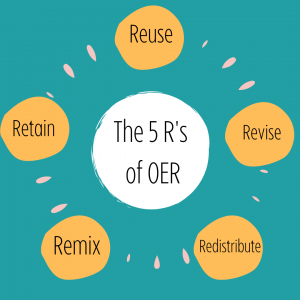
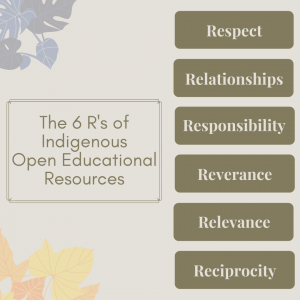
	</div>
			
				
				<div class="footnotes"><div id='66-1'>https://sparcopen.org/our-work/r2rc/</div><div id='66-2'>https://www.rcaanc-cirnac.gc.ca/eng/1100100013785/1529102490303</div><div id='66-3'>https://blogs.ubc.ca/traditionalknowledgetechnology/revaluation-of-indigenous-cultures/what-is-indigenous-traditional-knowledge/</div><div id='66-4'>https://opencontent.org/blog/archives/3221</div><div id='66-5'>https://www.lib.sfu.ca/help/academic-integrity/indigenous-initiatives/icrc/indigenous-knowledge#indigenous-ways-of-knowing</div><div id='66-6'>https://digitaltattoo.ubc.ca/2018/07/09/ownership-of-content-in-your-digital-life-social-media-part-1/</div><div id='66-7'>https://digitaltattoo.ubc.ca/tutorials/privacy-and-surveillance/data/big-data/</div><div id='66-8'>https://digitaltattoo.ubc.ca/tutorials/privacy-and-surveillance/data/big-data/</div></div>
	</div>

</div>

</body>
</html>


