<?xml version="1.0" encoding="UTF-8"?>
<!DOCTYPE html PUBLIC "-//W3C//DTD XHTML 1.1//EN" "http://www.w3.org/TR/xhtml11/DTD/xhtml11.dtd">
<html xmlns="http://www.w3.org/1999/xhtml" xml:lang="en">
<head>
<meta content="text/html; charset=UTF-8" http-equiv="content-type" />
<meta http-equiv="Content-Language" content="en" />
<meta name="generator" content="Pressbooks 5.6.3" />
<meta name="pb-authors" content="nomadic" />
<meta name="pb-editors" content="" />
<meta name="pb-translators" content="" />
<meta name="pb-reviewers" content="" />
<meta name="pb-illustrators" content="" />
<meta name="pb-contributors" content="" />
<meta name="pb-title" content="Emergency Scene Management I - FIRE-1112" />
<meta name="pb-language" content="en-ca" />
<meta name="pb-cover-image" content="https://pressbooks.bccampus.ca/wp-content/plugins/pressbooks/assets/dist/images/default-book-cover.jpg" />
<title>Emergency Scene Management I - FIRE-1112</title>
</head>
<body lang='en' >
<div id="half-title-page"><h1 class="title">Emergency Scene Management I - FIRE-1112</h1></div>
<div id="title-page"><h1 class="title">Emergency Scene Management I - FIRE-1112</h1><h2 class="subtitle"></h2><h3 class="author">nomadic</h3><h3 class="author"></h3><h4 class="publisher"></h4><h5 class="publisher-city"></h5></div>
<div id="copyright-page"><div class="ugc"><div class="license-attribution"><p><a href="https://pressbooks.bccampus.ca/esm1" property="dc:title">Emergency Scene Management I - FIRE-1112</a> Copyright &copy; by nomadic. All Rights Reserved.</p></div></div></div>
<div id="toc"><h1>Contents</h1><ul><li class="front-matter introduction"><a href="#front-matter-introduction"><span class="toc-chapter-title">Introduction</span></a></li><li class="part display-none"><a href="#part-main-body">Chapters</a></li><li class="chapter standard"><a href="#chapter-chapter-1"><span class="toc-chapter-title">Chapter 1 - Managing Incidents</span></a></li><li class="back-matter appendix"><a href="#back-matter-appendix"><span class="toc-chapter-title">Appendix</span></a></li></ul></div>
<div class="front-matter introduction" id="front-matter-introduction" title="Introduction"><div class="front-matter-title-wrap"><h3 class="front-matter-number">1</h3><h1 class="front-matter-title"><span class="display-none">Introduction</span></h1></div><div class="ugc front-matter-ugc"><p>This is the textbook for ESM I.</p> <p>Access to the chapters is through the &#8220;Contents&#8221; menu on the left.</p> <div class="wp-caption aligncenter" id="attachment_68" style="width: 300px"><a href="https://pressbooks.bccampus.ca/esm1/wp-content/uploads/sites/594/2018/11/career-1501615_1920.jpg"><img src="https://pressbooks.bccampus.ca/esm1/wp-content/uploads/sites/594/2018/11/career-1501615_1920-300x200.jpg" alt="" width="300" height="200" class="size-medium wp-image-68" srcset="https://pressbooks.bccampus.ca/esm1/wp-content/uploads/sites/594/2018/11/career-1501615_1920-300x200.jpg 300w, https://pressbooks.bccampus.ca/esm1/wp-content/uploads/sites/594/2018/11/career-1501615_1920-768x512.jpg 768w, https://pressbooks.bccampus.ca/esm1/wp-content/uploads/sites/594/2018/11/career-1501615_1920-1024x683.jpg 1024w, https://pressbooks.bccampus.ca/esm1/wp-content/uploads/sites/594/2018/11/career-1501615_1920-65x43.jpg 65w, https://pressbooks.bccampus.ca/esm1/wp-content/uploads/sites/594/2018/11/career-1501615_1920-225x150.jpg 225w, https://pressbooks.bccampus.ca/esm1/wp-content/uploads/sites/594/2018/11/career-1501615_1920-350x233.jpg 350w" /></a><div class="wp-caption-text">Image by <a href="https://pixabay.com/users/TheHilaryClark-1068778/?utm_source=link-attribution&amp;utm_medium=referral&amp;utm_campaign=image&amp;utm_content=1501615">Hilary Clark</a> from <a href="https://pixabay.com/?utm_source=link-attribution&amp;utm_medium=referral&amp;utm_campaign=image&amp;utm_content=1501615">Pixabay</a></div></div> </div></div>
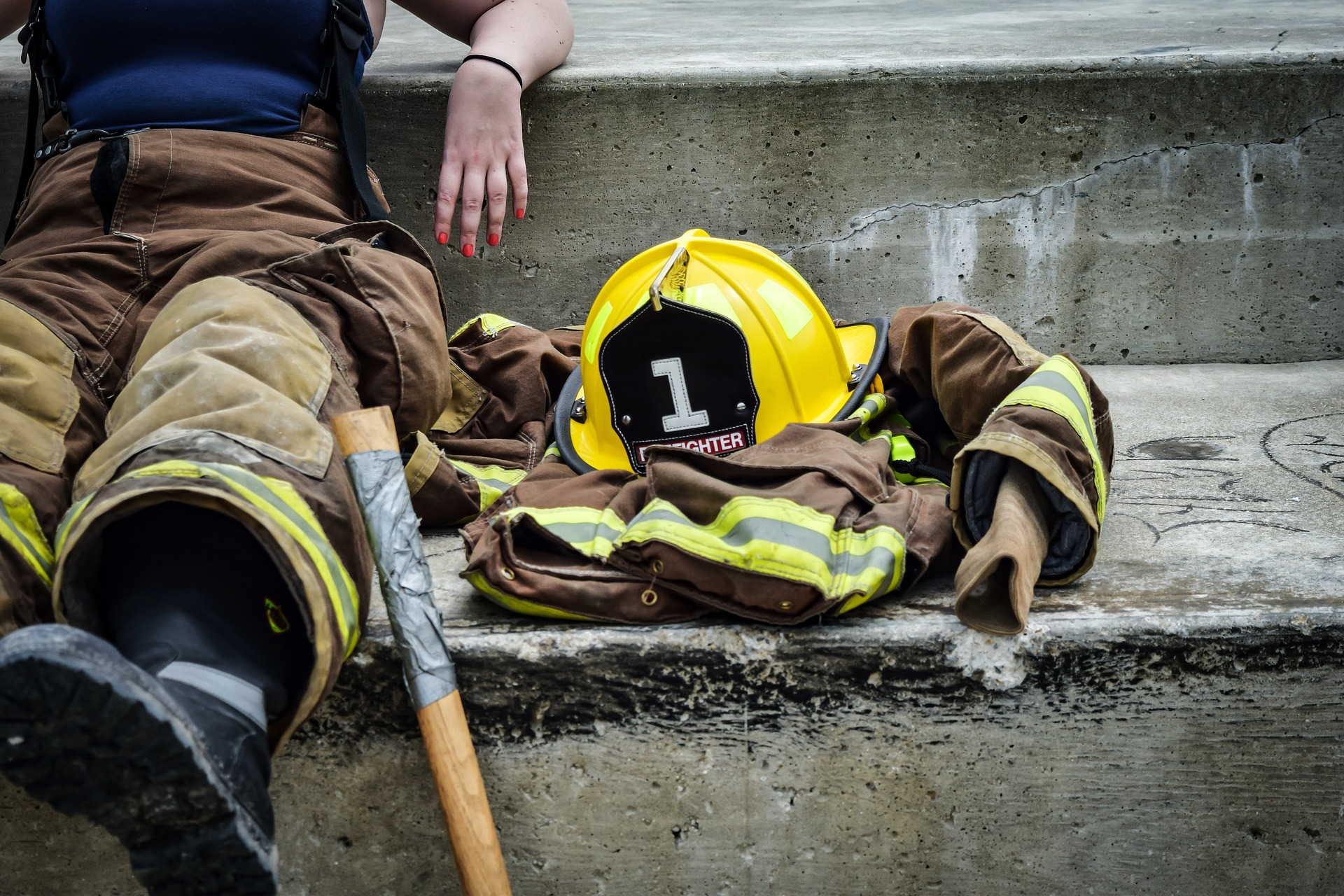
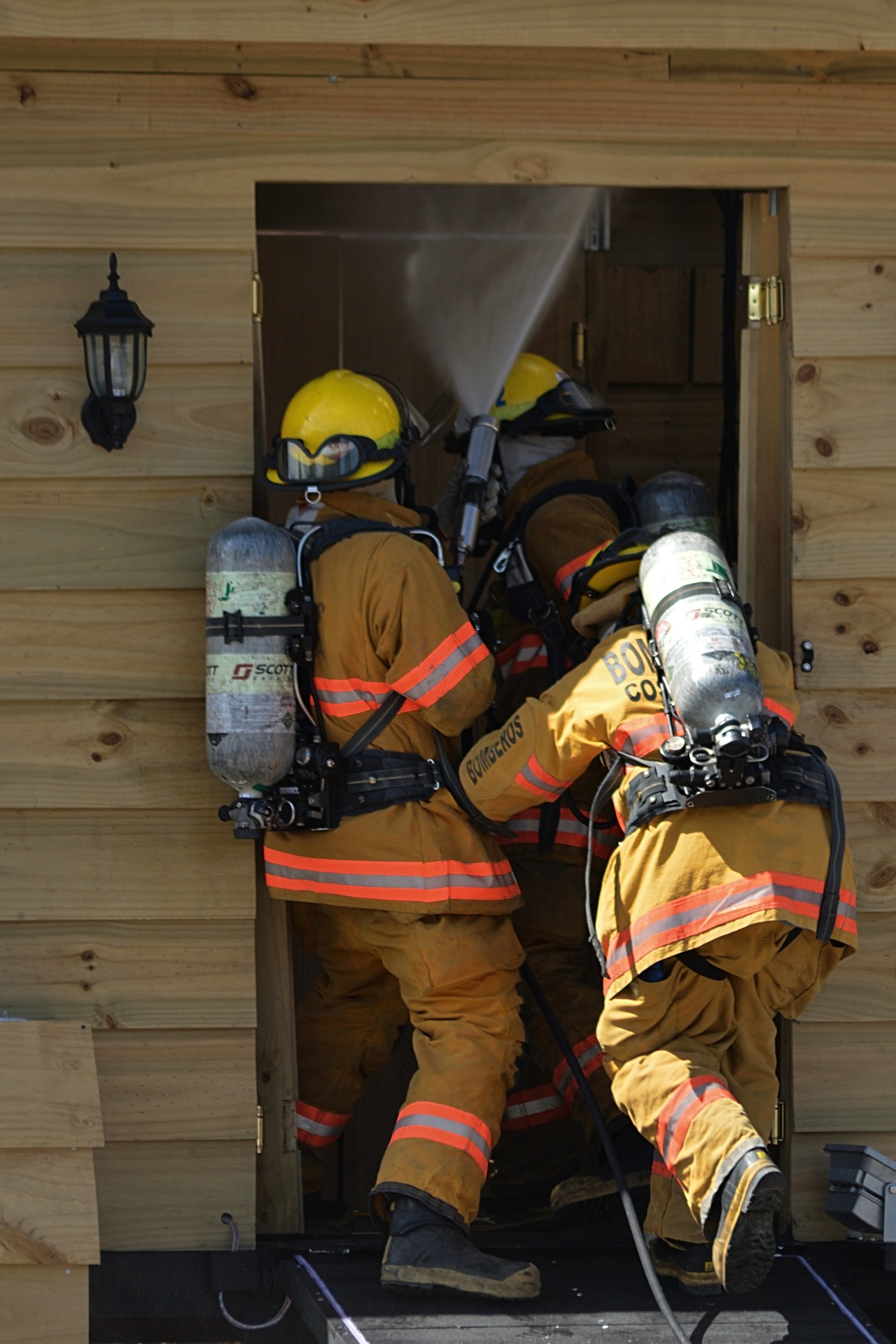
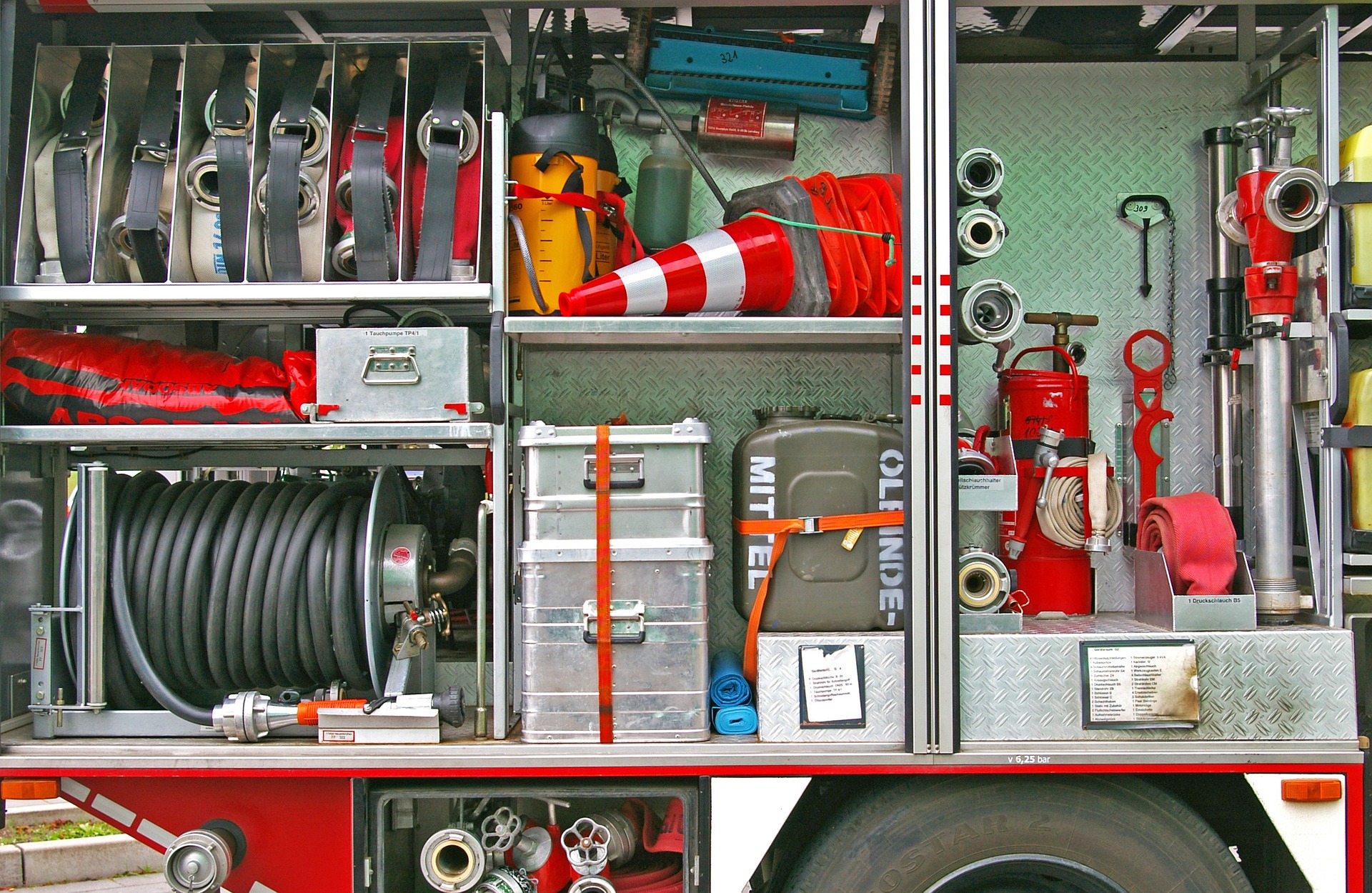
<div class="chapter standard" id="chapter-chapter-1" title="Chapter 1 - Managing Incidents"><div class="chapter-title-wrap"><h3 class="chapter-number">1</h3><h2 class="chapter-title"><span class="display-none">Chapter 1 - Managing Incidents</span></h2></div><div class="ugc chapter-ugc"> <h1 style="text-align: center">Chapter 1 – Managing Incidents</h1> <p>&nbsp;</p> <div class="wp-caption aligncenter" id="attachment_53" style="width: 200px"><a href="https://pressbooks.bccampus.ca/esm1/wp-content/uploads/sites/594/2019/04/firefighter-4099398_1920.jpg">Jose Conejo Saenz</a> from <a href="denied:&quot;https://pixabay.com/?utm_source=link-attribution&amp;amp;utm_medium=referral&amp;amp;utm_campaign=image&amp;amp;utm_content=4099398&quot;">Pixabay</a>"&gt;<img src="https://pressbooks.bccampus.ca/esm1/wp-content/uploads/sites/594/2019/04/firefighter-4099398_1920-200x300.jpg" alt="" width="200" height="300" class="wp-image-53 size-medium" title="Image by Jose Conejo Saenz from Pixabay" srcset="https://pressbooks.bccampus.ca/esm1/wp-content/uploads/sites/594/2019/04/firefighter-4099398_1920-200x300.jpg 200w, https://pressbooks.bccampus.ca/esm1/wp-content/uploads/sites/594/2019/04/firefighter-4099398_1920-768x1152.jpg 768w, https://pressbooks.bccampus.ca/esm1/wp-content/uploads/sites/594/2019/04/firefighter-4099398_1920-683x1024.jpg 683w, https://pressbooks.bccampus.ca/esm1/wp-content/uploads/sites/594/2019/04/firefighter-4099398_1920-65x98.jpg 65w, https://pressbooks.bccampus.ca/esm1/wp-content/uploads/sites/594/2019/04/firefighter-4099398_1920-225x338.jpg 225w, https://pressbooks.bccampus.ca/esm1/wp-content/uploads/sites/594/2019/04/firefighter-4099398_1920-350x525.jpg 350w, https://pressbooks.bccampus.ca/esm1/wp-content/uploads/sites/594/2019/04/firefighter-4099398_1920.jpg 1280w" /><div class="wp-caption-text">Image by Jose Conejo Saenz from Pixabay</div></div> <p>Staffi<span style="text-indent: 1em;font-size: 14pt">ng in a Fire Department is key for successful operations. Whether the Department is Career, Composite or strictly Volunteer, the Department will only succeed if its members are constantly training and have a vast knowledge of the Fire Service. The Department must provide adequate training in Department Standard Operating Procedures and must constantly move forward with goals of evol</span>ving their staff, and retaining their staff, all while being budget conscientious. A rich urban department could have all the tools, trucks and resources it could possibly dream of – without adequate staff that have a solid foundation of skills knowledge and ability, these tools are&nbsp;<span style="text-indent: 1em;font-size: 14pt">not useful, and the Department will never succeed. Similarly to the rich urban department – a small rural volunteer department with several halls that are spread out could have lots of training and tools, however, if they struggle to retain members or have poor numbers attending calls, they too will not be successful.</span></p> <div class="wp-caption aligncenter" id="attachment_59" style="width: 300px"><a href="https://pressbooks.bccampus.ca/esm1/wp-content/uploads/sites/594/2018/11/fire-1006924_1920.jpg">Kerstin Riemer</a> from <a href="denied:&quot;https://pixabay.com/?utm_source=link-attribution&amp;amp;utm_medium=referral&amp;amp;utm_campaign=image&amp;amp;utm_content=1006924&quot;">Pixabay</a>"&gt;<img src="https://pressbooks.bccampus.ca/esm1/wp-content/uploads/sites/594/2018/11/fire-1006924_1920-300x195.jpg" alt="" width="300" height="195" class="wp-image-59 size-medium" srcset="https://pressbooks.bccampus.ca/esm1/wp-content/uploads/sites/594/2018/11/fire-1006924_1920-300x195.jpg 300w, https://pressbooks.bccampus.ca/esm1/wp-content/uploads/sites/594/2018/11/fire-1006924_1920-768x500.jpg 768w, https://pressbooks.bccampus.ca/esm1/wp-content/uploads/sites/594/2018/11/fire-1006924_1920-1024x667.jpg 1024w, https://pressbooks.bccampus.ca/esm1/wp-content/uploads/sites/594/2018/11/fire-1006924_1920-65x42.jpg 65w, https://pressbooks.bccampus.ca/esm1/wp-content/uploads/sites/594/2018/11/fire-1006924_1920-225x146.jpg 225w, https://pressbooks.bccampus.ca/esm1/wp-content/uploads/sites/594/2018/11/fire-1006924_1920-350x228.jpg 350w" /><div class="wp-caption-text">Image by Kerstin Riemer from Pixabay</div></div> <p>Each Department in Canada has different needs for its apparatus. Each truck has its advantages and disadvantages – and the Department needs to utilize those different pros and cons when deciding which apparatus to purchase and staff. Most cities seem to have taller buildings with higher occupancy loads – many departments are purchasing and staffing Quints, Ladders and Tillers to provide aerial attack capabilities and platforms for rescue operations. While the aerial devices provide a major advantage, these trucks are larger, heavier, carry less water and require a higher degree of training when driving through city traffic. An aerial device needs a water supply, so a city must ensure they have either enough municipal hydrants or an adequate tanker shuttle program to provide water to the ladders. Engines are typically shorter trucks and are first on scene as the pumping apparatus – although they are not always first-in, that is their main purpose. A Rescue can be either a rescue-pumper which carries a small amount of water &amp; a pump, or strictly a toolbox for auto extrication, technical rescue, rehab &amp; support for major events. These trucks can range from smaller box style trucks to large tandem axle trucks.</p> <div class="wp-caption aligncenter" id="attachment_61" style="width: 300px"><a href="https://pressbooks.bccampus.ca/esm1/wp-content/uploads/sites/594/2018/11/stones-1808222_1920.jpg">Džoko Stach</a> from <a href="denied:&quot;https://pixabay.com/?utm_source=link-attribution&amp;amp;utm_medium=referral&amp;amp;utm_campaign=image&amp;amp;utm_content=1808222&quot;">Pixabay</a>"&gt;<img src="https://pressbooks.bccampus.ca/esm1/wp-content/uploads/sites/594/2018/11/stones-1808222_1920-300x200.jpg" alt="" width="300" height="200" class="wp-image-61 size-medium" srcset="https://pressbooks.bccampus.ca/esm1/wp-content/uploads/sites/594/2018/11/stones-1808222_1920-300x200.jpg 300w, https://pressbooks.bccampus.ca/esm1/wp-content/uploads/sites/594/2018/11/stones-1808222_1920-768x512.jpg 768w, https://pressbooks.bccampus.ca/esm1/wp-content/uploads/sites/594/2018/11/stones-1808222_1920-1024x683.jpg 1024w, https://pressbooks.bccampus.ca/esm1/wp-content/uploads/sites/594/2018/11/stones-1808222_1920-65x43.jpg 65w, https://pressbooks.bccampus.ca/esm1/wp-content/uploads/sites/594/2018/11/stones-1808222_1920-225x150.jpg 225w, https://pressbooks.bccampus.ca/esm1/wp-content/uploads/sites/594/2018/11/stones-1808222_1920-350x233.jpg 350w" /><div class="wp-caption-text">Image by Džoko Stach from Pixabay</div></div> <p>Each officer that responds to a call in either their or a neighbouring district needs to understand the limitations of responding and barriers that can prevent a truck from reaching the incident in a timely manner. When a call comes in, the Driver and Officer must create a quick game plan – where are they going, is that truck first-in, where are the hydrants, are they accessing the property from an alley or parking lot, is there construction on the roads, what is the time of day/how heavy is traffic and any natural or manmade obstacles they need to cross. If the truck responding is crossing the city on a multi alarm call, the Officer needs to anticipate bridges, overpasses, freeway systems, city/urban driving and potential gridlock as they drive across town. Does the truck have a reliable GPS system? Do you need to cross several railroad tracks? Is there a river or other natural obstacles that have to be crossed? The driver is responsible for getting the crew and truck to the scene – but the Officer needs to be involved in that process so s/he can ensure the safe arrival of that crew.</p> <div class="wp-caption aligncenter" id="attachment_63" style="width: 300px"><a href="https://pressbooks.bccampus.ca/esm1/wp-content/uploads/sites/594/2018/11/fire-2380223_1920.jpg"><img src="https://pressbooks.bccampus.ca/esm1/wp-content/uploads/sites/594/2018/11/fire-2380223_1920-300x225.jpg" alt="" width="300" height="225" class="size-medium wp-image-63" srcset="https://pressbooks.bccampus.ca/esm1/wp-content/uploads/sites/594/2018/11/fire-2380223_1920-300x225.jpg 300w, https://pressbooks.bccampus.ca/esm1/wp-content/uploads/sites/594/2018/11/fire-2380223_1920-768x576.jpg 768w, https://pressbooks.bccampus.ca/esm1/wp-content/uploads/sites/594/2018/11/fire-2380223_1920-1024x768.jpg 1024w, https://pressbooks.bccampus.ca/esm1/wp-content/uploads/sites/594/2018/11/fire-2380223_1920-65x49.jpg 65w, https://pressbooks.bccampus.ca/esm1/wp-content/uploads/sites/594/2018/11/fire-2380223_1920-225x169.jpg 225w, https://pressbooks.bccampus.ca/esm1/wp-content/uploads/sites/594/2018/11/fire-2380223_1920-350x263.jpg 350w" /></a><div class="wp-caption-text">Image by UllasPixa from Pixabay</div></div> <p>Each fire department must be well versed, trained and prepared to deal with water supply at a fire. Some cities have full-coverage water systems and can utilize the municipal grid and access hydrants at all times, while other cities have a mix of urban and rural coverage – and some municipalities do not have any hydrants at all. Each officer must be aware of the various areas, the water supply options and their Departments strategies, tactics and SOG/P’s with regards to establishing a water supply. While en route, the Officer must decide if the lead truck catches the hydrant, if the next in crew will do a forward/reverse lay from/to a hydrant, how many tankers to call out, appointing a water supply officer (if needed) and his/her IAP will vary depending on how long it takes to establish the water supply. This operation is vitally important as water is a key factor in fire suppression – all firefighters on the trucks must be aware of the options and limitations of their own specific evolutions. Is there a municipal grid accessible by hydrants? Are there draft points for rural incidents? Does the Department have a Tanker Shuttle program in place for large fires?</p> <div class="wp-caption aligncenter" id="attachment_64" style="width: 300px"><a href="https://pressbooks.bccampus.ca/esm1/wp-content/uploads/sites/594/2018/11/housebuilding-3370969_1920.jpg"><img src="https://pressbooks.bccampus.ca/esm1/wp-content/uploads/sites/594/2018/11/housebuilding-3370969_1920-300x197.jpg" alt="" width="300" height="197" class="size-medium wp-image-64" srcset="https://pressbooks.bccampus.ca/esm1/wp-content/uploads/sites/594/2018/11/housebuilding-3370969_1920-300x197.jpg 300w, https://pressbooks.bccampus.ca/esm1/wp-content/uploads/sites/594/2018/11/housebuilding-3370969_1920-768x503.jpg 768w, https://pressbooks.bccampus.ca/esm1/wp-content/uploads/sites/594/2018/11/housebuilding-3370969_1920-1024x671.jpg 1024w, https://pressbooks.bccampus.ca/esm1/wp-content/uploads/sites/594/2018/11/housebuilding-3370969_1920-65x43.jpg 65w, https://pressbooks.bccampus.ca/esm1/wp-content/uploads/sites/594/2018/11/housebuilding-3370969_1920-225x147.jpg 225w, https://pressbooks.bccampus.ca/esm1/wp-content/uploads/sites/594/2018/11/housebuilding-3370969_1920-350x229.jpg 350w" /></a><div class="wp-caption-text">Image by Capri23auto from Pixabay</div></div> <p>Understanding the building construction of our district is vital to successful operations on the fire ground. Each officer must understand building construction, and must be willing to tour his/her district to ensure their firefighters understand specific areas and their hazards. Each subdivision will be built differently and the age of the buildings will dictate specific construction styles. Does your district have a hospital or stadium? How old are the schools and churches? Is there an industrial park with light industrial design? Is there a refinery or heavy chemical processing plants that pose significant hazards? All of these buildings pose different hazards with regards to their specific training. The Officer should be able to point out known hazards, anomalies and be willing to do site visits with his/her crew to ensure that the first time firefighters enter these buildings is not when it is on fire.</p> <hr /> <h1>Review Points</h1> <p></p> <div class="textbox interactive-content"><span class="interactive-content__icon"></span> <p>An interactive or media element has been excluded from this version of the text. You can view it online here:<br /> <a href="#pb-interactive-content" title="Chapter 1">https://pressbooks.bccampus.ca/esm1/?p=5</a> </p> </div> <p></p> </div></div>
<div class="back-matter appendix" id="back-matter-appendix" title="Appendix"><div class="back-matter-title-wrap"><h3 class="back-matter-number">1</h3><h1 class="back-matter-title"><span class="display-none">Appendix</span></h1></div><div class="ugc back-matter-ugc"><p>This is where you can add appendices or other back matter.</p> </div></div>

</body>
</html>