<?xml version="1.0" encoding="UTF-8"?>
<!DOCTYPE html PUBLIC "-//W3C//DTD XHTML 1.1//EN" "http://www.w3.org/TR/xhtml11/DTD/xhtml11.dtd">
<html xmlns="http://www.w3.org/1999/xhtml" xml:lang="en">
<head>
<meta content="text/html; charset=UTF-8" http-equiv="content-type" />
<meta http-equiv="Content-Language" content="en" />
<meta name="generator" content="Pressbooks 6.20.2" />
<meta name="pb-authors" content="Florence Daddey" />
<meta name="pb-authors" content="Rachael Newton" />
<meta name="pb-title" content="Fundamentals of Business" />
<meta name="pb-language" content="en" />
<meta name="pb-cover-image" content="https://pressbooks.bccampus.ca/fundamentalsbusiness/wp-content/uploads/sites/1177/2021/11/Fundamentals-of-Business-British-Columbia-Edition-800-x-1212-px.png" />
<meta name="pb-copyright-year" content="2024" />
<meta name="pb-primary-subject" content="KJB" />
<meta name="pb-publisher" content="Douglas College" />
<meta name="pb-publication-date" content="1734048000" />
<meta name="pb-book-license" content="cc-by-nc-sa" />
<meta name="pb-is-based-on" content="https://rc-openlibrary-pb.ecampusontario.ca/businessfuncdn" />
<meta name="pb-audience" content="adult" />
<meta name="pb-bisac-regional-theme" content="4.0.2.0.0.0.0" />
<meta name="pb-subtitle" content="British Columbia Edition 2024" />
<meta name="pb-about-140" content="An introductory business book that highlights British Columbian and Canadian business perspectives." />
<meta name="pb-about-50" content="The Fundamentals of Business (British Columbia Edition 2024) is an adaptation that highlights current business issues and trends focusing on not only Canadian content, but also adding the British Columbia perspective. The adaptation highlights equity, diversity, and inclusion opportunities in business practices. Additionally, this edition aims to celebrate the rich history and current opportunities of businesses that are led by Indigenous, Peoples of Colour, LGBTQIA2S+, and people with disabilities." />
<meta name="pb-about-unlimited" content="The Fundamentals of Business (British Columbia Edition 2024) is an adaptation that highlights current business issues and trends focusing on not only Canadian content, but also adding the British Columbia perspective. The adaptation highlights equity, diversity, and inclusion opportunities in business practices. Additionally, this edition aims to celebrate the rich history and current opportunities of businesses that are led by Indigenous, Peoples of Colour, LGBTQIA2S+, and people with disabilities.This book is organized into three parts. It starts with introducing key business concepts, then moves to discussing business in today’s world, and brings it all together with a discussion of managing businesses today. To aid in immersive learning, the book includes learning check-ins, reviews, keywords, and many other tools.Photo credit for the cover photo – “Stamp River Provincial Park” by D-Stanley is licensed under CC-BY 2.0" />
<meta name="pb-custom-copyright" content="© 2024 Florence Daddey and Rachael NewtonThe Creative Commons licence permits you to retain, reuse, copy, redistribute, and revise this book—in whole or in part—for free providing it is for non-commercial purposes, any adapted versions retain the same licence, and the author is attributed as follows:Fundamentals of Business – British Columbia Edition 2024 by Florence Daddey and Rachael Newton is licensed under a CC BY-NC-SA 4.0 licence.This book was adapted from Fundamentals of Business: Canadian Edition (2018) by Business Faculty from Ontario Colleges and eCampusOntario Program Managers, which is licenesed under a CC BY-NC-SA 4.0 licence. For more information about the history of this book and this adaptation, see the Attributions section in the front matter.Cover image attribution“Stamp River Provincial Park” by David Stanley is licensed under a CC BY 2.0 licence." />
<meta name="pb-keywords-tags" content="business, british columbia, canada" />
<meta name="pb-bisac-subject" content="BUS024000" />
<title>Fundamentals of Business</title>
</head>
<body lang='en' >
<div id="half-title-page"><h1 class="title">Fundamentals of Business</h1></div>
<div id="title-page">
			<h1 class="title">Fundamentals of Business</h1>
		<h2 class="subtitle">British Columbia Edition 2024</h2>
					<p class="author">Florence Daddey and Rachael Newton</p>
								<p class="publisher">Douglas College</p>
		<p class="publisher-city"></p>
	</div>
<div id="copyright-page">
	<div class="ugc">
					
<div class="license-attribution"><p><img src="https://pressbooks.bccampus.ca/fundamentalsbusiness/wp-content/themes/pressbooks-book/packages/buckram/assets/images/cc-by-nc-sa.svg" alt="Icon for the Creative Commons Attribution-NonCommercial-ShareAlike 4.0 International License" /></p><p>Fundamentals of Business Copyright © 2024 by <span>Florence Daddey and Rachael Newton</span> is licensed under a <a rel="license" href="https://creativecommons.org/licenses/by-nc-sa/4.0/">Creative Commons Attribution-NonCommercial-ShareAlike 4.0 International License</a>, except where otherwise noted.</p></div>

							<p>© 2024 Florence Daddey and Rachael Newton</p><p>The Creative Commons licence permits you to retain, reuse, copy, redistribute, and revise this book—in whole or in part—for free providing it is for non-commercial purposes, any adapted versions retain the same licence, and the author is attributed as follows:</p><div class="textbox"><a href="https://pressbooks.bccampus.ca/fundamentalsbusiness/"><em>Fundamentals of Business &#8211; British Columbia Edition 2024</em></a> by Florence Daddey and Rachael Newton is licensed under a <a href="http://creativecommons.org/licenses/by-nc-sa/4.0/">CC BY-NC-SA 4.0 licence</a>.</div><div>This book was adapted from <a href="https://ecampusontario.pressbooks.pub/businessfuncdn/"><em>Fundamentals of Business: Canadian Edition</em></a> (2018) by Business Faculty from Ontario Colleges and eCampusOntario Program Managers, which is licenesed under a <a href="https://creativecommons.org/licenses/by-nc-sa/4.0/">CC BY-NC-SA 4.0 licence</a>. For more information about the history of this book and this adaptation, see the <a href="https://pressbooks.bccampus.ca/fundamentalsbusiness/front-matter/attributions/">Attributions</a> section in the front matter.</div><p><strong>Cover image attribution</strong></p><p>&#8220;<a href="https://flic.kr/p/nZLAd6">Stamp River Provincial Park</a>&#8221; by <a href="https://www.flickr.com/photos/davidstanleytravel/">David Stanley</a> is licensed under a <a href="https://www.flickr.com/photos/davidstanleytravel/14245407318/in/photostream/">CC BY 2.0 licence</a>.</p>
							</div>
</div>
<div id="toc">
	<h1>Contents</h1>
	<ul>
					<li class="front-matter miscellaneous">
	<a href="#front-matter-territorial-acknowledgement">
		<span class="toc-chapter-title">Territorial Acknowledgement</span>
							</a>
	</li>

					<li class="front-matter miscellaneous">
	<a href="#front-matter-accessibility-statement">
		<span class="toc-chapter-title">Accessibility Statement</span>
							</a>
			<ul class="sections">
							<li class="section">
	<a href="#front-matter-1538-section-1">
		<span class="toc-subsection-title">Accessibility features of the web version of this resource</span>
	</a>
</li>
							<li class="section">
	<a href="#front-matter-1538-section-2">
		<span class="toc-subsection-title">Other file formats available</span>
	</a>
</li>
							<li class="section">
	<a href="#front-matter-1538-section-3">
		<span class="toc-subsection-title">Known accessibility issues and areas for improvement</span>
	</a>
</li>
							<li class="section">
	<a href="#front-matter-1538-section-4">
		<span class="toc-subsection-title">Accessibility standards</span>
	</a>
</li>
							<li class="section">
	<a href="#front-matter-1538-section-5">
		<span class="toc-subsection-title">Let us know if you are having problems accessing this book</span>
	</a>
</li>
					</ul>
	</li>

					<li class="front-matter miscellaneous">
	<a href="#front-matter-students-how-to-access-and-use-this-textbook">
		<span class="toc-chapter-title">Students: How to Access and Use This Textbook</span>
							</a>
			<ul class="sections">
							<li class="section">
	<a href="#front-matter-1531-section-1">
		<span class="toc-subsection-title">Tips for Using This Textbook</span>
	</a>
</li>
							<li class="section">
	<a href="#front-matter-1531-section-2">
		<span class="toc-subsection-title">Webbook vs. All Other Formats</span>
	</a>
</li>
					</ul>
	</li>

					<li class="front-matter acknowledgements">
	<a href="#front-matter-attributions">
		<span class="toc-chapter-title">Attributions</span>
							</a>
	</li>

					<li class="front-matter introduction">
	<a href="#front-matter-introduction">
		<span class="toc-chapter-title">Introduction to the Fundamentals of Business: British Columbia Edition</span>
							</a>
	</li>

					<li class="part">
	<a href="#part-introducing-business-in-canada">
					Part A - Introducing Business in Canada
			</a>
</li>

					<li class="chapter standard">
	<a href="#chapter-foundations-of-business">
		<span class="toc-chapter-title">Chapter 1 - Foundations of Business</span>
							</a>
			<ul class="sections">
							<li class="section">
	<a href="#chapter-37-section-1">
		<span class="toc-subsection-title">Learning Objectives</span>
	</a>
</li>
							<li class="section">
	<a href="#chapter-37-section-2">
		<span class="toc-subsection-title">Raven Reads: Promoting the Indigenous Economy</span>
	</a>
</li>
							<li class="section">
	<a href="#chapter-37-section-3">
		<span class="toc-subsection-title">Introducing the Business Context
</span>
	</a>
</li>
							<li class="section">
	<a href="#chapter-37-section-4">
		<span class="toc-subsection-title">Decision Making within the External Environment</span>
	</a>
</li>
							<li class="section">
	<a href="#chapter-37-section-5">
		<span class="toc-subsection-title">What Is Business?
</span>
	</a>
</li>
							<li class="section">
	<a href="#chapter-37-section-6">
		<span class="toc-subsection-title">Business Participants, Stakeholders, and Functional Areas of Business
</span>
	</a>
</li>
							<li class="section">
	<a href="#chapter-37-section-7">
		<span class="toc-subsection-title">External Influences on Business Activities</span>
	</a>
</li>
							<li class="section">
	<a href="#chapter-37-section-8">
		<span class="toc-subsection-title">Comprehension Check</span>
	</a>
</li>
							<li class="section">
	<a href="#chapter-37-section-9">
		<span class="toc-subsection-title">Key Takeaways</span>
	</a>
</li>
					</ul>
	</li>

					<li class="chapter standard">
	<a href="#chapter-teamwork">
		<span class="toc-chapter-title">Chapter 2 - Teamwork in Business</span>
							</a>
			<ul class="sections">
							<li class="section">
	<a href="#chapter-32-section-1">
		<span class="toc-subsection-title">Learning Objectives</span>
	</a>
</li>
							<li class="section">
	<a href="#chapter-32-section-2">
		<span class="toc-subsection-title">What Is a Team? </span>
	</a>
</li>
							<li class="section">
	<a href="#chapter-32-section-3">
		<span class="toc-subsection-title">Characteristics of Teams in Business Today
</span>
	</a>
</li>
							<li class="section">
	<a href="#chapter-32-section-4">
		<span class="toc-subsection-title">The Team and the Organization</span>
	</a>
</li>
							<li class="section">
	<a href="#chapter-32-section-5">
		<span class="toc-subsection-title">The Effect of Teams on Performance</span>
	</a>
</li>
							<li class="section">
	<a href="#chapter-32-section-6">
		<span class="toc-subsection-title">Types of Teams</span>
	</a>
</li>
							<li class="section">
	<a href="#chapter-32-section-7">
		<span class="toc-subsection-title">Factors and Processes Affecting Teamwork</span>
	</a>
</li>
							<li class="section">
	<a href="#chapter-32-section-8">
		<span class="toc-subsection-title">The Team and Its Members</span>
	</a>
</li>
							<li class="section">
	<a href="#chapter-32-section-9">
		<span class="toc-subsection-title">What Does It Take to Lead a Team?</span>
	</a>
</li>
							<li class="section">
	<a href="#chapter-32-section-10">
		<span class="toc-subsection-title">Comprehension Check</span>
	</a>
</li>
							<li class="section">
	<a href="#chapter-32-section-11">
		<span class="toc-subsection-title">Key Takeaways</span>
	</a>
</li>
					</ul>
	</li>

					<li class="part">
	<a href="#part-the-contemporary-business-world">
					Part B - The Contemporary Business World
			</a>
</li>

					<li class="chapter standard">
	<a href="#chapter-economics-and-business">
		<span class="toc-chapter-title">Chapter 3 - Economics and Business</span>
							</a>
			<ul class="sections">
							<li class="section">
	<a href="#chapter-46-section-1">
		<span class="toc-subsection-title">Learning Objectives</span>
	</a>
</li>
							<li class="section">
	<a href="#chapter-46-section-2">
		<span class="toc-subsection-title">What is Economics?</span>
	</a>
</li>
							<li class="section">
	<a href="#chapter-46-section-3">
		<span class="toc-subsection-title">Economic Systems</span>
	</a>
</li>
							<li class="section">
	<a href="#chapter-46-section-4">
		<span class="toc-subsection-title">The Canadian Economic System</span>
	</a>
</li>
							<li class="section">
	<a href="#chapter-46-section-5">
		<span class="toc-subsection-title">The Basics of Supply and Demand</span>
	</a>
</li>
							<li class="section">
	<a href="#chapter-46-section-6">
		<span class="toc-subsection-title">Monopolistic Competition, Oligopoly, and Monopoly</span>
	</a>
</li>
							<li class="section">
	<a href="#chapter-46-section-7">
		<span class="toc-subsection-title">Measuring the Health of the Economy</span>
	</a>
</li>
							<li class="section">
	<a href="#chapter-46-section-8">
		<span class="toc-subsection-title">Government’s Role in Managing the Economy</span>
	</a>
</li>
							<li class="section">
	<a href="#chapter-46-section-9">
		<span class="toc-subsection-title">Put It Into Practice</span>
	</a>
</li>
							<li class="section">
	<a href="#chapter-46-section-10">
		<span class="toc-subsection-title">Comprehension Check</span>
	</a>
</li>
							<li class="section">
	<a href="#chapter-46-section-11">
		<span class="toc-subsection-title">Key Takeaways</span>
	</a>
</li>
					</ul>
	</li>

					<li class="chapter standard">
	<a href="#chapter-global">
		<span class="toc-chapter-title">Chapter 4 - Business in a Global Environment</span>
							</a>
			<ul class="sections">
							<li class="section">
	<a href="#chapter-61-section-1">
		<span class="toc-subsection-title">Learning Objectives</span>
	</a>
</li>
							<li class="section">
	<a href="#chapter-61-section-2">
		<span class="toc-subsection-title">The Globalization of Business</span>
	</a>
</li>
							<li class="section">
	<a href="#chapter-61-section-3">
		<span class="toc-subsection-title">Why Do Nations Trade?</span>
	</a>
</li>
							<li class="section">
	<a href="#chapter-61-section-4">
		<span class="toc-subsection-title">Absolute and Comparative Advantage</span>
	</a>
</li>
							<li class="section">
	<a href="#chapter-61-section-5">
		<span class="toc-subsection-title">Opportunity Costs</span>
	</a>
</li>
							<li class="section">
	<a href="#chapter-61-section-6">
		<span class="toc-subsection-title">How Do We Measure Trade Between Nations?</span>
	</a>
</li>
							<li class="section">
	<a href="#chapter-61-section-7">
		<span class="toc-subsection-title">Opportunities in International Business</span>
	</a>
</li>
							<li class="section">
	<a href="#chapter-61-section-8">
		<span class="toc-subsection-title">Multinational Corporations</span>
	</a>
</li>
							<li class="section">
	<a href="#chapter-61-section-9">
		<span class="toc-subsection-title">The Global Business Environment</span>
	</a>
</li>
							<li class="section">
	<a href="#chapter-61-section-10">
		<span class="toc-subsection-title">The Economic Environment</span>
	</a>
</li>
							<li class="section">
	<a href="#chapter-61-section-11">
		<span class="toc-subsection-title">The Legal and Regulatory Environment</span>
	</a>
</li>
							<li class="section">
	<a href="#chapter-61-section-12">
		<span class="toc-subsection-title">Foreign Corrupt Practices Act</span>
	</a>
</li>
							<li class="section">
	<a href="#chapter-61-section-13">
		<span class="toc-subsection-title">Trade Controls</span>
	</a>
</li>
							<li class="section">
	<a href="#chapter-61-section-14">
		<span class="toc-subsection-title">Reducing International Trade Barriers</span>
	</a>
</li>
							<li class="section">
	<a href="#chapter-61-section-15">
		<span class="toc-subsection-title">Financial Support for Emerging Economies: The IMF and the World Bank</span>
	</a>
</li>
							<li class="section">
	<a href="#chapter-61-section-16">
		<span class="toc-subsection-title">Trading Blocs: Canada United States Mexico Agreement (CUSMA formerly NAFTA) and the European Union (EU)</span>
	</a>
</li>
							<li class="section">
	<a href="#chapter-61-section-17">
		<span class="toc-subsection-title">Comprehension Check</span>
	</a>
</li>
							<li class="section">
	<a href="#chapter-61-section-18">
		<span class="toc-subsection-title">Key Takeaways</span>
	</a>
</li>
					</ul>
	</li>

					<li class="chapter standard">
	<a href="#chapter-ethics-and-social-responsibility">
		<span class="toc-chapter-title">Chapter 5 - Ethics and Social Responsibility</span>
							</a>
			<ul class="sections">
							<li class="section">
	<a href="#chapter-53-section-1">
		<span class="toc-subsection-title">Learning Objectives</span>
	</a>
</li>
							<li class="section">
	<a href="#chapter-53-section-2">
		<span class="toc-subsection-title">Canada’s Leader: Passing or Failing the “Smell Test”?</span>
	</a>
</li>
							<li class="section">
	<a href="#chapter-53-section-3">
		<span class="toc-subsection-title">Moving Ethics To the Business World</span>
	</a>
</li>
							<li class="section">
	<a href="#chapter-53-section-4">
		<span class="toc-subsection-title">Identifying Ethical Issues and Dilemmas</span>
	</a>
</li>
							<li class="section">
	<a href="#chapter-53-section-5">
		<span class="toc-subsection-title">Conflicts of Interest</span>
	</a>
</li>
							<li class="section">
	<a href="#chapter-53-section-6">
		<span class="toc-subsection-title">Conflicts of Loyalty</span>
	</a>
</li>
							<li class="section">
	<a href="#chapter-53-section-7">
		<span class="toc-subsection-title">Bribes Versus Gifts</span>
	</a>
</li>
							<li class="section">
	<a href="#chapter-53-section-8">
		<span class="toc-subsection-title">Whistleblowing</span>
	</a>
</li>
							<li class="section">
	<a href="#chapter-53-section-9">
		<span class="toc-subsection-title">Corporate Social Responsibility</span>
	</a>
</li>
							<li class="section">
	<a href="#chapter-53-section-10">
		<span class="toc-subsection-title">Sexual Harassment</span>
	</a>
</li>
							<li class="section">
	<a href="#chapter-53-section-11">
		<span class="toc-subsection-title">Workforce Diversity | Inclusive Workplaces
</span>
	</a>
</li>
							<li class="section">
	<a href="#chapter-53-section-12">
		<span class="toc-subsection-title">The Individual Approach to Ethics</span>
	</a>
</li>
							<li class="section">
	<a href="#chapter-53-section-13">
		<span class="toc-subsection-title">Case Study: How a Bottle Cap Restored a Reputation (Temporarily)</span>
	</a>
</li>
							<li class="section">
	<a href="#chapter-53-section-14">
		<span class="toc-subsection-title">Addressing Ethical Dilemmas</span>
	</a>
</li>
							<li class="section">
	<a href="#chapter-53-section-15">
		<span class="toc-subsection-title">What to Do When the Light Turns Yellow</span>
	</a>
</li>
							<li class="section">
	<a href="#chapter-53-section-16">
		<span class="toc-subsection-title">Comprehension Check</span>
	</a>
</li>
							<li class="section">
	<a href="#chapter-53-section-17">
		<span class="toc-subsection-title">Key Takeaways</span>
	</a>
</li>
							<li class="section">
	<a href="#chapter-53-section-18">
		<span class="toc-subsection-title">Media Attributions</span>
	</a>
</li>
					</ul>
	</li>

					<li class="chapter numberless">
	<a href="#chapter-article-carrolls-corporate-social-responsibility-pyramid">
		<span class="toc-chapter-title">Article: Carroll’s Corporate Social Responsibility Pyramid</span>
							</a>
			<ul class="sections">
							<li class="section">
	<a href="#chapter-55-section-1">
		<span class="toc-subsection-title">Corporate Social Responsibility</span>
	</a>
</li>
							<li class="section">
	<a href="#chapter-55-section-2">
		<span class="toc-subsection-title">Introduction</span>
	</a>
</li>
							<li class="section">
	<a href="#chapter-55-section-3">
		<span class="toc-subsection-title">Review</span>
	</a>
</li>
							<li class="section">
	<a href="#chapter-55-section-4">
		<span class="toc-subsection-title">The pyramid of CSR</span>
	</a>
</li>
							<li class="section">
	<a href="#chapter-55-section-5">
		<span class="toc-subsection-title">The pyramid is a sustainable stakeholder framework</span>
	</a>
</li>
							<li class="section">
	<a href="#chapter-55-section-6">
		<span class="toc-subsection-title">Text Attributions</span>
	</a>
</li>
					</ul>
	</li>

					<li class="chapter standard">
	<a href="#chapter-chapter-5-the-external-environments-influence">
		<span class="toc-chapter-title">Chapter 6 - The External Environment's Influence</span>
							</a>
			<ul class="sections">
							<li class="section">
	<a href="#chapter-424-section-1">
		<span class="toc-subsection-title">Learning Objectives</span>
	</a>
</li>
							<li class="section">
	<a href="#chapter-424-section-2">
		<span class="toc-subsection-title">The External Environment’s Effect – It’s Different and It’s Not</span>
	</a>
</li>
							<li class="section">
	<a href="#chapter-424-section-3">
		<span class="toc-subsection-title">Common External Forces</span>
	</a>
</li>
							<li class="section">
	<a href="#chapter-424-section-4">
		<span class="toc-subsection-title">What We Need to Know About External Environmental Factors</span>
	</a>
</li>
							<li class="section">
	<a href="#chapter-424-section-5">
		<span class="toc-subsection-title">Levels of Factors</span>
	</a>
</li>
							<li class="section">
	<a href="#chapter-424-section-6">
		<span class="toc-subsection-title">Common Influences of the Environmental Factors</span>
	</a>
</li>
							<li class="section">
	<a href="#chapter-424-section-7">
		<span class="toc-subsection-title">Finding Opportunities and Recognizing Threats
</span>
	</a>
</li>
							<li class="section">
	<a href="#chapter-424-section-8">
		<span class="toc-subsection-title">Understanding the Role of Uncertainty and Complexity
</span>
	</a>
</li>
							<li class="section">
	<a href="#chapter-424-section-9">
		<span class="toc-subsection-title">What Is the Impact of Complexity and Uncertainty?</span>
	</a>
</li>
							<li class="section">
	<a href="#chapter-424-section-10">
		<span class="toc-subsection-title">Comprehension Check</span>
	</a>
</li>
							<li class="section">
	<a href="#chapter-424-section-11">
		<span class="toc-subsection-title">Key Takeaways</span>
	</a>
</li>
					</ul>
	</li>

					<li class="chapter standard">
	<a href="#chapter-ownershipforms">
		<span class="toc-chapter-title">Chapter 7 - Forms of Business Ownership</span>
							</a>
			<ul class="sections">
							<li class="section">
	<a href="#chapter-66-section-1">
		<span class="toc-subsection-title">Learning Objectives</span>
	</a>
</li>
							<li class="section">
	<a href="#chapter-66-section-2">
		<span class="toc-subsection-title">The Ice Cream Men</span>
	</a>
</li>
							<li class="section">
	<a href="#chapter-66-section-3">
		<span class="toc-subsection-title">The Canadian Landscape</span>
	</a>
</li>
							<li class="section">
	<a href="#chapter-66-section-4">
		<span class="toc-subsection-title">Factors to Consider</span>
	</a>
</li>
							<li class="section">
	<a href="#chapter-66-section-5">
		<span class="toc-subsection-title">Partnership</span>
	</a>
</li>
							<li class="section">
	<a href="#chapter-66-section-6">
		<span class="toc-subsection-title">Corporation</span>
	</a>
</li>
							<li class="section">
	<a href="#chapter-66-section-7">
		<span class="toc-subsection-title">The Canadian Comparison</span>
	</a>
</li>
							<li class="section">
	<a href="#chapter-66-section-8">
		<span class="toc-subsection-title">Other Types of Business Ownership</span>
	</a>
</li>
							<li class="section">
	<a href="#chapter-66-section-9">
		<span class="toc-subsection-title">Cooperatives</span>
	</a>
</li>
							<li class="section">
	<a href="#chapter-66-section-10">
		<span class="toc-subsection-title">Not-for-Profit Corporations</span>
	</a>
</li>
							<li class="section">
	<a href="#chapter-66-section-11">
		<span class="toc-subsection-title">Mergers and Acquisitions</span>
	</a>
</li>
							<li class="section">
	<a href="#chapter-66-section-12">
		<span class="toc-subsection-title">The Canadian Landscape</span>
	</a>
</li>
							<li class="section">
	<a href="#chapter-66-section-13">
		<span class="toc-subsection-title">Motives Behind Mergers and Acquisitions</span>
	</a>
</li>
							<li class="section">
	<a href="#chapter-66-section-14">
		<span class="toc-subsection-title">Comprehensive Check</span>
	</a>
</li>
							<li class="section">
	<a href="#chapter-66-section-15">
		<span class="toc-subsection-title">Key Takeaways</span>
	</a>
</li>
					</ul>
	</li>

					<li class="chapter standard">
	<a href="#chapter-entrepreneurship">
		<span class="toc-chapter-title">Chapter 8 - Entrepreneurship: Starting a Business</span>
							</a>
			<ul class="sections">
							<li class="section">
	<a href="#chapter-69-section-1">
		<span class="toc-subsection-title">Learning Objectives</span>
	</a>
</li>
							<li class="section">
	<a href="#chapter-69-section-2">
		<span class="toc-subsection-title">Arts and Crafts for Adults: Collective Beer</span>
	</a>
</li>
							<li class="section">
	<a href="#chapter-69-section-3">
		<span class="toc-subsection-title">The Nature of Entrepreneurship</span>
	</a>
</li>
							<li class="section">
	<a href="#chapter-69-section-4">
		<span class="toc-subsection-title">A Few Things to Know About Going into Business for Yourself</span>
	</a>
</li>
							<li class="section">
	<a href="#chapter-69-section-5">
		<span class="toc-subsection-title">Why Start Your Own Business?</span>
	</a>
</li>
							<li class="section">
	<a href="#chapter-69-section-6">
		<span class="toc-subsection-title">Sources of Early-Stage Financing</span>
	</a>
</li>
							<li class="section">
	<a href="#chapter-69-section-7">
		<span class="toc-subsection-title">Distinguishing Entrepreneurs from Small Business Owners</span>
	</a>
</li>
							<li class="section">
	<a href="#chapter-69-section-8">
		<span class="toc-subsection-title">The Importance of Small Business to the Canadian Economy </span>
	</a>
</li>
							<li class="section">
	<a href="#chapter-69-section-9">
		<span class="toc-subsection-title">Job Creation</span>
	</a>
</li>
							<li class="section">
	<a href="#chapter-69-section-10">
		<span class="toc-subsection-title">What Industries Are Small Businesses In?</span>
	</a>
</li>
							<li class="section">
	<a href="#chapter-69-section-11">
		<span class="toc-subsection-title">Advantages and Disadvantages of Business Ownership</span>
	</a>
</li>
							<li class="section">
	<a href="#chapter-69-section-12">
		<span class="toc-subsection-title">Starting a Business</span>
	</a>
</li>
							<li class="section">
	<a href="#chapter-69-section-13">
		<span class="toc-subsection-title">The Business Idea</span>
	</a>
</li>
							<li class="section">
	<a href="#chapter-69-section-14">
		<span class="toc-subsection-title">Ownership Options</span>
	</a>
</li>
							<li class="section">
	<a href="#chapter-69-section-15">
		<span class="toc-subsection-title">Why Some Businesses Fail and Where to Get Help</span>
	</a>
</li>
							<li class="section">
	<a href="#chapter-69-section-16">
		<span class="toc-subsection-title">Key Takeaways</span>
	</a>
</li>
					</ul>
	</li>

					<li class="part">
	<a href="#part-understanding-the-business-of-managing">
					Part C - Understanding the Business of Managing
			</a>
</li>

					<li class="chapter standard">
	<a href="#chapter-leadership">
		<span class="toc-chapter-title">Chapter 9 - The Role of Managers</span>
							</a>
			<ul class="sections">
							<li class="section">
	<a href="#chapter-74-section-1">
		<span class="toc-subsection-title">Learning Objectives</span>
	</a>
</li>
							<li class="section">
	<a href="#chapter-74-section-2">
		<span class="toc-subsection-title">Noteworthy Management</span>
	</a>
</li>
							<li class="section">
	<a href="#chapter-74-section-3">
		<span class="toc-subsection-title">The Management Process</span>
	</a>
</li>
							<li class="section">
	<a href="#chapter-74-section-4">
		<span class="toc-subsection-title">Planning</span>
	</a>
</li>
							<li class="section">
	<a href="#chapter-74-section-5">
		<span class="toc-subsection-title">Leading</span>
	</a>
</li>
							<li class="section">
	<a href="#chapter-74-section-6">
		<span class="toc-subsection-title">Controlling</span>
	</a>
</li>
							<li class="section">
	<a href="#chapter-74-section-7">
		<span class="toc-subsection-title">A Six-Step Approach to Decision Making</span>
	</a>
</li>
							<li class="section">
	<a href="#chapter-74-section-8">
		<span class="toc-subsection-title">Applying Your Skills at Notes-4-You</span>
	</a>
</li>
							<li class="section">
	<a href="#chapter-74-section-9">
		<span class="toc-subsection-title">Comprehensive Check</span>
	</a>
</li>
							<li class="section">
	<a href="#chapter-74-section-10">
		<span class="toc-subsection-title">Key Takeaways</span>
	</a>
</li>
					</ul>
	</li>

					<li class="chapter standard">
	<a href="#chapter-structuringorgs">
		<span class="toc-chapter-title">Chapter 10 - Structuring Organizations</span>
							</a>
			<ul class="sections">
							<li class="section">
	<a href="#chapter-80-section-1">
		<span class="toc-subsection-title">Learning Objectives</span>
	</a>
</li>
							<li class="section">
	<a href="#chapter-80-section-2">
		<span class="toc-subsection-title">Organizing</span>
	</a>
</li>
							<li class="section">
	<a href="#chapter-80-section-3">
		<span class="toc-subsection-title">Levels of Management: How Managers Are Organized</span>
	</a>
</li>
							<li class="section">
	<a href="#chapter-80-section-4">
		<span class="toc-subsection-title">Organizational Structure: How Companies Get the Job Done</span>
	</a>
</li>
							<li class="section">
	<a href="#chapter-80-section-5">
		<span class="toc-subsection-title">The Organization Chart</span>
	</a>
</li>
							<li class="section">
	<a href="#chapter-80-section-6">
		<span class="toc-subsection-title">Chain of Command</span>
	</a>
</li>
							<li class="section">
	<a href="#chapter-80-section-7">
		<span class="toc-subsection-title">Span of Control</span>
	</a>
</li>
							<li class="section">
	<a href="#chapter-80-section-8">
		<span class="toc-subsection-title">Delegating Authority</span>
	</a>
</li>
							<li class="section">
	<a href="#chapter-80-section-9">
		<span class="toc-subsection-title">Key Takeaways</span>
	</a>
</li>
					</ul>
	</li>

					<li class="chapter standard">
	<a href="#chapter-managinghr">
		<span class="toc-chapter-title">Chapter 11 - Managing Human Resources and Union Relations</span>
							</a>
			<ul class="sections">
							<li class="section">
	<a href="#chapter-100-section-1">
		<span class="toc-subsection-title">Learning Objectives</span>
	</a>
</li>
							<li class="section">
	<a href="#chapter-100-section-2">
		<span class="toc-subsection-title">The Grounds of a Great Work Environment</span>
	</a>
</li>
							<li class="section">
	<a href="#chapter-100-section-3">
		<span class="toc-subsection-title">Human Resource Management</span>
	</a>
</li>
							<li class="section">
	<a href="#chapter-100-section-4">
		<span class="toc-subsection-title">Human Resource Planning</span>
	</a>
</li>
							<li class="section">
	<a href="#chapter-100-section-5">
		<span class="toc-subsection-title">Developing Employees</span>
	</a>
</li>
							<li class="section">
	<a href="#chapter-100-section-6">
		<span class="toc-subsection-title">What Makes a Great Place to Work?</span>
	</a>
</li>
							<li class="section">
	<a href="#chapter-100-section-7">
		<span class="toc-subsection-title">Compensation and Benefits</span>
	</a>
</li>
							<li class="section">
	<a href="#chapter-100-section-8">
		<span class="toc-subsection-title">Performance Appraisal</span>
	</a>
</li>
							<li class="section">
	<a href="#chapter-100-section-9">
		<span class="toc-subsection-title">Creating a Positive Work Environment</span>
	</a>
</li>
							<li class="section">
	<a href="#chapter-100-section-10">
		<span class="toc-subsection-title">The Employee-Friendly Workplace</span>
	</a>
</li>
							<li class="section">
	<a href="#chapter-100-section-11">
		<span class="toc-subsection-title">The ‘Great Resignation’? It’s not happening in Canada</span>
	</a>
</li>
							<li class="section">
	<a href="#chapter-100-section-12">
		<span class="toc-subsection-title">Unions</span>
	</a>
</li>
							<li class="section">
	<a href="#chapter-100-section-13">
		<span class="toc-subsection-title">Comprehension Check</span>
	</a>
</li>
							<li class="section">
	<a href="#chapter-100-section-14">
		<span class="toc-subsection-title">Key Takeaways</span>
	</a>
</li>
					</ul>
	</li>

					<li class="chapter standard">
	<a href="#chapter-motivating">
		<span class="toc-chapter-title">Chapter 12 - Motivating Employees</span>
							</a>
			<ul class="sections">
							<li class="section">
	<a href="#chapter-94-section-1">
		<span class="toc-subsection-title">Learning Objectives</span>
	</a>
</li>
							<li class="section">
	<a href="#chapter-94-section-2">
		<span class="toc-subsection-title">Motivation</span>
	</a>
</li>
							<li class="section">
	<a href="#chapter-94-section-3">
		<span class="toc-subsection-title">Extrinsic and Intrinsic Motivation</span>
	</a>
</li>
							<li class="section">
	<a href="#chapter-94-section-4">
		<span class="toc-subsection-title">Hierarchy of Needs Theory</span>
	</a>
</li>
							<li class="section">
	<a href="#chapter-94-section-5">
		<span class="toc-subsection-title">Needs Theory and the Workplace</span>
	</a>
</li>
							<li class="section">
	<a href="#chapter-94-section-6">
		<span class="toc-subsection-title">Two-Factor Theory</span>
	</a>
</li>
							<li class="section">
	<a href="#chapter-94-section-7">
		<span class="toc-subsection-title">Two-Factor Theory and the Workplace</span>
	</a>
</li>
							<li class="section">
	<a href="#chapter-94-section-8">
		<span class="toc-subsection-title">Expectancy Theory</span>
	</a>
</li>
							<li class="section">
	<a href="#chapter-94-section-9">
		<span class="toc-subsection-title">Expectancy Theory and the Workplace</span>
	</a>
</li>
							<li class="section">
	<a href="#chapter-94-section-10">
		<span class="toc-subsection-title">Equity Theory</span>
	</a>
</li>
							<li class="section">
	<a href="#chapter-94-section-11">
		<span class="toc-subsection-title">Strategies for Enhancing Motivation</span>
	</a>
</li>
							<li class="section">
	<a href="#chapter-94-section-12">
		<span class="toc-subsection-title">Comprehensive Check</span>
	</a>
</li>
							<li class="section">
	<a href="#chapter-94-section-13">
		<span class="toc-subsection-title">Key Takeaways</span>
	</a>
</li>
					</ul>
	</li>

					<li class="chapter standard">
	<a href="#chapter-opsmanagement">
		<span class="toc-chapter-title">Chapter 13 - Operations Management</span>
							</a>
			<ul class="sections">
							<li class="section">
	<a href="#chapter-88-section-1">
		<span class="toc-subsection-title">Learning Objectives</span>
	</a>
</li>
							<li class="section">
	<a href="#chapter-88-section-2">
		<span class="toc-subsection-title">The Challenge: Producing Quality Jetboards</span>
	</a>
</li>
							<li class="section">
	<a href="#chapter-88-section-3">
		<span class="toc-subsection-title">Operations Management in Manufacturing </span>
	</a>
</li>
							<li class="section">
	<a href="#chapter-88-section-4">
		<span class="toc-subsection-title">Managing the Production Process in a Manufacturing Company </span>
	</a>
</li>
							<li class="section">
	<a href="#chapter-88-section-5">
		<span class="toc-subsection-title">Graphical Tools: Gantt and PERT Charts</span>
	</a>
</li>
							<li class="section">
	<a href="#chapter-88-section-6">
		<span class="toc-subsection-title">The Technology of Goods Production</span>
	</a>
</li>
							<li class="section">
	<a href="#chapter-88-section-7">
		<span class="toc-subsection-title">Operations Management for Service Providers</span>
	</a>
</li>
							<li class="section">
	<a href="#chapter-88-section-8">
		<span class="toc-subsection-title">Producing for Quality</span>
	</a>
</li>
							<li class="section">
	<a href="#chapter-88-section-9">
		<span class="toc-subsection-title">Comprehensive Check</span>
	</a>
</li>
							<li class="section">
	<a href="#chapter-88-section-10">
		<span class="toc-subsection-title">Key Takeaways</span>
	</a>
</li>
					</ul>
	</li>

					<li class="chapter standard">
	<a href="#chapter-value">
		<span class="toc-chapter-title">Chapter 14 - Marketing Processes and Consumer Behaviour</span>
							</a>
			<ul class="sections">
							<li class="section">
	<a href="#chapter-118-section-1">
		<span class="toc-subsection-title">Learning Objectives</span>
	</a>
</li>
							<li class="section">
	<a href="#chapter-118-section-2">
		<span class="toc-subsection-title">A Robot with Attitude</span>
	</a>
</li>
							<li class="section">
	<a href="#chapter-118-section-3">
		<span class="toc-subsection-title">What Is Marketing?</span>
	</a>
</li>
							<li class="section">
	<a href="#chapter-118-section-4">
		<span class="toc-subsection-title">The Marketing Mix</span>
	</a>
</li>
							<li class="section">
	<a href="#chapter-118-section-5">
		<span class="toc-subsection-title">Developing a Product</span>
	</a>
</li>
							<li class="section">
	<a href="#chapter-118-section-6">
		<span class="toc-subsection-title">Promoting a Product</span>
	</a>
</li>
							<li class="section">
	<a href="#chapter-118-section-7">
		<span class="toc-subsection-title">Interacting with Customers</span>
	</a>
</li>
							<li class="section">
	<a href="#chapter-118-section-8">
		<span class="toc-subsection-title">A New Marketing Model</span>
	</a>
</li>
							<li class="section">
	<a href="#chapter-118-section-9">
		<span class="toc-subsection-title">Comprehensive Check</span>
	</a>
</li>
							<li class="section">
	<a href="#chapter-118-section-10">
		<span class="toc-subsection-title">Key Takeaways</span>
	</a>
</li>
					</ul>
	</li>

					<li class="chapter standard">
	<a href="#chapter-accounting">
		<span class="toc-chapter-title">Chapter 15 - Accounting and Financial Information</span>
							</a>
			<ul class="sections">
							<li class="section">
	<a href="#chapter-125-section-1">
		<span class="toc-subsection-title">Learning Objectives</span>
	</a>
</li>
							<li class="section">
	<a href="#chapter-125-section-2">
		<span class="toc-subsection-title">Most Valuable Player</span>
	</a>
</li>
							<li class="section">
	<a href="#chapter-125-section-3">
		<span class="toc-subsection-title">The Role of Accounting</span>
	</a>
</li>
							<li class="section">
	<a href="#chapter-125-section-4">
		<span class="toc-subsection-title">Understanding Financial Statements </span>
	</a>
</li>
							<li class="section">
	<a href="#chapter-125-section-5">
		<span class="toc-subsection-title">Financial Statement Analysis</span>
	</a>
</li>
							<li class="section">
	<a href="#chapter-125-section-6">
		<span class="toc-subsection-title">Comprehensive Check</span>
	</a>
</li>
							<li class="section">
	<a href="#chapter-125-section-7">
		<span class="toc-subsection-title">Key Takeaways</span>
	</a>
</li>
					</ul>
	</li>

					<li class="chapter standard">
	<a href="#chapter-chapter-16-money-banking-and-securities-markets-to-be-created">
		<span class="toc-chapter-title">Chapter 16 - Money and Banking</span>
							</a>
			<ul class="sections">
							<li class="section">
	<a href="#chapter-445-section-1">
		<span class="toc-subsection-title">Learning Objectives</span>
	</a>
</li>
							<li class="section">
	<a href="#chapter-445-section-2">
		<span class="toc-subsection-title">Functions of Money</span>
	</a>
</li>
							<li class="section">
	<a href="#chapter-445-section-3">
		<span class="toc-subsection-title">Financial Institutions</span>
	</a>
</li>
							<li class="section">
	<a href="#chapter-445-section-4">
		<span class="toc-subsection-title">The Role of the Bank of Canada</span>
	</a>
</li>
							<li class="section">
	<a href="#chapter-445-section-5">
		<span class="toc-subsection-title">International Banking and Finance</span>
	</a>
</li>
							<li class="section">
	<a href="#chapter-445-section-6">
		<span class="toc-subsection-title">Digital Currencies</span>
	</a>
</li>
							<li class="section">
	<a href="#chapter-445-section-7">
		<span class="toc-subsection-title">Comprehensive Check</span>
	</a>
</li>
							<li class="section">
	<a href="#chapter-445-section-8">
		<span class="toc-subsection-title">Key Takeaways</span>
	</a>
</li>
							<li class="section">
	<a href="#chapter-445-section-9">
		<span class="toc-subsection-title">Attributions</span>
	</a>
</li>
					</ul>
	</li>

					<li class="chapter standard">
	<a href="#chapter-chapter-17-financial-decisions-and-risk-management">
		<span class="toc-chapter-title">Chapter 17 - Financial Decisions and Risk Management</span>
							</a>
			<ul class="sections">
							<li class="section">
	<a href="#chapter-447-section-1">
		<span class="toc-subsection-title">Learning Objectives</span>
	</a>
</li>
							<li class="section">
	<a href="#chapter-447-section-2">
		<span class="toc-subsection-title">How Do Finance and the Financial Manager affect the Business’s Overall Strategy?</span>
	</a>
</li>
							<li class="section">
	<a href="#chapter-447-section-3">
		<span class="toc-subsection-title">What Types of Short-term and Long-term Expenditures does a Firm make?</span>
	</a>
</li>
							<li class="section">
	<a href="#chapter-447-section-4">
		<span class="toc-subsection-title">Sources and Costs of Secured and Unsecured Short-term Financing?</span>
	</a>
</li>
							<li class="section">
	<a href="#chapter-447-section-5">
		<span class="toc-subsection-title">Key Differences between Debt and Equity</span>
	</a>
</li>
							<li class="section">
	<a href="#chapter-447-section-6">
		<span class="toc-subsection-title">Equity Financing and the Cost</span>
	</a>
</li>
							<li class="section">
	<a href="#chapter-447-section-7">
		<span class="toc-subsection-title">What Securities Trade in the Capital Markets?</span>
	</a>
</li>
							<li class="section">
	<a href="#chapter-447-section-8">
		<span class="toc-subsection-title">Where can Investors Buy and Sell Securities, and How are Securities Markets Regulated?</span>
	</a>
</li>
							<li class="section">
	<a href="#chapter-447-section-9">
		<span class="toc-subsection-title">Risk Management</span>
	</a>
</li>
							<li class="section">
	<a href="#chapter-447-section-10">
		<span class="toc-subsection-title">Comprehensive Check</span>
	</a>
</li>
							<li class="section">
	<a href="#chapter-447-section-11">
		<span class="toc-subsection-title">Key Takeaways</span>
	</a>
</li>
							<li class="section">
	<a href="#chapter-447-section-12">
		<span class="toc-subsection-title">Attributions</span>
	</a>
</li>
					</ul>
	</li>

					<li class="part">
	<a href="#part-case-studies">
					Case Studies
			</a>
</li>

					<li class="chapter standard">
	<a href="#chapter-case-study-1">
		<span class="toc-chapter-title">Case Study 1: Empowering Women in Business</span>
					<span class="chapter-subtitle">Nicole McClaren - An inspirational story of a Canadian Indigenous Entrepreneur</span>
							<span class="chapter-author">Vanessa Cook</span>
					</a>
	</li>

					<li class="part display-none">
	<a href="#part-career-pathways">
					Developing Interpersonal Skills Is Key to Your Success
			</a>
</li>

					<li class="part display-none">
	<a href="#part-reference-material">
					Reference material
			</a>
</li>

					<li class="back-matter glossary">
	<a href="#back-matter-glossary">
		<span class="toc-chapter-title">Glossary</span>
							</a>
	</li>

			</ul>
</div>
<div class="front-matter miscellaneous " id="front-matter-territorial-acknowledgement" title="Territorial Acknowledgement">
	<div class="front-matter-title-wrap">
		<p class="front-matter-number">1</p>
		<h1 class="front-matter-title">Territorial Acknowledgement</h1>
								</div>
	<div class="ugc front-matter-ugc">
				 <p>As members of the Douglas College Community, we gratefully acknowledge and honour the territory and the lands on which the project originated. We respectfully acknowledge that Douglas College campuses are located on the unceded traditional and ancestral lands of the Coast Salish Peoples, including the territories of the q̓íc̓əy̓ (Katzie), qʼʷa:n̓ƛʼən̓ (Kwantlen), kʷikʷəƛ̓əm (Kwikwetlem), xʷməθkʷəy̓əm (Musqueam) and qiqéyt (Qayqayt) First Nations.</p> <div class="wp-caption aligncenter" id="attachment_1528" aria-describedby="caption-attachment-1528" style="width: 256px"><img class="wp-image-1528" src="https://pressbooks.bccampus.ca/fundamentalsbusiness/wp-content/uploads/sites/1177/2023/03/DC-Welcoming-Pole-198x300.jpg" alt="A pole carved in the shape of a peron with their hands held up in welcome." width="256" height="388" srcset="https://pressbooks.bccampus.ca/fundamentalsbusiness/wp-content/uploads/sites/1177/2023/03/DC-Welcoming-Pole-198x300.jpg 198w, https://pressbooks.bccampus.ca/fundamentalsbusiness/wp-content/uploads/sites/1177/2023/03/DC-Welcoming-Pole-65x99.jpg 65w, https://pressbooks.bccampus.ca/fundamentalsbusiness/wp-content/uploads/sites/1177/2023/03/DC-Welcoming-Pole-225x341.jpg 225w, https://pressbooks.bccampus.ca/fundamentalsbusiness/wp-content/uploads/sites/1177/2023/03/DC-Welcoming-Pole-350x531.jpg 350w, https://pressbooks.bccampus.ca/fundamentalsbusiness/wp-content/uploads/sites/1177/2023/03/DC-Welcoming-Pole.jpg 541w" sizes="(max-width: 256px) 100vw, 256px" title="" /><div class="wp-caption-text" id="caption-attachment-1528">Douglas College Welcoming Pole</div></div> <p>The Welcoming Pole located at the Aboriginal Gathering Place (New Westminster campus) is by Musqueam artist Susan Point. The Coast Salish peoples use poles carved with a welcoming figure – often making a gesturing motion – by way of greeting guests arriving on their territories.</p> 
	</div>


	</div>
<div class="front-matter miscellaneous with-subsections" id="front-matter-accessibility-statement" title="Accessibility Statement">
	<div class="front-matter-title-wrap">
		<p class="front-matter-number">2</p>
		<h1 class="front-matter-title">Accessibility Statement</h1>
								</div>
	<div class="ugc front-matter-ugc">
				
 <p>Douglas College believes that education must be available to everyone, which means supporting the creation of free, open, and accessible educational resources. We are actively committed to increasing the accessibility and usability of the textbooks we produce.</p> <h1 id="front-matter-1538-section-1" class="section-header">Accessibility features of the web version of this resource</h1> <p>The web version of the book&nbsp;has been designed with accessibility in mind by incorporating the following features:</p> <ul><li>It has been optimized for people who use screen-reader technology: <ul><li>All content can be navigated using a keyboard.</li> <li>Links, headings, and tables use proper markup.</li> <li>All images have text descriptions.</li> </ul> </li> </ul> <h1 id="front-matter-1538-section-2" class="section-header">Other file formats available</h1> <p>In addition to the web version, this book is available in a number of file formats, including PDF, EPUB (for eReaders), MOBI (for Kindles), and various editable files.&nbsp;This book links to a number of external websites. For those using a print copy of this resource, the link text is underlined, and you can find the web addresses for all links in parentheses.</p> <h1 id="front-matter-1538-section-3" class="section-header">Known accessibility issues and areas for improvement</h1> <p>While we strive to ensure that this resource is as accessible and usable as possible, we might not always get it right. Any issues we identify will be listed below.</p> <p>There are currently no known issues.</p> <h1 id="front-matter-1538-section-4" class="section-header">Accessibility standards</h1> <p>The web version of this resource has been designed to meet&nbsp;<a href="https://www.w3.org/TR/WCAG20/" data-url="https://www.w3.org/TR/WCAG20/">Web Content Accessibility Guidelines 2.0</a>, level AA. In addition, it follows all guidelines in&nbsp;<a href="https://opentextbc.ca/accessibilitytoolkit/back-matter/appendix-checklist-for-accessibility-toolkit/" data-url="https://opentextbc.ca/accessibilitytoolkit/back-matter/appendix-checklist-for-accessibility-toolkit/">Appendix A: Checklist for Accessibility</a>. The development of this toolkit involved working with students with various print disabilities who provided their personal perspectives and helped test the content.</p> <h1 id="front-matter-1538-section-5" class="section-header">Let us know if you are having problems accessing this book</h1> <p>We are always looking for ways to make our resources more accessible. If you have problems accessing this resource, please contact us to let us know so we can fix the issue.</p> <p>Please include the following information:</p> <ul><li>The location of the problem by providing a web address or page description.</li> <li>A description of the problem.</li> <li>The computer, software, browser, and any assistive technology you are using that can help us diagnose and solve your issue,&nbsp;e.g., Windows 10, Google Chrome (Version 65.0.3325.181), NVDA screen reader.</li> </ul> <p>You can contact us in one of the following ways:</p> <ul><li>Contact form:&nbsp;<a href="https://collection.bccampus.ca/contact/" target="_blank" rel="noopener" data-url="https://collection.bccampus.ca/contact/">BCcampus OpenEd Help</a></li> </ul> 

	</div>


	</div>
<div class="front-matter miscellaneous with-subsections" id="front-matter-students-how-to-access-and-use-this-textbook" title="Students: How to Access and Use This Textbook">
	<div class="front-matter-title-wrap">
		<p class="front-matter-number">3</p>
		<h1 class="front-matter-title">Students: How to Access and Use This Textbook</h1>
								</div>
	<div class="ugc front-matter-ugc">
				
 <p>This textbook is available in the following formats:</p> <ul><li><strong>Online webbook</strong>. You can read this textbook online on a computer or mobile device in one of the following browsers: Chrome, Firefox, Edge, or Safari.</li> <li><strong>PDF</strong>. You can download this book as a PDF to read on a computer (Digital PDF) or print it out (Print PDF).</li> <li><strong>EPUB (Mobile)</strong>. If you want to read this textbook on your phone or tablet, you can use the EPUB (eReader) file.</li> <li><strong>HTML</strong>. An HTML file can be opened in a browser. It has very little style so it doesn’t look very nice, but some people might find it useful.</li> </ul> <p>You can access the online webbook and download any of the formats for free: <a href="https://pressbooks.bccampus.ca/fundamentalsbusiness/" data-url="https://pressbooks.bccampus.ca/fundamentalsbusiness/">https://pressbooks.bccampus.ca/fundamentalsbusiness/</a></p> <p>To download the book in a different format, look for the “Download this book” drop-down menu and select the file type you want.</p> <table><caption>How can I use the different formats?</caption> <tbody><tr><th scope="col">Format</th> <th scope="col">Internet required?</th> <th scope="col">Device</th> <th scope="col">Required apps</th> <th scope="col">Accessibility Features</th> <th scope="col">Screen reader compatible</th> </tr> <tr><td>Online webbook</td> <td>Yes</td> <td>Computer, tablet, phone</td> <td>An Internet browser (Chrome, Firefox, Edge, or Safari)</td> <td>WCAG 2.0 AA compliant, option to enlarge text, and compatible with browser text-to-speech tools, videos with captions</td> <td>Yes</td> </tr> <tr><td>PDF</td> <td>No</td> <td>Computer, print copy</td> <td>Adobe Reader (for reading on a computer) or a printer</td> <td>Ability to highlight and annotate the text. If reading on the computer, you can zoom in.</td> <td>Unsure</td> </tr> <tr><td>EPUB</td> <td>No</td> <td>Computer, tablet, phone</td> <td>eReader app (EPUB)</td> <td>Option to enlarge text, change font style, size, and colour.</td> <td>Unsure</td> </tr> <tr><td>HTML</td> <td>No</td> <td>Computer, tablet, phone</td> <td>An Internet browser (Chrome, Firefox, Edge, or Safari)</td> <td>WCAG 2.0 AA compliant and compatible with browser text-to-speech tools.</td> <td>Yes</td> </tr> </tbody> </table> <h1 id="front-matter-1531-section-1" class="section-header">Tips for Using This Textbook</h1> <ul><li><strong>Search the textbook</strong>. <ul><li>If using the online webbook, you can use the search bar in the top right corner to search the entire book for a key word or phrase. To search a specific chapter, open that chapter and use your browser’s search feature by hitting&nbsp;<strong>[Cntr] + [f]</strong>&nbsp;on your keyboard if using a Windows computer or&nbsp;<strong>[Command] + [f]&nbsp;</strong>if using a Mac computer.</li> <li>The&nbsp;<strong>[Cntr] + [f]</strong>&nbsp;and&nbsp;<strong>[Command] + [f]</strong>&nbsp;keys will also allow you to search a PDF, HTML, EPUB, and MOBI files if you are reading them on a computer.</li> <li>If using an eBook app to read this textbook, the app should have a built-in search tool.</li> </ul> </li> <li><strong>Navigate the textbook</strong>. <ul><li>This textbook has a table of contents to help you navigate through the book more easily. If using the online webbook, you can find the full table of contents on the book’s homepage or by selecting “Contents” from the top menu when you are in a chapter.</li> </ul> </li> <li><strong>Annotate the textbook</strong>. <ul><li>If you like to highlight or write on your textbooks, you can do that by getting a print copy, using the Digital PDF in Adobe Reader, or using the highlighting tools in eReader apps.</li> </ul> </li> </ul> <h1 id="front-matter-1531-section-2" class="section-header">Webbook vs. All Other Formats</h1> <p>The webbook includes a number of interactive and multimedia components. These include videos and interactive questions. If you are not using the webbook to access this textbook, the videos and activities will not be included. Instead, your copy of the text will provided a link to where you can access those interactive elements.</p> <p>Even if you decide to use a PDF or a print copy to access the textbook, you can access the webbook and download any other formats at any time.</p> 

	</div>


	</div>
<div class="front-matter acknowledgements " id="front-matter-attributions" title="Attributions">
	<div class="front-matter-title-wrap">
		<p class="front-matter-number">4</p>
		<h1 class="front-matter-title">Attributions</h1>
								</div>
	<div class="ugc front-matter-ugc">
				 <h2>The Original Edition from Virginia Tech 2016</h2> <p>This textbook has been adapted multiple times for different audiences.</p> <p>Fundamentals of Business (2016) was an openly licensed <a href="https://creativecommons.org/licenses/by-nc-sa/3.0/us/" data-url="https://creativecommons.org/licenses/by-nc-sa/3.0/us/">(CC BY NC SA 3.0)</a> textbook designed for use in Virginia Tech’s Pamplin College of Business introductory level business course, MGT 1104 Foundations of Business.</p> <p>Content in the Preface and Chapters 1-14 and 16-17 was adapted from the Saylor Foundation’s <em>Exploring Business</em> by Virginia Tech under a CC BY-NC-SA 3.0 License. The Saylor Foundation previously adapted this work under a CC BY-NC-SA 3.0 License without attribution as requested by the work’s original licensee.</p> <p>This work was a project of University Libraries and the Pamplin College of Business, Virginia Tech.</p> <ul><li>Lead Author: Stephen J. Skripak</li> <li>Contributors: Richard Parsons, Anastasia Cortes, Anita Walz</li> <li>Layout: Anastasia Cortes</li> <li>Selected graphics: Brian Craig http://bcraigdesign.com</li> <li>Cover design: Trevor Finney</li> <li>Student Reviewers: Jonathan De Pena, Nina Lindsay, Sachi Soni</li> <li>Project Manager: Anita Walz</li> </ul> <h2>The eCampusOntario’s Fundamentals of Business – Canadian Edition</h2> <p>eCampusOntario is a not-for-profit corporation funded by the Government of Ontario. eCampusOntario funded the development of the Fundamentals of Business: Canadian Edition, from which the current edition has been adapted. In developing the Canadian Edition, program managers from eCampusOntario and business faculty from Ontario colleges collaborated to update and align the existing open resources to Ontario college introductory business outcomes and objectives. The key contributors were Nitsa Andres, Fanshawe College; Matt Hutchinson, Lambton College; Jim Johnston, Fanshawe College; Anela Tomac, Conestoga College; Joanne Kehoe, eCampusOntario; and Peggy French, eCampusOntario. Luke Wilson also edited the final draft and added his expertise to the content.</p> <p>The Fundamentals of Business: Canadian Edition was openly licensed <a href="https://creativecommons.org/licenses/by-nc-sa/4.0/" target="_blank" rel="license noopener" data-url="https://creativecommons.org/licenses/by-nc-sa/4.0/">(Creative Commons Attribution-NonCommercial-ShareAlike 4.0 International)</a></p> <h2>Fundamentals of Business – British Columbia Edition 2024</h2> <p>The <a href="https://pressbooks.bccampus.ca/fundamentalsbusiness/" data-url="https://pressbooks.bccampus.ca/fundamentalsbusiness/"><em>Fundamentals of Business – British Columbia Edition 2024</em></a> has been adapted to highlight current business issues and trends, focusing not only on Canadian content, but also on cases and stories from British Columbia. In addition to British Columbia content, the update makes learning richer for students by incorporating case studies from business stakeholders who are Indigenous, Peoples of Colour, LGBTQIA2S+, and people with disabilities within the business communities across British Columbia and in Canada.</p> <p>This adaptation, completed by Douglas College, was funded by BCcampus Open Education. <a href="https://open.bccampus.ca/" data-url="https://open.bccampus.ca/">BCcampus Open Education</a>&nbsp;began in 2012 as the B.C. Open Textbook Project with the goal of making post-secondary education in British Columbia more accessible by reducing students’ costs through the use of open textbooks and other OER.&nbsp;<a href="https://bccampus.ca/about-us/" rel="noopener" data-url="https://bccampus.ca/about-us/">BCcampus</a>&nbsp;supports the post-secondary institutions of British Columbia as they adapt and evolve their teaching and learning practices to enable powerful learning opportunities for the students of B.C. BCcampus Open Education is funded by the&nbsp;<a href="https://www2.gov.bc.ca/gov/content/governments/organizational-structure/ministries-organizations/ministries/post-secondary-education-and-future-skills" rel="noopener" data-url="https://www2.gov.bc.ca/gov/content/governments/organizational-structure/ministries-organizations/ministries/post-secondary-education-and-future-skills">British Columbia Ministry of Post-Secondary Education and Future Skills</a>&nbsp;and the&nbsp;<a href="http://www.hewlett.org/" rel="noopener" data-url="http://www.hewlett.org/">Hewlett Foundation</a>.</p> <p>All BCcampus books, including this one, are openly licensed using a <a href="https://creativecommons.org/licenses/" data-url="https://creativecommons.org/licenses/">Creative Commons licence</a> and are offered in various eBook formats free of charge, or as printed books that are available at cost.</p> <p>For more information about open education in British Columbia, please visit the&nbsp;<a href="https://open.bccampus.ca/" data-url="https://open.bccampus.ca/">BCcampus Open Education</a>&nbsp;website. If you are an instructor who is using this book for a course, please fill out our&nbsp;<a href="https://open.bccampus.ca/use-open-textbooks/tell-us-youre-using-an-open-textbook/" data-url="https://open.bccampus.ca/use-open-textbooks/tell-us-youre-using-an-open-textbook/">Adoption of an Open Textbook</a> form.</p> 
	</div>


	</div>
<div class="front-matter introduction " id="front-matter-introduction" title="Introduction to the Book">
	<div class="front-matter-title-wrap">
		<p class="front-matter-number">5</p>
		<h1 class="front-matter-title">Introduction to the Fundamentals of Business: British Columbia Edition</h1>
								</div>
	<div class="ugc front-matter-ugc">
				 <p><span xml:lang="EN-CA" data-contrast="auto">Thanks to a grant from BCcampus, Douglas College adapted the Fundamentals of Business (British Columbia Edition 2024) from <a href="https://ecampusontario.pressbooks.pub/businessfuncdn/" data-url="https://ecampusontario.pressbooks.pub/businessfuncdn/">Fundamentals of Business: Canadian Edition 2018</a>, which was written by business faculty from Ontario Colleges </span><span xml:lang="EN-CA" data-contrast="auto">and&nbsp;eCampusOntario&nbsp;program managers.</span></p> <p>The Fundamentals of Business (British Columbia Edition 2024) has been adapted to highlight current business issues and trends, focusing not only on Canadian content, but also on cases and stories from British Columbia. In addition to British Columbia content, the update makes learning richer for students by incorporating case studies from business stakeholders who are Indigenous, Peoples of Colour, LGBTQIA2S+, and people with disabilities within the business communities across British Columbia and in Canada.</p> <p>These chapters introduce learners to business, its environment, participants, stakeholders, and functions. Experienced British Columbia faculty collaborated to align these chapters to be suitable for most British Columbia introductory business courses.</p> <p>The authors would love to hear how you use or adapt the content of this edition. Please feel free to connect with them via email: <a href="mailto:daddeyf@douglascollege.ca" data-url="mailto:daddeyf@douglascollege.ca">daddeyf@douglascollege.ca</a> and <a href="mailto:newtonr@douglascollege.ca" data-url="mailto:newtonr@douglascollege.ca">newtonr@douglascollege.ca</a>.</p> <div><h2>Organization of Content</h2> <p>This book is organized into three parts. It starts with introducing key business concepts, then moves to discussing business in today’s world, and brings it all together with a discussion of managing businesses today.</p> <h3>Part A: Introducing Business in Canada</h3> <p style="padding-left: 40px;">Part A introduces students to the exciting and challenging world of business in British Columbia, Canada, and the rest of the world. This part discusses the various components and disciplines that make up a business. For a business to prosper and survive, business organizations must respond to the changing environment. While the environment provides opportunities for businesses, it also presents threats to and limitations on the business organization’s ability to achieve its goals and objectives. The interrelationships between the various components and integration of the basic unifying themes of business will be discussed, as well as the importance of working collaboratively and the reasons teamwork is crucial in business.</p> <h3>Part B: The Contemporary Business World</h3> </div> <div><p style="padding-left: 40px;">Part B builds for students a foundation of the contemporary business world. It discusses how existing businesses are being changed by new ways of doing business due to technology, the COVID-19 pandemic, the need to embrace equity, inclusion and diversity, and the steps that businesses are taking to be sustainable and environmentally friendly. This part covers business and economics, business in the global environment, the external environment’s influence, forms of business ownership, entrepreneurship (starting a business), and business conduct, including ethics and social responsibility.</p> <h3>Part C: Understanding the Business of Managing</h3> </div> <div><p style="padding-left: 40px;">Part C discusses the elements, processes, procedures and issues in managing the business organization from different perspectives: employers, employees, consumers and investors. This part focuses on the role of the managers, structure and organization of large and small businesses, human resources management, employee motivation, operations management and marketing processes, and consumer behaviour. Part C also discusses elements and processes of financial information and management systems, as well as the role of financial institutions, financial planning, and managing risk with diversification, stock market, mutual funds and securities.</p> </div> <div><h2>What to Expect in Each&nbsp;Chapter</h2> </div> <div><p>Each part includes chapters that introduce students to different core business elements. Each chapter includes the following sections.</p> <ul><li><strong>Learning Objectives:</strong> The Learning Objectives section describes in general terms the information that the students are expected to understand upon completion of the chapter and its associated assessments. The learning objectives section is intended to provide readers with a guide to getting the most out of the content.</li> <li><strong>Show What You Know:</strong> Because learning is an active process, to foster students’ engagement we have incorporated H5P tools to provide learning checks and reflections.</li> <li><strong>Topics:</strong> This section discusses topics that present a clear and concise description of the most important concepts contained in the chapter.</li> <li><strong>Case Studies:</strong> Case studies may provide information and opportunities for students to apply critical thinking and problem-solving skills.</li> <li><strong>Comprehension Check:</strong> This is a series of questions or an activity related to the chapter content for students to self-test their level of knowledge after reading the chapter.</li> <li><strong>Key Takeaways:</strong> This is a summary of important terms and concepts.</li> <li><strong>Glossary:</strong> Key terms are highlighted, and definitions are provided in the glossary&nbsp;at the end of the book.</li> </ul> </div> 
	</div>


	</div>
<div class="part-wrapper" id="part-introducing-business-in-canada-wrapper">
    <div class="part  " id="part-introducing-business-in-canada">
	<div class="part-title-wrap">
		<p class="part-number">I</p>
		<h1 class="part-title">Part A - Introducing Business in Canada</h1>
	</div>
	<div class="ugc part-ugc">
		<p>This first section of the book introduces you to the Canadian business environment and the factors or forces that provide opportunities, threats and limitations on business organizations, as well as the ability of the organization to achieve its goals and objectives. It will discuss the interrelationships between the various components and the integration of the basic unifying themes of business. The section also discusses the importance of teamwork in business and why it is crucial in business to work collaboratively in teams.</p>
	</div>
			
				
	</div>
<div class="chapter standard with-subsections" id="chapter-foundations-of-business" title="Chapter 1 - Foundations of Business">
	<div class="chapter-title-wrap">
		<p class="chapter-number">1</p>
		<h1 class="chapter-title">Chapter 1 - Foundations of Business</h1>
								</div>
	<div class="ugc chapter-ugc">
				
 <div class="textbox textbox--learning-objectives"><div class="textbox__header"><h1 class="section-header textbox__title" id="chapter-37-section-1"><strong>Learning Objectives</strong></h1> </div> <div class="textbox__content"><p>By the end of the chapter, you should be able to:</p> <ol><li>identify and describe the primary and secondary participants in a business;</li> <li>describe the concept of stakeholders and identify the stakeholder groups relevant to an organization;</li> <li>discuss and identify types of influences from the external environment on the business;</li> <li>describe what takes place within each of the functional areas of business; and</li> <li>explain <span class="glossary-term">key terms</span> highlighted in the chapter.</li> </ol> </div> </div> <p><img class="alignleft wp-image-28 size-thumbnail" src="https://pressbooks.bccampus.ca/fundamentalsbusiness/wp-content/uploads/sites/1177/2020/11/1E-ShowWhatYouKnow-1-150x150.png" alt="" width="150" height="150" srcset="https://pressbooks.bccampus.ca/fundamentalsbusiness/wp-content/uploads/sites/1177/2020/11/1E-ShowWhatYouKnow-1-150x150.png 150w, https://pressbooks.bccampus.ca/fundamentalsbusiness/wp-content/uploads/sites/1177/2020/11/1E-ShowWhatYouKnow-1-65x65.png 65w, https://pressbooks.bccampus.ca/fundamentalsbusiness/wp-content/uploads/sites/1177/2020/11/1E-ShowWhatYouKnow-1-225x225.png 225w, https://pressbooks.bccampus.ca/fundamentalsbusiness/wp-content/uploads/sites/1177/2020/11/1E-ShowWhatYouKnow-1.png 294w" sizes="(max-width: 150px) 100vw, 150px" title=""></p> <h2>Show What You Know</h2> <p style="text-align: center"></p> <div class="textbox interactive-content"><span class="interactive-content__icon"></span> <p>An interactive H5P element has been excluded from this version of the text. You can view it online here:<br> <a href="https://pressbooks.bccampus.ca/fundamentalsbusiness/?p=37#h5p-4" title="Show (Foundations)" data-url="https://pressbooks.bccampus.ca/fundamentalsbusiness/?p=37#h5p-4">https://pressbooks.bccampus.ca/fundamentalsbusiness/?p=37#h5p-4</a> </p> </div> <p>&nbsp;</p> <h1 id="chapter-37-section-2" class="section-header">Raven Reads: Promoting the Indigenous Economy</h1> <p>Raven Reads is a growing British Columbia subscription box service that now has a global reach, and it all started with Nicole McLaren’s desire to meaningfully engage in business and community.</p> <div class="wp-caption alignright" id="attachment_1271" aria-describedby="caption-attachment-1271" style="width: 300px"><img class="wp-image-1271 size-medium" src="https://pressbooks.bccampus.ca/fundamentalsbusiness/wp-content/uploads/sites/1177/2020/11/RavenReads-4790-web-300x200.jpg" alt="" width="300" height="200" srcset="https://pressbooks.bccampus.ca/fundamentalsbusiness/wp-content/uploads/sites/1177/2020/11/RavenReads-4790-web-300x200.jpg 300w, https://pressbooks.bccampus.ca/fundamentalsbusiness/wp-content/uploads/sites/1177/2020/11/RavenReads-4790-web-1024x683.jpg 1024w, https://pressbooks.bccampus.ca/fundamentalsbusiness/wp-content/uploads/sites/1177/2020/11/RavenReads-4790-web-768x512.jpg 768w, https://pressbooks.bccampus.ca/fundamentalsbusiness/wp-content/uploads/sites/1177/2020/11/RavenReads-4790-web-1536x1024.jpg 1536w, https://pressbooks.bccampus.ca/fundamentalsbusiness/wp-content/uploads/sites/1177/2020/11/RavenReads-4790-web-2048x1365.jpg 2048w, https://pressbooks.bccampus.ca/fundamentalsbusiness/wp-content/uploads/sites/1177/2020/11/RavenReads-4790-web-65x43.jpg 65w, https://pressbooks.bccampus.ca/fundamentalsbusiness/wp-content/uploads/sites/1177/2020/11/RavenReads-4790-web-225x150.jpg 225w, https://pressbooks.bccampus.ca/fundamentalsbusiness/wp-content/uploads/sites/1177/2020/11/RavenReads-4790-web-350x233.jpg 350w" sizes="(max-width: 300px) 100vw, 300px" title=""><div class="wp-caption-text" id="caption-attachment-1271">Figure 1.1 Raven Reads subscription boxes curate products that promote Indigenous Peoples and the Indigenous economy.</div></div> <p>In particular, Nicole was compelled by a desire to educate others on the overwhelming impact of residential schools.<span class="footnote"><span class="footnote-indirect" data-fnref="37-1"></span></span> The residential schools scattered throughout Canada formally started in 1883 and lasted as late as the 1990s in some areas. At least 150,000 First Nations, Métis, and Inuit students were subjected to a school system that targeted removing most, if not all, of the students’ cultural identities. Generations of First Nations, Métis, and Inuit students endured unhealthy and abusive environments.<span class="footnote"><span class="footnote-indirect" data-fnref="37-2"></span></span> The Truth and Reconciliation Reports and Calls to Action<span class="footnote"><span class="footnote-indirect" data-fnref="37-3"></span></span> highlighted these and other atrocities and offered calls to action. After reading these reports, Nicole found herself asking “what does reconciliation mean and what role can I play in this?”<span class="footnote"><span class="footnote-indirect" data-fnref="37-4"></span></span></p> <p>Nicole focused on her desire to educate others on the overwhelming impact of residential schools<span class="footnote"><span class="footnote-indirect" data-fnref="37-5"></span></span> so she started a book club in 2016. That book club then turned into a small home business in which she curated Indigenous created content, books, and products and then delivered them to customers. The business struck a nerve and grew rapidly. Today, it is a thriving subscription box business and distribution center operating out of Kamloops, BC with customers worldwide.</p> <p>From its inception and at its core, Raven Reads is an impact-driven company that focuses on curating Indigenous content and products to support and help grow the Indigenous economy. Seventy percent of Raven Reads suppliers are impact ventures that support Indigenous communities, charities, and social impact initiatives.<span class="footnote"><span class="footnote-indirect" data-fnref="37-6"></span></span> Raven Reads is an exemplary business of today. It is rooted in an empowering compassion, supports the Indigenous economy, and gives back so others can do the same.</p> <div class="textbox shaded"><div class="textbox__header"><h2 class="textbox__title"><strong>What do you think?</strong></h2> </div> <div class="textbox__content"><div class="textbox interactive-content"><span class="interactive-content__icon"></span> <p>An interactive H5P element has been excluded from this version of the text. You can view it online here:<br> <a href="https://pressbooks.bccampus.ca/fundamentalsbusiness/?p=37#h5p-44" title="Raven Reads’s success is due to" data-url="https://pressbooks.bccampus.ca/fundamentalsbusiness/?p=37#h5p-44">https://pressbooks.bccampus.ca/fundamentalsbusiness/?p=37#h5p-44</a> </p> </div> <h2><strong>Discussion Questions</strong></h2> <ol><li>What are the primary reasons for the success of Raven Reads?</li> <li>What are the greatest challenges facing Raven Reads today?</li> </ol> </div> </div> <h1 class="section-header c20" id="chapter-37-section-3"><span class="c42 c46">Introducing the Business Context<br> </span></h1> <p>Canadian <span class="glossary-term">businesses</span> operate within a dynamic environment and multiple disciplines and interrelationships between various components that make up business. If we look at these components together we can gain a basic understanding of how businesses are making decisions within an ever-changing set of needs. To survive, business organizations have to respond to changing macro environmental factors. The <span class="glossary-term">macro environment</span> provides opportunities for businesses to adapt and innovate, and also represents threats to and limitations on an organization’s ability to achieve its objectives.</p> <p>The world is made up of inspiring and diverse businesses and a range of business opportunities. Businesses can be big or small, traditional brick and mortar or online, broad or niche, established or new, successful or unsuccessful, and local, domestic or global. Advances in technology are bringing rapid changes in the ways we produce and deliver goods and services. The Internet and other improvements in communication (such as smartphones, video conferencing, and social networking) now affect the way we do business. Companies are expanding international operations, and the workforce is more diverse than ever. Corporations are being held responsible for the behavior of their executives, and more people share the opinion that companies should be good corporate citizens. Because of the role they played in the worst financial crisis since the Great Depression, businesses today face increasing scrutiny and negative public sentiment.<span class="footnote"><span class="footnote-indirect" data-fnref="37-7"></span></span></p> <p class="c30"><span class="c3">As you go through the course with the aid of this textbook, you will explore the exciting world of business. We will introduce you to the various activities in which business people engage — accounting, finance, information technology, management, marketing, and operations. We will help you understand the roles that these activities play in an organization, and show you how they work together. We hope that by exposing you to the things that business people do, we will help you to decide whether business is right for you and, if so, what areas of business you would like to study further.</span></p> <h1 id="chapter-37-section-4" class="section-header">Decision Making within the External Environment</h1> <p>With respect to decision making within the external environment, there are two main perspectives to adopt.</p> <p style="text-align: center"><strong>Figure 1.2 Comparing Two Views of Management</strong></p> <p style="margin: 0px;padding-top: 0px;text-align: center">Move the line left or right to compare the two common views of management.</p> <p style="text-align: center"><code></code></p> <div class="textbox interactive-content"><span class="interactive-content__icon"></span> <p>An interactive H5P element has been excluded from this version of the text. You can view it online here:<br> <a href="https://pressbooks.bccampus.ca/fundamentalsbusiness/?p=37#h5p-45" title="Two Differing Perspectives on Decision-Making" data-url="https://pressbooks.bccampus.ca/fundamentalsbusiness/?p=37#h5p-45">https://pressbooks.bccampus.ca/fundamentalsbusiness/?p=37#h5p-45</a> </p> </div> <p></p> <p><strong>Figure 1.2 </strong>On one side of the image is the view, Managers “Know Best”, where decision making is under the control of the managers and should rely on managers’ capabilities. In the view of Managers “Know Best”, managers have ultimate accountability; if the company is successful, the managers get the credit, and if the company is not successful, the managers get the blame. The other side of the image shows the view, The Environment Decides, where decision making is in response to the environment; however, it is limited as the business can only do what the environment sustains. In the view of The Environment Decides, a company’s success comes from reacting well to the environment, and a company’s failure is because of an unfavorable environment.</p> <p>One perspective takes the boardroom approach, where everything is viewed from management’s perspective; managers “know best,” meaning that managers have the skills and knowledge to make the best decisions for the company. Correspondingly, managers are held accountable for any missteps of the company. The top managers are responsible for either outcome.</p> <p>The second perspective for making decisions stresses the need for critical analysis and evaluation of the external environment. The company must focus on the external environment, particularly on the perspectives of other <span style="background-color: #ffffff">stakeholders </span>including customers, employees, competitors, investors, lenders, government and the general public. In doing so, they will be able to respond to the environment’s needs. The challenge with this perspective is that the decision makers can put so much emphasis on the influence of the external environment that they sometimes miss opportunities to take control of a situation. For example, during the early days of the COVID-19 pandemic, the external business environment shifted dramatically. Businesses that emphasized the control of the external environment did not adapt the ways they provided their products to people. Consequently, many of them did not survive. Businesses with this external influence perspective would have said that they closed because of the pandemic, not because they were not adaptable.</p> <p>As the story of Raven Reads suggests, today is an interesting time to study business. More than ever, businesses have to pay attention to what is happening around them. The political, economic, legal, social/cultural, technological, and natural environmental factors are constantly shifting. Being too dependent on managers’ know-how or attributing too much control to the environment is problematic. Thus, most Canadian businesses have adopted a hybrid approach.</p> <p style="text-align: center"><strong>Figure 1.3 Blending the Two Views – A Hybrid Approach</strong></p> <p><img class="wp-image-613 aligncenter" src="https://pressbooks.bccampus.ca/fundamentalsbusiness/wp-content/uploads/sites/1177/2021/09/Hybrid-1024x576.jpg" alt="" width="800" height="450" srcset="https://pressbooks.bccampus.ca/fundamentalsbusiness/wp-content/uploads/sites/1177/2021/09/Hybrid-1024x576.jpg 1024w, https://pressbooks.bccampus.ca/fundamentalsbusiness/wp-content/uploads/sites/1177/2021/09/Hybrid-300x169.jpg 300w, https://pressbooks.bccampus.ca/fundamentalsbusiness/wp-content/uploads/sites/1177/2021/09/Hybrid-768x432.jpg 768w, https://pressbooks.bccampus.ca/fundamentalsbusiness/wp-content/uploads/sites/1177/2021/09/Hybrid-65x37.jpg 65w, https://pressbooks.bccampus.ca/fundamentalsbusiness/wp-content/uploads/sites/1177/2021/09/Hybrid-225x127.jpg 225w, https://pressbooks.bccampus.ca/fundamentalsbusiness/wp-content/uploads/sites/1177/2021/09/Hybrid-350x197.jpg 350w, https://pressbooks.bccampus.ca/fundamentalsbusiness/wp-content/uploads/sites/1177/2021/09/Hybrid.jpg 1280w" sizes="(max-width: 800px) 100vw, 800px" title=""></p> <p><strong>Figure 1.3</strong>&nbsp;When using the Hybrid Approach as managers, take action over the things you can control. Pay attention to the environment rather than over-relying on managers. When things go wrong, look at the managerial decisions and the environment for explanations.</p> <p>The hybrid approach draws on the strength of both perspectives and limits the negatives of each perspective. Namely, it emphasizes that managers can have control, but that they are also limited by the environment. As a result, managers should pay close attention to what’s happening around the business so that they can adapt to the changing trends.</p> <h1 class="section-header c27" id="chapter-37-section-5"><span class="c0 c11">What Is Business?<br> </span></h1> <p class="c2">Before we move on to a deeper discussion of business, it is important to clearly define business. A business is any activity that provides goods or services to consumers for the purpose of making a profit. Be careful not to confuse the terms <span class="c8">revenue </span>and <span class="c8">profit. </span><span class="c0">Revenue</span>&nbsp;represents the funds an enterprise receives in exchange for its goods or services. <span class="c0">Profit</span>&nbsp;is what’s left (hopefully) after all the bills are paid.</p> <p class="c2"><span style="background-color: #ffffff">Many businesses provides products or <span class="c8">services</span></span><span class="c3"><span style="background-color: #ffffff">. Your bank is a service company, as is your internet provider. Hotels, airlines, law firms, movie theaters, and hospitals are also service companies. Many companies provide both goods and services. For example, your local car dealership sells goods (cars) and also provides services (automobile repairs). Second, some organizations are not set up to make profits for individual stakeholders. Many are established to provide social or educational services for the entire public. Such non-profit organizations include the United Way, Habitat for Humanity, the Boys and Girls Clubs, the Canadian Red Cross, and many colleges and universities.</span> Most of these organizations, however, function in much the same way as a business. They establish goals and work to meet them in an effective, efficient manner. Thus, most of the business principles introduced in this text also apply to non-profits.</span></p> <h1 class="section-header c9" id="chapter-37-section-6"><span class="c14 c8 c0">Business Participants, Stakeholders, and Functional Areas of Business<br> </span></h1> <p class="c2"><span class="c3">We will begin our discussion of business by identifying the main&nbsp;<span class="glossary-term">participants</span> of business, the <span style="background-color: #ffffff"><span class="glossary-term">stakeholders</span></span> of business, and the <span style="background-color: #ffffff"><span class="glossary-term">functions</span> </span>that most businesses perform. We will finish this section by discussing the external factors that influence a business’s activities.</span></p> <h2 class="c31"><span class="c8 c0 c25">Participants</span></h2> <p class="c2 c37">Every business must have one or more <span class="c0">owners</span><span class="c8">&nbsp;</span>whose primary role is to invest money in the business. When a business is being started, it is generally the owners who polish the business idea and bring together the resources (money and people) needed to turn the idea into a business. The owners also hire <span class="c0">employees</span><span class="c8">&nbsp;</span>to work for the company and help it reach its goals. Owners and employees depend on a third group of participants— <span class="c0"><span class="glossary-term">customers</span></span><span class="c3">. Ultimately, the goal of any business is to satisfy the needs of its customers in order to generate a profit for the owners. Other participants can include suppliers and even <span class="glossary-term">competitors</span>.<br> </span></p> <h2 class="c31">Stakeholders<span class="c25 c8 c0">&nbsp;</span></h2> <p class="c4">Consider your favorite restaurant. It may be an outlet or franchise of a national chain (more on franchises in a later chapter) or a local “mom and pop shop” without affiliation to a larger entity. Whether national or local, every business has <span class="c0"><span class="glossary-term">stakeholders</span></span> – those with a legitimate interest in the success or failure of the business and the policies it adopts. Stakeholders include customers, vendors, employees, suppliers, landlords, competitors, bankers, and others (see Figure 1.3). Other stakeholders include the general public, the environment and all the various government departments that impact the business. <span class="c3">All have a keen interest in how the business operates, in most cases for obvious reasons. If the business fails, employees will need new jobs, vendors will need new customers, and banks may have to write off loans they made to the business. Stakeholders do not always see things the same way — their interests sometimes conflict with each other. For example, lenders are more likely to appreciate high profit margins that ensure the loans they made will be repaid, while customers would probably appreciate the lowest possible prices. Pleasing stakeholders can be a real balancing act for any company.</span></p> <p style="text-align: center"><strong>Figure 1.4 Common Business Stakeholders</strong><img class="aligncenter wp-image-31" src="https://pressbooks.bccampus.ca/fundamentalsbusiness/wp-content/uploads/sites/1177/2020/11/image2.jpg" alt="Various sized and coloured circles each labeled with a stakeholder in business. The labels are listed in the image caption." width="701" height="526" title=""></p> <p><strong>Figure 1.4</strong>&nbsp;Common Business Stakeholders include: the environment, service users, policy makers, the public, managers, customers, the government, shareholders, funders, employees, suppliers, and owners.</p> <h2 class="c27"><span class="c0 c1">Functional Areas of Business</span></h2> <p class="c2">The activities needed to operate a business can be divided into a number of <span class="c0">functional</span><span class="c8">&nbsp;</span><span class="c0">areas</span><span class="c8">. </span>Examples include: <span class="glossary-term">human resources,</span> <span class="glossary-term">operations</span>, <span class="glossary-term">marketing</span>, <span class="glossary-term">accounting</span>, <span class="glossary-term">finance</span> and <span class="glossary-term">information technology</span>. Let us briefly explore each of these areas.</p> <h3>Human Resources</h3> <p class="c2">HR managers&nbsp;are responsible for ensuring that the organization has all of the skills and capabilities necessary to run the business. HR managers develop staffing plans, recruit and select new employees, monitor the performance management process, and develop succession plans for advancement and replacement. They develop standards for compensation and benefits and assist managers with staff issues.</p> <h3 class="c9"><span class="c14 c8 c0">Operations</span></h3> <p class="c2">All companies must convert resources (labour, materials, money, information, and so forth) into goods or services. Some companies, such as <span style="background-color: #ffffff">Apple, convert resources into <span class="c8">tangible </span>products — iPads, iPhones, etc</span>. Others, such as hospitals, convert resources into <span class="c8">intangible </span>products, e.g., health care. The person who designs and oversees the transformation of resources into goods or services is called an <span class="c0">operations manager</span>. This individual is also responsible for ensuring that products are of high quality.&nbsp;In many organizations, operations management includes managing the supply chain which controls the delivery of raw materials and the distribution of finished goods.</p> <h3 class="c9"><span class="c14 c8 c0">Marketing</span></h3> <p class="c2"><span class="c0">Marketing</span> <span class="c3">consists of everything that a company does to identify customers’ needs (i.e., market research) and ensure that products are designed to meet those needs. Marketers develop the benefits and features of products, including price and quality. They also decide on the best method of delivering products and the best means of promoting them to attract and keep customers. They manage relationships with customers and make customers aware of the organization’s desire and ability to satisfy their needs.</span></p> <h3 class="c9">Accounting</h3> <p class="c2">Managers need accurate, relevant and timely financial information, which is provided by accountants. <span class="c0">Accountants</span>&nbsp;measure, summarize, and communicate financial and managerial information and advise other managers on financial matters. There are two fields of accounting. <span class="c8">Financial accountants </span>prepare financial statements to help users, both inside and outside the organization, assess the financial strength of the company. <span class="c8">Managerial accountants </span><span class="c3">prepare information, such as reports on the cost of materials used in the production process, for internal use only.</span></p> <h3 class="c9"><span class="c14 c8 c0">Finance</span></h3> <p class="c2"><span class="c0">Finance</span> <span class="c3">involves planning for, obtaining, and managing a company’s funds. Financial managers address such questions as: </span></p> <ul><li class="c2"><span class="c3">How much money does the company need? </span></li> <li class="c2"><span class="c3">How and where will it get the necessary money? </span></li> <li class="c2"><span class="c3">How and when will it pay the money back? </span></li> <li class="c2"><span class="c3">What investments should be made in the company’s plant and equipment? </span></li> <li class="c2"><span class="c3">How much should be spent on research and development? </span></li> </ul> <p><span class="c3">Good financial management is particularly important when a company is first formed because new business owners usually need to borrow money to get started. </span></p> <h3 id="h.oeezg79r9r0w" class="c9"><span class="c8 c0 c14">Information Technology</span></h3> <p class="c2">Information is one of the critical assets of most businesses. Businesses such as Facebook are entirely information-based businesses. <span class="c0">Information technology (IT)</span> <span class="c3">managers are concerned with building computer and network infrastructure, implementing security and privacy protocols, and developing user interfaces and apps for customers. Usually, there is a high level of integration between the business’s website or application and other departments within the business, such as finance, marketing and operations. Often, businesses must develop interfaces to send and receive information from other companies, including suppliers, and logistics and shipping providers. The global pandemic has also made it necessary for businesses to establish and improve their virtual presences. As the use of technology increases so do the number of threats and vulnerabilities. <span style="color: #000000">The number of potential risks involved in using information technology is rising, creating a security gap between the expectations of users and the ability of technology suppliers to meet those expectations. Data privacy concerns, protection and security now play an important role. </span>Cybersecurity is changing the way things are done today more than ever before.</span></p> <h1 class="section-header c27" id="chapter-37-section-7"><span class="c1 c0">External Influences on Business Activities</span></h1> <p class="c2">Raven Reads and other businesses do not operate in a vacuum; they are influenced by a number of external factors. These include the <span class="glossary-term">economy</span>, <span class="glossary-term">government</span>, consumer trends, <span class="glossary-term">information technology</span>, <span class="glossary-term">legal factors</span>, public pressure to act as good corporate citizens, and other factors. Collectively, these forces constitute what is known as the “<span class="c0"><span class="glossary-term">macro environment</span></span><span class="c3">” – essentially the big picture world outside over which the business exerts very little if any control.</span></p> <p style="text-align: center"><strong>Figure 1.5 Common Influences from the Business’s External Environment<br> </strong></p> <div class="wp-caption aligncenter" id="attachment_32" aria-describedby="caption-attachment-32" style="width: 1280px"><a href="https://thenounproject.com" data-url="https://thenounproject.com"><img class="wp-image-32 size-full" src="https://pressbooks.bccampus.ca/fundamentalsbusiness/wp-content/uploads/sites/1177/2020/11/chap1-bus-enviro.png" alt="" width="1280" height="720" title=""></a><div class="wp-caption-text" id="caption-attachment-32"><strong>Figure 1.5</strong> The company surrounded by its environmental forces: demographic, natural, economic, political, cultural, and technological. <em>Source: All icons from the Noun Project</em></div></div> <p class="c2">“Business and Its Environment” sums up the relationship between a business and the external forces that influence its activities. One industry that is clearly affected by all these factors is the fast food industry, in which companies such as Taco Bell, McDonald’s, Tim Hortons and others all compete. Here are a few statements to show the way external factors impact business. For instance, in a strong <span class="c0">economy</span> people have more money to eat out. Food standards are monitored by the Canadian Food and Drug Inspection Agency at the federal level, with entities at both the provincial and municipal levels monitoring adherence. Preferences for certain types of foods are influenced by <span class="c0">consumer trends</span><span class="c8">&nbsp;</span><span class="c3">(fast food companies are being pressured to make their menus healthier).&nbsp;</span></p> <p>&nbsp;</p> <div class="textbox shaded"><span class="c3">In 2017 Ontario became the first province in Canada to require food service providers with 20 or more locations in the province, such as restaurants, coffee shops, convenience stores, grocery stores and movie theatres, to include the number of calories for each food and beverage item on their menus, labels or tags.</span></div> <p class="c2">Finally, a number of decisions made by the industry result from its desire to be a good corporate citizen. For example, several fast food chains have responded to <span class="c0">environmental</span> concerns by eliminating Styrofoam containers.<span class="footnote"><span class="footnote-indirect" data-fnref="37-8"></span></span></p> <p style="text-align: left">Of course, all industries, not just the food industry, are impacted by external factors. As people have become more conscious of the environment, they have begun to choose new <span class="c0">technologies</span>, like all-electric cars to replace those that burn fossil fuels. Established companies like Nissan, with its Nissan Leaf, and brand new companies like Tesla have entered the market for all-electric vehicles. The global electric vehicle market was valued at US$ 113.6 Bn in 2020. It is estimated to expand at a Compound Annual Growth Rate (CAGR) of 26.62% from 2021 to 2031.<span class="footnote"><span class="footnote-indirect" data-fnref="37-9"></span></span></p> <p style="text-align: left"><span class="c3">As you move through this text, you will learn more about these external influences on a business.</span></p> <h1 id="chapter-37-section-8" class="section-header">Comprehension Check</h1> <p>Use the image below to test yourself by:</p> <ul><li>defining each key term;</li> <li>identifying each term as a participant, stakeholder, function or external influence (remember some can be more than one); and</li> <li>providing an example of why each term is important to a business.</li> </ul> <p style="text-align: center"><code></code></p> <div class="textbox interactive-content"><span class="interactive-content__icon"></span> <p>An interactive H5P element has been excluded from this version of the text. You can view it online here:<br> <a href="https://pressbooks.bccampus.ca/fundamentalsbusiness/?p=37#h5p-43" title="Business Participants, Stakeholders, and Functions" data-url="https://pressbooks.bccampus.ca/fundamentalsbusiness/?p=37#h5p-43">https://pressbooks.bccampus.ca/fundamentalsbusiness/?p=37#h5p-43</a> </p> </div> <p>&nbsp;</p> <div class="textbox textbox--key-takeaways"><div class="textbox__header"><h1 class="section-header textbox__title" id="chapter-37-section-9"><strong>Key Takeaways</strong></h1> </div> <div class="textbox__content"><p>Important Terms and Concepts:</p> <ol><li>The primary participants in a business are its owners, investors, employees, and often its customers. The secondary participants are customers, competitors, and suppliers.</li> <li>Every business must consider its stakeholders, and their sometimes conflicting interests, when making decisions.</li> <li>Businesses are influenced by factors such as the economy, government, and other forces external to the business.</li> <li>The activities needed to run a business can be divided into functional areas.</li> </ol> </div> </div> 

	</div>
			
				
				<div class="footnotes"><div id='37-1'>Dunne, D. (2022, May 30). <em>Meet Nicole McLaren, Raven Reads</em>. BC Marketplace. https://marketplacebc.ca/meet-nicole-mclaren-raven-reads/</div><div id='37-2'>Miller, J. R. (2012). <em>Residential Schools in Canada</em>. The Canadian Encyclopedia. https://www.thecanadianencyclopedia.ca/en/article/residential-schools</div><div id='37-3'>University of Manitoba. (2022). <em>Reports</em>: <em>National Centre for Truth and Reconciliation</em>. https://nctr.ca/records/reports/</div><div id='37-4'>Raven Reads. (n.d.). <em>About us.</em> https://ravenreads.org/pages/about-us</div><div id='37-5'>Dunne, D. (2022). <em>Meet Nicole McLaren, Raven Reads</em>. BC Marketplace. https://marketplacebc.ca/meet-nicole-mclaren-raven-reads/</div><div id='37-6'>Raven Reads. (n.d.). <em>Press Kit</em>. https://ravenreads.org/pages/press-kit</div><div id='37-7'>Hilsenrath, J., Ng, S., &amp; Paletta, D. (2008, September 18). <em>Worst Crisis Since ’30s, With No End Yet in Sight</em>. WSJ. https://www.wsj.com/articles/SB122169431617549947</div><div id='37-8'>Baron, D. P., Eunsin, L., Huggett, J., Rigoglioso, M., Snyder, B. &amp; Zich, J. (2003). <em>Facing Off in Public</em>. Stanford Business. Retrieved from: https://www.gsb.stanford.edu/sites/gsb/files/2003August.pdf</div><div id='37-9'>Transparency Market Research. (2021). <em>Electric Vehicles Market – Global Industry Analysis, Size, Share, Growth, Trends and Forecast, 2021 – 2031</em>. http://www.transparencymarketresearch.com/electric-vehicles-market.html</div></div>
	</div>
<div class="chapter standard with-subsections" id="chapter-teamwork" title="Chapter 2 - Teamwork in Business">
	<div class="chapter-title-wrap">
		<p class="chapter-number">2</p>
		<h1 class="chapter-title">Chapter 2 - Teamwork in Business</h1>
								</div>
	<div class="ugc chapter-ugc">
				
 <div class="textbox textbox--learning-objectives"><div class="textbox__header"><h1 class="section-header textbox__title" id="chapter-32-section-1">Learning Objectives</h1> </div> <div class="textbox__content"><p>By the end of this chapter, you should be able to:</p> <ol><li class="c53">define different types of teams <span class="c9">and describe key characteristics;</span></li> <li class="c53"><span class="c9">explain why organizations use teams;</span></li> <li class="c53"><span class="c9">identify factors that contribute to team cohesion or division;</span></li> <li class="c53">describe the importance of learning to participate in team-based activities;</li> <li class="c53"><span class="c9">identify the skills needed by team members and the roles that members of a team might play;</span></li> <li class="c53"><span class="c9">explain the skills and behaviours that foster effective team leadership; and</span></li> <li>explain <span class="glossary-term">key terms</span> in the chapter.</li> </ol> </div> </div> <p><img class="alignleft wp-image-28 size-thumbnail" src="https://pressbooks.bccampus.ca/fundamentalsbusiness/wp-content/uploads/sites/1177/2020/11/1E-ShowWhatYouKnow-1-150x150.png" alt="" width="150" height="150" srcset="https://pressbooks.bccampus.ca/fundamentalsbusiness/wp-content/uploads/sites/1177/2020/11/1E-ShowWhatYouKnow-1-150x150.png 150w, https://pressbooks.bccampus.ca/fundamentalsbusiness/wp-content/uploads/sites/1177/2020/11/1E-ShowWhatYouKnow-1-65x65.png 65w, https://pressbooks.bccampus.ca/fundamentalsbusiness/wp-content/uploads/sites/1177/2020/11/1E-ShowWhatYouKnow-1-225x225.png 225w, https://pressbooks.bccampus.ca/fundamentalsbusiness/wp-content/uploads/sites/1177/2020/11/1E-ShowWhatYouKnow-1.png 294w" sizes="(max-width: 150px) 100vw, 150px" title=""></p> <h2>Show What You Know</h2> <p style="text-align: center"></p> <div class="textbox interactive-content"><span class="interactive-content__icon"></span> <p>An interactive H5P element has been excluded from this version of the text. You can view it online here:<br> <a href="https://pressbooks.bccampus.ca/fundamentalsbusiness/?p=32#h5p-1" title="Show (Preface)" data-url="https://pressbooks.bccampus.ca/fundamentalsbusiness/?p=32#h5p-1">https://pressbooks.bccampus.ca/fundamentalsbusiness/?p=32#h5p-1</a> </p> </div> <div class="page-break-before"></div> <h1 id="chapter-32-section-2" class="section-header c44 c71 h.1o7l59ixje2t"><span class="c61 c32 c22">What Is a Team? </span></h1> <div class="wp-caption alignleft" id="attachment_948" aria-describedby="caption-attachment-948" style="width: 402px"><img class="wp-image-948" src="https://pressbooks.bccampus.ca/fundamentalsbusiness/wp-content/uploads/sites/1177/2021/11/International-Year-of-the-Worlds-Indigenous-People-1993-by-United-Nations-Photo-is-licensed-under-CC-BYNCND-2.0-300x205.jpg" alt="A group of Indigenous people paddling in a canoe that is painted with a traditional design." width="402" height="275" srcset="https://pressbooks.bccampus.ca/fundamentalsbusiness/wp-content/uploads/sites/1177/2021/11/International-Year-of-the-Worlds-Indigenous-People-1993-by-United-Nations-Photo-is-licensed-under-CC-BYNCND-2.0-300x205.jpg 300w, https://pressbooks.bccampus.ca/fundamentalsbusiness/wp-content/uploads/sites/1177/2021/11/International-Year-of-the-Worlds-Indigenous-People-1993-by-United-Nations-Photo-is-licensed-under-CC-BYNCND-2.0-65x44.jpg 65w, https://pressbooks.bccampus.ca/fundamentalsbusiness/wp-content/uploads/sites/1177/2021/11/International-Year-of-the-Worlds-Indigenous-People-1993-by-United-Nations-Photo-is-licensed-under-CC-BYNCND-2.0-225x154.jpg 225w, https://pressbooks.bccampus.ca/fundamentalsbusiness/wp-content/uploads/sites/1177/2021/11/International-Year-of-the-Worlds-Indigenous-People-1993-by-United-Nations-Photo-is-licensed-under-CC-BYNCND-2.0-350x239.jpg 350w, https://pressbooks.bccampus.ca/fundamentalsbusiness/wp-content/uploads/sites/1177/2021/11/International-Year-of-the-Worlds-Indigenous-People-1993-by-United-Nations-Photo-is-licensed-under-CC-BYNCND-2.0.jpg 500w" sizes="(max-width: 402px) 100vw, 402px" title=""><div class="wp-caption-text" id="caption-attachment-948">Figure 2.1 “International Year of the World’s Indigenous People, 1993” by United Nations Photo is licensed under CC BY-NC-ND 2.0</div></div> <p>People working together is a concept that has long been part of our history. Humans and their ancestors began working together in hunter-gatherer societies over two million years ago. Only fairly recently in human history, 12,000 years ago,<span class="footnote"><span class="footnote-indirect" data-fnref="32-1"></span></span> many societies shifted to an agrarian focus. In hunter-gatherer and agrarian societies people needed to work together towards a shared goal. As we look at teams and teamwork today, we often look to the fields of business, sociology, or psychology to explain what to do and how to do it, but working together is woven into our history and our survival as a species.</p> <p>With that in mind, we want to recognize that each person also has an innate understanding of how to work together. That individual understanding of the concept of shared work stems from many influences, including our personal culture, the culture, experience, and history of our caregivers, and the places and people we have lived among. Now, in a global society, we face new challenges of how those influences are sometimes at odds with one another. In a team of ten people, we likely to find ten different views of how to work together.</p> <p>Historically, powerful nations or peoples often chose to face these challenges with force and domination, resulting in the devastation of long, meaningful human ways of being. Today, we have the opportunity to make better choices. We can look at each person’s uniqueness and the perspectives that their culture, identity, history and experiences give them. We can thus choose ways of working together that empower equitable contributions towards mutually developed goals, for the benefit of our team, our groups, and our species.</p> <h1 id="chapter-32-section-3" class="section-header"><span class="c61 c32 c22">Characteristics of Teams in Business Today<br> </span></h1> <p>In business today, we often define a <span class="c32">team</span> (or a work team) as a group of people with complementary skills who work together to achieve a specific goal. <span class="c9">Every <span class="glossary-term">team</span> is organized around a shared objective <span class="c3">— </span>something to accomplish.</span></p> <p class="c76 c101"><span class="c9">“Teamwork is the ability to work together toward a common vision. The ability to direct individual accomplishments toward organizational objectives. It is the fuel that allows common people to attain uncommon results.” <span class="c3">— </span><em>Andrew Carnegie</em></span></p> <p class="c16">A <span class="c9">group is different. A <span class="glossary-term">group</span> of department store managers, for example, might meet monthly to discuss their progress in cutting plant costs. However, each manager is focused on the goals of their department because each is held accountable for meeting those goals. </span>To put teams in perspective, let us identify five key characteristics.</p> <p class="c16">Teams:</p> <ol class="c12 lst-kix_list_4-0 start" start="1"><li class="c34"><span class="c9">share accountability for achieving specific common goals;</span></li> <li class="c34"><span class="c9">function interdependently;</span></li> <li class="c34"><span class="c9">require stability;</span></li> <li class="c34"><span class="c9">hold authority and decision-making power; and</span></li> <li class="c72"><span class="c9">operate in a social context.<span class="footnote"><span class="footnote-indirect" data-fnref="32-2"></span></span></span></li> </ol> <h1 id="chapter-32-section-4" class="section-header">The Team and the Organization</h1> <p>Why do major organizations now rely so heavily on teams to improve operations? Executives at Xerox have reported that team-based operations are 30 percent more productive than conventional operations. General Mills says that factories organized around team activities are 40 percent more productive than traditionally organized factories. FedEx says that teams reduced service errors (lost packages, incorrect bills) by 13 percent in the first year.<span class="footnote"><span class="footnote-indirect" data-fnref="32-3"></span></span></p> <p class="c16">Today it seems obvious that teams can address a variety of challenges in the world of corporate activity. Before we go any further, however, we should remind ourselves that the data we’ve just cited aren’t necessarily definitive. For one thing, they may not be objective; companies are more likely to report successes than failures. Teams don’t always work; according to one study, team-based projects fail 50 to 70 percent of the time.<span class="footnote"><span class="footnote-indirect" data-fnref="32-4"></span></span></p> <h1 id="chapter-32-section-5" class="section-header c44 c64 h.k27226exa1bo"><span class="c32 c22 c83">The Effect of Teams on Performance</span></h1> <p class="c16"><span class="c9">Research shows that companies build and support teams because of their effect on overall workplace performance, both organizational and individual. If we examine the impact of team-based operations according to a wide range of relevant criteria, we find that overall organizational performance generally improves. The following figure lists several areas in which we can analyze workplace performance and indicates the percentage of companies that have reported improvements in each area.</span></p> <table style="border-collapse: collapse;height: 153px"><caption><strong>Table 2.1</strong> Effects of Team-Based Operations on Performance<span class="footnote"><span class="footnote-indirect" data-fnref="32-5"></span></span></caption> <thead><tr class="shaded"><th style="width: 688px;text-align: center" scope="col">Area of Performance</th> <th style="width: 688px;text-align: center" scope="col">Firms Reporting Improvement</th> </tr> <tr><td style="width: 688px">Product and service quality</td> <td style="width: 688px;text-align: center">70%</td> </tr> <tr><td style="width: 688px">Customer service</td> <td style="width: 688px;text-align: center">67%</td> </tr> <tr><td style="width: 688px">Worker satisfaction</td> <td style="width: 688px;text-align: center">66%</td> </tr> <tr><td style="width: 688px">Quality of work life</td> <td style="width: 688px;text-align: center">63%</td> </tr> <tr><td style="width: 688px">Productivity</td> <td style="width: 688px;text-align: center">61%</td> </tr> <tr><td style="width: 688px">Competitiveness</td> <td style="width: 688px;text-align: center">50%</td> </tr> <tr><td style="width: 688px">Profitability</td> <td style="width: 688px;text-align: center">45%</td> </tr> <tr><td style="width: 688px">Absenteeism | turnover</td> <td style="width: 688px;text-align: center">23%</td> </tr> </thead> </table> <h1 class="section-header c25" id="chapter-32-section-6"><span class="c21">Types of Teams</span></h1> <p class="c16">Teams, then, can improve company and individual performance in a number of areas. Not all teams, however, are formed to achieve the same goals or charged with the same responsibilities. Nor are they organized in the same way. Some, for instance, are more autonomous than others, i.e., less accountable to those higher up in the organization. Some depend on a team leader who is responsible for defining the team’s goals and making sure that its activities are performed effectively. Others are more or less self-governing; a leader lays out overall goals and strategies but the team itself chooses and manages the methods by which it pursues its goals and implements its strategies.<span class="footnote"><span class="footnote-indirect" data-fnref="32-6"></span></span> <span class="c9">Teams also vary according to their membership. Let us look at several categories of teams.</span></p> <h2 class="c25"><span class="c21">Manager-Led Teams</span></h2> <div class="wp-caption alignright" id="attachment_29" aria-describedby="caption-attachment-29" style="width: 300px"><img class="wp-image-29 size-medium" src="https://pressbooks.bccampus.ca/fundamentalsbusiness/wp-content/uploads/sites/1177/2020/11/image4-300x200.jpg" alt="A women&amp;#039;s volleyball team on a time out being instructed by their coach." width="300" height="200" srcset="https://pressbooks.bccampus.ca/fundamentalsbusiness/wp-content/uploads/sites/1177/2020/11/image4-300x200.jpg 300w, https://pressbooks.bccampus.ca/fundamentalsbusiness/wp-content/uploads/sites/1177/2020/11/image4-65x43.jpg 65w, https://pressbooks.bccampus.ca/fundamentalsbusiness/wp-content/uploads/sites/1177/2020/11/image4-225x150.jpg 225w, https://pressbooks.bccampus.ca/fundamentalsbusiness/wp-content/uploads/sites/1177/2020/11/image4-350x234.jpg 350w, https://pressbooks.bccampus.ca/fundamentalsbusiness/wp-content/uploads/sites/1177/2020/11/image4.jpg 640w" sizes="(max-width: 300px) 100vw, 300px" title=""><div class="wp-caption-text" id="caption-attachment-29">Figure 2.2 Coaching by Rob can Hiten licensed CC BY | flickr</div></div> <p class="c16">As its name implies, in the <span class="glossary-term"><span class="c32">manager-led team</span></span> the manager is the team leader and is in charge of setting team goals, assigning tasks, and monitoring the team’s performance. The individual team members have relatively little autonomy. For example, the key employees of a professional football team (a manager-led team) are highly trained (and highly paid) athletes, but their activities on the field are tightly controlled by a head coach. As team manager, the coach is responsible for developing and choosing the strategies by which the team pursues its goal of winning games, and for the outcome of each game and season. The coach is also solely responsible for interacting with managers above them in the organization. The players are responsible mainly for executing plays.<span class="footnote"><span class="footnote-indirect" data-fnref="32-7"></span></span></p> <h2 class="c25"><span class="c21">Self-Managing Teams</span></h2> <p class="c16"><span class="c32"><span class="glossary-term">Self-managing teams</span></span><span class="c9">&nbsp;(also known as self-directed teams) have considerable autonomy. They are usually small and often absorb activities that were once performed by traditional supervisors. A manager or team leader may determine overall goals, but the members of the self-managing team control the activities needed to achieve those goals.</span></p> <p class="c16">Self-managing teams are the organizational hallmark of Whole Foods Market, the largest natural-foods grocer in the United States. Each store is run by ten departmental teams, and virtually every store employee is a member of a team. Each team has a designated leader and its own performance targets. (Team leaders also belong to a store team, and store-team leaders belong to a regional team.) To do its job, every team has access to the kind of information, including sales and even salary figures, that most companies reserve for traditional managers.<span class="footnote"><span class="footnote-indirect" data-fnref="32-8"></span></span></p> <p class="c16"><span class="c9">Not every self-managed team enjoys the same degree of autonomy. Companies vary widely in choosing which tasks teams are allowed to manage and which ones are best left to upper-level management only. As you can see, self-managing teams are often allowed to schedule assignments, but they are rarely allowed to fire coworkers.&nbsp;</span></p> <div class="wp-caption aligncenter" id="attachment_24" aria-describedby="caption-attachment-24" style="width: 595px"><img class="wp-image-24 size-full" src="https://pressbooks.bccampus.ca/fundamentalsbusiness/wp-content/uploads/sites/1177/2020/11/image6.png" alt="Horizontal bar graph showing tasks and what percentage of self-managed teams are allowed to do that task." width="595" height="363" title=""><div class="wp-caption-text" id="caption-attachment-24">Chart 2.1 A graph shows various tasks that teams manage themselves; schedule work assignments (70%), work with outside customers (70%), conduct training (60%), set production goals (55%), work with vendors (45%), purchase equipment (42%), develop budgets (37%), do performance appraisals (33%), hire coworkers (30%), and fire coworkers (15%).</div></div> <h2 class="c25"><span class="c21">Cross-Functional Teams</span></h2> <p class="c16">Many companies use <span class="c32"><span class="glossary-term">cross-functional team</span>s</span>—teams that, as the name suggests, cut across an organization’s functional areas (operations, marketing, finance, and so on). A cross-functional team is designed to take advantage of the special expertise of members drawn from different functional areas of the company. When the Internal Revenue Service, for example, wanted to study the effects on employees of a major change in information systems, it created a cross-functional team composed of people from a wide range of departments. The final study reflected expertise in such areas as job analysis, training, change management, industrial psychology, and ergonomics.<span class="footnote"><span class="footnote-indirect" data-fnref="32-9"></span></span></p> <p class="c16"><span class="c9">Cross-functional teams figure prominently in the product development process at Nike, where they take advantage of expertise from both inside and outside the company.</span></p> <p class="c16"><span class="c9">Typically, team members include not only product designers, marketing specialists, and accountants but also sports research experts, coaches, athletes, and even consumers. Nike’s team was a cross-functional team; responsibility for developing the new product wasn’t passed along from the design team to the engineering team but rather was entrusted to a special team composed of both designers and engineers.</span></p> <p class="c16">Committees and task forces, both of which are dedicated to specific issues or tasks, are often cross-functional teams. Problem-solving teams, which are created to study such issues as improving quality or reducing waste, may be either intradepartmental or cross-functional.<span class="footnote"><span class="footnote-indirect" data-fnref="32-10"></span></span></p> <h2 class="c42"><span class="c21">Virtual Teams</span></h2> <p class="c16">The speed of transformation from traditional teams to <span class="glossary-term">virtual teams</span> reached its peak and became a trend in the workplace due to the Covid-19 global pandemic. This crisis forced some companies to create virtual teams for the first time in their history. Technology now makes it possible for teams to function not only across organizational boundaries like functional areas but also across time and space. Technologies such as videoconferencing allow people to interact simultaneously and in real time, offering a number of advantages in conducting the business of a <span class="c32">virtual team</span>.<span class="footnote"><span class="footnote-indirect" data-fnref="32-11"></span></span> <span class="c9">Members can participate from any location or at any time of day, and teams can “meet” for as long as it takes to achieve a goal or solve a problem — a few days, weeks, or months.</span></p> <p class="c16">Team size does not seem to be an obstacle when it comes to virtual team meetings; in building the F-35 Strike Fighter, U.S. defense contractor Lockheed Martin staked the $225 billion project on a virtual product team of unprecedented global dimension, drawing on designers and engineers from the ranks of eight international partners from Canada, the United Kingdom, Norway, and Turkey.<span class="footnote"><span class="footnote-indirect" data-fnref="32-12"></span></span></p> <p>Topaloglu, M,. &amp; Anac S. A., (2021),<span class="footnote"><span class="footnote-indirect" data-fnref="32-13"></span></span> in their research, explored major factors affecting virtual team performance which include: Leadership, Communication, Collaboration, Cohesion, Commitment, Conflict, Interpersonal Relations, Knowledge Sharing, Feedback, Recognition, Trust, Diversity and Empowerment.</p> <div class="textbox interactive-content"><span class="interactive-content__icon"></span> <p>An interactive H5P element has been excluded from this version of the text. You can view it online here:<br> <a href="https://pressbooks.bccampus.ca/fundamentalsbusiness/?p=32#h5p-46" title="Virtual Teams" data-url="https://pressbooks.bccampus.ca/fundamentalsbusiness/?p=32#h5p-46">https://pressbooks.bccampus.ca/fundamentalsbusiness/?p=32#h5p-46</a> </p> </div> <h1 class="section-header c25" id="chapter-32-section-7"><span class="c21">Factors and Processes Affecting Teamwork</span></h1> <p class="c74 c75"><span class="c9">Now that we know a little bit about how teams work, we need to ask ourselves why they work. Not surprisingly, this is a fairly complex issue. In this section, we will explore why teams are often effective and when they are ineffective. </span></p> <h2>Stages of Team Development</h2> <p>In the 1960s, Bruce W. Tuckman described the processes that teams generally go through as they develop. He proposed that the stages of team development are linked to the effectiveness and performance of teams. The stages of team development are described below:</p> <div class="wp-caption aligncenter" id="attachment_1518" aria-describedby="caption-attachment-1518" style="width: 300px"><img class="wp-image-1518 size-medium" src="https://pressbooks.bccampus.ca/fundamentalsbusiness/wp-content/uploads/sites/1177/2020/11/Tuckman-Team-TC-Forming-Storming-300x219.png" alt="A line graph that charts the effectivness and the performance of the team at various stages: Forming, Storming, Norming, and Performing." width="300" height="219" srcset="https://pressbooks.bccampus.ca/fundamentalsbusiness/wp-content/uploads/sites/1177/2020/11/Tuckman-Team-TC-Forming-Storming-300x219.png 300w, https://pressbooks.bccampus.ca/fundamentalsbusiness/wp-content/uploads/sites/1177/2020/11/Tuckman-Team-TC-Forming-Storming-65x48.png 65w, https://pressbooks.bccampus.ca/fundamentalsbusiness/wp-content/uploads/sites/1177/2020/11/Tuckman-Team-TC-Forming-Storming-225x165.png 225w, https://pressbooks.bccampus.ca/fundamentalsbusiness/wp-content/uploads/sites/1177/2020/11/Tuckman-Team-TC-Forming-Storming-350x256.png 350w, https://pressbooks.bccampus.ca/fundamentalsbusiness/wp-content/uploads/sites/1177/2020/11/Tuckman-Team-TC-Forming-Storming.png 525w" sizes="(max-width: 300px) 100vw, 300px" title=""><div class="wp-caption-text" id="caption-attachment-1518">Chart 2.2 Tuckman’s Team &amp; Group Development Model. From forming, effectiveness falls to storming, where performance and effectiveness rise steadily through the norming and performing stages.</div></div> <h3>Forming</h3> <p>In Tuckman’s first stage of team development, team members are excited to work together, but they may face challenges in playing a role from lack of role clarity or lack of personal confidence. To deal with these challenges, team members should ask questions, clarify roles, and identify their goals. This takes time away from being productive, but it is important for setting up the team for later success.</p> <h3>Storming</h3> <p>Inevitably, team members will face challenges as they start to work towards their goals, which is the hallmark of the storming stage. Essentially, as team members focus on achieving their goals, conflict can arise, including mistakenly overstepping on someone else’s role/work, missing the assignment of an important task, seeing the task, goal, and/or process differently, or just rubbing each other the wrong way personality-wise. Regardless of the cause, the storming stage is a natural part of the team process.</p> <p>If team members can focus on identifying the cause of the challenges, using positive communication to find solutions, and then creating plans for improvement, they will get through the storming phase stronger than they started. However, many teams have members who do not want to talk about these issues and choose to ignore them, causing their team to get stuck in the storming phase indefinitely.</p> <h3>Norming</h3> <p>If the team members in the storming phase work on identifying problems, using positive communication, and creating solutions, they often find good practices or “norms” for their team. In the norming phase, teams begin to find rhythms that work for them in terms of how they work, who does different types of tasks, and how they communicate with one another. They also often start to develop camaraderie.</p> <p>Overall, the team is generally effective at planned activities. However, to progress to the next stage, the team needs to be willing to focus on continually improving and developing more than one way to work together. If teams get too comfortable with the way they structure the work and the specific roles that certain members play they will not have the flexibility to address unplanned tasks that come their way. Consequently, they will not progress to the performing stage of development. Many teams get too comfortable in the norming stage and never show the creativity and adaptability of the performing stage.</p> <h3>Performing</h3> <p>In the performing stage, teams are able to work well together on planned and unplanned tasks. They demonstrate efficiency (doing things right), effectiveness (doing the right things), and creativity as they accomplish their goals. In their work, they are not stuck in one structure or process for tasks, but instead they are able to adapt how they work and vary who does the work based on the task at hand.</p> <p>To sustain the performing stage of development, teams continually need to ensure that they are communicating well, evaluating their processes, sharing leadership and responsibilities, and improving their flexibility overall. In doing so, they will be able to adapt nimbly to almost anything they face.</p> <h3>Adjourning</h3> <p>In the adjourning stage the team will be finishing and wrapping up the task and, as a result, breaking up. This will be difficult for some team members, especially those who enjoyed working on the task or developed good friendships. A leader can help by working with team members to plan their futures.</p> <h3>Takeaways from Stages of Team Development</h3> <p>Tuckman’s stages of team development describe the common ways teams progress as they work together. As discussed in each stage, members need to focus on specific behaviours in order for their team to progress and not get stuck in one stage. Tuckman’s 5 Stages of Team Development has since formed the basis of many team and group models, and is used extensively by management consultants, and in team-building exercises and activities. Tuckman’s model helps managers, leaders and team members to:</p> <ul><li>recognize different stages in their team development and support team members as they deal with inevitable conflicts and changes during team development;</li> <li>support teams and groups to accelerate through the group stages with awareness and compassion for each other; and</li> <li>improve team performance, which is the ultimate goal.</li> </ul> <h2>Factors for Effective Teamwork</h2> <p class="c74 c75">Let us explore more deeply what team members can do to help their team be successful<span class="c9">. Teams are most effective when members:</span></p> <ul class="c12 lst-kix_list_5-0 start"><li class="c34">communicate effectively;</li> <li>recognize and celebrate each other’s uniqueness and diverse points of view, rather than forcing conformity;</li> <li>seek win-win situations rather defaulting to compromising;</li> <li class="c34"><span class="c9">rely on each other to get the job done, resulting in high team productivity and efficiency;</span></li> <li class="c34"><span class="c9">trust one another;</span></li> <li class="c34"><span class="c9">work better together than individually, causing collective performance to exceed individual performance;</span></li> <li class="c34"><span class="c9">encourage other team members to do their best, improving collective results;</span></li> <li class="c34"><span class="c9">enjoy being on the team; and</span></li> <li class="c34"><span class="c9">rotate leadership. </span></li> </ul> <p class="c16"><span class="c9">Some of these factors may seem intuitive. Because such issues are rarely clear-cut, we need to examine the issue of group effectiveness from another perspective that considers the effects of factors that aren’t quite so straightforward.</span></p> <h3><span class="c21">Group Cohesiveness</span></h3> <p class="c16 c11">The idea of <span class="c32"><span class="glossary-term">group cohesiveness</span></span> refers to the attractiveness of a team to its members. If a group is high in cohesiveness, membership is quite satisfying to its members. If it is low in cohesiveness, members are unhappy with it and may try to leave it.<sup class="c7">12</sup></p> <h4 class="c44 c95"><span class="c67 c32 c39">What Makes a Team Cohesive?</span></h4> <p class="c74 c93"><span class="c9">Numerous factors may contribute to team cohesiveness, but in this section, we will focus on five of the most important ones:</span></p> <ol class="c12 lst-kix_list_6-0 start" start="1"><li class="c34"><strong><span class="c26 c22">Size</span></strong><span class="c9"><strong>.</strong> The bigger the team, the less satisfied members tend to be. When teams get too large, members find it harder to interact closely with other members; a few members tend to dominate team activities, and conflict becomes more likely.</span></li> <li class="c34"><strong><span class="c26 c22">Similarity</span></strong><span class="c9"><strong>.</strong> People usually get along better with people like themselves, and teams are generally more cohesive when members perceive fellow members as people who share their own attitudes and experience.</span></li> <li class="c34"><strong><span class="c26 c22">Success</span></strong><span class="c9"><strong>.</strong> When teams are successful, members are satisfied, and other people are more likely to be attracted to their teams.</span></li> <li class="c34"><strong><span class="c26 c22">Exclusiveness</span></strong><span class="c9"><strong>.</strong> The harder it is to get into a group, the happier the people who are already in it. Team status also increases members’ satisfaction.</span></li> <li class="c60"><strong><span class="c26 c22">Competition</span></strong><span class="c9"><strong>.</strong> Membership is valued more highly when there is motivation to achieve common goals and outperform other teams.</span></li> <li><strong>Equitable and inclusive practices.</strong> Members value and celebrate each person’s authenticity, identity, and the unique perspectives that come with those; as well, the team members work to create inclusive and equitable practices in their day-to-day teamwork.<span style="background-color: #ffff00"><br> </span></li> </ol> <p class="c93 c74"><span class="c9">Maintaining team focus on broad organizational goals is crucial. If members get too wrapped up in immediate team goals, the whole team may lose sight of the larger organizational goals toward which it is supposed to be working. Let us look at some factors that can erode team performance.</span></p> <h2 class="c25"><span class="c21">Skills for Effective Teamwork<br> </span></h2> <p class="c16">Sometimes we hear about a sports team made up of mostly average players who win a championship because of coaching genius, flawless teamwork, and superhuman determination.<span class="footnote"><span class="footnote-indirect" data-fnref="32-14"></span></span> <span class="c9">But not terribly often. In fact, we usually hear about such teams simply because they are newsworthy — exceptions to the rule. Typically, a team performs well because its members possess some level of talent. Members’ talents must also be managed in a collective effort to achieve a common goal.</span></p> <p class="c16"><span class="c9">In the final analysis, a team can succeed only if its members provide the skills that need managing. In particular, every team requires some mixture of four sets of skills:</span></p> <ul class="c12 lst-kix_list_8-0 start"><li class="c34"><strong><span class="c32">Communication Skills.</span></strong> <span class="c32">The ways in which members</span>&nbsp;communicate<span class="c9">&nbsp;can positively and negatively affect relationships within the team and outside the team with managers, customers, vendors, etc.</span></li> <li class="c34"><strong><span class="c26 c22">Technical skills</span></strong><span class="c9"><strong>.</strong> Teams must perform certain tasks, therefore they need people with the skills to perform them. For example, if your project calls for a lot of math work, it is good to have someone with the necessary quantitative skills.</span></li> <li class="c34"><strong><span class="c26 c22">Decision-making and problem-solving skills</span></strong><span class="c9"><strong>.</strong> Because every task is subject to problems, and because handling every problem means deciding on the best solution, it is good to have members who are skilled in identifying problems, evaluating alternative solutions, and deciding on the best options.</span></li> <li class="c72"><strong><span class="c26 c22">Interpersonal skills</span></strong><span class="c9"><strong>.</strong> Because teams need direction and motivation and depend on communication, every group benefits from members who know how to listen, provide feedback, and resolve conflict. Some members must also be good at communicating the team’s goals and needs to outsiders.</span></li> </ul> <p class="c16"><span class="c9">The key is ultimately to have the right mix of these skills. Remember, too, that no team needs to possess all these skills — never mind the right balance of them — from day one. In many cases, a team gains certain skills only when members volunteer for certain tasks and perfect their skills in the process of performing them. For the same reason, effective teamwork develops over time as team members learn how to handle various team-based tasks. In a sense, teamwork is always a work in progress.<br> </span></p> <p>Later in this chapter, in the Team and Its Members section, we will dive deeper into what makes teams work by focusing on behaviours that promote effective teamwork.</p> <h2>What Keeps Teamwork from Working?</h2> <p>Just as there are factors and behaviours that contribute to teams working well together, there are some common factors that keep teams from working well together. In this section, we will touch on a few of those. Specific behaviours, or “blocking” behaviours, that team members have are discussed later in the chapter as well.</p> <h3 class="c44 c45"><span class="c21">Groupthink</span></h3> <p class="c16">It is easy for leaders to direct members toward team goals when members are all on the same page, i.e., when there is a basic willingness to conform to the team’s rules. When there is too much conformity, however, the group can become ineffective; it may resist fresh ideas and, what’s worse, end up adopting its own dysfunctional tendencies as its way of doing things. Such tendencies may also encourage a phenomenon known as <span class="c32"><span class="glossary-term">groupthink,</span> or </span>the tendency to conform to group pressure in making decisions, while failing to think critically or consider outside influences.</p> <p class="c76">Groupthink is often cited as a factor in the explosion of the space shuttle Challenger in January 1986. Engineers from a supplier of components for the rocket booster warned that the launch might be risky because of the weather, but they were persuaded to set aside their warning by NASA officials who wanted the launch to proceed as scheduled.<span class="footnote"><span class="footnote-indirect" data-fnref="32-15"></span></span></p> <h3 class="c25"><span class="c21">Motivation and Frustration</span></h3> <p class="c16">Remember that teams are composed of people, and regardless of whatever roles they happen to be playing at a given time, people are subject to psychological ups and downs. As members of workplace teams, they need motivation, and when motivation is low, so are effectiveness and productivity. The difficulty of maintaining a high level of motivation is the chief cause of frustration among members of teams. As such, it is also a chief cause of ineffective teamwork, and that is one reason why more employers now look for the ability to develop and sustain motivation when they are hiring new managers.<span class="footnote"><span class="footnote-indirect" data-fnref="32-16"></span></span></p> <h3 class="c25"><span class="c21">Other Factors that Erode Performance</span></h3> <p class="c16">Let us take a quick look at three other obstacles to success in introducing teams into an organization:</p> <ul class="c12 lst-kix_list_7-0 start"><li class="c34 c11"><strong><span class="c26 c22">Unwillingness to cooperate</span></strong><span class="c9"><strong>.</strong> Failure to cooperate can occur when members do not or would not commit to a common goal or set of activities. What if, for example, half the members of a product development team want to create a brand-new product and half want to improve an existing product? The entire team may get stuck on this point of contention for weeks or even months. Lack of cooperation between teams can also be problematic to an organization.</span></li> <li class="c34"><strong><span class="c26 c22">Lack of managerial support</span></strong><span class="c9"><strong>.</strong> Every team requires organizational resources to achieve its goals, and if management is not willing to commit the needed resources, e.g., funding or key personnel, a team will probably fall short of those goals.</span></li> <li class="c72"><strong><span class="c26 c22">Failure of managers to delegate authority</span></strong><span class="c9"><strong>.</strong> Team leaders are often chosen from the ranks of successful supervisors; first-line managers who give instructions on a day-to-day basis and expect to have them carried out. This approach to workplace activities may not work very well in leading a team, the success of which depends on building consensus and letting people make their own decisions.<span class="footnote"><span class="footnote-indirect" data-fnref="32-17"></span></span></span></li> </ul> <h1 class="section-header c29" id="chapter-32-section-8"><span class="c69 c32 c97">The Team and Its Members</span></h1> <p class="c25"><strong><em><span class="c21">“Life Is All about Group Work”</span></em></strong></p> <p class="c16"><span class="c9">“I’ll work extra hard and do it myself, but please don’t make me have to work in a group.”</span></p> <p class="c16">Like it or not, you have probably already notice that you will have team-based assignments in college. More than two-thirds of all students report having participated in the work of an organized team, and if you are in business school, you will almost certainly find yourself engaged in team-based activities.<span class="footnote"><span class="footnote-indirect" data-fnref="32-18"></span></span></p> <p class="c16"><span class="c9">Why do we put so much emphasis on something that, reportedly, makes many students feel anxious and academically drained? Here is one college student’s practical-minded answer to this question:</span></p> <p class="c16">“In the real world, you have to work with people. You do not always know the people you work with, and you do not always get along with them. Your boss would not particularly care, and if you cannot get the job done, your job may end up on the line. Life is all about group work, whether we like it or not. And school, in many ways, prepares us for life, including working with others.”<sup class="c7">17</sup></p> <p class="c16">She is right. In placing so much emphasis on teamwork skills and experience, business colleges are doing the responsible thing — preparing students for the business world. A survey of Fortune 1000 companies reveals that 79 percent use self-managing teams and 91 percent use other forms of employee work groups. Another survey found that the skill that most employers value in new employees is the ability to work in teams.<span class="footnote"><span class="footnote-indirect" data-fnref="32-19"></span></span> Consider the advice of former Chrysler Chairman Lee Iacocca: “A major reason that capable people fail to advance is that they do not work well with their colleagues”.<span class="footnote"><span class="footnote-indirect" data-fnref="32-20"></span></span> The importance of the ability to work in teams was confirmed in a survey of leadership practices of more than sixty of the world’s top organizations.<span class="footnote"><span class="footnote-indirect" data-fnref="32-21"></span></span></p> <p class="c16"><span class="c9">When top executives in these organizations were asked what causes the careers of high-potential leadership candidates to derail, 60 percent of the organizations cited “inability to work in teams.” Interestingly, only 9 percent attributed the failure of these executives to advance to “lack of technical ability.” </span></p> <p class="c16"><span class="c9">To put it in plain terms, the question is not whether you will find yourself working as part of a team. You will. The question is whether you will know how to participate successfully in team-based activities.&nbsp;</span></p> <h2 class="c25"><span class="c21">Will You Make a Good Team Member?</span></h2> <p class="c16"><span class="c9">What if your instructor decides to divide the class into teams and assigns each team to develop a new product plus a business plan to get it on the market? What teamwork skills could you bring to the table, and what teamwork skills do you need to improve? Do you possess qualities that might make you a good team leader? How can you get your team out of the storming stage and on the road to productivity?<br> </span></p> <p class="c16">As a student and later in the workplace, you will be a member of a team more often than a leader. Team members can have as much impact on a team’s success as its leaders. A key factor is the quality of the contributions they make in performing non-leadership <span class="c32">roles</span>.<span class="footnote"><span class="footnote-indirect" data-fnref="32-22"></span></span></p> <p class="c16"><span class="c9">What, exactly, are those roles? At this point, you have probably concluded that every team faces two basic challenges:</span></p> <ol class="c12 lst-kix_list_9-0 start" start="1"><li class="c34"><span class="c9">accomplishing its assigned task; and</span></li> <li class="c72"><span class="c9">maintaining or improving group cohesiveness.</span></li> </ol> <p class="c16 c11">Whether you affect the team’s work positively or negatively depends on the extent to which you help it or hinder it in meeting these two challenges.<span class="footnote"><span class="footnote-indirect" data-fnref="32-23"></span></span> <span class="c9">We can thus divide teamwork roles into two categories, depending on which of these two challenges each role addresses: task-facilitating roles and relationship-building roles.</span></p> <p class="c16 c11"><span class="c9">The diagram below summarizes behaviors associated with the two roles:</span></p> <p><strong>Figure 2.3</strong> B<span class="c9">ehaviors associated with Task-Facilitating Roles and Relationship-Building Roles</span></p> <div class="wp-caption aligncenter" id="attachment_25" aria-describedby="caption-attachment-25" style="width: 2217px"><img class="wp-image-25 size-full" src="https://pressbooks.bccampus.ca/fundamentalsbusiness/wp-content/uploads/sites/1177/2020/11/3-Teamwork-Chart.png" alt="Chart providing examples of task-facilitating role, relationship-building roles, and their examples" width="2217" height="1894" title=""><div class="wp-caption-text" id="caption-attachment-25">Figure 2.3 Behaviors associated with Task-Facilitating Roles and Relationship-Building Roles</div></div> <p>Below are the two types of behaviours described in Figure 2.3:</p> <ul><li><strong>Behaviours in task-facilitating roles include:</strong> <ul><li><strong>direction giving:</strong> “Jot down a few ideas and we’ll see what everyone has come up with.”</li> <li><strong>information seeking:</strong> “Does anyone know if this is the latest data we have?”</li> <li><strong>information giving:</strong> “Here are the latest numbers from…”</li> <li><strong>elaborating:</strong> I think a good example of what you’re talking about is…”</li> <li><strong>urging:</strong> “Let’s try to finish this proposal before we adjourn.”</li> <li><strong>monitoring:</strong> “If you’ll take care of the first section, I’ll make sure that we have the second by next week.”</li> <li><strong>process analyzing:</strong> ” What happened to the energy level in this room?”</li> <li><strong>reality testing:</strong> “Can we make this work and stay within budget?”</li> <li><strong>enforcing:</strong> We’re getting off track. Let’s try to stay on topic.”</li> </ul> </li> <li><strong>Behaviours in relationship-building roles include:</strong> <ul><li><strong>supporting:</strong> “Now, that’s what I mean by a practical application.”</li> <li><strong>harmonizing:</strong> “Actually, I think you’re both saying pretty much the same thing.”</li> <li><strong>tension relieving:</strong> “Before we go on, would anyone like a drink?”</li> <li><strong>confronting: “</strong>How does that suggestion relate to the topic that we’re discussing?”</li> <li><strong>energizing:</strong> “It’s been a long time sing I’ve had this many laughs at a meeting in this department.”</li> <li><strong>developing:</strong> “If you need some help pulling the data together, let me know.”</li> <li><strong>consensus building:</strong> “Do we agree on the first four points even if the number five needs a little more work?”</li> <li><strong>empathizing:</strong> “It’s not you. The numbers are confusing.”</li> <li><strong>summarizing:</strong> “Before we jump ahead, here’s what we’ve decided so far.”</li> </ul> </li> </ul> <h2 class="c75 c44 c74"><span class="c22 c94">Task-Facilitating Roles</span></h2> <p class="c16"><span class="c32">Task-facilitating roles</span> <span class="c9">address challenge number one — accomplishing the team goals. Such roles include not only providing information when someone else needs it but also asking for it when you need it. In addition, it includes monitoring (checking on progress) and enforcing (making sure that team decisions are carried out). Task facilitators are especially valuable when assignments are not clear or when progress is too slow.</span></p> <h2 class="c75 c44 c74"><span class="c94 c22">Relationship-Building Roles</span></h2> <p class="c16">When you challenge unmotivated behavior or help other team members understand their roles, you are performing a <span class="c32">relationship-building role </span><span class="c9">and addressing challenge number two — maintaining or improving group cohesiveness. This type of role includes activities that improve team “chemistry,” from empathizing to confronting.</span></p> <p class="c16"><span class="c9">Bear in mind three points about this model: (1) Teams are most effective when there is a good balance between task facilitation and relationship-building; (2) it is hard for any given member to perform both types of roles, as some people are better at focusing on tasks and others on relationships; and (3) overplaying any facet of any role can easily become counterproductive. For example, elaborating on something may not be the best strategy when the team needs to make a quick decision; and consensus building may cause the team to overlook an important difference of opinion.</span></p> <h2 class="c75 c44 c74"><span class="c94 c22">Blocking Roles</span></h2> <p class="c16">Finally, show what you know in terms of blocking behaviours and the tactics used when someone is using the behaviour. So-called <span class="c32">blocking roles</span> <span class="c9">consist of behavior that inhibits either team performance or that of individual members. Every member of the team should know how to recognize blocking behavior. If teams do not confront dysfunctional members, they can destroy morale, hamper consensus building, create conflict, and hinder progress.</span></p> <p style="text-align: center"></p> <div class="textbox interactive-content"><span class="interactive-content__icon"></span> <p>An interactive H5P element has been excluded from this version of the text. You can view it online here:<br> <a href="https://pressbooks.bccampus.ca/fundamentalsbusiness/?p=32#h5p-2" title="Blocking Behav (Preface)" data-url="https://pressbooks.bccampus.ca/fundamentalsbusiness/?p=32#h5p-2">https://pressbooks.bccampus.ca/fundamentalsbusiness/?p=32#h5p-2</a> </p> </div> <h2 class="c25"><span class="c21">Class Team Projects</span></h2> <p class="c16">In your academic career you will participate in a number of team projects. To get insider advice on how to succeed on team projects in college, let us look at some suggestions offered by students who have gone through this experience.<span class="footnote"><span class="footnote-indirect" data-fnref="32-24"></span></span></p> <ul class="c12 lst-kix_list_10-0 start"><li class="c27 c11"><span class="c26 c22">Draw up a team charter</span><span class="c9">. At the beginning of the project, draw up a team charter that includes: the goals of the group; ways to ensure that each team member’s ideas are considered; timing and frequency of meeting. A more informal way to arrive at a team charter is to simply set some ground rules to which everyone agrees. Your instructor may also require </span><span class="c9">you to sign an existing team contract or charter similar to the one below.</span></li> <li class="c27 c11"><span class="c26 c22">Contribute your ideas</span><span class="c9">. Share your ideas with your group. The worst that could happen is that they won’t be used (which is what would happen if you kept quiet).</span></li> <li class="c27 c11"><span class="c26 c22">Never miss a meeting or deadline</span><span class="c9">. Pick a weekly meeting time and write it into your schedule as if it were a class. Never skip it. </span></li> <li class="c27 c11"><span class="c26 c22">Be considerate of each other</span><span class="c9">. Be patient, listen to everyone, involve everyone in decision making, avoid infighting, build trust.</span></li> <li class="c27 c11"><span class="c26 c22">Create a process for resolving conflict</span><span class="c9">. Do so before conflict arises. Set up rules to help the group decide how conflict will be handled.</span></li> <li class="c27 c11"><span class="c26 c22">Use the strengths of each team member</span><span class="c9">. All students bring different strengths. Utilize the unique value of each person.</span></li> <li class="c27 c11"><span class="c26 c22">Do not do all the work yourself.</span><span class="c9">&nbsp;Work with your team to get the work done. The project output is often less important than the experience.</span></li> <li>Celebrate diversity and be inclusive. Find ways to celebrate the personal, cultural, and social events and practices of your team members. Recognize that different backgrounds mean richer opportunities. Work with each other to figure out what makes you each thrive in a team.</li> </ul> <h1 class="section-header c25" id="chapter-32-section-9"><span class="c21">What Does It Take to Lead a Team?</span></h1> <p class="c16"><span class="c9">To borrow from Shakespeare, “Some people are born leaders, some achieve leadership, and some have leadership thrust upon them.” At some point in a successful career, you will likely be asked to lead a team. What will you have to do to succeed as a leader?</span></p> <p class="c16">Like so many of the questions that we ask in this book, this question has no simple answers. We can provide one broad answer; <span class="c39">a leader must help members develop the attitudes and behavior that contribute to team success, including interdependence, collective responsibility, and shared commitment.</span></p> <p class="c16">Team leaders must be able to <span class="c39">influence</span> their team members. Notice that we say influence; except in unusual circumstances, giving commands and controlling everything directly does not work very well.<span class="footnote"><span class="footnote-indirect" data-fnref="32-25"></span></span>&nbsp;As one team of researchers puts it, team leaders are more effective when they work <span class="c39">with</span>&nbsp;members rather than <span class="c39">on</span> them.<span class="footnote"><span class="footnote-indirect" data-fnref="32-26"></span></span><span class="c9">&nbsp;Hand-in-hand with the ability to influence is the ability to gain and keep the trust of team members. People aren’t likely to be influenced by a leader whom they perceive as dishonest or selfishly motivated.</span></p> <p class="c16 c11"><span class="c9">Assuming you were asked to lead a team, there are certain leadership skills and behaviours that would help you influence your team members and build trust. Let us look briefly at some of them:</span></p> <ul class="c12 lst-kix_list_11-0 start"><li class="c27">Encourage diverse ways of thinking. Each person comes with a unique view of the world and can bring that to your project. Find ways to engage them in that unique perspective. Feeling safe to think differently is the basis of creativity and innovation!</li> <li>Promote active listening and questioning. Rather than sharing your point of view too often, make your default mode actively listening to people and asking questions that help people unpack their ideas. This allows you to help everyone feel that their perspective is valued and increase the likelihood of them participating in the future.</li> <li class="c27"><span class="c26 c22">Demonstrate integrity</span><span class="c9">. Do what you say you will do and act in accordance with your stated values. Be authentic in communicating and follow through on promises. Saying what you think and acting consistently upon it helps to reinforce that your word can be trusted.<br> </span></li> <li class="c27"><span class="c26 c22">Generate positive energy</span><span class="c9">. Be optimistic and compliment team members. Recognize their progress and success.</span></li> <li><span class="c26 c22">Acknowledge common points of view</span><span class="c9">. Even if you are about to propose some kind of change, recognize the value of the views that members already hold in common.</span></li> <li class="c27"><span class="c26 c22">Manage agreement and disagreement</span><span class="c9">. When members agree with you, confirm your shared point of view. When they disagree, acknowledge both sides of the issue and support your own with strong, clearly-presented evidence.</span></li> <li class="c27"><span class="c26 c22">Encourage and coach</span><span class="c9">. Buoy up members when they run into new and uncertain situations and when success depends on their performing at a high level. </span></li> <li class="c27"><span class="c26 c22">Share information</span><span class="c9">. Give members the information they need and let them know that you are knowledgeable about team tasks and individual talents. Check with team members regularly to find out what they are doing and how the job is progressing. </span><span class="c9"><br> </span></li> </ul> <p>For this course, we will be using teams to learn both inside and outside of our formal class time. A <span class="glossary-term">team contract</span> is important to ensure all members have input to how the team will work together. This contract can also be referenced if a team member is not working to expectations.<a id="#DocTool" data-url=""></a></p> <p style="text-align: center"></p> <div class="textbox interactive-content"><span class="interactive-content__icon"></span> <p>An interactive H5P element has been excluded from this version of the text. You can view it online here:<br> <a href="https://pressbooks.bccampus.ca/fundamentalsbusiness/?p=32#h5p-3" title="Team Contract (Preface)" data-url="https://pressbooks.bccampus.ca/fundamentalsbusiness/?p=32#h5p-3">https://pressbooks.bccampus.ca/fundamentalsbusiness/?p=32#h5p-3</a> </p> </div> <h1 class="section-header page-break-before" id="chapter-32-section-10">Comprehension Check</h1> <ol><li>What is the difference between a team and a group?</li> <li>What are recognized as common stages that teams go through in their development?</li> <li>What are the two types of roles that team members can play? What are example behaviours of each? How do these roles help the team accomplish their goals and overcome challenges?</li> <li>What are the specific challenges and benefits of self-managed teams, cross-functional teams, virtual teams, and class project teams?</li> <li>What skills and behaviours are needed to lead a team well? What are some examples of how you can work on those skills in a team setting in your life now?</li> </ol> <div class="textbox textbox--key-takeaways"><div class="textbox__header"><h1 class="section-header textbox__title" id="chapter-32-section-11">Key Takeaways</h1> </div> <div class="textbox__content"><p>Important terms and concepts:</p> <ol><li>A team (or a work team) is a group of people with complementary skills and diverse areas of expertise who work together to achieve a specific goal.</li> <li>Work teams have five key characteristics: <ul><li>They are accountable for achieving specific common goals.</li> <li>They function interdependently.</li> <li>They are stable.</li> <li>They have authority.</li> <li>They operate in a social context.</li> </ul> </li> <li>Work teams may be of several types: <ul><li>In the traditional manager-led team, the leader defines the team’s goals and activities and is responsible for its achieving its assigned goals.</li> <li>The leader of a self-managing team may determine overall goals, but employees control the activities needed to meet them.</li> <li>A cross-functional team is designed to take advantage of the special expertise of members drawn from different functional areas of the company.</li> <li>On virtual teams, geographically dispersed members interact electronically in the process of pursuing a common goal.</li> </ul> </li> <li>Group cohesiveness refers to the attractiveness of a team to its members. If a group is high in cohesiveness, membership is quite satisfying to its members; if it’s low in cohesiveness, members are unhappy with it and may even try to leave it.</li> <li>As the business world depends more and more on teamwork, it’s increasingly important for incoming members of the workforce to develop skills and experience in team-based activities.</li> <li>Every team requires some mixture of three skill sets: <ul><li>technical skills: skills needed to perform specific tasks;</li> <li>decision-making and problem-solving skills: skills needed to identify problems, evaluate alternative solutions, and decide on the best options; and</li> <li>interpersonal skills: skills in listening, providing feedback, and resolving conflict.</li> </ul> </li> </ol> </div> </div> 

	</div>
			
				
				<div class="footnotes"><div id='32-1'>National Geographic. (2021). <em>Hunter gather culture</em>. https://www.nationalgeographic.org/encyclopedia/hunter-gatherer-culture/</div><div id='32-2'>Thompson, L. L. (2008). <em>Making the Team: A Guide for Managers</em>. Upper Saddle River, NJ: Pearson Education.</div><div id='32-3'>Thompson, L. L. (2008). <em>Making the Team: A Guide for Managers</em>. Upper Saddle River, NJ: Pearson Education, pp. 4-5. See also Alderfer, C.P. (1977). Group and Intergroup Relations. In J. R. Hackman &amp; J. L. Suttle (Eds.), <em>Improving Life at Work</em> (pp. 277–96). Palisades, CA: Goodyear.</div><div id='32-4'>Fisher, K. (1999). <em>Leading Self-Directed Work Teams: A Guide to Developing New Team Leadership Skills</em> (rev. ed). New York: McGraw-Hill Professional. See also Greenberg, J., &amp; Baron R. A. (2008). <em>Behavior in Organizations (9th ed.)</em>. Upper Saddle River, NJ: Pearson Education.</div><div id='32-5'>(Adapted from Lawler, E. E., Mohaman, S. A., &amp; Ledford, G. E. (1992).  <em>Creating high performance organizations: Practices and results of employee involvement and total quality in Fortune 1000 Companies</em>. San Francisco: Wiley.)</div><div id='32-6'>Greenberg, J., &amp; Baron R. A. (2008). <em>Behavior in Organizations (9th ed)</em>. Upper Saddle River, NJ: Pearson Education. See also Thompson, L. L. (2008). <em>Making the Team: A Guide for Managers</em>. Upper Saddle River, NJ: Pearson Education.</div><div id='32-7'>Thompson, L. L. (2008). <em>Making the Team: A Guide for Managers</em>. Upper Saddle River, NJ: Pearson Education.</div><div id='32-8'>Thompson, L. L. (2008). <em>Making the Team: A Guide for Managers</em>. Upper Saddle River, NJ: Pearson Education.</div><div id='32-9'>Fishman, C. (2008). <em>Whole Foods Is All Teams</em>. http://www.fastcompany.com/26671/whole-foods-all-teams</div><div id='32-10'>Human Resources Development Council. (n.d). <em>Organizational Learning Strategies: Cross-Functional Teams</em>. http://www.humtech.com/ForestService/sites/GRTL/ols/ols3.htm</div><div id='32-11'>Robbins, S. P., &amp; Timothy A. J. (2009). <em>Organizational Behavior (13th ed.)</em>. Upper Saddle River, NJ: Pearson Education.</div><div id='32-12'>George, J. M., &amp; Jones G. R. (2008). <em>Understanding and Managing Organizational Behavior (5th ed.)</em>. Upper Saddle River, NJ: Pearson Education.</div><div id='32-13'>Adept Scientific. (2009). <em>Lockheed Martin Chooses Mathcad as a Standard Design Package for F-35 Joint Strike Fighter Project</em>. <em>Adept Science</em>, September 23, 2003</div><div id='32-14'>Iacocca, L., &amp; Novak. W. (2007). <em>Iacocca</em>. New York: Bantam.</div><div id='32-15'>Whetten, D. A., &amp; Cameron, K. S. (2007). <em>Developing Management Skills (7th ed.)</em>. Upper Saddle River, NJ: Pearson Education. See also Topaloglu, M., &amp; Anac, S. A. (2021). <em>Exploring Major Factors Affecting Virtual Team Performance</em>. European Journal of Business and Management Research DOI: 10.24018/ejbmr.2021.6.5.1071</div><div id='32-16'>Robbins, S. P., &amp; Judge, T. A. (2009). <em>Organizational Behavior (13th ed.).</em> Upper Saddle River, NJ: Pearson Education.</div><div id='32-17'>Greenberg, J., &amp; Baron R. A. (2008). <em>Behavior in Organizations (9th ed.).</em> Upper Saddle River, NJ: Pearson Education.</div><div id='32-18'>Thompson, L. L. (2008). <em>Making the Team: A Guide for Managers.</em> Upper Saddle River, NJ: Pearson Education.</div><div id='32-19'>Whetten, D. A, &amp; Cameron K. S. (1991). <em>Developing Management Skills (7th ed.).</em> Upper Saddle River, NJ: Pearson Education.</div><div id='32-20'>Flavin, B. (2018, July 3). <em>The Importance of Teamwork Skills in Work and School</em>. Rasmussen University. https://www.rasmussen.edu/student-experience/college-life/importance-of-teamwork-skills-in-work-and-school/</div><div id='32-21'>Whetten, D. A., &amp; Cameron K. S. (1991). <em>Developing Management Skills (7th ed.).</em> Upper Saddle River, NJ: Pearson Education.</div><div id='32-22'>The Hay Group. (n.d.). <em>What Makes Great Leaders: Rethinking the Route to Effective Leadership</em>. http://www.lrhartley.com/seminars//great-leaders.pdf</div><div id='32-23'>Schwartz, J., &amp; Wald, M. L. (2003, March 9). <i>The Nation: NASA’s Curse?; “Groupthink” Is 30 Years Old, And Still Going Strong</i>. The New York Times. https://www.nytimes.com/2003/03/09/weekinreview/the-nation-nasa-s-curse-groupthink-is-30-years-old-and-still-going-strong.html</div><div id='32-24'>Whetten, D. A., &amp; Cameron K. S. (1991). <em>Developing Management Skills (7th ed.).</em> Upper Saddle River, NJ: Pearson Education.</div><div id='32-25'>Whetten, D. A., &amp; Cameron K. S. (1991). <em>Developing Management Skills (7th ed.).</em> Upper Saddle River, NJ: Pearson Education.</div><div id='32-26'>Feenstra, K. (n.d.). <em>Study Skills: Teamwork Skills for Group Projects.</em> Issues I Face. https://issuesiface.com/magazine/work-skills-for-group-projects</div></div>
	</div>

</div>
<div class="part-wrapper" id="part-the-contemporary-business-world-wrapper">
    <div class="part  " id="part-the-contemporary-business-world">
	<div class="part-title-wrap">
		<p class="part-number">II</p>
		<h1 class="part-title">Part B - The Contemporary Business World</h1>
	</div>
	<div class="ugc part-ugc">
		<p>This second section of the book discusses how existing businesses are being changed by new ways of doing business due to technology, the COVID-19 pandemic, the need to embrace equity, inclusion and diversity, and the steps that businesses are taking to be sustainable and environmentally friendly. This part covers business and economics, business in the global environment, the external environment’s influence, forms of business ownership, entrepreneurship (starting a business), and business conduct including ethics and social responsibility.</p>
	</div>
			
				
	</div>
<div class="chapter standard with-subsections" id="chapter-economics-and-business" title="Chapter 3 - Economics and Business">
	<div class="chapter-title-wrap">
		<p class="chapter-number">3</p>
		<h1 class="chapter-title">Chapter 3 - Economics and Business</h1>
								</div>
	<div class="ugc chapter-ugc">
				
 <div class="textbox textbox--learning-objectives"><div class="textbox__header"><h1 class="section-header textbox__title" id="chapter-46-section-1">Learning Objectives</h1> </div> <div class="textbox__content"><p>By the end of the chapter, you should be able to:</p> <ol><li class="c21"><span class="c1">describe the foundational philosophies of capitalism and socialism;</span></li> <li class="c21"><span class="c1">discuss private property rights and why they are key to economic development;</span></li> <li class="c21"><span class="c1">discuss the concept of GDP (gross domestic product);</span></li> <li class="c21">explain the di<span class="c73">ﬀ</span><span class="c1">erence(s) between ﬁscal and monetary policy;</span></li> <li class="c21"><span class="c1">discuss the concept of the unemployment rate measurement;</span></li> <li class="c21"><span class="c1">discuss the concepts of inﬂation and deflation; and</span></li> <li class="c21"><span class="c1">explain other <span class="glossary-term">key terms</span> related to this chapter including: supply, demand, equilibrium price, monopoly, recession and depression.</span></li> </ol> </div> </div> <p><img class="wp-image-28 size-thumbnail alignleft" src="https://pressbooks.bccampus.ca/fundamentalsbusiness/wp-content/uploads/sites/1177/2020/11/1E-ShowWhatYouKnow-1-150x150.png" alt="" width="150" height="150" srcset="https://pressbooks.bccampus.ca/fundamentalsbusiness/wp-content/uploads/sites/1177/2020/11/1E-ShowWhatYouKnow-1-150x150.png 150w, https://pressbooks.bccampus.ca/fundamentalsbusiness/wp-content/uploads/sites/1177/2020/11/1E-ShowWhatYouKnow-1-65x65.png 65w, https://pressbooks.bccampus.ca/fundamentalsbusiness/wp-content/uploads/sites/1177/2020/11/1E-ShowWhatYouKnow-1-225x225.png 225w, https://pressbooks.bccampus.ca/fundamentalsbusiness/wp-content/uploads/sites/1177/2020/11/1E-ShowWhatYouKnow-1.png 294w" sizes="(max-width: 150px) 100vw, 150px" title=""></p> <h2><strong>Show What You Know</strong></h2> <p style="text-align: center"></p> <div class="textbox interactive-content"><span class="interactive-content__icon"></span> <p>An interactive H5P element has been excluded from this version of the text. You can view it online here:<br> <a href="https://pressbooks.bccampus.ca/fundamentalsbusiness/?p=46#h5p-6" title="Show (Economics)" data-url="https://pressbooks.bccampus.ca/fundamentalsbusiness/?p=46#h5p-6">https://pressbooks.bccampus.ca/fundamentalsbusiness/?p=46#h5p-6</a> </p> </div> <div class="page-break-before"></div> <h1 id="chapter-46-section-2" class="section-header">What is Economics?</h1> <p class="c27">To appreciate how a business functions, we need to know something about the economic environment in which it operates. We begin with a definition of economics and a discussion of the resources used to produce goods and services.</p> <h2><span class="c19 c13 c6">Resources: Inputs and Outputs</span></h2> <p class="c27"><span class="c13"><span class="glossary-term">Economics</span></span> is the study of how individuals, businesses, governments and nations allocate their limited resources to satisfy their unlimited wants and needs. The allocation of resources is concerned with the production, distribution and consumption of goods and services. <span class="c13">Resources</span>&nbsp;are the <span class="glossary-term">inputs</span><span class="c6">&nbsp;</span>used to produce <span class="glossary-term">outputs</span>. Resources may include any or all of the following and their connections with one another:</p> <ul><li class="c84">land and other natural resources;</li> <li>labour (physical and mental);</li> <li>capital, including buildings and equipment;</li> <li>entrepreneurship; and</li> <li>knowledge.</li> </ul> <p class="c27"><span class="c1">Resources are combined to produce goods and services. Land and natural resources provide the needed raw materials. Labour transforms raw materials into goods and services. Capital (equipment, buildings, vehicles, cash, and so forth) is needed for the production process. Entrepreneurship provides the skill, drive and creativity needed to bring the other resources together to produce a good or service to be sold in the marketplace.</span></p> <p class="c27">Because a business uses resources to produce things, we also call these resources <span class="c13">factors of production</span><span class="c1">. The factors of production used to produce a shirt would include the following:</span></p> <ul class="c23 lst-kix_list_6-0 start"><li class="c5"><span class="c1">the land that the shirt factory sits on, the electricity used to run the plant, and the raw cotton from which the shirts are made;</span></li> <li class="c5"><span class="c1">the labourers who make the shirts;</span></li> <li class="c5 c8"><span class="c1">the factory and equipment used in the manufacturing process, as well as the money needed to operate the factory; and</span></li> <li class="c74 c85"><span class="c1">the entrepreneurship skills and production knowledge used to coordinate the other resources to make the shirts and distribute them to the marketplace.</span></li> </ul> <h2 class="c36"><span class="c19 c13 c6">Input and Output Markets</span></h2> <p class="c27">Many of the factors of production are provided to businesses by households. For example, households provide businesses with labour (as workers), land and buildings (as landlords), and capital (as investors). In turn, businesses pay households for these resources by providing them with income, such as wages, rent, and interest. The resources obtained from households are then used by businesses to produce <span class="c13">goods</span>&nbsp;and <span class="c13">services</span>, which are sold to provide businesses with revenue. The revenue obtained by businesses is then used to buy additional resources, and the cycle continues. This is described in the figure below, “The Circular Flow of <span class="glossary-term">Inputs</span> and <span class="glossary-term">Outputs</span>”, which illustrates the dual roles of households and businesses:</p> <ul class="c23 lst-kix_list_7-0 start"><li class="c5"><span class="c1">Households not only provide factors of production (or resources) but also consume goods and services.</span></li> <li class="c72"><span class="c1">Businesses not only buy resources but also produce and sell both goods and services.</span></li> </ul> <p><strong>Figure 3.1 </strong>The Circular Flow of Inputs and Outputs</p> <div class="wp-caption aligncenter" id="attachment_36" aria-describedby="caption-attachment-36" style="width: 1280px"><img class="wp-image-36 size-full" src="https://pressbooks.bccampus.ca/fundamentalsbusiness/wp-content/uploads/sites/1177/2020/11/chap1-bus-enviro.png" alt="" width="1280" height="720" srcset="https://pressbooks.bccampus.ca/fundamentalsbusiness/wp-content/uploads/sites/1177/2020/11/chap1-bus-enviro.png 1280w, https://pressbooks.bccampus.ca/fundamentalsbusiness/wp-content/uploads/sites/1177/2020/11/chap1-bus-enviro-300x169.png 300w, https://pressbooks.bccampus.ca/fundamentalsbusiness/wp-content/uploads/sites/1177/2020/11/chap1-bus-enviro-1024x576.png 1024w, https://pressbooks.bccampus.ca/fundamentalsbusiness/wp-content/uploads/sites/1177/2020/11/chap1-bus-enviro-768x432.png 768w, https://pressbooks.bccampus.ca/fundamentalsbusiness/wp-content/uploads/sites/1177/2020/11/chap1-bus-enviro-65x37.png 65w, https://pressbooks.bccampus.ca/fundamentalsbusiness/wp-content/uploads/sites/1177/2020/11/chap1-bus-enviro-225x127.png 225w, https://pressbooks.bccampus.ca/fundamentalsbusiness/wp-content/uploads/sites/1177/2020/11/chap1-bus-enviro-350x197.png 350w" sizes="(max-width: 1280px) 100vw, 1280px" title=""><div class="wp-caption-text" id="caption-attachment-36">Figure 3.1 The Circular Flow of Inputs and Outputs illustrates the dual roles of households and businesses. Households not only provide factors of production (or resources) but also consume goods and services. Businesses not only buy resources but also produce and sell both goods and services. Outputs include goods and services (or products). Inputs include labor, capital, land, and entrepreneurship.*</div></div> <h1 class="section-header c18" id="chapter-46-section-3"><span class="c19 c13 c6">Economic Systems</span></h1> <p class="c27">Economists study the interactions between households and businesses and look at the ways in which the factors of production are combined to produce the goods and services that people need. Basically, economists try to answer three sets of questions:</p> <ol class="c23 lst-kix_list_12-0 start" start="1"><li class="c5"><span class="c1">What goods and services should be produced to meet consumers’ needs? In what quantity? When?</span></li> <li class="c5"><span class="c1">How should goods and services be produced? Who should produce them, and what resources, including technology, should be combined to produce them?</span></li> <li class="c74 c85"><span class="c1">Who should receive the goods and services produced? How should they be allocated among consumers?&nbsp;</span>The answers to these questions depend on a country’s <span class="c13">economic system </span><span class="c1">— the means by which a society (households, businesses, and government) makes decisions about allocating resources to produce products and about distributing those products. The degree to which individuals and business owners, as opposed to the government, enjoy freedom in making these decisions varies according to the type of economic system.</span></li> </ol> <p class="c27"><span class="c1">Generally speaking, economic systems can be divided into two systems: planned systems and free market systems.</span></p> <h2 class="c18"><span class="c19 c13 c6">Planned Systems</span></h2> <p class="c27 c8">In a <span class="c13"><span class="glossary-term">planned system</span></span><span class="c1">, the government exerts control over the allocation and distribution of all or some goods and services. The system with the highest level of government control is communism. In theory, a communist economy is one in which the government owns all or most enterprises. Central planning by the government dictates which goods or services are produced, how they are produced, and who will receive them. In practice, pure communism is practically nonexistent today, and only a few countries (notably North Korea and Cuba) operate under rigid, centrally planned economic systems.</span></p> <p class="c27">Under <span class="c13">socialism</span><span class="c1">, industries that provide essential services, such as utilities, banking, and health care, may be government owned. Some businesses may also be owned privately. Central planning allocates the goods and services produced by government-run industries and tries to ensure that the resulting wealth is distributed equally. In contrast, privately owned companies are operated for the purpose of making a profit for their owners. In general, workers in socialist economies work fewer hours, have longer vacations, and receive more health care, education, and child-care benefits than do workers in capitalist economies. To offset the high cost of public services, taxes are generally steep. Examples of countries that lean towards a socialistic approach include Venezuela, Sweden, and France.</span></p> <h2 class="c18"><span class="c19 c13 c6">Free Market System</span></h2> <p class="c27">The <span class="glossary-term">free market system</span> is an economic system in which most businesses are owned and operated by individuals, also known as <span class="c13">capitalism</span>. In a free market economy, <span class="c13">competition </span>dictates how goods and services will be allocated. Business is conducted with more limited government involvement concentrated on regulations that dictate how businesses are permitted to operate. A key aspect of a free market system is the concept of <span class="c13">private property rights</span><span class="c1">, which means that business owners can expect to own their land, buildings, machines, etc., and keep the majority of their profits, except for taxes. The profit incentive is a key driver of any free market system. The economies of the United States and other countries, such as Japan, are based on capitalism. However, a purely capitalistic economy is as rare as one that is purely communist. Imagine if a service such as police protection, one provided by government in the United States, were instead allocated based on market forces. The ability to pay would then become a key determinant in who received these services, an outcome that few in American society would consider to be acceptable.</span></p> <h2 class="c18"><span class="c19 c13 c6">How Economic Systems Compare</span></h2> <p class="c27 c8"><span class="c1">In comparing economic systems, it can be helpful to think of a continuum with communism at one end and pure capitalism at the other, as in the following Economic Systems Figure. As you move from left to right, the amount of government control over business diminishes. So, too, does the level of social services, such as health care, child-care services, social security, and unemployment benefits. Moving from left to right, taxes are correspondingly lower as well.</span></p> <p><strong>Figure 3.2</strong> Economic Systems</p> <div class="wp-caption aligncenter" id="attachment_37" aria-describedby="caption-attachment-37" style="width: 684px"><a href="https://commons.wikimedia.org/wiki/File:Fundamentals_of_Business_-_Fig._2.2_-_Economic_Systems.jpghttp://" data-url="https://commons.wikimedia.org/wiki/File:Fundamentals_of_Business_-_Fig._2.2_-_Economic_Systems.jpghttp://"><img class="wp-image-37 size-full" src="https://pressbooks.bccampus.ca/fundamentalsbusiness/wp-content/uploads/sites/1177/2020/11/image4-2.jpg" alt="Countries placed on a continuum of economic systems from pure planned economy to pure free market ~ from Communism to Socialist Leaning to Capitalist Leaning to Pure Competition. North Korea as an example of Communism; China and Venezuela as Socialist Leaning; France and Sweden as between Socialist and Capitalist, and United States and Japan at Capitalist Leaning moving toward Pure Competition." width="684" height="265" title=""></a><div class="wp-caption-text" id="caption-attachment-37">Figure 3.2 Wikimedia Commons | Designed for Virginia Tech by B. Craig licensed CC BY</div></div> <h2 class="c18"><span class="c19 c13 c6">Mixed Market Economies</span></h2> <p class="c27">Though it is possible to have a pure communist system, or a pure capitalist (free market) system, in reality many economic systems are <span class="glossary-term">mixed market</span> economies. A <span class="c13">mixed market economy</span>&nbsp;relies on both markets and the government to allocate resources. In practice, most economies are mixed, with a leaning towards either free market or socialistic principles, rather than being purely one or the other. Some previously communist economies, such as those of Eastern Europe and China, are becoming more mixed as they adopt more capitalistic characteristics and convert businesses previously owned by the government to private ownership through a process called <span class="c13">privatization</span><span class="c6">. </span>By contrast, Venezuela is a country that has moved increasingly towards socialism, taking control of industries such as oil and media through a process called <span class="c13">nationalization</span><span class="c6">.</span></p> <h1 class="section-header c18" id="chapter-46-section-4"><span class="c19 c13 c6">The Canadian Economic System</span></h1> <p class="c27 c8"><span class="c1">Like most countries, Canada features a mixed market system much like its neighbor to the south; though the Canadian and U.S. economic systems are primarily free market systems, the federal government controls some basic services, such as the postal service and air traffic control. The Canadian economy also has some characteristics of a socialist system, such as providing social security retirement benefits to retired workers or free health care to its population.</span></p> <p class="c27">The free market system was espoused by Adam Smith in his book <span class="c45 c6">The Wealth of Nations</span>, published in 1776. According to Smith, competition alone would ensure that consumers received the best products at the best prices. In the kind of competition he assumed, a seller who tries to charge more for his product than other sellers would not be able to find any buyers. A job-seeker who asks more than the going wage won’t be hired. Because the “invisible hand” of competition will make the market work effectively, there won’t be a need to regulate prices or wages. Almost immediately, however, a tension developed among free market theorists between the principle of <span class="c13 c6">laissez-faire</span><span class="c1">—leaving things alone — and government intervention. Today, it is common for the Canadian government to intervene in the operation of the economic system. For example, government exerts influence on the food and pharmaceutical industries through Canada’s Food and Drug Act and Regulations, which protect consumers by preventing unsafe or mislabeled products from reaching the market.</span></p> <p class="c27">To appreciate how businesses operate, we must first get an idea of how prices are set in competitive markets. The next section, “Perfect Competition and Supply and Demand,” begins by describing how markets establish prices in an environment of perfect competition.</p> <h2 class="c43"><span class="c44 c13">Perfect Competition </span><span class="c44 c13">and Supply and Demand</span></h2> <p class="c27 c8"><span class="c1">Under a mixed economy, such as we have in Canada, businesses make decisions about which goods to produce or services to offer and how they are priced. Because there are many businesses making goods or providing services, customers can choose among a wide array of products. The competition for sales among businesses is a vital part of our economic system. Economists have identified four types of competition—<span class="glossary-term">perfect competition</span>, <span class="glossary-term">monopolistic competition</span>, <span class="glossary-term">oligopoly</span>, and <span class="glossary-term">monopoly</span>. We will introduce the first of these—perfect competition—in this section and cover the remaining three in the following section.</span></p> <h2 class="c36"><span class="c19 c13 c6">Perfect Competition</span></h2> <p class="c27"><span class="c13">Perfect competition</span>&nbsp;exists when there are many consumers buying a standardized product from numerous small businesses. Because no seller is big enough or influential enough to affect price, sellers and buyers accept the going price. For example, when a commercial fisher brings his fish to the local market, he has little control over the price he gets and must accept the going market price.</p> <h1 class="section-header c36" id="chapter-46-section-5"><span class="c19 c13 c6">The Basics of Supply and Demand</span></h1> <p class="c27">To appreciate how perfect competition works, we need to understand how buyers and sellers interact in a market to set prices. In a market characterized by perfect competition, price is determined through the mechanisms of supply<span class="c6">&nbsp;</span><span class="c1">and demand. Prices are influenced both by the <span class="glossary-term">supply</span> of products from sellers and by the <span class="glossary-term">demand </span>for products by buyers. </span></p> <p class="c62">To illustrate this concept, let us create a <span class="c6">supply and demand schedule </span>for one particular good sold at one point in time. Then we’ll define demand and create a demand curve and define <span class="c6">supply </span>and create a <span class="c6">supply curve. </span>Finally, we’ll see how supply and demand interact to create an <span class="c6">equilibrium price </span><span class="c1">— the price at which buyers are willing to purchase the amount that sellers are willing to sell.</span></p> <h2 class="c17"><span class="c46 c13 c6">Demand and the Demand Curve</span></h2> <div class="wp-caption aligncenter" id="attachment_40" aria-describedby="caption-attachment-40" style="width: 318px"><img class="wp-image-40" src="https://pressbooks.bccampus.ca/fundamentalsbusiness/wp-content/uploads/sites/1177/2020/11/image11-293x300.jpg" alt="A graph with numbers 0-5000 on the X axis for pounds of apples per day and 0-1.0 for Price per pound on the Y axis. The demand curve shows a diagonal line moving lower from left to right." width="318" height="325" srcset="https://pressbooks.bccampus.ca/fundamentalsbusiness/wp-content/uploads/sites/1177/2020/11/image11-293x300.jpg 293w, https://pressbooks.bccampus.ca/fundamentalsbusiness/wp-content/uploads/sites/1177/2020/11/image11-65x67.jpg 65w, https://pressbooks.bccampus.ca/fundamentalsbusiness/wp-content/uploads/sites/1177/2020/11/image11-225x230.jpg 225w, https://pressbooks.bccampus.ca/fundamentalsbusiness/wp-content/uploads/sites/1177/2020/11/image11-350x358.jpg 350w, https://pressbooks.bccampus.ca/fundamentalsbusiness/wp-content/uploads/sites/1177/2020/11/image11.jpg 715w" sizes="(max-width: 318px) 100vw, 318px" title=""><div class="wp-caption-text" id="caption-attachment-40">Chart 3.1 The Demand Curve for apples per day and price.</div></div> <p class="c27"><span class="c13">Demand</span>&nbsp;is the quantity of a product that buyers are willing to purchase at various prices. The quantity of a product that people are willing to buy depends on its price. You’re typically willing to buy <span class="c6">less </span>of a product when prices <span class="c6">rise </span>and <span class="c6">more </span>of a product when prices <span class="c6">fall</span><span class="c1">. Generally speaking, we find products more attractive at lower prices, and we buy more at lower prices because our income goes further.&nbsp;</span></p> <p class="c27 c8"><span class="c1">Using this logic, we can construct a demand curve that shows the quantity of a product that will be demanded at different prices. Let’s assume that the diagram “The Demand Curve” represents the daily price and quantity of apples sold by farmers at a local market. Note that as the price of apples goes down, buyers’ demand goes up. Thus, if a pound of apples sells for $0.80, buyers will be willing to purchase only fifteen hundred pounds per day. But if apples cost only $0.60 a pound, buyers will be willing to purchase two thousand pounds. At $0.40 a pound, buyers will be willing to purchase twenty-five hundred pounds.</span></p> <h2 class="c36"><span class="c19 c13 c6">Supply and the Supply Curve<br> </span></h2> <div class="wp-caption aligncenter" id="attachment_41" aria-describedby="caption-attachment-41" style="width: 300px"><img class="wp-image-41 size-medium" src="https://pressbooks.bccampus.ca/fundamentalsbusiness/wp-content/uploads/sites/1177/2020/11/image6-1-300x266.jpg" alt="A graph with numbers 0-5000 on the X axis for pounds of apples per day and 0-1.0 for Price per pound on the Y axis. The demand curve shows a diagonal line moving higher from left to right." width="300" height="266" srcset="https://pressbooks.bccampus.ca/fundamentalsbusiness/wp-content/uploads/sites/1177/2020/11/image6-1-300x266.jpg 300w, https://pressbooks.bccampus.ca/fundamentalsbusiness/wp-content/uploads/sites/1177/2020/11/image6-1-65x58.jpg 65w, https://pressbooks.bccampus.ca/fundamentalsbusiness/wp-content/uploads/sites/1177/2020/11/image6-1-225x199.jpg 225w, https://pressbooks.bccampus.ca/fundamentalsbusiness/wp-content/uploads/sites/1177/2020/11/image6-1-350x310.jpg 350w, https://pressbooks.bccampus.ca/fundamentalsbusiness/wp-content/uploads/sites/1177/2020/11/image6-1.jpg 643w" sizes="(max-width: 300px) 100vw, 300px" title=""><div class="wp-caption-text" id="caption-attachment-41">Chart 3.2 The Supply Curve for apples per day and price.</div></div> <p class="c27 c8"><span class="c13">Supply</span>&nbsp;is the quantity of a product that sellers are willing to sell at various prices. The quantity of a product that a business is willing to sell depends on its price. Businesses are <span class="c6">more </span>willing to sell a product when the price <span class="c6">rises </span>and <span class="c6">less </span>willing to sell it when prices <span class="c6">fall</span><span class="c1">. Again, this fact makes sense: businesses are set up to make profits, and there are larger profits to be made when prices are high.</span></p> <p class="c27"><span class="c1">Now we can construct a supply curve that shows the quantity of apples that farmers would be willing to sell at different prices, regardless of demand. As you can see in “The Supply Curve”, the supply curve goes in the opposite direction from the demand curve: as prices rise, the quantity of apples that farmers are willing to sell also goes up. The supply curve shows that farmers are willing to sell only a thousand pounds of apples when the price is $0.40 a pound, two thousand pounds when the price is $0.60, and three thousand pounds when the price is $0.80.</span></p> <h2 class="c36"><span class="c19 c13 c6">Equilibrium Price</span></h2> <p class="c27">We can now see how the market mechanism works under perfect competition. We do this by plotting both the supply curve and the demand curve on one graph, as we have done in the figure below, “<span class="glossary-term">The Equilibrium Price</span>”. The point at which the two curves intersect is the <span class="c13">equilibrium price</span><span class="c1">.</span></p> <div class="wp-caption aligncenter" id="attachment_42" aria-describedby="caption-attachment-42" style="width: 300px"><img class="wp-image-42 size-medium" src="https://pressbooks.bccampus.ca/fundamentalsbusiness/wp-content/uploads/sites/1177/2020/11/image2-3-300x290.jpg" alt="A graph with numbers 0-5000 on the X axis for pounds of apples per day and 0-1.0 for Price per pound on the Y axis. The supply curve shows a diagonal line moving higher from left to right. The demand curve shows a diagonal line moving lower from left to right. These two are combined and the Equilibrium Price revealed at the intersection." width="300" height="290" srcset="https://pressbooks.bccampus.ca/fundamentalsbusiness/wp-content/uploads/sites/1177/2020/11/image2-3-300x290.jpg 300w, https://pressbooks.bccampus.ca/fundamentalsbusiness/wp-content/uploads/sites/1177/2020/11/image2-3-65x63.jpg 65w, https://pressbooks.bccampus.ca/fundamentalsbusiness/wp-content/uploads/sites/1177/2020/11/image2-3-225x217.jpg 225w, https://pressbooks.bccampus.ca/fundamentalsbusiness/wp-content/uploads/sites/1177/2020/11/image2-3-350x338.jpg 350w, https://pressbooks.bccampus.ca/fundamentalsbusiness/wp-content/uploads/sites/1177/2020/11/image2-3.jpg 693w" sizes="(max-width: 300px) 100vw, 300px" title=""><div class="wp-caption-text" id="caption-attachment-42">Chart 3.3 The Equilibrium Price</div></div> <p class="c27"><span class="c1">You can see in “The Equilibrium Price” that the supply and demand curves intersect at the price of $0.60 and quantity of two thousand pounds. Thus, $0.60 is the equilibrium price: at this price, the quantity of apples demanded by buyers equals the quantity of apples that farmers are willing to supply. If a single farmer tries to charge more than $0.60 for a pound of apples, he won’t sell very many because other suppliers are making them available for less. As a result, his profits will go down. If, on the other hand, a farmer tries to charge less than the equilibrium price of $0.60 a pound, he will sell more apples but his profit per pound will be less than at the equilibrium price. With profit being the motive, there is no incentive to drop the price.</span></p> <p class="c27">What have you learned in this discussion? Without outside influences, markets in an environment of perfect competition will arrive at an equilibrium point at which both buyers and sellers are satisfied. But you must be aware that this is a very simplistic example. Things are much more complex in the real world. For one thing, markets rarely operate without outside influences. Sometimes, sellers supply more of a product than buyers are willing to purchase; in that case, there’s a <span class="c13">surplus</span>. Sometimes, they don’t produce enough of a product to satisfy demand; then we have a <span class="c13">shortage</span><span class="c1">.</span></p> <p class="c27"><span class="c1">Circumstances also have a habit of changing. What would happen, for example, if incomes rose and buyers were willing to pay more for apples? The demand curve would change, resulting in an increase in equilibrium price. This outcome makes intuitive sense: as demand increases, prices will go up. What would happen if apple crops were larger than expected because of favorable weather conditions? Farmers might be willing to sell apples at lower prices rather than letting part of the crop spoil. If so, the supply curve would shift, resulting in another change in equilibrium price: the increase in supply would bring down prices.</span></p> <h1 class="section-header c53" id="chapter-46-section-6"><span class="c44 c13">Monopolistic Competition, Oligopoly, and Monopoly</span></h1> <p class="c27">The Canadian economy is founded on the principles of private enterprise; private property rights, freedom of choice, profits and competition. As mentioned previously, economists have identified four types of competition — <span class="glossary-term">perfect competition</span>, <span class="glossary-term">monopolistic competition</span>, <span class="glossary-term">oligopoly</span>, and <span class="glossary-term">monopoly</span>. Perfect competition was discussed in the last section; we will cover the remaining three types of competition here.</p> <table style="height: 336px;width: 100%"><caption><strong>Table 3.1</strong>&nbsp;<span class="c9">Four Major Market Structures</span></caption> <tbody><tr class="c68" style="height: 56px"><th scope="col">Characteristic</th> <th scope="col">Perfect Competition</th> <th scope="col">Monopolistic Competition</th> <th scope="col">Oligopoly</th> <th scope="col">Pure Monopoly</th> </tr> <tr class="c26" style="height: 56px"><th scope="row">Number of firms</th> <td>Very many</td> <td>Many</td> <td>A few</td> <td>One</td> </tr> <tr class="c65" style="height: 56px"><th scope="row">Types of product</th> <td>Homogeneous</td> <td>Differentiated</td> <td>Homogeneous or differentiated</td> <td>Homogeneous</td> </tr> <tr class="c65" style="height: 56px"><th scope="row">Barriers to entry or exit from industry</th> <td>No substantial barriers</td> <td>Minor barriers</td> <td>Considerable barriers</td> <td>Extremely great barriers</td> </tr> <tr class="c41" style="height: 56px"><th scope="row">Examples</th> <td>Agriculture</td> <td>Retail trade</td> <td>Banking</td> <td>Public utilities</td> </tr> </tbody> </table> <h2 class="c36">Monopolistic Competition</h2> <p class="c27">In <span class="c13">monopolistic competition</span>, we still have many sellers (as we had under perfect competition). Now, however, they do not sell identical products. Instead, they sell <span class="c13">differentiated</span><span class="c1">&nbsp;products—products that differ somewhat, or are perceived to differ, even though they serve a similar purpose. Products can be differentiated in a number of ways, including quality, style, convenience, location, and brand name. Some people prefer Coke over Pepsi, even though the two products are quite similar. But what if there was a substantial price difference between the two? In that case, buyers could be persuaded to switch from one to the other. Thus, if Coke has a big promotional sale at a supermarket chain, some Pepsi drinkers might switch (at least temporarily).</span></p> <p class="c27"><span class="c1">How is product differentiation accomplished? Sometimes, it’s simply geographical; you probably buy gasoline at the station closest to your home regardless of the brand. At other times, perceived differences between products are promoted by advertising designed to convince consumers that one product is different from an- other — and better than it. Regardless of customer loyalty to a product, however, if its price goes too high, the seller will lose business to a competitor. Under monopolistic competition, therefore, companies have only limited control over price.</span></p> <h2 class="c36">Oligopoly</h2> <p class="c27"><span class="c13">Oligopoly</span><span class="c1">&nbsp;means few sellers. In an oligopolistic market, each seller supplies a large portion of all the products sold in the marketplace. In addition, because the cost of starting a business in an oligopolistic industry is usually high, the number of firms entering it is low. Companies in oligopolistic industries include such large-scale enterprises as automobile companies and airlines. As large firms supplying a sizable portion of a market, these companies have some control over the prices they charge. But there’s a catch: because products are fairly similar, when one company lowers prices, others are often forced to follow suit to remain competitive. You see this practice all the time in the airline industry: When American Airlines announces a fare decrease, Continental, United Airlines, and others do likewise. When one automaker offers a special deal, its competitors usually come up with similar promotions.</span></p> <h2 class="c36">Monopoly</h2> <p class="c27">In terms of the number of sellers and degree of competition, a <span class="c13">monopoly</span><span class="c1">&nbsp;lies at the opposite end of the spectrum from perfect competition. In perfect competition, there are many small companies, none of which can control prices; they simply accept the market price determined by supply and demand. In a monopoly, however, there’s only one seller in the market. The market could be a geographical area, such as a city or a regional area, and doesn’t necessarily have to be an entire country.</span></p> <p class="c27">There are few monopolies in Canada because the government limits them. Most fall into one of two categories: natural and legal. <span class="c13">Natural monopolies</span> <span class="c1">include public utilities, such as electricity and gas suppliers. Such enterprises require huge investments, and it would be inefficient to duplicate the products that they provide. They inhibit competition, but they’re legal because they’re important to society. In exchange for the right to conduct business without competition, they’re regulated. For instance, they can’t charge whatever prices they want; they must adhere to government-controlled prices. As a rule, they’re required to serve all customers, even if doing so isn’t cost efficient.</span></p> <p class="c27">A <span class="c13">legal monopoly</span> arises when a company receives a patent giving it exclusive use of an invented product or process. Patents are issued for a limited time, generally twenty years.<sup class="c40">1</sup> During this period, other companies can’t use the invented product or process without permission from the patent holder. Patents allow companies a certain period to recover the heavy costs of researching and developing products and technologies. A classic example of a company that enjoyed a patent-based legal monopoly is Polaroid, which for years held exclusive ownership of instant film technology.<sup class="c40">2</sup><span class="c1">&nbsp;Polaroid priced the product high enough to </span>recoup, over time, the high cost of bringing it to market. Without competition, it enjoyed a monopolistic position in regard to pricing.</p> <h1 class="section-header c53" id="chapter-46-section-7"><span class="c44 c13">Measuring the Health of the Economy</span></h1> <p class="c27">Every day we are bombarded with economic news (at least if you watch the business news stations). We are told about things like unemployment, home prices, and consumer confidence trends. As a student learning about business, and later as a business manager, you need to understand the nature of the Canadian economy and the terminology that we use to describe it.<span class="c1">&nbsp;You need to have some idea of where the economy is heading, and you need to know something about the government’s role in influencing its direction.</span></p> <h2 class="c36 c8"><span class="c19 c13 c6">Economic Goals</span></h2> <p class="c3"><span class="c1">The world’s economies share three main goals:</span></p> <ul class="c23 lst-kix_list_17-0 start"><li class="c5"><span class="c1">growth;</span></li> <li class="c5"><span class="c1">high employment; and</span></li> <li class="c5"><span class="c1">price stability.</span></li> </ul> <p class="c27"><span class="c1">Let us take a closer look at each of these goals, both to find out what they mean and to show how we determine whether or not they’re being met.</span></p> <h3 class="c17"><span class="c46 c13 c6">Economic Growth</span></h3> <p class="c27 c8">One purpose of an economy is to provide people with goods and services such as cars, computers, video games, houses, rock concerts, fast food, and amusement parks. One way in which economists measure the performance of an economy is by looking at a widely used measure of total output called the <span class="glossary-term"><span class="c13">gross domestic product</span>&nbsp;(GDP)</span>. The GDP is defined as the market value of all goods and services produced by the economy in a given year. The GDP includes only those goods and services produced domestically; goods produced outside the country are excluded. The GDP also includes only those goods and services that are produced for the final user; intermediate products are excluded. For example, the silicon chip that goes into a computer (an intermediate product) would not count directly because it is included when the finished computer is counted. By itself, the GDP doesn’t necessarily tell us much about the direction of the economy. But change in the GDP does. If the GDP (after adjusting for inflation, which will be discussed later) goes up, the economy is growing. If it goes down, the economy is contracting.&nbsp;There is some debate amongst economists that GDP provides the most accurate measure of an economy’s performance. Many economists believe that <span class="c13">GDP per capita</span>, which is the measure of total production of goods and services divided by the number of households, is a better indicator of an economy’s performance. For example, according to <span class="c45">The World Bank</span>, as of 2017, India’s <span class="c13">GDP</span>&nbsp;ranked 7th in the world at $2.439 trillion (USD) while Canada’s <span class="c13">GDP </span>ranked 10th at $1.640 trillion (USD). However, as of 2017, Canada’s <span class="c13">GDP</span>&nbsp;<span class="c13">per capita</span>&nbsp;ranks 18th at $44,773 per household, compared to India’s <span class="c13">GDP per capita</span> which ranked 142nd in the world at $1,852 per household.</p> <p><span class="glossary-term">Gross national product (GNP) </span> is another metric used for measuring a nation’s economic output. Gross national product (GNP) is the value of all products and services produced by the citizens of a country both domestically and internationally minus income earned by foreign residents. For instance, if Canada has production facilities in the USA, its GNP would account for both the production output in Canada and in the USA.</p> <p><strong>Chart 3.4 </strong>Business Cycle</p> <div class="wp-caption aligncenter" id="attachment_43" aria-describedby="caption-attachment-43" style="width: 900px"><a href="https://en.wikipedia.org/wiki/Business_cyclehttp://" data-url="https://en.wikipedia.org/wiki/Business_cyclehttp://"><img class="wp-image-43" src="https://pressbooks.bccampus.ca/fundamentalsbusiness/wp-content/uploads/sites/1177/2020/11/2-BusinessLifeCycle-Graph-1024x707.png" alt="The business cycle, also known as the economic cycle or trade cycle, is the downward and upward movement of gross domestic product (GDP) around its long-term growth trend.[1] The length of a business cycle is the period of time containing a single boom and contraction in sequence. These fluctuations typically involve shifts over time between periods of relatively rapid economic growth (expansions or booms), and periods of relative stagnation or decline (contractions or recessions). Business cycles are usually measured by considering the growth rate of real gross domestic product. Despite the often-applied term cycles, these fluctuations in economic activity do not exhibit uniform or predictable periodicity." width="900" height="621" srcset="https://pressbooks.bccampus.ca/fundamentalsbusiness/wp-content/uploads/sites/1177/2020/11/2-BusinessLifeCycle-Graph-1024x707.png 1024w, https://pressbooks.bccampus.ca/fundamentalsbusiness/wp-content/uploads/sites/1177/2020/11/2-BusinessLifeCycle-Graph-300x207.png 300w, https://pressbooks.bccampus.ca/fundamentalsbusiness/wp-content/uploads/sites/1177/2020/11/2-BusinessLifeCycle-Graph-768x530.png 768w, https://pressbooks.bccampus.ca/fundamentalsbusiness/wp-content/uploads/sites/1177/2020/11/2-BusinessLifeCycle-Graph-1536x1060.png 1536w, https://pressbooks.bccampus.ca/fundamentalsbusiness/wp-content/uploads/sites/1177/2020/11/2-BusinessLifeCycle-Graph-65x45.png 65w, https://pressbooks.bccampus.ca/fundamentalsbusiness/wp-content/uploads/sites/1177/2020/11/2-BusinessLifeCycle-Graph-225x155.png 225w, https://pressbooks.bccampus.ca/fundamentalsbusiness/wp-content/uploads/sites/1177/2020/11/2-BusinessLifeCycle-Graph-350x242.png 350w, https://pressbooks.bccampus.ca/fundamentalsbusiness/wp-content/uploads/sites/1177/2020/11/2-BusinessLifeCycle-Graph.png 1571w" sizes="(max-width: 900px) 100vw, 900px" title=""></a><div class="wp-caption-text" id="caption-attachment-43">Chart 3.4 Short-term fluctuations in the economy relative to the long term trend in output.</div></div> <p>The economic ups and downs resulting from expansion and contraction constitute the <span class="c13"><span class="glossary-term">business cycle</span></span><span class="c1">. Similar to a product lifecycle, as a business cycle introduces new products, those products grow, mature and decline; when all business cycles in an economy are combined an economy’s business cycle is created. A typical cycle runs from three to five years but could last much longer. Though typically irregular, a cycle can be divided into four general phases of prosperity, recession, depression (which the cycle generally skips), and recovery:</span></p> <ul class="c23 lst-kix_list_18-0 start"><li class="c8 c48"><span class="c1">During </span><span class="c15 c13">prosperity</span><span class="c1">, the economy expands, unemployment is low, incomes rise, and consumers buy more products. Businesses respond by increasing production and offering new and better products.</span></li> <li class="c48 c8"><span class="c1">Eventually, however, things slow down. GDP decreases, unemployment rises, and because people have less money to spend, business revenues decline. This slowdown in economic activity is called a </span><span class="c15 c13">recession</span><span class="c1">.</span></li> <li class="c48 c8"><span class="c1">Economists often say that we are entering a recession when GDP goes down for two consecutive quarters.</span></li> <li class="c48"><span class="c1">Generally, a recession is followed by a </span><span class="c15 c13">recovery </span><span class="c91">or</span><span class="c15 c13">&nbsp;expansion</span><span class="c1">&nbsp;in which the economy starts growing again.</span></li> <li class="c31"><span class="c1">If, however, a recession lasts a long time (perhaps a decade or so), while unemployment remains very high and production is severely curtailed, the economy could sink into a </span><span class="c15 c13">depression</span><span class="c1">. While economists have defined recession, they have not agreed on a uniform standard for what constitutes a depression, though they are generally characterized by their duration. Though not impossible, it is unlikely that Canada will experience another severe depression like that of the 1930s. The federal government has a number of economic tools (some of which we’ll discuss shortly) with which to fight any threat of a depression.</span></li> </ul> <div class="textbox shaded"><p>If you want or need a more interactive examples of the business cycle, this 10 minute video provides more details:</p> <div class="textbox interactive-content interactive-content--oembed"><span class="interactive-content__icon"></span> <p>One or more interactive elements has been excluded from this version of the text. You can view them online here: <a href="#oembed-2" title="The business cycle | Aggregate demand and aggregate supply | Macroeconomics | Khan Academy" data-url="https://pressbooks.bccampus.ca/fundamentalsbusiness/?p=46#oembed-2">https://pressbooks.bccampus.ca/fundamentalsbusiness/?p=46#oembed-2</a> </p> </div> </div> <h3 id="h.m8pdhcegea1u" class="c17">The Unemployment Rate</h3> <p class="c27">Statistics Canada tracks unemployment and reports the <span class="c13"><span class="glossary-term">unemployment rate</span></span><span class="c1">: the percentage of the labour force that is unemployed and actively seeking work. The unemployment rate is an important measure of economic health. It goes up during recessionary periods because companies are reluctant to hire workers when demand for goods and services is low. Conversely, it goes down when the economy is expanding and there is high demand for products and workers to supply them.</span></p> <p class="c27">“The Canadian Unemployment Rate, 1946–2015” traces the Canadian unemployment rate between 1946 and 2015. Please be aware that there are multiple measures of unemployment and that this graph is based on what is known as R4, the most commonly used measurement, and is comparable to the U.S. unemployment measure, U3. Another measurement, R8, is considered to provide a broader picture of unemployment in Canada and includes unemployed workers that are discouraged by their job search, involuntary part-time workers, and those unemployed workers that are awaiting confirmation of new work. <span class="c1">Since, by definition, R8 is always higher than R4, it is likely that R4 is discussed more often because it paints a more favorable, if not completely accurate, picture.</span></p> <p><strong>Chart 3.5</strong> Unemployment Rate by Sex</p> <p>&nbsp;</p> <div class="wp-caption aligncenter" aria-describedby="caption-attachment-42" style="width: 945px"><a href="http://www.statcan.gc.ca/pub/75-005-m/75-005-m2016001-eng.pdf" data-url="http://www.statcan.gc.ca/pub/75-005-m/75-005-m2016001-eng.pdf"><img class="wp-image-42 size-full" src="https://pressbooks.bccampus.ca/fundamentalsbusiness/wp-content/uploads/sites/1177/2020/11/image5.png" alt="Illustrates the unemployment rate by sex in Canada from 1946-2015 on a three-colour graph. Access the report for the text version of the statistics." width="945" height="568" title=""></a><div class="wp-caption-text">Chart 3.5 Canada’s Unemployment Rates 1946-2015 | Statistics Canada.</div></div> <div class="textbox shaded"><strong>Pick a peak; view a valley.</strong><br> Consider what was happening in Canada and/or the world that helps explain one of the peaks or one of the valleys?</div> <h3 class="c17"><span class="c46 c13 c6">Full Employment</span></h3> <p class="c66">To keep the economy going strong, people must spend money on goods and services. A reduction in personal expenditures for things like food, clothing, appliances, automobiles, housing, and medical care could severely reduce GDP and weaken the economy. Because most people earn their spending money by working, an important goal of all economies is making jobs available to everyone who wants one. In principle, <span class="c13"><span class="glossary-term">full employment</span></span><span class="c1">&nbsp;occurs when everyone who wants to work has a job. In practice, we say that we have full employment when about 95 percent of those wanting to work are employed.</span></p> <h3 class="c36"><span class="c13 c6 c19">Price Stability</span></h3> <p class="c27">A third major goal of all economies is maintaining <span class="glossary-term">price stability</span>. Price stability occurs when the average of the prices for goods and services either does not change or changes very little. Rapidly rising prices are troublesome for both individuals and businesses. For individuals, rising prices mean people have to pay more for the things they need. For businesses, rising prices mean higher costs, and, at least in the short run, businesses might have trouble passing on higher costs to consumers. When the overall price level goes up, we have <span class="c13"><span class="glossary-term">inflation</span></span>. The graph shows inflationary trends in the Canadian economy since 1915. The i<span class="c1">nflation rate in Canada averaged 3.15 percent from 1915 until 2018, reaching an all time high of 21.60 percent in June of 1920 and a record low of -17.80 percent in June of 1921.</span></p> <p><strong>Chart 3.6</strong>&nbsp;Canada’s Inflation Rate 1915-2018</p> <div class="wp-caption aligncenter" aria-describedby="caption-attachment-43" style="width: 713px"><img class="wp-image-43 size-full" src="https://pressbooks.bccampus.ca/fundamentalsbusiness/wp-content/uploads/sites/1177/2020/11/image1.png" alt="" width="713" height="330" title=""><div class="wp-caption-text">Chart 3.6 Canada’s Inflation Rate 1915-2018. Source: Tradingeconomics.com. Statistics Canada.</div></div> <p class="c27">When the price level goes down (which rarely happens), we have <span class="c13"><span class="glossary-term">deflation</span></span><span class="c1">. A deflationary situation can also be damaging to an economy. When purchasers believe they can expect lower prices in the future, they may defer making purchases, which has the effect of slowing economic growth. Japan experienced a long period of deflation which contributed to economic stagnation in that country from which it is only now beginning to recover.</span></p> <h3 class="c36"><span class="c19 c13 c6">The Consumer Price Index</span></h3> <p class="c27">The most widely publicized measure of inflation is the <span class="glossary-term"><span class="c13">consumer price index</span><span class="c1">&nbsp;(CPI)</span></span><span class="c1">, which is reported monthly by Statistics Canada. The CPI measures the rate of inflation by determining price changes of a hypothetical basket of goods, such as food, housing, clothing, medical care, appliances, automobiles, and so forth, bought by a typical household.</span></p> <p class="c62">The Bank of Canada currently measures prices against the base year of 2002, and the basket for that year is given the value of 100. In 2012 the CPI averaged&nbsp;121.7, which means that what you could buy for $100 in 2002 cost $121.70 in 2012<span class="c58">. </span><span class="c1">The difference registers the effect of inflation. In fact, that’s what an inflation rate is—the percentage change in a price index.</span></p> <p class="c62">The Bank of Canada created an <a href="https://www.bankofcanada.ca/rates/related/inflation-calculator/" target="_blank" rel="noopener" data-url="https://www.bankofcanada.ca/rates/related/inflation-calculator/">Inflation Calculator</a> <span class="c1">to compare the costs of consumer goods then and now. For example, ask a parent or an older neighbour what they paid for their first car, first house, or first formal wear. &nbsp;</span></p> <h2 class="c18"><span class="c19 c13 c6">Economic Forecasting</span></h2> <p class="c62"><span class="c1">In the previous section, we introduced several measures that economists use to assess the performance of the economy at a given time. By looking at changes in the GDP, for instance, we can see whether the economy is growing. The CPI allows us to gauge inflation. These measures help us understand where the economy stands today. But what if we want to get a sense of where it’s headed in the future? To a certain extent, we can forecast future economic trends by analyzing several leading economic indicators.</span></p> <h3 class="c18"><span class="c19 c13 c6">Economic Indicators</span></h3> <p class="c62">An <span class="c13"><span class="glossary-term">economic indicator</span></span> <span class="c1">is a statistic that provides valuable information about the economy. There’s no shortage of economic indicators, and trying to follow them all would be an overwhelming task. So in this chapter, we will only discuss the general concept and a few of the key indicators.</span></p> <h3 class="c17"><span class="c46 c13 c6">Leading, Coincident and Lagging Indicators</span></h3> <p>Canadian economic indicators can be expressed in three main indicators <span class="c3">— </span><span class="glossary-term">leading indicators</span>, <span class="glossary-term">coincident indicators</span> and <span class="glossary-term">lagging indicators</span>.</p> <p class="c27">Statistics that report the status of the economy a few months in the past are called <span class="c13">lagging economic indicators</span>. One such indicator is average length of unemployment. If unemployed workers have remained out of work for a long time, we may infer that the economy has been slow. Indicators that predict the status of the economy three to twelve months into the future are called <span class="c13">leading economic indicators</span><span class="c1">. If such an indicator rises, the economy is more likely to expand in the coming year. If it falls, the economy is more likely to contract.</span></p> <p class="c27"><span class="c1">It is also helpful to look at indicators from various sectors of the economy: labour, manufacturing, and housing. One useful indicator of the outlook for future jobs is the number of new claims for unemployment insurance. This measure tells us how many people recently lost their jobs. If it’s rising, it signals trouble ahead because unemployed consumers can’t buy as many goods and services as they could if they had paychecks.</span></p> <p class="c27"><span class="c1">To gauge the level of goods to be produced in the future (which will translate into future sales), economists look at a statistic called average weekly manufacturing hours. This measure tells us the average number of hours worked per week by production workers in manufacturing industries. If it is on the rise, the economy will probably improve. For assessing the strength of the housing market, the number of housing starts is often a good indicator. An increase in this statistic <span class="c3">— </span>which tells us how many new housing units are being built — indicates that the economy is improving. Why? Because increased building brings money into the economy not only through new home sales but also through sales of furniture and appliances to furnish them.</span></p> <p class="c27"><span class="c1">Since employment is such a key goal in any economy, the Canadian Industry Statistics in collaboration with Statistics Canada tracks total non-farm payroll employment from which the number of net new jobs created can be determined.</span></p> <h1 class="section-header c53" id="chapter-46-section-8"><span class="c44 c13">Government’s Role in Managing the Economy</span></h1> <p class="c7 c63">&nbsp;The Canadian government, including federal, provincial and municipal governments, plays many roles within the Canadian economic system, and therefore influences business activities. Government plays many roles&nbsp; and influences business activities in many ways. The roles government plays are as follows:</p> <ul><li class="c7 c63">Government as customer</li> <li class="c7 c63">Government as a competitor</li> <li class="c7 c63">Government as a regulator – promoting competition, protecting consumers, achieving social goals and protecting the environment</li> <li class="c7 c63">Government as a taxation agent</li> <li class="c7 c63">Government as a provider of incentives</li> <li class="c7 c63">Government as a protector of consumers or customers</li> <li class="c7 c63">Government as a provider of essential services.</li> </ul> <p class="c7 c63">Businesses may also influence government through lobbying, joining trade associations, making political donations and trying to convince voters to support or oppose certain regulations and policies.</p> <p class="c7 c63">In managing the economy three main policies may be used by the government: Monetary policy, Fiscal policy and National Debt management.</p> <h2 class="c7 c63"><span class="c19 c13 c6">Monetary Policy</span></h2> <p class="c27"><span class="c13"><span class="glossary-term">Monetary policy</span></span> <span class="c1">is exercised by the The Bank of Canada, which is empowered to take various actions that decrease or increase the money supply and raise or lower short-term interest rates, making it harder or easier to borrow money. When The Bank of Canada believes that inflation is a problem, it will use contractionary policy to decrease the money supply and raise interest rates. When rates are higher, borrowers have to pay more for the money they borrow, and banks are more selective in making loans. Because money is “tighter” <span class="c3">— </span>more expensive to borrow <span class="c3">— </span>demand for goods and services will go down, and so will prices. In any case, that’s the theory.</span></p> <p class="c66"><span class="c6 c86">The Bank of Canada will typically tighten or decrease the money supply during inflationary periods, making it harder to borrow money</span>.</p> <p class="c27"><span class="c1">To counter a recession, The Bank of Canada uses expansionary policy to increase the money supply and reduce interest rates. With lower interest rates, it’s cheaper to borrow money, and banks are more willing to lend it. We then say that money is “easy.” Attractive interest rates encourage businesses to borrow money to expand production and encourage consumers to buy more goods and services. In theory, both sets of actions will help the economy escape or come out of a recession.</span></p> <h2 class="c18"><span class="c19 c13 c6">Fiscal Policy</span></h2> <p class="c62"><span class="c13"><span class="glossary-term">Fiscal policy</span></span> relies on the government’s powers of spending and taxation. Both taxation and government spending can be used to reduce or increase the total supply of money in the economy <span class="c3">— </span>the total amount, in other words, that businesses and consumers have to spend. When the country is in a recession, government policy is typically to increase spending, reduce taxes, or both. Such expansionary actions will put more money in the hands of businesses and consumers, encouraging businesses to expand and consumers to buy more goods and services. <span class="c13 c24">Expansionary fiscal policy</span><span class="c24">&nbsp;is used to </span><span class="c6 c24">increase</span><span class="c24">&nbsp;government expenditures and/or </span><span class="c6 c24">decrease</span> <span class="c24">taxes, which causes the government’s budget deficit to increase or its budget surplus to decrease.&nbsp;</span>When the economy is experiencing inflation, the opposite policy is adopted: the government will decrease spending or increase taxes, or both. Because such contractionary measures reduce spending by businesses and consumers, prices come down and inflation eases. <span class="c13 c24">Contractionary fiscal policy</span><span class="c24">&nbsp;is used to </span><span class="c6 c24">decrease</span><span class="c24">&nbsp;government expenditures and/or </span><span class="c6 c24">increase</span> <span class="c24">taxes, which causes the government’s budget deficit to decrease or its budget surplus to increase.</span></p> <h2 class="c36"><span class="c19 c13 c6">The National</span> Debt</h2> <p>The <span class="glossary-term">national debt</span> is also referred to as Canada’s public debt. According to the Department of Finance Canada,&nbsp;<a href="https://tradingeconomics.com/canada/government-debt" data-url="https://tradingeconomics.com/canada/government-debt">Government Debt in Canada</a> increased to 1134.49 CAD Billion in 2022 from 1048.75 CAD Billion in 2021. The expected rise is due to the&nbsp;massive new borrowing to cover COVID-19 pandemic responses.</p> <p class="c27">If, in any given year, the government takes in more money (through taxes) than it spends on goods and services (for things such as defense, transportation, and social services), the result is a <span class="c13">budget surplus</span>. If, on the other hand, the government spends more than it takes in, we have a <span class="c13">budget deficit</span> (which the government pays off by borrowing through the issuance of Treasury bonds). Historically, deficits have occurred much more often than surpluses; typically, the government spends more than it takes in.</p> <div class="textbox shaded" style="text-align: center">This number is moving too quickly for the authors to keep the graph current – you can see the current debt at <a href="https://www.nationaldebtclocks.org/debtclock/canada." data-url="https://www.nationaldebtclocks.org/debtclock/canada.">Canadian National Debt Clock</a>.</div> <h1 class="section-header textbox__header" id="chapter-46-section-9">Put It Into Practice</h1> <div class="textbox__content"><p>1. Search credible business press and Internet for recent examples of Canadian business outlook and answer the following questions:</p> <ol><li>Is the current level of unemployment rising or falling?</li> <li>Is the current level of inflation rate rising or falling?</li> <li>What do economist expect will happen to unemployment rates and inflation in the near future?</li> </ol> <p>2. Get together in groups of four selected by your instructor.</p> <p>PART A – Pick any three items from the following list:</p> <ul><li>litre of milk;</li> <li>litre of gas;</li> <li>roundtrip airline ticket between Vancouver and Toronto;</li> <li>large cheese pizza;</li> <li>monthly cost of internet; and</li> <li>quarter-pound burger.</li> </ul> <p>PART B – Each member of the team should check the prices of the three items, using his or her own sources. Then, get together and compare the prices found by team members. Based on your findings, answer the following questions as a group:</p> <ol><li>Are the prices of given products similar, or do they vary?</li> <li>Why do the prices of some products vary while those of others are similar?</li> <li>Can any price differences be explained by applying the concepts of supply and demand or types of competition?</li> </ol> </div> <h1 id="chapter-46-section-10" class="section-header">Comprehension Check</h1> <ol><li>Distinguish between the main types of economic systems and describe their unique characteristics.</li> <li>Using the principles of supply and demand, what happens to the price when there is more supply than demand? What happens to the price when there is more demand than supply? What do you call the point at which supply and demand meet?</li> <li>What are the types of competition? What are the opportunities and challenges with operating within each type of competition?</li> <li>What are the key indicators of economic growth and how does each one indicate economic health?</li> </ol> <div class="textbox textbox--key-takeaways"><div class="textbox__header"><h1 class="section-header textbox__title" id="chapter-46-section-11">Key Takeaways</h1> </div> <div class="textbox__content"><p>Important terms and concepts:</p> <ol><li class="c22"><span class="c33 c13">Economics</span> <span class="c2">is the study of the production, distribution, and consumption of goods and services.</span></li> <li class="c22"><span class="c2">Economists address these three questions: (1) What goods and services should be produced to meet consumer needs? (2) How should they be produced, and who should produce them? (3) Who should receive goods and services?</span></li> <li class="c22"><span class="c2">The answers to these questions depend on a country’s </span><span class="c33 c13">economic system</span><span class="c2">. The primary economic systems that exist today are planned and free market systems.</span></li> <li class="c22"><span class="c2">In a </span><span class="c33 c13">planned system</span><span class="c2">, such as communism and socialism, the government exerts control over the production and distribution of all or some goods and services.</span></li> <li class="c22"><span class="c2">In a </span><span class="c33 c13">free market system</span><span class="c2">, also known as capitalism, business is conducted with only limited government involvement. </span><span class="c33 c13">Competition</span> <span class="c2">determines what goods and services are produced, how they are produced, and for whom.</span></li> <li class="c22"><span class="c2">In a free market system, buyers and sellers interact in a </span><span class="c33 c13">market</span> <span class="c2">to set prices.</span></li> <li class="c22"><span class="c2">When the market is characterized by </span><span class="c13 c33">perfect competition</span><span class="c2">, many small companies sell identical products. The price is determined by supply and demand.</span></li> <li class="c22"><span class="c33 c13">Supply</span> <span class="c2">is the quantity of a product that sellers are willing to sell at various prices. Price also inﬂuences the quantity of a product that producers are willing to supply: they’ll sell more of a product when prices are high and less when they’re low.</span></li> <li class="c22"><span class="c33 c13">Demand</span> <span class="c2">is the quantity of a product that buyers are willing to purchase at various prices. The quantity of a product that people will buy depends on its price; they’ll buy more when the price is low and less when it’s high.</span></li> <li class="c22"><span class="c1">In a competitive market, the decisions of buyers and sellers interact until the market reaches an </span><span class="c15 c13">equilibrium price</span><span class="c1">—the price at which buyers are willing to buy the same amount that sellers are willing to sell.</span></li> <li class="c22"><span class="c1">There are four types of </span><span class="c15 c13">competition</span> <span class="c1">in a free market system: perfect competition, monopolistic competition, oligopoly, and monopoly.</span></li> <li class="c22"><span class="c1">Under </span><span class="c15 c13">perfect competition</span><span class="c1">, many sellers o</span><span class="c28">ﬀ</span><span class="c1">er di</span><span class="c28">ﬀ</span><span class="c1">erentiated products — products that di</span><span class="c28">ﬀ</span><span class="c1">er slightly but serve similar purposes. By making consumers aware of product di</span><span class="c28">ﬀ</span><span class="c1">erences, sellers exert some control over price.</span></li> <li class="c22"><span class="c1">In an </span><span class="c15 c13">oligopoly</span><span class="c1">, a few sellers supply a sizable portion of products in the market. They exert some control over price, but because their products are similar, when one company lowers prices, the others follow.</span></li> <li class="c22"><span class="c1">In a </span><span class="c15 c13">monopoly</span><span class="c1">, there is only one seller in the market. The market could be a geographical area, such as a city or a regional area, and does not necessarily have to be an entire country. The single seller is able to control prices.</span></li> <li class="c22"><span class="c1">Most monopolies fall into one of two categories: natural and legal.</span></li> <li class="c22"><span class="c15 c13">Natural monopolies</span> <span class="c1">include public utilities, such as electricity and gas suppliers. They inhibit competition, but they’re legal because they’re important to society.</span></li> <li class="c22"><span class="c1">A </span><span class="c15 c13">legal monopoly </span><span class="c1">arises when a company receives a patent giving it exclusive use of an invented product or process for a limited time, generally twenty years. E</span><span class="c1">conomies share three goals: growth, high employment, and price stability.</span></li> <li class="c22"><span class="c15 c13">Growth</span><span class="c1">. An economy provides people with goods and services, and economists measure its performance by studying the </span><span class="c15 c13">gross domestic product</span> <span class="c1">(GDP)—the market value of all goods and services produced by the economy in a given year. If the GDP goes up, the economy is growing; if it goes down, the economy is contracting.</span></li> </ol> </div> </div> <div class="page-break-before"><p>&nbsp;</p> </div> 

	</div>


	</div>
<div class="chapter standard with-subsections" id="chapter-global" title="Chapter 4 - Business in a Global Environment">
	<div class="chapter-title-wrap">
		<p class="chapter-number">4</p>
		<h1 class="chapter-title">Chapter 4 - Business in a Global Environment</h1>
								</div>
	<div class="ugc chapter-ugc">
				
 <div class="textbox textbox--learning-objectives"><div class="textbox__header"><h1 class="section-header textbox__title" id="chapter-61-section-1">Learning Objectives</h1> </div> <div class="textbox__content"><p>By the end of the chapter, you should be able to:</p> <ol><li>explain why nations and companies participate in international trade and how they measure that trade;</li> <li>describe the concepts of absolute and comparative advantage;</li> <li>define importing and exporting;</li> <li>explain how companies enter the international market through licensing agreements or franchises;</li> <li>describe how companies reduce costs through contract manufacturing and outsourcing;</li> <li>explain how cultural, economic, legal, and political differences between countries create challenges to successful business dealings;</li> <li>discuss the various initiatives designed to reduce international trade barriers and promote free trade; and</li> <li>explain <span class="glossary-term">key terms</span> in the chapter.</li> </ol> </div> </div> <p><img class="alignleft wp-image-22" src="https://pressbooks.bccampus.ca/fundamentalsbusiness/wp-content/uploads/sites/1177/2020/11/1E-ShowWhatYouKnow-1.png" alt="" width="150" height="150" title=""></p> <h2>&nbsp;Show What You Know</h2> <p style="text-align: center"></p> <div class="textbox interactive-content"><span class="interactive-content__icon"></span> <p>An interactive H5P element has been excluded from this version of the text. You can view it online here:<br> <a href="https://pressbooks.bccampus.ca/fundamentalsbusiness/?p=61#h5p-11" title="Show (Global)" data-url="https://pressbooks.bccampus.ca/fundamentalsbusiness/?p=61#h5p-11">https://pressbooks.bccampus.ca/fundamentalsbusiness/?p=61#h5p-11</a> </p> </div> <div class="page-break-before"></div> <h1 id="chapter-61-section-2" class="section-header">The Globalization of Business</h1> <p class="c16"><span class="c2">Do you wear Nike shoes or Timberland boots? Listen to Beyoncé, Pitbull, Twenty One Pilots, or The Neighborhood on Spotify? If you answered yes to either of these questions, you are a global business customer. Both Nike and Timberland manufacture most of their products overseas. Spotify is a Swedish enterprise.</span></p> <div class="wp-caption alignright" id="attachment_56" aria-describedby="caption-attachment-56" style="width: 300px"><img class="wp-image-56 size-medium" src="https://pressbooks.bccampus.ca/fundamentalsbusiness/wp-content/uploads/sites/1177/2020/11/image6-2-300x225.jpg" alt="A busy pedestrian zone with people milling around the different outdoor spaces in the shopping district" width="300" height="225" srcset="https://pressbooks.bccampus.ca/fundamentalsbusiness/wp-content/uploads/sites/1177/2020/11/image6-2-300x225.jpg 300w, https://pressbooks.bccampus.ca/fundamentalsbusiness/wp-content/uploads/sites/1177/2020/11/image6-2-768x576.jpg 768w, https://pressbooks.bccampus.ca/fundamentalsbusiness/wp-content/uploads/sites/1177/2020/11/image6-2-65x49.jpg 65w, https://pressbooks.bccampus.ca/fundamentalsbusiness/wp-content/uploads/sites/1177/2020/11/image6-2-225x169.jpg 225w, https://pressbooks.bccampus.ca/fundamentalsbusiness/wp-content/uploads/sites/1177/2020/11/image6-2-350x262.jpg 350w, https://pressbooks.bccampus.ca/fundamentalsbusiness/wp-content/uploads/sites/1177/2020/11/image6-2.jpg 831w" sizes="(max-width: 300px) 100vw, 300px" title=""><div class="wp-caption-text" id="caption-attachment-56">Figure 4.1 Orchard Road by Michael Spencer licensed CC BY | flickr</div></div> <p class="c16"><span class="c2">Take an imaginary walk down Orchard Road, the most fashionable shopping area in Singapore. You will pass department stores such as Tokyo-based Takashimaya and London’s very British Marks &amp; Spencer, both filled with such well-known international labels as Ralph Lauren Polo, Burberry, and Chanel. If you need a break, you can also stop for a latte at Seattle-based Starbucks.</span></p> <p class="c45 c24"><span class="c2">When you are in the Chinese capital of Beijing, do not miss Tiananmen Square. Parked in front of the Great Hall of the People, the seat of Chinese government, are fleets of black Buicks, cars made by General Motors in Flint, Michigan. If you are adventurous enough to find yourself in Faisalabad, a medium-sized city in Pakistan, you will see Hamdard University, located in a refurbished hotel. Step inside its computer labs, and the sensation of being in a faraway place will likely disappear: on the computer screens, you’ll recognize the familiar Microsoft flag — the same one emblazoned on screens in Microsoft’s hometown of Seattle and just about everywhere else on the planet.</span></p> <p class="c16 c18">The <span class="c1">globalization of business</span> <span class="c2">is bound to affect you. Not only will you buy products manufactured overseas, but it’s likely that you’ll meet and work with individuals from various countries and cultures as customers, suppliers, colleagues, employees, or employers. The bottom line is that the globalization of world commerce has an impact on all of us — evidenced in the figure below, The Expanded Circular Flow Model. Therefore, it makes sense to learn more about how globalization works.</span></p> <p><strong>Chart 4.1</strong> <span class="c2">The Expanded Circular Flow Model</span></p> <div class="wp-caption aligncenter" id="attachment_57" aria-describedby="caption-attachment-57" style="width: 1024px"><img class="wp-image-57 size-large" src="https://pressbooks.bccampus.ca/fundamentalsbusiness/wp-content/uploads/sites/1177/2020/11/3-CicularFlow-Chart-1024x754.png" alt="The circular flow of income or circular flow is a model of the economy in which the major exchanges are represented as flows of money, goods and services, etc. between economic agents. The flows of money and goods exchanged in a closed circuit correspond in value, but run in the opposite direction." width="1024" height="754" srcset="https://pressbooks.bccampus.ca/fundamentalsbusiness/wp-content/uploads/sites/1177/2020/11/3-CicularFlow-Chart-1024x754.png 1024w, https://pressbooks.bccampus.ca/fundamentalsbusiness/wp-content/uploads/sites/1177/2020/11/3-CicularFlow-Chart-300x221.png 300w, https://pressbooks.bccampus.ca/fundamentalsbusiness/wp-content/uploads/sites/1177/2020/11/3-CicularFlow-Chart-768x565.png 768w, https://pressbooks.bccampus.ca/fundamentalsbusiness/wp-content/uploads/sites/1177/2020/11/3-CicularFlow-Chart-1536x1131.png 1536w, https://pressbooks.bccampus.ca/fundamentalsbusiness/wp-content/uploads/sites/1177/2020/11/3-CicularFlow-Chart-65x48.png 65w, https://pressbooks.bccampus.ca/fundamentalsbusiness/wp-content/uploads/sites/1177/2020/11/3-CicularFlow-Chart-225x166.png 225w, https://pressbooks.bccampus.ca/fundamentalsbusiness/wp-content/uploads/sites/1177/2020/11/3-CicularFlow-Chart-350x258.png 350w, https://pressbooks.bccampus.ca/fundamentalsbusiness/wp-content/uploads/sites/1177/2020/11/3-CicularFlow-Chart.png 1701w" sizes="(max-width: 1024px) 100vw, 1024px" title=""><div class="wp-caption-text" id="caption-attachment-57">Chart 4.1 The Expanded Circular Flow Model. It shows how money circulates through the economy from households, firms, financial institutions, government and the rest of the world.</div></div> <p class="c16"><span class="c2">Never before has business spanned the globe the way it does today and will continue to do in the future. But why is international business important? Why do companies and nations engage in international trade? What strategies do they employ in the global marketplace? How do governments and international agencies promote and regulate international trade? These questions and others will be addressed in this chapter. Let’s start by looking at the more specific reasons why companies and nations engage in international trade. </span></p> <h1 class="section-header c29" id="chapter-61-section-3"><span class="c46 c1">Why Do Nations Trade?</span></h1> <p class="c16">Why does Canada import automobiles, steel, digital phones, and apparel from other countries? Why not make them ourselves? Why do other countries buy wheat, chemicals, machinery, and lumber products from us? Because no national economy produces all the goods and services that its people need. Countries are <span class="c1">importers</span> when they buy goods and services from other countries; when they sell products to other nations, they are <span class="c1">exporters</span>. (We will discuss importing and exporting in greater detail later in the chapter.) The monetary value of international trade is enormous. In 2016, the total value of worldwide trade in merchandise and commercial services was $20.208 trillion.<span class="footnote"><span class="footnote-indirect" data-fnref="61-1"></span></span></p> <h1 class="section-header c29" id="chapter-61-section-4"><span class="c46 c1">Absolute and Comparative Advantage</span></h1> <p class="c16"><span class="c2">To understand why certain countries import or export certain products, you need to realize that every country (or region) can not produce the same products. The cost of labour, the availability of natural resources, and the level of know-how vary greatly around the world. Most economists use the concepts of <span class="glossary-term">absolute advantage</span> and <span class="glossary-term">comparative advantage</span> to explain why countries import some products and export others.</span></p> <h2 class="c22"><span class="c35 c1">Absolute Advantage</span></h2> <p class="c16">A nation has an <span class="c1">absolute advantage</span> <span class="c2">if that nation has the ability to produce something more efficiently than any other country. Absolute advantage implies that (1) the nation is the only source of a particular product or (2) it can make more of a product using fewer resources than other countries. For example, because of the climate and soil conditions, France had an absolute advantage in wine making until its dominance of worldwide wine production was challenged by the growing wine industries in Italy, Spain, the United States, and more recently Canada. Unless an absolute advantage is based on some limited natural resource, it seldom lasts. That is why there are few, if any, examples of absolute advantage in the world today. </span></p> <h2 class="c22"><span class="c35 c1">Comparative Advantage</span></h2> <p class="c16">Comparative advantage is the ability for a country to produce some products more efficiently than others. How can we predict, for any given country, which products will be made and sold at home, which will be imported, and which will be exported? This question can be answered by looking at the concept of <span class="c1">comparative advantage</span>, which exists when a country can produce a product at a lower <span class="glossary-term">opportunity cost</span> compared to another nation. But what is an opportunity cost?</p> <h1 id="chapter-61-section-5" class="section-header">Opportunity Costs</h1> <p>Since resources are limited, every time you make a choice about how to use them, you are also choosing to forego other options. Economists use the term <span class="glossary-term">opportunity cost</span> to indicate what must be given up to obtain something that is desired. A fundamental principle of economics is that every choice has an opportunity cost.</p> <ul><li>If you sleep through your economics class (not recommended, by the way), the opportunity cost is the learning you miss.</li> <li>If you spend your income on video games, you cannot spend it on movies.</li> <li>If you choose to marry one person, you give up the opportunity to marry anyone else.</li> </ul> <p>In short, opportunity cost is all around us.</p> <p>The idea behind opportunity cost is that the cost of one item is the lost opportunity to do or consume something else; in short, opportunity cost is the value of the next best alternative.</p> <p>Since people and businesses must choose, they inevitably face trade-offs in which they have to give up things they desire to get other things they desire more.</p> <h2>Opportunity Cost and Individual Decisions</h2> <p>In some cases, recognizing the opportunity cost can alter personal behaviour. Imagine, for example, that you spend $10 on lunch every day at work. You may know perfectly well that bringing a lunch from home would cost only $3 a day, so the opportunity cost of buying lunch at the restaurant is $7 each day (that is, the $10 that buying lunch costs minus the $3 your lunch from home would cost). Ten dollars each day does not seem to be that much. However, if you project what that adds up to in a year — 250 workdays a year × $10 per day equals $2,500 — it is the cost, perhaps, of a decent vacation. If the opportunity cost were described as “a nice vacation” instead of “$10 a day” you might make different choices.</p> <h2>Opportunity Cost and&nbsp;Societal Decisions</h2> <p>Opportunity cost also comes into play with societal decisions. Universal health care would be nice, but the opportunity cost of such a decision would be less housing, environmental protection, or national defense. These trade-offs also arise&nbsp;with government policies. For example, after the terrorist plane hijackings on September 11, 2001, many proposals, such as the following,&nbsp;were made&nbsp;to improve air travel safety:</p> <ul><li>The federal government could&nbsp;provide armed “sky marshals” who would travel inconspicuously with the rest of the passengers.&nbsp;The cost of having a sky marshal on every flight would be roughly $3 billion per year.</li> <li>All U.S. planes could be retrofitted with reinforced cockpit doors to make it harder for terrorists to take over the plane; this would have a price tag of $450 million.</li> <li>Airports could install more sophisticated security equipment, like three-dimensional baggage scanners and cameras linked to face-recognition software, at a cost of another $2 billion.</li> </ul> <p>Lost time can be a significant component of opportunity cost.</p> <p>However, the single biggest cost of greater airline security does not involve money. It is the opportunity cost of additional waiting time at the airport. According to the United States Department of Transportation, more than 800 million passengers took plane trips in the United States in 2012. Since the 9/11 hijackings, security screening has become more intensive, and consequently, the procedure takes longer than in the past. Say that, on average, each air passenger spends an extra 30 minutes in the airport per trip. Economists commonly place a value on time to convert an opportunity cost in time into a monetary figure. Because many air travelers are relatively&nbsp;highly paid business people, conservative estimates set the average “price of time” for air travelers at $20 per hour. Accordingly, the opportunity cost of delays in airports could be as much as 800 million (passengers) × 0.5 hours × $20/hour—or, $8 billion per year. Clearly, the opportunity costs of waiting time can be just as substantial&nbsp;as costs involving direct spending.</p> <h1 class="section-header c29" id="chapter-61-section-6">How Do We Measure Trade Between Nations?</h1> <p class="c16">To evaluate the nature and consequences of its international trade, a nation looks at two key indicators. We determine a country’s <span class="c1"><span class="glossary-term">balance of trade</span></span>&nbsp;by subtracting the value of its <span class="c1">imports</span>&nbsp;from the value of its <span class="c1">exports</span><span class="c2">. If a country sells more products than it buys, it has a favourable balance, called a trade surplus. If it buys more than it sells, it has an unfavourable balance, or a trade deficit.</span></p> <p class="c16 c18">For many years, Canada&nbsp;has had a <span class="c1">trade deficit;</span><span class="c2">&nbsp;we buy far more goods from the rest of the world than we sell overseas. This fact shouldn’t be surprising. With high income levels, we not only consume a sizable portion of our own domestically produced goods but enthusiastically buy imported goods. Other countries, such as China and Taiwan, which manufacture high volumes for export, have large trade surpluses because they sell far more goods overseas than they buy.</span></p> <h2 class="c29"><span class="c46 c1">Managing the National Credit Card</span></h2> <p class="c16">Are trade deficits a bad thing? Not necessarily. They can be positive if a country’s economy is strong enough both to keep growing and to generate the jobs and incomes that permit its citizens to buy the best the world has to offer. That was certainly the case in Canada in the 1990s and early 2000s. Some experts, however, are alarmed by trade deficits. Investment guru Warren Buffet, for example, cautions that no country can continuously sustain large and burgeoning trade deficits. Why not? Because creditor nations will eventually stop taking IOUs from debtor nations, and when that happens, the national spending spree will have to cease. “A nation’s credit card,” he warns, “charges truly breathtaking amounts. But that card’s credit line is not limitless”.<span class="footnote"><span class="footnote-indirect" data-fnref="61-2"></span></span></p> <p class="c16">By the same token, <span class="c1">trade surpluses</span><span class="c2">&nbsp;aren’t necessarily good for a nation’s consumers. Japan’s export-fueled economy produced high economic growth in the 1970s and 1980s. But most domestically made consumer goods were priced at artificially high levels inside Japan itself—so high, in fact, that many Japanese traveled overseas to buy the electronics and other high-quality goods on which Japanese trade was dependent.</span></p> <p class="c16">CD players and televisions were significantly cheaper in Honolulu or Los Angeles than in Tokyo. How did this situation come about? Though Japan manufactures a variety of goods, many of them are made for export. To secure shares in international markets, Japan prices its exported goods competitively. Inside Japan, because competition is limited, producers can put artificially high prices on Japanese-made goods. Due to a number of factors (high demand for a limited supply of imported goods, high shipping and distribution costs, and other costs incurred by importers in a nation that tends to protect its own industries), imported goods are also expensive.<span class="footnote"><span class="footnote-indirect" data-fnref="61-3"></span></span></p> <h2><span class="c46 c1">Balance of Payments</span></h2> <p class="c16 c18">The second key measure of the effectiveness of international trade is <span class="c1"><span class="glossary-term">balance of payments</span></span>: the difference, over a period of time, between the total flow of money coming into a country and the total flow of money going out. As in its balance of trade, the biggest factor in a country’s balance of payments is the money that flows as a result of imports and exports. But balance of payments includes other cash inflows and outflows, such as cash received from or paid for foreign investment, loans, tourism, military expenditures, and foreign aid. For example, if a Canadian company buys some real estate in a foreign country, that investment counts in the Canadian balance of payments, but not in its balance of trade, which measures only import and export transactions. In the long run, having an unfavorable balance of payments can negatively affect the stability of a country’s currency. Canada has experienced unfavorable balances of payments since the turn of the century which has forced the government to cover its debt by borrowing from other countries.<span class="footnote"><span class="footnote-indirect" data-fnref="61-4"></span></span><span class="c2">&nbsp;The graph below provides an example of the balance of payments over time.</span></p> <p><strong>Graph 4.1</strong>&nbsp;Balance of Payments</p> <p style="text-align: center"><strong>Imports, Exports and the Balance of Payments.</strong></p> <div class="wp-caption aligncenter" id="attachment_61" aria-describedby="caption-attachment-61" style="width: 959px"><img class="wp-image-61 size-full" src="https://pressbooks.bccampus.ca/fundamentalsbusiness/wp-content/uploads/sites/1177/2020/11/image3-1.png" alt="" width="959" height="579" title=""><div class="wp-caption-text" id="caption-attachment-61">Graph 4.1 Balance of Payments over time. Years from 1994 to 2013 along the X axis and dollars in the billions from -1 000 000 to +2 500 000 along the Y axis. It shows we buy more product from foreign companies than we sell to fprign companies and consumers, and that we must import more than we export. The gap between what we spend and what we take is is reflected in our national balance of payments, which is a growing negative number.</div></div> <h1 class="section-header c71" id="chapter-61-section-7"><span class="c50 c1">Opportunities in International Business</span></h1> <p class="c16"><span class="c2">The fact that nations exchange billions of dollars in goods and services each year demonstrates that international trade makes good economic sense. For a company wishing to expand beyond national borders, there are many ways it can get involved in international business. Let us take a closer look at the more popular ones.</span></p> <h2><span class="c46 c1">Importing and Exporting</span></h2> <p class="c16"><span class="c1"><span class="glossary-term">Importing</span></span>&nbsp;(buying products overseas and reselling them in one’s own country) and <span class="c1"><span class="glossary-term">exporting</span></span> (selling domestic products to foreign customers) are the oldest and most prevalent forms of international trade. For many companies, importing is the primary link to the global market. Canadian firms both large and small export many products and services internationally. For example, McCain Foods, which began in New Brunswick, now has an international presence; their products are sold in supermarkets across the world. Target Marine Hatcheries, based in Sechelt, British Columbia, is Canada’s lone producer of certified organic farmed sturgeons; the company produces caviar under the brand name of Northern Divine and sells it to clients in Japan, Europe and Australia.</p> <p class="c16">American food and beverage wholesalers import for resale in U.S. supermarkets the bottled waters Evian and Fiji from their sources in the French Alps and the Fiji Islands respectively.<span class="footnote"><span class="footnote-indirect" data-fnref="61-5"></span></span> Other companies get into the global arena by identifying an international market for their products and becoming exporters. The Chinese are fond of fast foods cooked in soybean oil. Because they also have an increasing appetite for meat, they need high-protein soybeans to raise livestock.<span class="footnote"><span class="footnote-indirect" data-fnref="61-6"></span></span> American farmers now export over $9 billion worth of soybeans to China every year.<span class="footnote"><span class="footnote-indirect" data-fnref="61-7"></span></span></p> <h2 class="c29">Licensing Agreements and Franchising</h2> <p class="c16 c18">A company that wants to get into an international market quickly, while taking only limited financial and legal risks, might consider <span class="c1">licensing agreements</span> <span class="c2">with foreign companies. An international <span class="glossary-term">licensing agreement </span>allows a foreign company (the licensee) to sell the products of a producer (the licensor) or to use its intellectual property (such as patents, trademarks, copyrights) in exchange for what is known as royalty fees. Here is how it works. You own a company in Canada that sells coffee-flavored popcorn. You are sure that your product would be a big hit in Japan, but you do not have the resources to set up a factory or sales office in that country. You cannot make the popcorn here and ship it to Japan because it would get stale. So you enter into a licensing agreement with a Japanese company that allows your licensee to manufacture coffee-flavored popcorn using your special process and sell it in Japan under your brand name. In exchange, the Japanese licensee would pay you a royalty fee – perhaps a percentage of each sale or a fixed amount per unit.</span></p> <p class="c16">Another popular way to expand overseas is to sell <span class="c1"><span class="glossary-term">franchises</span></span><span class="c2">. Under an international franchise agreement, a company (the franchiser) grants a foreign company (the franchisee) the right to use its brand name and to sell its products or services. The franchisee is responsible for all operations but agrees to operate according to a business model established by the franchiser. In turn, the franchiser usually provides advertising, training, and new-product assistance. Franchising is a natural form of global expansion for companies that operate domestically according to a franchise model, including restaurant chains, such as McDonald’s and KFC, and hotel chains, such as Holiday Inn and Best Western.</span></p> <h2 class="c29"><span class="c46 c1">Contract Manufacturing and Outsourcing</span></h2> <p class="c16 c18">Because of high domestic labour costs, many U.S. companies manufacture their products in countries where labour costs are lower. This arrangement is called international <span class="c1">contract manufacturing</span>, a form of <span class="c1"><span class="glossary-term">outsourcing</span></span>. A U.S. company might contract with a local company in a foreign country to manufacture one of its products. It will, however, retain control of product design and development and put its own label on the finished product. Contract manufacturing is quite common in the U.S. apparel business, with most American brands being made in a number of Asian countries, including China, Vietnam, Indonesia, and India.<span class="footnote"><span class="footnote-indirect" data-fnref="61-8"></span></span></p> <p class="c16 c18">Thanks to twenty-first-century information technology, non-manufacturing functions can also be outsourced to nations with lower labour costs. Canadian companies are increasingly drawing on a vast supply of relatively inexpensive skilled labour to perform various business services, such as software development, accounting, and claims processing. With a large, well-educated population with English language skills, India has become a centre for software development and customer-call centres. In the case of India, as you can see in the graph below, the attraction is not only a large pool of knowledge workers but also significantly lower wages.</p> <table style="width: 100%"><caption><strong><span class="c44">Table 4.1 </span></strong><span class="c44">Selected Hourly Wages, </span><span class="c64">Canada</span><span class="c44">&nbsp;and India</span></caption> <tbody><tr class="c9"><th colspan="1" rowspan="1" scope="col">Occupation</th> <th colspan="1" rowspan="1" scope="col">Canada &nbsp;Wage per Hour (per year)</th> <th colspan="1" rowspan="1" scope="col">Indian Wage per Hour (per year)</th> </tr> <tr class="c9"><td colspan="1" rowspan="1">Accountant</td> <td colspan="1" rowspan="1">$32 per hour <p>(~$64,000 per year)</p></td> <td colspan="1" rowspan="1">$3.15 per hour <p>(~$6,300 per year)</p></td> </tr> <tr class="c9"><td colspan="1" rowspan="1">Information Technology Consultant</td> <td colspan="1" rowspan="1">$35 per hour <p>(~$65,750&nbsp;per year)</p></td> <td colspan="1" rowspan="1">$22.40 per hour <p>(~$44,800 per year)</p></td> </tr> <tr class="c9"><td colspan="1" rowspan="1">Cleaner</td> <td colspan="1" rowspan="1">$15.00 per hour <p>(~$30,000 per year)</p></td> <td colspan="1" rowspan="1">$2.10 per hour <p>(~$4,200 per year)</p></td> </tr> </tbody> </table> <h2 class="c29"><span class="c46 c1">Strategic Alliances and Joint Ventures</span></h2> <p class="c16"><span class="c2">What if a company wants to do business in a foreign country but lacks the expertise or resources? Or what if the target nation’s government doesn’t allow foreign companies to operate within its borders unless it has a local partner? In these cases, a firm might enter into a strategic alliance with a local company or even with the government itself.</span></p> <p class="c16">A <span class="c1"><span class="glossary-term">strategic alliance</span></span> is an agreement between two companies (or a company and a nation) to pool resources in order to achieve business goals that benefit both partners. For example, Viacom (a leading global media company) has a strategic alliance with Beijing Television to produce Chinese-language music and entertainment programming.<span class="footnote"><span class="footnote-indirect" data-fnref="61-9"></span></span></p> <p class="c16 c18 c101"><span class="c2">An alliance can serve a number of purposes:</span></p> <ul class="c7 lst-kix_list_4-0 start"><li class="c45 c51 c18"><span class="c2">enhancing marketing efforts;</span></li> <li class="c45 c18 c51"><span class="c2">building sales and market share;</span></li> <li class="c45 c57"><span class="c2">improving products;</span></li> <li class="c45 c57"><span class="c2">reducing production and distribution costs; and</span></li> <li class="c20 c57"><span class="c2">sharing technology.</span></li> </ul> <p class="c16">Alliances range in scope from informal cooperative agreements to <span class="c1"><span class="glossary-term">joint ventures</span></span>— alliances in which the partners fund a separate entity (perhaps a partnership or a corporation) to manage their joint operation. Magazine publisher Hearst, for example, has joint ventures with companies in several countries. So, young women in Israel can read Cosmo Israel in Hebrew, and Russian women can pick up a Russian-language version of Cosmo that meets their needs. The North American edition serves as a starting point to which nationally appropriate material is added in each different nation. This approach allows Hearst to sell the magazine in more than fifty countries.<span class="footnote"><span class="footnote-indirect" data-fnref="61-10"></span></span></p> <h2 class="c29"><span class="c46 c1">Foreign Direct Investment (FDI)and Subsidiaries</span></h2> <p class="c16">Many of the approaches to global expansion that we have discussed so far allow companies to participate in international markets without investing in foreign plants and facilities. As markets expand, however, a firm might decide to enhance its competitive advantage by making a direct investment in operations conducted in another country. <span class="c1"><span class="glossary-term">Foreign direct investment</span></span> (FDI) refers to the formal establishment of business operations on foreign soil—the building of factories, sales offices, and distribution networks to serve local markets in a nation other than the company’s home country. On the other hand, offshoring occurs when the facilities set up in the foreign country replace Canadian manufacturing facilities and are used to produce goods that will be sent back to Canada for sale. Shifting production to low-wage countries is often criticized as it results in the loss of jobs for Canadian workers.<span class="footnote"><span class="footnote-indirect" data-fnref="61-11"></span></span></p> <p class="c16"><span class="c2">FDI is generally the most expensive commitment that a firm can make to an overseas market, and it’s typically driven by the size and attractiveness of the target market. For example, German and Japanese automakers, such as BMW, Mercedes, Toyota, and Honda, have made serious commitments to the U.S. market; most of the cars and trucks that they build in plants in the South and Midwest are destined for sale in the United States.</span></p> <p class="c16">A common form of FDI is the <span class="c1">foreign subsidiary</span><span class="c2">: an independent company owned by a foreign firm (called the parent). This approach to going international not only gives the parent company full access to local markets but also exempts it from any laws or regulations that may hamper the activities of foreign firms. The parent company has tight control over the operations of a subsidiary, but while senior managers from the parent company often oversee operations, many managers and employees are citizens of the host country. Not surprisingly, most very large firms have foreign subsidiaries. IBM and Coca-Cola, for example, have both had success in the Japanese market through their foreign subsidiaries (IBM-Japan and Coca-Cola–Japan). FDI goes in the other direction, too, and many companies operating in the United States are in fact subsidiaries of foreign firms. Gerber Products, for example, is a subsidiary of the Swiss company Novartis, while Stop &amp; Shop and Giant Food Stores belong to the Dutch company Royal Ahold. Where does most FDI capital end up? The graph below provides an overview of amounts, destinations (high to low income countries), and trends.</span></p> <p class="c16"><strong>Graph 4.2 </strong>Where FDI goes</p> <div class="wp-caption aligncenter" id="attachment_62" aria-describedby="caption-attachment-62" style="width: 836px"><img class="wp-image-62 size-full" src="https://pressbooks.bccampus.ca/fundamentalsbusiness/wp-content/uploads/sites/1177/2020/11/image8.png" alt="" width="836" height="612" title=""><div class="wp-caption-text" id="caption-attachment-62">Graph 4.2 Graph with years from 2000-2014 on the X axis and billions of dollars from 0 to $2 000 000 the Y axis. It shows, through 2008, developing countries received substantially less in foreign direct investment than developed countries did. In 2009, things changed, and developing countries (especially China and India) received more global foreign direct investments. In 2014, FDI in developing countries surpassed FDI in developed countries for the first time.</div></div> <p class="c16"><span class="c2">All these strategies have been employed successfully in global business. But success in international business involves more than finding the best way to reach international markets. Global business is a complex, risky endeavor. Over time, many large companies reach the point of becoming truly multi-national.</span></p> <table style="width: 100%;height: 210px"><caption><strong><span class="c44">Table 4.2 </span></strong><span class="c44">Fortune Top </span><span class="c64">6</span><span class="c44">&nbsp;Multinational Firms by Revenue</span></caption> <tbody><tr class="c9" style="height: 30px"><th colspan="1" rowspan="1" scope="col">Company</th> <th colspan="1" rowspan="1" scope="col">Industry</th> <th colspan="1" rowspan="1" scope="col">Headquarters</th> <th colspan="1" rowspan="1" scope="col">Revenue in 2014 (in billions of dollars)</th> <th colspan="1" rowspan="1" scope="col">Profits in 2014 (in billions of dollars)</th> </tr> <tr class="c9" style="height: 30px"><td colspan="1" rowspan="1">1. Walmart</td> <td colspan="1" rowspan="1">General Merchandise</td> <td colspan="1" rowspan="1">USA</td> <td colspan="1" rowspan="1">$485.9</td> <td colspan="1" rowspan="1">$13.6</td> </tr> <tr class="c9" style="height: 30px"><td colspan="1" rowspan="1">2. State Grid</td> <td colspan="1" rowspan="1">Utilities</td> <td colspan="1" rowspan="1">China</td> <td colspan="1" rowspan="1">$315.2</td> <td colspan="1" rowspan="1">$9.6</td> </tr> <tr class="c9" style="height: 30px"><td colspan="1" rowspan="1">3. Sinopec</td> <td colspan="1" rowspan="1">Petroleum</td> <td colspan="1" rowspan="1">China</td> <td colspan="1" rowspan="1">$267.5</td> <td colspan="1" rowspan="1">$1.3</td> </tr> <tr class="c9" style="height: 30px"><td colspan="1" rowspan="1">4. China National Petroleum</td> <td colspan="1" rowspan="1">Petroleum</td> <td colspan="1" rowspan="1">China</td> <td colspan="1" rowspan="1">$262.6</td> <td colspan="1" rowspan="1">$1.8</td> </tr> <tr class="c9" style="height: 30px"><td colspan="1" rowspan="1">5. Toyota</td> <td colspan="1" rowspan="1">Automobile</td> <td colspan="1" rowspan="1">Japan</td> <td colspan="1" rowspan="1">$254.7</td> <td colspan="1" rowspan="1">$16.9</td> </tr> <tr class="c9" style="height: 30px"><td colspan="1" rowspan="1">6. Volkswagen</td> <td colspan="1" rowspan="1">Automobile</td> <td colspan="1" rowspan="1">Germany</td> <td colspan="1" rowspan="1">$240.3</td> <td colspan="1" rowspan="1">$5.9</td> </tr> </tbody> </table> <p class="c20"><span class="c2">Curious where Apple, Amazon, and other giants landed? For the full Global 500 list from Fortune as well as in-depth background and breakdown, explore the rankings at <a href="https://fortune.com/ranking/" data-url="https://fortune.com/ranking/">Fortune.com.</a></span></p> <h1 class="section-header c29" id="chapter-61-section-8">Multinational Corporations</h1> <p class="c16">A company that operates in many countries is called a <span class="c1"><span class="glossary-term">multinational corporation</span></span>&nbsp;(MNC). <a href="https://fortune.com/" data-url="https://fortune.com/">Fortune magazine’s</a> roster of the top 500 MNCs speaks for the growth of non-U.S. businesses<span class="c2">. Only one of the top 6 MNCs is headquartered in the United States ~&nbsp; Wal-Mart (number 1). The others are non-U.S. firms. Also interesting is the difference between company revenues and profits: the list would look quite different arranged by profits instead of revenues!</span></p> <p class="c16">MNCs often adopt the approach encapsulated in the motto “Think globally, act locally”. They often adjust their operations, products, marketing, and distribution to mesh with the environments of the countries in which they operate. Because they understand that a “one-size-fits-all” mentality doesn’t make good business sense when they are trying to sell products in different markets, they are willing to accommodate cultural and economic differences. Increasingly, MNCs supplement their mainstream product line with products designed for local markets. Coca-Cola, for example, produces coffee and citrus-juice drinks developed specifically for the Japanese market.<span class="footnote"><span class="footnote-indirect" data-fnref="61-12"></span></span> When Nokia design cell phones, it is often geared to local tastes in color, size, and other features. For example, Nokia introduced a cell phone for the rural Indian consumer that has a dust-resistant keypad, anti-slip grip, and a built-in flashlight. McDonald’s provides a vegetarian menu in India, where religious convictions affect the demand for beef and pork. In Germany, McDonald’s caters to local tastes by offering beer in some restaurants and a Shrimp Burger in Hong Kong and Japan.</p> <p style="padding-left: 30px"><strong>A quick tour of McDonald’s around the world</strong></p> <p style="text-align: center"></p> <div class="textbox interactive-content"><span class="interactive-content__icon"></span> <p>An interactive H5P element has been excluded from this version of the text. You can view it online here:<br> <a href="https://pressbooks.bccampus.ca/fundamentalsbusiness/?p=61#h5p-12" title="McDonalds (Global)" data-url="https://pressbooks.bccampus.ca/fundamentalsbusiness/?p=61#h5p-12">https://pressbooks.bccampus.ca/fundamentalsbusiness/?p=61#h5p-12</a> </p> </div> <p class="c16 c18">Likewise, many MNCs have made themselves more sensitive to local market conditions by decentralizing their decision making. While corporate headquarters still maintain a fair amount of control, home-country managers keep a suitable distance by relying on modern telecommunications. Today, fewer managers are dispatched from headquarters; MNCs depend instead on local talent. Not only does decentralized organization speed up and improve decision making, but it also allows an MNC to project the image of a local company. IBM, for instance, has been quite successful in the Japanese market because local customers and suppliers perceive it as a Japanese company. Crucial to this perception is the fact that the vast majority of IBM’s Tokyo employees, including top leadership, are Japanese nationals.</p> <h2 class="c22"><span class="c35 c1">Criticism of MNCs</span></h2> <p class="c16"><span class="c2">The global reach of MNCs is a source of criticism as well as praise. Critics argue that they often destroy the livelihoods of home-country workers by moving jobs to developing countries where workers are willing to labour under poor conditions and for less pay. They also contend that traditional lifestyles and values are being weakened, and even destroyed, as global brands foster a global culture of American movies, fast food, and cheap, mass-produced consumer products. Still others claim that the demands of MNCs for constant economic growth and cheaper access to natural resources do irreversible damage to the physical environment. All these negative consequences, critics maintain, stem from the abuses of international trade — the policy of placing profits above people — on a global scale. These views surfaced in violent street demonstrations in Seattle in 1999 and Genoa, Italy, in 2000, and since then, meetings of the International Monetary Fund (IMF) and World Bank have regularly been assailed by protestors.</span></p> <h2 class="c22"><span class="c35 c1">In Defense of MNCs </span></h2> <p class="c16"><span class="c2">Supporters of MNCs respond that huge corporations deliver better, cheaper products for customers everywhere, create jobs, and raise the standard of living in developing countries. They also argue that globalization increases cross-cultural understanding. Anne O. Kruger, first deputy managing director of the IMF, says the following:</span></p> <p class="c56 c43"><span class="c2">“The impact of the faster growth on living standards has been phenomenal. We have observed the increased well-being of a larger percentage of the world’s population by a greater increment than ever before in history. Growing incomes give people the ability to spend on things other than basic food and shelter, in particular on things such as education and health. This ability, combined with the sharing among nations of medical and scientific advances, has transformed life in many parts of the developing world.</span></p> <p class="c43 c56">“Infant mortality has declined from 180 per 1,000 births in 1950 to 60 per 1,000 births. Literacy rates have risen from an average of 40 percent in the 1950s to over 70 percent today. World poverty has declined, despite still-high population growth in the developing world.”<span class="footnote"><span class="footnote-indirect" data-fnref="61-13"></span></span></p> <h1 class="section-header c79" id="chapter-61-section-9"><span class="c50 c1">The Global Business Environment</span></h1> <p class="c16">In the classic movie <span class="c83">The Wizard of Oz</span><span class="c2">, a magically misplaced Midwest farm girl takes a moment to survey the bizarre landscape of Oz and then comments to her little dog, “I don’t think we’re in Kansas anymore, Toto”. That sentiment probably echoes the reaction of many businesspeople who find themselves in the midst of international ventures for the first time. The differences between the foreign landscape and the one with which they’re familiar are </span><span class="c2">often huge and multifaceted. Some are quite obvious, such as differences in language, currency, and everyday habits (say, using chopsticks instead of silverware). But others are subtle, complex, and sometimes even hidden.</span></p> <p class="c16"><span class="c2">Success in international business means understanding a wide range of cultural, economic, legal, and political differences between countries. Let us look at some of the more important of these differences.</span></p> <h2 class="c29"><span class="c46 c1">The Cultural Environment</span></h2> <p class="c16"><span class="c2">Even when two people from the same country communicate, there is always a possibility of misunderstanding. When people from different countries get together, that possibility increases substantially. Differences in communication styles reflect differences in culture: the system of shared beliefs, values, customs, and behaviors, that governs the interactions of members of a society. Cultural differences create challenges to successful international business dealings. Let us look at a few of these challenges.</span></p> <h2 class="c22"><span class="c35 c1">Language</span></h2> <p class="c16"><span class="c2">English is the international language of business. The natives of such European countries as France and Spain certainly take pride in their own languages and cultures, but nevertheless English is the business language of the European community.</span></p> <p class="c16"><span class="c2">Whereas only a few educated Europeans have studied Italian or Norwegian as a second language, most have studied English. Similarly, on the South Asian subcontinent, where hundreds of local languages and dialects are spoken, English is the official language. In most corners of the world, English-only speakers—such as most Canadians—have no problem finding competent translators and interpreters. So why is language an issue for English speakers doing business in the global marketplace? In many countries, only members of the educated classes speak English. The larger population — which is usually the market you want to tap — speaks only the local tongue. Advertising messages and sales appeals must take this fact into account. More than one English translation of an advertising slogan has resulted in a humorous (and perhaps serious) blunder.<br> </span></p> <p style="text-align: left;padding-left: 30px"><strong>Lost in translation</strong></p> <ul><li>In Belgium, the translation of the slogan of an American auto-body company, <em>Body by Fisher, </em>came out as <em>Corpse by Fisher.</em></li> <li>Translated into German, the slogan, <em>Come Alive with Pepsi</em> became <em>Come Out of the Grave with Pepsi.</em></li> <li>A U.S. computer company in Indonesia translated “software” as “underwear”.</li> <li>A German chocolate product called “Zit” didn’t sell well in the U.S.</li> <li>An English-speaking car wash company in Francophone Quebec advertised itself as a “lavement d’auto” or “car enema” instead of the correct “lavage d’auto.</li> <li>In the 1970s, General Motors’ Chevy Nova didn’t get on the road in Puerto Rico, in part because “nova” in Spanish means “it doesn’t go”.</li> </ul> <p class="c24 c63"><span class="c2">Furthermore, relying on translators and interpreters puts you, as an international businessperson, at a disadvantage. You are privy to only interpretations of the messages that you are getting, and this handicap can result in a real competitive problem. Maybe you’ll misread the subtler intentions of the person with whom you’re trying to conduct business. The best way to combat this problem is to study foreign languages. Most people appreciate some effort to communicate in their local language, even on the most basic level. They even appreciate mistakes you make resulting from a desire to demonstrate your genuine interest in the language of your counterparts in foreign countries. The same principle goes doubly when you’re introducing yourself to non-English speakers in Canada. Few things work faster to encourage a friendly atmosphere than a native speaker’s willingness to greet a foreign guest in the guest’s native language.</span></p> <h2 class="c22"><span class="c35 c1">Time and Sociability</span></h2> <p class="c63 c24"><span class="c2">North Americans take for granted many of the cultural aspects of our business practices. Most of our meetings, for instance, focus on business issues, and we tend to start and end our meetings on schedule. These habits stem from a broader cultural preference: we don’t like to waste time. (It was an American, Benjamin Franklin, who coined the phrase “Time is money.”) This preference, however, is by no means universal. The expectation that meetings will start on time and adhere to precise agendas is common in parts of Europe (especially the Germanic countries), as well as in Canada, but elsewhere—say, in Latin America and the Middle East—people are often late to meetings.</span></p> <h2 class="c22"><span class="c1 c35">High- and Low-Context Cultures</span></h2> <p class="c63 c24"><span class="c2">Likewise, do not expect businesspeople from these regions — or businesspeople from most of Mediterranean Europe, for that matter — to “get down to business” as soon as a meeting has started. They will probably ask about your health and that of your family, inquire whether you are enjoying your visit to their country, suggest local foods, and generally appear to be avoiding serious discussion at all costs. For Canadians, such topics are conducive to nothing but idle chitchat, but in certain cultures, getting started this way is a matter of simple politeness and hospitality.</span></p> <h2 class="c22"><span class="c35 c1">Intercultural Communication</span></h2> <p class="c16"><span class="c2">Different cultures have different communication styles—a fact that can take some getting used to. For example, degrees of animation in expression can vary from culture to culture. Southern Europeans and Middle Easterners are quite animated, favoring expressive body language along with hand gestures and raised voices. Northern Europeans are far more reserved. The English, for example, are famous for their understated style and the Germans for their formality in most business settings. In addition, the distance at which one feels comfortable when talking with someone varies by culture. People from the Middle East like to converse from a distance of a foot or less, while North Americans prefer more personal space.</span></p> <p class="c16 c18"><span class="c2">Finally, while people in some cultures prefer to deliver direct, clear messages, others use language that is subtler or more indirect. North Americans and most Northern Europeans fall into the former category and many Asians into the latter. But even within these categories, there are differences. Though typically polite, Chinese and Koreans are extremely direct in expression, while Japanese are indirect: They use vague language and avoid saying “no” even if they do not intend to do what you ask. They worry that turning someone down will result in their “losing face”, i.e., an embarrassment or loss of credibility, and so they avoid doing this in public.</span></p> <p class="c16"><span class="c2">In summary, learn about a country’s culture and use your knowledge to help improve the quality of your business dealings. Learn to value the subtle differences among cultures, but don’t allow cultural stereotypes to dictate how you interact with people from any culture. Treat each person as an individual and spend time getting to know what he or she is about.</span></p> <h1 class="section-header c29" id="chapter-61-section-10"><span class="c1 c46">The Economic Environment</span></h1> <p class="c16"><span class="c2">If you plan to do business in a foreign country, you need to know its level of economic development. You also should be aware of factors influencing the value of its currency and the impact that changes in that value will have on your profits.</span></p> <h2 class="c22"><span class="c35 c1">Economic Development</span></h2> <p class="c16"><span class="c2">If you do not understand a nation’s level of economic development, you’ll have trouble answering some basic questions, such as: Will consumers in this country be able to afford the product I want to sell? Will it be possible to make a reasonable profit? A country’s level of economic development can be evaluated by estimating the annual income earned per citizen. The World Bank, which lends money for improvements in underdeveloped nations, divides countries into four income categories.</span></p> <p class="c63 c24">World Bank Country and Lending Groups (by Gross National Income per Capita 2015)<span class="footnote"><span class="footnote-indirect" data-fnref="61-14"></span></span>:</p> <ul class="c7 lst-kix_list_5-0 start"><li class="c45 c57"><span class="c2">high income—$12,736 or higher (United States, Germany, Japan, Canada);</span></li> <li class="c45 c57"><span class="c2">upper-middle income—$4,126 to $12,735 (China, South Africa, Mexico);</span></li> <li class="c45 c57"><span class="c2">lower-middle income—$1,046 to $4,125 (Kenya, Philippines, India); and</span></li> <li class="c20 c57"><span class="c2">low income—$1,045 or less (Afghanistan, South Sudan, Haiti).</span></li> </ul> <p class="c16"><span class="c2">Note that even though a country has a low annual income per citizen, it can still be an attractive place for doing business. India, for example, is a lower-middle-income country, yet it has a population of a billion, and a segment of that population is well educated — an appealing feature for many business initiatives.</span></p> <p class="c16 c18"><span class="c2">The long-term goal of many countries is to move up the economic development ladder. Some factors conducive to economic growth include a reliable banking system, a strong stock market, and government policies to encourage investment and competition while discouraging corruption. It is also important that a country have a strong infrastructure—its systems of communications (telephone, Internet, television, newspapers), transportation (roads, railways, airports), energy (gas and electricity, power plants), and social facilities (schools, hospitals). These basic systems will help countries attract foreign investors, which can be crucial to economic development.</span></p> <h2><span class="c35 c1">Currency Valuations and Exchange Rates</span></h2> <p class="c16"><span class="c2">If every nation used the same currency, international trade and travel would be a lot easier. Of course, this is not the case. There are around 175 currencies in the world: Some you’ve heard of, such as the British pound; others are likely unknown to you, such as the manat, the official currency of Azerbaijan. If you were in Azerbaijan you would exchange your Canadian dollars for Azerbaijan manats. The day’s foreign exchange rate will tell you how much one currency is worth relative to another currency and so determine how many manats you will receive. If you have traveled abroad, you already have personal experience with the impact of exchange rate movements.</span></p> <h1 class="section-header c22 c18" id="chapter-61-section-11"><span class="c35 c1">The Legal and Regulatory Environment</span></h1> <p class="c45 c18 c24"><span class="c2">One of the more difficult aspects of doing business globally is dealing with vast differences in legal and regulatory environments. Canada, for example, has an established set of laws and regulations that provide direction to businesses operating within its borders. But because there is no global legal system, key </span><span class="c2">areas of business law—for example, contract provisions and copyright protection—can be treated in different ways in different countries. Companies doing international business often face many inconsistent laws and regulations. To navigate this sea of confusion, Canadian business people must know and follow both Canadian laws and regulations and those of nations in which they operate.</span></p> <p class="c16">Business history is filled with stories about North American companies that have stumbled in trying to comply with foreign laws and regulations. Coca-Cola, for example, ran afoul of Italian law when it printed its ingredients list on the bottle cap rather than on the bottle itself. Italian courts ruled that the labelling was inadequate because most people throw the cap away.<span class="footnote"><span class="footnote-indirect" data-fnref="61-15"></span></span></p> <p class="c45 c24"><span class="c2">One approach to dealing with local laws and regulations is hiring lawyers from the host country who can provide advice on legal issues. Another is </span><span class="c2">working with local business people who have experience in complying with regulations and overcoming bureaucratic obstacles.</span></p> <h1 class="section-header c22" id="chapter-61-section-12"><span class="c35 c1">Foreign Corrupt Practices Act</span></h1> <p class="c16"><span class="c2">One Canadian law that creates unique challenges for Canadian firms operating overseas is the Corruption of Foreign Public Officials Act (CFPOA), which prohibits the distribution of bribes and other favors in the conduct of business. Despite the practice being illegal in Canada, such tactics as kickbacks and bribes are business-as-usual in many nations. According to some experts, Canadian business people are at a competitive disadvantage if they’re prohibited from giving bribes or undercover payments to foreign officials or business people who expect them. In theory, because the Corruption of Foreign Public Officials Act warns foreigners that Canadians cannot give bribes, they will eventually stop expecting them.</span></p> <p class="c18 c24 c54"><span class="c2">Where are business people most likely and least likely to encounter bribe requests and related forms of corruption? Transparency International, an independent German-based organization, annually rates nations according to “perceived corruption,” (see Figure 4.8) which it defines as “the abuse of entrusted power for private gain.”</span><span class="footnote"><span class="footnote-indirect" data-fnref="61-16"></span></span></p> <p class="c16 c65"><span class="c2">Transparency International reports on corruption and publishes an annual Corruption Perceptions Index that rates the world’s countries. A score of 100 would be perfect (corruption free) and anything below 30 establishes that corruption is rampant.</span></p> <table class="aligncenter"><caption><strong>Table 4.3</strong>&nbsp;<span class="c2">Corruption Perceptions Index </span></caption> <tbody><tr class="c9"><th colspan="1" rowspan="1" scope="col">Rank</th> <th colspan="1" rowspan="1" scope="col">Country</th> <th colspan="1" rowspan="1" scope="col">CPI Score</th> </tr> <tr class="c9"><td colspan="1" rowspan="1">1</td> <td colspan="1" rowspan="1">New Zealand</td> <td colspan="1" rowspan="1">89</td> </tr> <tr class="c9"><td colspan="1" rowspan="1">2</td> <td colspan="1" rowspan="1">Denmark</td> <td colspan="1" rowspan="1">88</td> </tr> <tr class="c9"><td colspan="1" rowspan="1">3</td> <td colspan="1" rowspan="1">Finland</td> <td colspan="1" rowspan="1">85</td> </tr> <tr class="c9"><td colspan="1" rowspan="1">3</td> <td colspan="1" rowspan="1">Norway</td> <td colspan="1" rowspan="1">85</td> </tr> <tr class="c9"><td colspan="1" rowspan="1">3</td> <td colspan="1" rowspan="1">Switzerland</td> <td colspan="1" rowspan="1">85</td> </tr> <tr class="c9"><td colspan="1" rowspan="1">4</td> <td colspan="1" rowspan="1">Singapore</td> <td colspan="1" rowspan="1">84</td> </tr> <tr class="c9"><td colspan="1" rowspan="1">4</td> <td colspan="1" rowspan="1">Sweden</td> <td colspan="1" rowspan="1">84</td> </tr> <tr class="c9"><td colspan="1" rowspan="1">5</td> <td colspan="1" rowspan="1">Canada</td> <td colspan="1" rowspan="1">82</td> </tr> <tr class="c9"><td colspan="1" rowspan="1">176</td> <td colspan="1" rowspan="1">Yemen</td> <td colspan="1" rowspan="1">16</td> </tr> <tr class="c9"><td colspan="1" rowspan="1">176</td> <td colspan="1" rowspan="1">Sudan</td> <td colspan="1" rowspan="1">16</td> </tr> <tr class="c9"><td colspan="1" rowspan="1">177</td> <td colspan="1" rowspan="1">Afghanistan</td> <td colspan="1" rowspan="1">15</td> </tr> <tr class="c9"><td colspan="1" rowspan="1">178</td> <td colspan="1" rowspan="1">Syria</td> <td colspan="1" rowspan="1">14</td> </tr> <tr class="c9"><td colspan="1" rowspan="1">179</td> <td colspan="1" rowspan="1">South Sudan</td> <td colspan="1" rowspan="1">12</td> </tr> <tr class="c9"><td colspan="1" rowspan="1">180</td> <td colspan="1" rowspan="1">Somalia</td> <td colspan="1" rowspan="1">9</td> </tr> </tbody> </table> <h1 class="section-header c20" id="chapter-61-section-13"><span class="c34">Trade Controls</span></h1> <p class="c16">The debate about the extent to which countries should control the flow of foreign goods and investments across their borders is as old as international trade itself. Governments continue to control trade. To better understand how and why, let us examine a hypothetical case. Suppose you are in charge of a small country in which people do two things—grow food and make clothes. Because the quality of both products is high and the prices are reasonable, your consumers are happy to buy locally made food and clothes. But one day, a farmer from a nearby country crosses your border with several wagonloads of wheat to sell. On the same day, a foreign clothes maker arrives with a large shipment of clothes. These two entrepreneurs want to sell food and clothes in your country at prices below those that local consumers now pay for domestically made food and clothes. At first, this seems like a good deal for your consumers: they won’t have to pay as much for food and clothes. But then you remember all the people in your country who grow food and make clothes. If no one buys their goods (because the imported goods are cheaper), what will happen to their livelihoods? And if many people become unemployed, what will happen to your national economy? That is when you decide to protect your farmers and clothes-makers by setting up trade rules. Maybe you will increase the prices of imported goods by adding a tax to them; you might even make the tax so high that they are more expensive than your homemade goods. Or perhaps you will help your farmers grow food more cheaply by giving them financial help to defray their costs. The government payments that you give to the farmers to help offset some of their costs of production are called <span class="c1">subsidies</span><span class="c2">. These subsidies will allow the farmers to lower the price of their goods to a point below that of imported competitors’ goods. What’s even better is that the lower costs will allow the farmers to export their own goods at attractive, competitive prices.</span></p> <p class="c16"><span class="c2">Canada has a long history of subsidizing farmers. Subsidy programs guarantee farmers (including large corporate farms) a certain price for their crops, regardless of the market price. This guarantee ensures stable income in the farming community but can have a negative impact on the world economy. How? Critics argue that in allowing Canadian farmers to export crops at artificially low prices, Canadian agricultural subsidies permit them to compete unfairly with farmers in developing countries. A reverse situation occurs in the steel industry, in which a number of countries—China, Japan, Russia, Germany, and Brazil—subsidize domestic producers.</span></p> <p class="c16">In 2017, trade with the United States accounted for $411 billion, 75% of Canada’s exports, but Canada only imported $370 billion from the U.S., achieving a positive trade balance of more than&nbsp;$40 billion.<span class="c2">&nbsp;U.S. trade unions charge that trade subsidy practices gives an unfair advantage to foreign producers and hurts American industries, which can’t compete on price with subsidized imports.</span></p> <p class="c16 c18">Whether they push up the price of imports or push down the price of local goods, such initiatives will help locally produced goods compete more favorably with foreign goods. Both strategies are forms of trade controls—policies that restrict free trade. Because they protect domestic industries by reducing foreign competition, the use of such controls is often called <span class="c1">protectionism</span><span class="c2">. Though there is considerable debate over the pros and cons of this practice, all countries engage in it to some extent. Before debating the issue, however, let’s learn about the more common types of trade restrictions: tariffs, quotas, and, embargoes.</span></p> <h2 class="c29"><span class="c46 c1">Tariffs</span></h2> <p class="c16 c18"><span class="c1"><span class="glossary-term">Tariffs</span></span> are taxes on imports. Because they raise the price of&nbsp; foreign-made goods, they make them less competitive. Tariffs are also used to raise revenue for a government. Donald Trump, President of The United States, for example, announced in March of 2018 that the U.S. would increase tariffs on imported steel products from 10% to 25% as a means of enhancing the American steel industry and protecting U.S. steel manufacturers.</p> <h2 class="c29"><span class="c46 c1">Quotas</span></h2> <p class="c16">A <span class="c1"><span class="glossary-term">quota</span></span><span class="c2">&nbsp;imposes limits on the quantity of a good that can be imported over a period of time. Quotas are used to protect specific industries, usually new industries or those facing strong competitive pressure from foreign firms. Canadian import quotas take two forms. An absolute quota fixes an upper limit on the amount of a good that can be imported during the given period. A tariff-rate quota permits the import of a specified quantity and then adds a high import tax once the limit is reached.</span></p> <p class="c16">Sometimes quotas protect one group at the expense of another. To protect sugar beet and sugar cane growers, for instance, the United States imposes a tariff-rate quota on the importation of sugar — a policy that has driven up the cost of sugar to two to three times world prices.<span class="footnote"><span class="footnote-indirect" data-fnref="61-17"></span></span> These artificially high prices push up costs for American candy makers, some of whom have moved their operations elsewhere, taking high-paying manufacturing jobs with them. Life Savers, for example, were made in the United States for ninety years but are now produced in Canada, where the company saves $9 million annually on the cost of sugar.<span class="footnote"><span class="footnote-indirect" data-fnref="61-18"></span></span></p> <p class="c16">An extreme form of quota is the <span class="c1">embargo</span><span class="c2">, which, for economic or political reasons, bans the import or export of certain goods to or from a specific country.</span></p> <h2 class="c29"><span class="c46 c1">Dumping</span></h2> <p class="c16">A common political rationale for establishing tariffs and quotas is the need to combat <span class="c1"><span class="glossary-term">dumping</span></span><span class="c2">: the practice of selling exported goods below the price that producers would normally charge in their home markets (and often below the cost of producing the goods). Usually, nations resort to this practice to gain entry and market share in foreign markets, but it can also be used to sell off surplus or obsolete goods. Dumping creates unfair competition for domestic industries, and governments are justifiably concerned when they suspect foreign countries of dumping products on their markets. They often retaliate by imposing punitive tariffs that drive up the price of the imported goods.</span></p> <h2 class="c29"><span class="c46 c1">The Pros and Cons of Trade Controls</span></h2> <p class="c16"><span class="c2">Opinions vary on government involvement in international trade. Proponents of <span class="glossary-term">trade controls</span> contend that there are a number of legitimate reasons why countries engage in protectionism. Sometimes they restrict trade to protect specific industries and their workers from foreign competition — agriculture, for example, or steel making. At other times, they restrict imports to give new or struggling industries a chance to get established. Finally, some countries use protectionism to shield industries that are vital to their national defense, such as shipbuilding and military hardware.</span></p> <p class="c16">Despite valid arguments made by supporters of trade controls, most experts believe that such restrictions as tariffs and quotas — as well as practices that do not promote level playing fields, such as subsidies and dumping — are detrimental to the world economy. Without impediments to trade, countries can compete freely. Each nation can focus on what it does best and bring its goods to a fair and open world market. When this happens, the world will prosper, or so the argument goes. International trade is certainly heading in the direction of unrestricted markets.</p> <h1 class="section-header c71" id="chapter-61-section-14"><span class="c50 c1">Reducing International Trade Barriers</span></h1> <p class="c16 c18"><span class="c2">A number of organizations work to ease barriers to trade, and more countries are joining together to promote trade and mutual economic benefits. Let us look at some of these important initiatives.</span></p> <h2 class="c29"><span class="c46 c1">Trade Agreements and Organizations</span></h2> <p class="c16"><span class="c2">Free trade is encouraged by a number of agreements and organizations set up to monitor trade policies. The two most important are the General Agreement on Tariffs and Trade, and the World Trade Organization.</span></p> <h2 class="c11"><span class="c46 c1">General Agreement on Tariffs and Trade</span></h2> <p class="c16">After the Great Depression and World War II, most countries focused on protecting home industries, so international trade was hindered by rigid trade restrictions. To rectify this situation, twenty-three nations joined together in 1947 and signed the <span class="c1">General Agreement on Tariffs and Trade</span><span class="c2">&nbsp;(GATT), which encouraged free trade by regulating and reducing tariffs and by providing a forum for resolving trade disputes.</span></p> <p class="c16"><span class="c2">The highly successful initiative achieved substantial reductions in tariffs and quotas, and in 1995 its members founded the World Trade Organization to continue the work of GATT in overseeing global trade.</span></p> <h2 class="c11"><span class="c46 c1">World Trade Organization</span></h2> <p class="c16">Based in Geneva, Switzerland, with nearly 150 members, the <span class="c1"><span class="glossary-term">World Trade Organization</span></span>&nbsp;(WTO) encourages global commerce and lower trade barriers, enforces international rules of trade, and provides a forum for resolving disputes. It is empowered, for instance, to determine whether a member nation’s trade policies have violated the organization’s rules, and it can direct “guilty” countries to remove disputed barriers (though it has no legal power to force any country to do anything it doesn’t want to do). If the guilty party refuses to comply, the&nbsp;WTO may authorize the plaintiff nation to erect trade barriers of its own, generally in the form of tariffs.</p> <p class="c16">Affected members are not always happy with WTO actions. In 2002, for example, President George Bush’s administration imposed a three-year tariff on imported steel. In ruling against this tariff, the WTO allowed the aggrieved nations to impose counter-tariffs on some politically sensitive American products, such as Florida oranges, Texas grapefruits and computers, and Wisconsin cheese. Reluctantly, the administration lifted its tariff on steel.<span class="footnote"><span class="footnote-indirect" data-fnref="61-19"></span></span></p> <h1 class="section-header c11" id="chapter-61-section-15"><span class="c46 c1">Financial Support for Emerging Economies: The IMF and the World Bank</span></h1> <p class="c16 c18"><span class="c2">A key to helping developing countries become active participants in the global marketplace is providing financial assistance. Offering monetary assistance to some of the poorest nations in the world is the shared goal of two organizations: the <span class="glossary-term">International Monetary Fund</span> and the <span class="glossary-term">World Bank</span>. These organizations, to which most countries belong, were established in 1944 to accomplish different but complementary purposes.</span></p> <h2 class="c11"><span class="c46 c1">The International Monetary Fund</span></h2> <p class="c16"><span class="c1">The International Monetary Fund</span> (IMF) loans money to countries with troubled economies, such as Mexico in the 1980s and mid-1990s and Russia and Argentina in the late 1990s. There are, however, strings attached to IMF loans: in exchange for relief in times of financial crisis, borrower countries must institute sometimes painful financial and economic reforms. In the 1980s, for example, Mexico received financial relief from the IMF on the condition that it privatize and deregulate certain industries and liberalize trade policies. The government was also required to cut back expenditures for such services as education, health care, and workers’ benefits.<span class="footnote"><span class="footnote-indirect" data-fnref="61-20"></span></span></p> <h2 class="c11"><span class="c46 c1">The World Bank</span></h2> <p class="c16"><span class="c1">The World Bank</span> is an important source of economic assistance for poor and developing countries. With backing from wealthy donor countries (such as Canada, the United States, Japan, Germany, and United Kingdom), the World Bank has committed $42.5 billion in loans, grants, and guarantees to some of the world’s poorest nations.<span class="footnote"><span class="footnote-indirect" data-fnref="61-21"></span></span><span class="c2">&nbsp;Loans are made to help countries improve the lives of the poor through community-support programs designed to provide health, nutrition, education, infrastructure, and other social services.</span></p> <h1 class="section-header c11" id="chapter-61-section-16"><span class="c46 c1">Trading Blocs: <span class="c2">Canada United States Mexico Agreement (CUSMA formerly </span>NAFTA) and the European Union (EU)</span></h1> <p class="c16">So far, our discussion has suggested that global trade would be strengthened if there were no restrictions on it — if countries did not put up barriers to trade or perform special favors for domestic industries. The complete absence of barriers is an ideal state of affairs that we have not yet attained. In the meantime, economists and policymakers tend to focus on a more practical question: Can we achieve the goal of free trade on the regional level? To an extent, the answer is yes. In certain parts of the world, groups of countries have joined together to allow goods and services to flow without restrictions across their mutual borders. Such groups are called <span class="c1">trading blocs</span><span class="c2">. Let us examine two of the most powerful trading blocs — the Canada United States Mexico Agreement (CUSMA formerly NAFTA) and the European Union (EU).</span></p> <h2 class="c11"><span class="c46 c1"><span class="c2">Canada United States Mexico Agreement (CUSMA)</span></span></h2> <p class="c16 c18"><span class="c1">The <span class="c2">Canada United States Mexico Agreement (CUSMA),</span> formerly known as The North American Free Trade Association</span> <span class="c2">(NAFTA), is an agreement among the governments of Canada, United States and Mexico to open their borders to unrestricted trade. The effect of this agreement is that three very different economies are combined into one economic zone with almost no trade barriers. From the northern tip of Canada to the southern tip of Mexico, each country benefits from the comparative advantages of its partners; each nation is free to produce what it does best and to trade its goods and services without restrictions.</span></p> <p class="c16"><span class="c2">When the agreement was ratified in 1994, it had no shortage of skeptics. Many people feared, for example, that without tariffs on Mexican goods, more U.S. and Canadian manufacturing jobs would be lost to Mexico, where labour is cheaper. Almost two decades later, most such fears have not been realized, and, by and large, NAFTA has been a success.</span></p> <p class="c16"><span class="c2">Since it went into effect, the value of trade between Canada and Mexico has grown substantially, and Canada and Mexico are now the top trading partners of the United States. On September 30, 2018, the USA, Mexico and Canada agreed to a new revised deal and a new name — CUSMA.&nbsp;</span></p> <p>The CUSMA is a mutually beneficial win for North American workers, farmers, ranchers, and businesses. The Agreement has created a more balanced, reciprocal trade that supports high-paying jobs for Canadians and the growth of the North American economy. Key points from Canadian perspectives include:</p> <ul><li>3.59% of the Canadian dairy market opened up to the US.</li> <li>Revised automotive rules of origin require higher levels of North American content (from 62.5% to 75%).</li> </ul> <p>See Government of Canada News Release, October 26, 2018, <span style="text-align: initial;font-size: 1em">and comments from the Minister of Foreign Affairs.</span></p> <blockquote><p>“The CUSMA is good for Canada’s economy and good for Canada’s middle-class workers and families.<i>&nbsp;</i>It addresses modern-day trade issues and supports prosperity for Canadians by ensuring that our businesses, entrepreneurs, workers, ranchers, farmers and fishers continue to have preferential access to our largest market.”</p> <p>– <em>The Honourable Chrystia Freeland, Minister of Foreign Affairs.</em></p></blockquote> <h2 class="c11"><span class="c46 c1">The European Union</span></h2> <p class="c16">The forty-plus countries of Europe have long shown an interest in integrating their economies. The first organized effort to integrate a segment of Europe’s economic entities began in the late 1950s, when six countries joined together to form the European Economic Community (EEC). Over the next four decades membership grew and, in the late 1990s, the EEC became the European Union. Today, the <span class="c1">European Union</span><span class="c2">&nbsp;(EU) is a group of twenty-seven countries that have eliminated trade barriers among themselves (see the map in Figure 4.10).</span></p> <p class="c16 c18"><span class="c2">At first glance, the EU looks similar to CUSMA. Both, for instance, allow unrestricted trade among member nations. But the provisions of the EU go beyond those of CUSMA in several important ways. Most importantly, the EU is more than a trading organization; it also enhances political and social cooperation and binds its members into a single entity with authority to require them to follow common rules and regulations. It is much like a federation of states with a weak central government, with the effect not only of eliminating internal barriers but also of enforcing common tariffs on trade from outside the EU. In addition, while CUSMA allows goods and services as well as capital to pass between borders, the EU also allows people to come and go freely; if you possess an EU passport, you can work in any EU nation.&nbsp;</span></p> <p class="c16 c18"><strong>Figure 4.2 Map of the European Union</strong></p> <p><img class="aligncenter wp-image-744" src="https://pressbooks.bccampus.ca/fundamentalsbusiness/wp-content/uploads/sites/1177/2020/11/250px-2020_EU_MAP.svg_.png" alt="Map of EU" width="400" height="370" srcset="https://pressbooks.bccampus.ca/fundamentalsbusiness/wp-content/uploads/sites/1177/2020/11/250px-2020_EU_MAP.svg_.png 250w, https://pressbooks.bccampus.ca/fundamentalsbusiness/wp-content/uploads/sites/1177/2020/11/250px-2020_EU_MAP.svg_-65x60.png 65w, https://pressbooks.bccampus.ca/fundamentalsbusiness/wp-content/uploads/sites/1177/2020/11/250px-2020_EU_MAP.svg_-225x208.png 225w" sizes="(max-width: 400px) 100vw, 400px" title=""></p> <p><strong>Figure 4.2 </strong>Shows a map with countries in the European Union highlighted. These countries include: Austria, Belgium, Bulgaria, Croatia, Republic of Cyprus, Czech Republic, Denmark, Estonia, Finland, France, Germany, Greece, Hungary, Ireland, Italy, Latvia, Lithuania, Luxembourg, Malta, Netherlands, Poland, Portugal, Romania, Slovakia, Slovenia, Spain and Sweden.</p> <h2 class="c22"><span class="c35 c1">The Euro</span></h2> <p class="c16">A key step toward unification occurred in 1999, when most (but not all) EU members agreed to abandon their own currencies and adopt a joint currency. The actual conversion occurred in 2002, when a common currency called the <span class="c1">euro</span> replaced the separate currencies of participating EU countries. The common currency facilitates trade and finance because exchange-rate differences no longer complicate transactions.<span class="footnote"><span class="footnote-indirect" data-fnref="61-22"></span></span></p> <p class="c16">Its proponents argued that the EU would not only unite economically and politically distinct countries but also create an economic power that could compete against the dominant players in the global marketplace. Individually, each European country has limited economic power, but as a group, they could be an economic superpower.<span class="footnote"><span class="footnote-indirect" data-fnref="61-23"></span></span> Over time, the value of the euro has been questioned. Many of the countries that use the euro (Spain, Italy, Greece, Portugal, and Ireland in particular) have been financially irresponsible, piling up huge debts and experiencing high unemployment and problems in the housing market. But because these troubled countries share a common currency with the other countries that use the euro, they are less able to correct their economic woes.<span class="footnote"><span class="footnote-indirect" data-fnref="61-24"></span></span> Many economists fear that the financial crisis precipitated by these financially irresponsible countries threaten the very survival of the euro.<span class="footnote"><span class="footnote-indirect" data-fnref="61-25"></span></span> The UK voted to leave the EU in 2016, and at the end of 31 January 2020 they began the transition period that ended on 31 December 2020; during that period the UK and EU negotiated their future relationship.</p> <p class="c10 c26">Only time will tell whether the trend toward regional trade agreements is good for the world economy. Clearly, regional trade agreements are beneficial to their respective participants, who, for one thing, get preferential treatment from other members. But certain questions still need to be answered more fully. Are regional agreements, for example, moving the world closer to free trade on a global scale—toward a marketplace in which goods and services can be traded anywhere without barriers?</p> <h2>New Agreements (TPP and CETA)</h2> <div class="page-break-before">Canada is engaged in negotiating new trade agreements including the following:</div> <ul><li class="page-break-before">Trans-Pacific Partnership (TPP). The TPP is a comprehensive and progressive agreement that is made up of 11 member countries. TPP will increase Canada’s foothold in Asia Pacific and create opportunities to open new markets, such as Canadian beef and pork producers gaining access to the Japanese market. Opponents of the TPP agreement highlights the impact on the dairy industry, the auto sector, and other groups.</li> <li>Canadian-European Union Comprehensive Economic and Trade Agreement (CETA). With CETA, Canada has negotiated trade deals in which 98% of Canadian goods are now duty-free and eventually 99% of tariffs will be eliminated.</li> <li>Canada started negotiations with Mercosur (made up of the following: Argentina, Brazil, Uruguay, Paraguay and Venezuela) in 2018.</li> </ul> <h2>Other Free Trade Agreements and Blocs</h2> <p>Groups of nations are getting together to form regional trade associations for their own benefits, including the following:</p> <ul><li>ASEAN Free Trade Area;</li> <li>The Asia-Pacific Economic Cooperation;</li> <li>The Economic Community of Central African States;</li> <li>The Gulf Cooperation Council; and</li> <li>BRICS – Brazil, Russia, India, China and South Africa.</li> </ul> <h1 id="chapter-61-section-17" class="section-header">Comprehension Check</h1> <div class="textbox interactive-content"><span class="interactive-content__icon"></span> <p>An interactive H5P element has been excluded from this version of the text. You can view it online here:<br> <a href="https://pressbooks.bccampus.ca/fundamentalsbusiness/?p=61#h5p-49" title="Comprehension Check - Business in Global" data-url="https://pressbooks.bccampus.ca/fundamentalsbusiness/?p=61#h5p-49">https://pressbooks.bccampus.ca/fundamentalsbusiness/?p=61#h5p-49</a> </p> </div> <div class="textbox__header"></div> <div class="textbox textbox--key-takeaways"><div class="textbox__header"><h1 class="section-header textbox__title" id="chapter-61-section-18">Key Takeaways</h1> </div> <div class="textbox__content"><p>Important terms and concepts:</p> <ol><li>Nations trade because they do not produce all the products that their inhabitants need.</li> <li>The cost of labor, the availability of natural resources, and the level of knowhow vary greatly around the world, so not every country has the same resources or is good at producing the same products.</li> <li>To explain how countries decide what products to import and export, economists use the concepts of absolute and comparative advantage: <ul><li>A nation has an absolute advantage if it is the only source of a particular product or can make more of a product with the same amount of, or fewer resources than, other countries.</li> <li>A comparative advantage exists when a country can produce a product at a lower opportunity cost than other nations.</li> </ul> </li> <li>We determine a country’s balance of trade by subtracting the value of its imports from the value of its exports. If a country sells more products than it buys, it has a favorable balance, called a trade surplus. If it buys more than it sells, it has an unfavorable balance, or a trade deficit.</li> <li>The balance of payments is the difference, over a period of time, between the total flow coming into a country and the total flow going out. The biggest factor in a country’s balance of payments is the money that comes in and goes out as a result of exports and imports.</li> <li>A company that operates in many countries is called a multinational corporation (MNC).</li> <li>For a company in Canada wishing to expand beyond national borders, there are various ways to get involved in international business: <ul><li>Importing involves purchasing products from other countries and reselling them in one’s own.</li> <li>Exporting entails selling products to foreign customers.</li> </ul> </li> <li>Under a franchise agreement, a company grants a foreign company the right to use its brand name and sell its products.<br> A licensing agreement allows a foreign company to sell a company’s products or use its intellectual property in exchange for royalty fees.</li> <li>Through international contract manufacturing, or outsourcing, a company has its products manufactured or services provided in other countries.</li> <li>A joint venture is a type of strategic alliance in which a separate entity funded by the participating companies is formed.<br> Foreign direct investment (FDI) refers to the formal establishment of business operations on foreign soil.</li> <li>A common form of FDI is the foreign subsidiary, an independent company owned by a foreign firm.</li> <li>Success in international business requires an understanding of an assortment of cultural, economic, and legal/regulatory differences between countries. Cultural challenges stem from differences in language, concepts of time and sociability, and communication styles. Because they protect domestic industries by reducing foreign competition, the use of controls to restrict free trade is often called protectionism.</li> <li>Tariffs are taxes on imports. Because they raise the price of foreign-made goods, they make them less competitive.</li> <li>Quotas are restrictions on imports that impose a limit on the quantity of a good that can be imported over a period of time. They protect specific industries, usually new industries or those facing strong competitive pressure from foreign firms.</li> <li>An embargo is a quota that, for economic or political reasons, bans the import or export of certain goods to or from a specific country.</li> <li>A common rationale for tariffs and quotas is the need to combat dumping — the practice of selling exported goods below the price that producers would normally charge in their home markets (and often below the costs of producing the goods).</li> <li>Free trade is encouraged by a number of agreements and organizations set up to monitor trade policies.</li> <li>The General Agreement on Tariffs and Trade (GATT) regulates free trade, reduces tariffs and provides a forum for resolving trade disputes.</li> <li>The World Trade Organization (WTO) encourages global commerce and lower trade barriers, enforces international rules of trade, and provides a forum for resolving disputes.</li> <li>The International Monetary Fund (IMF) and the World Bank both provide monetary assistance to the world’s poorest countries.</li> <li>In certain parts of the world, groups of countries have formed trading blocs to allow goods and services to flow without restrictions across their mutual borders. <ul><li>Examples include the Canada United States Mexico Agreement (CUSMA) and the European Union (EU), which have eliminated trade barriers among themselves.</li> </ul> </li> </ol> </div> </div> 

	</div>
			
				
				<div class="footnotes"><div id='61-1'>World Trade Organization. (2017). <em>Merchandise trade and trade in commercial services. </em>https://www.wto.org/english/res_e/statis_e/wts2017_e/WTO_Chapter_04_e.pdf</div><div id='61-2'>Buffet, W. E., &amp; Loomis, C. (2003, November 10). <em>America’s Growing Trade Deficit Is Selling The Nation Out From Under Us. Here’s A Way To Fix The Problem–And We Need To Do It Now.</em> Fortune. http://archive.fortune.com/magazines/fortune/fortune_archive/2003/11/10/352872/index.htm</div><div id='61-3'>Anonymous. (2003). <em>Why Are Prices in Japan So Damn High?</em> The Japan FAQ.com. http://www.thejapanfaq.com/FAQ-Prices.html</div><div id='61-4'>Trading Economics. (n.d.). <em>Canada current account</em>. https://tradingeconomics.com/canada/current-account</div><div id='61-5'>Fine Waters Media. (2016). <em>Evian</em>. http://www.finewaters.com/bottled-waters-of-the-world/france/evian and Fiji Water (2016). <em>The Water</em>. https://www.fijiwater.com/pages/the-water</div><div id='61-6'>Gale, F. (2003). <em>China’s Growing Affluence: How Food Markets Are Responding.</em> U.S. Department of Agriculture. https://www.ers.usda.gov/amber-waves/2003/june/chinas-growing-affluence/</div><div id='61-7'>American Soybean Association (2010). <em>ASA Testifies on Importance of China Market to U.S. Soybean Export</em>. https://soygrowers.com/asa-testifies-on-importance-of-china-market-to-u-s-soybean-exports/</div><div id='61-8'>Gereffi, G., &amp; Frederick, S. (2010). <em>The Global Apparel Value Chain, Trade and the Crisis: Challenges and Opportunities for Developing Countries.</em> The World Bank, Development Research Group, Trade and Integration Team.</div><div id='61-9'>IndianTelevision.com. (2004). <em>Viacom in Chinese content production deal with Beijing TV</em>. http://www.indiantelevision.com/headlines/y2k4/sep/sep273.htm</div><div id='61-10'>Clothing, Makeup and Beauty Tips. (2012). <em>Lihi Griner Cosmopolitan Israel.</em> http://www.magxone.com/cosmopolitan/lihi-griner-cosmopolitan-israel-may-2012/attachment/lihi-griner-cosmopolitan-israel/ and CountryMagazines.Blogspot.com. (2015). http://country-magazines.blogspot.com/2015/09/tennis-maria-sharapova-cosmopolitan.html</div><div id='61-11'>Mandel, M. (2007). <em>The Real Cost of Offshoring. Bloomberg BusinessWeek. </em>http://www.bloomberg.com/news/articles/2007-06-17/the-real-cost-of-offshoring</div><div id='61-12'>Morgan, J. C. &amp; Morgan, J. J. (1991). <em>Cracking the Japanese Market.</em> New York: Free Press.</div><div id='61-13'>Krueger, A. O. (2002). <em>Supporting Globalization.</em> IMF.  http://www.imf.org/external/np/speeches/2002/092602a.htm</div><div id='61-14'>World Bank Group. (2016). <em>Country and Lending Groups. </em>http://data.worldbank.org/about/country-and-lending-groups</div><div id='61-15'>Ricks, D. (1999). <em>Blunders in International Business.</em> Malden, MA: Blackwell.</div><div id='61-16'>Transparency International. (2020, August 10). <em>What is corruption?</em> Transparency.org. https://www.transparency.org/en/what-is-corruption</div><div id='61-17'>Edwards, C. (2007). <em>The Sugar Racket.</em> CATO Institute Tax and Budget Bulletin. http://www.cato.org/pubs/tbb/tbb_0607_46.pdf</div><div id='61-18'>Pritchard, J. (2002). <em>Sole U.S. Life Savers plant closing, moving to Canada.</em> Southeast Missourian. http://www.semissourian.com/story/70976.html</div><div id='61-19'>Becker, E. (2003, November 11). <em>U.S. Tariffs on Steel Are Illegal, World Trade Organization Says.</em> The New York Times. http://www.nytimes.com/2003/11/11/business/us-tariffs-on-steel-are-illegal-world-trade-organization-says.html?pagewanted=all</div><div id='61-20'>Sanders, B. (1998). <em>The International Monetary Fund Is Hurting You</em>. Z Magazine. http://www.thirdworldtraveler.com/IMF_WB/IMF_Sanders.html</div><div id='61-21'>The World Bank. (2016). Fiscal Year Data 2011-15. http://www.worldbank.org/en/about/annual-report/fiscalyeardata#1</div><div id='61-22'>European Commission. (2015). Euro Area. http://ec.europa.eu/economy_finance/euro/why/index_en.htm</div><div id='61-23'>European Commission. (2015). Euro Area. http://ec.europa.eu/economy_finance/euro/why/index_en.htm</div><div id='61-24'>Fresh Air. (2011, January 25). <em>Paul Krugman: The Economic Failure of the Euro.</em> NPR (National Public Radio). http://www.npr.org/2011/01/25/133112932/paul-krugman-the-economic-failure-of-the-euro</div><div id='61-25'>Buiter, W. (2010, December 10). <em>Three Steps to Survival for Euro Zone.</em> The Wall Street Journal. http://online.wsj.com/article/SB10001424052748703766704576009423447485768.html</div></div>
	</div>
<div class="chapter standard with-subsections" id="chapter-ethics-and-social-responsibility" title="Chapter 5 - Ethics and Social Responsibility">
	<div class="chapter-title-wrap">
		<p class="chapter-number">5</p>
		<h1 class="chapter-title">Chapter 5 - Ethics and Social Responsibility</h1>
								</div>
	<div class="ugc chapter-ugc">
				
 <div class="textbox textbox--learning-objectives"><div class="textbox__header"><h1 class="section-header textbox__title" id="chapter-53-section-1">Learning Objectives</h1> </div> <div class="textbox__content"><p>By the end of the chapter, you should be able to:</p> <ol><li>deﬁne business ethics and explain what it means to act ethically in business;</li> <li>explain why we study business ethics;</li> <li>identify ethical issues that you might face in business, such as insider trading, conflicts of interest, and bribery, and explain rationalizations for unethical behaviour;</li> <li>identify steps you can take to maintain your honesty and integrity in a business environment;</li> <li>deﬁne corporate social responsibility and explain how organizations are responsible to their stakeholders, including owners, employees, customers, and the community;</li> <li>list the stages of corporate responsibility;</li> <li>discuss how you can identify an ethical organization, and how organizations can prevent behaviour like sexual harassment;</li> <li>recognize how to avoid an ethical lapse, and why you should not rationalize when making decisions; and</li> <li>explain <span class="glossary-term">key terms</span> in the chapter.</li> </ol> </div> </div> <p><img class="wp-image-28 alignleft" src="https://pressbooks.bccampus.ca/fundamentalsbusiness/wp-content/uploads/sites/1177/2020/11/1E-ShowWhatYouKnow-1-150x150.png" alt="" width="150" height="150" srcset="https://pressbooks.bccampus.ca/fundamentalsbusiness/wp-content/uploads/sites/1177/2020/11/1E-ShowWhatYouKnow-1-150x150.png 150w, https://pressbooks.bccampus.ca/fundamentalsbusiness/wp-content/uploads/sites/1177/2020/11/1E-ShowWhatYouKnow-1-65x65.png 65w, https://pressbooks.bccampus.ca/fundamentalsbusiness/wp-content/uploads/sites/1177/2020/11/1E-ShowWhatYouKnow-1-225x225.png 225w, https://pressbooks.bccampus.ca/fundamentalsbusiness/wp-content/uploads/sites/1177/2020/11/1E-ShowWhatYouKnow-1.png 294w" sizes="(max-width: 150px) 100vw, 150px" title=""></p> <h2>Show What You Know</h2> <p style="text-align: center"></p> <div class="textbox interactive-content"><span class="interactive-content__icon"></span> <p>An interactive H5P element has been excluded from this version of the text. You can view it online here:<br> <a href="https://pressbooks.bccampus.ca/fundamentalsbusiness/?p=53#h5p-7" title="Show (Ethics)" data-url="https://pressbooks.bccampus.ca/fundamentalsbusiness/?p=53#h5p-7">https://pressbooks.bccampus.ca/fundamentalsbusiness/?p=53#h5p-7</a> </p> </div> <div class="page-break-before"></div> <h1 id="chapter-53-section-2" class="section-header">Canada’s Leader: Passing or Failing the “Smell Test”?</h1> <p class="c11"><span class="c6">Ethics are not always black and white; the ethical decision is not always obvious to all. Even leaders can fail to act ethically all the time. Recent decisions impacted two leaders. </span></p> <div class="textbox interactive-content interactive-content--oembed"><span class="interactive-content__icon"></span> <p>One or more interactive elements has been excluded from this version of the text. You can view them online here: <a href="#oembed-2" title="Rick's Rant - Trudeau and the Aga Khan" data-url="https://pressbooks.bccampus.ca/fundamentalsbusiness/?p=53#oembed-2">https://pressbooks.bccampus.ca/fundamentalsbusiness/?p=53#oembed-2</a> </p> </div> <p>CBC News’s reporter, E. Thompson, filed the following story on December 21, 2017. It provides a detailed account of the ethical issues surrounding Prime Minister Trudeau’s trip to Aga Khan’s private island.</p> <p id="h.8yetaxwnh0qo" class="c24 c94" style="text-align: left"><strong><span class="c4 c72 c88"><img class="alignleft wp-image-47" src="https://pressbooks.bccampus.ca/fundamentalsbusiness/wp-content/uploads/sites/1177/2020/11/1C-Articles-150x150.png" alt="" width="100" height="100" srcset="https://pressbooks.bccampus.ca/fundamentalsbusiness/wp-content/uploads/sites/1177/2020/11/1C-Articles-150x150.png 150w, https://pressbooks.bccampus.ca/fundamentalsbusiness/wp-content/uploads/sites/1177/2020/11/1C-Articles-65x65.png 65w, https://pressbooks.bccampus.ca/fundamentalsbusiness/wp-content/uploads/sites/1177/2020/11/1C-Articles-225x225.png 225w, https://pressbooks.bccampus.ca/fundamentalsbusiness/wp-content/uploads/sites/1177/2020/11/1C-Articles.png 294w" sizes="(max-width: 100px) 100vw, 100px" title="">Aga Khan could face lobbying probe for Trudeau trip</span></strong></p> <p id="h.4nepdkplnscb" class="c24 c25" style="text-align: left"><strong><span class="c22 c21 c61"><a class="c20" href="https://www.google.com/url?q=http://democracywatch.ca/&amp;sa=D&amp;ust=1524160309659000" data-url="https://www.google.com/url?q=http://democracywatch.ca/&amp;sa=D&amp;ust=1524160309659000">Democracy Watch</a></span><span class="c21 c61 c68">&nbsp;files complaint, saying Bahamas vacation violated lobbying law.</span></strong></p> <p class="c11"><span class="c7">The Aga Khan could face an investigation into allegations he violated Canada’s Lobbying Act by giving Prime Minister Justin Trudeau and his family free vacations on his private island in the Bahamas at the same time as he was discussing funding for projects.</span></p> <p class="c11"><span class="c7">Democracy Watch sent a letter to the Commissioner of Lobbying late Wednesday, urging her to investigate whether Prince Shah Karim Al Hussaini Aga Khan IV “violated the Lobbyists Code by giving Prime Minister Trudeau and Liberal MP Seamus O’Regan the gifts of trips to his island home”.</span></p> <p class="c11"><span class="c7">In the letter, Democracy Watch co-founder Duff Conacher says the Aga Khan’s actions have put Trudeau and O’Regan in a conflict of interest. It is also against the law to give a public office holder a gift that could create a sense of obligation.</span></p> <p class="c11"><span class="c7">“Your position must be that anyone working for or associated with a company that is registered to lobby a public office holder who gives to or does anything for that office holder…that is more than an average voter does…puts that office holder in an apparent conflict of interest,” he wrote.</span></p> <p class="c11"><span class="c7">The Aga Khan is the spiritual leader of millions of Ismaili Muslims and is listed as a member of the board of directors of the Aga Khan Foundation Canada. The foundation, which has received millions of dollars in federal government development aid over the years, is registered to lobby several federal government departments including the Prime Minister’s Office, although the Aga Khan is not listed among those registered to lobby on its behalf.</span></p> <p class="c11"><span class="c7">A search of the lobbyist registry shows the foundation has filed 132 reports since 2011 outlining its meetings with government decision makers. However, none of those reports list any meetings with Trudeau.</span></p> <p class="c11"><span class="c7">Representatives of the Aga Khan Foundation of Canada contacted by CBC News have yet to comment.</span></p> <p class="c11"><span class="c7">The call for a lobbying investigation comes in the wake of a scathing report by Ethics Commissioner Mary Dawson on Wednesday.</span></p> <p class="c11"><span class="c7">Dawson found that Trudeau violated four sections of the Conflict of Interest Act when he accepted a vacation on the island in the Bahamas and a ride in the Aga Khan’s personal helicopter.</span></p> <p class="c11"><span class="c7">While Trudeau and his family got a tropical vacation, Canadian taxpayers got a bill for more than $215,000 in transportation and staffing costs — far more than the government initially disclosed to Parliament.</span></p> <p class="c11"><span class="c7">Dawson also revealed that Trudeau’s trip during last year’s Christmas holidays was one of three that Trudeau or members of his family had made to the island. Dawson disclosed that Sophie Grégoire-Trudeau stayed on the island in March 2016 with a friend and their children.</span></p> <p class="c11"><span class="c7">Neither the Aga Khan, nor any member of his family, was on the island during their stay.</span></p> <p class="c11"><span class="c7">Dawson said the Aga Khan was on the island during the Trudeaus’ Christmas-time visit last year as was a “senior American official of a previous administration,” who she did not name.</span></p> <p class="c11"><span class="c7">In her report, Dawson describes the relationship between Trudeau and the Aga Khan, the times they met and the questions they discussed.</span></p> <p class="c11"><span class="c7">Among them was a bilateral meeting on May 17, 2016 that was arranged by “representatives” of the Aga Khan. After a 15-minute chat between the two men about “personal matters, the Ismaili community in general and geopolitics,” they were joined by three of the Aga Khan’s representatives, Heritage Minister Mélanie Joly, staff members from the Prime Minister’s Office and senior officials of the Privy Council Office.</span></p> <p class="c11"><span class="c7">Dawson’s report says the government had found a funding mechanism to allow it to contribute to the Global Centre for Pluralism’s endowment fund and Trudeau reaffirmed the government’s $15 million commitment during the meeting.</span></p> <p class="c11"><span class="c7">The Aga Khan’s pitch for government funding for a $200 million riverfront renewal plan in Ottawa was also discussed.</span></p> <p class="c11"><span class="c7">Dawson ruled that Trudeau should have recused himself from two discussions in May 2016 involving the $15 million grant.</span></p> <p class="c11"><span class="c7">“Two months prior to the May 2016 occasions, Mr. Trudeau’s family accepted a gift from the Aga Khan that might reasonably be seen to have been given to influence Mr. Trudeau in the exercise of an official power, duty or function as Prime Minister,” she wrote.</span></p> <p class="c11"><span class="c7">“For this reason, the discussions with the Privy Council Office and later with the Aga Khan about the outstanding $15 million grant to the endowment fund provided an opportunity to improperly further the private interests of the Global Centre for Pluralism.”</span></p> <p class="c11"><span class="c7">While the Aga Khan is not paid to lobby government (one of the criteria under the law) Conacher said he believes the Aga Khan violated the lobbying rules. Otherwise, it would create a giant loophole, he said.</span></p> <p class="c11"><span class="c7">“Every single corporation, business, union, non-profit organization would start using board members to give gifts to politicians if this loophole were opened up by the lobbying commissioner.”</span></p> <p class="c11"><span class="c7">Conacher is also calling for outgoing lobbying commissioner Karen Shepherd and incoming lobbying commissioner Nancy Bélanger to recuse themselves from ruling on the investigation because of the way Shepherd’s contract was renewed and the way Bélanger was chosen in “a secretive, PMO-controlled process.”</span></p> <p class="c11"><span class="c7">Manon Dion, spokeswoman for the lobbying commissioner’s office, said she cannot reveal whether they are already looking into the issue.<span class="footnote"><span class="footnote-indirect" data-fnref="53-1"></span></span></span></p> <hr> <p>&nbsp;</p> <div class="textbox shaded"><p><strong><strong>Point to Ponder</strong></strong></p> <p class="c11"><span class="c7">Could the Prime Minister and family have taken an ethical version of this vacation? If yes, how? If not, why not? </span></p> <p class="c11"><span class="c22 c21"><a class="c20" href="https://www.google.com/url?q=http://www.cbc.ca/news/politics/trudeau-ethics-aga-khan-1.4458220&amp;sa=D&amp;ust=1524160309664000" data-url="https://www.google.com/url?q=http://www.cbc.ca/news/politics/trudeau-ethics-aga-khan-1.4458220&amp;sa=D&amp;ust=1524160309664000">The Prime Minister’s Response</a></span><span class="c7">: http://www.cbc.ca/news/politics/trudeau-ethics-aga-khan-1.4458220</span></p> <p class="c11"><span class="c22 c21"><a class="c20" href="https://www.google.com/url?q=https://www.documentcloud.org/documents/4334047-The-Trudeau-Report.html&amp;sa=D&amp;ust=1524160309665000" data-url="https://www.google.com/url?q=https://www.documentcloud.org/documents/4334047-The-Trudeau-Report.html&amp;sa=D&amp;ust=1524160309665000">The Ethics Commissioner’s Report: https://www.documentcloud.org/documents/4334047-The-Trudeau-Report.html</a></span></p> </div> <h1 class="section-header c8" id="chapter-53-section-3">Moving Ethics To the Business World</h1> <div class="wp-caption alignright" id="attachment_48" aria-describedby="caption-attachment-48" style="width: 201px"><img class="wp-image-48 size-medium" src="https://pressbooks.bccampus.ca/fundamentalsbusiness/wp-content/uploads/sites/1177/2020/11/3612816325_be295c8d70_o-201x300.jpg" alt="a painted portrait of Bernie Madoff" width="201" height="300" srcset="https://pressbooks.bccampus.ca/fundamentalsbusiness/wp-content/uploads/sites/1177/2020/11/3612816325_be295c8d70_o-201x300.jpg 201w, https://pressbooks.bccampus.ca/fundamentalsbusiness/wp-content/uploads/sites/1177/2020/11/3612816325_be295c8d70_o-65x97.jpg 65w, https://pressbooks.bccampus.ca/fundamentalsbusiness/wp-content/uploads/sites/1177/2020/11/3612816325_be295c8d70_o-225x336.jpg 225w, https://pressbooks.bccampus.ca/fundamentalsbusiness/wp-content/uploads/sites/1177/2020/11/3612816325_be295c8d70_o-350x522.jpg 350w, https://pressbooks.bccampus.ca/fundamentalsbusiness/wp-content/uploads/sites/1177/2020/11/3612816325_be295c8d70_o.jpg 536w" sizes="(max-width: 201px) 100vw, 201px" title=""><div class="wp-caption-text" id="caption-attachment-48">Figure 5.1 Bernie Madoff by Thierry Ehrmann licensed CC BY | flickr</div></div> <p class="c8">Perhaps you have heard of Bernie Madoff, founder of Bernard L. Madoff Investment Securities and former chairman of the NASDAQ stock exchange.<span class="footnote"><span class="footnote-indirect" data-fnref="53-2"></span></span> Madoff is alleged to have run a giant Ponzi scheme<span class="footnote"><span class="footnote-indirect" data-fnref="53-3"></span></span> <span class="c6">that cheated investors of up to $65 billion. His wrongdoings won him a spot at the top of Time Magazine’s Top 10 Crooked CEOs. According to the SEC charges, Madoff convinced investors to give him large sums of money. In return, he gave them an impressive 8 percent to 12 percent return a year. But Madoff never really invested their money. Instead, he kept it for himself. He got funds to pay the first investors their return (or their money back if they asked for it) by bringing in new investors. Everything was going smoothly until the fall of 2008, when the stock market plummeted and many of his investors asked for their money. As he no longer had it, the game was over and he had to admit that the whole thing was just one big lie. Thousands of investors, including many of his wealthy friends, not-so-rich retirees who trusted him with their life savings, and charitable foundations, were financially ruined. Those harmed by Madoff either directly or indirectly were likely pleased when he was sentenced to jail for one hundred and fifty years.</span></p> <h2 class="c37"><span class="c17 c4">The Idea of Business Ethics</span></h2> <p class="c40"><span class="c6">It is in the best interest of a company to operate ethically. Trustworthy companies are better at attracting and keeping customers, talented employees, and capital. Those tainted by questionable ethics suffer from dwindling customer bases, employee turnover, and investor mistrust.</span></p> <p class="c8"><span class="c6">Let us begin this section by addressing this question: What can individuals, organizations, and government agencies do to foster an environment of ethical behaviour in business? First, of course, we need to define the term <span class="glossary-term">"ethics"</span>.</span></p> <h2 class="c37"><span class="c17 c4">What Is “Ethics”?</span></h2> <p class="c8">You probably already know what it means to be <span class="c4">ethical</span>: to know right from wrong and to know when you are practicing one instead of the other. <span class="glossary-term">B<span class="c4">usiness ethics</span></span> <span class="c6">is the application of ethical behaviour in a business context. Acting ethically in business means more than simply obeying applicable laws and regulations. It also means being honest, doing no harm to others, competing fairly, and declining to put your own interests above those of your company, its owners, and its workers. If you are in business you obviously need a strong sense of what is right and wrong. You need the personal conviction to do what’s right, even if it means doing something that’s difficult or personally disadvantageous.</span></p> <h2 class="c37"><span class="c17 c4">Why Study Ethics?</span></h2> <p class="c8">Ideally, prison terms, heavy fines, and civil suits would discourage corporate misconduct, but, unfortunately, many experts suspect that this assumption is a bit optimistic. Whatever the condition of the ethical environment in the near future, one thing seems clear: the next generation entering business — which includes most of you — will find a world much different than the one that waited for the previous generation. Recent history tells us in no uncertain terms that today’s business students, many of whom are tomorrow’s business leaders, need a much sharper understanding of the difference between what is and is not ethically acceptable. As a business student, one of your key tasks is learning how to recognize and deal with the ethical challenges that will confront you. Asked what he looked for in a new hire, Warren Buffet, the world’s most successful investor, replied: “I look for three things. The first is personal integrity, the second is intelligence, and the third is a high energy level.” He paused and then added: “But if you do not have the first, the second two do not matter”.<span class="footnote"><span class="footnote-indirect" data-fnref="53-4"></span></span></p> <h1 class="section-header c39" id="chapter-53-section-4"><span class="c3">Identifying Ethical Issues and Dilemmas</span></h1> <p class="c8"><span class="c4">Ethical issues</span><span class="c6">&nbsp;are the difficult social questions that involve some level of controversy over what is the right thing to do. Environmental protection is an example of a commonly discussed ethical issue, because there can be trade-offs between environmental and economic factors. </span></p> <div class="textbox examples"><h3>Tips to maintain honesty and integrity</h3> <ul><li>Follow your own code of personal conduct; act according to your own convictions rather than doing what is convenient (or profitable) at the time.</li> <li>While at work, focus on your job, not on non-work related activities, such as emails and personal phone calls.</li> <li>Do not appropriate office supplies or products or other company resources for your own use.</li> <li>Be honest with customers, management, coworkers, competitors, and the public.</li> <li>Remember that it is the small, seemingly trivial, day-to-day activities and gestures that build your character.</li> </ul> </div> <p class="c8"><span class="c6">Make no mistake about it: when you enter the business world, you will find yourself in situations in which you will have to choose the appropriate behaviour. How, for example, would you answer questions like the following?</span></p> <ol class="c10 lst-kix_list_5-0 start" start="1"><li class="c0"><span class="c6">Is it OK to accept a pair of sports tickets from a supplier?</span></li> <li class="c0"><span class="c6">Can I buy office supplies from my brother-in-law?</span></li> <li class="c0"><span class="c6">Is it appropriate to donate company funds to a local charity?</span></li> <li class="c57"><span class="c6">If I find out that a friend is about to be fired, can I warn her?</span></li> </ol> <p class="c8"><span class="c6">Obviously, the types of situations are numerous and varied. Fortunately, we can break them down into a few basic categories: issues of honesty and integrity, conflicts of interest and loyalty, bribes versus gifts, and whistle-blowing. Let us look a little more closely at each of these categories.</span></p> <h2 class="c37"><span class="c17 c4">Issues of Honesty and Integrity</span></h2> <p>Master investor Warren Buffet once told a group of business students the following: “I cannot tell you that honesty is the best policy. I can not tell you that if you behave with perfect <span class="c4">honesty </span>and<span class="c4">&nbsp;integrity</span> somebody somewhere would not behave the other way and make more money. But honesty is a good policy. You will do fine, you will sleep well at night and you will feel good about the example you are setting for your coworkers and the other people who care about you”.<span class="footnote"><span class="footnote-indirect" data-fnref="53-5"></span></span></p> <p class="c8"><span class="c6">If you work for a company that settles for its employees merely obeying the law and following a few internal regulations, you might think about moving on. If you are being asked to deceive customers about the quality or value of your product, you are in an ethically unhealthy environment.</span></p> <p class="c8"><strong><span class="c63 c41 c4">Think about this story:</span></strong></p> <p class="c38 c86">“A chef put two frogs in a pot of warm soup water. The first frog smelled the onions, recognized the danger, and immediately jumped out. The second frog hesitated: The water felt good, and he decided to stay and relax for a minute. After all, he could always jump out when things got too hot (so to speak). As the water got hotter, however, the frog adapted to it, hardly noticing the change. Before long, of course, he was the main ingredient in frog-leg soup.”<span class="footnote"><span class="footnote-indirect" data-fnref="53-6"></span></span></p> <p class="c8"><span class="c6">So, what is the moral of the story? Do not sit around in an ethically toxic environment and lose your integrity a little at a time; get out before the water gets too hot and your options have evaporated.&nbsp;</span></p> <h1 class="section-header c37" id="chapter-53-section-5"><span class="c17 c4">Conflicts of Interest</span></h1> <p class="c8"><span class="c4">Conflicts of interest</span> <span class="c6">occur when individuals must choose between taking actions that promote their personal interests over the interests of others or taking actions that do not. A conflict can exist, for example, when an employee’s own interests interfere with, or have the potential to interfere with, the best interests of the company’s stakeholders (management, customers, and owners). Let us say that you work for a company with a contract to cater events at your college and that your uncle owns a local bakery. Obviously, this situation could create a conflict of interest (or at least give the appearance of one—which is a problem in itself). When you are called on to furnish desserts for a luncheon, you might be tempted to send some business your uncle’s way even if it is not in the best interest of your employer. What should you do? You should disclose the connection to your boss, who can then arrange things so that your personal interests don’t conflict with the company’s.</span></p> <p>&nbsp;</p> <p class="c8">The same principle holds that an employee should not use private information about an employer for personal financial benefit. Say that you learn from a coworker at your pharmaceutical company that one of its most profitable drugs will be pulled off the market because of dangerous side effects. The recall will severely hurt the company’s financial performance and cause its stock price to plummet. Before the news becomes public, you sell all the stock you own in the company. What you’ve done is called <span class="c4">insider trading</span><span class="c6">&nbsp;– acting on information that is not available to the general public, either by trading on it or providing it to others who trade on it. Insider trading is illegal, and you could go to jail for it.</span></p> <h1 class="section-header c37" id="chapter-53-section-6"><span class="c17 c4">Conflicts of Loyalty</span></h1> <p class="c8 c24">You may one day find yourself in a bind between being <span class="c4">loyal</span> <span class="c6">either to your employer or to a friend or family member. Perhaps you just learned that a coworker, a friend of yours, is about to be downsized out of his job. You also happen to know that he and his wife are getting ready to make a deposit on a house near the company headquarters. From a work standpoint, you know that you should not divulge the information. From a friendship standpoint, though, you feel it is your duty to tell your friend. Would he not tell you if the situation were reversed? So what do you do? As tempting as it is to be loyal to your friend, you should not tell. As an employee, your primary responsibility is to your employer. You might be able to soften your dilemma by convincing a manager with the appropriate authority to tell your friend the bad news before he puts down his deposit.</span></p> <h1 class="section-header c37" id="chapter-53-section-7"><span class="c17 c4">Bribes Versus Gifts</span></h1> <p class="c8">It is not uncommon in business to give and receive small gifts of appreciation, but when is a gift unacceptable? When is it really a <span class="c4">bribe</span><span class="c6">? </span></p> <p class="c8"><span class="c6">There is often a fine line between a gift and a bribe. The following information may help to draw that line, because it raises key issues in determining how a gesture should be interpreted: the cost of the item, the timing of the gift, the type of gift, and the connection between the giver and the receiver. If you are on the receiving end, it is a good idea to refuse any item that is overly generous or given for the purpose of influencing a decision. Because accepting even small gifts may violate company rules, always check on company policy.</span></p> <p>Read through Bell Canada’s <em>Code of Business Conduct </em>detailing its recommendations for gifts. If you cannot access the image below, find it on <a href="http://www.bce.ca/governance/code-of-business-conduct/2017-august-code-of-business-conduct.pdf" data-url="http://www.bce.ca/governance/code-of-business-conduct/2017-august-code-of-business-conduct.pdf">page 10 of the document</a>.<span class="footnote"><span class="footnote-indirect" data-fnref="53-7"></span></span></p> <p><strong>Figure 5.2</strong> Bell Canada’s <em>Code of Business Conduct</em></p> <div class="wp-caption aligncenter" id="attachment_49" aria-describedby="caption-attachment-49" style="width: 809px"><img class="wp-image-49 size-large" src="https://pressbooks.bccampus.ca/fundamentalsbusiness/wp-content/uploads/sites/1177/2020/11/Bribes-2-809x1024.png" alt="See PDF linked above and consult page 10." width="809" height="1024" srcset="https://pressbooks.bccampus.ca/fundamentalsbusiness/wp-content/uploads/sites/1177/2020/11/Bribes-2-809x1024.png 809w, https://pressbooks.bccampus.ca/fundamentalsbusiness/wp-content/uploads/sites/1177/2020/11/Bribes-2-237x300.png 237w, https://pressbooks.bccampus.ca/fundamentalsbusiness/wp-content/uploads/sites/1177/2020/11/Bribes-2-768x972.png 768w, https://pressbooks.bccampus.ca/fundamentalsbusiness/wp-content/uploads/sites/1177/2020/11/Bribes-2-65x82.png 65w, https://pressbooks.bccampus.ca/fundamentalsbusiness/wp-content/uploads/sites/1177/2020/11/Bribes-2-225x285.png 225w, https://pressbooks.bccampus.ca/fundamentalsbusiness/wp-content/uploads/sites/1177/2020/11/Bribes-2-350x443.png 350w, https://pressbooks.bccampus.ca/fundamentalsbusiness/wp-content/uploads/sites/1177/2020/11/Bribes-2.png 1151w" sizes="(max-width: 809px) 100vw, 809px" title=""><div class="wp-caption-text" id="caption-attachment-49">Figure 5.2 Bell Canada Code of Conduct from the Company website</div></div> <h1 class="section-header c37" id="chapter-53-section-8"><span class="c17 c4">Whistleblowing</span></h1> <p>Whistleblowing was defined in 1972 by Ralph Nader as <em>“an act of a man or a woman who, believing in the public interest overrides the interest of the organization he serves, publicly blows the whistle if the organization is involved in corrupt, illegal, fraudulent or harmful activity”.</em></p> <p>While there are increasing incentives from governments and regulators for whistleblowers to go public about corporate misconduct, protections for whistleblowers are still very limited. Few Canadian laws pertain directly to whistleblowing and therefore whistleblowers are mostly unprotected by statute.</p> <p>There is, however, a patchwork of protection provisions for whistleblowers under the Canadian <em>Criminal Code</em>, <em>Public Servants Disclosure Protection Act </em>(<em><abbr title="Public Servants Disclosure Protection Act">PSDPA</abbr></em>), the <em>Public Service of Ontario Act, 2006</em> as well as the <em>Securities Act</em>.</p> <p><a title="Section 425.1" href="http://laws-lois.justice.gc.ca/eng/acts/C-46/page-90.html#h-113" target="_blank" rel="noopener noreferrer" data-url="http://laws-lois.justice.gc.ca/eng/acts/C-46/page-90.html#h-113">Section 425.1</a> of the <em>Criminal Code</em>, for example, states that employers may not threaten or take disciplinary action against, demote or terminate an employee in order to deter her/him from reporting information regarding an offence s/he believes has or is being committed by her/his employer to the relevant law enforcement authorities.</p> <p>An employer cannot threaten an employee with negative repercussions to deter them from contacting law enforcement with information about the employer’s offence. Punishment for employers who make such threats or reprisals can include up to five years imprisonment and/or fines.</p> <p>In early 2018, a Canadian whistleblower received worldwide recognition for disclosing the amount and kinds of data harvested by Cambridge Analytica through personal Facebook accounts. However, there are other prominent Canadian whistleblowers that you can find at the Centre for Free Expressions – Toronto Metropolitan University.</p> <h1 id="chapter-53-section-9" class="section-header">Corporate Social Responsibility</h1> <p>Corporate social responsibility (CSR) refers to the approach that an organization takes in balancing its responsibilities toward different stakeholders when making legal, economical, ethical, and social decisions. Remember that we previously define stakeholders as those with a legitimate interest in the success or failure of the business and the policies it adopts. The term social responsibility refers to the approach that an organization takes in balancing its responsibilities toward their various stakeholders.</p> <p>What motivates companies to be “socially responsible”? We hope it is because they want to do the right thing, and for many companies , “doing the right thing” is a key motivator. The fact is, it’s often hard to figure out what the “right thing” is: what is “right” for one group of stakeholders is not necessarily “right” for another. One thing, however, is certain: companies today are held to higher standards than ever before. Consumers and other groups consider not only the quality and price of a company’s products but also its character. If too many groups see a company as a poor corporate citizen, it will have a harder time attracting qualified employees, finding investors, and selling its products. Good corporate citizens, by contrast, are more successful in all these areas.</p> <div class="textbox"><p><a href="http://rc-openlibrary-pb.ecampusontario.ca/businessfuncdn/chapter/article-carrolls-corporate-social-responsibility-pyramid/" data-url="http://rc-openlibrary-pb.ecampusontario.ca/businessfuncdn/chapter/article-carrolls-corporate-social-responsibility-pyramid/">Included in this chapter is an optional open access article</a> updating Carroll’s Pyramid by Carroll himself and diving deeper into CSR.<span class="footnote"><span class="footnote-indirect" data-fnref="53-8"></span></span></p> </div> <h2>Another Lens</h2> <p class="c8">Carroll’s Pyramid is a well-respected resource for situating corporate social responsibility. Another view of corporate social responsibility is from the perspective of a company’s relationships with its stakeholders. In this model, the focus is on <span class="c4">managers</span>—not owners—as the principals involved in these relationships. <span class="c4">Owners</span>&nbsp;are the stakeholders who invest risk capital in the firm in expectation of a financial return. Other stakeholders include <span class="c4">employees</span>, <span class="c4">suppliers</span>, and the <span class="c4">communities</span> in which the firm does business. Proponents of this model hold that customers, who provide the firm with revenue, have a special claim on managers’ attention. The arrows indicate the two-way nature of corporation-stakeholder relationships. All stakeholders have some claim on the firm’s resources and returns, and management’s job is to make decisions that balance these claims.<span class="footnote"><span class="footnote-indirect" data-fnref="53-9"></span></span></p> <p><strong>Chart 5.1</strong>&nbsp;Management’s relationship with stakeholders or interested parties.</p> <div class="wp-caption aligncenter" id="attachment_50" aria-describedby="caption-attachment-50" style="width: 800px"><img class="wp-image-50" src="https://pressbooks.bccampus.ca/fundamentalsbusiness/wp-content/uploads/sites/1177/2020/11/2-Management-Infographic-1002x1024.png" alt="Five circles surrounding a middle circle representing the corporation&amp;#039;s managers. The five, surroudning circle are worker, owners, customers, communities, and suppliers." width="800" height="817" srcset="https://pressbooks.bccampus.ca/fundamentalsbusiness/wp-content/uploads/sites/1177/2020/11/2-Management-Infographic-1002x1024.png 1002w, https://pressbooks.bccampus.ca/fundamentalsbusiness/wp-content/uploads/sites/1177/2020/11/2-Management-Infographic-294x300.png 294w, https://pressbooks.bccampus.ca/fundamentalsbusiness/wp-content/uploads/sites/1177/2020/11/2-Management-Infographic-768x785.png 768w, https://pressbooks.bccampus.ca/fundamentalsbusiness/wp-content/uploads/sites/1177/2020/11/2-Management-Infographic-1503x1536.png 1503w, https://pressbooks.bccampus.ca/fundamentalsbusiness/wp-content/uploads/sites/1177/2020/11/2-Management-Infographic-65x66.png 65w, https://pressbooks.bccampus.ca/fundamentalsbusiness/wp-content/uploads/sites/1177/2020/11/2-Management-Infographic-225x230.png 225w, https://pressbooks.bccampus.ca/fundamentalsbusiness/wp-content/uploads/sites/1177/2020/11/2-Management-Infographic-350x358.png 350w, https://pressbooks.bccampus.ca/fundamentalsbusiness/wp-content/uploads/sites/1177/2020/11/2-Management-Infographic.png 1747w" sizes="(max-width: 800px) 100vw, 800px" title=""><div class="wp-caption-text" id="caption-attachment-50">Chart 5.1 Management’s relationship with stakeholders or interested parties. Source: All icons from the Noun Project</div></div> <p class="c89 c91"><span class="c6">The following examine some ways in which companies can be socially responsible in considering the claims of various stakeholders.<br> </span></p> <h2 class="c89 c91"><span class="c6">Owners</span></h2> <p class="c8 c24"><span class="c4">Owners</span> <span class="c6">invest money in companies. In return, the people who run a company have a responsibility to increase the value of owners’ investments through profitable operations. &nbsp;Managers also have a responsibility to provide owners (as well as other stakeholders having financial interests, such as creditors and suppliers) with accurate, reliable information about the performance of the business. Clearly, this is one of the areas in which WorldCom managers fell down on the job. Upper-level management purposely deceived shareholders by presenting them with fraudulent financial statements.</span></p> <h2 class="c37"><span class="c17 c4">Managers</span></h2> <p class="c8 c24"><span class="c4">Managers</span><span class="c6">&nbsp;have what is known as a fiduciary responsibility to owners: they’re responsible for safeguarding the company’s assets and handling its funds in a trustworthy manner. Yet managers experience what is called the agency problem; a situation in which their best interests do not align with those of the owners who employ them. To enforce managers’ fiduciary responsibilities for a firm’s financial statements and accounting records, Ontario’s Keeping the Promise for a Strong Economy Act (Budget Measures) 2002, also known as Bill 198, (Canadian equivalent to Sarbanes-Oxley Act of 2002 in the United States) requires CEOs and CFOs to attest to their accuracy. The law also imposes penalties on corporate officers, auditors, board members, and any others who commit fraud. You’ll learn more about this law in your accounting and business law courses.</span></p> <h2 class="c37"><span class="c17 c4">Employees</span></h2> <p class="c8">Companies are responsible for providing <span class="c4">employees</span><span class="c6">&nbsp;with safe, healthy places to work—as well as environments that are free from sexual harassment and all types of discrimination. They should also offer appropriate wages and benefits. In the following sections, we’ll take a closer look at these areas of corporate responsibility.</span></p> <h3 class="c28"><span class="c9 c4">Wages and Benefits</span></h3> <p class="c8">At the very least, employers must obey laws governing minimum wage and overtime pay. A<span class="c4">&nbsp;minimum wage</span>&nbsp;is set by the provincial government. As of January 1, 2018, the Ontario rate is $14.00 with another increase to $15.00 set for January 1, 2019. &nbsp;By law, employers must also provide certain <span class="c4">benefits: </span><span class="c6">Canadian Pension Plan (CPP retirement funds), unemployment insurance (protection against loss of income in case of job loss), and depending on the industry, workers’ compensation (insurance to cover lost wages and medical costs in case of on-the-job injury). Most large companies pay most of their workers more than minimum wage and offer broader benefits, including medical, dental, and vision care, as well as savings programs, in order to compete for talent.</span></p> <h3 class="c28"><span class="c9 c4">Safety and Health</span></h3> <p class="c8">Though it seems obvious that companies should guard workers’ <span class="c4">safety and health</span>, some simply don’t. For over four decades, for example, executives at Johns Manville suppressed evidence that one of its products, asbestos, was responsible for the deadly lung disease developed by many of its workers.<span class="footnote"><span class="footnote-indirect" data-fnref="53-10"></span></span> The company concealed chest X-rays from stricken workers, and executives decided that it was simply cheaper to pay workers’ compensation claims than to create a safer work environment. A New Jersey court was quite blunt in its judgment: Johns Manville, it held, had made a deliberate, cold-blooded decision to do nothing to protect at-risk workers, in blatant disregard of their rights.<span class="footnote"><span class="footnote-indirect" data-fnref="53-11"></span></span></p> <p class="c8">In <span class="c27">The Globe and Mail’</span><span class="c6">s 2017 article, “Statistics Canada looks to close data gap on workplace death, injuries” examines the different, Canadian landscape on safety and health. </span></p> <p class="c8 c38"><span class="c6">Currently, responsibility for workers’ compensation and occupational health and safety issues falls largely to provinces or territories, and each jurisdiction has different approaches in capturing data. As a result, there is an “uneven landscape” of health and safety research capacity, said Barbara Neis, co-founder and senior research associate at the SafetyNet Centre for Occupational Health and Safety Research at Memorial University.</span></p> <p class="c8"><span class="c6">The last time Statistics Canada produced a national analysis was in 1996.</span></p> <p class="c8 c38"><span class="c6">Responsibility for fatality and injury counts, which are based on accepted workers’ compensation claims, shifted over to the Association of Workers’ Compensation Boards at that time. Detailed data must be purchased, and researchers say these counts do not represent the whole workforce, partly because not all sectors or types of workers are included in the workers’ compensation system.</span></p> <p class="c8 c38"><span class="c6">Available workers’ compensation numbers show about 350 Canadians die each year from an on-the-job injury at work. If longer-term work-related illnesses (such as mesothelioma from asbestos exposures, or lung cancers from silica dust) are factored in, this number climbs to about 1,000 deaths a year.</span></p> <p style="text-align: center"></p> <div class="textbox interactive-content"><span class="interactive-content__icon"></span> <p>An interactive H5P element has been excluded from this version of the text. You can view it online here:<br> <a href="https://pressbooks.bccampus.ca/fundamentalsbusiness/?p=53#h5p-8" title="Dangerous Industries (Ethics)" data-url="https://pressbooks.bccampus.ca/fundamentalsbusiness/?p=53#h5p-8">https://pressbooks.bccampus.ca/fundamentalsbusiness/?p=53#h5p-8</a> </p> </div> <h3 class="c37"><span class="c17 c4">Customers</span></h3> <p class="c8">The purpose of any business is to satisfy <span class="c4">customers</span><span class="c6">, who reward businesses by buying their products. Sellers are also responsible—both ethically and legally—for treating customers fairly. This means customers have:<br> </span></p> <ol class="c10 lst-kix_list_6-0 start" start="1"><li class="c0"><span class="c23 c4">The right to safe products</span><span class="c6">. A company should sell no product that it suspects of being unsafe for buyers. Thus, producers have an obligation to safety-test products before releasing them for public consumption. The automobile industry, for example, conducts extensive safety testing before introducing new models (though recalls remain common).</span></li> <li class="c0"><span class="c23 c4">The right to be informed about a product</span><span class="c6">. Sellers should furnish consumers with the product information that they need to make an informed purchase decision. That’s why pillows have labels identifying the materials used to make them, for instance.</span></li> <li class="c0 c24"><span class="c23 c4">The right to choose what to buy</span><span class="c6">. Consumers have a right to decide which products to purchase, and sellers should let them know what their options are. Pharmacists, for example, should tell patients when a prescription can be filled with a cheaper brand-name or generic drug. Telephone companies should explain alternative calling plans.</span></li> <li class="c57"><span class="c23 c4">The right to be heard</span><span class="c6">. Companies must tell customers how to contact them with complaints or concerns. They should also listen and respond.</span></li> </ol> <p class="c8">Companies share the responsibility for the legal and ethical treatment of consumers with several government agencies.</p> <p class="c8">From the federal Office of Consumer Affairs (<span class="c22"><a class="c20" href="https://www.google.com/url?q=https://www.ic.gc.ca&amp;sa=D&amp;ust=1524160309701000" data-url="https://www.google.com/url?q=https://www.ic.gc.ca&amp;sa=D&amp;ust=1524160309701000">https://www.ic.gc.ca</a></span><span class="c6">): </span></p> <p class="c8 c38"><span class="c6">In Canada, consumer complaints are regulated by different levels of government, as well as non-government organizations. Finding the right place to direct your complaint is not always easy, but understanding your rights as a consumer is an important part of the complaint filing process.</span></p> <p class="c45 c38" style="padding-left: 30px"><strong><span class="c23 c4">Provincial and territorial consumer protection legislation</span></strong></p> <p class="c46" style="padding-left: 30px"><span class="c6">Many consumer complaints fall under provincial and territorial jurisdiction, including issues related to:</span></p> <ul class="c10 lst-kix_4hhta12g9t7a-0 start"><li class="c12"><span class="c6">buying goods and services;</span></li> <li class="c12"><span class="c6">contracts;</span></li> <li class="c12"><span class="c6">the purchase, maintenance or repair of motor vehicles;</span></li> <li class="c12"><span class="c6">credit reporting agencies and the practices of collection agencies.</span></li> </ul> <p class="c45 c38" style="padding-left: 30px"><strong><span class="c23 c4">Federal consumer protection legislation</span></strong></p> <p class="c46" style="padding-left: 30px"><span class="c6">The Government of Canada has an important role in consumer awareness and protection.</span></p> <p class="c46" style="padding-left: 30px"><span class="c6">Federal agencies and departments are responsible for enforcing legislation related to various issues, including:</span></p> <ul class="c10 lst-kix_l7fufpuikvn3-0 start"><li class="c12"><span class="c6">consumer product safety;</span></li> <li class="c12"><span class="c6">food safety;</span></li> <li class="c12"><span class="c6">consumer product packaging and labelling;</span></li> <li class="c12"><span class="c6">anti-competitive practices, such as price fixing and misleading advertising; and</span></li> <li class="c12"><span class="c6">privacy complaints.</span></li> </ul> <h3>Additional resources to remember</h3> <p class="c92">Follow or bookmark this link for some of the more relevant areas where federal agencies and departments regulate consumer issues: <span class="c22"><a class="c20" href="https://www.google.com/url?q=https://www.ic.gc.ca/eic/site/oca-bc.nsf/eng/ca02965.html&amp;sa=D&amp;ust=1524160309704000" data-url="https://www.google.com/url?q=https://www.ic.gc.ca/eic/site/oca-bc.nsf/eng/ca02965.html&amp;sa=D&amp;ust=1524160309704000">https://www.ic.gc.ca/eic/site/oca-bc.nsf/eng/ca02965.html</a></span></p> <p>In Ontario, customers have the added protection of the <em><a href="https://www.ontario.ca/page/your-rights-under-consumer-protection-act" data-url="https://www.ontario.ca/page/your-rights-under-consumer-protection-act">Consumer Protection Act</a>.&nbsp;</em></p> <p style="text-align: center"></p> <div class="textbox interactive-content"><span class="interactive-content__icon"></span> <p>An interactive H5P element has been excluded from this version of the text. You can view it online here:<br> <a href="https://pressbooks.bccampus.ca/fundamentalsbusiness/?p=53#h5p-9" title="Accordian Cooling Off (Ethics)" data-url="https://pressbooks.bccampus.ca/fundamentalsbusiness/?p=53#h5p-9">https://pressbooks.bccampus.ca/fundamentalsbusiness/?p=53#h5p-9</a> </p> </div> <h3 class="c37"><span class="c17 c4">Communities</span></h3> <p class="c8">For obvious reasons, most <span class="c4">communities</span> <span class="c6">see getting a new business as an asset and view losing one— especially a large employer — as a detriment. After all, the economic impact of business activities on local communities is substantial: they provide jobs, pay taxes, and support local education, health, and recreation programs. Both big and small businesses donate funds to community projects, encourage employees to volunteer their time, and donate equipment and products for a variety of activities. Larger companies can make greater financial contributions.&nbsp;</span></p> <h3>The Environment</h3> <p>The injection of harmful substances into the environment is a significant social responsibility challenge for organizations. Concerns about air, water and land pollution has led to an increasing emphasis on the development of clean, renewable energy such as solar, wind and hydroelectric power as a way of reducing the pollution caused by burning fossil fuels. Further, the recycling industry and stricter legislation for disposing of toxic waste, as well as banning single use plastics by 2030 has increased awareness and consciousness about land and water pollution.</p> <h3 class="c37"><span class="c17 c4">Philanthropy</span></h3> <p class="c8">Many large corporations support various charities, an activity called <span class="c4">philanthropy</span>. Some donate a percentage of sales or profits to worthwhile causes. &nbsp;Retailer Target, for example, donates 5 percent of its profits — about $2 million per week — to schools, neighborhoods, and local projects across the country; its store-based grants underwrite programs in early childhood education, the arts, and family violence prevention.<span class="footnote"><span class="footnote-indirect" data-fnref="53-12"></span></span>&nbsp;The late actor Paul Newman donated 100 percent of the profits from “Newman’s Own” foods (salad dressing, pasta sauce, popcorn, and other products sold in eight countries). His company continues his legacy of donating all profits and distributing them to thousands of organizations, including the Hole in the Wall Gang camps for seriously ill children.<span class="footnote"><span class="footnote-indirect" data-fnref="53-13"></span></span></p> <p class="c8">Canadian companies also show their philanthropic side. Each summer, Tim Horton’s Children’s Foundation sends to camp 19,000 kids who would otherwise not have the resources to attend.<span class="footnote"><span class="footnote-indirect" data-fnref="53-14"></span></span>Its Timbits Minor Sports Program supports the participation of 300 000 kids in their pursuit of hockey, soccer, lacrosse, softball, baseball, and ringette.<span class="footnote"><span class="footnote-indirect" data-fnref="53-15"></span></span> In 2017, Loblaw Companies and its President’s Choice Children’s Charity pledged $150 million over the next decade to address childhood hunger in Canada.<span class="footnote"><span class="footnote-indirect" data-fnref="53-16"></span></span><span class="c6">&nbsp;These are just two examples of Canadian companies giving back at the local and national levels. &nbsp;</span></p> <h2><strong>Corporate Social Responsibility and Sustainable Development Goals</strong></h2> <p>In September 2015, all of the United Nations Member States adopted a “shared blueprint for peace and prosperity for people and the planet, now and into the future”. The 17 <strong>Sustainable Development Goals</strong> (SDGs) are “an urgent call for action by all countries” — developed and developing — in a global partnership. They recognize that ending poverty must go hand-in-hand with strategies that build economic growth, and address a range of social needs, including education, health, equality and job opportunities, while tackling climate change and working to preserve our ocean and forests.<span class="footnote"><span class="footnote-indirect" data-fnref="53-17"></span></span></p> <p><strong>Figure 5.3</strong> The 17 Sustainable Development Goals (SDGs)</p> <div class="wp-caption aligncenter" style="width: 716px"><img class="" src="https://opentextbc.ca/accessibilitytoolkit/wp-content/uploads/sites/349/2019/01/E_2018_SDG_Poster_without_UN_emblem_Letter-US-1024x791-1.png" alt="A colourful poster listing UNESCO&amp;#039;s 17 Sustainable Development Goals." width="716" height="553" title=""><div class="wp-caption-text">Figure 5.3 UNESCO’s The 17 Sustainable Development Goals (SDGs). UNESCO</div></div> <p>The SDGs are as follows:</p> <ol class="twocolumn"><li>No poverty.</li> <li>Zero hunger.</li> <li>Good health and well-being.</li> <li>Quality education.</li> <li>Gender equality.</li> <li>Clean water and sanitation.</li> <li>Affordable and clean energy.</li> <li>Decent work and economic growth.</li> <li>Industry, innovation, and infrastructure.</li> <li>Reduced inequalities.</li> <li>Sustainable cities and communities.</li> <li>Responsible consumption and production.</li> <li>Climate action.</li> <li>Life below water.</li> <li>Life on land.</li> <li>Peace, justice, and strong institutions.</li> <li>Partnerships for the goals.</li> </ol> <p>The 17 SDGs contain targets for building a better world for people &amp; planet by 2030. Businesses, non-profits, NGOs, and educational institutions have developed their own frameworks to address the SDGs and meet individual targets. Sustainable development can be part of a company’s corporate social responsibility program.</p> <p>On January 16, 2019, The Washington Post reported that Microsoft has pledged $500 million to address homelessness and build affordable housing units in the Seattle and Puget Sound area, a region that has grown prosperous as the technology industry has swelled but is increasingly plagued by an affordable housing crisis. This is an example of how a business such as Microsoft enacted progress on these SDG goals, serving to benefit society and, at the same time, acting in its own economic interest.</p> <h2 class="c39"><span class="c3">The Five Faces of Corporate Responsibility</span></h2> <p>We expect companies to recognize issues of social importance and to address them responsibly. The companies that do this earn reputations as good corporate citizens and enjoy certain benefits, such as the ability to keep satisfied customers, attract capital, and recruit and retain talented employees. But companies don’t become good corporate citizens overnight. Learning to identify and develop the capacity to address social concerns takes time and requires commitment. The task is arduous because so many different issues are important to so many different members of the public — issues ranging from the environment to worker well-being (both at home and abroad), fairness to customers, and respect for the community in which a company operates.</p> <p>Faced with public criticism of a particular practice, how does a company respond? What actions does it take to demonstrate a higher level of corporate responsibility? According to Harvard University’s Simon Zadek, exercising greater corporate responsibility generally means going through the series of five different stances summarized in Figure 5.4.</p> <p><strong>Figure 5.4</strong> Stages of Corporate Responsibility</p> <div class="wp-caption aligncenter" id="attachment_936" aria-describedby="caption-attachment-936" style="width: 377px"><img class="wp-image-936" src="https://pressbooks.bccampus.ca/fundamentalsbusiness/wp-content/uploads/sites/1177/2020/11/Five-Faces-of-Corporate-responsibility-_e9abc43b7d3c26724cbc91a66a69c70-287x300.jpg" alt="" width="377" height="394" srcset="https://pressbooks.bccampus.ca/fundamentalsbusiness/wp-content/uploads/sites/1177/2020/11/Five-Faces-of-Corporate-responsibility-_e9abc43b7d3c26724cbc91a66a69c70-287x300.jpg 287w, https://pressbooks.bccampus.ca/fundamentalsbusiness/wp-content/uploads/sites/1177/2020/11/Five-Faces-of-Corporate-responsibility-_e9abc43b7d3c26724cbc91a66a69c70-768x804.jpg 768w, https://pressbooks.bccampus.ca/fundamentalsbusiness/wp-content/uploads/sites/1177/2020/11/Five-Faces-of-Corporate-responsibility-_e9abc43b7d3c26724cbc91a66a69c70-65x68.jpg 65w, https://pressbooks.bccampus.ca/fundamentalsbusiness/wp-content/uploads/sites/1177/2020/11/Five-Faces-of-Corporate-responsibility-_e9abc43b7d3c26724cbc91a66a69c70-225x236.jpg 225w, https://pressbooks.bccampus.ca/fundamentalsbusiness/wp-content/uploads/sites/1177/2020/11/Five-Faces-of-Corporate-responsibility-_e9abc43b7d3c26724cbc91a66a69c70-350x366.jpg 350w, https://pressbooks.bccampus.ca/fundamentalsbusiness/wp-content/uploads/sites/1177/2020/11/Five-Faces-of-Corporate-responsibility-_e9abc43b7d3c26724cbc91a66a69c70.jpg 830w" sizes="(max-width: 377px) 100vw, 377px" title=""><div class="wp-caption-text" id="caption-attachment-936">Figure 5.4 Stages of Corporate Responsibility by Zadex 2004</div></div> <ol id="frank-ch02_s07_s01_l01" class="orderedlist editable block"><li><em class="emphasis">Defensive</em>. When companies are first criticized over some problem or issue, they tend to take a defensive, often legalistic stance. They reject allegations of wrongdoing and refuse to take responsibility, arguing that fixing the problem or addressing the issue isn’t their job.</li> <li><em class="emphasis">Compliant</em>. During this stage, companies adopt policies that acknowledge the wishes of the public. As a rule, however, they do only what they have to do to satisfy their critics, and little more. They’re acting mainly to protect brands or reputations and to reduce the risk of litigation.</li> <li><em class="emphasis">Managerial</em>. When it becomes clear that the problem won’t go away, companies admit that they need to take responsibility and action, so they look for practical long-term solutions.</li> <li><em class="emphasis">Strategic</em>. At this point, they may start to reap the benefits of acting responsibly. They often find that responding to public needs gives them a competitive edge and enhances long-term success.</li> <li><em class="emphasis">Civil</em>. Ultimately, many companies recognize the importance of getting other companies to follow their lead. They may promote participation by other firms in their industries, endorsing the principle that the public is best served through collective action.</li> </ol> <h2>Approaches to Social Responsibility</h2> <p>A socially responsible organization attempts to remain ethical, putting morals ahead of profits. There are four approaches that businesses take in order to be more responsible. Some businesses are obstructive or defensive, while others are accommodating or proactive. Companies that take an obstructive approach demonstrate far less social responsibility than those that are more proactive about social responsibility.</p> <p><em>Companies that take an obstructive stance</em> to social responsibility do not make social responsibility an effort, instead making profits the most important aspect of their businesses. When faced with specific social demands, obstructive companies often deny any wrongdoing and may even use obstacles to deliberately delay or divert investigation of their practices.</p> <p><em>Companies that take a defensive stance</em> towards social responsibility are not particularly responsible. Such companies make a point of following the law to ensure that others cannot take legal action against them. For example, a company may create more waste than necessary, but it will remove the waste in a legal method rather than dumping it illegally.</p> <p><em>Companies that take an accommodating stance</em> indicate that the company believes social responsibility is important — perhaps as important as making a profit. Such a company does not attempt to hide its actions and remains open about why it takes specific actions. For example, it may decrease its creation of waste, source products that are not tested on animals and pay its employees a fair wage. The company would keep its records open to the public. Though these companies are often socially responsible, they may change their policies in response to criticism.</p> <p><em>Companies that take a proactive stance</em> make social responsibility a priority, even if doing so cuts into their profits. Instead of reacting to criticism, a proactive company attempts to remain ahead of the curve when it comes to social responsibility. It may make ethics part of its mission statement and attempt to avoid any harm to the environment or its employees. A proactive company may go out of its way to institute new recycling programs, give all of its employees a living wage and benefits, and donate a portion of its profits to charity.</p> <p>Figure 5.5 Approaches to Social Responsibility</p> <div class="wp-caption alignnone" id="attachment_1500" aria-describedby="caption-attachment-1500" style="width: 683px"><img class="wp-image-1500" src="https://pressbooks.bccampus.ca/fundamentalsbusiness/wp-content/uploads/sites/1177/2020/11/Approaches-to-Social-Responsibility-300x130.jpg" alt="" width="683" height="296" srcset="https://pressbooks.bccampus.ca/fundamentalsbusiness/wp-content/uploads/sites/1177/2020/11/Approaches-to-Social-Responsibility-300x130.jpg 300w, https://pressbooks.bccampus.ca/fundamentalsbusiness/wp-content/uploads/sites/1177/2020/11/Approaches-to-Social-Responsibility-65x28.jpg 65w, https://pressbooks.bccampus.ca/fundamentalsbusiness/wp-content/uploads/sites/1177/2020/11/Approaches-to-Social-Responsibility-225x98.jpg 225w, https://pressbooks.bccampus.ca/fundamentalsbusiness/wp-content/uploads/sites/1177/2020/11/Approaches-to-Social-Responsibility-350x152.jpg 350w, https://pressbooks.bccampus.ca/fundamentalsbusiness/wp-content/uploads/sites/1177/2020/11/Approaches-to-Social-Responsibility.jpg 686w" sizes="(max-width: 683px) 100vw, 683px" title=""><div class="wp-caption-text" id="caption-attachment-1500">Figure 5.5 Approaches to Social Responsibility</div></div> <p>&nbsp;</p> <p><strong>Social Responsibility – SKWACHÀYS LODGE</strong></p> <div class="wp-caption alignright" id="attachment_1512" aria-describedby="caption-attachment-1512" style="width: 199px"><img class="wp-image-1512" src="https://pressbooks.bccampus.ca/fundamentalsbusiness/wp-content/uploads/sites/1177/2020/11/Skwachays-Lodge-288072352-3.jpg" alt="" width="199" height="287" srcset="https://pressbooks.bccampus.ca/fundamentalsbusiness/wp-content/uploads/sites/1177/2020/11/Skwachays-Lodge-288072352-3.jpg 203w, https://pressbooks.bccampus.ca/fundamentalsbusiness/wp-content/uploads/sites/1177/2020/11/Skwachays-Lodge-288072352-3-65x94.jpg 65w" sizes="(max-width: 199px) 100vw, 199px" title=""><div class="wp-caption-text" id="caption-attachment-1512">Figure 5.6 Skwachàys Lodge – 29W Pender Street Vancouver</div></div> <p>The Vancouver Native Housing Society (VNHS) opened the first Indigenous boutique art hotel in Canada in June 2012. The socially responsible accommodation and gallery showcase Indigenous art and culture. The business sustains a supportive housing program with studio space for Indigenous artists. The hotel and gallery create a space for learning and relationship building between Indigenous and non-Indigenous cultures through art, hospitality and community building. The rooftop Smudge Room and Longhouse Patio support cultural practice and create a space for Indigenous artists and staff to share ceremony and culture with hotel guests. Skwachàys is committed to sourcing environmentally friendly products for the business, as well as supplies from Indigenous-owned companies.</p> <p>&nbsp;</p> <p>&nbsp;</p> <div><p><span style="font-family: 'Cormorant Garamond', serif;font-size: 1.80225em;font-weight: bold">How Can You Recognize an Ethical Organization?</span></p> </div> <p class="c8">One goal of anyone engaged in business should be to foster <span class="c4">ethical behavior</span><span class="c6">&nbsp;in the organizational environment. How do we know when an organization is behaving ethically? Most lists of ethical organizational activities include the following criteria:</span></p> <ul class="c10 lst-kix_list_7-0 start"><li class="c0"><span class="c6">treating employees, customers, investors, and the public fairly;</span></li> <li class="c0"><span class="c6">holding every member personally accountable for his or her action;</span></li> <li class="c0"><span class="c6">communicating core values and principles to all members; and</span></li> <li class="c57"><span class="c6">demanding and rewarding integrity from all members in all situations</span><span class="footnote"><span class="footnote-indirect" data-fnref="53-18"></span></span>.</li> </ul> <p class="c8">Employees at companies that consistently make Business Ethics Magazine’s list, “The 100 Best Corporate Citizens”, regard the items on the previous list as business as usual in the workplace. Companies at the top of the 2021 list include Owens Corning, General Mills, HP, Cisco Systems and Intel Corporation<span class="footnote"><span class="footnote-indirect" data-fnref="53-19"></span></span>.</p> <p class="c8"><span class="c6">By contrast, employees with the following attitudes tend to suspect that their employers are not as ethical as they should be:</span></p> <ul class="c10 lst-kix_list_8-0 start"><li class="c0"><span class="c6">They consistently feel uneasy about the work they do.</span></li> <li class="c0"><span class="c6">They object to the way they’re treated.</span></li> <li class="c0"><span class="c6">They’re uncomfortable about the way coworkers are treated.</span></li> <li class="c57"><span class="c6">They question the appropriateness of management directives and policies</span>.<span class="footnote"><span class="footnote-indirect" data-fnref="53-20"></span></span></li> </ul> <p><!-- x-tinymce/html-mce_86916187911644158991378 -->Canadian businesses regularly publish sustainability reports that explain how companies are performing on issues such as the environment, employee relations, workplace diversity, and business ethics. A study by Stratos Inc., based in Ottawa, found that 60% of the 100 largest Canadian companies report at least some sustainability performance information, which includes social audits and sustainability developments.</p> <h1 class="section-header c37" id="chapter-53-section-10"><span class="c17 c4">Sexual Harassment</span></h1> <p class="c8 c24"><span class="c4">Sexual harassment</span> occurs when an employee makes “unwelcome sexual advances, requests for sexual favours, and other verbal or physical conduct of a sexual nature” to another employee. It’s also considered sexual harassment when “submission to or rejection of this conduct explicitly or implicitly affects an individual’s employment, unreasonably interferes with an individual’s work performance or creates an intimidating, hostile or offensive work environment.”<span class="footnote"><span class="footnote-indirect" data-fnref="53-21"></span></span></p> <p>Sexual harassment rocketed to the top of news reports and social media when on October 5, 2017, <em>The New York Times</em> broke the story of Harvey Weinstein’s decades of harassment in Hollywood. In March of 2018, <a href="http://www.cbc.ca/radio/day6/here-s-a-list-of-well-known-men-in-canada-called-out-for-alleged-sexual-misconduct-since-weinstein-1.4428132" data-url="http://www.cbc.ca/radio/day6/here-s-a-list-of-well-known-men-in-canada-called-out-for-alleged-sexual-misconduct-since-weinstein-1.4428132">CBC News collated the allegations of sexual harassment against prominent Canadians</a>. The list, including only those allegations reported by CBC, highlights the prevalence of this issue.</p> <p class="c8">To prevent sexual harassment — or at least minimize its likelihood — a company should adopt a formal anti-harassment <span class="c4">policy</span>&nbsp;describing prohibited conduct, asserting its objections to the behaviour, and detailing penalties for violating the policy. Employers also have an obligation to investigate harassment complaints. Failure to enforce anti-harassment policies can be very costly. At the end of 2017, 353 women had submitted and finalized <span class="gnca-article-story-txt gn-speakable-description">sexual harassment, discrimination or intimidation claims against the RCMP,</span> with as many as another 650 expected to file. To settle these claims, the government of Canada has set aside $100 million.</p> <h1 class="section-header c37" id="chapter-53-section-11"><span class="c17 c4">Workforce Diversity | Inclusive Workplaces<br> </span></h1> <p class="c8">In addition to complying with equal employment opportunity laws, many companies make special efforts to recruit employees who are underrepresented in the workforce according to sex, race, or some other characteristic. In helping to build more <span class="c4">inclusive</span> <span class="c6">workforces, such initiatives contribute to competitive advantage for two reasons: </span></p> <ol class="c10 lst-kix_list_9-0 start" start="1"><li class="c0"><span class="c6">People from diverse backgrounds bring new talents and fresh perspectives to an organization, typically enhancing creativity in the development of new products. </span></li> <li class="c57"><span class="c6">By more accurately reflecting the demographics of the marketplace and community, a diverse workforce improves a company’s ability to serve an ethnically diverse population.</span></li> </ol> <p>Attracting workers who are not all alike is an important first step in the process of achieving greater diversity. However, managers cannot stop there. Their goals must also encompass&nbsp;<span id="term-00002" data-type="term">inclusion</span>, or the engagement of all employees in the corporate culture. “The far bigger challenge is how people interact with each other once they’re on the job,” says Howard J. Ross, founder and chief learning officer at Cook Ross, a consulting firm specializing in diversity. “Diversity is being invited to the party; inclusion is being asked to dance. Diversity is about the ingredients, the mix of people and perspectives. Inclusion is about the container—the place that allows employees to feel they belong, to feel both accepted and different.”<span class="footnote"><span class="footnote-indirect" data-fnref="53-22"></span></span></p> <p>Companies need to expand their definition of diversity beyond race and gender. For example, differences in age, experience, and country of residence may result in a more refined global mind-set and cultural fluency, which can help companies succeed in international business. A salesperson may know the language of customers or potential customers from a specific region or country, for example, or a customer service representative may understand the norms of another culture. Diverse product-development teams can grasp what a group of customers may want that is not currently being offered.</p> <p>In Canada, <span class="NormalTextRun SCXW184746902 BCX0">Equity, Diversity, and Inclusion (EDI) programs are tools that are utilized to address inequality in the workplace, including the inequities experienced by Indigenous populations in corporate environments. EDI initiatives that are designed for Indigenous populations in Canada must first become informed about the historic relationship between the settler government and its First Nations, Métis, and Inuit inhabitants. Corporations attempt to address the anti-Indigenous racism within their own companies by providing opportunities for their employees to engage with Indigenous culture, language, and&nbsp;</span><span class="NormalTextRun ContextualSpellingAndGrammarErrorV2 SCXW184746902 BCX0">art, and </span><span class="NormalTextRun SCXW184746902 BCX0">offering financial support for Indigenous community non-profit organizations and the advancement of Indigenous education. If EDI principles are not sufficiently applied, corporations have established protocols and policies that are built to do so in their </span><span class="NormalTextRun SCXW184746902 BCX0">place. Dr Russell Evans, an Indigenous professor at the University of Windsor, speaks about the&nbsp;</span><span class="NormalTextRun AdvancedProofingIssueV2 SCXW184746902 BCX0">manner in which</span><span class="NormalTextRun SCXW184746902 BCX0">&nbsp;EDI and Indigenization serves to improve corporate culture for Indigenous populations and other marginalized groups.&nbsp;</span></p> <p><a href="https://uwindsor.yuja.com/V/Video?v=508756&amp;node=2106721&amp;a=1869312696&amp;autoplay=1" data-url="https://uwindsor.yuja.com/V/Video?v=508756&amp;node=2106721&amp;a=1869312696&amp;autoplay=1">Corporate Indigenous Inclusion</a></p> <h2 data-type="title">The Challenges of a Diverse Workforce</h2> <p>Diversity is not always an instant success; it can sometimes introduce workplace tensions and lead to significant challenges for a business to address. Some employees simply are slow to come around to a greater appreciation of the value of diversity because they may never have considered this perspective before. Others may be prejudiced and consequently attempt to undermine the success of diversity initiatives in general.</p> <p>As inclusion initiatives and considerations of diversity become more prominent in employment practices, wise leaders should be prepared to fully explain the advantages to the company of greater diversity in the workforce as well as making the appropriate accommodations to support it. Accommodations can take various forms. For example, if you hire more women, should you change the way you run meetings so everyone has a chance to be heard? Have you recognized that women returning to work after childrearing may bring improved skills such as time management or the ability to work well under pressure? If you are hiring more people of different faiths, should you set aside a prayer room? Should you give out tickets to football games as incentives? Or build team spirit with trips to a local bar? Your managers may need to accept that these initiatives may not suit everyone. Adherents of some faiths may abstain from alcohol, and some people prefer cultural events to sports. Many might welcome a menu of perquisites (“perks”) from which to choose, and these will not necessarily be the ones that were valued in the past. Mentoring new and diverse peers can help erase bias and overcome preconceptions about others. However, all levels of a company must be engaged in achieving diversity, and all must work together to overcome resistance.</p> <p>&nbsp;</p> <p>&nbsp;</p> <div class="textbox shaded"><p>Each year <a href="http://www.canadastop100.com/diversity/" data-url="http://www.canadastop100.com/diversity/">The Globe and Mail, reports on Canada’s Top 100 Employers</a>. Peruse the list of industry winners and follow through to highlights detailing why the company topped the list.</p> <p>Please note the selection process:</p> <p>To determine this year’s winners of the <i>Canada’s Best Diversity Employers</i> competition, Mediacorp editors reviewed diversity and inclusiveness initiatives aimed at employers that applied for the Canada’s Top 100 Employers project. From this applicant pool, a smaller short-list of employers with noteworthy and unique diversity initiatives was developed. The short-listed candidates’ programs were compared to those of other employers in the same field. The finalists chosen represent the diversity leaders in their industry and region of Canada.</p> </div> <h1 class="section-header c39" id="chapter-53-section-12"><span class="c3">The Individual Approach to Ethics</span></h1> <p class="c8 c24">How can you make sure that you do the right thing in the business world? How should you respond to the kinds of challenges that you will be facing? Because your actions in the business world will be strongly influenced by your moral character, let’s begin by assessing your current moral condition. Which of the following best applies to you (select one)?</p> <ol class="c10 lst-kix_list_10-0 start" start="1"><li class="c69"><span class="c6">I’m always ethical.</span></li> <li class="c69"><span class="c6">I’m mostly ethical.</span></li> <li class="c69"><span class="c6">I’m somewhat ethical.</span></li> <li class="c69"><span class="c6">I’m seldom ethical.</span></li> <li class="c87"><span class="c6">I’m never ethical.</span></li> </ol> <p class="c8"><span class="c6">Now that you have placed yourself in one of these categories, here are some general observations. Few people put themselves below the second category. Most of us are ethical most of the time, and most people assign themselves to category number two— “I’m mostly ethical.” Why don’t more people claim that they are always ethical?</span></p> <p class="c8">Apparently, most people realize that being ethical all the time takes a great deal of moral energy. If you placed yourself in category number two, ask yourself this question: How can I change my behaviour so that I can move up a notch? The answer to this question may be simple. Just ask yourself an easier question: How would I like to be treated in a given situation?<span class="footnote"><span class="footnote-indirect" data-fnref="53-23"></span></span></p> <p class="c8"><span class="c6">Unfortunately, practicing this philosophy might be easier in your personal life than in the business world. Ethical challenges arise in business because companies, especially large ones, have multiple stakeholders who sometimes make competing demands. Making decisions that affect multiple stakeholders is not easy even for seasoned managers; for new entrants to the business world, the task can be extremely daunting. You can, however, get a head start in learning how to make ethical decisions by looking at two types of challenges that you’ll encounter in the business world: ethical dilemmas and ethical decisions.&nbsp;</span></p> <p>&nbsp;</p> <h1 id="chapter-53-section-13" class="section-header"><span class="c17 c4"><img class="alignleft size-thumbnail wp-image-51" src="https://pressbooks.bccampus.ca/fundamentalsbusiness/wp-content/uploads/sites/1177/2020/11/1A-CaseStudy-150x150.png" alt="" width="150" height="150" srcset="https://pressbooks.bccampus.ca/fundamentalsbusiness/wp-content/uploads/sites/1177/2020/11/1A-CaseStudy-150x150.png 150w, https://pressbooks.bccampus.ca/fundamentalsbusiness/wp-content/uploads/sites/1177/2020/11/1A-CaseStudy-65x65.png 65w, https://pressbooks.bccampus.ca/fundamentalsbusiness/wp-content/uploads/sites/1177/2020/11/1A-CaseStudy-225x225.png 225w, https://pressbooks.bccampus.ca/fundamentalsbusiness/wp-content/uploads/sites/1177/2020/11/1A-CaseStudy.png 294w" sizes="(max-width: 150px) 100vw, 150px" title="">Case Study: How a Bottle Cap Restored a Reputation (Temporarily)</span></h1> <h1 class="section-header c37" id="chapter-53-section-14"><span class="c17 c4">Addressing Ethical Dilemmas</span></h1> <p class="c8">An <span class="c4">ethical dilemma</span> is a morally problematic situation: you must choose between two or more acceptable but often opposing alternatives that are important to different groups. Experts often frame this type of situation as a “right-versus-right” decision. It’s the sort of decision that Johnson &amp; Johnson (known as J&amp;J) CEO James Burke had to make in 1982.<span class="footnote"><span class="footnote-indirect" data-fnref="53-24"></span></span> On September 30, twelve-year-old Mary Kellerman of Chicago died after her parents gave her Extra-Strength Tylenol. That same morning, twenty-seven-year-old Adam Janus, also of Chicago, died after taking Tylenol for minor chest pain. That night, when family members came to console his parents, Adam’s brother and his wife took Tylenol from the same bottle and died within forty-eight hours. Over the next two weeks, four more people in Chicago died after taking Tylenol. The actual connection between Tylenol and the series of deaths wasn’t made until an off-duty fireman realized from news reports that every victim had taken Tylenol. As consumers panicked, J&amp;J pulled Tylenol off Chicago-area retail shelves. Researchers discovered Tylenol capsules containing large amounts of deadly cyanide. Because the poisoned bottles came from batches originating at different J&amp;J plants, investigators determined that the tampering had occurred after the product had been shipped.<span class="footnote"><span class="footnote-indirect" data-fnref="53-25"></span></span></p> <p class="c8"><span class="c6">So J&amp;J wasn’t at fault. But CEO Burke was still faced with an extremely serious dilemma: Was it possible to respond to the tampering cases without destroying the reputation of a highly profitable brand?</span></p> <p class="c8"><span class="c6">Burke had two options:</span></p> <ol class="c10 lst-kix_list_11-0 start" start="1"><li class="c2"><span class="c6">He could recall only the lots of Extra-Strength Tylenol that were found to be tainted with cyanide. In 1991, Perrier executives recalled only tainted product when they discovered that cases of their bottled water had been poisoned with benzine. This option favoured J&amp;J financially but possibly put more people at risk.</span></li> <li class="c58 c38"><span class="c6">Burke could order a nationwide recall—of all bottles of Extra-Strength Tylenol. This option would reverse the priority of the stakeholders, putting the safety of the public above stakeholders’ financial interests.</span></li> </ol> <div class="wp-caption alignright" id="attachment_52" aria-describedby="caption-attachment-52" style="width: 200px"><a href="https://www.cnbc.com/id/21100105" data-url="https://www.cnbc.com/id/21100105"><img class="wp-image-52 size-full" src="https://pressbooks.bccampus.ca/fundamentalsbusiness/wp-content/uploads/sites/1177/2020/11/21100653-tylenol_old_and_new_AP.jpg" alt="Two bottles of Tylenol, side by side, showcasing the new, tamper-proof one on the right" width="200" height="200" srcset="https://pressbooks.bccampus.ca/fundamentalsbusiness/wp-content/uploads/sites/1177/2020/11/21100653-tylenol_old_and_new_AP.jpg 200w, https://pressbooks.bccampus.ca/fundamentalsbusiness/wp-content/uploads/sites/1177/2020/11/21100653-tylenol_old_and_new_AP-150x150.jpg 150w, https://pressbooks.bccampus.ca/fundamentalsbusiness/wp-content/uploads/sites/1177/2020/11/21100653-tylenol_old_and_new_AP-65x65.jpg 65w" sizes="(max-width: 200px) 100vw, 200px" title=""></a><div class="wp-caption-text" id="caption-attachment-52">Figure 5.7 Tylenol brand Source: CNBC</div></div> <p class="c8">Burke opted to recall all 31 million bottles of Extra-Strength Tylenol on the market. The cost to J&amp;J was $100 million, but public reaction was quite positive. Less than six weeks after the crisis began, Tylenol capsules were reintroduced in new tamper-resistant bottles, and by responding quickly and appropriately, J&amp;J was eventually able to restore the Tylenol brand to its previous market position. When Burke was applauded for moral courage, he replied that he’d simply adhered to the long-standing J&amp;J credo that put the interests of customers above those of other stakeholders. His only regret was that the perpetrator was never caught.<span class="footnote"><span class="footnote-indirect" data-fnref="53-26"></span></span></p> <p class="c8 c24"><span class="c6">If you’re wondering what your thought process should be if you’re confronted with an ethical dilemma, you might wish to remember the mental steps listed here—which happen to be the steps that James Burke took in addressing the Tylenol crisis:</span></p> <ol class="c10 lst-kix_list_12-0 start" start="1"><li class="c0"><span class="c23 c4">Define the problem</span><span class="c6">: how to respond to the tampering case without destroying the reputation of the Tylenol brand.</span></li> <li class="c0"><span class="c23 c4">Identify feasible options</span><span class="c6">: (1) Recall only the lots of Tylenol that were found to be tainted, or (2) order a nationwide recall of all bottles of Extra-Strength Tylenol.</span></li> <li class="c0"><span class="c23 c4">Assess the effect of each option on stakeholders</span><span class="c6">: Option 1 (recalling only the tainted lots of Tylenol) is cheaper but puts more people at risk. Option 2 (recalling all bottles of Extra-Strength Tylenol) puts the safety of the public above stakeholders’ financial interests.</span></li> <li class="c0"><span class="c23 c4">Establish criteria for determining the most appropriate action</span><span class="c6">: adhere to the J&amp;J credo, which puts the interests of customers above those of other stakeholders.</span></li> <li class="c57 c24"><span class="c23 c4">Select the best option based on the established criteria</span><span class="c6">: In 1982, Option 2 was selected, and a nationwide recall of all bottles of Extra-Strength Tylenol was conducted.</span></li> </ol> <h2 class="c37"><span class="c17 c4">Making Ethical Decisions</span></h2> <p class="c8">In contrast to the “right-versus-right” problem posed by an ethical dilemma, an <span class="c4">ethical decision</span> <span class="c6">entails a “right-versus-wrong” decision—one in which there is clearly a right (ethical) choice and a wrong (unethical or illegal) choice. When you make a decision that’s unmistakably unethical or illegal, you have committed an ethical lapse. If you are presented with this type of choice, ask yourself the following questions and increase your odds of making an ethical decision.<br> </span></p> <ol><li><span style="color: #1e1a34"><strong>Is the action illegal?</strong></span></li> <li><span style="color: #1e1a34"><strong>Is it unfair to some stakeholders?</strong></span></li> <li><span style="color: #1e1a34"><strong>If I do it, will I feel badly about it?</strong></span></li> <li><span style="color: #1e1a34"><strong>Will I be ashamed to tell my family friends, coworkers, or boss?</strong></span></li> <li><span style="color: #1e1a34"><strong>Will I be embarrassed if my action is written up in the newspaper?</strong></span></li> </ol> <hr> <p class="c40"><span class="c41 c4 c74">To test the validity of this approach, consider a point-by-point look at Trudeau’s decisions.</span></p> <p>Here use the five-question process for ethical decision-making to determine if Trudeau made an ethical choice in his decision to vacation on the Aga Khan’s private island. You response is anonymous.</p> <p style="text-align: center"></p> <div class="textbox interactive-content"><span class="interactive-content__icon"></span> <p>An interactive H5P element has been excluded from this version of the text. You can view it online here:<br> <a href="https://pressbooks.bccampus.ca/fundamentalsbusiness/?p=53#h5p-10" title="Decision Making (Ethics)" data-url="https://pressbooks.bccampus.ca/fundamentalsbusiness/?p=53#h5p-10">https://pressbooks.bccampus.ca/fundamentalsbusiness/?p=53#h5p-10</a> </p> </div> <p class="c8">I<span class="c6">f you answer yes to any one of these five questions when considering an ethical dilemma, odds are that you’re about to do something you shouldn’t.</span></p> <h2 class="c29"><span class="c4 c17">Revisiting Johnson &amp; Johnson</span></h2> <p class="c8">Johnson &amp; Johnson (J&amp;J) received tremendous praise for the actions taken by its CEO, James Burke, in response to the 1982 Tylenol catastrophe. However, things change. To learn how a company can destroy its good <span class="c4">reputation</span>, let us fast forward to 2008 and revisit J&amp;J and its credo, which states, “We believe our first responsibility is to the doctors, nurses and patients, to mothers and fathers and all others who use our products and services. In meeting their needs everything we do must be of high quality.”<span class="footnote"><span class="footnote-indirect" data-fnref="53-27"></span></span> How could a company whose employees believed so strongly in its credo find itself under criminal and congressional investigation for a series of recalls due to defective products?<span class="footnote"><span class="footnote-indirect" data-fnref="53-28"></span></span> In a three-year period, the company recalled twenty-four products, including Children’s, Infants’ and Adults’ Tylenol, Motrin, and Benadryl,<span class="footnote"><span class="footnote-indirect" data-fnref="53-29"></span></span> 1-Day Acuvue TruEye contact lenses sold outside the U.S.,<span class="footnote"><span class="footnote-indirect" data-fnref="53-30"></span></span> and hip replacements.<span class="footnote"><span class="footnote-indirect" data-fnref="53-31"></span></span></p> <p class="c8 c24">Unlike the Tylenol recall, no one had died from the defective products, but customers were certainly upset to find they had purchased over-the-counter medicines for themselves and their children that were potentially contaminated with dark particles or tiny specks of metal,<span class="footnote"><span class="footnote-indirect" data-fnref="53-32"></span></span> contact lenses that contained a type of acid that caused stinging or pain when inserted in the eye;<span class="footnote"><span class="footnote-indirect" data-fnref="53-33"></span></span> and defective hip implants that required patients to undergo a second hip replacement.<span class="footnote"><span class="footnote-indirect" data-fnref="53-34"></span></span></p> <p class="c8">Who bears the responsibility for these image-damaging blunders? Two individuals who were at least partially responsible were William Weldon, CEO, and Colleen Goggins, Worldwide Chairman of J&amp;J’s Consumer Group. Weldon has been criticized for being largely invisible and publicly absent during the recalls.<span class="footnote"><span class="footnote-indirect" data-fnref="53-35"></span></span> Additionally, he admitted that he did not understand the consumer division where many of the quality control problems originated.<span class="footnote"><span class="footnote-indirect" data-fnref="53-36"></span></span> Goggins was in charge of the factories that produced many of the recalled products. She was heavily criticized by fellow employees for her excessive cost-cutting measures and her propensity to replace experienced scientists with new hires.<span class="footnote"><span class="footnote-indirect" data-fnref="53-37"></span></span> <span class="c6">In addition, she was implicated in a scheme to avoid publicly disclosing another J&amp;J recall of a defective product.</span></p> <p class="c8 c24">After learning that J&amp;J had released packets of Motrin that did not dissolve correctly, the company hired contractors to go into convenience stores and secretly buy up every pack of Motrin on the shelves. The instructions given to the contractors were the following: “You should simply act like a regular customer while making these purchases. THERE MUST BE NO MENTION OF THIS BEING A RECALL OF THE PRODUCT!”<span class="footnote"><span class="footnote-indirect" data-fnref="53-38"></span></span> In May 2010, when Goggins appeared before a congressional committee investigating the “phantom recall”, she testified that she was not aware of the behavior of the contractors<span class="footnote"><span class="footnote-indirect" data-fnref="53-39"></span></span> <span class="c6">and that she had “no knowledge of instructions to contractors involved in the phantom recall to not tell store employees what they were doing”. In her September 2010 testimony to the House Committee on Oversight and Government Reform, she acknowledged that the company in fact wrote those very instructions. </span></p> <h2 class="c37"><span class="c17 c4">Refusing to Rationalize</span></h2> <p class="c8 c24">Despite all the good arguments in favor of doing the right thing, why do many reasonable people act unethically (at least at times)? Why do good people make bad choices? According to one study, there are four common <span class="c4">rationalizations</span> (excuses) for justifying misconduct:<span class="footnote"><span class="footnote-indirect" data-fnref="53-40"></span></span></p> <ol class="c10 lst-kix_list_14-0 start" start="1"><li class="c0"><span class="c23 c4">My </span><span class="c4">behavior</span> <span class="c23 c4">is not really illegal or immoral</span><span class="c6">. Rationalizers try to convince themselves that an action is OK if it isn’t downright illegal or blatantly immoral. They tend to operate in a gray area where there’s no clear evidence that the action is wrong.</span></li> <li class="c0"><span class="c23 c4">My action is in everyone’s best interests</span><span class="c6">. Some rationalizers tell themselves: “I know I lied to make the deal, but it’ll bring in a lot of business and pay a lot of bills.” They convince themselves that they’re expected to act in a certain way.</span><span class="footnote"><span class="footnote-indirect" data-fnref="53-41"></span></span></li> <li><span class="c4 c23">No one will find out what I have done</span><span class="c6">. Here, the self-questioning comes down to “If I didn’t get caught, did I really do it?” The answer is yes. There’s a simple way to avoid succumbing to this rationalization: always act as if you’re being watched.</span></li> <li><span class="c23 c4">The company will condone my action and protect me</span><span class="c6">. This justification rests on a fallacy.<br> </span></li> </ol> <p class="c8"><span class="c6">If you find yourself having to rationalize a decision, it’s probably a bad one.</span></p> <h1 class="section-header c37" id="chapter-53-section-15"><span class="c17 c4">What to Do When the Light Turns Yellow</span></h1> <p class="c8">Like our five questions, some ethical problems are fairly straightforward. Others, unfortunately, are more complicated, but it will help to think of our five-question test as a set of signals that will warn you that you’re facing a particularly tough decision— that you should think carefully about it and perhaps consult someone else. The situation is like approaching a traffic light. Red and green lights are easy; you know what they mean and exactly what to do. Yellow lights are trickier. Before you decide which pedal to hit, try posing our five questions. If you get a single yes, you’ll almost surely be better off hitting the brake.<span class="footnote"><span class="footnote-indirect" data-fnref="53-42"></span></span></p> <div class="textbox interactive-content"><span class="interactive-content__icon"></span> <p>An interactive H5P element has been excluded from this version of the text. You can view it online here:<br> <a href="https://pressbooks.bccampus.ca/fundamentalsbusiness/?p=53#h5p-56" title="Comprehensive Check - Ethics" data-url="https://pressbooks.bccampus.ca/fundamentalsbusiness/?p=53#h5p-56">https://pressbooks.bccampus.ca/fundamentalsbusiness/?p=53#h5p-56</a> </p> </div> <h1 id="chapter-53-section-16" class="section-header">Comprehension Check</h1> <ol><li>Nonprofit organizations (such as your college or university) have social responsibilities to their stakeholders. Identify your school’s stakeholders. For each category of stakeholder, indicate the ways in which your school is socially responsible to that group.</li> <li>What basic factors should be considered in any ethical decision?</li> <li>What are the major areas of social responsibility with which businesses should be concerned?</li> <li>What are the four basic approaches to social responsibility?</li> <li>In what ways do you think your personal code of ethics might clash with the operations of some companies? How might you try to resolve these differences?</li> </ol> <p>&nbsp;</p> <div class="textbox textbox--key-takeaways"><div class="textbox__header"><h1 class="section-header textbox__title" id="chapter-53-section-17">Key Takeaways</h1> </div> <div class="textbox__content"><p>Important terms and concepts:</p> <ol><li>Business ethics is the application of ethical behavior in a business context. Ethical (trustworthy) companies are better able to attract and keep customers, talented employees, and capital.</li> <li>Acting ethically in business means more than just obeying laws and regulations. It also means being honest, doing no harm to others, competing fairly, and declining to put your own interests above those of your employer and coworkers.<br> In the business world, you’ll encounter conflicts of interest: situations in which you’ll have to choose between taking action that promotes your personal interest and action that favors the interest of others.</li> <li>Corporate social responsibility refers to the approach that an organization takes in balancing its responsibilities toward diﬀerent stakeholders (owners, employees, customers, and the communities in which they conduct business) when making legal, economic, ethical, and social decisions.</li> <li>Managers have several responsibilities: to increase the value of owners’ investments through proﬁtable operations, to provide owners and other stakeholders with accurate, reliable ﬁnancial information, to safeguard the company’s assets, and to handle its funds in a trustworthy manner.</li> <li>Companies have a responsibility to pay appropriate wages and beneﬁts, treat all workers fairly, and provide equal opportunities for all employees. In addition, they must guard workers’ safety and health and to provide them with a work environment that’s free from sexual harassment.</li> <li>Consumers have certain legal rights: to use safe products, to be informed about products, to choose what to buy, and to be heard. Sellers must comply with these requirements.</li> <li>Business people face two types of ethical challenges: ethical dilemmas and ethical decisions.</li> <li>An ethical dilemma is a morally problematic situation in which you must choose competing and often conflicting options which do not satisfy all stakeholders.</li> <li>An ethical decision is one in which there’s a right (ethical) choice and a wrong (unethical or downright illegal) choice.</li> </ol> </div> </div> <h1 id="chapter-53-section-18" class="section-header">Media Attributions</h1> <ul><li>The&nbsp;<a href="https://www.un.org/sustainabledevelopment/news/communications-material/" data-url="https://www.un.org/sustainabledevelopment/news/communications-material/">SDG Poster and individual icons</a>&nbsp;are used for con-commercial, informational purposes in alignment with&nbsp;<a href="https://www.un.org/sustainabledevelopment/wp-content/uploads/2019/01/SDG_Guidelines_AUG_2019_Final.pdf" data-url="https://www.un.org/sustainabledevelopment/wp-content/uploads/2019/01/SDG_Guidelines_AUG_2019_Final.pdf">the United Nations Department of Global Communication’s guidelines [PDF]</a>. They are not subject to the CC BY-NC-SA 4.0 Licence.</li> </ul> 

	</div>
			
				
				<div class="footnotes"><div id='53-1'>Thompson, E. (2017, December 21). <em>Aga Khan could face lobbying probe for Trudeau trip</em>. http://www.cbc.ca/news/politics/trudeau-aga-khan-bahamas-lobbying-1.4459561</div><div id='53-2'>Time Magazine. (2009). <em>Top 10 Crooked CEOs</em>. http://content.time.com/time/specials/packages/article/0,28804,1903155_1903156_1903160,00.html</div><div id='53-3'>Langan, F. (2008, December 15). <em>The $50-billion BMIS Debacle: How a Ponzi Scheme Works</em>. CBC News. http://www.cbc.ca/news/business/the-50-billion-bmis-debacle-how-a-ponzi-scheme-works-1.709409</div><div id='53-4'>Gostick, A., &amp; Telford D. (2003). <em>The Integrity Advantage</em>. Salt Lake City: Gibbs Smith.</div><div id='53-5'>Gostick, A., &amp; Telford D. (2003). <em>The Integrity Advantage</em>. Salt Lake City: Gibbs Smith.</div><div id='53-6'>Gostick, A., &amp; Telford D. (2003). <em>The Integrity Advantage</em>. Salt Lake City: Gibbs Smith.</div><div id='53-7'>Bell. (2023). <em>Code of business conduct</em>. https://www.bce.ca/about-bce/governance</div><div id='53-8'>Carroll, A. B. (2016). Carroll’s pyramid of CSR: taking another look. <em>International Journal of Corporate Social Responsibility</em>, 1(3). https://doi.org/10.1186/s40991-016-0004-6</div><div id='53-9'>Baron, D. P. (2003). <em>Business and Its Environment (4th ed.)</em>. Upper Saddle River, NJ: Prentice Hall.</div><div id='53-10'>Gellerman, S. W. (1986, July). <em>Why “Good” Managers Make Bad Ethical Choices</em>. Harvard Business Review on Corporate Ethics. https://hbr.org/1986/07/why-good-managers-make-bad-ethical-choices</div><div id='53-11'>Gellerman, S. W. (1986, July). <em>Why “Good” Managers Make Bad Ethical Choices</em>. Harvard Business Review on Corporate Ethics. https://hbr.org/1986/07/why-good-managers-make-bad-ethical-choices</div><div id='53-12'>Target. (2012, October 30). <em>$4 million every week: a brief history of Target’s community giving</em>. Target Corporate. https://corporate.target.com/article/2012/10/4-million-every-week-a-brief-history-of-target-s-c</div><div id='53-13'>Barrett, J. (2003, November 2). <em>A secret recipe for success</em>. Newsweek. http://www.newsweek.com/secret-recipe-success-133673</div><div id='53-14'>Tim Hortons Foundation Camps. (2015). <em>Camps</em>. https://www.timhortons.com/ca/en/childrens-foundation/camps.php</div><div id='53-15'>Tim Hortons Corporate. (2018). <em>Timbits Minor Sports Program</em>. https://www.timhortons.com/ca/en/corporate/timbits-minor-sports-program.php</div><div id='53-16'>Loblaw Companies Limited. (2017). <em>Loblaw’s President’s Choice Children’s Charity committed $150 million to childhood hunger and nutrition</em>. https://www.loblaw.ca/en/loblaws-presidents-choice-childrens-charity-commits-150-million-dollars-to-childhood-hunger-and-nutrition</div><div id='53-17'>United Nations (n.d.). <em>Sustainable Development Goals (SDGs)</em>. https://unosd.un.org/content/sustainable-development-goals-sdgs</div><div id='53-18'>Axelrod, A. (2007). <em>My First Book of Business Ethics</em>. Philadelphia: Quirk Books.</div><div id='53-19'>3BL MEDIA. (2016). <em>100 Best Corporate Citizens for 2016</em>. https://100best.3blmedia.com/?_ga=2.152845628.467356796.1634236287-1529998415.1634236287</div><div id='53-20'>Axelrod, A. (2007). <em>My First Book of Business Ethics</em>. Philadelphia: Quirk Books.</div><div id='53-21'>U.S. Equal Employment Opportunity Commission. (2016). <em>Facts about Sexual Harassment</em>. https://www.eeoc.gov/facts/fs-sex.html</div><div id='53-22'>Novid Parsi, “Workplace Diversity and Inclusion Gets Innovative,” Society for Human Resource Management, January 16, 2017. https://www.shrm.org/topics-tools/news/hr-magazine/workplace-diversity-inclusion-gets-innovative</div><div id='53-23'>Maxwell, J. C. (2003). <em>There’s No Such Thing as “Business Ethics”: There’s Only One Rule for Making Decisions</em>. New York: Warner Books.</div><div id='53-24'>Kaplan, T. (1998). <em>The Tylenol Crisis: How Effective Public Relations Saved Johnson &amp; Johnson</em>. Aero Biological Engineering. https://studylib.net/doc/15994752/the-tylenol-crisis–how-effective-public-relations-saved-</div><div id='53-25'>Kaplan, T. (1998). <em>The Tylenol Crisis: How Effective Public Relations Saved Johnson &amp; Johnson</em>. Aero Biological Engineering. https://studylib.net/doc/15994752/the-tylenol-crisis–how-effective-public-relations-saved-</div><div id='53-26'>Yaakov, W. (1999, June 13). <em>CEO Saves Company’s Reputation, Products</em>. New Sunday Times. https://web.archive.org/web/20030712124829/http:/adtimes.nstp.com.my/jobstory/jun13.htm</div><div id='53-27'>Johnson and Johnson. (2016). <em>Our Credo</em>. Johnson &amp; Johnson. http://www.jnj.com/about-jnj/jnj-credo</div><div id='53-28'>Kimes, M. (2010, August 19). <em>Why J&amp;J’s Headache Won’t Go Away</em>. Fortune. http://archive.fortune.com/2010/08/18/news/companies/jnj_drug_recalls.fortune/index.htm</div><div id='53-29'>McNeil Consumer Healthcare. (2011). <em>Product Recall Information</em>.</div><div id='53-30'>Berkrot, B. (2010, December 1). <em>J&amp;J Confirms Widely Expanded Contact Lens Recall</em>. Reuters. http://www.reuters.com/article/us-jandj-recall-idUSTRE6B05G620101201</div><div id='53-31'>Singer, N. (2010, August 27). <em>Johnson &amp; Johnson Recalls Hip Implants</em>. The New York Times. http://www.nytimes.com/2010/08/27/business/27hip.html</div><div id='53-32'>Kimes, M. (2010, August 18). <em>Why J&amp;J’s Headache Won’t Go Away</em>. Fortune. http://archive.fortune.com/2010/08/18/news/companies/jnj_drug_recalls.fortune/index.htm</div><div id='53-33'>Rockoff, J. D., &amp; Kamp J. (2010, August 24). <em>J&amp;J Contact Lenses Recalled</em>. The Wall Street Journal. http://online.wsj.com/article/SB10001424052748703846604575447430303567108.html</div><div id='53-34'>Singer, N. (2010, August 27). <em>Johnson &amp; Johnson Recalls Hip Implants</em>. The New York Times. http://www.nytimes.com/2010/08/27/business/27hip.html</div><div id='53-35'>Kimes, M. (2010, August 18). <em>Why J&amp;J’s Headache Won’t Go Away</em>. Fortune. http://archive.fortune.com/2010/08/18/news/companies/jnj_drug_recalls.fortune/index.htm</div><div id='53-36'>Perrone, M. (2011). <em>J&amp;J CEO Gets 3% Raise, but Bonus Is Cut</em>. USA Today. http://usatoday30.usatoday.com/money/industries/health/2011-02-25-jnj_N.htm</div><div id='53-37'>Kimes, M. (2010, August 18). <em>Why J&amp;J’s Headache Won’t Go Away</em>. Fortune. http://archive.fortune.com/2010/08/18/news/companies/jnj_drug_recalls.fortune/index.htm</div><div id='53-38'>Kimes, M. (2010, August 18). <em>Why J&amp;J’s Headache Won’t Go Away</em>. Fortune. http://archive.fortune.com/2010/08/18/news/companies/jnj_drug_recalls.fortune/index.htm</div><div id='53-39'>Johnson and Johnson. (2010). <em>Testimony of Ms. Colleen A. Goggins, Worldwide Chairman, Consumer Group, Johnson &amp; Johnson, before the Committee on Oversight and Government Reform, U.S. House of Representatives</em>. http://graphics8.nytimes.com/packages/pdf/business/20100930_GogginsTestimony.PDF</div><div id='53-40'>Gellerman, S. W. (1986, July). <em>Why “Good” Managers Make Bad Ethical Choices</em>. Harvard Business Review. https://hbr.org/1986/07/why-good-managers-make-bad-ethical-choices</div><div id='53-41'>Gostick, A., &amp; Telford, D. (2003). <em>The Integrity Advantage</em>. Salt Lake City: Gibbs Smith.</div><div id='53-42'>Online Ethics Center for Engineering and Science. (2004). <em>Advice from the Texas Instruments Ethics Office: Article Number 280: What do you do when the light turns yellow?</em> Onlineethics. https://web.archive.org/web/20060517161459/http://onlineethics.org/corp/help.html</div></div>
	</div>
<div class="chapter numberless with-subsections" id="chapter-article-carrolls-corporate-social-responsibility-pyramid" title="Article: Carroll’s Corporate Social Responsibility Pyramid">
	<div class="chapter-title-wrap">
		<p class="chapter-number"></p>
		<h1 class="chapter-title">Article: Carroll’s Corporate Social Responsibility Pyramid</h1>
								</div>
	<div class="ugc chapter-ugc">
				
 <h1 class="section-header c39" id="chapter-55-section-1"><span class="c22">Corporate Social Responsibility</span></h1> <p class="c8"><span class="c6">The basis of our modern understanding of corporate social responsibility is greatly influenced by Archie Carroll’s work and his creation of the CSR pyramid. In 2016, he re-thought his initial concepts and wrote “<a href="https://jcsr.springeropen.com/articles/10.1186/s40991-016-0004-6" data-url="https://jcsr.springeropen.com/articles/10.1186/s40991-016-0004-6">Carroll’s pyramid of CSR: Taking another look.</a>” Excerpts from the article, from the expert, provide a thorough overview of this important concept. &nbsp;</span></p> <h1 id="chapter-55-section-2" class="section-header c45 h.ewp1fc2n4u3o"><span class="c51 c4"><img class="size-thumbnail wp-image-47 alignleft" src="https://pressbooks.bccampus.ca/fundamentalsbusiness/wp-content/uploads/sites/1177/2020/11/1C-Articles-150x150.png" alt="" width="150" height="150" srcset="https://pressbooks.bccampus.ca/fundamentalsbusiness/wp-content/uploads/sites/1177/2020/11/1C-Articles-150x150.png 150w, https://pressbooks.bccampus.ca/fundamentalsbusiness/wp-content/uploads/sites/1177/2020/11/1C-Articles-65x65.png 65w, https://pressbooks.bccampus.ca/fundamentalsbusiness/wp-content/uploads/sites/1177/2020/11/1C-Articles-225x225.png 225w, https://pressbooks.bccampus.ca/fundamentalsbusiness/wp-content/uploads/sites/1177/2020/11/1C-Articles.png 294w" sizes="(max-width: 150px) 100vw, 150px" title="">Introduction</span></h1> <p class="c8">The modern era of CSR, or social responsibility as it was often called, is most appropriately marked by the publication by Howard R. Bowen of his landmark book <span class="c27">Social Responsibilities of the Businessman</span> in 1953. Bowen’s work proceeded from the belief that the several hundred largest businesses in the United States were vital centres of power and decision making and that the actions of these firms touched the lives of citizens in many ways. The key question that Bowen asked that continues to be asked today was “what responsibilities to society may businessmen reasonably be expected to assume?” (Bowen<a class="c20" href="https://www.google.com/url?q=https://jcsr.springeropen.com/articles/10.1186/s40991-016-0004-6%23CR3&amp;sa=D&amp;ust=1524160309672000" data-url="https://www.google.com/url?q=https://jcsr.springeropen.com/articles/10.1186/s40991-016-0004-6%23CR3&amp;sa=D&amp;ust=1524160309672000">&nbsp;</a><span class="c22"><a class="c20" href="https://www.google.com/url?q=https://jcsr.springeropen.com/articles/10.1186/s40991-016-0004-6%23CR3&amp;sa=D&amp;ust=1524160309673000" data-url="https://www.google.com/url?q=https://jcsr.springeropen.com/articles/10.1186/s40991-016-0004-6%23CR3&amp;sa=D&amp;ust=1524160309673000">1953</a></span><span class="c6">, p. xi) As the title of Bowen’s book suggests, this was a period during which business women did not exist, or were minimal in number, and thus they were not acknowledged in formal writings. Things have changed significantly since then. Today there are countless business women and many of them are actively involved in CSR.</span></p> <p class="c8">Much of the early emphasis on developing the CSR concept began in scholarly or academic circles. From a scholarly perspective, most of the early definitions of CSR and initial conceptual work about what it means in theory and in practice was begun in the 1960s by such writers as Keith Davis, Joseph McGuire, Adolph Berle, William Frederick, and Clarence Walton (Carroll<a class="c20" href="https://www.google.com/url?q=https://jcsr.springeropen.com/articles/10.1186/s40991-016-0004-6%23CR7&amp;sa=D&amp;ust=1524160309673000" data-url="https://www.google.com/url?q=https://jcsr.springeropen.com/articles/10.1186/s40991-016-0004-6%23CR7&amp;sa=D&amp;ust=1524160309673000">&nbsp;</a><span class="c22"><a class="c20" href="https://www.google.com/url?q=https://jcsr.springeropen.com/articles/10.1186/s40991-016-0004-6%23CR7&amp;sa=D&amp;ust=1524160309673000" data-url="https://www.google.com/url?q=https://jcsr.springeropen.com/articles/10.1186/s40991-016-0004-6%23CR7&amp;sa=D&amp;ust=1524160309673000">1999</a></span><span class="c6">). Its’ evolving refinements and applications came later, especially after the important social movements of the 1960s, particularly the civil rights movement, consumer movement, environmental movement and women’s movements.</span></p> <p class="c8">Dozens of definitions of corporate social responsibility have arisen since then. In one study published in 2006, Dahlsrud identified and analyzed 37 different definitions of CSR and his study did not capture all of them (Dahlsrud<a class="c20" href="https://www.google.com/url?q=https://jcsr.springeropen.com/articles/10.1186/s40991-016-0004-6%23CR17&amp;sa=D&amp;ust=1524160309674000" data-url="https://www.google.com/url?q=https://jcsr.springeropen.com/articles/10.1186/s40991-016-0004-6%23CR17&amp;sa=D&amp;ust=1524160309674000">&nbsp;</a><span class="c22"><a class="c20" href="https://www.google.com/url?q=https://jcsr.springeropen.com/articles/10.1186/s40991-016-0004-6%23CR17&amp;sa=D&amp;ust=1524160309674000" data-url="https://www.google.com/url?q=https://jcsr.springeropen.com/articles/10.1186/s40991-016-0004-6%23CR17&amp;sa=D&amp;ust=1524160309674000">2006</a></span><span class="c6">).</span></p> <p class="c8">In this article, however, the goal is to revisit one of the more popular constructs of CSR that has been used in the literature and practice for several decades. Based on his four-part framework or definition of corporate social responsibility, Carroll created a graphic depiction of CSR in the form of a pyramid. CSR expert Dr. Wayne Visser has said that “Carroll’s CSR Pyramid is probably the most well-known model of CSR…” (Visser<a class="c20" href="https://www.google.com/url?q=https://jcsr.springeropen.com/articles/10.1186/s40991-016-0004-6%23CR32&amp;sa=D&amp;ust=1524160309674000" data-url="https://www.google.com/url?q=https://jcsr.springeropen.com/articles/10.1186/s40991-016-0004-6%23CR32&amp;sa=D&amp;ust=1524160309674000">&nbsp;</a><span class="c22"><a class="c20" href="https://www.google.com/url?q=https://jcsr.springeropen.com/articles/10.1186/s40991-016-0004-6%23CR32&amp;sa=D&amp;ust=1524160309675000" data-url="https://www.google.com/url?q=https://jcsr.springeropen.com/articles/10.1186/s40991-016-0004-6%23CR32&amp;sa=D&amp;ust=1524160309675000">2006</a></span>). If one goes online to Google Images and searches for “Carroll’s Pyramid of CSR,” well over 100 variations and reproductions of the pyramidal model are presented there (<span class="c22"><a class="c20" href="https://www.google.com/url?q=https://jcsr.springeropen.com/articles/10.1186/s40991-016-0004-6%23CR22&amp;sa=D&amp;ust=1524160309675000" data-url="https://www.google.com/url?q=https://jcsr.springeropen.com/articles/10.1186/s40991-016-0004-6%23CR22&amp;sa=D&amp;ust=1524160309675000">Google Images</a></span>) and over 5200 citations of the original article are indicated there (<span class="c22"><a class="c20" href="https://www.google.com/url?q=https://jcsr.springeropen.com/articles/10.1186/s40991-016-0004-6%23CR23&amp;sa=D&amp;ust=1524160309675000" data-url="https://www.google.com/url?q=https://jcsr.springeropen.com/articles/10.1186/s40991-016-0004-6%23CR23&amp;sa=D&amp;ust=1524160309675000">Google Scholar</a></span><span class="c6">).</span></p> <p class="c8"><span class="c6">The purpose of the current commentary is to summarize the Pyramid of CSR, elaborate on it, and to discuss some aspects of the model that were not clarified when it was initially published in 1991. The ensuing discussion explains briefly each of the four categories that comprise Carroll’s four-part definitional framework upon which the pyramidal model is constructed.</span></p> <h1 id="chapter-55-section-3" class="section-header c45 h.z7t9zykb6xe6"><span class="c51 c4">Review</span></h1> <h2 id="h.aljjrcfq16ud" class="c44"><span class="c13 c4">The four-part definitional framework for CSR</span></h2> <p class="c8">Carroll’s four part definition of CSR was originally stated as follows: Corporate social responsibility encompasses the economic, legal, ethical, and discretionary (philanthropic) expectations that society has of organizations at a given point in time. This set of four responsibilities creates a foundation or infrastructure that helps to delineate in some detail and to frame or characterize the nature of businesses’ responsibilities to the society of which it is a part. In the first research study using the four categories it was found that the construct’s content validity and the instrument assessing it were valid. The study found that experts were capable of distinguishing among the four components. Further, the factor analysis conducted concluded that there are four empirically interrelated, but conceptually independent components of corporate social responsibility. This study also found that the relative values or weights of each of the components as implicitly depicted by Carroll, approximated the relative degree of importance the 241 executives surveyed placed on the four components—economic = 3.5; legal = 2.54; ethical = 2.22; and discretionary/philanthropic = 1.30. Later research supported that Aupperle’s instrument measuring CSR using Carroll’s four categories was valid and useful<span class="c6">. In short, the distinctiveness and usefulness in research of the four categories have been established through a number of empirical research projects. A brief review of each of the four categories of CSR follows.</span></p> <h2 id="h.lli8dy3yku6m" class="c44"><span class="c13 c4">Economic responsibilities</span></h2> <p class="c8"><span class="c6">As a fundamental condition or requirement of existence, businesses have an economic responsibility to the society that permitted them to be created and sustained. At first, it may seem unusual to think about an economic expectation as a social responsibility, but this is what it is because society expects, indeed requires, business organizations to be able to sustain themselves and the only way this is possible is by being profitable and able to incentivize owners or shareholders to invest and have enough resources to continue in operation. In its origins, society views business organizations as institutions that will produce and sell the goods and services society needs and desires. As an inducement, society allows businesses to take profits. Businesses create profits when they add value, and in doing this they benefit all the stakeholders of the business.</span></p> <p class="c8"><span class="c6">Profits are necessary both to reward investor/owners and also for business growth when profits are reinvested back into the business. CEOs, managers, and entrepreneurs will attest to the vital foundational importance of profitability and return on investment as motivators for business success. Virtually all economic systems of the world recognize the vital importance to the societies of businesses making profits. While thinking about its’ economic responsibilities, businesses employ many business concepts that are directed towards financial effectiveness – attention to revenues, cost-effectiveness, investments, marketing, strategies, operations, and a host of professional concepts focused on augmenting the long-term financial success of the organization. In today’s hypercompetitive global business environment, economic performance and sustainability have become urgent topics. Those firms that are not successful in their economic or financial sphere go out of business and any other responsibilities that may be incumbent upon them become moot considerations. Therefore, the economic responsibility is a baseline requirement that must be met in a competitive business world and so economic responsibility is a critical part of corporate social responsibility.</span></p> <h2 id="h.cm6d5mpf8lve" class="c44"><span class="c4 c13">Legal responsibilities</span></h2> <p class="c8"><span class="c6">Society has not only sanctioned businesses as economic entities, but it has also established the minimal ground rules under which businesses are expected to operate and function. These ground rules include laws and regulations and in effect reflect society’s view of “codified ethics”. They articulate fundamental notions of fair business practices as established by lawmakers at federal, state and local levels. Businesses are expected and required to comply with these laws and regulations as a condition of operating. It is not an accident that compliance officers now occupy an important and high level position in company organization charts. While meeting these legal responsibilities, important expectations of business include their</span></p> <ul class="c10 lst-kix_2u80uopggem8-0 start"><li class="c58 c38"><span class="c6">Performing in a manner consistent with expectations of government and law</span></li> <li class="c38 c58"><span class="c6">Complying with various federal, state, and local regulations</span></li> <li class="c58 c38"><span class="c6">Conducting themselves as law-abiding corporate citizens</span></li> <li class="c58 c38"><span class="c6">Fulfilling all their legal obligations to societal stakeholders</span></li> <li class="c58 c38"><span class="c6">Providing goods and services that at least meet minimal legal requirements</span></li> </ul> <h2 id="h.4t8c3zcd9jo" class="c44"><span class="c13 c4">Ethical responsibilities</span></h2> <p class="c8"><span class="c6">The normative expectations of most societies hold that laws are essential but not sufficient. In addition to what is required by laws and regulations, society expects businesses to operate and conduct their affairs in an ethical fashion. Taking on ethical responsibilities implies that organizations will embrace those activities, norms, standards and practices that even though they are not codified into law, are expected nonetheless. Part of the ethical expectation is that businesses will be responsive to the “spirit” of the law, not just the letter of the law. Another aspect of the ethical expectation is that businesses will conduct their affairs in a fair and objective fashion even in those cases when laws do not provide guidance or dictate courses of action. Thus, ethical responsibilities embrace those activities, standards, policies, and practices that are expected or prohibited by society even though they are not codified into law. The goal of these expectations is that businesses will be responsible for and responsive to the full range of norms, standards, values, principles, and expectations that reflect and honor what consumers, employees, owners and the community regard as consistent with respect to the protection of stakeholders’ moral rights. The distinction between legal and ethical expectations can often be tricky. Legal expectations certainly are based on ethical premises. But, ethical expectations carry these further. In essence, then, both contain a strong ethical dimension or character and the difference hinges upon the mandate society has given business through legal codification.</span></p> <p class="c8"><span class="c6">While meeting these ethical responsibilities, important expectations of business include their</span></p> <ul class="c10 lst-kix_d294ttwl1vxt-0 start"><li class="c58 c38"><span class="c6">Performing in a manner consistent with expectations of societal mores and ethical norms</span></li> <li class="c58 c38"><span class="c6">Recognizing and respecting new or evolving ethical/moral norms adopted by society</span></li> <li class="c58 c38"><span class="c6">Preventing ethical norms from being compromised in order to achieve business goals</span></li> <li class="c58 c38"><span class="c6">Being good corporate citizens by doing what is expected morally or ethically</span></li> <li class="c58 c38">Recognizing that business integrity and ethical behaviour go beyond mere compliance with laws and regulations</li> </ul> <p class="c8"><span class="c6">As an overlay to all that has been said about ethical responsibilities, it also should be clearly stated that in addition to society’s expectations regarding ethical performance, there are also the great, universal principles of moral philosophy such as rights, justice, and utilitarianism that also should inform and guide company decisions and practices.</span></p> <h2 id="h.ig1a1vpl1kqk" class="c44"><span class="c13 c4">Philanthropic responsibilities</span></h2> <p class="c8"><span class="c6">Corporate philanthropy includes all forms of business giving. Corporate philanthropy embraces business’s voluntary or discretionary activities. Philanthropy or business giving may not be a responsibility in a literal sense, but it is normally expected by businesses today and is a part of the everyday expectations of the public. Certainly, the quantity and nature of these activities are voluntary or discretionary. They are guided by business’s desire to participate in social activities that are not mandated, not required by law, and not generally expected of business in an ethical sense. Having said that, some businesses do give partially out of an ethical motivation. That is, they want to do what is right for society. The public does have a sense that businesses will “give back,” and this constitutes the “expectation” aspect of the responsibility. When one examines the social contract between business and society today, it typically is found that the citizenry expects businesses to be good corporate citizens just as individuals are. To fulfill its perceived philanthropic responsibilities, companies engage in a variety of giving forms – gifts of monetary resources, product and service donations, volunteerism by employees and management, community development and any other discretionary contribution to the community or stakeholder groups that make up the community.</span></p> <p class="c8"><span class="c6">Although there is sometimes an altruistic motivation for business giving, most companies engage in philanthropy as a practical way to demonstrate their good citizenship. This is done to enhance or augment the company’s reputation and not necessarily for noble or self-sacrificing reasons. The primary difference between the ethical and philanthropic categories in the four part model is that business giving is not necessarily expected in a moral or ethical sense. Society expects such gifts, but it does not label companies as “unethical” based on their giving patterns or whether the companies are giving at the desired level. As a consequence, the philanthropic responsibility is more discretionary or voluntary on business’s part. Hence, this category is often thought of as good “corporate citizenship.” Having said all this, philanthropy historically has been one of the most important elements of CSR definitions and this continues today.</span></p> <p class="c8">In summary, the four part CSR definition forms a conceptual framework that includes the economic, legal, ethical, and philanthropic or discretionary expectations that society places on businesses at a given point in time. And, in terms of understanding each type of responsibility, it could be said that the economic responsibility is “required” of business by society; the legal responsibility also is “required” of business by society; the ethical responsibility is “expected” of business by society; and the philanthropic responsibility is “expected/desired” of business by society<span class="c6">. As time passes what exactly each of these four categories means may change or evolve as well.</span></p> <h1 id="chapter-55-section-4" class="section-header c45 h.x3qe9uc2yvdk"><span class="c51 c4">The pyramid of CSR</span></h1> <p class="c8"><span class="c6">The four-part definition of CSR was originally published in 1979. In 1991, Carroll extracted the four-part definition and recast it in the form of a CSR pyramid. The purpose of the pyramid was to single out the definitional aspect of CSR and to illustrate the building block nature of the four part framework. The pyramid was selected as a geometric design because it is simple, intuitive, and built to withstand the test of time. Consequently, the economic responsibility was placed as the base of the pyramid because it is a foundational requirement in business. Just as the footings of a building must be strong to support the entire edifice, sustained profitability must be strong to support society’s other expectations of enterprises. The point here is that the infrastructure of CSR is built upon the premise of an economically sound and sustainable business.</span></p> <p class="c8"><span class="c6">At the same time, society is conveying the message to business that it is expected to obey the law and comply with regulations because law and regulations are society’s codification of the basic ground rules upon which business is to operate in a civil society. If one looks at CSR in developing countries, for example, whether a legal and regulatory framework exists or not significantly affects whether multinationals invest there or not. A legal infrastructure is imperative to provide a foundation for legitimate business growth.</span></p> <p class="c8">In addition, business is expected to operate in an ethical fashion. This means that business has the expectation, and obligation, that it will do what is right, just, and fair and to avoid or minimize harm to all the stakeholders with whom it interacts. Finally, business is expected to be a good corporate citizen, that is, to give back and to contribute financial, physical, and human resources to the communities of which it is a part. In short, the pyramid is built in a fashion that reflects the fundamental roles played and expected by business in society. Below is a <span class="c6">graphical depiction of Carroll’s Pyramid of CSR.&nbsp;</span><span class="c13 c4">The pyramid is an integrated, unified whole.</span></p> <p>&nbsp;</p> <div class="wp-caption aligncenter" id="attachment_55" aria-describedby="caption-attachment-55" style="width: 567px"><img class="wp-image-55 size-full" src="https://pressbooks.bccampus.ca/fundamentalsbusiness/wp-content/uploads/sites/1177/2020/11/image2.gif" alt="The four levels of the pyramid is explained in the following paragraph." width="567" height="436" title=""><div class="wp-caption-text" id="caption-attachment-55">Carroll’s Pyramid of Corporate Social Responsibility. Archie B. Carroll, which is licensed under a CC BY 4.0 licence.</div></div> <p class="c8">The Pyramid of CSR is intended to be seen from a stakeholder perspective wherein the focus is on the whole not the different parts. The CSR pyramid holds that firms should engage in decisions, actions, policies and practices that simultaneously fulfill the four component parts. The pyramid should not be interpreted to mean that business is expected to fulfill its social responsibilities in some sequential, hierarchical fashion, starting at the base. Rather, business is expected to fulfill all responsibilities simultaneously. The positioning or ordering of the four categories of responsibility strives to portray the fundamental or basic nature of these four categories to business’s existence in society. As said before, economic and legal responsibilities are <span class="c27">required</span>; ethical and philanthropic responsibilities are <span class="c27">expected</span>&nbsp;and <span class="c27">desired</span>. The representation being portrayed, therefore, is that the total social responsibility of business entails the concurrent fulfillment of the firm’s economic, legal, ethical, and philanthropic responsibilities. Stated in the form of an equation, it would read as follows: Economic Responsibilities + Legal responsibilities + Ethical Responsibilities + Philanthropic Responsibilities = Total Corporate Social Responsibility. Stated in more practical and managerial terms, the CSR driven firm should strive to make a profit, obey the law, engage in ethical practices and be a good corporate citizen. When seen in this way, the pyramid is viewed as a unified or integrated whole<span class="c6">.</span></p> <h1 id="chapter-55-section-5" class="section-header c44 h.fb4zdkwnlwhw"><span class="c13 c4">The pyramid is a sustainable stakeholder framework</span></h1> <p class="c8"><span class="c6">Each of the four components of responsibility addresses different stakeholders in terms of the varying priorities in which the stakeholders might be affected. Economic responsibilities most dramatically impact shareholders and employees because if the business is not financially viable both of these groups will be significantly affected. Legal responsibilities are certainly important with respect to owners, but in today’s litigious society, the threat of litigation against businesses arise most often from employees and consumer stakeholders. Ethical responsibilities affect all stakeholder groups. Shareholder lawsuits are an expanding category. When an examination of the ethical issues business faces today is considered, they typically involve employees, customers, and the environment. Finally, philanthropic responsibilities most affect the community and nonprofit organizations, but also employees because some research has concluded that a company’s employees’ morale and engagement is significantly related to its philanthropic involvement.</span></p> <p class="c8">The pyramid should be seen as sustainable in that these responsibilities represent long term obligations that overarch into future generations of stakeholders as well. Though the pyramid could be perceived to be a static snapshot of responsibilities, it is intended to be seen as a dynamic, adaptable framework the content of which focuses both on the present and the future. A consideration of stakeholders and sustainability, today, is inseparable from CSR. Indeed, there have been some appeals in the literature for CSR to be redefined as Corporate <span class="c27">Stakeholder</span>&nbsp;Responsibility and others have advocated Corporate <span class="c27">Sustainability</span>&nbsp;Responsibilities. These appeals highlight the intimate nature of these interrelated topics. Furthermore, <span class="c27">Ethical Corporation</span><span class="c6">&nbsp;Magazine which emphasizes CSR in its Responsible Summit conferences integrates these two topics – CSR and Sustainability—as if they were one and, in fact, many business organizations today perceive them in this way; that is, to be socially responsible is to invest in the importance of sustainability which implicitly is concerned with the future. Annual corporate social performance reports frequently go by the titles of CSR and/or Sustainability Reports but their contents are undifferentiated from one another; in other words, the concepts are being used interchangeably by many.</span></p> <h1 id="chapter-55-section-6" class="section-header">Text Attributions</h1> <ul><li>This chapter includes excerpts from “Carroll’s pyramid of CSR: taking another look” by Archie B. Carroll, which is licensed under a <a href="https://creativecommons.org/licenses/by/4.0/" data-url="https://creativecommons.org/licenses/by/4.0/">CC BY 4.0 licence</a>.</li> </ul> 

	</div>


	</div>
<div class="chapter standard with-subsections" id="chapter-chapter-5-the-external-environments-influence" title="Chapter 6 - The External Environment's Influence">
	<div class="chapter-title-wrap">
		<p class="chapter-number">6</p>
		<h1 class="chapter-title">Chapter 6 - The External Environment's Influence</h1>
								</div>
	<div class="ugc chapter-ugc">
				
 <div class="textbox textbox--learning-objectives"><div class="textbox__header"><h1 class="section-header textbox__title" id="chapter-424-section-1">Learning Objectives</h1> </div> <div class="textbox__content"><p>By the end of the chapter, you should be able to:</p> <ol><li>identify and describe common external forces on organization and various levels of influence, such as local, regional, provincial, national, and/or global;</li> <li>identify and explain the opportunities and threats that arise from the influence of common external environmental influences;</li> <li>explain how uncertainty and complexity influence a business’s ability to navigate its external environmental influence;</li> <li>describe how businesses design themselves in order to thrive as an organization within their external environment; and</li> <li>explain <span class="glossary-term">key terms</span> in the chapter.</li> </ol> </div> </div> <p><img class="alignleft wp-image-22" src="https://pressbooks.bccampus.ca/fundamentalsbusiness/wp-content/uploads/sites/1177/2020/11/1E-ShowWhatYouKnow-1.png" alt="" width="150" height="150" title=""></p> <h2>Show What You Know</h2> <p><code></code></p> <div class="textbox interactive-content"><span class="interactive-content__icon"></span> <p>An interactive H5P element has been excluded from this version of the text. You can view it online here:<br> <a href="https://pressbooks.bccampus.ca/fundamentalsbusiness/?p=424#h5p-50" title="show what you know external environmental" data-url="https://pressbooks.bccampus.ca/fundamentalsbusiness/?p=424#h5p-50">https://pressbooks.bccampus.ca/fundamentalsbusiness/?p=424#h5p-50</a> </p> </div> <p></p> <div class="page-break-before"></div> <h1 id="chapter-424-section-2" class="section-header">The External Environment’s Effect – It’s Different and It’s Not</h1> <p>When we think of an organization’s external environment and how it influences a company’s day-to-day actions, it is clear that each company will face unique opportunities and challenges as they respond to their external environment.</p> <div class="wp-caption alignleft" id="attachment_1025" aria-describedby="caption-attachment-1025" style="width: 300px"><img class="wp-image-1025 size-medium" src="https://pressbooks.bccampus.ca/fundamentalsbusiness/wp-content/uploads/sites/1177/2021/12/Local-Good-by-tciriello-is-licensed-under-CC-BYNCND-20-300x200.jpg" alt="" width="300" height="200" srcset="https://pressbooks.bccampus.ca/fundamentalsbusiness/wp-content/uploads/sites/1177/2021/12/Local-Good-by-tciriello-is-licensed-under-CC-BYNCND-20-300x200.jpg 300w, https://pressbooks.bccampus.ca/fundamentalsbusiness/wp-content/uploads/sites/1177/2021/12/Local-Good-by-tciriello-is-licensed-under-CC-BYNCND-20-65x43.jpg 65w, https://pressbooks.bccampus.ca/fundamentalsbusiness/wp-content/uploads/sites/1177/2021/12/Local-Good-by-tciriello-is-licensed-under-CC-BYNCND-20-225x150.jpg 225w, https://pressbooks.bccampus.ca/fundamentalsbusiness/wp-content/uploads/sites/1177/2021/12/Local-Good-by-tciriello-is-licensed-under-CC-BYNCND-20-350x234.jpg 350w, https://pressbooks.bccampus.ca/fundamentalsbusiness/wp-content/uploads/sites/1177/2021/12/Local-Good-by-tciriello-is-licensed-under-CC-BYNCND-20.jpg 500w" sizes="(max-width: 300px) 100vw, 300px" title=""><div class="wp-caption-text" id="caption-attachment-1025">Figure 6.1 “Local = Good” by Tciriello is licensed under CC BY-NC-ND 2.0</div></div> <p>For example, the needs of a mom ‘n’ pop shop selling regional goods in rural Northern British Columbia vary greatly with the needs of Lululemon, operating in hundreds of locations internationally.</p> <p>Despite their differences, if we zoom out and look at the bigger picture, we will see that actually there are some common trends for these two companies. As discussed in Chapter 1, all companies need to be aware of how the company is affected by its customers, its competitors, its suppliers, socio-cultural influences, the environmental/natural needs and effects, the political context, legal factors, technological needs and trends, and the economy. All companies need to be aware of these influences and ready to adapt as needed.</p> <div class="wp-caption alignright" id="attachment_587" aria-describedby="caption-attachment-587" style="width: 300px"><img class="wp-image-587 size-medium" src="https://pressbooks.bccampus.ca/fundamentalsbusiness/wp-content/uploads/sites/1177/2020/11/800px-LululemonAthleticaMarkville-300x199.jpg" alt="" width="300" height="199" srcset="https://pressbooks.bccampus.ca/fundamentalsbusiness/wp-content/uploads/sites/1177/2020/11/800px-LululemonAthleticaMarkville-300x199.jpg 300w, https://pressbooks.bccampus.ca/fundamentalsbusiness/wp-content/uploads/sites/1177/2020/11/800px-LululemonAthleticaMarkville-768x509.jpg 768w, https://pressbooks.bccampus.ca/fundamentalsbusiness/wp-content/uploads/sites/1177/2020/11/800px-LululemonAthleticaMarkville-65x43.jpg 65w, https://pressbooks.bccampus.ca/fundamentalsbusiness/wp-content/uploads/sites/1177/2020/11/800px-LululemonAthleticaMarkville-225x149.jpg 225w, https://pressbooks.bccampus.ca/fundamentalsbusiness/wp-content/uploads/sites/1177/2020/11/800px-LululemonAthleticaMarkville-350x232.jpg 350w, https://pressbooks.bccampus.ca/fundamentalsbusiness/wp-content/uploads/sites/1177/2020/11/800px-LululemonAthleticaMarkville.jpg 800w" sizes="(max-width: 300px) 100vw, 300px" title=""><div class="wp-caption-text" id="caption-attachment-587">Figure 6.2 Lululemon – Raysonho @ Open Grid Scheduler / Grid Engine.</div></div> <p>For the mom ‘n’ pop shop selling regional wares in Northern British Columbia, the customers, competitors, and suppliers will be easier to identify, and it will be simpler to understand how they influence what the company should do compared to what Lululemon would need to know and understand about its customers, competitors, and suppliers. So, while they share needs in similar areas, the level of <span class="glossary-term">complexity </span> and <span class="glossary-term">uncertainty</span> that they face in each of these things differs. In this chapter, we will take a deeper dive into the common external forces influencing companies, discuss how to find opportunities and recognize threats from the external environment, unpack how complexity and uncertainty influence business, and analyze how all of the above can impact the way a company should be designed and operate.</p> <h1 class="section-header c29" id="chapter-424-section-3"><span class="c46 c1">Common External Forces</span></h1> <p>In Chapter 1, we built an understanding of the business’s:</p> <ul><li><span class="glossary-term">Participants</span> – the people who participate in conducting the work of the business.</li> <li><span class="glossary-term">Stakeholders</span> – those affected by the business’s operations and its decisions.</li> <li><span class="glossary-term">External Environmental Influences</span> – external environmental factors that influence what the company does and how it does it.</li> </ul> <p>As illustrated in Figure 6.3, there is an overlap between these three groups. As an example, existing suppliers can be stakeholders and participants. What’s more, because they act independently from the organization, suppliers can also be external environmental influences. Before you move on, take a moment to review Figure 6.1. Specifically, test yourself by:</p> <ul><li>defining each key term;</li> <li>identifying each term as a participant, stakeholder, function, or external influence (remember some can be more than one); and</li> <li>providing an example of why each term is important to a business.</li> </ul> <p style="text-align: center"><strong>Figure 6.3 The Organization’s Landscape</strong></p> <p style="text-align: center"><code></code></p> <div class="textbox interactive-content"><span class="interactive-content__icon"></span> <p>An interactive H5P element has been excluded from this version of the text. You can view it online here:<br> <a href="https://pressbooks.bccampus.ca/fundamentalsbusiness/?p=424#h5p-43" title="Business Participants, Stakeholders, and Functions" data-url="https://pressbooks.bccampus.ca/fundamentalsbusiness/?p=424#h5p-43">https://pressbooks.bccampus.ca/fundamentalsbusiness/?p=424#h5p-43</a> </p> </div> <p></p> <h1 id="chapter-424-section-4" class="section-header">What We Need to Know About External Environmental Factors</h1> <p>As we explore the business’s external environmental factors, it is important that we understand the levels at which these factors can be considered and common ways that these factors influence businesses.</p> <h1 id="chapter-424-section-5" class="section-header">Levels of Factors</h1> <p>When considering the external environmental factors impacting a business, it is important to note that there are levels at which these influences occur:</p> <ul><li><span class="glossary-term">local</span> – the community level;</li> <li><span class="glossary-term">regional</span> – the level that is the combination of communities;</li> <li><span class="glossary-term">provincial</span> – the provincial/state level which includes multiple regions;</li> <li><span class="glossary-term">national</span> – the federal level;</li> <li><span class="glossary-term">regional (global)</span> – the combination of multiple nations; and</li> <li><span class="glossary-term">global</span> – the worldwide level.</li> </ul> <p>To get an understanding of how the levels affect each company differently, let us use our example companies from the introduction to illustrate the levels of influences that impact them the most. Table 6.1 shares a brief example of each influence. This table just highlights quick examples, but going deeper could reveal many more. As you look at these, bear in mind that the external environmental factors are entirely outside the control of the business.</p> <table style="border-collapse: collapse;width: 100%;height: 200px; border-spacing: 40%px;"><caption><strong>Table 6.1</strong> How the External Local Environment Can Affect Different Companies</caption> <tbody><tr style="height: 31px"><th style="width: 20%;height: 31px" scope="col">Local Environment</th> <th style="width: 33.3333%;height: 31px" scope="col">Mom ‘n’ Pop Shop (in rural area)</th> <th style="width: 33.3333%;height: 31px" scope="col">Lululemon (multinational company)</th> </tr> <tr style="height: 31px"><th style="width: 20%;height: 31px" scope="row">Political</th> <td style="width: 33.3333%;height: 31px">Local political leanings affect taxes.</td> <td style="width: 33.3333%;height: 31px">Local political leanings affect taxes.</td> </tr> <tr style="height: 15px"><th style="width: 20%;height: 15px" scope="row">Economic</th> <td style="width: 33.3333%;height: 15px">Local economy affects spending patterns of customers, directly impacting the <strong>majority</strong> of sales.</td> <td style="width: 33.3333%;height: 15px">Local economy affects spending patterns of customers, impacting <strong>local</strong> sales.</td> </tr> <tr style="height: 47px"><th style="width: 20%;height: 47px" scope="row">Social and Cultural</th> <td style="width: 33.3333%;height: 47px">Directly impacts customer preferences in terms of which items they will/will not buy.</td> <td style="width: 33.3333%;height: 47px">Somewhat impacts customer preferences, but usually does not directly impact the local level.</td> </tr> <tr style="height: 15px"><th style="width: 20%;height: 15px" scope="row">Legal</th> <td style="width: 33.3333%;height: 15px">The local laws govern the zoning, policies, and other requirements of the business as a whole.</td> <td style="width: 33.3333%;height: 15px">The local laws governs the zoning, policies, and other requirements and differ in each of the company’s locations.</td> </tr> <tr style="height: 30px"><th style="width: 20%;height: 30px" scope="row"><strong>Technological</strong></th> <td style="width: 33.3333%;height: 30px">Customers could have a common pattern for how they use technology to pay for things.</td> <td style="width: 33.3333%;height: 30px">Usually an indirect impact because they focus on trends at higher levels.</td> </tr> <tr style="height: 31px"><th style="width: 20%;height: 31px" scope="row">Environmental/ Natural</th> <td style="width: 33.3333%;height: 31px">The weather affects the customer’s desire to go shopping, impacting the number of sales the store has and the items the store wants.</td> <td style="width: 33.3333%;height: 31px">The weather affects what items that customer’s want to buy in each of the local areas in which it operates.</td> </tr> </tbody> </table> <table style="border-collapse: collapse;width: 100%;height: 77px; border-spacing: 40%px;"><caption><strong>Table 6.2</strong> How the Regional Environment Can Affect Different Companies</caption> <tbody><tr style="height: 31px"><th style="width: 20%;height: 31px" scope="col">Regional Environment</th> <th style="width: 33.3333%;height: 31px" scope="col">Mom ‘n’ Pop Shop (in rural area)</th> <th style="width: 33.3333%;height: 31px" scope="col">Lululemon (multinational company)</th> </tr> <tr style="height: 31px"><th style="width: 20%;height: 31px" scope="row">Political</th> <td style="width: 33.3333%;height: 31px">Regional politics affect how stable the political situation is locally, regionally, and provincially.</td> <td style="width: 33.3333%;height: 31px">Regional politics affect the company differently in each region in which it operates.</td> </tr> <tr style="height: 15px"><th style="width: 20%;height: 15px" scope="row">Economic</th> <td style="width: 33.3333%;height: 15px">Regional economy affects spending patterns of customer, directly impacting a large portion of sales.</td> <td style="width: 33.3333%;height: 15px">Regional economy affects spending patterns of customer, impacting the sales in each region in which it operates.</td> </tr> <tr><th style="width: 20%" scope="row">Social and Cultural</th> <td style="width: 33.3333%">Directly impacts customer preferences in terms of which items they will/will not buy.</td> <td style="width: 33.3333%">Somewhat impacts customer preferences in terms of what items are wanted and therefore developed by the company for that region’s stores.</td> </tr> <tr><th style="width: 20%" scope="row">Legal</th> <td style="width: 33.3333%">Regional policies are usually less impactful, but can impact the company if there is a strong regional influence.</td> <td style="width: 33.3333%">Regional policies are usually less impactful, but can impact the company if there is a strong regional influence in the region in which it operates.</td> </tr> <tr><th style="width: 20%" scope="row">Technological</th> <td style="width: 33.3333%">Customers could have a common pattern for how they use technology to pay for things.</td> <td style="width: 33.3333%">Usually an indirect impact because they focus on trends at higher levels.</td> </tr> <tr><th style="width: 20%" scope="row">Environmental/ Natural</th> <td style="width: 33.3333%">The weather affects the customer’s desire to go shopping, impacting the number of sales the store has and the items the store wants.</td> <td style="width: 33.3333%">The weather affects the items customers want to buy in each of the regions in which it operates.</td> </tr> </tbody> </table> <table style="border-collapse: collapse;width: 100%;height: 77px; border-spacing: 40%px;"><caption><strong>Table 6.3</strong> How the Provincial Environment Can Affect Different Companies</caption> <tbody><tr style="height: 31px"><th style="width: 20%;height: 31px" scope="col">Provincial Environment</th> <th style="width: 33.3333%;height: 31px" scope="col">Mom ‘n’ Pop Shop (in rural area)</th> <th style="width: 33.3333%;height: 31px" scope="col">Lululemon (multinational company)</th> </tr> <tr style="height: 31px"><th style="width: 20%;height: 31px" scope="row">Political</th> <td style="width: 33.3333%;height: 31px">Provincial politics affect how stable the political situation is provincially, which in turn affects tax rates, minimum wage, and other important factors.</td> <td style="width: 33.3333%;height: 31px">Provincial politics affect how stable the political situation is in each region in which it operates, which in turn affects tax rates, minimum wage, and other important factors.</td> </tr> <tr style="height: 15px"><th style="width: 20%;height: 15px" scope="row">Economic</th> <td style="width: 33.3333%;height: 15px">Provincial economy affects spending patterns of customers and the cost and availability of supplies.</td> <td style="width: 33.3333%;height: 15px">Provincial economy affects spending patterns, impacting the regions of sales in each region it serves.</td> </tr> <tr><th style="width: 20%" scope="row">Social and Cultural</th> <td style="width: 33.3333%">Generally impacts customer preferences in terms of which items they will/will not buy.</td> <td style="width: 33.3333%">Somewhat impacts customer preferences in what items are wanted and therefore developed by the company.</td> </tr> <tr><th style="width: 20%" scope="row">Legal</th> <td style="width: 33.3333%">Provincial laws affect tax, minimum wage, and other important factors; these have a direct impact on the company’s expenses.</td> <td style="width: 33.3333%">Provincial laws affects tax, minimum wage, and other important factors; these have a direct impact on the company’s expenses in that province.</td> </tr> <tr><th style="width: 20%" scope="row">Technological</th> <td style="width: 33.3333%">Customers could exhibit a pattern of how they use technology to pay for things.</td> <td style="width: 33.3333%">Usually an indirect impact because they focus on trends at higher levels.</td> </tr> <tr><th style="width: 20%" scope="row">Environmental/ Natural</th> <td style="width: 33.3333%">The environment does not directly impact the company at this level, but could indirectly impact customer preferences.</td> <td style="width: 33.3333%">The environment does not directly impact the company at this level.</td> </tr> </tbody> </table> <table style="border-collapse: collapse;width: 100%;height: 153px; border-spacing: 40%px;"><caption><strong>Table 6.4</strong> How the National Environment Can Affect Different Companies</caption> <tbody><tr style="height: 31px"><th style="width: 20%;height: 31px" scope="col">National Environment</th> <th style="width: 33.6528%;height: 31px" scope="col">Mom ‘n’ Pop Shop (in rural area)</th> <th style="width: 33.0138%;height: 31px" scope="col">Lululemon (multinational company)</th> </tr> <tr style="height: 31px"><th style="width: 20%;height: 31px" scope="row">Political</th> <td style="width: 33.6528%;height: 31px">National politics affect how stable the political situation is, which in turn affects changes to federal tax rates and other important factors.</td> <td style="width: 33.0138%;height: 31px">National politics affect how stable the political situation is in each region in which it operates, which in turn affects federal tax rates and other important factors.</td> </tr> <tr style="height: 15px"><th style="width: 20%;height: 15px" scope="row">Economic</th> <td style="width: 33.6528%;height: 15px">National economy affects the cost and availability of suppliers and can also affect spending patterns of customers.</td> <td style="width: 33.0138%;height: 15px">Each national economy in which the company operates affects the cost of supplies, availability of suppliers, and spending patterns of that nation’s customers.</td> </tr> <tr style="height: 15px"><th style="width: 20%;height: 15px" scope="row">Social and Cultural</th> <td style="width: 33.6528%;height: 15px">Can have an indirect impact on what customers’ preferences are for products.</td> <td style="width: 33.0138%;height: 15px">Somewhat impacts customer preferences for what items are wanted and therefore developed by the company.</td> </tr> <tr style="height: 15px"><th style="width: 20%;height: 15px" scope="row">Legal</th> <td style="width: 33.6528%;height: 15px">National laws affect tax rates and other important factors; these have a direct impact on the company’s expenses.</td> <td style="width: 33.0138%;height: 15px">National laws affect tax rates, minimum wage,&nbsp; and other important factors; these have a direct impact on the company’s expenses in the country.</td> </tr> <tr style="height: 15px"><th style="width: 20%;height: 15px" scope="row">Technological</th> <td style="width: 33.6528%;height: 15px">National privacy laws affect what the stores needs to do with customer data.</td> <td style="width: 33.0138%;height: 15px">Each country has unique privacy laws, which affect what the stores need to do with customer data in each country.</td> </tr> <tr style="height: 31px"><th style="width: 20%;height: 31px" scope="row">Environmental/ Natural</th> <td style="width: 33.6528%;height: 31px">The environment does not directly impact the company at this level, but could indirectly impact customer preferences. If there is a natural disaster though, it could affect the transportation of supplies, which could impact what the shop can sell.</td> <td style="width: 33.0138%;height: 31px">The environment does not&nbsp; impact the company at this level, except if the natural environment causes a disruption in supplies. For example, if there is natural disaster that wipes out key supply routes, then it would mean less access to supplies to make their products and/or a harder time shipping their products.</td> </tr> </tbody> </table> <table style="border-collapse: collapse;width: 100%;height: 77px; border-spacing: 40%px;"><caption><strong>Table 6.5</strong> How the Regional (Global) Environment Can Affect Different Companies</caption> <tbody><tr style="height: 31px"><th style="width: 20%;height: 31px" scope="col">Regional (Global) Environment</th> <th style="width: 33.3333%;height: 31px" scope="col">Mom ‘n’ Pop Shop (in rural area)</th> <th style="width: 33.3333%;height: 31px" scope="col">Lululemon (multinational company)</th> </tr> <tr style="height: 31px"><th style="width: 20%;height: 31px" scope="row">Political</th> <td style="width: 33.3333%;height: 31px">The political climate has an indirect impact as it can change the leaning of the governments in power, which in turn can change laws and policies. The business owner should be aware of this aspect but not overly concerned.</td> <td style="width: 33.3333%;height: 31px">This can be very important to the multinational company, especially if its focus is within a particular region (like North America). Most of Lululemon’s stores are in North America, so regional politics (be they smooth or challenging) can have an impact on trade, which directly affects the price points of goods sold.</td> </tr> <tr style="height: 15px"><th style="width: 20%;height: 15px" scope="row">Economic</th> <td style="width: 33.3333%;height: 15px">Similar to the political environment, being aware of this is helpful as it can affect trade, which in turn affects supplies and price points.</td> <td style="width: 33.3333%;height: 15px">In regions such as North America, in which the economics are closely linked, the economy of one country can have a large impact on the another. Thus, it is very important to pay attention to the economy and its effects.</td> </tr> <tr><th style="width: 20%" scope="row">Social and Cultural</th> <td style="width: 33.3333%">This is indirectly relevant to the small rural business as they do not need to focus much energy on trends beyond the provincial level.</td> <td style="width: 33.3333%">This is highly important for a company working within or across global regions, especially in retail. Paying attention to the social and cultural trends can help Lululemon to create products that will be popular across all of their stories.</td> </tr> <tr><th style="width: 20%" scope="row">Legal</th> <td style="width: 33.3333%">This has little direct impact on the smaller stores when compared to larger changes. However, smaller stores should be aware of the big changes.</td> <td style="width: 33.3333%">Legal requirements for import/export and immigration within a region can greatly impact the ease with which a company such as Lululemon can transport its goods across borders; they also affect employee mobility.</td> </tr> <tr><th style="width: 20%" scope="row">Technological</th> <td style="width: 33.3333%">This is less important for the smaller business, except that tech trends within a global region can affect available software and hardware.</td> <td style="width: 33.3333%">The tech trends in a region affect a multinational company because, for efficiency sake, they will want to try to have the same type of systems in their stores. Thus, finding large regional trends will help them choose systems that work across all of their stores, not just in specific areas.</td> </tr> <tr><th style="width: 20%" scope="row">Environmental/ Natural</th> <td style="width: 33.3333%">This doesn’t have a direct effect on a small business unless the environmental/natural context impacts the supply. For example: if there is a flood that disrupts a key type of supply, they may not have as much access to that product for a particular period of time.</td> <td style="width: 33.3333%">The environment does not directly impact the company at this level, except if the natural environment causes a disruption in the regional supply chain. For example, if supplies come from the Pacific Northwest in the US and that area is hit by a Tsunami that causes damage to facilities and trade routes, then fewer supplies will be available.</td> </tr> </tbody> </table> <table style="border-collapse: collapse;width: 100%;height: 77px; border-spacing: 40%px;"><caption><strong>Table 6.6</strong> How the Global Environment Can Affect Different Companies</caption> <tbody><tr style="height: 31px"><th style="width: 20%;height: 31px" scope="col">Global Environment</th> <th style="width: 33.3333%;height: 31px" scope="col">Mom ‘n’ Pop Shop (in rural area)</th> <th style="width: 33.3333%;height: 31px" scope="col">Lululemon (multinational company)</th> </tr> <tr style="height: 31px"><th style="width: 20%;height: 31px" scope="row">Political</th> <td style="width: 33.3333%;height: 31px">The political climate has an indirect impact, as it can change the leaning of the governments in power, which in turn can change laws and policies. The business owner should be aware of these, but not overly concerned.</td> <td style="width: 33.3333%;height: 31px">This can be very important to the multinational company, especially if its focus is on different trade perspectives by various political groups. Most Lululemon stores are in North America; however, most retail stores depend on supplies from East Asia. Thus, if trade relations are unstable, it can affect the supply availability and cost.</td> </tr> <tr style="height: 15px"><th style="width: 20%;height: 15px" scope="row">Economic</th> <td style="width: 33.3333%;height: 15px">Similar to the political climate, being aware of this is helpful as it can affect trade, which in turn affects supplies and price points.</td> <td style="width: 33.3333%;height: 15px">With the global linkages of economy, it is very important to pay attention to the economy and its effects for multinational companies, especially global regions related to customers and suppliers.</td> </tr> <tr><th style="width: 20%" scope="row">Social and Cultural</th> <td style="width: 33.3333%">This is indirectly relevant to the small rural business as they do not need to focus much energy on trends beyond the provincial level.</td> <td style="width: 33.3333%">This is highly important for a company working within or across global regions, especially in retail. Paying attention to the social and cultural trends can help Lululemon to create products that will be popular across all of their stores.</td> </tr> <tr><th style="width: 20%" scope="row">Legal</th> <td style="width: 33.3333%">This has little direct impact on the smaller stores when compared to larger changes. However, smaller stores should be aware of the big changes.</td> <td style="width: 33.3333%">Legal requirements for import/export and immigration globally can impact the ease with which a company such as Lululemon can transport its goods across borders; they also affect employee mobility.</td> </tr> <tr><th style="width: 20%" scope="row">Technological</th> <td style="width: 33.3333%">This is less important for a small business, except tech trends within a global region can affect available software and hardware.</td> <td style="width: 33.3333%">Global tech trends are less important for a company like Lululemon that focuses its efforts in North America. However, it is critical to be aware of these trends to anticipate what will dominate the tech landscape in&nbsp; North America.</td> </tr> <tr><th style="width: 20%" scope="row">Environmental/ Natural</th> <td style="width: 33.3333%">This doesn’t have a direct effect on a small business unless the environmental/natural context impacts the supply. For example: if there is a flood that disrupts a key type of supply, they may not have as much access to that product for a particular period of time.</td> <td style="width: 33.3333%">The environment does not directly impact the company at this level, except if the natural environment causes a disruption in the regional supply chain, For example, if China experiences a devasting earthquake in a manufacturing city, supplies that come from China may be in short supply.</td> </tr> </tbody> </table> <p>As evident in the comparison in <strong>Table&nbsp;6.6</strong>, a company’s focus depends on how it operates. Namely, a large multinational corporation will have to focus on many local, regional, provincial, and even national considerations, while keeping its eye on its global region and the overall global trends. On the other hand, the local Mom ‘n’ Pop shop needs to focus deeply on one local area and region most of the time and be aware of national, global region, and global trends. The demands of the company differ, but the factors remain the same – political, economic, social and cultural, legal, technological, and natural/environmental.</p> <h1 id="chapter-424-section-6" class="section-header">Common Influences of the Environmental Factors</h1> <p>When looking at the political, economic, social and cultural, legal, technological, and natural/environmental factors, common influences emerge. This, in turn, makes it easier for the business owner to understand how to pay attention to these factors and understand their impact on their business.</p> <h1 class="section-header c29" id="chapter-424-section-7"><span class="c46 c1">Finding Opportunities and Recognizing Threats<br> </span></h1> <p class="c16"><span class="c2">Because external environmental factors cannot be controlled by the business, it is common for the business to focus on the negative impact that a company experiences as the result of a change in its external environment. However, each external environmental factor produces both opportunities and threats. Common <span class="glossary-term">opportunities</span> and <span class="glossary-term">threats</span> are identified in Table 6.2 below.<br> </span></p> <p style="text-align: left"><strong>Figure 6.4 </strong>Common Opportunities and Threats from the External Environment</p> <p style="text-align: center">(move the slider left to right to compare the opportunities and threats)</p> <p style="text-align: center"><code></code></p> <div class="textbox interactive-content"><span class="interactive-content__icon"></span> <p>An interactive H5P element has been excluded from this version of the text. You can view it online here:<br> <a href="https://pressbooks.bccampus.ca/fundamentalsbusiness/?p=424#h5p-51" title="Common Opportunities and Threats" data-url="https://pressbooks.bccampus.ca/fundamentalsbusiness/?p=424#h5p-51">https://pressbooks.bccampus.ca/fundamentalsbusiness/?p=424#h5p-51</a> </p> </div> <p></p> <p>Now, it is time to apply these concepts. For the two companies that we have discussed so far, sort between the opportunities and threats.</p> <p style="text-align: left"><strong>Exercise 6.1 </strong>Put to the Test – Opportunity or Threat?</p> <p style="text-align: center"><code></code></p> <div class="textbox interactive-content"><span class="interactive-content__icon"></span> <p>An interactive H5P element has been excluded from this version of the text. You can view it online here:<br> <a href="https://pressbooks.bccampus.ca/fundamentalsbusiness/?p=424#h5p-52" title="Application of Opportunities and Threats" data-url="https://pressbooks.bccampus.ca/fundamentalsbusiness/?p=424#h5p-52">https://pressbooks.bccampus.ca/fundamentalsbusiness/?p=424#h5p-52</a> </p> </div> <p></p> <p>If <strong>Exercise 6.1</strong> was challenging, it might be time to review Table <strong>6.7</strong>&nbsp;and/or use the hints in <strong>Exercise 6.1</strong>.</p> <h1 class="section-header c22" id="chapter-424-section-8"><span class="c35 c1">Understanding the Role of Uncertainty and Complexity<br> </span></h1> <p>In this section, we will discuss the role of <span class="glossary-term">complexity </span> and <span class="glossary-term">uncertainty </span>. Specifically, we will try to answer the following questions.</p> <ol><li>What is complexity and how does it influence the business’s approach to the external environment?</li> <li>What is uncertainty and how does it influence the business’s approach to the external environment?</li> <li>Why do companies need to be aware of uncertainty and complexity?</li> </ol> <h2>Complexity</h2> <p>In considering complexity, it is perhaps easier to compare again our two sample companies – the Mom ‘n’ Pop Shop and Lululemon. Through this comparison, the two sides of the complexity spectrum become clearer.</p> <table style="border-collapse: collapse;width: 100%;height: 169px; border-spacing: 40%px;"><caption><strong>Table 6.7 Comparing the Complexity of Two Companies</strong></caption> <tbody><tr style="height: 31px"><th style="width: 20%;height: 31px" scope="col">National Environment</th> <th style="width: 32.3748%;height: 31px" scope="col">Mom ‘n’ Pop Shop (in rural area)</th> <th style="width: 34.2918%;height: 31px" scope="col">Lululemon (multinational company)</th> </tr> <tr style="height: 31px"><th style="width: 20%;height: 31px" scope="row">Political</th> <td style="width: 32.3748%;height: 31px">Requires the general knowledge of the political factors that affect small businesses.</td> <td style="width: 34.2918%;height: 31px">Requires coherent knowledge of the impacts of all the political contexts in which it operates – local, regional, provincial, national, regional (global), and global.</td> </tr> <tr style="height: 15px"><th style="width: 20%;height: 16px" scope="row">Economic</th> <td style="width: 32.3748%;height: 16px">Needs to understand how the local, regional and perhaps the provincial economy affects their customers’ buying behaviors.</td> <td style="width: 34.2918%;height: 16px">Requires coherent knowledge of the impacts of all the economic contexts in which it operates – local, regional, provincial, national, regional (global), and global.</td> </tr> <tr style="height: 15px"><th style="width: 20%;height: 15px" scope="row">Social and Cultural</th> <td style="width: 32.3748%;height: 15px">Requires a clear understanding of the social and cultural trends that affect their business.</td> <td style="width: 34.2918%;height: 15px">Requires coherent knowledge of the impacts of all the social trends and cultural expectations in which it operates – local, regional, provincial, national, regional (global), and global.</td> </tr> <tr style="height: 15px"><th style="width: 20%;height: 15px" scope="row">Legal</th> <td style="width: 32.3748%;height: 15px">Requires a clear knowledge of the legal factors that affect small businesses.</td> <td style="width: 34.2918%;height: 15px">Requires a coherent knowledge of the impacts of all the legal requirements in which it operates – local, regional, provincial, national, regional (global), and global.</td> </tr> <tr style="height: 15px"><th style="width: 20%;height: 15px" scope="row">Technological</th> <td style="width: 32.3748%;height: 15px">Requires an understanding of the technology required to conduct their business.</td> <td style="width: 34.2918%;height: 15px">Requires a clear and operational understanding of the impact of technology requirements and trends in all the levels in which it operates: local, regional, provincial, national, regional (global), and global.</td> </tr> <tr style="height: 31px"><th style="width: 20%;height: 31px" scope="row">Environmental/ Natural</th> <td style="width: 32.3748%;height: 31px">Requires knowledge of existing and environmental impacts at the local, regional and provincial level (and if suppliers are affected, sometimes at the national and global levels).</td> <td style="width: 34.2918%;height: 31px">Requires a clear and operational understanding of the impact of emerging and existing environmental situations and expectations at all levels in which it operates: local, regional, provincial, national, regional (global), and global.</td> </tr> <tr style="height: 15px"><th style="width: 20%;height: 15px"></th> <td style="width: 32.3748%;height: 15px"><span style="color: #3366ff"><strong>Conclusion = Simple</strong></span></td> <td style="width: 34.2918%;height: 15px"><span style="color: #3366ff"><strong>Conclusion = Complex</strong></span></td> </tr> </tbody> </table> <p>&nbsp;</p> <p>As illustrated in <strong>Table 6.7</strong>, companies in a simple environment require only a basic to general understanding of most factors, whereas companies in a complex environment require specialized knowledge, often in multiple areas and at multiple levels.</p> <h2>Uncertainty</h2> <p>When there is uncertainty in its environment, a company has factors that change frequently, and often unpredictably. As the focus moves to uncertainty, we can again rely on our two companies to clarify what companies look like in stable versus unstable environments.</p> <table style="border-collapse: collapse;width: 100%;height: 168px; border-spacing: 40%px;"><caption><strong>Table 6.8 </strong>Comparing the Uncertainty of Two Companies</caption> <tbody><tr style="height: 31px"><th style="width: 20%;height: 31px" scope="col">National Environment</th> <th style="width: 32.3748%;height: 31px" scope="col">Mom ‘n’ Pop Shop (in rural area)</th> <th style="width: 34.2918%;height: 31px" scope="col">Lululemon (multinational company)</th> </tr> <tr style="height: 31px"><th style="width: 20%;height: 31px" scope="row">Political</th> <td style="width: 32.3748%;height: 31px">The political climate stays the same in the local and regional area; big changes that affect the business only happen occasionally at the provincial or national levels – those are usually predictable.</td> <td style="width: 34.2918%;height: 31px">The political climate at multiple levels (local to global) changes moderately to very often, trends at one or more levels are unpredictable.</td> </tr> <tr style="height: 15px"><th style="width: 20%;height: 16px" scope="row">Economic</th> <td style="width: 32.3748%;height: 16px">The economic factors that change do so in a manner that is predictable; if big changes come they all affect all businesses.</td> <td style="width: 34.2918%;height: 16px">Economic changes across the levels (local to global) change and require the company to adapt its operations and offering of goods to maintain sustainable income.</td> </tr> <tr style="height: 15px"><th style="width: 20%;height: 14px" scope="row">Social and Cultural</th> <td style="width: 32.3748%;height: 14px">Trends of what customers want from the shop are fairly stable. Big changes come every 2-3 years.</td> <td style="width: 34.2918%;height: 14px">Trends changes often. The importance of social media means that trends can change dramatically in a short span of time.</td> </tr> <tr style="height: 15px"><th style="width: 20%;height: 15px" scope="row">Legal</th> <td style="width: 32.3748%;height: 15px">The legal changes, like the political climate, are fairly steady. Big changes usually happen only at the provincial and federal levels and in predictable ways.</td> <td style="width: 34.2918%;height: 15px">Balancing the needs of multiple levels can be challenging, since multiple levels are inconsistent. Without a single approach that can work, the company must pay attention and adapt to all.</td> </tr> <tr style="height: 15px"><th style="width: 20%;height: 15px" scope="row">Technological</th> <td style="width: 32.3748%;height: 15px">These trends usually don’t affect the business. They can continue to use the same tech until it becomes obsolete. They have a fair amount of warning before that happens.</td> <td style="width: 34.2918%;height: 15px">The tech trends can change fairly often in terms of the hardware and software they use in their managerial roles as well as in the fabrication of their products. They must be aware of trends in all areas.</td> </tr> <tr style="height: 31px"><th style="width: 20%;height: 31px" scope="row">Environmental/ Natural</th> <td style="width: 32.3748%;height: 31px">The environmental impacts are all indirect, unless a disaster hits (a rare occurrence). So, all in all, this is fairly stable.</td> <td style="width: 34.2918%;height: 31px">The environmental changes that can affect supply and transport of their products are ever changing and require quick adaptation.</td> </tr> <tr style="height: 15px"><th style="width: 20%;height: 15px"></th> <td style="width: 32.3748%;height: 15px"><span style="color: #3366ff"><strong>Conclusion = Stable (low&nbsp;</strong></span><span style="color: #3366ff"><b>uncertainty)</b></span></td> <td style="width: 34.2918%;height: 15px"><span style="color: #3366ff"><b style="color: #3366ff">Conclusion = Unstable </b></span><span style="color: #3366ff"><b style="color: #3366ff">(high </b><span style="color: #3366ff"><b>uncertainty</b></span><b style="color: #3366ff">)</b></span></td> </tr> </tbody> </table> <h1 id="chapter-424-section-9" class="section-header">What Is the Impact of Complexity and Uncertainty?</h1> <p>The impact of complexity and uncertainty, while illustrated in Tables 6.2 and 6.3, is more than just what the business needs to focus on. It is also about the capabilities that the business needs to develop. Some of the best-known businesses, including Airbnb, Uber, and Groupon, began as startups during the Great Recession in the mid-2000s. Their success demonstrates that it’s possible for startups to achieve incredible growth, even during uncertain times.</p> <ul><li><strong>In complex and uncertain environments, </strong>organizations need to be astute to see what is happening and understand the trends, as well as nimble enough to change with the ebb and flow of the environment.</li> <li><strong>In simple and stable environments,</strong>&nbsp;organizations need to build best practices to increase efficiency, but also be aware of major changes on the horizon. They need to get information and use it quickly to stay ahead of the competition that usually has access to the same information.</li> <li><strong>In moderately complex and moderately stable environments, </strong>organizations are constantly balancing efficiency with adaptability in order to build practices that allow for cost savings, but that can be changed as trends change.</li> </ul> <p>These differing needs lead us to the conclusion that one size does <em>not </em>fit all. In fact, each organization needs a design that is uniquely suited to meet the needs of its environment. We will pick this idea up again in Chapter 10 – Structuring Organizations. Until then, the three examples above should help with the main archetypes.</p> <h1 id="chapter-424-section-10" class="section-header">Comprehension Check</h1> <ol><li>Define the following terms: <ul><li>participants;</li> <li>stakeholders;</li> <li>external environmental factors;</li> <li>complexity;</li> <li>uncertainty;</li> <li>opportunities; and</li> <li>threats.</li> </ul> </li> <li>List and define the levels of the external environment.</li> <li>List and define the key factors in the external environment.</li> <li>Give three examples of common opportunities and three threat examples that arise in the external environment.</li> <li>Explain how uncertainty and complexity affect organizations.</li> <li>Describe what an organization should focus on in a: <ul><li style="text-align: justify">complex and uncertain environment;</li> <li>simple and stable environment; and a</li> <li>moderately complex and moderately uncertain environment.</li> </ul> </li> </ol> <div class="textbox textbox--key-takeaways"><div class="textbox__header"><h1 class="section-header textbox__title" id="chapter-424-section-11">Key Takeaways</h1> </div> <div class="textbox__content"><p>Important terms and concepts:</p> <ol><li>The common external environment factors that businesses should consider are political, economic, social and cultural, legal, technological, and environmental/natural.</li> <li>The external environmental factors affect the organization at multiple levels: local, regional, provincial, federal, regional (global), and global.</li> <li>Even though companies differ greatly, there are common opportunities for all businesses. For example, most businesses prefer conservative political climates and the laws passed by conservative governments. Weak economies are favorable for companies that provide low cost options, but challenging for other companies because customers spend less if the economy is weak. If a company can connect with social and cultural trends and expectations, they tend to do better. Companies prefer technological developments and natural climate conditions that make buying easier.</li> <li>External environmental uncertainty makes it harder to predict what the business needs to do to respond to the changes in its environment, and also means the business needs to be able to adapt quickly to changes. On the other hand, stable (low uncertainty) external environments allow the company to refine its practices and look for efficiencies to get a competitive advantage.</li> <li>Complexity in the external environment makes it harder for a business to understand the factors affecting it, and often requires specialized knowledge in multiple areas to understand it. Conversely, simple external environments have easily discernible information that is easily accessible to both the business and its competitors; however this can create a challenge by increasing competition.</li> <li>In complex and uncertain environments, organizations need to be astute to see what is happening and understand the trends, as well as nimble enough to change with the ebbs and flows of the environment.</li> <li>In simple and stable environments, organizations need to build best practices to increase efficiency, but also be aware of major changes on the horizon. They need to get information and use it quickly to stay ahead of the competition that usually has access to the same information.</li> <li>In moderately complex and moderately stable environments, organizations are constantly balancing efficiency with adaptability in order to build practices that allow for cost savings but can be changed as trends change.</li> </ol> </div> </div> 

	</div>


	</div>
<div class="chapter standard with-subsections" id="chapter-ownershipforms" title="Chapter 7 - Forms of Business Ownership">
	<div class="chapter-title-wrap">
		<p class="chapter-number">7</p>
		<h1 class="chapter-title">Chapter 7 - Forms of Business Ownership</h1>
								</div>
	<div class="ugc chapter-ugc">
				
 <div class="textbox textbox--learning-objectives"><div class="textbox__header"><h1 class="section-header textbox__title" id="chapter-66-section-1">Learning Objectives</h1> </div> <div class="textbox__content"><p>By the end of the chapter, you should be able to:</p> <ol><li>identify the questions to ask in choosing the appropriate form of ownership for a business;</li> <li>describe the sole proprietorship and partnership forms of organization, and specify the advantages and disadvantages;</li> <li>identify the different types of partnerships, and explain the importance of a partnership agreement;</li> <li>explain how corporations are formed and how they operate;</li> <li>discuss the advantages and disadvantages of the corporate form of ownership;</li> <li>examine special types of business ownership, including limited liability companies, cooperatives, and not-for-profit corporations;</li> <li>define mergers and acquisitions, and explain why companies are motivated to merge or acquire other companies; and</li> <li>explain <span class="glossary-term">key terms</span> in the chapter.</li> </ol> </div> </div> <p>&nbsp;</p> <p><img class="alignleft wp-image-28 size-thumbnail" src="https://pressbooks.bccampus.ca/fundamentalsbusiness/wp-content/uploads/sites/1177/2020/11/1E-ShowWhatYouKnow-1-150x150.png" alt="" width="150" height="150" srcset="https://pressbooks.bccampus.ca/fundamentalsbusiness/wp-content/uploads/sites/1177/2020/11/1E-ShowWhatYouKnow-1-150x150.png 150w, https://pressbooks.bccampus.ca/fundamentalsbusiness/wp-content/uploads/sites/1177/2020/11/1E-ShowWhatYouKnow-1-65x65.png 65w, https://pressbooks.bccampus.ca/fundamentalsbusiness/wp-content/uploads/sites/1177/2020/11/1E-ShowWhatYouKnow-1-225x225.png 225w, https://pressbooks.bccampus.ca/fundamentalsbusiness/wp-content/uploads/sites/1177/2020/11/1E-ShowWhatYouKnow-1.png 294w" sizes="(max-width: 150px) 100vw, 150px" title=""></p> <h2>&nbsp;Show What You Know</h2> <p style="text-align: center"></p> <div class="textbox interactive-content"><span class="interactive-content__icon"></span> <p>An interactive H5P element has been excluded from this version of the text. You can view it online here:<br> <a href="https://pressbooks.bccampus.ca/fundamentalsbusiness/?p=66#h5p-13" title="Show (Ownership)" data-url="https://pressbooks.bccampus.ca/fundamentalsbusiness/?p=66#h5p-13">https://pressbooks.bccampus.ca/fundamentalsbusiness/?p=66#h5p-13</a> </p> </div> <div class="page-break-before"></div> <h1 id="chapter-66-section-2" class="section-header">The Ice Cream Men</h1> <p class="c4"><span class="c0">Who would have thought it? Two ex-hippies with strong interests in social activism would end up starting one of the best-known ice cream companies in the country — Ben &amp; Jerry’s. Perhaps it was meant to be. Ben Cohen (the “Ben” of Ben &amp; Jerry’s) always had a fascination with ice cream. As a child, he made his own mixtures by smashing his favorite cookies and candies into his ice cream.</span></p> <div class="wp-caption alignright" aria-describedby="caption-attachment-62" style="width: 300px"><img class="wp-image-62 size-medium" src="https://pressbooks.bccampus.ca/fundamentalsbusiness/wp-content/uploads/sites/1177/2020/11/image3-300x199.jpg" alt="Ben Cohen and Jerry Greenfield, of Ben and Jerry&amp;#039;s ice cream fame, casually dressed in the audience of a theatre" width="300" height="199" srcset="https://pressbooks.bccampus.ca/fundamentalsbusiness/wp-content/uploads/sites/1177/2020/11/image3-300x199.jpg 300w, https://pressbooks.bccampus.ca/fundamentalsbusiness/wp-content/uploads/sites/1177/2020/11/image3-65x43.jpg 65w, https://pressbooks.bccampus.ca/fundamentalsbusiness/wp-content/uploads/sites/1177/2020/11/image3-225x149.jpg 225w, https://pressbooks.bccampus.ca/fundamentalsbusiness/wp-content/uploads/sites/1177/2020/11/image3-350x232.jpg 350w, https://pressbooks.bccampus.ca/fundamentalsbusiness/wp-content/uploads/sites/1177/2020/11/image3.jpg 591w" sizes="(max-width: 300px) 100vw, 300px" title=""><div class="wp-caption-text">Figure 7.1 Ben Cohen and Jerry Greenfield from https://commons.wikimedia.org licensed CC BY SA</div></div> <p class="c4"><span class="c0">But it wasn’t until his senior year in high school that he became an official “ice cream man,” happily driving his truck through neighborhoods filled with kids eager to buy his ice cream pops. After high school, Ben tried college but it wasn’t for him. He attended Colgate University for a year and a half before he dropped out to return to his real love: being an ice cream man. He tried college again — this time at Skidmore, where he studied pottery and jewelry making — but, in spite of his selection of courses, he still didn’t like it.</span></p> <p class="c4">In the meantime, Jerry Greenfield (the “Jerry” of Ben &amp; Jerry’s) was following a similar path. He majored in pre-med at Oberlin College in the hopes of one day becoming a doctor, but he had to give up on this goal when he was not accepted into medical school. On a positive note, though, his college education steered him into a more lucrative field: the world of ice cream making. He got his first peek at the ice cream industry when he worked as a scooper in the student cafeteria at Oberlin. So, fourteen years after they first met on the junior high school track team, Ben and Jerry reunited and decided to go into ice cream making big time. They moved to Burlington, Vermont — a college town in need of an ice cream parlor — and completed a $5 correspondence course from Penn State on making ice cream. After getting an A in the course — not surprising, given that the tests were open-book — they took the plunge: with their life savings of $8,000 and $4,000 of borrowed funds they set up an ice cream shop in a made-over gas station on a busy street corner in Burlington.<span class="footnote"><span class="footnote-indirect" data-fnref="66-1"></span></span><span class="c0">&nbsp;The next big decision was which form of business ownership was best for them. This chapter introduces you to their options.</span></p> <h1 id="chapter-66-section-3" class="section-header c49 h.7yhn6gvz6duo"><span class="c27 c8 c3 c34">The Canadian Landscape</span></h1> <p class="c4"><span class="c0">Innovation, Science and Economic Development Canada (ISED) defines a business based upon the number of paid employees. For this reason, self-employed and “indeterminate” businesses are generally not included in the present publication as they do not have paid employees.</span></p> <p class="c4"><span class="c0">Accordingly, this publication defines a SME (small-to-medium enterprise) as a business establishment with 1–499 paid employees, more specifically:</span></p> <ul class="c6 lst-kix_hj9eu6u6ylv-0 start"><li class="c51"><span class="c0">A small business has 1 to 99 paid employees.</span></li> <li class="c51"><span class="c0">A medium-sized business has 100 to 499 paid employees.</span></li> <li class="c51"><span class="c0">A large business has 500 or more paid employees.</span></li> </ul> <p class="c4"><span class="c0">ISED also categorizes businesses with 1-4 employees as micro-enterprises.</span></p> <p>According to Statistics Canada, as of December 2019, there were 1.23 million employer businesses in Canada (Table&nbsp;1). Of these, 1.2 million (97.9&nbsp;percent) were small businesses, 22,905 (1.9&nbsp;percent) were medium-sized businesses and 2,978 (0.2&nbsp;percent) were large businesses.</p> <p>More than half of Canada’s small employer businesses are concentrated in Ontario and Quebec (440,306 and 249,685, respectively). Western Canada has a large number of small businesses, led by British Columbia, which had 187,252 small businesses as of December 2019. In the Atlantic region, Nova Scotia has the most small businesses at 29,876.</p> <table style="border-collapse: collapse;width: 100%;height: 323px"><caption>Table 7.1: Total number of employer businesses by business size and number of SMEs per 1,000 provincial population, December 2019<span class="footnote"><span class="footnote-indirect" data-fnref="66-2"></span></span></caption> <tbody><tr style="height: 79px"><th style="width: 16.666%;height: 79px" scope="col">Region</th> <th style="width: 16.666%;height: 79px" scope="col">Small businesses (1-99 employees)</th> <th style="width: 16.666%;height: 79px" scope="col">Medium businesses (100-499 employees)</th> <th style="width: 16.666%;height: 79px" scope="col">Large businesses (500+ employees)</th> <th style="width: 16.666%;height: 79px" scope="col">Total</th> <th style="width: 16.666%;height: 79px" scope="col">Number of businesses per 1,000 individuals (18 +years)</th> </tr> <tr style="height: 31px"><th style="height: 31px;width: 16.666%" scope="row">Newfoundland and Labrador</th> <td style="height: 31px;width: 16.666%">16,633&nbsp; (98.1%)</td> <td style="width: 16.666%">294&nbsp; (1.7%)</td> <td style="width: 16.666%">25&nbsp; (0.1%)</td> <td style="width: 16.666%">16,952</td> <td style="width: 16.666%">39.0</td> </tr> <tr style="height: 31px"><th style="height: 31px;width: 16.666%" scope="row">Prince Edward Island</th> <td style="height: 31px;width: 16.666%">6,348&nbsp; (98.2%)</td> <td style="width: 16.666%">107&nbsp; (1.7.%)</td> <td style="width: 16.666%">8&nbsp; (0.1%)</td> <td style="width: 16.666%">6,463</td> <td style="width: 16.666%">50.8</td> </tr> <tr style="height: 15px"><th style="height: 15px;width: 16.666%" scope="row">Nova Scotia</th> <td style="height: 15px;width: 16.666%">29,876&nbsp; (98.0%)</td> <td style="width: 16.666%">542&nbsp; (1.8%)</td> <td style="width: 16.666%">68&nbsp; (0.2%)</td> <td style="width: 16.666%">30,486</td> <td style="width: 16.666%">37.8</td> </tr> <tr style="height: 31px"><th style="height: 31px;width: 16.666%" scope="row">New Brunswick</th> <td style="height: 31px;width: 16.666%">25,063&nbsp; (98.0%)</td> <td style="width: 16.666%">459&nbsp; (1.8%)</td> <td style="width: 16.666%">51&nbsp; (0.2%)</td> <td style="width: 16.666%">25,573</td> <td style="width: 16.666%">39.9</td> </tr> <tr style="height: 15px"><th style="height: 15px;width: 16.666%" scope="row">Quebec</th> <td style="height: 15px;width: 16.666%">249,685&nbsp; (97.8%)</td> <td style="width: 16.666%">4,960&nbsp; (1.9%)</td> <td style="width: 16.666%">702&nbsp; (0.33%)</td> <td style="width: 16.666%">255,347</td> <td style="width: 16.666%">37.0</td> </tr> <tr style="height: 15px"><th style="height: 15px;width: 16.666%" scope="row">Ontario</th> <td style="height: 15px;width: 16.666%">440,306&nbsp; (97.7%)</td> <td style="width: 16.666%">9,092&nbsp; (2.0%)</td> <td style="width: 16.666%">1,238&nbsp; (0.3%)</td> <td style="width: 16.666%">450,636</td> <td style="width: 16.666%">38.2</td> </tr> <tr style="height: 15px"><th style="height: 15px;width: 16.666%" scope="row">Manitoba</th> <td style="height: 15px;width: 16.666%">39,370&nbsp; (97.6%)</td> <td style="width: 16.666%">836&nbsp; (2.1%)</td> <td style="width: 16.666%">122&nbsp; (0.3%)</td> <td style="width: 16.666%">40,328</td> <td style="width: 16.666%">38.0</td> </tr> <tr style="height: 15px"><th style="height: 15px;width: 16.666%" scope="row">Saskatchewan</th> <td style="height: 15px;width: 16.666%">41,008&nbsp; (98.3%)</td> <td style="width: 16.666%">647&nbsp; (1.6%)</td> <td style="width: 16.666%">77&nbsp; (0.2%)</td> <td style="width: 16.666%">41,732</td> <td style="width: 16.666%">46.3</td> </tr> <tr style="height: 15px"><th style="height: 15px;width: 16.666%" scope="row">Alberta</th> <td style="height: 15px;width: 16.666%">160,920&nbsp; (98.0%)</td> <td style="width: 16.666%">2,936&nbsp; (1.8%)</td> <td style="width: 16.666%">332&nbsp; (0.2%)</td> <td style="width: 16.666%">164,188</td> <td style="width: 16.666%">48.3</td> </tr> <tr style="height: 31px"><th style="height: 31px;width: 16.666%" scope="row">British Columbia</th> <td style="height: 31px;width: 16.666%">187,252&nbsp; (98.3%)</td> <td style="width: 16.666%">2,947&nbsp; (1.5%)</td> <td style="width: 16.666%">347&nbsp; (0.2%)</td> <td style="width: 16.666%">190,546</td> <td style="width: 16.666%">45.3</td> </tr> <tr style="height: 15px"><th style="height: 15px;width: 16.666%" scope="row">Territories</th> <td style="height: 15px;width: 16.666%">4,110&nbsp; (97.8%)</td> <td style="width: 16.666%">85&nbsp; (2.0%)</td> <td style="width: 16.666%">8&nbsp; (0.2%)</td> <td style="width: 16.666%">4,203</td> <td style="width: 16.666%">46.0</td> </tr> <tr class="bg-info" style="height: 15px"><th style="height: 15px;width: 16.666%" scope="row">Canada</th> <td style="height: 15px;width: 16.666%">1,200,571&nbsp; (97.9.%)</td> <td style="width: 16.666%"><b>22,905&nbsp; (1.9%)</b></td> <td style="width: 16.666%"><b>2,978&nbsp; (0.2%)</b></td> <td style="width: 16.666%"><b>1,226,454</b></td> <td style="width: 16.666%"><b>40.4</b></td> </tr> </tbody> </table> <h1 id="chapter-66-section-4" class="section-header c49 h.j7debkhj6asl"><span class="c34 c27 c8 c3">Factors to Consider</span></h1> <p class="c4"><span class="c0">If you are starting a new business, you have to decide which legal form of ownership is best for you and your business. Do you want to own the business yourself and operate as a sole proprietorship? Or, do you want to share ownership, operating as a partnership or a corporation? Before we discuss the pros and cons of these three types of ownership, let us address some of the questions that you would probably ask yourself in choosing the appropriate legal form for your business.</span></p> <ol class="c6 lst-kix_list_4-0 start" start="1"><li class="c9"><span class="c0">In setting up your business, do you want to minimize the costs of getting started? Do you hope to avoid complex government regulations and reporting requirements?</span></li> <li class="c9"><span class="c0">How much control would you like? How much responsibility for running the business are you willing to share? What about sharing the profits?</span></li> <li class="c9"><span class="c0">Do you want to avoid special taxes? </span></li> <li class="c9"><span class="c0">Do you have all the skills needed to run the business? </span></li> <li class="c9"><span class="c0">Are you likely to get along with your co-owners over an extended period of time?</span></li> <li class="c9"><span class="c0">Is it important to you that the business survive you? </span></li> <li class="c9"><span class="c0">What are your financing needs and how do you plan to finance your company? </span></li> <li class="c67"><span class="c0">How much personal exposure to liability are you willing to accept? Do you feel uneasy about accepting personal liability for the actions of fellow owners?</span></li> </ol> <p class="c4"><span class="c0">No single form of ownership will give you everything you desire. You will have to make some trade-offs. Because each option has both advantages and disadvantages, your job is to decide which one offers the features that are most important to you. In the following sections we’ll compare three ownership options (sole proprietorship, partnership, corporation) on these eight dimensions.</span></p> <h2 class="c48">Sole Proprietorship and Its Advantages</h2> <p class="c4">In a <span class="glossary-term">sole proprietorship</span>, y<span class="c0">ou make all important decisions and are generally responsible for all day-to-day activities. In exchange for assuming all this responsibility, you get all the income earned by the business. Profits earned are taxed as personal income, so you don’t have to pay any special federal and provincial income taxes.</span></p> <h2 id="h.7hbu5d57n37x" class="c35"><span class="c58 c27 c8 c3">Disadvantages of Sole Proprietorships</span></h2> <p class="c4">For many people, however, the sole proprietorship is not suitable. The flip side of enjoying complete control is having to supply all the different talents that may be necessary to make the business a success. And when you’re gone, the business dissolves. You also have to rely on your own resources for financing: in effect, you are the business and any money borrowed by the business is loaned to you personally. Even more important, the sole proprietor bears <span class="c3">unlimited liability</span><span class="c0">&nbsp;for any losses incurred by the business. The principle of unlimited personal liability means that if the business incurs a debt or suffers a catastrophe (say, getting sued for causing an injury to someone), the owner is personally liable. As a sole proprietor, you put your personal assets (your bank account, your car, maybe even your home) at risk for the sake of your business. You can lessen your risk with insurance, yet your liability exposure can still be substantial. Given that Ben and Jerry decided to start their ice cream business together (and therefore the business was not owned by only one person), they could not set their company up as a sole proprietorship.</span></p> <h1 id="chapter-66-section-5" class="section-header c35 h.g2iflcf5luum"><span class="c27 c8 c3 c58">Partnership</span></h1> <p class="c4">A <span class="c3"><span class="glossary-term">partnership</span></span> (or general partnership) is a business owned jointly by two or more people. About 10 percent of U.S. businesses are partnerships<span class="footnote"><span class="footnote-indirect" data-fnref="66-3"></span></span>&nbsp;and though the vast majority are small, some are quite large. For example, the big four public accounting firms, Deloitte, PwC, Ernst &amp; Young, and KPMG, <span class="c0">are partnerships. Setting up a partnership is more complex than setting up a sole proprietorship, but it is still relatively easy and inexpensive. The cost varies according to size and complexity. It’s possible to form a simple partnership without the help of a lawyer or an accountant, though it’s usually a good idea to get professional advice.</span></p> <p class="c57">Professionals can help you identify and resolve issues that may later create disputes among partners.</p> <p class="c57">Provincial and federal governments also support small businesses and offer free resources as well as opportunities for funding. <span class="c31"><a class="c30" href="https://www.google.com/url?q=https://canadabusiness.ca/&amp;sa=D&amp;ust=1524513262667000" data-url="https://www.google.com/url?q=https://canadabusiness.ca/&amp;sa=D&amp;ust=1524513262667000">Canada Business Network</a></span>&nbsp;(@canadabusiness #SMEPME)&nbsp;is a collaborative arrangement among federal departments and agencies, provincial and territorial governments and not-for-profit entities.</p> <p style="text-align: center"></p> <div class="textbox interactive-content"><span class="interactive-content__icon"></span> <p>An interactive H5P element has been excluded from this version of the text. You can view it online here:<br> <a href="https://pressbooks.bccampus.ca/fundamentalsbusiness/?p=66#h5p-14" title="Twitter (Ownership)" data-url="https://pressbooks.bccampus.ca/fundamentalsbusiness/?p=66#h5p-14">https://pressbooks.bccampus.ca/fundamentalsbusiness/?p=66#h5p-14</a> </p> </div> <p class="c57">It offers webinars and other learning events across the country. For example, Ontario’s <span class="c31"><a class="c30" href="https://www.google.com/url?q=https://www.ontario.ca/page/small-business-access&amp;sa=D&amp;ust=1524513262667000" data-url="https://www.google.com/url?q=https://www.ontario.ca/page/small-business-access&amp;sa=D&amp;ust=1524513262667000">Small Business Access</a></span>, offers workshops, a help line, funding, and up-to-date information on legal requirements.</p> <h2 id="h.jq27zrg6n9w4" class="c5 c36"><span class="c28 c27 c8 c3">The Partnership Agreement</span></h2> <p class="c4 c36">The impact of disputes can be lessened if the partners have executed a well-planned <span class="c3">partnership agreement</span><span class="c0">&nbsp;that specifies everyone’s rights and responsibilities. The agreement might provide such details as the following:</span></p> <ul class="c6 lst-kix_list_5-0 start"><li class="c41"><span class="c0">amount of cash and other contributions to be made by each partner;</span></li> <li class="c41"><span class="c0">division of partnership income (or loss);</span></li> <li class="c41"><span class="c0">partner responsibilities — who does what;&nbsp;</span></li> <li class="c41"><span class="c0">conditions under which a partner can sell an interest in the company;</span></li> <li class="c41"><span class="c0">conditions for dissolving the partnership; and</span></li> <li class="c47"><span class="c0">conditions for settling disputes.</span></li> </ul> <h2 id="h.iw890q9jil6" class="c5"><span class="c28 c27 c8 c3">Unlimited Liability and the Partnership</span></h2> <p class="c4">A major problem with partnerships, as with sole proprietorships, is <span class="c3">unlimited liability</span>: in this case, each partner is personally liable not only for his or her own actions but also for the actions of all the partners. If your partner in an architectural firm makes a mistake that causes a structure to collapse, the loss your business incurs impacts you just as much as it would him or her. And here is the really bad news: if the business does not have the cash or other assets to cover losses, you can be personally sued for the amount owed. In other words, the party who suffered a loss because of the error can sue you for your personal assets. Many people are understandably reluctant to enter into partnerships because of unlimited liability. Certain forms of businesses allow owners to limit their liability. These include limited partnerships and corporations<span class="c3">.</span></p> <h2 id="h.8d85mc9s1rz" class="c5"><span class="c28 c27 c8 c3">Limited Partnerships</span></h2> <p class="c4">The law permits business owners to form a <span class="c3"><span class="glossary-term">limited partnership</span></span><span class="c0">&nbsp;which has two types of partners: a single general partner who runs the business and is responsible for its liabilities, and any number of limited partners who have limited involvement in the business and whose losses are limited to the amount of their investment.</span></p> <h2 id="h.vvm05haqfbiq" class="c5"><span class="c27 c8 c3 c28">Advantages and Disadvantages of Partnerships</span></h2> <p class="c4"><span class="c0">The partnership has several advantages over the sole proprietorship. First, it brings together a diverse group of talented individuals who share responsibility for running the business. Second, it makes financing easier: the business can draw on the financial resources of a number of individuals. The partners not only contribute funds to the business but can also use personal resources to secure bank loans. Finally, continuity needn’t be an issue because partners can agree legally to allow the partnership to survive if one or more partners die.</span></p> <p class="c4"><span class="c0">Still, there are some negatives. First, as discussed earlier, partners are subject to unlimited liability. Second, being a partner means that you have to share decision making, and many people aren’t comfortable with that situation. Not surprisingly, partners often have differences of opinion on how to run a business, and disagreements can escalate to the point of jeopardizing the continuance of the business. Third, in addition to sharing ideas, partners also share profits. This arrangement can work as long as all partners feel that they’re being rewarded according to their efforts and accomplishments, but that isn’t always the case. While the partnership form of ownership is viewed negatively by some, it was particularly appealing to Ben Cohen and Jerry Greenfield. Starting their ice cream business as a partnership was inexpensive and let them combine their limited financial resources and use their diverse skills and talents. As friends they trusted each other and welcomed shared decision making and profit sharing. They were also not reluctant to be held personally liable for each other’s actions.</span></p> <h1 id="chapter-66-section-6" class="section-header c35 h.xrd9l5oaqgj9"><span class="c58 c27 c8 c3">Corporation</span></h1> <p class="c4">A <span class="c3"><span class="glossary-term">corporation</span></span> (sometimes called a regular or C-corporation) differs from a sole proprietorship and a partnership because it is a legal entity that is entirely separate from the parties who own it. It can enter into binding contracts, buy and sell property, sue and be sued, be held responsible for its actions, and be taxed. Once businesses reach any substantial size, it is advantageous to organize as a corporation so that its owners can limit their liability. Corporations, then, tend to be far larger, on average, than businesses using other forms of ownership. <span class="c0">Most large well-known businesses are corporations, but so are many of the smaller firms with which likely you do business.</span></p> <h2 class="c16"><span class="c7 c3">Ownership and Stock</span></h2> <p class="c4">Corporations are owned by <span class="c3">shareholders</span>&nbsp;who invest money in the business by buying shares of <span class="c3">stock</span>. The portion of the corporation they own depends on the percentage of stock they hold. For example, if a corporation has issued 100 shares of stock, and you own 30 shares, you own 30 percent of the company. The shareholders elect a <span class="c3">board of directors</span>, a group of people (primarily from outside the corporation) who are legally responsible for governing the corporation. The board oversees the major policies and decisions made by the corporation, sets goals and holds management accountable for achieving them, and hires and evaluates the top executive, generally called the CEO (<span class="c3">chief executive officer</span><span class="c0">). The board also approves the distribution of income to shareholders in the form of cash payments called dividends.</span></p> <h2 class="c16"><span class="c7 c3">Benefits of Incorporation</span></h2> <p class="c4"><span class="c0">The corporate form of organization offers several advantages, including limited liability for shareholders, greater access to financial resources, specialized management, and continuity.</span></p> <h2 class="c16"><span class="c7 c3">Limited Liability</span></h2> <p class="c4">The most important benefit of incorporation is the <span class="c3">limited liability</span><span class="c0">&nbsp;to which shareholders are exposed: they are not responsible for the obligations of the corporation, and they can lose no more than the amount that they have personally invested in the company. Limited liability would have been a big plus for the unfortunate individual whose business partner burned down their dry cleaning establishment. Had they been incorporated, the corporation would have been liable for the debts incurred by the fire. If the corporation didn’t have enough money to pay the debt, the individual shareholders would not have been obligated to pay anything. They would have lost all the money that they’d invested in the business, but no more.</span></p> <h2 class="c16"><span class="c3 c7">Financial Resources</span></h2> <p class="c4"><span class="c0">Incorporation also makes it possible for businesses to raise funds by selling stock. This is a big advantage as a company grows and needs more funds to operate and compete. Depending on its size and financial strength, the corporation also has an advantage over other forms of business in getting bank loans. An established corporation can borrow its own funds, but when a small business needs a loan, the bank usually requires that it be guaranteed by its owners.</span></p> <h2 class="c16"><span class="c7 c3">Specialized Management</span></h2> <p class="c4"><span class="c0">Because of their size and ability to pay high sales commissions and benefits, corporations are generally able to attract more skilled and talented employees than are proprietorships and partnerships.</span></p> <h2 class="c16"><span class="c7 c3">Continuity and Transferability</span></h2> <p class="c4">Another advantage of incorporation is <span class="c3">continuity</span><span class="c0">. Because the corporation has a legal life separate from the lives of its owners, it can (at least in theory) exist forever.</span></p> <p class="c4"><span class="c0">Transferring ownership of a corporation is easy: shareholders simply sell their stock to others. Some founders, however, want to restrict the transferability of their stock and so choose to operate as a privately-held corporation. The stock in these corporations is held by only a few individuals, who are not allowed to sell it to the general public.</span></p> <p class="c4 c36"><span class="c0">Companies with no such restrictions on stock sales are called public corporations; stock is available for sale to the general public.</span></p> <h2 class="c16"><span class="c7 c3">Drawbacks to Incorporation</span></h2> <p class="c4"><span class="c0">Like sole proprietorships and partnerships, corporations have both positive and negative aspects. In sole proprietorships and partnerships, for instance, the individuals who own and manage a business are the same people. Corporate managers, however, don’t necessarily own stock, and shareholders don’t necessarily work for the company. This situation can be troublesome if the goals of the two groups differ significantly.</span></p> <p class="c4">Managers, for example, are often more interested in career advancement than the overall profitability of the company. Stockholders might care more about profits without regard for the well-being of employees. This situation is known as the <span class="c3">agency problem</span><span class="c0">, a conflict of interest inherent in a relationship in which one party is supposed to act in the best interest of the other. It is often quite difficult to prevent self-interest from entering into these situations.</span></p> <p class="c4">Another drawback to incorporation — one that often discourages small businesses from incorporating — is the fact that corporations are more costly to set up. When you combine filing and licensing fees with accounting and attorney fees, incorporating a business could set you back by $1,000 to $6,000 or more depending on the size and scope of your business.<span class="footnote"><span class="footnote-indirect" data-fnref="66-4"></span></span> Additionally, corporations are subject to levels of regulation and governmental oversight that can place a burden on small businesses. Finally, corporations are subject to what’s generally called “<span class="c3">double taxation</span>.” Corporations are taxed by the federal and provincial governments on their earnings. When these earnings are distributed as dividends, the shareholders pay taxes on these dividends. Corporate profits are thus taxed twice—the corporation pays the taxes the first time and the shareholders pay the taxes the second time.</p> <h1 id="chapter-66-section-7" class="section-header c16 h.uslelaij8074"><span class="c7 c3">The Canadian Comparison</span></h1> <p class="c4">“Incorporation: Tax savings, but more paperwork”, a 2017 article in <span class="c59">The Globe and Mail, </span><span class="c0">puts incorporation in to the Canadian perspective: </span></p> <p class="c4" style="padding-left: 30px"><span class="c0">In Ontario, an incorporated business pays a tax rate of 15 per cent on the first $500,000 of income each year, thanks to the small business tax deduction, and 26.5 per cent for anything beyond that. Rates vary by province. A lower tax rate is one of the key advantages to incorporating a business. However, accountants make the distinction that the taxes are not being saved, but instead deferred. That is because, when the money is taken out of the corporation for personal use, through salary or dividends, the individual winds up paying approximately the same tax rate as if they were a sole proprietor. It’s known as the “theory of integration” in the Canadian tax system.</span></p> <p class="c4" style="padding-left: 30px"><span class="c0">Most accountants recommend business owners incorporate if they can afford to leave money in the company longer-term with the goal of watching the value of the assets grow.</span></p> <p class="c4" style="padding-left: 30px"><span class="c0">Another tax advantage comes when it’s time to sell the business. The shares of most Canadian private corporations are eligible for a lifetime capital gains exemption. In 2016, that exemption amounts to the first $824,176 of capital gains from personal income tax, per shareholder. If the business were a sole proprietorship, any gain from the sale of a private corporation would be taxed.</span></p> <p class="c4" style="padding-left: 30px"><span class="c0">Another advantage to incorporating is the opportunity to use income splitting among family members. If one spouse makes more money, you can income-split. Over all, both spouses will be in a lower income tax bracket.</span></p> <p class="c4" style="padding-left: 30px"><span class="c0">Another advantage of incorporation, beyond taxes, is the ability to shift liability to the corporation and away from the individual. Incorporating can also add credibility; some larger companies require contractors to be incorporated before they can be hired.</span></p> <p class="c4" style="padding-left: 30px"><span class="c0">The disadvantages to incorporation are increased paperwork and administration. That includes the one-time cost to set up the corporation, including accounting and legal fees, which can run to more than $1,000. Owners also have to file two tax returns, a personal one and a more complicated one for the business.</span></p> <p class="c4">Five years after starting their ice cream business, Ben Cohen and Jerry Greenfield evaluated the pros and cons of the corporate form of ownership, and the “pros” won. The primary motivator was the need to raise funds to build a $2 million manufacturing facility. Not only did Ben and Jerry decide to switch from a partnership to a corporation, but they also decided to sell shares of stock to the public (and thus become a public corporation). Their sale of stock to the public was a bit unusual: Ben and Jerry wanted the community to own the company, so instead of offering the stock to anyone interested in buying a share, they offered stock to residents of Vermont only. Ben believed that “business has a responsibility to give back to the community from which it draws its support”.<span class="footnote"><span class="footnote-indirect" data-fnref="66-5"></span></span> He wanted the company to be owned by those who lined up in the gas station to buy cones. The stock was so popular that one in every hundred Vermont families bought stock in the company.<span class="footnote"><span class="footnote-indirect" data-fnref="66-6"></span></span><span class="c0">&nbsp;Eventually, as the company continued to expand, the stock was sold on a national level.</span></p> <h1 class="section-header c48" id="chapter-66-section-8"><span class="c56 c8 c3">Other Types of Business Ownership</span></h1> <p class="c4"><span class="c0">In addition to the three commonly adopted forms of business organization—sole proprietorships, partnerships, and regular corporations—some business owners select other forms of organization to meet their particular needs. We’ll look at several of these options:</span></p> <ul class="c6 lst-kix_list_6-0 start"><li class="c9"><span class="c0">limited liability companies;</span></li> <li class="c9"><span class="c0">cooperatives; and</span></li> <li class="c67"><span class="c0">not-for-profit corporations.</span></li> </ul> <h2 class="c16"><span class="c7 c3">Limited Liability Companies</span></h2> <p class="c4">How would you like a legal form of organization that provides the attractive features of the three common forms of organization (corporation, sole proprietorship and partnership) and avoids the unattractive features of these three organization forms? The <span class="c3"><span class="glossary-term">limited liability company</span> (LLC)</span><span class="c0">&nbsp;accomplishes exactly that. This form provides business owners with limited liability (a key advantage of corporations) and no “double taxation” (a key advantage of sole proprietorships and partnerships). Let’s look at the LLC in more detail.</span></p> <p class="c4">In 1977, Wyoming became the first state to allow businesses to operate as limited liability companies. Twenty years later, in 1997, Hawaii became the last state to give its approval to the new organization form. Since then, the limited liability company has increased in popularity. Its rapid growth was fueled in part by changes in state statutes that permit a limited liability company to have just one member. The trend to LLCs can be witnessed by reading company names on the side of trucks or on storefronts in your city. It is common to see names such as Jim Evans Tree Care, LLC, and For-Cats-Only Veterinary Clinic, LLC. But LLCs are not limited to small businesses. Companies such as Crayola, Domino’s Pizza, Ritz-Carlton Hotel Company, and iSold It (which helps people sell their unwanted belongings on eBay) are operating under the limited liability form of organization. <span class="c0">In a limited liability company, owners (called members rather than shareholders) are not personally liable for debts of the company, and its earnings are taxed only once, at the personal level (thereby eliminating double taxation). </span></p> <p class="c4 c36"><span class="c0">We have touted the benefits of limited liability protection for an LLC. We now need to point out some circumstances under which an LLC member (or a shareholder in a corporation) might be held personally liable for the debts of his or her company. A business owner can be held personally liable if he or she:</span></p> <ul class="c6 lst-kix_list_9-0 start"><li class="c9"><span class="c0">personally guarantees a business debt or bank loan which the company fails to pay;</span></li> <li class="c9"><span class="c0">fails to pay employment taxes to the government;</span></li> <li class="c9"><span class="c0">engages in fraudulent or illegal behavior that harms the company or someone else; or</span></li> <li class="c67"><span class="c0">does not treat the company as a separate legal entity, for example, uses company assets for personal uses.</span></li> </ul> <h1 class="section-header c16" id="chapter-66-section-9"><span class="c7 c3">Cooperatives</span></h1> <div class="wp-caption alignright" id="attachment_64" aria-describedby="caption-attachment-64" style="width: 300px"><img class="wp-image-64 size-medium" src="https://pressbooks.bccampus.ca/fundamentalsbusiness/wp-content/uploads/sites/1177/2020/11/image4-4-300x210.jpg" alt="Sunny day outside a corner shot of the exterior of Mountain Equipment Co-op in Ottawa" width="300" height="210" srcset="https://pressbooks.bccampus.ca/fundamentalsbusiness/wp-content/uploads/sites/1177/2020/11/image4-4-300x210.jpg 300w, https://pressbooks.bccampus.ca/fundamentalsbusiness/wp-content/uploads/sites/1177/2020/11/image4-4-65x46.jpg 65w, https://pressbooks.bccampus.ca/fundamentalsbusiness/wp-content/uploads/sites/1177/2020/11/image4-4-225x158.jpg 225w, https://pressbooks.bccampus.ca/fundamentalsbusiness/wp-content/uploads/sites/1177/2020/11/image4-4-350x246.jpg 350w, https://pressbooks.bccampus.ca/fundamentalsbusiness/wp-content/uploads/sites/1177/2020/11/image4-4.jpg 640w" sizes="(max-width: 300px) 100vw, 300px" title=""><div class="wp-caption-text" id="caption-attachment-64">Figure 7.2 MEC in Ottawa. Source: MEC in Ottawa retrieved from https://commons.wikimedia.org/</div></div> <p class="c4">A <span class="c3"><span class="glossary-term">cooperative</span></span> (also known as a co-op) is a business owned and controlled by those who use its services. Individuals and firms who belong to the cooperative join together to market products, purchase supplies, and provide services for its members. If run correctly, cooperatives increase profits for its producer-members and lower costs for its consumer-members. Cooperatives are fairly common in the agricultural community. For example, some 750 cranberry and grapefruit member growers market their cranberry sauce, fruit juices, and dried cranberries through the Ocean Spray Cooperative.<span class="footnote"><span class="footnote-indirect" data-fnref="66-7"></span></span> More than three hundred thousand farmers obtain products they need for production — feed, seed, fertilizer, farm supplies, fuel — through the Southern States Cooperative.<span class="footnote"><span class="footnote-indirect" data-fnref="66-8"></span></span> Co-ops also exist outside agriculture, for example: Modo (Car sharing Co-op), MEC (Mountain Equipment Co-op), and Vancity which is involved in value-based banking.</p> <h1 class="section-header c16" id="chapter-66-section-10"><span class="c7 c3">Not-for-Profit Corporations</span></h1> <p class="c4">A <span class="c3">not-for-profit corporation</span><span class="c0">&nbsp;(sometimes called a nonprofit) is an organization formed to serve some public purpose rather than for financial gain. As long as the organization’s activity is for charitable, religious, educational, scientific, or literary purposes, it can be exempt&nbsp;</span><span class="c0">from paying income taxes. Additionally, individuals and other organizations that contribute to the not-for-profit corporation can take a tax deduction for those contributions. The types of groups that normally apply for nonprofit status vary widely and include churches, synagogues, mosques, and other places of worship; museums; universities; and conservation groups.</span></p> <p class="c4"><span class="c0">Since Statistics Canada ended its deep collection of nonprofit statistics in 2008, the most recent data available is:</span></p> <ul class="c6 lst-kix_543l3uptmd81-0 start"><li class="c21"><span class="c0">There are 170,000 charitable and non profit organizations in Canada.</span></li> <li class="c21"><span class="c0">85,000 of these are registered charities (recognized by the Canada Revenue Agency).</span></li> <li class="c21">The charitable and nonprofit sector contributes an average of 8.1% of total Canadian GDP, more than the retail trade industry and close to the value of the mining, oil and gas extraction industry.</li> <li class="c21">Two million Canadians are employed in the charitable and nonprofit sector.</li> <li class="c21"><span class="c0">Over 13 million people volunteer for charities and nonprofits.</span></li> </ul> <p class="c17">Do you think these numbers have increased or decreased over the last decade? Why?</p> <h1 class="section-header c52" id="chapter-66-section-11">Mergers and Acquisitions</h1> <p><img class="alignleft size-thumbnail wp-image-65" src="https://pressbooks.bccampus.ca/fundamentalsbusiness/wp-content/uploads/sites/1177/2020/11/1E-ShowWhatYouKnow-150x150.png" alt="" width="150" height="150" srcset="https://pressbooks.bccampus.ca/fundamentalsbusiness/wp-content/uploads/sites/1177/2020/11/1E-ShowWhatYouKnow-150x150.png 150w, https://pressbooks.bccampus.ca/fundamentalsbusiness/wp-content/uploads/sites/1177/2020/11/1E-ShowWhatYouKnow-65x65.png 65w, https://pressbooks.bccampus.ca/fundamentalsbusiness/wp-content/uploads/sites/1177/2020/11/1E-ShowWhatYouKnow-225x225.png 225w, https://pressbooks.bccampus.ca/fundamentalsbusiness/wp-content/uploads/sites/1177/2020/11/1E-ShowWhatYouKnow.png 294w" sizes="(max-width: 150px) 100vw, 150px" title="">Track how quickly you can match some of the more recent, larger mergers or major corporations.</p> <p>If you do not see the embedded match game, <a href="https://quizlet.com/274512349/match" data-url="https://quizlet.com/274512349/match">access it: https://quizlet.com/274512349/match</a>.</p> <p style="text-align: center"></p> <div class="textbox interactive-content"><span class="interactive-content__icon"></span> <p>An interactive H5P element has been excluded from this version of the text. You can view it online here:<br> <a href="https://pressbooks.bccampus.ca/fundamentalsbusiness/?p=66#h5p-16" title="Definitions (Ownership)" data-url="https://pressbooks.bccampus.ca/fundamentalsbusiness/?p=66#h5p-16">https://pressbooks.bccampus.ca/fundamentalsbusiness/?p=66#h5p-16</a> </p> </div> <hr> <p class="c4">The headline read, “Wanted: More than 2,000 in Google hiring spree”.<span class="footnote"><span class="footnote-indirect" data-fnref="66-9"></span></span> <span class="c0">The largest Web search engine in the world was disclosing its plans to grow internally and increase its workforce by more than 2,000 people, with half of the hires coming from the United States and the other half coming from other countries. The added employees would help the company expand into new markets and battle for global talent in the competitive Internet information providers industry. When properly executed, internal growth benefits the firm.</span></p> <p class="c4"><span class="c0">An alternative approach to growth is to merge with or acquire another company. The rationale behind growth through merger or acquisition is that 1 + 1 = 3: the combined company is more valuable than the sum of the two separate companies. This rationale is attractive to companies facing competitive pressures. To grab a bigger share of the market and improve profitability, companies will want to become more cost efficient by combining with other companies.</span></p> <p class="c4">Though they are often used as if they are synonymous, the terms merger and acquisition mean slightly different things. A <span class="c3"><span class="glossary-term">merger</span></span> occurs when two companies combine to form a new company <span class="c0">— </span>the arrangement to consolidate the two firms is more collaboratively. An <span class="c3"><span class="glossary-term">acquisition</span></span> <span class="c0">is the purchase of one company by another. When companies in the same industry merge, it is called a <span class="glossary-term">horizontal merger</span>. When one of the companies in the merger is a supplier or customer to the other, it is called a <span class="glossary-term">vertical merger</span>.</span></p> <h1 id="chapter-66-section-12" class="section-header c16 h.aoxqvhv2lguk">The Canadian Landscape</h1> <p class="c57">In June 2013, Shoppers Drug Mart, Canada’s biggest pharmacy chain merged with Loblaw, Canada’s largest grocery retailer, in a 12.4 billion dollar deal. Rather than cutting into each other’s market share, the deal allows the two companies to play on each other’s strengths. Shoppers has about $1 billion in food sales annually, versus Loblaw’s $30 billion. But Loblaw’s share of the pharmacy market is only five per cent, so adding Shoppers health products and services to Loblaw grocery stores allows the food retailer to expand its services in what it sees as a growing sector: health, wellness and nutrition (<span class="c31"><a class="c30" href="https://www.google.com/url?q=http://www.cbc.ca/news/business/loblaw-to-buy-shoppers-drug-mart-for-12-4b-1.1342108&amp;sa=D&amp;ust=1524513262677000" data-url="https://www.google.com/url?q=http://www.cbc.ca/news/business/loblaw-to-buy-shoppers-drug-mart-for-12-4b-1.1342108&amp;sa=D&amp;ust=1524513262677000">www.cbc.ca</a></span><span class="c0">). Contrast this merger with an acquisition in that same year. Sobey’s acquired 200 Safeway stores in Western Canada under a 5.8 billion dollar deal. According to news reports, along with 213 Safeway grocery stores — more than 60 percent of which are in Calgary, Vancouver, Edmonton and Winnipeg — Sobeys will also acquire:</span></p> <ul class="c6 lst-kix_y3mn7h2zs59j-0 start"><li class="c4 c26"><span class="c0">199 in-store pharmacies;</span></li> <li class="c4 c26"><span class="c0">62 gas stations;</span></li> <li class="c4 c26"><span class="c0">10 liquor stores;</span></li> <li class="c4 c26"><span class="c0">4 primary distribution centres and a related wholesale business; and</span></li> <li class="c4 c26"><span class="c0">12 manufacturing facilities.</span></li> </ul> <p class="c57"><span class="c0">Sobeys will also get $1.8 billion worth of real estate in the deal.</span></p> <p class="c4">Another example of an acquisition is the purchase of Reebok by Adidas for $3.8 billion.<span class="footnote"><span class="footnote-indirect" data-fnref="66-10"></span></span><span class="c0">&nbsp;The deal was expected to give Adidas a stronger presence in North America and help the company compete with rival Nike. Once this acquisition was completed, Reebok as a company ceased to exist, though Adidas still sells shoes under the Reebok brand.</span></p> <h1 class="section-header c16" id="chapter-66-section-13"><span class="c8 c59 c3 c61">Motives Behind Mergers and Acquisitions</span></h1> <p class="c4"><span class="c0">Companies are motivated to merge or acquire other companies for a number of reasons, including the following.</span></p> <h2><span class="c8 c3 c10">Gain Complementary Products</span></h2> <ul class="c6 lst-kix_kxn8dzs4l8rz-0 start"><li class="c20"><span class="c0">Shoppers Drug Mart began to sell President’s Choice products in its merger with Loblaw’s. </span></li> <li class="c20"><span class="c0">Loblaw’s is able to add Shoppers health care products to its shelves.</span></li> <li class="c20">Sobey’s gains Safeway’s gas stations and liquors stores in its acquisition.</li> </ul> <h2 id="h.dcx7eila0loq" class="c45"><span class="c10 c8 c3">Attain New Markets or Distribution Channels</span></h2> <ul class="c6 lst-kix_e7u6vmchrb92-0 start"><li class="c20"><span class="c0">Sobey’s acquired access to 12 manufacturing facilities, 4 distribution centres, and a related wholesale business.</span></li> <li class="c20"><span class="c0">Loblaw increases access to urban centres where Shoppers outlets are already located, bringing a wider variety of products to customers in densely populated areas.</span></li> </ul> <h2 id="h.8z5146uh7nuq" class="c45"><span class="c61 c8 c59 c3">Realize Synergies</span></h2> <ul class="c6 lst-kix_t839c3b9mkki-0 start"><li class="c20"><span class="c0">Integration of the companies’ loyalty programs will provide the two with a vast knowledge base of consumers’ buying habits and provide economies of scale — which, the companies estimate, will translate into savings of about $300 million annually.</span></li> <li class="c20"><span class="c0">Loblaw’s share of the pharmacy market is only five percent, so adding Shoppers health products and services to its grocery stores will allow the food retailer to expand its services in what it sees as a growing sector: health, wellness and nutrition.</span></li> </ul> <h2 id="h.f2tjub1naukt" class="c48"><span class="c10 c8 c3">The Less-Friendly Option</span></h2> <h3 id="h.lyxw241jz1h" class="c45"><span class="c8">Hostile Takeovers: Ben and Je</span>rry’s</h3> <p class="c4">What happens, though, if one company wants to acquire another company, but that company does not want to be acquired? The outcome could be a <span class="c3"><span class="glossary-term">hostile takeover</span> </span>— an act of assuming control that is resisted by the targeted company’s management and its board of directors. Ben Cohen and Jerry Greenfield, the Ice Cream Men above, found themselves in one of these situations: Unilever—a very large Dutch/British company that owns three ice cream brands — wanted to buy Ben &amp; Jerry’s, against the founders’ wishes. Most of the Ben &amp; Jerry’s stockholders sided with Unilever. They had little confidence in the ability of Ben Cohen and Jerry Greenfield to continue managing the company and were frustrated with the firm’s social-mission focus. The stockholders liked Unilever’s offer to buy their Ben &amp; Jerry’s stock at almost twice its current market price and wanted to take their profits. In the end, Unilever won; Ben &amp; Jerry’s was acquired by Unilever in a hostile takeover.<span class="footnote"><span class="footnote-indirect" data-fnref="66-11"></span></span>&nbsp;Despite fears that the company’s social mission would end, it did not happen. Though neither Ben Cohen nor Jerry Greenfield are involved in the current management of the company, they have returned to their social activism roots and are heavily involved in numerous social initiatives sponsored by the company.</p> <h1 id="chapter-66-section-14" class="section-header c16 h.7fdn4hieo2wt" style="padding-left: 30px"><span class="c7 c3">Comprehensive Check</span></h1> <ol><li>What type of business would you open if you were considering starting your own business? Why?</li> <li>Which industries are easiest for a small business to enter? Which are hardest? Why?</li> <li>Would you prefer to buy an existing business or start from scratch? Why?</li> </ol> <p>&nbsp;</p> <p class="c16" style="padding-left: 30px"><span class="c7 c3">This is just a fun game!&nbsp;</span></p> <p class="c11" style="text-align: center"></p> <div class="textbox interactive-content"><span class="interactive-content__icon"></span> <p>An interactive H5P element has been excluded from this version of the text. You can view it online here:<br> <a href="https://pressbooks.bccampus.ca/fundamentalsbusiness/?p=66#h5p-15" title="Quizlet Match (Ownership)" data-url="https://pressbooks.bccampus.ca/fundamentalsbusiness/?p=66#h5p-15">https://pressbooks.bccampus.ca/fundamentalsbusiness/?p=66#h5p-15</a> </p> </div> <p>&nbsp;</p> <div class="textbox textbox--key-takeaways"><div class="textbox__header"><h1 class="section-header textbox__title" id="chapter-66-section-15">Key Takeaways</h1> </div> <div class="textbox__content"><p>Important terms and concepts:</p> <ol><li>A sole proprietorship is a business owned by only one person. <ul><li>Advantages include: complete control for the owner, easy and inexpensive to form, and owner gets to keep all of the profits.</li> <li>Disadvantages include: unlimited liability for the owner, complete responsibility for talent and financing, and business dissolves if the owner dies.</li> </ul> </li> <li>A general partnership is a business owned jointly by two or more people. <ul><li>Advantages include: more resources and talents come with an increase in partners, and the business can continue even after the death of a partner.</li> <li>Disadvantages include: partnership disputes, unlimited liability, and shared profits.</li> </ul> </li> <li>A limited partnership has a single general partner who runs the business and is responsible for its liabilities, plus any number of limited partners who have limited involvement in the business and whose losses are limited to the amount of their investment.</li> <li>A corporation is a legal entity that’s separate from the parties who own it: the shareholders who invest by buying shares of stock. Corporations are governed by a Board of Directors, elected by the shareholders. <ul><li>Advantages include: limited liability, easier access to financing, and unlimited life for the corporation.</li> <li>Disadvantages include: the agency problem, double taxation, and incorporation expenses and regulations.</li> </ul> </li> <li>A limited liability company (LLC) is similar to a C-corporation, but it has fewer rules and restrictions than a C-corporation. For example, an LLC can have any number of members.</li> <li>A cooperative is a business owned and controlled by those who use its services. Individuals and firms who belong to the cooperative join together to market products, purchase supplies, and provide services for its members.</li> <li>A not-for-profit corporation is an organization formed to serve some public purpose rather than for financial gain. It enjoys favorable tax treatment.</li> <li>A merger occurs when two companies combine to form a new company.</li> <li>An acquisition is the purchase of one company by another with no new company being formed. A hostile takeover occurs when a company is purchased even though the company’s management and Board of Directors do not want to be acquired.</li> </ol> </div> </div> 

	</div>
			
				
				<div class="footnotes"><div id='66-1'>Lager, F. C. (1994). <em>Ben &amp; Jerry’s: The Inside Scoop</em>. New York: Crown Publishers.</div><div id='66-2'>
Sources: Statistics Canada, <a href="https://www.ic.gc.ca/eic/site/061.nsf/eng/h_03126.html#table1" data-url="https://www.ic.gc.ca/eic/site/061.nsf/eng/h_03126.html#table1">Table 33-10-0222-01</a> Canadian Business Counts, with employees, December 2019, Table 17-10-0005-01 — Population estimates on July 1st, by age and sex; and ISED calculations.
</div><div id='66-3'>IRS. (2015). <em>SOI Bulletin Historical Table 12: Number of Business Income Tax Returns, by Size of Business for Income Years 1990-2013</em>. https://www.irs.gov/uac/soi-tax-stats-historical-table-12</div><div id='66-4'>AllBusiness. (2016). What Are the Costs of Forming a Corporation? AllBusiness. https://www.allbusiness.com/costs-of-forming-a-corporation-502-1.html</div><div id='66-5'>Lager, F. C. (1994). <em>Ben &amp; Jerry’s: The Inside Scoop</em>. New York: Crown Publishers.</div><div id='66-6'>Lager, F. C. (1994). <em>Ben &amp; Jerry’s: The Inside Scoop</em>. New York: Crown Publishers.</div><div id='66-7'>Ocean Spray Cooperative. (2016). <em>Our History</em>. http://www.oceanspray.com/Who-We-Are/Heritage/Our-History.aspx</div><div id='66-8'>Southern States Cooperative. (2016). <em>Southern States Heritage</em>. https://www.southernstates.com/sscinfo/our-heritage/index.aspx</div><div id='66-9'>Oreskovic, A. (2010). <em>Wanted: More than 2,000 in Google Hiring Spree</em>. Reuters. http://www.reuters.com/article/us-google-idUSTRE6AI05820101119</div><div id='66-10'>Howard, T. (2005). <em>Adidas, Reebok Lace up for a Run Against Nike</em>. USAToday. http://usatoday30.usatoday.com/money/industries/manufacturing/2005-08-02-adidas-usat_x.htm</div><div id='66-11'>CNN Money. (2000). <em>Ben and Jerry’s Scooped Up</em>. http://money.cnn.com/2000/04/12/deals/benandjerrys/</div></div>
	</div>
<div class="chapter standard with-subsections" id="chapter-entrepreneurship" title="Chapter 8 - Entrepreneurship: Starting a Business">
	<div class="chapter-title-wrap">
		<p class="chapter-number">8</p>
		<h1 class="chapter-title">Chapter 8 - Entrepreneurship: Starting a Business</h1>
								</div>
	<div class="ugc chapter-ugc">
				
 <div class="textbox textbox--learning-objectives"><div class="textbox__header"><h1 class="section-header textbox__title" id="chapter-69-section-1">Learning Objectives</h1> </div> <div class="textbox__content"><p>By the end of the chapter, you should be able to:</p> <ol><li>define entrepreneur and describe the three characteristics of entrepreneurial activity;</li> <li>identify five potential advantages to starting your own business;</li> <li>define a small business and explain the importance of small businesses to the Canadian economy;</li> <li>explain why small businesses tend to foster innovation more effectively than large ones;</li> <li>describe the goods-producing and service-producing sectors of an economy;</li> <li>explain what it takes to start a business and evaluate the advantages and disadvantages starting a business from scratch, buying an existing business, or obtaining a franchise;</li> <li>explain why some businesses fail; and</li> <li>explain <span class="glossary-term">key terms</span> in the chapter.</li> </ol> </div> </div> <p><img class="alignleft wp-image-28 size-thumbnail" src="https://pressbooks.bccampus.ca/fundamentalsbusiness/wp-content/uploads/sites/1177/2020/11/1E-ShowWhatYouKnow-1-150x150.png" alt="" width="150" height="150" srcset="https://pressbooks.bccampus.ca/fundamentalsbusiness/wp-content/uploads/sites/1177/2020/11/1E-ShowWhatYouKnow-1-150x150.png 150w, https://pressbooks.bccampus.ca/fundamentalsbusiness/wp-content/uploads/sites/1177/2020/11/1E-ShowWhatYouKnow-1-65x65.png 65w, https://pressbooks.bccampus.ca/fundamentalsbusiness/wp-content/uploads/sites/1177/2020/11/1E-ShowWhatYouKnow-1-225x225.png 225w, https://pressbooks.bccampus.ca/fundamentalsbusiness/wp-content/uploads/sites/1177/2020/11/1E-ShowWhatYouKnow-1.png 294w" sizes="(max-width: 150px) 100vw, 150px" title=""></p> <h2>Show What You Know</h2> <p style="text-align: center"></p> <div class="textbox interactive-content"><span class="interactive-content__icon"></span> <p>An interactive H5P element has been excluded from this version of the text. You can view it online here:<br> <a href="https://pressbooks.bccampus.ca/fundamentalsbusiness/?p=69#h5p-17" title="Show (Entrepreneur)" data-url="https://pressbooks.bccampus.ca/fundamentalsbusiness/?p=69#h5p-17">https://pressbooks.bccampus.ca/fundamentalsbusiness/?p=69#h5p-17</a> </p> </div> <div class="page-break-before"></div> <h1 id="chapter-69-section-2" class="section-header">Arts and Crafts for Adults: Collective Beer</h1> <p class="c17"><span class="c54"><em>Canadian Business</em> </span>often profiles innovative entrepreneurs and gathered <span class="c33"><a class="c0" href="https://www.google.com/url?q=http://www.canadianbusiness.com/innovation/canadian-entrepreneur-success-stories/&amp;sa=D&amp;ust=1524528381538000" data-url="https://www.google.com/url?q=http://www.canadianbusiness.com/innovation/canadian-entrepreneur-success-stories/&amp;sa=D&amp;ust=1524528381538000">15 of its finest profiles online</a></span>. Here is one of those spotlights:</p> <p class="c6"><span class="c1">Matt Johnston was stone-cold sober when he signed the lease to a 55,000-square-foot brewery in Hamilton and sunk major money into beer-making equipment, though his actions might have suggested a tipple or two. He hadn’t even secured a business loan yet.</span></p> <div class="wp-caption alignright" id="attachment_67" aria-describedby="caption-attachment-67" style="width: 300px"><img class="wp-image-67 size-medium" src="https://pressbooks.bccampus.ca/fundamentalsbusiness/wp-content/uploads/sites/1177/2020/11/image4-5-300x169.jpg" alt="Six bottles of beer in a line with all different labels" width="300" height="169" srcset="https://pressbooks.bccampus.ca/fundamentalsbusiness/wp-content/uploads/sites/1177/2020/11/image4-5-300x169.jpg 300w, https://pressbooks.bccampus.ca/fundamentalsbusiness/wp-content/uploads/sites/1177/2020/11/image4-5-65x37.jpg 65w, https://pressbooks.bccampus.ca/fundamentalsbusiness/wp-content/uploads/sites/1177/2020/11/image4-5-225x127.jpg 225w, https://pressbooks.bccampus.ca/fundamentalsbusiness/wp-content/uploads/sites/1177/2020/11/image4-5-350x198.jpg 350w, https://pressbooks.bccampus.ca/fundamentalsbusiness/wp-content/uploads/sites/1177/2020/11/image4-5.jpg 620w" sizes="(max-width: 300px) 100vw, 300px" title=""><div class="wp-caption-text" id="caption-attachment-67">Figure 8.1 Collective Arts Brewery retrieved from http://ontariobev.net</div></div> <p class="c6"><span class="c1">But how was he to know his plan to expand his craft beer company would get rejected by almost every major Canadian bank? Or that structural setbacks would delay construction by six months and put him $1 million over budget? “It was one of the scarier points of our journey to date,” Johnston admits.</span></p> <p class="c6">Things were better back in September 2013, when the 41-year-old launched his company,<a class="c0" href="https://www.google.com/url?q=http://collectiveartsbrewing.com/&amp;sa=D&amp;ust=1524528381539000" data-url="https://www.google.com/url?q=http://collectiveartsbrewing.com/&amp;sa=D&amp;ust=1524528381539000">&nbsp;</a><span class="c33"><a class="c0" href="https://www.google.com/url?q=http://collectiveartsbrewing.com/&amp;sa=D&amp;ust=1524528381540000" data-url="https://www.google.com/url?q=http://collectiveartsbrewing.com/&amp;sa=D&amp;ust=1524528381540000">Collective Arts Brewing</a></span>, with co-founder Bob Russell. The Hamilton-born buddies pooled their expertise (Johnston knew ales; Russell knew art) to create a beer that would connect drinkers to creative types by featuring an ever-changing array of wall-art-worthy labels designed and illustrated by artists and musicians. Scan a label with a free app called<a class="c0" href="https://www.google.com/url?q=https://blippar.com/&amp;sa=D&amp;ust=1524528381540000" data-url="https://www.google.com/url?q=https://blippar.com/&amp;sa=D&amp;ust=1524528381540000">&nbsp;</a><span class="c33"><a class="c0" href="https://www.google.com/url?q=https://blippar.com/&amp;sa=D&amp;ust=1524528381540000" data-url="https://www.google.com/url?q=https://blippar.com/&amp;sa=D&amp;ust=1524528381540000">Blippar</a></span><span class="c1">&nbsp;(no ugly QR code here), and you’ll see a music video or artist’s bio.</span></p> <p class="c6">Since inception, more than 350 labels have been carefully culled from thousands of submissions; featured artists have included Canadian band<a class="c0" href="https://www.google.com/url?q=http://www.thestrumbellas.ca/&amp;sa=D&amp;ust=1524528381541000" data-url="https://www.google.com/url?q=http://www.thestrumbellas.ca/&amp;sa=D&amp;ust=1524528381541000">&nbsp;</a><span class="c33"><a class="c0" href="https://www.google.com/url?q=http://www.thestrumbellas.ca/&amp;sa=D&amp;ust=1524528381541000" data-url="https://www.google.com/url?q=http://www.thestrumbellas.ca/&amp;sa=D&amp;ust=1524528381541000">The Strumbellas</a></span>, Spanish illustrator<a class="c0" href="https://www.google.com/url?q=http://www.bertoneeduardo.com/&amp;sa=D&amp;ust=1524528381542000" data-url="https://www.google.com/url?q=http://www.bertoneeduardo.com/&amp;sa=D&amp;ust=1524528381542000">&nbsp;</a><span class="c33"><a class="c0" href="https://www.google.com/url?q=http://www.bertoneeduardo.com/&amp;sa=D&amp;ust=1524528381542000" data-url="https://www.google.com/url?q=http://www.bertoneeduardo.com/&amp;sa=D&amp;ust=1524528381542000">Eduardo Bertone</a></span>&nbsp;and U.S. painter<a class="c0" href="https://www.google.com/url?q=http://www.lolafineart.com/&amp;sa=D&amp;ust=1524528381542000" data-url="https://www.google.com/url?q=http://www.lolafineart.com/&amp;sa=D&amp;ust=1524528381542000">&nbsp;</a><span class="c33"><a class="c0" href="https://www.google.com/url?q=http://www.lolafineart.com/&amp;sa=D&amp;ust=1524528381543000" data-url="https://www.google.com/url?q=http://www.lolafineart.com/&amp;sa=D&amp;ust=1524528381543000">Lola Gil</a></span><span class="c1">. “Craft beer is meant to be about creativity, so why put the same boring label on the bottles for the next 10 years?” says Johnston.</span></p> <p class="c6"><span class="c1">The beer is pretty good, too. Rhyme &amp; Reason—their flagship hop-happy extra pale ale with notes of pine and tropical fruits, was initially produced by brewer Nickel Brook Brewery in Burlington, Ont. It is one of the top-selling craft beers at the Liquor Control Board of Ontario. Their second brew, the citrus-infused Saint of Circumstance, is in the Top 30.</span></p> <p class="c6"><span class="c1">Given Collective Arts’ surging popularity, Nickel Brook couldn’t keep up with demand. Collective Arts had to decide: find a new supplier or build something for themselves. Since Nickel Brook was looking to expand as well, they teamed up to leverage their strengths and resources, and bought an empty space once occupied by former beer giant Lakeport Brewery Company in Hamilton. “We sort of said to ourselves, we can’t succeed as individuals. Building a brewery is an expensive undertaking, and neither of us could afford it, so it only made sense to work together,” says Johnston.</span></p> <p class="c6"><span class="c1">The partnership proved even more beneficial when they found out the land couldn’t support the weight of their tanks, meaning 6,000 square feet of concrete would have to be cut out of the foundation so 150 helical steel plates could be screwed into more stable soil, increasing the ground’s bearing capacity. Having the resources of two companies helped mitigate the cost. “When you partner up, you cut the risk in half and double the chance of success,” Johnston says.</span></p> <p class="c6"><span class="c1">And then there was the problem of getting a loan. Any small business, particularly a young and revenueless one, will face a financing fight. For craft brewers, it’s more like a combat mission. There are currently 166 craft brewers in Ontario vying for investors, shelf space and bar taps. Craft beer sales in the province may have grown by 575% from 2006 to 2013, but they still only represented 4% of all beer sales.</span></p> <p class="c6"><span class="c1">Luckily, Collective Arts found a saviour. After being rejected by at least five Canadian banks, one foreign financial institution believed in their grassroots idea and contributed a little less than half of the $7 million investment they needed to get the new brewery going. The rest of the funds come from the two breweries themselves.</span></p> <p class="c6"><span class="c1">They’re now set to look west, where markets appear more encouraging (craft beer accounts for around 15% of British Columbia’s beer sales). Their good-looking beer will hit the four western provinces this year (article written in 2015), with distribution to all of Canada and some U.S. states by 2016.</span></p> <p class="c6">Their next big move is cutting the ribbon for the new brewery this spring. They named it Arts &amp; Science Brewing, as a nod to the craft and chemistry behind beer. While the two companies will operate separately, they will share 30 employees and the production facilities, which can produce up to 12 million bottles in the first year. The site also includes a 400-person music venue, an art gallery, a tap room and a beer garden — a “dream space” where they can directly sell their bevy of brews, plus invite some of their favourite bands to play. The scares he’s had running this business have left a bitter taste, but so long as the beers attract new fans for his featured artists, he’ll swallow it. “When someone sees our label and tweets, ‘I love The Strumbellas,’ that’s a win for me.”</p> <h1 id="chapter-69-section-3" class="section-header c47 h.nlcblk7grfwl"><span class="c21 c27 c43">The Nature of Entrepreneurship</span></h1> <p class="c17">If we look a little more closely at the definition of <span class="c27">entrepreneurship</span>, we can identify three characteristics of entrepreneurial activity:<span class="footnote"><span class="footnote-indirect" data-fnref="69-1"></span></span></p> <ol class="c3 lst-kix_list_5-0 start" start="1"><li class="c24"><span class="c9 c21">Innovation</span><span class="c1">. Entrepreneurship generally means offering a new product, applying a new technique or technology, opening a new market, or developing a new form of organization for the purpose of producing or enhancing a product.</span></li> <li class="c24"><span class="c9 c21">Running a business</span><span class="c1">. A business, as we saw in Chapter 1, “The Foundations of Business”, combines resources to produce goods or services. Entrepreneurship means setting up a business to make a profit.</span></li> <li class="c68 c85"><span class="c9 c21">Risk</span><span class="c1">&nbsp;</span><span class="c9 c21">taking</span><span class="c1">. The term “risk” means that the outcome of the entrepreneurial venture can’t be known. Entrepreneurs, therefore, are always working under a certain degree of uncertainty, and they can’t know the outcomes of many of their decisions. Consequently, many of the steps they take are motivated mainly by their confidence in the innovation and in their understanding of the business environment in which they’re operating.</span></li> </ol> <p class="c17">It is easy to recognize these characteristics in the entrepreneurial experience of the craft brewers. They certainly had an innovative idea. But was it a good business idea? In a practical sense, a “good” business idea has to become something more than just an idea. If, like Collective Arts, you’re interested in generating income from your idea, you’ll probably need to turn it into a <span class="c27">product </span><span class="c1">— something that you can market because it satisfies a need. If you want to develop a product, you’ll need some kind of organization to coordinate the resources necessary to make it a reality (in other words, a business). Risk enters the equation when you make the decision to start up a business and commit yourself to managing it.</span></p> <p class="c17"><span class="c1">To jumpstart your thinking around entrepreneurship, <a href="https://www.qzzr.com/c/quiz/68438/ce06e251-4753-49ea-9f25-9889a7fa667a" data-url="https://www.qzzr.com/c/quiz/68438/ce06e251-4753-49ea-9f25-9889a7fa667a">take this short quiz</a> to align your thinking to Richard Branson, Warren Buffett, Marissa Mayer, or another famous businessperson. Please note: this quiz is very general and not scientific. It is just intended to prompt your thinking.<br> </span></p> <h1 class="section-header c26" id="chapter-69-section-4"><span class="c7">A Few Things to Know About Going into Business for Yourself</span></h1> <p class="c17"><span class="c1">Mark Zuckerberg founded Facebook while he was a student at Harvard. By age 27 he had built up a personal wealth of $13.5 billion. By age 31, his net worth was $37.5 billion. Regardless of hurdles his company faced in early 2018, his success as an entrepreneur is solidified.<br> </span></p> <p class="c17">So what about you? Do you ever wonder what it would be like to start your own business? You might even turn into a “serial entrepreneur” like Marcia Kilgore.<span class="footnote"><span class="footnote-indirect" data-fnref="69-2"></span></span> After high school, she moved from Canada to New York City to attend Columbia University. But when her financial aid was delayed, Marcia abandoned her plans to attend college and took a job as a personal trainer (a natural occupation for a former bodybuilder and middleweight title holder). But things got boring in the summer when her wealthy clients left the city for the Hamptons. To keep busy, she took a skin care course at a Manhattan cosmetology institute. As a teenager, she was self-conscious about her complexion and wanted to know how to treat it herself. She learned how to give facials and work with natural remedies. She started giving facials to her fitness clients who were thrilled with the results. As demand for her services exploded, she started her first business — Bliss Spa — and picked up celebrity clients, including Madonna, Oprah Winfrey, and Jennifer Lopez. The business went international, and she sold it for more than $30 million.<span class="footnote"><span class="footnote-indirect" data-fnref="69-3"></span></span></p> <p class="c17">But the story doesn’t end here; she launched two more companies: Soap and Glory, a supplier of affordable beauty products sold at Target, and FitFlops, which sells sandals that tone and tighten your leg muscles as you walk. Oprah loves Kilgore’s sandals and plugged them on her show.<span class="footnote"><span class="footnote-indirect" data-fnref="69-4"></span></span><span class="c1">&nbsp;You can’t get a better endorsement than that. Kilgore never did finish college, but when asked if she would follow the same path again, she said, “If I had to decide what to do all over again, I would make the same choices…I found by accident what I’m good at, and I’m glad I did.”</span></p> <p class="c32"><span class="c1">So, a few questions to consider if you want to go into business for yourself:</span></p> <ul class="c3 lst-kix_list_6-0 start"><li class="c24"><span class="c1">How do I come up with a business idea?</span></li> <li class="c24"><span class="c1">Should I build a business from scratch, buy an existing business, or invest in a franchise?</span></li> <li class="c24"><span class="c1">What steps are involved in developing a business plan?</span></li> <li class="c24"><span class="c1">Where could I find help in getting my business started?</span></li> <li class="c24"><span class="c1">How can I increase the likelihood that I’ll succeed?</span></li> </ul> <p class="c17"><span class="c1">In this chapter, we’ll provide some answers to questions like these.</span></p> <h1 class="section-header c26" id="chapter-69-section-5"><span class="c7">Why Start Your Own Business?</span></h1> <p class="c17"><span class="c1">What sort of characteristics distinguish those who start businesses from those who don’t? Or, more to the point, why do some people actually follow through on the desire to start up their own businesses? The most common reasons for starting a business are the following:</span></p> <ul class="c3 lst-kix_list_6-0"><li class="c24"><span class="c1">to be your own boss;</span></li> <li class="c24"><span class="c1">to accommodate a desired lifestyle;</span></li> <li class="c24"><span class="c1">to achieve financial independence;</span></li> <li class="c24"><span class="c1">to enjoy creative freedom; and</span></li> <li class="c45"><span class="c1">to use your skills and knowledge.</span></li> </ul> <p class="c6">How can you translate characteristics into potential success? Experts suggest that you assess your strengths and weaknesses by asking yourself a few relevant questions:<span class="footnote"><span class="footnote-indirect" data-fnref="69-5"></span></span></p> <ul class="c3 lst-kix_list_6-0"><li class="c24"><span class="c1">Am I a self-starter? You’ll need to develop and follow through on your ideas.</span></li> <li class="c24"><span class="c1">How well do I get along with different personalities? Strong working relationships with a variety of people are crucial.</span></li> <li class="c24"><span class="c1">How good am I at making decisions? Especially under pressure…</span></li> <li class="c24 c46"><span class="c1">Do I have the physical and emotional stamina? Expect six or seven work days of about twelve hours every week.</span></li> <li class="c24 c46"><span class="c1">How well do I plan and organize? Poor planning is the culprit in most business failures.</span></li> <li class="c45"><span class="c1">How will my business affect my family? Family members need to know what to expect: long hours and, at least initially, a more modest standard of living.</span></li> </ul> <p class="c6">Before we discuss why businesses fail we should consider why a huge number of business ideas never even make it to the grand opening. One business analyst cites four reservations (or fears) that prevent people from starting businesses:<span class="footnote"><span class="footnote-indirect" data-fnref="69-6"></span></span></p> <ul class="c3 lst-kix_list_6-0"><li class="c24"><span class="c9 c21">Money</span><span class="c1">. Without cash, you can’t get very far. What to do: line up initial financing early or at least do enough research to have a plan to raise money.</span></li> <li class="c24"><span class="c9 c21">Security</span><span class="c1">. A lot of people don’t want to sacrifice the steady income that comes with the nine-to-five job. What to do: don’t give up your day job. Run the business part-time or connect with someone to help run your business — a “co-founder”.</span></li> <li class="c24"><span class="c9 c21">Competition</span><span class="c1">. A lot of people don’t know how to distinguish their business ideas from similar ideas. What to do: figure out how to do something cheaper, faster, or better.</span></li> <li class="c24"><span class="c9 c21">Lack of ideas</span><span class="c1">. Some people simply don’t know what sort of business they want to get into. What to do: find out what trends are successful. Turn a hobby into a business. Think about a franchise. Find a solution to something that annoys you — entrepreneurs call this a “pain point” — and try to turn it into a business.</span></li> </ul> <p class="c17"><span class="c1">If you’re still interested in going into business for yourself, try to regard such drawbacks as mere obstacles to be overcome by a combination of planning and creative thinking.</span></p> <h1 class="section-header c71" id="chapter-69-section-6"><span class="c7">Sources of Early-Stage Financing</span></h1> <p class="c17"><span class="c1">As noted above, many businesses fail, or never get started, due to a lack of funds. But where can an entrepreneur raise money to start a business? Many first-time entrepreneurs are financed by friends and family, at least in the very early stages. Others may borrow through their personal credit cards, though quite often high interest rates make this approach unattractive or too expensive for the new business to afford. </span></p> <p class="c6"><span class="c1">An entrepreneur with a great idea may win funding through a pitch competition; local municipalities and government agencies understand that economic growth depends on successful new businesses, and so they will often conduct such competitions in the hopes of attracting them. </span></p> <p class="c17"><span class="c27">Crowd funding</span> has become more common as a means of raising capital. An entrepreneur using this approach would typically utilize a crowd funding platform like Kickstarter or GoFundMe to attract investors. The entrepreneur might offer tokens of appreciation in exchange for funds, or perhaps might offer an ownership stake for a substantial enough investment. Take a few moments to peruse <span class="c33"><a class="c0" href="https://www.google.com/url?q=https://www.kickstarter.com&amp;sa=D&amp;ust=1524528381558000" data-url="https://www.google.com/url?q=https://www.kickstarter.com&amp;sa=D&amp;ust=1524528381558000">Kickstarter </a></span><span class="c1">or another site and see what types of businesses are proposed in your area or which are trending globally. </span></p> <p class="c17">Some entrepreneurs receive funding from <span class="c27">angel investors</span><span class="c1">, affluent investors who provide capital to start-ups in exchange for an ownership position in the company. Many angels are successful entrepreneurs themselves and invest not only to make money, but also to help other aspiring business owners to succeed.</span></p> <p class="c17"><span class="c27">Venture capital</span> <span class="c1">firms also invest in start-up companies, although usually at a somewhat later stage and in larger dollar amounts than would be typical of angel investors. Like angels, venture firms also take an ownership position in the company. They tend to have a higher expectation of making a return on their money than do angel investors.&nbsp;</span></p> <p>Apart from financial resources, entrepreneurs acquire resources needed to make the venture a reality by bootstrapping, which means “doing more for less.” The term bootstrapping refers to financing techniques whereby entrepreneurs make do with less and use other people’s resources wherever they can. It also refers to the acquisition of other types of resources, such as people, space, equipment, or materials loaned or provided free by customers, suppliers, or other sources.</p> <p>The federal and provincial governments have a wide range of financial assistance programs such as low-interest loans, loan guarantees, interest-free loans and wage subsidies. Other resources, information and assistance include services provided by the Business Development Bank of Canada, business incubators (provide new businesses with support to help nurture them into a successful future), the internet, and crowdfunding vehicles.</p> <h1 class="section-header c26" id="chapter-69-section-7"><span class="c7">Distinguishing Entrepreneurs from Small Business Owners</span></h1> <p class="c6">Though most entrepreneurial ventures begin as small businesses, not all small business owners are entrepreneurs. <span class="c27">Entrepreneurs</span><span class="c1">&nbsp;are innovators who start companies to create new or improved products. They strive to meet a need that’s not being met, and their goal is to grow the business and eventually expand into other markets.</span></p> <p class="c17">In contrast, many people either start or buy small businesses for the sole purpose of providing an income for themselves and their families. They do not intend to be particularly innovative, nor do they plan to expand significantly. This desire to operate is what’s sometimes called a “lifestyle business”.<span class="footnote"><span class="footnote-indirect" data-fnref="69-7"></span></span> The neighbourhood pizza parlour or beauty shop, the self-employed consultant who works out of the home, and even a local printing company — many of these are typically lifestyle businesses.</p> <h1 id="chapter-69-section-8" class="section-header"><span class="c21 c44 c27">The Importance of Small Business to the Canadian Economy </span></h1> <h2 class="c26"><span class="c7">What Is a “Small Business”?</span></h2> <p class="c17">To assess the value of small businesses to the Canadian economy, we first need to know what constitutes a small business. Let’s start by looking at the criteria used by Industry Canada. In 2012 Industry Canada defined it: “<span class="c27">small business</span>” is firms that have fewer than 100 employees. A <span class="c27">small business</span><span class="c1">&nbsp;is one that is independently owned and operated, exerting little influence in its industry.</span></p> <h2 class="c26"><span class="c7">Why Are Small Businesses Important?</span></h2> <p class="c17"><span class="c1">However, small business constitutes a force in the Canadian and other economies. The millions of individuals who have started businesses have helped shape the business world as we know it today. Some small business founders like Henry Ford and Thomas Edison have even gained places in history. Others, including Bill Gates (Microsoft), Mike Lazaridis (Research in Motion), Steve Jobs (Apple Computer), and Larry Page and Sergey Brin (Google), have changed the way global business is done today. </span></p> <p class="c17"><span class="c1">Aside from contributions to our general economic well-being, founders of small businesses also contribute to growth and vitality in specific areas of economic and socio-economic development. In particular, small businesses do the following:</span></p> <ul class="c3 lst-kix_list_6-0"><li class="c24"><span class="c9 c21">create jobs;</span></li> <li class="c24"><span class="c1">spark </span><span class="c9 c21">innovation; and</span></li> <li class="c24"><span class="c1">provide </span><span class="c9 c21">opportunities</span> <span class="c1">for many people, including women and minorities, to achieve financial success and independence.</span></li> </ul> <p class="c6"><span class="c1">In addition, they complement the economic activity of large organizations by providing them with components, services, and distribution of their products. Let’s take a closer look at each of these contributions.</span></p> <h1 class="section-header c26" id="chapter-69-section-9"><span class="c7">Job Creation</span></h1> <p class="c17">The majority of Canadian workers first entered the business world working for small businesses. Although the split between those working in small companies and those working in big companies is about even, small firms hire more frequently and fire more frequently than do big companies.<span class="footnote"><span class="footnote-indirect" data-fnref="69-8"></span></span><span class="c1">&nbsp;Why is this true? At any given point in time, lots of small companies are started and some expand. These small companies need workers and so hiring takes place. But the survival and expansion rates for small firms is poor, and so, again at any given point in time, many small businesses close or contract and workers lose their jobs. Fortunately, over time more jobs are added by small firms than are taken away, which results in a net increase in the number of workers.</span></p> <p class="c17"><span class="c1">The size of the net increase in the number of workers for any given year depends on a number of factors, with the economy being at the top of the list. A strong economy encourages individuals to start small businesses and expand existing small companies, which adds to the workforce. A weak economy does just the opposite: discourages start-ups and expansions, which decreases the workforce through layoffs.</span></p> <h2 class="c26"><span class="c7">Innovation</span></h2> <p class="c17">Given the financial resources available to large businesses, you’d expect them to introduce virtually all the new products that hit the market. Yet according to the United States’s Small Business Administration (SBA), small companies develop more patents per employee than do larger companies. During a recent four-year period, large firms generated 1.7 patents per hundred employees, while small firms generated an impressive 26.5 patents per 100 employee.<span class="footnote"><span class="footnote-indirect" data-fnref="69-9"></span></span><span class="c1">&nbsp;Although similar statistics are not available for Canada, our business practices tend to align with our neighbours in the United States. </span></p> <p class="c17">Over the years, the list of important innovations by small firms has included the airplane, air-conditioning, DNA “fingerprinting”, and overnight national delivery.<span class="footnote"><span class="footnote-indirect" data-fnref="69-10"></span></span></p> <div class="wp-caption alignright" id="attachment_75" aria-describedby="caption-attachment-75" style="width: 300px"><img class="wp-image-75 size-medium" src="https://pressbooks.bccampus.ca/fundamentalsbusiness/wp-content/uploads/sites/1177/2020/11/Amazon_Go_in_Seattle_December_2016-scaled.jpg" alt="Exterior photo of the Amazon Go prototype grocery store." width="300" height="190" title=""><div class="wp-caption-text" id="caption-attachment-75">Figure 8.2 Amazon Store Front. Source: Amazon Go store in Seattle WA licensed CC BY | https://en.wikipedia.org</div></div> <p class="c17">Small business owners are also particularly adept at finding new ways of doing old things. In 1994, for example, a young computer-science graduate working on Wall Street came up with the novel idea of selling books over the Internet. During the first year of operations, sales at Jeff Bezos’s new company — Amazon.com — reached half a million dollars. In less than twenty years, annual sales had topped $107 billion.<span class="footnote"><span class="footnote-indirect" data-fnref="69-11"></span></span> <span class="c1">Not only did his innovative approach to online retailing make Bezos enormously rich, but it also established a viable model for the e-commerce industry. In 2018, Amazon’s model is creeping into the physical. Shortly after entering the grocery market by acquiring Whole Foods, it prototyped a cashier-less and checkout-less store where your purchases are charged against your Amazon account via an app. It hopes to revolutionize grocery shopping just as it did book buying.<br> </span></p> <p class="c17"><span class="c1">Why are small businesses so innovative? For one thing, they tend to offer environments that appeal to individuals with the talent to invent new products or improve the way things are done. They encourage fast decision making, their research programs tend to be focused, and their compensation structures typically reward top performers.</span></p> <p class="c17">According to one SBA study, the supportive environments of small firms are roughly thirteen times more innovative per employee than the less innovation-friendly environments in which large firms traditionally operate.<span class="footnote"><span class="footnote-indirect" data-fnref="69-12"></span></span></p> <p class="c17"><span class="c1">The success of small businesses in fostering creativity has not gone unnoticed by big businesses. In fact, many large companies have responded by downsizing to act more like small companies. Some large organizations now have separate work units whose purpose is to spark innovation. Individuals working in these units can focus their attention on creating new products that can then be developed by the company.</span></p> <h2 class="c26 c80">Opportunities for Women</h2> <p class="c6"><span class="c1">Small business is the portal through which many people enter the economic mainstream. Business ownership allows individuals to achieve financial success, as well as pride in their accomplishments. While the majority of small businesses are still owned by white males, the past two decades have seen a substantial increase in the number of businesses owned by women.</span></p> <p class="c6">Canada’s 2018 budget included continued investment in women entrepreneurs. On February 28, 2018, the <span class="c54">Financial Post</span><span class="c1">&nbsp;reported: </span></p> <p class="c46 c62"><span class="c1">“By far, the largest net new impact on Canada’s entrepreneurial class is the $1.65 billion in new financing being made available to women business owners, to be delivered over three years through the Business Development Bank of Canada and Export Development Canada.” </span></p> <p style="text-align: center"></p> <div class="textbox interactive-content"><span class="interactive-content__icon"></span> <p>An interactive H5P element has been excluded from this version of the text. You can view it online here:<br> <a href="https://pressbooks.bccampus.ca/fundamentalsbusiness/?p=69#h5p-18" title="Women Under-rep (Entrepreneur)" data-url="https://pressbooks.bccampus.ca/fundamentalsbusiness/?p=69#h5p-18">https://pressbooks.bccampus.ca/fundamentalsbusiness/?p=69#h5p-18</a> </p> </div> <h1 class="section-header c28" id="chapter-69-section-10"><span class="c21 c44 c27">What Industries Are Small Businesses In?</span></h1> <p class="c17"><span class="c1">If you want to start a new business, you probably should avoid certain types of businesses. You’d have a hard time, for example, setting up a new company to make automobiles or aluminum, because you’d have to make tremendous investments in property, plant, and equipment, and raise an enormous amount of capital to pay your workforce. These large, up-front investments present barriers to entry.</span></p> <p class="c6"><span class="c1">Fortunately, plenty of opportunities are still available. Many types of businesses require reasonable initial investments, and not surprisingly, these are the ones that usually present attractive small business opportunities.</span></p> <h2 class="c26"><span class="c7">Industries by Sector</span></h2> <p class="c17">Let’s define an <span class="c27">industry</span><span class="c1">&nbsp;as a group of companies that compete with one another to sell similar products. We’ll focus on the relationship between a small business and the industry in which it operates, dividing businesses into two broad types of industries, or sectors: the goods-producing sector and the service-producing sector.</span></p> <ul class="c3 lst-kix_list_7-0 start"><li class="c24"><span class="c1">The </span><span class="c9 c21">goods-producing sector</span><span class="c1">&nbsp;includes all businesses that produce tangible goods. Generally speaking, companies in this sector are involved in manufacturing, construction, and agriculture.</span></li> <li class="c45"><span class="c1">The </span><span class="c9 c21">service-producing sector</span><span class="c1">&nbsp;includes all businesses that provide services but don’t make tangible goods. They may be involved in retail and wholesale trade, transportation, finance, entertainment, recreation, accommodations, food service, and any number of other ventures.</span></li> </ul> <p class="c17">About 20% of small businesses in the United States are concentrated in the goods-producing sector. The remaining 80% are in the service sector.<span class="footnote"><span class="footnote-indirect" data-fnref="69-13"></span></span> The high concentration of small businesses in the service-producing sector reflects the makeup of the overall U.S. economy. Over the past fifty years, the service-producing sector has been growing at an impressive rate. In 1960, for example, the goods-producing sector accounted for 38 percent of GDP, the service-producing sector for 62 percent. By 2015, the balance had shifted dramatically, with the goods-producing sector accounting for only about 21 percent of GDP.<span class="footnote"><span class="footnote-indirect" data-fnref="69-14"></span></span></p> <h2 class="c78"><span class="c21 c29 c27">Goods-Producing Sector</span></h2> <p class="c17"><span class="c1">The largest areas of the goods-producing sector are construction and manufacturing. Construction businesses are often started by skilled workers, such as electricians, painters, plumbers, and home builders, and they generally work on local projects. Though manufacturing is primarily the domain of large businesses, there are exceptions. BTIO/Realityworks, for example, is a manufacturing enterprise (components come from Ohio and China, and assembly is done in Wisconsin).</span></p> <p class="c17">How about making something out of trash? Daniel Blake never followed his mother’s advice at dinner when she told him to eat everything on his plate. When he served as a missionary in Puerto Rico, Aruba, Bonaire, and Curacao after his first year in college, he noticed that the families he stayed with didn’t either. But they didn’t throw their uneaten food into the trash. Instead they put it on a compost pile and used the mulch to nourish their vegetable gardens and fruit trees. While eating at an all-you-can-eat breakfast buffet back home at Brigham Young University, Blake was amazed to see volumes of uneaten food in the trash. This triggered an idea: why not turn the trash into money? Two years later, he was running his company—EcoScraps—collecting 40 tons of food scraps a day from 75 grocers and turning it into high-quality potting soil that he sells online and to nurseries. His profit has reached almost half a million dollars on sales of $1.5 million.<span class="footnote"><span class="footnote-indirect" data-fnref="69-15"></span></span></p> <h2 class="c78"><span class="c21 c27 c29">Service-Producing Sector</span></h2> <p class="c17">Many small businesses in this sector are <span class="c27">retailers </span>— they buy goods from other firms and sell them to consumers, in stores, by phone, through direct mailings, or over the Internet. In fact, entrepreneurs are turning increasingly to the Internet as a venue for start-up ventures. Take Tony Roeder, for example, who had a fascination with the red Radio Flyer wagons that many of today’s adults had owned as children. In 1998, he started an online store through Yahoo! to sell red wagons from his home. In three years, he turned his online store into a million-dollar business.<span class="footnote"><span class="footnote-indirect" data-fnref="69-16"></span></span></p> <p class="c6">Other small business owners in this sector are <span class="c27">wholesalers </span><span class="c1">— they sell products to businesses that buy them for resale or for company use. A local bakery, for example, is acting as a wholesaler when it sells desserts to a restaurant, which then resells them to its customers. A small business that buys flowers from a local grower (the manufacturer) and resells them to a retail store is another example of a wholesaler.</span></p> <p class="c17"><span class="c1">A high proportion of small businesses in this sector provide professional, business, or personal services. Doctors and dentists are part of the service industry, as are insurance agents, accountants, and lawyers. So are businesses that provide personal services, such as dry cleaning and hairdressing.</span></p> <p class="c6">David Marcks, for example, entered the service industry about fourteen years ago when he learned that his Border Collie enjoyed chasing geese at the golf course where he worked. While geese are lovely to look at, they can make a mess of tees, fairways, and greens. That’s where Marcks’ company, Geese Police, comes in: Marcks employs specially trained dogs to chase the geese away. He now has twenty-seven trucks, thirty-two Border Collies, and five offices. Golf courses account for only about 5 percent of his business, as his dogs now patrol corporate parks and playgrounds as well.<span class="footnote"><span class="footnote-indirect" data-fnref="69-17"></span></span></p> <h1 class="section-header c15" id="chapter-69-section-11"><span class="c21 c27 c44">Advantages and Disadvantages of Business Ownership</span></h1> <p class="c17">Do you want to be a business owner someday? Before deciding, you might want to consider the following advantages and disadvantages of business ownership.<span class="footnote"><span class="footnote-indirect" data-fnref="69-18"></span></span></p> <h2 class="c26"><span class="c7">Advantages of Small Business Ownership</span></h2> <p class="c17"><span class="c1">Being a business owner can be extremely rewarding. Having the courage to take a risk and start a venture is part of the North American dream. Success brings with it many advantages:</span></p> <p style="text-align: center"></p> <div class="textbox interactive-content"><span class="interactive-content__icon"></span> <p>An interactive H5P element has been excluded from this version of the text. You can view it online here:<br> <a href="https://pressbooks.bccampus.ca/fundamentalsbusiness/?p=69#h5p-19" title="Adv Business Owner (Entrepreneur)" data-url="https://pressbooks.bccampus.ca/fundamentalsbusiness/?p=69#h5p-19">https://pressbooks.bccampus.ca/fundamentalsbusiness/?p=69#h5p-19</a> </p> </div> <h2 class="c26"><span class="c7">Disadvantages of Small Business Ownership</span></h2> <p class="c46 c80 c87"><span class="c1">As the little boy said when he got off his first roller-coaster ride, “I like the ups but not the downs!” Here are some of the risks you run if you want to start a small business:</span></p> <p style="text-align: center"></p> <div class="textbox interactive-content"><span class="interactive-content__icon"></span> <p>An interactive H5P element has been excluded from this version of the text. You can view it online here:<br> <a href="https://pressbooks.bccampus.ca/fundamentalsbusiness/?p=69#h5p-20" title="Disadv Business Own (Entrepreneur)" data-url="https://pressbooks.bccampus.ca/fundamentalsbusiness/?p=69#h5p-20">https://pressbooks.bccampus.ca/fundamentalsbusiness/?p=69#h5p-20</a> </p> </div> <p class="c6"><span class="c1">In spite of these and other disadvantages, most small business owners are pleased with their decision to start a business. A survey conducted by the Wall Street Journal and Cicco and Associates indicates that small business owners and top-level corporate executives agree overwhelmingly that small business owners have a more satisfying business experience. </span></p> <p class="c6"><span class="c1">Interestingly, the researchers had fully expected to find that small business owners were happy with their choices; they were, however, surprised at the number of corporate&nbsp;</span>executives who believed that the grass was greener in the world of small business ownership.<span class="footnote"><span class="footnote-indirect" data-fnref="69-19"></span></span></p> <h1 class="section-header c28" id="chapter-69-section-12"><span class="c21 c44 c27">Starting a Business</span></h1> <p class="c17">Starting a business takes talent, determination, hard work, and persistence. It also requires a lot of research and planning. Before starting your business, you should appraise your strengths and weaknesses and assess your personal goals to determine whether business ownership is for you.<span class="footnote"><span class="footnote-indirect" data-fnref="69-20"></span></span></p> <h2 class="c26"><span class="c7">Questions to Ask Before You Start a Business</span></h2> <p class="c17"><span class="c1">If you’re interested in starting a business, you need to make decisions even before you bring your talent, determination, hard work, and persistence to bear on your project.</span></p> <p class="c17"><span class="c1">Here are the basic questions you’ll need to address:</span></p> <ul class="c3 lst-kix_list_11-1 start"><li class="c53"><span class="c1">What, exactly, is my business idea? Is it feasible?</span></li> <li class="c53"><span class="c1">What industry do I want to enter? </span></li> <li class="c53"><span class="c1">What will be my competitive advantage?</span></li> <li class="c53"><span class="c1">Do I want to start a new business, buy an existing one, or buy a franchise?</span></li> <li class="c62 c68"><span class="c1">What form of business organization do I want?</span></li> </ul> <p class="c17">After making these decisions, you’ll be ready to take the most important step in the entire process of starting a business: you must describe your future business in the form of a <span class="c27">business plan </span>— a document that identifies the goals of your proposed business and explains how these goals will be achieved. Think of a business plan as a blueprint for a proposed company: it shows how you intend to build the company and how you intend to make sure that it’s sturdy. You must also take a second crucial step before you actually start up your business: you need to get <span class="c27">financing </span><span class="c1">— the money that you’ll need to get your business off the ground. </span></p> <h1 class="section-header c26" id="chapter-69-section-13"><span class="c7">The Business Idea</span></h1> <p class="c6">For some people, coming up with a great <span class="c27">business idea</span> is a gratifying adventure. For most, however, it’s a daunting task. The key to coming up with a business idea is identifying something that customers want — or, perhaps more importantly, filling an <span class="c27">unmet need</span>. Your business will probably survive only if its purpose is to satisfy its customers — the ultimate users of its goods or services. In coming up with a business idea, don’t ask, “What do we want to sell?” but rather, “What does the customer want to buy?”<span class="footnote"><span class="footnote-indirect" data-fnref="69-21"></span></span></p> <p class="c17">To come up with an innovative business idea, you need to be creative. The idea itself can come from various sources. Prior <span class="c27">experience</span> accounts for the bulk of new business ideas and also increases your chances of success. Take Sam Walton, the late founder of Walmart. He began his retailing career at JCPenney and then became a successful franchisor of a Ben Franklin five-and-dime store. In 1962, he came up with the idea of opening large stores in rural areas, with low costs and heavy discounts. He founded his first Walmart store in 1962, and when he died thirty years later, his family’s net worth was $25 billion.<span class="footnote"><span class="footnote-indirect" data-fnref="69-22"></span></span></p> <p class="c6">Industry experience also gave Howard Schultz, a New York executive for a housewares company, his breakthrough idea. In 1981, Schultz noticed that a small customer in Seattle — Starbucks Coffee, Tea and Spice — ordered more coffeemaker cone filters than Macy’s and many other large customers. So he flew across the country to find out why. His meeting with the owner-operators of the original Starbucks Coffee Co. resulted in his becoming part-owner of the company. Schultz’s vision for the company far surpassed that of its other owners. While they wanted Starbucks to remain small and local, Schultz saw potential for a national business that not only sold world-class-quality coffee beans but also offered customers a European coffee-bar experience. After attempting unsuccessfully to convince his partners to try his experiment, Schultz left Starbucks and started his own chain of coffee bars, which he called Il Giornale (after an Italian newspaper). Two years later, he bought out the original owners and reclaimed the name Starbucks.<span class="footnote"><span class="footnote-indirect" data-fnref="69-23"></span></span><img title="" src="/images/image1.jpg#fixme#fixme#fixme" alt=""></p> <h1 class="section-header c26" id="chapter-69-section-14"><span class="c7">Ownership Options</span></h1> <p class="c17"><span class="c1">As we’ve already seen, you can become a small business owner in one of three ways: by starting a new business, by buying an existing one, or by obtaining a franchise. Let’s look more closely at the advantages and disadvantages of each option.</span></p> <h2 class="c78"><span class="c21 c29 c27">Starting from Scratch</span></h2> <p class="c17">The most common — and the riskiest — option is <span class="c27">starting from scratch</span>. This approach lets you start with a clean slate and allows you to build the business the way you want. You select the goods or services that you’re going to offer, secure your location, and hire your employees, and then it’s up to you to develop your customer base and build your reputation. This was the path taken by Andres Mason who figured out how to inject hysteria into the process of bargain hunting on the Web. The result is an overnight success story called Groupon.<span class="footnote"><span class="footnote-indirect" data-fnref="69-24"></span></span> Here is how Groupon (a blend of the words “group” and “coupon”) works: A daily email is sent to over 6.5 million people in over 70 cities across the United States and Canada offering a deeply discounted deal to buy something or to do something in their city. If the person receiving the email likes the deal, he or she commits to buying it. But, here’s the catch, if not enough people sign up for the deal, it is cancelled. Groupon makes money by keeping half of the revenue from the deal. The company offering the product or service gets exposure. But stay tuned: the “daily deals website isn’t just unprofitable — it’s bleeding hundreds of millions of dollars.”<span class="footnote"><span class="footnote-indirect" data-fnref="69-25"></span></span><span class="c1">&nbsp;As with all start-ups cash is always a challenge.</span></p> <h2 class="c78"><span class="c21 c29 c27">Buying an Existing Business</span></h2> <p class="c17">If you decide to <span class="c27">buy an existing business</span><span class="c1">, some things will be easier. You’ll already have a proven product, current customers, active suppliers, a known location, and trained employees. You’ll also find it much easier to predict the business’s future success.</span></p> <p class="c6"><span class="c1">There are, of course, a few bumps in this road to business ownership. First, it’s hard to determine how much you should pay for a business. You can easily determine how much things like buildings and equipment are worth, but how much should you pay for the fact that the business already has steady customers?</span></p> <p class="c17"><span class="c1">In addition, a business, like a used car, might have performance problems that you can’t detect without a test drive (an option, unfortunately, that you don’t get when you’re buying a business). Perhaps the current owners have disappointed customers; maybe the location isn’t as good as it used to be. You might inherit employees that you wouldn’t have hired yourself. Careful study called due diligence is necessary before going down this road.</span></p> <h2 class="c78"><span class="c21 c29 c27">Getting a Franchise</span></h2> <p class="c17">Lastly, you can buy a <span class="c27">franchise</span>. A <span class="c27">franchisor</span>&nbsp;(the company that sells the franchise) grants the <span class="c27">franchisee</span> (the buyer — you) the right to use a brand name and to sell its goods or services. Franchises market products in a variety of industries, including food, retail, hotels, travel, real estate, business services, cleaning services, and even weight-loss centres and wedding services. Table 8.1 lists the top ten franchises according to <em><span class="c54">Entrepreneur</span>&nbsp;</em>magazine for 2024. Franchises apply to be on the list and are then assessed using <em><span class="c54">Entrepreneur’s </span></em><span class="c33"><a class="c0" href="https://www.google.com/url?q=https://www.entrepreneur.com/franchise500/2018&amp;sa=D&amp;ust=1524528381592000" data-url="https://www.google.com/url?q=https://www.entrepreneur.com/franchise500/2018&amp;sa=D&amp;ust=1524528381592000">five pillars</a></span><span class="c1">.</span></p> <table class="aligncenter" style="width: 67.9177%;height: 408px"><caption>Table 8.1 Top ten franchises according to <em><span class="c54">Entrepreneur</span>&nbsp;</em>magazine for 2024</caption> <tbody><tr class="c30" style="height: 15px"><th style="width: 14.2272%;height: 15px" scope="col">Ranking</th> <th style="width: 37.6486%;height: 15px" scope="col">Franchise Name</th> <th style="width: 80.0947%">Description</th> </tr> <tr class="c30" style="height: 15px"><td style="width: 14.2272%;height: 15px">1</td> <td style="width: 37.6486%;height: 15px">Taco Bell</td> <td style="width: 80.0947%">Mexican-inspired food</td> </tr> <tr class="c30" style="height: 15px"><td style="width: 14.2272%;height: 15px">2</td> <td style="width: 37.6486%;height: 15px">Jersey Mike’s Subs</td> <td style="width: 80.0947%">Subs and Philly cheesesteaks</td> </tr> <tr class="c30" style="height: 15px"><td style="width: 14.2272%;height: 15px">3</td> <td style="width: 37.6486%;height: 15px">Popeyes Louisiana Kitchen</td> <td style="width: 80.0947%">Fried chicken, seafood, biscuits</td> </tr> <tr class="c30" style="height: 15px"><td style="width: 14.2272%;height: 15px">4</td> <td style="width: 37.6486%;height: 15px">The UPS Store</td> <td style="width: 80.0947%">Shipping, packing, package management, mailboxes, printing, faxing, shredding, notary services</td> </tr> <tr class="c30" style="height: 15px"><td style="width: 14.2272%;height: 15px">5</td> <td style="width: 37.6486%;height: 15px">Ace Hardware</td> <td style="width: 80.0947%">Hardware and home improvement stores.</td> </tr> <tr class="c30" style="height: 15px"><td style="width: 14.2272%;height: 15px">6</td> <td style="width: 37.6486%;height: 15px">Dunkin’</td> <td style="width: 80.0947%">Coffee, doughnuts, baked goods</td> </tr> <tr class="c30" style="height: 15px"><td style="width: 14.2272%;height: 15px">7</td> <td style="width: 37.6486%;height: 15px">Culver’s</td> <td style="width: 80.0947%">Frozen custard, specialty burgers</td> </tr> <tr class="c30" style="height: 15px"><td style="width: 14.2272%;height: 15px">8</td> <td style="width: 37.6486%;height: 15px">Hampton by Hilton</td> <td style="width: 80.0947%">Upper midscale hotels</td> </tr> <tr class="c30" style="height: 15px"><td style="width: 14.2272%;height: 15px">9</td> <td style="width: 37.6486%;height: 15px">Arby’s</td> <td style="width: 80.0947%">Sandwiches, fries, shakes</td> </tr> <tr class="c30" style="height: 15px"><td style="width: 14.2272%;height: 15px">10</td> <td style="width: 37.6486%;height: 15px">Kumon</td> <td style="width: 80.0947%">Supplemental education</td> </tr> </tbody> </table> <p class="c17">2024 Franchise ranking shines a light on the unique challenges and changes that have shaped the franchise industry over the last year – and how franchisors have adapted and evolved to meet them. From the 2024 ranking franchises such as McDonalds, Subway, KFC are not in the 10 ranking. Why do you think this is the case?</p> <p class="c17">In Canada, 1 out of every 14 workers are directly or indirectly employed by the franchise industry and there are an estimated 1,300 franchise brands operating in Canada. Individual investments vary widely — from $10,000 to millions. KFC franchises, for example, require a total investment of $1.3 million to $2.5 million each. This fee includes the cost of the property, equipment, training, start-up costs, and the franchise fee — a one-time charge for the right to operate as a KFC outlet. McDonald’s is in the same price range ($1 million to $2.3 million). SUBWAY sandwich shops offer a more affordable alternative, with expected total investment ranging from $116,000 to $263,000. Visit <a href="https://www.canadafranchiseopportunities.ca/investment/" data-url="https://www.canadafranchiseopportunities.ca/investment/">Canadian Franchising Opportunities</a><span class="footnote"><span class="footnote-indirect" data-fnref="69-26"></span></span> to see franchises by level of investment required.</p> <p class="c17">In addition to your initial investment, you’ll have to pay two other fees on a monthly basis — a <span class="c27">royalty fee</span> (typically from 3 to 12 percent of sales) for continued support from the franchisor and the right to keep using the company’s trade name, plus an advertising fee to cover your share of national and regional advertising. You’ll also be expected to buy your products from the franchisor.<span class="footnote"><span class="footnote-indirect" data-fnref="69-27"></span></span></p> <p class="c17">But there are disadvantages. The cost of obtaining and running a franchise can be high, and you have to play by the franchisor’s rules, even when you disagree with them. The franchisor maintains a great deal of control over its franchisees. For example, if you own a fast-food franchise, the <span class="c27">franchise agreement</span> <span class="c1">will likely dictate the food and beverages you can sell, the methods used to store, prepare, and serve the food, and the prices you’ll charge. In addition, the agreement will dictate what the premises will look like and how they’ll be maintained. As with any business venture, you need to do your homework before investing in a franchise.</span></p> <h1 class="section-header c15" id="chapter-69-section-15"><span class="c21 c44 c27">Why Some Businesses Fail and Where to Get Help</span></h1> <h2 class="c26"><span class="c7">Common Reasons for Businesses Failing</span></h2> <p class="c17">If you’ve paid attention to the occupancy of shopping malls over a few years, you’ve noticed that retailers come and go with surprising frequency. The same thing happens with restaurants — indeed, with all kinds of businesses. By definition, starting a business — small or large — is risky, and though many businesses succeed, a large proportion of them don’t. The most recent, official statistics for Canada, from 2013, report the following for the births and deaths of SMEs. Consult the table below or find the equivalent text information from <span class="c33"><a class="c0" href="https://www.google.com/url?q=https://www.ic.gc.ca/eic/site/061.nsf/eng/h_03018.html%23point2-3&amp;sa=D&amp;ust=1524528381619000" data-url="https://www.google.com/url?q=https://www.ic.gc.ca/eic/site/061.nsf/eng/h_03018.html%23point2-3&amp;sa=D&amp;ust=1524528381619000">Industry Canada</a></span><span class="c1">. Note: These statistics do not deal directly with entrepreneurs, but with small and medium enterprises or SMEs. </span></p> <p class="c17"><span class="c1">As disappointing as these statistics on business survival are, some industries are worse than others. If you want to stay in business for a long time, you might want to avoid some of these risky industries. Even though your friends think you make the best pizza in the world, this doesn’t mean you can succeed as a pizza parlour owner. Opening a restaurant or a bar is one of the riskiest ventures (and, therefore, start-up funding is hard to get). </span></p> <p class="c17">You might also want to avoid the transportation industry. Owning a taxi might appear lucrative until you find out what a taxi license costs. It obviously varies by city, but in New York City the price tag is upward of $400,000. No wonder taxi companies are resisting Uber and Lyft with all the energy they can muster. And setting up a shop to sell clothing can be challenging. Your view of “what’s in” may be off, and one bad season can kill your business. The same is true for stores selling communication devices: every mall has one or more cell phone stores so the competition is steep, and business can be very slow.<span class="footnote"><span class="footnote-indirect" data-fnref="69-28"></span></span></p> <p class="c17"><span class="c1">Businesses fail for any number of reasons, but many experts agree that the vast majority of failures result from some combination of the following problems:</span></p> <ul class="c3 lst-kix_list_17-0 start"><li class="c26 c59"><span class="c9">Bad business idea</span><span class="c9 c21">. Like any idea, a business idea can be flawed, either in the conception or in the execution. If you tried selling snow blowers in Hawaii, you could count on little competition, but you’d still be doomed to failure.</span></li> <li class="c26 c59"><span class="c9">Cash problems</span><span class="c9 c21">. Too many new businesses are underfunded. The owner borrows enough money to set up the business but doesn’t have enough extra cash to operate during the start-up phase, when very little money is coming in but a lot is going out.</span></li> <li class="c26 c59"><span class="c9">Managerial inexperience or incompetence</span><span class="c9 c21">. Many new business owners have no experience in running a business; many have limited management skills. Maybe an owner knows how to make or market a product but doesn’t know how to manage people. Maybe an owner can’t attract and keep talented employees. Maybe an owner has poor leadership skills and isn’t willing to plan ahead.</span></li> <li class="c26 c59"><span class="c9">Lack of customer focus</span><span class="c9 c21">. A major advantage of a small business is the ability to provide special attention to customers. But some small businesses fail to seize this advantage. Perhaps the owner doesn’t anticipate customers’ needs or keep up with changing markets or the customer-focused practices of competitors.</span></li> <li class="c26 c46 c59"><span class="c9">Inability to handle growth</span><span class="c9 c21">. You’d think that a sales increase would be a good thing. Often it is, of course, but sometimes it can be a major problem. When a company grows, the owner’s role changes. He or she needs to delegate work to others and build a business structure that can handle the increase in volume. Some owners don’t make the transition and find themselves overwhelmed. Things don’t get done, customers become unhappy, and expansion actually damages the company.</span></li> </ul> <h2 id="h.ramjhcybka5m" class="c28"><span class="c21 c51 c27 c79">Some Canadian Considerations</span></h2> <p class="c17"><span class="c1">This chapter provided some solid, foundational knowledge on entrepreneurship. But take a few moments to see who might be left behind in the growth of entrepreneurship.</span></p> <p style="text-align: center"></p> <div class="textbox interactive-content"><span class="interactive-content__icon"></span> <p>An interactive H5P element has been excluded from this version of the text. You can view it online here:<br> <a href="https://pressbooks.bccampus.ca/fundamentalsbusiness/?p=69#h5p-21" title="Under-rep Wrap (Entrepreneur)" data-url="https://pressbooks.bccampus.ca/fundamentalsbusiness/?p=69#h5p-21">https://pressbooks.bccampus.ca/fundamentalsbusiness/?p=69#h5p-21</a> </p> </div> <p>&nbsp;</p> <div class="page-break-before"></div> <div class="textbox textbox--key-takeaways"><div class="textbox__header"><h1 class="section-header textbox__title" id="chapter-69-section-16">Key Takeaways</h1> </div> <div class="textbox__content"><p>Important terms and concepts:</p> <ol><li>An entrepreneur is someone who identifies a business opportunity and assumes the risk of creating and running a business to take advantage of it.</li> <li>The three characteristics of entrepreneurial activity are innovating, running a business, and risk taking.</li> <li>A small business is independently owned and operated, exerts little influence in its industry, and has fewer than one hundred employees.</li> <li>An industry is a group of companies that compete with one another to sell similar products.</li> <li>There are two broad types of industries, or sectors: the goods-producing sector and the service-producing sector.</li> <li>Once you decide to start a business, you’ll need to create a business plan — a document that identifies the goals of your proposed business and explains how it will achieve them.</li> </ol> </div> </div> 

	</div>
			
				
				<div class="footnotes"><div id='69-1'>Dollinger, M. J. (2003). <em>Entrepreneurship: Strategies and Resources (3rd ed.)</em>. Upper Saddle River, NJ: Prentice Hall.</div><div id='69-2'>Encyclopedia of World Biography. (2006). <em>Marcia Kilgore: Entrepreneur and spa founder</em>. http://www.notablebiographies.com/newsmakers2/2006-Ei-La/Kilgore-Marcia.html</div><div id='69-3'>Bruder, J. (2010, August 12). <em>The Rise Of The Serial Entrepreneur</em>. Forbes. http://www.forbes.com/2010/08/12/serial-entrepreneur-start-up-business-forbes-woman-entrepreneurs-management.html</div><div id='69-4'>Bruder, J. (2010, August 12). <em>The Rise Of The Serial Entrepreneur</em>. Forbes. http://www.forbes.com/2010/08/12/serial-entrepreneur-start-up-business-forbes-woman-entrepreneurs-management.html</div><div id='69-5'>U.S. Small Business Administration. (2023). <em>10 steps to start your business</em>. https://www.sba.gov/business-guide/10-steps-start-your-business</div><div id='69-6'>Waters, S. (2016). <em>Top Four Reasons People Don’t Start a Business</em>. Liveaboutdotcom. http://retail.about.com/od/startingaretailbusiness/tp/overcome_fears.htm</div><div id='69-7'>Allen, K. (2001). <em>Entrepreneurship for Dummies</em>. New York: Wiley.</div><div id='69-8'>Headd, B. (2010). <em>An Analysis of Small Business and Jobs</em>. U.S. Small Business Administration, Office of Advocacy. https://www.sba.gov/sites/default/files/files/an%20analysis%20of%20small%20business%20and%20jobs(1).pdf</div><div id='69-9'>Breitzman, A., &amp; Hicks, D. (2008). <em>An Analysis of Small Business Patents by Industry and Firm Size</em>. Faculty Scholarship for the College of Science &amp; Mathematics. https://rdw.rowan.edu/cgi/viewcontent.cgi?referer=&amp;httpsredir=1&amp;article=1011&amp;context=csm_facpub</div><div id='69-10'>Baumol, W. J. (2005). <em>Small Firms: Why Market-Driven Innovation Can’t Get Along without Them</em>. U.S. Small Business Administration, Office of Advocacy.</div><div id='69-11'>Yahoo Finance. (2016). <em>Amazon.com Income Statement</em>. http://finance.yahoo.com/q/is?s=AMZN+Income+Statement&amp;annual</div><div id='69-12'>Baumol, W. J. (2005). <em>Small Firms: Why Market-Driven Innovation Can’t Get Along without Them</em>. U.S. Small Business Administration, Office of Advocacy.</div><div id='69-13'>U.S. Census Bureau. (2012). <em>Estimates of Business Ownership by Gender, Ethnicity, Race, and Veteran Status: 2012</em>. http://www.census.gov/library/publications/2012/econ/2012-sbo.html#par_reference_25</div><div id='69-14'>Central Intelligence Agency. (2016). World Factbook. https://www.cia.gov/the-world-factbook/about/cover-gallery/2016-cover/</div><div id='69-15'>Ecoscraps. (2016). Our Story. http://ecoscraps.com/pages/our-story</div><div id='69-16'>Isidro, I. (2003). <em>How to Succeed Online with a Niche Business: Case of RedWagons.com</em>. PowerHomeBiz. http://www.powerhomebiz.com/online-business/success-online-business/succeed-online-niche-business-case-redwagons-com.htm</div><div id='69-17'>Isidro, I. (2001). <em>Geese Police: A Real-Life Home Business Success Story</em>. PowerHomeBiz. http://www.powerhomebiz.com/working-from-home/success/geese-police-real-life-home-business-success-story.htm</div><div id='69-18'>Illinois Small Business Development Center at SIU. (2016). <em>Frequently Asked Questions: What are the Pros and Cons of Owning a Business?</em> http://sbdc.siu.edu/frequently-asked-questions/index.html</div><div id='69-19'>Chun, J. (1997). <em>Type E Personality: What makes entrepreneurs tick?</em> Entrepreneur. https://www.entrepreneur.com/article/13764</div><div id='69-20'>Allen, K. (2001). <em>Getting Started in Entrepreneurship</em>. <em>Entrepreneurship for Dummies</em>. New York: Wiley.</div><div id='69-21'>Thurm, S., &amp; Lublin, J. S. (2005, November 14). <em>Peter Drucker’s Legacy Includes Simple Advice: It’s All about the People</em>. The Wall Street Journal. http://www.wsj.com/articles/SB113192826302796041</div><div id='69-22'>Krass, P. (1997). <em>Sam Walton: Running a Successful Business: Ten Rules that Worked for Me</em>. In The Book of Business Wisdom: Classic Writings by the Legends of Commerce and Industry (Pp. 225-230). New York: Wiley.</div><div id='69-23'>Schultz, H., &amp; Yang, D. J. (1997). <em>Pour Your Heart into It</em>. New York: Hyperion.</div><div id='69-24'>Steiner, C. (2010). <em>Meet the Fastest Growing Company Ever</em>. Forbes. http://www.forbes.com/forbes/2010/0830/entrepreneurs-groupon-facebook-twitter-next-web-phenom.html</div><div id='69-25'>The Week. (2011). Groupon’s ‘Startling’ Reversal of Fortune. https://theweek.com/articles/482479/groupons-startling-reversal-fortune</div><div id='69-26'>Peterson, H. (2014). <em>Here’s How Much It Costs To Open Different Fast Food Franchises In The US</em>. BusinessInsider. http://www.businessinsider.com/cost-of-fast-food-franchise-2014-11</div><div id='69-27'>Seid, M., &amp; Ainsley, K. M. (2002). <em>“Franchise Fee” Made Simple</em>. Entrepreneur. https://www.entrepreneur.com/article/51174</div><div id='69-28'>Farrell, M. (2007). <em>The 10 Riskiest Businesses to Start</em>. Forbes. https://www.forbes.com/2007/01/18/fairisaac-nordstrom-verizon-ent-fin-cx_mf_0118risky.html?sh=5988321d3370</div></div>
	</div>

</div>
<div class="part-wrapper" id="part-understanding-the-business-of-managing-wrapper">
    <div class="part  " id="part-understanding-the-business-of-managing">
	<div class="part-title-wrap">
		<p class="part-number">III</p>
		<h1 class="part-title">Part C - Understanding the Business of Managing</h1>
	</div>
	<div class="ugc part-ugc">
		<p>This third section discusses the elements, processes, procedures and issues in managing the business organization from different perspectives — employers, employees, consumers and investors. This part focuses on the role of the managers, the structure and organization of large and small businesses, the management of human resources, the motivation of employees, operations management, and marketing processes and consumer behavior. The section also discusses elements and processes of financial information and systems. It also discusses the role of financial institutions, financial planning, and managing risk with diversification, stock market, mutual funds and securities.</p>
	</div>
			
				
	</div>
<div class="chapter standard with-subsections" id="chapter-leadership" title="Chapter 9 - The Role of Managers">
	<div class="chapter-title-wrap">
		<p class="chapter-number">9</p>
		<h1 class="chapter-title">Chapter 9 - The Role of Managers</h1>
								</div>
	<div class="ugc chapter-ugc">
				
 <div class="textbox textbox--learning-objectives"><div class="textbox__header"><h1 class="section-header textbox__title" id="chapter-74-section-1">Learning Objectives</h1> </div> <div class="textbox__content"><p>By the end of the chapter, you should be able to:</p> <ol><li>identify the four interrelated functions of management: planning, organizing, leading, and controlling;</li> <li>explain the process by which a company develops and implements a strategic plan;</li> <li>explain how managers direct others and motivate them to achieve company goals;</li> <li>describe the process by which a manager monitors operations and assesses performance;</li> <li>explain what benchmarking is and its importance for managing organizations;</li> <li>describe the skills needed to be a successful manager; and</li> <li>explain <span class="glossary-term">key terms</span> in the chapter.</li> </ol> </div> </div> <h2><img class="alignleft size-thumbnail wp-image-28" src="https://pressbooks.bccampus.ca/fundamentalsbusiness/wp-content/uploads/sites/1177/2020/11/1E-ShowWhatYouKnow-1-150x150.png" alt="" width="150" height="150" srcset="https://pressbooks.bccampus.ca/fundamentalsbusiness/wp-content/uploads/sites/1177/2020/11/1E-ShowWhatYouKnow-1-150x150.png 150w, https://pressbooks.bccampus.ca/fundamentalsbusiness/wp-content/uploads/sites/1177/2020/11/1E-ShowWhatYouKnow-1-65x65.png 65w, https://pressbooks.bccampus.ca/fundamentalsbusiness/wp-content/uploads/sites/1177/2020/11/1E-ShowWhatYouKnow-1-225x225.png 225w, https://pressbooks.bccampus.ca/fundamentalsbusiness/wp-content/uploads/sites/1177/2020/11/1E-ShowWhatYouKnow-1.png 294w" sizes="(max-width: 150px) 100vw, 150px" title="">Show What You Know</h2> <p style="text-align: center"></p> <div class="textbox interactive-content"><span class="interactive-content__icon"></span> <p>An interactive H5P element has been excluded from this version of the text. You can view it online here:<br> <a href="https://pressbooks.bccampus.ca/fundamentalsbusiness/?p=74#h5p-22" title="Show (Management)" data-url="https://pressbooks.bccampus.ca/fundamentalsbusiness/?p=74#h5p-22">https://pressbooks.bccampus.ca/fundamentalsbusiness/?p=74#h5p-22</a> </p> </div> <div class="page-break-before"></div> <h1 id="chapter-74-section-2" class="section-header">Noteworthy Management</h1> <p class="c5"><span class="c16">Consider this scenario: you’re halfway through the semester and ready for midterms. You open your class notes and declare them “pathetic”. You regret scribbling everything so carelessly and skipping class so many times. That’s when it hits you: what if there was a note-taking service on campus? When you were ready to study for a big test, you could buy complete and legible class notes. You’ve heard that there are class-notes services at some larger schools, but there’s no such thing on your campus. So you ask yourself, why don’t I start a note-taking business? Your upcoming set of exams may not be salvageable, but after that, you’d always have great notes. And in the process, you could learn how to manage a business (isn’t that what majoring in business is all about?).</span></p> <p class="c51"><span class="c16">You might begin by hiring a bunch of students to take class notes. Then the note takers will e-mail them to your assistant, who’ll get them copied (on a special type of paper that can’t be duplicated). The last step will be assembling packages of notes and, of course, selling them. You decide to name your company “Notes-4-You.”</span></p> <p class="c5">It sounds like a great idea, but you’re troubled by one question: why does this business need you? Do the note takers need a boss? Couldn’t they just sell the notes themselves? This process could work, but it would work better if there was someone to oversee the operations: a manager — to make sure that the operations involved in preparing and selling notes were performed in both an effective and an efficient manner. You’d make the process <span class="c6">effective</span>&nbsp;by ensuring that the right things got done and that they all contributed to the success of the enterprise. You’d make the process <span class="c6">efficient</span><span class="c16">&nbsp;by ensuring that activities were performed in the right way and used the fewest possible resources.</span></p> <h1 id="chapter-74-section-3" class="section-header c60 h.16lqr2jmeogb"><span class="c6 c49">The Management Process</span></h1> <div class="wp-caption aligncenter" id="attachment_70" aria-describedby="caption-attachment-70" style="width: 749px"><img class="wp-image-70" src="https://pressbooks.bccampus.ca/fundamentalsbusiness/wp-content/uploads/sites/1177/2020/11/management-process-1024x576.png" alt="Circular management process: planning to organizing to leanding to controlling" width="749" height="421" srcset="https://pressbooks.bccampus.ca/fundamentalsbusiness/wp-content/uploads/sites/1177/2020/11/management-process-1024x576.png 1024w, https://pressbooks.bccampus.ca/fundamentalsbusiness/wp-content/uploads/sites/1177/2020/11/management-process-300x169.png 300w, https://pressbooks.bccampus.ca/fundamentalsbusiness/wp-content/uploads/sites/1177/2020/11/management-process-768x432.png 768w, https://pressbooks.bccampus.ca/fundamentalsbusiness/wp-content/uploads/sites/1177/2020/11/management-process-65x37.png 65w, https://pressbooks.bccampus.ca/fundamentalsbusiness/wp-content/uploads/sites/1177/2020/11/management-process-225x127.png 225w, https://pressbooks.bccampus.ca/fundamentalsbusiness/wp-content/uploads/sites/1177/2020/11/management-process-350x197.png 350w, https://pressbooks.bccampus.ca/fundamentalsbusiness/wp-content/uploads/sites/1177/2020/11/management-process.png 1280w" sizes="(max-width: 749px) 100vw, 749px" title=""><div class="wp-caption-text" id="caption-attachment-70">Chart 9.1 Circular management process: planning to organizing to leading to controlling</div></div> <p class="c5 c20">The effective performance of your business will require solid <span class="c6">management</span>: the process of planning, organizing, leading, and controlling resources to achieve specific goals. A <span class="c6">plan</span>&nbsp;enables you to take your business concept beyond the idea stage. It does not, however, get the work done. For that to happen, you have to <span class="c6">organize</span>&nbsp;things effectively. You’ll have to put people and other resources in place to make things happen. And because your note-taking venture is supposed to be better off with you in charge, you need to be a <span class="c6">leader</span>&nbsp;who can motivate your people to do well. Finally, to know whether things are in fact going well, you’ll have to <span class="c6">control</span> <span class="c16">your operations — that is, measure the results and compare them with the results that you laid out in your plan. The management process below summarizes the interrelationship between planning and the other functions that managers perform. This chapter will explore planning, leading, and controlling in some detail. Organizing is an especially complex topic, and deserves its own chapter.</span></p> <h1 class="section-header c40" id="chapter-74-section-4"><span class="c35 c6">Planning</span></h1> <p class="c5 c20"><span class="c16">Without a plan, it’s hard to succeed at anything. The reason is simple: if you don’t know where you’re going, you can’t move forward. Successful managers decide where they want to be and then figure out how to get there; they set goals and determine the best way to achieve them. As a result of the planning process, everyone in the organization knows what should be done, who should do it, and how to do it.</span></p> <h2><span class="c11 c2 c6">Developing a Strategic Plan</span></h2> <p class="c5 c20">Coming up with an idea — say, starting a note-taking business — is a good start, but it’s only a start. Planning for it is a step forward. Planning begins at the highest level and works its way down through the organization. Step one is usually called <span class="c6">strategic planning</span>: the process of establishing an overall course of action. To begin this process, you should ask yourself a couple of very basic questions: Why, for example, does the organization exist? What value does it create? Sam Walton posed these questions in the process of founding Walmart: his new chain of stores would exist to offer customers the lowest prices with the best possible service.<span class="footnote"><span class="footnote-indirect" data-fnref="74-1"></span></span></p> <p>The purpose of strategic planning is to set the overall goals for the business and to develop a plan to achieve them. It involves stepping back from the day-to-day operations and asking where your business is headed and what are the priorities.</p> <p class="c5 c20"><span class="c16">Once you’ve identified the purpose of your company, you’re ready to take the remaining steps in the strategic-planning process:</span></p> <ul class="c24 lst-kix_list_5-0 start"><li>Write a vision statement that support the strategic plan. The vision statement outlines the organization’s overall goals and states the purpose of the organization’s existence.</li> <li class="c21 c20"><span class="c16">Write a mission statement that tells customers, employees, and others why your organization exists.</span></li> <li class="c21 c20"><span class="c16">Identify core values or beliefs that will guide the behavior of members of the organization.</span></li> <li class="c20 c21"><span class="c16">Assess the company’s strengths, weaknesses, opportunities, and threats.</span></li> <li class="c21 c20"><span class="c16">Establish goals and objectives, or performance targets, to direct all the activities that you’ll perform to achieve your mission.</span></li> <li class="c21 c20"><span class="c16">Develop and implement tactical and operational plans to achieve goals and objectives.</span></li> </ul> <p class="c5 c20"><span class="c16">In the next few sections, we’ll examine these components of the strategic-planning process.</span></p> <h3>Vision Statement or Purpose</h3> <p>The vision statement indicates why an organization exists and what kind of organization it wants to be. It distills the organization’s vision for the future in a way that outlines its long-term goals. For example, Disney’s vision statement is “to be one of the world’s leading producers and providers of entertainment and information”. The statement is concise, and adopts ambitious worldwide goals, extending their product reach beyond entertainment — which is what they’re known for — into information.</p> <h3 class="c34"><span class="c26 c2 c6">Mission Statement</span></h3> <p class="c5 c20"><span class="c6">The mission statement</span> describes the reason for an organization’s existence. It tells the reader what the organization is committed to doing. It can be very concise, like the one from Mary Kay Inc. (the cosmetics company): “to enrich the lives of women around the world.”<span class="footnote"><span class="footnote-indirect" data-fnref="74-2"></span></span> Or it can be as detailed as the one from Harley-Davidson: “We fulfill dreams inspired by the many roads of the world by providing extraordinary motorcycles and customer experiences. We fuel the passion for freedom in our customers to express their own individuality.”<span class="footnote"><span class="footnote-indirect" data-fnref="74-3"></span></span></p> <p class="c5 c20"><span class="c16">A mission statement for Notes-4-You could be the following: “To provide high-quality class notes to college students.” On the other hand, you could prepare a more detailed statement that explains what the company is committed to doing, who its customers are, what its focus is, what goods or services it provides, and how it serves its customers. </span></p> <p class="c5 c20"><span class="c16">It is worth noting that some companies no longer use mission statements, preferring to communicate their reason for being in other manners.</span></p> <h3 class="c34"><span class="c26 c2 c6">Core Values</span></h3> <p class="c5 c20">Whether or not your company has defined a mission, it is important to identify what your organization stands for in terms of its values and the principles that will guide its actions. In the chapter, “Business Ethics and Social Responsibility”, we explained that the small set of guiding principles that you identify as crucial to your company are known as <span class="c6">core values </span>— fundamental beliefs about what’s important and what is and isn’t appropriate in conducting company activities. Core values affect the overall planning processes and operations. At Volvo, three values — safety, quality, and environmental care — define the firm’s “approach to product development, design and production.”<span class="footnote"><span class="footnote-indirect" data-fnref="74-4"></span></span> Core values should also guide the behavior of every individual in the organization. At Coca-Cola, for instance, the values of leadership, collaboration, integrity, accountability, passion, diversity, and quality tell employees exactly what behaviors are acceptable.<span class="footnote"><span class="footnote-indirect" data-fnref="74-5"></span></span><span class="c16">&nbsp;Companies communicate core values to employees and hold them accountable for putting them into practice by linking their values to performance evaluations and compensation.</span></p> <p class="c5 c20"><span class="c16">In choosing core values for Notes-4-You, you’re determined to be unique. After some thought, you settle on teamwork, trust, and dependability. Why these three? As you plan your business, you realize that it will need a workforce that functions as a team, trusts each other, and can be depended upon to satisfy customers. In building your workforce, you’ll seek employees who’ll embrace these values.</span></p> <h3 class="c34"><span class="c26 c2 c6">Conduct a SWOT Analysis</span></h3> <p class="c5 c20">The next step in the strategic-planning process is to assess your company’s fit with its environment. A common approach to environmental analysis is matching the strengths of your business with the opportunities available to it. It’s called <span class="c6">SWOT analysis</span> because it calls for analyzing an organization’s Strengths, Weaknesses, Opportunities, and Threats. The next two paragraphs or S<a href="https://www.youtube.com/watch?v=mR9eICQJLXA" data-url="https://www.youtube.com/watch?v=mR9eICQJLXA">tarbucks SWOT Analysis video</a> <span class="c16">explains the ins and outs of a SWOT analysis. </span></p> <div class="textbox interactive-content interactive-content--oembed"><span class="interactive-content__icon"></span> <p>One or more interactive elements has been excluded from this version of the text. You can view them online here: <a href="#oembed-2" title="Starbucks SWOT Analysis" data-url="https://pressbooks.bccampus.ca/fundamentalsbusiness/?p=74#oembed-2">https://pressbooks.bccampus.ca/fundamentalsbusiness/?p=74#oembed-2</a> </p> </div> <p class="c5 c20">It begins with an examination of <span class="c6">external factors</span><span class="c16">&nbsp;that could influence the company in either a positive or a negative way. These could include economic conditions, competition, emerging technologies, laws and regulations, and customers’ expectations.</span></p> <p class="c5 c20">One purpose of assessing the external environment is to identify both <span class="c6">opportunities</span>&nbsp;that could benefit the company and <span class="c6">threats</span><span class="c16">&nbsp;to its success. For example, a company that manufactures children’s bicycle helmets would view a change in federal law requiring all children to wear helmets as an opportunity. The news that two large sports-equipment companies were coming out with bicycle helmets would be a threat.</span></p> <p class="c5 c20">The next step is to evaluate the company’s strengths and weaknesses, <span class="c6">internal factors</span>&nbsp;that could influence company performance in either a positive or negative way. <span class="c6">Strengths</span>&nbsp;might include a motivated workforce, state-of-the-art technology, impressive managerial talent, or a desirable location. The opposite of any of these strengths could signal a potential <span class="c6">weakness</span><span class="c16">&nbsp;(poor workforce, obsolete technology, incompetent management, or poor location). Armed with a good idea of internal strengths and weaknesses, as well as external opportunities and threats, managers will be better positioned to capitalize on opportunities and strengths. Likewise, they want to improve on any weak areas and protect the organization from external threats.</span></p> <p class="c5 c20"><span class="c16">For example, Notes-4-You might say that by providing excellent service at a reasonable price while it’s still small, it can solidify its position on campus. When the market grows due to increases in student enrollment, the company will have built a strong reputation and be in a position to grow. So even if a competitor comes to campus (a threat), the company expects to be the preferred supplier of class notes. This strategy will work only if the note-takers are dependable and if the process does not alienate the faculty or administration.</span></p> <h3 class="c34"><span class="c26 c2 c6">Set Goals </span></h3> <p class="c5 c20">Your mission statement affirms what your organization is generally committed to doing, but it doesn’t tell you how to do it. So the next step in the strategic-planning process is establishing goals and objectives. <span class="c6">Goals</span><span class="c16">&nbsp;are major accomplishments that the company wants to achieve over a long period. In order to challenge and yet manage, SMART is an often-applied acronym that guides the development of goals. A SMART goal is one that is:</span></p> <div class="wp-caption aligncenter" id="attachment_80" aria-describedby="caption-attachment-80" style="width: 576px"><img class="wp-image-80" src="https://pressbooks.bccampus.ca/fundamentalsbusiness/wp-content/uploads/sites/1177/2020/11/image5-1.png" alt="Graphic is explained below" width="576" height="248" title=""><div class="wp-caption-text" id="caption-attachment-80">Chart 9.2 SMART acronym used for setting and developing goals.</div></div> <p class="c5 c20" style="padding-left: 30px"><span class="c6"><strong>Specific</strong>: </span>The who, what, where, when, why, and the which involved with the goal.<span class="c6">&nbsp;</span><span class="c16">Define the goal as much as possible with no ambiguous language.</span></p> <p class="c5 c20" style="padding-left: 30px"><span class="c6"><strong>Measurable</strong>: </span><span class="c16">Can you track the progress and measure the outcome? How much, how many, how will I know when my goal is accomplished?</span></p> <p class="c5 c20" style="padding-left: 30px"><span class="c6"><strong>Attainable</strong>: </span><span class="c16">Is the goal reasonable enough to be accomplished? Make sure the goal is not out of reach or below standard performance.</span></p> <p class="c5 c20" style="padding-left: 30px"><span class="c6"><strong>Relevant</strong>: </span><span class="c16">Is the goal worthwhile and will it meet your and your organization’s needs? Is each goal consistent with other established goals, plans, and timelines?</span></p> <p class="c5 c20" style="padding-left: 30px"><span class="c6"><strong>Timely</strong>: </span><span class="c16">Your goal should include a time limit. It will establish a sense of urgency and prompt better time management.</span></p> <h3 id="h.pbryworhmwvw" class="c34 c20">Set Objectives</h3> <p class="c5 c20"><span class="c6">Objectives</span> are shorter-term performance targets that direct the activities of the organization toward the attainment of a goal. They should be clearly stated, achievable, and measurable: they should give target dates for the completion of tasks and stipulate who’s responsible for taking necessary actions.<span class="footnote"><span class="footnote-indirect" data-fnref="74-6"></span></span></p> <p class="c5 c20"><span class="c16">An organization will have a number of goals and related objectives. Some will focus on financial measures, such as profit maximization and sales growth. Others will target operational efficiency or quality control. Still others will govern the company’s relationships with its employees, its community, its environment, or all three.</span></p> <p class="c5 c20"><span class="c16">Finally, goals and objectives change over time. As a firm reassesses its place in its business environment, it rethinks not only its mission but also its approach to fulfilling it. The reality of change was a major theme when the late McDonald’s CEO Jim Cantalupo explained his goal to revitalize the company:</span></p> <p class="c20 c68"><span class="c54 c59">“The world has changed. Our customers have changed. We have to change too. Growth comes from being better, not just expanding to have more restaurants. The new McDonald’s is focused on building sales at existing restaurants rather than on adding new restaurants. We are introducing a new level of discipline and efficiency to all aspects of the business and are setting a new bar for performance.”</span><span class="footnote"><span class="footnote-indirect" data-fnref="74-7"></span></span></p> <p class="c5 c20"><span class="c16">This change in focus was accompanied by specific performance objectives — annual sales growth of 3 to 5 percent and income growth of 6 to 7 percent at existing restaurants, plus a five-point improvement (based on customer surveys) in speed of service, friendliness, and food quality.</span></p> <p class="c5 c20"><span class="c16">In setting strategic goals and performance objectives for Notes-4-You, you should keep things simple. Because you need to make money to stay in business, you could include a financial goal (and related objectives). Your mission statement promises “high-quality, dependable, competitively priced class notes,” so you could focus on the quality of the class notes that you’ll be taking and distributing. Finally, because your mission is to serve students, one goal could be customer oriented. Your list of goals and objectives might look like this:</span></p> <ul class="c24 lst-kix_list_6-0 start"><li class="c21 c20"><span class="c53 c6">Goal 1</span><span class="c16">: Achieve a 10 percent return on profits in your first five years.</span></li> </ul> <ul class="c24 lst-kix_list_7-1 start"><li class="c20 c52"><span class="c19">Objective</span><span class="c16">: Sales of $20,000 and profit of $2,000 for the first 12 months of operation.</span></li> </ul> <ul class="c24 lst-kix_list_6-0"><li class="c21 c20"><span class="c6 c53">Goal 2</span><span class="c16">: Produce a high-quality product.</span></li> </ul> <ul class="c24 lst-kix_list_7-1 start"><li class="c52 c20"><span class="c19">Objective</span><span class="c16">: First-year satisfaction scores of 90 percent or higher on quality of notes (based on survey responses on understandability, readability, and completeness).</span></li> </ul> <ul class="c24 lst-kix_list_6-0"><li class="c21 c20"><span class="c53 c6">Goal 3</span><span class="c16">: Attain 98 percent customer satisfaction by the end of your fifth year.</span></li> </ul> <ul class="c24 lst-kix_list_7-1 start"><li class="c20 c48"><span class="c19">Objective</span><span class="c16">: Making notes available within two days after class, 95 percent of the time.</span></li> </ul> <p class="c20 c57"><span class="c16">Consider how SMART these goals and objectives are.</span></p> <h3 class="c34"><span class="c26 c2 c6">Tactical Plans</span></h3> <p class="c5 c20">The overall plan is broken down into more manageable, shorter-term components called <span class="c6">tactical plans</span>. These plans specify the activities and allocation of <span class="c6">resources</span><span class="c16">&nbsp;(people, equipment, money) needed to implement the strategic plan over a given period. Often, a long-range strategic plan is divided into several tactical plans; a five-year strategic plan, for instance, might be implemented as five one-year tactical plans.</span></p> <h3 class="c34"><span class="c26 c2 c6">Operational Plans</span></h3> <p class="c5 c20">The tactical plan is then broken down into various operational components that provide detailed action steps to be taken by individuals or groups to implement the tactical and strategic plans. <span class="c6">Operational plans</span> <span class="c16">cover only a brief period — say, a month or two. At Notes-4-You, note-takers might be instructed to submit typed class notes five hours earlier than normal on the last day of the semester (an operational guideline). The goal is to improve the customer-satisfaction score on dependability (a tactical goal) and, as a result, to earn the loyalty of students through attention to customer service (a strategic goal).</span></p> <h3 class="c34"><span class="c26 c2 c6">Plan for Contingencies and Crises</span></h3> <p class="c5 c20"><span class="c16">Even with great planning, things don’t always turn out the way they’re supposed to. Perhaps your plans were flawed, or maybe something in the environment shifted unexpectedly. Successful managers anticipate and plan for the unexpected. Dealing with uncertainty requires contingency planning and crisis management.</span></p> <h4 class="c17 c64"><span class="c47 c22">Contingency Planning</span></h4> <p class="c5 c20">With <span class="c6">contingency planning</span><span class="c16">, managers identify those aspects of the business that are most likely to be adversely affected by change. Then, they develop alternative courses of action in case an anticipated change does occur. You engage in contingency planning any time you develop a backup or fallback plan.</span></p> <h4 class="c17 c64"><span class="c22 c47">Crisis Management</span></h4> <p class="c5 c20">Organizations also face the risk of encountering crises that require immediate attention. Rather than waiting until such a crisis occurs and then scrambling to figure out what to do, many firms practice <span class="c6">crisis management</span>. Some, for instance, set up teams trained to deal with emergencies. Members gather information quickly and respond to the crisis while everyone else carries out his or her normal duties. The team also keeps the public, the employees, the press, and government officials informed about the situation and the company’s response to it.</p> <p class="c5 c20">An example of how to handle crisis management involves Wendy’s. After learning that a woman claimed she found a fingertip in a bowl of chili she bought at a Wendy’s restaurant in San Jose, California, the company’s public relations team responded quickly. Within a few days, the company announced that the finger didn’t come from an employee or a supplier. Soon after, the police arrested the woman and charged her with attempted grand larceny for lying about how the finger got in her bowl of chili and trying to extort $2.5 million from the company. But the crisis wasn’t over for Wendy’s. The incident was plastered all over the news as a grossed-out public sought an answer to the question, “Whose finger is (or was) it?” A $100,000 reward was offered by Wendy’s to anyone with information that would help the police answer this question. The challenge Wendy’s faced was how to entice customers to return to its fifty San Francisco–area restaurants (where sales had plummeted) while keeping a low profile nationally. Wendy’s accomplished this objective by giving out free milkshakes and discount coupons to customers in the affected regions and, to avoid calling attention to the missing finger, by making no changes in its national advertising. The crisis-management strategy worked and the story died down (though it flared up temporarily when the police arrested the woman’s husband, who allegedly bought the finger from a coworker who had severed it in an accident months earlier).<span class="footnote"><span class="footnote-indirect" data-fnref="74-8"></span></span></p> <p class="c5 c20"><span class="c16">Even with crisis-management plans in place, however, it’s unlikely that most companies will emerge from a potentially damaging episode as unscathed as Wendy’s did. For one thing, the culprits in the Wendy’s case were caught, and the public was willing to forgive an organization it viewed as a victim. Given the current public distrust of corporate behaviour, however, companies whose reputations have suffered due to questionable corporate judgement usually don’t fare as well. </span></p> <p class="c5 c20">Consider how this crisis from 2005 would have played out differently in today’s media culture and climate. The more recent example from 2017 provides a glimpse. Pepsi seemed to miss a lot of red flags when it created its<a class="c41" href="https://www.google.com/url?q=https://www.youtube.com/watch?v=AfCiV6ysngU&amp;sa=D&amp;ust=1524536570163000" data-url="https://www.google.com/url?q=https://www.youtube.com/watch?v=AfCiV6ysngU&amp;sa=D&amp;ust=1524536570163000">&nbsp;</a>campaign based on peace and understanding, set against a backdrop of protest against police brutality. Within minutes after the promotion was released, users of social media called for an immediate boycott against Pepsi and accused the company of undermining the Black Lives Matter movement, as well as exploiting it to sell products. Pepsi apologized and removed the ad, but it lived on in social media. See different collections of the Twitter backlash;&nbsp;<span class="c25"><a class="c41" href="https://www.google.com/url?q=https://www.harpersbazaar.com/celebrity/latest/news/a21830/kendall-jenner-pepsi-commercial-twitter-reactions/&amp;sa=D&amp;ust=1524536570163000" data-url="https://www.google.com/url?q=https://www.harpersbazaar.com/celebrity/latest/news/a21830/kendall-jenner-pepsi-commercial-twitter-reactions/&amp;sa=D&amp;ust=1524536570163000">Twitter is tearing apart Kendall Jenner’s Pepsi ad</a></span><span class="c69">.</span><span class="c69">&nbsp;</span></p> <p>&nbsp;</p> <div class="wp-caption aligncenter" id="attachment_253" aria-describedby="caption-attachment-253" style="width: 389px"><img class="wp-image-253" src="https://pressbooks.bccampus.ca/fundamentalsbusiness/wp-content/uploads/sites/1177/2020/11/Kendall-Pepsi-1-300x157.png" alt="Kendall Jenner in a crowd with a Tweet underneath stating, &amp;quot;And to think, all rodney king need to avoid that beating was a pepsi&amp;quot;" width="389" height="204" srcset="https://pressbooks.bccampus.ca/fundamentalsbusiness/wp-content/uploads/sites/1177/2020/11/Kendall-Pepsi-1-300x157.png 300w, https://pressbooks.bccampus.ca/fundamentalsbusiness/wp-content/uploads/sites/1177/2020/11/Kendall-Pepsi-1-65x34.png 65w, https://pressbooks.bccampus.ca/fundamentalsbusiness/wp-content/uploads/sites/1177/2020/11/Kendall-Pepsi-1-225x118.png 225w, https://pressbooks.bccampus.ca/fundamentalsbusiness/wp-content/uploads/sites/1177/2020/11/Kendall-Pepsi-1-350x184.png 350w, https://pressbooks.bccampus.ca/fundamentalsbusiness/wp-content/uploads/sites/1177/2020/11/Kendall-Pepsi-1.png 696w" sizes="(max-width: 389px) 100vw, 389px" title=""><div class="wp-caption-text" id="caption-attachment-253">Figure 9.1 Twitter screen capture responding to Pepsi ad featuring Kendall Jenner</div></div> <h1 class="section-header c40" id="chapter-74-section-5"><span class="c6 c35">Leading</span></h1> <p class="c5 c20">The third management function is <span class="c6">leading </span>— providing focus and direction to others and motivating them to achieve organizational goals. [Yes, ORGANIZING was skipped, since it will be covered in an additional chapter.] As owner and president of Notes-4-You, you might think of yourself as an orchestra conductor. You have given your musicians (employees) their sheet music (plans). You’ve placed them in sections (departments) and arranged the sections (organizational structure) so the music will sound as good as possible. Now your job is to tap your baton and lead the orchestra so that its members make beautiful music together.<span class="footnote"><span class="footnote-indirect" data-fnref="74-9"></span></span><span class="c16">Don’t appreciate the conductor metaphor? What metaphor would you use to describe the process of leading?</span></p> <p class="c5 c20"><span class="c16">Which characteristics should a leader possess? You might consider a leader you know personally, e.g., a boss or a team captain; or think of a leader on the larger stage, e.g., politics, sports, or business. Which attributes make the person an effective leader or capable of leading a team? Google this and you get 50,000,000 hits, but many of the results list common elements. Take a look at a sound representative of the results from Brian Tracey (using this infographic does not endorse him or his product). </span></p> <p style="text-align: center"></p> <div class="textbox interactive-content"><span class="interactive-content__icon"></span> <p>An interactive H5P element has been excluded from this version of the text. You can view it online here:<br> <a href="https://pressbooks.bccampus.ca/fundamentalsbusiness/?p=74#h5p-23" title="Leadership Qualities (Management)" data-url="https://pressbooks.bccampus.ca/fundamentalsbusiness/?p=74#h5p-23">https://pressbooks.bccampus.ca/fundamentalsbusiness/?p=74#h5p-23</a> </p> </div> <p>7 Leadership Qualities and Attributes of Great Leaders – An infographic by the team at <a href="//www.briantracy.com/" data-url="//www.briantracy.com/">Brian Tracy International</a></p> <h2 class="c23"><span class="c11 c2 c6">Leadership Styles</span></h2> <p class="c5"><span class="c16">As a conductor, it’s fairly easy to pick up a baton, cue each section, and strike up the band; but it doesn’t mean the music will sound good. What if your cues are ignored or misinterpreted or ambiguous? Maybe your musicians don’t like your approach to making music and will just walk away. On top of everything else, you don’t simply want to make music: you want to inspire your musicians to make great music. How do you accomplish this goal? How do you become an effective leader, and what style should you use to motivate others to achieve organizational goals?</span></p> <p class="c5">Unfortunately, there are no definitive answers to questions like these. Over time, every manager refines his or her own <span class="c6">leadership style</span><span class="c16">, or way of interacting with and influencing others. Despite a vast range of personal differences, leadership styles tend to reflect one of the following approaches to leading and motivating people: the autocratic, the democratic (also known as participative), or the free rein. </span></p> <ul class="c24 lst-kix_list_8-2 start"><li class="c21"><span class="c53 c6">Autocratic style</span><span class="c16">. Managers who have developed an autocratic leadership style tend to make decisions without soliciting input from subordinates. They exercise authority and expect subordinates to take responsibility for performing the required tasks without undue explanation.</span></li> <li class="c21"><span class="c53 c6">Democratic style</span><span class="c16">. Managers who favor a democratic leadership style generally seek input from subordinates while retaining the authority to make the final decisions. They’re also more likely to keep subordinates informed about things that affect their work.</span></li> <li class="c4"><span class="c53 c6">Free-rein style</span><span class="c16">. In practi</span>s<span class="c16">ing a free-rein leadership style, managers adopt a “hands-off” approach and provide relatively little direction to subordinates. They may advise employees but usually give them considerable freedom to solve problems and make decisions on their own.</span></li> </ul> <p class="c5"><span class="c16">At first glance, you’d probably not want to work for an autocratic leader. After all, most people don’t like to be told what to do without having any input. Many like the idea of working for a democratic leader; it’s flattering to be asked for your input. And though working in a free rein environment might seem a little unsettling at first, the opportunity to make your own decisions is appealing to many people. Each leadership style can be appropriate in certain situations. </span></p> <p class="c5"><span class="c16">To illustrate, let’s say that you’re leading a group of fellow students in a team project for your class. Are there times when it would be best for you to use an autocratic leadership style? What if your team was newly formed, unfamiliar with what needs to be done, under a tight deadline, and looking to you for direction? In this situation, you might find it appropriate to follow an autocratic leadership style (on a temporary basis) and assign tasks to each member of the group. In an emergency situation, such as a fire, or in the final seconds of a close ball game, there is generally not time for debate — the leader or coach must make a split second decision that demands an autocratic style.</span></p> <p class="c5"><span class="c16">But since most situations are non-emergency and most people prefer the chance to give input, the democratic leadership style is often favored. People are simply more motivated and feel more ownership of decisions (i.e., buy-in) when they have had a chance to offer input. Note that when using this style, the leader will still make the decision in most cases. As long as their input is heard, most people accept that it is the leader’s role to decide in cases where not everyone agrees.</span></p> <p class="c5"><span class="c16">How about free rein leadership? Many people function most effectively when they can set their own schedules and do their work in the manner they prefer. It takes a great deal of trust for a manager to employ this style. Some managers start with an assumption of trust that is up to the employee to maintain through strong performance. In other cases, this trust must be earned over a period of time. Would this approach always work with your study group? Obviously not. It will work if your team members are willing and able to work independently and welcome the chance to make decisions. On the other hand, if people are not ready to work responsibly to their best of their abilities, using the free-rein style could cause the team to miss deadlines or do poorly on the project.</span></p> <p class="c5"><span class="c16">The point being made here is that no one leadership style is effective all the time for all people or in all corporate cultures. While the democratic style is often viewed as the most appropriate (with the free-rein style a close second), there are times when following an autocratic style is essential. Good leaders learn how to adjust their styles to fit both the situation and the individuals being directed.&nbsp;</span></p> <h3 class="c23"><strong><span class="c11 c2 c6">Situational Leadership</span></strong></h3> <p>Situational leadership means adapting your management style to each unique situation or task to meet the needs of the team or team members. Ken Blanchard and Paul Hersey developed the Situational Leadership Theory in 1969. They believe that there is no “one size fits all” leadership style. Situational leaders are flexible to enhance their leadership skills to the changing condition of the work environment. They are also insightful and trustworthy. This character trait is exhibited in their management skills of easily modifying to new conditions and establishing trust with the participants through constant communication, close supervision and engagement.</p> <h3 class="c23"><strong><span class="c11 c2 c6">Transformational and Transactional&nbsp;</span></strong></h3> <p class="c5">Theories on what constitutes effective leadership evolve over time. One theory that has received a lot of attention in the last decade contrasts two leadership styles: transactional and transformational. So-called<span class="c6">&nbsp;transactional leaders</span>&nbsp;exercise authority based on their rank in the organization. They let subordinates know what’s expected of them and what they will receive if they meet stated objectives. They focus their attention on identifying mistakes and disciplining employees for poor performance. By contrast, <span class="c6">transformational leaders</span><span class="c16">&nbsp;mentor and develop subordinates, providing them with challenging opportunities, working one-on-one to help them meet their professional and personal needs, and encouraging people to approach problems from new perspectives. They stimulate employees to look beyond personal interests to those of the group.</span></p> <p class="c5">So, which leadership style is more effective? You probably won’t be surprised by the opinion of most experts. In today’s organizations, in which team building and information sharing are important and projects are often collaborative in nature, transformational leadership has proven to be more effective. Modern organizations look for managers who can develop positive relationships with subordinates and motivate employees to focus on the interests of the organization. Leaders who can be both transactional and transformational are rare, and those few who have both capacities are very much in demand.<span class="footnote"><span class="footnote-indirect" data-fnref="74-10"></span></span></p> <h1 class="section-header c40" id="chapter-74-section-6"><span class="c35 c6">Controlling</span></h1> <p class="c5"><span class="c16">Let’s pause for a minute and reflect on the management functions that we’ve discussed so far — planning, organizing, and leading. As founder of Notes-4-You, you began by establishing plans for your new company. You defined its mission and set objectives, or performance targets, which you needed to meet in order to achieve your mission. Then, you organized your company by allocating the people and resources required to carry out your plans. Finally, you provided focus and direction to your employees and motivated them to achieve organizational objectives. Is your job finished? Can you take a well-earned vacation? Unfortunately, the answer is no: your work has just begun. Now that things are rolling along, you need to monitor your operations to see whether everything is going according to plan. If it’s not, you’ll need to take corrective action. This process of comparing actual to planned performance and taking necessary corrective action is called controlling. </span></p> <h2 class="c23"><span class="c11 c2 c6">A Five-Step Control Process</span></h2> <ol><li>Set the standards by which performance will be measured.</li> <li>Measure performance.</li> <li>Compare actual performance with the standard and identify any deviations from the standard.</li> <li>Determine the reasons for the deviation.</li> <li>Take corrective action if needed.</li> </ol> <p class="c5">You can think of the <span class="c6">control function</span><span class="c16">&nbsp;as the five-step process outlined above. Let’s see how this process might work at Notes-4-You. Let’s assume that, after evaluating class enrollments, you estimate that you can sell one hundred notes packages per month to students taking a popular first year geology course. So you set your standard at a hundred units. At the end of the month, however, you look over your records and find that you sold only eighty. In talking with your salespeople, you learn why you came up twenty packages short: it turns out that the copy machine broke down so often that packages frequently weren’t ready on time. You immediately take corrective action by increasing maintenance on the copy machine.</span></p> <p class="c5"><span class="c16">Now, let’s try a slightly different scenario. Let’s say that you still have the same standard (one hundred packages) and that actual sales are still eighty packages. In investigating the reason for the shortfall, you find that you over-estimated the number of students taking the geology course. Calculating a more accurate number of students, you see that your original standard — estimated sales — was too high by twenty packages. In this case, you should adjust your standards to reflect expected sales of eighty packages.</span></p> <p class="c5"><span class="c16">In both situations, your control process has been helpful. In the first instance, you were alerted to a problem that cut into your sales. Correcting this problem would undoubtedly increase sales and, therefore, profits. In the second case, you encountered a defect in your planning and learned a good managerial lesson: plan more carefully.</span></p> <h3 class="c23"><strong><span class="c11 c2 c6">Benchmarking</span></strong></h3> <p class="c5"><span class="c6">Benchmarking</span><span class="c16">&nbsp;could be considered as a specialized kind of control activity. Rather than controlling a particular aspect of performance (say, defects for a specific product), benchmarking aims to improve a firm’s overall performance. The process of benchmarking involves comparisons to other organizations’ practices and processes with the objective of learning and improvement in both efficiency and effectiveness. Benchmarking exercises can be conducted in a number of ways:</span></p> <ul class="c24 lst-kix_list_12-0 start"><li class="c33"><span class="c16">Organizations often monitor publicly available information to keep tabs on the competition. Annual reports, news articles, and other sources are monitored closely in order to stay aware of the latest developments. In academia, universities </span>and colleges <span class="c16">often use published rankings tables to see how their programs compare on </span>student satisfaction<span class="c16">, salaries of graduates, and other important dimensions.</span></li> <li class="c20 c33"><span class="c16">Organizations may also work directly with companies in unrelated industries in order to compare those functions of the business that are similar. A manufacturer of aircraft would not likely have a great deal in common with a company making engineered plastics, yet both have common functions such as accounting, finance, information technology, and human resources. Companies can exchange ideas that help each other improve efficiency, and often at a very low cost to either.</span></li> <li class="c62"><span class="c16">In order to compare more directly </span>with<span class="c16">&nbsp;competition without relying solely on publicly available data, companies may enter into benchmarking consortiums in which an outside consultant would collect key data from all participants, anonymize it, and then share the results with all participants. Companies can then gauge how they compare to others in the industry without revealing their own performance to others.</span></li> </ul> <h2 class="c40"><span class="c35 c6">Managerial Skills</span></h2> <p class="c5"><span class="c16">To be a successful manager, you’ll have to master a number of skills. To get an entry-level position, you’ll have to be technically competent at the tasks you’re asked to perform. To advance, you’ll need to develop strong interpersonal and conceptual skills. The relative importance of different skills varies from job to job and organization to organization, but to some extent, you’ll need them all to forge a managerial career.</span></p> <p class="c5"><span class="c16">Throughout your career, you’ll also be expected to communicate ideas clearly, use your time efficiently, and reach sound decisions.</span></p> <h2 class="c23"><span class="c11 c2 c6">Technical Skills</span></h2> <p class="c17">You’ll probably be hired for your first job based on your <span class="c6">technical skills </span><span class="c16">— the ones you need to perform specific tasks — and you’ll use them extensively during your early career. If your college major is accounting, you’ll use what you’ve learned to prepare financial statements. If you have a marketing degree and you join an ad agency, you’ll use what you know about promotion to prepare ad campaigns. Technical skills will come in handy when you move up to a first-line managerial job and oversee the task performance of subordinates. Technical skills, though developed through job training and work experience, are generally acquired during the course of your formal education.</span></p> <h2 class="c23"><span class="c11 c2 c6">Interpersonal Skills</span></h2> <p class="c17">As you move up the corporate ladder, you’ll find that you can’t do everything yourself: you’ll have to rely on other people to help you achieve the goals for which you’re responsible. That’s why <span class="c6">interpersonal skills</span>, also known as relational skills — the ability to get along with and motivate other people — are critical for managers in mid-level positions. These managers play a pivotal role because they report to top-level managers while overseeing the activities of first-line managers. Thus, they need strong working relationships with individuals at all levels and in all areas. More than most other managers, they must use “people skills” to foster teamwork, build trust, manage conflict, and encourage improvement.<span class="footnote"><span class="footnote-indirect" data-fnref="74-11"></span></span></p> <h2 class="c23"><span class="c11 c2 c6">Conceptual Skills</span></h2> <p class="c17">Managers at the top, who are responsible for deciding what’s good for the organization from the broadest perspective, rely on <span class="c6">conceptual skills </span><span class="c16">— the ability to reason abstractly and analyze complex situations. Senior executives are often called on to “think outside the box” — to arrive at creative solutions to complex, sometimes ambiguous problems. They need both strong analytical abilities and strong creative talents. The chart below u<span class="TextRun SCXW96239251 BCX9" xml:lang="EN-US" data-contrast="auto"><span class="NormalTextRun SCXW96239251 BCX9">nderlines the importance of human or people skills (interpersonal) at all levels of management.</span></span></span></p> <p><img class="" src="https://openstax.org/apps/archive/20221219.191545/resources/89bb789a74d96ff2e44090bec8f17aa3d74821aa" alt="From left to right, the first column is conceptual skills. The second column is human skills. The third column is technical skills. From top to bottom, the first row is top management. The second row is middle management. The bottom row is supervisory management. At the bottom of the table, at the left hand side, is labeled as very important. On the bottom of the right side of the table is labeled as not as important." width="696" height="569" title=""></p> <pre><span id="1" class="os-title" data-type="title">The Importance of Managerial Skills at Different Management Levels</span>&nbsp;<span class="os-caption">(Attribution: Copyright Rice University, OpenStax, under CC BY 4.0 license.)</span></pre> <h2 class="c23"><span class="c2 c6 c11">Communication Skills</span></h2> <p class="c17">Effective <span class="c6">communication skills</span> are crucial to just about everyone. At all levels of an organization, you’ll often be judged on your ability to communicate, both orally and in writing. Whether you’re talking informally or making a formal presentation, you must express yourself clearly and concisely. Talking too loudly, rambling, and using poor grammar reduce your ability to influence others, as does poor written communication. Confusing and error-riddled documents (including emails) don’t do your message any good, and they will reflect poorly on you.<span class="footnote"><span class="footnote-indirect" data-fnref="74-12"></span></span></p> <h2 class="c23"><span class="c11 c2 c6">Time-Management Skills</span></h2> <p class="c5">Managers face multiple demands on their time, and their days are usually filled with interruptions. Ironically, some technologies that were supposed to save time, such as voicemail and email, have actually increased workloads. Unless you develop certain <span class="c6">time-management skills</span><span class="c16">, you risk reaching the end of the day feeling that you’ve worked a lot but accomplished little. What can managers do to ease the burden? Here are a few common-sense suggestions:</span></p> <ul class="c24 lst-kix_list_9-2 start"><li class="c21"><span class="c16">Prioritize tasks, focusing on the most important things first.</span></li> <li class="c21"><span class="c16">Set aside a certain time each day to return phone calls and answer email.</span></li> <li class="c21"><span class="c16">Delegate routine tasks.</span></li> <li class="c21"><span class="c16">Don’t procrastinate.</span></li> <li class="c21"><span class="c16">Insist that meetings start and end on time, and stick to an agenda.</span></li> <li class="c4"><span class="c16">Eliminate unnecessary paperwork.</span><span class="footnote"><span class="footnote-indirect" data-fnref="74-13"></span></span></li> </ul> <h2 class="c23"><span class="c11 c2 c6">Decision-Making Skills</span></h2> <p class="c5">Every manager is expected to make decisions, whether alone or as part of a team. Drawing on your <span class="c6">decision-making skills</span><span class="c16">&nbsp;is often a process in which you must define a problem, analyze possible solutions, and select the best outcome. As luck would have it, because the same process is good for making personal decisions, we’ll use a personal example to demonstrate the process approach to decision making. Consider the following scenario: you’re upset because your midterm grades are much lower than you’d hoped. To make matters worse, not only are you in trouble academically, but also the other members of your business-project team are annoyed because you’re not pulling your weight. Your lacrosse coach is very upset because you’ve missed too many practices, and members of the mountain-biking club of which you’re supposed to be president are talking about impeaching you if you don’t show up at the next meeting. And your significant other is feeling ignored. </span></p> <h1 class="section-header c23" id="chapter-74-section-7"><span class="c11 c2 c6">A Six-Step Approach to Decision Making</span></h1> <p class="c5 c20"><span class="c16">Assuming that your top priority is salvaging your GPA, let’s tackle your problem by using a six-step approach to solving problems that don’t have simple solutions.</span></p> <p class="c5" style="text-align: center"><span class="c16"></span></p> <div class="textbox interactive-content"><span class="interactive-content__icon"></span> <p>An interactive H5P element has been excluded from this version of the text. You can view it online here:<br> <a href="https://pressbooks.bccampus.ca/fundamentalsbusiness/?p=74#h5p-24" title="Problem Solv and Decision Making Process (Management)" data-url="https://pressbooks.bccampus.ca/fundamentalsbusiness/?p=74#h5p-24">https://pressbooks.bccampus.ca/fundamentalsbusiness/?p=74#h5p-24</a> </p> </div> <p></p> <h1 class="section-header c40" id="chapter-74-section-8"><span class="c35 c6">Applying Your Skills at Notes-4-You</span></h1> <p class="c14">So, what types of skills will managers at Notes-4-You need? To oversee note-taking and copying operations, <span class="c6">first-line managers</span>&nbsp;will require technical skills, probably in operations and perhaps in accounting. <span class="c6">Middle managers</span>&nbsp;will need strong interpersonal skills to maintain positive working relationships with subordinates and to motivate them. As president (the <span class="c6">top manager</span>), because you have to solve problems and come up with creative ways to keep the business growing, you’ll need conceptual skills. And everyone will have to communicate effectively: after all, because you’re in the business of selling written notes, it would look pretty bad if your employees wrote poorly. Finally, everyone will have to use time efficiently and call on problem-solving skills to handle the day-to-day crises that seem to plague every new company. Here is an example of an organization structure Notes-4-You might employ:</p> <div class="wp-caption aligncenter" id="attachment_73" aria-describedby="caption-attachment-73" style="width: 850px"><img class="wp-image-73" src="https://pressbooks.bccampus.ca/fundamentalsbusiness/wp-content/uploads/sites/1177/2020/11/image2-4-1024x790.jpg" alt="Hierarchical flowchart of an organizational strucutre for Notes-4-You. the Owner | President is at the top. Four managers are on the next level with four supervisors on the next level reporting to two of the managers. Sales staff, note-takers, and copiers each report to one of the supervisors." width="850" height="655" srcset="https://pressbooks.bccampus.ca/fundamentalsbusiness/wp-content/uploads/sites/1177/2020/11/image2-4-1024x790.jpg 1024w, https://pressbooks.bccampus.ca/fundamentalsbusiness/wp-content/uploads/sites/1177/2020/11/image2-4-300x231.jpg 300w, https://pressbooks.bccampus.ca/fundamentalsbusiness/wp-content/uploads/sites/1177/2020/11/image2-4-768x592.jpg 768w, https://pressbooks.bccampus.ca/fundamentalsbusiness/wp-content/uploads/sites/1177/2020/11/image2-4-65x50.jpg 65w, https://pressbooks.bccampus.ca/fundamentalsbusiness/wp-content/uploads/sites/1177/2020/11/image2-4-225x173.jpg 225w, https://pressbooks.bccampus.ca/fundamentalsbusiness/wp-content/uploads/sites/1177/2020/11/image2-4-350x270.jpg 350w, https://pressbooks.bccampus.ca/fundamentalsbusiness/wp-content/uploads/sites/1177/2020/11/image2-4.jpg 1197w" sizes="(max-width: 850px) 100vw, 850px" title=""><div class="wp-caption-text" id="caption-attachment-73">Chart 9.3 Potential organization chart for the Note-4-You company</div></div> <h1 id="chapter-74-section-9" class="section-header">Comprehensive Check</h1> <div>1. Describe four skills needed to be a successful manager.</div> <div><p>2. Explain which of the four management functions (planning, organizing, leading, and controlling) is the most critical for business success. Provide an example to demonstrate your opinion.</p> <p>3. Explain the process of developing and implementing a strategic plan.</p> <p>4. <span class="TextRun BCX9 SCXP95155960" xml:lang="EN-US" data-usefontface="false" data-contrast="none"><span class="NormalTextRun BCX9 SCXP95155960">Why is it important for businesses&nbsp;</span></span><span class="TextRun BCX9 SCXP95155960" xml:lang="EN-US" data-usefontface="false" data-contrast="none"><span class="NormalTextRun BCX9 SCXP95155960">to develop contingency plans?&nbsp;</span></span><span class="TextRun BCX9 SCXP95155960" xml:lang="EN-US" data-usefontface="false" data-contrast="none"><span class="NormalTextRun BCX9 SCXP95155960">Discuss your experiences in&nbsp;</span></span><span class="TextRun BCX9 SCXP95155960" xml:lang="EN-US" data-usefontface="false" data-contrast="none"><span class="NormalTextRun BCX9 SCXP95155960">contingency planning or crisis&nbsp;</span></span><span class="TextRun BCX9 SCXP95155960" xml:lang="EN-US" data-usefontface="false" data-contrast="none"><span class="NormalTextRun BCX9 SCXP95155960">management.</span></span></p> </div> <div></div> <div></div> <div class="textbox textbox--key-takeaways"><div class="textbox__header"><h1 class="section-header textbox__title" id="chapter-74-section-10">Key Takeaways</h1> </div> <div class="textbox__content"><p>Important terms and concepts:</p> <ol><li>Management must include both efficiency (accomplishing goals using the fewest resources possible) and effectiveness (accomplishing goals as accurately as possible).</li> <li>The management process has four functions: planning, organizing, leading, and controlling.</li> <li>Planning for a business starts with strategic planning — the process of establishing an overall course of action.</li> <li>Management first identifies its purposes, creates a mission statement, and defines its core values.</li> <li>A SWOT analysis assesses the company’s strengths and weaknesses and its fit with the external environment.</li> <li>Goals and objectives, or performance targets, are established to direct company actions; tactical plans and operational plans implement objectives.</li> <li>A manager’s leadership style varies depending on the manager, the situation, and the people being directed. There are several management styles: <ul><li>An autocratic manager tends to make decisions without input and expects subordinates to follow instructions.</li> <li>Managers who prefer a democratic style seek input into decisions.</li> <li>A free-rein manager provides no more guidance than necessary and lets subordinates make decisions and solve problems.</li> </ul> </li> <li>Transactional-style managers exercise authority according to their rank in the organization, let subordinates know what’s expected of them, and step in when mistakes are made.</li> <li>Transformational-style managers mentor and develop subordinates and motivate them to achieve organizational goals.</li> <li>The control process can be viewed as a five-step process: (1) establish standards, (2) measure performance, (3) compare actual performance with standards and identify any deviations, (4) determine the reason for deviations, and (5) take corrective action if needed. Benchmarking is a process for improving overall company efficiency and effectiveness by comparing performance to competitors.</li> <li>Top managers need strong conceptual skills, while those at midlevel need good interpersonal skills and those at lower levels need technical skills.</li> <li>All managers need strong communication, decision-making, and time management skills.</li> </ol> </div> </div> 

	</div>
			
				
				<div class="footnotes"><div id='74-1'>Walmart. (2016). <em>Our Story</em>. http://corporate.walmart.com/our-story/our-history</div><div id='74-2'>Mary Kay. (2016). <em>Corporate Careers: Discover what you love about Mary Kay</em>. http://www.marykay.com/en-US/About-Mary-Kay/EmploymentMaryKay</div><div id='74-3'>Harley Davidson. (2016). <em>About Harley Davidson</em>. http://www.harley-davidson.com/content/h-d/en_US/company.html</div><div id='74-4'>Volvo Group. (2016). <em>Volvo Group Global: Our Values</em>. http://www.volvogroup.com/group/global/en-gb/volvo group/ourvalues/Pages/volvovalues.aspx</div><div id='74-5'>Coca Cola Company. (2016). <em>Our Company: Vision, Mission, and Values</em>. http://www.coca-colacompany.com/our-company/mission-vision-values</div><div id='74-6'>Safranski, S. and Kwon, I. (1991). <em>Strategic Planning for the Growing Business</em>. U.S. Small Business Administration.</div><div id='74-7'>Bison, F. (2003). <em>McDonald’s Announces Plans to Revitalize Its Worldwide Business and Sets New Financial Targets</em>. Franchisebison.</div><div id='74-8'>Richtel, M. (2005, April 29). <em>Wendy’s Gets a Break, But Still Has Work Ahead of it</em>. The New York Times. http://www.nytimes.com/2005/04/29/business/media/wendys-gets-a-break-but-still-has-work-ahead-of-it.html?_r=0</div><div id='74-9'>Reh, F. J. (2018). <em>Management Basic and the Manager Job Role</em>. Liveaboutdotcom. http://management.about.com/cs/generalmanagement/a/Management101.htm</div><div id='74-10'>Burke, S., &amp; Collins, K. M. (2001). Gender differences in leadership styles and management skills. <em>Women in Management Review</em>, 16(5), 244–257. https://doi.org/10.1108/09649420110395728</div><div id='74-11'>Perkins, B. (2000). <em>Defining Crisis Management</em>. Wharton Magazine.</div><div id='74-12'>Davis, B. L., et al. (1992). <em>Successful Manager’s Handbook: Development Suggestions for Today’s Managers</em>. Minneapolis: Personnel Decisions Inc.</div><div id='74-13'>Davis, B. L., et al. (1992). <em>Successful Manager’s Handbook: Development Suggestions for Today’s Managers</em>. Minneapolis: Personnel Decisions Inc.</div></div>
	</div>
<div class="chapter standard with-subsections" id="chapter-structuringorgs" title="Chapter 10 - Structuring Organizations">
	<div class="chapter-title-wrap">
		<p class="chapter-number">10</p>
		<h1 class="chapter-title">Chapter 10 - Structuring Organizations</h1>
								</div>
	<div class="ugc chapter-ugc">
				
 <div class="textbox textbox--learning-objectives"><div class="textbox__header"><h1 class="section-header textbox__title" id="chapter-80-section-1">Learning Objectives</h1> </div> <div class="textbox__content"><p>By the end of the chapter, you should be able to:</p> <ol><li>identify the three levels of management and the responsibilities at each level;</li> <li>discuss various options for organizing a business, and create an organization chart;</li> <li>explain how specialization helps make organizations more efficient;</li> <li>discuss the different ways that an organization can departmentalize;</li> <li>explain other key terms related to this chapter, such as chain of command, delegation of authority, and span of control; and</li> <li>explain <span class="glossary-term">key terms</span> in the chapter.</li> </ol> </div> </div> <p><img class="alignleft wp-image-28 size-thumbnail" src="https://pressbooks.bccampus.ca/fundamentalsbusiness/wp-content/uploads/sites/1177/2020/11/1E-ShowWhatYouKnow-1-150x150.png" alt="" width="150" height="150" srcset="https://pressbooks.bccampus.ca/fundamentalsbusiness/wp-content/uploads/sites/1177/2020/11/1E-ShowWhatYouKnow-1-150x150.png 150w, https://pressbooks.bccampus.ca/fundamentalsbusiness/wp-content/uploads/sites/1177/2020/11/1E-ShowWhatYouKnow-1-65x65.png 65w, https://pressbooks.bccampus.ca/fundamentalsbusiness/wp-content/uploads/sites/1177/2020/11/1E-ShowWhatYouKnow-1-225x225.png 225w, https://pressbooks.bccampus.ca/fundamentalsbusiness/wp-content/uploads/sites/1177/2020/11/1E-ShowWhatYouKnow-1.png 294w" sizes="(max-width: 150px) 100vw, 150px" title=""></p> <h2>Show What You Know</h2> <p style="text-align: center"></p> <div class="textbox interactive-content"><span class="interactive-content__icon"></span> <p>An interactive H5P element has been excluded from this version of the text. You can view it online here:<br> <a href="https://pressbooks.bccampus.ca/fundamentalsbusiness/?p=80#h5p-25" title="Show (Structure Org)" data-url="https://pressbooks.bccampus.ca/fundamentalsbusiness/?p=80#h5p-25">https://pressbooks.bccampus.ca/fundamentalsbusiness/?p=80#h5p-25</a> </p> </div> <div class="page-break-before"></div> <h1 id="chapter-80-section-2" class="section-header">Organizing</h1> <p class="c8">Once a business has completed the planning process, it will need to organize the company so that it can implement that plan. A manager engaged in organizing allocates <span class="c3">resources</span>&nbsp;(people, equipment, and money) to achieve a company’s <span class="c3">objectives</span><span class="c10">. Successful managers make sure that all the activities identified in the planning process are assigned to some person, department, or team and that everyone has the resources needed to perform assigned activities.</span></p> <h1 class="section-header c27" id="chapter-80-section-3"><span class="c19 c3 c4">Levels of Management: How Managers Are Organized</span></h1> <p class="c8">A typical organization has several <span class="c3">layers of management</span><span class="c10">. Think of these layers as forming a pyramid, with top managers occupying the narrow space at the peak, first-line managers the broad base, and middle-managers the levels in between.&nbsp;</span></p> <p><strong>Figure 10.1</strong> Levels of Management</p> <div class="wp-caption aligncenter" aria-describedby="caption-attachment-75" style="width: 850px"><img class="wp-image-75" src="https://pressbooks.bccampus.ca/fundamentalsbusiness/wp-content/uploads/sites/1177/2020/11/levels-of-managment-1024x576.png" alt="Pyramid with first line managers on the bottom; middle managers in the middle; and top managers on top. Duties are explained in the pyramid and the following paragraph." width="850" height="478" srcset="https://pressbooks.bccampus.ca/fundamentalsbusiness/wp-content/uploads/sites/1177/2020/11/levels-of-managment-1024x576.png 1024w, https://pressbooks.bccampus.ca/fundamentalsbusiness/wp-content/uploads/sites/1177/2020/11/levels-of-managment-300x169.png 300w, https://pressbooks.bccampus.ca/fundamentalsbusiness/wp-content/uploads/sites/1177/2020/11/levels-of-managment-768x432.png 768w, https://pressbooks.bccampus.ca/fundamentalsbusiness/wp-content/uploads/sites/1177/2020/11/levels-of-managment-65x37.png 65w, https://pressbooks.bccampus.ca/fundamentalsbusiness/wp-content/uploads/sites/1177/2020/11/levels-of-managment-225x127.png 225w, https://pressbooks.bccampus.ca/fundamentalsbusiness/wp-content/uploads/sites/1177/2020/11/levels-of-managment-350x197.png 350w, https://pressbooks.bccampus.ca/fundamentalsbusiness/wp-content/uploads/sites/1177/2020/11/levels-of-managment.png 1280w" sizes="(max-width: 850px) 100vw, 850px" title=""><div class="wp-caption-text">Figure 10.1 Levels of Management. Pyramid with first line managers on the bottom; middle managers in the middle; and top managers on top including their duties.</div></div> <p class="c8"><span class="c10">As you move up the pyramid, management positions get more demanding, but they carry more authority and responsibility (along with more power, prestige, and pay). Top managers spend most of their time in planning and decision making, while first-line managers focus on day-to-day operations. For obvious reasons, there are far more people with positions at the base of the pyramid than there are at the other two levels. Let’s look at each management level in more detail.</span></p> <h2 class="c33"><span class="c9 c3 c4">Top Managers</span></h2> <p class="c8"><span class="c3">Top managers</span><span class="c10">&nbsp;are responsible for the health and performance of the organization. They set the objectives, or performance targets, designed to direct all the activities that must be performed if the company is going to fulfill its mission. Top-level executives routinely scan the external environment for opportunities and threats, and they redirect company efforts when needed. They spend a considerable portion of their time planning and making major decisions. They represent the company in important dealings with other businesses and government agencies, and they promote it to the public. Job titles at this level typically include chief executive officer (CEO), chief financial officer (CFO), chief operating officer (COO), president, and vice president.</span></p> <h2 class="c33"><span class="c9 c3 c4">Middle | Mid-level Managers</span></h2> <p class="c8"><span class="c3">Middle managers</span> <span class="c10">are in the centre of the management hierarchy: they report to top management and oversee the activities of first-line managers. They’re responsible for developing and implementing activities and allocating the resources needed to achieve the objectives set by top management. Common job titles include operations manager, division manager, plant manager, and branch manager.</span></p> <h2 class="c33"><span class="c9 c3 c4">First-Line Managers</span></h2> <p class="c8"><span class="c3">First-line managers</span><span class="c10">&nbsp;supervise employees and coordinate their activities to make sure that the work performed throughout the company is consistent with the plans of both top and middle management. It’s at this level that most people acquire their first managerial experience. The job titles vary considerably but include such designations as manager, group leader, office manager, foreman, and supervisor.</span></p> <p class="c8 c21"><span class="c10">Let’s take a quick survey of the management hierarchy at Notes-4-You. As president, you are a member of top management, and you’re responsible for the overall performance of your company. You spend much of your time setting performance targets, to ensure that the company meets the goals you’ve set for it — increased sales, higher-quality notes, and timely distribution.</span></p> <p class="c8"><span class="c10">Several middle managers report to you, including your operations manager. As a middle manager, this individual focuses on implementing two of your objectives: producing high-quality notes and distributing them to customers in a timely manner. To accomplish this task, the operations manager oversees the work of two first-line managers — the note-taking supervisor and the copying supervisor. Each first-line manager supervises several non-managerial employees to make sure that their work is consistent with the plans devised by top and middle management.</span></p> <div class="textbox shaded"><p>In the chapter on Management and Leadership admirable qualities were discussed. You may think all these qualities and more are necessary for sound leadership, but you do need more of some sound characteristics at the different levels. Consider which qualities align better with the different levels and why.</p> <p>If you have an hypothes.is account, feel free to annotate the section and suggest appropriate attributes for the three different levels.</p> </div> <h1 class="section-header c45" id="chapter-80-section-4"><span class="c2">Organizational Structure: </span><span class="c2">How Companies Get the Job Done</span></h1> <p class="c8">Building an organizational structure engages managers in two activities: <span class="c3">job specialization</span>&nbsp;(dividing tasks into jobs) and <span class="c3">departmentalization</span>&nbsp;(grouping jobs into units). An organizational structure outlines the various roles within an organizational, which positions report to which, and how an organization will departmentalize its work. Take note than an organizational structure is an arrangement of positions that’s most appropriate for your company at a specific point in time. Given the rapidly changing environment in which businesses operate, a structure that works today might be outdated tomorrow. That’s why you hear so often about companies <span class="c3">restructuring </span><span class="c10">— altering existing organizational structures to become more competitive once conditions have changed. Let’s now look at how the processes of specialization and departmentalization are accomplished.</span></p> <h2 class="c27"><span class="c19 c3 c4">Specialization</span></h2> <p class="c8 c21">Organizing activities into clusters of related tasks that can be handled by certain individuals or groups is called <span class="c3">specialization</span><span class="c10">. This aspect of designing an organizational structure is twofold:</span></p> <ol class="c11 lst-kix_list_4-0 start" start="1"><li class="c21 c30"><span class="c32">Identify the activities that need to be performed</span><span class="c10">&nbsp;in order to achieve organizational goals.</span></li> <li class="c39 c21 c59"><span class="c32">Break down these activities into tasks</span><span class="c10">&nbsp;that can be performed by individuals or groups of employees.</span></li> </ol> <p class="c8">Specialization has several advantages. First and foremost, it leads to <span class="c3">efficiency</span><span class="c10">. Imagine a situation in which each department was responsible for paying its own invoices; a person handling this function a few times a week would likely be far less efficient than someone whose job was to pay all the bills. In addition to increasing efficiency, specialization results in jobs that are easier to learn and roles that are clearer to employees. But the approach has disadvantages, too. Doing the same thing over and over sometimes leads to boredom and may eventually leave employees dissatisfied with their jobs. Before long, companies may notice decreased performance and increased absenteeism and turnover (the percentage of workers who leave an organization and must be replaced).</span></p> <h2 class="c27"><span class="c19 c3 c4">Departmentalization</span></h2> <p class="c8">The next step in designing an organizational structure is <span class="c3">departmentalization</span><span class="c10">—grouping specialized jobs into meaningful units. Depending on the organization and the size of the work units, they may be called divisions, departments, or just plain groups.</span></p> <p class="c8"><span class="c10">Traditional groupings of jobs result in different organizational structures, and for the sake of simplicity, we’ll focus on two types—functional and divisional organizations.</span></p> <h3 class="c33"><span class="c9 c3 c4">Functional Organizations</span></h3> <p class="c8 c21">A <span class="c3">functional organization</span><span class="c10">&nbsp;groups together people who have comparable skills and perform similar tasks. This form of organization is fairly typical for small to medium-size companies, which group their people by business functions: accountants are grouped together, as are people in finance, operations, marketing and sales, human resources, production, and research and development. Each unit is headed by an individual with expertise in the unit’s particular function.&nbsp;</span></p> <p class="c8"><span class="c10">There are a number of advantages to the functional approach. The structure is simple to understand and enables the staff to specialize in particular areas; everyone in the marketing group would probably have similar interests and expertise. But homogeneity also has drawbacks: it can hinder communication and decision making between units and even promote interdepartmental conflict. The marketing department, for example, might butt heads with the accounting department because marketers want to spend as much as possible on advertising, while accountants want to control costs. </span></p> <h3 class="c33"><span class="c9 c3 c4">Divisional Organizations</span></h3> <p class="c8">Large companies often find it unruly to operate as one large unit under a functional organizational structure. Sheer size makes it difficult for managers to oversee operations and serve customers. To rectify this problem, most large companies are structured as <span class="c3">divisional organizations</span><span class="c10">. They are similar in many respects to stand-alone companies, except that certain common tasks, like legal work, tends to be centralized at the headquarters level. Each division functions relatively autonomously because it contains most of the functional expertise (production, marketing, accounting, finance, human resources) needed to meet its objectives. The challenge is to find the most appropriate way of structuring operations to achieve overall company goals. Toward this end, divisions can be formed according to products, customers, processes, or geography.</span></p> <h4 class="c28"><span class="c36">Product Divisions</span></h4> <p class="c8 c21"><span class="c3">Product division</span> means that a company is structured according to its product lines. General Motors, for example, has four product-based divisions: Buick, Cadillac, Chevrolet, and GMC.<span class="footnote"><span class="footnote-indirect" data-fnref="80-1"></span></span><span class="c10">&nbsp;Each division has its own research and development group, its own manufacturing operations, and its own marketing team. This allows individuals in the division to focus all their efforts on the products produced by their division. A downside is that it results in higher costs as corporate support services (such as accounting and human resources) are duplicated in each of the four divisions.</span></p> <h4 class="c28"><span class="c36">Customer Divisions</span></h4> <p class="c8">Some companies prefer a <span class="c3">customer division</span> structure because it enables them to better serve their various categories of customers. Thus, Johnson &amp; Johnson’s two hundred or so operating companies are grouped into three customer-based business segments: consumer business (personal-care and hygiene products sold to the general public), pharmaceuticals (prescription drugs sold to pharmacies), and professional business (medical devices and diagnostics products used by physicians, optometrists, hospitals, laboratories, and clinics).<span class="footnote"><span class="footnote-indirect" data-fnref="80-2"></span></span></p> <h4 class="c28"><span class="c36">Process Divisions</span></h4> <p class="c8">If goods move through several steps during production, a company might opt for a <span class="c3">process division</span> structure. This form works well at Bowater Thunder Bay, a Canadian company that harvests trees and processes wood into newsprint and pulp. The first step in the production process is harvesting and stripping trees. Then, large logs are sold to lumber mills and smaller logs are chopped up and sent to Bowater’s mills. At the mill, wood chips are chemically converted into pulp. About 90 percent is sold to other manufacturers (as raw material for home and office products), and the remaining 10 percent is further processed into newspaper print. Bowater, then, has three divisions: tree cutting, chemical processing, and finishing (which makes newsprint).<span class="footnote"><span class="footnote-indirect" data-fnref="80-3"></span></span></p> <h4 class="c28"><span class="c36">Geographical Divisions</span></h4> <div class="wp-caption alignright" id="attachment_76" aria-describedby="caption-attachment-76" style="width: 300px"><a href="https://www.adidas-group.com/en/group/headquarters/" data-url="https://www.adidas-group.com/en/group/headquarters/"><img class="wp-image-76 size-medium" src="https://pressbooks.bccampus.ca/fundamentalsbusiness/wp-content/uploads/sites/1177/2020/11/Adidas-300x150.png" alt="World map showing the regions of Adidas: Western Europe, Latin America, North America, and Asia Pacific" width="300" height="150" srcset="https://pressbooks.bccampus.ca/fundamentalsbusiness/wp-content/uploads/sites/1177/2020/11/Adidas-300x150.png 300w, https://pressbooks.bccampus.ca/fundamentalsbusiness/wp-content/uploads/sites/1177/2020/11/Adidas-768x383.png 768w, https://pressbooks.bccampus.ca/fundamentalsbusiness/wp-content/uploads/sites/1177/2020/11/Adidas-65x32.png 65w, https://pressbooks.bccampus.ca/fundamentalsbusiness/wp-content/uploads/sites/1177/2020/11/Adidas-225x112.png 225w, https://pressbooks.bccampus.ca/fundamentalsbusiness/wp-content/uploads/sites/1177/2020/11/Adidas-350x175.png 350w, https://pressbooks.bccampus.ca/fundamentalsbusiness/wp-content/uploads/sites/1177/2020/11/Adidas.png 774w" sizes="(max-width: 300px) 100vw, 300px" title=""></a><div class="wp-caption-text" id="caption-attachment-76">Figure 10.2 Adidas Geographical Locations. Source: Adidas Group</div></div> <p class="c8"><span class="c3">Geographical division</span> enables companies that operate in several locations to be responsive to customers at a local level. Adidas, for example, is organized according to the regions of the world in which it operates. They have 5 different regions, and each one reports its performance separately in their annual reports.<span class="footnote"><span class="footnote-indirect" data-fnref="80-4"></span></span></p> <h4 class="c33"><span class="c9 c3 c4">Summing Up Divisional Organizations</span></h4> <p class="c8 c21"><span class="c10">There are pluses and minuses associated with divisional organization. On the one hand, divisional structure usually enhances the ability to respond to changes in a firm’s environment. If, on the other hand, services must be duplicated across units, costs will be higher. In addition, some companies have found that units tend to focus on their own needs and goals at the expense of the organization as a whole.&nbsp;</span></p> <h3>Project Organization</h3> <p>Project organization is an organization that uses teams of specialists to complete specific projects. In organizations using the project organization structure, the project team optimizes resources, provides clear communication about roles and responsibilities and reduces potential roadblocks. To maintain a strong project organization, the team needs proper direction and training. Every company may have its own approach to project organization, depending on how many employees they have and what the project complexity.</p> <h3>Matrix Structure</h3> <p>A matrix organization is a company structure where teams report to multiple leaders. In a matrix structure, individuals work across teams and projects as well as within their own department or function. For example,&nbsp;a project or task team established to develop a new product might include engineers and design specialists as well as those with marketing, financial, personnel and production skills.&nbsp;The matrix design keeps open communication between teams and can help companies create more innovative products and services. Using the matrix structure prevents teams from needing to realign every time a new project begins.</p> <h1 class="section-header c27" id="chapter-80-section-5"><span class="c3 c4 c19">The Organization Chart</span></h1> <p class="c47 c50">Once an organization has set its structure, it can represent that structure in an <span class="c3">organization chart</span><span class="c10">: a diagram delineating the interrelationships of positions within the organization. <strong>Chart 10.1</strong> provides an example&nbsp; of this type of organization chart:</span></p> <p><strong>Chart 10.1</strong> Potential Organization Chart for the Note-4-You Company</p> <p>&nbsp;</p> <div class="wp-caption aligncenter" aria-describedby="caption-attachment-73" style="width: 850px"><img class="wp-image-73" src="https://pressbooks.bccampus.ca/fundamentalsbusiness/wp-content/uploads/sites/1177/2020/11/image2-4-1024x790.jpg" alt="" width="850" height="655" srcset="https://pressbooks.bccampus.ca/fundamentalsbusiness/wp-content/uploads/sites/1177/2020/11/image2-4-1024x790.jpg 1024w, https://pressbooks.bccampus.ca/fundamentalsbusiness/wp-content/uploads/sites/1177/2020/11/image2-4-300x231.jpg 300w, https://pressbooks.bccampus.ca/fundamentalsbusiness/wp-content/uploads/sites/1177/2020/11/image2-4-768x592.jpg 768w, https://pressbooks.bccampus.ca/fundamentalsbusiness/wp-content/uploads/sites/1177/2020/11/image2-4-65x50.jpg 65w, https://pressbooks.bccampus.ca/fundamentalsbusiness/wp-content/uploads/sites/1177/2020/11/image2-4-225x173.jpg 225w, https://pressbooks.bccampus.ca/fundamentalsbusiness/wp-content/uploads/sites/1177/2020/11/image2-4-350x270.jpg 350w, https://pressbooks.bccampus.ca/fundamentalsbusiness/wp-content/uploads/sites/1177/2020/11/image2-4.jpg 1197w" sizes="(max-width: 850px) 100vw, 850px" title=""><div class="wp-caption-text">Chart 10.1 Potential organization chart for the Note-4-You company</div></div> <p class="c8"><span class="c10">Imagine putting yourself at the top of the chart, as the company’s president. You would then fill in the level directly below your name with the names and positions of the people who work directly for you — your accounting, marketing, operations, and human resources </span>managers. The next level identifies the people who work for these managers. Because you’ve started out small, neither your accounting manager nor your human resources manager will be currently managing anyone directly. Your marketing manager, however, will oversee one person in advertising and a sales supervisor (who, in turn, oversees the sales staff). Your operations manager will oversee two individuals — one to supervise note-takers and one to supervise the people responsible for making copies. The lines between the positions on the chart indicate the <span class="c3">reporting relationships</span><span class="c10">; for example, the Note-Takers Supervisor reports directly to the Operations Manager.</span></p> <p class="c8">Although the structure suggests that you will communicate only with your four direct reports, this isn’t the way things normally work in practice. Behind every formal communication network there lies a network of <span class="c3">informal communications </span><span class="c10">— unofficial relationships among members of an organization. You might find that over time, you receive communications directly from members of the sales staff; in fact, you might encourage this line of communication. </span></p> <p class="c8"><span class="c10">Now let’s look at the chart of an organization that relies on a divisional structure. Educational institutions are a good example — either as a whole or even at the departmental level. Use the one below as an example or take a look at your own institution’s organization chart. Many companies with a divisional structure organize by product, service, or customer base. Educational institutions reflect a mix of those divisional structure options.<br> </span></p> <p><strong>Chart 10.2</strong> O<span class="c10">rganization Chart – Divisional Structure – Educational Institutions</span></p> <div class="wp-caption aligncenter" id="attachment_88" aria-describedby="caption-attachment-88" style="width: 699px"><img class="wp-image-88 size-full" src="https://pressbooks.bccampus.ca/fundamentalsbusiness/wp-content/uploads/sites/1177/2020/11/crop-org-chart.png" alt="Four tiered hierarchy detailing the levels of one department at a large university. Chair is at the top, with two reports, followed by another 5 people reporting up. Three of the five in the third level have stacked reports." width="699" height="683" title=""><div class="wp-caption-text" id="caption-attachment-88">Chart 10.2 Educational institutions reflect a mix of those divisional structure options.&nbsp;Four tiered hierarchy detailing the levels of one department at a large university. Chair is at the top, with two reports, followed by another 5 people reporting up. Three of the five in the third level have stacked reports.</div></div> <p><span class="c10">Over time, companies revise their organizational structures to accommodate growth and changes in the external environment. It’s not uncommon, for example, for a firm to adopt a functional structure in its early years. Then, as it becomes bigger and more complex, it might move to a divisional structure — perhaps to accommodate new products or to become more responsive to certain customers or geographical areas. Some companies might ultimately rely on a combination of functional and divisional structures. This could be a good approach for a credit card company that issues cards in both the United States and Canada. An outline of this firm’s organization chart might look like <strong>Chart&nbsp;10.3</strong> Geographic Divisional Structure.&nbsp; </span></p> <p>&nbsp;</p> <div class="wp-caption aligncenter" id="attachment_78" aria-describedby="caption-attachment-78" style="width: 850px"><img class="wp-image-78" src="https://pressbooks.bccampus.ca/fundamentalsbusiness/wp-content/uploads/sites/1177/2020/11/ch8-org-combo-1024x576.jpg" alt="Map of North America overlayed with a duplicated hierarchy in the United States and Canada, each with a Vice President and 4 departments, ultimately reporting to one President" width="850" height="478" srcset="https://pressbooks.bccampus.ca/fundamentalsbusiness/wp-content/uploads/sites/1177/2020/11/ch8-org-combo-1024x576.jpg 1024w, https://pressbooks.bccampus.ca/fundamentalsbusiness/wp-content/uploads/sites/1177/2020/11/ch8-org-combo-300x169.jpg 300w, https://pressbooks.bccampus.ca/fundamentalsbusiness/wp-content/uploads/sites/1177/2020/11/ch8-org-combo-768x432.jpg 768w, https://pressbooks.bccampus.ca/fundamentalsbusiness/wp-content/uploads/sites/1177/2020/11/ch8-org-combo-65x37.jpg 65w, https://pressbooks.bccampus.ca/fundamentalsbusiness/wp-content/uploads/sites/1177/2020/11/ch8-org-combo-225x127.jpg 225w, https://pressbooks.bccampus.ca/fundamentalsbusiness/wp-content/uploads/sites/1177/2020/11/ch8-org-combo-350x197.jpg 350w, https://pressbooks.bccampus.ca/fundamentalsbusiness/wp-content/uploads/sites/1177/2020/11/ch8-org-combo.jpg 1280w" sizes="(max-width: 850px) 100vw, 850px" title=""><div class="wp-caption-text" id="caption-attachment-78">Chart 10.3 Geographic divisional Organizational Structure</div></div> <h1 class="section-header c33" id="chapter-80-section-6"><span class="c9 c3 c4">Chain of Command</span></h1> <p class="c8 c21">The vertical connecting lines in the organization chart show the firm’s <span class="c3">chain of command</span>: the authority relationships among people working at different levels of the organization. That is to say, they show who reports to whom. When you’re examining an organization chart, you’ll probably want to know whether each person reports to one or more supervisors: to what extent, in other words, is there <span class="c3">unity of command</span><span class="c10">? To understand why unity of command is an important organizational feature, think about it from a personal standpoint. Would you want to report to more than one boss? What happens if you get conflicting directions? Whose directions would you follow?</span></p> <p class="c8">There are, however, conditions under which an organization and its employees can benefit by violating the unity-of-command principle. Under a <span class="c3">matrix structure</span><span class="c10">, for example, employees from various functional areas (product design, manufacturing, finance, marketing, human resources, etc.) form teams to combine their skills in working on a specific project or product.&nbsp; <strong>Chart 10.4</strong>&nbsp;is a Matrix Organization Chart as follows:</span></p> <p>&nbsp;</p> <div class="wp-caption aligncenter" style="width: 720px"><img src="https://pressbooks.bccampus.ca/fundamentalsbusiness/wp-content/uploads/sites/1177/2020/11/e365184b7d801756ec2f35ef43325c31.jpg" alt="Image result for matrix organizational structure" width="720" height="521" title=""><div class="wp-caption-text">Chart 10.4 is a Matrix Organization Chart</div></div> <p>https://courses.lumenlearning.com/principlesmanagement/chapter/7-3-contemporary-forms-of-organizational-structures/</p> <p class="c8"><span class="c10">Nike sometimes uses this type of arrangement. To design new products, the company may create product teams made up of designers, marketers, and other specialists with expertise in particular sports categories — say, running shoes or basketball shoes. Each team member would be evaluated by both the team manager and the head of his or her functional department.</span></p> <h1 class="section-header c33" id="chapter-80-section-7"><span class="c9 c3 c4">Span of Control</span></h1> <p class="c8">Another thing to notice about a firm’s chain of command is the number of layers between the top managerial position and the lowest managerial level. As a rule, new organizations have only a few layers of management — an organizational structure that’s often called <span class="c3">flat</span><span class="c10">. Let’s say, for instance, that a member of the Notes-4-You sales staff wanted to express concern about slow sales among a certain group of students. That person’s message would have to filter upward through only two management layers — the sales supervisor and the marketing manager — before reaching the president.</span></p> <p class="c8">As a company grows, however, it tends to add more layers between the top and the bottom; that is, it gets <span class="c3">taller.</span><span class="c10">&nbsp;Added layers of management can slow down communication and decision making, causing the organization to become less efficient and productive. That’s one reason why many of today’s organizations are restructuring to become flatter.</span></p> <p class="c8">There are trade-offs between the advantages and disadvantages of flat and tall organizations. Companies determine which trade-offs to make according to a principle called <span class="c3">span of control</span><span class="c10">, which measures the number of people reporting to a particular manager. If, for example, you remove layers of management to make your organization flatter, you end up increasing the number of people reporting to a particular supervisor. If you refer back to the organization chart for Notes-4-You, you’ll recall that, under your present structure, four managers report to you as the president: the heads of accounting, marketing, operations, and human resources. In turn, two of these managers have positions reporting to them: the advertising manager and sales supervisor report to the marketing manager, while the notetakers supervisor and the copiers supervisor report to the operations manager. Let’s say that you remove a layer of management by getting rid of the marketing and operations managers. Your organization would be flatter, but what would happen to your workload? As president, you’d now have six direct reports rather than four: accounting manager, advertising manager, sales manager, notetaker supervisor, copier supervisor, and human resources manager.</span></p> <p class="c8"><span class="c10">So what’s better—a narrow span of control (with few direct reports) or a wide span of control (with many direct reports)? The answer to this question depends on a number of factors, including frequency and type of interaction, proximity of subordinates, competence of both supervisor and subordinates, and the nature of the work being supervised. For example, you’d expect a much wider span of control at a nonprofit call centre than in a hospital emergency room.</span></p> <h1 class="section-header c27" id="chapter-80-section-8"><span class="c19 c3 c4">Delegating Authority</span></h1> <p class="c8">Given the tendency toward flatter organizations and wider spans of control, how do managers handle increased workloads? They must learn how to handle <span class="c3">delegation </span><span class="c10">— the process of entrusting work to subordinates. Unfortunately, many managers are reluctant to delegate. As a result, they not only overburden themselves with tasks that could be handled by others, but they also deny subordinates the opportunity to learn and develop new skills.</span></p> <h2 class="c33"><span class="c9 c3 c4">Responsibility and Authority</span></h2> <p class="c8">As owner of Notes-4-You, you’ll probably want to control every aspect of your business, especially during the start-up stage. But as the organization grows, you’ll have to assign responsibility for performing certain tasks to other people. You’ll also have to accept the fact that <span class="c3">responsibility</span> alone — the duty to perform a task — won’t be enough to get the job done. You’ll need to grant subordinates the <span class="c3">authority</span> <span class="c10">they require to complete a task — that is, the power to make the necessary decisions. (And they’ll also need sufficient resources.) Ultimately, you’ll also hold your subordinates accountable for their performance.</span></p> <h2 class="c33"><span class="c3 c4 c9">Centralization and Decentralization</span></h2> <p class="c8">If and when your company expands (say, by offering note-taking services at other schools), you’ll have to decide whether most decisions should still be made by individuals at the top or delegated to lower-level employees. The first option, in which most decision making is concentrated at the top, is called <span class="c3">centralization</span>. The second option, which spreads decision making throughout the organization, is called <span class="c3">decentralization</span><span class="c10">.</span></p> <p class="c8"><span class="c10">Centralization has the advantage of consistency in decision making. Since in a centralized model, key decisions are made by the same top managers, those decisions tend to be more uniform than if decisions were made by a variety of different people at lower levels in the organization. In most cases, decisions can also be made more quickly provided that top management does not try to control too many decisions. However, centralization has some important disadvantages. If top management makes virtually all key decisions, then lower-level managers will feel under-utilized and will not develop decision-making skills that would help them become promotable. An overly centralized model might also fail to consider information that only front-line employees have or might actually delay the decision-making process. Consider a case where the sales manager for an account is meeting with a customer representative who makes a request for a special sale price; the customer offers to buy 50% more product if the sales manager will reduce the price by 5% for one month. If the sales manager had to obtain approval from the head office, the opportunity might disappear before she could get approval — a competitor’s sales manager might be the customer’s next meeting. </span></p> <p class="c8"><span class="c10">An overly decentralized decision model has its risks as well. Imagine a case in which a company had adopted a geographically-based divisional structure and had greatly decentralized decision making. In order to expand its business, suppose one division decided to expand its territory into the geography of another division. If headquarters’ approval for such a move was not required, the divisions of the company might end up competing against each other, to the detriment of the organization as a whole. Companies that wish to maximize their potential must find the right balance between centralized and decentralized decision making.</span></p> <div class="textbox textbox--key-takeaways"><div class="textbox__header"><h1 class="section-header textbox__title" id="chapter-80-section-9">Key Takeaways</h1> </div> <div class="textbox__content"><p>Important terms and concepts:</p> <ol><li>Managers coordinate the activities identified in the planning process among individuals, departments, or other units and allocate the resources needed to perform them.</li> <li>Typically, there are three levels of management: top managers, who are responsible for overall performance; middle managers, who report to top managers and oversee lower-level managers; and first-line managers, who supervise employees to make sure that work is performed correctly and on time.</li> <li>Management must develop an organizational structure, or arrangement of people within the organization, that will best achieve company goals.</li> <li>The process begins with specialization—dividing necessary tasks into jobs; the principle of grouping jobs into units is called departmentalization.</li> <li>Units are then grouped into an appropriate organizational structure. Functional organization groups people with comparable skills and tasks; divisional organization creates a structure composed of self-contained units based on product, customer, process, or geographical division. Forms of organizational division are often combined.</li> <li>An organization’s structure is represented in an organization chart—a diagram showing the interrelationships of its positions.</li> <li>This chart highlights the chain of command, or authority relationships among people working at different levels.<br> It also shows the number of layers between the top and lowest managerial levels. An organization with few layers has a wide span of control, with each manager overseeing a large number of subordinates; with a narrow span of control, only a limited number of subordinates reports to each manager.</li> </ol> </div> </div> 

	</div>
			
				
				<div class="footnotes"><div id='80-1'>Associated Press (2010). <em>General Motors Rebuilds with 4 Divisions</em>. http://chronicle.augusta.com/life/autos/2010-10-07/general-motors-rebuilds-4-divisions#</div><div id='80-2'>Johnson and Johnson (2023). <em>Company Structure</em>. Organimi. https://www.organimi.com/organizational-structures/johnsonjohnson/</div><div id='80-3'>Lakehead University Faculty of Natural Resources Management (2016). F<em>rom the Forest to the Office and Home: Bowater—A Case Study in Newsprint and Kraft Pulp Production</em>. http://www.borealforest.org/paper/index.htm</div><div id='80-4'>Adidas Group (2015). <em>Adidas Group Annual Report 2015</em>. http://www.adidas-group.com/en/investors/financial-reports/#/2015/</div></div>
	</div>
<div class="chapter standard with-subsections" id="chapter-managinghr" title="Chapter 11 - Managing Human Resources and Union Relations">
	<div class="chapter-title-wrap">
		<p class="chapter-number">11</p>
		<h1 class="chapter-title">Chapter 11 - Managing Human Resources and Union Relations</h1>
								</div>
	<div class="ugc chapter-ugc">
				
 <div class="textbox textbox--learning-objectives"><div class="textbox__header"><h1 class="section-header textbox__title" id="chapter-100-section-1">Learning Objectives</h1> </div> <div class="textbox__content"><p>By the end of the chapter, you should be able to:</p> <ol><li>define human resource management and explain how managers develop and implement a human resource plan;</li> <li>explain how companies train and develop employees, and discuss the importance of a diverse workforce;</li> <li>identify factors that make an organization a good place to work, including competitive compensation and benefits packages;</li> <li>explain how managers evaluate employee performance and retain qualified employees;</li> <li>explain why workers unionize and how unions are structured, and describe the collective-bargaining process;</li> <li>discuss key terms associated with union/management issues, such as mediation and arbitration;</li> <li>identify the tactics used by each side to support its negotiating position: strikes, picketing, boycotting, and lockouts; and</li> <li>explain <span class="glossary-term">key terms</span> in the chapter.</li> </ol> </div> </div> <p>&nbsp;</p> <p><img class="alignleft wp-image-28" src="https://pressbooks.bccampus.ca/fundamentalsbusiness/wp-content/uploads/sites/1177/2020/11/1E-ShowWhatYouKnow-1-150x150.png" alt="" width="151" height="151" srcset="https://pressbooks.bccampus.ca/fundamentalsbusiness/wp-content/uploads/sites/1177/2020/11/1E-ShowWhatYouKnow-1-150x150.png 150w, https://pressbooks.bccampus.ca/fundamentalsbusiness/wp-content/uploads/sites/1177/2020/11/1E-ShowWhatYouKnow-1-65x65.png 65w, https://pressbooks.bccampus.ca/fundamentalsbusiness/wp-content/uploads/sites/1177/2020/11/1E-ShowWhatYouKnow-1-225x225.png 225w, https://pressbooks.bccampus.ca/fundamentalsbusiness/wp-content/uploads/sites/1177/2020/11/1E-ShowWhatYouKnow-1.png 294w" sizes="(max-width: 151px) 100vw, 151px" title=""></p> <h2>&nbsp;Show What You Know</h2> <p style="text-align: center"></p> <div class="textbox interactive-content"><span class="interactive-content__icon"></span> <p>An interactive H5P element has been excluded from this version of the text. You can view it online here:<br> <a href="https://pressbooks.bccampus.ca/fundamentalsbusiness/?p=100#h5p-43" title="Business Participants, Stakeholders, and Functions" data-url="https://pressbooks.bccampus.ca/fundamentalsbusiness/?p=100#h5p-43">https://pressbooks.bccampus.ca/fundamentalsbusiness/?p=100#h5p-43</a> </p> </div> <div class="page-break-before"></div> <h1 id="chapter-100-section-2" class="section-header">The Grounds of a Great Work Environment</h1> <p class="c3"><span class="c18"><a class="c6" href="https://www.google.com/url?q=https://en.wikipedia.org/wiki/Howard_Schultz&amp;sa=D&amp;ust=1524776479522000" data-url="https://www.google.com/url?q=https://en.wikipedia.org/wiki/Howard_Schultz&amp;sa=D&amp;ust=1524776479522000">Howard Schultz </a></span>has vivid memories of his father slumped on the couch with his leg in a cast.<span class="footnote"><span class="footnote-indirect" data-fnref="100-1"></span></span><span class="c14">&nbsp;The ankle would heal, but his father had lost another job—this time as a driver for a diaper service. It was a crummy job; still, it put food on the table, and if his father couldn’t work, there wouldn’t be any money. Howard was seven, but he understood the gravity of the situation, particularly because his mother was seven months pregnant, and the family had no insurance.</span></p> <div class="wp-caption alignright" id="attachment_95" aria-describedby="caption-attachment-95" style="width: 200px"><img class="wp-image-95 size-medium" src="https://pressbooks.bccampus.ca/fundamentalsbusiness/wp-content/uploads/sites/1177/2020/11/image8-200x300.jpg" alt="Headshot of a man in his 50-60s wearing a black blazer and a white shirt" width="200" height="300" srcset="https://pressbooks.bccampus.ca/fundamentalsbusiness/wp-content/uploads/sites/1177/2020/11/image8-200x300.jpg 200w, https://pressbooks.bccampus.ca/fundamentalsbusiness/wp-content/uploads/sites/1177/2020/11/image8-65x97.jpg 65w, https://pressbooks.bccampus.ca/fundamentalsbusiness/wp-content/uploads/sites/1177/2020/11/image8-225x337.jpg 225w, https://pressbooks.bccampus.ca/fundamentalsbusiness/wp-content/uploads/sites/1177/2020/11/image8-350x524.jpg 350w, https://pressbooks.bccampus.ca/fundamentalsbusiness/wp-content/uploads/sites/1177/2020/11/image8.jpg 618w" sizes="(max-width: 200px) 100vw, 200px" title=""><div class="wp-caption-text" id="caption-attachment-95">Figure 11.1 Starbucks Founder Howard Schultz by Gage Skidmore/flickr (CC BY 2.0).</div></div> <p class="c3"><span class="c14">This was just one of the many setbacks that plagued Schultz’s father throughout his life — an honest, hard-working man frustrated by a system that wasn’t designed to cater to the needs of common workers. He’d held a series of blue-collar jobs (cab driver, truck driver, factory worker), sometimes holding two or three at a time. Despite his willingness to work, he never earned enough money to move his family out of Brooklyn’s federally-subsidized housing projects. Schultz’s father died never having found fulfillment in his work life — or even a meaningful job. It was the saddest day of Howard’s life.</span></p> <p class="c1">As a kid, did Schultz ever imagine that one day he’d be the founder and chairman of Starbucks Coffee Company? Of course not. But he did decide that if he was ever in a position to make a difference in the lives of people like his father, he’d do what he could. Remembering his father’s struggles and disappointments, Schultz has tried to make Starbucks the kind of company where he wished his father had worked. “Without even a high school diploma,” Schultz admits, “my father probably could never have been an executive. But if he had landed a job in one of our stores or roasting plants, he wouldn’t have quit in frustration because the company didn’t value him. He would have had good health benefits, stock options, and an atmosphere in which his suggestions or complaints would receive a prompt, respectful response.”<span class="footnote"><span class="footnote-indirect" data-fnref="100-2"></span></span></p> <p class="c1">&nbsp;Schultz is motivated by both personal and business considerations: “When employees have self-esteem and self-respect,” he argues, “they can contribute so much more: to their company, to their family, to the world.”<span class="footnote"><span class="footnote-indirect" data-fnref="100-3"></span></span> His commitment to his employees is embedded in Starbucks’s mission statement, whose first objective is to “provide a great work environment and treat each other with respect and dignity.”<span class="footnote"><span class="footnote-indirect" data-fnref="100-4"></span></span> Those working at Starbucks are called partners because Schultz believes working for his company is not just a job, it’s a passion.<span class="footnote"><span class="footnote-indirect" data-fnref="100-5"></span></span></p> <div class="textbox shaded"><h2><strong>Point to Ponder </strong></h2> <p>In April 2018, two black men were arrested for trespassing in a Philadelphia Starbucks. They hadn’t ordered anything as they were waiting on a friend. Employees asked them to leave and when they did not, the police were called. Starbucks refrained from pressing charges and the men were released.</p> <p>However, the incident sparked debate and criticism of Starbucks. Starbucks issued apologies and closed all stores nationwide on May 29th for all employees to experience diversity training. What do you think of Starbucks’s reaction?</p> </div> <h1 class="section-header c59" id="chapter-100-section-3"><span class="c20">Human Resource Management</span></h1> <p class="c3">Employees at Starbucks are vital to the company’s success. They are its public face, and every dollar of sales passes through their hands.<span class="footnote"><span class="footnote-indirect" data-fnref="100-6"></span></span>&nbsp;According to Howard Schultz, they can make or break the company. If a customer has a positive interaction with an employee, the customer will come back. If an encounter is negative, the customer is probably gone for good. That’s why it’s crucial for Starbucks to recruit and hire the right people, train them properly, motivate them to do their best, and encourage them to stay with the company. Thus, the company works to provide satisfying jobs, a positive work environment, appropriate work schedules, and fair compensation and benefits. These activities are part of Starbucks’s strategy to deploy human resources in order to gain competitive advantage. The process is called <strong><span class="c40">human resource management</span></strong><span class="c14"><strong>&nbsp;(HRM)</strong>, which consists of all actions that an organization takes to attract, develop, and retain quality employees. Each of these activities is complex. Attracting talented employees involves the recruitment of qualified candidates and the selection of those who best fit the organization’s needs. Development encompasses both new employee orientation and the training and development of current workers. Retaining good employees means motivating them to excel, appraising their performance, compensating them appropriately, and doing what’s possible to keep them.</span></p> <h1 class="section-header c19" id="chapter-100-section-4"><span class="c49 c13 c40">Human Resource Planning</span></h1> <p class="c1">How does Starbucks make sure that its worldwide retail locations are staffed with just the right number of committed employees? How does Norwegian Cruise Lines make certain that when the Norwegian Dawn pulls out of New York harbor, it has a complete, fully trained crew on board to feed, entertain, and care for its passengers? Managing these tasks is a matter of <span class="c40">strategic human resource planning </span><span class="c14">— the process of developing a plan for satisfying an organization’s human resources (HR) needs.</span></p> <p class="c3">A strategic HR plan lays out the steps that an organization will take to ensure that it has the right number of employees with the right skills in the right places at the right times. HR managers begin by analyzing the company’s mission, objectives, and strategies. Starbucks’s objectives, for example, include the desire to “develop enthusiastically satisfied customers” as well as to foster an environment in which employees treat both customers and each other with respect.<span class="footnote"><span class="footnote-indirect" data-fnref="100-7"></span></span> Thus, the firm’s HR managers look for people who are “adaptable, self-motivated, passionate, creative team members”.<span class="footnote"><span class="footnote-indirect" data-fnref="100-8"></span></span> The main goal of Norwegian Cruise Lines — to lavish passengers with personal attention — determines not only the type of employee desired (one with exceptionally good customer-relation skills and a strong work ethic) but also the number needed (one for every two passengers on the Norwegian Dawn).<span class="footnote"><span class="footnote-indirect" data-fnref="100-9"></span></span></p> <h2 class="c57"><span class="c16">Job Analysis</span></h2> <p class="c3"><span class="c14">To develop an HR plan, HR managers must be knowledgeable about the jobs that the organization needs performed. They organize information about a given job by performing a job analysis to identify the tasks, responsibilities, and skills that it entails, as well as the knowledge and abilities needed to perform it. Managers also use the information collected for the job analysis to prepare two documents:</span></p> <ul class="c23 lst-kix_list_5-0 start"><li class="c33 c83"><span class="c14">a </span><span class="c62 c51 c40">job description</span><span class="c14">, which lists the duties and responsibilities of a position; and</span></li> <li class="c7 c72 c83"><span class="c14">a </span><span class="c62 c51 c40">job specification</span><span class="c14">, which lists the qualifications — skills, knowledge, and abilities — needed to perform the job.</span></li> </ul> <h2 class="c57"><span class="c16">HR Supply and Demand Forecasting</span></h2> <p class="c3">Once they’ve analyzed the jobs within the organization, HR managers must <span class="c40">forecast</span><span class="c14">&nbsp;future hiring (or firing) needs. This is the three-step process summarized below.</span></p> <p class="c3"><span class="c14">Starbucks, for instance, might find that it needs three hundred new employees to work at stores scheduled to open in the next few months. Disney might determine that it needs two thousand new cast members to handle an anticipated surge in visitors. The Norwegian Dawn might be short two dozen restaurant workers because of an unexpected increase in reservations.</span></p> <div class="wp-caption aligncenter" id="attachment_113" aria-describedby="caption-attachment-113" style="width: 571px"><img class="wp-image-113 size-full" src="https://pressbooks.bccampus.ca/fundamentalsbusiness/wp-content/uploads/sites/1177/2020/11/image13-1.png" alt="Simple graphic with three steps to consider in the performance appraisal process. The first step is to set goals and performance expectations and specify criteria that will be used to measure performance. The second step is to complete a written evaluation that raters performance according to the stipulated criteria. The third step is to meet with the employee to discuss the evaluation and suggest means of improving performance." width="571" height="379" title=""><div class="wp-caption-text" id="caption-attachment-113">Chart 11.1 How to Forecast Hiring (and Firing) Needs.</div></div> <p class="c3"><span class="c14">After calculating the disparity between supply and future demand, HR managers must draw up plans for bringing the two numbers into balance. If the demand for labour is going to outstrip the supply, they may hire more workers, encourage current workers to put in extra hours, subcontract work to other suppliers, or introduce labour-saving initiatives. If the supply is greater than the demand, they may deal with overstaffing by not replacing workers who leave, encouraging early retirements, laying off workers, or (as a last resort) firing workers.</span></p> <h2 class="c57"><span class="c16">Recruiting Qualified Employees</span></h2> <p class="c3">Armed with information on the number of new employees to be hired and the types of positions to be filled, the HR manager then develops a strategy for recruiting potential employees. <span class="c40">Recruiting</span><span class="c14">&nbsp;is the process of identifying suitable candidates and encouraging them to apply for openings in the organization.</span></p> <p class="c3">Before going any further, we should point out that in recruiting and hiring, managers must comply with anti-discrimination laws; violations can have legal consequences. <span class="c40">Discrimination</span>&nbsp;occurs when a person is treated unfairly on the basis of a characteristic unrelated to ability. Under Section 3 of the <span class="c18"><a class="c6" href="https://www.google.com/url?q=http://laws-lois.justice.gc.ca/eng/acts/h-6/FullText.html&amp;sa=D&amp;ust=1524776479525000" data-url="https://www.google.com/url?q=http://laws-lois.justice.gc.ca/eng/acts/h-6/FullText.html&amp;sa=D&amp;ust=1524776479525000">Canadian Human Rights Act</a></span>, it’s illegal to discriminate on the basis of “race, national or ethnic origin, colour, religion, age, sex, sexual orientation, gender identity or expression, marital status, family status, genetic characteristics, disability or conviction for an offence for which a pardon has been granted or in respect of which a record suspension has been ordered”.</p> <p class="c3"><span class="c14">The Canadian Human Rights Commission and Canada’s Charter of Rights and Freedoms protects and enforces a number of federal employment laws and protects each Canadian’s right to equal treatment under the law, including the following:</span></p> <p class="c3"><span class="c14">Equal Pay: Section 11 of the CHRA protects male and female employees who do substantially equal work from a difference in wages.</span></p> <p class="c3">Other Factors: Section 15(1) of the Charter <span class="c9">protects every Canadian’s right </span>to equal treatment with respect to employment regardless of <span class="c9">race, national or ethnic origin, colour, religion, sex, age or mental or physical disability</span><span class="c14">&nbsp;</span></p> <p class="c3">In Canada, each jurisdiction (3 territories and 10 provinces) is governed by its own Human Rights Code or a version of it which, that offers its citizens an additional layer of protection against discriminatory practices. For example, in Ontario it is the Ontario Human Rights Act.</p> <p class="c3">The Employment Equity Act of 1986 identifies specific populations which are protected from discrimination (women, visible minorities, indigenous peoples, and people with disabilities). Individuals who feel that they have been discriminated against can take their case to the Canadian Human Rights Tribunal. Other legislation includes the Canadian Human Rights Act and the Canadian Labour code.</p> <h3 class="c0"><span class="c43 c56">Where to Find Candidates</span></h3> <p class="c3"><span class="c14">The first step in recruiting is to find qualified candidates. Where do you look for them, and how do you decide whether they’re qualified? Companies must assess not only the ability of a candidate to perform the duties of a job, but also whether he or she is a good “fit” for the company, i.e., how well the candidate’s values and interpersonal style match the company’s values and culture.</span></p> <h3 class="c0"><span class="c43 c56">Internal Versus External Recruiting</span></h3> <p class="c3"><span class="c14">Where do you find people who satisfy so many criteria? Basically, you can look in two places: inside and outside your own organization. Both options have pluses and minuses. Hiring internally sends a positive signal to employees that they can move up in the company — a strong motivation tool and a reward for good performance. In addition, because an internal candidate is a known quantity, it’s easier to predict his or her success in a new position. Finally, it’s cheaper to recruit internally. On the other hand, you’ll probably have to fill the promoted employee’s position. Going outside gives you an opportunity to bring fresh ideas and skills into the company. In any case, it’s often the only alternative, especially if no one inside the company has just the right combination of skills and experience. Entry-level jobs are usually filled from the outside.</span></p> <h3 class="c0"><span class="c43 c56">How to Find Candidates</span></h3> <p class="c3"><span class="c14">Whether you search inside or outside the organization, you need to publicize the opening. If you’re looking internally in a small organization, you can alert employees informally. In larger organizations, HR managers generally post openings on bulletin boards (often online) or announce them in newsletters. They can also seek direct recommendations from various supervisors.</span></p> <div class="wp-caption alignright" id="attachment_97" aria-describedby="caption-attachment-97" style="width: 300px"><img class="wp-image-97 size-medium" src="https://pressbooks.bccampus.ca/fundamentalsbusiness/wp-content/uploads/sites/1177/2020/11/image6-3-300x200.jpg" alt="" width="300" height="200" srcset="https://pressbooks.bccampus.ca/fundamentalsbusiness/wp-content/uploads/sites/1177/2020/11/image6-3-300x200.jpg 300w, https://pressbooks.bccampus.ca/fundamentalsbusiness/wp-content/uploads/sites/1177/2020/11/image6-3-768x512.jpg 768w, https://pressbooks.bccampus.ca/fundamentalsbusiness/wp-content/uploads/sites/1177/2020/11/image6-3-65x43.jpg 65w, https://pressbooks.bccampus.ca/fundamentalsbusiness/wp-content/uploads/sites/1177/2020/11/image6-3-225x150.jpg 225w, https://pressbooks.bccampus.ca/fundamentalsbusiness/wp-content/uploads/sites/1177/2020/11/image6-3-350x233.jpg 350w, https://pressbooks.bccampus.ca/fundamentalsbusiness/wp-content/uploads/sites/1177/2020/11/image6-3.jpg 795w" sizes="(max-width: 300px) 100vw, 300px" title=""><div class="wp-caption-text" id="caption-attachment-97">Figure 11.2 College job fair</div></div> <p class="c3"><span class="c14">Recruiting people from outside is more complicated. It’s a lot like marketing a product to buyers: in effect, you’re marketing the virtues of working for your company. Starbucks uses the following outlets to advertise openings:</span></p> <ul class="c23 lst-kix_list_7-0 start"><li class="c33"><span class="c14">a dedicated section of the </span><span class="c62 c51 c40">corporate web site</span> <span class="c14">(“Job Centre,” which lists openings, provides information about the Starbucks experience, and facilitates the submission of online applications);</span></li> <li class="c33"><span class="c62 c51 c40">college and university campus recruiting</span> <span class="c14">(holding on-campus interviews and information sessions and participating in career fairs);</span></li> <li class="c33"><span class="c62 c51 c40">internships</span> <span class="c14">designed to identify future talent among college students;</span></li> <li class="c33">announcements on <span class="c51 c40 c62">employment web sites</span><span class="c14">&nbsp;like </span><span class="c43 c18"><a class="c6" href="https://www.google.com/url?q=https://www.linkedin.com/&amp;sa=D&amp;ust=1524776479527000" data-url="https://www.google.com/url?q=https://www.linkedin.com/&amp;sa=D&amp;ust=1524776479527000">LinkedIn</a></span><span class="c14">, </span><span class="c18 c43"><a class="c6" href="https://www.google.com/url?q=https://www.workopolis.com/&amp;sa=D&amp;ust=1524776479527000" data-url="https://www.google.com/url?q=https://www.workopolis.com/&amp;sa=D&amp;ust=1524776479527000">Workopolis</a></span><span class="c14">, </span><span class="c43 c18"><a class="c6" href="https://www.google.com/url?q=https://www.indeed.com/&amp;sa=D&amp;ust=1524776479527000" data-url="https://www.google.com/url?q=https://www.indeed.com/&amp;sa=D&amp;ust=1524776479527000">Indeed</a></span><span class="c14">, </span><span class="c43 c18"><a class="c6" href="https://www.google.com/url?q=https://www.leapout.com/&amp;sa=D&amp;ust=1524776479527000" data-url="https://www.google.com/url?q=https://www.leapout.com/&amp;sa=D&amp;ust=1524776479527000">LeapOut</a></span>, <span class="c18"><a class="c6" href="https://www.google.com/url?q=https://www.jobbank.gc.ca/home&amp;sa=D&amp;ust=1524776479527000" data-url="https://www.google.com/url?q=https://www.jobbank.gc.ca/home&amp;sa=D&amp;ust=1524776479527000">JobBank</a></span>, <span class="c18"><a class="c6" href="https://www.google.com/url?q=https://www.eluta.ca/&amp;sa=D&amp;ust=1524776479528000" data-url="https://www.google.com/url?q=https://www.eluta.ca/&amp;sa=D&amp;ust=1524776479528000">Eluta;</a></span></li> <li class="c33">social media;</li> <li class="c33"><span class="c14">local </span><span class="c62 c51 c40">job fairs;</span></li> <li class="c33"><span class="c14">in-store recruiting posters; and</span></li> <li class="c33"><span class="c14">informative “business cards” for distribution to customers</span>.<span class="footnote"><span class="footnote-indirect" data-fnref="100-10"></span></span></li> </ul> <p class="c3">When asked what it takes to attract the best people, Starbucks’s senior executive Dave Olsen replied, “Everything matters.” Everything Starbucks does as a company bears on its ability to attract talent. Accordingly, everyone is responsible for recruiting, not just HR specialists. In fact, the best source of quality applicants is often the company’s own labour force.<span class="footnote"><span class="footnote-indirect" data-fnref="100-11"></span></span></p> <h3 class="c0"><span class="c43 c56">The Selection Process</span></h3> <p class="c3"><span class="c14">Recruiting gets people to apply for positions, but once you’ve received applications, you still have to select the best candidate — another complicated process.</span></p> <p class="c3">The <span class="c40">selection process</span> <span class="c14">entails gathering information on candidates, evaluating their qualifications, and choosing the right one. At the very least, the process can be time-consuming — particularly when you’re filling a high-level position — and often involves several members of an organization.</span></p> <p class="c3">Let’s examine the selection process more closely by describing the steps that you’d take to work for the Canadian Security Intelligence Service.<span class="footnote"><span class="footnote-indirect" data-fnref="100-12"></span></span> <span class="c14">Most business students don’t generally aspire to become CSIS agents, but CSIS is quite interested in business graduates — especially if you have a major in accounting or finance. With one of these backgrounds, you’ll be given priority in hiring. Why?</span></p> <p class="c3"><span class="c14">Unfortunately, there’s a lot of white-collar crime that needs to be investigated, and people who know how to follow the money are well suited for the task.&nbsp;</span></p> <p style="text-align: center"></p> <div class="textbox interactive-content"><span class="interactive-content__icon"></span> <p>An interactive H5P element has been excluded from this version of the text. You can view it online here:<br> <a href="https://pressbooks.bccampus.ca/fundamentalsbusiness/?p=100#h5p-44" title="Raven Reads’s success is due to" data-url="https://pressbooks.bccampus.ca/fundamentalsbusiness/?p=100#h5p-44">https://pressbooks.bccampus.ca/fundamentalsbusiness/?p=100#h5p-44</a> </p> </div> <h3 class="c0"><span class="c43 c56">Contingent Workers</span></h3> <p class="c3"><span class="c14">Though most people prefer to hold permanent, full-time positions, there’s a growing number of individuals who work at temporary or part-time jobs, either by choice or as the only available option. Many of these are contingent workers hired to supplement a company’s permanent workforce. Most of them are independent contractors, consultants, or freelancers who are paid by the firms that hire them. Others are on-call workers who work only when needed, such as substitute teachers. Still others are temporary workers (or “temps”) who are employed and paid by outside agencies or contract firms that charge fees to client companies.</span></p> <p class="c3">Take 10 minutes to learn more about the likely future of work; watch “The gig economy: when algorithms decide your pay”. During the pandemic the gig economy grew, where workers are paid by tech platforms like Uber and Lyft. How is the new platform-driven economy affecting the people who do the jobs?</p> <p>&nbsp;</p> <div class="textbox interactive-content interactive-content--oembed"><span class="interactive-content__icon"></span> <p>One or more interactive elements has been excluded from this version of the text. You can view them online here: <a href="#oembed-4" title="The gig economy: when algorithms decide your pay" data-url="https://pressbooks.bccampus.ca/fundamentalsbusiness/?p=100#oembed-4">https://pressbooks.bccampus.ca/fundamentalsbusiness/?p=100#oembed-4</a> </p> </div> <h3 class="c0"><span class="c32 c13">The Positives and Negatives of Temp Work</span></h3> <p class="c3"><span class="c14">The use of contingent workers provides companies with a number of benefits. Because they can be hired and fired easily, employers can better control labour costs. When things are busy, they can add temps, and when business is slow, they can release unneeded workers. Temps are often cheaper than permanent workers, particularly because they rarely receive costly benefits. Employers can also bring in people with specialized skills and talents to work on special projects without entering into long-term employment relationships. Finally, companies can “try out” temps: if someone does well, the company can offer permanent employment; if the fit is less than perfect, the employer can easily terminate the relationship. There are downsides to the use of contingent workers, including increased training costs and decreased loyalty to the company. Also, many employers believe that because temps are usually less committed to company goals than permanent workers, productivity suffers.</span></p> <h1 class="section-header c59" id="chapter-100-section-5"><span class="c20">Developing Employees</span></h1> <p class="c1"><span class="c14">Because companies can’t survive unless employees do their jobs well, it makes economic sense to train them and develop their skills. This type of support begins when an individual enters the organization and continues as long as he or she stays there.</span></p> <h2 class="c19"><span class="c49 c13 c40">New Employee Orientation</span></h2> <p class="c3"><span class="c14">Have you ever started your first day at a new job feeling upbeat and optimistic only to walk out at the end of the day thinking that maybe you’ve taken the wrong job? If this happens too often within a company, your employer may need to revise its approach to orientation — the way it introduces new employees to the organization and their jobs. Starting a new job is a little like beginning college; at the outset, you may be experiencing any of the following feelings:</span></p> <ul class="c23 lst-kix_list_8-0 start"><li class="c33"><span class="c14">somewhat nervous but enthusiastic;</span></li> <li class="c33"><span class="c14">eager to impress but not wanting to attract too much attention;</span></li> <li class="c33"><span class="c14">interested in learning but fearful of being overwhelmed with information; and</span></li> <li class="c33"><span class="c14">hoping to fit in and worried about looking new or inexperienced</span>.<span class="footnote"><span class="footnote-indirect" data-fnref="100-13"></span></span></li> </ul> <p class="c3"><span class="c14">The employer who understands how common such feelings are is more likely not only to help newcomers get over them but also to avoid the pitfalls often associated with new employee orientation:</span></p> <ul class="c23 lst-kix_list_9-0 start"><li class="c33"><span class="c14">failing to have a workspace set up for you;</span></li> <li class="c33"><span class="c14">ignoring you or failing to supervise you;</span></li> <li class="c33"><span class="c14">neglecting to introduce you to coworkers; and</span></li> <li class="c7"><span class="c14">swamping you with facts about the company</span>.<span class="footnote"><span class="footnote-indirect" data-fnref="100-14"></span></span></li> </ul> <p class="c1"><span class="c14">A good employer will take things slowly, providing you with information about the company and your job on a need-to-know basis while making you feel as comfortable as possible. You’ll get to know the company’s history, traditions, policies, and culture over time. You’ll learn more about salary and benefits and how your performance will be evaluated. Most importantly, you’ll find out how your job fits into overall operations and what’s expected of you.</span></p> <h2 class="c19"><span class="c49 c13 c40">Training and Development</span></h2> <p class="c3">It would be nice if employees came with all the skills they need to do their jobs. It would also be nice if job requirements stayed the same; once you’ve learned how to do a job, you’d know how to do it forever. In reality, new employees must be trained; moreover, as they grow in their jobs or as their jobs change, they’ll need additional training. Unfortunately, training is costly and time-consuming. How costly? <span class="c38">The Conference Board of Canada reported that Canadian companies spent $688 per employee for training in 2010. Training, mentoring and coaching can benefit everyone in the work environment. Mentoring means having a more experienced manager sponsor and teach a lesser manager. Reverse mentoring is a term used to describe a system where new employees (usually much younger) can help train more experienced workers in areas such as social media and technology applications.&nbsp;</span></p> <p class="c3">Many Canadian companies focus much of their training on diversity skills. What’s the payoff? They create a more inclusive workplace and bring new voices and ideas to their way of doing business. Some of these companies also get additional rewards by being recognized as being <span class="c18"><a class="c6" href="https://www.google.com/url?q=https://www.theglobeandmail.com/report-on-business/careers/top-employers/diversity-and-inclusion-give-these-firms-a-competitive-advantage/article38217315/&amp;sa=D&amp;ust=1524776479531000" data-url="https://www.google.com/url?q=https://www.theglobeandmail.com/report-on-business/careers/top-employers/diversity-and-inclusion-give-these-firms-a-competitive-advantage/article38217315/&amp;sa=D&amp;ust=1524776479531000">Canada’s Best Diversity Employers</a></span>.<span class="footnote"><span class="footnote-indirect" data-fnref="100-15"></span></span>&nbsp;At Booz Allen Hamilton, consultants specialize in finding innovative solutions to client problems, and their employer makes sure that they’re up-to-date on all the new technologies by maintaining a “technology petting zoo” at its training headquarters. It’s called a “petting zoo” because employees get to see, touch, and interact with new and emerging technologies. For example, a <span class="c38">Washington Post</span> reporter visiting the “petting zoo” in 2007 saw fabric that could instantly harden if struck by a knife or bullet, and “smart” clothing that could monitor a wearer’s health or environment.<span class="footnote"><span class="footnote-indirect" data-fnref="100-16"></span></span></p> <p class="c3">At Booz Allen Hamilton’s technology “petting zoo”, employees are receiving off-the-job training. This approach allows them to focus on learning without the distractions that would occur in the office. More common, however, is informal on-the-job training, which may be supplemented with formal training programs. This is the method, for example, by which you’d move up from mere coffee maker to a full-fledged “barista” if you worked at Starbucks.<span class="footnote"><span class="footnote-indirect" data-fnref="100-17"></span></span> You’d begin by reading a large spiral book (entitled Starbucks University) on the responsibilities of the barista, pass a series of tests on the reading, then get hands-on experience in making drinks, mastering one at a time.<span class="footnote"><span class="footnote-indirect" data-fnref="100-18"></span></span><span class="c14">&nbsp;Doing more complex jobs in business will likely require even more training than is required to be a barista.</span></p> <h2 class="c19"><span class="c49 c13 c40">Equity,&nbsp; Inclusion, and Diversity in the Workplace</span></h2> <p class="c3">The makeup of the Canadian workforce has changed dramatically over the past 50 years. In the 1950s, more than 70 percent was composed of males.<span class="footnote"><span class="footnote-indirect" data-fnref="100-19"></span></span> Today’s workforce reflects the broad range of differences in the population — differences in gender, race, ethnicity, age, physical ability, religion, education, and lifestyle. As you can see below, more women have entered the workforce.<span class="footnote"><span class="footnote-indirect" data-fnref="100-20"></span></span></p> <div class="wp-caption aligncenter" id="attachment_115" aria-describedby="caption-attachment-115" style="width: 800px"><img class="wp-image-115" src="https://pressbooks.bccampus.ca/fundamentalsbusiness/wp-content/uploads/sites/1177/2020/11/image5-3.png" alt="Simple table showing recent statistics from StatsCan on woman and men’s participation rate in the workforce. Population overall is 50.7% female and 49.3% male, The workforce consists of 47.4% female and 52.6% male, and the relative participation rate is 0.93 for females and 1.06 for males." width="800" height="242" title=""><div class="wp-caption-text" id="caption-attachment-115">Chart 11.2 Employment by Gender Group. Source: Usalcas, J. &amp; Kinack, M. (2017)</div></div> <p class="c3">Most companies today strive for diverse workforces. HR managers work hard to recruit, hire, develop, and retain a diverse workforce. In part, these efforts are motivated by legal concerns: discrimination in recruiting, hiring, advancement, and firing is illegal under federal law and is prosecuted by the Canadian Human Rights Tribunal.<span class="footnote"><span class="footnote-indirect" data-fnref="100-21"></span></span><span class="c14">Companies that violate anti-discrimination laws are subject to severe financial penalties and also risk reputational damage.</span></p> <p class="c3"><span class="c14">Reasons for building a diverse workforce go well beyond mere compliance with legal standards. It even goes beyond commitment to ethical standards. It’s good business. People with diverse backgrounds bring fresh points of view that can be invaluable in generating ideas and solving problems. In addition, they can be the key to connecting with an ethnically diverse customer base. In short, capitalizing on the benefits of a diverse workforce means that employers should view differences as assets rather than liabilities.</span></p> <h2>Addressing Myths About Hiring People with Disabilities</h2> <p>Although there are many well-educated, skilled people with disabilities in Canada and in other countries around the world, they continue to be unemployed, or underemployed at a rate more than twice that of the general adult population. In fact according to Human Resources and Skills Development Canada, more than 50% of people with disabilities have high school diplomas, and over one third of these have completed a post-secondary program.</p> <p>In Ontario, the unemployment rate for people with disabilities is about 8% higher than the general population, as reported by the Ontario Chamber of Commerce (OCC). According to the OCC, this is in part due to systemic and cultural discrimination based on misperceptions of people with disabilities. People with disabilities are often perceived as less productive, more likely to take time off, too costly to accommodate, and more likely to be a burden on employees who do not have disabilities. In fact the opposite is true for all these points. Because people with disabilities have more difficulty finding work, they are likely to value employment more than typical fully abled workers.</p> <p>The Ontario Chamber of Commerce has put together a list of eight myths about hiring people with disabilities, and the OCC challenges those myths with facts. Take a few moments to read through &nbsp;“<a href="http://quintewestchamber.ca/8-myths-about-hiring-people-with-disabilities/" data-url="http://quintewestchamber.ca/8-myths-about-hiring-people-with-disabilities/">8 Myths About Hiring People with Disabilities”</a>.</p> <p>&nbsp;</p> <h1 class="section-header c59" id="chapter-100-section-6"><span class="c20">What Makes a Great Place to Work?</span></h1> <p class="c24">Every year, <span class="c18"><a class="c6" href="https://www.google.com/url?q=https://www.greatplacetowork.ca/en/&amp;sa=D&amp;ust=1524776479533000" data-url="https://www.google.com/url?q=https://www.greatplacetowork.ca/en/&amp;sa=D&amp;ust=1524776479533000">Great Place to Work Canada</a></span>&nbsp;analyzes comments from thousands of employees and compiles a list of “The 100 Best Companies to Work for in Canada,” which is published in <span class="c38">Fortune</span> magazine. Having compiled its list for more than twenty years, the institute concludes that the defining characteristic of a great company to work for is trust between managers and employees. Employees overwhelmingly say that they want to work at a place where employees “trust the people they work for, have pride in what they do, and enjoy the people they work with.”<span class="footnote"><span class="footnote-indirect" data-fnref="100-22"></span></span> They report that they’re motivated to perform well because they’re challenged, respected, treated fairly, and appreciated. They take pride in what they do, are made to feel that they make a difference, and are given opportunities for advancement.<span class="footnote"><span class="footnote-indirect" data-fnref="100-23"></span></span> <span class="c14">The most effective motivators, it would seem, are closely aligned with Maslow’s higher-level needs and Herzberg’s motivating factors. The top ten companies are listed below:</span></p> <ol class="twocolumn"><li><span class="c37"><a class="c6" href="https://www.google.com/url?q=https://www.forbes.com/companies/google/&amp;sa=D&amp;ust=1524776479535000" data-url="https://www.google.com/url?q=https://www.forbes.com/companies/google/&amp;sa=D&amp;ust=1524776479535000">Google</a></span></li> <li><span class="c37"><a class="c6" href="https://www.google.com/url?q=https://www.forbes.com/companies/kruger-products/&amp;sa=D&amp;ust=1524776479536000" data-url="https://www.google.com/url?q=https://www.forbes.com/companies/kruger-products/&amp;sa=D&amp;ust=1524776479536000">Kruger Products</a></span></li> <li><span class="c37"><a class="c6" href="https://www.google.com/url?q=https://www.forbes.com/companies/hydro-quebec/&amp;sa=D&amp;ust=1524776479536000" data-url="https://www.google.com/url?q=https://www.forbes.com/companies/hydro-quebec/&amp;sa=D&amp;ust=1524776479536000">Hydro-Québec</a></span></li> <li><span class="c37"><a class="c6" href="https://www.google.com/url?q=https://www.forbes.com/companies/sap/&amp;sa=D&amp;ust=1524776479537000" data-url="https://www.google.com/url?q=https://www.forbes.com/companies/sap/&amp;sa=D&amp;ust=1524776479537000">SAP</a></span></li> <li><span class="c37"><a class="c6" href="https://www.google.com/url?q=https://www.forbes.com/companies/vitalite-health-network/&amp;sa=D&amp;ust=1524776479537000" data-url="https://www.google.com/url?q=https://www.forbes.com/companies/vitalite-health-network/&amp;sa=D&amp;ust=1524776479537000">Vitalité Health Network</a></span></li> <li><span class="c58"><a class="c6" href="https://www.google.com/url?q=https://www.forbes.com/companies/queens-university/&amp;sa=D&amp;ust=1524776479538000" data-url="https://www.google.com/url?q=https://www.forbes.com/companies/queens-university/&amp;sa=D&amp;ust=1524776479538000">Queen’s University</a></span></li> <li><span class="c37"><a class="c6" href="https://www.google.com/url?q=https://www.forbes.com/companies/concordia-university/&amp;sa=D&amp;ust=1524776479539000" data-url="https://www.google.com/url?q=https://www.forbes.com/companies/concordia-university/&amp;sa=D&amp;ust=1524776479539000">Concordia University</a></span></li> <li><span class="c58"><a class="c6" href="https://www.google.com/url?q=https://www.forbes.com/companies/siemens/&amp;sa=D&amp;ust=1524776479539000" data-url="https://www.google.com/url?q=https://www.forbes.com/companies/siemens/&amp;sa=D&amp;ust=1524776479539000">Siemens</a></span></li> <li><span class="c37"><a class="c6" href="https://www.google.com/url?q=https://www.forbes.com/companies/sasktel/&amp;sa=D&amp;ust=1524776479540000" data-url="https://www.google.com/url?q=https://www.forbes.com/companies/sasktel/&amp;sa=D&amp;ust=1524776479540000">SaskTel</a></span></li> <li><span class="c37"><a class="c6" href="https://www.google.com/url?q=https://www.forbes.com/companies/ottawa-carleton-district-school-board/&amp;sa=D&amp;ust=1524776479541000" data-url="https://www.google.com/url?q=https://www.forbes.com/companies/ottawa-carleton-district-school-board/&amp;sa=D&amp;ust=1524776479541000">Ottawa-Carleton District School Board</a></span></li> </ol> <h2 class="c19"><span class="c49 c13 c40">Job Redesign</span></h2> <p class="c3"><span class="c14">The average employee spends more than two thousand hours a year at work. If the job is tedious, unpleasant, or otherwise unfulfilling, the employee probably won’t be motivated to perform at a very high level. Many companies practice a policy of job redesign to make jobs more interesting and challenging. Common strategies include job rotation, job enlargement, and job enrichment.</span></p> <h2 class="c19"><span class="c49 c13 c40">Job Rotation</span></h2> <p class="c1"><span class="c14">Specialization promotes efficiency because workers get very good at doing particular tasks. The drawback is the tedium of repeating the same task day in and day out. The practice of job rotation allows employees to rotate from one job to another on a systematic basis, often but not necessarily cycling back to their original tasks. A computer maker, for example, might rotate a technician into the sales department to increase the employee’s awareness of customer needs and to give the employee a broader understanding of the company’s goals and operations. A hotel might rotate an accounting clerk to the check-in desk for a few hours each day to add variety to the daily workload. Through job rotation, employees develop new skills and gain experience that increases their value to the company. So great is the benefit of this practice that many companies have established rotational training programs that include scheduled rotations during the first 2-3 years of employment. Companies benefit because cross-trained employees can fill in for absentees, thus providing greater flexibility in scheduling, offer fresh ideas on work practices, and become promotion-ready more quickly.</span></p> <h2 class="c19"><span class="c49 c13 c40">Job Enlargement</span></h2> <p class="c1"><span class="c14">Instead of a job in which you performed just one or two tasks, wouldn’t you prefer a job that gave you many different tasks? In theory, you’d be less bored and more highly motivated if you had a chance at job enlargement — the policy of enhancing a job by adding tasks at similar skill levels. The job of sales clerk, for example, might be expanded to include gift-wrapping and packaging items for shipment. The additional duties would add variety without entailing higher skill levels.</span></p> <h2 class="c19"><span class="c49 c13 c40">Job Enrichment</span></h2> <p class="c3"><span class="c14">Merely expanding a job by adding similar tasks won’t necessarily “enrich” it by making it more challenging and rewarding. Job enrichment is the practice of adding tasks that increase both responsibility and opportunity for growth. It provides the kinds of benefits that, according to Maslow and Herzberg, contribute to job satisfaction: stimulating work, sense of personal achievement, self-esteem, recognition, and a chance to reach your potential.</span></p> <p class="c3">Consider, for example, the evolving role of support staff in the contemporary office. Today, employees who used to be called “secretaries” assume many duties previously in the domain of management, such as project coordination and public relations. Information technology has enriched their jobs because they can now apply such skills as word processing, desktop publishing, creating spreadsheets, and managing databases. That’s why we now use a term such as administrative assistant instead of secretary.<span class="footnote"><span class="footnote-indirect" data-fnref="100-24"></span></span></p> <h2 class="c19"><span class="c49 c13 c40">Life | Work Quality</span></h2> <p class="c3">Building a career requires a substantial commitment in time and energy, and most people find that they aren’t left with much time for non-work activities. Fortunately, many organizations recognize the need to help employees strike a balance between their work and home lives.<span class="footnote"><span class="footnote-indirect" data-fnref="100-25"></span></span><span class="c14">&nbsp;By helping employees combine satisfying careers and fulfilling personal lives, companies tend to end up with a happier, less-stressed, and more productive workforce. The financial benefits include lower absenteeism, turnover, and health care costs.</span></p> <h2 class="c19"><span class="c49 c13 c40">Alternative Work Arrangements</span></h2> <p class="c1">The accounting firm KPMG LLP has consistently made the list of “Canada’s Top Family-Friendly Employers”<span class="footnote"><span class="footnote-indirect" data-fnref="100-26"></span></span> and is committed to help “employees balance work and their personal lives through a variety of flexible work options”.<span class="footnote"><span class="footnote-indirect" data-fnref="100-27"></span></span></p> <h3 class="c8"><span class="c49 c13 c40">Flextime</span></h3> <p class="c3 c83"><span class="c14">Employers who provide for flextime set guidelines that allow employees to designate starting and quitting times. Guidelines, for example, might specify that all employees must work eight hours a day (with an hour for lunch) and that four of those hours must be between 10 a.m. and 3 p.m. Thus, you could come in at 7 a.m. and leave at 4 p.m., while coworkers arrive at 10 a.m. and leave at 7 p.m. With permission you could even choose to work from 8 a.m to 2 p.m., take two hours for lunch, and then work from 4 p.m. to 6 p.m.</span></p> <h3 class="c8"><span class="c49 c13 c40">Compressed Workweeks</span></h3> <p class="c3"><span class="c14">Rather than work eight hours a day for five days a week, you might elect to earn a three-day weekend by working ten hours a day for four days a week.</span></p> <h3 class="c8"><span class="c49 c13 c40">Job Sharing</span></h3> <p class="c3"><span class="c14">Under job sharing, two people share one full-time position, splitting the salary and benefits of the position as each handles half the job. Often they arrange their schedules to include at least an hour of shared time during which they can communicate about the job.</span></p> <h3 class="c8"><span class="c49 c13 c40">Telecommuting</span></h3> <p class="c3">Telecommuting means that you regularly work from home (or from some other non-work location). You’re connected to the office by computer and cell phone. You save on commuting time, enjoy more flexible work hours, and have more opportunity to spend time with your family. A study of 5,500 IBM employees (one-fifth of whom telecommute) found that those who worked at home not only had a better balance between work and home life but also were more highly motivated and less likely to leave the organization.<span class="footnote"><span class="footnote-indirect" data-fnref="100-28"></span></span></p> <p class="c1">Though it’s hard to count telecommuters accurately, Statistics Canada estimates that, in 2008, 11% of employees work from home.<span class="footnote"><span class="footnote-indirect" data-fnref="100-29"></span></span><span class="c14">&nbsp;Telecommuting isn’t for everyone. Working at home means that you have to discipline yourself to avoid distractions, such as TV, personal phone calls, and home chores and also not be impacted by feeling isolated from the social interaction in the workplace.</span></p> <h3 class="c19"><span class="c49 c13 c40">Family-Friendly Programs</span></h3> <p class="c3">In addition to alternative work arrangements, many employers, including KPMG LLP and BASF Canada, offer programs and benefits designed to help employees meet family and home obligations while maintaining busy careers. As exemplary companies, they offer the following benefits.<span class="footnote"><span class="footnote-indirect" data-fnref="100-30"></span></span></p> <h4 class="c57">Dependent<span class="c16">&nbsp;Care</span></h4> <p class="c1">Caring for dependents — young children and elderly parents — is of utmost importance to some employees, but combining dependent-care responsibilities with a busy job can be particularly difficult. Through its Personal Care program, KPMG LLP provides employees with up to 50 hours of paid time off annually to help with a range of personal matters. They also offer emergency backup dependent care all year round, either at a provider’s facility or in the employee’s home. KPMG LLP also has a Working Parents Network, Special Parents Network (virtual support group for parents raising children with physical, emotional and behavioural issues). Meanwhile, BASF Canada offers its employees a privately-run on-site child care facility.</p> <h4 class="c57"><span class="c16">Parental Leave and Support</span></h4> <p class="c3">New parents in Canada are guaranteed paid leave via Employment Insurance Maternity and Parental Benefits. BASF Canada tops-up these payments for new parents to 100% of salary for up to 17 weeks. KPMG LLP further supports new parents by providing those on leave support with their transition back to work.</p> <h4 class="c57"><span class="c16">Caring for Yourself</span></h4> <p class="c1">Both KPMG LLP and BASF Canada offer employees comprehensive health and dental benefit coverage programs. The also provide employees with generous vacation allowances and personal days for employees to use in any way they want. Both organizations also offer an Employee Assistance Program for employees experiencing personal and/or work-related problems that may negatively affect their job performance and overall well-being. If staying fit makes you happier and more productive, BASF Canada offers a $400 fitness club subsidy and KPMG LLP offers the equivalent of 1.25% of an employee’s salary for home gym equipment.<span class="footnote"><span class="footnote-indirect" data-fnref="100-31"></span></span></p> <h4 class="c57"><span class="c16">Unmarried Without Children</span></h4> <p class="c3">You have undoubtedly noticed by now that many programs for balancing work and personal lives target married people, particularly those with children. Single individuals also have trouble striking a satisfactory balance between work and non-work activities, but many single workers feel that they aren’t getting equal consideration from employers.<span class="footnote"><span class="footnote-indirect" data-fnref="100-32"></span></span><span class="c14">&nbsp;They report that they’re often expected to work longer hours, travel more, and take on difficult assignments to compensate for married employees with family commitments.</span></p> <p class="c3">Needless to say, requiring singles to take on additional responsibilities can make it harder for them to balance their work and personal lives. It’s harder to plan and keep personal commitments while meeting heavy work responsibilities. Frustration can lead to increased stress and job dissatisfaction. In several studies of stress in the accounting profession, unmarried workers reported higher levels of stress than any other group, including married people with children.<span class="footnote"><span class="footnote-indirect" data-fnref="100-33"></span></span></p> <p class="c3">With singles, as with married people, companies can reap substantial benefits from programs that help employees balance their work and non-work lives. PepsiCo, for example, offers a “concierge service,” which maintains a dry cleaner, travel agency, convenience store, and fitness centre on the premises of its national office in Somers, New York.<span class="footnote"><span class="footnote-indirect" data-fnref="100-34"></span></span><span class="c14">&nbsp;Single employees seem to find these services helpful, but what they value most of all is control over their time. In particular, they want predictable schedules that allow them to plan social and personal activities. They don’t want employers assuming that being single means that they can change plans at the last minute. It’s often more difficult for singles to deal with last-minute changes because, unlike married coworkers, they don’t have the at-home support structure to handle such tasks as tending to elderly parents or caring for pets.</span></p> <h1 class="section-header c59" id="chapter-100-section-7"><span class="c20">Compensation and Benefits</span></h1> <p class="c3">Though paychecks and benefits packages aren’t the only reasons why people work, they do matter. Competitive pay and benefits also help organizations attract and retain qualified employees. Companies that pay their employees more than their competitors generally have lower turnover. Consider, for example, The Container Store, which regularly appears on Fortune magazine’s list of “The 100 Best Companies to Work For.”<span class="footnote"><span class="footnote-indirect" data-fnref="100-35"></span></span> <span class="c14">The U.S. retail chain staffs its stores with fewer employees than its competitors but pays them more — in some cases, three times the industry average for retail workers. This strategy allows the company to attract extremely talented workers who, moreover, aren’t likely to leave the company. Low turnover is particularly valuable in the retail industry because it depends on service-oriented personnel to generate repeat business. In addition to salary and wages, compensation packages often include other financial incentives, such as bonuses and profit-sharing plans, as well as benefits, such as medical insurance, vacation time, sick leave, and retirement accounts.</span></p> <h2 class="c57"><span class="c16">Wages and Salaries</span></h2> <p class="c3"><span class="c14">The largest, and most important, component of a compensation package is the payment of wages or salary. If you’re paid according to the number of hours you work, you’re earning wages. Counter personnel at McDonald’s, for instance, get wages, which are determined by multiplying an employee’s hourly wage rate by the number of hours worked during the pay period. On the other hand, if you’re paid for fulfilling the responsibilities of a position — regardless of the number of hours required to do it — you’re earning a salary. The McDonald’s manager gets a salary for overseeing the operations of the restaurant. He or she is expected to work as long as it takes to get the job done, without any adjustment in compensation.</span></p> <h2 class="c57"><span class="c16">Piecework and Commissions</span></h2> <p class="c3"><span class="c14">Sometimes it makes more sense to pay workers according to the quantity of product that they produce or sell. North Nova Seafoods Ltd., a seafood processing plant in Pictou, Nova Scotia, pays workers on piecework; workers’ pay is based on the amount of fish they have cut, cleaned and trimmed, or the number of lobsters they have disjointed and picked meat from. If you’re working on commission, you’re probably getting paid a percentage of the total dollar amount you sell. If you were a sales representative for an insurance company, like The Co-operators, you’d get a certain amount of money for each automobile or homeowner policy you sold.</span></p> <h2 class="c57"><span class="c16">Incentive Programs</span></h2> <p class="c3"><span class="c14">In addition to regular paychecks, many people receive financial rewards based on performance, whether their own, their employer’s, or both. Other incentive programs designed to reward employees for good performance include bonus plans and stock options. </span></p> <h3 class="c57"><span class="c16">Bonus Plans</span></h3> <p class="c3">Cisco Systems Canada’s year-end bonuses — annual income given in addition to salary — are based on individual and company-wide performance. If the company has a profitable year, and if you contributed to that success, you’ll get a bonus. They refer to it as “rewarding people for their performance, not their seniority”.<span class="footnote"><span class="footnote-indirect" data-fnref="100-36"></span></span></p> <p class="c3"><span class="c14">Bonus plans have become quite common, and the range of employees eligible for bonuses has widened in recent years. In the past, bonus plans were usually reserved for managers above a certain level. Today, companies have realized the value of extending plans to include employees at virtually every level. The magnitude of bonuses still favors those at the top. </span></p> <h3 class="c3"><span class="c14">Profit-Sharing Plans</span></h3> <p class="c3">Nature’s Path Foods<span class="footnote"><span class="footnote-indirect" data-fnref="100-37"></span></span> and Canadian Tire<span class="footnote"><span class="footnote-indirect" data-fnref="100-38"></span></span><br> <span class="c14">&nbsp;both have profit-sharing arrangements with employees. Today, many Canadian companies offer some type of profit-sharing program.</span></p> <p class="c3">Canadian Tire’s plan has long been part of its operating principles — having been around since the late 1960’s. &nbsp;Here’s how it works. An employee’s profit share is paid annually as a percentage of the employee’s earnings and is based on the company’s net profit. Profits in the most recent years have averaged to be about 10%. Interestingly, because this profit share is part of an employee’s retirement savings, it is put into a deferred profit-sharing account.<span class="footnote"><span class="footnote-indirect" data-fnref="100-39"></span></span></p> <h3 class="c57"><span class="c16">Stock-Option Plans</span></h3> <p class="c3"><span class="c14">WestJet’s compensation plan also gives employees the right to participate in their Employee Share Purchase Plan. This enables employees to purchase WestJet shares amounting to up to 20 per cent of their gross salary and the company will match their contributions. &nbsp;This is used as an incentive to attract and retain good people. </span></p> <p class="c3">U.S.-based Starbucks, by contrast, isn’t nearly as selective in awarding stock options. At Starbucks, all employees can earn “Bean Stock” — the Starbucks employee stock-option plan. Both full- and part-time employees get Starbucks shares based on their earnings and their time with the company. If the company does well and its stock goes up, employees make a profit. CEO Howard Schultz believes that Bean Stock pays off because employees are rewarded when the company does well, and they have a stronger incentive to add value to the company (and so drive up its stock price). Starbucks has a video explaining their employee stock option program on their website.<span class="footnote"><span class="footnote-indirect" data-fnref="100-40"></span></span></p> <h2 class="c57"><span class="c16">Benefits</span></h2> <p class="c3"><span class="c14">Another major component of an employee’s compensation package is benefits — compensation other than salaries, hourly wages, or financial incentives. Types of benefits include the following:</span></p> <ul class="c23 lst-kix_list_11-1 start"><li class="c70"><span class="c14">legally required benefits (</span>Employment Insurance, Canada Pension Plan, Workplace Safety and Insurance Boards);</li> <li class="c70"><span class="c14">paid time off (vacations, holidays, sick leave);</span></li> <li class="c70"><span class="c14">insurance (health benefits, life insurance, disability insurance); and</span></li> <li class="c46 c84"><span class="c14">retirement benefits.</span></li> </ul> <p class="c3">The cost of providing benefits is staggering. According to a 2015 survey by the Conference Board of Canada, it costs employers an average of $8,330 to provide benefits for each full-time employee. More than half of the employers surveyed indicated a rise in benefit costs, with an average 6.2 percent increase between 2013 and 2014.<span class="footnote"><span class="footnote-indirect" data-fnref="100-41"></span></span></p> <p class="c3">Many workers received benefits in addition to those required by law, including vision care, semi-private hospital stays and out-of-country medical coverage.<span class="footnote"><span class="footnote-indirect" data-fnref="100-42"></span></span> Plus the majority of companies surveyed indicated that they provided benefits to permanent part-time employees who work a minimum number of hours per week. Part-timers often receive no benefits at all.<span class="footnote"><span class="footnote-indirect" data-fnref="100-43"></span></span></p> <h1 class="section-header c59" id="chapter-100-section-8"><span class="c20">Performance Appraisal</span></h1> <p class="c3"><span class="c14">Employees generally want their managers to tell them three things: what they should be doing, how well they’re doing it, and how they can improve their performance. Good managers address these issues on an ongoing basis. On a semiannual or annual basis, they also conduct formal performance appraisals to discuss and evaluate employees’ work performance.</span></p> <h2 class="c19"><span class="c49 c13 c40">The Basic Three-Step Process</span></h2> <p class="c3"><span class="c14">Appraisal systems vary both by organization and by the level of the employee being evaluated, but as you can see in Figure 11.8, it’s generally a three-step process:</span></p> <ol class="c23 lst-kix_list_12-0 start" start="1"><li class="c53"><span class="c14">Before managers can measure performance, they must set goals and performance expectations and specify the criteria (such as quality of work, quantity of work, dependability, and initiative) that they’ll use to measure performance.</span></li> <li class="c61"><span class="c14">At the end of a specified time period, managers complete written evaluations that rate employee performance according to the predetermined criteria.</span></li> <li class="c76"><span class="c14">Managers then meet with each employee to discuss the evaluation. Jointly, they suggest ways in which the employee can improve performance, which might include further training and development.</span></li> </ol> <p class="c24">It sounds fairly simple, but why do so many managers report that, except for firing people, giving performance appraisals is their least favorite task?<span class="footnote"><span class="footnote-indirect" data-fnref="100-44"></span></span> <span class="c14">To get some perspective on this question, we’ll look at performance appraisals from both sides, explaining the benefits and identifying potential problems with some of the most common practices.</span></p> <div class="wp-caption aligncenter" id="attachment_116" aria-describedby="caption-attachment-116" style="width: 564px"><img class="wp-image-116 size-full" src="https://pressbooks.bccampus.ca/fundamentalsbusiness/wp-content/uploads/sites/1177/2020/11/image10.png" alt="Simple graphic with three steps to consider in the performance appraisal process. The first step is to set goals and performance expectations and specify criteria that will be used to measure performance. The second step is to complete a written evaluation that raters performance according to the stipulated criteria. The third step is to meet with the employee to discuss the evaluation and suggest means of improving performance." width="564" height="378" title=""><div class="wp-caption-text" id="caption-attachment-116">Chart 11.3 The Performance Appraisal Process</div></div> <p class="c3"><span class="c14">Among other benefits, formal appraisals provide the following:</span></p> <ul class="c23 lst-kix_list_15-1 start"><li class="c61"><span class="c14">an opportunity for managers and employees to discuss an employee’s performance and to set future goals and performance expectations;</span></li> <li class="c53"><span class="c14">a chance to identify and discuss appropriate training and career-development opportunities for an employee;</span></li> <li class="c30"><span class="c14">formal documentation of the evaluation that can be used for salary, promotion, demotion, or dismissal purposes</span>.<span class="footnote"><span class="footnote-indirect" data-fnref="100-45"></span></span></li> </ul> <p class="c3">As for disadvantages, most stem from the fact that appraisals are often used to determine salaries for the upcoming year. Consequently, meetings to discuss performance tend to take on an entirely different dimension: the manager may appear judgmental (rather than supportive), and the employee may get defensive. This adversarial atmosphere can make many managers not only uncomfortable with the task but also less likely to give honest feedback. (They may give higher marks in order to avoid delving into critical evaluations.) HR professionals disagree about whether performance appraisals should be linked to pay increases. Some experts argue that the connection eliminates the manager’s opportunity to use the appraisal to improve an employee’s performance. Others maintain that it increases employee satisfaction with the process and distributes raises on the basis of effort and results.<span class="footnote"><span class="footnote-indirect" data-fnref="100-46"></span></span></p> <h2 class="c19"><span class="c13 c40 c49">360-Degree and Upward Feedback</span></h2> <p class="c3"><span class="c14">Instead of being evaluated by one person, how would you like to be evaluated by several people—not only those above you in the organization but those below and beside you? The approach is called 360-degree feedback, and the purpose is to ensure that employees (mostly managers) get feedback from all directions — from supervisors, reporting subordinates, coworkers, and even customers. If it’s conducted correctly, this technique furnishes managers with a range of insights into their performance in a number of roles.</span></p> <p class="c3">Some experts, however, regard the 360-degree approach as too cumbersome. An alternative technique, called upward feedback, requires only the manager’s subordinates to provide feedback. Computer maker Dell uses this approach as part of its manager development plan. Every year, forty thousand Dell employees complete a survey in which they rate their supervisors on a number of dimensions, such as practising ethical business principles and providing support in balancing work and personal life. Dell uses survey results for development purposes only, not as direct input into decisions on pay increases or promotions.<span class="footnote"><span class="footnote-indirect" data-fnref="100-47"></span></span></p> <h2 class="c19"><span class="c49 c13 c40">Retaining Valuable Employees</span></h2> <p class="c3"><span class="c14">When a valued employee quits, the loss to the employer can be serious. Not only will the firm incur substantial costs to recruit and train a replacement, but it also may suffer temporary declines in productivity and lower morale among remaining employees who have to take on heavier workloads. Given the negative impact of turnover — the permanent separation of an employee from a company — most organizations do whatever they can to retain qualified&nbsp;</span>employees. Compensation plays a key role in this effort: companies that don’t offer competitive compensation packages tend to lose employees. Other factors also come into play, such as providing training and development, and helping employees achieve a satisfying work/non-work balance. In the following sections, we’ll look at a few other strategies for reducing turnover and increasing productivity.<span class="footnote"><span class="footnote-indirect" data-fnref="100-48"></span></span></p> <h1 class="section-header c19" id="chapter-100-section-9"><span class="c49 c13 c40">Creating a Positive Work Environment</span></h1> <p class="c1"><span class="c14">Employees who are happy at work are more productive, provide better customer service, and are more likely to stay with the company. Vancouver-based Telus Corp. tracks their employee engagement with the help of a human resources consulting firm, and registered a 31% increase from 2007 to 2014. This increase was shown to have an impact on higher customer satisfaction, in addition to low turnover rates, as well as an increase in job applications and Telus stock price.</span><span class="footnote"><span class="footnote-indirect" data-fnref="100-49"></span></span><span class="c15">&nbsp;&nbsp;</span>Take a few moments and watch the <span class="c18"><a class="c6" href="https://www.youtube.com/watch?v=u6XAPnuFjJc" data-url="https://www.youtube.com/watch?v=u6XAPnuFjJc">RSA Shorts “Drive” video</a></span><span class="c14">&nbsp;from Daniel Pink, which summarizes recent research on motivation and comes to some interesting conclusions.</span></p> <div class="textbox interactive-content interactive-content--oembed"><span class="interactive-content__icon"></span> <p>One or more interactive elements has been excluded from this version of the text. You can view them online here: <a href="#oembed-5" title="RSA ANIMATE: Drive: The surprising truth about what motivates us" data-url="https://pressbooks.bccampus.ca/fundamentalsbusiness/?p=100#oembed-5">https://pressbooks.bccampus.ca/fundamentalsbusiness/?p=100#oembed-5</a> </p> </div> <h1 class="section-header c19" id="chapter-100-section-10"><span class="c49 c13 c40">The Employee-Friendly Workplace</span></h1> <p class="c3">What sorts of things improve employee attitudes? The 12,000 employees of software maker SAS Institute fall into the category of “happy workers”. They choose the furniture and equipment in their offices, eat subsidized meals at one of three on-site restaurants, and enjoy other amenities like a 77,000 square-foot fitness centre. They also have job security; no one’s ever been laid off because of an economic downturn. The employee-friendly work environment helps SAS employees focus on their jobs and contribute to the attainment of company goals.<span class="footnote"><span class="footnote-indirect" data-fnref="100-50"></span></span> <span class="c14">Not surprisingly, it also results in a very low (3 percent) turnover rate.</span></p> <h2 class="c19"><span class="c49 c13 c40">Recognizing Employee Contributions</span></h2> <p class="c3">Thanking people for work done well is a powerful motivator. People who feel appreciated are more likely to stay with a company than those who don’t.<span class="footnote"><span class="footnote-indirect" data-fnref="100-51"></span></span> While a personal thank you is always helpful, many companies also ha.ve formal programs for identifying and rewarding good performers. The U.S.-based Container Store rewards employee accomplishments in a variety of ways. For example, employees with 20 years of service are given a “dream trip” — one employee went on a seven day Hawaiian cruise.<span class="footnote"><span class="footnote-indirect" data-fnref="100-52"></span></span> The company is known for its supportive environment, and in 2016 celebrated its seventeenth year on <span class="c38">Fortune</span>’s 100 Best Companies to Work For®.<span class="footnote"><span class="footnote-indirect" data-fnref="100-53"></span></span></p> <h2 class="c19"><span class="c49 c13 c40">Involving Employees in Decision Making</span></h2> <p class="c1">Companies have found that involving employees in decisions saves money, makes workers feel better about their jobs, and reduces turnover. Some have found that it pays to take their advice. When General Motors asked workers for ideas on improving manufacturing operations, management was deluged with more than forty-four thousand suggestions during one quarter. Implementing a few of them cut production time on certain vehicles by 15 percent and resulted in sizable savings.<span class="footnote"><span class="footnote-indirect" data-fnref="100-54"></span></span></p> <p class="c3">Similarly, in 2001, Edward Jones, a personal investment company, faced a difficult situation during the stock-market downturn. Costs had to be cut, and laying off employees was one option. Instead, however, the company turned to its workforce for solutions. As a group, employees identified cost savings of more than $38 million. At the same time, the company convinced experienced employees to stay with it by assuring them that they’d have a role in managing it.<span class="footnote"><span class="footnote-indirect" data-fnref="100-55"></span></span></p> <h2 class="c19"><span class="c49 c13 c40">Why People Quit</span></h2> <p class="c3"><span class="c14">As important as such initiatives can be, one bad boss can spoil everything. The way a person is treated by his or her boss may be the primary factor in determining whether an employee stays or goes. People who have quit their jobs cite the following behavior by superiors:</span></p> <ul class="c23 lst-kix_list_17-1 start"><li class="c61"><span class="c14">making unreasonable work demands;</span></li> <li class="c61"><span class="c14">refusing to value their opinions;</span></li> <li class="c61"><span class="c14">failing to be clear about what’s expected of subordinates; and</span></li> <li class="c76"><span class="c14">showing favoritism in compensation, rewards, or promotions</span>.<span class="footnote"><span class="footnote-indirect" data-fnref="100-56"></span></span></li> </ul> <p class="c3"><span class="c14">Holding managers accountable for excessive turnover can help alleviate the “bad-boss” problem, at least in the long run. In any case, whenever an employee quits, it’s a good idea for someone — other than the individual’s immediate supervisor — to conduct an exit interview to find out why. Knowing why people are quitting gives an organization the opportunity to correct problems that are causing high turnover rates.</span></p> <h2 class="c19"><span class="c49 c13 c40">Involuntary Termination</span></h2> <p class="c3"><span class="c14">Before we leave this section, we should say a word or two about termination — getting fired. Though turnover — voluntary separations — can create problems for employers, it is not nearly as devastating as the effects of involuntary termination on employees. Losing your job is what psychologists call a “significant life change,” and it’s high on the list of “stressful life events” regardless of the circumstances. Sometimes, employers lay off workers because revenues are down and they must resort to downsizing — cutting costs by eliminating jobs. Sometimes a particular job is being phased out, and sometimes an employee has simply failed to meet performance requirements.</span></p> <h2 class="c19"><span class="c49 c13 c40">Employment at Will</span></h2> <p class="c3"><span class="c14">Is it possible for you to get fired even if you are doing a good job and there is no economic justification for your being laid off? In some cases, yes — especially if you’re not working under a contract. Without a formal contract, you’re considered to be employed at will, which means that both you and your employer have the right to terminate the employment relationship at any time. You can quit whenever you want, but your employer can also fire you whenever they want.</span></p> <p class="c5">Fortunately for employees, over the past several decades, the courts have made several decisions that created exceptions to the employment-at-will doctrine.<span class="footnote"><span class="footnote-indirect" data-fnref="100-57"></span></span><span class="c14">&nbsp;Since managers generally prefer to avoid the expense of fighting wrongful discharge claims in court, many no longer fire employees at will. A good practice in managing terminations is to maintain written documentation so that employers can demonstrate just cause when terminating an employee. If it’s a case of poor performance, the employee would be warned in advance that his or her current level of performance could result in termination and then be permitted an opportunity to improve performance. When termination is necessary, communication should be handled in a private conversation, with the manager explaining precisely why the action is being taken.</span></p> <div class="page-break-before"></div> <div></div> <div><div class="textbox shaded"><h1 class="section-header c-primary-title hl-3 hl-3-md font-pratt-bold c-primary-title-news" id="chapter-100-section-11">The ‘Great Resignation’? It’s not happening in Canada</h1> <p class="c-article-body__text ep-1 font-pratt">According to the Globe and Mail Nov 2, 2021, the economic recovery from COVID-19 has produced many tales of people quitting jobs or switching careers as part of a broader re-evaluation of work and what’s truly important amid a deadly pandemic.</p> <p class="c-article-body__text ep-1 font-pratt">Stories abound of workers who have simply had enough <span class="c14">— </span>say, the stressed-out waiter who turned a passion project into a small business, or the overworked lawyer who quit to recharge, indulge in hobbies and spend time with family. Some commentators have dubbed it the <a href="https://www.theglobeandmail.com/investing/personal-finance/young-money/article-gen-z-millennials-playing-a-significant-part-in-the-great-resignation/" target="_blank" rel="noopener" data-url="https://www.theglobeandmail.com/investing/personal-finance/young-money/article-gen-z-millennials-playing-a-significant-part-in-the-great-resignation/">“Great Resignation,”</a>&nbsp;a collective rush for the workplace exits.</p> <p class="c-article-body__text ep-1 font-pratt">But those anecdotes, while true, don’t add up to much of a trend in Canada <span class="c14">— </span>at least, not yet. There is little evidence to suggest that people here are resigning en masse. Instead, it appears that Canadians are exercising some caution as the economy recovers from the worst shock in generations.</p> <p>https://www.theglobeandmail.com/business/article-the-great-resignation-its-not-happening-in-canada/</p> </div> </div> <h1 class="section-header page-break-before" id="chapter-100-section-12">Unions</h1> <p class="c11 c23"><span class="c1">In “Motivating Employees”, Maslow believed that individuals are motivated to satisfy five levels of unmet needs (physiological, safety, social, esteem, and self-actualization). From this perspective, employees hope that full-time work will satisfy at least the two lowest-level needs: they want to be paid wages that are sufficient for them to feed, house, and clothe themselves and their families, and they expect safe working conditions and hope for some degree of job security. </span></p> <p class="c11">Organizations also have needs: they need to earn profits that will satisfy their owners. They need to keep other stakeholders satisfied as well, which can cost money. Consider a metal-plating business that uses dangerous chemicals in its manufacturing processes; wastewater treatment is essential <span class="c14">— </span> and expensive. Sometimes, the needs of employees and employers are consistent: the organization can pay decent wages and provide workers with safe working conditions and job security while still making a satisfactory profit. At other times, there is a conflict — real, perceived, or a little bit of both — between the needs of employees and those of employers. In such cases, workers may be motivated to join a <span class="c19 c16"><a class="c13" href="https://www.google.com/url?q=https://en.wikipedia.org/wiki/Trade_union&amp;sa=D&amp;ust=1525097706654000" data-url="https://www.google.com/url?q=https://en.wikipedia.org/wiki/Trade_union&amp;sa=D&amp;ust=1525097706654000">labour union</a> </span><span class="c1">— an organized group of workers that bargains with employers to improve its members’ pay, job security, and working conditions.</span></p> <p class="c11"><span class="c1">According to statistics Canada there has been an overall decrease in the percentage of workers in Canada who are union members from 1981 to 2022. The trend is not true for women in the workforce, where the participation rate has been fairly steady over that same period. The overall decrease is due to a number of factors including the shift away from traditional manufacturing industries, mining, forestry towards service industries, which are not as likely to be unionized. Some large multinational corporations have a strong anti-union stance, making it more difficult for employees to form unions in those companies.</span></p> <p>&nbsp;</p> <p>&nbsp;</p> <p>&nbsp;</p> <h2 class="c30"><span class="c10 c2">Union Structure</span></h2> <p class="c5">Unions have a pyramidal structure much like that of large corporations. At the bottom are <span class="c16">locals</span>&nbsp;that serve workers in a particular geographical area. Certain members are designated as <span class="c16">stewards</span>&nbsp;to serve as go-betweens in disputes between workers and supervisors. Locals are usually organized into <span class="c16">national unions</span>&nbsp;that assist with local contract negotiations, organize new locals, negotiate contracts for entire industries, and lobby government bodies on issues of importance to organized labour. In turn, national unions may be linked by a <span class="c16">labour</span><span class="c16">&nbsp;federation</span><span class="c1">, such as the Canadian Labour Congress (CLC), which provides assistance to member unions and serves as a principal political organ for organized labour.</span></p> <h2 class="c30"><span class="c10 c2">Collective Bargaining</span></h2> <p class="c11"><span class="c1">In a non-union environment, the employer makes largely unilateral, i.e., one-sided, decisions on issues affecting its labour force, such as salary and benefits. Typically, employees are in no position to bargain for better deals. At the same time, however, employers have a vested interest in treating workers fairly. A reputation for treating employees well, for example, is a key factor in attracting talented people. Most employers want to avoid the costs involved in managing a unionized workforce; as a result, many offer generous pay and benefit packages in the hopes of keeping their workers happy — and un-unionized.</span></p> <p class="c11">The process of setting pay and benefit levels is a lot different in a unionized environment. Union workers operate on a <span class="c16">contract</span> which usually covers some agreed-upon, multi-year period. When a given contract period begins to approach expiration, union representatives determine with members what they want in terms of salary increases, benefits, working conditions, and job security in their next contract. Union officials then tell the employer what its workers want and ask what they’re willing to offer. When there’s a discrepancy between what workers want and what management is willing to give — as there usually is — union officials serve as negotiators on behalf of their workforce, with the objective of extracting the best package of salary, benefits, and other conditions possible. The process of settling differences and establishing mutually agreeable conditions under which employees will work is called <span class="c16">collective bargaining</span><span class="c1">.</span></p> <h2 class="c30"><span class="c10 c2">The Negotiation Process</span></h2> <p class="c5"><span class="c1">Negotiations start when each side states its position and presents its demands. As in most negotiations, these opening demands simply stake out starting positions. Both parties usually expect some give-and-take and realize that the final agreement will fall somewhere between the two positions. If everything goes smoothly, a tentative agreement can be reached and then voted on by union members. If they accept the agreement, the process is complete and a contract is put into place to govern labour-management relations for a stated period. If workers reject the agreement, negotiators from both sides must go back to the bargaining table.</span></p> <h2 class="c30"><span class="c10 c2">Mediation and Arbitration</span></h2> <p class="c11">If negotiations stall, the sides may call in outsiders. One option for engaging outside parties is called <span class="c16">mediation</span>, under which an impartial third party assesses the situation and makes recommendations for reaching an agreement. A mediator’s advice can be accepted or rejected by either side. If mediation does not result in an agreement, because one or both sides are unwilling to accept the decision of the third party, they may opt instead for <span class="c16">arbitration</span>, under which the third party studies the situation and arrives at a <span class="c16">binding agreement</span><span class="c1">. The key difference between mediation and arbitration is the word “binding” — whatever the third party says goes, because both the union and management have agreed to accept the decision of the third party as a condition of entering into the arbitration process.</span></p> <h2 class="c30"><span class="c10 c2">Grievance Procedures</span></h2> <p class="c11">Another difference between union and non-union environments is the handling of <span class="c16">grievances </span><span class="c1">— worker complaints on contract-related matters. When non-union workers feel that they’ve been treated unfairly, they can take up the matter with supervisors, who may or may not satisfy their complaints. When unionized workers have complaints (such as being asked to work more hours than stipulated under their contract), they can call on union representatives to resolve the problem, in conjunction with supervisory personnel, who are part of company management. If the outcome isn’t satisfactory to the worker, the union can choose to take the problem to higher-level management on his or her behalf. If there is still no resolution, the union may submit the grievance to an arbitrator.</span></p> <p class="c11"><span class="c1">At times, labour and management can’t resolve their differences through collective bargaining or formal grievance procedures. When this happens, each side may resort to a variety of tactics to win support for its positions and force the opposition to agree to its demands.</span></p> <h2 class="c30"><span class="c10 c2">Union Tactics</span></h2> <p class="c5">Unions have several options at their disposal to pressure company management into accepting the terms and conditions union members are demanding. The tactics available to the union include striking, picketing, and boycotting. When they go on <span class="c16">strike</span>, workers walk away from their jobs and refuse to return until the issue at hand has been resolved. As undergraduates at York University discovered when they arrived on campus in 2007, the effects of a strike can engulf parties other than employers and strikers: with two-hundred food services workers on strike, students had to scramble to find food at local mini-markets. The strike lasted from February 2nd to March 7th, and in the end, the workers got what they wanted: fairer wages, work protection and improvements to their health and dental plans.<span class="footnote"><span class="footnote-indirect" data-fnref="100-58"></span></span></p> <div class="wp-caption alignright" id="attachment_102" aria-describedby="caption-attachment-102" style="width: 300px"><img class="wp-image-102 size-medium" src="https://pressbooks.bccampus.ca/fundamentalsbusiness/wp-content/uploads/sites/1177/2020/11/image3-1-300x225.jpg" alt="Close up on a group of protester holding banners and sandwich board signs. They are at Queen&amp;#039;s Park to show support for striking Ontario faculty." width="300" height="225" srcset="https://pressbooks.bccampus.ca/fundamentalsbusiness/wp-content/uploads/sites/1177/2020/11/image3-1-300x225.jpg 300w, https://pressbooks.bccampus.ca/fundamentalsbusiness/wp-content/uploads/sites/1177/2020/11/image3-1-65x49.jpg 65w, https://pressbooks.bccampus.ca/fundamentalsbusiness/wp-content/uploads/sites/1177/2020/11/image3-1-225x169.jpg 225w, https://pressbooks.bccampus.ca/fundamentalsbusiness/wp-content/uploads/sites/1177/2020/11/image3-1-350x263.jpg 350w, https://pressbooks.bccampus.ca/fundamentalsbusiness/wp-content/uploads/sites/1177/2020/11/image3-1.jpg 600w" sizes="(max-width: 300px) 100vw, 300px" title=""><div class="wp-caption-text" id="caption-attachment-102">Figure 11.3 Ontario College Faculty picketing during a strike in October 2017.</div></div> <p class="c11">Though a strike sends a strong message to management, it also has consequences for workers, who don’t get paid when they’re on strike. Unions often ease the financial pressure on strikers by providing cash payments, which are funded from the <span class="c16">dues</span><span class="c1">&nbsp;members pay to the unions. It is important to note that some unionized workers may not have the right to strike. For example, strikes by federal employees, such as air-traffic controllers, can be declared illegal if they jeopardize the public interest.</span></p> <p class="c11">When you see workers parading with signs outside a factory or an office building (or even a school), they’re probably using the tactic known as <span class="c16">picketing</span> (see Figure11.3). The purpose of picketing is informative — to tell people that a workforce is on strike or to publicize some management practice that is unacceptable to the union. In addition, because other union workers typically won’t cross picket lines, marchers can sometimes interrupt the daily activities of the targeted organization.</p> <p>On November 15, 2024 more than 55,000 Canada Post workers represented by the Canadian Union of Postal Workers (CUPW) went on strike according to the union. Canada Post says there will be no mail or parcel delivery during the strike and some post offices will be closed. The CUPW issued a 72-hour strike notice earlier in the week, saying it’s been asking for fair wages, safer working conditions and other improvements over nearly a year of bargaining. <span style="color: #000000">At first, many citizen supported this right, but some of the most noticeable effects of the nationwide strike was a significant and immediate impact on millions of Canadians, small businesses and charities who count on Canada Post during the busy holiday season. Further, services to remote and Northern regions that rely on Canada Post was shut down.<span class="footnote"><span class="footnote-indirect" data-fnref="100-59"></span></span>&nbsp;</span></p> <p>&nbsp;</p> <div class="textbox interactive-content interactive-content--oembed"><span class="interactive-content__icon"></span> <p>One or more interactive elements has been excluded from this version of the text. You can view them online here: <a href="#oembed-6" title="What the Canada Post strike says about the power of unions" data-url="https://pressbooks.bccampus.ca/fundamentalsbusiness/?p=100#oembed-6">https://pressbooks.bccampus.ca/fundamentalsbusiness/?p=100#oembed-6</a> </p> </div> <p>Listen to The Decibel – December 4, 2024, The Globe and Mail’s daily news podcast from Vanmala Subramaniam, The Globe’s Future of Work reporter, on how the Canada Post strike fits with other essential services taking work action and how governments intervene in work stoppages.</p> <p class="c5"><span style="color: #000000">The final tactic available to unions is <span class="c16">boycotting</span>, in </span>which union workers refuse to buy a company’s products and try to get other people to follow suit. The tactic is often used by the Canadian Labour Congress, who often endorse national boycotts. In 2009, for example, they called for a <span class="c19"><a class="c13" href="https://www.google.com/url?q=http://www.ufcw.ca/index.php?option%3Dcom_content%26view%3Darticle%26id%3D646%26Itemid%3D6%26lang%3Den&amp;sa=D&amp;ust=1525097706659000" data-url="https://www.google.com/url?q=http://www.ufcw.ca/index.php?option%3Dcom_content%26view%3Darticle%26id%3D646%26Itemid%3D6%26lang%3Den&amp;sa=D&amp;ust=1525097706659000">boycott of Old Dutch snack products</a></span>&nbsp;in support of 170 locked out union workers at their Calgary plant.</p> <h2 class="c30"><span class="c10 c2">Management Tactics</span></h2> <p class="c11">Management doesn’t typically sit by passively, especially if the company has a position to defend or a message to get out. One available tactic is the <span class="c16">lockout </span><span class="c1">— closing the workplace to workers — though it’s rarely used because it’s legal only when unionized workers pose a credible threat to the employer’s financial viability. If you are a fan of professional basketball, you may remember the NBA lockout in 2011 (older fans may remember a similar scenario that took place in 1999) which took place because of a dispute regarding the division of revenues and the structure of the salary cap.</span></p> <p class="c5">Lockout tactics were also used in the 2011 labour dispute between the National Football League (NFL) and the National Football League Players Association when club owners and players failed to reach an agreement on a new contract. Prior to the 2011 season, the owners imposed a lockout, which prevented the players from practising in team training facilities. Both sides had their demands. The players wanted a greater percentage of the revenues, which the owners were against; the owners wanted the players to play two additional regular season games, which the players were against. With the season drawing closer, an agreement was finally reached in July 2011, bringing the 130-day lockout to an end and ensuring that the 2011 football season would begin on time.<span class="footnote"><span class="footnote-indirect" data-fnref="100-60"></span></span></p> <div class="wp-caption alignleft" id="attachment_103" aria-describedby="caption-attachment-103" style="width: 300px"><img class="wp-image-103 size-medium" src="https://pressbooks.bccampus.ca/fundamentalsbusiness/wp-content/uploads/sites/1177/2020/11/image2-2-300x225.jpg" alt="" width="300" height="225" srcset="https://pressbooks.bccampus.ca/fundamentalsbusiness/wp-content/uploads/sites/1177/2020/11/image2-2-300x225.jpg 300w, https://pressbooks.bccampus.ca/fundamentalsbusiness/wp-content/uploads/sites/1177/2020/11/image2-2-65x49.jpg 65w, https://pressbooks.bccampus.ca/fundamentalsbusiness/wp-content/uploads/sites/1177/2020/11/image2-2-225x169.jpg 225w, https://pressbooks.bccampus.ca/fundamentalsbusiness/wp-content/uploads/sites/1177/2020/11/image2-2-350x263.jpg 350w, https://pressbooks.bccampus.ca/fundamentalsbusiness/wp-content/uploads/sites/1177/2020/11/image2-2.jpg 698w" sizes="(max-width: 300px) 100vw, 300px" title=""><div class="wp-caption-text" id="caption-attachment-103">Figure 11.4 Two football referees conversing/flickr CC-BY 2.0</div></div> <p class="c5">Another management tactic is replacing striking workers with <span class="c16">strikebreakers </span>— non-union workers who are willing to cross picket lines to replace strikers. Though the law prohibits companies from permanently replacing striking workers, it’s often possible for a company to get a court injunction that allows it to bring in replacement workers. For example, the NFL employed replacement referees in 2012, a move which led to a number of very questionable calls on the field.<span class="footnote"><span class="footnote-indirect" data-fnref="100-61"></span></span></p> <h2 class="c30"><span class="c10 c2">Why Managers Often Resist Unionization Efforts</span></h2> <p class="c11"><span class="c1">No union organizing campaign ever started with the premise that by unionizing, employees would receive lower wages or weaker benefit programs. To the contrary, unions approach prospective members with promises like higher pay, better health insurance, and more vacation time. Not surprisingly, then, business managers resist unions because they generally add to the cost of doing business. Higher costs can be addressed in several ways. Managers could accept lower profits, though such an outcome is unlikely given that owners/shareholders benefit from higher profits. They could raise prices and pass the higher costs along to customers, but doing so could hurt their competitiveness in the marketplace. Alternatively. they could find other ways to offset the increase in costs, but since managers are already supposed to be paying attention to costs, finding offsets can be quite difficult. </span></p> <p class="c11"><span class="c1">Another reason managers sometimes resist unionization is that unions often attempt to negotiate work rules that are to the benefit of their members. Business people who have worked in union environments have often complained of the lack of flexibility and the difficulty unions sometimes create in dealing with poorly performing union employees. The grievance process can sometimes be long, cumbersome, and costly to administer.</span></p> <p class="c11"><span class="c1">Some companies find working with unions to be so unpleasant that they decide to voluntarily increase pay and benefits to preempt unions in advertising these benefits. </span></p> <h2>The History of Unions</h2> <p>Excerpted from CBC’s <em><a href="http://www.cbc.ca/news/canada/highlights-in-canadian-labour-history-1.850282" data-url="http://www.cbc.ca/news/canada/highlights-in-canadian-labour-history-1.850282">Highlights in Canadian Labour History</a>, </em>P. Philips writes:</p> <p>Celebrated across the country, the holiday is often thought of as the last hurrah before kids head back to school and the long, hot days of summer give way to the crisp, fading days of autumn.</p> <p>But Labour Day is more than just the unofficial end to summer — a fact many Canadians tend to forget.</p> <p>The Labour Day holiday, however, was established to recognize the contribution that ordinary working people have made to the Canadian way of life, said Ken Georgetti, president of the Canadian Labour Congress.</p> <p>This includes the right to fair wages, safe working conditions and compensation for injury, and equitable labour relations.</p> <p>“Lots of people lost their lives in order to establish the right to refuse unsafe work and the right to be treated fairly and without discrimination,” said Georgetti. “We’ve done a lot and we’re very proud of it.”</p> <div class="textbox interactive-content"><span class="interactive-content__icon"></span> <p>An interactive H5P element has been excluded from this version of the text. You can view it online here:<br> <a href="https://pressbooks.bccampus.ca/fundamentalsbusiness/?p=100#h5p-31" title="History (Unions)" data-url="https://pressbooks.bccampus.ca/fundamentalsbusiness/?p=100#h5p-31">https://pressbooks.bccampus.ca/fundamentalsbusiness/?p=100#h5p-31</a> </p> </div> <h2 class="c30"><span class="c2 c10">The Future of Unions</span></h2> <p class="c11">Union membership in Canada and the United States has been declining for some time. In Canada, the unionization rate fell from 37.6% in 1981 to 28.8% in 2014. So will membership continue to decline, causing unions to lose even more power? The American Federation of Labour and Congress of Industrial Organization (AFL-CIO) is optimistic about union membership, pointing out recent gains in membership among women and immigrants, as well as health care workers, graduate students, and professionals.<span class="footnote"><span class="footnote-indirect" data-fnref="100-62"></span></span></p> <p class="c45"><span class="c1">Convincing workers to unionize is still more difficult than it used to be and could become even harder in the future. Given their resistance to being unionized, employers have developed strategies for dissuading workers from unionizing — in particular, tactics for withholding job security. If unionization threatens higher costs for wages and benefits, management can resort to part-time or contract workers. They can also outsource work, eliminating jobs entirely. Many employers are now investing in technology designed to reduce the amount of human labour needed to produce goods or offer services. While it is impossible to predict the future, it is likely that unions and managers will remain adversaries for the foreseeable future.&nbsp;</span></p> <h1 id="chapter-100-section-13" class="section-header">Comprehension Check</h1> <p>Use the Internet to research a company that has an excellent reward and incentive system. Identify some of this company’s main financial and non-financial benefits.</p> <div class="textbox textbox--key-takeaways"><div class="textbox__header"><h1 class="section-header textbox__title" id="chapter-100-section-14">Key Takeaways</h1> </div> <div class="textbox__content"><p>Important terms and concepts:</p> <ol><li>The process of human resource management consists of actions that an organization takes to attract, develop, and retain quality employees.</li> <li>Human resource managers engage in strategic human resource planning — the process of developing a plan for satisfying the organization’s human resource needs.</li> <li>The HR manager forecasts future hiring needs and begins the recruiting process to fill those needs.</li> <li>In recruiting and hiring, managers must comply with antidiscrimination laws enforced by the Equal Employment Opportunity Commission (EEOC). They cannot treat people unfairly on the basis of a characteristic unrelated to ability, such as race, color, religion, sex, national origin, age, or disability.</li> <li>HR managers also oversee employee training, from the first orientation to continuing on- or off-the-job training. Attracting a diverse workforce goes beyond legal compliance and ethical commitments, because a diverse group of employees can offer perspectives that may be valuable in generating ideas, solving problems, and connecting with an ethnically diverse customer base.</li> <li>Employees are motivated to perform well when they’re challenged, respected, treated fairly, and appreciated. Some other factors that contribute to employee satisfaction include job redesign to make jobs more interesting and challenging, job rotation, which allows employees to rotate from one job to another, job enlargement, which enhances a job by adding tasks at similar skill levels, and job enrichment, which adds tasks that increase both responsibility and opportunity for growth.</li> <li>Many organizations recognize the need to help employees strike a balance between their work and home lives, and offer a variety of work arrangements to accommodate different employee needs, such as flextime (flexible scheduling), job sharing (when two people share a job), and telecommuting (working from outside the office).</li> <li>Compensation includes pay and benefits. Workers who are paid by the hour earn wages, while those who are paid to fulfill the responsibilities of the job earn salaries. Some people receive commissions based on sales or are paid for output, based on a piecework approach.</li> <li>In addition, employees may receive year-end bonuses, participate in profit-sharing plans, or receive stock options. Managers conduct performance appraisals to evaluate work performance.</li> <li>Turnover is the permanent separation of an employee from a company, and may happen if an employee is unsatisfied with their job, or because the organization is not satisfied with the employee. Sometimes, firms lay off workers, or downsize, to cut costs.</li> <li>Labour unions are organized groups of workers that bargain with employers to improve members’ pay, job security, and working conditions.</li> <li>When there’s a discrepancy between what unionized workers want in terms of salary increases, benefits, working conditions, and job security, and what management is willing to give, the two sides engage in a process called collective bargaining.</li> <li>If negotiations break down, the sides may resort to mediation (in which an impartial third party makes recommendations for reaching an agreement) or arbitration (in which the third party imposes a binding agreement).</li> <li>When unionized workers feel that they’ve been treated unfairly, they can file grievances — complaints over contract-related matters that are resolved by union representatives and employee supervisors.</li> <li>If labour differences can’t be resolved through collective bargaining or formal grievance procedures, each side may resort to a variety of tactics. The union can do the following: <ul><li>call a strike (in which workers leave their jobs until the issue is settled);</li> <li>organize picketing (in which workers congregate outside the workplace to publicize their position); or</li> <li>arrange for boycotting (in which workers and other consumers are urged to refrain from buying an employer’s products).</li> </ul> </li> <li>Management may resort to a lockout — closing the workplace to workers — or call in strikebreakers (non-union workers who are willing to cross picket lines to replace strikers).</li> </ol> </div> </div> 

	</div>
			
				
				<div class="footnotes"><div id='100-1'>Schultz, H. &amp; Yang, D., J. (1997). <em>Pour Your Heart into It: How Starbucks Built a Company One Cup at a Time</em>. New York, NY: Hyperion. p. 3–8.</div><div id='100-2'>Schultz, H. &amp; Yang, D., J. (1997). <em>Pour Your Heart into It: How Starbucks Built a Company One Cup at a Time</em>. New York, NY: Hyperion. p. 138.</div><div id='100-3'>Schultz, H. &amp; Yang, D., J. (1997). <em>Pour Your Heart into It: How Starbucks Built a Company One Cup at a Time</em>. New York, NY: Hyperion. p. 6-7.</div><div id='100-4'>Starbucks (2016). <em>Working at Starbucks</em>. http://www.starbucks.com/careers/working-at-starbucks</div><div id='100-5'>Starbucks (2016). <em>Working at Starbucks</em>. http://www.starbucks.com/careers/working-at-starbucks</div><div id='100-6'>Schultz, H. &amp; Yang, D., J. (1997). <em>Pour Your Heart into It: How Starbucks Built a Company One Cup at a Time</em>. New York, NY: Hyperion. p. 125.</div><div id='100-7'>Starbucks (2016). <em>Working at Starbucks</em>. http://www.starbucks.com/careers/working-at-starbucks</div><div id='100-8'>Fortune (2007). <em>100 Top MBA Employers</em>. http://archive.fortune.com/magazines/fortune/mba100/2007/full_list/index.html</div><div id='100-9'>Cruise International (n.d.). <em>The Norwegian Dawn</em>. http://www.cruise-international.com/cruise-search/ShpDetailsQuery?nShp=290&amp;nLine=18&amp;nOperator=Norwegian+Cruise+Line</div><div id='100-10'>Carolyn B. Thompson (n.d.). <em>In Focus: Target Your Recruitment Market</em>.</div><div id='100-11'>Lee, D. (2006). <em>Your First Task As A Recruiter: Recruit Senior Management Onto Your Team</em>. https://web.archive.org/web/20130529204750/http://www.humannatureatwork.com/Recruiting-Employees.htm</div><div id='100-12'>Canadian Security Intelligence Service. (n.d.). <em>Job Requirements – Canada.ca</em>. https://www.canada.ca/en/security-intelligence-service/corporate/csis-jobs/job-requirements.html</div><div id='100-13'>Price, A. (2004). Human Resource Management in a Business Context. Hampshire, U.K.: Cengage EMEA. Retrieved from: http://www.bestbooks.biz/learning/induction.html</div><div id='100-14'>Toronto Jobs. (n.d.). <em>Articles: 10 ways to turn off new employees</em>. https://www.torontojobs.ca/news/131/10-ways-to-turn-off-new-employees.html</div><div id='100-15'>Jermyn, D., (2018). <em>Diversity and inclusion give these firms a competitive advantage</em>. Globe and Mail. https://www.theglobeandmail.com/report-on-business/careers/top-employers/diversity-and-inclusion-give-these-firms-a-competitive-advantage/article38217315/</div><div id='100-16'>Golfarb, Z. A. (2007). <em>Where Technocrats Play With Toys of Tomorrow</em>. The Washington Post. http://www.washingtonpost.com/wp-dyn/content/article/2007/12/23/AR2007122301574.html</div><div id='100-17'>Locascio, B. (2004). <em>Working at Starbucks: More Than Just Pouring Coffee</em>. Tea and Coffee Trade Online. http://www.teaandcoffee.net/0104/coffee.htm</div><div id='100-18'>Schultz, H. &amp; Yang, D., J. (1997). <em>Pour Your Heart into It: How Starbucks Built a Company One Cup at a Time</em>. New York, NY: Hyperion. p. 250-251.</div><div id='100-19'>Usalcas, J. &amp; Kinack, M. (2017). <em>History of the Canadian Labour Force Survey, 1945 to 2016</em>. Statistics Canada. https://www150.statcan.gc.ca/n1/en/pub/75-005-m/75-005-m2016001-eng.pdf?st=VUjdeAww</div><div id='100-20'>Usalcas, J. &amp; Kinack, M. (2017). <em>History of the Canadian Labour Force Survey, 1945 to 2016</em>. Statistics Canada. https://www150.statcan.gc.ca/n1/en/pub/75-005-m/75-005-m2016001-eng.pdf?st=VUjdeAww</div><div id='100-21'>Minister of Justice (n.d.). <em>Canadian Human Rights Act</em>. Canadian Human Rights Tribunal. https://www.chrt-tcdp.gc.ca/index-en.html</div><div id='100-22'>Great Place to Work Institute® (2018). <em>The Definition of A Great Workplace</em>. https://www.greatplacetowork.ca/en/about-us/trust-model</div><div id='100-23'>Wilhelmsen, T. R. (2019, April 23). <em>15 Practice Areas Critical to Achieving a Great Workplace</em>. Great Place to Work Institute®. http://www.greatplacetowork.com/events-and-insights/blogs-and-news/3040-15-practice-areas-critical-to-achieving-a-great-workplace</div><div id='100-24'>Kerka, S. (1995). <em>The Changing Role of Support Staff: Trends and Issues Alerts</em>. ERIC Clearinghouse on Adult, Career, and Vocational Education. https://eric.ed.gov/?id=ED378351</div><div id='100-25'>Greenhaus, J., Collins, K., &amp; Shaw, J. (2003). <em>The Relationship between Work-Family Balance and Quality of Life</em>. Journal of Vocational Behavior 63(3). p. 510–31.</div><div id='100-26'>Employers, C. T. 100. (n.d.). <em>Canada’s Top Family-Friendly Employers (2021)</em>. https://www.canadastop100.com/family/</div><div id='100-27'>Mediacorp Canada Inc. (2022, November 17). <em>KPMG LLP</em>. Canada’s Top 100. https://reviews.canadastop100.com/top-employer-kpmg</div><div id='100-28'>WFC Resources Inc. (n.d.). <em>The Business Case for Telecommuting</em>. Career/Life Alliances Services Inc.</div><div id='100-29'>Statistics Canada (2016). <em>Working from home: an update</em>. https://www.statcan.gc.ca/pub/11-402-x/2012000/chap/information/information02-eng.htm</div><div id='100-30'>Mediacorp Canada Inc. (2022, November 17). <em>BASF Canada INC</em>. Canada’s Top 100. https://reviews.canadastop100.com/top-employer-basf-canada</div><div id='100-31'>Mediacorp Canada Inc. (2022, November 17). <em>KPMG LLP</em>. Canada’s Top 100. https://reviews.canadastop100.com/top-employer-kpmg</div><div id='100-32'>Collins, K., &amp; Hoover, E. (1995). Addressing the Needs of the Single Person in Public Accounting. <em>Pennsylvania CPA Journal</em>. 16.</div><div id='100-33'>Collins, K., &amp; Killough, L. (1989). Managing Stress in Public Accounting. <em>Journal of Accountancy</em>, 167 (5), 92.</div><div id='100-34'>Withiam, G. (1993). American concierges set Service Standards. <em>Cornell Hotel and Restaurant Administration Quarterly, 34</em>(4), 26. https://doi.org/10.1177/001088049303400407</div><div id='100-35'>Great Place To Work®. (n.d.). <em>Fortune 100 Best Companies to Work For® 2016</em>. Great Place to Work®. https://www.greatplacetowork.com/best-workplaces/100-best/2016</div><div id='100-36'>Cisco. (2023, January 18). <em>Benefits and Perks | Cisco Careers</em>. https://www.cisco.com/c/en/us/about/careers/we-are-cisco/benefits-and-perks.html</div><div id='100-37'>Nature’s Path Foods (n.d.). <em>Working at Nature’s Path</em>. https://www.naturespath.com/en-ca/careers/</div><div id='100-38'>Canadian Tire Corporation Limited. (n.d.). <em>Investors – Investor Resources – FAQs</em>. https://corp.canadiantire.ca/English/investors/investor-resources/faqs/default.aspx</div><div id='100-39'>Bruineman, M. (2016). <em>How Canadian Tire connects retirement to profits</em>. Benefits Canada. https://www.benefitscanada.com/news/how-canadian-tire-connects-retirement-to-profits/</div><div id='100-40'>Starbucks, Inc. (2016). <em>About bean stock</em>. http://starbucksbeanstock.com/en-us/welcome-en-us/about-bean-stock-en-us/</div><div id='100-41'>Stewart, N. (2015). <em>Benefits benchmarking 2015</em>. http://www.conferenceboard.ca/e-library/abstract.aspx?did=7364</div><div id='100-42'>Stewart, N. (2015). <em>Benefits benchmarking 2015</em>. http://www.conferenceboard.ca/e-library/abstract.aspx?did=7364</div><div id='100-43'>Starbucks Coffee Company. (n.d.). <em>Culture and Values</em>. Starbucks. https://www.starbucks.com/careers/working-at-starbucks/culture-and-values/</div><div id='100-44'>Heathfield, S. M. (2019, October 10). <em>Why Employee Performance Appraisal Just Doesn’t Work</em>. LiveAbout. https://www.liveabout.com/performance-appraisals-dont-work-1918846</div><div id='100-45'>Nelson B., &amp; Economy, P. (2003). <em>Managing for Dummies (2nd ed.)</em>. New York, NY: Wiley. p. 140.</div><div id='100-46'>Archer North &amp; Associates. (n.d.). <em>Performance Appraisal: Reward Issues</em>. http://www.performance-appraisal.com/rewards.htm</div><div id='100-47'>Dell, Inc. (2011). <em>2011 Corporate Responsibility Report: Listening, Inspiring, Sharing: Tell Dell, 37</em>. http://i.dell.com/sites/content/corporate/corp-comm/en/Documents/dell-fy11-cr-report.pdf</div><div id='100-48'>Smith, G. (2020, July 20). <em>5 Tips to Attract, Keep and Motivate Your Employees</em>. ZenBusiness Inc. https://www.zenbusiness.com/blog/attract-workforce/</div><div id='100-49'>Lindzon, J. (2014). <em>How employee engagement can boost the bottom line</em>. The Globe and Mail. https://www.theglobeandmail.com/report-on-business/careers/career-advice/life-at-work/how-employee-engagement-can-boost-the-bottom-line/article21875491/</div><div id='100-50'>Leung, R. (2003). <em>Working The Good Life</em>. CBS News. http://www.cbsnews.com/news/working-the-good-life/</div><div id='100-51'>McGarvey, R. (2004). <em>A Tidal Wave of Turnover</em>. American Way. 32–36.</div><div id='100-52'>The Container Store (2013). <em>What We Stand For: Organization with Heart—My 20-Year Trip</em>. http://standfor.containerstore.com/my-20-year-trip-2</div><div id='100-53'>The Container Store (2016). <em>What We Stand For: Organization with Heart—17 Years on FORTUNE’s “100 Best” List</em>. http://standfor.containerstore.com/17-years-on-fortunes-100-best-list</div><div id='100-54'>Turner, F. (2002). <em>An effective employee suggestion program has a multiplier effect</em>. MBA Depot. https://www.mbadepot.com/an-effective-employee-suggestion-program-has-a-multiplier-effect/</div><div id='100-55'>Daft, R. L. &amp; Marcic, D. (2006). <em>Understanding Management (6th Ed.)</em>. Florence, KY: Cengage Learning. 219.</div><div id='100-56'>Smith, G. P. (2019, December 4). <em>Top Ten Reasons Why People Quit Their Jobs</em>. ZenBusiness Inc. https://www.zenbusiness.com/blog/top-reasons-people-quit/</div><div id='100-57'>Muhl, C. J. (2001, January 1). <em>The employment-at-will doctrine: three major exceptions: Monthly Labor Review</em>. U.S. Bureau of Labor Statistics. https://www.bls.gov/opub/mlr/2001/article/employment-at-will-doctrine-three-major-exceptions.htm</div><div id='100-58'>Karim, A., &amp; Bush, D. (2017, November 10). <em>Striking York University Food Service Workers Win $15 and Fairness</em>. Socialist Project. https://socialistproject.ca/2017/03/b1381/</div><div id='100-59'>https://vancouver.citynews.ca/2024/11/14/canada-post-workers-strike-union/nter your footnote content here.</div><div id='100-60'>CNN Wire Staff. (2011, July 25). <em>Players, owners sign deal to end NFL lockout</em>. CNN. http://edition.cnn.com/2011/SPORT/07/25/nfl.deal/</div><div id='100-61'>Pearson, M. (2012, October 1). <em>Sorry about that, NFL chief says of replacements</em>. CNN. https://edition.cnn.com/2012/09/27/sport/nfl-referees-deal/</div><div id='100-62'>Statistics Canada. (n.d.). <em>Unionization rates falling</em>. https://www150.statcan.gc.ca/n1/pub/11-630-x/11-630-x2015005-eng.htm</div></div>
	</div>
<div class="chapter standard with-subsections" id="chapter-motivating" title="Chapter 12 - Motivating Employees">
	<div class="chapter-title-wrap">
		<p class="chapter-number">12</p>
		<h1 class="chapter-title">Chapter 12 - Motivating Employees</h1>
								</div>
	<div class="ugc chapter-ugc">
				
 <div class="textbox textbox--learning-objectives"><div class="textbox__header"><h1 class="section-header textbox__title" id="chapter-94-section-1">Learning Objectives</h1> </div> <div class="textbox__content"><p>By the end of the chapter, you should be able to:</p> <ol><li>define motivation, and understand why it is important in the workplace;</li> <li>explain the difference between intrinsic and extrinsic motivation;</li> <li>explain the basics of major theories of motivation: <ul><li>The Hierarchy of Needs theory;</li> <li>The Two-Factor theory;</li> <li>Expectancy theory; and</li> <li>Equity theory.</li> </ul> </li> <li>Identify strategies for enhancing motivation; and</li> <li>Explain <span class="glossary-term">key terms</span> in the chapter.</li> </ol> </div> </div> <p>&nbsp;</p> <p><img class="alignleft wp-image-28 size-thumbnail" src="https://pressbooks.bccampus.ca/fundamentalsbusiness/wp-content/uploads/sites/1177/2020/11/1E-ShowWhatYouKnow-1-150x150.png" alt="" width="150" height="150" srcset="https://pressbooks.bccampus.ca/fundamentalsbusiness/wp-content/uploads/sites/1177/2020/11/1E-ShowWhatYouKnow-1-150x150.png 150w, https://pressbooks.bccampus.ca/fundamentalsbusiness/wp-content/uploads/sites/1177/2020/11/1E-ShowWhatYouKnow-1-65x65.png 65w, https://pressbooks.bccampus.ca/fundamentalsbusiness/wp-content/uploads/sites/1177/2020/11/1E-ShowWhatYouKnow-1-225x225.png 225w, https://pressbooks.bccampus.ca/fundamentalsbusiness/wp-content/uploads/sites/1177/2020/11/1E-ShowWhatYouKnow-1.png 294w" sizes="(max-width: 150px) 100vw, 150px" title=""></p> <h2>&nbsp;Show What You Know</h2> <p style="text-align: center"></p> <div class="textbox interactive-content"><span class="interactive-content__icon"></span> <p>An interactive H5P element has been excluded from this version of the text. You can view it online here:<br> <a href="https://pressbooks.bccampus.ca/fundamentalsbusiness/?p=94#h5p-27" title="Show (Motivating)" data-url="https://pressbooks.bccampus.ca/fundamentalsbusiness/?p=94#h5p-27">https://pressbooks.bccampus.ca/fundamentalsbusiness/?p=94#h5p-27</a> </p> </div> <div class="page-break-before"></div> <h1 id="chapter-94-section-2" class="section-header">Motivation</h1> <p class="c3 c4"><span class="c7">Motivation</span> <span class="c6">refers to an internally generated drive to achieve a goal or follow a particular course of action. Highly motivated employees focus their efforts on achieving specific goals. It’s the manager’s job, therefore, to motivate employees — to get them to try to do the best job they can. Motivated employees call in sick less frequently, are more productive, and are less likely to convey bad attitudes to customers and coworkers. They also tend to stay in their jobs longer, reducing turnover and the cost of hiring and training employees. But what motivates employees to do well? How does a manager encourage employees to show up for work each day and do a good job? Paying them helps, but many other factors influence a person’s desire (or lack of it) to excel in the workplace. What are these factors, are they the same for everybody, and do they change over time? To address these questions, we’ll examine four of the most influential theories of motivation: hierarchy-of-needs theory, two-factor theory, expectancy theory, and equity theory.</span></p> <h1 class="section-header c9" id="chapter-94-section-3"><span class="c1 c5 c7 c15">Extrinsic and Intrinsic Motivation</span></h1> <div class="wp-caption alignright" id="attachment_89" aria-describedby="caption-attachment-89" style="width: 228px"><a href="https://ecampusontario.pressbooks.pub/app/uploads/sites/168/2018/04/image5-2.png" data-url="https://ecampusontario.pressbooks.pub/app/uploads/sites/168/2018/04/image5-2.png"><img class="wp-image-89 size-medium" src="https://pressbooks.bccampus.ca/fundamentalsbusiness/wp-content/uploads/sites/1177/2020/11/image5-2-228x300.png" alt="Geometric representation of a person with Intrinsic Motivation defined inside of them as: comes from within: the enjoyment of a task, the satisfaction of a job well done and the desire to achieve. Rectangle above the person with Extrinsic Motivation defined inside of it as: comes from external factors such as a bonus, reward or avoiding punishment or a bad outcome." width="228" height="300" srcset="https://pressbooks.bccampus.ca/fundamentalsbusiness/wp-content/uploads/sites/1177/2020/11/image5-2-228x300.png 228w, https://pressbooks.bccampus.ca/fundamentalsbusiness/wp-content/uploads/sites/1177/2020/11/image5-2-65x86.png 65w, https://pressbooks.bccampus.ca/fundamentalsbusiness/wp-content/uploads/sites/1177/2020/11/image5-2-225x297.png 225w, https://pressbooks.bccampus.ca/fundamentalsbusiness/wp-content/uploads/sites/1177/2020/11/image5-2-350x461.png 350w, https://pressbooks.bccampus.ca/fundamentalsbusiness/wp-content/uploads/sites/1177/2020/11/image5-2.png 518w" sizes="(max-width: 228px) 100vw, 228px" title=""></a><div class="wp-caption-text" id="caption-attachment-89">Chart 12.1 Extrinsic and Intrinsic Motivation.</div></div> <p class="c3 c4">Before we begin our discussion of the various theories of motivation, it is important to establish the distinction between intrinsic and extrinsic motivation. Simply put, <span class="c7">intrinsic</span>&nbsp;<span class="c7">motivation</span>&nbsp;comes from within: the enjoyment of a task, the satisfaction of a job well done, and the desire to achieve are all sources of intrinsic motivation. On the other hand, <span class="c7">extrinsic</span>&nbsp;<span class="c7">motivation</span><span class="c6">&nbsp;comes about because of external factors such as a bonus or another form of reward. Avoiding punishment or a bad outcome can also be a source of extrinsic motivation; fear, it is said, can be a great motivator.</span></p> <h1 class="section-header c54" id="chapter-94-section-4"><span class="c12 c7">Hierarchy of Needs Theory</span></h1> <p>Psychologist Abraham Maslow’s <span class="c7 c33"><a class="c48" href="https://www.google.com/url?q=https://www.youtube.com/watch?v%3DUgp3hm2JIqM&amp;sa=D&amp;ust=1524676422507000" data-url="https://www.google.com/url?q=https://www.youtube.com/watch?v%3DUgp3hm2JIqM&amp;sa=D&amp;ust=1524676422507000">hierarchy of needs theory</a></span><span class="c6">&nbsp;proposed that we are motivated by the five initially unmet needs, arranged in the hierarchical order shown below, which also lists specific examples of each type of need in both the personal and work</span> spheres of life. Look, for instance, at the list of personal needs in the middle column. At the bottom are <span class="c7">physiological needs</span> (life-sustaining needs, such as food and shelter). Working up the hierarchy we experience <span class="c7">safety needs</span>&nbsp;(financial stability, freedom from physical harm), <span class="c7">social needs</span>&nbsp;(the need to belong and have friends), <span class="c7">esteem needs </span>(the need for self-respect and status), and <span class="c7">self-actualization needs</span><span class="c6">&nbsp;(the need to reach one’s full potential or achieve some creative success). There are two key things to remember about Maslow’s model:</span></p> <ol class="c14 lst-kix_list_3-0 start" start="1"><li class="c22"><span class="c6">We must satisfy lower-level needs before we seek to satisfy higher-level needs.</span></li> <li class="c41"><span class="c6">Once we’ve satisfied a need, it no longer motivates us; the next higher need takes its place.</span></li> </ol> <div class="wp-caption aligncenter" id="attachment_90" aria-describedby="caption-attachment-90" style="width: 1024px"><img class="wp-image-90 size-large" src="https://pressbooks.bccampus.ca/fundamentalsbusiness/wp-content/uploads/sites/1177/2020/11/image3-2-1024x617.png" alt="Chart outlining Maslow’s Hierarchy of Needs and how each level relates to personal and professional fulfillment. Lowest: Physiological - Food and shelter - salary; Safety: Financial stability - Seniority/job security; Social: Family and friendships - Team membership and social activities; Esteem: Status and respect - Authority, titles, recognition; Highest: Self-Actualization: Creative success and achievement; Challenging work, leadership, professional achievement." width="1024" height="617" srcset="https://pressbooks.bccampus.ca/fundamentalsbusiness/wp-content/uploads/sites/1177/2020/11/image3-2-1024x617.png 1024w, https://pressbooks.bccampus.ca/fundamentalsbusiness/wp-content/uploads/sites/1177/2020/11/image3-2-300x181.png 300w, https://pressbooks.bccampus.ca/fundamentalsbusiness/wp-content/uploads/sites/1177/2020/11/image3-2-768x463.png 768w, https://pressbooks.bccampus.ca/fundamentalsbusiness/wp-content/uploads/sites/1177/2020/11/image3-2-65x39.png 65w, https://pressbooks.bccampus.ca/fundamentalsbusiness/wp-content/uploads/sites/1177/2020/11/image3-2-225x136.png 225w, https://pressbooks.bccampus.ca/fundamentalsbusiness/wp-content/uploads/sites/1177/2020/11/image3-2-350x211.png 350w, https://pressbooks.bccampus.ca/fundamentalsbusiness/wp-content/uploads/sites/1177/2020/11/image3-2.png 1345w" sizes="(max-width: 1024px) 100vw, 1024px" title=""><div class="wp-caption-text" id="caption-attachment-90">Chart 12.2 Hierarchy of Needs Theory</div></div> <p class="c51">Let’s say, for example, that for a variety of reasons that aren’t your fault, you’re broke, hungry, and homeless. Because you’ll probably take almost any job that will pay for food and housing (<span class="c5">physiological </span>needs), you go to work repossessing cars. Fortunately, your student loan finally comes through, and with enough money to feed yourself, you can go back to school and look for a job that’s not so risky (a <span class="c5">safety </span>need). You find a job as a night janitor in the library, and though you feel secure, you start to feel cut off from your friends, who are active during daylight hours. You want to work among people, not books (a <span class="c5">social </span><span class="c6">need). So now you join several of your friends selling pizza in the student centre. This job improves your social life, but even though you’re very good at making pizzas, it’s not terribly satisfying. You’d </span>like something that your friends will respect enough to stop teasing you about the pizza job (an <span class="c5">esteem </span>need). So you study hard and land a job as an intern in the governor’s office. On graduation, you move up through a series of government appointments and eventually run for state senator. As you’re sworn into office, you realize that you’ve reached your full potential (a <span class="c5">self-actualization </span><span class="c6">need) and you comment to yourself, “It doesn’t get any better than this.”</span></p> <h1 class="section-header c9" id="chapter-94-section-5">Needs Theory and the Workplace</h1> <p class="c3 c4"><span class="c6">What implications does Maslow’s theory have for business managers? There are two key points: (1) Not all employees are driven by the same needs, and (2) the needs that motivate individuals can change over time. Managers should consider which needs different employees are trying to satisfy and should structure rewards and other forms of recognition accordingly. For example, when you got your first job repossessing cars, you were motivated by the need for money to buy food. If you’d been given a choice between a raise or a plaque recognizing your accomplishments, you’d undoubtedly have opted for the money. As a city councillor, by contrast, you may prefer public recognition of work well done (say, election to higher office) to a pay raise.</span></p> <h1 class="section-header c53" id="chapter-94-section-6">Two-Factor Theory</h1> <p class="c3 c4">Another psychologist, Frederick Herzberg, set out to determine which work factors (such as wages, job security, or advancement) made people feel good about their jobs and which factors made them feel bad about their jobs. He surveyed workers, analyzed the results, and concluded that to understand employee <span class="c5">satisfaction </span>(or <span class="c5">dissatisfaction</span><span class="c6">), he had to divide work factors into two categories:</span></p> <ul class="c14 lst-kix_list_4-0 start"><li class="c43"><span class="c5 c7">Motivation factors</span><span class="c6">. Those factors that are strong contributors to job satisfaction</span></li> <li class="c25 c36"><span class="c0">Hygiene factors</span><span class="c6">. Those factors that are </span><span class="c24 c5">not </span><span class="c6">strong contributors to satisfaction but that must be present to meet a worker’s expectations and prevent job dissatisfaction</span></li> </ul> <p class="c21">The graphic below illustrates Herzberg’s two-factor theory. Note that motivation factors (such as promotion opportunities) relate to <span class="c5">the nature of the work itself and the way the employee performs it</span>. Hygiene factors (such as physical working conditions) relate to <span class="c5">the environment in which it’s performed</span><span class="c6">. </span></p> <div class="wp-caption aligncenter" id="attachment_106" aria-describedby="caption-attachment-106" style="width: 1120px"><img class="wp-image-106 size-full" src="https://pressbooks.bccampus.ca/fundamentalsbusiness/wp-content/uploads/sites/1177/2020/11/image7.png" alt="Complex graphic with two text boxes, one which lists Hygiene factors and one which lists Motivation factors. Hygiene factors include: pay, job security, company policies, relations with others, quality of supervision, physical working conditions. Motivation factors include: recognition, achievement, responsibility, promotion opportunities, opportunities for personal growth. Job satisfaction arrows from High to Low indicate how poor hygiene factors will increase job dissatisfaction, while good motivators will increase satisfaction." width="1120" height="464" srcset="https://pressbooks.bccampus.ca/fundamentalsbusiness/wp-content/uploads/sites/1177/2020/11/image7.png 1120w, https://pressbooks.bccampus.ca/fundamentalsbusiness/wp-content/uploads/sites/1177/2020/11/image7-300x124.png 300w, https://pressbooks.bccampus.ca/fundamentalsbusiness/wp-content/uploads/sites/1177/2020/11/image7-1024x424.png 1024w, https://pressbooks.bccampus.ca/fundamentalsbusiness/wp-content/uploads/sites/1177/2020/11/image7-768x318.png 768w, https://pressbooks.bccampus.ca/fundamentalsbusiness/wp-content/uploads/sites/1177/2020/11/image7-65x27.png 65w, https://pressbooks.bccampus.ca/fundamentalsbusiness/wp-content/uploads/sites/1177/2020/11/image7-225x93.png 225w, https://pressbooks.bccampus.ca/fundamentalsbusiness/wp-content/uploads/sites/1177/2020/11/image7-350x145.png 350w" sizes="(max-width: 1120px) 100vw, 1120px" title=""><div class="wp-caption-text" id="caption-attachment-106">Chart 12.3 Herzberg’s Two-Factor theory: Poor hygiene factors will increase job dissatisfaction, while good motivators will increase satisfaction.</div></div> <h1 class="section-header c9" id="chapter-94-section-7">Two-Factor Theory and the Workplace</h1> <p class="c3 c4"><span class="c6">We’ll ask the same question about Herzberg’s model as we did about Maslow’s: What does it mean for managers? Suppose you’re a senior manager in an accounting firm, where you supervise a team of accountants, each of whom has been with the firm for five years. How would you use Herzberg’s model to motivate the employees who report to you? Let’s start with hygiene factors. Are salaries reasonable? What about working conditions? Does each accountant have his or her own workspace, or are they crammed into tiny workrooms? Are they being properly supervised or are they left on their own to sink or swim? If hygiene factors like these don’t meet employees’ expectations, they may be dissatisfied with their jobs.</span></p> <p class="c3 c4">Fixing problems related to hygiene factors may alleviate job <span class="c5">dissatisfaction</span>, but it won’t necessarily improve anyone’s job <span class="c5">satisfaction</span><span class="c6">. To increase satisfaction (and motivate someone to perform better), you must address motivation factors. Is the work itself challenging and stimulating? Do employees receive recognition for jobs well done? Will the work that an accountant has been assigned help him or her to advance in the firm? According</span><span class="c6">&nbsp;to Herzberg, motivation requires a twofold approach: eliminating “dissatisfiers” and enhancing satisfiers.</span></p> <h1 class="section-header c32" id="chapter-94-section-8">Expectancy Theory</h1> <p class="c3 c4">If you were a manager, wouldn’t you like to know how your employees decide whether to work hard or goof off? Wouldn’t it be nice to know whether a planned rewards program will have the desired effect — namely, motivating them to perform better in their jobs? These are the issues considered by psychologist Victor Vroom in his <span class="c7">expectancy theory</span><span class="c6">, which proposes that employees will work hard to earn rewards that they value and that they consider “attainable”.</span></p> <p class="c4 c23"><span class="c6">As you can see from the figure below, Vroom argues that an employee will be motivated to exert a high level of effort to obtain a reward under three conditions — the employee:</span></p> <ol class="c14 lst-kix_list_5-0 start" start="1"><li class="c26 c25 c57"><span class="c6">believes that his or her efforts will result in acceptable performance;</span></li> <li class="c25 c42"><span class="c6">believes that acceptable performance will lead to the desired reward; and</span></li> <li class="c25 c49"><span class="c6">values the reward.</span></li> </ol> <div class="wp-caption aligncenter" id="attachment_107" aria-describedby="caption-attachment-107" style="width: 516px"><img class="wp-image-107 size-full" src="https://pressbooks.bccampus.ca/fundamentalsbusiness/wp-content/uploads/sites/1177/2020/11/Expectancy-Theory.png" alt="Complex graphic with three text boxes, each with a distinct subject regarding employee expectations in three categories: Effort, Performance and Reward. Employees believe that effort will produce an acceptable performance. Employees believe that acceptable performance will earn them the desired reward. Employees value the offered reward." width="516" height="246" title=""><div class="wp-caption-text" id="caption-attachment-107">Chart 12.4 Expectancy Theory</div></div> <h1 class="section-header c9" id="chapter-94-section-9">Expectancy Theory and the Workplace</h1> <p class="c46">To apply expectancy theory to a real-world situation, let’s analyze an automobile-insurance company with one hundred agents who work from a call centre. Assume that the firm pays a base salary of $2,000 a month, plus a $200 commission on each policy sold above ten policies a month. In terms of expectancy theory, under what conditions would an agent be motivated to sell more than ten policies a month?</p> <ol class="c14 lst-kix_list_6-0 start" start="1"><li class="c23 c31"><span class="c6">The agent would have to believe that his or her efforts would result in policy sales (that, in other words, there’s a positive link between effort and performance).</span></li> <li class="c16"><span class="c6">The agent would have to be confident that if he or she sold more than ten policies in a given month, there would indeed be a bonus (a positive link between performance and reward).</span></li> <li class="c16"><span class="c6">The $200 bonus per policy would have </span>to<span class="c6">&nbsp;be of value to the agent.</span></li> </ol> <p class="c3">Now let’s alter the scenario slightly. Say that the company raises prices, thus making it hard<span class="c6">er to sell the policies. How will agents’ motivation be affected? According to expectancy theory, motivation will suffer. Why? Because agents may be less confident that their efforts will lead to satisfactory performance. What if the company introduces a policy whereby agents get bonuses only if buyers don’t cancel policies within ninety days? Now agents may be less confident that they’ll get bonuses even if they do sell more than ten policies. Motivation will decrease because the link between performance and reward has been weakened. Finally, what will happen if bonuses are cut from $200 to $25? Obviously, the reward would be of less value to agents, and, again, motivation will suffer. The message of expectancy theory, then, is fairly clear: managers should offer rewards that employees value, set performance levels that they can reach, and ensure a strong link between performance and reward.</span></p> <h1 class="section-header c32" id="chapter-94-section-10">Equity Theory</h1> <p class="c3 c4"><span class="c6">What if you spent thirty hours working on a class report, did everything you were supposed to do, and handed in an excellent assignment (in your opinion). Your roommate, on the other hand, spent about five hours and put everything together at the last minute. You know, moreover, that he ignored half the requirements and never even ran his assignment through a spell-checker. A week later, your teacher returns the reports. You get a C and your roommate gets a B+. In all likelihood, you’ll feel that you’ve been treated unfairly relative to your roommate.</span></p> <p class="c3 c25 c4">Your reaction makes sense according to the <span class="c33 c7"><a class="c48" href="https://www.google.com/url?q=https://www.businessballs.com/improve-workplace-performance/adams-equity-theory-on-job-motivation-4045/&amp;sa=D&amp;ust=1524676422515000" data-url="https://www.google.com/url?q=https://www.businessballs.com/improve-workplace-performance/adams-equity-theory-on-job-motivation-4045/&amp;sa=D&amp;ust=1524676422515000">equity theory of motivation</a></span>, which focuses on our perceptions of how fairly we’re treated <span class="c5">relative to others</span>. Applied to the work environment, this theory proposes that employees analyze their contributions or <span class="c7">job inputs</span>&nbsp;(hours worked, education, experience, work performance) and their rewards or <span class="c7">job outcomes</span><span class="c6">&nbsp;(salary, bonus, promotion, recognition). Then they create a contributions/rewards ratio and compare it to those of other people. The basis of comparison can be any one of the following:</span></p> <ul class="c14 lst-kix_list_7-0 start"><li class="c23 c31"><span class="c6">someone in a similar </span><span class="c24 c5">position;</span></li> <li class="c23 c31"><span class="c6">someone holding a different position in the same </span><span class="c24 c5">organization;</span></li> <li class="c23 c31"><span class="c6">someone with a similar </span><span class="c24 c5">occupation;</span></li> <li class="c23 c31"><span class="c6">someone who shares certain </span><span class="c5 c24">characteristics </span><span class="c6">(such as age, education, or level of experience); or</span></li> <li class="c3 c31"><span class="c6">oneself at another point in time.</span></li> </ul> <div class="wp-caption aligncenter" id="attachment_108" aria-describedby="caption-attachment-108" style="width: 402px"><img class="wp-image-108 size-full" src="https://pressbooks.bccampus.ca/fundamentalsbusiness/wp-content/uploads/sites/1177/2020/11/Equity-Theory.png" alt="Scale graphic with two equally balanced sides. One side of the scale contains Job Inputs such as hours worked, education and work performance. The other side of the scale contains Job Outcomes such as promotions, bonus recognition and salary. The scale represents the balance needed between inputs and outcomes." width="402" height="441" title=""><div class="wp-caption-text" id="caption-attachment-108">Chart 5 Equity Theory</div></div> <p class="c3" style="text-align: center"><span class="c5">&nbsp;</span></p> <p class="c3 c4">When individuals perceive that the ratio of their contributions to rewards is comparable to that of others, they perceive that they’re being treated fairly or <span class="c7">equitably</span>; when they perceive that the ratio is out of balance, they perceive <span class="c7">inequity</span><span class="c6">. Occasionally, people will perceive that they’re being treated better than others. More often, however, they conclude that others are being treated better (and that they themselves are being treated worse). This is what you concluded when you saw your grade in the previous example. You’ve calculated your ratio of contributions (hours worked, research and writing skills) to rewards (project grade), compared it to your roommate’s ratio, and concluded that the two ratios are out of balance.</span></p> <p class="c26"><span class="c6">What will an employee do if he or she perceives an inequity? The individual might try to bring the ratio into balance, either by decreasing inputs (working fewer hours, not taking on additional tasks) or by increasing outputs (asking for a raise). If this strategy fails, an employee might complain to a supervisor, transfer to another job, leave the organization, or rationalize the situation (e.g., decide that the situation isn’t so bad after all). Equity theory advises managers to focus on treating workers fairly, especially in determining compensation, which is, naturally, a common basis of comparison.</span></p> <h1 id="chapter-94-section-11" class="section-header">Strategies for Enhancing Motivation</h1> <div><p>People are different and what inspires one person may not motivate another. For some it may be money, while others want rewards or recognition. Others find all the motivation they need within themselves and just get on and perform, therefore no one-size-fits-all method for motivating employees, boosting performance levels, and creating a happy, thriving work environment.&nbsp; &nbsp;Companies have therefore used many different programs to increase motivation levels of their employees.</p> <p>Below are some examples of motivation strategies utilized to help keep employees happy and focused on doing their best.</p> </div> <div></div> <h2>Reinforcement and Behavior Modification</h2> <div></div> <div>Reinforcement is controlling and modifying employee behavior through the use of systematic rewards and punishments for specific behavior. Managers define specific behaviors that they want employee to exhibit (working hard, being customer service focus, stressing the importance of quality, etc.) and behaviors they want to eliminate (wasting time and resources, being disrespectful to customers,&nbsp; ignoring quality, etc.). Managers therefore use positive reinforcements (apply positive consequences when employees exhibits desired behaviors) or negative reinforcements (apply when when employee exhibit undesirable behaviors) to shape behavior.</div> <div></div> <h2>Empowerment</h2> <div></div> <div>Empowerment is a method of increasing job satisfaction by giving employees authority and responsibility in the management of their jobs and the company. This encourages employees to be self-motivated and to make suggestions for improvements. Some organizations have a flat organization structure without the usual hierarchy and empower their workers by giving them a lot of autonomy.</div> <div></div> <h2>Setting SMART Goals</h2> <div></div> <div><span style="text-align: initial;font-size: 1em">SMART Goals stands or Specific, Measurable, Achievable, Realistic or Results-Oriented and Timely. Employees perform best when they have specific goals to achieve. By breaking larger objectives down into smaller ones, employees are motivated and focused; with smaller goals, team members get to clearly see that they have made progress and that their hard work has tangible meaning. </span><span style="text-align: initial;font-size: 1em">One important method of setting performance goals is Management by Objectives (MBO). This involves managers and their subordinates collaboratively setting goals and evaluating progress.</span></div> <div></div> <h2>Promoting Teamwork and Collaboration</h2> <div>Teamwork is one of the greatest motivators. There are a variety of teams such as problem-solving teams, self-managed teams, etc. Creating an environment for teams to work collaboratively and communicate can motivate employees.</div> <h2>Job Enrichment and Redesign</h2> <p>Job enrichment is a method of increasing employees’ job satisfaction by extending or adding motivating factors such as responsibility or growth. It may include combining tasks, forming quality circles (where employees are grouped into smaller teams that define, analyze, and solve quality and other problems within an area) or other work groups, or allowing employees to interact with customers or clients. Job enrichment is accomplished by job redesign to achieve a more satisfactory person-job fit, which motivates individuals who aspire to growth or achievement.</p> <h2>Modified Work Schedules</h2> <p>Modified work schedules include flextime, compressed work week, telecommuting, and workshare programs.</p> <p><em>Flextime Work Schedule</em></p> <p>A flextime work schedule allows people to choose their working hours. It is an alternative work schedule for employees who normally work the eight-hour, five-day workweek, usually from 8 a.m. to 5 p.m. Flextime scheduling permits employees to select a work schedule that may assist with individual needs, especially commuting and family needs. Flextime work schedules are available at many organizations in Canada and around the world; this is a method of increasing employees’ job satisfaction by allowing employees some choice in the hours they work.</p> <p><em>Compressed Work Week</em></p> <p>A compressed&nbsp;<span role="tooltip"><span class="povykd" role="button" data-enable-toggle-animation="true" data-extra-container-classes="ZLo7Eb" data-hover-hide-delay="1000" data-hover-open-delay="500" data-send-open-event="true" data-theme="0" data-width="250" data-ved="2ahUKEwirvJ6I9OX7AhUZMDQIHYfJCcgQmpgGegQIEBAD"><span class="JPfdse" data-bubble-link="" data-segment-text="workweek">work week</span></span></span>&nbsp;is defined as&nbsp;an alternative work schedule that compresses the standard weekly hours into fewer than five standard working days over a given period. The most popular compressed workweek is four days, 10 hours per day, which is used in many companies.</p> <p><em>Telecommuting</em></p> <p>Telecommuting is the ability for an employee to complete work assignments from outside the traditional workplace by using telecommunications tools such as email, phone, chat, and video apps.</p> <p><em>Workshare Programs</em></p> <p>Workshare or job share programs are methods of increasing employee job satisfaction by allowing two people to share one job.</p> <h1 id="chapter-94-section-12" class="section-header">Comprehensive Check</h1> <ol><li>There are many different theories of motivation. If you believe that Maslow’s needs hierarchy best explains motivation in the workplace, how will you motivate your employees to work harder?</li> <li>Assuming that you have a new business venture employing 5 people, how would you use the Herzberg’s two-factor theory to support your new business venture?</li> <li>How is the job enrichment/job redesign approach to motivation different from the modified work schedules approach to motivation? Are there similarities between the two approaches?</li> </ol> <p>&nbsp;</p> <div class="textbox textbox--key-takeaways"><div class="textbox__header"><h1 class="section-header textbox__title" id="chapter-94-section-13">Key Takeaways</h1> </div> <div class="textbox__content"><p>Important terms and concepts:</p> <ol><li>Motivation describes a generated drive that propels people to achieve goals or pursue particular courses of action.</li> <li>There are four influential theories of motivation: hierarchy-of-needs theory, two-factor theory, expectancy theory, and equity theory: <ul><li>Hierarchy-of-needs theory proposes that we’re motivated by five unmet needs— physiological, safety, social, esteem, and self-actualization — and must satisfy lower-level needs before we seek to satisfy higher-level needs.</li> <li>Two-factor theory divides work factors into motivation factors (those that are strong contributors to job satisfaction) and hygiene factors (those that, though not big contributors to satisfaction, must be present to prevent job dissatisfaction).</li> <li>Expectancy theory proposes that employees work harder to obtain a reward when they value the reward, believe that their efforts will result in acceptable performance, and believe that acceptable performance will lead to a desired outcome or reward.</li> <li>Equity theory focuses on our perceptions of how fairly we’re treated relative to others. This theory proposes that employees create rewards ratios that they compare to those of others and will be less motivated when they perceive an imbalance in treatment.</li> </ul> </li> <li>Employees use many different strategies to improve job satisfaction and employee motivation.</li> </ol> </div> </div> 

	</div>


	</div>
<div class="chapter standard with-subsections" id="chapter-opsmanagement" title="Chapter 13 - Operations Management">
	<div class="chapter-title-wrap">
		<p class="chapter-number">13</p>
		<h1 class="chapter-title">Chapter 13 - Operations Management</h1>
								</div>
	<div class="ugc chapter-ugc">
				
 <div class="textbox textbox--learning-objectives"><div class="textbox__header"><h1 class="section-header textbox__title" id="chapter-88-section-1">Learning Objectives</h1> </div> <div class="textbox__content"><p>By the end of this chapter, you should be able to:</p> <ol><li>define operations management and discuss the role of the operations manager in a manufacturing company;</li> <li>describe the decisions and activities of the operations manager in overseeing the production process in a manufacturing company;</li> <li>explain the importance of both PERT and Gantt charts;</li> <li>explain how manufacturing companies use technology to produce and deliver goods in an efficient, cost-effective manner;</li> <li>describe the decisions made in planning the product delivery process in a service company;</li> <li>identify the characteristics that distinguish service operations from manufacturing operations and identify the activities undertaken to manage operations in a service organization;</li> <li>explain how total quality management provides value to customers;</li> <li>explain how outsourcing provides value to customers; and</li> <li>explain <span class="glossary-term">key terms</span> in the chapter.</li> </ol> </div> </div> <p><img class="alignleft wp-image-28 size-thumbnail" src="https://pressbooks.bccampus.ca/fundamentalsbusiness/wp-content/uploads/sites/1177/2020/11/1E-ShowWhatYouKnow-1-150x150.png" alt="" width="150" height="150" srcset="https://pressbooks.bccampus.ca/fundamentalsbusiness/wp-content/uploads/sites/1177/2020/11/1E-ShowWhatYouKnow-1-150x150.png 150w, https://pressbooks.bccampus.ca/fundamentalsbusiness/wp-content/uploads/sites/1177/2020/11/1E-ShowWhatYouKnow-1-65x65.png 65w, https://pressbooks.bccampus.ca/fundamentalsbusiness/wp-content/uploads/sites/1177/2020/11/1E-ShowWhatYouKnow-1-225x225.png 225w, https://pressbooks.bccampus.ca/fundamentalsbusiness/wp-content/uploads/sites/1177/2020/11/1E-ShowWhatYouKnow-1.png 294w" sizes="(max-width: 150px) 100vw, 150px" title=""></p> <h2>Show What You Know</h2> <p style="text-align: center"></p> <div class="textbox interactive-content"><span class="interactive-content__icon"></span> <p>An interactive H5P element has been excluded from this version of the text. You can view it online here:<br> <a href="https://pressbooks.bccampus.ca/fundamentalsbusiness/?p=88#h5p-42" title="Right Institution (Personal Finance)" data-url="https://pressbooks.bccampus.ca/fundamentalsbusiness/?p=88#h5p-42">https://pressbooks.bccampus.ca/fundamentalsbusiness/?p=88#h5p-42</a> </p> </div> <div class="page-break-before"></div> <h1 id="chapter-88-section-2" class="section-header">The Challenge: Producing Quality Jetboards</h1> <div class="wp-caption aligncenter" id="attachment_94" aria-describedby="caption-attachment-94" style="width: 752px"><img class="wp-image-94 size-full" src="https://pressbooks.bccampus.ca/fundamentalsbusiness/wp-content/uploads/sites/1177/2020/11/image6-1.png" alt="Rider on a yellow board appearing to be skimming the water i.e. parallel to the water." width="752" height="488" title=""><div class="wp-caption-text" id="caption-attachment-94">Figure 13.1 The Powerski jetboard in action! Source: PowerSki.com</div></div> <p class="c6">The product development process can be complex and lengthy. It took sixteen years for Bob Montgomery and others at his company to develop the PowerSki Jetboard, and this involved thousands of design changes. It was worth it, though: the Jetboard was an exciting, engine-propelled personal watercraft — a cross between a high-performance surfboard and a competition water-ski/wakeboard that received extensive media attention and rave reviews. It was showered with honours, including Time magazine’s “Best Invention of the Year” award.<span class="footnote"><span class="footnote-indirect" data-fnref="88-1"></span></span> Stories about the Jetboard appeared in more than fifty magazines around the world, and it was featured in several movies, over twenty-five TV shows, and on YouTube.<span class="footnote"><span class="footnote-indirect" data-fnref="88-2"></span></span></p> <p class="c6"><span class="c1">Montgomery and his team at PowerSki enjoyed taking their well-deserved bows for the job they did designing the product, but having a product was only the beginning for the company. The next step was developing a system that would produce high-quality Jetboards at reasonable prices. Before putting this system in place, PowerSki managers had to address several questions. </span></p> <ul class="c35 lst-kix_list_5-0 start"><li class="c10"><span class="c1">What kind of production process should they use to make the Jetboards? </span></li> <li class="c10"><span class="c1">How large should their production facilities be, and where should they be located? </span></li> <li class="c10"><span class="c1">Where should they buy needed materials? </span></li> <li class="c38 c44"><span class="c1">What systems would be needed to control the production process and ensure a quality product?</span></li> </ul> <p class="c6"><span class="c1">Answering these and other questions helped PowerSki set up a manufacturing system through which it could accomplish the most important task that it had set for itself: efficiently producing quality Jetboards.</span></p> <h1 class="section-header c68" id="chapter-88-section-3"><span class="c33 c19">Operations Management in Manufacturing </span></h1> <p class="c6">Like PowerSki, every organization — whether it produces goods or provides services — sees job #1 as furnishing customers with quality products. Thus, to compete with other organizations, a company must convert <span class="c19">resources</span>&nbsp;(materials, labour, money, information) into <span class="c19">goods or services</span>&nbsp;as efficiently as possible. The upper-level manager who directs this transformation process is called an <span class="c19">operations manager</span>. The job of <span class="c19">operations management </span>(OM) consists of all the activities involved in transforming a product idea into a finished product. Hence, because of the complexity of organizing all the activities in an organization it is more important than ever for Operations Management to ensure <span class="c19">due diligence </span>is utilized to structure operations. Due diligence is the set of important actions taken by directors or managers of an organization to ensure that all potential risks and errors are mitigated entirely. <span class="c1">In addition, operations managers are involved in planning and controlling the systems that produce goods and services. In other words, operations managers manage the process that transforms inputs into outputs. The figure below illustrates these traditional functions of operations management.</span></p> <div class="wp-caption aligncenter" id="attachment_82" aria-describedby="caption-attachment-82" style="width: 800px"><img class="wp-image-82" src="https://pressbooks.bccampus.ca/fundamentalsbusiness/wp-content/uploads/sites/1177/2020/11/image2-1-1024x944.jpg" alt="Operations managers overseeing inputs (customers, materials, information, capital, HR, natural resources) going through transformation processes and becoming outputs (products and services)" width="800" height="738" srcset="https://pressbooks.bccampus.ca/fundamentalsbusiness/wp-content/uploads/sites/1177/2020/11/image2-1-1024x944.jpg 1024w, https://pressbooks.bccampus.ca/fundamentalsbusiness/wp-content/uploads/sites/1177/2020/11/image2-1-300x277.jpg 300w, https://pressbooks.bccampus.ca/fundamentalsbusiness/wp-content/uploads/sites/1177/2020/11/image2-1-768x708.jpg 768w, https://pressbooks.bccampus.ca/fundamentalsbusiness/wp-content/uploads/sites/1177/2020/11/image2-1-65x60.jpg 65w, https://pressbooks.bccampus.ca/fundamentalsbusiness/wp-content/uploads/sites/1177/2020/11/image2-1-225x207.jpg 225w, https://pressbooks.bccampus.ca/fundamentalsbusiness/wp-content/uploads/sites/1177/2020/11/image2-1-350x323.jpg 350w, https://pressbooks.bccampus.ca/fundamentalsbusiness/wp-content/uploads/sites/1177/2020/11/image2-1.jpg 1349w" sizes="(max-width: 800px) 100vw, 800px" title=""><div class="wp-caption-text" id="caption-attachment-82">Chart 13.1 Transformation Process</div></div> <p class="c6">Like PowerSki, all <span class="c19">manufacturers</span> set out to perform the same basic function: to transform resources into finished goods. To perform this function in today’s business environment, manufacturers must continually strive to improve operational efficiency. They must fine-tune their production processes to focus on quality, hold down the costs of<span class="c1">&nbsp;</span>materials and labour, and eliminate all costs that add no value to the finished product.</p> <p class="c6">The Supply Chain identifies the process of transforming a product idea into a finished product, and the ways in which the process will convert raw materials into goods or services as efficiently as possible. The Value Chain identifies how value is added throughout the creation of the final good or service produced and how the costs of operational activities represent a proportion of the final sale price of the good or service.<span class="c1">&nbsp;</span></p> <div class="wp-caption aligncenter" id="attachment_96" aria-describedby="caption-attachment-96" style="width: 829px"><img class="wp-image-96 size-full" src="https://pressbooks.bccampus.ca/fundamentalsbusiness/wp-content/uploads/sites/1177/2020/11/image4-1.png" alt="Shows how the extraction of raw materials go through a manufacturing process and then out for distribution before being finally ready for retail." width="829" height="634" title=""><div class="wp-caption-text" id="caption-attachment-96">Chart 13.2 Lifecycle of a cotton shirt.</div></div> <p class="c38">Another job of operations managers is making the decisions involved in the effort to attain this level of operational organization and achieve its goals. <span class="c1">Their responsibilities can be grouped as follows:</span></p> <ul class="c35 lst-kix_list_6-0 start"><li class="c10 c37"><span class="c39 c41 c19">Production planning</span><span class="c1">. During production planning, managers determine how goods will be produced, where production will take place, and how manufacturing facilities will be laid out.</span></li> <li class="c10"><span class="c39 c19 c41">Production control</span><span class="c1">. Once the production process is under way, managers must continually schedule and monitor the activities that make up that process. They must </span><span class="c1">solicit and respond to feedback and make adjustments where needed. At this stage, they also oversee the purchasing of raw materials and the handling of inventories.</span></li> <li class="c10"><span class="c39 c41 c19">Quality control</span><span class="c1">. The operations manager is directly involved in efforts to ensure that goods are produced according to specifications and that quality standards are maintained.</span></li> </ul> <p class="c6"><span class="c1">Let’s take a closer look at each of these responsibilities.</span></p> <h2 class="c2">Planning the Production Process</h2> <p class="c6"><span class="c1">The decisions made in the planning stage have long-range implications and are crucial to a firm’s success. Before making decisions about the operations process, managers must consider the goals set by marketing managers. Does the company intend to be a low-cost producer and to compete on the basis of price? Or does it plan to focus on quality and go after the high end of the market? Many decisions involve trade-offs. For example, low cost doesn’t normally go hand in hand with high quality. All functions of the company must be aligned with the overall strategy to ensure success.</span></p> <p class="c6">With these thoughts in mind, let’s look at the specific types of decisions that have to be made in the production planning process. We’ve divided these decisions into those dealing with production methods, site selection, facility layout, and components and materials management.</p> <h2 class="c2">Production-Method Decisions</h2> <p class="c6">The first step in production planning is deciding which type of <span class="c19">production</span>&nbsp;<span class="c19">process</span>&nbsp;is best for making the goods that your company intends to manufacture. For example, this is depicted in figure above, illustrating the associated production process for a cotton shirt<span class="c1">. In reaching this decision, you should answer such questions as:</span></p> <ul class="c35 lst-kix_list_7-0 start"><li class="c47 c37 c71"><span class="c1">Am I making a one-of-a-kind good based solely on customer specifications, or am I producing high-volume standardized goods to be sold later?</span></li> <li class="c38 c71 c77"><span class="c1">Do I offer customers the option of “customizing” an otherwise standardized good to meet their specific needs?</span></li> </ul> <p class="c6 c37"><span class="c1">One way to appreciate the nature of this decision is by comparing three basic types of processes or methods: make-to-order, mass production, and mass customization. The task of the operations manager is to work with other managers, particularly marketers, to select the process that best serves the needs of the company’s customers.</span></p> <h3 class="c2"><span class="c45 c3 c36">Make-to-Order</span></h3> <p class="c6">At one time, most consumer goods, such as furniture and clothing, were made by individuals practising various crafts. By their very nature, products were customized to meet the needs of the buyers who ordered them. This process, which is called a <span class="c19">make-to-order </span><span class="c1">strategy, is still commonly used by such businesses as print or sign shops that produce low-volume, high-variety goods according to customer specifications. This level of customization often results in a longer production and delivery cycle than other approaches.</span></p> <h3 class="c2"><span class="c45 c3 c36">Mass Production</span></h3> <p class="c6">By the early twentieth century, a new concept of producing goods had been introduced: <span class="c19">mass production</span>&nbsp;(or make-to-stock strategy), the practice of producing high volumes of identical goods at a cost low enough to price them for large numbers of customers. Goods are made in anticipation of future demand (based on forecasts) and kept in inventory for later sale. This approach is particularly appropriate for standardized goods ranging from processed foods to electronic appliances. It generally results in shorter cycle times than a make-to-order process. This type of production also takes advantage of <span class="c19">economies of scale,&nbsp;</span><span class="c1">which refers to the reduced costs per unit that is realized from increased total number of units produced.</span></p> <h3 class="c2"><span class="c45 c3 c36">Mass Customization</span></h3> <p class="c6">There is at least one big disadvantage to mass production: customers, as one old advertising slogan put it, can’t “have it their way.” They have to accept standardized products as they come off assembly lines. Increasingly, however, customers are looking for products that are designed to accommodate individual tastes or needs but can still be bought at reasonable prices. To meet the demands of these consumers, many companies have turned to an approach called <span class="c19">mass customization</span><span class="c1">, which combines the advantages of customized products with those of mass production.</span></p> <p class="c6 c37"><span class="c1">This approach requires that a company interact with the customer to find out exactly what the customer wants and then manufacture the good, using efficient production methods to hold down costs. One efficient method is to mass-produce a product up to a certain cut-off point and then to customize it to satisfy different customers.</span></p> <div class="wp-caption alignright" aria-describedby="caption-attachment-97" style="width: 280px"><img class="wp-image-97 size-full" src="https://pressbooks.bccampus.ca/fundamentalsbusiness/wp-content/uploads/sites/1177/2020/11/Personalized-MMs.jpg" alt="Canister of yellow, blue, and white M&amp;amp;Ms with a graduation theme" width="280" height="280" title=""><div class="wp-caption-text">Figure 13.2 Personalized M&amp;Ms: Keep in mind for a year or two in the future!</div></div> <p class="c6"><span class="c1">One of the best-known mass customizers is Nike, which has achieved success by allowing customers to configure their own athletic shoes, apparel, and equipment through NikeiD program. The Web has a lot to do with the growth of mass customization. Levi’s, for instance, lets customers find a pair of perfect fitting jeans by going through an online fitting process. Oakley offers customized sunglasses, goggles, watches, and backpacks, while Mars, Inc. can make M&amp;M’s in any color the customer wants (say, school colours) as well as add text and even pictures to the candy.</span></p> <p class="c6">Naturally, mass customization doesn’t work for all types of goods. Most people don’t care about customized detergents or paper products. And while many of us like the idea of customized clothes, footwear, or sunglasses, we often aren’t willing to pay the higher prices they command.</p> <h2 class="c2"><span class="c45 c3 c36">Facilities Decisions</span></h2> <p class="c6"><span class="c1">After selecting the best production process, operations managers must then decide where the goods will be manufactured, how large the manufacturing facilities will be, and how those facilities will be laid out.</span></p> <h3 class="c57"><span class="c11 c3">Site Selection</span></h3> <p class="c6 c37">In <span class="c19">site selection</span><span class="c1">&nbsp;(choosing a location for the business), managers must consider several factors:</span></p> <ul class="c35 lst-kix_list_8-0 start"><li class="c10 c37"><span class="c1">To minimize shipping costs, managers often want to locate plants close to suppliers, customers, or both.</span></li> <li class="c10"><span class="c1">They generally want to locate in areas with ample numbers of skilled workers.</span></li> <li class="c10"><span class="c1">They naturally prefer locations where they and their families will enjoy living.</span></li> <li class="c10"><span class="c1">They want locations where costs for resources and other expenses — land, labour, construction, utilities, and taxes — are low.</span></li> <li class="c38 c37 c44"><span class="c1">They look for locations with a favourable business climate — one in which, for example, local governments might offer financial incentives (such as tax breaks) to entice them to do business in their locales. For example, an enterprise zone is an area in which incentives are used to attract investments from private companies.</span></li> </ul> <p class="c6">Managers rarely find locations that meet all these criteria. As a rule, they identify the more important criteria and aim at satisfying them. In deciding to locate in San Clemente, California, for instance, PowerSki was able to satisfy three important criteria: (1) proximity to the firm’s suppliers, (2) availability of skilled engineers and technicians, and (3) favourable living conditions. These factors were more important than operating in a low-cost region or getting financial incentives from local government. Because PowerSki distributes its products throughout the world, proximity to customers was also unimportant.</p> <h3 class="c57"><span class="c11 c3">Capacity Planning</span></h3> <p class="c6">Now that you know where you’re going to locate, you have to decide on the quantity of products that you’ll produce. You begin by <span class="c19">forecasting</span><span class="c1">&nbsp;demand for your product, which isn’t easy. To estimate the number of units that you’re likely to sell over a given period, you have to understand the industry that you’re in and estimate your likely share of the market by reviewing industry data and conducting other forms of research.</span></p> <p class="c6">Once you’ve forecasted the demand for your product, you can calculate the <span class="c19">capacity requirements</span> of your production facility — the maximum number of goods that it can produce over a given time under normal working conditions. In turn, having calculated your capacity requirements, you’re ready to determine how much investment in plant and equipment you’ll have to make, as well as the number of labour hours required for the plant to produce at capaci<span class="c1">ty and meet demand.</span></p> <p class="c6">Like forecasting, capacity planning is difficult.&nbsp;Unfortunately, failing to balance capacity and projected demand can be seriously detrimental to your bottom line. If you set capacity too low (and so produce less than you should), you won’t be able to meet demand, and you’ll lose sales and customers. If you set capacity too high (and turn out more units than you should), you’ll waste resources and inflate operating costs.&nbsp;Therefore <span class="c19">continuous review, </span>the process of routinely reviewing the organization’s processes to determine where improvements can be made to increase organizational efficiency, is very important in the capacity planning process to avoid producing too much or too little.</p> <h1 class="section-header c68" id="chapter-88-section-4"><span class="c33 c19">Managing the Production Process in a Manufacturing Company </span></h1> <p class="c6"><span class="c1">Operations managers engage in the daily activities of materials management, which encompasses the activities of purchasing, inventory control, and work scheduling.</span></p> <h2 class="c2">Purchasing and Supplier Selection</h2> <p class="c6">The process of acquiring the materials and services to be used in production is called <span class="c19">purchasing</span><span class="c1">&nbsp;(or procurement). For many products, the costs of materials make up about 50 percent of total manufacturing costs. Not surprisingly, materials acquisition gets a good deal of the operations manager’s time and attention. As a rule, there’s no shortage of vendors willing to supply materials, but the trick is finding the best suppliers. Operations managers must consider questions such as:</span></p> <ul class="c35 lst-kix_list_9-0 start"><li class="c10"><span class="c1">Can the vendor supply the needed quantity of materials at a reasonable price?</span></li> <li class="c10"><span class="c1">Is the quality good?</span></li> <li class="c10"><span class="c1">Is the vendor reliable (will materials be delivered on time)?</span></li> <li class="c10"><span class="c1">Does the vendor have a favourable reputation?</span></li> <li class="c38 c44"><span class="c1">Is the company easy to work with?</span></li> </ul> <p class="c6 c37">Getting the answers to these questions and making the right choices — a process known as <span class="c19">supplier selection </span><span class="c1">— is a key responsibility of operations management.</span></p> <h2 class="c2"><span class="c45 c3 c36">Procurement</span></h2> <p class="c6 c37">Technology has changed the way businesses buy things. Through modern <span class="c19">procurement</span><span class="c1">, companies use the Internet to interact with suppliers. The process is similar to the one you’d use to find a consumer good — say, a high-definition TV — over the Internet. To choose a TV, you might browse the websites of manufacturers like Sony, then shop prices and buy at Amazon, the world’s largest online retailer. </span></p> <p class="c6 c37"><span class="c1">If you were a purchasing manager using the Internet to buy parts and supplies, you’d follow basically the same process. You’d identify potential suppliers by going directly to private</span><span class="c1">&nbsp;websites maintained by individual suppliers or to public sites that aggregate information on numerous suppliers. You could do your shopping through online catalogs, or you might participate in an online marketplace by indicating the type and quantity of materials you need and letting suppliers bid. Finally, just as you paid for your TV electronically, you could use a system called electronic data interchange (EDI) to process your transactions and transmit all your purchasing documents.</span></p> <p class="c6"><span class="c1">The Internet provides an additional benefit to purchasing managers by helping them communicate with suppliers and potential suppliers. They can use the Internet to give suppliers specifications for parts and supplies, encourage them to bid on future materials needs, alert them to changes in requirements, and give them instructions on doing business with their employers. Using the Internet for business purchasing cuts the costs of purchased products and saves administrative costs related to transactions. It’s also faster for procurement and fosters better communications.</span></p> <h2 class="c2">Inventory Control</h2> <p class="c6"><span class="c1">If a manufacturer runs out of the materials it needs for production, then production stops. In the past, many companies guarded against this possibility by keeping large inventories of materials on hand. It seemed like the thing to do at the time, but it often introduced a new problem — wasting money. Companies were paying for parts and other materials that they wouldn’t use for weeks or even months, and in the meantime, they were running up substantial storage and insurance costs. If the company redesigned its products, some parts might become obsolete before ever being used.</span></p> <p class="c6">Most manufacturers have since learned that to remain competitive, they need to manage inventories more efficiently. This task requires that they strike a balance between two threats to productivity: losing production time because they’ve run out of materials and wasting money because they’re carrying too much inventory. The process of striking this balance is called <span class="c19">inventory control</span><span class="c1">, and companies now regularly rely on a variety of inventory-control methods.</span></p> <h2 class="c2"><span class="c45 c3 c36">Just-in-Time Production</span></h2> <p class="c6">One method is called <span class="c19">just-in-time</span><span class="c1">&nbsp;(JIT) production: the manufacturer arranges for materials to arrive at production facilities just in time to enter the manufacturing process. Parts and materials don’t sit unused for long periods, and the costs of “holding” inventory are significantly cut. JIT, however, requires considerable communication and cooperation between the manufacturer and the supplier. The manufacturer has to know what it needs and when. The supplier has to commit to supplying the right materials, of the right quality, at exactly the right time.</span></p> <div class="textbox">Education, although not a business, still adopts business innovations to boost efficiency. Many institutions are moving to JIT printing or printing on demand. Rather than estimating the need and then ordering textbooks, only to return the vast majority, more and more educational bookstores are printing your textbook when you order it. New technologies allow the bookstores to produce a high-quality, bound textbook on site. The open library from BCcampus in British Columbia is harnessing this efficiency. You can order a low cost, high-quality print version of our textbooks thanks to our partnership with the Simon Fraser University and its commitment to student savings.</div> <h2 class="c2"><span class="c45 c3 c36">Material Requirements Planning</span></h2> <p class="c6">A software tool called <span class="c19">material requirements planning</span><span class="c1">&nbsp;(MRP), relies on sales forecasts and ordering lead times for materials to calculate the quantity of each component part needed for production and then determine when they should be ordered or made. The detailed sales forecast is turned into a master production schedule (MPS), which MRP then expands into a forecast for the needed parts based on the bill of materials for each item in the forecast. A bill of materials is simply a list of the various parts that make up the end product. The role of MRP is to determine the anticipated need for each part based on the sales forecast and to place orders so that everything arrives just in time for production.</span></p> <h1 class="section-header c68" id="chapter-88-section-5">G<span class="c33 c19">raphical Tools: Gantt and PERT Charts</span></h1> <p class="c6"><span class="c1">To control the timing of all operations, managers set up schedules: they select jobs to be performed during the production process, assign tasks to work groups, set timetables for the completion of tasks, and make sure that resources will be available when and where they’re needed. There are a number of scheduling techniques. We’ll focus on two of the most common—Gantt and PERT charts.</span></p> <h2 class="c2"><span class="c45 c3 c36">Gantt Charts</span></h2> <p class="c64 c37 c52">A <span class="c19">Gantt chart</span><span class="c1">, named after the designer, Henry Gantt, is an easy-to-use graphical tool that helps operations managers determine the status of projects. Let’s say that you’re in charge of making the “hiking bear” offered by the Toronto Teddy Bear Company. Below is a Gantt chart for the production of one hundred of these bears. As you can see, it shows that several activities must be completed before the bears are dressed: the fur has to be cut, stuffed, and sewn; and the clothes and accessories must be made. Our Gantt chart tells us that by day six, all accessories and clothing have been made. The sewing and stuffing, however (which must be finished before the bears are dressed), isn’t scheduled for completion until the end of day eight. As operations manager, you’ll have to pay close attention to the progress of the sewing and stuffing operations to ensure that finished products are ready for shipment by their scheduled date.</span></p> <div class="wp-caption aligncenter" id="attachment_98" aria-describedby="caption-attachment-98" style="width: 668px"><img class="wp-image-98 size-full" src="https://pressbooks.bccampus.ca/fundamentalsbusiness/wp-content/uploads/sites/1177/2020/11/teddy-bear-prod.png" alt="" width="668" height="359" title=""><div class="wp-caption-text" id="caption-attachment-98">Chart 13.3 Gantt chart for producing Toronto teddy bears.</div></div> <h2 class="c2 c55"><span class="c45 c3 c36">PERT Charts</span></h2> <p class="c6 c37">Gantt charts are useful when the production process is fairly simple and the activities aren’t interrelated. For more complex schedules, operations managers may use <span class="c19">PERT charts</span>. PERT (which stands for Program Evaluation and Review Technique) is designed to diagram the activities required to produce a good, specify the time required to perform each activity in the process, and organize activities in the most efficient sequence. It also identifies a <span class="c19">critical path</span><span class="c1">: the sequence of activities that will entail the greatest amount of time. Below is a PERT diagram showing the process for producing one “hiker” bear at Toronto Teddy Bear.</span></p> <p class="c6"><span class="c1">Our PERT chart shows how the activities involved in making a single bear are related. It indicates that the production process begins at the cutting station. Next, the fur that’s been cut for this particular bear moves first to the sewing and stuffing stations and then to the dressing station. At the same time that its fur is moving through this sequence of steps, the bear’s clothes are being cut and sewn and its T-shirt is being embroidered. Its backpack and tent accessories are also being made at the same time. Note that fur, clothes, and accessories all meet at the dressing station, where the bear is dressed and outfitted with its backpack. Finally, the finished bear is packaged and shipped to the customer’s house.</span></p> <p class="c6 c37">What was the critical path in this process? The path that took the longest amount of time was the sequence that included cutting, stuffing, dressing, packaging, and shipping—a sequence of steps taking sixty-five minutes. If you wanted to produce a bear more quickly, you’d have to save time on this path. Even if you saved the time on any of the other paths, you still wouldn’t finish the entire job any sooner: the finished clothes would just have to wait for the fur to be sewn and stuffed and moved to the dressing station. We can gain efficiency only by improving our performance on one or more of the activities along the critical path.</p> <div class="wp-caption aligncenter" id="attachment_99" aria-describedby="caption-attachment-99" style="width: 711px"><img class="wp-image-99 size-full" src="https://pressbooks.bccampus.ca/fundamentalsbusiness/wp-content/uploads/sites/1177/2020/11/Pert-Chart.png" alt="" width="711" height="399" title=""><div class="wp-caption-text" id="caption-attachment-99">Chart 13.4 PERT chart for Toronto teddy bears</div></div> <h1 class="section-header c68" id="chapter-88-section-6">The Technology of Goods Production</h1> <p class="c6"><span class="c1">PowerSki founder and CEO Bob Montgomery spent sixteen years designing the Jetboard and bringing it to production. At one point, in his efforts to get the design just right, he’d constructed thirty different prototypes. Montgomery thought that he could handle the designing of the engine without the aid of a computer. Before long, however, he realized that it was impossible to keep track of all the changes.</span></p> <h2 class="c2"><span class="c45 c3 c36">Computer-Aided Design</span></h2> <p class="c6">That’s when Montgomery turned to computer technology for help and began using a <span class="c19">computer-aided design</span><span class="c1">&nbsp;(CAD) software package to design not only the engine but also the board itself and many of its components. The CAD program enabled Montgomery and his team of engineers to test the product digitally and work out design problems before moving to the prototype stage.</span></p> <p class="c6 c37"><span class="c1">The sophisticated CAD software allowed Montgomery and his team to put their design paper in a drawer and to start building both the board and the engine on a computer screen. By rotating the image on the screen, they could even view the design from every angle. Having used their CAD program to make more than four hundred design changes, they were ready to test the Jetboard in the water. During the tests, onboard sensors transmitted data to computers, allowing the team to make adjustments from the shore while the prototype was still in the water. Nowadays, PowerSki uses collaboration software to transmit design changes to the suppliers of the 340 components that make up the Jetboard. In fact, a majority of design work these days is done with the aid of computers, which add speed and precision to the process.</span></p> <h2 class="c2"><span class="c45 c3 c36">Computer-Aided Manufacturing</span></h2> <p class="c6">For many companies, the next step is to link CAD to the manufacturing process. A <span class="c19">computer-aided manufacturing</span><span class="c1">&nbsp;(CAM) software system determines the steps needed to produce the component and instructs the machines that do the work. Because CAD and CAM programs can “talk” with each other, companies can build components that satisfy exactly the requirements set by the computer-generated model. CAD/CAM systems permit companies to design and manufacture goods faster, more efficiently, and at a lower cost, and they’re also effective in helping firms monitor and improve quality. CAD/CAM technology is used in many industries, including the auto industry, electronics, and clothing. If you have ever seen how a 3-D printer works, you have a pretty good idea of how CAM works too.</span></p> <h2 class="c2"><span class="c3 c36 c45">Computer-Integrated Manufacturing</span></h2> <p class="c6 c37">By automating and integrating all aspects of a company’s operations, <span class="c19">computer-integrated manufacturing</span> (CIM) systems have taken the integration of computer-aided design and manufacturing to a higher level — and are in fact revolutionizing the production process. CIM systems expand the capabilities of CAD/CAM. In addition to design and production applications, they handle such functions as order entry, inventory control, warehousing, and shipping. In the manufacturing plant, the CIM system controls the functions of industrial robot — computer-controlled machines used to perform repetitive tasks that are also hard or dangerous for human workers to perform.</p> <h1 class="section-header c65" id="chapter-88-section-7"><span class="c33 c19">Operations Management for Service Providers</span></h1> <p class="c6">As the Canadian economy has changed from a goods producer to a service provider over the last sixty years, the dominance of the manufacturing sector has declined substantially. Today, only about 10 percent of Canadian workers are employed in manufacturing, in contrast to 30 percent in 1950.<span class="footnote"><span class="footnote-indirect" data-fnref="88-3"></span></span>&nbsp;Most of us now hold jobs in the <span class="c19">service sector</span>, which accounts for approximately 80 percent of Canadian jobs.<span class="footnote"><span class="footnote-indirect" data-fnref="88-4"></span></span> In 2013, Walmart was America’s largest employer, followed by McDonald’s, United Parcel Service (UPS), Target and Kroger. Not until we drop down to the ninth-largest employer — Hewlett Packard — do we find a company with a manufacturing component.<span class="footnote"><span class="footnote-indirect" data-fnref="88-5"></span></span></p> <p class="c6"><span class="c1">Though the primary function of both manufacturers and service providers is to satisfy customer needs, there are several important differences between the two types of operations. Let’s focus on three of them:</span></p> <ul class="c35 lst-kix_list_10-0 start"><li class="c10"><span class="c39 c41 c19">Intangibility</span><span class="c1">. Manufacturers produce tangible products — things that can be touched or handled, such as automobiles and appliances. Service companies provide intangible products, such as banking, entertainment, or education.</span></li> <li class="c10"><span class="c39 c41 c19">Customization</span><span class="c1">. Most manufactured goods are standardized. Services, by contrast, are often customized to satisfy the specific needs of a customer. For example, when you go to the hairdresser, you ask for a haircut that looks good on you because of the shape of your face and the texture of your hair. </span></li> <li class="c38 c44"><span class="c39 c41 c19">Customer contact</span><span class="c1">. You could spend your entire working life assembling cars in Oshawa in Ontario and never meet a customer who bought a car that you helped to make. But if you were a restaurant server, you’d interact with customers every day. In fact, their satisfaction with your product would be determined in part by the service that you provided. Unlike manufactured goods, many services are bought and consumed at the same time.</span></li> </ul> <div class="wp-caption alignright" id="attachment_100" aria-describedby="caption-attachment-100" style="width: 300px"><a href="https://commons.wikimedia.org/wiki/File:Burger_King_in_London.jpg" data-url="https://commons.wikimedia.org/wiki/File:Burger_King_in_London.jpg"><img class="wp-image-100 size-medium" src="https://pressbooks.bccampus.ca/fundamentalsbusiness/wp-content/uploads/sites/1177/2020/11/Burger-King-in-London-England-scaled.jpg" alt="Exterior, at night, of a busy Burger King restaurant. The signage is neon with the BK logo and name prominently displayed." width="300" height="224" title=""></a><div class="wp-caption-text" id="caption-attachment-100">Figure 13.3 Exterior of Burger King restaurant. Source Wikimedia</div></div> <p class="c6">Here is just one of the over twelve thousand Burger King restaurants across the globe. Not surprisingly, operational efficiency is just as important in service industries as it is in manufacturing. To get a better idea of the role of operations management in the service sector, we’ll look closely at Burger King (BK).&nbsp;BK<span class="c1">&nbsp;has grown substantially since selling the first Whopper (for $0.37) almost half a century ago. The instant success of the fire-grilled burger encouraged the Miami founders of the company to expand by selling franchises.</span></p> <p class="c6">Today, there are BK company-owned and independently-owned franchised restaurants in 100 countries, and they employ over 34,000 people.<span class="footnote"><span class="footnote-indirect" data-fnref="88-6"></span></span> More than eleven million customers visit BK each day.<span class="footnote"><span class="footnote-indirect" data-fnref="88-7"></span></span> Burger King even purchased Tim Hortons in December of 2014. The acquisition was made for $12 billion, making Burger King the third largest fast food service restaurant chain in the world. The company even moved its headquarters to Canada to assume a new tax nationality in order to reduce the corporate taxes the organization pays in the U.S.</p> <h2 class="c2"><span class="c45 c3 c36">Operations Planning</span></h2> <p class="c6"><span class="c1">When starting or expanding operations, businesses in the service sector must make a number of decisions quite similar to those made by manufacturers:</span></p> <ul class="c35 lst-kix_list_11-0 start"><li class="c10"><span class="c1">What services (and perhaps what goods) should they offer?</span></li> <li class="c10"><span class="c1">Where will they locate their business, and what will their facilities look like?</span></li> <li class="c38 c44"><span class="c1">How will they forecast demand for their services?</span></li> </ul> <p class="c6">Let’s see how service firms like BK answer questions such as these.<span class="footnote"><span class="footnote-indirect" data-fnref="88-8"></span></span></p> <h2 class="c2"><span class="c45 c3 c36">Operations Processes</span></h2> <p class="c6 c37"><span class="c1">Service organizations succeed by providing services that satisfy customers’ needs. Companies that provide transportation, such as airlines, have to get customers to their destinations as quickly and safely as possible. Companies that deliver packages, such as FedEx, must pick up, sort, and deliver packages in a timely manner. Companies that provide both services and goods, such as Domino’s Pizza, have a dual challenge: they must produce a quality good and deliver it satisfactorily.</span></p> <p class="c6">Service providers that produce goods can adopt either a <span class="c19">make-to-order</span>&nbsp;or a <span class="c19">make-to-stock</span>&nbsp;approach to producing them. BK,<span class="c1">&nbsp;which encourages patrons to customize burgers and other menu items, uses a make-to-order approach, building sandwiches one at a time. Meat patties, for example, go from the grill to a steamer for holding until an order comes in. Although many fast food restaurants have adopted the make-to-order model, a few continue to make-to-stock. For example, Dunkin’ Donuts does not customize doughnuts, and so they do not have to wait for customer orders before making them.</span></p> <p class="c6">Like manufacturers, service providers must continuously look for ways to improve <span class="c19">operational efficiency</span>. Throughout its sixty-year history, BK has introduced a number of innovations that have helped make the company (as well as the fast-food industry itself) more efficient. BK, for example, was the first to offer drive-through service (which now accounts for over 50 percent of its sales).<span class="footnote"><span class="footnote-indirect" data-fnref="88-9"></span></span></p> <p class="c6">It was also BK Vice President David Sell<span class="c1">&nbsp;who came up with the idea of moving the drink station from behind the counter so that customers could take over the time-consuming task of filling cups with ice and beverages. BK was able to cut back one employee per day at every one of its more than eleven thousand restaurants. Material costs also went down because customers usually fill cups with more ice, which is cheaper than a beverage. Moreover, there were savings on supply costs because most customers don’t bother with lids, and many don’t use straws. On top of everything else, most customers liked the system (for one thing, it allowed them to customize their own drinks by mixing beverages), and as a result, customer satisfaction went up. Overall, the new process was a major success and quickly became the industry standard.</span></p> <h2 class="c2"><span class="c45 c3 c36">Facilities</span></h2> <p class="c6"><span class="c1">When starting or expanding a service business, owners and managers must invest a lot of time in selecting a location, determining its size and layout, and forecasting demand. A poor location or a badly designed facility can cost customers, and inaccurate estimates of demand for products can result in poor service, excessive costs, or both.</span></p> <h3 class="c57"><span class="c11 c3">Site Selection</span></h3> <p class="c6"><span class="c19">Site selection</span> is also critical in the service industry, but not for the same reasons as in the manufacturing industry. Service businesses need to be accessible to customers. Some service businesses, such as cable-TV providers, package-delivery services, and e-retailers, go to their customers. Many others, however — hotels, restaurants, stores, hospitals, and airports — have to attract customers to their facilities. These businesses must locate where there’s a high volume of available customers. In picking a location, BK planners perform a detailed analysis of demographics and traffic patterns; the most important factor is usually traffic count—the number of cars or people that pass by a specific location in the course of a day. In Canada, where we travel almost everywhere by car, BK looks for busy intersections, highway interchanges with easy off and on ramps, or such “primary destinations” as shopping malls, tourist attractions, downtown business areas, or movie theaters. In Europe, where public transportation is much more common, planners focus on subway, train, bus, and trolley stops.</p> <p class="c6"><span class="c1">Once planners find a site with an acceptable traffic count, they apply other criteria. For example, it must be easy for vehicles to enter and exit the site, which must also provide enough parking to handle projected dine-in business. Local zoning must permit standard signage, especially along major highways. Finally, expected business must be high enough to justify the cost of the land and building.</span></p> <h3 class="c57"><span class="c11 c3">Size and Layout</span></h3> <p class="c6"><span class="c1">In the service sector, most businesses must design their facilities with the customer in mind; they must accommodate the needs of their customers while keeping costs as low as possible. Let’s see how BK has met this challenge.</span></p> <p class="c6 c37"><span class="c1">For its first three decades, almost all BK restaurants were pretty much the same. They all sat on one acre of land (located “through the light and to the right”), had about four thousand square feet of space, and held seating for seventy customers. All kitchens were roughly the same size. As long as land was cheap and sites were readily available, this system worked well. By the early 1990s, however, most of the prime sites had been taken, if not by BK itself, then by one of its fast-food competitors or other businesses needing a choice spot, including gas stations and convenience stores. With everyone bidding on the same sites, the cost of a prime acre of land had increased from $100,000 to over $1 million in a few short years.</span></p> <p class="c6"><span class="c1">To continue growing, BK needed to change the way it found and developed its locations. Planners decided that they had to find ways to reduce the size of a typical BK restaurant. For one thing, they could reduce the number of seats, because the business at a typical outlet had shifted over time from 90 percent inside dining to a 50-50 split between drive through and eat-in service. </span></p> <p class="c6"><span class="c1">David Sell (the same executive who had recommended letting customers fill their own drink cups) proposed to save space by wrapping Whoppers in paper instead of serving them in the cardboard boxes that took up more space. So BK switched to a single paper wrapper with the label “Whopper” on one side and “Cheese Whopper” on the other. To show which product was inside, employees just folded the wrapper in the right direction. Ultimately, BK replaced pallets piled high with boxes with just a few boxes of wrappers.</span></p> <p class="c6">Ideas like these helped BK trim the size of a restaurant from four thousand square feet to as little as one thousand. In turn, smaller facilities enabled the company to enter markets that were once cost prohibitive. Now BK could locate profitably in airports, food courts, strip malls, centre-city areas, and even schools.</p> <h2 class="c2"><span class="c45 c3 c36">Capacity Planning</span></h2> <p class="c6 c37">Estimating <span class="c19">capacity</span><span class="c1">&nbsp;needs for a service business isn’t the same thing as estimating those of a manufacturer. Service providers can’t store their products for later use: hairdressers can’t “inventory” haircuts, and amusement parks can’t “inventory” roller-coaster rides. Service firms have to build sufficient capacity to satisfy customers’ needs on an “as-demanded” basis. Like manufacturers, service providers must consider many variables when estimating demand and capacity:</span></p> <ul class="c35 lst-kix_list_12-0 start"><li class="c10"><span class="c1">How many customers will I have?</span></li> <li class="c10"><span class="c1">When will they want my services (which days of the week, which times of the day)?</span></li> <li class="c10"><span class="c1">How long will it take to serve each customer?</span></li> <li class="c38 c44"><span class="c1">How will external factors, such as weather or holidays, affect the demand for my services?</span></li> </ul> <p class="c6"><span class="c1">Forecasting demand is easier for companies like BK, which has a long history of planning facilities, than for brand-new service businesses. BK can predict sales for a new restaurant by combining its knowledge of customer-service patterns at existing restaurants with information collected about each new location, including the number of cars or people passing the proposed site and the effect of nearby competition.</span></p> <h2 class="c2"><span class="c45 c3 c36">Managing Operations</span></h2> <p class="c6">Overseeing a service organization puts special demands on managers, especially those running firms, such as hotels, retail stores, and restaurants, who have a high degree of contact with customers. Service firms provide customers with personal attention and must satisfy their needs in a timely manner. This task is complicated by the fact that demand can vary greatly over the course of any given day. Managers, therefore, must pay particular attention to employee work schedules and, in many cases, inventory management.</p> <p class="c6 c37">Managing service operations is about more than efficiency of service. It is about finding a balance between profitability, innovation, customer satisfaction and associate satisfaction, sometimes referred to as the <span class="c19">balance scorecard</span>. The balance scorecard model utilizes <span class="c19">360 degree feedback</span>, a process of collecting feedback from all of a business’s stakeholders, in order to improve operational efficiency.</p> <p class="c6">In his book entitled <em><span class="c36">Moments of Truth</span></em>, Jan Carlzon, former Chief Executive Office of SAS Group, refers to those moments when an employee interacts with a customer.<span class="footnote"><span class="footnote-indirect" data-fnref="88-10"></span></span> <span class="c1">Moments can range from calling a help line, checking in at an airline counter, the greeting from a hostess in a restaurant to resolving a maintenance problem in a hotel guest room. The quality of staff a company hires, how they train their employees, and the focus management places on creating a culture of service, will determine how successful the company is in service delivery and maximizing the impact of these moments of truth.</span></p> <p class="c6 c37"><span class="c1">The Ritz-Carlton hotel company maximizes their moments of truth by living their motto, “We are Ladies and Gentleman serving Ladies and Gentleman”. Ritz-Carlton’s Three Steps of Service are:</span></p> <ol class="c35 lst-kix_list_13-0 start" start="1"><li class="c64 c67"><span class="c1">A warm and sincere greeting. Use the guest’s name.</span></li> <li class="c64 c67"><span class="c1">Anticipation and fulfillment of each of the needs of each guest.</span></li> <li class="c38 c67"><span class="c1">Fond farewell. Give a warm good-bye and use the guest’s name.</span><span class="footnote"><span class="footnote-indirect" data-fnref="88-11"></span></span></li> </ol> <p class="c6"><span class="c1">Ritz-Carlton reinforces this service culture daily in short meetings with all staff at the beginning of each shift.</span></p> <p class="c6">Chick-fil-A is recognized as an industry leader in service for the fast food industry in the United States. &nbsp;Chick-fil-A uses the term “my pleasure” which founder S. Truett Cathy credits to Ritz-Carlton.<span class="footnote"><span class="footnote-indirect" data-fnref="88-12"></span></span> The company follows customer-centred leadership. Staff focus on being swift and attentive to customer needs. Chick-fil-A uses this YouTube video as part of their employee orientation and training: <span class="c60"><a class="c22" href="https://www.google.com/url?q=https://www.youtube.com/watch?v%3D2v0RhvZ3lvY&amp;sa=D&amp;ust=1524627998000000" data-url="https://www.google.com/url?q=https://www.youtube.com/watch?v%3D2v0RhvZ3lvY&amp;sa=D&amp;ust=1524627998000000">“Every life has a story”</a></span><span class="c1">.</span></p> <p>The video “Every life has a story” shows different segments of our population and their stories. It shows that employees as well as customers are people with their own life stories, and that it is important for us all to be kind, respectful and compassionate.</p> <div class="textbox interactive-content interactive-content--oembed"><span class="interactive-content__icon"></span> <p>One or more interactive elements has been excluded from this version of the text. You can view them online here: <a href="#oembed-2" title="Every Life Has a Story" data-url="https://pressbooks.bccampus.ca/fundamentalsbusiness/?p=88#oembed-2">https://pressbooks.bccampus.ca/fundamentalsbusiness/?p=88#oembed-2</a> </p> </div> <p class="c6">Well-known blogger and marketing consultant Marcus Sheridan explains his view of the success of Chick-fil-A in this blog post:<span class="footnote"><span class="footnote-indirect" data-fnref="88-13"></span></span></p> <div class="textbox shaded"><p class="c28 c27"><span class="c1">Dang I love it when I see great people and great businesses kicking butt at what they do. Such was the case recently when the fam and I stopped into a local Chick-fil-A restaurant here in Virginia and I was treated to a free course entitled, “This is How To Run a Business that Kicks Butt and Takes Names….”, or at least that something like that …..</span></p> <p class="c28 c27"><span class="c1">As the kids were all eating their food and I was busy being blown away by this perfect company and business model, I decided to ask my 9 year old daughter a simple question:</span></p> <p class="c28 c56"><span class="c36 c19">Me</span><span class="c24">: Danielle, what do you notice about this restaurant that’s different than others?</span></p> <p class="c28 c56"><span class="c19 c36">Danielle</span><span class="c24">&nbsp;(by now used to weird business questions from her father): Well, first of all everyone that works here is happy.</span></p> <p class="c28 c56"><span class="c36 c19">Me</span><span class="c24">: Yes, they are, aren’t they? How’s that make you feel to see them smiling?</span></p> <p class="c28 c56"><span class="c36 c19">Danielle</span><span class="c24">: It makes me feel good inside.</span></p> <p class="c28 c56"><span class="c36 c19">Me</span><span class="c24">: I agree…What else do you notice?</span></p> <p class="c28 c56"><span class="c36 c19">Danielle</span><span class="c24">: There are pictures everywhere. And writings on the walls. And it’s really clean.</span></p> <p class="c28 c56"><span class="c36 c19">Me</span><span class="c24">: Good observations dear. Danielle, you’re looking at the most well run business in America.</span></p> <p class="c28 c27"><span class="c1">For any of you that have been to Chick-fil-A before, you may already understand and appreciate what I’m talking about. If you haven’t gone to one and would like 4 years’ worth of business school wrapped up in 45 minutes, then take a stroll on over to one of their restaurants for lunch and just sit, watch, and observe.</span></p> <p class="c28 c27"><span class="c1">But to make what could be a long blog much shorter, allow me to quickly list the 8 reasons why Chick-fil-A has the best business model in America.</span></p> <p class="c28 c27"><span class="c19">Happy Employees/Service</span><span class="c1">: It’s unbelievable what type of employees this company has. Heck, while we were eating our meal the other day, an employee with a big smile came over and asked us if we’d like refills on our drinks. For a fast food company, this is utterly unheard of in our society these days. It’s obvious that Chick-fil-A doesn’t go cheap on their people nor their way of doing things. I’m sure they pay decent wages but they also create an atmosphere that attracts great people. What a wonderful model this is for any business.</span></p> <p class="c28 c27"><span class="c19">They’re Clean!</span><span class="c1">: Somewhere along the lines sanitation and cleanliness became a lost art in the fast food industry. Notwithstanding this trend, Chick-fil-A has bucked the system and their restaurants, as well as their bathrooms, are almost always immaculate. I don’t know about you, but I’ll pay more for clean any day of the week.</span></p> <p class="c27 c28"><span class="c19">They Know What They’re GREAT At</span><span class="c1">: Most businesses try to be a jack of all trades, which ends up causing them to be master of none. That’s why Chick-fil-A will never have a burger on their menu. Why? Because they don’t care. They know they’ll never be the best at beef but they sure as heck have created a culture around the chicken sandwich. Wow, what a lesson this is for those businesses out there with no identity, niche, or individual greatness.</span></p> <p class="c28 c27"><span class="c19">They Ain’t Cheap</span><span class="c1">: Yep, having high prices is actually a GOOD business model. I don’t know about you, but the idea of having to sell a lot to make a little stinks. Chick-fil-A has prices a good bit higher than most of their fast food competitors, notwithstanding they are always full of smiling customers, just waiting to spend the extra green stamps. These higher prices lead to better employees, service, food quality, customers, etc. I’m sure never once has their management even asked, “How can we be the cheapest?” But I’d bet my home they’ve asked, “How can we be the best, regardless of what it costs?”</span></p> <p class="c28 c27"><span class="c19">Ambiance</span><span class="c1">: The next time you go to Chick-fil-A check out all the little things they do to make their restaurants warm and attractive. They have photos of employees, quotes on the walls, paintings from local children, etc. Everywhere you look in one of their stores you’ll find something that makes you smile.</span></p> <p class="c28 c27"><span class="c19">Community Involvement</span><span class="c1">: Wow do they do this better than any fast food company. In fact, this one isn’t even close. They are constantly doing promos within the community for youth teams, causes, etc. In fact, it’s like they’ve taken social media to another level because for them it’s not just about using Facebook and the like, it’s about actually being involved and in the trenches. Huge props to Chick-fil-A for this.</span></p> <p class="c28 c27"><span class="c19">Awesome Website</span><span class="c1">: All of you that read this blog know how I feel about the importance of having a great website and web presence in order to be a successful business. If you want to see what a great business website looks like, head on over. Whether it’s bios of the employees, social media links, customers stories, etc—this site is spot-on.</span></p> <p class="c28 c27"><span class="c19">The Food is Actually Good</span><span class="c1">: Ahh yes, lest we forget this other forgotten trait of fast food restaurants—great food. Everybody likes Chick-fil-A. Nothing on their menu is poor quality. They’re proud of their food and they have every right to be.</span></p> <p class="c28 c27"><span class="c1">So there you have it folks—the 8 qualities of the best business model in America. What’s great is that every business can copy the way Chick-fil-A has built their company. The qualities listed above are simply principles that can be applied to any business or any website for that matter. So if you’re lacking inspiration for your business, it might be time for a Chicken Sandwich and waffle fries.</span></p> <p class="c28 c27"><span class="c24">**Author’s Note: It goes without saying that I have no affiliation with Chick-fil-A, I just happen to write about greatness when I see it.</span></p> </div> <h2 class="c2 c55">&nbsp;<span class="c45 c3 c36">Scheduling</span></h2> <p class="c6">In manufacturing, managers focus on scheduling the activities needed to transform raw materials into finished goods. In service organizations, they focus on <span class="c19">scheduling</span><span class="c1">&nbsp;workers so that they’re available to handle fluctuating customer demand. Each week, therefore, every BK store manager schedules employees to cover not only the peak periods of breakfast, lunch, and dinner, but also the slower periods in between. If he or she staffs too many people, labour cost per sales dollar will be too high. If there aren’t enough employees, customers have to wait in lines. Some get discouraged, and even leave, and many may never come back.</span></p> <p class="c6 c37"><span class="c1">Scheduling is made easier by information provided by a point-of-sale device built into every BK cash register. The register sends data on every sandwich, beverage, and side order sold by the hour, every hour of the day, every day of the week to a computer system that helps managers set schedules. To determine how many people will be needed for next Thursday’s lunch hour, the manager reviews last Thursday’s data, using sales revenue and a specific BK formula to determine the appropriate staffing level. Each manager can adjust this forecast to account for other factors, such as current marketing promotions or a local sporting event that will increase customer traffic.</span></p> <h2 class="c2">Inventory Control</h2> <p class="c6 c37">Businesses that provide both goods and services, such as retail stores and auto-repair shops, have the same <span class="c19">inventory control</span> problems as manufacturers: keeping levels too high costs money, while running out of inventory costs sales. Technology, such as the point-of-sale registers used at BK, makes the job easier. BK’s system tracks everything sold during a given time and lets each store manager know how much of everything should be kept in inventory. It also makes it possible to count the number of burgers and buns, bags and racks of fries, and boxes of beverage mixes at the beginning or end of each shift. Because there are fixed numbers of supplies — say, beef patties or bags of fries — in each box, employees simply count boxes and multiply. In just a few minutes, the manager knows whether the inventory is correct (and should be able to see if any theft has occurred on the shift).</p> <h1 class="section-header c68" id="chapter-88-section-8"><span class="c19 c33">Producing for Quality</span></h1> <p class="c6"><span class="c1">What do you do if your brand-new phone doesn’t work when you get it home? What if you were late for a test because it took you twenty minutes to get a burger and fries at a drive-through window? Like most people, you’d probably be more or less disgruntled. As a customer, you’re constantly assured that when products make it to market, they’re of the highest possible quality, and you tend to avoid brands that have failed to live up to your expectations or to producers’ claims.</span></p> <p class="c6 c37">But what is <span class="c19">quality</span>? According to the American Society for Quality, the term quality refers to “the characteristics of a product or service that bear on its ability to satisfy stated or implied needs.”<span class="footnote"><span class="footnote-indirect" data-fnref="88-14"></span></span> <span class="c1">When you buy a mobile phone, you expect it to be able to easily connect and communicate. When you go to a drive-through window, you expect to be served in a reasonable amount of time. If your expectations are not met, you’ll conclude that you’re the victim of poor quality.</span></p> <h2 class="c2">Quality Management</h2> <p class="c6"><span class="c19">Total quality management </span><span class="c1">(TQM), or quality assurance, includes all the steps that a company takes to ensure that its goods or services are of sufficiently high quality to meet customers’ needs. Generally speaking, a company adheres to TQM principles by focusing on three tasks:</span></p> <ol class="c35 lst-kix_list_14-0 start" start="1"><li class="c64 c67"><span class="c1">customer satisfaction;</span></li> <li class="c64 c67"><span class="c1">employee involvement; and</span></li> <li class="c38 c67"><span class="c1">continuous improvement.</span></li> </ol> <p class="c6"><span class="c1">Let’s take a closer look at these three principles.</span></p> <h3 class="c57"><span class="c11 c3">1. Customer Satisfaction</span></h3> <p class="c6">Companies that are committed to TQM understand that the purpose of a business is to generate a profit through <span class="c19">customer satisfaction</span><span class="c1">. Thus, they let their customers define quality by identifying desirable product features and then offering them. They encourage customers to tell them how to offer services that work the right way.</span></p> <p class="c6"><span class="c1">Armed with this knowledge, they take steps to make sure that providing quality is a factor in every facet of their operations — from design, to product planning and control, to sales and service. To get feedback on how well they’re doing, many companies routinely use surveys and other methods to monitor customer satisfaction. By tracking the results of feedback over time, they can see where they need to improve.</span></p> <h3 class="c57"><span class="c3 c11">2. Employee Involvement</span></h3> <p class="c6"><span class="c1">Successful TQM requires that everyone in the organization, not simply upper-level management, commits to satisfying the customer. When customers wait too long at a drive-through window, it’s the responsibility of a number of employees, not the manager alone. A mobile phone isn’t solely the responsibility of the manufacturer’s quality control department; it’s the responsibility of every employee involved in its design, production, and even shipping. To get everyone involved in the drive for quality assurance, managers must communicate the importance of quality to subordinates and motivate them to focus on customer satisfaction. Employees have to be properly trained not only to do their jobs but also to detect and correct quality problems.</span></p> <p class="c6">In many companies, employees who perform similar jobs work as teams, sometimes called <span class="c19">quality circles</span><span class="c1">, to identify quality, efficiency, and other work-related problems, to propose solutions, and to work with management in implementing their recommendations.</span></p> <h3 class="c57"><span class="c11 c3">3. Continuous Improvement</span></h3> <p class="c6">An integral part of TQM is <span class="c19">continuous improvement</span><span class="c1">: the commitment to making constant improvements in the design, production, and delivery of goods and services.</span></p> <p class="c6"><span class="c1">Improvements can almost always be made to increase efficiency, reduce costs, and improve customer service and satisfaction. Everyone in the organization is constantly on the lookout for ways to do things better.</span></p> <h2 class="c2"><span class="c45 c3 c36">Statistical Process Control</span></h2> <p class="c6">Companies can use a variety of tools to identify areas for improvement. A common approach in manufacturing is called<span class="c19">&nbsp;statistical process control</span>. This technique monitors production quality by testing a sample of output to see whether goods in process are being made according to predetermined specifications. An example of a statistical process control method is Six Sigma. A <span class="c19">Six-Sigma</span><span class="c1">&nbsp;process is one in which 99.99966% of all opportunities to perform an operation are free of defects. This percentage equates to only 3.4 defects per million opportunities.</span></p> <p class="c6"><span class="c1">Assume for a moment that you work for Kellogg’s, the maker of Raisin Bran cereal. You know that it’s the company’s goal to pack two scoops of raisins in every box of cereal.</span></p> <p class="c6"><span class="c1">How can you test to determine whether this goal is being met? You could use a statistical process control method called a sampling distribution. On a periodic basis, you would take a box of cereal off the production line and measure the amount of raisins in the box. Then you’d record that amount on a control chart designed to compare actual quantities of raisins with the desired quantity (two scoops). If your chart shows that several samples in a row are low on raisins, you’d take corrective action.</span></p> <h2 class="c2"><span class="c45 c3 c36">Outsourcing</span></h2> <p class="c6">PowerSki’s website states that “PowerSki International has been founded to bring a new watercraft, the PowerSki Jetboard, and the engine technology behind it, to market.”<span class="footnote"><span class="footnote-indirect" data-fnref="88-15"></span></span>&nbsp;That goal was reached in May 2003, when the firm emerged from a lengthy design period. Having already garnered praise for its innovative product, PowerSki was ready to begin mass-producing Jetboards. At this juncture, the management team made a strategic decision; rather than producing Jetboards in-house, they opted for <span class="c19">outsourcing</span><span class="c1">: having outside vendors manufacture the engines, fiberglass hulls, and associated parts. Assembly of the final product took place in a manufacturing facility owned by All American Power Sports in Moses Lake, Washington. This decision doesn’t mean that the company relinquished control over quality; in fact, every component that goes into the PowerSki Jetboard is manufactured to exact specifications set by PowerSki. One advantage of outsourcing its production function is that the management team can thereby devote its attention to refining its product design and designing future products.</span></p> <h3 class="c57"><span class="c11 c3">Outsourcing in the Manufacturing Sector</span></h3> <p class="c6"><span class="c1">Outsourcing has become an increasingly popular option among manufacturers. For one thing, few companies have either the expertise or the inclination to produce everything needed to make a product. Today, more firms, like PowerSki, want to specialize in the processes that they perform best — and outsource the rest. Like PowerSki, they also want to take advantage of outsourcing by linking up with suppliers located in regions with lower labour costs. Outsourcing can be local, regional, or even international, and companies can outsource everything from parts for their products, like automobile manufacturers do, to complete manufacturing of their products, like Nike and Apple do. </span></p> <h3 class="c57"><span class="c11 c3">Outsourcing in the Service Sector</span></h3> <p class="c28 c52">Outsourcing is by no means limited to the manufacturing sector. Service providers also outsource many of their non-core functions. Some universities, for instance, outsource functions such as food services, maintenance, bookstore sales, printing, grounds keeping, security, and even residence operations. For example, there are several firms, like RGIS, who offer inventory services. They will send a team to your company to count your inventory for you. As RGIS puts it, “Our teams deliver the hands-on help needed to complete a wide variety of retail projects of all sizes, allowing your team to keep customer service as the number one priority.”<span class="footnote"><span class="footnote-indirect" data-fnref="88-16"></span></span> <span class="c1">Some software developers outsource portions of coding as a cost-saving measure. If you’ve ever had to get phone or chat assistance on your laptop, there’s a good chance you spoke with someone in an outsourced call centre. The centre itself may even have been located offshore. This kind of arrangement can present unique challenges in quality control as differences in accents and the use of slang words can sometimes inhibit understanding. Nevertheless, in this era of globalization, expect the trend towards outsourcing offshore to continue.</span></p> <h1 id="chapter-88-section-9" class="section-header">Comprehensive Check</h1> <ol><li>Describe the role of an operations manager in a manufacturing company and provide three key tasks for which they are responsible.</li> <li>Describe the decisions and activities of the operations manager in the production process.</li> <li data-aria-posinset="1" data-aria-level="1">What is the meaning of the term production (or operations)?​</li> <li data-aria-posinset="2" data-aria-level="1">What are the characteristics that distinguish service operations from goods production, and what are the main differences in the service focus?​</li> <li data-aria-posinset="4" data-aria-level="1">Explain the connection between productivity and quality.​</li> <li data-aria-posinset="7" data-aria-level="1">Explain the concept of total quality management and describe some tools that companies can use to achieve it.​</li> <li>Explain how technology has improved cost-efficiency in the production process. Use an example to demonstrate your understanding.</li> <li>Detail how a service operation differs from a manufacturing operation.</li> </ol> <div class="page-break-before"></div> <div class="textbox textbox--key-takeaways"><div class="textbox__header"><h1 class="section-header textbox__title" id="chapter-88-section-10">Key Takeaways</h1> </div> <div class="textbox__content"><p>Important terms and concepts:</p> <ol><li>Operations management oversees the process of transforming resources into goods and services.</li> <li>During production planning, managers determine how goods will be produced, where production will take place, and how manufacturing facilities will be laid out.</li> <li>In selecting the appropriate production process, managers consider three basic methods: <ul><li>make-to-order;</li> <li>mass production; and</li> <li>mass customization.</li> </ul> </li> <li>In site selection for a company’s manufacturing operations, managers look for locations that minimize shipping costs, have an ample supply of skilled workers, provide a favorable community for workers and their families, offer resources at low cost, and have a favorable business climate.</li> <li>Commonly used inventory control methods include just-in-time (JIT) production, by which materials arrive just in time to enter the manufacturing process, and material requirements planning (MRP), a software tool to determine material needs.<br> Gantt and PERT charts are two common tools used by operations managers.</li> <li>A Gantt chart helps operations managers determine the status of projects.</li> <li>PERT charts diagram the activities and time required and identify the critical path — the sequence of activities that will require the greatest amount of time.</li> <li>Service firms provide intangible products that are often customized to satisfy specific needs. Unlike manufactured goods, many services are bought and consumed at the same time.</li> <li>Estimating capacity needs for a service business is more difficult than for a manufacturer because service providers can’t store their services for later use.</li> <li>Many companies deliver quality goods and services by adhering to principles of total quality management (TQM).</li> <li>Outsourcing can save companies money by using lower cost, specialized labor, located domestically or abroad.</li> </ol> </div> </div> 

	</div>
			
				
				<div class="footnotes"><div id='88-1'>Time. (2001, November 19). <em>Best Inventions of 2001</em>. https://content.time.com/time/specials/packages/article/0,28804,1936165_1936240_1936351,00.html</div><div id='88-2'>Hydroforce Group LLC (2012). <em>Powerski Jetboards</em>. http://www.powerski.com/content/psi_index</div><div id='88-3'>Janzen, N. (2017). <em>The Decline in Manufacturing’s Share of Total Canadian Output – A Source of Concern?</em> RBC Economics. http://www.rbc.com/economics/economic-reports/pdf/other-reports/Manufacturing%20Trends-Feb2017.pdf</div><div id='88-4'>Statistics Canada. <em>Table 14-10-0023-01 Labour force characteristics by industry, annual (x 1,000)</em>. https://doi.org/10.25318/1410002301-eng</div><div id='88-5'>Hess, A. E. M. (2013, August 22). <em>The 10 largest employers in America</em>. USA Today. https://eu.usatoday.com/story/money/business/2013/08/22/ten-largest-employers/2680249/</div><div id='88-6'>Restaurant Brands International Limited Partnership (2016). <em>2015 SEC Form 10-K Annual Report</em>. https://s26.q4cdn.com/317237604/files/doc_financials/2016/ar/Restaurant-Brands-International-Limited-Partnership-2015-SEC-Form-10-K-An.pdf</div><div id='88-7'>Burger King. (n.d.). <em>About Us</em>. https://www.bk.com/about-bk</div><div id='88-8'>Information on Burger King was obtained from an interview with David Sell, former vice president of Central, Eastern, and Northern Europe divisions and president of Burger King France and Germany.</div><div id='88-9'>NPD (2012). <em>Drive-Thru Windows Still Put the Fast in Fast Food Restaurants</em>. Reports NPD. https://planning.lacity.org/eir/8150Sunset/References/4.E.%20Greenhouse%20Gas%20Emissions/GHG.41_NPD%20Fast%20Food.pdf</div><div id='88-10'>Carlzon, J. (1987). <em>Moments of Truth</em>. Cambridge, MA: Ballinger Publishing Company.</div><div id='88-11'>The Ritz-Carlton. (n.d.). <em>Gold Standards</em>. https://www.ritzcarlton.com/en/about/gold-standards</div><div id='88-12'>Kelso, A. (2020, July 11). <em>Business lessons from the late founder of Chick-fil-A</em>. QSRweb. https://www.qsrweb.com/articles/business-lessons-from-the-late-founder-of-chick-fil-a/</div><div id='88-13'>Sheridan, M. (2021, February 5). <em>8 Reasons Why Chick-fil-A has the Best Business Model in America</em>. Impact. https://www.impactplus.com/blog/reasons-chick-fil-best-business-model</div><div id='88-14'>American Society for Quality. (n.d.). <em>Six Sigma Forum – Community Home</em>. myASQ. https://my.asq.org/communities/home/35/</div><div id='88-15'>Powerski (2005). <em>About Powerski International</em>. http://www.powerski.com/aboutpsi.htm</div><div id='88-16'>RGIS. (n.d.). <em>Retail</em>. https://www.rgis.com/retail</div></div>
	</div>
<div class="chapter standard with-subsections" id="chapter-value" title="Chapter 14 - Marketing Processes and Consumer Behaviour">
	<div class="chapter-title-wrap">
		<p class="chapter-number">14</p>
		<h1 class="chapter-title">Chapter 14 - Marketing Processes and Consumer Behaviour</h1>
								</div>
	<div class="ugc chapter-ugc">
				
 <div class="textbox textbox--learning-objectives"><div class="textbox__header"><h1 class="section-header textbox__title" id="chapter-118-section-1">Learning Objectives</h1> </div> <div class="textbox__content"><p>By the end of the chapter, you should be able to:</p> <ol><li>define the terms marketing, marketing concept, and marketing strategy;</li> <li>outline the tasks involved in selecting a target market;</li> <li>identify the four P’s of the marketing mix;</li> <li>explain how to conduct marketing research;</li> <li>discuss various branding strategies and explain the benefits of packaging and labelling;</li> <li>describe the elements of the promotion mix;</li> <li>explain how companies manage customer relationships;</li> <li>identify the advantages and disadvantages of social media marketing; and</li> <li>explain <span class="glossary-term">key terms</span> in the chapter.</li> </ol> </div> </div> <p><img class="alignleft wp-image-28 size-thumbnail" src="https://pressbooks.bccampus.ca/fundamentalsbusiness/wp-content/uploads/sites/1177/2020/11/1E-ShowWhatYouKnow-1-150x150.png" alt="" width="150" height="150" srcset="https://pressbooks.bccampus.ca/fundamentalsbusiness/wp-content/uploads/sites/1177/2020/11/1E-ShowWhatYouKnow-1-150x150.png 150w, https://pressbooks.bccampus.ca/fundamentalsbusiness/wp-content/uploads/sites/1177/2020/11/1E-ShowWhatYouKnow-1-65x65.png 65w, https://pressbooks.bccampus.ca/fundamentalsbusiness/wp-content/uploads/sites/1177/2020/11/1E-ShowWhatYouKnow-1-225x225.png 225w, https://pressbooks.bccampus.ca/fundamentalsbusiness/wp-content/uploads/sites/1177/2020/11/1E-ShowWhatYouKnow-1.png 294w" sizes="(max-width: 150px) 100vw, 150px" title=""></p> <h2>&nbsp;Show What You Know</h2> <p style="text-align: center"></p> <div class="textbox interactive-content"><span class="interactive-content__icon"></span> <p>An interactive H5P element has been excluded from this version of the text. You can view it online here:<br> <a href="https://pressbooks.bccampus.ca/fundamentalsbusiness/?p=118#h5p-32" title="Show (Marketing)" data-url="https://pressbooks.bccampus.ca/fundamentalsbusiness/?p=118#h5p-32">https://pressbooks.bccampus.ca/fundamentalsbusiness/?p=118#h5p-32</a> </p> </div> <div class="page-break-before"></div> <h1 id="chapter-118-section-2" class="section-header">A Robot with Attitude</h1> <div class="wp-caption alignright" id="attachment_105" aria-describedby="caption-attachment-105" style="width: 225px"><img class="wp-image-105 size-medium" src="https://pressbooks.bccampus.ca/fundamentalsbusiness/wp-content/uploads/sites/1177/2020/11/image31-225x300.jpg" alt="35-45 year old man in a Tilley hat standing by a wall and holding his robot creation (approximately 14 inches tall)" width="225" height="300" srcset="https://pressbooks.bccampus.ca/fundamentalsbusiness/wp-content/uploads/sites/1177/2020/11/image31-225x300.jpg 225w, https://pressbooks.bccampus.ca/fundamentalsbusiness/wp-content/uploads/sites/1177/2020/11/image31-768x1023.jpg 768w, https://pressbooks.bccampus.ca/fundamentalsbusiness/wp-content/uploads/sites/1177/2020/11/image31-65x87.jpg 65w, https://pressbooks.bccampus.ca/fundamentalsbusiness/wp-content/uploads/sites/1177/2020/11/image31-350x466.jpg 350w, https://pressbooks.bccampus.ca/fundamentalsbusiness/wp-content/uploads/sites/1177/2020/11/image31.jpg 902w" sizes="(max-width: 225px) 100vw, 225px" title=""><div class="wp-caption-text" id="caption-attachment-105">Figure 14.1 M. Tilden and his creation, Robosapien. Source Wikipedia</div></div> <p class="c14">Mark Tilden used to build robots for NASA that ended up being destroyed on Mars, but after seven years of watching the results of his work meet violent ends thirty-six million miles from home, he decided to specialize in robots for earthlings. He left the space world for the toy world and teamed up with Wow Wee Toys Ltd. to create “Robosapien,” an intelligent robot with an attitude.<span class="footnote"><span class="footnote-indirect" data-fnref="118-1"></span></span> <span class="c1">The fourteen-inch-tall robot, which is operated by remote control, has great moves. In addition to walking forward, backward, and turning, he dances, raps, and gives karate chops. He can pick up small objects and even fling them across the room, and he does everything while grunting, belching, and emitting other “bodily” sounds.</span></p> <p class="c3">Robosapien gave Wow Wee Toys a good head start in the toy robot market; in the first five months, more than 1.5 million Robosapiens were sold.<span class="footnote"><span class="footnote-indirect" data-fnref="118-2"></span></span> The company expanded the line to more than a dozen robotics and other interactive toys, including FlyTech Bladestar, a revolutionary indoor flying machine that won a Popular Mechanics magazine Editor’s Choice Award in 2008).<span class="footnote"><span class="footnote-indirect" data-fnref="118-3"></span></span></p> <p class="c3"><span class="c1">What does Robosapien have to do with marketing? The answer is fairly simple: though Mark Tilden is an accomplished inventor who has created a clever product, Robosapien wouldn’t be going anywhere without the marketing expertise of Wow Wee. In this chapter, we’ll look at the ways in which marketing converts product ideas like Robosapien into commercial success.</span></p> <h1 class="section-header c3" id="chapter-118-section-3">What Is Marketing?</h1> <p class="c3">When you consider the functional areas of business: accounting, finance, management, <span class="glossary-term">marketing</span>, and operations — marketing is the one you probably know the most about. After all, as a consumer and target of all sorts of advertising messages, you’ve been on the receiving end of marketing initiatives for most of your life. What you probably do not appreciate, however, is the extent to which marketing focuses on providing value to the customer. According to the American Marketing Association, “Marketing is the activity, set of institutions, and processes for creating, communicating, delivering, and exchanging offerings that have value for customers, clients, partners, and society at large.”<span class="footnote"><span class="footnote-indirect" data-fnref="118-4"></span></span></p> <p class="c3"><span class="c1">In other words, marketing is not just advertising and selling. It includes everything that organizations do to satisfy customer needs:</span></p> <ul class="c4 lst-kix_list_5-0 start"><li class="c7 c48"><span class="c1">coming up with a product and defining its features and benefits;</span></li> <li class="c7 c48"><span class="c1">setting its price;</span></li> <li class="c7 c48"><span class="c1">identifying its target market;</span></li> <li class="c7 c48"><span class="c1">making potential customers aware of it;</span></li> <li class="c7 c48"><span class="c1">getting people to buy it;</span></li> <li class="c7 c48">delivering it to people who buy it; and</li> <li class="c22 c48"><span class="c1">managing relationships with customers after it has been delivered.</span></li> </ul> <p class="c3"><span class="c1">Think about a typical business — a local movie theater, for example. It is easy to see how the person who decides what movies to show is involved in marketing; he or she selects the product to be sold. It’s even easier to see how the person who puts ads in the newspaper works in marketing; he or she is in charge of advertising — making people aware of the product and getting them to buy it. What about the ticket seller and the person behind the counter who gets the popcorn and soda or the projectionist? Are they marketing the business? Absolutely. The purpose of every job in the theater is satisfying customer needs, and as we’ve seen, identifying and satisfying customer needs is what marketing is all about. Marketing is a team effort involving everyone in the organization.</span></p> <p class="c3">If everyone is responsible for marketing, can the average organization do without an official marketing department? Not necessarily. Most organizations have marketing departments in which individuals are actively involved in some marketing-related activity: product design and development, pricing, promotion, sales, and distribution. As specialists in identifying and satisfying customer needs, members of the<span class="c10">&nbsp;marketing department</span><span class="c1">&nbsp;manage, plan, organize, lead, and control the organization’s overall marketing efforts.</span></p> <h2 class="c3"><span class="c6 c76 c53 c81">The Marketing Concept</span></h2> <p class="c3"><span class="c1">The following flowchart is designed to remind you that to achieve company profitability goals, you need to start with three things:</span></p> <p class="c3"><span class="c1">1.&nbsp;&nbsp;&nbsp;&nbsp;&nbsp;&nbsp;&nbsp;&nbsp;Find out what customers or potential customers need.</span></p> <p class="c3"><span class="c1">2.&nbsp; &nbsp; &nbsp; &nbsp;Develop products to meet those needs.</span></p> <p class="c17 c48">3.&nbsp; &nbsp; &nbsp; &nbsp;Engage the entire organization in efforts to satisfy customers<span class="c1">.&nbsp;</span></p> <div class="wp-caption aligncenter" aria-describedby="caption-attachment-106" style="width: 712px"><img class="wp-image-106" src="https://pressbooks.bccampus.ca/fundamentalsbusiness/wp-content/uploads/sites/1177/2020/11/image7-1024x424.png" alt="Images representing the marketing concept process sequence with customer as central. First, the customer service conversations taking place; second the ideas these conversations spark that might better serve your customers; third meeting with stakeholders to actually implement these ideas and last, the positive impact this has on a company’s profit margin." width="712" height="295" srcset="https://pressbooks.bccampus.ca/fundamentalsbusiness/wp-content/uploads/sites/1177/2020/11/image7-1024x424.png 1024w, https://pressbooks.bccampus.ca/fundamentalsbusiness/wp-content/uploads/sites/1177/2020/11/image7-300x124.png 300w, https://pressbooks.bccampus.ca/fundamentalsbusiness/wp-content/uploads/sites/1177/2020/11/image7-768x318.png 768w, https://pressbooks.bccampus.ca/fundamentalsbusiness/wp-content/uploads/sites/1177/2020/11/image7-65x27.png 65w, https://pressbooks.bccampus.ca/fundamentalsbusiness/wp-content/uploads/sites/1177/2020/11/image7-225x93.png 225w, https://pressbooks.bccampus.ca/fundamentalsbusiness/wp-content/uploads/sites/1177/2020/11/image7-350x145.png 350w, https://pressbooks.bccampus.ca/fundamentalsbusiness/wp-content/uploads/sites/1177/2020/11/image7.png 1120w" sizes="(max-width: 712px) 100vw, 712px" title=""><div class="wp-caption-text">Chart 14.1 The Marketing Concept Leads to Company Profit. Source: The Noun project.</div></div> <p class="c14">At the same time, you need to achieve organizational goals, such as profitability and growth. This basic philosophy — satisfying customer needs while meeting organizational goals — is called the <span class="c10"><span class="glossary-term">marketing concept</span></span><span class="c1">, and when it’s effectively applied, it guides all of an organization’s marketing activities.</span></p> <p class="c14">The marketing concept puts the customer first; as your most important goal, satisfying the customer must be the goal of everyone in the organization. But this doesn’t mean that you ignore the bottom line; if you want to survive and grow, you need to make some profit. What you’re looking for is the proper balance between the commitments to customer satisfaction and company survival. Consider the case of <span class="c37"><a class="c15" href="https://www.google.com/url?q=http://www.medtronic.com/ca-en/index.html&amp;sa=D&amp;ust=1525113928342000" data-url="https://www.google.com/url?q=http://www.medtronic.com/ca-en/index.html&amp;sa=D&amp;ust=1525113928342000">Medtronic</a></span>, a manufacturer of medical devices, such as pacemakers and defibrillators. The company boasts more than 50 percent of the market in cardiac devices and is considered the industry standard setter.<span class="footnote"><span class="footnote-indirect" data-fnref="118-5"></span></span> Everyone in the organization understands that defects are intolerable in products that are designed to keep people alive. Thus, committing employees to the goal of zero defects is vital to both Medtronic’s customer base and its bottom line. “A single quality issue,” explains CEO Arthur D. Collins Jr., “can deep-six a business”.<span class="footnote"><span class="footnote-indirect" data-fnref="118-6"></span></span></p> <p>Putting the customer first is a strategy which involves relationship marketing, which entails forging long-term relationships with customers, and can lead to repeat sales, reduced costs, and stable relationships.</p> <h2 class="c31"><span class="c40 c5">Selecting a Target Market</span></h2> <p class="c14">Businesses earn profits by selling goods or providing services. It would be nice if everybody in the marketplace was interested in your product, but if you tried to sell it to everybody, you’d probably spread your resources too thin. You need to identify a specific group of consumers who should be particularly interested in your product, who would have access to it, and who have the means to buy it. This group represents your <span class="c10"><span class="glossary-term">target market</span></span><span class="c1">, and you need to aim your marketing efforts at its members.</span></p> <h3 class="c35"><span class="c58 c5 c53">Identifying Your Market</span></h3> <p class="c14"><span class="c1">How do marketers identify target markets? First, they usually identify the overall market for their product — the individuals or organizations that need a product and are able to buy it. This market can include either or both of two groups:</span></p> <ol class="c4 lst-kix_list_6-0 start" start="1"><li class="c7"><span class="c1">a </span><span class="c21 c10">consumer market </span><span class="c1">— buyers who want the product for personal use; and</span></li> <li class="c22"><span class="c1">an </span><span class="c21 c10">industrial market </span><span class="c1">— buyers who want the product for use in making other products.</span></li> </ol> <p class="c14"><span class="c1">You might focus on only one market or both. A farmer, for example, might sell blueberries to individuals on the consumer market, and on the industrial market to bakeries that will use them to make muffins and pies.</span></p> <h3 class="c35"><span class="c58 c5 c53">Segmenting the Market</span></h3> <p class="c14">The next step in identifying a target market is to divide the entire market into smaller portions, or <span class="c10">market segments </span><span class="c1">— groups of potential customers with common characteristics that influence their buying decisions. You can use a number of characteristics to narrow a market. Let us look at some of the most useful categories in <span class="glossary-term">market segmentation</span> in detail.&nbsp;</span></p> <p style="text-align: center"></p> <div class="textbox interactive-content"><span class="interactive-content__icon"></span> <p>An interactive H5P element has been excluded from this version of the text. You can view it online here:<br> <a href="https://pressbooks.bccampus.ca/fundamentalsbusiness/?p=118#h5p-34" title="Geographical segmentation" data-url="https://pressbooks.bccampus.ca/fundamentalsbusiness/?p=118#h5p-34">https://pressbooks.bccampus.ca/fundamentalsbusiness/?p=118#h5p-34</a> </p> </div> <h4 class="c35"><span class="c58 c5 c53">Clustering Segments</span></h4> <p class="c14">Typically, marketers determine target markets by combining, or “<span class="c10">clustering</span><span class="c1">,” segmenting criteria. What characteristics does Starbucks look for in marketing its products? Three demographic variables come to mind: age, geography, and income. Buyers are likely to be males and females ranging in age from about twenty-five to forty (although college students, aged eighteen to twenty-four, are moving up in importance). Geography is a factor as customers tend to live or work in cities or upscale suburban areas. Those with relatively high incomes are willing to pay a premium for Starbucks specialty coffee, so income — a socioeconomic factor — is also important.</span></p> <h1 class="section-header c86" id="chapter-118-section-4"><span class="c13 c10">The Marketing Mix</span></h1> <p class="c14">After identifying a target market, your next step is developing and implementing a marketing program designed to reach it. As the graphic below shows, this program involves a combination of tools called the <span class="c10"><span class="glossary-term">marketing mix</span></span>, often referred to as the 4<span class="c10">Ps</span><span class="c1">&nbsp;of marketing:</span></p> <ol class="c4 lst-kix_list_7-0 start" start="1"><li class="c7"><span class="c1">developing a </span><strong><span class="c21 c10">product</span></strong> <span class="c1">that meets the needs of the target market;</span></li> <li class="c7"><span class="c1">setting a </span><strong><span class="c21 c10">price</span></strong> <span class="c1">for the product;</span></li> <li class="c7"><span class="c1">distributing the product — getting it to a </span><strong><span class="c21 c10">place</span></strong> <span class="c1">where customers can buy it; and</span></li> <li class="c22"><strong><span class="c21 c10">promoting</span></strong> <span class="c1">the product — informing potential buyers about it.</span></li> </ol> <div class="wp-caption aligncenter" aria-describedby="caption-attachment-107" style="width: 679px"><img class="wp-image-107" src="https://pressbooks.bccampus.ca/fundamentalsbusiness/wp-content/uploads/sites/1177/2020/11/2-PuzzlePieces-Chart-1024x1024.png" alt="Four brightly coloured puzzle pieces coming together to form a square. Each piece has one of the four Ps of the marketing mix: Place, Promotion, Price, and Product." width="679" height="679" srcset="https://pressbooks.bccampus.ca/fundamentalsbusiness/wp-content/uploads/sites/1177/2020/11/2-PuzzlePieces-Chart-1024x1024.png 1024w, https://pressbooks.bccampus.ca/fundamentalsbusiness/wp-content/uploads/sites/1177/2020/11/2-PuzzlePieces-Chart-300x300.png 300w, https://pressbooks.bccampus.ca/fundamentalsbusiness/wp-content/uploads/sites/1177/2020/11/2-PuzzlePieces-Chart-150x150.png 150w, https://pressbooks.bccampus.ca/fundamentalsbusiness/wp-content/uploads/sites/1177/2020/11/2-PuzzlePieces-Chart-768x768.png 768w, https://pressbooks.bccampus.ca/fundamentalsbusiness/wp-content/uploads/sites/1177/2020/11/2-PuzzlePieces-Chart-65x65.png 65w, https://pressbooks.bccampus.ca/fundamentalsbusiness/wp-content/uploads/sites/1177/2020/11/2-PuzzlePieces-Chart-225x225.png 225w, https://pressbooks.bccampus.ca/fundamentalsbusiness/wp-content/uploads/sites/1177/2020/11/2-PuzzlePieces-Chart-350x350.png 350w, https://pressbooks.bccampus.ca/fundamentalsbusiness/wp-content/uploads/sites/1177/2020/11/2-PuzzlePieces-Chart.png 1159w" sizes="(max-width: 679px) 100vw, 679px" title=""><div class="wp-caption-text">Chart 14.2 The Marketing Mix</div></div> <p>In recent years, with the explosive use of technology, it is recommended that the 7Ps of the marketing mix should be considered when reviewing competitive strategies. The 7Ps helps companies to review and define key issues that affect the marketing of its products and services and is often referred to as the 7Ps framework for the digital marketing mix. The 7Ps is made up of the original 4Ps plus: People, Process and Physical Evidence.</p> <h1 class="section-header c77" id="chapter-118-section-5"><span class="c10 c13">Developing a Product</span></h1> <p class="c14">The development of Robosapien was a bit unusual for a company that was already active in its market.<span class="footnote"><span class="footnote-indirect" data-fnref="118-7"></span></span> <span class="c1">Generally, product ideas come from people within the company who understand its customers’ needs. Internal engineers are then challenged to design the product. In the case of Robosapien, the creator, Mark Tilden, had conceived and designed the product before joining Wow Wee Toys. The company gave him the opportunity to develop the product for commercial purposes, and Tilden was brought on board to oversee the development of Robosapien into a product that satisfied Wow Wee’s commercial needs.</span></p> <p class="c14"><span class="c1">Robosapien is not a “kid’s toy,” though kids certainly love its playful personality. It’s a home-entertainment product that appeals to a broad audience:: children, young adults, older adults, and even the elderly. It’s a big gift item, and it has developed a following of techies and hackers who take it apart, tinker with it, and even retrofit it with such features as cameras and ice skates. </span></p> <h2 class="c31"><span class="c5 c40">Conducting Marketing Research</span></h2> <p class="c14"><span class="c1">Before settling on a strategy for Robosapien, the marketers at Wow Wee did some homework. First, to zero in on their target market, they had to find out what various people thought of the product. More precisely, they needed answers to questions like the following:</span></p> <ul class="c4 lst-kix_list_11-0 start"><li class="c7"><span class="c1">Who are our potential customers? </span></li> <li class="c7"><span class="c1">What do they like about Robosapien? What would they change?</span></li> <li class="c7"><span class="c1">How much are they willing to pay for it?</span></li> <li class="c7"><span class="c1">Where will they expect to buy it?</span></li> <li class="c7"><span class="c1">How can we distinguish it from competing products?</span></li> <li class="c22"><span class="c1">Will enough people buy Robosapien to return a reasonable profit for the company?</span></li> </ul> <p class="c3">The last question would be left up to Wow Wee management, but, given the size of the investment needed to bring Robosapien to market, Wow Wee couldn’t afford to make the wrong decision. Ultimately, the company was able to make an informed decision because its marketing team provided answers to key questions through <span class="c10">marketing research </span><span class="c1">— the process of collecting and analyzing the data that are relevant to a specific marketing situation. This data had to be collected in a systematic way. Market research seeks two types of data:</span></p> <ol class="c4 lst-kix_list_13-0 start" start="1"><li class="c7"><span class="c1">Marketers generally begin by looking at </span><span class="c21 c10">secondary data </span><span class="c1">— information already collected, whether by the company or by others, that pertains to the target market.</span></li> <li class="c22"><span class="c1">With secondary data in hand, they’re prepared to collect </span><span class="c21 c10">primary data </span><span class="c1">— newly collected information that addresses specific questions.</span></li> </ol> <p class="c14">Secondary data can come from inside or outside the organization. Internally available data includes sales reports and other information on customers. External data can come from a number of sources. <span class="c37"><a class="c15" href="https://www.google.com/url?q=https://www.statcan.gc.ca/&amp;sa=D&amp;ust=1525113928353000" data-url="https://www.google.com/url?q=https://www.statcan.gc.ca/&amp;sa=D&amp;ust=1525113928353000">Statistics Canada</a></span><span class="c1">, for example, posts demographic information on Canadian households (such as age, income, education, and number of members), both for the country as a whole and for specific geographic areas. </span></p> <p class="c14"><span class="c1">Population data from U.S. Census Bureau (the American equivalent to Statistics Canada), helped Wow Wee estimate the size of its potential U.S. target market. Other secondary data helped the firm assess the size of foreign markets in regions around the world, such as Europe, the Middle East, Latin America, Asia, and the Pacific Rim. This data helped position the company to sell Robosapien in eighty-five countries, including Canada, England, France, Germany, South Africa, Australia, New Zealand, Hong Kong, and Japan.</span></p> <p class="c14"><span class="c1">Using secondary data that is already available (and free) is a lot easier than collecting your own information. Unfortunately, however, secondary data didn’t answer all the questions that Wow Wee was asking in this particular situation. To get these answers, the marketing team had to conduct primary research, working directly with members of their target market. First they had to decide exactly what they needed to know, then determine whom to ask and what methods would be most effective in gathering the information. </span></p> <p class="c14"><span class="c1">We know what they wanted to know — we’ve already listed example questions. As for whom to talk to, they randomly selected representatives from their target market. There is a variety of tools for collecting information from these people, each of which has its advantages and disadvantages. To understand the marketing-research process fully, we need to describe the most common of these tools:</span></p> <ul class="c4 lst-kix_list_16-1 start"><li class="c42"><span class="c21 c10">Surveys</span><span class="c1">. Sometimes marketers mail questionnaires to members of the target market. The process is time-consuming and the response rate generally low. Online surveys are easier to answer and so get better response rates than other approaches.</span></li> <li class="c42"><span class="c21 c10">Personal interviews</span><span class="c1">. Though time-consuming, personal interviews not only let you talk with real people but also let you demonstrate the product. You can also clarify answers and ask open-ended questions.</span></li> <li class="c27"><span class="c21 c10">Focus groups</span><span class="c1">. With a focus group, you can bring together a group of individuals (perhaps six to ten) and ask them questions. A trained moderator can explain the purpose of the group and lead the discussion. If sessions are run effectively, you can come away with valuable information about customer responses to both your product and your marketing strategy.</span></li> </ul> <p class="c14"><span class="c1">Wow Wee used focus groups and personal interviews because both approaches had the advantage of allowing people to interact with Robosapien. In particular, focus group sessions provided valuable opinions about the product, proposed pricing, distribution methods, and promotion strategies. </span></p> <div class="wp-caption alignright" aria-describedby="caption-attachment-108" style="width: 221px"><a href="https://flic.kr/p/jr4V2K" data-url="https://flic.kr/p/jr4V2K"><img class="wp-image-108 size-medium" src="https://pressbooks.bccampus.ca/fundamentalsbusiness/wp-content/uploads/sites/1177/2020/11/image13-221x300.jpg" alt="Bag of Ketchup-flavoured Doritos chips" width="221" height="300" srcset="https://pressbooks.bccampus.ca/fundamentalsbusiness/wp-content/uploads/sites/1177/2020/11/image13-221x300.jpg 221w, https://pressbooks.bccampus.ca/fundamentalsbusiness/wp-content/uploads/sites/1177/2020/11/image13-65x88.jpg 65w, https://pressbooks.bccampus.ca/fundamentalsbusiness/wp-content/uploads/sites/1177/2020/11/image13-225x305.jpg 225w, https://pressbooks.bccampus.ca/fundamentalsbusiness/wp-content/uploads/sites/1177/2020/11/image13-350x475.jpg 350w, https://pressbooks.bccampus.ca/fundamentalsbusiness/wp-content/uploads/sites/1177/2020/11/image13.jpg 472w" sizes="(max-width: 221px) 100vw, 221px" title=""></a><div class="wp-caption-text">Figure 14.2 “Limited Time Only” Ketchup Doritos (Canada) | the impulsivebuy | flickr CC-BY 2.0 license</div></div> <p class="c3">Researching your target market is necessary before you launch a new product, but the benefits of marketing research don’t extend merely to brand-new products. Companies also use it when they’re deciding whether or not to refine an existing product or develop a new marketing strategy for an existing product. PepsiCo Canada, for example, relaunched the Doritos Ketchup chip in 2014 as a limited-time-only retro flavour and it was a tremendous success. Because of this positive customer feedback, instead of looking for a new chip flavour the following year, they announced that they would continue the ketchup version, accompanied it with a ‘hold on to your phone’ contest and app that awarded winners with a year’s supply of the chips, as well as the limited availability of a dozen ‘ketchup roses’ during Valentine’s season.<span class="footnote"><span class="footnote-indirect" data-fnref="118-8"></span></span></p> <h2 class="c31"><span class="c40 c5">Branding</span></h2> <p class="c14">Armed with positive feedback from their research efforts, the Wow Wee team was ready for the next step: informing buyers — both consumers and retailers — about their product. They needed a <span class="c10">brand </span>— some word, letter, sound, or symbol that would differentiate their product from similar products on the market. They chose the brand name Robosapien, hoping that people would get the connection between homo sapiens (the human species) and Robosapien (the company’s coinage for its new robot “species”). To prevent other companies from coming out with their own “Robosapiens,” they took out a <span class="c10">trademark</span>: a symbol, word, or words legally registered or established by use as representing a company or product. Trademarking requires registering the name with the <span class="c37"><a class="c15" href="https://www.google.com/url?q=http://www.ic.gc.ca/eic/site/cipointernet-internetopic.nsf/eng/h_wr00002.html&amp;sa=D&amp;ust=1525113928356000" data-url="https://www.google.com/url?q=http://www.ic.gc.ca/eic/site/cipointernet-internetopic.nsf/eng/h_wr00002.html&amp;sa=D&amp;ust=1525113928356000">Canadian Intellectual Property Office</a></span><span class="c1">. Though this approach — giving a unique brand name to a particular product — is a bit unusual, it isn’t unprecedented. Kraft Foods, for example, established a separate brand for Nabob Coffee, and Labatt Brewing Company sells beer under the brand name Alexander Keith’s. Note, however, that the more common approach, which is taken by such companies as Dare Foods, McCain Foods and lululemon Athletica, calls for marketing all the products made by a company under the company’s brand name.</span></p> <h3 class="c35"><span class="c58 c5 c53">Branding Strategies</span></h3> <p class="c14"><span class="c1">Companies can adopt one of three major strategies for <span class="glossary-term">branding</span> a product:</span></p> <ol class="c4 lst-kix_list_17-0 start" start="1"><li class="c42"><span class="c1">With </span><span class="c10 c21">private branding</span> <span class="c1">(or private labelling), a company makes a product and sells it to a retailer who in turn resells it under its own name. A soft-drink maker, for example, might make cola for Walmart to sell as its </span>Great Value <span class="c1">Cola.</span></li> <li class="c42"><span class="c1">With </span><span class="c21 c10">generic branding</span><span class="c1">, the maker attaches no branding information to a product except a description of its contents. Customers are often given a choice between a brand-name prescription drug or a cheaper generic drug with the same formula.</span></li> <li class="c70"><span class="c1">With </span><span class="c21 c10">manufacturer branding</span><span class="c1">, a company sells one or more products under its own brand names. Adopting a multi-product branding approach, it sells all its products under one brand name (generally the company name). Using a </span><span class="c21 c10">multi-branding</span><span class="c1">&nbsp;approach, it will assign different brand names to different products covering different segments of the market. Automakers generally use multi-branding. For example, the Volkswagen group of brands also includes Audi, Bentley, and even Lamborghini.</span></li> </ol> <div class="wp-caption aligncenter" id="attachment_130" aria-describedby="caption-attachment-130" style="width: 750px"><a href="https://flic.kr/p/bBRLcy" data-url="https://flic.kr/p/bBRLcy"><img class="wp-image-130" src="https://pressbooks.bccampus.ca/fundamentalsbusiness/wp-content/uploads/sites/1177/2020/11/image24.jpg" alt="Complicated graphic with mega-corporations Kraft, Coca Cola, Nestle, PepsiCO, Proctor and Gamble, General Mills, Kellogs, Johnson and Johnson, Mars and Unilever at the centre. Branching out from those are the hundreds of products these companies own, market or distribute." width="750" height="471" title=""></a><div class="wp-caption-text" id="caption-attachment-130">Figure 14.3 Brands by B. Jordan | flickr licensed CC BY</div></div> <p class="c14">Branding is used in hotels to allow chains (Marriott, Hyatt, Hilton) to offer hotel brands that meet various customers’ travel needs while still maintaining their loyalty to the chain. The same customer who would choose an extended-stay hotel with a full kitchen when on a long term assignment might stay at a convention hotel when attending a trade show and then stay in a resort property when traveling with their family. By segmenting different types of hotel locations, amenities, room sizes and décor, hotel chains can meet the needs of a wide variety of travelers. In the past decade “soft” branding has become common to allow unique hotels to take advantage of being part of a chain reservation system and loyalty program. For example, Marriott has over 100 affiliated independent hotels in its Autograph Collection.<span class="footnote"><span class="footnote-indirect" data-fnref="118-9"></span></span></p> <table style="border-collapse: collapse;width: 100%"><caption>Table 14.1 Major Hotel Chains and Their Hotels</caption> <tbody><tr><th style="width: 25%" scope="col">Type of Hotel</th> <th style="width: 25%" scope="col">Marriott</th> <th style="width: 25%" scope="col">Hilton</th> <th style="width: 25%" scope="col">Hyatt</th> </tr> <tr><th style="width: 25%" scope="row">Luxury</th> <td style="width: 25%">Ritz Carltonm JW Marriott</td> <td style="width: 25%">Waldorf Astoria, Conrad</td> <td style="width: 25%">Park Hyatt, Andaz</td> </tr> <tr><th style="width: 25%" scope="row">Independent</th> <td style="width: 25%">Autograph Collection</td> <td style="width: 25%">Curio Collection</td> <td style="width: 25%">Unbound Collection</td> </tr> <tr><th style="width: 25%" scope="row">Full service</th> <td style="width: 25%">Marriot, Renaissance, Gaylord</td> <td style="width: 25%">Hilton, Canopy, Doubletree</td> <td style="width: 25%">Hyatt</td> </tr> <tr><th style="width: 25%" scope="row">Select service</th> <td style="width: 25%">Courtyard by Marriott, AC Hotels</td> <td style="width: 25%">Hilton Garden Inn, Hampton Inn</td> <td style="width: 25%">Hyatt Place</td> </tr> <tr><th style="width: 25%" scope="row">Extended stay</th> <td style="width: 25%">Residence Inn</td> <td style="width: 25%">Homewood Suites</td> <td style="width: 25%">Hyatt House</td> </tr> </tbody> </table> <p class="c14"><span class="c1">Loyalty programs are heavily used in the hospitality industry, especially airlines and hotels, as part of their Customer Relationship Management programs. Some example of popular Canadian Loyalty programs include Air Miles, Canadian Tire Rewards, Aeroplan, HBC Rewards and PC Optimum. Airline loyalty programs such as Air Canada Loyalty are often targeted to high value business travelers with less price sensitivity. They achieve loyalty status and perks while traveling as well as earning points to use for personal travel rewards. Once a loyalty program member obtains elite status with significant associated perks such as guaranteed room availability, airport club lounge access, etc., that customer is much less likely to use other brands. &nbsp; </span></p> <h3 class="c35"><span class="c58 c5 c53">Building Brand Equity</span></h3> <p class="c14">Wow Wee went with the multi-branding approach, deciding to market Robosapien under the robot’s own brand name. Was this a good choice? The answer would depend, at least in part, on how well the product sells. Another consideration is the impact on Wow Wee’s other brands. If Robosapien fared poorly, its failure would not reflect badly on Wow Wee’s other products. On the other hand, if customers liked Robosapien, they would have no reason to associate it with other Wow Wee products. In this case, Wow Wee wouldn’t gain much from its <span class="c10">brand equity </span>— any added value generated by favorable consumer experiences with Robosapien. To get a better idea of how valuable brand equity is, think for a moment about the effect of the name Dell on a product. When you have a positive experience with a Dell product — say, a laptop or a printer — you come away with a positive opinion of the entire Dell product line and will probably buy more Dell products. Over time, you may even develop brand loyalty; you may prefer — or even insist on — Dell products. Not surprisingly, brand loyalty can be extremely valuable to a company. Because of customer loyalty, Apple’s brand tops <span class="c37"><a class="c15" href="https://www.google.com/url?q=http://interbrand.com/best-brands/best-global-brands/2017/ranking/%23?listFormat%3Dls&amp;sa=D&amp;ust=1525113928360000" data-url="https://www.google.com/url?q=http://interbrand.com/best-brands/best-global-brands/2017/ranking/%23?listFormat%3Dls&amp;sa=D&amp;ust=1525113928360000">Interbrand’s </a></span><span class="c37 c53"><a class="c15" href="https://www.google.com/url?q=http://interbrand.com/best-brands/best-global-brands/2017/ranking/%23?listFormat%3Dls&amp;sa=D&amp;ust=1525113928360000" data-url="https://www.google.com/url?q=http://interbrand.com/best-brands/best-global-brands/2017/ranking/%23?listFormat%3Dls&amp;sa=D&amp;ust=1525113928360000">Best Global Brands</a></span><span class="c37"><a class="c15" href="https://www.google.com/url?q=http://interbrand.com/best-brands/best-global-brands/2017/ranking/%23?listFormat%3Dls&amp;sa=D&amp;ust=1525113928361000" data-url="https://www.google.com/url?q=http://interbrand.com/best-brands/best-global-brands/2017/ranking/%23?listFormat%3Dls&amp;sa=D&amp;ust=1525113928361000">&nbsp;2017 ranking</a></span> with a value of over $184 billion. Google’s brand is valued at $142 billion, Microsoft is estimated at $80 billion and Coca-Cola and Amazon round out the top five, with brands valued at $70 and $65 billion respectively.<span class="footnote"><span class="footnote-indirect" data-fnref="118-10"></span></span></p> <h2 class="c31"><span class="c40 c5">Packaging and Labelling</span></h2> <p class="c14"><span class="c10">Packaging</span> <span class="c1">can influence a consumer’s decision to buy a product or pass it up. Packaging gives customers a glimpse of the product, and it should be designed to attract their attention, with consideration given to color choice, style of lettering, and many other details. Labelling not only identifies the product but also provides information on the package contents: who made it and where or what risks are associated with it (such as being unsuitable for small children).</span></p> <div class="wp-caption alignright" id="attachment_111" aria-describedby="caption-attachment-111" style="width: 282px"><img class="wp-image-111 size-medium" src="https://pressbooks.bccampus.ca/fundamentalsbusiness/wp-content/uploads/sites/1177/2020/11/image12-282x300.jpg" alt="Robosapian for sale in a black box with a clear, curved front. The sides of the box are adorned with images and interesting facts about the robot." width="282" height="300" srcset="https://pressbooks.bccampus.ca/fundamentalsbusiness/wp-content/uploads/sites/1177/2020/11/image12-282x300.jpg 282w, https://pressbooks.bccampus.ca/fundamentalsbusiness/wp-content/uploads/sites/1177/2020/11/image12-65x69.jpg 65w, https://pressbooks.bccampus.ca/fundamentalsbusiness/wp-content/uploads/sites/1177/2020/11/image12-225x239.jpg 225w, https://pressbooks.bccampus.ca/fundamentalsbusiness/wp-content/uploads/sites/1177/2020/11/image12-350x372.jpg 350w, https://pressbooks.bccampus.ca/fundamentalsbusiness/wp-content/uploads/sites/1177/2020/11/image12.jpg 376w" sizes="(max-width: 282px) 100vw, 282px" title=""><div class="wp-caption-text" id="caption-attachment-111">Figure 14.4 Robosapian in its package. No known copyright restrictions</div></div> <p class="c14"><span class="c1">How has Wow Wee handled the packaging and labelling of Robosapien? The robot is fourteen inches tall, and is also fairly heavy (about seven pounds), and because it’s made out of plastic and has movable parts, it’s breakable. The easiest, and least expensive, way of packaging it would be to put it in a square box of heavy cardboard and pad it with Styrofoam. This arrangement would not only protect the product from damage during shipping but also make the package easy to store. However, it would also eliminate any customer contact with the product inside the box (such as seeing what it looks like). Wow Wee, therefore, packages Robosapien in a container that is curved to his shape and has a clear plastic front that allows people to see the whole robot. Why did Wow Wee go to this much trouble and expense? Like so many makers of so many products, it has to market the product while it’s still in the box.</span></p> <p class="c14"><span class="c1">Meanwhile, the labelling on the package details some of the robot’s attributes. The name is highlighted in big letters above the descriptive tagline “A fusion of technology and personality.” On the sides and back of the package are pictures of the robot in action with such captions as “Dynamic Robotics with Attitude” and “Awesome Sounds, Robo-Speech &amp; Lights.” These colorful descriptions are conceived to entice the consumer to make a purchase because its product features will satisfy some need or want.</span></p> <p class="c14"><span class="c1">Packaging can serve many purposes. The Robosapien package attracts attention to the product’s features. For other products, packaging serves a more functional purpose. Kraft Foods packages some of its snacks — Oreos and Chips Ahoy — and in “100 Calorie Packs.” The packaging makes life simpler for people who are keeping track of calories.</span></p> <h2 class="c31"><span class="c40 c5">Place</span></h2> <p class="c14"><span class="c1">A great deal is involved in getting a product to the place in which it is ultimately sold. If you are a fast food retailer, for example, you’ll want your restaurants to be in high-traffic areas to maximize your potential business. If your business is selling beer, you’ll want it to be offered in bars, restaurants, grocery stores, convenience stores, and even stadiums. Placing a product in each of these locations requires substantial negotiations with the owners of the space, and often the payment of slotting fees, an allowance paid by the manufacturer to secure space on store shelves. Distribution channels are a series of marketing entities through which goods and services pass on their way from producers to end users.</span></p> <p class="c14"><span class="c10">Retailers</span> <span class="c1">are marketing intermediaries that sell products to the eventual consumer. Without retailers, companies would have a much more difficult time selling directly to individual consumers, no doubt at a substantially higher cost. The most common types of retailers are summarized in the Figure below. You will likely recognize many of the examples provided. It is important to note that many retailers do not fit neatly into only one category. For example, Walmart, which began as a discount store, has added groceries to many of its outlets, also placing it in competition with supermarkets.</span></p> <table style="border-collapse: collapse;width: 100%"><caption>Table 14.2 Types of Retailers</caption> <tbody><tr class="c25"><th style="width: 33.3095%" scope="col">Type of Retailer</th> <th style="width: 33.3095%" scope="col">Description</th> <th style="width: 33.3095%" scope="col">Examples</th> </tr> <tr class="c25"><td style="width: 33.3095%">Category Killer</td> <td style="width: 33.3095%">sells a wide variety of products of a particular type, selling at a low price due to their large scale</td> <td style="width: 33.3095%">Chapters-Indigo</td> </tr> <tr class="c25"><td style="width: 33.3095%">Convenience Store</td> <td style="width: 33.3095%">offers food, beverages, and other products, typically in individual servings, at a higher price, and geared to fast service</td> <td style="width: 33.3095%">Circle K</td> </tr> <tr class="c25"><td style="width: 33.3095%">Department Store</td> <td style="width: 33.3095%">offers a wide assortment of products grouped into different departments (e.g., jewelry, apparel, perfume)</td> <td style="width: 33.3095%">Hudson’s Bay</td> </tr> <tr class="c25"><td style="width: 33.3095%">Discount Store</td> <td style="width: 33.3095%">offers a range of merchandise organized into departments, but generally seen as lower quality and at a much lower price</td> <td style="width: 33.3095%">Walmart, Dollarama</td> </tr> <tr class="c25"><td style="width: 33.3095%">Specialty Store</td> <td style="width: 33.3095%">offers goods typically confined to a narrow category, with a high level of personal service and higher prices than other retailers</td> <td style="width: 33.3095%">Local running shops or jewelry stores</td> </tr> <tr class="c25"><td style="width: 33.3095%">Supermarket</td> <td style="width: 33.3095%">offers mostly consumer staples such as food and other household items</td> <td style="width: 33.3095%">Metro, Sobey’s</td> </tr> <tr class="c25"><td style="width: 33.3095%">Warehouse Club Stores</td> <td style="width: 33.3095%">offers a wide variety of products in a warehouse-style setting; sells many products in bulk; usually requires membership fee</td> <td style="width: 33.3095%">Costco</td> </tr> </tbody> </table> <h1 class="section-header c77" id="chapter-118-section-6"><span class="c13 c10">Promoting a Product</span></h1> <p class="c3">Your <span class="c10">promotion mix </span><span class="c1">— the means by which you communicate with customers — may include advertising, personal selling, sales promotion, and publicity. These are all tools for telling people about your product and persuading potential customers to buy it. Before deciding on an appropriate promotional strategy, you should consider a few questions:</span></p> <ul class="c4 lst-kix_list_8-0 start"><li class="c7"><span class="c1">What is the main purpose of the promotion?</span></li> <li class="c7"><span class="c1">What is my target market? </span></li> <li class="c7"><span class="c1">Which product features should I emphasize? </span></li> <li class="c7"><span class="c1">How much can I afford to invest in a promotion campaign?</span></li> <li class="c22"><span class="c1">How do my competitors promote their products? </span></li> </ul> <p class="c14">To promote a product, you need to imprint a clear image of it in the minds of your target audience. What do you think of, for instance, when you hear “Ritz-Carlton”? What about “Motel 6”? They are both hotel chains that have been quite successful in the hospitality industry, but they project very different images to appeal to different clientele bases. The differences are evident in their promotions. The <span class="c37"><a class="c15" href="https://www.google.com/url?q=http://www.ritzcarlton.com/&amp;sa=D&amp;ust=1525113928378000" data-url="https://www.google.com/url?q=http://www.ritzcarlton.com/&amp;sa=D&amp;ust=1525113928378000">Ritz-Carlton website</a></span> describes itself as the “gold standard” and promises that the chain provides “the finest personal service and facilities throughout the world”.<span class="footnote"><span class="footnote-indirect" data-fnref="118-11"></span></span> Motel 6, by contrast, characterizes its facilities as “no frills ” and assures you that you will pay “the lowest price”.<span class="footnote"><span class="footnote-indirect" data-fnref="118-12"></span></span></p> <h2 class="c31"><span class="c40 c5">Promotional Tools</span></h2> <p class="c14"><span class="c1">We will now examine each of the elements that can go into the promotion mix — advertising, personal selling, sales promotion, and publicity. Then we will see how Wow Wee incorporated them into a promotional mix to create a demand for Robosapien.</span></p> <h3 class="c35"><span class="c58 c5 c53">Advertising</span></h3> <p class="c14"><span class="c10">Advertising</span> <span class="c1">is paid, non-personal communication designed to create an awareness of a product or company. Ads are everywhere — in print media (such as newspapers, magazines, mailers), on billboards, in broadcast media (radio and TV), and, increasingly, online. It’s hard to </span>escape the constant barrage of advertising messages; it’s estimated that the average consumer is confronted by about 5,000 ad messages each day (compared with about 500 ads a day in the 1970s).<span class="footnote"><span class="footnote-indirect" data-fnref="118-13"></span></span> For this very reason, ironically, ads aren’t as effective as they used to be. Because we’ve learned to tune them out, companies now have to come up with innovative ways to get through to potential customers. A New York Times article<span class="footnote"><span class="footnote-indirect" data-fnref="118-14"></span></span> claims that “anywhere the eye can see, it’s likely to see an ad.” Subway cars are plastered with ads for cell phone companies. Restaurant placemats are decorated with ads, and social media feeds are peppered with ‘suggested products.’<span class="footnote"><span class="footnote-indirect" data-fnref="118-15"></span></span>&nbsp;Advertising is still the most prevalent form of promotion.</p> <div class="wp-caption aligncenter" id="attachment_133" aria-describedby="caption-attachment-133" style="width: 640px"><a href="https://flic.kr/p/98RsdY" data-url="https://flic.kr/p/98RsdY"><img class="wp-image-133 size-full" src="https://pressbooks.bccampus.ca/fundamentalsbusiness/wp-content/uploads/sites/1177/2020/11/image21.jpg" alt="Night scene of a busy intersection with sides of skyscrapers all showing different sizes of advertising from a few feet tall to multiple stories." width="640" height="427" title=""></a><div class="wp-caption-text" id="caption-attachment-133">Figure 14.5 Downtown Toronto at night | AILAFA | flickr licensed CC BY-NC-SA</div></div> <p class="c14">The choice of <span class="c10">advertising media</span> depends on your product, target audience, and budget. A travel agency selling spring break getaways to college students might post flyers on campus bulletin boards or run ads in campus newspapers. The co-founders of Sleep Country Canada found radio ads particularly effective, ingraining their catchy jingle, “why buy a mattress anywhere else?” into listeners nationwide.</p> <p>In current times marketers are using extended reality to make consumer experiences much more accessible to a wider audience. <span class="glossary-term">Extended reality</span> (XR) is an umbrella term referring to all real and virtual combined environments and interactions generated by computer technology. It includes augmented reality (AR) and virtual reality (VR). Augmented reality is an interactive 3D experience that combines a view of the real world with computer-generated elements, usually overlaid on top of the real world view. Since audiences want dynamic, engaging experiences, marketers need to move beyond static text-based messages and provide more immersive experiences.</p> <p>In contrast to virtual reality (VR) experiences, AR experiences can offer an immersive experience with little additional hardware required <span class="c1">— </span>often just a mobile device. This makes these <span style="color: #000000">experiences much more accessible to a wider audience.</span> These immersive experiences all require significant upfront investments in time and money. Here is an example of a <a href="https://youtu.be/FzrkpXlRP1M?si=UsV4SDNr4Ub8cVhQ&amp;t=6" data-url="https://youtu.be/FzrkpXlRP1M?si=UsV4SDNr4Ub8cVhQ&amp;t=6">360 VR marketing video of Amsterdam</a>.</p> <h3 class="c35"><span class="c58 c5 c53">Personal Selling</span></h3> <div class="wp-caption alignright" aria-describedby="caption-attachment-113" style="width: 300px"><img class="wp-image-113 size-medium" src="https://pressbooks.bccampus.ca/fundamentalsbusiness/wp-content/uploads/sites/1177/2020/11/image26-300x300.png" alt="A 20-30 year old blonde man assisting a 40-50 year old brunette woman in front of a laptop." width="300" height="300" srcset="https://pressbooks.bccampus.ca/fundamentalsbusiness/wp-content/uploads/sites/1177/2020/11/image26-300x300.png 300w, https://pressbooks.bccampus.ca/fundamentalsbusiness/wp-content/uploads/sites/1177/2020/11/image26-150x150.png 150w, https://pressbooks.bccampus.ca/fundamentalsbusiness/wp-content/uploads/sites/1177/2020/11/image26-65x65.png 65w, https://pressbooks.bccampus.ca/fundamentalsbusiness/wp-content/uploads/sites/1177/2020/11/image26-225x225.png 225w, https://pressbooks.bccampus.ca/fundamentalsbusiness/wp-content/uploads/sites/1177/2020/11/image26-350x350.png 350w, https://pressbooks.bccampus.ca/fundamentalsbusiness/wp-content/uploads/sites/1177/2020/11/image26.png 614w" sizes="(max-width: 300px) 100vw, 300px" title=""><div class="wp-caption-text">Figure 14.6 Personal selling at Best Buy</div></div> <p class="c14"><span class="c10">Personal selling</span>&nbsp;refers to one-on-one communication with customers or potential customers. This type of interaction is necessary in selling large-ticket items, such as homes, and it’s also effective in situations in which personal attention helps to close a sale, such as sales of cars and insurance policies.</p> <p class="c3">Many retail stores depend on the expertise and enthusiasm of their salespeople to persuade customers to buy. Home Depot has grown into a home goods giant in large part because it fosters one-on-one interactions between salespeople and customers. The real difference between Home Depot and everyone else isn’t the merchandise; it’s the friendly, easy-to-understand advice that sales people give to novice homeowners, according to one of its co-founders.<span class="footnote"><span class="footnote-indirect" data-fnref="118-16"></span></span> Best Buy’s knowledgeable sales associates make them “uniquely positioned to help consumers navigate the increasing complexity of today’s technological landscape” according to CEO Hubert Joly.<span class="footnote"><span class="footnote-indirect" data-fnref="118-17"></span></span></p> <h3 class="c35"><span class="c58 c5 c53">Sales Promotion</span></h3> <div class="wp-caption alignleft" id="attachment_114" aria-describedby="caption-attachment-114" style="width: 225px"><img class="wp-image-114 size-medium" src="https://pressbooks.bccampus.ca/fundamentalsbusiness/wp-content/uploads/sites/1177/2020/11/image6-4-225x300.jpg" alt="Four columns and four rows of cereal boxes stacked at the end of a supermarket&amp;#039;s aisle with a large &amp;quot;low price&amp;quot; sign across the top." width="225" height="300" srcset="https://pressbooks.bccampus.ca/fundamentalsbusiness/wp-content/uploads/sites/1177/2020/11/image6-4-225x300.jpg 225w, https://pressbooks.bccampus.ca/fundamentalsbusiness/wp-content/uploads/sites/1177/2020/11/image6-4-65x87.jpg 65w, https://pressbooks.bccampus.ca/fundamentalsbusiness/wp-content/uploads/sites/1177/2020/11/image6-4-350x466.jpg 350w, https://pressbooks.bccampus.ca/fundamentalsbusiness/wp-content/uploads/sites/1177/2020/11/image6-4.jpg 661w" sizes="(max-width: 225px) 100vw, 225px" title=""><div class="wp-caption-text" id="caption-attachment-114">Figure 14.7 Sales promotion at Walmart</div></div> <p class="c14">It’s likely that at some point, you have purchased an item with a coupon or because it was advertised as a buy-one-get-one special. If so, you have responded to a <span class="c10">sales promotion <span class="c1">— </span></span>one of the many ways that sellers provide incentives for customers to buy. Sales promotion activities include not only those mentioned above but also other forms of discounting, sampling, trade shows, in-store displays, and even sweepstakes. Some promotional activities are targeted directly to consumers and are designed to motivate them to purchase now. You’ve probably heard advertisers make statements like “limited time only” or “while supplies last”. If so, you’ve encountered a sales promotion directed at consumers. Other forms of sales promotion are directed at dealers and intermediaries. Trade shows are one example of a dealer-focused promotion. Mammoth convention centres such as the Enercare Centre in Toronto <span class="c1">host enormous events in which manufacturers can display their new products to retailers and other interested parties. At food shows, for example, potential buyers can sample products that manufacturers hope to launch to the market. Feedback from prospective buyers can even result in changes to new product formulations or decisions not to launch. &nbsp;</span></p> <div class="textbox shaded"><p><strong>Losing money to make money</strong></p> <p>A <b>loss leader</b> (also <b>leader</b>) is a pricing strategy where a product is sold at a price below its market cost to stimulate other sales of more profitable goods or services. With this sales promotion/marketing strategy, a “leader” is used as a related term and can mean any popular article, i.e.,&nbsp;one sold at a normal price.</p> <p>One use of a loss leader is to draw customers into a store where they are likely to buy other goods. The vendor expects that the typical customer will purchase other items at the same time as the loss leader and that the profit made on these items will be such that an overall profit is generated for the vendor.</p> <p>“Loss lead” describes the concept that an item is offered for sale at a reduced price and is intended to “lead” to the subsequent sale of other services or items, the sales of which will be made in greater numbers, or greater profits, or both. The loss leader is offered at a price below its minimum profit margin — not necessarily below cost. The firm tries to maintain a current analysis of its accounts for both the loss lead and the associated items, so it can monitor how well the scheme is doing, as quickly as possible, thereby never suffering an overall net loss.</p> <p style="text-align: right">From <a href="https://en.wikipedia.org/wiki/Loss_leader" data-url="https://en.wikipedia.org/wiki/Loss_leader">Wikipedia</a></p> </div> <h3 class="c35"><span class="c58 c5 c53">Publicity and Public Relations</span></h3> <div class="wp-caption alignright" aria-describedby="caption-attachment-115" style="width: 300px"><img class="wp-image-115 size-medium" src="https://pressbooks.bccampus.ca/fundamentalsbusiness/wp-content/uploads/sites/1177/2020/11/image9-300x226.jpg" alt="Side profile picture of a young man wearing Beats headphones" width="300" height="226" srcset="https://pressbooks.bccampus.ca/fundamentalsbusiness/wp-content/uploads/sites/1177/2020/11/image9-300x226.jpg 300w, https://pressbooks.bccampus.ca/fundamentalsbusiness/wp-content/uploads/sites/1177/2020/11/image9-65x49.jpg 65w, https://pressbooks.bccampus.ca/fundamentalsbusiness/wp-content/uploads/sites/1177/2020/11/image9-225x169.jpg 225w, https://pressbooks.bccampus.ca/fundamentalsbusiness/wp-content/uploads/sites/1177/2020/11/image9-350x264.jpg 350w, https://pressbooks.bccampus.ca/fundamentalsbusiness/wp-content/uploads/sites/1177/2020/11/image9.jpg 766w" sizes="(max-width: 300px) 100vw, 300px" title=""><div class="wp-caption-text">Figure 14.8 Beats headphones by Dr. Dre</div></div> <p class="c45">Free <span class="c10">publicity </span><span class="c1">— say, getting your company or your product mentioned or pictured in a newspaper or on TV — can often generate more customer interest than a costly ad. When Dr. Dre and Jimmy Iovine were finalizing the development of their Beats headphones, they sent a pair to LeBron James. He liked them so much he asked for 15 more pairs, and they “turned up on the ears of every member of the 2008 U.S. Olympic basketball team when they arrived in </span>Shanghai. ‘Now that’s marketing,’ says Iovine”.<span class="footnote"><span class="footnote-indirect" data-fnref="118-18"></span></span> <span class="c1">It wasn’t long before the pricey headphones became a must-have fashion accessory for everyone from celebrities to high school students.</span></p> <p class="c14">Consumer perception of a company is often important to a company’s success. Many companies, therefore, manage their public relations in an effort to garner favorable publicity for themselves and their products. When the company does something noteworthy, such as sponsoring a fund-raising event, the public relations department may issue a press release to promote the event. When the company does something negative, such as selling a prescription drug that has unexpected side effects, the public relations department will work to control the damage to the company. Each year the Hay Group and Korn Ferry survey more than a thousand company top executives, directors, and industry leaders in twenty countries to identify companies that have exhibited exceptional integrity or commitment to corporate social responsibility. The rankings are publishes annually as Fortune magazine’s “World’s Most Admired Companies®”.<span class="footnote"><span class="footnote-indirect" data-fnref="118-19"></span></span> Topping the list in 2016 are Apple, Alphabet (Google), Amazon, Berkshire Hathaway, and Starbucks.<span class="footnote"><span class="footnote-indirect" data-fnref="118-20"></span></span></p> <h2 class="c31"><span class="c40 c5">Marketing Robosapien</span></h2> <p class="c14"><span class="c1">Now let’s look more closely at the strategy that Wow Wee pursued in marketing Robosapien in the United States. The company’s goal was ambitious: to promote the robot as a must-have item for kids of all ages. As we know, Wow Wee intended to position Robosapien as a home entertainment product, not as a toy. The company rolled out the product at Best Buy, which sells consumer electronics, computers, entertainment software, </span><span class="c1">and appliances. As marketers had hoped, the robot caught the attention of consumers shopping for TV sets, DVD players, home and car audio equipment, music, movies, and games. Its $99 price tag was a little lower than the prices of other merchandise, and that fact was an important asset; shoppers were willing to treat Robosapien as an impulse item — something extra to pick up as a gift or as a special present for children, as long as the price wasn’t too high.</span></p> <p class="c14">Meanwhile, Robosapien was also getting lots of free publicity. Stories appeared in newspapers and magazines around the world, including the New York Times, La Presse, the Times of London, Time magazine, and National Parenting magazine. Commentators on CBC News, <span class="c1">The Today Show, The Early Show, CNN, ABC News, and FOX News all covered it. The product received numerous awards, and experts predicted that it would be a hot item for the holidays.</span></p> <p class="c3"><span class="c1">At Wow Wee, Marketing Director Amy Weltman (who had already had a big hit with the Rubik’s Cube) developed a New York gala event to showcase the product. From mid- to late August, actors dressed in six-foot robot costumes roamed the streets of Manhattan, while the fourteen-inch version of Robosapien performed in venues ranging from Grand Central Station to city bars. Everything was recorded, and film clips were sent to TV stations.</span></p> <p class="c14">The stage was set for expansion into other North American stores. Macy’s ran special promotions, floating a twenty-four-foot cold-air robot balloon from its rooftop and lining its windows with armies of Robosapiens. Wow Wee trained salespeople to operate the product so that they could help customers during in-store demonstrations. Other retailers, including Best Buy and Toys “R” Us, carried Robosapien, as did e-retailers such as Amazon.ca<span class="c1">. The product was also rolled out (with the same marketing flair) in Europe and Asia.</span></p> <p class="c14"><span class="c1">When national advertising hit in September, all the pieces of the marketing campaign came together — publicity, sales promotion, personal selling, and advertising. Wow Wee ramped up production to meet anticipated fourth-quarter demand and waited to see whether Robosapien would live up to commercial expectations.</span></p> <p style="padding-left: 30px"><strong>Just For Fun</strong></p> <p style="text-align: center"></p> <div class="textbox interactive-content"><span class="interactive-content__icon"></span> <p>An interactive H5P element has been excluded from this version of the text. You can view it online here:<br> <a href="https://pressbooks.bccampus.ca/fundamentalsbusiness/?p=118#h5p-33" title="Segmenting (Marketing)" data-url="https://pressbooks.bccampus.ca/fundamentalsbusiness/?p=118#h5p-33">https://pressbooks.bccampus.ca/fundamentalsbusiness/?p=118#h5p-33</a> </p> </div> <p style="text-align: center"></p> <div class="textbox interactive-content"><span class="interactive-content__icon"></span> <p>An interactive H5P element has been excluded from this version of the text. You can view it online here:<br> <a href="https://pressbooks.bccampus.ca/fundamentalsbusiness/?p=118#h5p-35" title="Which two Robosapien variants were introduced at the London Toy Fair in 2007?" data-url="https://pressbooks.bccampus.ca/fundamentalsbusiness/?p=118#h5p-35">https://pressbooks.bccampus.ca/fundamentalsbusiness/?p=118#h5p-35</a> </p> </div> <h1 class="section-header c77" id="chapter-118-section-7"><span class="c13 c10">Interacting with Customers</span></h1> <h2 class="c14 c32"><span class="c40 c5">Customer Relationship Management</span></h2> <p class="c14">Customers are the most important asset that any business has. Without enough good customers, no company can survive. Firms must not only attract new customers but also retain current customers. In fact, repeat customers are more profitable. It’s estimated that it costs as much as five times more to attract and sell to a new customer than to sell to an existing one.<span class="footnote"><span class="footnote-indirect" data-fnref="118-21"></span></span> <span class="c1">Repeat customers also tend to spend more, and they’re much more likely to recommend you to other people.</span></p> <p class="c14">Retaining customers is the purpose of <span class="c10">customer relationship management </span><span class="c1">— a marketing strategy that focuses on using information about current customers to nurture and maintain strong relationships with them. The underlying theory is fairly basic: to keep customers happy, you treat them well, give them what they want, listen to them, reward them with discounts and other loyalty incentives, and deal effectively with their complaints.</span></p> <p class="c14">Take Caesars Entertainment Corporation, which operates more than fifty casinos under several brands, including Caesars, Harrah’s, Bally’s, and Horseshoe. Each year, it sponsors the World Series of Poker with a top prize in the millions. Caesars gains some brand recognition when the twenty-two-hour event is televised on ESPN, but the real benefit derives from the information cards filled out by the seven thousand entrants who put up $10,000 each. Data from these cards is fed into Caesars database, and almost immediately every entrant starts getting special attention, including party invitations, free entertainment tickets, and room discounts. The program is all part of Harrah’s strategy for targeting serious gamers and recognizing them as its best customers.<span class="footnote"><span class="footnote-indirect" data-fnref="118-22"></span></span></p> <p class="c3">Sheraton Hotels uses a softer approach to entice return customers. Sensing that its resorts needed both a new look and a new strategy for attracting repeat customers, Sheraton launched its “Year of the Bed” campaign; in addition to replacing all its old beds with luxurious new mattresses and coverings, it issued a “service promise guarantee” — a policy that any guest who’s dissatisfied with his or her Sheraton stay will be compensated. The program also calls for a customer satisfaction survey and discount offers, both designed to keep the hotel chain in touch with its customers.<span class="footnote"><span class="footnote-indirect" data-fnref="118-23"></span></span></p> <p class="c14"><span class="c1">Another advantage of keeping in touch with customers is the opportunity to offer them additional products. Amazon is a master at this strategy. When you make your first purchase at Amazon, you’re also making a lifelong “friend” — one who will suggest (based on what you’ve bought before) other things that you might like to buy. Because Amazon continually updates its data on your preferences, the company gets better at making suggestions. </span></p> <h2 class="c31"><span class="c40 c5">Digital Marketing</span></h2> <p>Digital marketing is&nbsp;the use of the internet and other digital communication to promote brands and connect with potential customers and it includes <span class="c10">social media marketing, email marketing, web-based advertising, text and multimedia messages, search engine marketing (SEM)&nbsp; and content marketing. </span></p> <p class="c14">In the last several years, the popularity of <span class="c10">social media marketing</span> has exploded. You already know what social media is: Facebook, X, Instagram <span class="c1">LinkedIn, YouTube, TikTok and any number of other online sites that allow you to network, share your opinions, ideas, photos, etc. Social media marketing is the practice of including social media as part of a company’s marketing program.</span></p> <p class="c14">Why do businesses use digital marketing? Before responding, ask yourself these questions: how much time do I spend watching TV? When I watch TV, do I sit through the ads? Do I read newspapers or magazines and flip right past the ads? Now, put yourself in the place of Tammy Sadinsky, global chief marketing officer of Tim Hortons. Does it make sense for her to spend millions of dollars to place an ad for Tim Hortons on TV or in a newspaper or magazine? Or should she instead spend the money on social media marketing initiatives that have a high probability of connecting to the Tim Hortons<span class="c1">&nbsp;market?</span></p> <p class="c14">For companies like Tim Hortons, the answer is clear. The days of trying to reach customers through ads on TV, in newspapers, or in magazines are over. Most television watchers skip over commercials, and few Tim Hortons customers read newspapers or magazines, and even if they do, they don’t focus on the ads. Social media marketing provides a number of advantages to companies, including enabling them to:<span class="footnote"><span class="footnote-indirect" data-fnref="118-24"></span></span></p> <ul class="c4 lst-kix_list_9-0 start"><li class="c7"><span class="c1">create brand awareness;</span></li> <li class="c7"><span class="c1">connect with customers and potential customers by engaging them in two-way communication;</span></li> <li class="c7"><span class="c1">build brand loyalty by providing opportunities for a targeted audience to participate in company-sponsored activities, such as contests;</span></li> <li class="c7"><span class="c1">offer and publicize incentives, such as special discounts or coupons;</span></li> <li class="c7"><span class="c1">gather feedback and ideas on how to improve products and marketing initiatives;</span></li> <li class="c7"><span class="c1">allow customers to interact with each other and spread the word about a company’s products or marketing initiatives; and</span></li> <li class="c22"><span class="c1">take advantage of low-cost marketing opportunities by being active on free social sites, such as Facebook.</span></li> </ul> <p class="c14">To get an idea of the power of social media marketing, think of the ALS Ice Bucket Challenge. According to the ALS Association: “the ALS Ice Bucket Challenge started in the summer of 2014 and became the world’s largest global social media phenomenon. More than 17 million people uploaded their challenge videos to Facebook; these videos were watched by 440 million people a total of 10 billion times”.<span class="footnote"><span class="footnote-indirect" data-fnref="118-25"></span></span> The ALS Association raised $115 million in six weeks (their usual annual budget was only $20 million).<span class="footnote"><span class="footnote-indirect" data-fnref="118-26"></span></span>&nbsp;To see how companies try to harness this power, let’s look at social media campaigns of two leaders in this field: PepsiCo (Mountain Dew) and Starbucks.</p> <p>Even our Prime Minister, before he became PM, participated:</p> <div class="textbox interactive-content interactive-content--oembed"><span class="interactive-content__icon"></span> <p>One or more interactive elements has been excluded from this version of the text. You can view them online here: <a href="#oembed-2" title="Justin Trudeau - Défi ALS #icebucketchallenge" data-url="https://pressbooks.bccampus.ca/fundamentalsbusiness/?p=118#oembed-2">https://pressbooks.bccampus.ca/fundamentalsbusiness/?p=118#oembed-2</a> </p> </div> <h3 class="c35"><span class="c58 c5 c53">Mountain Dew (PepsiCo)</span></h3> <div class="wp-caption alignright" aria-describedby="caption-attachment-116" style="width: 300px"><img class="wp-image-116 size-medium" src="https://pressbooks.bccampus.ca/fundamentalsbusiness/wp-content/uploads/sites/1177/2020/11/image30-300x300.jpg" alt="The back of two heads - one dyed purple and one dyed teal." width="300" height="300" srcset="https://pressbooks.bccampus.ca/fundamentalsbusiness/wp-content/uploads/sites/1177/2020/11/image30-300x300.jpg 300w, https://pressbooks.bccampus.ca/fundamentalsbusiness/wp-content/uploads/sites/1177/2020/11/image30-150x150.jpg 150w, https://pressbooks.bccampus.ca/fundamentalsbusiness/wp-content/uploads/sites/1177/2020/11/image30-65x65.jpg 65w, https://pressbooks.bccampus.ca/fundamentalsbusiness/wp-content/uploads/sites/1177/2020/11/image30-225x225.jpg 225w, https://pressbooks.bccampus.ca/fundamentalsbusiness/wp-content/uploads/sites/1177/2020/11/image30-350x350.jpg 350w, https://pressbooks.bccampus.ca/fundamentalsbusiness/wp-content/uploads/sites/1177/2020/11/image30.jpg 509w" sizes="(max-width: 300px) 100vw, 300px" title=""><div class="wp-caption-text">Figure 14.9 Dye Dews. Mountain Dew wiki</div></div> <p class="c14">When PepsiCo announced it wouldn’t show a television commercial during the 2010 Super Bowl game, it came as a surprise (probably a pleasant one to its competitor, Coca-Cola, who had already signed on to show several Super Bowl commercials). What PepsiCo planned to do instead was invest $20 million into social media marketing campaigns. One of PepsiCo’s most successful social media initiatives has been the DEWmocracy campaign, which two years earlier, resulted in the launch of product, Voltage, created by Mountain Dew fans.<span class="footnote"><span class="footnote-indirect" data-fnref="118-27"></span></span> Now called DEWcision, the 2016 campaign asks fans to vote between two rival flavors of Mountain Dew. The campaign engages a number of social media outlets with challenges for fans to earn votes for their favorite flavor, including Twitter, Instagram, and Facebook.<span class="footnote"><span class="footnote-indirect" data-fnref="118-28"></span></span> The example here is for a challenge to dye your hair the color of your favorite flavor, then Tweet the picture with the hashtag #DewDye. According to Mountain Dew’s director of marketing, “PepsiCo looks at social media as the best way to get direct dialog with their fans and for the company to hear from those fans without filters. ‘It’s been great for us to have this really unique dialogue that we normally wouldn’t have,’ he said. ‘It really has opened our eyes up.’”<span class="footnote"><span class="footnote-indirect" data-fnref="118-29"></span></span></p> <h3 class="c35"><span class="c5 c53 c58">Starbucks</span></h3> <p class="c14">One of most enthusiastic users of social media marketing is Starbucks. Let’s look at a few of their promotions: a discount for “Foursquare” mayors and free coffee on Tax Day via Twitter’s promoted tweets and a free pastry day promoted through Twitter and Facebook.<span class="footnote"><span class="footnote-indirect" data-fnref="118-30"></span></span></p> <h4 class="c62"><span class="c61 c39 c60">Discount for “Foursquare” Mayors of Starbucks</span></h4> <p class="c3">This promotion was a joint effort of Foursquare and Starbucks. Foursquare is a mobile social network, and in addition to the handy “friend finder” feature, you can use it to find new and interesting places around your neighborhood to do whatever you and your friends like to do. It even rewards you for doing business with sponsor companies, such as Starbucks. The individual with the most “check ins” at a particular Starbucks holds the title of mayor. For a period of time, the mayor of each store got $1 off a Frappuccino. Those who used Foursquare were particularly excited about the Starbucks nationwide mayor rewards program because it brought attention to the marketing possibilities of the location-sharing app.<span class="footnote"><span class="footnote-indirect" data-fnref="118-31"></span></span></p> <h4 class="c62"><span class="c39 c60 c61">Free Coffee on Tax Day (via Twitter’s Promoted Tweets)</span></h4> <p class="c3">Starbucks was not the only company to give away freebies on the United States’s Tax Day, April 15, 2010.<span class="footnote"><span class="footnote-indirect" data-fnref="118-32"></span></span> But it was the only company to spread the message of their giveaway on the then-new Twitter’s Promoted Tweets platform (which went into operation on April 13, 2010). Promoted Tweets are Twitter’s means of making money by selling sponsored links to companies.<span class="footnote"><span class="footnote-indirect" data-fnref="118-33"></span></span> Keeping with Twitter’s 140 characters per tweet rule, the Starbucks Promoted Tweet read, “On 4/15 bring a reusable tumbler and we’ll fill it with brewed coffee for free. Let’s all switch from paper cups”. The tweet also linked to a page that detailed Starbucks’s environmental initiatives.<span class="footnote"><span class="footnote-indirect" data-fnref="118-34"></span></span></p> <h4 class="c62"><span class="c61 c39 c60">Free Pastry Day (Promoted through Twitter and Facebook)</span></h4> <p class="c14">Starbucks’s “free pastry day” was promoted on Facebook and Twitter.<span class="footnote"><span class="footnote-indirect" data-fnref="118-35"></span></span> As the word spread from person to person in digital form, the wave of social media activity drove more than a million people to Starbucks stores around the country in search of free food.<span class="footnote"><span class="footnote-indirect" data-fnref="118-36"></span></span></p> <p class="c14">As word of the freebie offering spread, Starbucks became the star of Twitter, with about 1 percent of total tweets commenting on the brand. That’s almost ten times the number of mentions on an average day. It performed equally well on Facebook’s event page where almost 600,000 people joined their friends and signed up as “attendees”.<span class="footnote"><span class="footnote-indirect" data-fnref="118-37"></span></span> This is not surprising given that Starbucks is the most popular brand on Facebook and has over 36 million “likes” in 2016.<span class="footnote"><span class="footnote-indirect" data-fnref="118-38"></span></span></p> <p class="c14">How did Starbucks achieve this notoriety on Facebook? According to social media marketing experts, Starbucks earned this notoriety by making social media a central part of its marketing mix, distributing special offers, discounts, and coupons to Facebook users and placing ads on Facebook to drive traffic to its page. As explained by the CEO of Buddy Media, which oversees the brand’s social media efforts, “Starbucks has provided Facebook users a reason to become a fan”.<span class="footnote"><span class="footnote-indirect" data-fnref="118-39"></span></span></p> <h3 class="c31"><span class="c40 c5">Digital Marketing Challenges</span></h3> <p class="c14">The main challenge of digital marketing and in articular social media marketing is that it can be very time consuming. It takes determination and resources to succeed. Small companies often lack the staff to initiate and manage social media marketing campaigns.<span class="footnote"><span class="footnote-indirect" data-fnref="118-40"></span></span> Even large companies can find the management of media marketing initiates challenging. A recent study of 1,700 chief marketing officers indicates that many are overwhelmed by the sheer volume of customer data available on social sites, such as Facebook and Twitter.<span class="footnote"><span class="footnote-indirect" data-fnref="118-41"></span></span> This is not surprising given that in 2017, Facebook had more than 2.1 billion active users<span class="footnote"><span class="footnote-indirect" data-fnref="118-42"></span></span> and five hundred million tweets are sent each day.<span class="footnote"><span class="footnote-indirect" data-fnref="118-43"></span></span> The marketing officers recognize the potential value of this data but are not always capable of using it. A chief marketing officer in the survey described the situation as follows: “The perfect solution is to serve each consumer individually. The problem? There are 7 billion of them”.<span class="footnote"><span class="footnote-indirect" data-fnref="118-44"></span></span> <span class="c1">In spite of these limitations, 82 percent of those surveyed plan to increase their use of social media marketing over the next 3 to 5 years. To understand what real-time information is telling them, companies will use analytics software, which is capable of analyzing unstructured data. This software is being developed by technology companies, such as IBM, and advertising agencies.</span></p> <p class="c14">The bottom line: it is clear that marketing, and particularly advertising, has changed forever. As Simon Pestridge, Nike’s global director of marketing for Greater China, said about Nike’s marketing strategy, “We don’t do advertising any more. Advertising is all about achieving awareness, and we no longer need awareness. We need to become part of people’s lives, and digital allows us to do that”.<span class="footnote"><span class="footnote-indirect" data-fnref="118-45"></span></span></p> <h1 class="section-header c77" id="chapter-118-section-8"><span class="c13 c10">A New Marketing Model</span></h1> <p class="c14 c32">The 4Ps have served marketers well for generations, but new innovations can disrupt even the most tried-and-true ways of doing business. A new framework is taking hold in marketing — the <span class="c10">SAVE</span> method. SAVE is an acronym that stands for Solution, Access, Value and Education. The framework was developed by Richard Ettenson, Eduardo Conrado, and Jonathan Knowles, and was first published in Harvard Business Review in 2013.<span class="footnote"><span class="footnote-indirect" data-fnref="118-46"></span></span> <span class="c1">The authors advocate replacing the 4Ps with SAVE as companies define their offerings. The essence of the SAVE framework is as follows:</span></p> <p style="text-align: center"></p> <div class="textbox interactive-content"><span class="interactive-content__icon"></span> <p>An interactive H5P element has been excluded from this version of the text. You can view it online here:<br> <a href="https://pressbooks.bccampus.ca/fundamentalsbusiness/?p=118#h5p-36" title="SAVE Framework (Marketing)" data-url="https://pressbooks.bccampus.ca/fundamentalsbusiness/?p=118#h5p-36">https://pressbooks.bccampus.ca/fundamentalsbusiness/?p=118#h5p-36</a> </p> </div> <div class="wp-caption aligncenter" id="attachment_117" aria-describedby="caption-attachment-117" style="width: 624px"><img class="wp-image-117" src="https://pressbooks.bccampus.ca/fundamentalsbusiness/wp-content/uploads/sites/1177/2020/11/SAVE-model-1024x924.png" alt="Visual representation of the information on the SAVE model above." width="624" height="563" srcset="https://pressbooks.bccampus.ca/fundamentalsbusiness/wp-content/uploads/sites/1177/2020/11/SAVE-model-1024x924.png 1024w, https://pressbooks.bccampus.ca/fundamentalsbusiness/wp-content/uploads/sites/1177/2020/11/SAVE-model-300x271.png 300w, https://pressbooks.bccampus.ca/fundamentalsbusiness/wp-content/uploads/sites/1177/2020/11/SAVE-model-768x693.png 768w, https://pressbooks.bccampus.ca/fundamentalsbusiness/wp-content/uploads/sites/1177/2020/11/SAVE-model-65x59.png 65w, https://pressbooks.bccampus.ca/fundamentalsbusiness/wp-content/uploads/sites/1177/2020/11/SAVE-model-225x203.png 225w, https://pressbooks.bccampus.ca/fundamentalsbusiness/wp-content/uploads/sites/1177/2020/11/SAVE-model-350x316.png 350w, https://pressbooks.bccampus.ca/fundamentalsbusiness/wp-content/uploads/sites/1177/2020/11/SAVE-model.png 1069w" sizes="(max-width: 624px) 100vw, 624px" title=""><div class="wp-caption-text" id="caption-attachment-117">Chart 14.3 SAVE model. S.A.V.E framework brings customer needs to the forefront, fostering deeper, trust-based relationships essential in B2B.</div></div> <p class="c14"><span class="c1">The SAVE framework appears to be gaining traction, and it may eventually replace Marketing’s 4Ps altogether.<br> </span></p> <h1 id="chapter-118-section-9" class="section-header">Comprehensive Check</h1> <ol id="fs-idm339628048"><li>What is meant by the marketing mix?</li> <li>What are the components of the marketing mix?</li> <li>How can marketing techniques help not-for-profit organizations?</li> </ol> <div class="textbox textbox--key-takeaways"><div class="textbox__header"><h1 class="section-header textbox__title" id="chapter-118-section-10">Key Takeaways</h1> </div> <div class="textbox__content"><p>Important terms and concepts:</p> <ol><li>Marketing is a set of processes for creating, communicating, and delivering value to customers and for improving customer relationships.</li> <li>A target market is a specific group of consumers who are particularly interested in a product, would have access to it, and are able to buy it.</li> <li>Target markets are identified through market segmentation — finding specific subsets of the overall market that have common characteristics that influence buying decisions.</li> <li>Markets can be segmented on a number of variables including demographics, geographics, behaviour, and psychographics (or lifestyle variables).</li> <li>Developing and implementing a marketing program involves a combination of tools called the marketing mix: product, price, place, and promotion.</li> <li>Before settling on a marketing strategy, marketers often do marketing research to collect and analyze relevant data.</li> <li>Methods for collecting primary data include surveys, personal interviews, and focus groups.</li> <li>To protect a brand name, companies register trademarks.</li> <li>There are three major branding strategies: <ul><li>With private branding, the maker sells a product to a retailer who resells it under its own name.</li> <li>Under generic branding, a no-brand product contains no identification except for a description of the contents.</li> <li>Using manufacturer branding, a company sells products under its own brand names.</li> </ul> </li> <li>When consumers have a favorable experience with a product, it builds brand equity. <ul><li>If consumers are loyal to it over time, it enjoys brand loyalty.</li> </ul> </li> <li>Retailers are intermediaries that sell to the end consumer. Types of retailers include category killers, convenience stores, department stores, discount stores, specialty stores, supermarkets, and warehouse club stores.</li> <li>The promotion mix includes all the tools for telling people about a product and persuading potential customers to buy it. It can include advertising, personal selling, sales promotion, and publicity.</li> </ol> </div> </div> 

	</div>
			
				
				<div class="footnotes"><div id='118-1'>WowWee Toys (n.d.) <em>Robosapien: A Fusion of Technology and Personality</em>. http://wowwee.com/robosapien-x</div><div id='118-2'>Taylor, M. (2004). <em>Innovative toy packs a punch</em>. South China Morning Post. http://www.scmp.com/article/478240/innovative-toy-packs-punch</div><div id='118-3'>WowWee Toys (n.d.). <em>Our Story</em>. http://wowwee.com/about/company-history</div><div id='118-4'>American Marketing Association (2013). <em>Definitions of Marketing</em>. https://www.ama.org/AboutAMA/Pages/Definition-of-Marketing.aspx</div><div id='118-5'>Funding Universe (n.d.). <em>Medtronic Inc. History</em>. http://www.fundinguniverse.com/company-histories/medtronic-inc-history/</div><div id='118-6'>Arndt, M. (2004). <em>High Tech — and Handcrafted</em>. Bloomberg. http://www.bloomberg.com/news/articles/2004-07-04/high-tech-and-handcrafted</div><div id='118-7'>Information in this section was obtained through an interview with the director of marketing at Wow Wee Toys Ltd. conducted on July 15, 2004.</div><div id='118-8'>Horn, J. (2017, January 12). <em>Marketers of the Year: Christine Kalvenes snacks on a new market</em>. Strategy. https://strategyonline.ca/2017/01/10/marketers-of-the-year-christine-kalvenes-snacks-on-a-new-market/</div><div id='118-9'>Marriott. (2022, November 15). <em>Autograph Collection Hotels | Premium Marriott Hotels</em>. Autograph Hotels. https://autograph-hotels.marriott.com/</div><div id='118-10'>Interbrand. (n.d.). <em>Best Global Brands | 2017</em>. Ranking the Brands. https://www.rankingthebrands.com/The-Brand-Rankings.aspx?rankingID=37</div><div id='118-11'>The Ritz-Carlton. (n.d.). <em>Gold Standards</em>. https://www.ritzcarlton.com/en/about/gold-standards</div><div id='118-12'>G6 Hospitality (2015). <em>About Us</em>. Motel 6. https://www.motel6.com/en/faq.html</div><div id='118-13'>Johnson, C. (2007, February 1). <em>Cutting Through Advertising Clutter</em>. CBS News. https://www.cbsnews.com/news/cutting-through-advertising-clutter/</div><div id='118-14'>Story, L. (2007, January 15). <em>Anywhere the Eye Can See, It’s Likely to See an Ad</em>. The New York Times. https://www.nytimes.com/2007/01/15/business/media/15everywhere.html?pagewanted=all</div><div id='118-15'>Sullivan, E. (2022, May 24). <em>Everything You Need To Know About Social Media Product Feeds</em>. Tinuiti. https://tinuiti.com/blog/paid-social/everything-you-need-to-know-about-social-media-product-feeds/</div><div id='118-16'>Clancy, K. J. (2001). <em>Sleuthing, Not Slashing, for Growth</em>. Across the Board, 38(5). 9.</div><div id='118-17'>Howland, D. (2016, May 25). <em>Best Buy CEO: Customer service key to battling Amazon</em>. Retail Dive. https://www.retaildive.com/news/best-buy-ceo-customer-service-key-to-battling-amazon/419812/</div><div id='118-18'>Helm, B. (2014). <em>How Dr. Dre’s Headphones Company Became a Billion-Dollar Business</em>. Inc. https://www.inc.com/audacious-companies/burt-helm/beats.html</div><div id='118-19'>Korn Ferry. (2022, February 2). <em>FORTUNE World’s Most Admired Companies 2022</em>. https://www.kornferry.com/insights/this-week-in-leadership/fortune-worlds-most-admired-companies-2022</div><div id='118-20'>Korn Ferry. (2018). <em>World’s Most Admired Companies 2018</em>. https://www.kornferry.com/institute/fortune-worlds-most-admired-companies-2018</div><div id='118-21'>Lawrence, A. (2012). Five Customer Retention Tips for Entrepreneurs. Forbes. http://www.forbes.com/sites/alexlawrence/2012/11/01/five-customer-retention-tips-for-entrepreneurs/#56de8ec717b0</div><div id='118-22'>Fitch, S. (2004). <em>Stacking the Deck</em>. Forbes. http://www.forbes.com/forbes/2004/0705/132.html</div><div id='118-23'>Hotel News Resource (2004). <em>Sheraton Hotels Lure Travelers with the Promise of a Good Night’s Sleep in New $12 Million Television and Print Ad Campaign</em>. http://www.hotelnewsresource.com/article10706.html</div><div id='118-24'>Godin, S. (1999). <em>Permission Marketing: Turning Strangers into Friends, and Friends into Customers</em>. New York: NY. Simon &amp; Schuster. 40-52.</div><div id='118-25'>ALS Association. (n.d.). <em>ALS Ice Bucket Challenge Commitments</em>. https://www.als.org/IBC</div><div id='118-26'>ALS Association. (n.d.). <em>ALS Ice Bucket Challenge Commitments</em>. https://www.als.org/IBC</div><div id='118-27'>Betancourt, L. (2010, January 28). Social Media Marketing: How Pepsi Got It Right. Mashable. http://mashable.com/2010/01/28/social-media-marketing-pepsi/#PH_2T_7ZKEq7</div><div id='118-28'>Mountain Dew Wiki. (n.d.). <em>DEWcision 2016</em>. https://mountaindew.fandom.com/wiki/DEWcision_2016</div><div id='118-29'>Betancourt, L. (2010, January 28). Social Media Marketing: How Pepsi Got It Right. Mashable. http://mashable.com/2010/01/28/social-media-marketing-pepsi/#PH_2T_7ZKEq7</div><div id='118-30'>Sniderman, Z. (2010, September 14). <em>5 Winning Social Media Campaigns to Learn From</em>. Mashable. http://mashable.com/2010/09/14/social-media-campaigns/#R7bMibHpKaq7</div><div id='118-31'>Grove, J. V. (2010, May 17). <em>Mayors of Starbucks Now Get Discounts Nationwide with Foursquare</em>. Mashable. http://mashable.com/2010/05/17/starbucks-foursquare-mayor-specials/#1E9sN9cxPiqk</div><div id='118-32'>Grove, J. V. (2010, April 15). <em>Celebrate Tax Day with Free Stuff</em>. Mashable. http://mashable.com/2010/04/15/tax-day-2010-freebies/#bkRuURIJKmq2</div><div id='118-33'>Efrati, A. (2011, July 28). <em>How Twitter’s Ads Work</em>. WSJ. https://www.wsj.com/articles/BL-DGB-22873</div><div id='118-34'>Dilworth, D. (2010, April 20). <em>Twitter kicks off Promoted Tweets</em>. DMNews. https://www.dmnews.com/twitter-kicks-off-promoted-tweets/</div><div id='118-35'>Bustillos, P. (2009, July 21). <em>Starbucks Free Pastry Day</em>. Facebook. https://www.facebook.com/patsy.bustillos/posts/103702604431</div><div id='118-36'>Grove, J. V. (2010, June 8). Starbucks Used Social Media to Get One Million to Stores in One Day. Mashable. http://mashable.com/2010/06/08/starbucks-mashable-summit/#bkRuURIJKmq2</div><div id='118-37'>Ostrow, A. (2009, July 21). <em>Starbucks Free Pastry Day: A Social Media Triple Shot</em>. Mashable. http://mashable.com/2009/07/21/starbucks-free-pastry-day/#DytKqtxcPqqp</div><div id='118-38'>Starbucks (2016). <em>Starbucks</em>. Facebook. https://www.facebook.com/Starbucks/</div><div id='118-39'>Walsh, M. (2010, July 14). <em>Starbucks Tops 10 Million Facebook Fans</em>. Media Post. http://www.mediapost.com/publications/article/132008/</div><div id='118-40'>Ward, S. (2020, September 21). <em>What is Social Media Marketing</em>. LiveAbout. http://sbinfocanada.about.com/od/socialmedia/g/socmedmarketing.htm</div><div id='118-41'>Prodhan, G. (2011). <em>Marketers struggle to harness social media – survey</em>. Reuters. http://www.reuters.com/article/socialmedia-ibm-idUSL5E7LA3JO20111011</div><div id='118-42'>Statista (2016). <em>Number of monthly active Facebook users worldwide</em>. http://www.statista.com/statistics/264810/number-of-monthly-active-facebook-users-worldwide/</div><div id='118-43'>Internet Live Stats (2016). <em>Twitter Usage Statistics</em>. http://www.internetlivestats.com/twitter-statistics/</div><div id='118-44'>Prodhan, G. (2011). <em>Marketers struggle to harness social media – survey</em>. Reuters. http://www.reuters.com/article/socialmedia-ibm-idUSL5E7LA3JO20111011</div><div id='118-45'>Ronnestam, J. (n.d.). <em>Simon Pestridge from Nike makes future advertising sound simple</em>. Ronnestam. http://www.ronnestam.com/simon-pestridge-from-nike-make-future-advertising-sound-simple/</div><div id='118-46'>Ettenson, R., Conrado, E., &amp; Knowles, J. (2013). Rethinking the 4 P’s. <em>Harvard business review, 91</em>(1), 26-27.</div></div>
	</div>
<div class="chapter standard with-subsections" id="chapter-accounting" title="Chapter 15 - Accounting and Financial Information">
	<div class="chapter-title-wrap">
		<p class="chapter-number">15</p>
		<h1 class="chapter-title">Chapter 15 - Accounting and Financial Information</h1>
								</div>
	<div class="ugc chapter-ugc">
				
 <div class="textbox textbox--learning-objectives"><div class="textbox__header"><h1 class="section-header textbox__title" id="chapter-125-section-1">Learning Objectives</h1> </div> <div class="textbox__content"><p>By the end of the chapter, you should be able to:</p> <ol><li>explain the differences between managerial accounting and financial accounting;</li> <li>identify some of the users of accounting information and explain how they use it;</li> <li>explain the function of the income statement;</li> <li>calculate revenue, expenses and net profit;</li> <li>explain the function of the balance sheet;</li> <li>calculate assets, liabilities, and shareholders’ equity;</li> <li>explain the function of the cash flow statement;</li> <li>calculate a breakeven point given the necessary information;</li> <li>evaluate a company’s performance using financial statements and ratio analysis; and</li> <li>explain <span class="glossary-term">key terms</span> in the chapter.</li> </ol> </div> </div> <p><img class="alignleft size-thumbnail wp-image-28" src="https://pressbooks.bccampus.ca/fundamentalsbusiness/wp-content/uploads/sites/1177/2020/11/1E-ShowWhatYouKnow-1-150x150.png" alt="" width="150" height="150" srcset="https://pressbooks.bccampus.ca/fundamentalsbusiness/wp-content/uploads/sites/1177/2020/11/1E-ShowWhatYouKnow-1-150x150.png 150w, https://pressbooks.bccampus.ca/fundamentalsbusiness/wp-content/uploads/sites/1177/2020/11/1E-ShowWhatYouKnow-1-65x65.png 65w, https://pressbooks.bccampus.ca/fundamentalsbusiness/wp-content/uploads/sites/1177/2020/11/1E-ShowWhatYouKnow-1-225x225.png 225w, https://pressbooks.bccampus.ca/fundamentalsbusiness/wp-content/uploads/sites/1177/2020/11/1E-ShowWhatYouKnow-1.png 294w" sizes="(max-width: 150px) 100vw, 150px" title=""></p> <p>&nbsp;</p> <h2>Show What You Know</h2> <p style="text-align: center"></p> <div class="textbox interactive-content"><span class="interactive-content__icon"></span> <p>An interactive H5P element has been excluded from this version of the text. You can view it online here:<br> <a href="https://pressbooks.bccampus.ca/fundamentalsbusiness/?p=125#h5p-38" title="Connor Confections (Accounting) 1" data-url="https://pressbooks.bccampus.ca/fundamentalsbusiness/?p=125#h5p-38">https://pressbooks.bccampus.ca/fundamentalsbusiness/?p=125#h5p-38</a> </p> </div> <div class="page-break-before"></div> <h1 id="chapter-125-section-2" class="section-header">Most Valuable Player</h1> <div class="wp-caption aligncenter" id="attachment_142" aria-describedby="caption-attachment-142" style="width: 661px"><img class="wp-image-142 size-full" src="https://pressbooks.bccampus.ca/fundamentalsbusiness/wp-content/uploads/sites/1177/2020/11/image17-1.jpg" alt="Photograph of Apple Inc.’s headquarter buildings in Cupertino, California. Two squarish buildings with an arched-roof in between. The United States, California and Apple flags are flying in the open-air entrance." width="661" height="441" title=""><div class="wp-caption-text" id="caption-attachment-142">Figure 15.1 Apple Headquarters in Cupertino, California. (Attribution: Copyright Rice University, OpenStax, under CC BY 4.0 license.)</div></div> <p class="c8">Apple Inc. is the most valuable company in the world. This statement is based on market value, which in April 2018 was roughly $841 billion. Although markets can fluctuate, sometimes wildly, it is not unlikely that Apple will have retained its leadership position. Its value as of April 2018 was more than $80 billion greater than that of the next largest company, Amazon. Apple has briefly ceded the leadership position to Alphabet, the parent company of Google, on a couple of occasions, but for the most part, it has been the leader for quite some time.<span class="footnote"><span class="footnote-indirect" data-fnref="125-1"></span></span></p> <p class="c8">You may wonder what kind of information is used to make these determinations. How does the market know that Apple should be valued more than $120 billion higher than Alphabet?<span class="footnote"><span class="footnote-indirect" data-fnref="125-2"></span></span> <span class="c2">Do investors just make their decisions on instinct? Well, some do, but it’s not a formula for sustained success. In most cases, in deciding how much to pay for a company, investors rely on published accounting and financial information released by publicly traded companies. This chapter will introduce you to the subject of accounting and financial information so you can begin to get an understanding of how the valuation process works.</span></p> <h1 class="section-header c31" id="chapter-125-section-3"><span class="c104 c5 c97">The Role of Accounting</span></h1> <p class="c8"><span class="c5"><span class="glossary-term">Accounting</span></span> is often called “the language of business” because it communicates so much of the information that owners, managers, and investors need to evaluate a company’s financial performance. These people are stakeholders in the business — they’re interested in its activities because they’re affected by them. The financial futures of owners and other investors may depend heavily on strong financial performance from the business, and when performance is poor, managers may be replaced or laid off in a downsizing. In fact, a key purpose of accounting is to help stakeholders make better business decisions by providing them with financial information. You should not try to run an organization or make investment decisions without accurate and timely financial information, and it is the accountant who prepares this information. More importantly, accountants make sure that stakeholders understand the meaning of financial information, and they work with both individuals and organizations to help them use financial information to deal with business problems. Actually, collecting all the numbers is the easy part. The hard part is analyzing, interpreting, and communicating the information. Of course, you also have to present everything clearly while effectively interacting with people from every business discipline. In any case, we are now ready to define <span class="c5">accounting</span><span class="c2">&nbsp;as the process of measuring and summarizing business activities, interpreting financial information, and communicating the results to management and other decision makers.</span></p> <h2 class="c29"><span class="c7 c5">Fields of Accounting</span></h2> <p class="c8"><span class="c5">Accountants</span>&nbsp;typically work in one of two major fields. <span class="c5">Management accountants</span>&nbsp;provide information and analysis to decision makers inside the organization in order to help them run it. <span class="c5">Financial accountants</span><span class="c2">&nbsp;furnish information to individuals and groups both inside and outside the organization in order to help them assess its financial performance. Their primary focus, however, is on external parties. In other words, management accounting helps you keep your business running while financial accounting tells the outside world how well you’re running it.</span></p> <h3 class="c82">Management Accounting</h3> <p class="c8 c27"><span class="c5"><span class="glossary-term">Management accounting</span></span><span class="c2">, also known as managerial accounting, plays a key role in helping managers carry out their responsibilities. Because the information that it provides is intended for use by people who perform a wide variety of jobs, the format for reporting information is flexible. Reports are tailored to the needs of individual managers, and the purpose of such reports is to supply relevant, accurate, timely information that will aid managers in making decisions. In preparing, analyzing, and communicating such information, accountants work with individuals from all the functional areas of the organization—human resources, operations, marketing, etc.</span></p> <div class="wp-caption aligncenter" id="attachment_120" aria-describedby="caption-attachment-120" style="width: 1024px"><img class="wp-image-120 size-large" src="https://pressbooks.bccampus.ca/fundamentalsbusiness/wp-content/uploads/sites/1177/2020/11/Screen-Shot-2018-05-01-at-8.55.40-PM-1024x542.png" alt="Graphic showing the Management Accountant at the center, with their relationships with the Owners and Managers Groups branching out from that. Speech bubbles show the owners considering “Should we sell some of our assets this year?” whereas the Managers are thinking “Can we afford to expand capacity this year?” and “Did our prices optimize our profits?”" width="1024" height="542" srcset="https://pressbooks.bccampus.ca/fundamentalsbusiness/wp-content/uploads/sites/1177/2020/11/Screen-Shot-2018-05-01-at-8.55.40-PM-1024x542.png 1024w, https://pressbooks.bccampus.ca/fundamentalsbusiness/wp-content/uploads/sites/1177/2020/11/Screen-Shot-2018-05-01-at-8.55.40-PM-300x159.png 300w, https://pressbooks.bccampus.ca/fundamentalsbusiness/wp-content/uploads/sites/1177/2020/11/Screen-Shot-2018-05-01-at-8.55.40-PM-768x407.png 768w, https://pressbooks.bccampus.ca/fundamentalsbusiness/wp-content/uploads/sites/1177/2020/11/Screen-Shot-2018-05-01-at-8.55.40-PM-65x34.png 65w, https://pressbooks.bccampus.ca/fundamentalsbusiness/wp-content/uploads/sites/1177/2020/11/Screen-Shot-2018-05-01-at-8.55.40-PM-225x119.png 225w, https://pressbooks.bccampus.ca/fundamentalsbusiness/wp-content/uploads/sites/1177/2020/11/Screen-Shot-2018-05-01-at-8.55.40-PM-350x185.png 350w, https://pressbooks.bccampus.ca/fundamentalsbusiness/wp-content/uploads/sites/1177/2020/11/Screen-Shot-2018-05-01-at-8.55.40-PM.png 1327w" sizes="(max-width: 1024px) 100vw, 1024px" title=""><div class="wp-caption-text" id="caption-attachment-120">Chart 15.1 Role of Managerial Accounting. (Attribution: Copyright Rice University, OpenStax, under CC BY 4.0 license.)</div></div> <h3 class="c82"><span class="c21 c5 c10">Financial Accounting</span></h3> <p class="c8"><span class="c5"><span class="glossary-term">Financial accounting</span></span>&nbsp;is responsible for preparing the organization’s <span class="c5">financial statements </span>— including the <span class="c5">income statement</span><span class="c5">&nbsp;(</span>also called the<span class="c5">&nbsp;</span>profit/loss statement<span class="c5">)</span>, the <span class="c5">statement of owner’s equity</span>, the <span class="c5">balance sheet</span>, and the <span class="c5">statement of cash flows </span>— that summarize a company’s past performance and evaluate its current financial condition. If a company is traded publicly on a stock market such as the TSX (Toronto Stock Exchange), these financial statements must be made public, which is not true of the internal reports produced by management accountants. In preparing financial statements, Canadian financial accountants adhere to a uniform set of rules called international financial reporting standards (IFRS) — the basic principles for financial reporting issued by an independent agency called the <span class="c5">Financial Accounting Standards Board</span><span class="c2">&nbsp;(FASB). Users want to be sure that financial statements have been prepared according to IFRS because they want to be sure that the information reported in them is accurate. They also know that when financial statements have been prepared by the same rules, they can be compared from one company to another.</span></p> <h2 class="c29"><span class="c7 c5">Who Uses Financial Accounting Information?</span></h2> <p class="c8">The users of managerial accounting information are pretty easy to identify—basically, they are a firm’s managers. We need to look a little more closely, however, at the users of financial accounting information, and we also need to know a little more about what they do with the information that accountants provide them. Publicly Traded companies will provide their financial accounting information to a wider set of stakeholders, including shareholders, potential investors, etc., than compared to a privately held company that will generate a single set of financial statements according to the International Financial Reporting Standards. Publicly Traded companies will also provide their financial accounting information to the general public in order to showcase to potential investors the company’s performance. Therefore, Publicly Traded companies will typically generate two sets of financial statements, one set of detailed statements in accordance with Canadian International Financial Reporting Standards (IFRS)<span class="c120">&nbsp;and another set of simplified financial statements that can be more easily consumed by the general public. For example, Tim Hortons provides access to their simplified financial statements through annual reports which can be found at</span><span class="c105 c127">&nbsp;</span><span class="c78"><a class="c77" href="https://www.google.com/url?q=http://www.rbi.com/Annual-Reports&amp;sa=D&amp;ust=1525192811214000" data-url="https://www.google.com/url?q=http://www.rbi.com/Annual-Reports&amp;sa=D&amp;ust=1525192811214000">http://www.rbi.com/Annual-Reports</a></span></p> <h3 class="c82"><span class="c21 c5 c10">Owners and Managers</span></h3> <p class="c8 c27"><span class="c2">In summarizing the outcomes of a company’s financial activities over a specified period of time, financial statements are, in effect, report cards for owners and managers. They show, for example, whether the company did or didn’t make a profit and furnish other information about the firm’s financial condition. They also provide some information that managers and owners can use in order to take corrective action, though reports produced by management accountants offer much more depth.</span></p> <h3 class="c82"><span class="c21 c5 c10">Investors and Creditors</span></h3> <div class="wp-caption alignright" id="attachment_144" aria-describedby="caption-attachment-144" style="width: 199px"><img class="wp-image-144 size-medium" src="https://pressbooks.bccampus.ca/fundamentalsbusiness/wp-content/uploads/sites/1177/2020/11/image13-1.jpg" alt="" width="199" height="300" title=""><div class="wp-caption-text" id="caption-attachment-144">Figure 15.2 Warren Buffet, Presidential Medal of Freedom recipient in 2011. Pixabay</div></div> <p class="c8"><span class="c5">Investors</span>&nbsp;and <span class="c5">creditors</span><span class="c2">&nbsp;furnish the money that a company needs to operate, and not surprisingly, they want to know how that business is performing. Because they know that it’s impossible to make smart investment and loan decisions without accurate reports on an organization’s financial health, they study financial statements to assess a company’s performance and to make decisions about continued investment.</span></p> <p class="c8">According to the world’s most successful investor, Warren Buffett, the best way to prepare yourself to be an investor is to learn all the accounting you can. Buffett, chairman and CEO of Berkshire Hathaway, a company that invests in other companies, turned an original investment of $10,000 into a net worth of $66 billion<span class="footnote"><span class="footnote-indirect" data-fnref="125-3"></span></span> <span class="c2">in four decades, and he did it, in large part, by paying close attention to financial accounting reports.</span></p> <h3 class="c82 c27"><span class="c21 c5 c10">Government Agencies</span></h3> <p class="c8 c27"><span class="c2">Businesses are required to furnish financial information to a number of government agencies. Publicly-owned companies, for example — the ones whose shares are traded on a stock exchange — must provide annual financial reports to their respective provincial Securities Commission. For example, companies located in Ontario would provide financial reports to the Ontario Securities Commission (OSC), a federal agency that regulates stock trades and which is charged with ensuring that companies tell the truth with respect to their financial positions. Companies must also provide financial information to the Canadian Revenue Agency (CRA).</span></p> <div class="wp-caption aligncenter" id="attachment_122" aria-describedby="caption-attachment-122" style="width: 1024px"><img class="wp-image-122 size-large" src="https://pressbooks.bccampus.ca/fundamentalsbusiness/wp-content/uploads/sites/1177/2020/11/Screen-Shot-2018-05-01-at-9.33.42-PM-1024x529.png" alt="Graphic showing the Management Accountant at the center, with their relationships with Owners, Managers, Employees, Government Agencies, Investors and Creditors branching out from that. Speech bubbles show the owners considering “Did we make satisfactory profits this year?” The Managers are thinking “Can we pay dividends? Can we give raises?” The Employees are considering, “Did the company pay into the pension fund this year?” The Government Agencies are asking, “Did the company report the correct information to investors?” And finally the Investors and Creditors are asking, “Did the company generate satisfactory revenues this year?”" width="1024" height="529" srcset="https://pressbooks.bccampus.ca/fundamentalsbusiness/wp-content/uploads/sites/1177/2020/11/Screen-Shot-2018-05-01-at-9.33.42-PM-1024x529.png 1024w, https://pressbooks.bccampus.ca/fundamentalsbusiness/wp-content/uploads/sites/1177/2020/11/Screen-Shot-2018-05-01-at-9.33.42-PM-300x155.png 300w, https://pressbooks.bccampus.ca/fundamentalsbusiness/wp-content/uploads/sites/1177/2020/11/Screen-Shot-2018-05-01-at-9.33.42-PM-768x397.png 768w, https://pressbooks.bccampus.ca/fundamentalsbusiness/wp-content/uploads/sites/1177/2020/11/Screen-Shot-2018-05-01-at-9.33.42-PM-65x34.png 65w, https://pressbooks.bccampus.ca/fundamentalsbusiness/wp-content/uploads/sites/1177/2020/11/Screen-Shot-2018-05-01-at-9.33.42-PM-225x116.png 225w, https://pressbooks.bccampus.ca/fundamentalsbusiness/wp-content/uploads/sites/1177/2020/11/Screen-Shot-2018-05-01-at-9.33.42-PM-350x181.png 350w, https://pressbooks.bccampus.ca/fundamentalsbusiness/wp-content/uploads/sites/1177/2020/11/Screen-Shot-2018-05-01-at-9.33.42-PM.png 1412w" sizes="(max-width: 1024px) 100vw, 1024px" title=""><div class="wp-caption-text" id="caption-attachment-122">Chart 15.2 The Role of Financial Accounting. (Attribution: Copyright Rice University, OpenStax, under CC BY 4.0 license.)</div></div> <h3 class="c82"><span class="c21 c5 c10">Other Users</span></h3> <p class="c8"><span class="c2">A number of other external users have an interest in a company’s financial statements. Suppliers, for example, need to know if the company to which they sell their goods is having trouble paying its bills or may even be at risk of going under. Employees and labour unions are interested because salaries and other forms of compensation are dependent on an employer’s performance.</span></p> <p class="c8">The previous figures illustrate the main users of management and financial accounting and the types of information produced by accountants in the two areas. In the rest of this chapter, we’ll learn how to prepare a set of financial statements and how to interpret them. We’ll also discuss issues of ethics in the accounting communities and career opportunities in the accounting profession.</p> <h1 class="section-header c31" id="chapter-125-section-4"><span class="c5 c97 c104">Understanding Financial Statements </span></h1> <p class="c8 c27"><span class="c2">We hope that, so far, at least one thing is clear: If you are in business, you need to understand financial statements. The law no longer allows high-ranking executives to plead ignorance or fall back on delegation of authority when it comes to responsibility for a firm’s financial reporting. In a business environment tainted by episodes of fraudulent financial reporting and other corporate misdeeds, top managers are now being held responsible for the financial statements issued by the people who report to them. Top managers need to know how well the company is performing. Financial information helps managers identify signs of impending trouble before it is too late.</span></p> <h2 class="c29"><span class="c7 c5">The Function of Financial Statements</span></h2> <p class="c8">Put yourself in the place of Connor<span class="c2">, who runs Connor’s Confections out of his home. He loves what he does, and he feels that he’s doing pretty well. In fact, he has an opportunity to take over a nearby store at very reasonable rent, and he can expand by getting a modest bank loan and investing some more of his own money. So it is decision time for Connor: He knows that the survival rate for start-ups isn’t very good, and before taking the next step, he’d like to get a better idea of whether he’s actually doing well enough to justify the risk. The basic financial statements will give him some answers. Here, three common statement types are introduced. </span></p> <p style="padding-left: 30px"><strong>Income Statement</strong> <span class="c2">— s</span>hows sales, expenses, and whether or not a profit was made.</p> <p style="padding-left: 30px"><strong>Balance Sheet</strong> <span class="c2">— s</span>hows assets and liabilities, the amount invested in the business.</p> <p style="padding-left: 30px"><strong>Statement of Cash Flow</strong><span class="c2">&nbsp;— </span> shows how much cash is coming in and going out.</p> <p class="c8"><span class="c2">Even from this basic overview, match which financial statement answers each of Connor’s questions.<br> </span></p> <p style="text-align: center"></p> <div class="textbox interactive-content"><span class="interactive-content__icon"></span> <p>An interactive H5P element has been excluded from this version of the text. You can view it online here:<br> <a href="https://pressbooks.bccampus.ca/fundamentalsbusiness/?p=125#h5p-37" title="Show (Accounting)" data-url="https://pressbooks.bccampus.ca/fundamentalsbusiness/?p=125#h5p-37">https://pressbooks.bccampus.ca/fundamentalsbusiness/?p=125#h5p-37</a> </p> </div> <p style="text-align: center"></p> <div class="textbox interactive-content"><span class="interactive-content__icon"></span> <p>An interactive H5P element has been excluded from this version of the text. You can view it online here:<br> <a href="https://pressbooks.bccampus.ca/fundamentalsbusiness/?p=125#h5p-48" title="Chapter 15 &amp;#8211; Accounting and Financial Information" data-url="https://pressbooks.bccampus.ca/fundamentalsbusiness/?p=125#h5p-48">https://pressbooks.bccampus.ca/fundamentalsbusiness/?p=125#h5p-48</a> </p> </div> <p class="c8">Since this book is for an introductory course, its emphasis is on the income statement, balance sheet, and cash flow statement only, even though other financial statements are mentioned.</p> <h2 class="c29"><span class="c7 c5">Toying with a Business Idea</span></h2> <p class="c8"><span class="c2">To bring this concept closer to home, let us assume that you need to earn money while you’re in college and that you’ve decided to start a small business. Your business will involve selling stuff to other college students. To keep things simple, we’ll assume that you’re going to operate on a cash basis; you’ll pay for everything with cash, and everyone who buys something from you will pay in cash.</span></p> <p>You may have at least a little cash on you right now — some currency, or paper money, and coins. In accounting, however, the term <span class="c5">cash</span> <span class="c2">refers to more than just paper money and coins. It also refers to the money that you have in chequing and savings accounts, and includes items that you can deposit in these accounts, such as money orders and different types of cheques.</span></p> <p><span class="c2">Your first task is to decide exactly what you are going to sell. You’ve noticed that with homework, exams, social commitments, and the hectic lifestyle of the average college student, you and most of the people you know always seem to be under a lot of stress. Sometimes you wish you could just lie back between meals and bounce a ball off the wall. And that’s when the idea hits you: maybe you could make some money by selling a product called the “Stress-Buster Play Pack.” Here is what you have in mind: you will buy small toys and other fun stuff — instant stress relievers — at a local dollar store and pack them in a rainbow-colored plastic treasure chest labeled “Stress-Buster.”</span></p> <p class="c8"><span class="c2">And here is where you stand: you have enough cash to buy a month’s worth of plastic treasure chests and toys. After that, you’ll use the cash generated from sales of Stress-Buster Play Packs to replenish your supply. Each plastic chest will cost $1.00, and you’ll fill each one with a variety of five simple toys, all of which you can buy for $1.00 each.</span></p> <p class="c8"><span class="c2">You plan to sell each Stress-Buster Play Pack for $10 from a rented table stationed outside a major dining hall. Renting the table will cost you $20 a month. In order to make sure you can complete your school work, you decide to hire fellow students to staff the table at peak traffic periods. They will be on duty from noon until 2:00 p.m. each weekday except Fridays, and you’ll pay them a generous $7.50 an hour. Wages, therefore, will cost you $240 a month (2 hours × 4 days × 4 weeks = 32 hours × $7.50). Finally, you’ll run ads in the college newspaper at a monthly cost of $40. Thus your total monthly costs will amount to $300 ($20 + $240 + $40).</span></p> <h2 class="c29"><span class="c7 c5">The Income Statement</span></h2> <p class="c8">Let us say that during your first month, you sell one hundred play packs. Not bad, you say to yourself, but did I make a profit? To find out, you prepare an <span class="glossary-term">income statement</span> showing <span class="c5">revenues</span>, or sales, and <span class="c5">expenses</span>—the costs of doing business<span class="c2">. You divide your expenses into two categories:</span></p> <ul class="c9 lst-kix_list_5-0 start"><li class="c55 c84"><span class="c3">Cost of goods sold</span><span class="c2">: the total cost of the goods that you have sold; and</span></li> <li class="c61"><span class="c3">Operating expenses</span><span class="c2">: the costs of operating your business except for the costs of things that you have sold.</span></li> </ul> <p class="c8 c136"><span class="c2">Now you need to do some subtracting:</span></p> <ul class="c9 lst-kix_list_6-0 start"><li class="c55 c63 c140"><span class="c2">The difference between sales and cost of goods sold is your </span><span class="c3">gross profit</span><span class="c2">, also known as </span><span class="c3">gross margin</span><span class="c2">. </span></li> <li class="c61"><span class="c2">The difference between gross profit and operating expenses is your </span><span class="c3">net income</span><span class="c2">&nbsp;or </span><span class="c3">profit</span><span class="c2">, which is the proverbial “bottom line.” Note we’ve assumed you’re making money, but businesses can also have a net loss.</span></li> </ul> <p class="c8"><span class="c2">Below is your income statement for the first month. (Remember that we’ve made things simpler by handling everything in cash.)<a id="SBincomestatement" data-url=""></a></span></p> <div class="textbox"><p style="text-align: center"><strong>Stress-Buster Company</strong></p> <p style="text-align: center"><strong>Income Statement</strong></p> <p style="text-align: center"><strong>Month Ended April 30, 2018</strong></p> <ul type="none"><li><strong>Sales</strong> (100 <span class="c3">× $10.00) &nbsp;&nbsp;&nbsp;&nbsp;&nbsp;&nbsp;&nbsp;&nbsp;&nbsp;&nbsp;&nbsp;&nbsp;&nbsp;&nbsp;&nbsp;&nbsp;&nbsp;&nbsp;&nbsp;&nbsp;&nbsp;&nbsp;&nbsp;&nbsp;&nbsp;&nbsp;&nbsp;&nbsp;&nbsp;&nbsp;&nbsp;&nbsp;&nbsp;&nbsp;&nbsp;&nbsp;&nbsp;&nbsp;&nbsp;&nbsp;&nbsp;&nbsp;&nbsp;&nbsp;&nbsp;&nbsp;&nbsp;&nbsp;&nbsp;&nbsp;&nbsp;&nbsp;&nbsp;&nbsp;&nbsp;&nbsp; $1,000</span></li> <li><strong>Less cost of goods sold</strong> (100 <span class="c3">× $6)&nbsp;&nbsp;&nbsp;&nbsp;&nbsp;&nbsp;&nbsp;&nbsp;&nbsp;&nbsp;&nbsp;&nbsp;&nbsp;&nbsp;&nbsp;&nbsp;&nbsp;&nbsp;&nbsp;&nbsp;&nbsp;&nbsp;&nbsp;&nbsp;&nbsp;&nbsp;&nbsp;&nbsp;&nbsp;&nbsp;&nbsp;&nbsp; $600<br> </span></li> <li><strong>Gross profit</strong> (100 <span class="c3">× ($10 − $6))&nbsp;&nbsp;&nbsp;&nbsp;&nbsp;&nbsp;&nbsp;&nbsp;&nbsp;&nbsp;&nbsp;&nbsp;&nbsp;&nbsp;&nbsp;&nbsp;&nbsp;&nbsp; &nbsp; &nbsp; &nbsp; &nbsp; &nbsp; &nbsp; &nbsp; &nbsp; &nbsp;&nbsp; &nbsp; $400</span></li> <li><strong>Less operating expenses</strong> <ul><li>Salaries &nbsp; &nbsp; &nbsp; &nbsp; &nbsp; &nbsp; &nbsp; &nbsp; &nbsp; &nbsp; &nbsp; &nbsp; &nbsp; &nbsp; &nbsp; &nbsp; &nbsp; &nbsp; &nbsp; &nbsp; &nbsp; &nbsp; &nbsp; &nbsp;&nbsp; $240</li> <li>Advertising&nbsp;&nbsp;&nbsp;&nbsp;&nbsp;&nbsp;&nbsp;&nbsp;&nbsp;&nbsp;&nbsp;&nbsp;&nbsp;&nbsp;&nbsp;&nbsp;&nbsp;&nbsp;&nbsp;&nbsp;&nbsp;&nbsp;&nbsp;&nbsp;&nbsp;&nbsp;&nbsp;&nbsp;&nbsp;&nbsp;&nbsp;&nbsp;&nbsp;&nbsp;&nbsp;&nbsp;&nbsp;&nbsp;&nbsp;&nbsp;&nbsp;&nbsp; $40</li> <li>Table rental&nbsp;&nbsp;&nbsp;&nbsp;&nbsp;&nbsp;&nbsp;&nbsp;&nbsp;&nbsp;&nbsp;&nbsp;&nbsp;&nbsp;&nbsp;&nbsp;&nbsp;&nbsp;&nbsp;&nbsp;&nbsp;&nbsp;&nbsp;&nbsp;&nbsp;&nbsp;&nbsp;&nbsp;&nbsp;&nbsp;&nbsp;&nbsp;&nbsp;&nbsp;&nbsp;&nbsp;&nbsp;&nbsp;&nbsp;&nbsp;&nbsp; $20</li> <li>Total&nbsp;&nbsp;&nbsp;&nbsp;&nbsp;&nbsp;&nbsp;&nbsp;&nbsp;&nbsp;&nbsp;&nbsp;&nbsp;&nbsp;&nbsp;&nbsp;&nbsp;&nbsp;&nbsp;&nbsp;&nbsp;&nbsp;&nbsp;&nbsp;&nbsp;&nbsp;&nbsp;&nbsp;&nbsp;&nbsp;&nbsp;&nbsp;&nbsp;&nbsp;&nbsp;&nbsp;&nbsp;&nbsp;&nbsp;&nbsp;&nbsp;&nbsp;&nbsp;&nbsp;&nbsp;&nbsp;&nbsp;&nbsp;&nbsp;&nbsp;&nbsp;&nbsp;&nbsp; $300</li> </ul> </li> <li><strong>Net income (profit)</strong> ($400 − $300)&nbsp;&nbsp;&nbsp;&nbsp;&nbsp;&nbsp;&nbsp;&nbsp;&nbsp;&nbsp;&nbsp;&nbsp;&nbsp;&nbsp;&nbsp;&nbsp;&nbsp;&nbsp;&nbsp;&nbsp;&nbsp;&nbsp;&nbsp;&nbsp;&nbsp;&nbsp;&nbsp;&nbsp;&nbsp;&nbsp;&nbsp;&nbsp; $100</li> </ul> </div> <h3 class="c130">Did You Make Any Money?</h3> <p class="c158"><span class="c2">What does your income statement tell you? It has provided you with four pieces of valuable information:</span></p> <ol class="c9 lst-kix_list_7-0 start" start="1"><li class="c6">You sold 100 units at $10 each, bringing in <span class="c5">revenues</span><span class="c39">&nbsp;</span>or <span class="c5">sales</span><span class="c39">&nbsp;</span><span class="c2">of $1,000.</span></li> <li class="c6 c125"><span class="c2">Each unit that you sold cost you $6 — $1 for the treasure chest plus 5 toys costing $1 each. So your </span><span class="c3">cost of goods sold</span><span class="c39 c112">&nbsp;</span><span class="c2">is $600 (100 units × $6 per unit).</span></li> <li class="c6"><span class="c2">Your </span><span class="c3">gross profit</span> − <span class="c2">the amount left after subtracting cost of goods sold from sales — is $400 (100 units × $4 each).</span></li> <li class="c6 c126">After subtracting <span class="c5">operating expenses</span><span class="c39">&nbsp;</span>of $300 — the costs of doing business other than the cost of products sold — you generated a positive <span class="c5">net income</span><span class="c39">&nbsp;</span>or <span class="c5">profit</span><span class="c39">&nbsp;</span>of $100.</li> </ol> <h2 class="c29"><span class="c7 c5">The Balance Sheet</span></h2> <p class="c76 c64">A <span class="c5"><span class="glossary-term">balance sheet</span></span><span class="c2">&nbsp;reports the following information:</span></p> <ul class="c9 lst-kix_list_6-0"><li class="c55 c84"><span class="c3">assets</span><span class="c2">: the resources from which it expects to gain some future benefit;</span></li> <li class="c55 c84"><span class="c3">liabilities</span><span class="c2">: the debts that it owes to outside individuals or organizations; and</span></li> <li class="c61"><span class="c3">owner’s equity</span><span class="c2">: the investment in the business</span></li> </ul> <p class="c76 c64">Whereas your <span class="c5">income statement</span>&nbsp;tells you how much income you earned <span class="c39">over some period of time</span>, your <span class="c5">balance sheet</span>&nbsp;tells you what you have <span class="c39">at a specific point in time</span>.</p> <p class="c64 c76">Companies prepare financial statements on at least a twelve-month basis — that is, for a <span class="c5">fiscal year </span><span class="c2">which ends on December 31 or some other logical date, such as June 30 or September 30. Fiscal years can vary because companies generally pick a fiscal year-end date that coincides with the end of a peak selling period; thus a crabmeat processor might end its fiscal year in October, when the crab supply has dwindled. Most companies also produce financial statements on a quarterly or monthly basis. For Stress-Buster, you’ll want to prepare them monthly to stay on top of how your new business is doing. Let’s prepare a balance sheet at the start and end of your first month in business.</span></p> <h2 class="c29"><span class="c7 c5">The Accounting Equation</span></h2> <p class="c76 c64"><span class="c2">To prepare a balance sheet, one must first understand the fundamental <span class="glossary-term">accounting equation</span>: </span></p> <p class="c76 c64" style="text-align: center"><strong><span class="c5 c148">Assets = Liabilities + Owner’s Equity</span></strong></p> <p class="c76 c64">This simple but important equation highlights the fact that a company’s <span class="c5">assets</span><span class="c39">&nbsp;</span>came from somewhere: either from investments made by the owners (<span class="c5">owner’s equity</span>) or from loans (<span class="c5">liabilities</span>). This means that the asset section of the balance sheet on the one hand and the liability and owner’s equity section on the other must be equal, or <span class="c5">balance</span>. Thus the term <span class="c5">balance sheet</span><span class="c2">.</span></p> <p class="c76 c64">Let us prepare the two balance sheets we mentioned: one for the first day you started and one for the end of your first month of business. We’ll assume that when you started Stress-Buster, you borrowed $400 from your parents and put in $200 of your own money. If you look at your first balance sheet below, you’ll see that your business has $600 in cash (your <span class="c39">assets</span>). Of this total, you borrowed $400 (your <span class="c39">liabilities</span>) and invested $200 of your own money (your <span class="c39">owner’s equity</span>). So far, so good; your assets section <span class="c39">balances </span><span class="c2">with your liabilities and owner’s equity section as follows:</span></p> <div class="textbox"><p class="c52 c27" style="text-align: center"><strong><span class="c5 c74">Stress-Buster Company</span></strong></p> <p class="c52 c27" style="text-align: center"><strong><span class="c42 c5">Balance Sheet</span></strong></p> <p class="c52 c27" style="text-align: center"><strong><span class="c42 c5">As of </span><span class="c100">April 1, 2018</span></strong></p> <ul type="none"><li><strong>Assets</strong> <ul><li>Cash&nbsp;&nbsp;&nbsp;&nbsp;&nbsp;&nbsp;&nbsp;&nbsp;&nbsp;&nbsp;&nbsp;&nbsp;&nbsp;&nbsp;&nbsp;&nbsp;&nbsp;&nbsp;&nbsp;&nbsp;&nbsp;&nbsp;&nbsp;&nbsp;&nbsp;&nbsp;&nbsp;&nbsp;&nbsp;&nbsp;&nbsp;&nbsp;&nbsp;&nbsp;&nbsp;&nbsp; &nbsp; &nbsp; &nbsp; &nbsp; &nbsp; &nbsp; &nbsp; &nbsp; &nbsp; &nbsp; &nbsp;&nbsp; $600</li> </ul> </li> <li><strong>Liabilities and Owner’s Equity</strong> <ul><li>Liabilities &nbsp;&nbsp;&nbsp;&nbsp;&nbsp;&nbsp;&nbsp;&nbsp;&nbsp;&nbsp;&nbsp;&nbsp;&nbsp;&nbsp;&nbsp;&nbsp;&nbsp;&nbsp;&nbsp;&nbsp;&nbsp;&nbsp;&nbsp;&nbsp;&nbsp;&nbsp;&nbsp;&nbsp;&nbsp;&nbsp;&nbsp;&nbsp;&nbsp;&nbsp;&nbsp;&nbsp;&nbsp;&nbsp;&nbsp;&nbsp;&nbsp;&nbsp; &nbsp; &nbsp; &nbsp; &nbsp; $400</li> <li>Owner’s Equity&nbsp;&nbsp;&nbsp;&nbsp;&nbsp;&nbsp;&nbsp;&nbsp;&nbsp;&nbsp;&nbsp;&nbsp;&nbsp;&nbsp;&nbsp;&nbsp;&nbsp;&nbsp;&nbsp;&nbsp;&nbsp;&nbsp;&nbsp;&nbsp;&nbsp;&nbsp;&nbsp;&nbsp;&nbsp;&nbsp; &nbsp; &nbsp; &nbsp; &nbsp; &nbsp;&nbsp; $200</li> </ul> </li> <li><strong>Total Liabilities and Owner’s Equity</strong> &nbsp;&nbsp;&nbsp;&nbsp;&nbsp;&nbsp; &nbsp; &nbsp; &nbsp;&nbsp; $600</li> </ul> </div> <p class="c76 c64"><span class="c2">Now let us see how things have changed by the end of the month. Recall that Stress-Buster earned $100 during the month of September and that you decided to leave these earnings in the business. This $100 profit increases two items on your balance sheet: the assets of the company (its cash) and your investment in it (its owner’s equity). Below shows what your balance sheet will look like on April 30. You now have $700 in cash: $400 that you borrowed plus $300 that you’ve invested in the business (your original $200 investment plus the $100 profit from the first month of operations, which you’ve kept in the business).</span></p> <div class="textbox"><p class="c52 c27" style="text-align: center"><strong><span class="c5 c74">Stress-Buster Company</span></strong></p> <p class="c52 c27" style="text-align: center"><strong><span class="c42 c5">Balance Sheet</span></strong></p> <p class="c52 c27" style="text-align: center"><strong><span class="c42 c5">As of </span><span class="c100">April 30, 2018</span></strong></p> <ul type="none"><li><strong>Assets</strong> <ul><li>Cash <span class="c2">(original $600 plus $100 earned)</span> &nbsp; $700</li> </ul> </li> <li><strong>Liabilities and Owner’s Equity</strong> <ul><li>Liabilities &nbsp;&nbsp;&nbsp;&nbsp;&nbsp;&nbsp;&nbsp;&nbsp;&nbsp;&nbsp;&nbsp;&nbsp;&nbsp;&nbsp;&nbsp;&nbsp;&nbsp;&nbsp;&nbsp;&nbsp;&nbsp;&nbsp;&nbsp;&nbsp;&nbsp;&nbsp;&nbsp;&nbsp;&nbsp;&nbsp;&nbsp;&nbsp;&nbsp;&nbsp;&nbsp;&nbsp;&nbsp;&nbsp;&nbsp;&nbsp;&nbsp;&nbsp; &nbsp; &nbsp; &nbsp; &nbsp; $400</li> <li>Owner’s Equity <span class="c2">($200 invested by owner </span><span class="c2">plus $100 profits retained)</span> &nbsp;&nbsp;&nbsp;&nbsp;&nbsp; &nbsp; &nbsp; &nbsp; &nbsp; &nbsp; &nbsp; &nbsp; &nbsp; &nbsp; &nbsp; &nbsp; &nbsp; &nbsp; &nbsp; &nbsp; &nbsp;&nbsp; &nbsp; &nbsp; &nbsp; &nbsp;&nbsp; &nbsp;&nbsp;&nbsp; $300</li> </ul> </li> <li><strong>Total Liabilities and Owner’s Equity</strong> &nbsp;&nbsp;&nbsp;&nbsp;&nbsp;&nbsp; &nbsp; &nbsp; &nbsp;&nbsp; $700</li> </ul> </div> <h2 class="c29"><span class="c7 c5">Breakeven Analysis</span></h2> <p class="c8">Let us take a short detour to see how this information might be put to use. As you look at your first financial statements, you might ask yourself: is there some way to figure out the level of sales you need to avoid losing money — to “break even”? This can be done using<span class="c5">&nbsp;<span class="glossary-term">breakeven</span> analysis</span>. To break even (have no profit or loss), your total sales revenue must exactly equal all your expenses (both variable and fixed). <span class="c5">Variable costs</span>&nbsp;depend on the quantity produced and sold; for example, each Stress-Buster includes the treasure chest and the toys inside. <span class="c5">Fixed costs</span> <span class="c2">don’t change as the quantity sold changes; for example, you will pay for your advertising whether you sell Stress-Busters or not. The balance between revenue and expenses will occur when gross profit equals all other (fixed) costs. To determine the level of sales at which this will occur, you need to do the following (using data from the previous example):&nbsp;</span></p> <ol class="c9 lst-kix_list_8-0 start" start="1"><li class="c55 c84"><span class="c2">Determine your total fixed costs: </span><strong><span class="c67">Fixed costs = $240 salaries + $40 advertising + $20 table = $300.</span></strong></li> </ol> <ol class="c9 lst-kix_list_8-0" start="2"><li class="c55 c84 c27"><span class="c2">Identify your variable costs on a per-unit basis: </span><strong><span class="c67">Variable cost per unit = $6 ($1 for the treasure chest and $5 for the toys).</span></strong></li> </ol> <ol class="c9 lst-kix_list_8-0" start="3"><li class="c55 c84"><span class="c2">Determine your </span><span class="c3">contribution margin</span><span class="c2">&nbsp;per unit: <strong>Selling price per unit – variable cost per unit: </strong></span><strong><span class="c67">Contribution margin = $10 selling price – $6 variable cost per unit = $4.</span></strong></li> </ol> <ol class="c9 lst-kix_list_8-0" start="4"><li class="c55 c84"><span class="c2">Calculate your breakeven point in units: fixed costs: <strong>Contribution margin per unit: </strong></span><strong><span class="c67">Breakeven in units = $300 fixed costs ÷ $4 contribution margin per unit = 75 units.</span></strong></li> </ol> <p class="c55"><span class="c2">Your calculation means that if you sell 75 units, you will end up with zero profit (or loss) and will exactly break even. To test your calculation, you can prepare a “what if” income statement for </span><span class="c2">75 units in sales (your breakeven number). The resulting statement is shown in the table below.</span></p> <p class="c8">Of course you want to do better than just break even, so you could modify this analysis to a targeted level of profit by adding that amount to your fixed costs and repeating the calculation. Breakeven analysis is rather handy. It enables you to determine the level of sales that you must reach to avoid losing money and the level of sales that you have to reach to earn a certain profit. Such information will be vital to planning your business.</p> <div class="textbox"><p class="c52 c27" style="text-align: center"><strong><span class="c74 c5">Stress-Buster Company</span></strong></p> <p class="c27 c121" style="text-align: center"><strong><span class="c42 c5">Income Statement</span></strong></p> <p class="c121 c27" style="text-align: center"><strong><span class="c42 c5">Month Ended <span class="c100">April 30, 2018</span><br> </span></strong></p> <p class="c121 c27" style="text-align: center"><strong><span class="c100">(at breakeven level of sales = 75 units)</span></strong></p> <ul type="none"><li><span class="c3"><strong>Sales</strong> (75 × $10.00)&nbsp;&nbsp;&nbsp;&nbsp;&nbsp;&nbsp;&nbsp;&nbsp;&nbsp;&nbsp;&nbsp;&nbsp;&nbsp;&nbsp;&nbsp;&nbsp;&nbsp;&nbsp;&nbsp;&nbsp;&nbsp;&nbsp;&nbsp;&nbsp;&nbsp;&nbsp;&nbsp;&nbsp;&nbsp;&nbsp;&nbsp;&nbsp;&nbsp;&nbsp;&nbsp;&nbsp;&nbsp;&nbsp; &nbsp; &nbsp; &nbsp; &nbsp; &nbsp; &nbsp; &nbsp; &nbsp; &nbsp; &nbsp;&nbsp; $750<br> </span></li> <li><span class="c3"><strong>Less cost of goods sold</strong> (75 × $6)&nbsp;&nbsp;&nbsp;&nbsp;&nbsp;&nbsp;&nbsp;&nbsp;&nbsp;&nbsp;&nbsp;&nbsp;&nbsp; &nbsp; &nbsp;&nbsp; &nbsp; &nbsp; &nbsp; &nbsp; &nbsp; &nbsp; &nbsp;&nbsp;&nbsp; $450<br> </span></li> <li><span class="c3"><strong>Gross profit</strong> ($75 × ($10 − $6))&nbsp;&nbsp;&nbsp;&nbsp;&nbsp;&nbsp;&nbsp;&nbsp;&nbsp;&nbsp;&nbsp;&nbsp;&nbsp;&nbsp;&nbsp;&nbsp; &nbsp; &nbsp; &nbsp;&nbsp;&nbsp; &nbsp; &nbsp; &nbsp; &nbsp; &nbsp; &nbsp; &nbsp;&nbsp; $300<br> </span></li> <li><strong><span class="c3">Less operating expenses</span></strong> <ul><li>Salaries &nbsp;&nbsp;&nbsp;&nbsp;&nbsp;&nbsp;&nbsp;&nbsp;&nbsp;&nbsp;&nbsp;&nbsp;&nbsp;&nbsp;&nbsp;&nbsp;&nbsp;&nbsp;&nbsp;&nbsp;&nbsp;&nbsp;&nbsp;&nbsp;&nbsp;&nbsp;&nbsp;&nbsp;&nbsp;&nbsp;&nbsp;&nbsp;&nbsp;&nbsp;&nbsp;&nbsp;&nbsp;&nbsp;&nbsp;&nbsp;&nbsp;&nbsp; &nbsp; &nbsp;&nbsp; &nbsp; $240</li> <li>Advertising&nbsp;&nbsp;&nbsp;&nbsp;&nbsp;&nbsp;&nbsp;&nbsp;&nbsp;&nbsp;&nbsp;&nbsp;&nbsp;&nbsp;&nbsp;&nbsp;&nbsp;&nbsp;&nbsp;&nbsp;&nbsp;&nbsp;&nbsp;&nbsp;&nbsp;&nbsp;&nbsp;&nbsp;&nbsp;&nbsp;&nbsp;&nbsp;&nbsp;&nbsp;&nbsp;&nbsp;&nbsp;&nbsp;&nbsp;&nbsp;&nbsp;&nbsp;&nbsp;&nbsp; $40</li> <li>Table rental&nbsp;&nbsp;&nbsp;&nbsp;&nbsp;&nbsp;&nbsp;&nbsp;&nbsp;&nbsp;&nbsp;&nbsp;&nbsp;&nbsp;&nbsp;&nbsp;&nbsp;&nbsp;&nbsp;&nbsp;&nbsp;&nbsp;&nbsp;&nbsp;&nbsp;&nbsp;&nbsp;&nbsp;&nbsp;&nbsp;&nbsp;&nbsp;&nbsp;&nbsp;&nbsp;&nbsp;&nbsp;&nbsp;&nbsp;&nbsp;&nbsp;&nbsp;&nbsp; $20</li> <li>Total&nbsp;&nbsp;&nbsp;&nbsp;&nbsp;&nbsp;&nbsp;&nbsp;&nbsp;&nbsp;&nbsp;&nbsp;&nbsp;&nbsp;&nbsp;&nbsp;&nbsp;&nbsp;&nbsp;&nbsp;&nbsp;&nbsp;&nbsp;&nbsp;&nbsp;&nbsp;&nbsp;&nbsp;&nbsp;&nbsp;&nbsp;&nbsp;&nbsp;&nbsp;&nbsp;&nbsp;&nbsp;&nbsp;&nbsp;&nbsp;&nbsp;&nbsp;&nbsp;&nbsp;&nbsp;&nbsp;&nbsp;&nbsp;&nbsp;&nbsp;&nbsp;&nbsp;&nbsp;&nbsp;&nbsp; $300</li> </ul> </li> <li><strong><span class="c3">Net income (Profit) ($300 − $300)&nbsp;&nbsp;&nbsp;&nbsp;&nbsp;&nbsp;&nbsp;&nbsp;&nbsp; &nbsp; &nbsp; &nbsp; &nbsp; &nbsp; &nbsp; &nbsp; &nbsp; &nbsp;&nbsp; &nbsp; $0</span></strong></li> </ul> </div> <h2 class="c8"><span class="c2">&nbsp;</span><span class="c5 c7">The Cash Flow Statement</span></h2> <p class="c8">The <span class="c5"><span class="glossary-term">Cash Flow Statement</span> </span><span class="c2">provides valuable information about a company’s expenses and receipts and allows insights into its future income needs in order to be able to meet its future obligations (expenses and receipts). The cash flow statement reports cash inflows and outflows, and it will identify the amount of cash the company currently holds, which is also reported in the balance sheet.</span></p> <p class="c8"><span class="c2">Typically the cash flow statement is reported on a month to month basis, however, a statement of cash flow will consolidate month to month cash flow to meet the requirements of the International Financial Reporting Standards.</span></p> <p class="c8"><span class="c2">A statement of cash flow will report cash in three distinct areas of business: </span></p> <ul class="c9 lst-kix_d2ug2vlzpy0j-0 start"><li class="c61">cash from <span class="c3">operations;</span></li> <li class="c61">cash from <span class="c3">investing; and</span></li> <li class="c61">cash from <span class="c3">financing.</span></li> </ul> <p class="c8"><span class="c2">Now let’s prepare the statement of cash flow for the Stress-Buster company for the one month period ending <span class="c100">April 30, 2018</span>. Stress-Buster would have incurred cash from operations in the form of net income after deducting the month’s expenses from the month’s revenues, and financing from the initial $400 loan taken out to start the business and the additional $200 of personal income. As Stress-Buster did not invest in new equipment, machinery, or other assets for the business, or use prior cash flows and/or retained earning to earn further investment income, Stress-Buster would not report any cash from investing activities.</span></p> <div class="textbox"><p style="text-align: center"><strong>Stress-Buster Company</strong></p> <p style="text-align: center"><strong>&nbsp;Statement of Cash Flow</strong></p> <p style="text-align: center"><strong>Month Ended April 30, 2018</strong></p> <ul><li>Beginning Cash&nbsp;&nbsp;&nbsp;&nbsp;&nbsp;&nbsp;&nbsp;&nbsp;&nbsp;&nbsp;&nbsp;&nbsp;&nbsp;&nbsp;&nbsp;&nbsp;&nbsp;&nbsp;&nbsp;&nbsp;&nbsp;&nbsp;&nbsp;&nbsp;&nbsp;&nbsp;&nbsp;&nbsp;&nbsp;&nbsp;&nbsp;&nbsp;&nbsp;&nbsp;&nbsp;&nbsp;&nbsp;&nbsp;&nbsp;&nbsp;&nbsp;&nbsp;&nbsp; &nbsp; &nbsp; &nbsp; &nbsp; &nbsp; &nbsp; &nbsp; &nbsp; &nbsp;&nbsp; &nbsp;&nbsp; $0</li> <li>Operating Activities&nbsp;&nbsp;&nbsp;&nbsp;&nbsp;&nbsp;&nbsp;&nbsp;&nbsp;&nbsp;&nbsp;&nbsp;&nbsp;&nbsp;&nbsp;&nbsp;&nbsp;&nbsp;&nbsp;&nbsp;&nbsp;&nbsp;&nbsp;&nbsp;&nbsp;&nbsp;&nbsp;&nbsp;&nbsp;&nbsp;&nbsp;&nbsp;&nbsp;&nbsp;&nbsp;&nbsp;&nbsp;&nbsp;&nbsp;&nbsp;&nbsp;&nbsp;&nbsp;&nbsp;&nbsp;&nbsp;&nbsp;&nbsp;&nbsp;&nbsp;&nbsp;&nbsp;&nbsp;&nbsp;&nbsp;&nbsp;&nbsp; $100</li> <li>Net Income from Operations&nbsp;&nbsp;&nbsp;&nbsp;&nbsp;&nbsp;&nbsp;&nbsp;&nbsp;&nbsp;&nbsp;&nbsp;&nbsp;&nbsp;&nbsp;&nbsp; $100</li> <li>Investing Activities&nbsp;&nbsp;&nbsp;&nbsp;&nbsp;&nbsp;&nbsp;&nbsp;&nbsp;&nbsp;&nbsp;&nbsp;&nbsp;&nbsp;&nbsp;&nbsp;&nbsp;&nbsp;&nbsp;&nbsp;&nbsp;&nbsp;&nbsp;&nbsp;&nbsp;&nbsp;&nbsp;&nbsp;&nbsp;&nbsp;&nbsp;&nbsp;&nbsp;&nbsp;&nbsp;&nbsp;&nbsp;&nbsp;&nbsp;&nbsp;&nbsp;&nbsp;&nbsp;&nbsp;&nbsp;&nbsp;&nbsp;&nbsp;&nbsp;&nbsp;&nbsp;&nbsp;&nbsp;&nbsp;&nbsp;&nbsp;&nbsp;&nbsp;&nbsp; $0</li> <li>Financing Activities&nbsp;&nbsp;&nbsp;&nbsp;&nbsp;&nbsp;&nbsp;&nbsp;&nbsp;&nbsp;&nbsp;&nbsp;&nbsp;&nbsp;&nbsp;&nbsp;&nbsp;&nbsp;&nbsp;&nbsp;&nbsp;&nbsp;&nbsp;&nbsp;&nbsp;&nbsp;&nbsp;&nbsp;&nbsp;&nbsp;&nbsp;&nbsp;&nbsp;&nbsp;&nbsp;&nbsp;&nbsp;&nbsp;&nbsp;&nbsp;&nbsp;&nbsp;&nbsp;&nbsp;&nbsp;&nbsp;&nbsp;&nbsp;&nbsp;&nbsp;&nbsp;&nbsp;&nbsp;&nbsp;&nbsp;&nbsp;&nbsp;&nbsp; $600</li> <li>Increase in Short Term Debt&nbsp;&nbsp;&nbsp;&nbsp;&nbsp;&nbsp;&nbsp;&nbsp;&nbsp;&nbsp;&nbsp;&nbsp;&nbsp;&nbsp;&nbsp;&nbsp;&nbsp; $400</li> <li>Increase in Retained Earnings&nbsp;&nbsp;&nbsp;&nbsp;&nbsp;&nbsp;&nbsp;&nbsp;&nbsp;&nbsp;&nbsp;&nbsp;&nbsp;&nbsp;&nbsp; $200</li> <li>Ending Cash Balance (Net Change)&nbsp;&nbsp;&nbsp;&nbsp;&nbsp;&nbsp;&nbsp;&nbsp;&nbsp;&nbsp;&nbsp;&nbsp;&nbsp;&nbsp;&nbsp;&nbsp;&nbsp;&nbsp;&nbsp;&nbsp;&nbsp;&nbsp;&nbsp;&nbsp;&nbsp;&nbsp;&nbsp;&nbsp;&nbsp;&nbsp;&nbsp;&nbsp; $700</li> </ul> </div> <h1 class="section-header c31" id="chapter-125-section-5">Financial Statement Analysis</h1> <p class="c8"><span class="c2">Now that you know a bit about financial statements, let’s see how they’re used to help owners, managers, investors, and creditors assess a firm’s performance and financial strength. You can glean a wealth of information from financial statements, but first you need to learn a few basic principles for unlocking it.</span></p> <h2 class="c29"><span class="c7 c5">Trend Analysis from the Income Statement</span></h2> <div class="wp-caption aligncenter" id="attachment_146" aria-describedby="caption-attachment-146" style="width: 814px"><img class="wp-image-146 size-full" src="https://pressbooks.bccampus.ca/fundamentalsbusiness/wp-content/uploads/sites/1177/2020/11/Income-Statements.png" alt="" width="814" height="812" title=""><div class="wp-caption-text" id="caption-attachment-146">Table 15. 1Apple Inc.: consolidated statements of operations (income statement)</div></div> <p class="c8 c27"><span class="c2">Peruse an abbreviated financial statement for Apple for 2017 taken directly from their website. &nbsp;You will note that instead of showing only the current year’s results, the company has shown data for the prior year as well. </span></p> <p class="c8"><span class="c2">From this relatively simple exhibit, considerable information about Apple’s performance can be obtained. </span></p> <p class="c8"><span class="c2">For example:</span></p> <ul class="c9 lst-kix_list_9-1 start"><li class="c49"><span class="c2">Apple sales grew at 12.7% from 2016 to 2017 — not bad for a company with such a large base of sales already, but certainly not the rapid-growth company it once was. </span><span class="c2">When </span>making yearly comparisons this is commonly referred to as performing a horizontal analysis.</li> <li class="c49 c27"><span class="c2">Net income as a percentage of sales (a ratio also known as return on sales) was 22.7% in 2017 — or in other words, for every $5 in sales, Apple turned more than $1 of it into profit. That is substantial! </span><span class="c2">W</span><span class="c2">hen calculating ratios as a percentage of a larger figure (i.e., net income as a percent of sales, or cash as a percentage of Total Assets) this is commonly referred to as performing a vertical analysis.</span></li> </ul> <p class="c8">Many other calculations are possible from Apple’s data, and we will look at a few more as we explore ratio analysis.</p> <h2 class="c29"><span class="c7 c5">Ratio Analysis</span></h2> <p class="c8">How do you compare Apple’s financial results with those of other companies in your industry or with the other companies whose stock is available to investors? And what about your balance sheet? Are there relationships on this statement that also warrant investigation? These issues can be explored by using <span class="c5">ratio analysis</span><span class="c2">, a technique for evaluating a company’s financial performance.</span></p> <p class="c8"><span class="c2">Remember that a ratio is just one number divided by another, with the result expressing the relationship between the two numbers. It is hard to learn much from just one ratio, or even a number of ratios covering the same period. Rather, the deeper value in ratio analysis lies in looking at the trend of ratios over time and in comparing the ratios for several time periods with those of other companies. There are a number of different ways to categorize financial ratios. </span></p> <div class="wp-caption aligncenter" id="attachment_147" aria-describedby="caption-attachment-147" style="width: 809px"><img class="wp-image-147 size-full" src="https://pressbooks.bccampus.ca/fundamentalsbusiness/wp-content/uploads/sites/1177/2020/11/Balance-Sheets.png" alt="" width="809" height="909" title=""><div class="wp-caption-text" id="caption-attachment-147">Table 15.2 Apple Inc.: Consolidated Balance Sheets.</div></div> <p class="c8"><span class="c2">Here is one set of categories:</span></p> <ul class="c9 lst-kix_list_10-1 start"><li class="c49"><span style="color: #000000"><span class="c3"><span class="glossary-term">Profitability ratios</span></span><span class="c2">&nbsp;tell you how much profit is made relative to the amount invested (return on investment) or the amount sold (return on sales).</span></span></li> <li class="c49 c27"><span style="color: #000000"><span class="c3"><span class="glossary-term">Liquidity ratios</span></span><span class="c2">&nbsp;tell you how well positioned a company is to pay its bills in the near term. Liquidity refers to how quickly an asset can be turned into cash. For example, share of stock is substantially more liquid than a building or a machine. </span></span></li> <li class="c49"><span style="color: #000000"><span class="c3"><span class="glossary-term">Debt ratios</span></span><span class="c2">&nbsp;look at how much borrowing a company has done in order to finance the operations of the business. The more borrowing, the more risk a company has taken on, and so the less likely it would be for new lenders to approve loan applications.</span></span></li> <li class="c96"><span style="color: #000000"><span class="c3"><span class="glossary-term">Efficiency ratios</span></span><span class="c2">&nbsp;tell you how well your assets are being managed.</span></span></li> </ul> <p class="c8"><span class="c2" style="color: #000000">We could employ many different ratios, but we’ll focus on a few key examples.</span></p> <h3 class="c82"><span class="c21 c5 c10" style="color: #000000">Profitability Ratios</span></h3> <p class="c8"><span style="color: #000000">Earlier we looked at the <span class="c5">return on sales</span>&nbsp;for Apple. Another profitability ratio on which the financial markets focus is <span class="c5">earnings per share</span>, also known as EPS. This ratio divides net income by the outstanding number of shares of stock. According to the earlier exhibit, Apple saw its EPS increase from $3.38 in 2016 to $3.92 in 2017, which indicates a profit of about 15% <span class="c2">an excellent return for a company that is already among the world’s largest. Well-paid analysts will spend hours to understand how these results were achieved every time Apple issues new financial statements.&nbsp;</span></span></p> <p>Key profitability ratios include:</p> <ul><li>return on sale = net income/sales revenue;</li> <li>return on equity = <span style="font-size: 1em">net income/total owner’s equity; and</span></li> <li><span style="color: #000000"><span class="c5">earnings per share (</span>EPS) = net income/number of shares of stock.</span></li> </ul> <h3 class="c82"><span class="c21 c5 c10">Liquidity Ratios</span></h3> <p class="c8 c27"><span style="color: #000000">Liquidity ratios are one element of measuring the financial strength of a company. They assess its ability to pay its current bills. A key liquidity ratio is called the <span class="c5">current ratio</span>. It simply examines the relationship between a company’s <span class="c5">current assets</span>&nbsp;and its <span class="c5">current liabilities</span><span class="c2">. On December 30, 2017 (remember that balance sheets reflect a point in time), Apple had $68.5 billion in current assets and $63.5 billion in current liabilities. Simply, what this means is that Apple has more money on hand than they need to pay their bills. When a company has a current ratio greater than 1, they are in good shape to pay their bills; companies selling to Apple on credit would not need to worry that it is likely to run out of money.</span></span></p> <p style="text-align: center"><strong>Apple’s current ratio&nbsp; = $68.5 Billion / $63.5 Billion = 1.08 (greater than &gt;) 1</strong></p> <p class="c108 c27"><span class="c2" style="color: #000000">Now, let’s look quickly at something that is not part of the ratio; look down one line on the balance sheet to long-term marketable securities and see that Apple owns $207.9 billion. While they are long term and so not part of the current ratio, these securities are still easily convertible to cash. So Apple has far more cushion than the current ratio reflects, even though it reflected a healthy financial position already.&nbsp;</span></p> <p>Liquidity ratio = <span style="color: #000000"><span class="c5">current assets</span>/<span class="c5">current liabilities.</span></span></p> <h3 class="c82"><span class="c5 c10 c21">Debt Ratios</span></h3> <p class="c8"><span style="color: #ff0000"><span style="color: #000000">A key debt ratio, which tells us how the company is financed, is the <span class="c5">debt-to-equity ratio</span>, which calculates the relationship between funds acquired from creditors (<span class="c5">debt</span>) and funds invested by owners (<span class="c5">equity</span>). For this ratio calculation, we use Apple’s <span class="c39">total liabilities</span></span><span class="c2"><span style="color: #000000">, not just the line on the balance sheet that says long-term debt, because in effect, Apple is borrowing from those whom it owes but has not yet paid. Apple’s total liabilities at the end of 2017 were $266.6 billion versus owner’s equity of $140.2 billion, a ratio of 1.9, which means Apple has borrowed more than it has invested in the business.</span> </span></span></p> <p style="text-align: center"><strong>Apple’s debt to equity ratio: $266.6 / $140.2 Billion = </strong><strong>1.9</strong></p> <p class="c8"><span style="color: #000000">To some investors, that high level of debt might seem alarming. But remember that Apple has $207.9 billion invested in marketable securities. If it wished to do so, Apple could sell some of those securities and pay down its debts, thus improving its ratio. It’s likely that anyone thinking about lending money to Apple and seeing these figures would be confident that Apple has the ability to pay back what they borrow.&nbsp;</span></p> <p><span style="color: #ff0000"><span style="color: #000000">Debt ratio = funds acquired from creditors (<span class="c5">debt</span>)/funds invested by owners (<span class="c5">equity</span>).</span></span></p> <h3 class="c82"><span class="c21 c5 c10">Efficiency and Effectiveness Ratios</span></h3> <p>There are many more ratios which we could apply to Apple to more completely understand its performance. Yet going deeper into ratios would be beyond the scope of an introductory business course. If you continue your study of business, you will get ample exposure to these ratios in your accounting and finance courses. So we will leave the rest for another day.</p> <h2>Ethics in Accounting</h2> <p>Accountants are responsible for making sure that businesses report their finances clearly and according to recognized standards. This often puts them in situations impacting them ethically or even legally. These may include:</p> <ul><li data-for="Pressure to Manipulate the Figures">pressure to manipulate the figures;</li> <li data-for="Pressure to Manipulate the Figures">conflicts of interest;</li> <li data-for="Pressure to Manipulate the Figures">access to information and confidential issues; and</li> <li data-for="Pressure to Manipulate the Figures">blowing the whistle.</li> </ul> <p>The accounting profession over the years has evolved. In 2017, The American Institute of Certified Public Accountants (CPA) – Vision Project created a comprehensive and integrated vision of the profession’s future, including identifying emerging competencies for success in accounting, summarized below.</p> <table style="border-collapse: collapse;width: 100%;height: 138px"><caption>Table 15.3 Competencies for Success in Accounting</caption> <tbody><tr style="height: 15px"><th style="width: 30%;height: 15px" scope="col">Competency</th> <th style="width: 70%;height: 15px" scope="col">Description</th> </tr> <tr style="height: 15px"><td style="width: 30%;height: 15px">Skills in Strategic Thinking and&nbsp;Critical Problem Solving​</td> <td style="width: 70%;height: 15px">The accountant can combine data with professional knowledge&nbsp;and&nbsp;reasoning to help solve critical problems.​</td> </tr> <tr style="height: 15px"><td style="width: 30%;height: 15px">Communication, Interpersonal Skills&nbsp;and Effective Leadership​</td> <td style="width: 70%;height: 15px">The accountant can communicate effectively in various business situations that provide interpersonal effectiveness and leadership.​</td> </tr> <tr style="height: 15px"><td style="width: 30%;height: 15px">Dedication to Meeting Customer&nbsp;Needs​</td> <td style="width: 70%;height: 15px">The accountant understands each client’s unique needs in meeting those needs and visualizing client’s future needs.​</td> </tr> <tr style="height: 47px"><td style="width: 30%;height: 47px">Ability to Integrate Diverse&nbsp;Information</td> <td style="width: 70%;height: 47px">The accountant can combine financial and other kinds of information to gain new meaning that provides clients with new and useful insights and understanding for solving problems.​</td> </tr> <tr style="height: 31px"><td style="width: 30%;height: 31px">Proficiency with Information&nbsp;Technology​</td> <td style="width: 70%;height: 31px">The accountant can use information technology in performing services and can identify appropriate IT applications the client can adopt to add value.​</td> </tr> </tbody> </table> <h1 id="chapter-125-section-6" class="section-header">Comprehensive Check</h1> <ol><li>What is the role of accountants?</li> <li>What is the accounting equation? How is it used?</li> <li>What are three basic financial statements? Show how they reflect the activity and financial condition of a business.</li> <li>What are the key standards and principles for reporting financial statements?</li> <li>Explain how computing financial ratios can help in analyzing the financial strengths of a business.</li> <li>What is the role of ethics in accounting?</li> </ol> <div class="textbox textbox--key-takeaways"><div class="textbox__header"><h1 class="section-header textbox__title" id="chapter-125-section-7">Key Takeaways</h1> </div> <div class="textbox__content"><p>Important terms and concepts:</p> <ol><li>Accounting is the process of measuring and summarizing business activities, interpreting financial information, and communicating the results to management and other decision makers.</li> <li>Managerial accounting deals with information produced for internal users, while financial accounting deals with external reporting.</li> <li>The income statement captures sales and expenses over a period of time and shows how much a firm made or lost in that period.</li> <li>The balance sheet reflects the financial position of a firm at a given point in time, including its assets, liabilities, and owner’s equity. It is based on the following equation: assets – liabilities = owner’s equity.</li> <li>Breakeven analysis is a technique used to determine the level of sales needed to break even — to operate at a sales level at which you have neither profit nor loss.</li> <li>Ratio analysis is used to assess a company’s performance and financial condition over time and to compare one company to similar companies or to an overall industry.</li> <li>Categories of ratios include: profitability ratios, liquidity ratios, debt ratios, and efficiency and effectiveness ratios.</li> </ol> </div> </div> 

	</div>
			
				
				<div class="footnotes"><div id='125-1'>Yahoo Finance (2018). <em>Apple Inc. (AAPL)</em>. https://finance.yahoo.com/quote/AAPL/</div><div id='125-2'>Yahoo Finance (2018, April 30). <em>Alphabet Inc. (GOOG)</em>. https://finance.yahoo.com/quote/GOOG/</div><div id='125-3'>Forbes (2016). <em>Warren Buffett</em>. http://www.forbes.com/profile/warren-buffett/</div></div>
	</div>
<div class="chapter standard with-subsections" id="chapter-chapter-16-money-banking-and-securities-markets-to-be-created" title="Chapter 16 - Money and Banking">
	<div class="chapter-title-wrap">
		<p class="chapter-number">16</p>
		<h1 class="chapter-title">Chapter 16 - Money and Banking</h1>
								</div>
	<div class="ugc chapter-ugc">
				
 <div class="textbox textbox--learning-objectives"><div class="textbox__header"><h1 class="section-header textbox__title" id="chapter-445-section-1">Learning Objectives</h1> </div> <div class="textbox__content"><ol><li>identify the functions of money and the different forms it takes in Canada;</li> <li>describe how government measures the money supply;</li> <li>distinguish among different types of financial institutions in the Canadian financial system;</li> <li>discuss the services that financial institutions provide in Canada;</li> <li>classify money supply into M-1 and M-2;</li> <li>identify the functions of the Bank of Canada and explain how it uses monetary policy to control the money supply and influence interest rates;</li> <li>discuss some of the institutions and activities in international banking and finance; and</li> <li>Explain <span class="glossary-term">key terms</span> in the chapter.</li> </ol> </div> </div> <h2><img src="https://pressbooks.bccampus.ca/fundamentalsbusiness/wp-content/uploads/sites/1177/2020/11/1E-ShowWhatYouKnow-1-150x150.png" alt="" title=""><strong>Show What You Know</strong></h2> <div class="textbox interactive-content"><span class="interactive-content__icon"></span> <p>An interactive H5P element has been excluded from this version of the text. You can view it online here:<br> <a href="https://pressbooks.bccampus.ca/fundamentalsbusiness/?p=445#h5p-54" title="Show What You Know: Money and Banking" data-url="https://pressbooks.bccampus.ca/fundamentalsbusiness/?p=445#h5p-54">https://pressbooks.bccampus.ca/fundamentalsbusiness/?p=445#h5p-54</a> </p> </div> <h1 id="chapter-445-section-2" class="section-header">Functions of Money</h1> <p>Finance is about money. So our first question is, what is <span class="glossary-term">money</span>?</p> <p>If you happen to have one on you, take a look at a $5 bill. Though this piece of paper — indeed, money itself — has no intrinsic value, it is certainly in demand. Why? Because money serves three basic functions:</p> <ol><li>a medium of exchange;</li> <li>a measure of value; and</li> <li>a store of value.</li> </ol> <div class="wp-caption alignright" id="attachment_825" aria-describedby="caption-attachment-825" style="width: 353px"><img class="wp-image-825" src="https://pressbooks.bccampus.ca/fundamentalsbusiness/wp-content/uploads/sites/1177/2021/08/Canadian-Money-Flickr-300x200.jpg" alt="" width="353" height="235" srcset="https://pressbooks.bccampus.ca/fundamentalsbusiness/wp-content/uploads/sites/1177/2021/08/Canadian-Money-Flickr-300x200.jpg 300w, https://pressbooks.bccampus.ca/fundamentalsbusiness/wp-content/uploads/sites/1177/2021/08/Canadian-Money-Flickr-65x43.jpg 65w, https://pressbooks.bccampus.ca/fundamentalsbusiness/wp-content/uploads/sites/1177/2021/08/Canadian-Money-Flickr-225x150.jpg 225w, https://pressbooks.bccampus.ca/fundamentalsbusiness/wp-content/uploads/sites/1177/2021/08/Canadian-Money-Flickr-350x234.jpg 350w, https://pressbooks.bccampus.ca/fundamentalsbusiness/wp-content/uploads/sites/1177/2021/08/Canadian-Money-Flickr.jpg 400w" sizes="(max-width: 353px) 100vw, 353px" title=""><div class="wp-caption-text" id="caption-attachment-825">Figure 16.1 Canadian money from Flickr.</div></div> <p>To get a better idea of the role of money in a modern economy, let us imagine a system in which there is no money. In this system, goods and services are <em>bartered</em> — traded directly for one another. Now, if you are living and trading under such a system, for each barter exchange that you make, you will have to have something that another trader wants. For example, say you are a farmer who needs help clearing his fields. Because you have plenty of food, you might enter into a barter transaction with a laborer who has time to clear fields but not enough food: he’ll clear your fields in return for three square meals a day. This system will work as long as two people have exchangeable assets, but needless to say, it can be inefficient. If we identify the functions of money, we will see how it improves the exchange for all the parties in our hypothetical set of transactions.</p> <p>Money is anything that is acceptable as payment for goods and services. It affects our lives in many ways. We earn it, spend it, save it, invest it — and often wish we had more of it. Businesses and government use money in similar ways. Both require money to finance their operations. By controlling the amount of money in circulation, the federal government can promote economic growth and stability. For this reason, money has been called the lubricant of the machinery that drives our economic system. Our banking system was developed to ease the handling of money.</p> <h2>Medium of Exchange</h2> <p>Money serves as a medium of exchange because people will accept it in exchange for goods and services. Because people can use money to buy the goods and services that they want, everyone’s willing to trade something for money. The laborer will take money for clearing your fields because he can use it to buy food. You’ll take money as payment for his food because you can use it not only to pay him but also to buy something else you need (perhaps seeds for planting crops).</p> <p>For money to be used in this way, it must possess a few crucial properties:</p> <ol><li>It must be&nbsp;<em>divisible</em> — easily divided into usable quantities or fractions. A $5 bill, for example, is equal to five $1 bills. If something costs $3, you don’t have to rip up a $5 bill; you can pay with three $1 bills.</li> <li>It must be&nbsp;<em>portable</em> — easy to carry; it can’t be too heavy or bulky.</li> <li>It must be&nbsp;<em>durable</em>. It must be strong enough to resist tearing and the print can’t wash off if it winds up in the washing machine.</li> <li>It must be&nbsp;<em>difficult to counterfeit</em>; it won’t have much value if people can make their own.</li> </ol> <h2>Measure of Value</h2> <p>Money simplifies exchanges because it serves as a measure of value. We state the price of a good or service in monetary units so that potential exchange partners know exactly how much value we want in return for it. This practice is a lot better than bartering because it’s much more precise than an ad hoc agreement that a day’s work in the field has the same value as three meals.</p> <h3>Store of Value</h3> <p>Money serves as a store of value. Because people are confident that money keeps its value over time, they’re willing to save it for future exchanges. Under a bartering arrangement, the laborer earned three meals a day in exchange for his work. But what if, on a given day, he skipped a meal? Could he “save” that meal for another day? Maybe, but if he were paid in money, he could decide whether to spend it on food each day or save some of it for the future. If he wanted to collect on his unpaid meal two or three days later, the farmer might not be able to pay it; unlike money, food could go bad.</p> <h2>The Money Supply</h2> <p>Now that we know what money does, let us tackle another question: how much money is there? How would you go about “counting” all the money held by individuals, businesses, and government agencies in this country? You could start by counting the money that’s held to pay for things on a daily basis. This category includes <em>cash</em>&nbsp;(paper bills and coins) and funds held in&nbsp;demand deposits — chequing accounts, which pay given sums to “payees” when they demand them.</p> <p>Then, you might count the money that is being “saved” for future use. This category includes <em>interest-bearing accounts, time deposits</em>&nbsp;(such as&nbsp;<em>certificates of deposit</em>, which pay interest after a designated period of time), and&nbsp;money market mutual funds, which pay interest to investors who pool funds to make short-term loans to businesses and the government.</p> <h2>M-1, M-2 and M3</h2> <p>Counting all this money would be a daunting task (in fact, it would be impossible). Fortunately, there’s an easier way — namely, by examining two measures that the government compiles for the purpose of tracking the money supply: M-1 and M-2.</p> <ul><li>M-1 is the narrowest measure, and it includes the most&nbsp;<em>liquid</em> forms of money — the forms, such as cash and chequing account funds, that are spent immediately.</li> <li>M-2&nbsp;includes everything in M-1 plus&nbsp;<em>near-cash items</em> invested for the short term — savings accounts, time deposits&nbsp; and money market mutual funds.</li> <li>Canada Money Supply M3 includes M2 plus long-term time deposits in banks.</li> </ul> <p>How much money <em>is</em> out there? Statistics Canada reports that as of April 2018, M-1, totalled $877 billion in Canada and M-2 totalled $1596 in Canada.<span class="footnote"><span class="footnote-indirect" data-fnref="445-1"></span></span> Also, Money Supply M2 in Canada increased to 2289771 CAD Million in October from 2286467 CAD Million in September of 2021.<span class="footnote"><span class="footnote-indirect" data-fnref="445-2"></span></span></p> <h3>What, Exactly, Is “Plastic Money”?</h3> <p>Are credit cards a form of money? If not, why do we call them plastic money? Actually, when you buy something with a credit card, you are not spending money. The principle of the credit card is buy-now-pay-later. In other words, when you use plastic, you are taking out a loan that you intend to pay off when you get your bill. And the loan itself is not money. Why not? Basically, because the credit card company cannot use the asset to buy anything. The loan is merely a promise of repayment. The asset does not become money until the bill is paid (with interest). That is why credit cards are not included in the calculation of M-1 and M-2.</p> <h1 id="chapter-445-section-3" class="section-header">Financial Institutions</h1> <p>For financial transactions to happen, money must change hands. How do such exchanges occur? At any given point in time, some individuals, businesses, and government agencies have more money than they need for current activities; some have less than they need. Thus, we need a mechanism to match savers (those with surplus money that they are willing to lend out) with borrowers (those with deficits who want to borrow money). We could just let borrowers search out savers and negotiate loans, but the system would be both inefficient and risky. Even if you had a few extra dollars, would you lend money to a total stranger? If you needed money, would you want to walk around town looking for someone with a little to spare?</p> <p>Now you know why we have financial institutions: they act as intermediaries between savers and borrowers and they direct the flow of funds between them. With funds deposited by savers in chequing, savings, and money market accounts, they make loans to individual and commercial borrowers. We will discuss the most common types of depository institutions (banks that accept deposits) and several non-depository institutions (which provide financial services but do not accept deposits), including finance companies, insurance companies, brokerage firms, and pension funds. The financial services industry in Canada continues to evolve, so some of the differences between institutions are disappearing. Also deregulation in the financial industry, advancement in technology and the changes in consumer demands, have enabled Canadian banks to diversify to provide more financial products and services to their customers and clients.</p> <h2>Chartered (Commercial) Banks</h2> <p>Chartered banks are the most common financial institutions in Canada, with total financial assets of about $2.39 trillion in February 2018.<span class="footnote"><span class="footnote-indirect" data-fnref="445-3"></span></span> They generate profit not only by charging borrowers higher interest rates than they pay to savers but also by providing such services as cheque processing, trust- and retirement-account management, and electronic banking. The country’s chartered banks range in size from very large (Royal Bank of Canada, Toronto Dominion Bank) to very small (such as Versa Bank). Because of mergers and financial problems, the number of banks has declined significantly in recent years, but by the same token, surviving banks have grown quite large. Banking is a competitive business, so chartered banks do not just provide short- and long-term loans or create money, but many other products and services, such as the following.</p> <p><em>Electronic Funds Transfer:</em> <span class="glossary-term">Electronic funds transfer (EFT)</span> is the electronic transfer of money from one bank account to another, either within a single financial institution or across multiple institutions, via computer-based systems and telephones, without the direct intervention of bank staff. Transfers can take place between individuals or businesses, locally, nationally or internationally, and use various currencies. Formats include PayPal, Alipay and other electronic payments. EFT systems enable customers to use their debit cards and mobile devices to enjoy speed and convenience at checkouts instead of writing cheques. EFTs enable automatic payroll deposits, ATM transactions, bill payments, automatic funds transfer, etc. EFT has changed the way businesses and people interact online, and fosteredd e-commerce. Other examples include:</p> <ul><li>automated banking machines (ABM) and automated teller machines (ATM);</li> <li>direct deposits and withdrawals;</li> <li>transfer initiated by telephones;</li> <li>debit cards;</li> <li>blink credit cards (contactless payment system);</li> <li>smart cards;</li> <li>mobile digital wallets; and</li> <li>wire transfer by Society for Worldwide Interbank Financial Telecommunication (SWIFT).</li> </ul> <p><em>Pension services:</em> Most banks assist customers in establishing retirement savings plans. Banks serve as financial intermediaries by receiving funds and investing them as directed by the customers and discussing investment options with customers.</p> <p><em>Trust services:</em> Banks manage funds left in a bank’s trust. For a fee they manage investment portfolio and estates of deceased persons.</p> <p><em>Financial advice:</em> Banks advise their customers about investment opportunities and options. Banks stress their role as financial advisors.</p> <p><em>International services:</em> International services that banks provide include: currency exchange, letters of credit and bankers’ acceptances.</p> <p>You can appreciate the diversity of the services offered by chartered banks by visiting their Web sites. For example, Royal Bank of Canada (RBC) promotes services to four categories of customers: individuals, small businesses, corporate and institutional clients, and affluent clients seeking wealth management. In addition to traditional chequing and savings accounts, the bank offers automated teller machine (ATM) services, credit cards, and debit cards. It lends money for homes, cars, college, and other personal and business needs. It provides financial advice and sells securities and other financial products, including Registered Retirement Savings Plans (RRSPs), by which investors can save money that is tax free until they retire. RBC even offers life, auto, disability, and homeowners’ insurance. It also provides electronic banking for customers who want to check balances, transfer funds, and pay bills online.<span class="footnote"><span class="footnote-indirect" data-fnref="445-4"></span></span></p> <h3>How Banks Expand the Money Supply</h3> <p>When you deposit money, your bank does not set aside a special pile of cash with your name on it. It merely records the fact that you made a deposit and increases the balance in your account. Depending on the type of account, you can withdraw your share whenever you want, but until then, it is added to all the other money held by the bank. Because the bank can be pretty sure that all its depositors would not withdraw their money at the same time, it holds onto only a fraction of the money that it takes in — its <em>reserves</em>. It lends out the rest to individuals, businesses, and the government, earning interest income and expanding the money supply.</p> <h1 id="chapter-445-section-4" class="section-header">The Role of&nbsp;the Bank of Canada</h1> <p>The Bank of Canada is the nation’s central bank. Its principal role is “to promote the economic and financial welfare of Canada,” as defined in the Bank of Canada Act. The Bank of Canada is a special type of Crown corporation that is owned by the federal government, but has considerable independence to carry out its responsibilities and therefore operates separately from the political process.</p> <p>The Bank’s four main areas of responsibility are:<span class="footnote"><span class="footnote-indirect" data-fnref="445-5"></span></span></p> <ul><li>Monetary policy:&nbsp;The Bank influences the supply of money circulating in the economy, using its monetary policy framework to keep inflation low and stable.</li> <li>Financial systems: The Bank promotes safe, sound and efficient financial systems, within Canada and internationally, and conducts transactions in financial markets in support of these objectives.</li> <li>Currency:&nbsp;The Bank designs, issues and distributes Canada’s bank notes.</li> <li>Funds management: The Bank is the fiscal agent for the Government of Canada, managing its public debt programs and foreign exchange reserves.</li> </ul> <p>The Bank of Canada is led by the Governing Council, the policy-making body of the Bank, which is responsible for:</p> <ul><li>conducting monetary policy; and</li> <li>promoting a safe and efficient financial system.</li> </ul> <p>The Governing Council is made up of the Governor, the Senior Deputy Governor and the Deputy Governors. The Governing Council’s main tool for conducting monetary policy is the target for the overnight rate (also known as the key policy rate). This rate is normally set on eight fixed announcement dates per year. The Council reaches its decisions about the rate by consensus, rather than by individual votes, as is the case at some other central banks.</p> <h2>The Bank of Canada’s Role in Managing the Money Supply.</h2> <p>The Bank of Canada plays a vital role in managing the money supply in Canada. If the Bank of Canada wants to increase the money supply, it can buy government securities. The individuals and investors who sell these bonds then deposit the proceeds in their banks. These deposits increase banks’ reserves and their willingness to make loans. The Bank of Canada can also lower the bank rate; this action will cause increased demand for loans from businesses and households because these customers borrow more money when interest rates drop.</p> <p>If the Bank of Canada wants to decrease the money supply, it can sell government securities. Individuals and investors spend money to buy bonds, and these withdrawals bring down banks’ reserves and reduce their willingness to make loans. The Bank of Canada can also raise the bank rate; this action will decrease the demand for loans from businesses and households because these customers borrow less money when interest rates rise.</p> <p>Exhibit 2: Illustrations of Bank of Canada monetary policy actions.</p> <div class="wp-caption aligncenter" id="attachment_1234" aria-describedby="caption-attachment-1234" style="width: 839px"><img class="wp-image-1234 size-full" src="https://pressbooks.bccampus.ca/fundamentalsbusiness/wp-content/uploads/sites/1177/2021/08/Bank-of-Canada-Monetary-Policy-Actions_OER_2022.jpg" alt="" width="839" height="522" srcset="https://pressbooks.bccampus.ca/fundamentalsbusiness/wp-content/uploads/sites/1177/2021/08/Bank-of-Canada-Monetary-Policy-Actions_OER_2022.jpg 839w, https://pressbooks.bccampus.ca/fundamentalsbusiness/wp-content/uploads/sites/1177/2021/08/Bank-of-Canada-Monetary-Policy-Actions_OER_2022-300x187.jpg 300w, https://pressbooks.bccampus.ca/fundamentalsbusiness/wp-content/uploads/sites/1177/2021/08/Bank-of-Canada-Monetary-Policy-Actions_OER_2022-768x478.jpg 768w, https://pressbooks.bccampus.ca/fundamentalsbusiness/wp-content/uploads/sites/1177/2021/08/Bank-of-Canada-Monetary-Policy-Actions_OER_2022-65x40.jpg 65w, https://pressbooks.bccampus.ca/fundamentalsbusiness/wp-content/uploads/sites/1177/2021/08/Bank-of-Canada-Monetary-Policy-Actions_OER_2022-225x140.jpg 225w, https://pressbooks.bccampus.ca/fundamentalsbusiness/wp-content/uploads/sites/1177/2021/08/Bank-of-Canada-Monetary-Policy-Actions_OER_2022-350x218.jpg 350w" sizes="(max-width: 839px) 100vw, 839px" title=""><div class="wp-caption-text" id="caption-attachment-1234">Chart 16.1 Bank of Canada Monetary Policy Actions</div></div> <h2>Alternate Banks</h2> <p>The big banks — Chartered Banks — in Canada, including BMO, CIBC, RBC, Scotiabank, and TD, offer a large variety of banking products. Alternate banks are Credit Unions, Trust companies and Online Banks that specialize and tend to offer better rates and lower fees.</p> <h3>Credit Unions</h3> <p>Credit unions are cooperative savings, owned by their members with common interest, who receive shares of their profits. They offer almost anything that a chartered bank offers — savings account and loans, chequing accounts, home and car loans, credit cards, and even some commercial loans.</p> <h3>Trust Companies</h3> <p>A trust company safeguards property — funds and estates — entrusted to it. It may serve as a trustee, transfer agent, and registrar for corporations, and provide other services as well. In recent years trust companies have declined in importance.</p> <h3>Online Banks</h3> <p>Due to the global pandemic over the past year and a half, we have seen just how little we rely on in-person services from brick-and-mortar banks, with most people avoiding their local branch and opting to use online products offered by their traditional banks instead.</p> <p>The online banking industry in Canada got its start around 1996, and although people were somewhat skeptical at first, the industry has grown to proportions today that rival the traditional banking industry.</p> <p>Online banks have significant advantages over their traditional counterparts. They have developed a business model that provides customers with the best of both worlds: low — and even no — monthly fees, along with accessible customer service administered remotely. Examples in Canada include: Tangerine, EQ Bank, Neo Financial, Simplii Financial and Manulife Bank.</p> <h2>Specialized Lending and Savings Intermediaries</h2> <h3>Finance Companies or Financial Corporation</h3> <p>Finance companies are non-deposit institutions because they do not accept deposits from individuals or provide traditional banking services, such as chequing accounts. They do, however, make loans to individuals and businesses, using funds acquired by selling securities or borrowed from chartered banks. Those that lend money to businesses, such as General Electric Capital Corporation, are <em>commercial finance companies</em>, and those that make loans to individuals or issue credit cards, such a PCFinancial are <em>consumer finance companies</em>. Some, such as General Motors Acceptance Corporation, provide loans to both consumers (car buyers) and businesses (GM dealers).</p> <h3>Insurance Companies</h3> <p>Insurance companies sell protection against losses incurred by illness, disability, death, and property damage. To finance claims payments, they collect premiums from policyholders, which they invest in stocks, bonds, and other assets. They also use a portion of their funds to make loans to individuals, businesses, and government agencies. Manulife is the leading Canadian life insurance company, and it has an international presence.</p> <h3>Brokerage Firms or Factoring Companies</h3> <p>Companies like Commercial Capital LLC, who buy and sell stocks, bonds, and other investments for clients, are brokerage firms&nbsp;(also called&nbsp;<em>securities investment dealers</em>). A&nbsp;mutual fund invests money from a pool of investors in stocks, bonds, and other securities. Investors become part owners of the fund. Mutual funds reduce risk by diversifying investment; because assets are invested in dozens of companies in a variety of industries, poor performance by some firms is usually offset by good performance by others. Mutual funds may be stock funds, bond funds, and money market funds, which invest in safe, highly liquid securities.</p> <p>Finally,&nbsp;pension funds, which manage contributions made by participating employees and employers and provide members with retirement income, are also non-deposit institutions.</p> <h3>Venture Capital Firms</h3> <p>Venture Capital Firms provide private equity financing or funds to start-ups, early-stage, and emerging companies that have been deemed to have high growth potential or that have demonstrated high growth. Venture capital generally comes from wealthy investors, investment banks, and any other financial institutions. However, it does not always take a monetary form; it can also be provided in the form of technical or managerial expertise. Financing new and untested venture can be risky for investors who put up funds, however, the potential for above-average returns is an attractive payoff.</p> <h3>Pension Funds</h3> <p>A pension fund is any plan, fund, or scheme that provides retirement income in the future to subscribers. Pension funds typically have large amounts of money to invest and are the major investors in listed and private companies.</p> <h2>Other Sources of Funds</h2> <h3>Government&nbsp; Financial Institutions and Granting Agencies</h3> <p>The Canadian government provides government funding support to businesses across the country. This funding support comes in the form of government grants, government loans, tax breaks, tax credits and other types of financial contributions. A number of provincial agencies also provide funding to developing business firms in the hope that they will provide jobs in the province. There are both federal and provincial programs supporting the agriculture industry and providing grants to business operations.</p> <div class="wp-caption alignright" id="attachment_839" aria-describedby="caption-attachment-839" style="width: 412px"><img class="wp-image-839" src="https://pressbooks.bccampus.ca/fundamentalsbusiness/wp-content/uploads/sites/1177/2021/08/Black-Entrepreneur_futurpreneur-300x163.jpg" alt="Black Entrepreneur" width="412" height="224" srcset="https://pressbooks.bccampus.ca/fundamentalsbusiness/wp-content/uploads/sites/1177/2021/08/Black-Entrepreneur_futurpreneur-300x163.jpg 300w, https://pressbooks.bccampus.ca/fundamentalsbusiness/wp-content/uploads/sites/1177/2021/08/Black-Entrepreneur_futurpreneur-1024x558.jpg 1024w, https://pressbooks.bccampus.ca/fundamentalsbusiness/wp-content/uploads/sites/1177/2021/08/Black-Entrepreneur_futurpreneur-768x419.jpg 768w, https://pressbooks.bccampus.ca/fundamentalsbusiness/wp-content/uploads/sites/1177/2021/08/Black-Entrepreneur_futurpreneur-65x35.jpg 65w, https://pressbooks.bccampus.ca/fundamentalsbusiness/wp-content/uploads/sites/1177/2021/08/Black-Entrepreneur_futurpreneur-225x123.jpg 225w, https://pressbooks.bccampus.ca/fundamentalsbusiness/wp-content/uploads/sites/1177/2021/08/Black-Entrepreneur_futurpreneur-350x191.jpg 350w, https://pressbooks.bccampus.ca/fundamentalsbusiness/wp-content/uploads/sites/1177/2021/08/Black-Entrepreneur_futurpreneur.jpg 1057w" sizes="(max-width: 412px) 100vw, 412px" title=""><div class="wp-caption-text" id="caption-attachment-839">Figure 16.2 Black Entrepreneur Startup Program brochure picture</div></div> <p>Some examples of federal agencies include:</p> <ul><li><em>The Business Development Bank of Canada (BDC)</em> makes term loans, primarily to smaller firms judged to have growth potential but unable to secure funds at reasonable terms from traditional sources. They also provide counselling services to support their clients.</li> <li>The federal government’s <em>Export Development Corporation (EDC)</em> finances and insures export sales for Canadian companies.</li> <li><em>The Canada Mortgage and Housing Corporation(CMHC)</em> is involved in providing and guaranteeing mortgages. The CMHC is important to the construction industry.</li> <li><em>Crown-Indigenous Relations and Northern Affairs Canada (CIRNAC)&nbsp;and&nbsp;Indigenous Services Canada (ISC)</em> provide numerous services to First Nations or Indigenous peoples.</li> <li><em>Futurpreneur Canada</em> is a non-profit organization helping Canadians aged 18-39 become business owners with loan financing, mentoring and business resources.</li> </ul> <h1 id="chapter-445-section-5" class="section-header">International Banking and Finance</h1> <p>Foreign sources of funds have been important throughout the economic development of Canada. The Canadian capital market is one part of the international capital market. Canadian provinces borrow in foreign markets such as London and New York. Future projections of Canadian capital requirements indicate that organizations will continue to need these funds.</p> <h2>What roles do Canadian banks play in the international marketplace?</h2> <p>The financial marketplace spans the globe, with money routinely flowing across international borders. Canadian banks play an important role in global business by providing loans to foreign governments and businesses. Multinational corporations need many special banking services, such as foreign currency exchange and funding for overseas investments. Canadian banks also offer trade-related services, such as global cash management, that help firms manage their cash flow, improve their payment efficiency, and reduce their exposure to operational risks. Sometimes consumers in other nations have a need for banking services that banks in their own countries do not provide. Therefore, large banks often look beyond their national borders for profitable banking opportunities.</p> <p>Some Canadian banks have expanded into overseas markets by opening offices in Europe, Latin America, and Asia. They often provide better customer service than local banks and have access to more sources of funding.</p> <p>For Canadian banks, expanding internationally can be difficult. Banks in other nations are often subject to fewer regulations than Canadian banks, making it easier for them to undercut Canadian banks on the pricing of loans and services. Some governments also protect their banks against foreign competition. For example, the Chinese government imposes high fees and limits the amount of deposits that foreign banks can accept from customers. It also controls foreign bank deposits and loan interest rates, limiting the ability of foreign banks to compete with government-owned Chinese banks. Despite the banking restrictions for foreign banks in China, some Canadian banking institutions continue to do business there.<span class="footnote"><span class="footnote-indirect" data-fnref="445-6"></span></span></p> <p>International banks operating within Canada have a substantial impact on the economy through job creation — they employ thousands of people in Canada, and most workers are Canadian citizens — operating and capital expenditures, taxes, and other contributions.</p> <p>Political and economic uncertainty in other countries can make international banking a high-risk venture. European and Asian banks were not immune to the financial crisis of 2007–2009. In fact, several countries, including Greece, Portugal, Spain, and Ireland, continue to rebound slowly from the near-collapse of their economic and financial systems that they experienced a decade ago. Financial bailouts spearheaded by the European Union&nbsp;and the&nbsp;International Monetary Fund&nbsp;have helped stabilize the European and global economy.</p> <h3>Currency Values and Exchange Rates</h3> <p>Currencies are traded in the foreign exchange market. Like any other market, when something is exchanged there is a price. In the foreign exchange market, a currency is being bought and sold, and the price of that currency is given in some other currency. That price is expressed as an exchange rate.</p> <p>When an exchange rate changes, the value of one currency will go up while the value of the other currency will go down. When the value of a currency increases, it is said to have&nbsp;<em>appreciated</em>. On the other hand, when the value of a currency decreases, it is said to have&nbsp;<em>depreciated</em>.</p> <p>The Canadian dollar fluctuates against the American dollar between 65-70 per cent range. On November 2007, the CAD dollar was stronger than the US dollar, at US $1.09. After a few years of parity, the Canadian dollar retreated to approximately US $0.76 in June 2018.<span class="footnote"><span class="footnote-indirect" data-fnref="445-7"></span></span> These fluctuations have an impact on businesses.</p> <h3>International Payment Process</h3> <p>International financial settlements between buyers and sellers are different in many countries. Canadian banks provide services to buyers and sellers to support their clients during global financial transactions. Country-to-country transactions rely on an international payment process that moves money between buyers and sellers in different countries. For example, payment from a Canadian buyer start at a local bank that converts funds from dollars into the seller’s currency, say British pounds sterling, to be sent to a seller in England. At the same time, payments and currency conversions from separate transactions are also flowing between British businesses and Canadian sellers in the other direction. A balance trade between the two countries implies that money inflows and outflows are equal for both countries. If inflows and outflows are not in balance at the Canadian bank or the British bank, then a flow of money — either to England or Canada — is made to cover the difference.</p> <h2>International Banking Structure – World Bank and International Monetary Fund</h2> <p>Policymaking and regulatory powers are different in every nation; local standards and laws also vary greatly, which means that banking systems vary greatly. These two United Nation agencies — The World Bank and International Monetary Fund — assist in financing international trade.</p> <h3>The World Bank</h3> <p>The World Bank is an important source of economic assistance for poor and developing countries. With backing from wealthy donor countries (such as Canada, the United States, Japan, Germany, and the United Kingdom), the World Bank provides loans, grants, and guarantees to some of the world’s poorest nations. Loans are made to help countries improve the lives of the poor through community support programs designed to provide health, nutrition, education, infrastructure, and other social services.</p> <h3>The International Monetary Fund</h3> <p>The International Monetary Fund (IMF) consists of 189 nations who, as a group, combine their resources to:</p> <ul><li>encourage the development of a system for international payments;</li> <li>promote the stability of exchange rates;</li> <li>provide temporary, short term loans to member countries; and</li> <li>encourage members to cooperate on international monetary issues.</li> </ul> <p>The IMF loans money to countries with troubled economies, such as Mexico in the 1980s and mid-1990s, and Russia and Argentina in the late 1990s. There are, however, strings attached to IMF loans; in exchange for relief in times of financial crisis, borrower countries must institute sometimes painful financial and economic reforms. In the 1980s, for example, Mexico received financial relief from the IMF on the condition that it privatize and deregulate certain industries and liberalize trade policies. The government was also required to cut back expenditures for such services as education, health care, and workers’ benefits.</p> <p>Some nations have declined IMF funds rather than accept the economic changes that the IMF demands. In 2021, according to the IMF website, the IMF had about $1 trillion available for loans. Despite the fact that the U.S. has been instrumental in promoting global free trade for decades in 2018, it was rumoured that under Trump’s administration the U.S. would withdraw from the World Trade Organization (WTO). This did not happen but the instability caused by such news was damaging to the WTO.</p> <h1 id="chapter-445-section-6" class="section-header">Digital Currencies</h1> <p><em>Digital currencies</em> are currencies that are only accessible with computers or mobile phones because they only exist in electronic form. Digital money is not physically tangible like a dollar bill or a coin. It is accounted for and transferred using online systems. The difference between digital currencies and cryptocurrencies is that digital currencies are centralized, meaning that transaction within the network is regulated in a centralized location, like a bank. Cryptocurrencies are mostly decentralized, and the regulations inside the network are governed by the majority of the community.</p> <p>The Bank of Canada revealed in 2016 that it was developing the CAD-coin as a digital version of the Canadian dollar, a move in response to the rise in popularity of bitcoin and other blockchain-based digital currencies. The initiative will involve issuing, transferring and settling the central bank’s monetary assets by way of a computerized ledger rather than by way of printed dollars. Research and experiments have been ongoing since 2016. Some major banks in Canada are participating in this new initiative, including Royal Bank of Canada, CIBC and TD Bank Group, and institutional partners such as Payments Canada and TMX Group.</p> <p>Despite their claim of being the money of the future, current private digital currencies, like bitcoin, do not work well for making payments or saving for the future. Because of their fluctuating values and slow clearing times, very few merchants accept them. It is possible that in the future digital currencies could at least partially solve these problems, leading to greater adoption. But widespread adoption of private digital currencies would carry important risks to both the economy and the financial system. The issuer could go out of business or fall victim to cybertheft; either situation could cause a loss of confidence in the payment system.</p> <p>Exploring the idea of a central bank digital currency makes sense. In theory, it could provide the safety of cash, with the convenience of modern electronic payments.&nbsp;It could take many forms, but two broad approaches are:</p> <ul><li>value-based — people transfer money from their bank account to a card or a phone app; or</li> <li>account-based — people or businesses open accounts at the central bank.</li> </ul> <p>Either way, payments made using a central bank digital currency could allow payments to remain private to the parties involved, just like cash but</p> <p>Central bank digital currencies could give consumers more choice while maintaining competition among financial service providers like banks, the way cash does now. Depending on their design, they could even act as a backup if other payment methods become temporarily unavailable.</p> <p>Basically, central bank digital cash would act like current electronic payment methods, the only difference being that it would not be tied to a commercial bank the way bank accounts and debit cards are.<span class="footnote"><span class="footnote-indirect" data-fnref="445-8"></span></span></p> <h1 id="chapter-445-section-7" class="section-header">Comprehensive Check</h1> <ol><li>Define the following terms: <ul><li>money;</li> <li>M1 and M2 money supply;</li> <li>electronic funds transfer (EFT); and</li> <li>digital currency.</li> </ul> </li> <li>What are the crucial properties of money?</li> <li>What services do financial institutions provide in Canada?</li> <li>List the functions of the Bank of Canada.</li> <li>Explain the balance of trade between two nations.</li> </ol> <div class="textbox textbox--key-takeaways"><div class="textbox__header"><h1 class="section-header textbox__title" id="chapter-445-section-8">Key Takeaways</h1> </div> <div class="textbox__content"><ol><li>Money serves three basic functions: <ul><li><em>Medium of exchange</em>: because you can use it to buy the goods and services you want, everyone’s willing to trade things for money.</li> <li><em>Measure of value</em>: it simplifies the exchange process because it’s a means of indicating how much something costs.</li> <li><em>Store of value</em>: people are willing to hold onto it because they’re confident that it will keep its value over time.</li> </ul> </li> <li>The government uses two measures to track the money supply:&nbsp;<strong>M-1</strong> includes the most liquid forms of money, such as cash and chequing account funds. <strong>M-2</strong> includes everything in M-1 plus near-cash items, such as savings accounts and term deposits below $100,000.</li> <li>Financial institutions serve as financial intermediaries between savers and borrowers and direct the flow of funds between the two groups.</li> <li>Those that accept deposits from customers — depository institutions (chartered banks) — include commercial banks, savings banks, and credit unions; those that do not — non-depository institutions — include finance companies, insurance companies, and brokerage firms (investment dealers).</li> <li>Financial institutions offer a wide range of services, including checking and savings accounts, ATM services, and credit and debit cards. They also sell securities and provide financial advice.</li> <li>A bank holds onto only a fraction of the money that it takes in — an amount called its reserves — and lends the rest out to individuals, businesses, and governments. In turn, borrowers put some of these funds back into the banking system, where they become available to other borrowers. The money multiplier effect ensures that the cycle expands the money supply.</li> <li>Currency — paper money (bills) and coins issued by the Canadian government.</li> <li>Credit card — immediately transfers money from the credit card company’s chequing account to the seller, and at the end of the month the user owes the money to the credit card company; a credit card is a short-term loan.</li> <li>Debit card — like a cheque, is an instruction to the bank to transfer money directly and immediately from the user’s bank account to the seller.</li> <li>Demand deposit — chequable deposit in banks that is available by making a cash withdrawal or writing a cheque.</li> <li>M1 money supply — a narrow definition of the money supply that includes currency and chequing accounts in banks, and to a lesser degree, traveler’s cheques.</li> <li>M2 money supply — a definition of the money supply that includes everything in M1, but also adds savings deposits, money market funds, and certificates of deposit.</li> <li>Money market mutual funds — the deposits of many investors are pooled together and invested in a safe way, like short-term government bonds and other low-risk financial securities.</li> <li>Savings deposit — bank account from which the user cannot withdraw money by writing a cheque, but can withdraw the money at a bank — or can transfer it easily to a chequing account.</li> <li>Smart card — stores a certain value of money on a card with which the user can make purchases.</li> <li>Time deposit — an account that the depositor has committed to leaving in the bank for a certain period of time, in exchange for a higher rate of interest; also called certificate of deposit. Requires prior notice of withdrawal and cannot be transferred by cheque.</li> <li>International Banking and Finance — changes in currency values and exchange rates reflect global supply and demand for various currencies. Central Banks’ policies on money supplies and interest rates influence the value of currencies in the foreign&nbsp; currency/exchange markets.</li> <li>The World Bank and International Monetary fund provide stability to encourage international trade.</li> <li>Digital currency (digital money, electronic money or electronic currency) is primarily managed, stored or exchanged on digital computer systems, especially over the internet.</li> </ol> </div> </div> <h1 id="chapter-445-section-9" class="section-header">Attributions</h1> <p>This Chapter is adapted from <a href="https://openstax.org/books/introduction-business/pages/1-introduction" data-url="https://openstax.org/books/introduction-business/pages/1-introduction"><em>Introduction to Business</em></a>&nbsp;— licensed under a Creative Commons Attribution 4.0 International CC BY-NC-SA (Attribution NonCommercial ShareAlike) license, which means that you can distribute, remix, and build upon the content, as long as you provide attribution to OpenStax and its content contributors. The chapter differs from the original to reflect Canadian content.</p> <p>The section on the Functions of Money is adapted from <i><a href="https://open.lib.umn.edu/exploringbusiness/chapter/13-1-the-functions-of-money/" data-url="https://open.lib.umn.edu/exploringbusiness/chapter/13-1-the-functions-of-money/">Exploring Business</a></i> and is adapted from a work produced and distributed under a Creative Commons license (CC BY-NC-SA) in 2010 by a publisher who has requested that they and the original author not receive attribution. This adapted edition is produced by the University of Minnesota Libraries Publishing through the eLearning Support Initiative.</p> <p>Image – Measuring the Money Supply M1-M2 from Open textbook <a href="https://opentextbc.ca/principlesofeconomics2eopenstax/chapter/measuring-money-currency-m1-and-m2/" data-url="https://opentextbc.ca/principlesofeconomics2eopenstax/chapter/measuring-money-currency-m1-and-m2/">Principles of Economics</a></p> 

	</div>
			
				
				<div class="footnotes"><div id='445-1'>Statistics Canada. (2018, March 14). <em>Currency composition of Canada’s international investment position</em>. https://www150.statcan.gc.ca/n1/pub/13-605-x/2018001/article/54916-eng.htm</div><div id='445-2'>Trading Economics. (n.d.). <em>Canada Money Supply M2</em>. https://tradingeconomics.com/canada/money-supply-m2</div><div id='445-3'>Statistics Canada. (n.d.). <em>Table 10-10-0109-01 Chartered banks, assets and liabilities, month-end, Bank of Canada (x 1,000,000)</em>. https://doi.org/10.25318/1010010901-eng</div><div id='445-4'>Royal Bank of Canada. (n.d.). <em>Our Company</em>. https://www.rbc.com/our-company/index.html</div><div id='445-5'>Bank of Canada. (n.d.). <em>About Us</em>. https://www.bankofcanada.ca/about/</div><div id='445-6'>Bank of Montreal Canada. (n.d.). <em>About BMO ChinaCo</em>. https://www.bmo.com/asia/about_BMO_China.html</div><div id='445-7'>Xe. (n.d.). <em>US Dollar to Canadian Dollar Exchange Rate Chart</em>. https://www.xe.com/currencycharts/?from=USD&amp;to=CAD</div><div id='445-8'>Bank of Canada. (n.d.). <em>The Road to Digital Money</em>. https://www.bankofcanada.ca/2019/04/the-road-to-digital-money/</div></div>
	</div>
<div class="chapter standard with-subsections" id="chapter-chapter-17-financial-decisions-and-risk-management" title="Chapter 17 - Financial Decisions and Risk Management">
	<div class="chapter-title-wrap">
		<p class="chapter-number">17</p>
		<h1 class="chapter-title">Chapter 17 - Financial Decisions and Risk Management</h1>
								</div>
	<div class="ugc chapter-ugc">
				
 <div class="textbox textbox--learning-objectives"><div class="textbox__header"><h1 class="section-header textbox__title" id="chapter-447-section-1">Learning Objectives</h1> </div> <div class="textbox__content"><p>By the end of the chapter, you should be able to:</p> <ol><li>explain how financial decisions affect the overall business strategy;</li> <li>discuss the role and responsibilities of the financial manager;</li> <li>distinguish between short-term (operating) and long-term (capital) expenditures;</li> <li>explain the ways in which a new business gets start-up cash;</li> <li>identify approaches used by existing companies to finance operations and growth;</li> <li>identify sources of short-term and long-term financing for business;</li> <li>distinguish between equity and debt financing;</li> <li>explain the process by which securities are bought and sold and describe the secondary market for each type of security;</li> <li>describe the investment opportunities offered by mutual funds, exchange traded funds, hedge funds, and commodities;</li> <li>explain how risk affects business operations and identify the five steps in the risk management process; and</li> <li>explain <span class="glossary-term">key terms</span> in the chapter.</li> </ol> </div> </div> <h2><img src="https://pressbooks.bccampus.ca/fundamentalsbusiness/wp-content/uploads/sites/1177/2020/11/1E-ShowWhatYouKnow-1-150x150.png" alt="" title="">Show What You Know</h2> <div class="textbox interactive-content"><span class="interactive-content__icon"></span> <p>An interactive H5P element has been excluded from this version of the text. You can view it online here:<br> <a href="https://pressbooks.bccampus.ca/fundamentalsbusiness/?p=447#h5p-55" title="Show What you Know: Financial Decision and Risk Management." data-url="https://pressbooks.bccampus.ca/fundamentalsbusiness/?p=447#h5p-55">https://pressbooks.bccampus.ca/fundamentalsbusiness/?p=447#h5p-55</a> </p> </div> <h1 id="chapter-447-section-2" class="section-header">How Do Finance and the Financial Manager affect the Business’s Overall Strategy?</h1> <p>Any company, whether it is a small town bakery or Tim Hortons, needs money to operate. To make money, it must first spend money — on inventory and supplies, equipment and facilities, and employee wages and salaries. Therefore, finance is critical to the success of all companies. It may not be as visible as marketing or production, but management of a firm’s finances is just as key to the firm’s success.</p> <p><span class="glossary-term">Financial management</span> — the art and science of managing a firm’s money so that it can meet its goals — is not just the responsibility of the finance department. All business decisions have financial consequences. Managers in all departments must work closely with financial personnel. If you are a sales representative, for example, the company’s credit and collection policies will affect your ability to make sales. The head of the IT department will need to justify any requests for new computer systems or employee laptops.</p> <p>Revenue from sales of the firm’s products should be the chief source of funding. But money from sales does not always come in when it is needed to pay the bills. Financial managers must track how money is flowing into and out of the firm (see Exhibit 17.1). They work with the firm’s other department managers to determine how available funds will be used and how much money is needed. Then they choose the best sources to obtain the required funding.</p> <p>For example, a financial manager will track day-to-day operational data such as cash collections and disbursements to ensure that the company has enough cash to meet its obligations. Over a longer time horizon, the manager will thoroughly study whether and when the company should open a new manufacturing facility. The manager will also suggest the most appropriate way to finance the project, raise the funds, and then monitor the project’s implementation and operation.</p> <p>Financial management is closely related to accounting. In most firms, both areas are the responsibility of the vice president of finance or CFO. But the accountant’s main function is to collect and present financial data. Financial managers use financial statements and other information prepared by accountants to make financial decisions. Financial managers focus on cash flows, the inflows and outflows of cash. They plan and monitor the firm’s cash flows to ensure that cash is available when needed.</p> <h2>The Financial Manager’s Responsibilities and Activities</h2> <p>Financial managers have a complex and challenging job. They analyze financial data prepared by accountants, monitor the firm’s financial status, and prepare and implement financial plans. One day they may be developing a better way to automate cash collections, and the next they may be analyzing a proposed acquisition. The key activities of the financial manager are:<span class="footnote"><span class="footnote-indirect" data-fnref="447-1"></span></span></p> <ul><li><em>Financial planning:</em> preparing the financial plan, which projects revenues, expenditures, and financing needs over a given period;</li> <li><em>Investment (spending money):</em> investing the firm’s funds in projects and securities that provide high returns in relation to their risks;</li> <li><em>Financing (raising money):</em> obtaining funding for the firm’s operations and investments and seeking the best balance between debt (borrowed funds) and equity (funds raised through the sale of ownership in the business); and</li> <li>Financial Control: checking performance against strategic plans.</li> </ul> <h3>The Goal of the Financial Manager</h3> <p>How can financial managers make wise planning, investment, and financing decisions? The main goal of the financial manager is to maximize the value of the firm to its owners.&nbsp;The value of a publicly owned corporation is measured by the share price of its stock. A private company’s value is the price at which it could be sold.</p> <p>To maximize the firm’s value, the financial manager has to consider both short- and long-term consequences of the firm’s actions. Maximizing profits is one approach, but it should not be the only one. Such an approach favors making short-term gains over achieving long-term goals. What if a firm in a highly technical and competitive industry did no research and development? In the short run, profits would be high because research and development is very expensive. But in the long run, the firm might lose its ability to compete because of its lack of new products.</p> <div class="wp-caption aligncenter" id="attachment_980" aria-describedby="caption-attachment-980" style="width: 444px"><img class="wp-image-980" src="https://pressbooks.bccampus.ca/fundamentalsbusiness/wp-content/uploads/sites/1177/2021/08/How-cash-flows-through-business_b88198d2255829087b0a1d0f0f34b44dac76101b-300x187.png" alt="" width="444" height="277" srcset="https://pressbooks.bccampus.ca/fundamentalsbusiness/wp-content/uploads/sites/1177/2021/08/How-cash-flows-through-business_b88198d2255829087b0a1d0f0f34b44dac76101b-300x187.png 300w, https://pressbooks.bccampus.ca/fundamentalsbusiness/wp-content/uploads/sites/1177/2021/08/How-cash-flows-through-business_b88198d2255829087b0a1d0f0f34b44dac76101b-1024x638.png 1024w, https://pressbooks.bccampus.ca/fundamentalsbusiness/wp-content/uploads/sites/1177/2021/08/How-cash-flows-through-business_b88198d2255829087b0a1d0f0f34b44dac76101b-768x478.png 768w, https://pressbooks.bccampus.ca/fundamentalsbusiness/wp-content/uploads/sites/1177/2021/08/How-cash-flows-through-business_b88198d2255829087b0a1d0f0f34b44dac76101b-65x40.png 65w, https://pressbooks.bccampus.ca/fundamentalsbusiness/wp-content/uploads/sites/1177/2021/08/How-cash-flows-through-business_b88198d2255829087b0a1d0f0f34b44dac76101b-225x140.png 225w, https://pressbooks.bccampus.ca/fundamentalsbusiness/wp-content/uploads/sites/1177/2021/08/How-cash-flows-through-business_b88198d2255829087b0a1d0f0f34b44dac76101b-350x218.png 350w, https://pressbooks.bccampus.ca/fundamentalsbusiness/wp-content/uploads/sites/1177/2021/08/How-cash-flows-through-business_b88198d2255829087b0a1d0f0f34b44dac76101b.png 1488w" sizes="(max-width: 444px) 100vw, 444px" title=""><div class="wp-caption-text" id="caption-attachment-980">Chart 17.1 How Cash Flows through a Business (Attribution: Copyright Rice University, OpenStax, under CC BY 4.0 license.)</div></div> <p>In finance, the opportunity for profit is called return; the potential for loss, or the chance that an investment will not achieve the expected level of return, is&nbsp;risk. A basic principle in finance is that the higher the risk, the greater the return that is required. This widely accepted concept is called the&nbsp;<span class="glossary-term">risk-return trade-off</span>. Financial managers consider many risk and return factors when making investment and financing decisions. Among them are changing patterns of market demand, interest rates, general economic conditions, market conditions, and social issues (such as environmental effects and equal employment opportunity policies).</p> <h1 id="chapter-447-section-3" class="section-header">What Types of Short-term and Long-term Expenditures does a Firm make?</h1> <p>To grow and prosper, a firm must keep investing money in its operations. The financial manager decides how best to use the firm’s money. Short-term expenses support the firm’s day-to-day activities. For instance, athletic apparel maker lululemon Athletica regularly spends money to buy such raw materials as leather and fabric, and to pay employee salaries. Long-term expenses are typically for fixed assets. For lululemon, these would include outlays to build a new factory, buy automated manufacturing equipment, or acquire a small manufacturer of sports apparel.</p> <h2>Short-Term Expenses</h2> <p>Short-term expenses, often called operating expenses, are outlays used to support current production and selling activities. They typically result in <span class="glossary-term">current assets</span>, which include cash and any other assets (accounts receivable and inventory) that can be converted to cash within a year. The financial manager’s goal is to manage current assets so the firm has enough cash to pay its bills and to support its accounts receivable and inventory.</p> <h3>Cash Management: Assuring Liquidity</h3> <p>Cash is the lifeblood of business. Without it, a firm could not operate. An important duty of the financial manager is&nbsp;<span class="glossary-term">cash management</span>, or making sure that enough cash is on hand to pay bills as they come due and to meet unexpected expenses.</p> <p>Businesses estimate their cash requirements for a specific period. Many companies keep a minimum cash balance to cover unexpected expenses or changes in projected <span class="glossary-term">cash flows</span>. The financial manager arranges loans to cover any shortfalls. If the size and timing of cash inflows closely match the size and timing of cash outflows, the company needs to keep only a small amount of cash on hand. A company whose sales and receipts are fairly predictable and regular throughout the year needs less cash than a company with a seasonal pattern of sales and receipts. A toy company, for instance, whose sales are concentrated in the fall, spends a great deal of cash during the spring and summer to build inventory. It has excess cash during the winter and early spring, when it collects on sales from its peak selling season.</p> <p>Because cash held in checking accounts earns little, if any, interest, the financial manager tries to keep cash balances low and to invest the surplus cash. Surpluses are invested temporarily in&nbsp;<span class="glossary-term">marketable securities</span>, short-term investments that are easily converted into cash. The financial manager looks for low-risk investments that offer high returns.&nbsp; Four of the most popular marketable securities are Treasury bills, certificates of deposit, <span class="glossary-term">commercial paper</span>, and banker’s acceptances. (Commercial paper is unsecured short-term debt — an IOU — issued by a financially strong corporation.)</p> <p>A banker’s acceptance (BA) is a type of commercial paper; an unsecured short-term debt issued by a lesser financially strong corporation that is guaranteed by a bank for a fee. The bank guarantee makes the BA a secured note for the buyer.</p> <p>Today’s financial managers have new tools to help them find the best short-term investments, such as online trading platforms that save time and provide access to more types of investments. These have been especially useful for smaller companies who don’t have large finance staffs.<span class="footnote"><span class="footnote-indirect" data-fnref="447-2"></span></span></p> <p>Companies with overseas operations face even greater cash management challenges. Developing the systems for international cash management may sound simple in theory, but in practice it’s extremely complex. In addition to dealing with multiple foreign currencies, treasurers must understand and follow banking practices and regulatory and tax requirements in each country. Regulations may impede their ability to move funds freely across borders. Also, issuing a standard set of procedures for every office may not work because local business practices differ from country to country. In addition, local managers may resist the shift to a centralized structure because they don’t want to give up control of cash generated by their units. Corporate financial managers must be sensitive to and aware of local customs and adapt the centralization strategy accordingly.</p> <p>In addition to seeking the right balance between cash and marketable securities, the financial manager tries to shorten the time between the purchase of inventory or services (cash outflows) and the collection of cash from sales (cash inflows). The three key strategies are to collect money owed to the firm (accounts receivable) as quickly as possible, to pay money owed to others (accounts payable) as late as possible without damaging the firm’s credit reputation, and to minimize the funds tied up in inventory.</p> <h3>Managing Accounts Receivable</h3> <p><span class="glossary-term">Accounts receivable</span>&nbsp;represent sales for which the firm has not yet been paid. Because the product has been sold but cash has not yet been received, an account receivable amounts to a use of funds. For the average manufacturing firm, accounts receivable represent about 15 to 20 percent of total assets.</p> <p>The financial manager’s goal is to collect money owed to the firm as quickly as possible, while offering customers credit terms attractive enough to increase sales. Accounts receivable management involves setting credit policies, guidelines on offering credit, credit terms, and specific repayment conditions, including how long customers have to pay their bills and whether a cash discount is given for quicker payment. Another aspect of accounts receivable management is deciding on collection policies, the procedures for collecting overdue accounts.</p> <p>Setting up credit and collection policies is a balancing act for financial managers. On the one hand, easier credit policies or generous credit terms (a longer repayment period or larger cash discount) result in increased sales. On the other hand, the firm has to finance more accounts receivable. The risk of uncollectible accounts receivable also rises. Businesses consider the impact on sales, timing of cash flow, experience with bad debt, customer profiles, and industry standards when developing their credit and collection policies.</p> <p>Companies that want to speed up collections actively manage their accounts receivable, rather than passively letting customers pay when they want to. Many businesses experience late payments from customers, and some companies write off a percentage of their bad debt, which can be expensive.</p> <p>Technology plays a big role in helping companies improve their credit and collections performance. For example, many companies use some type of automated decision making, whether that comes in the form of an Enterprise Relational Planning (ERP) system or a combination of software programs and supplemental modules that help companies make informed decisions when it comes to credit and collection processes.<span class="footnote"><span class="footnote-indirect" data-fnref="447-3"></span></span></p> <p>Other companies choose to outsource financial and accounting business processes to specialists rather than develop their own systems. The availability of cutting-edge technology and specialized electronic platforms that would be difficult and expensive to develop in-house is winning over firms of all sizes. Giving up control of finance to a third party has not been easy for CFOs. The risks are high when financial and other sensitive corporate data are transferred to an outside computer system: data could be compromised or lost, or rivals could steal corporate data. It’s also harder to monitor an outside provider than your own employees. One outsourcing area that has attracted many clients is international trade, which has regulations that differ from country to country and requires huge amounts of documentation. With specialized IT systems, providers can track not only the physical location of goods, but also all the paperwork associated with shipments. Processing costs for goods purchased overseas are about twice those of domestic goods, so more efficient systems pay off.<span class="footnote"><span class="footnote-indirect" data-fnref="447-4"></span></span></p> <h3>Inventory</h3> <p>Another use of funds is to buy inventory needed by the firm. In a typical manufacturing firm, inventory comprises nearly 20 percent of total assets. The cost of inventory includes not only its purchase price, but also ordering, handling, storage, interest, and insurance costs.</p> <p>Production, marketing, and finance managers usually have differing views about inventory. Production managers want lots of raw materials on hand to avoid production delays. Marketing managers want lots of finished goods on hand so customer orders can be filled quickly. But financial managers want the least inventory possible without harming production efficiency or sales. Financial managers must work closely with production and marketing to balance these conflicting goals. Techniques for reducing the investment in inventory are inventory management, the just-in-time (JIT) system, and materials requirement planning.</p> <p>For retail firms, inventory management is a critical area for financial managers, who closely monitor inventory turnover ratios. This ratio shows how quickly inventory moves through the firm and is turned into sales. If the inventory number is too high, it will typically affect the amount of working capital a company has on hand, forcing the company to borrow money to cover the excess inventory. If the turnover ratio number is too high, it means the company does not have enough inventory of products on hand to satisfy customer needs, which means they could take their business elsewhere.</p> <h2>Long-Term Expenditures</h2> <p>A firm also invests funds in physical assets such as land, buildings, machinery, equipment, and information systems. These are called&nbsp;<span class="glossary-term">capital expenditures</span>. Unlike operating expenses, which produce benefits within a year, the benefits from capital expenditures extend beyond one year. For instance, a printer’s purchase of a new printing press with a usable life of seven years is a capital expenditure and appears as a fixed asset on the firm’s balance sheet. Paper, ink, and other supplies, however, are expenses. Mergers and acquisitions are also considered capital expenditures.</p> <p>Firms make capital expenditures for many reasons. The most common are to expand, to replace or renew fixed assets, and to develop new products. Most manufacturing firms have a big investment in long-term assets. Boeing Company, for instance, puts billions of dollars a year into airplane manufacturing facilities. Because capital expenditures tend to be costly and have a major effect on the firm’s future, the financial manager uses a process called <span class="glossary-term">capital budgeting</span> to analyze long-term projects and select those that offer the best returns while maximizing the firm’s value. Decisions involving new products or the acquisition of another business are especially important. Managers look at project costs and forecast the future benefits the project will bring to calculate the firm’s estimated return on the investment.</p> <h1 id="chapter-447-section-4" class="section-header">Sources and Costs of Secured and Unsecured Short-term Financing?</h1> <p>How do firms raise the funding they need? They borrow money (debt), sell ownership shares (equity), and retain earnings (profits). The financial manager must assess all these sources and choose the one most likely to help maximize the firm’s value.</p> <p>Like expenses, borrowed funds can be divided into short- and long-term loans. A short-term loan comes due within one year; a long-term loan has a maturity greater than one year. Short-term financing is shown as a current liability on the balance sheet and is used to finance current assets and support operations. Short-term loans can be unsecured or secured.</p> <h2>Unsecured Short-Term Loans</h2> <p><span class="glossary-term">Unsecured loans</span> are made on the basis of the firm’s creditworthiness and the lender’s previous experience with the firm. An unsecured borrower does not have to pledge specific assets as security. The four main types of unsecured short-term loans are trade credit, bank loans, banker’s acceptances (BA’s) and commercial paper.</p> <h3>Trade Credit: Accounts Payable</h3> <p>When Goodyear sells tires to General Motors Canada (GMC), GMC does not have to pay cash on delivery. Instead, Goodyear regularly bills GMC for its tire purchases, and GMC pays at a later date. This is an example of trade credit: the seller extends credit to the buyer between the time the buyer receives the goods or services and when it pays for them. <span class="glossary-term">Trade credit</span> is a major source of short-term business financing. The buyer enters the credit on its books as an <span class="glossary-term">account payable</span>. In effect, the credit is a short-term loan from the seller to the buyer of the goods and services. Until GMC pays Goodyear, Goodyear has an account receivable from GMC, and GMC has an account payable to Goodyear.</p> <h3>Bank Loans</h3> <p>Unsecured bank loans are another source of short-term business financing. Companies often use these loans to finance seasonal (cyclical) businesses. Unsecured bank loans include lines of credit and revolving credit agreements. A&nbsp;line of credit&nbsp;specifies the maximum amount of unsecured short-term borrowing the bank will allow the firm over a given period, typically one year. The firm either pays a fee or keeps a certain percentage of the loan amount (generally 10 to 20 percent) in a checking account at the bank. Another bank loan, the&nbsp;revolving credit agreement, is basically a guaranteed line of credit that carries an extra fee in addition to interest. Revolving credit agreements are often arranged for a period of two to five years.</p> <h3>Commercial Paper Bankers Acceptances</h3> <p>As noted earlier, commercial paper is an unsecured short-term debt — an IOU — issued by a financially strong corporation. Thus, it is both a short-term investment and a financing option for major corporations. Corporations issue commercial paper in multiples of $100,000 for periods ranging from 3 to 270 days. Many big companies use commercial paper instead of short-term bank loans because the interest rate on commercial paper is usually 1 to 3 percent below bank rates.</p> <h2>Secured Short-Term Loans</h2> <p>Secured loans require the borrower to pledge specific assets as collateral, or security. The secured lender can legally take the collateral if the borrower doesn’t repay the loan. Commercial banks and commercial finance companies are the main sources of secured short-term loans to business. Borrowers whose credit is not strong enough to qualify for unsecured loans use these loans. Typically, the collateral for secured short-term loans is accounts receivable or inventory. Because accounts receivable are normally quite liquid (easily converted to cash), they are an attractive form of collateral. The appeal of inventory — raw materials or finished goods — as collateral depends on how easily it can be sold at a fair price. Note the collateral is checked regularly to ensure it exists.&nbsp; If it has been sold without the lender’s knowledge it is an illegal activity referred to as “fraudulent conversion.”</p> <p>Another form of short-term financing using accounts receivable is&nbsp;<span class="glossary-term">factoring</span>. A firm sells its accounts receivable outright to a factor, a financial institution (often a commercial bank or commercial finance company) that buys accounts receivable at a discount. Factoring is widely used in the clothing, furniture, and appliance industries. Factoring is more expensive than a bank loan, however, because the factor buys the receivables at a discount from their actual value.</p> <p>For businesses with steady orders but a lack of cash to make payroll or other immediate payments, factoring is a popular way to obtain financing. In factoring, a company sells its invoices to a third-party funding source for cash. The factor purchasing the invoices then collects on the due payments over time. Trucking companies with voluminous accounts receivable in the form of freight bills are good candidates for the use of short-term financing such as factoring.</p> <h1 id="chapter-447-section-5" class="section-header">Key Differences between Debt and Equity</h1> <p>A basic principle of finance is to match the term of the financing to the period over which benefits are expected to be received from the associated outlay. Short-term items should be financed with short-term funds, and long-term items should be financed with long-term funds. Long-term financing sources include both debt (borrowing) and equity (ownership). Equity financing comes either from selling new ownership interests or from retaining earnings. Financial managers try to select the mix of long-term debt and equity that results in the best balance between cost and risk.</p> <h2>Debt versus Equity Financing</h2> <p>Say that Bombardier Inc. plans to spend $2 billion over the next four years to build and equip new factories to make jet aircraft. Bombardier Inc.’s top management will assess the pros and cons of both debt and equity and then consider several possible sources of the desired form of long-term financing.</p> <p>The major advantage of debt financing is the deductibility of interest expense for income tax purposes, which lowers its overall cost. In addition, there is no loss of ownership. The major drawback is&nbsp;<span class="glossary-term">financial risk</span>: the chance that the firm will be unable to make scheduled interest and principal payments. The lender can force a borrower that fails to make scheduled debt payments into bankruptcy. Most loan agreements have restrictions to ensure that the borrower operates efficiently.</p> <p>Equity, on the other hand, is a form of permanent financing that places few restrictions on the firm. The firm is not required to pay dividends or repay the investment. However, equity financing gives common stockholders voting rights that provide them with a voice in management. Equity is more costly than debt. Unlike the interest on debt, dividends to owners are not tax-deductible expenses.&nbsp;<strong>Table 17.1</strong>&nbsp;summarizes the major differences between debt and equity financing.</p> <h3>Debt Financing</h3> <p>Long-term debt is used to finance long-term (capital) expenditures. The initial maturities of long-term debt typically range between 5 and 20 years. Three important forms of long-term debt are term loans, bonds, and mortgage loans.</p> <table style="height: 123px" summary="Table 16.1"><caption>Table 17.1 Major Differences between Debt and Equity Financing</caption> <thead><tr style="height: 15px"><th scope="col"></th> <th scope="col">Debt Financing</th> <th scope="col">Equity Financing</th> </tr> </thead> <tbody><tr style="height: 31px"><td style="height: 31px;width: 208.867px">Have a say in management</td> <td style="height: 31px;width: 561.167px">Creditors typically have none, unless the borrower defaults on payments. Creditors may be able to place restraints on management in event of default.</td> <td style="height: 31px;width: 583.067px">Common stockholders have voting rights.</td> </tr> <tr style="height: 31px"><td style="height: 31px;width: 208.867px">Have a right to income and assets</td> <td style="height: 31px;width: 561.167px">Debt holders rank ahead of equity holders. Payment of interest and principal is a contractual obligation of the firm.</td> <td style="height: 31px;width: 583.067px">Equity owners have a residual claim on income (dividends are paid only after paying interest and any scheduled principal) and no obligation to pay dividends.</td> </tr> <tr style="height: 31px"><td style="height: 31px;width: 208.867px">Maturity (date when debt needs to be paid back)</td> <td style="height: 31px;width: 561.167px">Debt has a stated maturity and requires repayment of principal by a specified date.</td> <td style="height: 31px;width: 583.067px">The company is not required to repay equity, which has no maturity date.</td> </tr> <tr style="height: 15px"><td style="height: 15px;width: 208.867px">Tax treatment</td> <td style="height: 15px;width: 561.167px">Interest is a tax-deductible expense.</td> <td style="height: 15px;width: 583.067px">Dividends are not tax-deductible and are paid from after-tax income.</td> </tr> </tbody> </table> <p>A <span class="glossary-term">term loan</span>&nbsp;is a business loan with a maturity of more than one year. Term loans generally have maturities of 5 to 12 years and can be unsecured or secured. They are available from commercial banks, insurance companies, pension funds, commercial finance companies, and manufacturers’ financing subsidiaries. A contract between the borrower and the lender spells out the amount and maturity of the loan, the interest rate, payment dates, the purpose of the loan, and other provisions such as operating and financial restrictions on the borrower to control the risk of default. The payments include both interest and principal, so the loan balance declines over time. Borrowers try to arrange a repayment schedule that matches the forecast cash flow from the project being financed.</p> <p><span class="glossary-term">Bonds</span> are long-term debt obligations (liabilities) of corporations and governments. A bond certificate is issued as proof of the obligation. The issuer of a bond must pay the buyer a fixed amount of money — called interest, stated as the&nbsp;<em>coupon rate</em> — on a regular schedule, typically every six months. The issuer must also pay the bondholder the amount borrowed — called the <span class="glossary-term">principal</span>, or&nbsp;<em>par value</em> — at the bond’s maturity date (due date). Bonds are usually issued in units of $1,000 — for instance, $1,000, $5,000, or $10,000 — and have initial maturities of 10 to 30 years. They are secured with specific collateral. If unsecured (no collateral) they are called debentures. Bonds and debentures may include special provisions for early retirement, or be convertible to common stock.</p> <p>A&nbsp;<span class="glossary-term">mortgage loan</span> is a long-term loan made against real estate as collateral. The lender takes a mortgage on the property, which lets the lender seize the property, sell it, and use the proceeds to pay off the loan if the borrower fails to make the scheduled payments. Long-term mortgage loans are often used to finance office buildings, factories, and warehouses. Life insurance companies are an important source of these loans. They make billions of dollars’ worth of mortgage loans to businesses each year.</p> <h1 id="chapter-447-section-6" class="section-header">Equity Financing and the Cost</h1> <p>Equity refers to the owners’ investment in the business. In corporations, the preferred and common stockholders are the owners. A firm obtains equity financing by selling new ownership shares (external financing) and by retaining earnings (internal financing). Small and growing, typically high-tech, companies, raise capital through venture capital firms (external financing) by giving up some ownership (i.e. selling shares).</p> <h2>Selling New Issues of Common Stock</h2> <p>Common stock&nbsp;is a security that represents an ownership interest in a corporation. A company’s first sale of stock to the public is called an&nbsp;<em>initial public offering (IPO)</em>. An IPO often enables existing stockholders, usually employees, family, and friends who bought the stock privately, to earn big profits on their investment. (Companies that are already public can issue and sell additional shares of common stock to raise equity funds.)</p> <p>But going public has some drawbacks. For one thing, there is no guarantee an IPO will sell. It is also expensive. Big fees must be paid to investment bankers, brokers, attorneys, accountants, and printers. Once the company is public, it is closely watched by regulators, stockholders, and securities analysts. The firm must reveal such information as operating and financial data, product details, financing plans, and operating strategies. Providing this information is often costly.</p> <p>Going public is the dream of many small company founders and early investors, who hope to recoup their investments and become instant millionaires.&nbsp;Google went public in 2004 at $85 a share and soared to $475 in early 2006 before settling back to trade in the high-300 range in August 2006. More than a decade later, in October 2017, Google continues to be a successful IPO, trading at more than $990 per share.<span class="footnote"><span class="footnote-indirect" data-fnref="447-5"></span></span></p> <p>In recent years, the number of IPOs has dropped sharply, as start-ups think long and hard about going public, despite the promise of millions of dollars for investors and entrepreneurs. For example, in 2017,&nbsp;Blue Apron, a meal-kit delivery service, went public with an opening stock price of $10 per share. Several months later, the share price dropped more than 40 percent. Some analysts believe that Amazon’s possible entry into the meal-kit delivery sector has hurt Blue Apron’s value, as well as the company’s high marketing costs to attract and retain monthly subscribers.<span class="footnote"><span class="footnote-indirect" data-fnref="447-6"></span></span></p> <p>Some companies choose to remain private.&nbsp;Maple Leaf Sports &amp; Entertainment, Mars Canada, London Drugs, Giant Tiger, Gateway Casinos, Harry Rosen Inc., Joe Fresh, and McCain Foods are among the largest Canadian private companies.</p> <p>Spotify, the Swedish music streaming company went public on the New York Stock Exchange in April 2018. Instead of an initial public offering, Spotify opted for a direct listing, meaning rather than issue new shares, the company started trading by letting existing shareholders sell their shares directly on the public market. In doing so, Spotify pioneered the direct listing. It’s grown to 71 million paying subscribers and 159 million monthly active users. In the U.S., Spotify claims 41% of the U.S. market share, outpacing the reach of rival music services from Apple, Amazon, Pandora, Soundcloud and Tidal.<span class="footnote"><span class="footnote-indirect" data-fnref="447-7"></span></span></p> <h2>Dividends and Retained Earnings</h2> <p><span class="glossary-term">Dividends</span>&nbsp;are payments to stockholders from a corporation’s profits. Dividends can be paid in cash or in stock.&nbsp;<span class="glossary-term">Stock dividends</span>&nbsp;are payments in the form of more stock. Stock dividends may replace or supplement cash dividends. After a stock dividend has been paid, more shares have a claim on the same company, so the value of each share often declines. A company does not have to pay dividends to stockholders. But if investors buy the stock expecting to get dividends and the firm does not pay them, the investors may sell their stocks.</p> <p>At their quarterly meetings, the company’s board of directors (typically with the advice of its CFO) decides how much of the profits to distribute as dividends and how much to reinvest. A firm’s basic approach to paying dividends can greatly affect its share price. A stable history of dividend payments indicates good financial health.</p> <p>For example, the CIBC has increased its dividend more than 85% ($0.87 to $1.61) percent over the past ten years, giving shareholders a healthy return on their investment.<span class="footnote"><span class="footnote-indirect" data-fnref="447-8"></span></span></p> <p>If a firm that has been making regular dividend payments cuts or skips a dividend, investors start thinking it has serious financial problems. The increased uncertainty often results in lower stock prices. Thus, most firms set dividends at a level they can keep paying. They start with a relatively low dividend payout ratio so that they can maintain a steady or slightly increasing dividend over time.</p> <p><span class="glossary-term">Retained earnings</span>, profits that have been reinvested in the firm, have a big advantage over other sources of equity capital: they do not incur underwriting costs. Financial managers strive to balance dividends and retained earnings to maximize the value of the firm. Often the balance reflects the nature of the firm and its industry. Well-established and stable firms and those that expect only modest growth, such as public utilities, financial services companies, and large industrial corporations, typically pay out much of their earnings in dividends.</p> <p>Most high-growth companies, such as those in technology-related fields, finance much of their growth through retained earnings and pay little or no dividends to stockholders. As they mature, many decide to begin paying dividends, as&nbsp;Apple decided to do in 2012, after 17 years of paying no annual dividends to shareholders.<span class="footnote"><span class="footnote-indirect" data-fnref="447-9"></span></span></p> <h2>Preferred Stock</h2> <p>Another form of equity is&nbsp;<span class="glossary-term">preferred stock</span>. Unlike common stock, preferred stock usually has a dividend amount that is set at the time the stock is issued. These dividends must be paid before the company can pay any dividends to common stockholders. Also, if the firm goes bankrupt and sells its assets, preferred stockholders get their money back before common stockholders do.</p> <p>Like debt, preferred stock increases the firm’s financial risk because it obligates the firm to make a fixed payment. But preferred stock is more flexible. The firm can miss a dividend payment without suffering the serious results of failing to pay back a debt.</p> <p>Preferred stock is more expensive than debt financing, however, because preferred dividends are not tax-deductible. Also, because the claims of preferred stockholders on income and assets are second to those of debtholders, preferred stockholders require higher returns to compensate for the greater risk.</p> <h2>Venture Capital</h2> <p><em>Venture capital</em>&nbsp;is another source of equity capital. It is most often used by small and growing firms that aren’t big enough to sell securities to the public. This type of financing is especially popular among high-tech companies that need large sums of money.</p> <p>Venture capitalists invest in new businesses in return for part of the ownership, sometimes as much as 60 percent. They look for new businesses with high growth potential, and they expect a high investment return within 5 to 10 years. By getting in on the ground floor, venture capitalists buy stock at a very low price. They earn profits by selling the stock at a much higher price when the company goes public. Venture capitalists generally get a voice in management through seats on the board of directors. Getting venture capital is difficult, even though there are hundreds of private venture-capital firms in this country. Most venture capitalists finance only about 1 to 5 percent of the companies that apply. Venture-capital investors, many of whom experienced losses during recent years from their investments in failed dot-coms, are currently less willing to take risks on very early stage companies with unproven technology. As a result, other sources of venture capital, including private foundations, states, and wealthy individuals (called <em data-effect="italics">angel investors</em>), are helping start-up firms find equity capital. These private investors are motivated by the potential to earn a high return on their investment.</p> <h1 id="chapter-447-section-7" class="section-header">What Securities Trade in the Capital Markets?</h1> <p>Stocks, bonds, and other securities trade in securities markets. These markets streamline the purchase and sales activities of investors by allowing transactions to be made quickly and at a fair price.&nbsp;Securities&nbsp;are investment certificates that represent either&nbsp;<em>equity</em>&nbsp;(ownership in the issuing organization) or&nbsp;<em>debt</em>&nbsp;(a loan to the issuer). Corporations and governments raise capital to finance operations and expansion by selling securities to investors, who in turn take on a certain amount of risk with the hope of receiving a profit from their investment.</p> <p>Securities markets are busy places. On an average day, individual and institutional investors trade billions of shares of stock in more than 10,000 companies through securities markets.&nbsp;<em>Individual investors</em>&nbsp;invest their own money to achieve their personal financial goals.&nbsp;<span class="glossary-term">Institutional investors</span>&nbsp;are investment professionals who are paid to manage other people’s money. Most of these professional money managers work for financial institutions, such as banks, mutual funds, insurance companies, and pension funds. Institutional investors control very large sums of money, often buying stock in 10,000-share blocks. They aim to meet the investment goals of their clients. Institutional investors are a major force in the securities markets, accounting for about half of the dollar volume of equities traded.</p> <h2>Types of Markets</h2> <p>Securities markets can be divided into primary and secondary markets. The&nbsp;<span class="glossary-term">primary market</span>&nbsp;is where&nbsp;<em>new</em> securities are sold to the public, usually with the help of investment bankers. In the primary market, the issuer of the security gets the proceeds from the transaction. A security is sold in the primary market just once — when the corporation or government first issues it. The Google Blue IPO is an example of a primary market offering.</p> <p>Later transactions take place in the&nbsp;<span class="glossary-term">secondary market</span>, where&nbsp;<em>old</em> (already issued) securities are bought and sold, or traded, among investors. The issuers generally are not involved in these transactions. The vast majority of securities transactions take place in secondary markets, which include broker markets, dealer markets, the over-the-counter market, and the commodities exchanges. You will see <em>tombstones,</em> announcements of both primary and secondary stock and bond offerings, in the Globe and Mail; and other newspapers.</p> <h2>The Role of Investment Bankers and Stockbrokers</h2> <p>Two types of investment specialists play key roles in the functioning of the securities markets.&nbsp;<span class="glossary-term">Investment bankers</span>&nbsp;help companies raise long-term financing. These firms act as intermediaries, buying securities from corporations and governments and reselling them to the public. This process, called&nbsp;<span class="glossary-term">underwriting</span>, is the main activity of the investment banker, which acquires the security for an agreed-upon price and hopes to be able to resell it at a higher price to make a profit. Investment bankers advise clients on the pricing and structure of new securities offerings, as well as on mergers, acquisitions, and other types of financing. Well-known investment banking firms include&nbsp;Goldman Sachs,&nbsp;Morgan Stanley, and (Canada) BMO Nesbitt Burns, Inc., RBC Capital Markets LLC, and Canaccord Genuity Corp.</p> <p>A <span class="glossary-term">stockbroker</span>&nbsp;is a person who is licensed to buy and sell securities on behalf of clients. Also called&nbsp;<em>account executives</em>,&nbsp;these investment professionals work for brokerage firms and execute the orders customers place for stocks, bonds, mutual funds, and other securities. Investors are wise to seek a broker who understands their investment goals and can help them pursue their objectives.</p> <p>Brokerage firms are paid commissions for executing clients’ transactions. Although brokers can charge whatever they want, most firms have fixed commission schedules for small transactions. These commissions usually depend on the value of the transaction and the number of shares involved.</p> <h2>Online Investing</h2> <p>Improvements in internet technology have made it possible for investors to research, analyze, and trade securities online. Today almost all brokerage firms offer online trading capabilities. Online brokerages are popular with “do-it-yourself” investors who choose their own stocks and don’t want to pay a full-service broker for these services. Lower transaction costs are a major benefit. Fees at online brokerages range from about $4.95 to $8.00, depending on the number of trades a client makes and the size of a client’s account. Although there are many online brokerage firms, the four largest — Charles Schwab,&nbsp;Fidelity,&nbsp;TD Ameritrade, and&nbsp;E*Trade — account for more than 80 percent of all trading volume and trillions in assets in customer accounts.<span class="footnote"><span class="footnote-indirect" data-fnref="447-10"></span></span></p> <p>In Canada the highest ranking include: Questrade, Interactive Brokers, TD Direct Investing, and CIBC Investor’s Edge. The internet also offers investors access to a wealth of investment information, for example, Qtrade Investor, rated (2021) best for Research.</p> <h2>Investing in Bonds</h2> <p>The terms “bonds” and “fixed income” are often used interchangeably, but in fact, bonds are only one type of fixed income investment in a family (asset class) which includes guaranteed investment certificates (GICs), and money market securities. Typically, these products generate a predictable stream of interest income and/or promise of a future lump sum payment and can be a great way to achieve diversification in your portfolio.</p> <p>When many people think of financial markets, they picture the equity markets. However, the bond markets are huge. According to <a href="https://www.bnnbloomberg.ca/canadian-companies-are-issuing-new-bonds-at-a-record-pace-1.1629944" data-url="https://www.bnnbloomberg.ca/canadian-companies-are-issuing-new-bonds-at-a-record-pace-1.1629944">Bloomberg News Canada July 16, 2021</a>,<span class="footnote"><span class="footnote-indirect" data-fnref="447-11"></span></span> Canadian companies are issuing new bonds at a record-breaking pace. In 2021, Canadian companies took advantage of low rates to refinance and fund post-pandemic investments, putting them on-track to exceed the record of $111 billion sold in 2020.</p> <p>Bonds can be bought and sold in the securities markets. However, the price of a bond changes over its life as market interest rates fluctuate. When the market interest rate drops below the fixed interest rate on a bond, it becomes more valuable, and the price rises. If interest rates rise, the bond’s price will fall. <em>Corporate bonds</em>, as the name implies, are issued by corporations. They usually have a par value of $1,000. They may be secured or unsecured (called&nbsp;<em>debentures</em>), include special provisions for early retirement, or be convertible to common stock. Corporations can also issue&nbsp;<em>mortgage bonds</em>, bonds secured by property such as land, buildings, or equipment.</p> <p>In addition to regular corporate debt issues, investors can buy&nbsp;<em>high-yield</em>, or&nbsp;<em>junk, bonds</em> — high-risk, high-return bonds often used by companies whose credit characteristics would not otherwise allow them access to the debt markets. They generally earn 3 percent or more above the returns on high-quality corporate bonds. Corporate bonds may also be issued with an option for the bondholder to convert them into common stock. These <em data-effect="italics">convertible bonds</em> generally allow the bondholder to exchange each bond for a specified number of shares of common stock. Elon Musk and his electric car company, Tesla, issued high-yield junk bonds in August 2017 and raised nearly $1.8 billion to help finance the production and launch of Tesla’s new Model 3. Tesla has spent billions of dollars in its efforts to develop electric cars in the past few years.<span class="footnote"><span class="footnote-indirect" data-fnref="447-12"></span></span></p> <h2>Canadian Government, Provincial and Municipal Bonds and Securities</h2> <p>Federal, provincial and municipal governments issue bonds to fund deficits or to raise capital for program spending. Generally, maturity terms range from over two to 30 years and interest is payable on a semi-annual basis. The most highly-traded bond issues have terms of five, 10, and 30 years. As discussed earlier, corporate bonds are debts issued by companies to raise capital to finance operations and projects. Corporate bonds are riskier than government bonds and have a higher risk of default. However, the increased risk generally comes with higher returns than safer government bonds. Liquidity varies depending on the issuer. See below Summary of Government of Canada (GOC) Bonds, Provincial Bonds and Municipal Bonds from <a href="https://www6.royalbank.com/en/di/reference/article/fixed-income-types/j7cypocm" data-url="https://www6.royalbank.com/en/di/reference/article/fixed-income-types/j7cypocm">RBC&nbsp; – Understanding Fixed Income.<span class="footnote"><span class="footnote-indirect" data-fnref="447-13"></span></span></a></p> <table style="width: 100%;height: 92px"><caption>Table 17.2 Types of Bonds</caption> <tbody><tr style="height: 15px"><td style="height: 15px;width: 85.6833px"></td> <th style="height: 15px;width: 305.367px" scope="col">Government of Canada (GOC) Bonds</th> <th style="height: 15px;width: 450.25px" scope="col">Provincial Bonds</th> <th style="height: 15px;width: 496.833px" scope="col">Municipal Bonds</th> </tr> <tr style="height: 31px"><th style="height: 31px;width: 85.6833px" scope="row">Rating</th> <td style="height: 31px;width: 305.367px">AAA rating</td> <td style="height: 31px;width: 450.25px">Vary in credit rating depending on the province’s power of taxation and the creditworthiness of the debt</td> <td style="height: 31px;width: 496.833px">Vary in credit rating depending on the municipality’s power of taxation and the creditworthiness of the debt.</td> </tr> <tr style="height: 31px"><th style="height: 31px;width: 85.6833px" scope="row">Yield</th> <td style="height: 31px;width: 305.367px">Highest credit quality and most conservative bond available in Canada</td> <td style="height: 31px;width: 450.25px">Have higher yields than GOC bonds</td> <td style="height: 31px;width: 496.833px">May have higher or lower yields than provincial issues of the same quality, depending on specific issues and liquidity.</td> </tr> <tr style="height: 15px"><th style="height: 15px;width: 85.6833px" scope="row">Guaranteed?</th> <td style="height: 15px;width: 305.367px">Guaranteed by the federal government</td> <td style="height: 15px;width: 450.25px">Guaranteed by issuing province</td> <td style="height: 15px;width: 496.833px">Not automatically guaranteed by the provinces in which they operate</td> </tr> </tbody> </table> <h3>Strip Coupons and Residual Bonds</h3> <p>Coupons are created from federal, provincial, or municipal bonds whose two basic components — the semi-annual interest payments (coupons) and the principal amount (the residual) — are separated and sold as individual securities. These instruments are purchased at a discount and mature at par (100% or $100). Generally, the longer the term to maturity, the greater the discount. Coupons and residuals pay no interest until maturity and entitle the holder to the security’s full face value at maturity. The interest compounds annually at the yield to maturity at the time of purchase. For example, a Canadian strip coupon maturing in five years with a yield of 6% would be priced at $74.72 and mature at $100. Although no money is paid out until maturity, the interest on the bond accrues each year and must be included as income on income tax records annually. Compared with conventional bonds, strip coupons eliminate reinvestment risk over the term of the investment by paying no cash flows until maturity. Coupons may offer higher yields than bonds but its price will fluctuate more than a bond of similar term and credit quality. Coupons offer investors safety (most are government or high-quality corporate-backed), and an attractive guaranteed yield if held to maturity. Strip coupons remain a popular choice for tax-sheltered accounts such as RRSPs and RRIFs.</p> <h4>Bond Ratings</h4> <p>Bonds vary in quality, depending on the financial strength of the issuer. Because the claims of bondholders come before those of stockholders, bonds are generally considered less risky than stocks. However, some bonds are in fact quite risky. Companies can default — fail to make scheduled interest or principal payments — on their bonds. Investors can use <span class="glossary-term">bond ratings</span>, letter grades assigned to bond issues to indicate their quality or level of risk. Ratings for corporate bonds are easy to find. The two largest and best-known rating agencies are Moody’s and Standard &amp; Poor’s (S&amp;P), whose publications are in most libraries and in stock brokerages.&nbsp;<strong><a href="https://openstax.org/books/introduction-business/pages/16-6-securities-markets#fs-idm405100656" data-url="https://openstax.org/books/introduction-business/pages/16-6-securities-markets#fs-idm405100656">Table 17.3</a></strong>&nbsp;lists the letter grades assigned by Moody’s and S&amp;P. A bond’s rating may change if a company’s (or country’s) financial condition changes.</p> <table summary="Table 16.2"><caption>Table 17.3 Moody’s and Standard &amp; Poor’s Bond Ratings</caption> <thead><tr><th scope="col">Moody’s Ratings</th> <th scope="col">S &amp; P Ratings</th> <th scope="col">Description</th> </tr> </thead> <tbody><tr><td>Aaa</td> <td>AAA</td> <td><strong>Prime-quality investment bonds:</strong>&nbsp;Highest rating assigned; indicates extremely strong capacity to pay.</td> </tr> <tr><td>Aa, A</td> <td>AA, A</td> <td><strong>High-grade investment bonds:</strong>&nbsp;Also considered very safe bonds, although not quite as safe as Aaa/AAA issues; Aa/AA bonds are safer (have less risk of default) than single As.</td> </tr> <tr><td>Baa</td> <td>BBB</td> <td><strong>Medium-grade investment bonds:</strong>&nbsp;Lowest of investment-grade issues; seen as lacking protection against adverse economic conditions.</td> </tr> <tr><td>Ba<span data-type="newline"><br> </span>B</td> <td>BB<span data-type="newline"><br> </span>B</td> <td><strong>Junk bonds:</strong>&nbsp;Provide little protection against default; viewed as highly speculative.</td> </tr> <tr><td>Caa<span data-type="newline"><br> </span>Ca<span data-type="newline"><br> </span>C</td> <td>CCC<span data-type="newline"><br> </span>CC<span data-type="newline"><br> </span>C<span data-type="newline"><br> </span>D</td> <td><strong>Poor-quality bonds:</strong>&nbsp;Either in default or very close to it.</td> </tr> </tbody> </table> <h3>Money Market Products</h3> <h4>Treasury Bills</h4> <p>Money market products such as treasury bills (T-bills), commercial paper and banker’s acceptances are short-term fixed income products that are sold at a discount and mature at par (face value). The difference between your purchase price and par value is your return. T-Bills are short-term debt instruments issued by federal and provincial governments. Fully backed by the applicable government issuer, a high level of security makes T-Bills a popular investment for individual, institutional, and corporate investors. T-bills are considered very safe because they are fully guaranteed by the issuing government; however, they offer considerably lower potential returns than most other securities. The difference between your purchase price and par value is your return and it is considered interest income.</p> <h4>Banker’s Acceptances (BAs)</h4> <p>BAs are short-term credit investments created by a borrower for payment on a specified future date. BAs are “accepted” or guaranteed at maturity by banks and offer a high degree of safety for short-term investors.</p> <h4>Commercial Paper (CP)</h4> <p>CP investments are unsecured promissory notes issued by corporations. Companies issue CP to finance seasonal cash flow and working capital needs at lower rates than conventional bank loans.</p> <h4>Crown Corporate Paper</h4> <p>Crown corporations are state-owned enterprises owned by the Sovereign of Canada. Short-term promissory notes are&nbsp;issued by crown corporations such as the Canadian Mortgage and Housing Corporation, Federal Business Development Bank, Export Development Corporation or Canadian Wheat Board. Many crown corporations issue commercial paper denominated in both&nbsp;Canadian and U.S. dollars.</p> <h3>Other Popular Securities</h3> <p>In addition to stocks and bonds, investors can buy Guaranteed Investment Certificates (GICs), mutual funds, or exchange-traded funds (ETFs). Futures contracts and options are more complex investments for experienced investors.</p> <h4>Guaranteed Investment Certificates</h4> <p>A Guaranteed Investment Certificate (GIC) is a deposit investment issued by financial institutions such as chartered banks, trust companies and mortgage and loan companies. GICs offer a specified rate of return for a set period.</p> <p>Many GICs are guaranteed by the Canada Deposit Insurance Corporation (CDIC) for up to $100,000 (this includes both principal and interest), provided that certain criteria are met. Each individual issuer can provide full CDIC coverage, which means that you could invest, for example, $400,000 with four different issuers — all completely CDIC insured and in one account. In addition, the CDIC coverage applies to each registration. For example, with one issuer you could have $100,000 in each of a GIC, an RRSP, a RRIF and a TFSA and they would all be covered.</p> <h4>Mutual Funds</h4> <p>Suppose that you have $1,000 to invest but don’t know which stocks or bonds to buy, when to buy them, or when to sell them. By investing in a mutual fund, you can buy shares in a large, professionally managed portfolio, or group, of stocks and bonds. A&nbsp;<span class="glossary-term">mutual fund</span> is a financial service company that pools its investors’ funds to buy a selection of securities — marketable securities, stocks, bonds, or a combination of securities — that meet its stated investment goals. Each mutual fund focuses on one of a wide variety of possible investment goals, such as growth or income. Many large financial service companies, such as BMO Investments Inc., CIBC Securities Inc., and Manulife Securities Investments Services Inc., sell a wide variety of mutual funds, each with a different investment goal. Investors can pick and choose funds that match their particular interests. Some specialized funds invest in a particular type of company or asset: in one industry such as health care or technology, in a geographical region such as Asia, or in an asset such as precious metals.</p> <p>Mutual funds are one of the most popular investments for individuals today; they can choose from about 9,500 different funds. Investments in mutual funds amount to more than $40 trillion worldwide, of which U.S. mutual funds hold more than $19 trillion. Mutual funds appeal to investors for three main reasons:</p> <ul><li>They are a good way to hold a diversified, and thus less risky, portfolio. Investors with only $500 or $1,000 to invest cannot diversify much on their own. Buying shares in a mutual fund lets them own part of a portfolio that may contain 100 or more securities.</li> <li>Mutual funds are professionally managed.</li> <li>Mutual funds may offer higher returns than individual investors could achieve on their own.</li> </ul> <h4>Exchange-Traded Funds</h4> <p>Another type of investment, the&nbsp;exchange-traded fund (ETF), has become very popular with investors. ETFs are similar to mutual funds because they hold a broad basket of stocks with a common theme, giving investors instant diversification. ETFs trade on stock exchanges (most trade on the&nbsp;American Stock Exchange, AMEX), so their prices change throughout the day, whereas mutual fund share prices, called net asset values (NAVs), are calculated once a day, at the end of trading. Investors can choose from more than 1,700 ETFs that track almost any market sector and industry sectors such as health care or energy, and geographical areas such as a particular country (Japan) or region (Latin America). In Canada there are over 700 ETFs listed on the TSX (Toronto Stock Exchange).&nbsp;ETFs have very low expense ratios. However, because they trade as stocks, investors pay commissions to buy and sell these shares.</p> <h4>Futures Contracts and Options</h4> <p>Futures contracts are legally binding obligations to buy or sell specified quantities of commodities (agricultural or mining products) or financial instruments (securities or currencies) at an agreed-on price at a future date. An investor can buy commodity futures contracts in cattle, pork bellies (large slabs of uncured bacon), eggs, coffee, flour, gasoline, fuel oil, lumber, wheat, gold, and silver. Financial futures include Treasury securities and foreign currencies, such as the British pound or Japanese yen. Futures contracts do not pay interest or dividends. The return depends solely on favorable price changes. These are very risky investments because the prices can vary a great deal and are considered speculative for retail investors.</p> <p>Options are contracts that entitle holders to buy or sell specified quantities of common stocks or other financial instruments at a set price during a specified time. As with futures contracts, investors must correctly guess future price movements in the underlying financial instrument to earn a positive return. Unlike futures contracts, options do not legally obligate the holder to buy or sell, and the price paid for an option is the maximum amount that can be lost. However, options have very short maturities, so it is easy to quickly lose a lot of money with them.</p> <h1 id="chapter-447-section-8" class="section-header">Where can Investors Buy and Sell Securities, and How are Securities Markets Regulated?</h1> <p>When we think of stock markets, we are typically referring to secondary markets, which handle most of the securities trading activity. The two segments of the secondary markets are broker markets and dealer markets.&nbsp;The primary difference between broker and dealer markets is the way each executes securities trades. Securities trades can also take place in alternative market systems and on non-U.S. securities exchanges.</p> <p>The securities markets both in Canada and around the world are in flux and undergoing tremendous changes. We present the basics of securities exchanges in this section and discuss the latest trends in the global securities markets later in the chapter.</p> <h2>Broker Markets</h2> <p>The&nbsp;broker market consists of national and regional securities exchanges that bring buyers and sellers together through brokers on a centralized trading floor. In the broker market, the buyer purchases the securities directly from the seller through the broker. Broker markets account for about 60 percent of the total dollar volume of all shares traded in the U.S. securities markets.</p> <h3>Canadian Stock Exchange</h3> <p><em>TMX Group</em> is an integrated, multi-asset class exchange group. TMX Group’s key subsidiaries operate cash and derivative markets and clearinghouses for multiple asset classes including equities, fixed income and energy.&nbsp;The TMX owns and operates <em>Toronto Stock Exchange (TSX)</em> which is Canada’s senior equities market, providing issuers with a venue for raising capital and providing domestic and international investors with the opportunity to invest in and trade those issuers’ securities.</p> <ul><li>TMX also owns the <em>TSX Venture Exchange</em>. TSX Venture Exchange is Canada’s premier junior listings market, providing companies at the early stages of growth with the opportunity to raise capital and providing investors with the opportunity to invest in and trade those issuers’ securities.</li> <li><em>TSX Trust</em>: TSX Trust is a provider of corporate trust, securities transfer and registrar, and employee plan administration services for issuers.</li> <li><em>Montréal Exchange</em>: Montréal Exchange is Canada’s standardized financial derivatives exchange. Headquartered in Montréal, MX offers trading in interest rate, index and equity derivatives.</li> <li><em>TSX Alpha Exchange</em>:&nbsp;TSX Alpha Exchange is an exchange that provides equities trading for TSX and TSXV listed securities.</li> <li><em>Shorcan</em>: Shorcan is Canada’s first inter-dealer broker (IDB), providing facilities for matching orders for Canadian federal, provincial, corporate and mortgage bonds and treasury bills and derivatives for anonymous or name-give-up buyers and sellers in the secondary market.</li> <li><em>Canadian Derivatives Clearing Corporation(CDCC)</em>&nbsp;offers clearing and settlement services for all MX transactions and certain over-the-counter (OTC) derivatives, including fixed income repurchase and reverse repurchase agreement (REPO) transactions.</li> <li><em>Canadian Depository for Securities(CDS)</em> is Canada’s national securities depository, clearing and settlement hub. CDS supports Canada’s equity, fixed income and money markets and is accountable for the safe custody and movement of securities, the processing of post-trade transactions, and the collection and distribution of entitlements relating to securities deposited by participants.</li> <li><em>TMX Insights</em> delivers financial content, tools and applications, as well as analytics to drive better markets and investment decisions.</li> <li><em>Trayport</em> is a leading provider of energy trading solutions to traders, brokers and exchanges worldwide.</li> <li><em>TMX Money</em> provides investors with powerful investment tools and resources. It is the trusted Canadian source for current market data, index, and company information for the Canadian and US markets.</li> </ul> <h3>Dealer Markets</h3> <p>Unlike broker markets, do not operate on centralized trading floors but instead use sophisticated telecommunications networks that link dealers throughout Canada. Buyers and sellers do not trade securities directly, as they do in broker markets. They work through securities dealers called <em>market makers</em>, who make markets in one or more securities and offer to buy or sell securities at stated prices. A security transaction in the dealer market has two parts: the selling investor sells his or her securities to one dealer, and the buyer purchases the securities from another dealer (or in some cases, the same dealer).</p> <h4>The Over-the-Counter Market</h4> <p>The&nbsp;over-the-counter (OTC) markets refer to those other than the organized exchanges. There are two OTC markets: the <em>Over-the-Counter Bulletin Board (OTCBB)</em>&nbsp;and the&nbsp;<em>Pink Sheets</em>. These markets generally list small companies and have no listing or maintenance standards, making them attractive to young companies looking for funding. OTC market has no trading floor. It consists of many people in different locations who hold an inventory of securities that are not listed on any of the major exchanges. The OTC market consists of independent dealers who own the securities that they buy and sell at their own risk. Investing in OTC companies is highly risky and should be for experienced investors only.</p> <h4>NASDAQ</h4> <p>The largest dealer market is the&nbsp;National Association of Securities Dealers Automated Quotation system, commonly referred to as NASDAQ. The first electronic-based stock market, the NASDAQ is a sophisticated telecommunications network that links dealers throughout the world. Its sophisticated electronic communication system provides faster transaction speeds than traditional floor markets and is the main reason for the popularity and growth of the OTC market. The NASDAQ lists more companies than the NYSE, but the NYSE still leads in total market capitalization. Many newer firms are listed there when their stocks first become available in the secondary market. Highly traded listings include Apple, Microsoft, Intel, and Netflix.</p> <p>Watch&nbsp;<a href="http://https://www.youtube.com/watch?v=MMwHzkywe4o&amp;t=148s" data-url="http://https://www.youtube.com/watch?v=MMwHzkywe4o&amp;t=148s">How to read a stock quote from RBC</a>.</p> <h3>Alternative Trading Systems</h3> <p>In addition to broker and dealer markets, alternative trading systems such as&nbsp;electronic communications networks (ECNs)&nbsp;make securities transactions. ECNs are private trading networks that allow institutional traders and some individuals to make direct transactions in what is called the&nbsp;<em data-effect="italics">fourth market</em>. ECNs bypass brokers and dealers to automatically match electronic buy and sell orders. They are most effective for high-volume, actively traded stocks. Money managers and institutions such as pension funds and mutual funds with large amounts of money to invest like ECNs because they cost far less than other trading venues.</p> <h3>Global Trading and Foreign Exchanges</h3> <p>Improved communications and the elimination of many legal barriers are helping the securities markets go global. The number of securities listed on exchanges in more than one country is growing. Foreign securities are now traded in the United States. Likewise, foreign investors can easily buy U.S. securities.</p> <p>Stock markets also exist in foreign countries; more than 60 countries operate their own securities exchanges. NASDAQ ranks second to the NYSE, followed by the London Stock Exchange (LSE) and the Tokyo Stock Exchange. Other important foreign stock exchanges include Euronext (which merged with the NYSE but operates separately) and those in Toronto, Frankfurt, Hong Kong, Zurich, Australia, Paris, India and Taiwan. Why should U.S. investors pay attention to international stock markets? Because the world’s economies are increasingly interdependent, businesses must look beyond their own national borders to find materials to make their goods and markets for foreign goods and services. The same is true for investors, who may find that they can earn higher returns in international markets.</p> <h3>Regulation of Securities Markets</h3> <p>In Canada, the regulation of securities markets is a provincial responsibility. Canada has a number of provincial securities commissions, such as the British Columbia Securities Commission, the Québec Securities Commission (Québec Autorité des marchés financiers), and the New Brunswick Financial and Consumer Services Commission. These&nbsp;commissions oversee the securities industry and the capital markets across Canada and administer and enforce provincial securities legislation, such as the&nbsp;<em>Securities Act</em>.</p> <p>Regulators protect investors by making and enforcing rules for the securities industry in Canada. In Canada, we have two main bodies protecting investors: Provincial and Territorial Securities Regulators and Industry Self-Regulatory Organizations and Groups (SROs).</p> <h4>1. Provincial and Territorial Securities Commissions</h4> <p>Provincial securities commissions are mandated to protect investors from unfair, improper, or fraudulent practices and to foster fair and efficient capital markets. They do this by:</p> <ol><li>registering and supervising those in the business of advising on or trading in securities;</li> <li>supporting self-regulation of the securities markets and overseeing the self-regulatory organizations;</li> <li>ensuring that investors have access to the information they need to make informed investment decisions; and</li> <li>conducting investigations and bringing enforcement actions for serious infractions of securities law.</li> </ol> <p>In Canada, provincial and territorial securities commissions, such as the BC Securities Commission or Ontario Securities Commission (OSC), administer and enforce rules around how securities are issued, bought and sold, and set minimum entry standards for market intermediaries who deal with investors. Anyone who sells securities or gives advice about securities must be registered with their provincial commission. Different types of registration can be held by an investment representative or the sponsoring firm. Individuals or firms that are registered are called “registrants.” The type of registration determines what kinds of investment products the registrants are licensed to sell or the types of services they can provide.</p> <p>Securities regulators also regulate marketplaces and clearing agencies, oversee the Investment Industry Regulatory Organization of Canada (IIROC) and the Mutual Fund Dealers Association of Canada (MFDA), approve individuals and firms for regulation based on proficiency and educational requirements, and discipline firms and individuals. Securities regulators work together through the Canadian Securities Administrators (CSA).</p> <h4>2. Self-Regulatory Organizations (SROs)</h4> <p>The investment community also regulates itself, developing and enforcing ethical standards to reduce the potential for abuses in the financial marketplace.&nbsp;In Canada, SROs regulate their members’ standards of practice and business conduct in order to promote investor protection. Canada has two main SROs:</p> <ol><li>IIROC sets and enforces rules for investment dealers and for equity marketplaces like the Toronto Stock Exchange and TSX Venture Exchange. It also monitors trading on those marketplaces, approves training courses and disciplines member firms and individuals.</li> <li>The MFDA sets and enforces rules for mutual fund dealers and disciplines member firms and individuals.</li> </ol> <p>In Quebec, the&nbsp;Montréal Exchange is also considered an SRO. MX is the only financial derivatives exchange in Canada, and currently lists equity options, options on ETFs, currency options, index derivatives, and interest rate&nbsp;derivatives.</p> <h3>Securities Legislation</h3> <p>Canada does not have comprehensive federal securities legislation or federal regulatory body. Government regulation is primarily provincial and emphasizes self-regulation though the various provincial securities exchanges.</p> <p>The meaning of&nbsp;<em>insider</em> was expanded beyond a company’s directors, employees, and their relatives to include anyone who gets private information about a company. The B.C.&nbsp;<em>Securities Act</em>,&nbsp;<em>Securities Regulation</em>, and&nbsp;<em>Securities Rules</em>, as well as national, multi-lateral, and B.C. instruments regulate trading in securities and derivatives in the province of British Columbia.</p> <h1 id="chapter-447-section-9" class="section-header">Risk Management</h1> <p>Canadian financial institutions face an increasingly complex regulatory web as regulators in Canada and globally are imposing greater pressures to assess, monitor and mitigate regulatory and operational risks. Also, today’s financial institutions need to keep up with new regulations, deal with new issues, including those created by remote work and emerging technologies, and manage the human resources and technological requirements to get the job done. The speed of change is rapid and the demands are increasing.</p> <p><span class="glossary-term">Risk</span> is defined as the uncertainty about future events; various risks originate due to the uncertainty arising out of various factors that influence an investment or a situation. Businesses face two basic types of risk: speculative risks, such as financial investments, including the possibility of a gain or loss, and pure risk, which includes all the possibility of loss or no loss. Managing these risks is important for companies to survive and prosper.</p> <p>Risk management in the financial world is the process of identification, analysis, and acceptance or mitigation of uncertainty in investment decisions. Essentially, risk management occurs when an investor or fund manager analyzes and attempts to quantify the potential for losses in an investment. There are five steps to Risk Management:</p> <ol><li>Identify Risks and Potential Losses.</li> <li>Measure the Frequency and Impact.</li> <li>Evaluate Alternatives and Respond; respond options include: <ul><li><strong>Avoidance</strong> — refuse to participate in ventures that carry any risk:</li> <li><strong>Control</strong>&nbsp;— techniques to prevent, minimize, or reduce losses or consequences of losses;</li> <li><strong>Retention </strong>— covering unavoidable losses with its own funds; and</li> <li><strong>Transfer</strong>&nbsp;— transfer of risk to another individual or firm by contract.</li> </ul> </li> <li>Implement Choice of Risk Response.</li> <li>Monitor Results.</li> </ol> <h1 id="chapter-447-section-10" class="section-header">Comprehensive Check</h1> <ol><li>What is the main goal of the financial manager? How does the risk-return trade-off relate to the financial manager’s main goal?</li> <li>Distinguish between short- and long-term expenses.</li> <li>Describe a firm’s main motives in making capital expenditures.</li> <li>Why might firms choose factoring instead of loans?</li> <li>Distinguish between unsecured and secured short-term loans.</li> <li>Briefly describe the three main types of unsecured short-term loans.</li> <li>Distinguish between debt and equity.</li> <li>Briefly describe these sources of equity: retained earnings, preferred stock, and venture capital.</li> <li>Why do mutual funds and exchange-traded funds appeal to investors?</li> </ol> <div class="textbox textbox--key-takeaways"><div class="textbox__header"><h1 class="section-header textbox__title" id="chapter-447-section-11">Key Takeaways</h1> </div> <div class="textbox__content"><ol><li>The key activities of the financial manager are: <ul><li><em>financial planning;</em></li> <li><em>investment; and</em></li> <li><em>financing.</em></li> </ul> </li> <li>Financial management — the art and science of managing a firm’s money so that it can meet its goals — is not just the responsibility of the finance department. All business decisions have financial consequences. Managers in all departments must work closely with financial personnel.</li> <li>Risk-return trade-off is a concept in finance that explains the principle that the higher the risk, the greater the return that is required.</li> <li>Short-term expenses support the firm’s day-to-day activities, and long-term expenses are typically for fixed assets.</li> <li>Financial managers must choose the best mix of debt and equity for their firm. The main advantage of debt financing is the tax-deductibility of interest. But debt involves financial risk because it requires the payment of interest and principal on specified dates. Equity — common and preferred stock — is considered a permanent form of financing on which the firm may or may not pay dividends. Dividends are not tax-deductible.</li> <li>The main types of long-term debt are term loans, bonds, and mortgage loans.</li> <li>The main sources of equity financing are common stock, retained earnings, and preferred stock.</li> <li>Securities markets allow stocks, bonds, and other securities to be bought and sold quickly and at a fair price. New issues are sold in the primary market. After that, securities are traded in the secondary market. Investment bankers specialize in issuing and selling new security issues. Stockbrokers are licensed professionals who buy and sell securities on behalf of their clients.</li> <li>Competition among the world’s major securities exchanges has changed the composition of the financial marketplace.</li> </ol> </div> </div> <h1 id="chapter-447-section-12" class="section-header">Attributions</h1> <p>This Chapter is adapted from&nbsp;<em data-effect="italics">Introduction to Business</em> – licensed under a Creative Commons Attribution 4.0 International CC BY-NC-SA (Attribution NonCommercial ShareAlike) license, which means that you can distribute, remix, and build upon the content, as long as you provide attribution to OpenStax and its content contributors. The chapter differ from the original to reflect Canadian content.</p> <p>The original OpenStax content can be found here: <a href="https://openstax.org/books/introduction-business/pages/16-5-equity-financing" data-url="https://openstax.org/books/introduction-business/pages/16-5-equity-financing">section 16.5 Equity Financing in <em>Introduction to Business</em></a>.</p> 
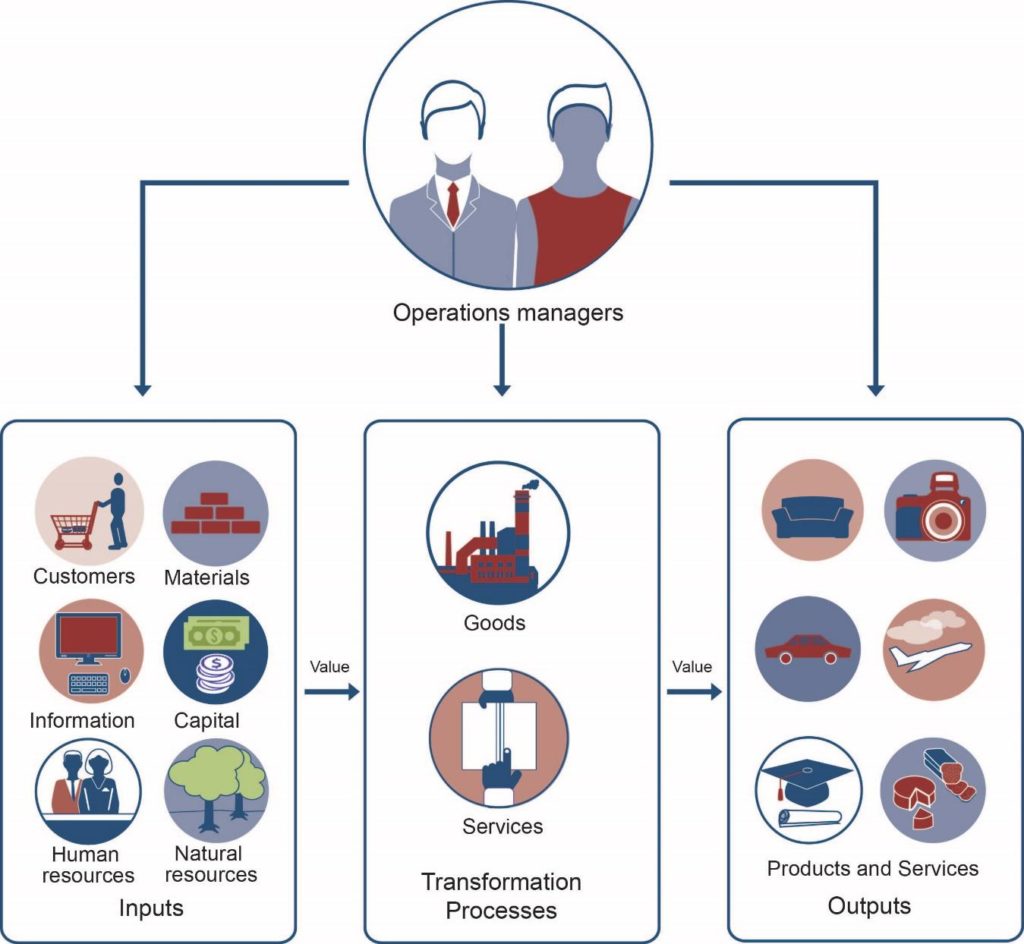
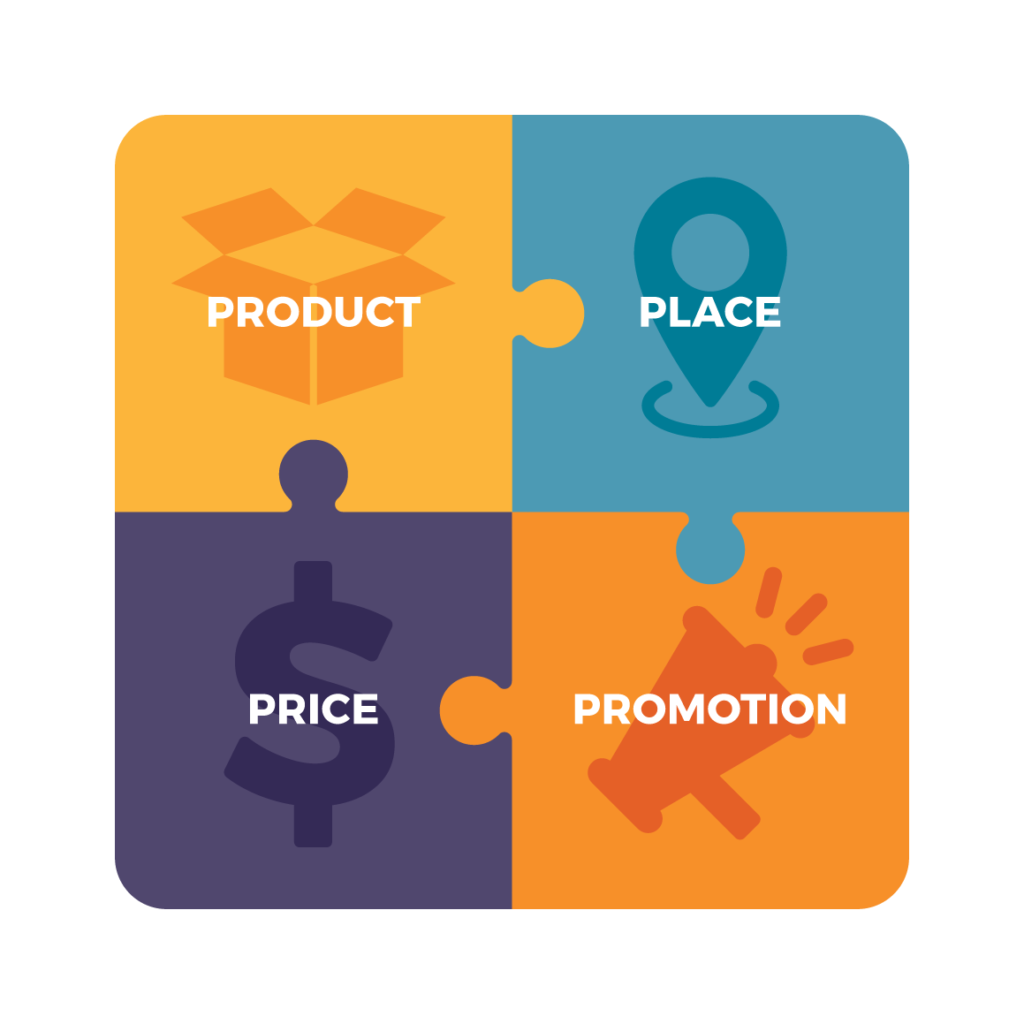

	</div>
			
				
				<div class="footnotes"><div id='447-1'>What challenges do today’s financial managers face? CFO magazine at http://www.cfo.com</div><div id='447-2'>Royal Bank of Canada. (n.d.). <em>Cash Management &amp; Payment Solutions</em>. http://www.rbcroyalbank.com/caribbean/bb/business/cash-management-payment-solutions/home.html</div><div id='447-3'>Kelly, S. (2017, March 20). <em>Credit Management Technology Plays Catch-Up</em>. Treasury &amp; Risk. https://www.treasuryandrisk.com/2017/03/20/credit-management-technology-plays-catch-up/?slreturn=20230024165817</div><div id='447-4'>Bramwell, J. (2013, December 16). <em>CFOs More Likely to Outsource Accounting and Finance Projects</em>. Accounting Web. Retrieved October 10, 2017, from https://www.accountingweb.com/practice/team/cfos-more-likely-to-outsource-accounting-and-finance-projects</div><div id='447-5'>McKay, P. (2017, October 6). <em>Why Going Public Doesn’t Make Sense Right Now</em>. Fortune. https://fortune.com/2017/09/13/going-public-snap-blue-apron-ipo-stock-price/</div><div id='447-6'>Kochkodin, B. (2017, August 10). Blue Apron is the IPO Bust of the Decade. Bloomberg. https://www.bloomberg.com/news/articles/2017-08-10/blue-apron-down-44-is-the-ipo-bust-of-the-decade-chart</div><div id='447-7'>Snider, M. (2018, April 4). <em>Spotify goes public: What you need to know about the music streamer and its IPO</em>. USA TODAY. https://eu.usatoday.com/story/tech/talkingtech/2018/04/03/spotify-goes-public-what-you-need-know-music-streamer-and-its-ipo/480318002/</div><div id='447-8'>CIBC Investor Relations. (n.d.). <em>CIBC Common Dividends</em>. https://www.cibc.com/en/about-cibc/investor-relations/share-information/common-share-information/common-dividends.html</div><div id='447-9'>Vascellaro, J. E. (2012, March 21). <em>Apple to Pay Dividend, Plans $10 Billion Buyback</em>. WSJ. Retrieved October 10, 2017, from https://www.wsj.com/articles/SB10001424052702304724404577291071289857802</div><div id='447-10'>Woolley, S. (2017, February 27). <em>TD Ameritrade Jumps into Price War with Fidelity and Schwab</em>. Bloomberg. https://www.bloomberg.com/news/articles/2017-02-28/fidelity-slashes-commissions-in-the-latest-salvo-in-the-fee-wars#xj4y7vzkg</div><div id='447-11'>Duarte, E. (2021, July 16). <em>Canadian companies are issuing new bonds at a record pace</em>. BNN Bloomberg. https://www.bnnbloomberg.ca/canadian-companies-are-issuing-new-bonds-at-a-record-pace-1.1629944</div><div id='447-12'>Sifma. (2016). <em>2016 Year in Review</em>. Retrieved October 10, 2017, from https://www.sifma.org/wp-content/uploads/2017/05/2016-year-in-review.pdf</div><div id='447-13'>Royal Bank of Canada. (n.d.). Types of Fixed Income. https://www6.royalbank.com/en/di/reference/article/fixed-income-types/j7cypocm</div></div>
	</div>

</div>
<div class="part-wrapper" id="part-case-studies-wrapper">
    <div class="part  " id="part-case-studies">
	<div class="part-title-wrap">
		<p class="part-number">IV</p>
		<h1 class="part-title">Case Studies</h1>
	</div>
	<div class="ugc part-ugc">
		
	</div>
			
				
	</div>
<div class="chapter standard with-subsections" id="chapter-case-study-1" title="Case 1: Empowering Women in Business">
	<div class="chapter-title-wrap">
		<p class="chapter-number">18</p>
		<h1 class="chapter-title">Case Study 1: Empowering Women in Business</h1>
					<p class="chapter-subtitle">Nicole McClaren - An inspirational story of a Canadian Indigenous Entrepreneur</p>
	<p class="chapter-author">Vanessa Cook</p>
			</div>
	<div class="ugc chapter-ugc">
				 <p><strong>By Vanessa Cook – Douglas College Student (Feb 2022)</strong></p> <p>As a mother, an immigrant, a Canadian, and a woman in business, I have followed many different women entrepreneurs, as a source of inspiration, and <a href="https://ravenreads.org/pages/about-us#story" data-url="https://ravenreads.org/pages/about-us#story">Nicole McClaren</a> is definitely an entrepreneur to celebrate.</p> <p>The <a href="https://www.rcaanc-cirnac.gc.ca/eng/1450124405592/1529106060525" data-url="https://www.rcaanc-cirnac.gc.ca/eng/1450124405592/1529106060525">Truth and Reconciliation Commission (TRC) of Canada </a>was created to bring awareness and provide people affected by the legacy of the Indian Residential Schools system an opportunity to have a voice. At a time where Canada needed to come together and celebrate our diversity, Nicole, an indigenous Canadian and member of the Metis Nation of BC started a business to bring awareness to the power of inclusion through reading.</p> <p>When <a href="https://ravenreads.org/pages/about-us#about" data-url="https://ravenreads.org/pages/about-us#about">Raven Reads</a> was first formed, it was a book club to share stories written by indigenous people. Since then, Nicole, who is the Founder &amp; CEO has evolved the book club into an Indigenous Subscription Box Service, shipping their elegantly packaged products to customers of all ages. With an emphasis on indigenous writers and creators, Raven Reads has created a platform that services customers globally, leveraging the power of technology with their website and ecommerce capabilities. Their product portfolio includes beautifully crafted boxes decorated with Indigenous art, with each box including:</p> <ul><li>a book written/illustrated by an Indigenous author;</li> <li>a letter;</li> <li>Indigenous culture teachings from around the world; and</li> <li>giftware items from Indigenous entrepreneurs.</li> </ul> <p>Raven Reads also has a line of age-appropriate boxes developed specifically for children, as well as for companies looking for gifts (Corporate Gift Boxes).</p> <p>Customers in Canada pay no shipping fees and all customers can subscribe seasonally, bi-annually, or annually. Their business model provides the option to cancel at any time, making it easy for people to experience their products without being tied into a contract.</p> <p>Raven Reads was featured in <a href="https://www.bcbusiness.ca/Inventory-These-BC-subscription-boxes-make-opening-the-mail-more-fun" data-url="https://www.bcbusiness.ca/Inventory-These-BC-subscription-boxes-make-opening-the-mail-more-fun">BC Business</a><span class="footnote"><span class="footnote-indirect" data-fnref="1295-1"></span></span> and <a href="https://www.besthealthmag.ca/list/holiday-gift-baskets-sets-canada/" data-url="https://www.besthealthmag.ca/list/holiday-gift-baskets-sets-canada/">Best Health Magazine</a>, and Nicole was awarded the <a href="https://www.powwowpitch.org/nicole-mclaren-wins-the-entrepreneur-spirit-award/" data-url="https://www.powwowpitch.org/nicole-mclaren-wins-the-entrepreneur-spirit-award/">Entrepreneurial Spirit Award</a> at the Indigenous Entrepreneurship Awards in November 2021. To learn more about these awards, and other Canadian Indigenous Entrepreneurs, please watch the video listed <a href="https://www.youtube.com/watch?v=HO7Au7xod4E&amp;t=28s" data-url="https://www.youtube.com/watch?v=HO7Au7xod4E&amp;t=28s">here</a>. You will be moved and inspired by the music, the language, the majestic landscape of our vast and diverse country and the power of the words of the song, Remember Me.</p> <p><strong><em>“I want to show Indigenous girls and women that they can scale multi-million dollar businesses with big impact,” said Nicole McLaren. “Winning this award is a recognition for the blood (cardboard cuts), sweat, and tears I have invested in this entrepreneurial journey and is an important occasion to celebrate how far we have come.”&nbsp;</em></strong>(McClaren, 2021)</p> <p>In a Canada Export <a href="https://www.tradecommissioner.gc.ca/canadexport/0006041.aspx?lang=eng&amp;utm_campaign=gac-amc-tcs-canadexport-21-22&amp;utm_source=canadexport&amp;utm_medium=newsletter&amp;utm_content=2021-06-10-en" data-url="https://www.tradecommissioner.gc.ca/canadexport/0006041.aspx?lang=eng&amp;utm_campaign=gac-amc-tcs-canadexport-21-22&amp;utm_source=canadexport&amp;utm_medium=newsletter&amp;utm_content=2021-06-10-en">article</a> as part of the Trade Commissioner Service through the Government of Canada, Raven Reads is looking to expand globally, and Nicole has leveraged the Trade Accelerator Program to help develop an export plan.</p> <p>To illustrate the global stigma for woman in business, this TED Talk<span class="footnote"><span class="footnote-indirect" data-fnref="1295-2"></span></span> brings awareness of the challenges but also the opportunities that exist, when women are empowered. In addition to running Raven Reads, Nicole founded the <a href="https://www.indigenouswomenbc.com/" data-url="https://www.indigenouswomenbc.com/">Indigenous Women’s Business Network</a>, a non-profit organization to empower indigenous women in BC to be successful in business.</p> <p>The <a href="https://ppforum.ca/wp-content/uploads/2020/03/AC-Inclusive-Futures-Indigenous-ENG-WEB.pdf" data-url="https://ppforum.ca/wp-content/uploads/2020/03/AC-Inclusive-Futures-Indigenous-ENG-WEB.pdf">Inclusive Futures Indigenous Engagement in Canada’s Workforce</a><span class="footnote"><span class="footnote-indirect" data-fnref="1295-3"></span></span> white paper highlights the value that Indigenous people bring to Canada’s overall Economic Development being the fastest-growing and youngest demographic in Canada.</p> <p>There is much more work to be done to ensure Canada recognizes and embraces a fully inclusive and diverse culture and with <a href="https://www.canada.ca/en/employment-social-development/programs/seniors-action-report.html" data-url="https://www.canada.ca/en/employment-social-development/programs/seniors-action-report.html">Canada’s aging population</a>, women and indigenous people need empowerment to start new businesses to aid in the overall economic development of Canada. Nicole McClaren is a powerful role- model, and her success story needs to be shared with all indigenous peoples, and more broadly, all girls, women, and entrepreneurs globally.</p> <p><strong><em>“What makes entrepreneurs special is that they see opportunities where everyone else sees obstacles. Entrepreneurs are problem-solvers, so they’re often undaunted — and even excited — by problems.”&nbsp;</em></strong><em>Arlene Dickenson</em> (Dickenson, 2021).</p> 
	</div>
			
				
				<div class="footnotes"><div id='1295-1'>Hirose, A. (2021) <em>BC Business 49 (5)</em>, 89. https://www.bcbusiness.ca/industries/retail/Inventory-These-BC-subscription-boxes-make-opening-the-mail-more-fun/</div><div id='1295-2'>Tzemach Lemmon, G. (2011, December). Women entrepreneurs, example not exception [Video]. TED. https://www.ted.com/talks/gayle_tzemach_lemmon_women_entrepreneurs_example_not_exception</div><div id='1295-3'>Davey, J., Giang, V., McCale, A., (2020) Inclusive Futures, Indigenous Engagement in Canada’s Workforce https://ppforum.ca/wp-content/uploads/2020/03/AC-Inclusive-Futures-Indigenous-ENG-WEB.pdf</div></div>
	</div>

</div>
<div class="part-wrapper" id="part-career-pathways-wrapper">
    
</div>
<div class="part-wrapper" id="part-reference-material-wrapper">
    
</div>
<div class="back-matter glossary " id="back-matter-glossary" title="Glossary">
	<div class="back-matter-title-wrap">
		<p class="back-matter-number">1</p>
		<h1 class="back-matter-title">Glossary</h1>
								</div>
	<div class="ugc back-matter-ugc">
				 <dl data-type="glossary"><dt data-type="glossterm"><dfn id="dfn-absolute-advantage">absolute advantage</dfn></dt> <dd data-type="glossdef"><p>A country has an absolute advantage in producing a good over another country if it uses fewer resources to produce that good. Absolute advantage can be the result of a country’s natural endowment.</p> </dd> <dt data-type="glossterm"><dfn id="dfn-account-payable">account payable</dfn></dt> <dd data-type="glossdef"><p>Purchases for which a buyer has not yet paid the seller.</p> </dd> <dt data-type="glossterm"><dfn id="dfn-accounting">accounting</dfn></dt> <dd data-type="glossdef"><p>Accounting is the organizational function that is focused on recording, keeping, analyzing and communicating financial information.</p> </dd> <dt data-type="glossterm"><dfn id="dfn-accounting-equation">accounting equation</dfn></dt> <dd data-type="glossdef"><p>Accounting equation is the principle that the book value of a company's assets must equal the finance that has purchased those assets. Accounting Equation is expressed as:<br /> Assets = Liabilities + Owner's Equity</p> </dd> <dt data-type="glossterm"><dfn id="dfn-accounts-receivable">Accounts receivable</dfn></dt> <dd data-type="glossdef"><p>Sales for which a firm has not yet been paid.</p> </dd> <dt data-type="glossterm"><dfn id="dfn-acquisition">acquisition</dfn></dt> <dd data-type="glossdef"><p>Acquisition is a term used when one company purchases another company.</p> </dd> <dt data-type="glossterm"><dfn id="dfn-balance-of-payments">balance of payments</dfn></dt> <dd data-type="glossdef"><p>The balance of payments (BOP) is the difference, over a period of time, between the total flow of money coming into a country and the total flow of money going out.</p> </dd> <dt data-type="glossterm"><dfn id="dfn-balance-of-trade">balance of trade</dfn></dt> <dd data-type="glossdef"><p>Balance of trade (BOT) is the difference between the value of a country's exports and the value of a country's imports for a given period.</p> </dd> <dt data-type="glossterm"><dfn id="dfn-balance-sheet">balance sheet</dfn></dt> <dd data-type="glossdef"><p>Balance sheet is a statement of an organization's assets, liabilities and the owner's equity at a specific point in time.</p> </dd> <dt data-type="glossterm"><dfn id="dfn-bond-ratings">bond ratings</dfn></dt> <dd data-type="glossdef"><p>Letter grades assigned to bond issues to indicate their quality or level of risk; assigned by rating agencies such as Moody’s and Standard &amp; Poor’s (S&amp;P).</p> </dd> <dt data-type="glossterm"><dfn id="dfn-bonds">Bonds</dfn></dt> <dd data-type="glossdef"><p>Bonds are long-term debt obligations (liabilities) of corporations and governments. A bond certificate is issued as proof of the obligation. </p> </dd> <dt data-type="glossterm"><dfn id="dfn-branding">branding</dfn></dt> <dd data-type="glossdef"><p>Branding is about establishing an identity for a company's product that distinguishes it from the competition. Successful branding adds value to a product and can ensure brand loyalty.</p> </dd> <dt data-type="glossterm"><dfn id="dfn-breakeven">breakeven</dfn></dt> <dd data-type="glossdef"><p>Breakeven is the point where total sales revenue equals expenses that is the point with no profit or loss.</p> </dd> <dt data-type="glossterm"><dfn id="dfn-business">business</dfn></dt> <dd data-type="glossdef"><p>A business is an organization that produces or sells goods and/or services for a profit. Other organizations, such as non-profits, may provide goods or services, but do not do so for a profit.</p> </dd> <dt data-type="glossterm"><dfn id="dfn-business-cycle">business cycle</dfn></dt> <dd data-type="glossdef"><p>The business cycle is the regular economic pattern of upturns and downturns in demand and output within the economy that tend to repeat themselves every three to five years or may last much longer.</p> </dd> <dt data-type="glossterm"><dfn id="dfn-business-ethics">Business ethics</dfn></dt> <dd data-type="glossdef"><p>Business ethics is the study of how a business should act when faced with ethical dilemmas and controversial situations in a business context.<br /> Business ethics is important because it enables a business to work within the boundaries of the law, and ensures that the the business is not committing crimes against its employees, customers, consumers and other stakeholders and interested parties.</p> </dd> <dt data-type="glossterm"><dfn id="dfn-business-participants">business participants</dfn></dt> <dd data-type="glossdef"><p>Business participants are the people who participate in conducting the work of the business. These always include the employees and managers, but often include suppliers, customers, and shareholders.</p> </dd> <dt data-type="glossterm"><dfn id="dfn-capital-budgeting">capital budgeting</dfn></dt> <dd data-type="glossdef"><p>The process of analyzing long-term projects and selecting those that offer the best returns while maximizing the firm’s value.</p> </dd> <dt data-type="glossterm"><dfn id="dfn-capital-expenditures">capital expenditures</dfn></dt> <dd data-type="glossdef"><p>Investments in long-lived assets, such as land, buildings, machinery, equipment, and information services, that are expected to provide benefits over a period longer than one year.</p> </dd> <dt data-type="glossterm"><dfn id="dfn-cash-flow-statement">Cash Flow Statement</dfn></dt> <dd data-type="glossdef"><p>The Cash Flow Statement reports cash inflows and outflows and provides valuable information about a company's expenses and receipts and allows insights into its future income needs in order to be able to meet its future obligations (expenses). </p> </dd> <dt data-type="glossterm"><dfn id="dfn-cash-flows">cash flows.</dfn></dt> <dd data-type="glossdef"><p>The inflow and outflow of cash for a business.</p> </dd> <dt data-type="glossterm"><dfn id="dfn-cash-management">cash management</dfn></dt> <dd data-type="glossdef"><p>The process of making sure that a firm has enough cash on hand to pay bills as they come due and to meet unexpected expenses.</p> </dd> <dt data-type="glossterm"><dfn id="dfn-coincident-indicators">coincident indicators</dfn></dt> <dd data-type="glossdef"><p>Coincident indicators show the state of the economy today.</p> </dd> <dt data-type="glossterm"><dfn id="dfn-commercial-paper">commercial paper</dfn></dt> <dd data-type="glossdef"><p>Commercial paper is unsecured short-term debt—an IOU—issued by a financially strong corporation.</p> </dd> <dt data-type="glossterm"><dfn id="dfn-comparative-advantage">comparative advantage</dfn></dt> <dd data-type="glossdef"><p>A country has a comparative advantage when a good can be produced at a lower cost in terms of other goods. The idea is that countries can benefit from specializing in the production of goods at which they are relatively more efficient. This implies that consumers in each country gain the maximum benefit from international trade.</p> </dd> <dt data-type="glossterm"><dfn id="dfn-competitor">competitor</dfn></dt> <dd data-type="glossdef"><p>Competitors are other organizations that compete in one or more areas of business. Competitors play an important role in the business's success. In fact, suppliers can be participants, stakeholders, and an external environmental influence.</p> </dd> <dt data-type="glossterm"><dfn id="dfn-complexity">complexity</dfn></dt> <dd data-type="glossdef"><p>Complexity in the external environment is related to the extent to which the business requires specialized and differing knowledge in order to understand the influences of the environment and how to operate the business.</p> </dd> <dt data-type="glossterm"><dfn id="dfn-consumer-price-index-cpi">Consumer price index (CPI)</dfn></dt> <dd data-type="glossdef"><p>The Consumer Price Index (CPI) represents changes in prices as experienced by Canadian consumers. It measures price change by comparing, through time, the cost of a fixed basket of goods and services.</p> </dd> <dt data-type="glossterm"><dfn id="dfn-cooperative">cooperative</dfn></dt> <dd data-type="glossdef"><p>A cooperative&nbsp;is a business owned and controlled by those who use its services - producers, customers or consumers..</p> </dd> <dt data-type="glossterm"><dfn id="dfn-corporation">corporation</dfn></dt> <dd data-type="glossdef"><p>A corporation is a legal entity that is entirely separate from the parties who own it. Once businesses reach a substantial size, it is advantageous to organize as a corporation so that its owners can limit their liability.</p> </dd> <dt data-type="glossterm"><dfn id="dfn-cross-functional-team">cross-functional team</dfn></dt> <dd data-type="glossdef"><p>Cross-functional teams are teams where team members come from different organizational functional areas.</p> </dd> <dt data-type="glossterm"><dfn id="dfn-current-assets">current assets</dfn></dt> <dd data-type="glossdef"><p>Current assets, include cash and any other assets (accounts receivable and inventory) that can be converted to cash within a year.</p> </dd> <dt data-type="glossterm"><dfn id="dfn-customer">customer</dfn></dt> <dd data-type="glossdef"><p>Customers buy the products and/or services from the business. Customers are extremely important to the business. In fact, they are participants, stakeholders, and an external environmental influence.</p> </dd> <dt data-type="glossterm"><dfn id="dfn-debt-ratios">Debt ratios</dfn></dt> <dd data-type="glossdef"><p>The debt ratio is defined as the ratio of total debt to total assets. It measures the extent of a company’s leverage.</p> </dd> <dt data-type="glossterm"><dfn id="dfn-deflation">deflation</dfn></dt> <dd data-type="glossdef"><p>Deflation is downward pressure upon the level of economic activity. It is a period of falling demand and prices. It is usually accompanied by reduce output and rising unemployment. </p> </dd> <dt data-type="glossterm"><dfn id="dfn-demand">demand</dfn></dt> <dd data-type="glossdef"><p>Demand&nbsp;is the quantity of a product that buyers are willing to purchase at various prices.</p> </dd> <dt data-type="glossterm"><dfn id="dfn-dividends">Dividends</dfn></dt> <dd data-type="glossdef"><p>Payments to stockholders from a corporation’s profits.</p> </dd> <dt data-type="glossterm"><dfn id="dfn-dumping">dumping</dfn></dt> <dd data-type="glossdef"><p>Dumping describes the selling of a good in another country at less than its cost price.</p> </dd> <dt data-type="glossterm"><dfn id="dfn-economic-indicator">economic indicator</dfn></dt> <dd data-type="glossdef"><p>An economic indicators are the monthly statistics that provide information on the country's economic performance. There are different types of indicators which are all subject to considerable error, so it is unwise to draw any conclusions from just one month's data.</p> </dd> <dt data-type="glossterm"><dfn id="dfn-economics">Economics</dfn></dt> <dd data-type="glossdef"><p>Economics is concerned with the production, distribution, and consumption of goods and services. It studies how individuals, businesses, governments, and nations make choices about how to allocate resources.</p> </dd> <dt data-type="glossterm"><dfn id="dfn-economy">economy</dfn></dt> <dd data-type="glossdef"><p>Economy is a region's or country's system for selling, trading, and consuming goods and services (<a href="https://www.investopedia.com/terms/e/economy.asp" data-url="https://www.investopedia.com/terms/e/economy.asp">1</a>). The economy is an external environment influence on the business. It affects the money available to the customers and to the business. Factors, such as interest rates, inflation, and deflation, greatly influence the buying behaviours of customers and how the businesses should adapt their offerings.</p> </dd> <dt data-type="glossterm"><dfn id="dfn-efficiency-ratios">Efficiency ratios</dfn></dt> <dd data-type="glossdef"><p>Efficiency ratios measures a company's ability to use its assets to generate income.</p> </dd> <dt data-type="glossterm"><dfn id="dfn-electronic-funds-transfereft">Electronic funds transfer&nbsp;(EFT)</dfn></dt> <dd data-type="glossdef"><p>Electronic funds transfer (EFT) is the electronic transfer of money from one bank account to another, either within a single financial institution or across multiple institutions, via computer-based systems, telephones without the direct intervention of bank staff.</p> </dd> <dt data-type="glossterm"><dfn id="dfn-employees">employees</dfn></dt> <dd data-type="glossdef"><p>Employees are the people who work for an organization. Sometimes, when talking about organizations, managers' roles are differentiated from other workers' roles because their responsibilities are different. Nonetheless, managers and workers are all employees of the organization.</p> </dd> <dt data-type="glossterm"><dfn id="dfn-ethics">ethics</dfn></dt> <dd data-type="glossdef"><p>The term ethics is used to describe moral principles that governs a person's behavior or conduct during an activity.</p> </dd> <dt data-type="glossterm"><dfn id="dfn-exporting">exporting</dfn></dt> <dd data-type="glossdef"><p>Exporting refers to the sales of products and services in foreign countries that are sourced or made in the home country.</p> </dd> <dt data-type="glossterm"><dfn id="dfn-extended-reality">Extended reality</dfn></dt> <dd data-type="glossdef"><p>Extended reality&nbsp;(XR) is an umbrella term referring to all real-and-virtual combined environments and interactions generated by computer technology. It includes augmented reality (AR) and virtual reality (VR).</p> </dd> <dt data-type="glossterm"><dfn id="dfn-external-factors">external factors</dfn></dt> <dd data-type="glossdef"><p>External environmental factors are the factors outside the organization that influence the business. These often include the social and cultural, natural environment, political, legal, technological, and economic factors.</p> </dd> <dt data-type="glossterm"><dfn id="dfn-factoring">factoring</dfn></dt> <dd data-type="glossdef"><p>Factoring is a form of short-term financing in which a firm sells its accounts receivable outright at a discount to a factor.</p> </dd> <dt data-type="glossterm"><dfn id="dfn-finance">finance</dfn></dt> <dd data-type="glossdef"><p>Finance is the organization function that is about planning what financial resources are needed, procuring the necessary financial resources, and then maintaining financial health for the business.</p> </dd> <dt data-type="glossterm"><dfn id="dfn-financial-accounting">Financial accounting</dfn></dt> <dd data-type="glossdef"><p>Financial accounting is concerned with the production and reporting of the financial accounts according to the requirements of the International Financial Reporting Standards (IFRS) so that users of the accounts have an accurate view of the company's financial position.</p> </dd> <dt data-type="glossterm"><dfn id="dfn-financial-management">Financial management</dfn></dt> <dd data-type="glossdef"><p>Financial Management is the art and science of managing a firm’s money so that it can meet its goals.</p> </dd> <dt data-type="glossterm"><dfn id="dfn-financial-risk">financial risk</dfn></dt> <dd data-type="glossdef"><p>Financial risk is the chance that the firm will be unable to make scheduled interest and principal payments.</p> </dd> <dt data-type="glossterm"><dfn id="dfn-fiscal-policy">Fiscal policy</dfn></dt> <dd data-type="glossdef"><p>Fiscal policy is a government towards its raising of revenue and its level of public spending.</p> </dd> <dt data-type="glossterm"><dfn id="dfn-foreign-direct-investment">Foreign direct investment</dfn></dt> <dd data-type="glossdef"><p>Foreign direct investment refers to the buying or establishing tangible assets in another country.</p> </dd> <dt data-type="glossterm"><dfn id="dfn-franchises">franchises</dfn></dt> <dd data-type="glossdef"><p>Franchise is a business based upon the name, logo and trading method of an existing successful business (franchisor). To obtain a franchise requires the payment of an initial fee and the signing of a contract that imposes constraints and restrictions on the franchisee.</p> </dd> <dt data-type="glossterm"><dfn id="dfn-free-market-system">free market system</dfn></dt> <dd data-type="glossdef"><p>Free market system is defined as an economy operating by free competition.</p> </dd> <dt data-type="glossterm"><dfn id="dfn-full-employment">full employment</dfn></dt> <dd data-type="glossdef"><p>The term full employment describes the level of employment which provides jobs for all those who wish to work.</p> </dd> <dt data-type="glossterm"><dfn id="dfn-functional-areas-of-business">functional areas of business</dfn></dt> <dd data-type="glossdef"><p>When we look at the functional area of business, we are organizing the work in terms of the type of work. The most common function areas are marketing, information technology, human resources, finance, operations, and accounting.</p> <p>These are functions that important are for the business to do. In small businesses, the owner may do the finance, accounting, and human resource functions along with overseeing the operations. In large businesses, these functions are often broken down into departments that have large groups of people working within each function.</p> </dd> <dt data-type="glossterm"><dfn id="dfn-global">Global</dfn></dt> <dd data-type="glossdef"><p>The highest level of influence; in our globalized society, this can have an impact on all external factors.</p> </dd> <dt data-type="glossterm"><dfn id="dfn-governmental-agencies">governmental agencies</dfn></dt> <dd data-type="glossdef"><p>Governmental agencies are made up of the agencies, policy makers, and other actors within the government. These agencies are stakeholders impacted by the business and its decisions. For example, the government can benefit from the business's innovations that help improve the government's work. A major impact for governmental agencies is from the taxes that come from the business's profits.</p> </dd> <dt data-type="glossterm"><dfn id="dfn-gross-domestic-productgdp">gross domestic product&nbsp;(GDP)</dfn></dt> <dd data-type="glossdef"><p>Gross domestic product&nbsp;(GDP) is defined as the market value of all goods and services produced by the economy in a given year.</p> </dd> <dt data-type="glossterm"><dfn id="dfn-gross-national-product-gnp">Gross national product (GNP)</dfn></dt> <dd data-type="glossdef"><p>Gross national product is the value of all products and services produced by citizens of a country both domestically and internationally minus income earned by foreign residents.</p> </dd> <dt data-type="glossterm"><dfn id="dfn-group">group</dfn></dt> <dd data-type="glossdef"><p>A group is a collection of individuals who coordinate their individual efforts.</p> </dd> <dt data-type="glossterm"><dfn id="dfn-group-cohesiveness">Group Cohesiveness</dfn></dt> <dd data-type="glossdef"><p>Group cohesiveness is the tendency for a <em>group</em> to be in unity while working towards a goal.</p> </dd> <dt data-type="glossterm"><dfn id="dfn-groupthink">groupthink</dfn></dt> <dd data-type="glossdef"><p>Groupthink is the tendency to conform to group pressure in making decisions, while failing to think critically or to consider outside influences.</p> </dd> <dt data-type="glossterm"><dfn id="dfn-horizontal-merger">horizontal merger</dfn></dt> <dd data-type="glossdef"><p>Horizontal merger is when companies in the same industry merge.</p> </dd> <dt data-type="glossterm"><dfn id="dfn-hostile-takeover">hostile takeover</dfn></dt> <dd data-type="glossdef"><p>Hostile takeover is an act of assuming control that is resisted by the targeted company’s management and its board of directors.</p> </dd> <dt data-type="glossterm"><dfn id="dfn-human-resources">human resources</dfn></dt> <dd data-type="glossdef"><p>The human resources is an organizational function that is about searching for, selecting, training, and maintaining workers.</p> </dd> <dt data-type="glossterm"><dfn id="dfn-importing">Importing</dfn></dt> <dd data-type="glossdef"><p>Importing refers to buying goods and services from foreign sources and bringing them back into the home country. Importing is also known as global sourcing.</p> </dd> <dt data-type="glossterm"><dfn id="dfn-income-statement">income statement</dfn></dt> <dd data-type="glossdef"><p>Income statement shows revenues, or sales, and expenses—the costs of doing business.</p> </dd> <dt data-type="glossterm"><dfn id="dfn-inflation">inflation</dfn></dt> <dd data-type="glossdef"><p>Inflation is a sustained rise in the average prices of goods within an economy. It can also be explained as the fall in the purchasing power of money, since it is usual for wages to move ahead at least as fast as the price level.</p> </dd> <dt data-type="glossterm"><dfn id="dfn-information-technology">information technology</dfn></dt> <dd data-type="glossdef"><p>Information technology is the organizational function that aims to understand the information and data needs of the company in terms of obtaining, analyzing, and protecting information.</p> </dd> <dt data-type="glossterm"><dfn id="dfn-inputs">Inputs</dfn></dt> <dd data-type="glossdef"><p>Inputs are the elements which goes into producing a good or service such as labor, raw materials, capital, land, entrepreneurship etc. </p> </dd> <dt data-type="glossterm"><dfn id="dfn-institutional-investors">Institutional investors</dfn></dt> <dd data-type="glossdef"><p>Investment professionals who are paid to manage other people’s money.</p> </dd> <dt data-type="glossterm"><dfn id="dfn-international-monetary-fund">International Monetary Fund</dfn></dt> <dd data-type="glossdef"><p>International Monetary Fund (IMF) is the banker to the world's central banks. If a country requires to borrow money it can apply for a loan from the IMF. There will be conditions tied to the loan. </p> </dd> <dt data-type="glossterm"><dfn id="dfn-investment-bankers">Investment bankers</dfn></dt> <dd data-type="glossdef"><p>Firms that act as intermediaries, buying securities from corporations and governments and reselling them to the public.</p> </dd> <dt data-type="glossterm"><dfn id="dfn-joint-ventures">joint ventures</dfn></dt> <dd data-type="glossdef"><p>Joint ventures is where one or two companies set up a business division that will be operated jointly.</p> </dd> <dt data-type="glossterm"><dfn id="dfn-lagging-indicators">lagging indicators</dfn></dt> <dd data-type="glossdef"><p>Lagging indicators show the health of the economy in the recent past.</p> </dd> <dt data-type="glossterm"><dfn id="dfn-leading-indicators">leading indicators</dfn></dt> <dd data-type="glossdef"><p>Leading indicators give a prediction of future events.</p> </dd> <dt data-type="glossterm"><dfn id="dfn-legal-factors">legal factors</dfn></dt> <dd data-type="glossdef"><p>Legal factors are the laws, policies, and legal systems. For businesses, legal factors are a type of external environmental influence on the business. Here are some examples:</p> <p>-The legal system affects how laws are passed.<br /> -The legal system affects how civil proceedings, such as lawsuits, are conducted.<br /> -The legal system also impacts the workers' and business owner's rights and responsibilities.</p> </dd> <dt data-type="glossterm"><dfn id="dfn-licensing-agreement">licensing agreement</dfn></dt> <dd data-type="glossdef"><p>Licensing agreements allows firms to choose foreign individuals or organizations to manufacture or market their products in another country.</p> </dd> <dt data-type="glossterm"><dfn id="dfn-limited-liability-company">limited liability company</dfn></dt> <dd data-type="glossdef"><p>Limited liability company is where the owners or shareholders are financially only responsible for the amount they have invested in the company rather than their personal wealth. The importance of limiting the amount of a shareholder's liability is that it encourages people to invest with relatively little risk. </p> </dd> <dt data-type="glossterm"><dfn id="dfn-limited-partnership">limited partnership</dfn></dt> <dd data-type="glossdef"><p>A limited partnership (LP) exists when two or more partners go into business together, but the limited partners are only liable up to the amount of their investment. A limited partnership have limited partners and a general partner with unlimited liability.</p> </dd> <dt data-type="glossterm"><dfn id="dfn-liquidity-ratios">Liquidity ratios</dfn></dt> <dd data-type="glossdef"><p>Liquidity ratios is the measurement of a company's ability to meet its short-term debts.</p> </dd> <dt data-type="glossterm"><dfn id="dfn-local">Local</dfn></dt> <dd data-type="glossdef"><p>The local area in which a company operates, such as Vancouver, Burnaby, Richmond, or Surrey in British Columbia, can affect all areas of the external environment.</p> </dd> <dt data-type="glossterm"><dfn id="dfn-macro-environment">macro environment</dfn></dt> <dd data-type="glossdef"><p>The macro environment is the external forces (economic, demographic, technological, social and cultural, legal and political) which influence a firm's decision making and have an impact upon its performance.</p> </dd> <dt data-type="glossterm"><dfn id="dfn-management-accounting">Management accounting</dfn></dt> <dd data-type="glossdef"><p>Management accounting is the production and use of accounting information for internal managerial purposes of analysis, planning, review and control rather than for historical financial records.</p> </dd> <dt data-type="glossterm"><dfn id="dfn-manager-led-team">manager-led team</dfn></dt> <dd data-type="glossdef"><p>Manager-led team is where the manager is the team leader and is in charge of setting team goals, assigning tasks, and monitoring the team’s performance.</p> </dd> <dt data-type="glossterm"><dfn id="dfn-managers">managers</dfn></dt> <dd data-type="glossdef"><p>Managers are the people who "plan, organize, lead, and control" (<a href="https://www.aiuniv.edu/degrees/business/articles/functions-of-management" data-url="https://www.aiuniv.edu/degrees/business/articles/functions-of-management">1</a>) the activities and work of the people in the organization.</p> </dd> <dt data-type="glossterm"><dfn id="dfn-market-segmentation">market segmentation</dfn></dt> <dd data-type="glossdef"><p>Market segmentation is finding specific subsets of the overall target market that have common characteristics that influence buying decisions.</p> </dd> <dt data-type="glossterm"><dfn id="dfn-marketable-securities">marketable securities</dfn></dt> <dd data-type="glossdef"><p>Market securities are short-term investments that are easily converted into cash.</p> </dd> <dt data-type="glossterm"><dfn id="dfn-marketing">marketing</dfn></dt> <dd data-type="glossdef"><p>Marketing is the organizational function that aims to promote and sell the goods and/or services of the business.</p> </dd> <dt data-type="glossterm"><dfn id="dfn-marketing-concept">marketing concept</dfn></dt> <dd data-type="glossdef"><p>The marketing concept involves identifying consumer needs and wants and then producing products (which can be goods, services, or ideas) that will satisfy them while making a profit.</p> </dd> <dt data-type="glossterm"><dfn id="dfn-marketing-mix">marketing mix</dfn></dt> <dd data-type="glossdef"><p>Marketing mix refers to the set of actions, tools or tactics, that a company uses to promote its brand or product in the market. The 4Ps make up a typical marketing mix - Price, Product, Promotion and Place. In recent years commentators refer to the 7 Ps which includes People, Process and Physical Evidence.</p> </dd> <dt data-type="glossterm"><dfn id="dfn-merger">merger</dfn></dt> <dd data-type="glossdef"><p>A merger is a term used to describe an agreement between the management and shareholders of two companies of approximately equal size to bring both companies together under a common board of directors.</p> </dd> <dt data-type="glossterm"><dfn id="dfn-mixed-market">mixed market</dfn></dt> <dd data-type="glossdef"><p>A mixed market economy is defined as an economic system blending elements of a market economy with elements of a planned economy, markets with state interventionism, or private enterprise with public enterprise.</p> </dd> <dt data-type="glossterm"><dfn id="dfn-monetary-policy">Monetary policy</dfn></dt> <dd data-type="glossdef"><p>Monetary policy is concerned with the money supply, rates of interest, exchange rates and the amount of credit available in order to control the level of spending within the economy.</p> </dd> <dt data-type="glossterm"><dfn id="dfn-money">money</dfn></dt> <dd data-type="glossdef"><p>Money is a medium of exchange, serves as a measure of value and a store of value.</p> </dd> <dt data-type="glossterm"><dfn id="dfn-monopolistic-competition">monopolistic competition</dfn></dt> <dd data-type="glossdef"><p>Monopolistic competition occurs when an industry has many firms offering products that are similar but not identical. Unlike a monopoly, these firms have little power to curtail supply or raise prices to increase profits.</p> </dd> <dt data-type="glossterm"><dfn id="dfn-monopoly">monopoly</dfn></dt> <dd data-type="glossdef"><p>A monopoly is a market structure characterized by a single seller, selling a unique product in the market. In a monopoly market, the seller faces no competition, as he is the sole seller of goods with no close substitute.</p> </dd> <dt data-type="glossterm"><dfn id="dfn-mortgage-loan">mortgage loan</dfn></dt> <dd data-type="glossdef"><p>Mortgage loan is a long-term loan made against real estate as collateral.</p> </dd> <dt data-type="glossterm"><dfn id="dfn-multinational-corporation">multinational corporation</dfn></dt> <dd data-type="glossdef"><p>Multinational corporation is a company that operates - design, produces and market products in many countries.</p> </dd> <dt data-type="glossterm"><dfn id="dfn-mutual-fund">mutual fund</dfn></dt> <dd data-type="glossdef"><p>A financial-service company that pools investors’ funds to buy a selection of securities that meet its stated investment goals.</p> </dd> <dt data-type="glossterm"><dfn id="dfn-national">National</dfn></dt> <dd data-type="glossdef"><p>The country's influence on the company's operations; for most companies, this level has a broad reaching impact on most to all areas of the external environment, especially companies that are in more than one province or global.</p> </dd> <dt data-type="glossterm"><dfn id="dfn-national-debt">national debt</dfn></dt> <dd data-type="glossdef"><p>National debt is the liabilities of the government sector. Historically, government deficits have occurred much more often than surpluses since government typically spends more than it takes in. </p> </dd> <dt data-type="glossterm"><dfn id="dfn-oligopoly">oligopoly</dfn></dt> <dd data-type="glossdef"><p>Oligopoly means few sellers. In such an oligopolistic market, each seller supplies a large portion of all the products sold in the marketplace.</p> </dd> <dt data-type="glossterm"><dfn id="dfn-operations">operations</dfn></dt> <dd data-type="glossdef"><p>Operations is the organizational function that is focused on producing the goods and/or services of the business.</p> </dd> <dt data-type="glossterm"><dfn id="dfn-opportunities">opportunities</dfn></dt> <dd data-type="glossdef"><p>In business, we look at opportunities as positive options for the business that arise from the external environment. </p> </dd> <dt data-type="glossterm"><dfn id="dfn-opportunity-cost">opportunity cost</dfn></dt> <dd data-type="glossdef"><p>Opportunity cost measures cost in terms of the next best or highest-valued alternative foregone. Opportunity cost may be measured in money terms or not.</p> </dd> <dt data-type="glossterm"><dfn id="dfn-outputs">Outputs</dfn></dt> <dd data-type="glossdef"><p>Output is the finished product coming from a production process.</p> </dd> <dt data-type="glossterm"><dfn id="dfn-outsourcing">outsourcing</dfn></dt> <dd data-type="glossdef"><p>Outsourcing is a business practice in which a company hires a third-party in a foreign country to perform tasks, handle operations or provide services for the company.</p> </dd> <dt data-type="glossterm"><dfn id="dfn-participants">participants</dfn></dt> <dd data-type="glossdef"><p>Business participants are the people who participate in conducting the work of the business. These always include the employees and managers, but often include suppliers, customers, and shareholders.</p> </dd> <dt data-type="glossterm"><dfn id="dfn-partnership">partnership</dfn></dt> <dd data-type="glossdef"><p>A partnership&nbsp;is a business owned jointly by two or more people. Partnership have unlimited liability where each partner is liable for the debts of the other partners, including their tax liability.</p> </dd> <dt data-type="glossterm"><dfn id="dfn-perfect-competition">perfect competition</dfn></dt> <dd data-type="glossdef"><p>Perfect competition&nbsp;exists when there are many consumers buying a standardized product from numerous small businesses. Because no seller is big enough or influential enough to affect price, sellers and buyers accept the going price.</p> </dd> <dt data-type="glossterm"><dfn id="dfn-planned-system">planned system</dfn></dt> <dd data-type="glossdef"><p>Planned system is an economic system in which the elements of an economy (such as labor, capital, and natural resources) are subject to government control and regulation designed to achieve the objectives of a comprehensive plan of economic development.</p> </dd> <dt data-type="glossterm"><dfn id="dfn-political-factors">political factors</dfn></dt> <dd data-type="glossdef"><p>Political factors are political climate, systems, and other factors in a political environment that affect organizations. For businesses, political factors are a type of external environmental influence for the business. Here are some examples of the impacts:</p> <p>-Political climate (left-, center-, or right-leaning) affects the amount of taxation, regulation, and incentives business have.<br /> -Political systems (communist, socialist, etc.) can impact the type of ownership and how the market in an area is managed.<br /> -Political factors are also closely linked with legal systems as political climate and systems affect the laws and policies that impact a business.<br /> -Political factors also influence the trade relationships between countries when can affect the supply of products.</p> </dd> <dt data-type="glossterm"><dfn id="dfn-preferred-stock">preferred stock</dfn></dt> <dd data-type="glossdef"><p>An equity security for which the dividend amount is set at the time the stock is issued and the dividend must be paid before the company can pay dividends to common stockholders.</p> </dd> <dt data-type="glossterm"><dfn id="dfn-price-stability">price stability</dfn></dt> <dd data-type="glossdef"><p>Price stability is the stable level of prices in the economy, which avoids long periods of inflation or deflation and sustains the value of money over time.</p> </dd> <dt data-type="glossterm"><dfn id="dfn-primary-market">primary market</dfn></dt> <dd data-type="glossdef"><p>The securities market where new securities are sold to the public.</p> </dd> <dt data-type="glossterm"><dfn id="dfn-principal">principal</dfn></dt> <dd data-type="glossdef"><p>Principal is the amount borrowed.</p> </dd> <dt data-type="glossterm"><dfn id="dfn-profitability-ratios">Profitability ratios</dfn></dt> <dd data-type="glossdef"><p>Profitability ratios measures profit in proportion to a yardstick such as net assets (return on investments) or sales revenue.</p> </dd> <dt data-type="glossterm"><dfn id="dfn-provincial">Provincial</dfn></dt> <dd data-type="glossdef"><p>The province in which the company operates, sometimes referred to as "State" in countries that have states instead of provinces; this level impacts all areas of the external environment.</p> </dd> <dt data-type="glossterm"><dfn id="dfn-quota">quota</dfn></dt> <dd data-type="glossdef"><p>Quota is a form of import protection that limits the sales of foreign goods to a specified quantity or market share. </p> </dd> <dt data-type="glossterm"><dfn id="dfn-regional">Regional</dfn></dt> <dd data-type="glossdef"><p>The region in which the local community belongs, such as MetroVancouver, Fraser Valley, or Cariboo Chilcotin, often affects many to allareas of the external environment.</p> </dd> <dt data-type="glossterm"><dfn id="dfn-regional-global">Regional (global)</dfn></dt> <dd data-type="glossdef"><p>The influence of the nation's region, such as North America, often has a clear influence on the legal, political, cultural, social, and economic factors as well as others.</p> </dd> <dt data-type="glossterm"><dfn id="dfn-retained-earnings">Retained earnings</dfn></dt> <dd data-type="glossdef"><p>Profits that have been reinvested in a firm.</p> </dd> <dt data-type="glossterm"><dfn id="dfn-risk">Risk</dfn></dt> <dd data-type="glossdef"><p>Risk is the uncertainty about future events. It is the potential for loss or the chance that an investment will not achieve the expected level of return.</p> </dd> <dt data-type="glossterm"><dfn id="dfn-risk-return-trade-off">risk-return trade-off</dfn></dt> <dd data-type="glossdef"><p>Risk-return trade off Is a concept which explains the basic principle in finance that the higher the risk, the greater the return that is required. </p> </dd> <dt data-type="glossterm"><dfn id="dfn-secondary-market">secondary market</dfn></dt> <dd data-type="glossdef"><p>The securities market where old (already issued) securities are bought and sold, or traded, among investors; includes broker markets, dealer markets, the over-the-counter market, and the commodities exchanges.</p> </dd> <dt data-type="glossterm"><dfn id="dfn-self-managing-teams">Self-managing teams</dfn></dt> <dd data-type="glossdef"><p>A self-managed team is a small group of employees who take full responsibility for delivering a service or product through peer collaboration without a manager's guidance. This team often works together long-term to make decisions about a particular process.</p> </dd> <dt data-type="glossterm"><dfn id="dfn-social-audits">social audits</dfn></dt> <dd data-type="glossdef"><p>A social audit is an official evaluation of an organization's involvement in social responsibility projects or endeavors.</p> </dd> <dt data-type="glossterm"><dfn id="dfn-sole-proprietorship">sole proprietorship</dfn></dt> <dd data-type="glossdef"><p>Sole proprietorship is an individual who may or may not employ other people but owns and operates the business.</p> </dd> <dt data-type="glossterm"><dfn id="dfn-stakeholders">stakeholders</dfn></dt> <dd data-type="glossdef"><p>Stakeholders are those affected by the business's operations and its decisions. Examples of stakeholders include shareholders, investors, the community, customers, competitors, and governmental agencies.</p> </dd> <dt data-type="glossterm"><dfn id="dfn-stock-dividend">Stock dividend</dfn></dt> <dd data-type="glossdef"><p>Payments to stockholders in the form of more stock; may replace or supplement cash dividends.</p> </dd> <dt data-type="glossterm"><dfn id="dfn-stockbroker">stockbroker</dfn></dt> <dd data-type="glossdef"><p>A person who is licensed to buy and sell securities on behalf of clients.</p> </dd> <dt data-type="glossterm"><dfn id="dfn-strategic-alliance">strategic alliance</dfn></dt> <dd data-type="glossdef"><p>A strategic alliance&nbsp;is an agreement between two companies (or a company and a nation) to pool resources in order to achieve business goals that benefit both partners.</p> </dd> <dt data-type="glossterm"><dfn id="dfn-suppliers">suppliers</dfn></dt> <dd data-type="glossdef"><p>Suppliers provide the materials needed for the business to create the products and/or services the business sells for profit. Suppliers are essential to the business's success. In fact, suppliers are participants, stakeholders, and an external environmental influence.</p> </dd> <dt data-type="glossterm"><dfn id="dfn-supply">supply</dfn></dt> <dd data-type="glossdef"><p>Supply&nbsp;is the quantity of a product that sellers are willing to sell at various prices.</p> </dd> <dt data-type="glossterm"><dfn id="dfn-target-market">target market</dfn></dt> <dd data-type="glossdef"><p>Target market is a specific group of consumers who are particularly interested in a product, would have access to it, and are able to buy it.</p> </dd> <dt data-type="glossterm"><dfn id="dfn-tariffs">Tariffs</dfn></dt> <dd data-type="glossdef"><p>Tariff is a tax imposed on an imported good. This is likely to reduce the demand and make any domestic competitor more attractive to consumers. </p> </dd> <dt data-type="glossterm"><dfn id="dfn-team">team</dfn></dt> <dd data-type="glossdef"><p>Team (or a work team) is a group of people with complementary skills who work together to achieve a specific goal</p> </dd> <dt data-type="glossterm"><dfn id="dfn-team-contract">Team contract</dfn></dt> <dd data-type="glossdef"><p>A team contract is an agreement between you and your teammates about how your team will operate. The team focusses on issues that the team considers most important. All team members must sign the contract indicating their agreement.</p> </dd> <dt data-type="glossterm"><dfn id="dfn-term-loan">term loan</dfn></dt> <dd data-type="glossdef"><p>Term loan is a business loan with a maturity of more than one year. Term loans generally have maturities of 5 to 12 years and can be unsecured or secured.</p> </dd> <dt data-type="glossterm"><dfn id="dfn-the-equilibrium-price">The Equilibrium Price</dfn></dt> <dd data-type="glossdef"><p>The Equilibrium Price is the price point at which the demand and supply curves intersect.</p> </dd> <dt data-type="glossterm"><dfn id="dfn-threats">threats</dfn></dt> <dd data-type="glossdef"><p>In business, we look at threats as positive impacts for the business that arise from changes in the external environment. </p> </dd> <dt data-type="glossterm"><dfn id="dfn-trade-controls">trade controls</dfn></dt> <dd data-type="glossdef"><p>Trade Controls are restrictions imposed on the transfer of items from one country to another by any individual, company, government or public body.</p> </dd> <dt data-type="glossterm"><dfn id="dfn-trade-credit">Trade credit</dfn></dt> <dd data-type="glossdef"><p>The extension of credit by the seller to the buyer between the time the buyer receives the goods or services and when it pays for them.</p> </dd> <dt data-type="glossterm"><dfn id="dfn-uncertainty">uncertainty</dfn></dt> <dd data-type="glossdef"><p>The level of uncertainty a company faces is related to the extent to which the factors in the environment change in a predictable manner. If the changes are steady and change predictable, then there is low uncertainty. If they change often and in unpredictable ways, there is high uncertainty.</p> </dd> <dt data-type="glossterm"><dfn id="dfn-underwriting">underwriting</dfn></dt> <dd data-type="glossdef"><p>The process of buying securities from corporations and governments and reselling them to the public; the main activity of investment bankers.</p> </dd> <dt data-type="glossterm"><dfn id="dfn-unemployment-rate">unemployment rate</dfn></dt> <dd data-type="glossdef"><p>The unemployment rate is the percentage of the labour force that is unemployed and actively seeking work.</p> </dd> <dt data-type="glossterm"><dfn id="dfn-unsecured-loans">Unsecured loans</dfn></dt> <dd data-type="glossdef"><p>Loans for which the borrower does not have to pledge specific assets as security.</p> </dd> <dt data-type="glossterm"><dfn id="dfn-vertical-merger">vertical merger</dfn></dt> <dd data-type="glossdef"><p>Vertical merger is when one of the companies in the merger is a supplier or customer to the other.</p> </dd> <dt data-type="glossterm"><dfn id="dfn-virtual-team">virtual team</dfn></dt> <dd data-type="glossdef"><p>Virtual team is where geographically dispersed members interact electronically in the process of pursuing a common goal.</p> </dd> <dt data-type="glossterm"><dfn id="dfn-virtual-teams">virtual teams</dfn></dt> <dd data-type="glossdef"><p>A virtual team usually refers to a group of individuals who work together from different geographic locations and rely on communication technology such as email, instant messaging, and video or voice conferencing services in order to collaborate to achieve a common goal.</p> </dd> <dt data-type="glossterm"><dfn id="dfn-world-bank">World Bank</dfn></dt> <dd data-type="glossdef"><p>World Bank provide aid to developing countries in the form of loans and technical assistance.</p> </dd> <dt data-type="glossterm"><dfn id="dfn-world-trade-organization">World Trade Organization</dfn></dt> <dd data-type="glossdef"><p>The World Trade Organization is an international free trade club, where member countries commit themselves to work towards the elimination of barriers to imports and thereby encourage free and fair trade.</p> </dd> </dl> 


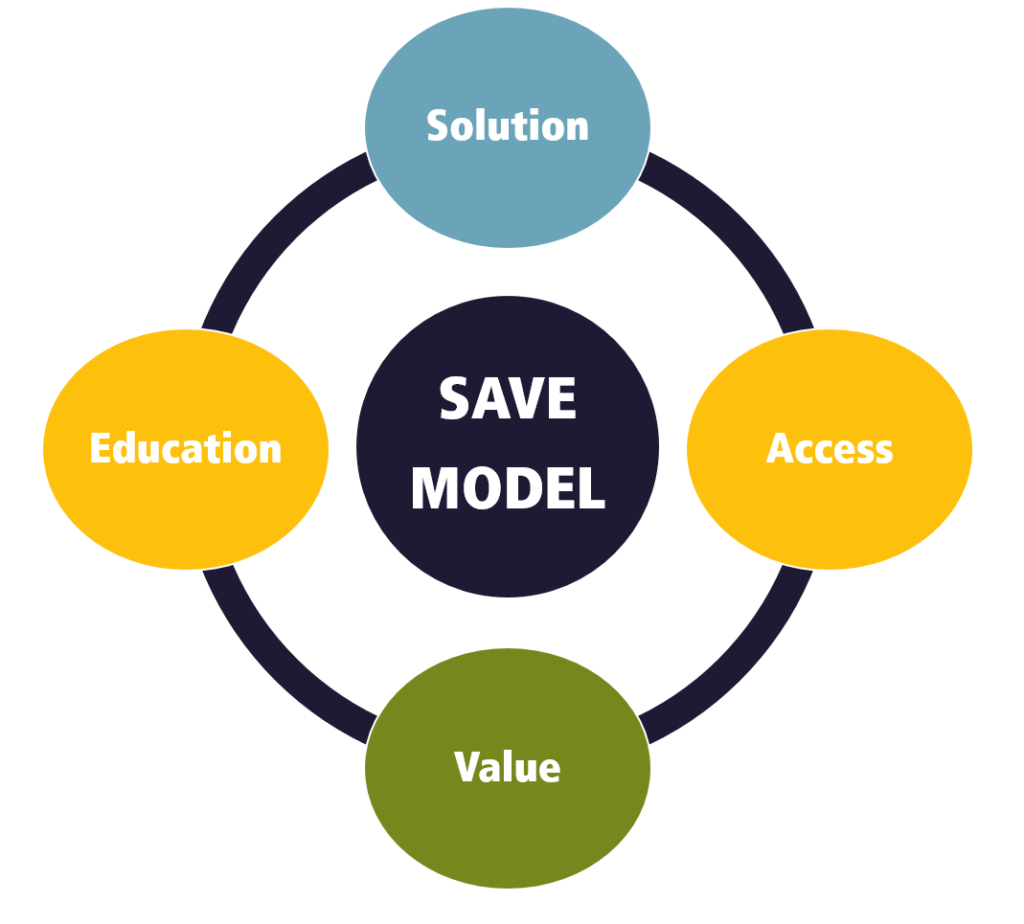

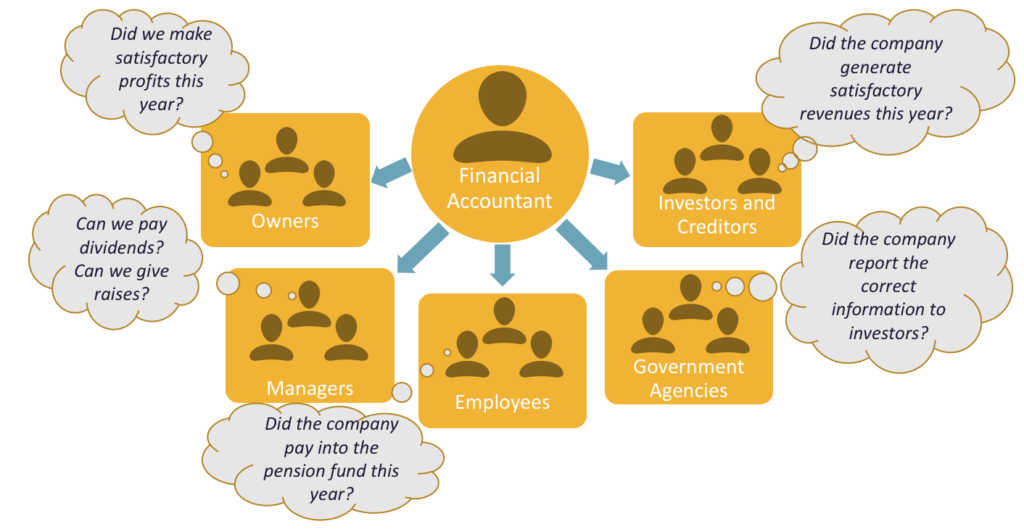
	</div>


	</div>

</body>
</html>