<?xml version="1.0" encoding="UTF-8"?>
<!DOCTYPE html PUBLIC "-//W3C//DTD XHTML 1.1//EN" "http://www.w3.org/TR/xhtml11/DTD/xhtml11.dtd">
<html xmlns="http://www.w3.org/1999/xhtml" xml:lang="en">
<head>
<meta content="text/html; charset=UTF-8" http-equiv="content-type" />
<meta http-equiv="Content-Language" content="en" />
<meta name="generator" content="Pressbooks 5.20.1" />
<meta name="pb-authors" content="Andrew Frank" />
<meta name="pb-editors" content="" />
<meta name="pb-translators" content="" />
<meta name="pb-reviewers" content="" />
<meta name="pb-illustrators" content="" />
<meta name="pb-contributors" content="" />
<meta name="pb-title" content="Writing for Public Relations" />
<meta name="pb-language" content="en-ca" />
<meta name="pb-cover-image" content="https://pressbooks.bccampus.ca/wp-content/plugins/pressbooks/assets/dist/images/default-book-cover.jpg" />
<title>Writing for Public Relations</title>
</head>
<body lang='en' >
<div id="half-title-page"><h1 class="title">Writing for Public Relations</h1></div>
<div id="title-page"><h1 class="title">Writing for Public Relations</h1><h2 class="subtitle"></h2><h3 class="author">Andrew Frank</h3><h3 class="author"></h3><h4 class="publisher"></h4><h5 class="publisher-city"></h5></div>
<div id="copyright-page"><div class="ugc"><div class="license-attribution"><p><a href="https://pressbooks.bccampus.ca/writingforpublicrelations" property="dc:title">Writing for Public Relations</a> Copyright &copy; by Andrew Frank. All Rights Reserved.</p></div></div></div>
<div id="toc"><h1>Contents</h1><ul><li class="front-matter introduction"><a href="#front-matter-adaptationstatement"><span class="toc-chapter-title">Adaptation Statement</span></a></li><li class="front-matter miscellaneous post-introduction"><a href="#front-matter-learning-objectives"><span class="toc-chapter-title">Learning Objectives</span></a></li><li class="part"><a href="#part-part-1-the-role-of-writing-in-public-relations">Part 1: The Role of Writing in Public Relations</a></li><li class="chapter standard"><a href="#chapter-whatispublicrelations"><span class="toc-chapter-title">1.1 What Is Public Relations?</span></a></li><li class="chapter standard"><a href="#chapter-the-role-of-writing-in-public-relations"><span class="toc-chapter-title">1.2 The Role of Writing in Public Relations</span></a></li><li class="chapter standard"><a href="#chapter-ethics-in-writing"><span class="toc-chapter-title">1.3 Ethical/Legal Responsibilities and Critical Thinking</span></a></li><li class="part"><a href="#part-writing-basics-what-makes-a-good-sentence">Part 2: Writing Basics: What Makes a Good Sentence?</a></li><li class="chapter standard"><a href="#chapter-slug-2-1-sentence-writing"><span class="toc-chapter-title">2.1 Sentence Writing</span></a></li><li class="chapter standard"><a href="#chapter-slug-2-2-subject-verb-agreement"><span class="toc-chapter-title">2.2 Subject-Verb Agreement</span></a></li><li class="chapter standard"><a href="#chapter-slug-2-3-verb-tense"><span class="toc-chapter-title">2.3 Verb Tense</span></a></li><li class="chapter standard"><a href="#chapter-slug-2-4-capitalization"><span class="toc-chapter-title">2.4 Capitalization</span></a></li><li class="chapter standard"><a href="#chapter-slug-2-5-pronouns"><span class="toc-chapter-title">2.5 Pronouns</span></a></li><li class="chapter standard"><a href="#chapter-slug-2-6-adjectives-and-adverbs"><span class="toc-chapter-title">2.6 Adjectives and Adverbs</span></a></li><li class="chapter standard"><a href="#chapter-slug-2-7-misplaced-and-dangling-modifiers"><span class="toc-chapter-title">2.7 Misplaced and Dangling Modifiers</span></a></li><li class="chapter standard"><a href="#chapter-slug-2-8-writing-basics-end-of-chapter-exercises"><span class="toc-chapter-title">2.8 Writing Basics: End-of-Chapter Exercises</span></a></li><li class="part"><a href="#part-chapter-3-punctuation">Part 3: Punctuation</a></li><li class="chapter standard"><a href="#chapter-slug-3-1-commas"><span class="toc-chapter-title">3.1 Commas</span></a></li><li class="chapter standard"><a href="#chapter-slug-3-2-semicolons"><span class="toc-chapter-title">3.2 Semicolons</span></a></li><li class="chapter standard"><a href="#chapter-slug-3-3-colons"><span class="toc-chapter-title">3.3 Colons</span></a></li><li class="chapter standard"><a href="#chapter-slug-3-4-quotes"><span class="toc-chapter-title">3.4 Quotes</span></a></li><li class="chapter standard"><a href="#chapter-slug-3-5-apostrophes"><span class="toc-chapter-title">3.5 Apostrophes</span></a></li><li class="chapter standard"><a href="#chapter-slug-3-6-parentheses"><span class="toc-chapter-title">3.6 Parentheses</span></a></li><li class="chapter standard"><a href="#chapter-slug-3-7-dashes"><span class="toc-chapter-title">3.7 Dashes</span></a></li><li class="chapter standard"><a href="#chapter-slug-3-8-hyphens"><span class="toc-chapter-title">3.8 Hyphens</span></a></li><li class="chapter standard"><a href="#chapter-slug-3-9-punctuation-end-of-chapter-exercises"><span class="toc-chapter-title">3.9 Punctuation: End-of-Chapter Exercises</span></a></li><li class="part"><a href="#part-part-2-learning-to-write">Part 4: Finding Your Voice and Providing Feedback to Others</a></li><li class="chapter standard"><a href="#chapter-slug-2-1-learning-to-write"><span class="toc-chapter-title">4.1 Learning to Write</span></a></li><li class="chapter standard"><a href="#chapter-slug-2-2-pre-writing"><span class="toc-chapter-title">4.2 Pre-writing</span></a></li><li class="chapter standard"><a href="#chapter-finding-your-voice-and-practicing-your-writing-through-blogging-or-journaling"><span class="toc-chapter-title">4.3 Finding Your Voice and Practicing Your Writing Through Blogging (or Journaling)</span></a></li><li class="chapter standard"><a href="#chapter-the-big-picture-topic-voice"><span class="toc-chapter-title">4.4 The Big Picture: Topic &#038; Voice</span> <span class="chapter-author">Mary Sterenberg</span></a></li><li class="chapter standard"><a href="#chapter-quality-content-ingredients"><span class="toc-chapter-title">4.5 Quality Content Ingredients</span> <span class="chapter-author">Mary Sterenberg</span></a></li><li class="chapter standard"><a href="#chapter-embrace-the-online-presence"><span class="toc-chapter-title">4.6 Embrace the Online Presence</span> <span class="chapter-author">Mary Sterenberg</span></a></li><li class="chapter standard"><a href="#chapter-pr-pro-advice-nick-dekker-blogger-breakfast-with-nick"><span class="toc-chapter-title">4.7 PR Pro Advice: Tips from Successful Bloggers</span> <span class="chapter-author">Mary Sterenberg</span></a></li><li class="chapter standard"><a href="#chapter-revising-editing-and-proofreading"><span class="toc-chapter-title">4.8 Revising, Editing and Proofreading</span></a></li><li class="chapter standard"><a href="#chapter-giving-and-receiving-feedback"><span class="toc-chapter-title">4.9 Giving and Receiving Feedback</span></a></li><li class="chapter standard"><a href="#chapter-references-4"><span class="toc-chapter-title">References</span> <span class="chapter-author">Mary Sterenberg</span></a></li><li class="part"><a href="#part-chapter-5-news-values-and-news-writing-basics">Part 5: News Values &#038; News Writing Basics</a></li><li class="chapter standard"><a href="#chapter-news-value-and-the-public-relations-professional"><span class="toc-chapter-title">5.1 News Value and the Public Relations Professional</span></a></li><li class="chapter standard"><a href="#chapter-news-value-types"><span class="toc-chapter-title">5.2 News Value Types (Part 1)</span></a></li><li class="chapter standard"><a href="#chapter-news-value-types-part-2"><span class="toc-chapter-title">5.3 News Value Types (Part 2)</span></a></li><li class="chapter standard"><a href="#chapter-goal-of-a-news-story"><span class="toc-chapter-title">5.4 Objectives and Types of News Stories</span></a></li><li class="chapter standard"><a href="#chapter-inverted-pyramid-style"><span class="toc-chapter-title">5.5 Inverted Pyramid Style</span></a></li><li class="chapter standard"><a href="#chapter-summary-lead"><span class="toc-chapter-title">5.6 Summary Lead</span></a></li><li class="chapter standard"><a href="#chapter-body-of-the-article"><span class="toc-chapter-title">5.7 Body of the Article</span></a></li><li class="chapter standard"><a href="#chapter-attribution"><span class="toc-chapter-title">5.8 Attribution</span></a></li><li class="chapter standard"><a href="#chapter-headlines"><span class="toc-chapter-title">5.9 Headlines</span></a></li><li class="chapter standard"><a href="#chapter-references-6"><span class="toc-chapter-title">References</span></a></li><li class="part"><a href="#part-chapter-11-public-relations-writing">Part 6: Writing the News Release</a></li><li class="chapter standard"><a href="#chapter-the-difference-between-news"><span class="toc-chapter-title">6.1 News Writing vs. Public Relations Writing</span></a></li><li class="chapter standard"><a href="#chapter-public-relations-writing-materials"><span class="toc-chapter-title">6.2 The News Release</span></a></li><li class="chapter standard"><a href="#chapter-writing-the-press-release"><span class="toc-chapter-title">6.3 Writing the News Release</span></a></li><li class="chapter standard"><a href="#chapter-press-release-structure-and-format"><span class="toc-chapter-title">6.4 News Release Structure and Format</span></a></li><li class="chapter standard"><a href="#chapter-press-kit-materials"><span class="toc-chapter-title">6.5 Media Kit Materials</span></a></li><li class="chapter standard"><a href="#chapter-references-9"><span class="toc-chapter-title">References</span></a></li><li class="part"><a href="#part-part-2-the-research-process">Part 7: The Research Process</a></li><li class="chapter standard"><a href="#chapter-slug-2-1-research-questions"><span class="toc-chapter-title">7.1 Research Questions</span></a></li><li class="chapter standard"><a href="#chapter-slug-2-2-categorizing-sources"><span class="toc-chapter-title">7.2 Categorizing Sources</span></a></li><li class="chapter standard"><a href="#chapter-slug-2-3-evaluating-sources"><span class="toc-chapter-title">7.3 Evaluating Sources</span></a></li><li class="chapter standard"><a href="#chapter-slug-2-4-citing-sources"><span class="toc-chapter-title">7.4 Citing Sources</span></a></li><li class="part"><a href="#part-social-media-uses-and-messaging">Part 8: Writing for Social Media</a></li><li class="chapter standard"><a href="#chapter-definition-and-characteristics"><span class="toc-chapter-title">8.1 What are social media?</span> <span class="chapter-author">Jasmine Roberts and Andrew Frank</span></a></li><li class="chapter standard"><a href="#chapter-types-of-social-media"><span class="toc-chapter-title">8.2 Social media characteristics</span> <span class="chapter-author">Jasmine Roberts and Andrew Frank</span></a></li><li class="chapter standard"><a href="#chapter-the-impact-of-social-media"><span class="toc-chapter-title">8.3 The impact of social media</span> <span class="chapter-author">Jasmine Roberts and Andrew Frank</span></a></li><li class="chapter standard"><a href="#chapter-crafting-social-media"><span class="toc-chapter-title">8.4 Factors to consider before writing and posting</span> <span class="chapter-author">Jasmine Roberts and Andrew Frank</span></a></li><li class="chapter standard"><a href="#chapter-creating-social-media-messages"><span class="toc-chapter-title">8.5 Creating social media messages</span> <span class="chapter-author">Jasmine Roberts and Andrew Frank</span></a></li><li class="chapter standard"><a href="#chapter-references-10"><span class="toc-chapter-title">8.6 References</span> <span class="chapter-author">Jasmine Roberts and Andrew Frank</span></a></li><li class="part"><a href="#part-chapter-8-feature-writing">Part 9: Feature Writing &#038; Lead Generating Content</a></li><li class="chapter standard"><a href="#chapter-traditional-news-writing-vs-feature-writing"><span class="toc-chapter-title">9.1 The purpose of feature writing</span> <span class="chapter-author">Jasmine Roberts and Andrew Frank</span></a></li><li class="chapter standard"><a href="#chapter-types-of-features"><span class="toc-chapter-title">9.2 Feature writing versus traditional news writing</span> <span class="chapter-author">Jasmine Roberts and Andrew Frank</span></a></li><li class="chapter standard"><a href="#chapter-feature-leads"><span class="toc-chapter-title">9.3 Feature leads</span> <span class="chapter-author">Jasmine Roberts and Andrew Frank</span></a></li><li class="chapter standard"><a href="#chapter-feature-article-organization"><span class="toc-chapter-title">9.4 Feature article organization</span> <span class="chapter-author">Jasmine Roberts and Andrew Frank</span></a></li><li class="chapter standard"><a href="#chapter-feature-writing-devices"><span class="toc-chapter-title">9.5 Feature writing devices</span> <span class="chapter-author">Jasmine Roberts and Andrew Frank</span></a></li><li class="chapter standard"><a href="#chapter-feature-writing-lead-generation"><span class="toc-chapter-title">9.6 Feature Writing &#038; Lead Generation</span> <span class="chapter-author">Andrew Frank</span></a></li><li class="chapter standard"><a href="#chapter-references-5"><span class="toc-chapter-title">9.7 References</span> <span class="chapter-author">Jasmine Roberts</span></a></li><li class="part"><a href="#part-chapter-12-creating-a-writing-portfolio">Part 10: Creating a Portfolio</a></li><li class="chapter standard"><a href="#chapter-why-create-a-writing-portfolio"><span class="toc-chapter-title">10.1 Why create a portfolio?</span> <span class="chapter-author">Jasmine Roberts and Andrew Frank</span></a></li><li class="chapter standard"><a href="#chapter-online-versus-hardcopy-portfolios"><span class="toc-chapter-title">10.2 Online versus hardcopy portfolios</span> <span class="chapter-author">Jasmine Roberts and Andrew Frank</span></a></li><li class="chapter standard"><a href="#chapter-writing-portfolio-content"><span class="toc-chapter-title">10.3 Portfolio content</span> <span class="chapter-author">Jasmine Roberts and Andrew Frank</span></a></li><li class="chapter standard"><a href="#chapter-more-important-points-about-the-writing-portfolio"><span class="toc-chapter-title">10.4 Creating and updating  your portfolio</span> <span class="chapter-author">Jasmine Roberts and Andrew Frank</span></a></li><li class="chapter standard"><a href="#chapter-references-12"><span class="toc-chapter-title">10.5 References</span> <span class="chapter-author">Jasmine Roberts</span></a></li><li class="part display-none"><a href="#part-chapter-10-media-relations">Persuasive Writing</a></li><li class="part"><a href="#part-explanatory-writing">Explanatory Writing</a></li><li class="chapter standard"><a href="#chapter-descriptive-writing"><span class="toc-chapter-title">Descriptive Writing</span></a></li></ul></div>
<div class="front-matter introduction" id="front-matter-adaptationstatement" title="Adaptation Statement"><div class="front-matter-title-wrap"><h3 class="front-matter-number">1</h3><h1 class="front-matter-title">Adaptation Statement</h1></div><div class="ugc front-matter-ugc"> <div class="introduction post-4 front-matter type-front-matter status-publish hentry front-matter-type-introduction focusable" data-type="introduction"><em>Writing for Public Relations</em>&nbsp;is by Andrew Frank, and is a mix of newly written content, as well as adapted and remixed chapters from other open textbooks, as noted below. <em>Writing for Public Relations&nbsp;</em>(c) 2021 by Andrew Frank is licensed under a&nbsp;<a href="https://creativecommons.org/licenses/by-nc-sa/4.0/" data-url="https://creativecommons.org/licenses/by-nc-sa/4.0/">Creative Commons-Attribution-NonCommercial-ShareAlike 4.0 International license</a>. In <em>Writing for Public Relations</em>, content has been adapted for a Canadian public relations context. While general ideas and content may remain unchanged from the sources on which this adapted version is based, word choice, phrasing, and organization may have changed to reflect the author’s preferences.This book was written and edited on the unceded territory of the Kwantlen and Musqueam nations.—<strong>Open textbooks this textbook is based on:&nbsp;</strong> <p><a href="https://ohiostate.pressbooks.pub/writelikeapro/" target="_blank" rel="noopener noreferrer" data-url="https://ohiostate.pressbooks.pub/writelikeapro/">Writing Like a PR Pro</a></p> <p><a href="https://open.lib.umn.edu/writingforsuccess/" data-url="https://open.lib.umn.edu/writingforsuccess/">Writing for Success</a></p> <p><a href="https://www.oercommons.org/courses/about-writing/view" data-url="https://www.oercommons.org/courses/about-writing/view">About Writing: A Guide</a></p> <p><a href="https://ohiostate.pressbooks.pub/stratcommwriting/" data-url="https://ohiostate.pressbooks.pub/stratcommwriting/">Writing for Strategic Communication Industries</a></p> <p><a href="https://psu.pb.unizin.org/comm370/" data-url="https://psu.pb.unizin.org/comm370/">The Evolving World of Public Relations: Beyond the Press Release</a></p> <p><a href="https://pressbooks.bccampus.ca/professionalcomms/" data-url="https://pressbooks.bccampus.ca/professionalcomms/">Introduction to Professional Communications</a></p> </div> </div></div>
<div class="front-matter miscellaneous post-introduction" id="front-matter-learning-objectives" title="Learning Objectives"><div class="front-matter-title-wrap"><h3 class="front-matter-number">2</h3><h1 class="front-matter-title">Learning Objectives</h1></div><div class="ugc front-matter-ugc"> <ul><li>Apply the RACE formula (Research, Analysis, Communication and Evaluation) to structure public relations writing</li> <li>Use correct grammar and sentence structure</li> <li>Demonstrate effective writing and storytelling techniques including attention-getting leads, smooth paragraph transitions, short sentences and paragraphs, active voice, effective endings and integrating common search terms (SEO) to help boost the search ranking of content in the digital space</li> <li>Recognize and distinguish between different public relations writing styles, including informative and persuasive writing</li> <li>Use principles of rhetoric to frame a persuasive argument including audience analysis, source credibility, timing, and context</li> <li>Effectively analyze audience in order to create content that resonates, uses appropriate voice, language and jargon, and utilizes appropriate channels</li> <li>Identify and integrate credible primary and secondary research sources using recognized citation formats and fact checking</li> <li>Synthesize complex information into clear and concise written content</li> <li>Analyze and summarize data for short copy applications and content platforms that emphasize brevity</li> <li>Demonstrate the ethical boundaries of persuasion and differentiate between propaganda, misinformation, fake news, and harmful speech</li> <li>Describe and/or apply strategies to establish and maintain positive and professional client relationships that lead to client loyalty</li> <li>Develop content, plans and strategies that are diverse, equitable, inclusive and are respectful of a diverse range of thoughts, perspectives, experiences and identities (including Indigenous communities, race, gender, class, sexuality, religion, ability etc.)</li> </ul> </div></div>
<div class="part " id="part-part-1-the-role-of-writing-in-public-relations"><div class="part-title-wrap"><h3 class="part-number">I</h3><h1 class="part-title">Part 1: The Role of Writing in Public Relations</h1></div><div class="ugc part-ugc"></div></div>
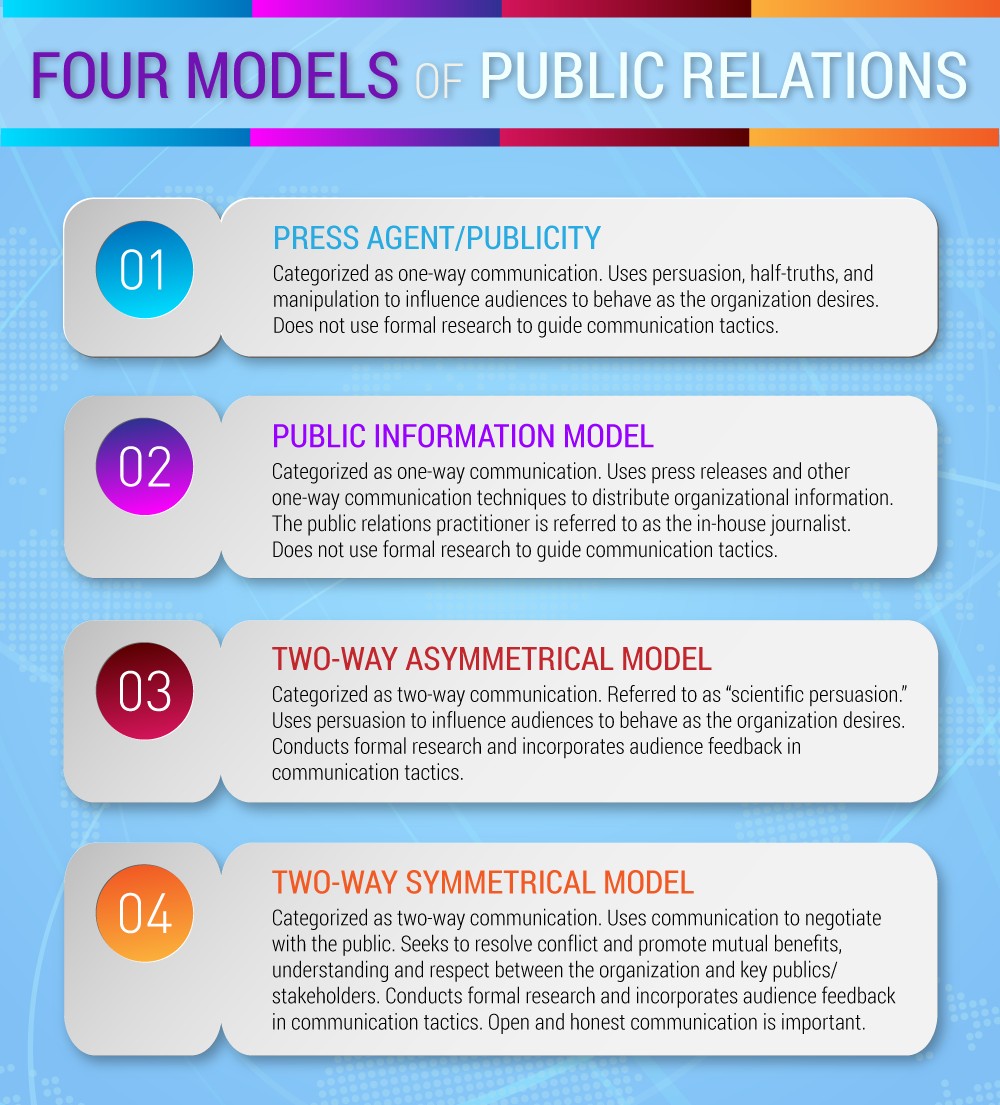
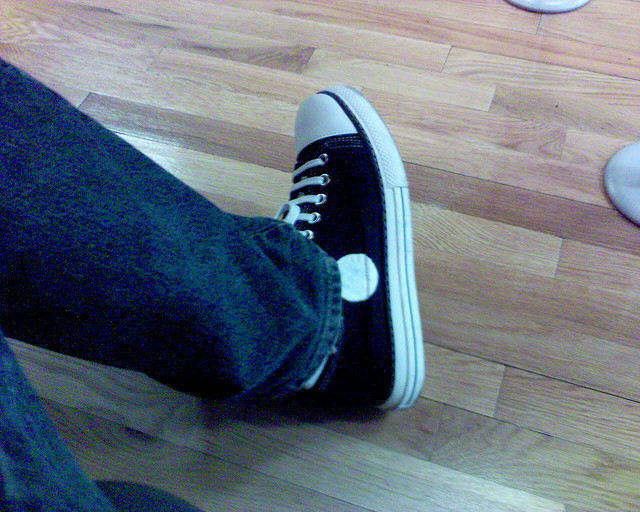
<div class="chapter standard" id="chapter-whatispublicrelations" title="1.1 What Is Public Relations?"><div class="chapter-title-wrap"><h3 class="chapter-number">1</h3><h2 class="chapter-title">1.1 What Is Public Relations?</h2></div><div class="ugc chapter-ugc"> <p>Before we can begin to discuss the role of writing in public relations, we need to begin with a clear understanding of what public relations is, its value to organizations, as well as its common functions. You may have covered some of this content in an introductory public relations course, in which case, feel free to skim or skip it.</p> <h2>What Is Public Relations?</h2> <p id="fwk-luleapollo-ch12_s02_p01" class="para editable block">According to the Canadian Public Relations Society (CPRS), “Public relations is the&nbsp;strategic management&nbsp;of&nbsp;relationships&nbsp;between an&nbsp;organization&nbsp;and its&nbsp;diverse publics, through the use of&nbsp;communication, to achieve&nbsp;mutual understanding, realize&nbsp;organizational&nbsp;goals&nbsp;and serve the&nbsp;public interest.”*&nbsp;Simply put, public relations helps to influence an audience’s perceptions by building relationships and shaping public conversations about a client or company. These public conversations often take place through mass and social media, which is why public relations professionals need to understand how to work with and write effective messages for the media.</p> <p><em>*&nbsp;The last phrase in this definition, “public interest,” is something that is often defined differently by different groups. We will explore the concept of public interest in greater detail in section 1.3, which focuses on the ethical and legal responsibilities of the PR practitioner.&nbsp;</em></p> <p>This short video, titled “What is public relations?” helps to visualize public relations.</p> <div class="textbox interactive-content interactive-content--oembed"><img src="https://i.ytimg.com/vi/mmAjtPJao6U/hqdefault.jpg" alt="Thumbnail for the embedded element &quot;What is public relations?&quot;" title="What is public relations?" /> <p>A YouTube element has been excluded from this version of the text. You can view it online here: <a href="https://pressbooks.bccampus.ca/writingforpublicrelations/?p=297#pb-interactive-content" title="What is public relations?" data-url="https://pressbooks.bccampus.ca/writingforpublicrelations/?p=297#pb-interactive-content">https://pressbooks.bccampus.ca/writingforpublicrelations/?p=297</a> </p> </div> <p class="import-BodyText" style="margin-left: 5.65pt;margin-right: 5.55pt">Public relations professionals are in charge of a wide range of communication activities that may include increasing brand visibility and awareness, planning events, and creating content. Some of them also deal with crisis communication and help to salvage a brand’s integrity and reputation during a negative event. This video from Kate Finley, chief executive officer of Belle Communications, explains what it is like to work at a public relations agency.</p> <h2><strong>Why Do Companies Need Public Relations?</strong></h2> <p class="import-BodyText" style="margin-left: 5.65pt;margin-right: 5.55pt">There was a time when many companies did not see the value of public relations, unless a crisis happened. Even now, some public relations professionals face challenges in convincing key executives of their value to the function of the company.</p> <p class="import-BodyText" style="margin-left: 5.65pt;margin-right: 5.55pt">With the abundance of information readily available to audiences worldwide, companies are more vulnerable than ever to misinformation about their brand. An audience’s attitudes and beliefs about a company can greatly influence its success. Therefore, the public relations professional helps to monitor and control conversations about a company or client and manage its reputation in the marketplace. Viewing public relations as a key management function of a business or an essential strategy to manage one’s individual reputation will help accomplish important goals such as establishing trust among key publics, increasing news media and social media presence, and maintaining a consistent voice across communication platforms.</p> <p class="import-BodyText" style="margin-left: 5.65pt">For more on the impact of reputation on business success, take a look at <a class="rId15" href="https://www.entrepreneur.com/article/233667" data-url="https://www.entrepreneur.com/article/233667">this article </a>from <em>The Entrepreneur.</em></p> <h2><strong>Public Relations Versus Marketing Versus Advertising</strong></h2> <p class="import-BodyText" style="margin-left: 5.65pt">Many people confuse public relations with marketing and advertising. Although there are similarities, there also are key differences.</p> <p class="import-BodyText" style="margin-left: 5.65pt;margin-right: 8.65pt">Probably the most important difference between marketing, public relations, and advertising is the primary focus. Public relations emphasizes cultivating relationships between an organization or individual and key publics for the purpose of managing the client’s image. Marketing emphasizes the promotion of products and services for revenue purposes. Advertising is a communication tool used by marketers in order to get customers to act.</p> <h2><strong>Four Models Of Public Relations</strong></h2> <p class="import-BodyText" style="margin-left: 5.65pt">Grunig and Hunt (1984) developed four models of public relations that describe the field’s various management and organizational practices. These models serve as guidelines to create programs, strategies, and tactics and are still commonly cited today.</p> <p>&nbsp;</p> <div class="wp-caption aligncenter" style="width: 721px"><img class="" src="https://pressbooks.bccampus.ca/writingforpublicrelations/wp-content/uploads/sites/1233/2019/06/image1.jpeg" alt="Four model of public realtions. Press Agent or Publicity, Public Information, Two-ways Asymmetrical and Two-way Symmetrical" width="721" height="796" /><div class="wp-caption-text">Four Models of PR” by Michael Shiflet and Jasmine Roberts is licensed under <a href="//creativecommons.org/licenses/by/2.0/" data-url="//creativecommons.org/licenses/by/2.0/">CC BY 2.0</a></div></div> <p class="import-BodyText" style="margin-left: 5.65pt;margin-right: 5.6pt">In the <strong>press agent/publicity model</strong>, communications professionals use persuasion to shape the thoughts and opinions of key audiences. In this model, accuracy is often sacrificed and organizations do not seek audience feedback or conduct audience analysis research. It is a one-way form of communication. One example is propaganda techniques.</p> <p class="import-BodyText" style="margin-left: 5.65pt;margin-right: 5.55pt">The <strong>public information model </strong>moves away from the manipulative tactics used in the press agent model and presents more accurate information. However, the communication pattern is still one-way. Practitioners do not conduct audience analysis research to guide their strategies and tactics. Some press releases and newsletters are created based on this model, when audiences are not necessarily targeted or researched beforehand.</p> <p class="import-BodyText" style="margin-left: 5.65pt;margin-right: 5.55pt">The <strong>two-way asymmetrical model </strong>presents a more “scientifically persuasive” way of communicating with key audiences. Here, content creators conduct research to better understand the audience’s attitudes and behaviors, which in turn informs the message strategy and creation. Still, persuasive communication is used in this model to benefit the organization more so than audiences; therefore, it is considered asymmetrical or imbalanced. The model is particularly popular in advertising and consumer marketing, fields that are specifically interested in increasing an organization’s profits.</p> <p class="import-BodyText" style="margin-left: 5.65pt;margin-right: 5.6pt">Finally, the <strong>two-way symmetrical model </strong>argues that the public relations practitioner should serve as a liaison between the organization and key publics, rather than as a persuader. Here, practitioners are negotiators and use communication to ensure that all involved parties benefit, not just the organization that employs them. The term “symmetrical” is used because the model attempts to create a mutually beneficial situation. <span style="text-decoration: underline"><strong>The two-way symmetrical model is deemed the most ethical model, one that professionals should aspire to use in their everyday tactics and strategies (Simpson, 2014).</strong></span></p> <h2><strong>General Roles In Public Relations</strong></h2> <p class="import-BodyText" style="margin-left: 5.65pt;margin-right: 5.55pt">According to Smith (2013), public relations practitioners can be placed in two groups based on responsibilities: communication managers and communication technicians. Communication managers assist in the strategic planning of an organization’s communication efforts. The broad term “communication manager” includes several similar public relations positions: expert consultant, problem-solving facilitator, and communication liaison. Expert consultants develop a specific communication plan to help achieve organizational goals. Problem-solving facilitators provide crisis management to an organization during an obstacle. Liaisons speak on behalf of the brand and facilitate communication between the organization and its key publics.</p> <p class="import-BodyText" style="margin-left: 5.65pt;margin-right: 5.6pt">Before entering a managerial role, most public relations practitioners begin their career as a communication technician. This can refer to a variety of entry-level positions, including public relations or communications specialist, communication assistant, and junior account executive. Communication technicians write news releases, pitches, feature articles, and other communication materials and assist in event planning. Together, communication managers and technicians play a vital role in relationship building and the management of a brand.</p> <div id="fwk-luleapollo-ch12_s02_s01" class="section" xml:lang="en"><div id="fwk-luleapollo-ch12_s02_s01_s03" class="section" xml:lang="en"></div> </div> <div id="fwk-luleapollo-ch12_s02_s02" class="section" xml:lang="en"><h2 class="title editable block">PR Functions</h2> <p id="fwk-luleapollo-ch12_s02_s02_p01" class="para editable block">Either private PR companies and agencies, or in-house communications staffers carry out PR functions. A PR group generally handles all aspects of an organization’s or individual’s media presence, including company publications and news releases. Such a group can range from just one person to dozens of employees depending on the size and scope of the organization.</p> <p id="fwk-luleapollo-ch12_s02_s02_p02" class="para editable block">PR functions include the following:</p> <ul id="fwk-luleapollo-ch12_s02_s02_l01" class="itemizedlist editable block"><li>Media relations: takes place with media outlets and includes news releases, news conferences, interviews, op-eds and editorial board meetings</li> <li>Organizational communications: occurs within a company between management and employees, and among subsidiaries of the same company</li> <li>Business-to-business: happens between businesses that are in partnership</li> <li>Public affairs: takes place with community leaders, opinion formers, and those involved in public issues (includes government lobbying)</li> <li>Investor relations: occurs with investors and shareholders</li> <li>Strategic communication: intended to accomplish a specific goal</li> <li>Issues management: keeping tabs on public issues important to the organization</li> <li><span class="margin_term"><a class="glossterm" data-url="">Crisis management</a></span>: handling events that could damage an organization’s image and reputation<sup>1</sup></li> </ul> <div id="fwk-luleapollo-ch12_s02_s02_s01" class="section" xml:lang="en"><h2 class="title editable block">Anatomy of a PR Campaign</h2> <div class="caption" style="text-align: center;font-size: .8em"><p class="title"><span class="title-prefix">Figure 12.13</span></p> <p><a href="/app/uploads/sites/9/2015/04/ecaedcdd1e2aab849b8b341e9be68c55.jpg" data-url="/app/uploads/sites/9/2015/04/ecaedcdd1e2aab849b8b341e9be68c55.jpg"><img style="max-width: 497px" src="https://pressbooks.bccampus.ca/writingforpublicrelations/wp-content/uploads/sites/1233/2021/01/ecaedcdd1e2aab849b8b341e9be68c55-3.jpg" alt="image" /></a></p> <p class="para">Anatomy of a PR campaign</p> </div> <p id="fwk-luleapollo-ch12_s02_s02_s01_p01" class="para editable block">PR campaigns occur for any number of reasons. They can be a quick response to a crisis or emerging issue, or they can stem from a long-term strategy tied in with other organizational efforts. Regardless of its purpose, a typical campaign often involves four phases.</p> <p>The Canadian Public Relations Society often references a similar model of campaign development called the R-A-C-E formula (<strong>R</strong>esearch, <strong>A</strong>nalysis, <strong>C</strong>ommunication, <strong>E</strong>valuation). See how Electra Communications <a href="http://electracommunications.com/race-formula/" data-url="http://electracommunications.com/race-formula/">applies it to their work</a> in health marketing.</p> <div id="fwk-luleapollo-ch12_s02_s02_s01_s01" class="section" xml:lang="en"><h2 class="title editable block">Initial Research Phase (<strong>Research</strong> in the RACE formula)</h2> <p id="fwk-luleapollo-ch12_s02_s02_s01_s01_p01" class="para editable block">The first step of many PR campaigns is the initial research phase. First, practitioners identify and qualify the issue to be addressed/problem to be solved. Then, they research the organization itself to clarify issues of public perception, positioning, and internal dynamics. Strategists can also research the potential audience of the campaign. This audience may include media outlets, constituents, consumers, and competitors. Finally, the context of the campaign is often researched, including the possible consequences of the campaign and the potential effects on the organization. After considering all of these factors, practitioners are better educated to select the best type of campaign.</p> </div> <div id="fwk-luleapollo-ch12_s02_s02_s01_s02" class="section" xml:lang="en"><h2 class="title editable block">Strategy Phase (Analysis in the RACE formula)</h2> <p id="fwk-luleapollo-ch12_s02_s02_s01_s02_p01" class="para editable block">During the strategy phase, PR professionals usually determine objectives focused on the desired goal of the campaign and formulate strategies to meet those objectives. Broad strategies such as deciding on the overall message of a campaign and the best way to communicate the message can be finalized at this time.</p> </div> <div id="fwk-luleapollo-ch12_s02_s02_s01_s03" class="section" xml:lang="en"><h2 class="title editable block">Tactics Phase (Communication in the RACE formula)</h2> <p id="fwk-luleapollo-ch12_s02_s02_s01_s03_p01" class="para editable block">During the tactics phase, the PR group decides on the means to implement the strategies they formulated during the strategy phase. This process can involve devising specific communication techniques and selecting the forms of media that suit the message best. This phase may also address budgetary restrictions and possibilities. In the RACE formula, this phase include the actual implementation of tactics in the form of communication.</p> </div> <div id="fwk-luleapollo-ch12_s02_s02_s01_s04" class="section" xml:lang="en"><h2 class="title editable block">Evaluation Phase (Evaluation in the RACE formula)</h2> <p id="fwk-luleapollo-ch12_s02_s02_s01_s04_p01" class="para editable block">After the overall campaign has been determined, PR practitioners enter the evaluation phase. The group can review their campaign plan and evaluate its potential effectiveness. They may also conduct research on the potential results to better understand the cost and benefits of the campaign. Specific criteria for evaluating the campaign when it is completed are also established at this time (Smith, 2002). In the RACE formula, evaluation metrics are outlined prior to communication taking place, and should be evaluated during and after the communication effort to determine if adjustments are required midstream, and to assess results and improve future efforts.</p> </div> </div> </div> <div id="fwk-luleapollo-ch12_s02_s03" class="section" xml:lang="en"><div id="fwk-luleapollo-ch12_s02_s03_s03" class="section" xml:lang="en"><div id="fwk-luleapollo-ch12_s02_s04" class="section" xml:lang="en"><div id="fwk-luleapollo-ch12_s02_s04_s01" class="section" xml:lang="en"><div id="fwk-luleapollo-ch12_s02_s04_s01_s01" class="section" xml:lang="en"><h2 class="title editable block">Branding and the Shift From Advertising to PR</h2> <p>While advertising is an essential aspect of initial brand creation, PR campaigns are vital to developing the more abstract aspects of a brand. These campaigns work to position a brand in the public arena in order to give it a sense of cultural importance.</p> <p id="fwk-luleapollo-ch12_s02_s04_s01_s01_p01" class="para editable block">Pioneered by such companies as Procter &amp; Gamble during the 1930s, the older, advertising-centric model of branding focused on the product, using advertisements to associate a particular branded good with quality or some other positive cultural value. Yet, as consumers became exposed to ever-increasing numbers of advertisements, traditional advertising’s effectiveness dwindled. The ubiquity of modern advertising means the public is skeptical of—or even ignores—claims advertisers make about their products. This credibility gap can be overcome, however, when PR professionals using good promotional strategies step in.</p> <p id="fwk-luleapollo-ch12_s02_s04_s01_s01_p02" class="para editable block">The new PR-oriented model of branding focuses on the overall image of the company rather than on the specific merits of the product. This branding model seeks to associate a company with specific personal and cultural values that hold meaning for consumers.</p> <p id="fwk-luleapollo-ch12_s02_s04_s01_s01_p03" class="para editable block">Recently Toyota faced a marketing crisis when it instituted a massive recall based on safety issues. To counter the bad press, the company launched a series of commercials featuring top Toyota executives, urging the public to keep their faith in the brand (Bernstein, 2010). Much like the Volkswagen ads half a century before, Toyota used a style of self-awareness to market its automobiles. The positive PR campaign presented Toyotas as cars with a high standard of excellence, backed by a company striving to meet customers’ needs.</p> </div> <div id="fwk-luleapollo-ch12_s02_s04_s01_s02" class="section" xml:lang="en"><h2 class="title editable block">Studies in Success: Apple and Nike</h2> <p id="fwk-luleapollo-ch12_s02_s04_s01_s02_p01" class="para editable block">Apple has also employed this type of branding with great effectiveness. By focusing on a consistent design style in which every product reinforces the Apple experience, the computer company has managed to position itself as a mark of individuality. Despite the cynical outlook of many Americans regarding commercial claims, the notion that Apple is a symbol of individualism has been adopted with very little irony. <span class="blockquote block"><br /> </span></p> <p id="fwk-luleapollo-ch12_s02_s04_s01_s02_p03" class="para editable block">Brand managers that once focused on the product now find themselves in the role of community leaders, responsible for the well-being of a cultural image (Atkin, 2004).</p> <p id="fwk-luleapollo-ch12_s02_s04_s01_s02_p04" class="para editable block">Kevin Roberts, the current CEO of Saatchi &amp; Saatchi Worldwide, a branding-focused creative organization, has used the term “lovemark” as an alternative to trademark. This term encompasses brands that have created “loyalty beyond reason,” meaning that consumers feel loyal to a brand in much the same way they would toward friends or family members. Creating a sense of mystery around a brand generates an aura that bypasses the usual cynical take on commercial icons. A great deal of Apple’s success comes from the company’s mystique. Apple has successfully developed PR campaigns surrounding product releases that leak selected rumors to various press outlets but maintain secrecy over essential details, encouraging speculation by bloggers and mainstream journalists on the next product. All this combines to create a sense of mystery and an emotional anticipation for the product’s release.</p> <p id="fwk-luleapollo-ch12_s02_s04_s01_s02_p05" class="para editable block">Emotional connections are crucial to building a brand or lovemark. An early example of this kind of branding was Nike’s product endorsement deal with Michael Jordan during the 1990s. Jordan’s amazing, seemingly magical performances on the basketball court created his immense popularity, which was then further built up by a host of press outlets and fans who developed an emotional attachment to Jordan. As this connection spread throughout the country, Nike associated itself with Jordan and also with the emotional reaction he inspired in people. Essentially, the company inherited a PR machine that had been built around Jordan and that continues to function long after his retirement (Roberts, 2003).</p> </div> <div id="fwk-luleapollo-ch12_s02_s04_s01_s03" class="section" xml:lang="en"><h2 class="title editable block">Branding Backlashes</h2> <p id="fwk-luleapollo-ch12_s02_s04_s01_s03_p01" class="para editable block">An important part of maintaining a consistent brand is preserving the emotional attachment consumers have to that brand. Just as PR campaigns build brands, PR crises can damage them. For example, the massive Gulf of Mexico oil spill in 2010 became a PR nightmare for BP, an oil company that had been using PR to rebrand itself as an environmentally friendly energy company.</p> <p id="fwk-luleapollo-ch12_s02_s04_s01_s03_p02" class="para editable block">In 2000, BP began a campaign presenting itself as “Beyond Petroleum,” rather than British Petroleum, the company’s original name. By acquiring a major solar company, BP became the world leader in solar production and in 2005 announced it would invest $8 billion in alternative energy over the following 10 years. BP’s marketing firm developed a PR campaign that, at least on the surface, emulated the forward-looking two-way symmetric PR model. The campaign conducted interviews with consumers, giving them an opportunity to air their grievances and publicize energy policy issues. BP’s website featured a carbon footprint calculator consumers could use to calculate the size of their environmental impact (Solman, 2008). The single explosion on BP’s deep-water oil rig in the Gulf of Mexico essentially nullified the PR work of the previous 10 years, immediately putting BP at the bottom of the list of environmentally concerned companies.</p> <p id="fwk-luleapollo-ch12_s02_s04_s01_s03_p05" class="para editable block">Other branding backlashes have plagued companies such as Nike and Starbucks. By building their brands into global symbols, both companies also came to represent unfettered capitalist greed to those who opposed them. During the 1999 World Trade Organization protests in Seattle, activists targeted Starbucks and Nike stores for physical attacks such as window smashing. Labor activists have also condemned Nike over the company’s use of sweatshops to manufacture shoes. Eventually, Nike created a vice president for corporate responsibility to deal with sweatshop issues.<sup>2</sup></p> <div class="bcc-box bcc-highlight"><h4 class="title">Blackspot: The Antibrand Brand</h4> <p id="fwk-luleapollo-ch12_s02_s04_s01_s03_p06" class="para"><em class="emphasis">Adbusters</em>, a publication devoted to reducing advertising’s influence on global culture, added action to its criticisms of Nike by creating its own shoe. Manufactured in union shops, Blackspot shoes contain recycled tire rubber and hemp fabric. The Blackspot logo is a simple round dot that looks like it has been scribbled with white paint, as if a typical logo had been covered over. The shoes also include a symbolic red dot on the toe with which to kick Nike. Blackspot shoes use the Nike brand to create their own antibrand, symbolizing progressive labor reform and environmentally sustainable business practices (New York Times, 2004).</p> <div class="caption" style="text-align: center;font-size: .8em;max-width: 500px"><div id="fwk-luleapollo-ch12_s02_s04_s01_s03_f01" class="figure large"><p class="title"><span class="title-prefix">Figure 12.16</span></p> <div class="wp-nocaption aligncenter size-full wp-image-296"><a href="https://open.lib.umn.edu/app/uploads/sites/9/2015/11/12.2.2.jpg" data-url="https://open.lib.umn.edu/app/uploads/sites/9/2015/11/12.2.2.jpg"><img class="aligncenter size-full wp-image-296" src="https://pressbooks.bccampus.ca/writingforpublicrelations/wp-content/uploads/sites/1233/2021/01/12.2.2-3.jpg" alt="12.2.2" width="500" srcset="https://pressbooks.bccampus.ca/writingforpublicrelations/wp-content/uploads/sites/1233/2021/01/12.2.2-3.jpg 640w, https://pressbooks.bccampus.ca/writingforpublicrelations/wp-content/uploads/sites/1233/2021/01/12.2.2-3-300x240.jpg 300w, https://pressbooks.bccampus.ca/writingforpublicrelations/wp-content/uploads/sites/1233/2021/01/12.2.2-3-65x52.jpg 65w, https://pressbooks.bccampus.ca/writingforpublicrelations/wp-content/uploads/sites/1233/2021/01/12.2.2-3-225x180.jpg 225w, https://pressbooks.bccampus.ca/writingforpublicrelations/wp-content/uploads/sites/1233/2021/01/12.2.2-3-350x280.jpg 350w" /></a></div> <p class="para">Blackspot shoes developed as an antibrand alternative to regular sneakers.</p> <p class="para">Geoff Stearns – <a href="https://www.flickr.com/photos/tensafefrogs/7250301/" data-url="https://www.flickr.com/photos/tensafefrogs/7250301/">Black spot sneakers</a> – CC BY 2.0.</p> </div> </div> </div> </div> </div> </div> <div id="fwk-luleapollo-ch12_s02_s05" class="section" xml:lang="en"><h2 class="title editable block">Relationship With Politics and Government</h2> <p id="fwk-luleapollo-ch12_s02_s05_p01" class="para editable block">Politics and PR have gone hand in hand since the dawn of political activity. Politicians communicate with their constituents and make their message known using PR strategies. An early example of political PR that followed the publicity model&nbsp;is Benjamin Franklin’s trip as US ambassador to France during the American Revolution. At the time of his trip, Franklin was an international celebrity, and the fashionable society of Paris celebrated his arrival; his choice of a symbolic American-style fur cap immediately inspired a new style of women’s wigs. Franklin also took a printing press with him to produce leaflets and publicity notices that circulated through Paris’s intellectual and fashionable circles. Such PR efforts eventually led to a treaty with France that helped the colonists win their freedom from Great Britain (Isaacson, 2003).</p> <p id="fwk-luleapollo-ch12_s02_s05_p02" class="para editable block">A recent and notable Canadian political PR effort is Prime Minister Justin Trudeau’s daily press conferences during the COVID-19 pandemic (a mix of crisis communication, issues management, and publicity). The photogenic Trudeau has combined his strength in public speaking and projection of empathy &nbsp;(though not in making occasional gaffes e.g. “<a href="https://www.cbc.ca/news/canada/edmonton/justin-trudeau-speaking-moistly-youtube-1.5529347" data-url="https://www.cbc.ca/news/canada/edmonton/justin-trudeau-speaking-moistly-youtube-1.5529347">Speaking Moistly”</a>) with the medium of daily live video press conferences to help his government <a href="https://www.thestar.com/opinion/contributors/2020/04/23/a-pandemic-is-no-time-to-abandon-politics.html" data-url="https://www.thestar.com/opinion/contributors/2020/04/23/a-pandemic-is-no-time-to-abandon-politics.html">dominate the airwaves</a>, and be seen as taking action, thereby bolstering his government’s reputation in the eyes of voters, and improving its future election prospects.</p> <p id="fwk-luleapollo-ch12_s02_s05_p07" class="para editable block">Lobbyists also attempt to influence public policy using PR campaigns. In 2013, I worked with the Coastal First Nations <a href="https://www.cbc.ca/news/canada/british-columbia/anti-tanker-ad-marks-anniversary-of-alaskan-oil-spill-1.1385470" data-url="https://www.cbc.ca/news/canada/british-columbia/anti-tanker-ad-marks-anniversary-of-alaskan-oil-spill-1.1385470">to produce a television and online ad campaign</a> to sensitize viewers to the dangers of an oil spill. The Coastal First Nations were actively opposing the proposed Enbridge Northern Gateway pipeline which would bring oil tankers to the north coast of British Columbia, and were seeking to sway the federal government to cancel the project. Using archival footage of the Exxon Valdez oil spill from the Alaskan government archives, and pairing it with an iconic song from Simon &amp; Garfunkel (The Sound of Silence). We created a commercial that visualized the horrors of an oil spill and connected with our target audience (baby boomers). The message was this is the sounds of an oil spills (silence) after marine life and ocean-dependent industries are closed. The ad racked up significant views on YouTube, but even more significantly, <a href="/wp-content/uploads/sites/1096/2020/09/PR-Word-Awards_Sound-of-Silence_Campaign-ROI.pdf" data-url="/wp-content/uploads/sites/1096/2020/09/PR-Word-Awards_Sound-of-Silence_Campaign-ROI.pdf">earned additional media coverage</a> from television, newspapers, radio, and social media, helping us to reach a much larger audience on our small budget. The Globe and Mail called it a “hit” and it <a href="https://www.kpu.ca/news/kpu-instructor-s-oil-spill-ad-wins-cause-related-campaign-of-the-year" data-url="https://www.kpu.ca/news/kpu-instructor-s-oil-spill-ad-wins-cause-related-campaign-of-the-year">won an award.&nbsp;</a></p> </div> <div id="fwk-luleapollo-ch12_s02_s06" class="section" xml:lang="en"><div id="fwk-luleapollo-ch12_s02_s06_n01" class="bcc-box bcc-success"><h3 class="title">Key Takeaways</h3> <ul id="fwk-luleapollo-ch12_s02_s06_l01" class="itemizedlist"><li>The four models of PR include traditional publicity, public information, persuasive communication, and two-way symmetrical models.</li> <li>PR campaigns begin with a research phase, develop objectives during a strategy phase, formulate ways to meet objectives during the tactics phase, and assess the proposed campaign during the evaluation phase.</li> <li>Branding focuses on the lifestyles and values inherent in a brand’s image as opposed to the products that are manufactured. It can be quickly undone by PR crises such as the BP oil spill.</li> <li>PR has always been an important part of political campaigning and activity. In recent years, branding has become an important part of national political campaigns.</li> </ul> </div> </div> </div> </div> <p><sup>1</sup>Theaker, 7.</p> <p><sup>2</sup>Klein, 366.</p> <h2>References</h2> <p>Alberts, Sheldon. “Brand Obama,” <em class="emphasis">Financial Post</em>, January 17, 2009, <a class="link" href="http://www.financialpost.com/m/story.html?id=1191405" data-url="http://www.financialpost.com/m/story.html?id=1191405">http://www.financialpost.com/m/story.html?id=1191405</a>.</p> <p>Associated Press, “Blackwater Ditches Tarnished Brand Name,” <em class="emphasis">USA Today</em>, February 13, 2009, <a class="link" href="http://www.usatoday.com/news/military/2009-02-13-blackwater_N.htm" data-url="http://www.usatoday.com/news/military/2009-02-13-blackwater_N.htm">http://www.usatoday.com/news/military/2009-02-13-blackwater_N.htm</a>.</p> <p>Associated Press, “Cheney Hunting Accident Seen as P.R. Disaster,” <em class="emphasis">MSNBC</em>, February 16, 2006, <a class="link" href="http://www.msnbc.msn.com/id/11396608/ns/politics/" data-url="http://www.msnbc.msn.com/id/11396608/ns/politics/">http://www.msnbc.msn.com/id/11396608/ns/politics/</a>.</p> <p>Atkin, Douglas. interview, <em class="emphasis">Frontline</em>, <em class="emphasis">PBS</em>, February 2, 2004, <a class="link" href="http://www.pbs.org/wgbh/pages/frontline/shows/persuaders/interviews/atkin.html" data-url="http://www.pbs.org/wgbh/pages/frontline/shows/persuaders/interviews/atkin.html">http://www.pbs.org/wgbh/pages/frontline/shows/persuaders/interviews/atkin.html</a>.</p> <p>BBC World, “Taco Bell Cashes in on Mir,” March 20, 2001, <a class="link" href="http://news.bbc.co.uk/2/hi/americas/1231447.stm" data-url="http://news.bbc.co.uk/2/hi/americas/1231447.stm">http://news.bbc.co.uk/2/hi/americas/1231447.stm</a>.</p> <p>Bernstein, Sharon. “Toyota faces a massive marketing challenge,” <em class="emphasis">Los Angeles Times</em>, February 9, 2010, <a class="link" href="http://articles.latimes.com/2010/feb/09/business/la-fi-toyota-marketing10-2010feb10" data-url="http://articles.latimes.com/2010/feb/09/business/la-fi-toyota-marketing10-2010feb10">http://articles.latimes.com/2010/feb/09/business/la-fi-toyota-marketing10-2010feb10</a>.</p> <p>Dictionary.com, s.v. “Propaganda,” <a class="link" href="http://dictionary.reference.com/browse/propaganda" data-url="http://dictionary.reference.com/browse/propaganda">http://dictionary.reference.com/browse/propaganda</a>.</p> <p>Entine, Jon. “Queen of Green Roddick’s ‘Unfair Trade’ Started When She Copied Body Shop Formula,” <em class="emphasis">Daily Mail (London)</em>, September 15, 2007, <a class="link" href="http://www.dailymail.co.uk/femail/article-482012/Queen-Green-Roddicks-unfair-trade-started-copied-Body-Shop-formula.html" data-url="http://www.dailymail.co.uk/femail/article-482012/Queen-Green-Roddicks-unfair-trade-started-copied-Body-Shop-formula.html">http://www.dailymail.co.uk/femail/article-482012/Queen-Green-Roddicks-unfair-trade-started-copied-Body-Shop-formula.html</a>.</p> <p>Grunig, James E. and Todd Hunt, <em class="emphasis">Managing Public Relations</em>, 1984 (Belmont, CA: Wadsworth Publishing).</p> <p>Isaacson, Walter. <em class="emphasis">Benjamin Franklin: An American Life</em> (New York: Simon &amp; Schuster, 2003), 325–349.</p> <p>Kiley, David. “How Will Bill Clinton Manage His Brand?” <em class="emphasis">BusinessWeek</em>, June 10, 2008, analysis<a class="link" href="http://www.businessweek.com/bwdaily/dnflash/content/jun2008/db2008069_046398.htm" data-url="http://www.businessweek.com/bwdaily/dnflash/content/jun2008/db2008069_046398.htm">http://www.businessweek.com/bwdaily/dnflash/content/jun2008/db2008069_046398.htm</a>.</p> <p>New York Times, “Nat Ives, “Anti-Ad Group Tries Advertising,” <em class="emphasis">New York Times</em>, September 21, 2004, <a class="link" href="http://www.nytimes.com/2004/09/21/business/media/21adco.html" data-url="http://www.nytimes.com/2004/09/21/business/media/21adco.html">http://www.nytimes.com/2004/09/21/business/media/21adco.html</a>.</p> <p>Parsons, Patricia. <em class="emphasis">Ethics in Public Relations</em> (Sterling, VA: Chartered Institute of Public Relations, 2005), 7.</p> <p>Reid, Stuart. “The Diamond Myth,” <em class="emphasis">Atlantic</em>, <a class="link" href="http://www.theatlantic.com/magazine/archive/2006/12/the-diamond-myth/5491/" data-url="http://www.theatlantic.com/magazine/archive/2006/12/the-diamond-myth/5491/">http://www.theatlantic.com/magazine/archive/2006/12/the-diamond-myth/5491/</a>.</p> <p>Ries, Al and Laura Ries, <em class="emphasis">The Fall of Advertising and the Rise of PR</em> (New York: HarperBusiness, 2004), 90.</p> <p>Roberts, Kevin. interview, <em class="emphasis">Frontline</em>, <em class="emphasis">PBS</em>, December 15, 2003, <a class="link" href="http://www.pbs.org/wgbh/pages/frontline/shows/persuaders/interviews/roberts.html" data-url="http://www.pbs.org/wgbh/pages/frontline/shows/persuaders/interviews/roberts.html">http://www.pbs.org/wgbh/pages/frontline/shows/persuaders/interviews/roberts.html</a>.</p> <p>Saffir, Leonard. <em class="emphasis">Power Public Relations: How to Master the New PR</em> (Lincolnwood, IL: NTC Contemporary, 2000), 77–88.</p> <p>Smith, Ronald. <em class="emphasis">Strategic Planning for Public Relations</em> (Mahwah, NJ: Erlbaum Associates, 2002), 9–11.</p> <p>Solman, Gregory. “BP: Coloring Public Opinion?” <em class="emphasis">Adweek</em>, January 14, 2008, 1<a class="link" href="http://www.adweek.com/aw/content_display/news/strategy/e3i9ec32f006d17a91cd72d6192b9f7599a" data-url="http://www.adweek.com/aw/content_display/news/strategy/e3i9ec32f006d17a91cd72d6192b9f7599a">http://www.adweek.com/aw/content_display/news/strategy/e3i9ec32f006d17a91cd72d6192b9f7599a</a>.</p> <p>Stauber, John and Sheldon Rampton, <em class="emphasis">Toxic Sludge is Good for You!</em> (Monroe, ME: Common Courage Press, 1995), 105–119.</p> <p>Theaker, Alison. <em class="emphasis">The Public Relations Handbook</em> (Oxfordshire, England: Routledge, 2004), 4.</p> </div></div>
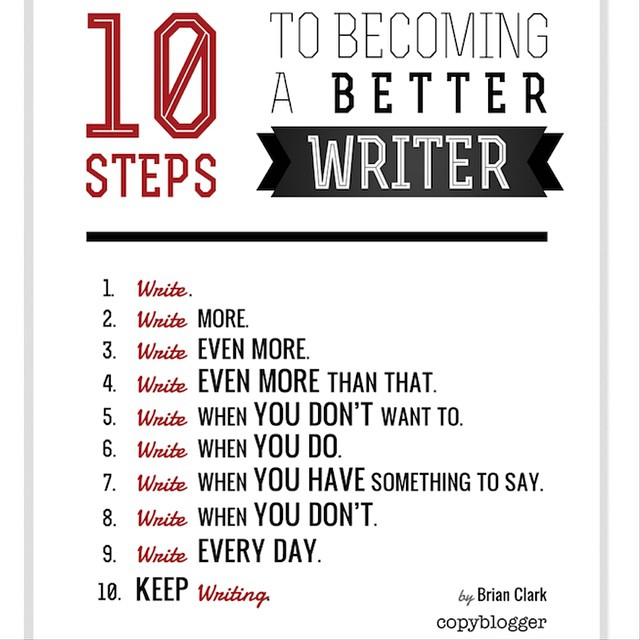
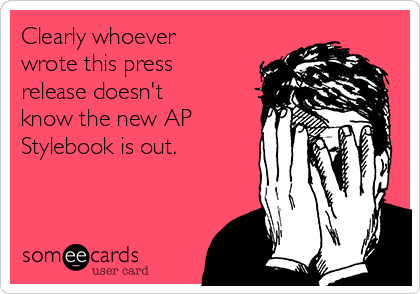
<div class="chapter standard" id="chapter-the-role-of-writing-in-public-relations" title="1.2 The Role of Writing in Public Relations"><div class="chapter-title-wrap"><h3 class="chapter-number">2</h3><h2 class="chapter-title">1.2 The Role of Writing in Public Relations</h2></div><div class="ugc chapter-ugc"> <h2>The Role of Writing in Public Relations</h2> <p>Public relations professionals at all levels need to have solid writing skills. White (2016) says, “To succeed as a PR pro, it’s vital to have a passion for writing and communication, and to be committed to excelling in both. You’re bound to fail if you don’t” (para. 9). Public relations professionals are responsible for developing communication materials intended to influence the attitudes and/or behaviors of key publics. Many employers require candidates for public relations positions to complete a writing test and provide a writing sample to demonstrate proficiency in this skill. Therefore, it is critical to understand how to craft effective messages through written communication.</p> <p>Here are some of the many materials and messages that public relations professionals have to write:</p> <ul><li>Press/News releases</li> <li>Fact sheets</li> <li>Feature articles</li> <li>Social media messages</li> <li>Blog posts</li> <li>Speeches</li> <li>PowerPoint presentations</li> <li>Brochures</li> <li>Media pitches</li> <li>Statements</li> <li>Website messages</li> </ul> <h2>News Writing vs. Public Relations Writing</h2> <p>Effective public relations writing draws from news writing principles, because the news media is one of the preferred channels for promoting products and services. However, news writing and public relations writing differ in terms of audience, tone, and media channels. News writing should be objective in tone, with the purpose of presenting information to educate an audience about newsworthy events. On the other hand, public relations writing advocates for the client. It is informative, but it should also influence key publics’ perception of the organization. Some would also argue that public relations writing is even more concise than new writing.</p> <p>Reporters usually write for one audience: readers or listeners of the respective media outlet. Public relations professionals may have to write for a variety of audiences, including internal audiences (such as employees, shareholders, and distributors) and external audiences (such as the media, customers, volunteers, and bloggers). News writing uses one primary communication channel, the news outlet (which can be a newspaper or a television or radio broadcast). Although journalists are increasingly using Twitter to post their articles, this usually entails posting a link that directs the audience to the news outlet’s primary website. Public relations professionals use a variety of channels to distribute their messages, including news media, social media, advertisements, blogs, press kits, and many more.</p> <h2>Good Writing</h2> <p>Many jobs and industries rely on good writing. Even within the public relations or communication industry, writing responsibilities can vary. You may be writing a news release, a newsletter article or a memo. Maybe you’re scripting video shoots, writing speeches, drafting social or advertising content or writing scripts or instructions for the upcoming event you’re planning. Strong writing for email also helps you show your professionalism, intelligence and attention to detail.</p> <p>On the flip side, when you can’t write clearly, concisely and quickly, it can cost you – money, time, clients, morale or even a lawsuit. Joseph Kimble, author of Writing for Dollars, Writing to Please, shares 25 case studies of organizations that saved time and money by improving the readability of their content. General Electric rewrote software manuals and customer calls asking questions plummeted. The U.S. Navy made memos quicker and easier to read, saving officers’ time to the tune of $27 to $37 million per year.</p> <p>Employers understand the cost of unclear, clunky or otherwise poor writing. And the need for clear writing threads throughout many jobs in communication, whether or not the primary job responsibility appears to be writing. &nbsp;Heather Whaling is the founder and CEO of Geben Communication, which specializes in traditional and digital public relations. She says, “writing is still the most important skill” in today’s digital world. Allie Lehman is the co-founder of The Wonder Jam, which has a strong focus on branding, graphics and photography. Lehman agrees, “it’s really important for students to be comfortable with writing.”</p> <p>As famous basketball coach John Wooden said: “When you improve a little each day, eventually big things occur.” Writing improves with practice. The more you do something and work at it, the better you get. This is true whether you consider yourself a strong writer at the start, or someone who struggles with writing.</p> <p><img class="aligncenter wp-image-278 size-full" src="https://ohiostate.pressbooks.pub/app/uploads/sites/54/2017/08/Better-Writing.jpg" alt="Better Writing" width="640" height="640" /><br /> In her book Everybody Writes, Ann Handley makes the argument that “good writing can be learned—the way trigonometry or algebra or balancing a balance sheet is a skill most of us can master.”</p> <p>The boxes below highlight some of the most common writing errors and a few ways to intentionally improve your writing.</p> <div class="textbox shaded"><p><b>Common Errors</b></p> <ul><li><span class="very-tight">Spelling errors</span></li> <li><span class="very-tight">Its vs. it’s</span></li> <li>There vs. their</li> <li><span class="very-tight">Affect/effect confusion</span></li> <li><span class="very-tight">Random capitalization</span></li> <li><span class="very-tight">Starting sentences with numerals</span></li> <li><span class="very-tight">Poor sentence structure (run-ons, fragments)</span></li> <li><span class="very-tight">Incorrect comma use</span></li> <li><span class="very-tight">Incorrect semicolon use</span></li> </ul> </div> <div class="textbox shaded"><p><strong>Quick Tips</strong></p> <ul><li>Use simple words, short sentences</li> <li>Keep it simple by adding visuals</li> <li>Challenge ‘to be’ verbs &amp; use active voice</li> <li>Challenge prepositional phrases</li> <li>Avoid clichés, overused phrases &amp; jargon</li> <li>Trim any other wordiness</li> </ul> </div> <p>Also, make editing a formal step in your writing process to force yourself to analyze your own writing. Allow time for re-reading and corrections even when you’re on a tight timeline. Before you send even a brief email to a colleague, pause and read through it one final time to correct minor spelling or punctuation errors.</p> <h2>Reading, Resourcefulness &amp; Curiosity</h2> <p>Reading can teach grammar, but it also gives you insight on different types of writing, different voices and different styles. Read newspapers, blogs, books in many genres, websites, Twitter posts, magazines. Read some things you know you’ll like and some things that will stretch you.</p> <p>Be curious. If you see something new or unfamiliar or interesting, dig a little deeper.</p> <p>In addition to reading and exploring things that pique your curiosity, there are many resources to help novice writers grow and to help expert writers continue to advance. Take advantage of colleagues, mentors, bosses and educators who are willing to review your work and give constructive criticism.</p> <p>There are also amazing resources out there as references when you have questions, need edits or just want to explore ways to step up your writing game. They can help whether you’re Pulitzer-worthy or not able to recognize a run-on. A few to check out include:</p> <div class="textbox shaded"><ul><li><a href="http://www.quickanddirtytips.com/grammar-girl" data-url="http://www.quickanddirtytips.com/grammar-girl">Grammar Girl</a>. Mignon Fogarty, also known as Grammar Girl, explores many common grammar questions with a fun, easy-to-understand style. Check out her website or social media platforms, or listen in on her podcasts.</li> <li><a href="https://www.amazon.com/Everybody-Writes-Go-Creating-Ridiculously/dp/1501200607" data-url="https://www.amazon.com/Everybody-Writes-Go-Creating-Ridiculously/dp/1501200607">Everybody Writes: Your Go-To Guide to Creating Ridiculously Good Content</a>. Marketing veteran Ann Handley writes a great book that goes from writing basics to best practices.</li> <li><a href="https://chompchomp.com/menu.htm" data-url="https://chompchomp.com/menu.htm">Grammar Bytes: Grammar Instruction with Attitude</a></li> <li>Apps, websites and browser plugins. Do a little digging to see what’s out there. Things like <a href="http://www.grammarly.com/" target="_blank" rel="noopener noreferrer" data-url="http://www.grammarly.com/">Grammarly</a>, which can help check your spelling and grammar, or <a href="http://www.hemingwayapp.com/" target="_blank" rel="noopener noreferrer" data-url="http://www.hemingwayapp.com/">Hemingway Editor</a>, which focuses on making writing more concise and readable.</li> </ul> </div> <h2>Canadian Press Style</h2> <p>The majority of journalists and public relations practitioners in Canada use CP Style, based on the <a href="http://canadian press style guide pdf" data-url="http://canadian press style guide pdf">Canadian Press Stylebook</a>. As the foundation for journalistic writing, this style focuses on achieving the best possible accuracy and consistency to make content easily read and understood by readers. This translates to the public relations arena because:</p> <ul><li>Adhering to a consistent style improves readability and brand recognition.</li> <li>Using CP style gives you a common language with journalists, who often become the mouthpiece for your messages.</li> </ul> <p>Many public relations agencies and corporations interviewing potential employees will require a CP style writing or copyediting test to ensure new hires come in able to write in this style from day one. In the US they used Associated Press or AP Style.</p> <div class="wp-nocaption img-responsive aligncenter"><a href="https://www.someecards.com/usercards/unsubmitted/clearly-whoever-wrote-this-press-release-doesnt-know-the-new-ap-stylebook-is-out-92149?tagSlug=workplace" target="_blank" rel="noopener noreferrer" data-url="https://www.someecards.com/usercards/unsubmitted/clearly-whoever-wrote-this-press-release-doesnt-know-the-new-ap-stylebook-is-out-92149?tagSlug=workplace"><img class="img-responsive aligncenter" src="https://cdn.someecards.com/someecards/usercards/clearly-whoever-wrote-this-press-release-doesnt-know-the-new-ap-stylebook-is-out-92149.png" alt="Clearly whoever wrote this press release doesn't know the new AP Stylebook is out." width="420" height="294" /></a></div> <p><strong><em>Know the Basics<br /> </em></strong>It’s worth your time to learn the basics of CP style that will surface again and again in your writing.</p> <ul><li>Dates</li> <li>Numerals</li> <li>Dollars &amp; percents</li> <li>Times</li> <li>Addresses</li> <li>Titles</li> <li>Names</li> <li>Composition titles</li> <li>Abbreviations</li> <li>Social media use</li> </ul> <p>There are a few guiding CP style rules to memorize, but keep a hard copy or online version of the book handy for reference when other questions emerge. Like the English language, there are exceptions to many of the rules, but a few of the often-used CP style standards include:</p> <p><strong>Every word has one and only one spelling.</strong></p> <ul><li>Check the stylebook first – then a dictionary. CP style occasionally has “preferred” spellings.</li> </ul> <p><strong>Avoid unnecessary capitalization.</strong></p> <ul><li>Far fewer words should be capitalized than you think.</li> <li>Always look it up before you capitalize anything other than proper names.</li> </ul> <p><strong>Avoid excessive abbreviation.</strong></p> <p><strong style="text-align: initial;font-size: 1em">Punctuate according to generally accepted rules.</strong></p> <p><strong>In general, spell out zero through nine.</strong></p> <ul><li>Many exceptions and contingencies to this rule.</li> <li>Pay attention and memorize.</li> </ul> <p>An updated version of the stylebook is regularly. Some years, the changes are minimal and other years they are more significant. Many times organizations will use CP style as their overarching style but customize specifics such as how to abbreviate the organization’s name or whether to capitalize the names of its boards or committees.</p> </div></div>
<div class="chapter standard" id="chapter-ethics-in-writing" title="1.3 Ethical/Legal Responsibilities and Critical Thinking"><div class="chapter-title-wrap"><h3 class="chapter-number">3</h3><h2 class="chapter-title">1.3 Ethical/Legal Responsibilities and Critical Thinking</h2></div><div class="ugc chapter-ugc"> <div class="code-of-ethics"><div class="misleading-advertisements"><p><strong style="font-family: 'Cormorant Garamond', serif;font-size: 1.602em;text-indent: 0pt">Defining the Public Interest</strong></p> <p>At the beginning of this book, we began with a definition of public relations from the Canadian Public Relations Society (CPRS):&nbsp;“Public relations is the&nbsp;strategic management&nbsp;of&nbsp;relationships&nbsp;between an&nbsp;organization&nbsp;and its&nbsp;diverse publics, through the use of&nbsp;communication, to achieve&nbsp;mutual understanding, realize&nbsp;organizational&nbsp;goals&nbsp;and serve the&nbsp;<em>public interest.</em>” What is the public interest? Who defines it? How can we be sure that we are serving it as professional communicators?</p> <p>To be sure, different groups have different beliefs about what the public interest is. Sometimes, their definitions of the public interest seem to align very nicely with their own&nbsp;<em>individual</em>&nbsp;interests. In these situations, the term “public interest” is being used to argue in favour of a more narrow interest – an intentional or unintentional manipulation of the term, to argue in favour of what they want.</p> <p>Collins Dictionary defines “public interest” as <a href="https://www.collinsdictionary.com/dictionary/english/public-interest" data-url="https://www.collinsdictionary.com/dictionary/english/public-interest">“the welfare or well-being of the general public.”</a>&nbsp;<span style="font-size: 1em">This definition is egalitarian in nature, meaning based on equality among people, with equal rights and opportunities for all. Fairness is important.&nbsp;</span></p> </div> </div> <div class="code-of-ethics"><div class="misleading-advertisements"><p><span style="text-align: initial;font-size: 1em">This definition is helpful because it gives us a basis from which to assess whether a public interest claim is valid or not. Things like evidence, science and critical thinking can be used to assess whether a specific project or activity is truly in the interest of the general public. Our own personal ethics, morals, values and knowledge can also affect our interpretations of the public interest, but at the end of the day, a</span>nyone who claims to be advancing the public interest should be able to point to hard evidence, facts, and show a very broad and extensive examination of the relative impacts and benefits of what they are proposing, both over the short and long term, and how those impacts and benefits could affect interested and affected publics.</p> <p>Assessing public interest claims is always complex and challenging, but we can use science and critical thinking as tools to help assess these claims and to make sure we ourselves are truly communicating in the public interest.</p> <p><strong style="font-family: 'Cormorant Garamond', serif;font-size: 1.602em;text-indent: 0pt">Ethical and Legal Responsibilities</strong></p> </div> <div class="ntr2"><p><span style="font-size: 1em;text-indent: 0pt;font-family: Lora, serif;font-weight: normal"><span style="font-size: 1em;text-indent: 0pt;font-family: Lora, serif;font-weight: normal">Ethics is a moral code that serves as a compass for individual or societal behavior. Engaging in unethical behavior or messaging can be particularly damaging for business brands. Countless businesses have been involved in scandals and crises stemming from unethical behavior and judgment. Recovering from these instances is difficult, and the effects are sometimes irreversible.</span></span>The issue of ethics is critically important in public relations. Creators of content should heavily rely on a code of ethics when carrying out various tasks. Using ethical reasoning, whether you’re designing a social media campaign or writing an opinion editorial for a newspaper, demonstrates basic understanding of the influence of messages on audiences. Ethical communication also helps an organization avoid dilemmas and compromising situations.&nbsp;Several cases covered in the media highlight the ramifications of failure to use ethical and honest standards in communication efforts.</p> <p><span style="text-align: initial;font-size: 1em">Most subfields related to professional or strategic communications have what is called a <em>code of ethics</em> or a collection of rules and values that play a foundational role in conduct and the decision-making process. Here are links to the major codes of ethics for public relations, journalism, and advertising in Canada:</span></p> </div> <ul><li><a class="rId53" href="https://www.cprs.ca/Advocacy/Code-of-Professional-Standards" data-url="https://www.cprs.ca/Advocacy/Code-of-Professional-Standards">Canadian Public Relations Society’s Code of Professional Standards</a></li> <li><a class="rId54" href="https://caj.ca/ethics-guidelines" data-url="https://caj.ca/ethics-guidelines">Canadian Association of Journalists’ Ethics Guidelines</a></li> <li><a class="rId55" href="https://www.the-cma.org/regulatory/code-of-ethics" data-url="https://www.the-cma.org/regulatory/code-of-ethics">Canadian Marketing Code of Ethics &amp; Standards</a></li> <li><a href="https://adstandards.ca/code/the-code-online/" data-url="https://adstandards.ca/code/the-code-online/">The Canadian Code of Advertising Standards</a></li> </ul> </div> <h2><strong>Defamation</strong></h2> <p><span style="font-weight: normal;text-align: initial;font-family: Lora, serif;font-size: 1em">Compromising a code of ethics may have legal consequences, depending upon the situation. One of the most common ethical problems that occurs in court cases is defamation. Defamation is intentional damage done to one party’s reputation by another party. Although it is not a crime, it is considered a civil suit in a court of law. Individuals or organizations with particularly high stakes attached to their reputation (for example, celebrities, public figures or popular businesses) are more inclined to sue for defamation.&nbsp;</span><span style="text-align: initial;font-size: 1em">A recent example is a defamation case launched by Canadian-based Dominion Voting Systems against Donald Trump, </span><a style="text-align: initial;font-size: 1em" href="https://globalnews.ca/news/7538891/dominion-voting-systems-defamation/" data-url="https://globalnews.ca/news/7538891/dominion-voting-systems-defamation/">as reported by Global News</a><span style="text-align: initial;font-size: 1em">:</span></p> <div class="defamation"><blockquote><p>“An [sic] senior employee of Dominion Voting Systems has sued U.S. President Donald Trump‘s re-election campaign in a Colorado court for spreading false conspiracy theories related to November’s presidential election that Trump lost to Democrat Joe Biden…The lawsuit claims that Trump’s campaign and its agents ‘manufactured and spread a false narrative’ that Dominion ‘conspired to rig its equipment and the election in favor of President-Elect Biden,’ which led to ‘devastating consequences,’ including death threats which forced Coomer to leave his home for fear of his safety.”</p></blockquote> <h2><strong>Slander And Libel</strong></h2> <p>There are two categories of defamation: slander and libel. Slander is the non-permanent spoken or gestured version of defamation, when something is said verbally or symbolically that harms another party’s reputation. Libel is the written or “permanent record” version of defamation, when something is published that damages a party’s reputation in print, online or in another medium. Because this textbook focuses on writing, libel will be discussed in greater detail.</p> <p>Libel includes both print and online publications; even social media posts can be grounds for a libel suit. In 2011, lawyer Rhonda Holmes sued her former client, punk rocker Courtney Love, over a disparaging tweet Love had sent in reference to Holmes’s work ethic. Love was the first person in history to stand trial for social media defamation; prior to her case, there was no record of someone being sued for defamation because of something posted on Twitter (Chow, 2014). Popular media dubbed the case “Twibel.” A jury acquitted Love of all charges. <a class="rId57" href="http://www.poynter.org/2014/how-courtney-love-and-u-s-s-first-twitter-libel-trial-could-impact-journalists/235728/" data-url="http://www.poynter.org/2014/how-courtney-love-and-u-s-s-first-twitter-libel-trial-could-impact-journalists/235728/">Click here for more information on the case and its implications</a>.</p> <p>Canadian Journalists for Free Expression Offers <a href="https://www.cjfe.org/defamation_libel_and_slander_what_are_my_rights_to_free_expression" data-url="https://www.cjfe.org/defamation_libel_and_slander_what_are_my_rights_to_free_expression">a good short primer</a> on defamation, libel and slander in the Canadian context.</p> </div> <div></div> <div class="defamation">The risk of defamation is of great concern to every public relations professional. Careful information gathering and rigorous fact-checking are vital in order to avoid defamatory communication. Double-checking quotes and sources helps minimize the risk of publishing libelous statements.</div> <h2><strong>Conflict Of Interest</strong></h2> <div class="conflict-of-interest"><p>Before reading the section on conflict of interest, think about the following situation: Should a newspaper travel writer accept a free hotel stay, airline ticket, meals, and so on from a resort as an enticement to get the writer to do a story? Does this produce real or perceived bias in the resulting reporting? Is this arrangement disclosed to readers? What if the only way the newspaper could afford to have a travel writer was to accept such free offers? What kinds of conflicts, real or perceived, need to be considered?</p> <p>Conflict of interest is “a clash between a person’s self-interest and professional interest or public interest” (Business Dictionary, 2016). Communication professionals should try to eliminate any action that may compromise their impartiality or the interests of their organization. That includes separating personal interests from the organization’s goals.</p> <p>The definition seems straightforward, but real-life situations can be murky. As a PR consultant, should you take on two clients who are competitors? Most within the industry would say that you should inform both parties of the situation and let them decide if they want to proceed. However, let’s say your agency takes on a client who has a history of using unethical labor practices, something that you staunchly oppose. How do you remain impartial in this situation? How do you write material that benefits your client when your personal opinions may affect the content? Or, should you, as a journalist, accept a small gift from a source (for example, they offer to pick-up the tab for lunch) before or after an interview? Most journalists would say no, because accepting a gift from a source, no matter how small, could affect their feelings toward the individual (or affect the way others perceive their feelings about the individual), which could be reflected in their writing (or affect the perception of it).</p> <p>There are several ways to avoid a conflict of interest. Gather as much information as you can about the potential conflict in order to make as objective a decision as possible. Firms should have formal rules, and conflicts should be disclosed to supervisors. To safeguard your career and reputation, it’s important to always uphold high ethical standards and conduct yourself in a manner above reproach. You may want to ask colleagues or supervisors for advice. Also, be as upfront as possible with the parties involved.</p> </div> <div class="conflict-of-interest"><p><a href="https://www.thestar.com/news/gta/2015/01/15/leslie-roberts-quits-global-tv-after-star-investigation.html" data-url="https://www.thestar.com/news/gta/2015/01/15/leslie-roberts-quits-global-tv-after-star-investigation.html">Here is an example of conflict of interest playing out</a> in the worlds of journalism and public relations in the Canadian context.</p> </div> <h2><strong>Plagiarism</strong></h2> <div class="plagiarism">Plagiarism is an issue in both academic and professional situations. The term refers to using another person’s work without proper credit or attribution. Plagiarism is a very serious offence in public relations and other professional communication fields, including journalism. Former Globe and Mail columnist, Margaret Wente,&nbsp;<a href="https://www.cbc.ca/radio/asithappens/as-it-happens-tuesday-edition-1.3553706/journalism-prof-says-margaret-wente-committed-capital-sin-in-journalism-1.3554101" data-url="https://www.cbc.ca/radio/asithappens/as-it-happens-tuesday-edition-1.3553706/journalism-prof-says-margaret-wente-committed-capital-sin-in-journalism-1.3554101">has been in the news multiple times</a> for instances of plagiarism. The instances created controversy and ultimately cost Wente <a href="https://en.wikipedia.org/wiki/Margaret_Wente" data-url="https://en.wikipedia.org/wiki/Margaret_Wente">several professional opportunities.</a></div> <div></div> <div class="plagiarism">Another recent and highly publicized case of plagiarism involved a speech given at the 2016 Republican National Convention by Melania Trump, wife of the party’s presidential nominee, Donald Trump. Soon after she delivered the speech, some took to social media to point out similarities to a speech given by Michelle Obama at the 2008 Democratic National Convention. News media outlets later reported that parts of the speech were lifted directly from Obama’s speech (Horowitz, 2016). Meredith McIver, Melania’s speechwriter and an employee of the Trump organization, took responsibility for the incident and stated that it was a mistake (Horowitz, 2016). McIver was not fired, and many outraged observers questioned the integrity of the Trump campaign.</div> <h2 id="transparency"><strong>Lack Of Transparency</strong></h2> <div class="lack-of-transparency"><p>Most crisis communication experts agree that transparency is key to maintaining or regaining the public’s trust. Lack of transparency can have devastating effects that sometimes leave a permanent stain on a company or brand’s image. Brands cannot thrive without the public’s trust.</p> <p><a href="https://www.youtube.com/watch?v=CQ4irwe3ZDk" data-url="https://www.youtube.com/watch?v=CQ4irwe3ZDk">A recent case</a> that demonstrates the negative outcomes of failing to be transparent is the emissions scandal at Volkswagen. In 2015, news outlets reported that the German car company used a “defeat device” in many of its cars as far back as 2009 to cheat on several emissions tests conducted by the Environmental Protection Agency. These devices were able to detect when tests were being conducted and help reduce toxic emissions during the procedures. In reality, the vehicle emissions were well above the levels permitted by the EPA.</p> <p><span style="font-size: 1em;text-align: initial">Soon after the public received the news, Volkswagen sales plummeted and a social backlash against the company ensued. As a result, the CEO resigned and the company lost the public’s trust. The organization is still going through damage control and court settlement procedures. Compromising transparency to benefit a company’s bottom line in the short-term can create long-term damage.&nbsp;</span></p> </div> <h2><strong>Misleading Advertisements</strong></h2> <div class="misleading-advertisements"><p>Advertising firms often have a reputation for using manipulative tactics at the expense of the consumer. This is largely due to consumers’ experiences with misleading advertisements, or promotions that exaggerate claims or misinform audiences. The goal of an advertisement is to emphasize the benefits of a product or service over any drawbacks or shortcomings.</p> <div class="wp-caption aligncenter" style="width: 434px"><img src="https://pressbooks.bccampus.ca/writingforpublicrelations/wp-content/uploads/sites/1233/2019/06/image7.jpeg" alt="Picadilly Circus. A corner building with bright LCD billboard covering the street facing side" width="434" height="288" /><div class="wp-caption-text"><a href="https://www.pexels.com/photo/light-london-adverts-piccadilly-circus-34639/" data-url="https://www.pexels.com/photo/light-london-adverts-piccadilly-circus-34639/">Source: Pxhere</a>. <a href="https://creativecommons.org/share-your-work/public-domain/cc0/" data-url="https://creativecommons.org/share-your-work/public-domain/cc0/">CC0 Public Domain</a></div></div> <p>However, agencies should not create deceptive advertisements at the expense of consumers.&nbsp;By law, claims in advertisements have to be truthful and supported by evidence. Going back to the Volkswagen emissions scandal, the company also faced legal troubles for falsely advertising that its cars had low emissions. The Federal Trade Commission filed a complaint against Volkswagen in federal court, arguing that the company deceived its consumers through unsubstantiated claims and corrupt evidence.</p> <p>In Canada, the Competition Bureau enforces legal provisions that, <a href="https://www.competitionbureau.gc.ca/eic/site/cb-bc.nsf/eng/02776.html" data-url="https://www.competitionbureau.gc.ca/eic/site/cb-bc.nsf/eng/02776.html">“…prohibit making any deceptive representations for the purpose of promoting a product or a business interest, and encourage the provision of sufficient information to allow consumers to make informed choices.”</a></p> <p><a href="https://adstandards.ca" data-url="https://adstandards.ca">Ad Standards</a> is a national, not-for-profit, advertising self-regulating body in Canada that includes a complaint and review process for advertising (as does the Competition Bureau).</p> </div> <h2><strong>Propaganda, Misinformation, Fake News and Harmful Speech</strong></h2> <p><a href="https://en.wikipedia.org/wiki/Propaganda" data-url="https://en.wikipedia.org/wiki/Propaganda">According to Wikipedia</a>&nbsp;(quoting from Encyclopedia Britannica), propaganda, “…is communication that is primarily used to influence an audience and further an agenda, which may not be objective and may be selectively presenting facts in order to encourage a particular synthesis or perception, or using loaded language in order to produce an emotional rather than a rational response to the information that is being presented.” In this sense, it is undeniable that some public relations efforts can be classified as propaganda.&nbsp;<sup id="cite_ref-brit_BLS_1-0" class="reference"></sup></p> <p>In his book of the same title (<em>Propaganda</em>), Edward Bernays, who some term “the father of public relations,” states that, “The conscious and intelligent manipulation of the organized habits and opinions of the masses is an important element in democratic society. Those who manipulate this unseen mechanism of society constitute an invisible government which is the true ruling power of our country. We are governed, our minds are molded, our tastes formed, our ideas suggested, largely by men we have never heard of.”<sup id="cite_ref-8" class="reference"><a href="https://en.wikipedia.org/wiki/Propaganda#cite_note-8" data-url="https://en.wikipedia.org/wiki/Propaganda#cite_note-8">[8]</a></sup></p> <p>In the 20th century, propaganda has taken on an increasingly negative connotation, primarily because of false and dangerous examples of its use (e.g. to promote war and hatred). Even with less extreme examples, the public is increasingly weary of any effort to influence and manipulate their opinion, and yet, such efforts are everywhere, and in some places the public is becoming increasingly polarized and partisan as a result of such efforts in the political sphere.</p> <p>From the the non-profit imploring you with celebrities and sad music to donate to a worthy cause, to the oil company that uses the term “oil sands” while environmentalists use “tar sands,” there is an ongoing battle to influence your opinion and values, and sometimes at the expense of rational thinking. As PR practitioners, where do we draw our own ethical boundaries? Are we doomed to be spin doctors and PR hacks? No. We can make a conscious decision to engage in ethical persuasion, and many would argue that most practitioners, especially those that are successful and respected, take an ethical approach to their work. For example, the third principle of the CPRS’s Code of Professional Standards for the PR industry states that, “<strong>A member shall practice the highest standards of honesty, accuracy, integrity and truth, and shall not knowingly disseminate false or misleading information.”</strong>&nbsp;This principle prohibits the worst excesses of propaganda, excesses that all PR practitioners should disavow, primarily because they are ethically wrong, but also because they are counterproductive even from a simple business point of view.</p> <p>In the United States, the Trump reelection campaign has completely abandoned any notion of honesty or truth, and has gone beyond propaganda to embrace misinformation, disinformation (fake news), and in some instances harmful speech in an effort to overturn election results and to vilify political opponents (read <a href="https://cyber.harvard.edu/node/99714" data-url="https://cyber.harvard.edu/node/99714">this Q&amp;A on Harmful Speech</a> by the Berkman Klein Center for Internet and Society at Harvard University and this <a href="https://guides.lib.wayne.edu/c.php?g=401320&amp;p=2729574" data-url="https://guides.lib.wayne.edu/c.php?g=401320&amp;p=2729574">short primer on the difference between propaganda, disinformation and misinformation</a> from Wayne State university). In the end, these efforts have only undermined the brand value and political fortunes of the Republican party. Most recently, the party appears to be headed to defeat in two Senate run-off races in the state of Georgia, which will determine control of the United States Senate, thereby giving President-Elect Joe Biden’s government, full control of the legislative branch.</p> <p>Coinciding with dangerous efforts to manipulate public opinion, has been a rise in the proliferation of fake news (a form of disinformation) and misinformation in the service of both local and <a href="https://www.theguardian.com/technology/2020/sep/01/facebook-russia-internet-research-agency-fake-news" data-url="https://www.theguardian.com/technology/2020/sep/01/facebook-russia-internet-research-agency-fake-news">international/national interests. </a>This content has flooded social media networks and has forced businesses like Facebook and Twitter to begin fact-checking and investigating these sources (efforts that many say <a href="https://www.cjr.org/the_media_today/facebook-fact-checking.php" data-url="https://www.cjr.org/the_media_today/facebook-fact-checking.php">currently miss the mark</a>).</p> <p><span style="font-family: 'Cormorant Garamond', serif;font-size: 1.80225em;font-weight: bold">Critical thinking</span></p> <p>An important antidote to fake news, and indeed a skill that future employers expect of PR practitioners is to read and think critically, which means moving beyond what a text says to asking questions about the how and why of the text’s meaning. In an era of proliferating “fake news” stories and campaigns to improve information literacy, being cautious in consuming information and media is paramount.</p> <p>Let’s reflect on what it means to think and read critically.</p> <div class="textbox textbox--exercises"><div class="textbox__header"><h2 class="textbox__title">Questions for reflection</h2> </div> <div class="textbox__content"><ul><li>What do you think “fake news” is and isn’t?</li> <li>Do you feel comfortable identifying sources of information or news stories as biased or inaccurate?</li> <li>Can you think of an example of a “fake news” story? What makes it biased or inaccurate?</li> <li>What are the potential dangers of making decisions or acting upon biased or inaccurate information?</li> <li>What does it mean to think critically? How do you do it?</li> <li>What does it mean to read critically? How do you do it?</li> </ul> </div> </div> <h2>Reading critically</h2> <p>Reading critically means reading skeptically, not accepting everything a text says at face value, and wondering why a particular author made a particular argument in a particular way.</p> <p>When you read critically, you read not only to understand the meaning of the text, but also to question and analyze the text. You want to know not just what the text says, but also how and why it says what it says. Asking questions is one key strategy to help you read more critically. As you read a text critically, you are also reading skeptically.</p> <p>A critical reader aims to answer two basic questions:</p> <ol><li>What is the author doing?</li> <li>How well is the author doing it?</li> </ol> <h3>What is the author doing?</h3> <p>To answer “what is the author doing?” begin by carefully examining the following:</p> <ul><li>What are the author’s claims (a claim is what the author says is true)?</li> <li>What is the evidence (evidence is what the author offers to support what they say is true)?</li> <li>What are the assumptions (assumptions are what the author says is true or will happen without giving any support)?</li> </ul> <p>It may be helpful to try to see the argument from different angles:</p> <ul><li>How else could the author have written this piece?</li> <li>What other kinds of evidence could have been used?</li> <li>What difference would that other evidence make?</li> <li>How has the author constructed his or her argument?</li> </ul> <h3>How well is the author doing it?</h3> <p>To answer “how well is the author doing it?” consider the following questions:</p> <ul><li>How effective is the introduction? Why might the author have started the piece with this paragraph?</li> <li>Are the main ideas supported by solid evidence?</li> <li>What evidence does the author use? Is it effective? Useful? Can you think of other evidence?</li> <li>Is the author biased or neutral? How do you know?</li> <li>Does the conclusion effectively tie the argument together? Could you draw a different conclusion from this evidence?</li> <li>What kind of language is used? How would you describe the author’s style?</li> <li>How is the piece organized?</li> </ul> <h3>Asking questions</h3> <p>Asking questions of a text helps readers:</p> <ul><li>Predict what a text will be about</li> <li>Identify confusing parts of the reading</li> <li>Clarify what confused them</li> <li>Develop a response to the text</li> <li>Understand the author’s purpose for writing a text</li> </ul> <p>The easiest way to develop questions about a text is to be aware of your thinking process before, during, and after reading.</p> <ul><li>What did you wonder about before you started reading?</li> <li>What did you think the text might be about?</li> <li>What questions did the text raise in your mind as you read?</li> <li>What seemed important or surprising?</li> <li>What were you wondering&nbsp;when you finished reading?</li> <li>What did the author hope to accomplish in writing this text?</li> <li>Did the author achieve that purpose?</li> <li>What remains unresolved in your mind?</li> </ul> <h2 class="title editable block">Thinking critically</h2> <p id="mclean-ch05_s01_s01_p01">As you approach your writing, it is important to practice the habit of thinking critically. Critical thinking can be defined as “self-directed, self-disciplined, self-monitored, and self-corrective thinking” (Paul &amp; Elder, 2007). It is the difference between watching television in a daze versus analyzing a movie with attention to its use of lighting, camera angles, and music to influence the audience. One activity requires very little mental effort, while the other requires attention to detail, the ability to compare and contrast, and sharp senses to receive all the stimuli.</p> <p>As a habit of mind, critical thinking requires established standards and attention to their use, effective communication, problem solving, and a willingness to acknowledge and address our own tendency for confirmation bias. We’ll use the phrase “habit of mind” because clear, critical thinking is a habit that requires effort and persistence. People do not start an exercise program, a food and nutrition program, or a stop-smoking program with 100 percent success the first time. In the same way, it is easy to fall back into lazy mental short cuts, such as “If it costs a lot, it must be good,” when in fact the statement may very well be false. You won’t know until you gather information that supports (or contradicts) the assertion.</p> <p>As we discuss getting into the right frame of mind for writing, keep in mind that the same recommendations apply to reading and research. If you only pay attention to information that reinforces your existing beliefs and ignore or discredit information that contradicts your beliefs, you are guilty of confirmation bias (Gilovich, 1993). As you read, research, and prepare for writing, make an effort to gather information from a range of reliable sources, whether or not this information leads to conclusions you didn’t expect. Remember that those who read your writing will be aware of, or have access to, this universe of data as well and will have their own confirmation bias. Reading and writing from an audience-centered view means acknowledging your confirmation bias and moving beyond it to consider multiple frames of references, points of view, and perspectives as you read, research, and write.&nbsp;False thinking strategies can lead to poor conclusions, so be sure to watch out for your tendency to read, write, and believe that which reflects only what you think you know without solid research and clear, critical thinking.</p> <h1>Tying it All Together</h1> <p>For our part as public relations writers, assuming we value a healthy democratic society that is informed by objective information and truths based on science and hopefully social justice, we must read and think critically, and we can and should refuse to produce work that is dishonest or inaccurate, regardless of who our client is. Often the most persuasive arguments and messages we can create are the one’s that can speak truthfully and respectfully about opposing views, while also making the case for our own position.</p> <h2>References</h2> <p>Gilovich, T. (1993).&nbsp;<em class="emphasis">How we know what isn’t so: The fallibility of human reason in everyday life</em>. New York, NY: The Free Press.</p> <p>Paul, R., &amp; Elder, L. (2007). <em class="emphasis">The miniature guide to critical thinking: Concepts and tools</em>. Dillon Beach, CA: The Foundation for Critical Thinking Press.</p> <h1><strong>Attributions</strong></h1> <p>This chapter contains material taken from <a href="https://courses.lumenlearning.com/suny-basicreadingwriting/chapter/outcome-critical-thinking/" data-url="https://courses.lumenlearning.com/suny-basicreadingwriting/chapter/outcome-critical-thinking/">“Critical thinking”</a>; <a href="https://courses.candelalearning.com/developmentalwriting/chapter/overview-3/" data-url="https://courses.candelalearning.com/developmentalwriting/chapter/overview-3/">“Overview 3”</a>; and <a href="https://courses.candelalearning.com/developmentalwriting/chapter/reading-critically/" data-url="https://courses.candelalearning.com/developmentalwriting/chapter/reading-critically/">“Reading critically”</a> in <a href="https://courses.candelalearning.com/developmentalwriting/" data-url="https://courses.candelalearning.com/developmentalwriting/">Developmental Writing</a>&nbsp;by Lumen Learning (used under a&nbsp;<a href="https://creativecommons.org/licenses/by/3.0/" data-url="https://creativecommons.org/licenses/by/3.0/">CC-BY 3.0 </a>&nbsp;license) and <a href="http://open.lib.umn.edu/businesscommunication/chapter/5-1-think-then-write-writing-preparation/" data-url="http://open.lib.umn.edu/businesscommunication/chapter/5-1-think-then-write-writing-preparation/">Chapter 5.1 “Think, then write: Writing preparation”</a> in&nbsp;<a href="http://open.lib.umn.edu/businesscommunication/" data-url="http://open.lib.umn.edu/businesscommunication/">Business Communication for Success</a>&nbsp;(used under a&nbsp;<a href="https://creativecommons.org/licenses/by-nc-sa/4.0/" data-url="https://creativecommons.org/licenses/by-nc-sa/4.0/">CC-BY-NC-SA 4.0 International</a>&nbsp;license).</p> </div></div>
<div class="part " id="part-writing-basics-what-makes-a-good-sentence"><div class="part-title-wrap"><h3 class="part-number">II</h3><h1 class="part-title">Part 2: Writing Basics: What Makes a Good Sentence?</h1></div><p>The following chapters will help you to review and refresh your understanding of basic sentence structure and grammar, and to learn to correct any common mistakes you might be making.</p> <p>2.1 Sentence Writing<br /> 2.2 Subject-Verb Agreement<br /> 2.3 Verb Tense<br /> 2.4 Capitalization<br /> 2.5 Pronouns<br /> 2.6 Adjectives and Adverbs<br /> 2.7 Misplaced and Dangling Modifiers<br /> 2.8 Writing Basics: End-of-Chapter Exercises</p><div class="ugc part-ugc"></div></div>
<div class="chapter standard" id="chapter-slug-2-1-sentence-writing" title="2.1 Sentence Writing"><div class="chapter-title-wrap"><h3 class="chapter-number">4</h3><h2 class="chapter-title">2.1 Sentence Writing</h2></div><div class="ugc chapter-ugc"> <div id="fresh-ch02_s01_n01" class="bcc-box bcc-highlight"><h3 class="title">Learning Objectives</h3> <ol id="fresh-ch02_s01_l01" class="orderedlist"><li>Identify the components of a basic sentence.</li> <li>Identify the four most serious writing errors.</li> </ol> </div> <p id="fresh-ch02_s01_p01" class="para editable block">Imagine you are reading a book for school. You need to find important details that you can use for an assignment. However, when you begin to read, you notice that the book has very little punctuation. Sentences fail to form complete paragraphs and instead form one block of text without clear organization. Most likely, this book would frustrate and confuse you. Without clear and concise sentences, it is difficult to find the information you need.</p> <p id="fresh-ch02_s01_p02" class="para editable block">For both students and public relations professionals, clear communication is important. Whether you are typing an e-mail or writing a news release, it is your responsibility to present thoughts and ideas clearly and precisely. Writing in complete sentences is one way to ensure that you communicate well. This section covers how to recognize and write basic sentence structures and how to avoid some common writing errors.</p> <div id="fresh-ch02_s01_s01" class="section"><h2>Components of a Sentence</h2> <p id="fresh-ch02_s01_s01_p01" class="para editable block">Clearly written, complete sentences require key information: a subject, a verb and a complete idea. A sentence needs to make sense on its own. Sometimes, complete sentences are also called independent clauses. A <span class="margin_term"><a class="glossterm" data-url="">clause</a></span> is a group of words that may make up a sentence. An <span class="margin_term"><a class="glossterm" data-url="">independent clause</a></span> is a group of words that may stand alone as a complete, grammatically correct thought. The following sentences show independent clauses.</p> <div class="informalfigure large block"><a href="/app/uploads/sites/13/2015/04/07d547f433bb4f9d0ddfe8ae2c29aba0.jpg" data-url="/app/uploads/sites/13/2015/04/07d547f433bb4f9d0ddfe8ae2c29aba0.jpg"><img style="max-width: 497px" src="https://pressbooks.bccampus.ca/writingforpublicrelations/wp-content/uploads/sites/1233/2015/04/07d547f433bb4f9d0ddfe8ae2c29aba0.jpg" alt="Independent Clause: We went to the store, we bought the ingredients on our list, and then we went home" /></a></div> <p id="fresh-ch02_s01_s01_p02" class="para editable block">All complete sentences have at least one independent clause. You can identify an independent clause by reading it on its own and looking for the subject and the verb.</p> <div id="fresh-ch02_s01_s01_s01" class="section"><h2>Subjects</h2> <p id="fresh-ch02_s01_s01_s01_p01" class="para editable block">When you read a sentence, you may first look for the <span class="margin_term"><a class="glossterm" data-url="">subject</a></span>, or what the sentence is about. The subject usually appears at the beginning of a sentence as a <span class="margin_term"><a class="glossterm" data-url="">noun</a></span> or a <span class="margin_term"><a class="glossterm" data-url="">pronoun</a></span>. A noun is a word that identifies a person, place, thing, or idea. A pronoun is a word that replaces a noun. Common pronouns are <em class="emphasis">I</em>, <em class="emphasis">he</em>, <em class="emphasis">she</em>, <em class="emphasis">it</em>, <em class="emphasis">you</em>, <em class="emphasis">they</em>, and <em class="emphasis">we</em>. In the following sentences, the subject is underlined once.</p> <div class="bcc-box bcc-highlight"><u>Malik</u> is the project manager for this project. <u>He</u> will give us our assignments.</div> <p id="fresh-ch02_s01_s01_s01_p02" class="para editable block">In these sentences, the subject is a person: <em class="emphasis">Malik</em>. The pronoun <em class="emphasis">He</em> replaces and refers back to <em class="emphasis">Malik</em>.</p> <div class="bcc-box bcc-highlight">The <u>computer lab</u> is where we will work. <u>It</u> will be open twenty-four hours a day.</div> <p id="fresh-ch02_s01_s01_s01_p03" class="para editable block">In the first sentence, the subject is a place: <em class="emphasis">computer lab</em>. In the second sentence, the pronoun <em class="emphasis">It</em> substitutes for <em class="emphasis">computer lab</em> as the subject.</p> <div class="bcc-box bcc-highlight">The <u>project</u> will run for three weeks. <u>It</u> will have a quick turnaround.</div> <p id="fresh-ch02_s01_s01_s01_p04" class="para editable block">In the first sentence, the subject is a thing: <em class="emphasis">project</em>. In the second sentence, the pronoun <em class="emphasis">It</em> stands in for the <em class="emphasis">project</em>.</p> <div id="fresh-ch02_s01_s01_s01_n01" class="bcc-box bcc-highlight"><h4 class="title">Tip</h4> <p id="fresh-ch02_s01_s01_s01_p05" class="para">In this chapter, please refer to the following grammar key:</p> <div class="informalfigure large"><p><u>Subjects</u> are underlined once.</p> <p><em>Verbs</em> are underlined twice.</p> <p>LV means linking verb, HV means helping verb, and V means action verb.</p> </div> </div> <div id="fresh-ch02_s01_s01_s01_s01" class="section"><h2>Compound Subjects</h2> <p id="fresh-ch02_s01_s01_s01_s01_p01" class="para editable block">A sentence may have more than one person, place, or thing as the subject. These subjects are called <span class="margin_term"><a class="glossterm" data-url="">compound subjects</a></span>. Compound subjects are useful when you want to discuss several subjects at once.</p> <div class="bcc-box bcc-highlight"><u>Desmond</u> and <u>Maria</u> have been working on that design for almost a year. <u>Books, magazines,</u> and <u>online articles</u> are all good resources.</div> </div> <div id="fresh-ch02_s01_s01_s01_s02" class="section"><h2>Prepositional Phrases</h2> <p id="fresh-ch02_s01_s01_s01_s02_p01" class="para editable block">You will often read a sentence that has more than one noun or pronoun in it. You may encounter a group of words that includes a <span class="margin_term"><a class="glossterm" data-url="">preposition</a></span> with a noun or a pronoun. Prepositions connect a noun, pronoun, or verb to another word that describes or modifies that noun, pronoun, or verb. Common prepositions include <em class="emphasis">in</em>, <em class="emphasis">on</em>, <em class="emphasis">under</em>, <em class="emphasis">near</em>, <em class="emphasis">by</em>, <em class="emphasis">with</em>, and <em class="emphasis">about</em>. A group of words that begin with a preposition is called a <span class="margin_term"><a class="glossterm" data-url="">prepositional phrase</a></span>. A prepositional phrase begins with a preposition and modifies or describes a word. It cannot act as the subject of a sentence. The following circled phrases are examples of prepositional phrases.</p> <div class="informalfigure large block"><a href="/app/uploads/sites/13/2015/04/4aa765fbd5930980eab9302e9f7e5414.jpg" data-url="/app/uploads/sites/13/2015/04/4aa765fbd5930980eab9302e9f7e5414.jpg"><img style="max-width: 497px" src="https://pressbooks.bccampus.ca/writingforpublicrelations/wp-content/uploads/sites/1233/2021/01/4aa765fbd5930980eab9302e9f7e5414.jpg" alt="We went on a business trip. That restaurant with the famous pizza was on the way. We stopped for lunch." /></a></div> <div id="fresh-ch02_s01_s01_s01_s02_n01" class="bcc-box bcc-info"><h3 class="title">Exercise 1</h3> <p id="fresh-ch02_s01_s01_s01_s02_p02" class="para">Read the following sentences. Underline the subjects, and circle the prepositional phrases.</p> <ol id="fresh-ch02_s01_s01_s01_s02_l01" class="orderedlist"><li>The gym is open until nine o’clock tonight.</li> <li>We went to the store to get some ice.</li> <li>The student with the most extra credit will win a prize.</li> <li>Maya and Tia found an abandoned cat by the side of the road.</li> <li>The driver of that pickup truck skidded on the ice.</li> <li>Anita won the race with time to spare.</li> <li>The people who work for that company were surprised about the merger.</li> <li>Working in haste means that you are more likely to make mistakes.</li> <li>The soundtrack has over sixty songs in languages from around the world.</li> <li>His latest invention does not work, but it has inspired the rest of us.</li> </ol> </div> </div> </div> <div id="fresh-ch02_s01_s01_s02" class="section"><h2>Verbs</h2> <p id="fresh-ch02_s01_s01_s02_p01" class="para editable block">Once you locate the subject of a sentence, you can move on to the next part of a complete sentence: the <span class="margin_term"><a class="glossterm" data-url="">verb</a></span>. A verb is often an action word that shows what the subject is doing. A verb can also link the subject to a describing word. There are three types of verbs that you can use in a sentence: action verbs, linking verbs, or helping verbs.</p> <div id="fresh-ch02_s01_s01_s02_s01" class="section"><h2>Action Verbs</h2> <p id="fresh-ch02_s01_s01_s02_s01_p01" class="para editable block">A verb that connects the subject to an action is called an <span class="margin_term"><a class="glossterm" data-url="">action verb</a></span>. An action verb answers the question <em class="emphasis">what is the subject doing?</em> In the following sentences, the action verbs are in italics.</p> <div class="bcc-box bcc-highlight">The dog <em>barked</em> at the jogger.<br /> He <em>gave</em> a short speech before we ate.</div> </div> <div id="fresh-ch02_s01_s01_s02_s02" class="section"><h2>Linking Verbs</h2> <p id="fresh-ch02_s01_s01_s02_s02_p01" class="para editable block">A verb can often connect the subject of the sentence to a describing word. This type of verb is called a <span class="margin_term"><a class="glossterm" data-url="">linking verb</a></span> because it links the subject to a describing word. In the following sentences, the linking verbs are in italics.</p> <div class="bcc-box bcc-highlight">The coat <em>was</em> old and dirty.<br /> The clock <em>seemed</em> broken.</div> <p id="fresh-ch02_s01_s01_s02_s02_p02" class="para editable block">If you have trouble telling the difference between action verbs and linking verbs, remember that an action verb shows that the subject is doing something, whereas a linking verb simply connects the subject to another word that describes or modifies the subject. A few verbs can be used as either action verbs or linking verbs.</p> <div class="bcc-box bcc-highlight"><b>Action Verb</b>: The boy <em>looked</em> for his glove.<br /> <b>Linking Verb</b>: The boy <em>looked</em> tired.</div> <p id="fresh-ch02_s01_s01_s02_s02_p03" class="para editable block">Although both sentences use the same verb, the two sentences have completely different meanings. In the first sentence, the verb describes the boy’s action. In the second sentence, the verb describes the boy’s appearance.</p> </div> <div id="fresh-ch02_s01_s01_s02_s03" class="section"><h2>Helping Verbs</h2> <p id="fresh-ch02_s01_s01_s02_s03_p01" class="para editable block">A third type of verb you may use as you write is a <span class="margin_term"><a class="glossterm" data-url="">helping verb</a></span>. Helping verbs are verbs that are used with the main verb to describe a mood or tense. Helping verbs are usually a form of <em class="emphasis">be</em>, <em class="emphasis">do</em>, or <em class="emphasis">have</em>. The word <em class="emphasis">can</em> is also used as a helping verb.</p> <div class="bcc-box bcc-highlight"><u>The restaurant</u> <em>is known</em> for its variety of dishes.<br /> <u>She</u> <em>does speak up</em> when prompted in class.<br /> <u>We</u> <em>have seen</em> that movie three times.<br /> <u>She</u> <em>can tell</em> when someone walks on her lawn.<br /> (is, does, have, and can are helping verbs and known, speak up, seen, and tell are verbs)</div> <div id="fresh-ch02_s01_s01_s02_s03_n01" class="bcc-box bcc-highlight"><h4 class="title">Tip</h4> <p id="fresh-ch02_s01_s01_s02_s03_p02" class="para">Whenever you write or edit sentences, keep the subject and verb in mind. As you write, ask yourself these questions to keep yourself on track:</p> <p id="fresh-ch02_s01_s01_s02_s03_p03" class="para"><strong class="emphasis bold">Subject:</strong> Who or what is the sentence about?</p> <p id="fresh-ch02_s01_s01_s02_s03_p04" class="para"><strong class="emphasis bold">Verb:</strong> Which word shows an action or links the subject to a description?</p> </div> </div> </div> </div> <div id="fresh-ch02_s01_s02" class="section"><h2>Sentence Structure, Including Fragments and Run-ons</h2> <p id="fresh-ch02_s01_s02_p01" class="para editable block">Now that you know what makes a complete sentence—a subject and a verb—you can use other parts of speech to build on this basic structure. Good writers use a variety of sentence structures to make their work more interesting. This section covers different sentence structures that you can use to make longer, more complex sentences.</p> <div id="fresh-ch02_s01_s02_s01" class="section"><h2>Sentence Patterns</h2> <p id="fresh-ch02_s01_s02_s01_p01" class="para editable block">Six basic subject-verb patterns can enhance your writing. A sample sentence is provided for each pattern. As you read each sentence, take note of where each part of the sentence falls. Notice that some sentence patterns use action verbs and others use linking verbs.</p> <div id="fresh-ch02_s01_s02_s01_s01" class="section"><h2>Subject–Verb</h2> <div class="bcc-box bcc-highlight"><u>Computers</u> (subject) <em>hum</em> (verb)</div> </div> <div id="fresh-ch02_s01_s02_s01_s02" class="section"><h2>Subject–Linking Verb–Noun</h2> <div class="bcc-box bcc-highlight"><u>Computers</u> (subject) <em>are</em> (linking verb) tools (noun)</div> </div> <div id="fresh-ch02_s01_s02_s01_s03" class="section"><h2>Subject–Linking Verb–Adjective</h2> <div class="bcc-box bcc-highlight"><u>Computers</u> (subject) <em>are</em> (linking verb) expensive (adjective)</div> </div> <div id="fresh-ch02_s01_s02_s01_s04" class="section"><h2>Subject–Verb–Adverb</h2> <div class="bcc-box bcc-highlight"><u>Computers</u> (subject) <em>calculate</em> (verb) quickly (adverb)</div> </div> <div id="fresh-ch02_s01_s02_s01_s05" class="section"><h2>Subject–Verb–Direct Object</h2> <p id="fresh-ch02_s01_s02_s01_s05_p01" class="para editable block">When you write a sentence with a direct object (DO), make sure that the DO receives the action of the verb.</p> <div class="bcc-box bcc-highlight">Sally (subject) rides (verb) a motorcycle (direct object)</div> </div> <div id="fresh-ch02_s01_s02_s01_s06" class="section"><h2>Subject–Verb–Indirect Object–Direct Object</h2> <p id="fresh-ch02_s01_s02_s01_s06_p01" class="para editable block">In this sentence structure, an <span class="margin_term"><a class="glossterm" data-url="">indirect object</a></span> explains <em class="emphasis">to whom</em> or <em class="emphasis">to what</em> the action is being done. The indirect object is a noun or pronoun, and it comes before the direct object in a sentence.</p> <div class="bcc-box bcc-highlight"><u>My coworker</u> (subject) <em>gave</em> (verb) me (indirect object) the reports (direct object)</div> <div id="fresh-ch02_s01_s02_s01_s06_n01" class="bcc-box bcc-info"><h3 class="title">Exercise 2</h3> <p id="fresh-ch02_s01_s02_s01_s06_p02" class="para">Use what you have learned so far to bring variety in your writing. Use the following lines or your own sheet of paper to write six sentences that practice each basic sentence pattern. When you have finished, label each part of the sentence (S, V, LV, N, Adj, Adv, DO, IO).</p> <ol id="fresh-ch02_s01_s02_s01_s06_l01" class="orderedlist"><li>________________________________________________________________</li> <li>________________________________________________________________</li> <li>________________________________________________________________</li> <li>________________________________________________________________</li> <li>________________________________________________________________</li> <li>________________________________________________________________</li> </ol> <p class="simpara"><strong>Collaboration</strong></p> <p id="fresh-ch02_s01_s02_s01_s06_p03" class="para">Find an article in a newspaper, a magazine, or online that interests you. Bring it to class or post it online. Then, looking at a classmate’s article, identify one example of each part of a sentence (S, V, LV, N, Adj, Adv, DO, IO). Please share or post your results.</p> </div> </div> </div> <div id="fresh-ch02_s01_s02_s02" class="section"><h2>Fragments</h2> <p id="fresh-ch02_s01_s02_s02_p01" class="para editable block">The sentences you have encountered so far have been independent clauses. As you look more closely at your past writing assignments, you may notice that some of your sentences are not complete. A sentence that is missing a subject or a verb is called a <span class="margin_term"><a class="glossterm" data-url="">fragment</a></span>. A fragment may include a description or may express part of an idea, but it does not express a complete thought.</p> <div id="fresh-ch02_s01_s02_s02_n01" class="bcc-box bcc-highlight"><p id="fresh-ch02_s01_s02_s02_p02" class="para"><strong class="emphasis bold">Fragment:</strong> Children helping in the kitchen.</p> <p id="fresh-ch02_s01_s02_s02_p03" class="para"><strong class="emphasis bold">Complete sentence:</strong> Children helping in the kitchen <strong class="emphasis bold">often make a mess</strong>.</p> </div> <p id="fresh-ch02_s01_s02_s02_p04" class="para editable block">You can easily fix a fragment by adding the missing subject or verb. In the example, the sentence was missing a verb. Adding <em class="emphasis">often make a mess</em> creates an S-V-N sentence structure.</p> <div id="fresh-ch02_s01_s02_s02_f01" class="caption" style="text-align: center;font-size: .8em"><p class="title"><span class="title-prefix">Figure 2.1</span> Editing Fragments That Are Missing a Subject or a Verb</p> <p><a href="/app/uploads/sites/13/2015/04/5ffe437dffbe048be08aa06d2f3e0cf1.jpg" data-url="/app/uploads/sites/13/2015/04/5ffe437dffbe048be08aa06d2f3e0cf1.jpg"><img style="max-width: 497px" src="https://pressbooks.bccampus.ca/writingforpublicrelations/wp-content/uploads/sites/1233/2021/01/5ffe437dffbe048be08aa06d2f3e0cf1.jpg" alt="Editing Fragments That Are Missing a Subject or a Verb" /></a></p> </div> <p id="fresh-ch02_s01_s02_s02_p05" class="para editable block">See whether you can identify what is missing in the following fragments.</p> <div id="fresh-ch02_s01_s02_s02_n02" class="bcc-box bcc-highlight"><p id="fresh-ch02_s01_s02_s02_p06" class="para"><strong class="emphasis bold">Fragment:</strong> Told her about the broken vase.</p> <p id="fresh-ch02_s01_s02_s02_p07" class="para"><strong class="emphasis bold">Complete sentence: I</strong> told her about the broken vase.</p> <p id="fresh-ch02_s01_s02_s02_p08" class="para"><strong class="emphasis bold">Fragment:</strong> The store down on Main Street.</p> <p id="fresh-ch02_s01_s02_s02_p09" class="para"><strong class="emphasis bold">Complete sentence:</strong> The store down on Main Street <strong class="emphasis bold">sells music</strong>.</p> </div> <div id="fresh-ch02_s01_s02_s02_s01" class="section"><h2>Common Sentence Errors</h2> <p id="fresh-ch02_s01_s02_s02_s01_p01" class="para editable block">Fragments often occur because of some common error, such as starting a sentence with a preposition, a dependent word, an <span class="margin_term"><a class="glossterm" data-url="">infinitive</a></span>, or a <span class="margin_term"><a class="glossterm" data-url="">gerund</a></span>. If you use the six basic sentence patterns when you write, you should be able to avoid these errors and thus avoid writing fragments.</p> <p id="fresh-ch02_s01_s02_s02_s01_p02" class="para editable block">When you see a preposition, check to see that it is part of a sentence containing a subject and a verb. If it is not connected to a complete sentence, it is a fragment, and you will need to fix this type of fragment by combining it with another sentence. You can add the prepositional phrase to the end of the sentence. If you add it to the beginning of the other sentence, insert a comma after the prepositional phrase.</p> <div id="fresh-ch02_s01_s02_s02_s01_f01" class="caption" style="text-align: center;font-size: .8em"><p class="title"><span class="title-prefix">Figure 2.2</span> Editing Fragments That Begin with a Preposition</p> <p><a href="/app/uploads/sites/13/2015/04/72e10784613c15d2932f2179346e40a2.jpg" data-url="/app/uploads/sites/13/2015/04/72e10784613c15d2932f2179346e40a2.jpg"><img style="max-width: 497px" src="https://pressbooks.bccampus.ca/writingforpublicrelations/wp-content/uploads/sites/1233/2021/01/72e10784613c15d2932f2179346e40a2.jpg" alt="Editing Fragments That Begin with a Preposition" /></a></p> </div> <div id="fresh-ch02_s01_s02_s02_s01_n01" class="bcc-box bcc-highlight"><p class="simpara">Example A</p> <div class="informalfigure large"><b>Incorrect:</b> After walking over two miles. John remembered his wallet.<br /> <b>Correct:</b> After walking over two miles, John remembered his wallet.<br /> <b>Correct:</b> John remembered his wallet <span style="text-decoration: line-through">After</span> after walking over two miles.</div> <p class="simpara">Example B</p> <div class="informalfigure large"><b>Incorrect:</b> The dog growled at the vacuum cleaner. When it was switched on.<br /> <b>Correct:</b> When the vacuum cleaner was switched on, the dog growled.<br /> <b>Correct:</b> The dog growled at the vacuum cleaner <span style="text-decoration: line-through">When</span> when it was switched on.</div> </div> <p id="fresh-ch02_s01_s02_s02_s01_p03" class="para editable block">Clauses that start with a <span class="margin_term"><a class="glossterm" data-url="">dependent word</a></span>—such as <em class="emphasis">since</em>, <em class="emphasis">because</em>, <em class="emphasis">without</em>, or <em class="emphasis">unless</em>—are similar to prepositional phrases. Like prepositional phrases, these clauses can be fragments if they are not connected to an independent clause containing a subject and a verb. To fix the problem, you can add such a fragment to the beginning or end of a sentence. If the fragment is added at the beginning of a sentence, add a comma.</p> <div id="fresh-ch02_s01_s02_s02_s01_n02" class="bcc-box bcc-highlight"><div class="informalfigure large"><b>Incorrect:</b> Because we lost power. The entire family overslept.<br /> <b>Correct:</b> Because we lost power, the entire family overslept.<br /> <b>Correct:</b> The entire family overslept <span style="text-decoration: line-through">Because</span> because we lost power.</div> </div> <div id="fresh-ch02_s01_s02_s02_s01_n03" class="bcc-box bcc-highlight"><div class="informalfigure large"><b>Incorrect:</b> He has been seeing a physical therapist. Since his accident.<br /> <b>Correct:</b> Since his accident, he has been seeing a physical therapist.<br /> <b>Correct:</b> He has been seeing a physical therapist <span style="text-decoration: line-through">Since</span> since his accident.</div> </div> <p id="fresh-ch02_s01_s02_s02_s01_p04" class="para editable block">When you encounter a word ending in <em class="emphasis">-ing</em> in a sentence, identify whether or not this word is used as a verb in the sentence. You may also look for a helping verb. If the word is not used as a verb or if no helping verb is used with the <em class="emphasis">-ing</em> verb form, the verb is being used as a noun. An <em class="emphasis">-ing</em> verb form used as a noun is called a gerund.</p> <div class="bcc-box bcc-highlight"><b>Verb:</b> I <em>was</em> (helping verb) <em>working</em> (verb) on homework until midnight.<br /> <b>Noun:</b> <u>Working</u> until midnight makes me tired the next morning.</div> <p id="fresh-ch02_s01_s02_s02_s01_p05" class="para editable block">Once you know whether the <em class="emphasis">-ing</em> word is acting as a noun or a verb, look at the rest of the sentence. Does the entire sentence make sense on its own? If not, what you are looking at is a fragment. You will need to either add the parts of speech that are missing or combine the fragment with a nearby sentence.</p> <div id="fresh-ch02_s01_s02_s02_s01_f02" class="caption" style="text-align: center;font-size: .8em"><p class="title"><span class="title-prefix">Figure 2.3</span> Editing Fragments That Begin with Gerunds</p> <p><a href="/app/uploads/sites/13/2015/04/c6c037e98dcc9233f17f59752aa51610.jpg" data-url="/app/uploads/sites/13/2015/04/c6c037e98dcc9233f17f59752aa51610.jpg"><img style="max-width: 497px" src="https://pressbooks.bccampus.ca/writingforpublicrelations/wp-content/uploads/sites/1233/2021/01/c6c037e98dcc9233f17f59752aa51610.jpg" alt="Editing Fragments That Begin with Gerunds" /></a></p> </div> <div id="fresh-ch02_s01_s02_s02_s01_n04" class="bcc-box bcc-highlight"><p id="fresh-ch02_s01_s02_s02_s01_p06" class="para"><strong class="emphasis bold">Incorrect:</strong> Taking deep breaths. Saul prepared for his presentation.</p> <p id="fresh-ch02_s01_s02_s02_s01_p07" class="para"><strong class="emphasis bold">Correct: T</strong>aking deep breaths<strong class="emphasis bold">,</strong> Saul prepared for his presentation.</p> <p id="fresh-ch02_s01_s02_s02_s01_p08" class="para"><strong class="emphasis bold">Correct:</strong> Saul prepared for his presentation. He <strong class="emphasis bold">was taking</strong> deep breaths.</p> </div> <div id="fresh-ch02_s01_s02_s02_s01_n05" class="bcc-box bcc-highlight"><p id="fresh-ch02_s01_s02_s02_s01_p09" class="para"><strong class="emphasis bold">Incorrect:</strong> Congratulating the entire team. Sarah raised her glass to toast their success.</p> <p id="fresh-ch02_s01_s02_s02_s01_p10" class="para"><strong class="emphasis bold">Correct: She was c</strong>ongratulating the entire team. Sarah raised her glass to toast their success.</p> <p id="fresh-ch02_s01_s02_s02_s01_p11" class="para"><strong class="emphasis bold">Correct:</strong> Congratulating the entire team<strong class="emphasis bold">,</strong> Sarah raised her glass to toast their success.</p> </div> <p id="fresh-ch02_s01_s02_s02_s01_p12" class="para editable block">Another error in sentence construction is a fragment that begins with an infinitive. An infinitive is a verb paired with the word <em class="emphasis">to</em>; for example, <em class="emphasis">to run</em>, <em class="emphasis">to write</em>, or <em class="emphasis">to reach</em>. Although infinitives are verbs, they can be used as nouns, adjectives, or adverbs. You can correct a fragment that begins with an infinitive by either combining it with another sentence or adding the parts of speech that are missing.</p> <div id="fresh-ch02_s01_s02_s02_s01_n06" class="bcc-box bcc-highlight"><p id="fresh-ch02_s01_s02_s02_s01_p13" class="para"><strong class="emphasis bold">Incorrect:</strong> We needed to make three hundred more paper cranes. To reach the one thousand mark.</p> <p id="fresh-ch02_s01_s02_s02_s01_p14" class="para"><strong class="emphasis bold">Correct:</strong> We needed to make three hundred more paper cranes <strong class="emphasis bold">to</strong> reach the one thousand mark.</p> <p id="fresh-ch02_s01_s02_s02_s01_p15" class="para"><strong class="emphasis bold">Correct:</strong> We needed to make three hundred more paper cranes. <strong class="emphasis bold">We wanted to</strong> reach the one thousand mark.</p> </div> <div id="fresh-ch02_s01_s02_s02_s01_n07" class="bcc-box bcc-info"><h3 class="title">Exercise 3</h3> <p id="fresh-ch02_s01_s02_s02_s01_p16" class="para">Copy the following sentences onto your own sheet of paper and circle the fragments. Then combine the fragment with the independent clause to create a complete sentence.</p> <ol id="fresh-ch02_s01_s02_s02_s01_l01" class="orderedlist"><li>Working without taking a break. We try to get as much work done as we can in an hour.</li> <li>I needed to bring work home. In order to meet the deadline.</li> <li>Unless the ground thaws before spring break. We won’t be planting any tulips this year.</li> <li>Turning the lights off after he is done in the kitchen. Robert tries to conserve energy whenever possible.</li> <li>You’ll find what you need if you look. On the shelf next to the potted plant.</li> <li>To find the perfect apartment. Deidre scoured the classifieds each day.</li> </ol> </div> </div> </div> <div id="fresh-ch02_s01_s02_s03" class="section"><h2>Run-on Sentences</h2> <p id="fresh-ch02_s01_s02_s03_p01" class="para editable block">Just as short, incomplete sentences can be problematic, lengthy sentences can be problematic too. Sentences with two or more independent clauses that have been incorrectly combined are known as <span class="margin_term"><a class="glossterm" data-url="">run-on sentences</a></span>. A run-on sentence may be either a fused sentence or a comma splice.</p> <div id="fresh-ch02_s01_s02_s03_n01" class="bcc-box bcc-highlight"><p id="fresh-ch02_s01_s02_s03_p02" class="para"><strong class="emphasis bold">Fused sentence:</strong> A family of foxes lived under our shed young foxes played all over the yard.</p> <p id="fresh-ch02_s01_s02_s03_p03" class="para"><strong class="emphasis bold">Comma splice:</strong> We looked outside, the kids were hopping on the trampoline.</p> </div> <p id="fresh-ch02_s01_s02_s03_p04" class="para editable block">When two complete sentences are combined into one without any punctuation, the result is a <span class="margin_term"><a class="glossterm" data-url="">fused sentence</a></span>. When two complete sentences are joined by a comma, the result is a <span class="margin_term"><a class="glossterm" data-url="">comma splice</a></span>. Both errors can easily be fixed.</p> <p><span class="title-prefix"><br /> Figure 2.4</span>&nbsp;Is Your Sentence a Run-on?</p> <p><img class="alignnone size-large wp-image-400" src="https://pressbooks.bccampus.ca/writingforpublicrelations/wp-content/uploads/sites/1233/2015/04/Is-Your-Sentence-a-Run-On--656x1024.png" alt="" width="656" height="1024" srcset="https://pressbooks.bccampus.ca/writingforpublicrelations/wp-content/uploads/sites/1233/2015/04/Is-Your-Sentence-a-Run-On--656x1024.png 656w, https://pressbooks.bccampus.ca/writingforpublicrelations/wp-content/uploads/sites/1233/2015/04/Is-Your-Sentence-a-Run-On--192x300.png 192w, https://pressbooks.bccampus.ca/writingforpublicrelations/wp-content/uploads/sites/1233/2015/04/Is-Your-Sentence-a-Run-On--768x1199.png 768w, https://pressbooks.bccampus.ca/writingforpublicrelations/wp-content/uploads/sites/1233/2015/04/Is-Your-Sentence-a-Run-On--65x102.png 65w, https://pressbooks.bccampus.ca/writingforpublicrelations/wp-content/uploads/sites/1233/2015/04/Is-Your-Sentence-a-Run-On--225x351.png 225w, https://pressbooks.bccampus.ca/writingforpublicrelations/wp-content/uploads/sites/1233/2015/04/Is-Your-Sentence-a-Run-On--350x547.png 350w, https://pressbooks.bccampus.ca/writingforpublicrelations/wp-content/uploads/sites/1233/2015/04/Is-Your-Sentence-a-Run-On-.png 942w" /></p> <p>&nbsp;</p> <div id="fresh-ch02_s01_s02_s03_s01" class="section"><h2>Punctuation</h2> <p id="fresh-ch02_s01_s02_s03_s01_p01" class="para editable block">One way to correct run-on sentences is to correct the punctuation. For example, adding a period will correct the run-on by creating two separate sentences.</p> <div id="fresh-ch02_s01_s02_s03_s01_n01" class="bcc-box bcc-highlight"><div class="informalfigure large"><b>Run-on:</b> There were no seats left, we had to stand in the back.<br /> <b>Correct:</b> There were no seats left. <span style="text-decoration: line-through">we</span> We had to stand in the back.</div> </div> <p id="fresh-ch02_s01_s02_s03_s01_p02" class="para editable block">Using a semicolon between the two complete sentences will also correct the error. A semicolon allows you to keep the two closely related ideas together in one sentence. When you punctuate with a semicolon, make sure that both parts of the sentence are independent clauses.</p> <div id="fresh-ch02_s01_s02_s03_s01_n02" class="bcc-box bcc-highlight"><p id="fresh-ch02_s01_s02_s03_s01_p03" class="para"><strong class="emphasis bold">Run-on:</strong> The accident closed both lanes of traffic we waited an hour for the wreckage to be cleared.</p> <p id="fresh-ch02_s01_s02_s03_s01_p04" class="para"><strong class="emphasis bold">Complete sentence:</strong> The accident closed both lanes of traffic<strong class="emphasis bold">;</strong> we waited an hour for the wreckage to be cleared.</p> </div> <p id="fresh-ch02_s01_s02_s03_s01_p05" class="para editable block">When you use a semicolon to separate two independent clauses, you may wish to add a transition word to show the connection between the two thoughts. After the semicolon, add the transition word and follow it with a comma.</p> <div id="fresh-ch02_s01_s02_s03_s01_n03" class="bcc-box bcc-highlight"><p id="fresh-ch02_s01_s02_s03_s01_p06" class="para"><strong class="emphasis bold">Run-on:</strong> The project was put on hold we didn’t have time to slow down, so we kept working.</p> <p id="fresh-ch02_s01_s02_s03_s01_p07" class="para"><strong class="emphasis bold">Complete sentence:</strong> The project was put on hold<strong class="emphasis bold">; however,</strong> we didn’t have time to slow down, so we kept working.</p> </div> </div> <div id="fresh-ch02_s01_s02_s03_s02" class="section"><h2>Coordinating Conjunctions</h2> <p id="fresh-ch02_s01_s02_s03_s02_p01" class="para editable block">You can also fix run-on sentences by adding a comma and a <span class="margin_term"><a class="glossterm" data-url="">coordinating conjunction</a></span>. A coordinating conjunction acts as a link between two independent clauses.</p> <div id="fresh-ch02_s01_s02_s03_s02_n01" class="bcc-box bcc-highlight"><h4 class="title">Tip</h4> <p id="fresh-ch02_s01_s02_s03_s02_p02" class="para">These are the seven coordinating conjunctions that you can use: <em class="emphasis">for</em>, <em class="emphasis">and</em>, <em class="emphasis">nor</em>, <em class="emphasis">but</em>, <em class="emphasis">or</em>, <em class="emphasis">yet</em>, and <em class="emphasis">so</em>. Use these words appropriately when you want to link the two independent clauses. The acronym <em class="emphasis">FANBOYS</em> will help you remember this group of coordinating conjunctions.</p> </div> <div id="fresh-ch02_s01_s02_s03_s02_n02" class="bcc-box bcc-highlight"><p id="fresh-ch02_s01_s02_s03_s02_p03" class="para"><strong class="emphasis bold">Run-on:</strong> The new printer was installed, no one knew how to use it.</p> <p id="fresh-ch02_s01_s02_s03_s02_p04" class="para"><strong class="emphasis bold">Complete sentence:</strong> The new printer was installed<strong class="emphasis bold">, but</strong> no one knew how to use it.</p> </div> </div> <div id="fresh-ch02_s01_s02_s03_s03" class="section"><h2>Dependent Words</h2> <p id="fresh-ch02_s01_s02_s03_s03_p01" class="para editable block">Adding dependent words is another way to link independent clauses. Like the coordinating conjunctions, dependent words show a relationship between two independent clauses.</p> <div id="fresh-ch02_s01_s02_s03_s03_n01" class="bcc-box bcc-highlight"><p id="fresh-ch02_s01_s02_s03_s03_p02" class="para"><strong class="emphasis bold">Run-on:</strong> We took the elevator, the others still got there before us.</p> <p id="fresh-ch02_s01_s02_s03_s03_p03" class="para"><strong class="emphasis bold">Complete sentence: Although</strong> we took the elevator, the others got there before us.</p> <p id="fresh-ch02_s01_s02_s03_s03_p04" class="para"><strong class="emphasis bold">Run-on:</strong> Cobwebs covered the furniture, the room hadn’t been used in years.</p> <p id="fresh-ch02_s01_s02_s03_s03_p05" class="para"><strong class="emphasis bold">Complete sentence:</strong> Cobwebs covered the furniture <strong class="emphasis bold">because</strong> the room hadn’t been used in years.</p> </div> <div id="fresh-ch02_s01_s02_s03_s03_n02" class="bcc-box bcc-highlight"><h4 class="title">Writing at Work</h4> <div id="fresh-ch02_s01_s02_s03_s03_f01" class="figure large"><p class="title"><span class="title-prefix">Figure 2.5</span>&nbsp;Sample e-mail</p> <p><a href="/app/uploads/sites/13/2015/04/358f4c2575387a687a70488427c50ec7.jpg" data-url="/app/uploads/sites/13/2015/04/358f4c2575387a687a70488427c50ec7.jpg"><img style="max-width: 497px" src="https://pressbooks.bccampus.ca/writingforpublicrelations/wp-content/uploads/sites/1233/2021/01/358f4c2575387a687a70488427c50ec7.jpg" alt="A sample e-mail:" /></a></p> </div> <p id="fresh-ch02_s01_s02_s03_s03_p06" class="para">Isabelle’s e-mail opens with two fragments and two run-on sentences containing comma splices. The e-mail ends with another fragment. What effect would this e-mail have on Mr. Blankenship or other readers? Mr. Blankenship or other readers may not think highly of Isaebelle’s communication skills or—worse—may not understand the message at all! Communications written in precise, complete sentences are not only more professional but also easier to understand. Before you hit the “send” button, read your e-mail carefully to make sure that the sentences are complete, are not run together, and are correctly punctuated.</p> </div> <div id="fresh-ch02_s01_s02_s03_s03_n03" class="bcc-box bcc-info"><h3 class="title">Exercise 4</h3> <p id="fresh-ch02_s01_s02_s03_s03_p07" class="para">A reader can get lost or lose interest in material that is too dense and rambling. Use what you have learned about run-on sentences to correct the following passages:</p> <ol id="fresh-ch02_s01_s02_s03_s03_l01" class="orderedlist"><li>The report is due on Wednesday but we’re flying back from Miami that morning. I told the project manager that we would be able to get the report to her later that day she suggested that we come back a day early to get the report done and I told her we had meetings until our flight took off. We e-mailed our contact who said that they would check with his boss, she said that the project could afford a delay as long as they wouldn’t have to make any edits or changes to the file our new deadline is next Friday.</li> <li>Anna tried getting a reservation at the restaurant, but when she called they said that there was a waiting list so she put our names down on the list when the day of our reservation arrived we only had to wait thirty minutes because a table opened up unexpectedly which was good because we were able to catch a movie after dinner in the time we’d expected to wait to be seated.</li> <li>Without a doubt, my favorite artist is Leonardo da Vinci, not because of his paintings but because of his fascinating designs, models, and sketches, including plans for scuba gear, a flying machine, and a life-size mechanical lion that actually walked and moved its head. His paintings are beautiful too, especially when you see the computer enhanced versions researchers use a variety of methods to discover and enhance the paintings’ original colors, the result of which are stunningly vibrant and yet delicate displays of the man’s genius.</li> </ol> </div> <div id="fresh-ch02_s01_s02_s03_s03_n04" class="bcc-box bcc-success"><h3 class="title">Key Takeaways</h3> <ul id="fresh-ch02_s01_s02_s03_s03_l02" class="itemizedlist"><li>A sentence is complete when it contains both a subject and verb. A complete sentence makes sense on its own.</li> <li>Every sentence must have a subject, which usually appears at the beginning of the sentence. A subject may be a noun (a person, place, or thing) or a pronoun.</li> <li>A compound subject contains more than one noun.</li> <li>A prepositional phrase describes, or modifies, another word in the sentence but cannot be the subject of a sentence.</li> <li>A verb is often an action word that indicates what the subject is doing. Verbs may be action verbs, linking verbs, or helping verbs.</li> <li>Variety in sentence structure and length improves writing by making it more interesting and more complex.</li> <li>Focusing on the six basic sentence patterns will enhance your writing.</li> <li>Fragments and run-on sentences are two common errors in sentence construction.</li> <li>Fragments can be corrected by adding a missing subject or verb. Fragments that begin with a preposition or a dependent word can be corrected by combining the fragment with another sentence.</li> <li>Run-on sentences can be corrected by adding appropriate punctuation or adding a coordinating conjunction.</li> </ul> </div> </div> </div> </div> </div></div>
<div class="chapter standard" id="chapter-slug-2-2-subject-verb-agreement" title="2.2 Subject-Verb Agreement"><div class="chapter-title-wrap"><h3 class="chapter-number">5</h3><h2 class="chapter-title">2.2 Subject-Verb Agreement</h2></div><div class="ugc chapter-ugc"> <div id="fresh-ch02_s02_n01" class="bcc-box bcc-highlight"><h3 class="title">Learning Objectives</h3> <ol id="fresh-ch02_s02_l01" class="orderedlist"><li>Define subject-verb agreement.</li> <li>Identify common errors in subject-verb agreement.</li> </ol> </div> <p id="fresh-ch02_s02_p01" class="para editable block">In the workplace and especially in public relations, you want to present a professional image. Grammatical mistakes in your writing or even in speaking can make a negative impression on coworkers, clients, and potential employers. Subject-verb agreement is one of the most common errors that people make. Having a solid understanding of this concept is critical when making a good impression, and it will help ensure that your ideas are communicated clearly.</p> <div id="fresh-ch02_s02_s01" class="section"><h2>Agreement</h2> <p id="fresh-ch02_s02_s01_p01" class="para editable block"><span class="margin_term"><a class="glossterm" data-url="">Agreement</a></span> in speech and in writing refers to the proper grammatical match between words and phrases. Parts of sentences must <span class="margin_term"><a class="glossterm" data-url="">agree</a></span>, or correspond with other parts, in number, person, case, and preferred pronouns (e.g. they, he, she).</p> <div id="fresh-ch02_s02_s01_n01" class="bcc-box bcc-highlight"><ul id="fresh-ch02_s02_s01_l01" class="itemizedlist"><li><strong class="emphasis bold">Number.</strong> All parts must match in singular or plural forms.</li> <li><strong class="emphasis bold">Person.</strong> All parts must match in first person (<em class="emphasis">I</em>), second person (<em class="emphasis">you</em>), or third person (<em class="emphasis">he, she, it, they</em>) forms.</li> <li><strong class="emphasis bold">Case.</strong> All parts must match in subjective (<em class="emphasis">I, you, he, she, it, they, we</em>), objective (<em class="emphasis">me, her, him, them, us</em>), or possessive (<em class="emphasis">my, mine, your, yours, his, her, hers, their, theirs, our, ours</em>) forms. For more information on pronoun case agreement, see <a class="xref" href="#fresh-ch02_s05_s01" data-url="/?p=188#fresh-ch02_s05_s01">Section 2.5.1 “Pronoun Agreement”</a>.</li> <li><strong class="emphasis bold">Gender.</strong> All parts must match the preferred pronouns of the people being written about. <a href="https://apastyle.apa.org/blog/singular-they" data-url="https://apastyle.apa.org/blog/singular-they">APA Style recently welcomed the use of singular “they.”</a></li> </ul> <p id="fresh-ch02_s02_s01_p02" class="para">Subject-verb agreement describes the proper match between subjects and verbs.</p> </div> <p id="fresh-ch02_s02_s01_p03" class="para editable block">Because subjects and verbs are either singular or plural, the subject of a sentence and the verb of a sentence must agree with each other in number. That is, a singular subject belongs with a singular verb form, and a plural subject belongs with a plural verb form. For more information on subjects and verbs, see <a class="xref" href="/?p=127" data-url="/?p=127">Section 2.1 “Sentence Writing”</a>.</p> <div class="bcc-box bcc-highlight"><b>Singular:</b> The <u>cat</u> <em>jumps</em> over the fence.<br /> <b>Plural:</b> The <u>cats</u> <em>jump</em> over the fence.</div> <div id="fresh-ch02_s02_s01_s01" class="section"><h2>Regular Verbs</h2> <p id="fresh-ch02_s02_s01_s01_p01" class="para editable block"><span class="margin_term"><a class="glossterm" data-url="">Regular verbs</a></span> follow a predictable pattern. For example, in the third person singular, regular verbs always end in <em class="emphasis">-s</em>. Other forms of regular verbs do not end in <em class="emphasis">-s.</em> Study the following regular verb forms in the present tense. Please note that “they” can be used in either a singular or plural form depending on context.</p> <div class="informaltable block"><table cellpadding="0" style="border-spacing: 0px;"><thead><tr><th></th> <th>Singular Form</th> <th>Plural Form</th> </tr> </thead> <tbody><tr><td><strong class="emphasis bold">First Person</strong></td> <td>I live.</td> <td>We live.</td> </tr> <tr><td><strong class="emphasis bold">Second Person</strong></td> <td>You live.</td> <td>You live.</td> </tr> <tr><td><strong class="emphasis bold">Third Person</strong></td> <td>He/She/They/It live<strong class="emphasis bold">s</strong>.</td> <td>They live.</td> </tr> </tbody> </table> </div> <div class="bcc-box bcc-highlight"><b>Singular:</b> I <em>read</em> every day.<br /> <b>Plural:</b> <u>We</u> <em>read</em> every day.</div> <p id="fresh-ch02_s02_s01_s01_p03" class="para editable block">In these sentences, the verb form stays the same for the first person singular and the first person plural.</p> <div class="bcc-box bcc-highlight"><b>Singular:</b> <u>You</u> <em>stretch</em> before you go to bed.<br /> <b>Plural:</b> <u>You</u> <em>stretch</em> before every game.</div> <p id="fresh-ch02_s02_s01_s01_p04" class="para editable block">In these sentences, the verb form stays the same for the second person singular and the second person plural. In the singular form, the pronoun <em class="emphasis">you</em> refers to one person. In the plural form, the pronoun <em class="emphasis">you</em> refers to a group of people, such as a team.</p> <div class="bcc-box bcc-highlight"><b>Singular:</b> My <u>mother</u> <em>walks</em> to work every morning.</div> <p id="fresh-ch02_s02_s01_s01_p05" class="para editable block">In this sentence, the subject is <em class="emphasis">mother</em>. Because the sentence only refers to one mother, the subject is singular. The verb in this sentence must be in the third person singular form.</p> <div class="bcc-box bcc-highlight"><b>Plural:</b> My <u>friends</u> <em>like</em> the same music as I do.</div> <p id="fresh-ch02_s02_s01_s01_p06" class="para editable block">In this sentence, the subject is <em class="emphasis">friends</em>. Because this subject refers to more than one person, the subject is plural. The verb in this sentence must be in the third person plural form.</p> <div id="fresh-ch02_s02_s01_s01_n02" class="bcc-box bcc-highlight"><h4 class="title">Tip</h4> <p id="fresh-ch02_s02_s01_s01_p07" class="para">Many singular subjects can be made plural by adding an <em class="emphasis">-s</em>. Most regular verbs in the present tense end with an –<em class="emphasis">s</em> in the third person singular. This does not make the verbs plural.</p> <div class="bcc-box bcc-highlight"><b>Singular subject, singular verb:</b> The <u>cat</u> <em>races</em> across the yard.<br /> <b>Plural subject, plural verb:</b> The <u>cats</u> <em>race</em> across the yard.</div> </div> <div id="fresh-ch02_s02_s01_s01_n03" class="bcc-box bcc-info"><h3 class="title">Exercise 1</h3> <p id="fresh-ch02_s02_s01_s01_p08" class="para">On your own sheet of paper, write the correct verb form for each of the following sentences.</p> <ol id="fresh-ch02_s02_s01_s01_l01" class="orderedlist"><li>I (brush/brushes) my teeth twice a day.</li> <li>You (wear/wears) the same shoes every time we go out.</li> <li>She (kick/kicks) the soccer ball into the goal.</li> <li>They (watch/watches) foreign films.</li> <li>Catherine (hide/hides) behind the door.</li> <li>We (want/wants) to have dinner with you.</li> <li>You (work/works) together to finish the project.</li> <li>They (need/needs) to score another point to win the game.</li> <li>It (eat/eats) four times a day.</li> <li>David (fix/fixes) his own motorcycle.</li> </ol> </div> </div> <div id="fresh-ch02_s02_s01_s02" class="section"><h2>Irregular Verbs</h2> <p id="fresh-ch02_s02_s01_s02_p01" class="para editable block">Not all verbs follow a predictable pattern. These verbs are called <span class="margin_term"><a class="glossterm" data-url="">irregular verbs</a></span>. Some of the most common irregular verbs are <em class="emphasis">be</em>, <em class="emphasis">have</em>, and <em class="emphasis">do</em>. Learn the forms of these verbs in the present tense to avoid errors in subject-verb agreement.</p> <div id="fresh-ch02_s02_s01_s02_s01" class="section"><h2>Be</h2> <p id="fresh-ch02_s02_s01_s02_s01_p01" class="para editable block">Study the different forms of the verb <em class="emphasis">to be</em> in the present tense. As per APA Style, please note that, <a href="https://apastyle.apa.org/blog/singular-they" data-url="https://apastyle.apa.org/blog/singular-they">“…when “they” is the subject of a sentence, “they” takes the plural form regardless of whether “they” is is meant to be singular or plural.”</a></p> <div class="informaltable block"><table cellpadding="0" style="border-spacing: 0px;"><thead><tr><th></th> <th>Singular Form</th> <th>Plural Form</th> </tr> </thead> <tbody><tr><td><strong class="emphasis bold">First Person</strong></td> <td>I am.</td> <td>We are.</td> </tr> <tr><td><strong class="emphasis bold">Second Person</strong></td> <td>You are.</td> <td>You are.</td> </tr> <tr><td><strong class="emphasis bold">Third Person</strong></td> <td>He/She/They are/It is.</td> <td>They are.</td> </tr> </tbody> </table> </div> </div> <div id="fresh-ch02_s02_s01_s02_s02" class="section"><h2>Have</h2> <p id="fresh-ch02_s02_s01_s02_s02_p01" class="para editable block">Study the different forms of the verb <em class="emphasis">to have</em> in the present tense.</p> <div class="informaltable block"><table cellpadding="0" style="border-spacing: 0px;"><thead><tr><th></th> <th>Singular Form</th> <th>Plural Form</th> </tr> </thead> <tbody><tr><td><strong class="emphasis bold">First Person</strong></td> <td>I have.</td> <td>We have.</td> </tr> <tr><td><strong class="emphasis bold">Second Person</strong></td> <td>You have.</td> <td>You have.</td> </tr> <tr><td><strong class="emphasis bold">Third Person</strong></td> <td>He/She/They have/It has.</td> <td>They have.</td> </tr> </tbody> </table> </div> </div> <div id="fresh-ch02_s02_s01_s02_s03" class="section"><h2>Do</h2> <p id="fresh-ch02_s02_s01_s02_s03_p01" class="para editable block">Study the different forms of the verb <em class="emphasis">to do</em> in the present tense.</p> <div class="informaltable block"><table cellpadding="0" style="border-spacing: 0px;"><thead><tr><th></th> <th>Singular Form</th> <th>Plural Form</th> </tr> </thead> <tbody><tr><td><strong class="emphasis bold">First Person</strong></td> <td>I do.</td> <td>We do.</td> </tr> <tr><td><strong class="emphasis bold">Second Person</strong></td> <td>You do.</td> <td>You do.</td> </tr> <tr><td><strong class="emphasis bold">Third person</strong></td> <td>He/She/They do/It does.</td> <td>They do.</td> </tr> </tbody> </table> </div> <div id="fresh-ch02_s02_s01_s02_s03_n01" class="bcc-box bcc-info"><h3 class="title">Exercise 2</h3> <p id="fresh-ch02_s02_s01_s02_s03_p02" class="para">Complete the following sentences by writing the correct present tense form of <em class="emphasis">be</em>, <em class="emphasis">have</em>, or <em class="emphasis">do</em>. Use your own sheet of paper to complete this exercise.</p> <ol id="fresh-ch02_s02_s01_s02_s03_l01" class="orderedlist"><li>I ________ sure that you will succeed.</li> <li>They ________ front-row tickets to the show.</li> <li>He ________ a great Elvis impersonation.</li> <li>We ________ so excited to meet you in person!</li> <li>She ________ a fever and a sore throat.</li> <li>You ________ not know what you are talking about.</li> <li>You ________ all going to pass this class.</li> <li>She ________ not going to like that.</li> <li>It ________ appear to be the right size.</li> <li>They ________ ready to take this job seriously.</li> </ol> </div> </div> </div> </div> <div id="fresh-ch02_s02_s02" class="section"><h2>Errors in Subject-Verb Agreement</h2> <p id="fresh-ch02_s02_s02_p01" class="para editable block">Errors in subject-verb agreement may occur when</p> <ul id="fresh-ch02_s02_s02_l01" class="itemizedlist editable block"><li>a sentence contains a compound subject;</li> <li>the subject of the sentence is separate from the verb;</li> <li>the subject of the sentence is an indefinite pronoun, such as <em class="emphasis">anyone</em> or <em class="emphasis">everyone</em>;</li> <li>the subject of the sentence is a collective noun, such as <em class="emphasis">team</em> or <em class="emphasis">organization</em>;</li> <li>the subject appears after the verb.</li> </ul> <p id="fresh-ch02_s02_s02_p02" class="para editable block">Recognizing the sources of common errors in subject-verb agreement will help you avoid these errors in your writing. This section covers the subject-verb agreement errors in more detail.</p> <div id="fresh-ch02_s02_s02_s01" class="section"><h2>Compound Subjects</h2> <p id="fresh-ch02_s02_s02_s01_p01" class="para editable block">A <span class="margin_term"><a class="glossterm" data-url="">compound subject</a></span> is formed by two or more nouns and the coordinating conjunctions <em class="emphasis">and</em>, <em class="emphasis">or</em>, or <em class="emphasis">nor</em>. A compound subject can be made of singular subjects, plural subjects, or a combination of singular and plural subjects.</p> <p id="fresh-ch02_s02_s02_s01_p02" class="para editable block">Compound subjects combined with <em class="emphasis">and</em> take a plural verb form.</p> <div class="bcc-box bcc-highlight"><b>Two singular subjects:</b> <u>Alicia</u> and <u>Miguel</u> <em>ride</em> their bikes to the beach.<br /> <b>Two plural subjects:</b> The <u>girls</u> and the <u>boys</u> <em>ride</em> their bikes to the beach.<br /> <b>Singular and plural subjects:</b> <u>Alicia</u> and the <u>boys</u> <em>ride</em> their bikes to the beach.</div> <p id="fresh-ch02_s02_s02_s01_p03" class="para editable block">Compound subjects combined with <em class="emphasis">or</em> and <em class="emphasis">nor</em> are treated separately. The verb must agree with the subject that is nearest to the verb.</p> <div class="bcc-box bcc-highlight"><b>Two singular subjects:</b> Neither <u>Elizabeth</u> nor <u>Rianna</u> <em>wants</em> to eat at that restaurant.<br /> <b>Two plural subjects:</b> Neither the <u>kids</u> nor the <u>adults</u> <em>want</em> to eat at that restaurant.<br /> <b>Singular and plural subjects:</b> Neither <u>Elizabeth</u> nor the <u>kids</u> <em>want</em> to eat at that restaurant.<br /> <b>Plural and singular subjects:</b> Neither the <u>kids</u> nor <u>Elizabeth</u> <em>wants</em> to eat at that restaurant.</div> <div class="bcc-box bcc-highlight"><b>Two singular subjects:</b> Either <u>you</u> or <u>Jason</u> <em>takes</em> the furniture out of the garage.<br /> <b>Two plural subjects:</b> Either <u>you</u> or <u>the twins</u> <em>take</em> the furniture out of the garage.<br /> <b>Singular and plural subjects:</b> Either <u>Jason</u> or the <u>twins</u> <em>take</em> the furniture out of the garage.<br /> <b>Plural and singular subjects:</b> Either the <u>twins</u> or <u>Jason</u> <em>takes</em> the furniture out of the garage.</div> <div id="fresh-ch02_s02_s02_s01_n01" class="bcc-box bcc-highlight"><h4 class="title">Tip</h4> <p id="fresh-ch02_s02_s02_s01_p04" class="para">If you can substitute the word <em class="emphasis">they</em> for the compound subject, then the sentence takes the third person plural verb form.</p> </div> </div> <div id="fresh-ch02_s02_s02_s02" class="section"><h2>Separation of Subjects and Verbs</h2> <p id="fresh-ch02_s02_s02_s02_p01" class="para editable block">As you read or write, you may come across a sentence that contains a phrase or clause that separates the subject from the verb. Often, prepositional phrases or dependent clauses add more information to the sentence and appear between the subject and the verb. However, the subject and the verb must still agree.</p> <p id="fresh-ch02_s02_s02_s02_p02" class="para editable block">If you have trouble finding the subject and verb, cross out or ignore the phrases and clauses that begin with prepositions or dependent words. The subject of a sentence will never be in a prepositional phrase or dependent clause.</p> <p id="fresh-ch02_s02_s02_s02_p03" class="para editable block">The following is an example of a subject and verb separated by a prepositional phrase:</p> <div class="bcc-box bcc-highlight">The <u>students</u> with the best grades <em>win</em> the academic awards.<br /> The <u>puppy</u> under the table <em>is</em> my favorite.</div> <p id="fresh-ch02_s02_s02_s02_p04" class="para editable block">The following is an example of a subject and verb separated by a dependent clause:</p> <div class="bcc-box bcc-highlight">The <u>car</u> that I bought <em>has</em> power steering and a sunroof.<br /> The <u>representatives</u> who are courteous <em>sell</em> the most tickets.</div> </div> <div id="fresh-ch02_s02_s02_s03" class="section"><h2>Indefinite Pronouns</h2> <p id="fresh-ch02_s02_s02_s03_p01" class="para editable block"><span class="margin_term"><a class="glossterm" data-url="">Indefinite pronouns</a></span> refer to an unspecified person, thing, or number. When an indefinite pronoun serves as the subject of a sentence, you will often use a singular verb form.</p> <p id="fresh-ch02_s02_s02_s03_p02" class="para editable block">However, keep in mind that exceptions arise. Some indefinite pronouns may require a plural verb form. To determine whether to use a singular or plural verb with an indefinite pronoun, consider the noun that the pronoun would refer to. If the noun is plural, then use a plural verb with the indefinite pronoun. View the chart to see a list of common indefinite pronouns and the verb forms they agree with.</p> <div class="informaltable block"><table cellpadding="0" style="border-spacing: 0px;"><thead><tr><th>Indefinite Pronouns That Always Take a Singular Verb</th> <th>Indefinite Pronouns That Can Take a Singular or Plural Verb</th> </tr> </thead> <tbody><tr><td>anybody, anyone, anything</td> <td>All</td> </tr> <tr><td>each</td> <td>Any</td> </tr> <tr><td>everybody, everyone, everything</td> <td>None</td> </tr> <tr><td>much</td> <td>Some</td> </tr> <tr><td>many</td> <td></td> </tr> <tr><td>nobody, no one, nothing</td> <td></td> </tr> <tr><td>somebody, someone, something</td> <td></td> </tr> </tbody> </table> </div> <div class="bcc-box bcc-highlight"><b>Singular:</b> <u>Everybody</u> in the kitchen <em>sings</em> along when that song comes on the radio.</div> <p id="fresh-ch02_s02_s02_s03_p03" class="para editable block">The indefinite pronoun <em class="emphasis">everybody</em> takes a singular verb form because <em class="emphasis">everybody</em> refers to a group performing the same action as a single unit.</p> <div class="bcc-box bcc-highlight"><b>Plural:</b> <u>All</u> the people in the kitchen <em>sing</em> along when that song comes on the radio.</div> <p id="fresh-ch02_s02_s02_s03_p04" class="para editable block">The indefinite pronoun <em class="emphasis">all</em> takes a plural verb form because <em class="emphasis">all</em> refers to the plural noun <em class="emphasis">people</em>. Because <em class="emphasis">people</em> is plural, <em class="emphasis">all</em> is plural.</p> <div class="bcc-box bcc-highlight"><b>Singular:</b> <u>All</u> the cake <em>is</em> on the floor.</div> <p id="fresh-ch02_s02_s02_s03_p05" class="para editable block">In this sentence, the indefinite pronoun <em class="emphasis">all</em> takes a singular verb form because <em class="emphasis">all</em> refers to the singular noun <em class="emphasis">cake</em>. Because <em class="emphasis">cake</em> is singular, <em class="emphasis">all</em> is singular.</p> </div> <div id="fresh-ch02_s02_s02_s04" class="section"><h2>Collective Nouns</h2> <p id="fresh-ch02_s02_s02_s04_p01" class="para editable block">A <span class="margin_term"><a class="glossterm" data-url="">collective noun</a></span> is a noun that identifies more than one person, place, or thing and considers those people, places, or things one singular unit. Because collective nouns are counted as one, they are singular and require a singular verb. Some commonly used collective nouns are <em class="emphasis">group</em>, <em class="emphasis">team</em>, <em class="emphasis">army</em>, <em class="emphasis">flock</em>, <em class="emphasis">family</em>, and <em class="emphasis">class</em>.</p> <div class="bcc-box bcc-highlight"><b>Singular:</b> The <u>class</u> <em>is</em> going on a field trip.</div> <p id="fresh-ch02_s02_s02_s04_p02" class="para editable block">In this sentence, <em class="emphasis">class</em> is a collective noun. Although the class consists of many students, the class is treated as a singular unit and requires a singular verb form.</p> </div> <div id="fresh-ch02_s02_s02_s05" class="section"><h2>The Subject Follows the Verb</h2> <p id="fresh-ch02_s02_s02_s05_p01" class="para editable block">You may encounter sentences in which the subject comes after the verb instead of before the verb. In other words, the subject of the sentence may not appear where you expect it to appear. To ensure proper subject-verb agreement, you must correctly identify the subject and the verb.</p> <div id="fresh-ch02_s02_s02_s05_s01" class="section"><h2>Here or There</h2> <p id="fresh-ch02_s02_s02_s05_s01_p01" class="para editable block">In sentences that begin with <em class="emphasis">here</em> or <em class="emphasis">there</em>, the subject follows the verb.</p> <div class="bcc-box bcc-highlight">Here <em>is</em> my <u>wallet</u>!<br /> There <em>are</em> thirty <u>dolphins</u> in the water.</div> <p id="fresh-ch02_s02_s02_s05_s01_p02" class="para editable block">If you have trouble identifying the subject and the verb in sentences that start with <em class="emphasis">here</em> or <em class="emphasis">there</em>; it may help to reverse the order of the sentence so the subject comes first.</p> <div class="bcc-box bcc-highlight">My <u>wallet</u> <em>is</em> here!<br /> Thirty <u>dolphins</u> <em>are</em> in the water.</div> </div> <div id="fresh-ch02_s02_s02_s05_s02" class="section"><h2>Questions</h2> <p id="fresh-ch02_s02_s02_s05_s02_p01" class="para editable block">When you ask questions, a question word (<em class="emphasis">who</em>, <em class="emphasis">what</em>, <em class="emphasis">where</em>, <em class="emphasis">when</em>, <em class="emphasis">why</em>, or <em class="emphasis">how</em>) appears first. The verb and then the subject follow.</p> <div class="bcc-box bcc-highlight">Who <em>are</em> the <u>people</u> you are related to?<br /> When <em>am</em> I going to go to the grocery store?</div> <div id="fresh-ch02_s02_s02_s05_s02_n01" class="bcc-box bcc-highlight"><h4 class="title">Tip</h4> <p id="fresh-ch02_s02_s02_s05_s02_p02" class="para">If you have trouble finding the subject and the verb in questions, try answering the question being asked.</p> <div class="bcc-box bcc-highlight">When <em>am</em> I going to the grocery store? I <em>am</em> going to the grocery store tonight!</div> </div> <div id="fresh-ch02_s02_s02_s05_s02_n02" class="bcc-box bcc-info"><h3 class="title">Exercise 3</h3> <p id="fresh-ch02_s02_s02_s05_s02_p03" class="para">Correct the errors in subject-verb agreement in the following sentences. If there are no errors in subject-verb agreement, write <em class="emphasis">OK</em>. Copy the corrected sentence or the word <em class="emphasis">OK</em> on your own sheet of notebook paper.</p> <ol id="fresh-ch02_s02_s02_s05_s02_l01" class="orderedlist"><li><p class="para">My dog and cats chases each other all the time.</p> <p id="fresh-ch02_s02_s02_s05_s02_p04" class="para">________________________________________________________________</p> </li> <li><p class="para">The books that are in my library is the best I have ever read.</p> <p id="fresh-ch02_s02_s02_s05_s02_p05" class="para">________________________________________________________________</p> </li> <li><p class="para">Everyone are going to the concert except me.</p> <p id="fresh-ch02_s02_s02_s05_s02_p06" class="para">________________________________________________________________</p> </li> <li><p class="para">My family are moving to California.</p> <p id="fresh-ch02_s02_s02_s05_s02_p07" class="para">________________________________________________________________</p> </li> <li><p class="para">Here is the lake I told you about.</p> <p id="fresh-ch02_s02_s02_s05_s02_p08" class="para">________________________________________________________________</p> </li> <li><p class="para">There is the newspapers I was supposed to deliver.</p> <p id="fresh-ch02_s02_s02_s05_s02_p09" class="para">________________________________________________________________</p> </li> <li><p class="para">Which room is bigger?</p> <p id="fresh-ch02_s02_s02_s05_s02_p10" class="para">________________________________________________________________</p> </li> <li><p class="para">When are the movie going to start?</p> <p id="fresh-ch02_s02_s02_s05_s02_p11" class="para">________________________________________________________________</p> </li> <li><p class="para">My sister and brother cleans up after themselves.</p> <p id="fresh-ch02_s02_s02_s05_s02_p12" class="para">________________________________________________________________</p> </li> <li><p class="para">Some of the clothes is packed away in the attic.</p> <p id="fresh-ch02_s02_s02_s05_s02_p13" class="para">________________________________________________________________</p> </li> </ol> </div> <div id="fresh-ch02_s02_s02_s05_s02_n03" class="bcc-box bcc-info"><h3 class="title">Exercise 4</h3> <p id="fresh-ch02_s02_s02_s05_s02_p14" class="para">Correct the errors in subject-verb agreement in the following paragraph. Copy the paragraph on a piece of notebook paper and make corrections.</p> <div id="fresh-ch02_s02_s02_s05_s02_bl01" class="blockquote">Dear Hiring Manager,<br /> I feels that I am the ideal candidate for the receptionist position at your company. I has three years of experience as a receptionist in a company that is similar to yours. My phone skills and written communication is excellent. These skills, and others that I have learned on the job, helps me understand that every person in a company helps make the business a success. At my current job, the team always say that I am very helpful. Everyone appreciate when I go the extra mile to get the job done right. My current employer and coworkers feels that I am an asset to the team. I is efficient and organized. Is there any other details about me that you would like to know? If so, please contact me. Here are my résumé. You can reach me by e-mail or phone. I looks forward to speaking with you in person.<br /> Thanks,<br /> Felicia Fellini</div> </div> <div id="fresh-ch02_s02_s02_s05_s02_n04" class="bcc-box bcc-highlight"><h4 class="title">Writing at Work</h4> <div id="fresh-ch02_s02_s02_s05_s02_f01" class="figure large"><p class="title"><span class="title-prefix">Figure 2.5</span> Advertisement</p> <p><a href="/app/uploads/sites/13/2015/04/d701c847f967a8dae6cd8c68e2a24300.jpg" data-url="/app/uploads/sites/13/2015/04/d701c847f967a8dae6cd8c68e2a24300.jpg"><img style="max-width: 497px" src="https://pressbooks.bccampus.ca/writingforpublicrelations/wp-content/uploads/sites/1233/2015/04/d701c847f967a8dae6cd8c68e2a24300-scaled.jpg" alt="Advertisement: Terra Services are dedicated to serving our clients' needs. We settles for nothing less than high quality work, delivered on time. The next time you needs assistance getting your project off the ground, contact Terra Services, where everybody know how important it is that you get the job done right." /></a></p> </div> <p id="fresh-ch02_s02_s02_s05_s02_p19" class="para">Imagine that you are a prospective client and that you saw this ad online. Would you call Terra Services to handle your next project? Probably not! Mistakes in subject-verb agreement can cost a company business. Paying careful attention to grammatical details ensures professionalism that clients will recognize and respect.</p> </div> <div id="fresh-ch02_s02_s02_s05_s02_n05" class="bcc-box bcc-success"><h3 class="title">Key Takeaways</h3> <ul id="fresh-ch02_s02_s02_s05_s02_l02" class="itemizedlist"><li>Parts of sentences must agree in number, person, case, and preferred pronouns.</li> <li>A verb must always agree with its subject in number. A singular subject requires a singular verb; a plural subject requires a plural verb (an exception is the singular and plural subject uses of “they” which always use a plural verb form).</li> <li>Irregular verbs do not follow a predictable pattern in their singular and plural forms. Common irregular verbs are <em class="emphasis">to be</em>, <em class="emphasis">to have</em>, and <em class="emphasis">to do</em>.</li> <li>A compound subject is formed when two or more nouns are joined by the words <em class="emphasis">and</em>, <em class="emphasis">or</em>, or <em class="emphasis">nor</em>.</li> <li>In some sentences, the subject and verb may be separated by a phrase or clause, but the verb must still agree with the subject.</li> <li>Indefinite pronouns, such as <em class="emphasis">anyone</em>, <em class="emphasis">each</em>, <em class="emphasis">everyone</em>, <em class="emphasis">many</em>, <em class="emphasis">no one</em>, and <em class="emphasis">something</em>, refer to unspecified people or objects. Most indefinite pronouns are singular.</li> <li>A collective noun is a noun that identifies more than one person, place, or thing and treats those people, places, or things one singular unit. Collective nouns require singular verbs.</li> <li>In sentences that begin with <em class="emphasis">here</em> and <em class="emphasis">there</em>, the subject follows the verb.</li> <li>In questions, the subject follows the verb.</li> </ul> </div> </div> </div> </div> </div></div>
<div class="chapter standard" id="chapter-slug-2-3-verb-tense" title="2.3 Verb Tense"><div class="chapter-title-wrap"><h3 class="chapter-number">6</h3><h2 class="chapter-title">2.3 Verb Tense</h2></div><div class="ugc chapter-ugc"> <div id="fresh-ch02_s03_n01" class="bcc-box bcc-highlight"><h3 class="title">Learning Objectives</h3> <ol id="fresh-ch02_s03_l01" class="orderedlist"><li>Use the correct regular verb tense in basic sentences.</li> <li>Use the correct irregular verb tense in basic sentences.</li> </ol> </div> <p id="fresh-ch02_s03_p01" class="para editable block">Suppose you must give an oral presentation about a conference you attended last fall. How do you make it clear that you are talking about the past and not about the present or the future? Using the correct verb tense can help you do this.</p> <p id="fresh-ch02_s03_p02" class="para editable block">It is important to use the proper verb tense. Mistakes in tense can leave a listener or reader confused, or with an impression that your writing is less professional.</p> <div id="fresh-ch02_s03_s01" class="section"><h2>Regular Verbs</h2> <p id="fresh-ch02_s03_s01_p01" class="para editable block">Verbs indicate actions or states of being in the past, present, or future using tenses. <span class="margin_term"><a class="glossterm" data-url="">Regular verbs</a></span> follow regular patterns when shifting from the present to past tense. For example, to form a past-tense or past-participle verb form, add <em class="emphasis">-ed</em> or <em class="emphasis">-d</em> to the end of a verb. You can avoid mistakes by understanding this basic pattern.</p> <p id="fresh-ch02_s03_s01_p02" class="para editable block"><span class="margin_term"><a class="glossterm" data-url="">Verb tense</a></span> identifies the time of action described in a sentence. Verbs take different forms to indicate different tenses. Verb tenses indicate</p> <ul id="fresh-ch02_s03_s01_l01" class="itemizedlist editable block"><li>an action or state of being in the present,</li> <li>an action or state of being in the past,</li> <li>an action or state of being in the future.</li> </ul> <p id="fresh-ch02_s03_s01_p03" class="para editable block">Helping verbs, such as <em class="emphasis">be</em> and <em class="emphasis">have,</em> also work to create verb tenses, such as the future tense.</p> <div class="bcc-box bcc-highlight"><b>Present Tense:</b> <u>Tim</u>&nbsp;<em>walks</em> to the store. (Singular subject)<br /> <b>Present Tense:</b> <u>Sue</u> and <u>Kimmy</u> <em>walk</em> to the store. (Plural subject)<br /> <b>Past Tense:</b> Yesterday, <u>they</u> <em>walked</em> to the store to buy some bread. (Singular or plural subject)<br /> <strong>Future tense:</strong> <span style="text-decoration: underline">Tim</span> <em>is going to walk</em> to the store. (Singular subject)</div> <div id="fresh-ch02_s03_s01_n01" class="bcc-box bcc-info"><h3 class="title">Exercise 1</h3> <p id="fresh-ch02_s03_s01_p04" class="para">Complete the following sentences by selecting the correct form of the verb in simple present, simple past, or simple future tenses. Write the corrected sentence on your own sheet of paper.</p> <ol id="fresh-ch02_s03_s01_l02" class="orderedlist"><li>The Dust Bowl (is, was, will be) a name given to a period of very destructive dust storms that occurred in the United States during the 1930s.</li> <li>Historians today (consider, considered, will consider) The Dust Bowl to be one of the worst weather of events in American history.</li> <li>The Dust Bowl mostly (affects, affected, will affect) the states of Kansas, Colorado, Oklahoma, Texas, and New Mexico.</li> <li>Dust storms (continue, continued, will continue) to occur in these dry regions, but not to the devastating degree of the 1930s.</li> <li>The dust storms during The Dust Bowl (cause, caused, will cause) irreparable damage to farms and the environment for a period of several years.</li> <li>When early settlers (move, moved, will move) into this area, they (remove, removed, will remove) the natural prairie grasses in order to plant crops and graze their cattle.</li> <li>They did not (realize, realized, will realize) that the grasses kept the soil in place.</li> <li>There (is, was, will be) also a severe drought that (affects, affected, will affect) the region.</li> <li>The worst dust storm (happens, happened, will happen) on April 14, 1935, a day called Black Sunday.</li> <li>The Dust Bowl era finally came to end in 1939 when the rains (arrive, arrived, will arrive).</li> <li>Dust storms (continue, continued, will continue) to affect the region, but hopefully they will not be as destructive as the storms of the 1930s.</li> </ol> </div> </div> <div id="fresh-ch02_s03_s02" class="section"><h2>Irregular Verbs</h2> <p id="fresh-ch02_s03_s02_p01" class="para editable block">The past tense of <span class="margin_term"><a class="glossterm" data-url="">irregular verbs</a></span> is not formed using the patterns that regular verbs follow. Study <a class="xref" href="#fresh-ch02_s03_s02_t01" data-url="https://pressbooks.bccampus.ca/writingforpublicrelations/chapter/2-3-verb-tense/#fresh-ch02_s03_s02_t01">Table 2.1 “Irregular Verbs”</a>, which lists the most common irregular verbs.</p> <div id="fresh-ch02_s03_s02_n01" class="bcc-box bcc-highlight"><h4 class="title">Tip</h4> <p id="fresh-ch02_s03_s02_p02" class="para">The best way to learn irregular verbs is to memorize them. With the help of a classmate, create flashcards of irregular verbs and test yourselves until you master them.</p> </div> <p>&nbsp;</p> <div id="fresh-ch02_s03_s02_t01" class="table block caption"><p class="title"><span class="title-prefix">Table 2.1</span> Irregular Verbs</p> <table cellpadding="0" style="border-spacing: 0px;"><thead><tr><th>Simple Present</th> <th>Past</th> <th>Simple Present</th> <th>Past</th> </tr> </thead> <tbody><tr><td>be</td> <td>was, were</td> <td>lose</td> <td>lost</td> </tr> <tr><td>become</td> <td>became</td> <td>make</td> <td>made</td> </tr> <tr><td>begin</td> <td>began</td> <td>mean</td> <td>meant</td> </tr> <tr><td>blow</td> <td>blew</td> <td>meet</td> <td>met</td> </tr> <tr><td>break</td> <td>broke</td> <td>pay</td> <td>paid</td> </tr> <tr><td>bring</td> <td>brought</td> <td>put</td> <td>put</td> </tr> <tr><td>build</td> <td>built</td> <td>quit</td> <td>quit</td> </tr> <tr><td>burst</td> <td>burst</td> <td>read</td> <td>read</td> </tr> <tr><td>buy</td> <td>bought</td> <td>ride</td> <td>rode</td> </tr> <tr><td>catch</td> <td>caught</td> <td>ring</td> <td>rang</td> </tr> <tr><td>choose</td> <td>chose</td> <td>rise</td> <td>rose</td> </tr> <tr><td>come</td> <td>came</td> <td>run</td> <td>ran</td> </tr> <tr><td>cut</td> <td>cut</td> <td>say</td> <td>said</td> </tr> <tr><td>dive</td> <td>dove (dived)</td> <td>see</td> <td>saw</td> </tr> <tr><td>do</td> <td>did</td> <td>seek</td> <td>sought</td> </tr> <tr><td>draw</td> <td>drew</td> <td>sell</td> <td>sold</td> </tr> <tr><td>drink</td> <td>drank</td> <td>send</td> <td>sent</td> </tr> <tr><td>drive</td> <td>drove</td> <td>set</td> <td>set</td> </tr> <tr><td>eat</td> <td>ate</td> <td>shake</td> <td>shook</td> </tr> <tr><td>fall</td> <td>fell</td> <td>shine</td> <td>shone (shined)</td> </tr> <tr><td>feed</td> <td>fed</td> <td>shrink</td> <td>shrank (shrunk)</td> </tr> <tr><td>feel</td> <td>felt</td> <td>sing</td> <td>sang</td> </tr> <tr><td>fight</td> <td>fought</td> <td>sit</td> <td>sat</td> </tr> <tr><td>find</td> <td>found</td> <td>sleep</td> <td>slept</td> </tr> <tr><td>fly</td> <td>flew</td> <td>speak</td> <td>spoke</td> </tr> <tr><td>forget</td> <td>forgot</td> <td>spend</td> <td>spent</td> </tr> <tr><td>forgive</td> <td>forgave</td> <td>spring</td> <td>sprang</td> </tr> <tr><td>freeze</td> <td>froze</td> <td>stand</td> <td>stood</td> </tr> <tr><td>get</td> <td>got</td> <td>steal</td> <td>stole</td> </tr> <tr><td>give</td> <td>gave</td> <td>strike</td> <td>struck</td> </tr> <tr><td>go</td> <td>went</td> <td>swim</td> <td>swam</td> </tr> <tr><td>grow</td> <td>grew</td> <td>swing</td> <td>swung</td> </tr> <tr><td>have</td> <td>had</td> <td>take</td> <td>took</td> </tr> <tr><td>hear</td> <td>heard</td> <td>teach</td> <td>taught</td> </tr> <tr><td>hide</td> <td>hid</td> <td>tear</td> <td>tore</td> </tr> <tr><td>hold</td> <td>held</td> <td>tell</td> <td>told</td> </tr> <tr><td>hurt</td> <td>hurt</td> <td>think</td> <td>thought</td> </tr> <tr><td>keep</td> <td>kept</td> <td>throw</td> <td>threw</td> </tr> <tr><td>know</td> <td>knew</td> <td>understand</td> <td>understood</td> </tr> <tr><td>lay</td> <td>laid</td> <td>wake</td> <td>woke</td> </tr> <tr><td>lead</td> <td>led</td> <td>wear</td> <td>wore</td> </tr> <tr><td>leave</td> <td>left</td> <td>win</td> <td>won</td> </tr> <tr><td>let</td> <td>let</td> <td>wind</td> <td>wound</td> </tr> </tbody> </table> </div> <p id="fresh-ch02_s03_s02_p03" class="para editable block">Here we consider using irregular verbs.</p> <div class="bcc-box bcc-highlight"><b>Present Tense:</b> Lauren <em>keeps</em> all her letters.<br /> <b>Past Tense:</b> Lauren <em>kept</em> all her letters.<br /> <b>Future Tense:</b> Lauren <em>will keep</em> all her letters.</div> <div id="fresh-ch02_s03_s02_n02" class="bcc-box bcc-info"><h3 class="title">Exercise 2</h3> <p id="fresh-ch02_s03_s02_p04" class="para">Complete the following sentences by selecting the correct form of the irregular verb in simple present, simple past, or simple future tense. Copy the corrected sentence onto your own sheet of paper.</p> <ol id="fresh-ch02_s03_s02_l01" class="orderedlist"><li>Marina finally (forgived, forgave, will forgive) her sister for snooping around her room.</li> <li>The house (shook, shaked, shakes) as the airplane rumbled overhead.</li> <li>I (buyed, bought, buy) several items of clothing at the thrift store on Wednesday.</li> <li>She (put, putted, puts) the lotion in her shopping basket and proceeded to the checkout line.</li> <li>The prized goose (layed, laid, lay) several golden eggs last night.</li> <li>Mr. Batista (teached, taught, taughted) the class how to use correct punctuation.</li> <li>I (drink, drank, will drink) several glasses of sparkling cider instead of champagne on New Year’s Eve next year.</li> <li>Although Hector (growed, grew, grows) three inches in one year, we still called him “Little Hector.”</li> <li>Yesterday our tour guide (lead, led, will lead) us through the maze of people in Times Square.</li> <li>The rock band (burst, bursted, bursts) onto the music scene with their catchy songs.</li> </ol> </div> <div id="fresh-ch02_s03_s02_n03" class="bcc-box bcc-info"><h3 class="title">Exercise 3</h3> <p id="fresh-ch02_s03_s02_p05" class="para">On your own sheet of paper, write a sentence using the correct form of the verb tense shown below.</p> <ol id="fresh-ch02_s03_s02_l02" class="orderedlist"><li>Throw (past)</li> <li>Paint (simple present)</li> <li>Smile (future)</li> <li>Tell (past)</li> <li>Share (simple present)</li> </ol> </div> </div> <div id="fresh-ch02_s03_s03" class="section"><h2>Maintaining Consistent Verb Tense</h2> <p id="fresh-ch02_s03_s03_p01" class="para editable block"><span class="margin_term"><a class="glossterm" data-url="">Consistent verb tense</a></span> means the same verb tense is used throughout a sentence or a paragraph. As you write and revise, it is important to use the same verb tense consistently and to avoid shifting from one tense to another unless there is a good reason for the tense shift. In the following box, see whether you notice the difference between a sentence with consistent tense and one with inconsistent tense.</p> <div class="bcc-box bcc-highlight"><b>Inconsistent tense:</b><br /> The crowd <em>starts</em> cheering as Melina <em>approached</em> the finish line.<br /> <b>Consistent tense:</b><br /> The crowd <em>started</em> cheering as Melina <em>approached</em> the finish line.<br /> <b>Consistent tense:</b><br /> The crowd <em>starts</em> cheering as Melina <em>approaches</em> the finish line.</div> <div id="fresh-ch02_s03_s03_n01" class="bcc-box bcc-highlight"><h4 class="title">Tip</h4> <p id="fresh-ch02_s03_s03_p02" class="para">In some cases, clear communication will call for different tenses. Look at the following example:</p> <div class="bcc-box bcc-highlight">When I was a teenager, I <em>wanted</em> to be a fire fighter, but now I <em>am studying</em> computer science.</div> <p id="fresh-ch02_s03_s03_p03" class="para">If the time frame for each action or state is different, a tense shift is appropriate.</p> </div> <div id="fresh-ch02_s03_s03_n02" class="bcc-box bcc-info"><h3 class="title">Exercise 4</h3> <p id="fresh-ch02_s03_s03_p04" class="para">Edit the following paragraph by correcting the inconsistent verb tense. Copy the corrected paragraph onto your own sheet of paper.</p> <p id="fresh-ch02_s03_s03_p05" class="para">In the Middle Ages, most people lived in villages and work as agricultural laborers, or peasants. Every village has a “lord,” and the peasants worked on his land. Much of what they produce go to the lord and his family. What little food was leftover goes to support the peasants’ families. In return for their labor, the lord offers them protection. A peasant’s day usually began before sunrise and involves long hours of backbreaking work, which includes plowing the land, planting seeds, and cutting crops for harvesting. The working life of a peasant in the Middle Ages is usually demanding and exhausting.</p> </div> <div id="fresh-ch02_s03_s03_n03" class="bcc-box bcc-highlight"><h4 class="title">Writing at Work</h4> <p id="fresh-ch02_s03_s03_p06" class="para">Read the following excerpt from a work e-mail:</p> <div class="informalfigure large"><a href="/app/uploads/sites/13/2015/04/ae266054a48fe7eab52452a18573aa53.jpg" data-url="/app/uploads/sites/13/2015/04/ae266054a48fe7eab52452a18573aa53.jpg"><img style="max-width: 497px" src="https://pressbooks.bccampus.ca/writingforpublicrelations/wp-content/uploads/sites/1233/2015/04/ae266054a48fe7eab52452a18573aa53.jpg" alt="I would like to highlight an important concern that comes up after our meeting last week. During the meeting, we agree to conduct a series of interviews over the next several months in which we hired new customer service representatives. Before we do that, however, I would like to review your experiences with the Customer Relationship Management Program. Please suggest a convenient time next week for us to meet so that we can discuss this important matter." /></a></div> <p id="fresh-ch02_s03_s03_p07" class="para">The inconsistent tense in the e-mail will very likely distract the reader from its overall point. Most likely, your coworkers will not correct your verb tenses or call attention to grammatical errors, but it is important to keep in mind that errors such as these can have a subtle negative impact on the perception of your professionalism in the workplace.</p> </div> <div id="fresh-ch02_s03_s03_n04" class="bcc-box bcc-success"><h3 class="title">Key Takeaways</h3> <ul id="fresh-ch02_s03_s03_l01" class="itemizedlist"><li>Verb tense helps you express when an event takes place.</li> <li>Regular verbs follow regular patterns when shifting from present to past tense.</li> <li>Irregular verbs do not follow regular, predictable patterns when shifting from present to past tense.</li> <li>Using consistent verb tense is a key element to effective writing.</li> </ul> </div> <div id="fresh-ch02_s03_s03_n05" class="bcc-box bcc-highlight"><h4 class="title">Writing Application</h4> <p id="fresh-ch02_s03_s03_p08" class="para">Tell a family story. You likely have several family stories to choose from, but pick the one that you find most interesting to write about. Use as many details as you can in the telling. As you write and proofread, make sure all of your verbs are correct and the tenses are consistent.</p> </div> </div> </div></div>
<div class="chapter standard" id="chapter-slug-2-4-capitalization" title="2.4 Capitalization"><div class="chapter-title-wrap"><h3 class="chapter-number">7</h3><h2 class="chapter-title">2.4 Capitalization</h2></div><div class="ugc chapter-ugc"> <div id="fresh-ch02_s04_n01" class="bcc-box bcc-highlight"><h3 class="title">Learning Objectives</h3> <ol id="fresh-ch02_s04_l01" class="orderedlist"><li>Learn the basic rules of capitalization.</li> <li>Identify common capitalization errors.</li> </ol> </div> <p id="fresh-ch02_s04_p01" class="para editable block">Text messages, casual e-mails, and instant messages often ignore the rules of <span class="margin_term"><a class="glossterm" data-url="">capitalization</a></span>. In fact, it can seem unnecessary to capitalize in these contexts. In other, more formal forms of communication, however, knowing the basic rules of capitalization and using capitalization correctly gives the reader the impression that you choose your words carefully and care about the ideas you are conveying.</p> <div id="fresh-ch02_s04_s01" class="section"><h2>Capitalize the First Word of a Sentence</h2> <div class="bcc-box bcc-highlight"><b>Incorrect:</b> <u>t</u>he museum has a new butterfly exhibit.<br /> <b>Correct:</b> <u>T</u>he museum has a new butterfly exhibit.<br /> <b>Incorrect:</b> <u>c</u>ooking can be therapeutic.<br /> <b>Correct:</b> <u>C</u>ooking can be therapeutic.</div> </div> <div id="fresh-ch02_s04_s02" class="section"><h2>Capitalize Proper Nouns</h2> <p id="fresh-ch02_s04_s02_p01" class="para editable block">Proper nouns—the names of specific people, places, objects, streets, buildings, events, or titles of individuals—are always capitalized.</p> <div class="bcc-box bcc-highlight"><b>Incorrect:</b> He grew up in <u>h</u>arlem, <u>n</u>ew <u>y</u>ork.<br /> <b>Correct:</b> He grew up in <u>H</u>arlem, <u>N</u>ew <u>Y</u>ork.<br /> <b>Incorrect:</b> The <u>s</u>ears <u>t</u>ower in <u>c</u>hicago has a new name.<br /> <b>Correct:</b> The <u>S</u>ears <u>T</u>ower in <u>C</u>hicago has a new name.</div> <div id="fresh-ch02_s04_s02_n01" class="bcc-box bcc-highlight"><h4 class="title">Tip</h4> <p id="fresh-ch02_s04_s02_p02" class="para">Always capitalize nationalities, races, languages, and religions. For example, American, African American, Hispanic, Catholic, Protestant, Jewish, Muslim, Hindu, Buddhist, and so on.</p> </div> <p id="fresh-ch02_s04_s02_p03" class="para editable block">Do not capitalize nouns for people, places, things, streets, buildings, events, and titles when the noun is used in general or common way. See the following chart for the difference between proper nouns and common nouns.</p> <div class="informaltable block"><table cellpadding="0" style="border-spacing: 0px;"><thead><tr><th>Common Noun</th> <th>Proper Noun</th> </tr> </thead> <tbody><tr><td>museum</td> <td>The Art Institute of Chicago</td> </tr> <tr><td>theater</td> <td>Apollo Theater</td> </tr> <tr><td>country</td> <td>Malaysia</td> </tr> <tr><td>uncle</td> <td>Uncle Javier</td> </tr> <tr><td>doctor</td> <td>Dr. Jackson</td> </tr> <tr><td>book</td> <td><em class="emphasis">Pride and Prejudice</em></td> </tr> <tr><td>college</td> <td>Smith College</td> </tr> <tr><td>war</td> <td>the Spanish-American War</td> </tr> <tr><td>historical event</td> <td>The Renaissance</td> </tr> </tbody> </table> </div> <div id="fresh-ch02_s04_s02_n02" class="bcc-box bcc-info"><h3 class="title">Exercise 1</h3> <p id="fresh-ch02_s04_s02_p04" class="para">On your own sheet of paper, write five proper nouns for each common noun that is listed. The first one has been done for you.</p> <p class="simpara">Common noun: river</p> <ol id="fresh-ch02_s04_s02_l01" class="orderedlist"><li>Nile River</li> <li></li> <li></li> <li></li> <li></li> </ol> <p class="simpara">Common noun: musician</p> <ol id="fresh-ch02_s04_s02_l02" class="orderedlist"><li></li> <li></li> <li></li> <li></li> <li></li> </ol> <p class="simpara">Common noun: magazine</p> <ol id="fresh-ch02_s04_s02_l03" class="orderedlist"><li></li> <li></li> <li></li> <li></li> <li></li> </ol> <p class="simpara"><strong>Collaboration</strong></p> <p id="fresh-ch02_s04_s02_p05" class="para">Please share with a classmate and compare your answers.</p> </div> </div> <div id="fresh-ch02_s04_s03" class="section"><h2>Capitalize Days of the Week, Months of the Year, and Holidays</h2> <div class="bcc-box bcc-highlight"><b>Incorrect:</b> On <u>w</u>ednesday, I will be traveling to Austin for a music festival.<br /> <b>Correct:</b> On <u>W</u>ednesday, I will be traveling to Austin for a music festival.<br /> <b>Incorrect:</b> The <u>f</u>ourth of <u>j</u>uly is my favorite holiday.<br /> <b>Correct:</b> The <u>F</u>ourth of <u>J</u>uly is my favorite holiday.</div> </div> <div id="fresh-ch02_s04_s04" class="section"><h2>Capitalize Titles</h2> <div class="bcc-box bcc-highlight"><b>Incorrect:</b> The play, <em><u>f</u>ences</em>, by August Wilson is one of my favorites.<br /> <b>Correct:</b> The play, <em><u>F</u>ences</em>, by August Wilson is one of my favorites.<br /> <b>Incorrect:</b> The <u>p</u>resident of the <u>u</u>nited <u>s</u>tates will be speaking at my university.<br /> <b>Correct:</b> The <u>P</u>resident of the <u>U</u>nited <u>S</u>tates will be speaking at my university.</div> <div id="fresh-ch02_s04_s04_n01" class="bcc-box bcc-highlight"><h4 class="title">Tip</h4> <p id="fresh-ch02_s04_s04_p01" class="para">Computer-related words such as “Internet” and “World Wide Web” are usually capitalized; however, “e-mail” and “online” are never capitalized.</p> </div> <div id="fresh-ch02_s04_s04_n02" class="bcc-box bcc-info"><h3 class="title">Exercise 2</h3> <p id="fresh-ch02_s04_s04_p02" class="para">Edit the following sentences by correcting the capitalization of the titles or names.</p> <ol id="fresh-ch02_s04_s04_l01" class="orderedlist"><li>The prince of england enjoys playing polo.</li> <li>“Ode to a nightingale” is a sad poem.</li> <li>My sister loves to read magazines such as the new yorker.</li> <li><em class="emphasis">The house on Mango street</em> is an excellent novel written by Sandra Cisneros.</li> <li>My physician, dr. alvarez, always makes me feel comfortable in her office.</li> </ol> </div> <div id="fresh-ch02_s04_s04_n03" class="bcc-box bcc-info"><h3 class="title">Exercise 3</h3> <p id="fresh-ch02_s04_s04_p03" class="para">Edit the following paragraphs by correcting the capitalization.</p> <div id="fresh-ch02_s04_s04_bl01" class="blockquote">david grann’s <em class="emphasis">the lost City of Z</em> mimics the snake-like winding of the amazon River. The three distinct Stories that are introduced are like twists in the River. First, the Author describes his own journey to the amazon in the present day, which is contrasted by an account of percy fawcett’s voyage in 1925 and a depiction of James Lynch’s expedition in 1996. Where does the river lead these explorers? the answer is one that both the Author and the reader are hungry to discover.<br /> The first lines of the preface pull the reader in immediately because we know the author, david grann, is lost in the amazon. It is a compelling beginning not only because it’s thrilling but also because this is a true account of grann’s experience. grann has dropped the reader smack in the middle of his conflict by admitting the recklessness of his decision to come to this place. the suspense is further perpetuated by his unnerving observation that he always considered himself A Neutral Witness, never getting personally involved in his stories, a notion that is swiftly contradicted in the opening pages, as the reader can clearly perceive that he is in a dire predicament—and frighteningly involved.</div> </div> <div id="fresh-ch02_s04_s04_n04" class="bcc-box bcc-highlight"><h4 class="title">Writing at Work</h4> <p id="fresh-ch02_s04_s04_p06" class="para">Did you know that, if you use all capital letters to convey a message, the capital letters come across like SHOUTING? In addition, all capital letters are actually more difficult to read and may annoy the reader. To avoid “shouting” at or annoying your reader, follow the rules of capitalization and find other ways to emphasize your point.</p> </div> <div id="fresh-ch02_s04_s04_n05" class="bcc-box bcc-success"><h3 class="title">Key Takeaways</h3> <ul id="fresh-ch02_s04_s04_l02" class="itemizedlist"><li>Learning and applying the basic rules of capitalization is a fundamental aspect of good writing.</li> <li>Identifying and correcting errors in capitalization is an important writing skill.</li> </ul> </div> <div id="fresh-ch02_s04_s04_n06" class="bcc-box bcc-highlight"><h4 class="title">Writing Application</h4> <p id="fresh-ch02_s04_s04_p07" class="para">Write a one-page biography. Make sure to identify people, places, and dates and use capitalization correctly.</p> </div> </div> </div></div>
<div class="chapter standard" id="chapter-slug-2-5-pronouns" title="2.5 Pronouns"><div class="chapter-title-wrap"><h3 class="chapter-number">8</h3><h2 class="chapter-title">2.5 Pronouns</h2></div><div class="ugc chapter-ugc"> <div id="fresh-ch02_s05_n01" class="bcc-box bcc-highlight"><h3 class="title">Learning Objectives</h3> <ol id="fresh-ch02_s05_l01" class="orderedlist"><li>Identify pronouns and their antecedents.</li> <li>Use pronouns and their antecedents correctly.</li> </ol> </div> <p id="fresh-ch02_s05_p01" class="para editable block">If there were no pronouns, all types of writing would be quite tedious to read. We would soon be frustrated by reading sentences like <em class="emphasis">Bob said that Bob was tired</em> or <em class="emphasis">Christina told the class that Christina received an A.</em> Pronouns help a writer avoid constant repetition. Knowing just how pronouns work is an important aspect of clear and concise writing.</p> <div id="fresh-ch02_s05_s01" class="section"><h2>Pronoun Agreement</h2> <p id="fresh-ch02_s05_s01_p01" class="para editable block">A <span class="margin_term"><a class="glossterm" data-url="">pronoun</a></span> is a word that takes the place of (or refers back to) a noun or another pronoun. The word or words a pronoun refers to is called the <span class="margin_term"><a class="glossterm" data-url="">antecedent</a></span> of the pronoun.</p> <p class="para">1. <em class="emphasis">Lani</em> complained that <em class="emphasis">she</em> was exhausted.</p> <ul id="fresh-ch02_s05_s01_l02" class="itemizedlist"><li><em class="emphasis">She</em> refers to <em class="emphasis">Lani</em>.</li> <li><em class="emphasis">Lani</em> is the antecedent of <em class="emphasis">she</em>.</li> </ul> <p>&nbsp;</p> <p class="para">2. <em class="emphasis">Jeremy</em> left the party early, so I did not see <em class="emphasis">him</em> until Monday at work.</p> <ul id="fresh-ch02_s05_s01_l03" class="itemizedlist"><li><em class="emphasis">Him</em> refers to Jeremy.</li> <li><em class="emphasis">Jeremy</em> is the antecedent of <em class="emphasis">him</em>.</li> </ul> <p>3. <em>Kai</em> has a job interview tomorrow morning, so I hope <em>they</em> get some sleep (singular use of “they”).</p> <ul class="itemizedlist"><li><em class="emphasis">They</em>&nbsp;refers to Kai.</li> <li><em class="emphasis">Kai</em>&nbsp;is the antecedent of <em>they.</em></li> </ul> <p class="para">4. <em class="emphasis">Crina and Rosalie</em> have been best friends ever since <em class="emphasis">they</em> were in high school (plural use of “they”).</p> <ul id="fresh-ch02_s05_s01_l04" class="itemizedlist"><li><em class="emphasis">They</em> refers to <em class="emphasis">Crina and Rosalie</em>.</li> <li><em class="emphasis">Crina and Rosalie</em> is the antecedent of <em class="emphasis">they</em>.</li> </ul> <p>&nbsp;</p> <p id="fresh-ch02_s05_s01_p02" class="para editable block"><span class="margin_term"><a class="glossterm" data-url="">Pronoun agreement</a></span> errors occur when the pronoun and the antecedent do not match or agree with each other. There are several types of pronoun agreement.</p> <div id="fresh-ch02_s05_s01_s01" class="section"></div> <div id="fresh-ch02_s05_s01_s02" class="section"><h2>Agreement in Person</h2> <div class="informaltable block"><table cellpadding="0" style="border-spacing: 0px;"><thead><tr><th></th> <th colspan="3">Singular Pronouns</th> <th colspan="3">Plural Pronouns</th> </tr> </thead> <tbody><tr><td><strong class="emphasis bold">First Person</strong></td> <td>I</td> <td>me</td> <td>my (mine)</td> <td>we</td> <td>us</td> <td>our (ours)</td> </tr> <tr><td><strong class="emphasis bold">Second Person</strong></td> <td>you</td> <td>you</td> <td>your (yours)</td> <td>you</td> <td>you</td> <td>your (your)</td> </tr> <tr><td><strong class="emphasis bold">Third Person</strong></td> <td>he, she, they, it</td> <td>him, her, they, it</td> <td>his, her, their, its</td> <td>they</td> <td>them</td> <td>their (theirs)</td> </tr> </tbody> </table> </div> <p id="fresh-ch02_s05_s01_s02_p01" class="para editable block">If you use a consistent person, your reader is less likely to be confused.</p> <div class="bcc-box bcc-highlight"><b>Incorrect:</b> When a <em>person</em> (3rd) goes to a restaurant, <em>you</em> (2nd) should leave a tip.<br /> <b>Correct:</b> When a <em>person</em> (3rd) goes to a restaurant, <em>they</em> (3rd) should leave a tip.<br /> <b>Correct:</b> When <em>we</em> (1st) go to a restaurant, <em>I should</em> (1st) should leave a tip.</div> <div id="fresh-ch02_s05_s01_s03" class="section"><h2>Indefinite Pronouns and Agreement</h2> <p id="fresh-ch02_s05_s01_s03_p01" class="para editable block"><span class="margin_term"><a class="glossterm" data-url="">Indefinite pronouns</a></span> do not refer to a specific person or thing and are usually singular. Note that a pronoun that refers to an indefinite singular pronoun should also be singular. The following are some common indefinite pronouns.</p> <div class="informaltable block"><table cellpadding="0" style="border-spacing: 0px;"><thead><tr><th colspan="5">Common Indefinite Pronouns</th> </tr> </thead> <tbody><tr><td>all</td> <td>each one</td> <td>few</td> <td>nothing</td> <td>several</td> </tr> <tr><td>any</td> <td>each other</td> <td>many</td> <td>one</td> <td>some</td> </tr> <tr><td>anybody</td> <td>either</td> <td>neither</td> <td>one another</td> <td>somebody</td> </tr> <tr><td>anything</td> <td>everybody</td> <td>nobody</td> <td>oneself</td> <td>someone</td> </tr> <tr><td>both</td> <td>everyone</td> <td>none</td> <td>other</td> <td>something</td> </tr> <tr><td>each</td> <td>everything</td> <td>no one</td> <td>others</td> <td>anyone</td> </tr> </tbody> </table> </div> <div class="bcc-box bcc-highlight"><b>Indefinite pronoun agreement</b><br /> <b>Correct:</b> <em>Everyone</em> (sing.) should do what <em>they</em> (sing.) can to help.<br /> <b>Correct:</b> <em>Someone</em> (sing.) left <em>their</em> (sing.) backpack in the library.</div> </div> <div id="fresh-ch02_s05_s01_s04" class="section"><h2>Collective Nouns</h2> <p id="fresh-ch02_s05_s01_s04_p01" class="para editable block"><span class="margin_term"><a class="glossterm" data-url="">Collective nouns</a></span> suggest more than one person but are usually considered singular. Look over the following examples of collective nouns.</p> <div class="informaltable block"><table cellpadding="0" style="border-spacing: 0px;"><thead><tr><th colspan="3">Common Collective Nouns</th> </tr> </thead> <tbody><tr><td>audience</td> <td>faculty</td> <td>public</td> </tr> <tr><td>band</td> <td>family</td> <td>school</td> </tr> <tr><td>class</td> <td>government</td> <td>society</td> </tr> <tr><td>committee</td> <td>group</td> <td>team</td> </tr> <tr><td>company</td> <td>jury</td> <td>tribe</td> </tr> </tbody> </table> </div> <div class="bcc-box bcc-highlight"><b>Collective noun agreement</b><br /> <b>Incorrect:</b> Lara’s <em>company</em> (sing.) will have <em>their</em> (plur.) annual picnic next week.<br /> <b>Correct:</b> Lara’s <em>company</em> (sing.) will have <em>its</em> (sing.) annual picnic next week.</div> <div id="fresh-ch02_s05_s01_s04_n01" class="bcc-box bcc-info"><h3 class="title">Exercise 2</h3> <p id="fresh-ch02_s05_s01_s04_p02" class="para">Complete the following sentences by selecting the correct pronoun. Copy the completed sentence onto your own sheet of paper. Then circle the noun the pronoun replaces.</p> <ol id="fresh-ch02_s05_s01_s04_l01" class="orderedlist"><li>In the current economy, nobody wants to waste ________ money on frivolous things.</li> <li>If anybody chooses to go to medical school, ________ must be prepared to work long hours.</li> <li>The plumbing crew did ________ best to repair the broken pipes before the next ice storm.</li> <li>If someone is rude to you, try giving ________ a smile in return.</li> <li>My family has ________ faults, but I still love them no matter what.</li> <li>The school of education plans to train ________ students to be literacy tutors.</li> <li>The commencement speaker said that each student has a responsibility toward ________.</li> <li>My mother’s singing group has ________ rehearsals on Thursday evenings.</li> <li>No one should suffer ________ pains alone.</li> <li>I thought the flock of birds lost ________ way in the storm.</li> </ol> </div> </div> </div> <div id="fresh-ch02_s05_s02" class="section"><h2>Subject and Object Pronouns</h2> <p id="fresh-ch02_s05_s02_p01" class="para editable block"><span class="margin_term"><a class="glossterm" data-url="">Subject pronouns</a></span> function as subjects in a sentence. <span class="margin_term"><a class="glossterm" data-url="">Object pronouns</a></span> function as the object of a verb or of a preposition.</p> <div class="informaltable block"><table cellpadding="0" style="border-spacing: 0px;"><thead><tr><th colspan="2">Singular Pronouns</th> <th colspan="2">Plural Pronouns</th> </tr> <tr><th>Subject</th> <th>Object</th> <th>Subject</th> <th>Object</th> </tr> </thead> <tbody><tr><td>I</td> <td>me</td> <td>we</td> <td>us</td> </tr> <tr><td>you</td> <td>you</td> <td>you</td> <td>you</td> </tr> <tr><td>he, she, they, it</td> <td>him, her, them, it</td> <td>they</td> <td>them</td> </tr> </tbody> </table> </div> <p id="fresh-ch02_s05_s02_p02" class="para editable block">The following sentences show pronouns as subjects:</p> <ol id="fresh-ch02_s05_s02_l01" class="orderedlist editable block"><li><em class="emphasis">She</em> loves the Blue Ridge Mountains in the fall.</li> <li>Every summer, <em class="emphasis">they</em> picked up litter from national parks.</li> </ol> <p id="fresh-ch02_s05_s02_p03" class="para editable block">The following sentences show pronouns as objects:</p> <ol id="fresh-ch02_s05_s02_l02" class="orderedlist editable block"><li>Marie leaned over and kissed <em class="emphasis">him</em>.</li> <li>Jane moved <em class="emphasis">it</em> to the corner.</li> </ol> <div id="fresh-ch02_s05_s02_n01" class="bcc-box bcc-highlight"><h4 class="title">Tip</h4> <p id="fresh-ch02_s05_s02_p04" class="para">Note that a pronoun can also be the object of a preposition.</p> <p id="fresh-ch02_s05_s02_p05" class="para">Near <em class="emphasis">them</em>, the children played.</p> <p id="fresh-ch02_s05_s02_p06" class="para">My mother stood between <em class="emphasis">us</em>.</p> <p id="fresh-ch02_s05_s02_p07" class="para">The pronouns <em class="emphasis">us</em> and <em class="emphasis">them</em> are objects of the prepositions <em class="emphasis">near</em> and <em class="emphasis">between</em>. They answer the questions <em class="emphasis">near</em> whom? And <em class="emphasis">between</em> whom?</p> </div> </div> <div id="fresh-ch02_s05_s03" class="section"><div id="fresh-ch02_s05_s03_n05" class="bcc-box bcc-success"><h3 class="title">Key Takeaways</h3> <ul id="fresh-ch02_s05_s03_l02" class="itemizedlist"><li>Pronouns and their antecedents need to agree.</li> <li>Pronouns can function as subjects or objects.</li> </ul> </div> </div> </div> </div></div>
<div class="chapter standard" id="chapter-slug-2-6-adjectives-and-adverbs" title="2.6 Adjectives and Adverbs"><div class="chapter-title-wrap"><h3 class="chapter-number">9</h3><h2 class="chapter-title">2.6 Adjectives and Adverbs</h2></div><div class="ugc chapter-ugc"> <div id="fresh-ch02_s06_n01" class="bcc-box bcc-highlight"><h3 class="title">Learning Objectives</h3> <ol id="fresh-ch02_s06_l01" class="orderedlist"><li>Identify adjectives and adverbs.</li> <li>Use adjectives and adverbs correctly.</li> </ol> </div> <p id="fresh-ch02_s06_p01" class="para editable block">Adjectives and adverbs are descriptive words that bring your writing to life.</p> <div id="fresh-ch02_s06_s01" class="section"><h2>Adjectives and Adverbs</h2> <p id="fresh-ch02_s06_s01_p01" class="para editable block">An <span class="margin_term"><a class="glossterm" data-url="">adjective</a></span> is a word that describes a noun or a pronoun. It often answers questions such as <em class="emphasis">which one</em>, <em class="emphasis">what kind</em>, or <em class="emphasis">how many?</em></p> <p>1. The <em class="emphasis">green</em> sweater belongs to Iris.</p> <p class="para">2. She looks <em class="emphasis">beautiful</em>.</p> <ul id="fresh-ch02_s06_s01_l02" class="itemizedlist"><li>In sentence 1, the adjective <em class="emphasis">green</em> describes the noun <em class="emphasis">sweater</em>.</li> <li>In sentence 2, the adjective <em class="emphasis">beautiful</em> describes the pronoun <em class="emphasis">she</em>.</li> </ul> <p id="fresh-ch02_s06_s01_p02" class="para">An <span class="margin_term"><a class="glossterm" data-url="">adverb</a></span> is a word that describes a verb, an adjective, or another adverb. Adverbs frequently end in <em class="emphasis">-ly</em>. They answer questions such as <em class="emphasis">how</em>, <em class="emphasis">to what extent</em>, <em class="emphasis">why</em>, <em class="emphasis">when</em>, and <em class="emphasis">where</em>.</p> <p>3. Bertrand sings <em class="emphasis">horribly</em>.<br /> 4. My sociology instructor is <em class="emphasis">extremely</em> wise.</p> <p class="para">5. He threw the ball <em class="emphasis">very</em> accurately.</p> <ul id="fresh-ch02_s06_s01_l03" class="itemizedlist"><li>In sentence 3, <em class="emphasis">horribly</em> describes the verb <em class="emphasis">sings</em>. How does Bertrand sing? He sings <em class="emphasis">horribly</em>.</li> <li>In sentence 4, <em class="emphasis">extremely</em> describes the adjective <em class="emphasis">wise</em>. How <em class="emphasis">wise</em> is the instructor? <em class="emphasis">Extremely</em> wise.</li> <li>In sentence 5, <em class="emphasis">very</em> describes the adverb <em class="emphasis">accurately</em>. How <em class="emphasis">accurately</em> did he throw the ball? <em class="emphasis">Very</em> accurately.</li> </ul> <div id="fresh-ch02_s06_s01_n01" class="bcc-box bcc-info"><h3 class="title">Exercise 1</h3> <p id="fresh-ch02_s06_s01_p03" class="para">Complete the following sentences by adding an adjective or adverb as needed. Identify the word as an adjective or an adverb (Adj, Adv).</p> <ol id="fresh-ch02_s06_s01_l04" class="orderedlist"><li>Sam ________ choked on the piece of chicken when he saw Sonja walk through the door.</li> <li>His ________ eyes looked at everyone and everything as if they were specimens in a biology lab.</li> <li>Despite her pessimistic views on life, Lauren believes that most people have ________ hearts.</li> <li>Although Stefan took the criticism ________, he remained calm.</li> <li>The child developed a ________ imagination because he read a lot of books.</li> <li>Raj spoke ________ while he was visiting his grandmother in the hospital.</li> <li>Shelby’s most ________ possession was her father’s bass guitar from the 1970s.</li> <li>My definition of a ________ afternoon is walking to the park on a beautiful day, spreading out my blanket, and losing myself in a good book.</li> <li>At the party, Denise ________ devoured two pieces of pepperoni pizza and a several slices of ripe watermelon.</li> </ol> </div> </div> <div id="fresh-ch02_s06_s02" class="section"><h2>Comparative versus Superlative</h2> <p id="fresh-ch02_s06_s02_p01" class="para editable block"><span class="margin_term"><a class="glossterm" data-url="">Comparative</a></span> adjectives and adverbs are used to compare two people or things.</p> <p>1. Jorge is <em class="emphasis">thin</em>.</p> <p class="para">2. Steven is <em class="emphasis">thinner</em> than Jorge.</p> <ul id="fresh-ch02_s06_s02_l02" class="itemizedlist"><li>Sentence 1 describes Jorge with the adjective <em class="emphasis">thin</em>.</li> <li>Sentence 2 compares Jorge to Steven, stating that Steven is <em class="emphasis">thinner</em>. So <em class="emphasis">thinner</em> is the comparative form of <em class="emphasis">thin</em>.</li> </ul> <p id="fresh-ch02_s06_s02_p02" class="para editable block">Form comparatives in one of the following two ways:</p> <ol id="fresh-ch02_s06_s02_l03" class="orderedlist editable block"><li>If the adjective or adverb is a one syllable word, add <em class="emphasis">-er</em> to it to form the comparative. For example, <em class="emphasis">big</em>, <em class="emphasis">fast</em>, and <em class="emphasis">short</em> would become <em class="emphasis">bigger</em>, <em class="emphasis">faster</em>, and <em class="emphasis">shorter</em> in the comparative form.</li> <li>If the adjective or adverb is a word of two or more syllables, place the word <em class="emphasis">more</em> in front of it to form the comparative. For example, <em class="emphasis">happily</em>, <em class="emphasis">comfortable</em>, and <em class="emphasis">jealous</em> would become <em class="emphasis">more happily</em>, <em class="emphasis">more comfortable</em>, and <em class="emphasis">more jealous</em> in the comparative.</li> </ol> <p id="fresh-ch02_s06_s02_p03" class="para editable block"><span class="margin_term"><a class="glossterm" data-url="">Superlative</a></span> adjectives and adverbs are used to compare more than two people or two things.</p> <p>1. Jackie is the <em class="emphasis">loudest</em> cheerleader on the squad.</p> <p class="para">2. Kenyatta was voted the <em class="emphasis">most confident</em> student by her graduating class.</p> <ul id="fresh-ch02_s06_s02_l05" class="itemizedlist"><li>Sentence 1 shows that Jackie is not just <em class="emphasis">louder</em> than one other person, but she is the <em class="emphasis">loudest</em> of all the cheerleaders on the squad.</li> <li>Sentence 2 shows that Kenyatta was voted the <em class="emphasis">most confident</em> student of all the students in her class.</li> </ul> <p id="fresh-ch02_s06_s02_p04" class="para editable block">Form superlatives in one of the following two ways:</p> <ol id="fresh-ch02_s06_s02_l06" class="orderedlist editable block"><li>If the adjective or adverb is a one-syllable word, add <em class="emphasis">-est</em> to form the superlative. For example, <em class="emphasis">big</em>, <em class="emphasis">fast</em>, and <em class="emphasis">short</em> would become <em class="emphasis">biggest</em>, <em class="emphasis">fastest</em>, and <em class="emphasis">shortest</em> in the superlative form.</li> <li>If the adjective or adverb is a word of two or more syllables, place the word <em class="emphasis">most</em> in front of it. For example, <em class="emphasis">happily</em>, <em class="emphasis">comfortable</em>, and <em class="emphasis">jealous</em> would become <em class="emphasis">most happily</em>, <em class="emphasis">most comfortable</em>, and <em class="emphasis">most jealous</em> in the superlative form.</li> </ol> <div id="fresh-ch02_s06_s02_n01" class="bcc-box bcc-highlight"><h4 class="title">Tip</h4> <p id="fresh-ch02_s06_s02_p05" class="para">Remember the following exception: If the word has two syllables and ends in <em class="emphasis">-y</em>, change the <em class="emphasis">-y</em> to an <em class="emphasis">-i</em> and add <em class="emphasis">-est</em>. For example, <em class="emphasis">happy</em> would change to <em class="emphasis">happiest</em> in the superlative form; <em class="emphasis">healthy</em> would change to <em class="emphasis">healthiest</em>.</p> </div> <div id="fresh-ch02_s06_s02_n02" class="bcc-box bcc-info"><h3 class="title">Exercise 2</h3> <p id="fresh-ch02_s06_s02_p06" class="para">Edit the following paragraph by correcting the errors in comparative and superlative adjectives.</p> <div id="fresh-ch02_s06_s02_bl01" class="blockquote"><p>Our argument started on the most sunny afternoon that I have ever experienced. Max and I were sitting on my front stoop when I started it. I told him that my dog, Jacko, was more smart than his dog, Merlin. I could not help myself. Merlin never came when he was called, and he chased his tail and barked at rocks. I told Max that Merlin was the most dumbest dog on the block. I guess I was angrier about a bad grade that I received, so I decided to pick on poor little Merlin. Even though Max insulted Jacko too, I felt I had been more mean. The next day I apologized to Max and brought Merlin some of Jacko’s treats. When Merlin placed his paw on my knee and licked my hand, I was the most sorry person on the block.</p> <p class="simpara"><strong>Collaboration</strong></p> <p id="fresh-ch02_s06_s02_p08" class="para">Share and compare your answers with a classmate.</p> </div> </div> <div id="fresh-ch02_s06_s03" class="section"><h2>Irregular Words: <em class="emphasis bolditalic">Good</em>, <em class="emphasis bolditalic">Well</em>, <em class="emphasis bolditalic">Bad</em>, and <em class="emphasis bolditalic">Badly</em></h2> <p id="fresh-ch02_s06_s03_p01" class="para editable block"><em class="emphasis">Good</em>, <em class="emphasis">well</em>, <em class="emphasis">bad</em>, and <em class="emphasis">badly</em> are often used incorrectly. Study the following chart to learn the correct usage of these words and their comparative and superlative forms.</p> <div class="informaltable block"><table cellpadding="0" style="border-spacing: 0px;"><thead><tr><th colspan="2"></th> <th>Comparative</th> <th>Superlative</th> </tr> </thead> <tbody><tr><td><strong class="emphasis bold">Adjective</strong></td> <td>good</td> <td>better</td> <td>best</td> </tr> <tr><td><strong class="emphasis bold">Adverb</strong></td> <td>well</td> <td>better</td> <td>best</td> </tr> <tr><td><strong class="emphasis bold">Adjective</strong></td> <td>bad</td> <td>worse</td> <td>worst</td> </tr> <tr><td><strong class="emphasis bold">Adverb</strong></td> <td>badly</td> <td>worse</td> <td>worst</td> </tr> </tbody> </table> </div> <div id="fresh-ch02_s06_s03_s01" class="section"><h2><em class="emphasis bolditalic">Good</em> versus <em class="emphasis bolditalic">Well</em></h2> <p id="fresh-ch02_s06_s03_s01_p01" class="para editable block"><em class="emphasis">Good</em> is always an adjective—that is, a word that describes a noun or a pronoun. The second sentence is correct because <em class="emphasis">well</em> is an adverb that tells how something is done.</p> <div id="fresh-ch02_s06_s03_s01_n01" class="bcc-box bcc-highlight"><p id="fresh-ch02_s06_s03_s01_p02" class="para"><strong class="emphasis bold">Incorrect:</strong> Cecilia felt that she had never done so <em class="emphasis">good</em> on a test.</p> <p id="fresh-ch02_s06_s03_s01_p03" class="para"><strong class="emphasis bold">Correct:</strong> Cecilia felt that she had never done so <em class="emphasis">well</em> on a test.</p> </div> <p id="fresh-ch02_s06_s03_s01_p04" class="para editable block"><em class="emphasis">Well</em> is always an adverb that describes a verb, adverb, or adjective. The second sentence is correct because <em class="emphasis">good</em> is an adjective that describes the noun <em class="emphasis">score</em>.</p> <div id="fresh-ch02_s06_s03_s01_n02" class="bcc-box bcc-highlight"><p id="fresh-ch02_s06_s03_s01_p05" class="para"><strong class="emphasis bold">Incorrect:</strong> Cecilia’s team received a <em class="emphasis">well</em> score.</p> <p id="fresh-ch02_s06_s03_s01_p06" class="para"><strong class="emphasis bold">Correct:</strong> Cecilia’s team received a <em class="emphasis">good</em> score.</p> </div> </div> <div id="fresh-ch02_s06_s03_s02" class="section"><h2><em class="emphasis bolditalic">Bad</em> versus <em class="emphasis bolditalic">Badly</em></h2> <p id="fresh-ch02_s06_s03_s02_p01" class="para editable block"><em class="emphasis">Bad</em> is always an adjective. The second sentence is correct because <em class="emphasis">badly</em> is an adverb that tells how the speaker did on the test.</p> <div id="fresh-ch02_s06_s03_s02_n01" class="bcc-box bcc-highlight"><p id="fresh-ch02_s06_s03_s02_p02" class="para"><strong class="emphasis bold">Incorrect:</strong> I did <em class="emphasis">bad</em> on my accounting test because I didn’t study.</p> <p id="fresh-ch02_s06_s03_s02_p03" class="para"><strong class="emphasis bold">Correct:</strong> I did <em class="emphasis">badly</em> on my accounting test because I didn’t study.</p> </div> <p id="fresh-ch02_s06_s03_s02_p04" class="para editable block"><em class="emphasis">Badly</em> is always an adverb. The second sentence is correct because <em class="emphasis">bad</em> is an adjective that describes the noun <em class="emphasis">thunderstorm</em>.</p> <div id="fresh-ch02_s06_s03_s02_n02" class="bcc-box bcc-highlight"><p id="fresh-ch02_s06_s03_s02_p05" class="para"><strong class="emphasis bold">Incorrect:</strong> The coming thunderstorm looked <em class="emphasis">badly</em>.</p> <p id="fresh-ch02_s06_s03_s02_p06" class="para"><strong class="emphasis bold">Correct:</strong> The coming thunderstorm looked <em class="emphasis">bad</em>.</p> </div> </div> <div id="fresh-ch02_s06_s03_s03" class="section"><h2><em class="emphasis bolditalic">Better</em> and <em class="emphasis bolditalic">Worse</em></h2> <p id="fresh-ch02_s06_s03_s03_p01" class="para editable block">The following are examples of the use of <em class="emphasis">better</em> and <em class="emphasis">worse</em>:</p> <div id="fresh-ch02_s06_s03_s03_n01" class="bcc-box bcc-highlight"><p id="fresh-ch02_s06_s03_s03_p02" class="para">Tyra likes sprinting <em class="emphasis">better</em> than long distance running.</p> <p id="fresh-ch02_s06_s03_s03_p03" class="para">The traffic is <em class="emphasis">worse</em> in Chicago than in Atlanta.</p> </div> </div> <div id="fresh-ch02_s06_s03_s04" class="section"><h2><em class="emphasis bolditalic">Best</em> and <em class="emphasis bolditalic">Worst</em></h2> <p id="fresh-ch02_s06_s03_s04_p01" class="para editable block">The following are examples of the use of <em class="emphasis">best</em> and <em class="emphasis">worst</em>:</p> <div id="fresh-ch02_s06_s03_s04_n01" class="bcc-box bcc-highlight"><p id="fresh-ch02_s06_s03_s04_p02" class="para">Tyra sprints <em class="emphasis">best</em> of all the other competitors.</p> <p id="fresh-ch02_s06_s03_s04_p03" class="para">Peter finished <em class="emphasis">worst</em> of all the runners in the race.</p> </div> <div id="fresh-ch02_s06_s03_s04_n02" class="bcc-box bcc-highlight"><h4 class="title">Tip</h4> <p id="fresh-ch02_s06_s03_s04_p04" class="para">Remember <em class="emphasis">better</em> and <em class="emphasis">worse</em> compare two persons or things. <em class="emphasis">Best</em> and <em class="emphasis">worst</em> compare three or more persons or things.</p> </div> <div id="fresh-ch02_s06_s03_s04_n03" class="bcc-box bcc-info"><h3 class="title">Exercise 3</h3> <p id="fresh-ch02_s06_s03_s04_p05" class="para">Write <em class="emphasis">good</em>, <em class="emphasis">well</em>, <em class="emphasis">bad</em>, or <em class="emphasis">badly</em> to complete each sentence. Copy the completed sentence onto your own sheet of paper.</p> <ol id="fresh-ch02_s06_s03_s04_l01" class="orderedlist"><li>Donna always felt ________ if she did not see the sun in the morning.</li> <li>The school board president gave a ________ speech for once.</li> <li>Although my dog, Comet, is mischievous, he always behaves ________ at the dog park.</li> <li>I thought my back injury was ________ at first, but it turned out to be minor.</li> <li>Steve was shaking ________ from the extreme cold.</li> <li>Apple crisp is a very ________ dessert that can be made using whole grains instead of white flour.</li> <li>The meeting with my son’s math teacher went very ________.</li> <li>Juan has a ________ appetite, especially when it comes to dessert.</li> <li>Magritte thought the guests had a ________ time at the party because most people left early.</li> <li>She ________ wanted to win the writing contest prize, which included a trip to New York.</li> </ol> </div> <div id="fresh-ch02_s06_s03_s04_n04" class="bcc-box bcc-info"><h3 class="title">Exercise 4</h3> <p id="fresh-ch02_s06_s03_s04_p06" class="para">Write the correct comparative or superlative form of the word in parentheses. Copy the completed sentence onto your own sheet of paper.</p> <ol id="fresh-ch02_s06_s03_s04_l02" class="orderedlist"><li>This research paper is ________ (good) than my last one.</li> <li>Tanaya likes country music ________ (well) of all.</li> <li>My motorcycle rides ________ (bad) than it did last summer.</li> <li>That is the ________ (bad) joke my father ever told.</li> <li>The hockey team played ________ (badly) than it did last season.</li> <li>Tracey plays guitar ________ (well) than she plays the piano.</li> <li>It will go down as one of the ________ (bad) movies I have ever seen.</li> <li>The deforestation in the Amazon is ________ (bad) than it was last year.</li> <li>Movie ticket sales are ________ (good) this year than last.</li> <li>My partner says mystery novels are the ________ (good) types of books.</li> </ol> </div> <div id="fresh-ch02_s06_s03_s04_n05" class="bcc-box bcc-highlight"><h4 class="title">Writing at Work</h4> <p id="fresh-ch02_s06_s03_s04_p07" class="para">The irregular words <em class="emphasis">good</em>, <em class="emphasis">well</em>, <em class="emphasis">bad</em>, and <em class="emphasis">badly</em> are often misused along with their comparative and superlative forms <em class="emphasis">better</em>, <em class="emphasis">best</em>, <em class="emphasis">worse</em>, and <em class="emphasis">worst</em>. You may not hear the difference between <em class="emphasis">worse</em> and <em class="emphasis">worst</em>, and therefore type it incorrectly. In a formal or business-like tone, use each of these words to write eight separate sentences. Assume these sentences will be seen and judged by your current or future employer.</p> </div> <div id="fresh-ch02_s06_s03_s04_n06" class="bcc-box bcc-success"><h3 class="title">Key Takeaways</h3> <ul id="fresh-ch02_s06_s03_s04_l03" class="itemizedlist"><li>Adjectives describe a noun or a pronoun.</li> <li>Adverbs describe a verb, adjective, or another adverb.</li> <li>Most adverbs are formed by adding <em class="emphasis">-ly</em> to an adjective.</li> <li>Comparative adjectives and adverbs compare two persons or things.</li> <li>Superlative adjectives or adverbs compare more than two persons or things.</li> <li>The adjectives <em class="emphasis">good</em> and <em class="emphasis">bad</em> and the adverbs <em class="emphasis">well</em> and <em class="emphasis">badly</em> are unique in their comparative and superlative forms and require special attention.</li> </ul> </div> </div> </div> </div> </div></div>
<div class="chapter standard" id="chapter-slug-2-7-misplaced-and-dangling-modifiers" title="2.7 Misplaced and Dangling Modifiers"><div class="chapter-title-wrap"><h3 class="chapter-number">10</h3><h2 class="chapter-title">2.7 Misplaced and Dangling Modifiers</h2></div><div class="ugc chapter-ugc"> <div id="fresh-ch02_s07_n01" class="bcc-box bcc-highlight"><h3 class="title">Learning Objectives</h3> <ol id="fresh-ch02_s07_l01" class="orderedlist"><li>Identify modifiers.</li> <li>Learn how to correct misplaced and dangling modifiers.</li> </ol> </div> <p id="fresh-ch02_s07_p01" class="para editable block">A <span class="margin_term"><a class="glossterm" data-url="">modifier</a></span> is a word, phrase, or clause that clarifies or describes another word, phrase, or clause. Sometimes writers use modifiers incorrectly, leading to strange and unintentionally humorous sentences. The two common types of modifier errors are called misplaced modifiers and dangling modifiers. If either of these errors occurs, readers can no longer read smoothly. Instead, they become stumped trying to figure out <em class="emphasis">what</em> the writer meant to say. A writer’s goal must always be to communicate clearly and to avoid distracting the reader with strange sentences or awkward sentence constructions. The good news is that these errors can be easily overcome.</p> <div id="fresh-ch02_s07_s01" class="section"><h2>Misplaced Modifiers</h2> <p id="fresh-ch02_s07_s01_p01" class="para editable block">A <span class="margin_term"><a class="glossterm" data-url="">misplaced modifier</a></span> is a modifier that is placed too far from the word or words it modifies. Misplaced modifiers make the sentence awkward and sometimes unintentionally humorous.</p> <div id="fresh-ch02_s07_s01_n01" class="bcc-box bcc-highlight"><p id="fresh-ch02_s07_s01_p02" class="para"><strong class="emphasis bold">Incorrect:</strong> She wore a bicycle helmet on her head <em class="emphasis">that was too large</em>.</p> <p id="fresh-ch02_s07_s01_p03" class="para"><strong class="emphasis bold">Correct:</strong> She wore a bicycle helmet <em class="emphasis">that was too large</em> on her head.</p> </div> <ul id="fresh-ch02_s07_s01_l01" class="itemizedlist editable block"><li>Notice in the incorrect sentence it sounds as if her head was too large! Of course, the writer is referring to the helmet, not to the person’s head. The corrected version of the sentence clarifies the writer’s meaning.</li> </ul> <p id="fresh-ch02_s07_s01_p04" class="para editable block">Look at the following two examples:</p> <div id="fresh-ch02_s07_s01_n02" class="bcc-box bcc-highlight"><p id="fresh-ch02_s07_s01_p05" class="para"><strong class="emphasis bold">Incorrect:</strong> They bought a kitten for my brother <em class="emphasis">they call Shadow</em>.</p> <p id="fresh-ch02_s07_s01_p06" class="para"><strong class="emphasis bold">Correct:</strong> They bought a kitten <em class="emphasis">they call Shadow</em> for my brother.</p> </div> <ul id="fresh-ch02_s07_s01_l02" class="itemizedlist editable block"><li>In the incorrect sentence, it seems that the brother’s name is <em class="emphasis">Shadow</em>. That’s because the modifier is too far from the word it modifies, which is <em class="emphasis">kitten</em>.</li> </ul> <div id="fresh-ch02_s07_s01_n03" class="bcc-box bcc-highlight"><p id="fresh-ch02_s07_s01_p07" class="para"><strong class="emphasis bold">Incorrect:</strong> The patient was referred to the physician <em class="emphasis">with stomach pains</em>.</p> <p id="fresh-ch02_s07_s01_p08" class="para"><strong class="emphasis bold">Correct:</strong> The patient <em class="emphasis">with stomach pains</em> was referred to the physician.</p> </div> <ul id="fresh-ch02_s07_s01_l03" class="itemizedlist editable block"><li>The incorrect sentence reads as if it is the physician who has stomach pains! What the writer means is that the patient has stomach pains.</li> </ul> <div id="fresh-ch02_s07_s01_n04" class="bcc-box bcc-highlight"><h4 class="title">Tip</h4> <p id="fresh-ch02_s07_s01_p09" class="para">Simple modifiers like <em class="emphasis">only</em>, <em class="emphasis">almost</em>, <em class="emphasis">just</em>, <em class="emphasis">nearly</em>, and <em class="emphasis">barely</em> often get used incorrectly because writers often stick them in the wrong place.</p> <p id="fresh-ch02_s07_s01_p10" class="para"><strong class="emphasis bold">Confusing:</strong> Tyler <em class="emphasis">almost</em> found fifty cents under the sofa cushions.</p> <p id="fresh-ch02_s07_s01_p11" class="para"><strong class="emphasis bold">Repaired:</strong> Tyler found <em class="emphasis">almost</em> fifty cents under the sofa cushions.</p> <ul id="fresh-ch02_s07_s01_l04" class="itemizedlist"><li>How do you <em class="emphasis">almost</em> find something? Either you find it or you do not. The repaired sentence is much clearer.</li> </ul> </div> <div id="fresh-ch02_s07_s01_n05" class="bcc-box bcc-info"><h3 class="title">Exercise 1</h3> <p id="fresh-ch02_s07_s01_p12" class="para">On a separate sheet of paper, rewrite the following sentences to correct the misplaced modifiers.</p> <ol id="fresh-ch02_s07_s01_l05" class="orderedlist"><li>The young lady was walking the dog on the telephone.</li> <li>I heard that there was a robbery on the evening news.</li> <li>Uncle Louie bought a running stroller for the baby that he called “Speed Racer.”</li> <li>Rolling down the mountain, the explorer stopped the boulder with his powerful foot.</li> <li>We are looking for a babysitter for our precious six-year-old who doesn’t drink or smoke and owns a car.</li> <li>The teacher served cookies to the children wrapped in aluminum foil.</li> <li>The mysterious woman walked toward the car holding an umbrella.</li> <li>We returned the wine to the waiter that was sour.</li> <li>Charlie spotted a stray puppy driving home from work.</li> <li>I ate nothing but a cold bowl of noodles for dinner.</li> </ol> </div> </div> <div id="fresh-ch02_s07_s02" class="section"><h2>Dangling Modifiers</h2> <p id="fresh-ch02_s07_s02_p01" class="para editable block">A <span class="margin_term"><a class="glossterm" data-url="">dangling modifier</a></span> is a word, phrase, or clause that describes something that has been left out of the sentence. When there is nothing that the word, phrase, or clause can modify, the modifier is said to dangle.</p> <div id="fresh-ch02_s07_s02_n01" class="bcc-box bcc-highlight"><p id="fresh-ch02_s07_s02_p02" class="para"><strong class="emphasis bold">Incorrect:</strong> <em class="emphasis">Riding in the sports car</em>, the world whizzed by rapidly.</p> <p id="fresh-ch02_s07_s02_p03" class="para"><strong class="emphasis bold">Correct:</strong> As Jane was <em class="emphasis">riding in the sports car</em>, the world whizzed by rapidly.</p> </div> <ul id="fresh-ch02_s07_s02_l01" class="itemizedlist editable block"><li>In the incorrect sentence, <em class="emphasis">riding in the sports car</em> is dangling. The reader is left wondering who is riding in the sports car. The writer must tell the reader!</li> </ul> <div id="fresh-ch02_s07_s02_n02" class="bcc-box bcc-highlight"><p id="fresh-ch02_s07_s02_p04" class="para"><strong class="emphasis bold">Incorrect:</strong> <em class="emphasis">Walking home at night</em>, the trees looked like spooky aliens.</p> <p id="fresh-ch02_s07_s02_p05" class="para"><strong class="emphasis bold">Correct:</strong> As Jonas was <em class="emphasis">walking home at night</em>, the trees looked like spooky aliens.</p> <p id="fresh-ch02_s07_s02_p06" class="para"><strong class="emphasis bold">Correct:</strong> The trees looked like spooky aliens as Jonas was <em class="emphasis">walking home at night</em>.</p> </div> <ul id="fresh-ch02_s07_s02_l02" class="itemizedlist editable block"><li>In the incorrect sentence <em class="emphasis">walking home at night</em> is dangling. Who is walking home at night? Jonas. Note that there are two different ways the dangling modifier can be corrected.</li> </ul> <div id="fresh-ch02_s07_s02_n03" class="bcc-box bcc-highlight"><p id="fresh-ch02_s07_s02_p07" class="para"><strong class="emphasis bold">Incorrect:</strong> To win the spelling bee, Luis and Gerard should join our team.</p> <p id="fresh-ch02_s07_s02_p08" class="para"><strong class="emphasis bold">Correct:</strong> If we want to win the spelling bee this year, Luis and Gerard should join our team.</p> </div> <ul id="fresh-ch02_s07_s02_l03" class="itemizedlist editable block"><li>In the incorrect sentence, <em class="emphasis">to win the spelling bee</em> is dangling. Who wants to win the spelling bee? We do!</li> </ul> <p>Figure: Does Your Sentence Have a Dangling Modifier?</p> <p><img class="alignnone size-large wp-image-402" src="https://pressbooks.bccampus.ca/writingforpublicrelations/wp-content/uploads/sites/1233/2015/04/Does-Your-Sentence-Have-a-Dangling-Modifier-2-813x1024.png" alt="" width="813" height="1024" srcset="https://pressbooks.bccampus.ca/writingforpublicrelations/wp-content/uploads/sites/1233/2015/04/Does-Your-Sentence-Have-a-Dangling-Modifier-2-813x1024.png 813w, https://pressbooks.bccampus.ca/writingforpublicrelations/wp-content/uploads/sites/1233/2015/04/Does-Your-Sentence-Have-a-Dangling-Modifier-2-238x300.png 238w, https://pressbooks.bccampus.ca/writingforpublicrelations/wp-content/uploads/sites/1233/2015/04/Does-Your-Sentence-Have-a-Dangling-Modifier-2-768x967.png 768w, https://pressbooks.bccampus.ca/writingforpublicrelations/wp-content/uploads/sites/1233/2015/04/Does-Your-Sentence-Have-a-Dangling-Modifier-2-65x82.png 65w, https://pressbooks.bccampus.ca/writingforpublicrelations/wp-content/uploads/sites/1233/2015/04/Does-Your-Sentence-Have-a-Dangling-Modifier-2-225x283.png 225w, https://pressbooks.bccampus.ca/writingforpublicrelations/wp-content/uploads/sites/1233/2015/04/Does-Your-Sentence-Have-a-Dangling-Modifier-2-350x441.png 350w, https://pressbooks.bccampus.ca/writingforpublicrelations/wp-content/uploads/sites/1233/2015/04/Does-Your-Sentence-Have-a-Dangling-Modifier-2.png 1009w" /></p> <div id="fresh-ch02_s07_s02_n04" class="bcc-box bcc-highlight"><h4 class="title">Tip</h4> <p id="fresh-ch02_s07_s02_p09" class="para">The following three steps will help you quickly spot a dangling modifier:</p> <ol id="fresh-ch02_s07_s02_l04" class="orderedlist"><li><p class="para">Look for an <em class="emphasis">-ing</em> modifier at the beginning of your sentence or another modifying phrase:</p> <p id="fresh-ch02_s07_s02_p10" class="para"><em class="emphasis">Painting for three hours at night,</em> the kitchen was finally finished by Maggie. (<em class="emphasis">Painting</em> is the <em class="emphasis">-ing</em> modifier.)</p> </li> <li><p class="para">Underline the first noun that follows it:</p> <p id="fresh-ch02_s07_s02_p11" class="para"><em class="emphasis">Painting for three hours at night,</em> the <span class="token">kitchen</span> was finally finished by Maggie.</p> </li> <li><p class="para">Make sure the modifier and noun go together logically. If they do not, it is very likely you have a dangling modifier.</p> <p id="fresh-ch02_s07_s02_p12" class="para">After identifying the dangling modifier, rewrite the sentence.</p> <p id="fresh-ch02_s07_s02_p13" class="para"><em class="emphasis">Painting for three hours at night, Maggie</em> finally finished the kitchen.</p> </li> </ol> </div> <div id="fresh-ch02_s07_s02_n05" class="bcc-box bcc-info"><h3 class="title">Exercise 2</h3> <p id="fresh-ch02_s07_s02_p14" class="para">Rewrite the following the sentences onto your own sheet of paper to correct the dangling modifiers.</p> <ol id="fresh-ch02_s07_s02_l05" class="orderedlist"><li>Bent over backward, the posture was very challenging.</li> <li>Making discoveries about new creatures, this is an interesting time to be a biologist.</li> <li>Walking in the dark, the picture fell off the wall.</li> <li>Playing a guitar in the bedroom, the cat was seen under the bed.</li> <li>Packing for a trip, a cockroach scurried down the hallway.</li> <li>While looking in the mirror, the towel swayed in the breeze.</li> <li>While driving to the veterinarian’s office, the dog nervously whined.</li> <li>The priceless painting drew large crowds when walking into the museum.</li> <li>Piled up next to the bookshelf, I chose a romance novel.</li> <li>Chewing furiously, the gum fell out of my mouth.</li> </ol> </div> <div id="fresh-ch02_s07_s02_n06" class="bcc-box bcc-info"><h3 class="title">Exercise 3</h3> <p id="fresh-ch02_s07_s02_p15" class="para">Rewrite the following paragraph correcting all the misplaced and dangling modifiers.</p> <div id="fresh-ch02_s07_s02_bl01" class="blockquote"><p>I bought a fresh loaf of bread for my sandwich shopping in the grocery store. Wanting to make a delicious sandwich, the mayonnaise was thickly spread. Placing the cold cuts on the bread, the lettuce was placed on top. I cut the sandwich in half with a knife turning on the radio. Biting into the sandwich, my favorite song blared loudly in my ears. Humming and chewing, my sandwich went down smoothly. Smiling, my sandwich will be made again, but next time I will add cheese.</p> <p class="simpara"><strong>Collaboration</strong></p> <p id="fresh-ch02_s07_s02_p17" class="para">Please share with a classmate and compare your answers.</p> </div> </div> <div id="fresh-ch02_s07_s02_n07" class="bcc-box bcc-success"><h3 class="title">Key Takeaways</h3> <ul id="fresh-ch02_s07_s02_l06" class="itemizedlist"><li>Misplaced and dangling modifiers make sentences difficult to understand.</li> <li>Misplaced and dangling modifiers distract the reader.</li> <li>There are several effective ways to identify and correct misplaced and dangling modifiers.</li> </ul> </div> <div id="fresh-ch02_s07_s02_n08" class="bcc-box bcc-highlight"><h4 class="title">Writing Application</h4> <p id="fresh-ch02_s07_s02_p18" class="para">See how creative and humorous you can get by writing ten sentences with misplaced and dangling modifiers. This is a deceptively simple task, but rise to the challenge. Your writing will be stronger for it. Exchange papers with a classmate, and rewrite your classmate’s sentences to correct any misplaced modifiers.</p> </div> </div> </div></div>
<div class="chapter standard" id="chapter-slug-2-8-writing-basics-end-of-chapter-exercises" title="2.8 Writing Basics: End-of-Chapter Exercises"><div class="chapter-title-wrap"><h3 class="chapter-number">11</h3><h2 class="chapter-title">2.8 Writing Basics: End-of-Chapter Exercises</h2></div><div class="ugc chapter-ugc"> <div id="fresh-ch02_s08_n01" class="bcc-box bcc-highlight"><h3 class="title">Learning Objectives</h3> <ol id="fresh-ch02_s08_l01" class="orderedlist"><li>Use the skills you have learned in the chapter.</li> <li>Work collaboratively with other students.</li> </ol> </div> <div id="fresh-ch02_s08_n02" class="bcc-box bcc-info"><h3 class="title">Exercises</h3> <ol id="fresh-ch02_s08_l02" class="orderedlist"><li><p class="para">On your own sheet of paper, identify each sentence as a fragment, a run-on, or correct (no error). Then rewrite the paragraph by correcting the sentence fragments and run-ons.</p> <div id="fresh-ch02_s08_bl01" class="blockquote">My favorite book is <em class="emphasis">Brave New World</em> by Aldous Huxley, he was born in 1894 and died in 1963 ________. Written in 1931 ________. A futuristic society where humans are born out of test tubes and kept in rigid social classes ________. This may not seem like a humorous premise for a novel, but Huxley uses satire, which is a type of humor that is used to make a serious point ________. The humans in <em class="emphasis">Brave New World</em> learn through sleep teaching, Huxley calls this “hypnopedia” ________. Everyone is kept “happy” in the brave new world by taking a pill called soma, there is one character named John the Savage who does not take soma ________. because he comes from a different part of the world where there is no technology, and he believes in natural ways of living ________. It turns out that John has a big problem with the brave new world and how people live there ________. Will he be able to survive living there, well you will have to read the novel to find out ________. <em class="emphasis">Brave New World</em> is considered a classic in English literature, it is one of the best novels I have ever read ________.</div> </li> <li><p class="para">Each sentence contains an error in subject-verb agreement, irregular verb form, or consistent verb tense. Identify the type of error. Then, on your own sheet of paper, rewrite the sentence correctly.</p> <p class="para">a. Maria and Ty meets me at the community center for cooking classes on Tuesdays.</p> <p id="fresh-ch02_s08_p02" class="para">________________________________________________________________</p> <p>&nbsp;</p> <p class="para">b. John’s ability to laugh at almost anything amaze me.</p> <p id="fresh-ch02_s08_p03" class="para">________________________________________________________________</p> <p>&nbsp;</p> <p class="para">c. Samantha and I were walking near the lake when the large, colorful bird appears.</p> <p id="fresh-ch02_s08_p04" class="para">________________________________________________________________</p> <p>&nbsp;</p> <p class="para">d. I builded my own telescope using materials I bought at the hardware store.</p> <p id="fresh-ch02_s08_p05" class="para">________________________________________________________________</p> <p>&nbsp;</p> <p class="para">e. My mother freezed the remaining tomatoes from her garden so that she could use them during the winter.</p> <p id="fresh-ch02_s08_p06" class="para">________________________________________________________________</p> <p>&nbsp;</p> <p class="para">f. Bernard asked the stranger sitting next to him for the time, and she says it was past midnight.</p> <p id="fresh-ch02_s08_p07" class="para">________________________________________________________________</p> <p>&nbsp;</p> <p class="para">g. My mother and brother wears glasses, but my father and sister do not.</p> <p id="fresh-ch02_s08_p08" class="para">________________________________________________________________</p> <p>&nbsp;</p> <p class="para">h. We held our noses as the skunk runs away.</p> <p id="fresh-ch02_s08_p09" class="para">________________________________________________________________</p> <p>&nbsp;</p> <p class="para">i. Neither Soren nor Andrew are excited about the early morning swim meet.</p> <p id="fresh-ch02_s08_p10" class="para">________________________________________________________________</p> <p>&nbsp;</p> <p class="para">j. My hands hurted at the thought of transcribing all those notes.</p> <p id="fresh-ch02_s08_p11" class="para">________________________________________________________________</p> <p>&nbsp;</p> <p class="para">k. The police questioned the suspect for hours but she gives them no useful information.</p> <p id="fresh-ch02_s08_p12" class="para">________________________________________________________________</p> <p>&nbsp;</p> <p class="para">l. Terry takes short weekend trips because her job as a therapist was very emotionally draining.</p> <p id="fresh-ch02_s08_p13" class="para">________________________________________________________________</p> <p>&nbsp;</p> <p class="para">m. She criticize delicately, making sure not to hurt anyone’s feelings.</p> <p id="fresh-ch02_s08_p14" class="para">________________________________________________________________</p> <p>&nbsp;</p> <p class="para">n. Davis winded the old clock and set it atop his nightstand.</p> <p id="fresh-ch02_s08_p15" class="para">________________________________________________________________</p> <p>&nbsp;</p> <p class="para">o. Cherie losed four poker hands in a row before realizing that she was playing against professionals.</p> <p id="fresh-ch02_s08_p16" class="para">________________________________________________________________</p> <p>&nbsp;</p> <p class="para">p. Janis and Joan describes their trip to the Amazon in vivid detail.</p> <p id="fresh-ch02_s08_p17" class="para">________________________________________________________________</p> <p>&nbsp;</p> <p class="para">q. You should decides for yourself whether or not to reduce the amount of processed foods in your diet.</p> <p id="fresh-ch02_s08_p18" class="para">________________________________________________________________</p> <p>&nbsp;</p> <p class="para">r. The oil rig exploded and spills millions of gallons of oil into the ocean.</p> <p id="fresh-ch02_s08_p19" class="para">________________________________________________________________</p> <p>&nbsp;</p> <p class="para">s. The handsome vampire appeared out of nowhere and smiles at the smitten woman.</p> <p id="fresh-ch02_s08_p20" class="para">________________________________________________________________</p> <p>&nbsp;</p> <p class="para">t. The batter swinged at the ball several times but never hit it.</p> <p id="fresh-ch02_s08_p21" class="para">________________________________________________________________</p> <p>&nbsp;</p></li> <li><p class="para">Correct the capitalization errors in the following fictional story. Copy the corrected paragraph onto your own sheet of paper.</p> <div id="fresh-ch02_s08_bl02" class="blockquote">lance worthington signed a Recording Contract with Capitol records on june 15, 2007. Despite selling two million copies of his Debut Album, nothing to lose, lance lost quite a bit as his tax returns from the irs revealed. lance did not think it was fair that the Record Company kept so much of his earnings, so he decided to hire robert bergman, a prominent music Attorney with a Shark-like reputation. bergman represented lance all the way to the supreme court, where lance won the case against capitol records. Lance worthington was instrumental in changing intellectual property rights and long standing Record Company practices. All artists and musicians can thank him for his brave stance against record companies. Lance subsequently formed his own independent record label called worthy records. worthy is now a successful Label based out of chicago, illinois, and its Artists have appeared on well known shows such as The tonight show and Saturday night live. Lance worthington is a model for success in the do-it-yourself World that has become the Music Industry. <p class="simpara"><strong>Collaboration</strong></p> <p id="fresh-ch02_s08_p24" class="para">Please share with a classmate and compare your answers.</p> </div> </li> <li><p class="para">Complete the following sentences by selecting the correct comparative or superlative adjective or adverb. Then copy the completed sentence onto your own sheet of paper.</p> <p>a. Denise has a (cheerful) ________ outlook on life than her husband.<br /> b. I don’t mean to brag, but I think I am the (good) ________ cook in my family.<br /> c. Lydia is the (thoughtful) ________ person I know.<br /> d. Italy experienced the (bad) ________ heat wave in its history last year.<br /> e. My teacher, Ms. Beckett, is the (strange) ________ person I know, and I like that.<br /> f. Dorian’s drawing skills are (good) ________ this semester than last.<br /> g. My handwriting is the (sloppy) ________ of all my classmates.<br /> h. Melvin’s soccer team played (badly) ________ than it did last season.<br /> i. Josie’s pen writes (smooth) ________ than mine.<br /> j. I felt (lucky) ________ than my sister because I got in to the college of my choice.</p></li> </ol> </div> </div></div>
<div class="part " id="part-chapter-3-punctuation"><div class="part-title-wrap"><h3 class="part-number">III</h3><h1 class="part-title">Part 3: Punctuation</h1></div><p>Punctuation errors are some of the most common writing errors, afflicting even the most seasoned public relations writers. Here are the most commons ones and how to correct them.</p> <p>3.1 Commas<br /> 3.2 Semicolons<br /> 3.3 Colons<br /> 3.4 Quotes<br /> 3.5 Apostrophes<br /> 3.6 Parentheses<br /> 3.7 Dashes<br /> 3.8 Hyphens<br /> 3.9 Punctuation: End-of-Chapter Exercises</p><div class="ugc part-ugc"></div></div>
<div class="chapter standard" id="chapter-slug-3-1-commas" title="3.1 Commas"><div class="chapter-title-wrap"><h3 class="chapter-number">12</h3><h2 class="chapter-title">3.1 Commas</h2></div><div class="ugc chapter-ugc"> <div id="fresh-ch03_s01_n01" class="bcc-box bcc-highlight"><h3 class="title">Learning Objectives</h3> <ol id="fresh-ch03_s01_l01" class="orderedlist"><li>Identify the uses of commas.</li> <li>Correctly use commas in sentences.</li> </ol> </div> <p id="fresh-ch03_s01_p01" class="para editable block">One of the punctuation clues to reading you may encounter is the <span class="margin_term"><a class="glossterm" data-url="">comma</a></span>. The comma is a punctuation mark that indicates a pause in a sentence or a separation of things in a list. Commas can be used in a variety of ways. Look at some of the following sentences to see how you might use a comma when writing a sentence.</p> <ul id="fresh-ch03_s01_l02" class="itemizedlist editable block"><li><strong class="emphasis bold">Introductory word:</strong> Personally, I think the practice is helpful.</li> <li><strong class="emphasis bold">Lists:</strong> The barn, the tool shed, and the back porch were destroyed by the wind.</li> <li><strong class="emphasis bold">Coordinating adjectives:</strong> He was tired, hungry, and late.</li> <li><strong class="emphasis bold">Conjunctions in compound sentences:</strong> The bedroom door was closed, so the children knew their mother was asleep.</li> <li><strong class="emphasis bold">Interrupting words:</strong> I knew where it was hidden, of course, but I wanted them to find it themselves.</li> <li><strong class="emphasis bold">Dates, addresses, greetings, and letters:</strong> The letter was postmarked December 8, 1945.</li> </ul> <div id="fresh-ch03_s01_s01" class="section"><h2>Commas after an Introductory Word or Phrase</h2> <p id="fresh-ch03_s01_s01_p01" class="para editable block">You may notice a comma that appears near the beginning of the sentence, usually after a word or phrase. This comma lets the reader know where the introductory word or phrase ends and the main sentence begins.</p> <div id="fresh-ch03_s01_s01_n01" class="bcc-box bcc-highlight"><p id="fresh-ch03_s01_s01_p02" class="para">Without spoiling the surprise<strong class="emphasis bold">,</strong> we need to tell her to save the date.</p> </div> <p id="fresh-ch03_s01_s01_p03" class="para editable block">In this sentence, <em class="emphasis">without spoiling the surprise</em> is an introductory phrase, while <em class="emphasis">we need to tell her to save the date</em> is the main sentence. Notice how they are separated by a comma. When only an introductory word appears in the sentence, a comma also follows the introductory word.</p> <div id="fresh-ch03_s01_s01_n02" class="bcc-box bcc-highlight"><p id="fresh-ch03_s01_s01_p04" class="para">Ironically<strong class="emphasis bold">,</strong> she already had plans for that day.</p> </div> <div id="fresh-ch03_s01_s01_n03" class="bcc-box bcc-info"><h3 class="title">Exercise 1</h3> <p id="fresh-ch03_s01_s01_p05" class="para">Look for the introductory word or phrase. On your own sheet of paper, copy the sentence and add a comma to correct the sentence.</p> <ol id="fresh-ch03_s01_s01_l01" class="orderedlist"><li>Suddenly the dog ran into the house.</li> <li>In the blink of an eye the kids were ready to go to the movies.</li> <li>Confused he tried opening the box from the other end.</li> <li>Every year we go camping in the woods.</li> <li>Without a doubt green is my favorite color.</li> <li>Hesitating she looked back at the directions before proceeding.</li> <li>Fortunately the sleeping baby did not stir when the doorbell rang.</li> <li>Believe it or not the criminal was able to rob the same bank three times.</li> </ol> </div> </div> <div id="fresh-ch03_s01_s02" class="section"><h2>Commas in a List of Items</h2> <p id="fresh-ch03_s01_s02_p01" class="para editable block">When you want to list several nouns in a sentence, you separate each word with a comma. This allows the reader to pause after each item and identify which words are included in the grouping. When you list items in a sentence, put a comma after each noun, then add the word <em class="emphasis">and</em> before the last item. However, you do not need to include a comma after the last item.</p> <div id="fresh-ch03_s01_s02_n01" class="bcc-box bcc-highlight"><p id="fresh-ch03_s01_s02_p02" class="para">We’ll need to get flour<strong class="emphasis bold">,</strong> tomatoes<strong class="emphasis bold">,</strong> and cheese at the store.</p> <p id="fresh-ch03_s01_s02_p03" class="para">The pizza will be topped with olives<strong class="emphasis bold">,</strong> peppers<strong class="emphasis bold">,</strong> and pineapple chunks.</p> </div> </div> <div id="fresh-ch03_s01_s03" class="section"><h2>Commas and Coordinating Adjectives</h2> <p id="fresh-ch03_s01_s03_p01" class="para editable block">You can use commas to list both adjectives and nouns. A string of adjectives that describe a noun are called <span class="margin_term"><a class="glossterm" data-url="">coordinating adjectives</a></span>. These adjectives come before the noun they modify and are separated by commas. One important thing to note, however, is that unlike listing nouns, the word <em class="emphasis">and</em> does not always need to be before the last adjective.</p> <div id="fresh-ch03_s01_s03_n01" class="bcc-box bcc-highlight"><p id="fresh-ch03_s01_s03_p02" class="para">It was a bright<strong class="emphasis bold">,</strong> windy<strong class="emphasis bold">,</strong> clear day.</p> <p id="fresh-ch03_s01_s03_p03" class="para">Our kite glowed red<strong class="emphasis bold">,</strong> yellow<strong class="emphasis bold">,</strong> and blue in the morning sunlight.</p> </div> <div id="fresh-ch03_s01_s03_n02" class="bcc-box bcc-info"><h3 class="title">Exercise 2</h3> <p id="fresh-ch03_s01_s03_p04" class="para">On your own sheet of paper, use what you have learned so far about comma use to add commas to the following sentences.</p> <ol id="fresh-ch03_s01_s03_l01" class="orderedlist"><li>Monday Tuesday and Wednesday are all booked with meetings.</li> <li>It was a quiet uneventful unproductive day.</li> <li>We’ll need to prepare statements for the Franks Todds and Smiths before their portfolio reviews next week.</li> <li>Michael Nita and Desmond finished their report last Tuesday.</li> <li>With cold wet aching fingers he was able to secure the sails before the storm.</li> <li>He wrote his name on the board in clear precise delicate letters.</li> </ol> </div> </div> <div id="fresh-ch03_s01_s04" class="section"><h2>Commas before Conjunctions in Compound Sentences</h2> <p id="fresh-ch03_s01_s04_p01" class="para editable block">Commas are sometimes used to separate two independent clauses. The comma comes after the first independent clause and is followed by a conjunction, such as <em class="emphasis">for</em>, <em class="emphasis">and</em>, or <em class="emphasis">but</em>. For a full list of conjunctions, see <a class="xref" href="/?p=127" data-url="/?p=127">Chapter 2 “Writing Basics: What Makes a Good Sentence?”</a>.</p> <div id="fresh-ch03_s01_s04_n01" class="bcc-box bcc-highlight"><p id="fresh-ch03_s01_s04_p02" class="para">He missed class today<strong class="emphasis bold">,</strong> and he thinks he will be out tomorrow, too.</p> <p id="fresh-ch03_s01_s04_p03" class="para">He says his fever is gone<strong class="emphasis bold">,</strong> but he is still very tired.</p> </div> <div id="fresh-ch03_s01_s04_n02" class="bcc-box bcc-info"><h3 class="title">Exercise 3</h3> <p id="fresh-ch03_s01_s04_p04" class="para">On your own sheet of paper, create a compound sentence by combining the two independent clauses with a comma and a coordinating conjunction.</p> <ol id="fresh-ch03_s01_s04_l01" class="orderedlist"><li><p class="para">The presentation was scheduled for Monday. The weather delayed the presentation for four days.</p> <p id="fresh-ch03_s01_s04_p05" class="para">________________________________________________________________</p> </li> <li><p class="para">He wanted a snack before bedtime. He ate some fruit.</p> <p id="fresh-ch03_s01_s04_p06" class="para">________________________________________________________________</p> </li> <li><p class="para">The patient is in the next room. I can hardly hear anything.</p> <p id="fresh-ch03_s01_s04_p07" class="para">________________________________________________________________</p> </li> <li><p class="para">We could go camping for vacation. We could go to the beach for vacation.</p> <p id="fresh-ch03_s01_s04_p08" class="para">________________________________________________________________</p> </li> <li><p class="para">I want to get a better job. I am taking courses at night.</p> <p id="fresh-ch03_s01_s04_p09" class="para">________________________________________________________________</p> </li> <li><p class="para">I cannot move forward on this project. I cannot afford to stop on this project.</p> <p id="fresh-ch03_s01_s04_p10" class="para">________________________________________________________________</p> </li> <li><p class="para">Patrice wants to stop for lunch. We will take the next exit to look for a restaurant.</p> <p id="fresh-ch03_s01_s04_p11" class="para">________________________________________________________________</p> </li> <li><p class="para">I’ve got to get this paper done. I have class in ten minutes.</p> <p id="fresh-ch03_s01_s04_p12" class="para">________________________________________________________________</p> </li> <li><p class="para">The weather was clear yesterday. We decided to go on a picnic.</p> <p id="fresh-ch03_s01_s04_p13" class="para">________________________________________________________________</p> </li> <li><p class="para">I have never dealt with this client before. I know Leonardo has worked with them. Let’s ask Leonardo for his help.</p> <p id="fresh-ch03_s01_s04_p14" class="para">________________________________________________________________</p> </li> </ol> </div> </div> <div id="fresh-ch03_s01_s05" class="section"><h2>Commas before and after Interrupting Words</h2> <p id="fresh-ch03_s01_s05_p01" class="para editable block">In conversations, you might interrupt your train of thought by giving more details about what you are talking about. In a sentence, you might interrupt your train of thought with a word or phrase called <span class="margin_term"><a class="glossterm" data-url="">interrupting words</a></span>. Interrupting words can come at the beginning or middle of a sentence. When the interrupting words appear at the beginning of the sentence, a comma appears after the word or phrase.</p> <div id="fresh-ch03_s01_s05_n01" class="bcc-box bcc-highlight"><p id="fresh-ch03_s01_s05_p02" class="para">If you can believe it<strong class="emphasis bold">,</strong> people once thought the sun and planets orbited around Earth.</p> <p id="fresh-ch03_s01_s05_p03" class="para">Luckily<strong class="emphasis bold">,</strong> some people questioned that theory.</p> </div> <p id="fresh-ch03_s01_s05_p04" class="para editable block">When interrupting words come in the middle of a sentence, they are separated from the rest of the sentence by commas. You can determine where the commas should go by looking for the part of the sentence that is not essential for the sentence to make sense.</p> <div id="fresh-ch03_s01_s05_n02" class="bcc-box bcc-highlight"><p id="fresh-ch03_s01_s05_p05" class="para">An Italian astronomer<strong class="emphasis bold">,</strong> Galileo<strong class="emphasis bold">,</strong> proved that Earth orbited the sun.</p> <p id="fresh-ch03_s01_s05_p06" class="para">We have known<strong class="emphasis bold">,</strong> for hundreds of years now<strong class="emphasis bold">,</strong> that the Earth and other planets exist in a solar system.</p> </div> <div id="fresh-ch03_s01_s05_n03" class="bcc-box bcc-info"><h3 class="title">Exercise 4</h3> <p id="fresh-ch03_s01_s05_p07" class="para">On your own sheet of paper, copy the sentence and insert commas to separate the interrupting words from the rest of the sentence.</p> <ol id="fresh-ch03_s01_s05_l01" class="orderedlist"><li>I asked my neighbors the retired couple from Florida to bring in my mail.</li> <li>Without a doubt his work has improved over the last few weeks.</li> <li>Our professor Mr. Alamut drilled the lessons into our heads.</li> <li>The meeting is at noon unfortunately which means I will be late for lunch.</li> <li>We came in time for the last part of dinner but most importantly we came in time for dessert.</li> <li>All of a sudden our network crashed and we lost our files.</li> <li>Alex hand the wrench to me before the pipe comes loose again.</li> </ol> <p class="simpara"><strong>Collaboration</strong></p> <p id="fresh-ch03_s01_s05_p08" class="para">Please share with a classmate and compare your answers.</p> </div> </div> <div id="fresh-ch03_s01_s06" class="section"><h2>Commas in Dates, Addresses, and the Greetings and Closings of Letters</h2> <p id="fresh-ch03_s01_s06_p01" class="para editable block">You also use commas when you write the date, such as in cover letters and e-mails. Commas are used when you write the date, when you include an address, and when you greet someone.</p> <p id="fresh-ch03_s01_s06_p02" class="para editable block">If you are writing out the full date, add a comma after the day and before the year. You do not need to add a comma when you write the month and day or when you write the month and the year. If you need to continue the sentence after you add a date that includes the day and year, add a comma after the end of the date.</p> <div id="fresh-ch03_s01_s06_n01" class="bcc-box bcc-highlight"><p id="fresh-ch03_s01_s06_p03" class="para">The letter is postmarked May 4<strong class="emphasis bold">,</strong> 2001.</p> <p id="fresh-ch03_s01_s06_p04" class="para">Her birthday is May 5.</p> <p id="fresh-ch03_s01_s06_p05" class="para">He visited the country in July 2009.</p> <p id="fresh-ch03_s01_s06_p06" class="para">I registered for the conference on March 7<strong class="emphasis bold">,</strong> 2010<strong class="emphasis bold">,</strong> so we should get our tickets soon.</p> </div> <p id="fresh-ch03_s01_s06_p07" class="para editable block">You also use commas when you include addresses and locations. When you include an address in a sentence, be sure to place a comma after the street and after the city. Do not place a comma between the state and the zip code. Like a date, if you need to continue the sentence after adding the address, simply add a comma after the address.</p> <div id="fresh-ch03_s01_s06_n02" class="bcc-box bcc-highlight"><p id="fresh-ch03_s01_s06_p08" class="para">We moved to 4542 Boxcutter Lane<strong class="emphasis bold">,</strong> Hope<strong class="emphasis bold">,</strong> Missouri 70832.</p> <p id="fresh-ch03_s01_s06_p09" class="para">After moving to Boston<strong class="emphasis bold">,</strong> Massachusetts<strong class="emphasis bold">,</strong> Eric used public transportation to get to work.</p> </div> <p id="fresh-ch03_s01_s06_p10" class="para editable block">Greetings are also separated by commas. When you write an e-mail or a letter, you add a comma after the greeting word or the person’s name. You also need to include a comma after the closing, which is the word or phrase you put before your signature.</p> <div id="fresh-ch03_s01_s06_n03" class="bcc-box bcc-highlight"><div id="fresh-ch03_s01_s06_bl01" class="blockquote">Hello<strong class="emphasis bold">,</strong><br /> I would like more information about your job posting.<br /> Thank you<strong class="emphasis bold">,</strong><br /> Anita Al-Sayf <div id="fresh-ch03_s01_s06_bl02" class="blockquote">Dear Mrs. Al-Sayf<strong class="emphasis bold">,</strong><br /> Thank you for your letter. Please read the attached document for details.<br /> Sincerely<strong class="emphasis bold">,</strong><br /> Jack Fromont</div> </div> </div> <p>&nbsp;</p> <div id="fresh-ch03_s01_s06_n04" class="bcc-box bcc-info"><h3 class="title">Exercise 5</h3> <p id="fresh-ch03_s01_s06_p19" class="para">On your own sheet of paper, use what you have learned about using commas to edit the following letter.</p> <div id="fresh-ch03_s01_s06_bl03" class="blockquote"><p>March 27 2010<br /> Alexa Marché<br /> 14 Taylor Drive Apt. 6<br /> New Castle Maine 90342<br /> Dear Mr. Timmons<br /> Thank you for agreeing to meet with me. I am available on Monday the fifth. I can stop by your office at any time. Is your address still 7309 Marcourt Circle #501? Please get back to me at your earliest convenience.<br /> Thank you<br /> Alexa</p> </div> </div> <div id="fresh-ch03_s01_s06_n05" class="bcc-box bcc-info"><h3 class="title">Exercise 6</h3> <p id="fresh-ch03_s01_s06_p28" class="para">On your own sheet of paper, use what you have learned about comma usage to edit the following paragraphs.</p> <ol id="fresh-ch03_s01_s06_l01" class="orderedlist"><li>My brother Nathaniel is a collector of many rare unusual things. He has collected lunch boxes limited edition books and hatpins at various points of his life. His current collection of unusual bottles has over fifty pieces. Usually he sells one collection before starting another.</li> <li>Our meeting is scheduled for Thursday March 20. In that time we need to gather all our documents together. Alice is in charge of the timetables and schedules. Tom is in charge of updating the guidelines. I am in charge of the presentation. To prepare for this meeting please print out any e-mails faxes or documents you have referred to when writing your sample.</li> <li>It was a cool crisp autumn day when the group set out. They needed to cover several miles before they made camp so they walked at a brisk pace. The leader of the group Garth kept checking his watch and their GPS location. Isabelle Raoul and Maggie took turns carrying the equipment while Carrie took notes about the wildlife they saw. As a result no one noticed the darkening sky until the first drops of rain splattered on their faces.</li> <li>Please have your report complete and filed by April 15 2010. In your submission letter please include your contact information the position you are applying for and two people we can contact as references. We will not be available for consultation after April 10 but you may contact the office if you have any questions. Thank you HR Department.</li> </ol> <p class="simpara"><strong>Collaboration</strong></p> <p id="fresh-ch03_s01_s06_p29" class="para">Please share with a classmate and compare your answers.</p> </div> <div id="fresh-ch03_s01_s06_n06" class="bcc-box bcc-success"><h3 class="title">Key Takeaways</h3> <ul id="fresh-ch03_s01_s06_l02" class="itemizedlist"><li>Punctuation marks provide visual cues to readers to tell them how to read a sentence. Punctuation marks convey meaning.</li> <li>Commas indicate a pause or a list in a sentence.</li> <li>A comma should be used after an introductory word to separate this word from the main sentence.</li> <li>A comma comes after each noun in a list. The word <em class="emphasis">and</em> is added before the last noun, which is not followed by a comma.</li> <li>A comma comes after every coordinating adjective except for the last adjective.</li> <li>Commas can be used to separate the two independent clauses in compound sentences as long as a conjunction follows the comma.</li> <li>Commas are used to separate interrupting words from the rest of the sentence.</li> <li>When you write the date, you add a comma between the day and the year. You also add a comma after the year if the sentence continues after the date.</li> <li>When they are used in a sentence, addresses have commas after the street address, and the city. If a sentence continues after the address, a comma comes after the zip code.</li> <li>When you write a letter, you use commas in your greeting at the beginning and in your closing at the end of your letter.</li> </ul> </div> </div> </div></div>
<div class="chapter standard" id="chapter-slug-3-2-semicolons" title="3.2 Semicolons"><div class="chapter-title-wrap"><h3 class="chapter-number">13</h3><h2 class="chapter-title">3.2 Semicolons</h2></div><div class="ugc chapter-ugc"> <div id="fresh-ch03_s02_n01" class="bcc-box bcc-highlight"><h3 class="title">Learning Objectives</h3> <ol id="fresh-ch03_s02_l01" class="orderedlist"><li>Identify the uses of semicolons.</li> <li>Properly use semicolons in sentences.</li> </ol> </div> <p id="fresh-ch03_s02_p01" class="para editable block">Another punctuation mark that you will encounter is the <span class="margin_term"><a class="glossterm" data-url="">semicolon (;)</a></span>. Like most punctuation marks, the semicolon can be used in a variety of ways. The semicolon indicates a break in the flow of a sentence, but functions differently than a period or a comma. When you encounter a semicolon while reading aloud, this represents a good place to pause and take a breath.</p> <div id="fresh-ch03_s02_s01" class="section"><h2>Semicolons to Join Two Independent Clauses</h2> <p id="fresh-ch03_s02_s01_p01" class="para editable block">Use a semicolon to combine two closely related independent clauses. Relying on a period to separate the related clauses into two shorter sentences could lead to choppy writing. Using a comma would create an awkward run-on sentence.</p> <div id="fresh-ch03_s02_s01_n01" class="bcc-box bcc-highlight"><p id="fresh-ch03_s02_s01_p02" class="para"><strong class="emphasis bold">Correct:</strong> Be sure to wear clean, well-pressed clothes to the interview<strong class="emphasis bold">;</strong> appearances are important.</p> <p id="fresh-ch03_s02_s01_p03" class="para"><strong class="emphasis bold">Choppy:</strong> Be sure to wear clean, well-pressed clothes to the interview<strong class="emphasis bold">.</strong> Appearances are important.</p> <p id="fresh-ch03_s02_s01_p04" class="para"><strong class="emphasis bold">Incorrect:</strong> Be sure to wear clean, well-pressed clothes to the interview<strong class="emphasis bold">,</strong> appearances are important.</p> </div> <p id="fresh-ch03_s02_s01_p05" class="para editable block">In this case, writing the independent clauses as two sentences separated by a period is correct. However, using a semicolon to combine the clauses can make your writing more interesting by creating a variety of sentence lengths and structures while preserving the flow of ideas.</p> </div> <div id="fresh-ch03_s02_s02" class="section"><h2>Semicolons to Join Items in a List</h2> <p id="fresh-ch03_s02_s02_p01" class="para editable block">You can also use a semicolon to join items in a list when the items in the list already require commas. Semicolons help the reader distinguish between items in the list.</p> <div id="fresh-ch03_s02_s02_n01" class="bcc-box bcc-highlight"><p id="fresh-ch03_s02_s02_p02" class="para"><strong class="emphasis bold">Correct:</strong> The color combinations we can choose from are black, white, and grey<strong class="emphasis bold">;</strong> green, brown, and black<strong class="emphasis bold">;</strong> or red, green, and brown.</p> <p id="fresh-ch03_s02_s02_p03" class="para"><strong class="emphasis bold">Incorrect:</strong> The color combinations we can choose from are black, white, and grey, green, brown, and black, or red, green, and brown.</p> </div> <p id="fresh-ch03_s02_s02_p04" class="para editable block">By using semicolons in this sentence, the reader can easily distinguish between the three sets of colors.</p> <div id="fresh-ch03_s02_s02_n02" class="bcc-box bcc-highlight"><h4 class="title">Tip</h4> <p id="fresh-ch03_s02_s02_p05" class="para">Use semicolons to join two main clauses. Do not use semicolons with coordinating conjunctions such as <em class="emphasis">and</em>, <em class="emphasis">or</em>, and <em class="emphasis">but</em>.</p> </div> <div id="fresh-ch03_s02_s02_n03" class="bcc-box bcc-info"><h3 class="title">Exercise 1</h3> <p id="fresh-ch03_s02_s02_p06" class="para">On your own sheet of paper, correct the following sentences by adding semicolons. If the sentence is correct as it is, write <em class="emphasis">OK</em>.</p> <ol id="fresh-ch03_s02_s02_l01" class="orderedlist"><li>I did not notice that you were in the office I was behind the front desk all day.</li> <li>Do you want turkey, spinach, and cheese roast beef, lettuce, and cheese or ham, tomato, and cheese?</li> <li>Please close the blinds there is a glare on the screen.</li> <li>Unbelievably, no one was hurt in the accident.</li> <li>I cannot decide if I want my room to be green, brown, and purple green, black, and brown or green, brown, and dark red.</li> <li>Let’s go for a walk the air is so refreshing.</li> </ol> </div> <div id="fresh-ch03_s02_s02_n04" class="bcc-box bcc-success"><h3 class="title">Key Takeaways</h3> <ul id="fresh-ch03_s02_s02_l02" class="itemizedlist"><li>Use a semicolon to join two independent clauses.</li> <li>Use a semicolon to separate items in a list when those items already require a comma.</li> </ul> </div> </div> </div></div>
<div class="chapter standard" id="chapter-slug-3-3-colons" title="3.3 Colons"><div class="chapter-title-wrap"><h3 class="chapter-number">14</h3><h2 class="chapter-title">3.3 Colons</h2></div><div class="ugc chapter-ugc"> <div id="fresh-ch03_s03_n01" class="bcc-box bcc-highlight"><h3 class="title">Learning Objectives</h3> <ol id="fresh-ch03_s03_l01" class="orderedlist"><li>Identify the uses of colons.</li> <li>Properly use colons in sentences.</li> </ol> </div> <p id="fresh-ch03_s03_p01" class="para editable block">The <span class="margin_term"><a class="glossterm" data-url="">colon (:)</a></span> is another punctuation mark used to indicate a full stop. Use a colon to introduce lists, quotes, examples, and explanations. You can also use a colon after the greeting in business letters and memos.</p> <div id="fresh-ch03_s03_n02" class="bcc-box bcc-highlight"><p id="fresh-ch03_s03_p02" class="para">Dear Hiring Manager<strong class="emphasis bold">:</strong></p> <p id="fresh-ch03_s03_p03" class="para">To<strong class="emphasis bold">:</strong> Human Resources</p> <p id="fresh-ch03_s03_p04" class="para">From<strong class="emphasis bold">:</strong> Deanna Dean</p> </div> <div id="fresh-ch03_s03_s01" class="section"><h2>Colons to Introduce a List</h2> <p id="fresh-ch03_s03_s01_p01" class="para editable block">Use a colon to introduce a list of items. Introduce the list with an independent clause.</p> <div id="fresh-ch03_s03_s01_n01" class="bcc-box bcc-highlight"><p id="fresh-ch03_s03_s01_p02" class="para">The team will tour three states<strong class="emphasis bold">:</strong> New York, Pennsylvania, and Maryland.</p> <p id="fresh-ch03_s03_s01_p03" class="para">I have to take four classes this semester<strong class="emphasis bold">:</strong> Composition, Statistics, Ethics, and Italian.</p> </div> </div> <div id="fresh-ch03_s03_s02" class="section"><h2>Colons to Introduce a Quote</h2> <p id="fresh-ch03_s03_s02_p01" class="para editable block">You can use a colon to introduce a quote.</p> <div id="fresh-ch03_s03_s02_n01" class="bcc-box bcc-highlight"><p id="fresh-ch03_s03_s02_p02" class="para">Mark Twain said it best<strong class="emphasis bold">:</strong> “When in doubt, tell the truth.”</p> </div> <p id="fresh-ch03_s03_s02_p03" class="para editable block">If a quote is longer than forty words, skip a line after the colon and indent the left margin of the quote five spaces. Because quotations longer than forty words use line spacing and indentation to indicate a quote, quotation marks are not necessary.</p> <div id="fresh-ch03_s03_s02_n02" class="bcc-box bcc-highlight"><p id="fresh-ch03_s03_s02_p04" class="para">My father always loved Mark Twain’s words<strong class="emphasis bold">:</strong></p> <div id="fresh-ch03_s03_s02_bl01" class="blockquote">There are basically two types of people. People who accomplish things, and people who claim to have accomplished things. The first group is less crowded.</div> <div id="fresh-ch03_s03_s02_n03" class="bcc-box bcc-highlight"><h4 class="title">Tip</h4> <p id="fresh-ch03_s03_s02_p06" class="para">Long quotations, which are forty words or more, are called block quotations. Block quotations frequently appear in longer essays and research papers. For more information about block quotations, see <a class="xref" href="/?p=667" data-url="/?p=667">Chapter 11 “Writing from Research: What Will I Learn?”</a>.</p> </div> </div> <div id="fresh-ch03_s03_s03" class="section"><h2>Colons to Introduce Examples or Explanations</h2> <p id="fresh-ch03_s03_s03_p01" class="para editable block">Use a colon to introduce an example or to further explain an idea presented in the first part of a sentence. The first part of the sentence must always be an independent clause; that is, it must stand alone as a complete thought with a subject and verb. Do not use a colon after phrases like <em class="emphasis">such as</em> or <em class="emphasis">for example</em>.</p> <div id="fresh-ch03_s03_s03_n01" class="bcc-box bcc-highlight"><p id="fresh-ch03_s03_s03_p02" class="para"><strong class="emphasis bold">Correct:</strong> Our company offers many publishing services<strong class="emphasis bold">:</strong> writing, editing, and reviewing.</p> <p id="fresh-ch03_s03_s03_p03" class="para"><strong class="emphasis bold">Incorrect:</strong> Our company offers many publishing services, such as<strong class="emphasis bold">:</strong> writing, editing, and reviewing.</p> </div> <div id="fresh-ch03_s03_s03_n02" class="bcc-box bcc-highlight"><h4 class="title">Tip</h4> <p id="fresh-ch03_s03_s03_p04" class="para">Capitalize the first letter following a colon for a proper noun, the beginning of a quote, or the first letter of another independent clause. Do NOT capitalize if the information following the colon is not a complete sentence.</p> <p id="fresh-ch03_s03_s03_p05" class="para"><strong class="emphasis bold">Proper noun:</strong> We visited three countries<strong class="emphasis bold">:</strong> Belize, Honduras, and El Salvador.</p> <p id="fresh-ch03_s03_s03_p06" class="para"><strong class="emphasis bold">Beginning of a quote:</strong> My mother loved this line from <em class="emphasis">Hamlet</em><strong class="emphasis bold">:</strong> “To thine own self be true.”</p> <p id="fresh-ch03_s03_s03_p07" class="para"><strong class="emphasis bold">Two independent clauses:</strong> There are drawbacks to modern technology<strong class="emphasis bold">:</strong> My brother’s cell phone died and he lost a lot of phone numbers.</p> <p id="fresh-ch03_s03_s03_p08" class="para"><strong class="emphasis bold">Incorrect:</strong> The recipe is simple<strong class="emphasis bold">:</strong> Tomato, basil, and avocado.</p> </div> <div id="fresh-ch03_s03_s03_n03" class="bcc-box bcc-info"><h3 class="title">Exercise 1</h3> <p id="fresh-ch03_s03_s03_p09" class="para">On your own sheet of paper, correct the following sentences by adding semicolons or colons where needed. If the sentence does not need a semicolon or colon, write <em class="emphasis">OK</em>.</p> <ol id="fresh-ch03_s03_s03_l01" class="orderedlist"><li><p class="para">Don’t give up you never know what tomorrow brings.</p> <p id="fresh-ch03_s03_s03_p10" class="para">________________________________________________________________</p> </li> <li><p class="para">Our records show that the patient was admitted on March 9, 2010 January 13, 2010 and November 16, 2009.</p> <p id="fresh-ch03_s03_s03_p11" class="para">________________________________________________________________</p> </li> <li><p class="para">Allow me to introduce myself I am the greatest ice-carver in the world.</p> <p id="fresh-ch03_s03_s03_p12" class="para">________________________________________________________________</p> </li> <li><p class="para">Where I come from there are three ways to get to the grocery store by car, by bus, and by foot.</p> <p id="fresh-ch03_s03_s03_p13" class="para">________________________________________________________________</p> </li> <li><p class="para">Listen closely you will want to remember this speech.</p> <p id="fresh-ch03_s03_s03_p14" class="para">________________________________________________________________</p> </li> <li><p class="para">I have lived in Sedona, Arizona Baltimore, Maryland and Knoxville, Tennessee.</p> <p id="fresh-ch03_s03_s03_p15" class="para">________________________________________________________________</p> </li> <li><p class="para">The boss’s message was clear Lateness would not be tolerated.</p> <p id="fresh-ch03_s03_s03_p16" class="para">________________________________________________________________</p> </li> <li><p class="para">Next semester, we will read some more contemporary authors, such as Vonnegut, Miller, and Orwell.</p> <p id="fresh-ch03_s03_s03_p17" class="para">________________________________________________________________</p> </li> <li><p class="para">My little sister said what we were all thinking “We should have stayed home.”</p> <p id="fresh-ch03_s03_s03_p18" class="para">________________________________________________________________</p> </li> <li><p class="para">Trust me I have done this before.</p> <p id="fresh-ch03_s03_s03_p19" class="para">________________________________________________________________</p> </li> </ol> </div> <div id="fresh-ch03_s03_s03_n04" class="bcc-box bcc-success"><h3 class="title">Key Takeaways</h3> <ul id="fresh-ch03_s03_s03_l02" class="itemizedlist"><li>Use a colon to introduce a list, quote, or example.</li> <li>Use a colon after a greeting in business letters and memos.</li> </ul> </div> </div> </div> </div></div>
<div class="chapter standard" id="chapter-slug-3-4-quotes" title="3.4 Quotes"><div class="chapter-title-wrap"><h3 class="chapter-number">15</h3><h2 class="chapter-title">3.4 Quotes</h2></div><div class="ugc chapter-ugc"> <div id="fresh-ch03_s04_n01" class="bcc-box bcc-highlight"><h3 class="title">Learning Objectives</h3> <ol id="fresh-ch03_s04_l01" class="orderedlist"><li>Identify the uses of quotes.</li> <li>Correctly use quotes in sentences.</li> </ol> </div> <p id="fresh-ch03_s04_p01" class="para editable block"><span class="margin_term"><a class="glossterm" data-url="">Quotation marks (“ ”)</a></span> set off a group of words from the rest of the text. Use quotation marks to indicate direct quotations of another person’s words or to indicate a title. Quotation marks always appear in pairs.</p> <div id="fresh-ch03_s04_s01" class="section"><h2>Direct Quotations</h2> <p id="fresh-ch03_s04_s01_p01" class="para editable block">A <span class="margin_term"><a class="glossterm" data-url="">direct quotation</a></span> is an exact account of what someone said or wrote. To include a direct quotation in your writing, enclose the words in quotation marks. An <span class="margin_term"><a class="glossterm" data-url="">indirect quotation</a></span> is a restatement of what someone said or wrote. An indirect quotation does not use the person’s exact words. You do not need to use quotation marks for indirect quotations.</p> <div id="fresh-ch03_s04_s01_n01" class="bcc-box bcc-highlight"><p id="fresh-ch03_s04_s01_p02" class="para"><strong class="emphasis bold">Direct quotation:</strong> Carly said, <strong class="emphasis bold">“</strong>I’m not ever going back there again.<strong class="emphasis bold">”</strong></p> <p id="fresh-ch03_s04_s01_p03" class="para"><strong class="emphasis bold">Indirect quotation:</strong> Carly said that she would never go back there.</p> </div> <div id="fresh-ch03_s04_s01_n02" class="bcc-box bcc-highlight"><h4 class="title">Writing at Work</h4> <p id="fresh-ch03_s04_s01_p04" class="para">Most word processsing software is designed to catch errors in grammar, spelling, and punctuation. While this can be a useful tool, it is better to be well acquainted with the rules of punctuation than to leave the thinking to the computer. Properly punctuated writing will convey your meaning clearly. Consider the subtle shifts in meaning in the following sentences:</p> <ul class="itemizedlist"><li>The client said he thought our manuscript was garbage.</li> <li>The client said, “He thought our manuscript was garbage.”</li> </ul> <p id="fresh-ch03_s04_s01_p07" class="para">The first sentence reads as an indirect quote in which the client does not like the manuscript. But did he actually use the word “garbage”? (This would be alarming!) Or has the speaker paraphrased (and exaggerated) the client’s words?</p> <p id="fresh-ch03_s04_s01_p08" class="para">The second sentence reads as a direct quote from the client. But who is “he” in this sentence? Is it a third party?</p> <p id="fresh-ch03_s04_s01_p09" class="para">Word processing software would not catch this because the sentences are not grammatically incorrect. However, the meanings of the sentences are not the same. Understanding punctuation will help you write what you mean, and in this case, could save a lot of confusion around the office!</p> </div> <div id="fresh-ch03_s04_s01_s01" class="section"><h2>Punctuating Direct Quotations</h2> <p id="fresh-ch03_s04_s01_s01_p01" class="para editable block">Quotation marks show readers another person’s exact words. Often, you will want to identify who is speaking. You can do this at the beginning, middle, or end of the quote. Notice the use of commas and capitalized words.</p> <div id="fresh-ch03_s04_s01_s01_n01" class="bcc-box bcc-highlight"><p id="fresh-ch03_s04_s01_s01_p02" class="para"><strong class="emphasis bold">Beginning:</strong> Madison said<strong class="emphasis bold">, “L</strong>et’s stop at the farmers market to buy some fresh vegetables for dinner.<strong class="emphasis bold">”</strong></p> <p id="fresh-ch03_s04_s01_s01_p03" class="para"><strong class="emphasis bold">Middle: “</strong>Let’s stop at the farmers market<strong class="emphasis bold">,”</strong> Madison said<strong class="emphasis bold">, “</strong>to buy some fresh vegetables for dinner.<strong class="emphasis bold">”</strong></p> <p id="fresh-ch03_s04_s01_s01_p04" class="para"><strong class="emphasis bold">End: “</strong>Let’s stop at the farmers market to buy some fresh vegetables for dinner<strong class="emphasis bold">,”</strong> Madison said.</p> <p id="fresh-ch03_s04_s01_s01_p05" class="para"><strong class="emphasis bold">Speaker not identified: “</strong>Let’s stop at the farmers market to buy some fresh vegetables for dinner.<strong class="emphasis bold">”</strong></p> </div> <p id="fresh-ch03_s04_s01_s01_p06" class="para editable block">Always capitalize the first letter of a quote even if it is not the beginning of the sentence. When using identifying words in the middle of the quote, the beginning of the second part of the quote does not need to be capitalized.</p> <p id="fresh-ch03_s04_s01_s01_p07" class="para editable block">Use commas between identifying words and quotes. Quotation marks must be placed <em class="emphasis">after</em> commas and periods. Place quotation marks after question marks and exclamation points only if the question or exclamation is part of the quoted text.</p> <div id="fresh-ch03_s04_s01_s01_n02" class="bcc-box bcc-highlight"><p id="fresh-ch03_s04_s01_s01_p08" class="para"><strong class="emphasis bold">Question is part of quoted text:</strong> The new employee asked<strong class="emphasis bold">, “</strong>When is lunch<strong class="emphasis bold">?”</strong></p> <p id="fresh-ch03_s04_s01_s01_p09" class="para"><strong class="emphasis bold">Question is not part of quoted text:</strong> Did you hear her say you were <strong class="emphasis bold">“</strong>the next Picasso<strong class="emphasis bold">”?</strong></p> <p id="fresh-ch03_s04_s01_s01_p10" class="para"><strong class="emphasis bold">Exclamation is part of quoted text:</strong> My supervisor beamed<strong class="emphasis bold">, “</strong>Thanks for all of your hard work<strong class="emphasis bold">!”</strong></p> <p id="fresh-ch03_s04_s01_s01_p11" class="para"><strong class="emphasis bold">Exclamation is not part of quoted text:</strong> He said I <strong class="emphasis bold">“</strong>single-handedly saved the company thousands of dollars<strong class="emphasis bold">”!</strong></p> </div> </div> <div id="fresh-ch03_s04_s01_s02" class="section"><h2>Quotations within Quotations</h2> <p id="fresh-ch03_s04_s01_s02_p01" class="para editable block">Use <span class="margin_term"><a class="glossterm" data-url="">single quotation marks (‘ ’)</a></span> to show a quotation within in a quotation.</p> <div id="fresh-ch03_s04_s01_s02_n01" class="bcc-box bcc-highlight"><p id="fresh-ch03_s04_s01_s02_p02" class="para">Theresa said, <strong class="emphasis bold">“</strong>I wanted to take my dog to the festival, but the man at the gate said, <strong class="emphasis bold">‘</strong>No dogs allowed.<strong class="emphasis bold">’”</strong></p> <p id="fresh-ch03_s04_s01_s02_p03" class="para"><strong class="emphasis bold">“</strong>When you say, <strong class="emphasis bold">‘</strong>I can’t help it,<strong class="emphasis bold">’</strong> what exactly does that mean?<strong class="emphasis bold">”</strong></p> <p id="fresh-ch03_s04_s01_s02_p04" class="para"><strong class="emphasis bold">“</strong>The instructions say, <strong class="emphasis bold">‘</strong>Tighten the screws one at a time.<strong class="emphasis bold">’”</strong></p> </div> </div> </div> <div id="fresh-ch03_s04_s02" class="section"><h2>Titles</h2> <p id="fresh-ch03_s04_s02_p01" class="para editable block">Use quotation marks around titles of short works of writing, such as essays, songs, poems, short stories, and chapters in books. Usually, titles of longer works, such as books, magazines, albums, newspapers, and novels, are italicized.</p> <div id="fresh-ch03_s04_s02_n01" class="bcc-box bcc-highlight"><p id="fresh-ch03_s04_s02_p02" class="para"><strong class="emphasis bold">“</strong>Annabelle Lee<strong class="emphasis bold">”</strong> is one of my favorite romantic poems.</p> <p id="fresh-ch03_s04_s02_p03" class="para">The <em class="emphasis">New York Times</em> has been in publication since 1851.</p> </div> <div id="fresh-ch03_s04_s02_n02" class="bcc-box bcc-highlight"><h4 class="title">Writing at Work</h4> <p id="fresh-ch03_s04_s02_p04" class="para">In many businesses, the difference between exact wording and a paraphrase is extremely important. For legal purposes, or for the purposes of doing a job correctly, it can be important to know exactly what the client, customer, or supervisor said. Sometimes, important details can be lost when instructions are paraphrased. Use quotes to indicate exact words where needed, and let your coworkers know the source of the quotation (client, customer, peer, etc.).</p> </div> <div id="fresh-ch03_s04_s02_n03" class="bcc-box bcc-info"><h3 class="title">Exercise 1</h3> <p id="fresh-ch03_s04_s02_p05" class="para">Copy the following sentences onto your own sheet of paper, and correct them by adding quotation marks where necessary. If the sentence does not need any quotation marks, write <em class="emphasis">OK</em>.</p> <ol id="fresh-ch03_s04_s02_l01" class="orderedlist"><li><p class="para">Yasmin said, I don’t feel like cooking. Let’s go out to eat.</p> <p id="fresh-ch03_s04_s02_p06" class="para">________________________________________________________________</p> </li> <li><p class="para">Where should we go? said Russell.</p> <p id="fresh-ch03_s04_s02_p07" class="para">________________________________________________________________</p> </li> <li><p class="para">Yasmin said it didn’t matter to her.</p> <p id="fresh-ch03_s04_s02_p08" class="para">________________________________________________________________</p> </li> <li><p class="para">I know, said Russell, let’s go to the Two Roads Juice Bar.</p> <p id="fresh-ch03_s04_s02_p09" class="para">________________________________________________________________</p> </li> <li><p class="para">Perfect! said Yasmin.</p> <p id="fresh-ch03_s04_s02_p10" class="para">________________________________________________________________</p> </li> <li><p class="para">Did you know that the name of the Juice Bar is a reference to a poem? asked Russell.</p> <p id="fresh-ch03_s04_s02_p11" class="para">________________________________________________________________</p> </li> <li><p class="para">I didn’t! exclaimed Yasmin. Which poem?</p> <p id="fresh-ch03_s04_s02_p12" class="para">________________________________________________________________</p> </li> <li><p class="para">The Road Not Taken, by Robert Frost Russell explained.</p> <p id="fresh-ch03_s04_s02_p13" class="para">________________________________________________________________</p> </li> <li><p class="para">Oh! said Yasmin, Is that the one that starts with the line, Two roads diverged in a yellow wood?</p> <p id="fresh-ch03_s04_s02_p14" class="para">________________________________________________________________</p> </li> <li><p class="para">That’s the one said Russell.</p> <p id="fresh-ch03_s04_s02_p15" class="para">________________________________________________________________</p> </li> </ol> </div> <div id="fresh-ch03_s04_s02_n04" class="bcc-box bcc-success"><h3 class="title">Key Takeaways</h3> <ul id="fresh-ch03_s04_s02_l02" class="itemizedlist"><li>Use quotation marks to enclose direct quotes and titles of short works.</li> <li>Use single quotation marks to enclose a quote within a quote.</li> <li>Do not use any quotation marks for indirect quotations.</li> </ul> </div> </div> </div></div>
<div class="chapter standard" id="chapter-slug-3-5-apostrophes" title="3.5 Apostrophes"><div class="chapter-title-wrap"><h3 class="chapter-number">16</h3><h2 class="chapter-title">3.5 Apostrophes</h2></div><div class="ugc chapter-ugc"> <div id="fresh-ch03_s05_n01" class="bcc-box bcc-highlight"><h3 class="title">Learning Objectives</h3> <ol id="fresh-ch03_s05_l01" class="orderedlist"><li>Identify the uses of apostrophes.</li> <li>Correctly use apostrophes in sentences.</li> </ol> </div> <p id="fresh-ch03_s05_p01" class="para editable block">An <span class="margin_term"><a class="glossterm" data-url="">apostrophe (’)</a></span> is a punctuation mark that is used with a noun to show possession or to indicate where a letter has been left out to form a contraction.</p> <div id="fresh-ch03_s05_s01" class="section"><h2>Possession</h2> <p id="fresh-ch03_s05_s01_p01" class="para editable block">An apostrophe and the letter <em class="emphasis">s</em> indicate who or what owns something. To show possession with a singular noun, add <em class="emphasis">’s</em>.</p> <div id="fresh-ch03_s05_s01_n01" class="bcc-box bcc-highlight"><p id="fresh-ch03_s05_s01_p02" class="para">Jen<strong class="emphasis bold">’s</strong> dance routine mesmerized everyone in the room.</p> <p id="fresh-ch03_s05_s01_p03" class="para">The dog<strong class="emphasis bold">’s</strong> leash is hanging on the hook beside the door.</p> <p id="fresh-ch03_s05_s01_p04" class="para">Jess<strong class="emphasis bold">’s</strong> sister is also coming to the party.</p> </div> <p id="fresh-ch03_s05_s01_p05" class="para editable block">Notice that singular nouns that end in <em class="emphasis">s</em> still take the apostrophe <em class="emphasis">s</em> (<em class="emphasis">’s</em>) ending to show possession.</p> <p id="fresh-ch03_s05_s01_p06" class="para editable block">To show possession with a plural noun that ends in <em class="emphasis">s</em>, just add an apostrophe (’). If the plural noun does not end in <em class="emphasis">s</em>, add an apostrophe and an <em class="emphasis">s</em> (<em class="emphasis">’s</em>).</p> <div id="fresh-ch03_s05_s01_n02" class="bcc-box bcc-highlight"><p id="fresh-ch03_s05_s01_p07" class="para"><strong class="emphasis bold">Plural noun that ends in</strong> <em class="emphasis bolditalic">s</em><strong class="emphasis bold">:</strong> The drummers<strong class="emphasis bold">’</strong> sticks all moved in the same rhythm, like a machine.</p> <p id="fresh-ch03_s05_s01_p08" class="para"><strong class="emphasis bold">Plural noun that does not end in</strong> <em class="emphasis bolditalic">s</em><strong class="emphasis bold">:</strong> The people<strong class="emphasis bold">’s</strong> votes clearly showed that no one supported the management decision.</p> </div> </div> <div id="fresh-ch03_s05_s02" class="section"><h2>Contractions</h2> <p id="fresh-ch03_s05_s02_p01" class="para editable block">A <span class="margin_term"><a class="glossterm" data-url="">contraction</a></span> is a word that is formed by combining two words. In a contraction, an apostrophe shows where one or more letters have been left out. Contractions are commonly used in informal writing but not in formal writing.</p> <div id="fresh-ch03_s05_s02_n01" class="bcc-box bcc-highlight"><p id="fresh-ch03_s05_s02_p02" class="para">I do not like ice cream.</p> <p id="fresh-ch03_s05_s02_p03" class="para">I <strong class="emphasis bold">don’t</strong> like ice cream.</p> </div> <p id="fresh-ch03_s05_s02_p04" class="para editable block">Notice how the words <em class="emphasis">do</em> and <em class="emphasis">not</em> have been combined to form the contraction <em class="emphasis">don’t</em>. The apostrophe shows where the <em class="emphasis">o</em> in <em class="emphasis">not</em> has been left out.</p> <div id="fresh-ch03_s05_s02_n02" class="bcc-box bcc-highlight"><p id="fresh-ch03_s05_s02_p05" class="para">We will see you later.</p> <p id="fresh-ch03_s05_s02_p06" class="para"><strong class="emphasis bold">We’ll</strong> see you later.</p> </div> <p id="fresh-ch03_s05_s02_p07" class="para editable block">Look at the chart for some examples of commonly used contractions.</p> <div class="informaltable block"><table cellpadding="0" style="border-spacing: 0px;"><tbody><tr><td>aren’t</td> <td>are not</td> </tr> <tr><td>can’t</td> <td>cannot</td> </tr> <tr><td>doesn’t</td> <td>does not</td> </tr> <tr><td>don’t</td> <td>do not</td> </tr> <tr><td>isn’t</td> <td>is not</td> </tr> <tr><td>he’ll</td> <td>he will</td> </tr> <tr><td>I’ll</td> <td>I will</td> </tr> <tr><td>she’ll</td> <td>she will</td> </tr> <tr><td>they’ll</td> <td>they will</td> </tr> <tr><td>you’ll</td> <td>you will</td> </tr> <tr><td>it’s</td> <td>it is, it has</td> </tr> <tr><td>let’s</td> <td>let us</td> </tr> <tr><td>she’s</td> <td>she is, she has</td> </tr> <tr><td>there’s</td> <td>there is, there has</td> </tr> <tr><td>who’s</td> <td>who is, who has</td> </tr> </tbody> </table> </div> <div id="fresh-ch03_s05_s02_n03" class="bcc-box bcc-highlight"><h4 class="title">Tip</h4> <p id="fresh-ch03_s05_s02_p08" class="para">Be careful not to confuse <em class="emphasis">it’s</em> with <em class="emphasis">its</em>. <em class="emphasis">It’s</em> is a contraction of the words <em class="emphasis">it</em> and <em class="emphasis">is</em>. <em class="emphasis">Its</em> is a possessive pronoun.</p> <p id="fresh-ch03_s05_s02_p09" class="para">It’s cold and rainy outside. (It is cold and rainy outside.)</p> <p id="fresh-ch03_s05_s02_p10" class="para">The cat was chasing its tail. (Shows that the tail belongs to the cat.)</p> <p id="fresh-ch03_s05_s02_p11" class="para">When in doubt, substitute the words <em class="emphasis">it is</em> in a sentence. If sentence still makes sense, use the contraction <em class="emphasis">it’s</em>.</p> </div> <div id="fresh-ch03_s05_s02_n04" class="bcc-box bcc-info"><h3 class="title">Exercise 1</h3> <p id="fresh-ch03_s05_s02_p12" class="para">On your own sheet of paper, correct the following sentences by adding apostrophes. If the sentence is correct as it is, write <em class="emphasis">OK</em>.</p> <ol id="fresh-ch03_s05_s02_l01" class="orderedlist"><li>“What a beautiful child! She has her mothers eyes.”</li> <li>My brothers wife is one of my best friends.</li> <li>I couldnt believe it when I found out that I got the job!</li> <li>My supervisors informed me that I wouldnt be able to take the days off.</li> <li>Each of the students responses were unique.</li> <li>Wont you please join me for dinner tonight?</li> </ol> </div> <div id="fresh-ch03_s05_s02_n05" class="bcc-box bcc-success"><h3 class="title">Key Takeaways</h3> <ul id="fresh-ch03_s05_s02_l02" class="itemizedlist"><li>Use apostrophes to show possession. Add <em class="emphasis">’s</em> to singular nouns and plural nouns that do not end in <em class="emphasis">s</em>. Add <em class="emphasis">’</em> to plural nouns that end in <em class="emphasis">s</em>.</li> <li>Use apostrophes in contractions to show where a letter or letters have been left out.</li> </ul> </div> </div> </div></div>
<div class="chapter standard" id="chapter-slug-3-6-parentheses" title="3.6 Parentheses"><div class="chapter-title-wrap"><h3 class="chapter-number">17</h3><h2 class="chapter-title">3.6 Parentheses</h2></div><div class="ugc chapter-ugc"> <div id="fresh-ch03_s06_n01" class="bcc-box bcc-highlight"><h3 class="title">Learning Objectives</h3> <ol id="fresh-ch03_s06_l01" class="orderedlist"><li>Identify the uses of parentheses.</li> <li>Properly use parentheses in sentences.</li> </ol> </div> <p id="fresh-ch03_s06_p01" class="para editable block"><span class="margin_term"><a class="glossterm" data-url="">Parentheses ( )</a></span> are punctuation marks that are always used in pairs and contain material that is secondary to the meaning of a sentence. Parentheses must never contain the subject or verb of a sentence. A sentence should make sense if you delete any text within parentheses and the parentheses.</p> <div id="fresh-ch03_s06_n02" class="bcc-box bcc-highlight"><p id="fresh-ch03_s06_p02" class="para"><em class="emphasis">Attack of the Killer Potatoes</em> has to be the worst movie I have seen <strong class="emphasis bold">(</strong>so far<strong class="emphasis bold">)</strong>.</p> <p id="fresh-ch03_s06_p03" class="para">Your spinach and garlic salad is one of the most delicious <strong class="emphasis bold">(</strong>and nutritious<strong class="emphasis bold">)</strong> foods I have ever tasted!</p> </div> <div id="fresh-ch03_s06_n03" class="bcc-box bcc-info"><h3 class="title">Exercise 1</h3> <p id="fresh-ch03_s06_p04" class="para">On your own sheet of paper, clarify the following sentences by adding parentheses. If the sentence is clear as it is, write <em class="emphasis">OK</em>.</p> <ol id="fresh-ch03_s06_l02" class="orderedlist"><li>Are you going to the seminar this weekend I am?</li> <li>I recommend that you try the sushi bar unless you don’t like sushi.</li> <li>I was able to solve the puzzle after taking a few moments to think about it.</li> <li>Please complete the questionnaire at the end of this letter.</li> <li>Has anyone besides me read the assignment?</li> <li>Please be sure to circle not underline the correct answers.</li> </ol> </div> <div id="fresh-ch03_s06_n04" class="bcc-box bcc-success"><h3 class="title">Key Takeaways</h3> <ul id="fresh-ch03_s06_l03" class="itemizedlist"><li>Parentheses enclose information that is secondary to the meaning of a sentence.</li> <li>Parentheses are always used in pairs.</li> </ul> </div> </div></div>
<div class="chapter standard" id="chapter-slug-3-7-dashes" title="3.7 Dashes"><div class="chapter-title-wrap"><h3 class="chapter-number">18</h3><h2 class="chapter-title">3.7 Dashes</h2></div><div class="ugc chapter-ugc"> <div id="fresh-ch03_s07_n01" class="bcc-box bcc-highlight"><h3 class="title">Learning Objectives</h3> <ol id="fresh-ch03_s07_l01" class="orderedlist"><li>Identify the uses of dashes.</li> <li>Correctly use dashes in sentences.</li> </ol> </div> <p id="fresh-ch03_s07_p01" class="para editable block">A <span class="margin_term"><a class="glossterm" data-url="">dash (—)</a></span> is a punctuation mark used to set off information in a sentence for emphasis. You can enclose text between two dashes, or use just one dash. To create a dash in Microsoft Word, type two hyphens together. Do not put a space between dashes and text.</p> <div id="fresh-ch03_s07_n02" class="bcc-box bcc-highlight"><p id="fresh-ch03_s07_p02" class="para">Arrive to the interview early<strong class="emphasis bold">—</strong>but not too early.</p> <p id="fresh-ch03_s07_p03" class="para">Any of the suits<strong class="emphasis bold">—</strong>except for the purple one<strong class="emphasis bold">—</strong>should be fine to wear.</p> </div> <div id="fresh-ch03_s07_n03" class="bcc-box bcc-info"><h3 class="title">Exercise 1</h3> <p id="fresh-ch03_s07_p04" class="para">On your own sheet of paper, clarify the following sentences by adding dashes. If the sentence is clear as it is, write <em class="emphasis">OK</em>.</p> <ol id="fresh-ch03_s07_l02" class="orderedlist"><li>Which hairstyle do you prefer short or long?</li> <li>I don’t know I hadn’t even thought about that.</li> <li>Guess what I got the job!</li> <li>I will be happy to work over the weekend if I can have Monday off.</li> <li>You have all the qualities that we are looking for in a candidate intelligence, dedication, and a strong work ethic.</li> </ol> </div> <div id="fresh-ch03_s07_n04" class="bcc-box bcc-success"><h3 class="title">Key Takeaways</h3> <ul id="fresh-ch03_s07_l03" class="itemizedlist"><li>Dashes indicate a pause in text.</li> <li>Dashes set off information in a sentence to show emphasis.</li> </ul> </div> </div></div>
<div class="chapter standard" id="chapter-slug-3-8-hyphens" title="3.8 Hyphens"><div class="chapter-title-wrap"><h3 class="chapter-number">19</h3><h2 class="chapter-title">3.8 Hyphens</h2></div><div class="ugc chapter-ugc"> <div id="fresh-ch03_s08_n01" class="bcc-box bcc-highlight"><h3 class="title">Learning Objectives</h3> <ol id="fresh-ch03_s08_l01" class="orderedlist"><li>Identify the uses of hyphens.</li> <li>Properly use hyphens in sentences.</li> </ol> </div> <p id="fresh-ch03_s08_p01" class="para editable block">A <span class="margin_term"><a class="glossterm" data-url="">hyphen (-)</a></span> looks similar to a dash but is shorter and used in different ways.</p> <div id="fresh-ch03_s08_s01" class="section"><h2>Hyphens between Two Adjectives That Work as One</h2> <p id="fresh-ch03_s08_s01_p01" class="para editable block">Use a hyphen to combine words that work together to form a single description.</p> <div id="fresh-ch03_s08_s01_n01" class="bcc-box bcc-highlight"><p id="fresh-ch03_s08_s01_p02" class="para">The fifty<strong class="emphasis bold">–</strong>five<strong class="emphasis bold">–</strong>year<strong class="emphasis bold">–</strong>old athlete was just as qualified for the marathon as his younger opponents.</p> <p id="fresh-ch03_s08_s01_p03" class="para">My doctor recommended against taking the medication, since it can be habit<strong class="emphasis bold">–</strong>forming.</p> <p id="fresh-ch03_s08_s01_p04" class="para">My study group focused on preparing for the midyear review.</p> </div> </div> <div id="fresh-ch03_s08_s02" class="section"><h2>Hyphens When a Word Breaks at the End of a Line</h2> <p id="fresh-ch03_s08_s02_p01" class="para editable block">Use a hyphen to divide a word across two lines of text. You may notice that most word-processing programs will do this for you. If you have to manually insert a hyphen, place the hyphen between two syllables. If you are unsure of where to place the hyphen, consult a dictionary or move the entire word to the next line.</p> <div id="fresh-ch03_s08_s02_n01" class="bcc-box bcc-highlight"><p id="fresh-ch03_s08_s02_p02" class="para">My supervisor was concerned that the team meet<strong class="emphasis bold">–</strong></p> <p id="fresh-ch03_s08_s02_p03" class="para">ing would conflict with the client meeting.</p> </div> <div id="fresh-ch03_s08_s02_n02" class="bcc-box bcc-success"><h3 class="title">Key Takeaways</h3> <ul id="fresh-ch03_s08_s02_l01" class="itemizedlist"><li>Hyphens join words that work as one adjective.</li> <li>Hyphens break words across two lines of text.</li> </ul> </div> </div> </div></div>
<div class="chapter standard" id="chapter-slug-3-9-punctuation-end-of-chapter-exercises" title="3.9 Punctuation: End-of-Chapter Exercises"><div class="chapter-title-wrap"><h3 class="chapter-number">20</h3><h2 class="chapter-title">3.9 Punctuation: End-of-Chapter Exercises</h2></div><div class="ugc chapter-ugc"> <div id="fresh-ch03_s09_n01" class="bcc-box bcc-highlight"><h3 class="title">Learning Objectives</h3> <ol id="fresh-ch03_s09_l01" class="orderedlist"><li>Use the skills you have learned in this chapter.</li> <li>Work collaboratively with other students.</li> </ol> </div> <div id="fresh-ch03_s09_n02" class="bcc-box bcc-info"><h3 class="title">Exercises</h3> <ol id="fresh-ch03_s09_l02" class="orderedlist"><li><p class="para">Each sentence contains a punctuation error. On your own sheet of paper, correct each sentence by adding the correct punctuation. The headings will let you know which type of punctuation mistakes to look for. If the sentence does not need corrections, write <em class="emphasis">OK</em>.</p> <p id="fresh-ch03_s09_p01" class="para"><strong class="emphasis bold">Commas</strong></p> <p>a. The wedding will be July 13 2012.<br /> b. The date by the way is the anniversary of the day that they met.<br /> c. The groom the bride and their parents are all planning the event.<br /> d. Actually all of their friends and relatives are involved in the planning.<br /> e. The bride is a baker so she will be making the wedding cake herself.<br /> f. The photography the catering and the music will all be friends.</p> <p id="fresh-ch03_s09_p02" class="para"><strong class="emphasis bold">Semicolons</strong></p> <p>a. Some people spend a lot of money hiring people for wedding services they are lucky to have such talented friends.<br /> b. The flowers will be either roses, daisies, and snapdragons orchids, tulips, and irises or peonies and lilies.</p> <p id="fresh-ch03_s09_p03" class="para"><strong class="emphasis bold">Colons</strong></p> <p>a. There will be three colors for the wedding: white, black, and gold.<br /> b. They’ve finally narrowed down the dinner choices salmon, steak, and a vegan stew.<br /> c. Their wedding invitations contained the following quote from the Roman poet Ovid If you want to be loved, be lovable.</p> <p id="fresh-ch03_s09_p04" class="para"><strong class="emphasis bold">Quotes</strong></p> <p>a. The invitations said that the wedding would be “outdoor casual.”<br /> b. “What exactly does ‘outdoor casual’ mean?” I asked the bride.<br /> c. She told me to dress comfortably and wear shoes that do not sink into the ground.</p> <p id="fresh-ch03_s09_p05" class="para"><strong class="emphasis bold">Apostrophes</strong></p> <p>a. On the day of the wedding, were going to rent a limo.<br /> b. My brothers wife will make the arrangements.<br /> c. Shes a great party organizer.</p> <p id="fresh-ch03_s09_p06" class="para"><strong class="emphasis bold">Parentheses</strong></p> <p>a. On the day of the wedding, the bride looked more beautiful than ever and I’ve known her for fifteen years.<br /> b. All the details were perfect in my opinion.</p> <p id="fresh-ch03_s09_p07" class="para"><strong class="emphasis bold">Dashes</strong></p> <p>a. Everyone danced at the wedding except my mother.<br /> b. It was to be expected she just had hip surgery.</p> <p id="fresh-ch03_s09_p08" class="para"><strong class="emphasis bold">Hyphens</strong></p> <p>a. The groom danced with his new mother in law.<br /> b. It was a spectacular, fun filled day for everyone.</p></li> <li><p class="para">Each sentence contains a punctuation error. On your own sheet of paper, correct each sentence by adding commas, semicolons, colons, apostrophes, parentheses, hyphens, and dashes as needed.</p> <p>a. My mothers garden is full of beautiful flowers.<br /> b. She has carefully planted several species of roses peonies and irises.<br /> c. She is especially proud of her thirty year old Japanese maple tree.<br /> d. I am especially proud of the sunflowers I planted them!<br /> e. You should see the birds that are attracted to the garden hummingbirds, finches, robins, and sparrows.<br /> f. I like to watch the hummingbirds they are my favorite.<br /> g. We spend a lot of time in the garden planting weeding and just enjoying the view.<br /> h. Each flower has its own personality some seem shy and others seem bold.<br /> i. Arent gardens wonderful?<br /> j. You should come visit sometime Do you like to garden?</p></li> <li><p class="para">The following paragraph contains errors in punctuation. On your own sheet of paper, correct the paragraph by adding commas, semicolons, colons, apostrophes, parentheses, hyphens, and dashes as needed. There may be more than one way to correct the paragraph.</p> <p id="fresh-ch03_s09_p09" class="para">May 18 2011</p> <p id="fresh-ch03_s09_p10" class="para">Dear Hiring Manager</p> <p id="fresh-ch03_s09_p11" class="para">Allow me to introduce myself in my previous position I was known as the King of Sales. I hope to earn the same title within your company. My name is Frances Fortune. I have thirteen years experience in corporate sales and account management. I have been the top rated seller for two years in a row in my previous position. Clients recognize me as dependable honest and resourceful. I have a strong work ethic and great interpersonal skills. I excel at goal setting and time management. However you don’t have to take my word for it I will be happy to provide personal and professional references upon request. Youre welcome to contact my previous employer to inquire about my work performance. I look forward to speaking with you in person in the near future.</p> <p id="fresh-ch03_s09_p12" class="para">Sincerely</p> <p id="fresh-ch03_s09_p13" class="para">Frances Fortune</p> </li> <li><p class="para">Read the following paragraph. Edit by adding apostrophes, parentheses, dashes, and hyphens where needed. There may be more than one correct way to edit some sentences. Consider how the punctuation you choose affects the meaning of the sentence.</p> <p id="fresh-ch03_s09_p14" class="para">I was a little nervous about the interview it was my first in years. I had to borrow my roommates suit, but it fit me well. A few days ago, I started to research the companys history and mission. I felt like I was well qualified for the job. When I arrived, I shook hands with the interviewer she had a strong grip! It nearly caught me off guard, but I did my best to smile and relax. I was a little distracted by all the books in the womans office she must have had a hundred books in that tiny room. However, I think my responses to her questions were good. Ill send her an e-mail to thank her for her time. Hopefully shell call me soon about the position.</p> </li> </ol> <p class="simpara"><strong>Collaboration</strong></p> <p id="fresh-ch03_s09_p15" class="para">Please share with a classmate and compare your answers.</p> </div> <div id="fresh-ch03_s09_n03" class="bcc-box bcc-highlight"><h4 class="title">Writing Application</h4> <p id="fresh-ch03_s09_p16" class="para">Review some of the recent or current assignments you have completed for school or work. Look through recent business and personal e-mails. Does your work contain any errors in punctuation? Correct the errors and compile a list of the types of errors you are correcting (commas, semicolons, colons, apostrophes, quotation marks, parentheses, dashes, hyphens, etc.). Use this list as a reference for the types of punctuation marks that you should review and practice.</p> <p id="fresh-ch03_s09_p17" class="para">If you do not find many errors—great! You can still look for ways to add interest to your writing by using dashes, semicolons, colons, and parentheses to create a variety of sentence lengths and structures.</p> </div> </div></div>
<div class="part " id="part-part-2-learning-to-write"><div class="part-title-wrap"><h3 class="part-number">IV</h3><h1 class="part-title">Part 4: Finding Your Voice and Providing Feedback to Others</h1></div><div class="ugc part-ugc"></div></div>
<div class="chapter standard" id="chapter-slug-2-1-learning-to-write" title="4.1 Learning to Write"><div class="chapter-title-wrap"><h3 class="chapter-number">21</h3><h2 class="chapter-title">4.1 Learning to Write</h2></div><div class="ugc chapter-ugc"> <div class="bc-header header"><h1 class="entry-title">4.1 Learning to write</h1> </div> <div id="slug-4-2-how-is-writing-learned" class="chapter standard"><div class="chapter-title-wrap"><p>You may think that some people are simply born as better writers than others, but in fact writing is a reflection of experience and effort. If you think about your successes as a writer, you may come up with a couple of favourite books, authors, or teachers that inspired you to express yourself. You may also recall a sense of frustration with your earlier writing experiences. It is normal and natural to experience a sense of frustration at the <em class="emphasis">perceived</em> inability to express oneself. The emphasis here is on your perception of yourself as a writer as one aspect of how you communicate.</p> <h2>Looking back</h2> <p>Before you can learn to write in a new context, it’s helpful to explore how you got to this point. Every one of us arrives in the workplace (and the classroom) with our own beliefs and assumptions about communication. Sometimes, these beliefs are helpful. Sometimes, however, our beliefs can hold us back. So, before we dive in, let’s take a moment to reflect.</p> <p>Read the following questions and think them over. It may be helpful for you to write some notes in a journal.</p> <div class="textbox textbox--exercises"><div class="textbox__header"><h2 class="textbox__title">Questions for reflection</h2> </div> <div class="textbox__content"><ol><li>How did you learn to read and write? Who influenced you?</li> <li>What do people in your culture and/or your family believe about reading, writing, and telling stories?</li> <li>What are some of your most positive reading and writing memories?</li> <li>Describe some moments when you struggled with reading or writing. How did you react?</li> <li>Have you ever changed a belief around reading and writing?</li> <li>Do you believe that you are a good writer? Why or why not?</li> <li>What is the most frustrating part of reading or writing for you?</li> </ol> </div> </div> <p>Now, reflect on your answers. Do you notice any patterns? Can you identify any beliefs that might hold you back? Let’s take a look at how another student answered.</p> <div class="textbox textbox--examples"><div class="textbox__header"><h2 class="textbox__title">Simran’s story</h2> </div> <div class="textbox__content"><p>Simran’s earliest memories of reading involve being snuggled up with her grandma, siblings and cousins. She loved being read to. Before she was old enough to go to school, she often sat with her older siblings as they did their homework and pretended to write. Unfortunately, when Simran was in Grade 4, she had a teacher who criticized her writing. She began to believe that she was a bad writer. By the time she reached Grade 12, English was Simran’s worst subject.</p> <p>Today, Simran likes to read for fun, but hates to read for school. When she gets a writing assignment, she often starts and stops and procrastinates. She writes a sentence then gets caught up in grammar details, deletes it, starts over, then checks social media. In the end, she pulls an all-nighter and hands in her assignment with just minutes to spare. Simran likes to write fan fiction based on her favourite T.V. show, and she doesn’t understand why the words come so easily when she’s writing for fun, but so painfully when she’s writing for school.</p> </div> </div> <p>Simran is a good writer (she can write short stories!), but her unhelpful beliefs about her writing could set her up for failure before she has even started. By talking about our reading and writing beliefs and figuring our where they came from, we can challenge unhelpful beliefs and be more successful.</p> <p>Thinking about our reading and writing beliefs is also a great way to celebrate the communication strengths you already have. For example, if you’ve learned Traditional Stories from elders in your community, you already know a story can be used as a powerful teaching tool when tailored to the right audience at the right time. Your ability to play music or sing will help you write sentences that people will enjoy reading. If you can shift between multiple languages or dialects, you can adapt to a new workplace environment. Our goal is not to erase what’s unique about your writing voice, but to build on your existing skills so that you can be successful in your writing for public relations.</p> <h2>What do experts say about reading and writing beliefs?</h2> <p>The question of how to become a better writer has been studied extensively for decades. We actually know a lot about how people learn to read and write, and how we can improve our writing. Here are just a few writing beliefs that researchers, writing teachers and scholars believe to be true (Fink, 2015). How many of these points do you agree with?</p> <ol><li>Everyone can become a better writer.</li> <li>People learn to write by writing.</li> <li>Writing is a process.</li> <li>Writing helps us think and figure out what we have to say.</li> <li>There is no one way to write well. Different writers have different processes and may even change their process depending on what type of writing they’re doing.</li> <li>Editing, revising and rethinking are important to help writers reach their potential.</li> <li>Writing and reading are related. Reading will improve your writing. It doesn’t even matter what genre you read. Read what you enjoy.</li> <li>Talking about your writing with your peers and your teacher can make you a better writer.</li> </ol> <p>In short, you can become a better writer. In fact, some studies have found that students who believe that they can become good writers improve faster than those who don’t (Baaijen, Galbraith, and de Glopper, 2014).</p> <p>You are a good writer, and you can become a better writer. You use your writing skills every day. It’s hard to change a belief overnight, but over the course of the semester, we’ll build on what you already know and apply it to writing for public relations. We’ll figure out a writing process that works for you. And hopefully, by the end of the semester, you’ll have created writing that you’re proud of.</p> <h2>Looking forward</h2> <p>You are your own best ally when it comes to your writing. Keeping a positive frame of mind about your journey as a writer is not a cliché or simple, hollow advice. Your attitude toward writing can and does influence your written products.</p> </div> <p class="nonindent para editable block">Reading is one step many writers point to as an integral step in learning to write effectively. You may like reading Harry Potter books, anime or romance novels, but if you want to write effectively in public relations, you also need to read public relations-related documents. These can include news releases, opinion columns, news and feature articles, social media posts, advertisements, speeches and annual reports. You can also gain an advantage by reading publications in fields other than public relations; often reading outside your niche can enhance your versatility and help you learn how other people express similar concepts. Reading is one of the most useful lifelong habits you can practice to boost your public relations writing skills.</p> <div id="mclean-ch04_s02_s01" class="section"><p class="nonindent para editable block">In the “real world” when you are under a deadline and production is paramount, you’ll be rushed and may lack the time to do adequate background reading for a particular assignment. For now, take advantage of this course by exploring common public relations documents you may be called on to write, contribute to, or play a role in drafting in your future career. Some documents have a degree of formula to them, and your familiarity with them will reduce your preparation and production time while increasing your effectiveness.</p> </div> <div id="mclean-ch04_s02_s02" class="section"><p class="nonindent para editable block">Learning to write effectively involves reading, writing, critical thinking, and self-reflection. At times, it may seem like it’s an incredibly messy process. Other times, it may feel tedious.&nbsp;Ultimately, writing is a process that takes time, effort, and practice. In the long-term, your skillful ability to craft messages will make a significant difference in your career.</p> </div> <h2>References</h2> <p>Baaijen, V., Galbraith, D., and de Glopper, K. (2014).&nbsp;<em>Effects of writing beliefs and planning on writing performance</em>. Retrieved from&nbsp;<a href="https://www.semanticscholar.org/paper/Effects-of-writing-beliefs-and-planning-on-writing-Baaijen-Galbraith/03701e3c57c3bca04881b7f7716f111250d6ce39" data-url="https://www.semanticscholar.org/paper/Effects-of-writing-beliefs-and-planning-on-writing-Baaijen-Galbraith/03701e3c57c3bca04881b7f7716f111250d6ce39">https://www.semanticscholar.org/paper/Effects-of-writing-beliefs-and-planning-on-writing-Baaijen-Galbraith/03701e3c57c3bca04881b7f7716f111250d6ce39</a>.</p> <p>Fink, L. (2015).&nbsp;<em>Beliefs about the teaching of writing.</em> Retrieved from&nbsp;<a href="http://www2.ncte.org/blog/2015/05/beliefs-about-the-teaching-of-writing/" data-url="http://www2.ncte.org/blog/2015/05/beliefs-about-the-teaching-of-writing/">http://www2.ncte.org/blog/2015/05/beliefs-about-the-teaching-of-writing/</a>.</p> <h2>Attributions</h2> <p>This chapter contains material taken from <a href="http://open.lib.umn.edu/businesscommunication/chapter/4-2-how-is-writing-learned/" target="_blank" rel="noopener noreferrer" data-url="http://open.lib.umn.edu/businesscommunication/chapter/4-2-how-is-writing-learned/">Chapter 4.2 “How is writing learned”</a> in&nbsp;<a href="http://open.lib.umn.edu/businesscommunication/" data-url="http://open.lib.umn.edu/businesscommunication/">Business Communication for Success</a>&nbsp;(used under a&nbsp;<a href="https://creativecommons.org/licenses/by-nc-sa/4.0/" target="_blank" rel="noopener noreferrer" data-url="https://creativecommons.org/licenses/by-nc-sa/4.0/">CC-BY-NC-SA 4.0 International</a>&nbsp;license) and <a href="https://pressbooks.bccampus.ca/arley/chapter/chapter-1/" target="_blank" rel="noopener noreferrer" data-url="https://pressbooks.bccampus.ca/arley/chapter/chapter-1/">Chapter 1 “Exploring your reading and writing beliefs”</a>&nbsp;and <a href="https://pressbooks.bccampus.ca/arley/chapter/ch-2-the-writing-process/" target="_blank" rel="noopener noreferrer" data-url="https://pressbooks.bccampus.ca/arley/chapter/ch-2-the-writing-process/">Chapter 2 “The writing process”</a> in <a href="https://pressbooks.bccampus.ca/arley/" target="_blank" rel="noopener noreferrer" data-url="https://pressbooks.bccampus.ca/arley/">Business Writing for Everyone</a> (used under a <a href="https://creativecommons.org/licenses/by-nc/4.0/" target="_blank" rel="noopener noreferrer" data-url="https://creativecommons.org/licenses/by-nc/4.0/">CC-BY-NC 4.0 International license</a>).</p> </div> </div></div>
<div class="chapter standard" id="chapter-slug-2-2-pre-writing" title="4.2 Pre-writing"><div class="chapter-title-wrap"><h3 class="chapter-number">22</h3><h2 class="chapter-title">4.2 Pre-writing</h2></div><div class="ugc chapter-ugc"> <div class="bc-header header"><h1 class="entry-title">4.2 Pre-writing</h1> </div> <div id="navbar-top" class="navbar"><div class="navbar-part left"><p>If you think that a blank sheet of paper or a blinking cursor on the computer screen is a scary sight, you are not alone. Many writers find that beginning to write can be intimidating. When faced with a blank page, however, experienced writers remind themselves that writing, like other everyday activities, is a process. Every process, from writing to cooking, bike riding, and learning to use a new cell phone, will get significantly easier with practice.</p> <div id="book-content"><div id="mcleanbuseng-ch07_s01" class="section" xml:lang="en"><p id="mcleanbuseng-ch07_s01_p02" class="para editable block">Just as you need a recipe, ingredients, and proper tools to cook a delicious meal, you also need a plan, resources, and adequate time to write well. In other words, writing is a process that requires following steps and using strategies to accomplish your goals.</p> <p>Let’s begin by thinking about your current writing process.</p> <div class="textbox textbox--exercises"><div class="textbox__header"><h2 class="textbox__title">Questions for reflection</h2> </div> <div class="textbox__content"><ol><li>Describe your writing process. How do you tackle writing tasks?</li> <li>Describe a time when you wrote something you’re proud of. How did you get started? What conditions did you write under? Did you revise?</li> <li>How do you normally complete an assignment? Do you feel that this method is successful?</li> <li>If you write in more than one language, do you use the same writing process for each language you write? How are your writing processes the same and different?</li> </ol> </div> </div> </div> </div> <h2>What role do emotions play in writing?</h2> <p>How you feel about a writing task often determines how effectively you can complete it. For example, have you ever struggled to write an apology to someone you upset? Have you ever found yourself procrastinating to write an assignment you don’t really understand? Have you ever found that you write better or more easily in some classes than others?</p> <p class="no-indent">Emotions are the reason that sometimes you can write without thinking and sometimes you find yourself procrastinating, then staring at a blank screen, typing and deleting the same words over and over, feeling your writing becoming more awkward rather than less. That’s why simply acknowledging how you feel can help you avoid procrastination.</p> <p>The first step is acknowledging how you feel, and the second step is figuring out why you feel that way. For example, some students have negative feelings about a writing assignment because they don’t like the teacher (or a teacher they had years ago), or they’ve had past struggles in a subject, or they don’t understand the point of the assignment, or they’re overwhelmed with other classes. Being able to identify why you’re feeling an emotion takes the power out of it. Sometimes you can even find a solution to make the writing task easier.</p> <p>Here are some stories about how student writers changed their writing processes.</p> <div class="textbox"><p><strong>Raveena’s Story</strong></p> <p>Whenever Raveena writes, she feels a little editor on her shoulder who’s always chiming in correcting her grammar and telling her that her sentences are awkward and sloppy. She spends so much time editing while she writes that she loses her train of thought and has trouble just letting her thoughts flow. Writing a single page takes her hours.</p> <p>Raveena’s instructor asked if she had always written this way. Raveena said she used to write easily, but during her first semester of university she had a couple of instructors who were tough graders. Whenever she would write, she would imagine her instructors criticizing her. Raveena’s instructor suggested two solutions:</p> <p>1) She should pretend to write to someone she likes. It’s easier to write to a friendly reader than a hostile one. Raveena imagined writing to her favourite cousin and writing got a little easier.</p> <p>2) She asked Raveena to put a piece of paper over her laptop screen or turn the screen’s brightness to the lowest setting, then type out her thoughts. At first, Raveena found this very uncomfortable. When she turned her screen back on, she saw a jumble of text. But Raveena soon discovered that she had quickly written 500 words, which would have taken her hours under her old method. Raveena then used her excellent editing skills to shape what she had written.</p> </div> <div></div> <p>If your writing process is working for you, then there’s no need to change it. But if the way you write frustrates you, consider making some changes. You might also consider changing your writing process for certain writing tasks.</p> <h2>What is effective writing?</h2> <div><div class="section" xml:lang="en"><p class="para editable block">Effective writing can be simply described as good ideas that are expressed and arranged in a way your audience understands. Although many more pre-writing strategies exist, this chapter covers six: using experience and observations, freewriting, asking questions, brainstorming, idea mapping, and searching the internet. Using the strategies in this chapter can help you overcome the fear of the blank page and confidently begin the writing process.</p> <div id="mcleanbuseng-ch07_s01_s01" class="section"><h2 class="title editable block">Definition</h2> <p id="mcleanbuseng-ch07_s01_s01_p01" class="para editable block">Pre-writing is the stage of the writing process during which you transfer your abstract thoughts into more concrete ideas in ink on paper (or in type on a computer screen). Although pre-writing techniques can be helpful in all stages of the writing process, the following six strategies are best used when initially deciding on a topic:</p> <ol id="mcleanbuseng-ch07_s01_s01_l01" class="orderedlist editable block"><li>Using experience and observations</li> <li>Freewriting</li> <li>Asking questions</li> <li>Brainstorming</li> <li>Idea mapping</li> <li>Searching the internet</li> </ol> <div id="mcleanbuseng-ch07_s01_s01_s01" class="section"><p id="mcleanbuseng-ch07_s01_s01_s01_p02" class="para editable block">The first important step is for you to tell yourself why you are writing (to inform, to explain, to persuade, or some other purpose) and for whom you are writing. Write your purpose and your audience on your own sheet of paper.</p> <div id="mcleanbuseng-ch07_s01_s01_s01_s01" class="section"><h2 class="title editable block">Using experience and observations</h2> <p id="mcleanbuseng-ch07_s01_s01_s01_s01_p01" class="para editable block">When selecting a topic, you may want to consider something that interests you or something based on your own life and personal experiences. Even everyday observations can lead to interesting topics. After writers think about their experiences and observations, they often take notes on paper to better develop their thoughts. These notes help writers discover what they have to say about their topic.</p> </div> <div id="mcleanbuseng-ch07_s01_s01_s01_s03" class="section"><h2 class="title editable block">Freewriting</h2> <p id="mcleanbuseng-ch07_s01_s01_s01_s03_p01" class="para editable block"><span class="margin_term">Freewriting</span>&nbsp;is an exercise in which you write freely about any topic for a set amount of time (usually three to five minutes). During the time limit, you may jot down any thoughts that come to your mind. Try not to worry about grammar, spelling, or punctuation. Instead, write as quickly as you can without stopping. If you get stuck, just copy the same word or phrase over and over until you come up with a new thought.</p> <p id="mcleanbuseng-ch07_s01_s01_s01_s03_p02" class="para editable block">Writing often comes easier when you have a personal connection with the topic you have chosen. Remember, to generate ideas in your freewriting, you may also think about readings that you have enjoyed or that have challenged your thinking. Doing this may lead your thoughts in interesting directions.</p> <p id="mcleanbuseng-ch07_s01_s01_s01_s03_p03" class="para editable block">Quickly recording your thoughts on paper will help you discover what you have to say about a topic. When writing quickly, try not to doubt or question your ideas. Allow yourself to write freely and without being self-conscious. Once you start writing with few limitations, you may find you have more to say than you first realized. Your flow of thoughts can lead you to discover even more ideas about the topic. Freewriting may even lead you to discover another topic that excites you even more.</p> </div> <div id="mcleanbuseng-ch07_s01_s01_s01_s04" class="section"><h2 class="title editable block">Asking questions</h2> <p id="mcleanbuseng-ch07_s01_s01_s01_s04_p01" class="para editable block">Who? What? Where? When? Why? How? In everyday situations, you pose these kinds of questions to get more information.</p> <p id="mcleanbuseng-ch07_s01_s01_s01_s04_p02" class="para editable block">You seek the answers to these questions to gain knowledge, to better understand your daily experiences, and to plan for the future. Asking these types of questions will also help you with the writing process. As you choose your topic, answering these questions can help you revisit the ideas you already have and generate new ways to think about your topic. You may also discover aspects of the topic that are unfamiliar to you and that you would like to learn more about. All these idea-gathering techniques will help you plan for future work on your writing project.</p> <div id="mcleanbuseng-ch07_s01_s01_s01_s04_n01" class="callout editable block"><p id="mcleanbuseng-ch07_s01_s01_s01_s04_p04" class="para">Pre-writing is very purpose driven; it does not follow a set of hard-and-fast rules. The purpose of pre-writing is to find and explore ideas so that you will be prepared to write. A pre-writing technique like asking questions can help you both find a topic and explore it. The key to effective pre-writing is to use the techniques that work best for your thinking process. Freewriting may not seem to fit your thinking process, but keep an open mind. It may work better than you think.</p> </div> </div> </div> </div> <div id="mcleanbuseng-ch07_s01_s02" class="section"><div id="mcleanbuseng-ch07_s01_s02_s01" class="section"><div id="mcleanbuseng-ch07_s01_s02_s01_s01" class="section"><h2 class="title editable block">Brainstorming</h2> <p id="mcleanbuseng-ch07_s01_s02_s01_s01_p01" class="para editable block"><span class="margin_term">Brainstorming</span>&nbsp;is similar to list making. You can make a list on your own or in a group. Start with a blank sheet of paper (or a blank computer document) and write your general topic across the top. Underneath your topic, make a list of more specific ideas. Think of your general topic as a broad category and the list items as things that fit in that category. Often you will find that one item can lead to the next, creating a flow of ideas that can help you narrow your focus to a more specific paper topic.</p> </div> <div id="mcleanbuseng-ch07_s01_s02_s01_s02" class="section"><h2 class="title editable block">Idea mapping</h2> <p id="mcleanbuseng-ch07_s01_s02_s01_s02_p01" class="para editable block"><span class="margin_term">Idea mapping</span>&nbsp;allows you to visualize your ideas on paper using circles, lines, and arrows. This technique is also known as clustering because ideas are broken down and clustered or grouped together. Many writers like this method because the shapes show how the ideas relate or connect, and writers can find a focused topic from the connections mapped. Using idea mapping, you might discover interesting connections between topics that you had not thought of before.</p> <p id="mcleanbuseng-ch07_s01_s02_s01_s02_p02" class="para editable block">To create an idea map, start with your general topic in a circle in the center of a blank sheet of paper. Then write specific ideas around it and use lines or arrows to connect them together. Add and cluster as many ideas as you can think of.</p> </div> <div id="mcleanbuseng-ch07_s01_s02_s01_s03" class="section"><h2 class="title editable block">Searching the internet</h2> <p id="mcleanbuseng-ch07_s01_s02_s01_s03_p01" class="para editable block">Using search engines on the internet are good ways to see what kinds of articles and websites are available on your topic. Writers use search engines not only to understand more about the topic’s specific issues but also to get better acquainted with their audience. Be choosy about the websites you use. Make sure they are reliable sources for the kind of information you seek.</p> <p id="mcleanbuseng-ch07_s01_s02_s01_s03_p03" class="para editable block">When you search the internet, type some key words from your broad topic or words from your narrowed focus into your browser’s search engine (many good general and specialized search engines are available for you to try). Then look over the results for relevant and interesting articles.</p> <div id="mcleanbuseng-ch07_s01_s02_s01_s03_n02" class="callout editable block"><p id="mcleanbuseng-ch07_s01_s02_s01_s03_p04" class="para">Results from an internet search show who is talking about the topic, how the topic is being discussed, and what specific points are currently being discussed about the topic. If the search engine results are not what you are looking for, revise your key words and search again. Some search engines also offer suggestions for related searches that may give you better results.</p> </div> <div id="mcleanbuseng-ch07_s01_s02_s01_s03_f01" class="figure large editable block"><p class="para">Not all the results online search engines return will be useful or reliable. Give careful consideration to the reliability of an online source before selecting a topic based on it. Remember that factual information can be verified in other sources, both online and in print. If you have doubts about any information you find, either do not use it or identify it as potentially unreliable.</p> <h2>Want to switch up your writing process?</h2> <p>Here are some ideas if you’re getting stuck.</p> <div class="textbox textbox--exercises"><div class="textbox__header"><h2 class="textbox__title">Ways to switch up your writing process</h2> </div> <div class="textbox__content"><p>Here are some simple ways to change your writing process. Pick a few and try them.</p> <h3>Pre-Writing</h3> <ol><li>Go for a walk (or do some exercise) and think about your writing task. Sometimes moving your body helps you do brainstorming.</li> <li>Create an outline for your work.</li> <li>Use brainstorming (mind mapping, bubble maps, etc).</li> <li>Try illustrating your project visually. Connect ideas and thoughts with lines.</li> <li>Read a similar document to get ideas.</li> <li>Talk about your writing task with a friend.</li> <li>Represent your writing task visually. Sometimes creating a comic strip or series of doodles helps you to figure out where to start.</li> </ol> <h3>Writing</h3> <ol><li>Turn off the screen of your computer and try writing your document. This will help you get your thoughts down without worrying about editing.</li> <li>Use the voice recorder in your phone to record yourself describing what you want to write about as if to a friend.</li> <li>Write an imaginary conversation between your sources. How would they respond to each other?</li> <li>Try free-writing. Write the phrase “What I want my reader to know is…” or “The most surprising thing about my research is…” Then, set a timer for 5 minutes and write about this topic. Don’t stop writing. Ignore all grammar and spelling errors. See how much you can write.</li> <li>Schedule a time each day to write and put it in your calendar.</li> <li>Try the&nbsp;<a href="https://lifehacker.com/productivity-101-a-primer-to-the-pomodoro-technique-1598992730" target="_blank" rel="noopener noreferrer" data-url="https://lifehacker.com/productivity-101-a-primer-to-the-pomodoro-technique-1598992730">Pomodoro Technique</a>, where you work intensely for 25 minutes then take a 5 minute break.</li> <li>Use website blocking software like Freedom, FocusBooster or StayFocusd to block your internet use for a few hours so you can concentrate.</li> </ol> <h3>Revising</h3> <ol><li>Read your work out loud. The ear is a better editor than the eye.</li> <li>Leave your work overnight so that you can come back to it with fresh eyes.</li> <li>Describe your work to a trusted friend or family member and encourage them to ask you questions.</li> <li>Print your work out and cut it up so that each paragraph is on its own piece of paper. Try reorganizing your paragraphs. Does another order work better?</li> <li>If your writing uses sources, print your work out and highlight every time you use a source. If your writing has no highlighted parts, you might want to add sources. If your writing is mostly highlighted, you might want to do more analysis of the sources.</li> <li>Underline the main point of each paragraph. If you can’t point out what the point of the paragraph is, you may need to rethink it. If your paragraph has multiple points, you may need to break it up.</li> <li>Show your work to your instructor, a colleague or friend and ask them what they think the goal of the assignment is.</li> </ol> </div> </div> <h2 class="para"><strong>Attributions</strong></h2> </div> </div> </div> </div> </div> </div> <div id="navbar-bottom" class="navbar"><div class="navbar-part right"><p>This chapter contains material from&nbsp;<a href="https://saylordotorg.github.io/text_business-english-for-success/s11-the-writing-process-how-do-i-b.html" data-url="https://saylordotorg.github.io/text_business-english-for-success/s11-the-writing-process-how-do-i-b.html">Chapter 7 “The writing process: How do I begin”</a> in&nbsp;<a href="https://saylordotorg.github.io/text_business-english-for-success/index.html" data-url="https://saylordotorg.github.io/text_business-english-for-success/index.html">Business English for Success</a>&nbsp;(used under a&nbsp;<a href="https://creativecommons.org/licenses/by-nc-sa/3.0/" data-url="https://creativecommons.org/licenses/by-nc-sa/3.0/">CC-BY-NC-SA 3.0</a> license) and <a href="https://pressbooks.bccampus.ca/arley/chapter/ch-2-the-writing-process/" target="_blank" rel="noopener noreferrer" data-url="https://pressbooks.bccampus.ca/arley/chapter/ch-2-the-writing-process/">Chapter 2 “The Writing Process”</a> in <a href="https://pressbooks.bccampus.ca/arley" target="_blank" rel="noopener noreferrer" data-url="https://pressbooks.bccampus.ca/arley">Business Writing for Everyone</a> (used under a <a href="https://creativecommons.org/licenses/by-nc/4.0/" target="_blank" rel="noopener noreferrer" data-url="https://creativecommons.org/licenses/by-nc/4.0/">CC-BY-NC 4.0 International license</a>).</p> </div> </div> </div> </div> </div></div>
<div class="chapter standard" id="chapter-finding-your-voice-and-practicing-your-writing-through-blogging-or-journaling" title="4.3 Finding Your Voice and Practicing Your Writing Through Blogging (or Journaling)"><div class="chapter-title-wrap"><h3 class="chapter-number">23</h3><h2 class="chapter-title">4.3 Finding Your Voice and Practicing Your Writing Through Blogging (or Journaling)</h2></div><div class="ugc chapter-ugc"> <p>Whether or not you plan a career in blogging, it can be great practice for a career in public relations. It’s an ideal training ground for skills that you will use in many communication jobs and skills that will make you more marketable to employers. These skills include:</p> <ul><li>Writing that is grammatically correct and readable</li> <li>Writing for the web (pretty crucial when much of the content written for companies ultimately ends up on the web)</li> <li>Developing a strong point of view</li> <li>Positioning yourself or an organization as a subject matter expert</li> <li>Understanding the basics of search engine optimization</li> <li>Using a content management system</li> <li>Building and managing an online community</li> </ul> <p>There is also a good chance that you <em>will </em>work with blogs in some capacity throughout your career. In The New Rules of Marketing &amp; PR, David Meerman Scott outlines the four uses of blogs for marketing and PR:</p> <div class="textbox shaded"><ol><li>Monitor what lots of people are saying about you, your organization, your products, your industry</li> <li>Participate in conversations by commenting on other blogs</li> <li>Work with bloggers who write about your company, industry or products</li> <li>Shape the conversations by creating and writing your own blog</li> </ol> </div> <p>The job responsibilities for many public relations practitioners include one or more items from the above list. For additional insights, check out <a href="https://www.frazierheiby.com/benefits-of-blogging/" data-url="https://www.frazierheiby.com/benefits-of-blogging/">The Benefits of Blogging</a> post authored by Lara Kretler, vice president at Columbus agency FrazierHeiby, and read the blogging success story from student Rachel Gaylord below.</p> <div class="textbox shaded"><p><img class="size-full wp-image-427 aligncenter" src="https://ohiostate.pressbooks.pub/app/uploads/sites/54/2017/08/RachelGaylord.jpg" alt="Rachel Gaylord" width="200" height="203" /></p> <blockquote><p>In January 2017 I wrote a blog post after Kate Finley, founder and CEO of <a href="http://www.thinkbelle.com/" data-url="http://www.thinkbelle.com/">Belle Communications</a>, presented at an <a href="https://www.ohiostateprssa.com/" data-url="https://www.ohiostateprssa.com/">Ohio State PRSSA</a> meeting. I tweeted the link to the post, tagged Kate and Belle and in minutes was offered an internship with her company. Blogging is a simple yet effective way to get your name out there! &nbsp;– Rachel Gaylord</p></blockquote> </div> <div><div class="textbox shaded"><p><img class="alignleft size-full wp-image-701" src="https://ohiostate.pressbooks.pub/app/uploads/sites/54/2017/08/EmmaGrubaugh4-1.jpg" alt="EmmaGrubaugh" width="200" height="200" /></p> <blockquote><p>Guest blogs have allowed me to showcase my writing publicly and gain portfolio pieces without having to keep up with the hassles of a personal blog.<br /> -Emma Grubaugh</p></blockquote> </div> </div> <div></div> <div><p>&nbsp;</p> </div> <p>&nbsp;</p> </div></div>
<div class="chapter standard" id="chapter-the-big-picture-topic-voice" title="4.4 The Big Picture: Topic &#038; Voice"><div class="chapter-title-wrap"><h3 class="chapter-number">24</h3><h2 class="chapter-title">4.4 The Big Picture: Topic &#038; Voice</h2><h2 class="chapter-author">Mary Sterenberg</h2></div><div class="ugc chapter-ugc"> <div class="h1_line"></div> <div class="wp-caption aligncenter" id="attachment_344" aria-describedby="caption-attachment-344" style="width: 368px"><a href="http://www.breakfastwithnick.com" data-url="http://www.breakfastwithnick.com"><img class="wp-image-457 size-full" src="https://pressbooks.bccampus.ca/writingforpublicrelations/wp-content/uploads/sites/1233/2017/08/BreakfastWithNick.jpg" alt="Breakfast with Nick blog" width="368" height="300" srcset="https://pressbooks.bccampus.ca/writingforpublicrelations/wp-content/uploads/sites/1233/2017/08/BreakfastWithNick.jpg 368w, https://pressbooks.bccampus.ca/writingforpublicrelations/wp-content/uploads/sites/1233/2017/08/BreakfastWithNick-300x245.jpg 300w, https://pressbooks.bccampus.ca/writingforpublicrelations/wp-content/uploads/sites/1233/2017/08/BreakfastWithNick-65x53.jpg 65w, https://pressbooks.bccampus.ca/writingforpublicrelations/wp-content/uploads/sites/1233/2017/08/BreakfastWithNick-225x183.jpg 225w, https://pressbooks.bccampus.ca/writingforpublicrelations/wp-content/uploads/sites/1233/2017/08/BreakfastWithNick-350x285.jpg 350w" /></a><div class="wp-caption-text" id="caption-attachment-344">Several years after creating his blog Breakfast with Nick, Columbus blogger Nick Dekker now breaks 100,000 pageviews per month.</div></div> <p>Columbus blogger Nick Dekker started his blog Breakfast with Nick in 2007 as a hobby. He grew up loving breakfast and started the blog as a way to remember the places he’d been and his experiences. Dekker now breaks 100,000 pageviews a month on his blog, has more than 11,000 followers on his related Instagram account and receives requests for sponsored content. He also published a <a href="https://www.amazon.com/gp/product/1450799523/ref=x_gr_w_bb_sout?ie=UTF8&amp;tag=x_gr_w_bb_sout-20&amp;linkCode=as2&amp;camp=1789&amp;creative=9325&amp;creativeASIN=1450799523&amp;SubscriptionId=1MGPYB6YW3HWK55XCGG2" data-url="https://www.amazon.com/gp/product/1450799523/ref=x_gr_w_bb_sout?ie=UTF8&amp;tag=x_gr_w_bb_sout-20&amp;linkCode=as2&amp;camp=1789&amp;creative=9325&amp;creativeASIN=1450799523&amp;SubscriptionId=1MGPYB6YW3HWK55XCGG2">guidebook to breakfast</a> in Columbus in 2011.</p> <p>An individual or a brand looking to launch a new blog should ask a few questions to hone in on a sustainable topic and voice:</p> <ul><li>What do I know?</li> <li>What’s my personality?</li> <li>What am I passionate about?</li> <li>Who is my intended audience?</li> <li>How much time do I have to devote to this?</li> <li>What skills do I have (i.e., writing, editing, photography, technology)?</li> </ul> <p>Just like other platforms, blogs should define an intended audience (or two or three, but that’s about the max). For Dekker, this audience is anyone living in Columbus or traveling to Columbus. “I always think of people in the city and helping them discover a new favorite spot, get to know new places that have opened or rediscover an old favorite,” says Dekker, noting the trend of using food to get to know places. With that audience in mind and knowing that 75 percent of his readers live in Columbus, Dekker uses his blog to help readers discover local food and things to do. This means he also provides images, addresses, websites, dietary restrictions and other logistical information since his readers often rely on the blog to find new places to eat.</p> <p>In the video below, Dekker talks about the importance of finding a niche and establishing a trusted voice in that space.</p> <p style="text-align: center">[iframe src=”https://www.youtube.com/embed/AhvuD_JDKnI?rel=0″ width=”560″ height=”315″ allowfullscreen=”allowfullscreen”]</p> <p style="text-align: center"><a href="https://youtu.be/AhvuD_JDKnI" data-url="https://youtu.be/AhvuD_JDKnI">Nick Dekker YouTube Interview</a></p> <p class="wp-caption-text" style="text-align: center">Breakfast with Nick blogger Nick Dekker talks about blogging.</p> <p>Dekker says he follows advice he received early on from a fellow food blogger: the best thing you can do for your readers is to be honest and consistent. “If I gush about every place I go, it won’t seem honest. Having a trusted voice has helped me build a readership,” says Dekker. The voice in his blog – laid back, honest and passionate about food – built a niche that set Dekker apart from other resources offering formal culinary instruction or restaurant critiques.</p> <p>Lauren Powers runs Columbus style and travel blog <a href="http://www.anexplorersheart.com/" data-url="http://www.anexplorersheart.com/">An Explorer’s Heart</a>. She notes that a defined target audience is also helpful if the goal is to monetize the blog because brands appreciate knowing who you’re targeting with the content. Polaris Fashion Place, AMC Theatres and Modcloth are among the brands that sponsor Powers’ posts because they’re interested in the target audience she reaches.</p> <div class="wp-caption aligncenter" id="attachment_347" aria-describedby="caption-attachment-347" style="width: 440px"><a href="http://www.anexplorersheart.com/" data-url="http://www.anexplorersheart.com/"><img class="wp-image-458 size-full" src="https://pressbooks.bccampus.ca/writingforpublicrelations/wp-content/uploads/sites/1233/2021/01/AnExplorersHeart.jpg" alt="An Explorer's Heart" width="440" height="300" srcset="https://pressbooks.bccampus.ca/writingforpublicrelations/wp-content/uploads/sites/1233/2021/01/AnExplorersHeart.jpg 440w, https://pressbooks.bccampus.ca/writingforpublicrelations/wp-content/uploads/sites/1233/2021/01/AnExplorersHeart-300x205.jpg 300w, https://pressbooks.bccampus.ca/writingforpublicrelations/wp-content/uploads/sites/1233/2021/01/AnExplorersHeart-65x44.jpg 65w, https://pressbooks.bccampus.ca/writingforpublicrelations/wp-content/uploads/sites/1233/2021/01/AnExplorersHeart-225x153.jpg 225w, https://pressbooks.bccampus.ca/writingforpublicrelations/wp-content/uploads/sites/1233/2021/01/AnExplorersHeart-350x239.jpg 350w" /></a><div class="wp-caption-text" id="caption-attachment-347">Local blogger Lauren Powers rebranded her blog into An Explorer’s Heart to focus more on her key topics of style and travel.</div></div> </div></div>
<div class="chapter standard" id="chapter-quality-content-ingredients" title="4.5 Quality Content Ingredients"><div class="chapter-title-wrap"><h3 class="chapter-number">25</h3><h2 class="chapter-title">4.5 Quality Content Ingredients</h2><h2 class="chapter-author">Mary Sterenberg</h2></div><div class="ugc chapter-ugc"> <div class="h1_line"></div> <p>A captivating voice baits the hook, but a blog won’t land a strong and returning readership if the content and mechanics behind the voice are subpar.</p> <p><em><strong>What are some examples of strong versus subpar content?</strong></em></p> <div class="textbox shaded"><strong><em><a href="https://ohiostate.pressbooks.pub/messagedesignlikeapro/chapter/quality-content-ingredients/#timelyandcurrentcontent" data-url="https://ohiostate.pressbooks.pub/messagedesignlikeapro/chapter/quality-content-ingredients/#timelyandcurrentcontent">Timely and Current Connections</a><br /> <a href="#Originality" data-url="https://pressbooks.bccampus.ca/writingforpublicrelations/chapter/quality-content-ingredients/#Originality">Originality</a><br /> <a href="#OrganizationandRelevance" data-url="https://pressbooks.bccampus.ca/writingforpublicrelations/chapter/quality-content-ingredients/#OrganizationandRelevance">Organization and Relevance</a><br /> <a href="#Links" data-url="https://pressbooks.bccampus.ca/writingforpublicrelations/chapter/quality-content-ingredients/#Links">Links</a><br /> <a href="#VisualAppeal" data-url="https://pressbooks.bccampus.ca/writingforpublicrelations/chapter/quality-content-ingredients/#VisualAppeal">Visual Appeal</a><br /> <a href="#ProperMechanics" data-url="https://pressbooks.bccampus.ca/writingforpublicrelations/chapter/quality-content-ingredients/#ProperMechanics">Proper Mechanics</a><br /> <a href="#Formatting" data-url="https://pressbooks.bccampus.ca/writingforpublicrelations/chapter/quality-content-ingredients/#Formatting">Formatting Fit for a Scan</a><br /> </em></strong></div> <p><strong><em><a data-url=""></a>Timely and Current Connections<br /> </em></strong>Blogging requires planning, because new posts should appear regularly. An established blogger, Dekker posts two to three times a week. He uses Google calendar to keep content planned two to three weeks in advance, and he schedules sponsored posts and paid work often a month or two in advance. Creating a content calendar helps ensure a steady flow of content and also encourages strategic and timely topic choices.</p> <p>Beyond adding fresh content on a regular basis, the posts themselves should be timely. This might mean tying in to a current event or trending topic: in Dekker’s case, visiting a newly opened restaurant or offering “<a href="http://www.breakfastwithnick.com/2017/04/11/spring-brunch-ideas/" data-url="http://www.breakfastwithnick.com/2017/04/11/spring-brunch-ideas/">12 Ideas for Spring Brunch Season</a>.” With a more timeless or evergreen topic, content can link to current other resources or websites.</p> <div class="wp-caption alignright" id="attachment_349" aria-describedby="caption-attachment-349" style="width: 320px"><a href="http://www.breakfastwithnick.com/2017/05/16/kitties-cakes-bexley-bexley/" data-url="http://www.breakfastwithnick.com/2017/05/16/kitties-cakes-bexley-bexley/"><img class="size-full wp-image-461" src="https://pressbooks.bccampus.ca/writingforpublicrelations/wp-content/uploads/sites/1233/2017/08/smoretado.jpg" alt="smoretado" width="320" height="320" srcset="https://pressbooks.bccampus.ca/writingforpublicrelations/wp-content/uploads/sites/1233/2017/08/smoretado.jpg 320w, https://pressbooks.bccampus.ca/writingforpublicrelations/wp-content/uploads/sites/1233/2017/08/smoretado-300x300.jpg 300w, https://pressbooks.bccampus.ca/writingforpublicrelations/wp-content/uploads/sites/1233/2017/08/smoretado-150x150.jpg 150w, https://pressbooks.bccampus.ca/writingforpublicrelations/wp-content/uploads/sites/1233/2017/08/smoretado-65x65.jpg 65w, https://pressbooks.bccampus.ca/writingforpublicrelations/wp-content/uploads/sites/1233/2017/08/smoretado-225x225.jpg 225w" /></a><div class="wp-caption-text" id="caption-attachment-349">Dekker highlights Kittie’s Cafe in his blog, featuring unique offerings like the s’moretado.</div></div> <p><strong><em><a id="Originality" data-url=""></a>Originality</em><br /> </strong>Whatever the blog topic – food, fashion, sports, cars, vintage Barbie dolls – be original in the thoughts shared and the voice and writing style used to share them. Dekker speaks in his own voice about his experiences, keeping content casual and in the first person. He seeks out new and interesting restaurants and experiences and talks about them with his own personal spin.</p> <p>Unique and fun visuals also add interest. Photos, other graphics and multimedia elements can bring the content to life and capture the attention of readers scanning the page. In a post about Kittie’s Café in Bexley, Dekker highlights key options at the WiFi and laptop-free café, including the s’moretado drink, one of the standout menu items to not only hear about but see.</p> <p><strong><em><a id="OrganizationandRelevance" data-url=""></a>Organization and Relevance</em><br /> </strong>Good posts have a strong and relevant takeaway for readers. Maybe it’s helpful cooking tips or purely to entertain, but writers should know what they intend for the reader to gain from reading each post.</p> <p>Keep an eye on word count and structure the content. It’s not a meandering diary entry. A typical guideline is 300-500 words, but it depends on the style of the writer and the blog. Creating a rough outline before writing can help writers organize key messages and place links and images.</p> <p><strong><em><a id="Links" data-url=""></a>Links<br /> </em></strong>A blog post that starts a conversation and links to other great content mean readers never need to hit a dead-end. Links give readers a choose-your-own-adventure experience that lets them explore examples, dig deeper into the post’s main points or check out other perspectives. Use links to connect your blog content to other expertise, unique perspectives, resources or examples.</p> <p>Links also force readers to choose between continuing on or clicking, so limit links to key outside sources and clearly show readers where links will take them. Avoid “click here” and use the text in the link to indicate where the link leads.</p> <p><strong><em><a id="VisualAppeal" data-url=""></a>Visual Appeal<br /> </em></strong>Images tell great stories and most blog posts fall flat without some type of photos, graphics or video. Dekker recommends using original artwork as much as possible, “especially considering the fact that we all carry small cameras with us.”</p> <p>An Explorer’s Heart author Powers is also a photographer and includes multiple photos with each post to use both images and words to share information. In a 2016 post <a href="http://www.anexplorersheart.com/plan-trip-aspen-fall/" data-url="http://www.anexplorersheart.com/plan-trip-aspen-fall/">How to Plan a Trip to Aspen, Colorado this Fall</a>, she includes 24 photos that illustrate different aspects of her content from scenery to fall leaves to local hot spots.</p> <div class="wp-caption alignleft" id="attachment_351" aria-describedby="caption-attachment-351" style="width: 257px"><a href="http://www.anexplorersheart.com/plan-trip-aspen-fall/" data-url="http://www.anexplorersheart.com/plan-trip-aspen-fall/"><img class="wp-image-462 size-full" src="https://pressbooks.bccampus.ca/writingforpublicrelations/wp-content/uploads/sites/1233/2021/01/AspenLeaves.jpg" alt="Aspen leaves" width="257" height="385" srcset="https://pressbooks.bccampus.ca/writingforpublicrelations/wp-content/uploads/sites/1233/2021/01/AspenLeaves.jpg 257w, https://pressbooks.bccampus.ca/writingforpublicrelations/wp-content/uploads/sites/1233/2021/01/AspenLeaves-200x300.jpg 200w, https://pressbooks.bccampus.ca/writingforpublicrelations/wp-content/uploads/sites/1233/2021/01/AspenLeaves-65x97.jpg 65w, https://pressbooks.bccampus.ca/writingforpublicrelations/wp-content/uploads/sites/1233/2021/01/AspenLeaves-225x337.jpg 225w" /></a><div class="wp-caption-text" id="caption-attachment-351">Powers illustrates the fall foliage and weather in Aspen.</div></div> <p>Assume all existing images are copyrighted unless you prove otherwise. Ask permission (via email to create a paper trail) and then link back to the original image and include photo credit within the post. Read about author and blogger Roni Loren’s <a href="http://roniloren.com/blog/2012/7/20/bloggers-beware-you-can-get-sued-for-using-pics-on-your-blog.html" data-url="http://roniloren.com/blog/2012/7/20/bloggers-beware-you-can-get-sued-for-using-pics-on-your-blog.html">expensive and lawyer-filled experience</a></p> <p>when she unknowingly posted a copyrighted photo, and her suggestions for avoiding this pitfall.</p> <p><strong><em><a id="ProperMechanics" data-url=""></a>Proper Mechanics<br /> </em></strong>Blogs position their writers as subject-matter experts. And it’s hard to build trust as an expert with spelling and grammatical mistakes, inconsistencies or other weak writing. Dekker says he uses the lessons he learned from journalism, skills like careful proofreading and fact checking.</p> <p>Other fundamental to keep in mind:</p> <ul><li>Using active verbs</li> <li>Crafting strong headlines</li> <li>Proofreading carefully for both grammar and spelling</li> <li>Relying on a stylebook for consistency</li> <li>Learning about and using keywords to help readers find your post</li> <li>Editing. Editing Again. And Again.<br /> <div class="wp-caption alignright" id="attachment_352" aria-describedby="caption-attachment-352" style="width: 356px"><a href="http://www.anexplorersheart.com/plan-trip-aspen-fall/" data-url="http://www.anexplorersheart.com/plan-trip-aspen-fall/"><img class="wp-image-463 size-full" src="https://pressbooks.bccampus.ca/writingforpublicrelations/wp-content/uploads/sites/1233/2021/01/AspenPeaches.jpg" alt="Aspen Peaches Cade" width="356" height="356" srcset="https://pressbooks.bccampus.ca/writingforpublicrelations/wp-content/uploads/sites/1233/2021/01/AspenPeaches.jpg 356w, https://pressbooks.bccampus.ca/writingforpublicrelations/wp-content/uploads/sites/1233/2021/01/AspenPeaches-300x300.jpg 300w, https://pressbooks.bccampus.ca/writingforpublicrelations/wp-content/uploads/sites/1233/2021/01/AspenPeaches-150x150.jpg 150w, https://pressbooks.bccampus.ca/writingforpublicrelations/wp-content/uploads/sites/1233/2021/01/AspenPeaches-65x65.jpg 65w, https://pressbooks.bccampus.ca/writingforpublicrelations/wp-content/uploads/sites/1233/2021/01/AspenPeaches-225x225.jpg 225w, https://pressbooks.bccampus.ca/writingforpublicrelations/wp-content/uploads/sites/1233/2021/01/AspenPeaches-350x350.jpg 350w" /></a><div class="wp-caption-text" id="caption-attachment-352">This image features a local Aspen hotspot.</div></div> </li> </ul> <p>Powers agrees that a good blog posts needs not only great photos but solid writing.</p> <p>“It should be informative and the best out there,” Powers says. “The competition is tough, so a post with 100 words and a</p> <div class="wp-caption alignleft" id="attachment_353" aria-describedby="caption-attachment-353" style="width: 337px"><a href="http://www.anexplorersheart.com/plan-trip-aspen-fall/" data-url="http://www.anexplorersheart.com/plan-trip-aspen-fall/"><img class="size-full wp-image-464" src="https://pressbooks.bccampus.ca/writingforpublicrelations/wp-content/uploads/sites/1233/2021/01/LaurenAspen.jpg" alt="Lauren Powers in Aspen" width="337" height="225" srcset="https://pressbooks.bccampus.ca/writingforpublicrelations/wp-content/uploads/sites/1233/2021/01/LaurenAspen.jpg 337w, https://pressbooks.bccampus.ca/writingforpublicrelations/wp-content/uploads/sites/1233/2021/01/LaurenAspen-300x200.jpg 300w, https://pressbooks.bccampus.ca/writingforpublicrelations/wp-content/uploads/sites/1233/2021/01/LaurenAspen-65x43.jpg 65w, https://pressbooks.bccampus.ca/writingforpublicrelations/wp-content/uploads/sites/1233/2021/01/LaurenAspen-225x150.jpg 225w" /></a><div class="wp-caption-text" id="caption-attachment-353">Lauren Powers pictures the scenic mountains and brisk weather of Aspen in the fall.</div></div> <p>few mediocre photos won’t get you very far.”</p> <p><strong><em><a id="Formatting" data-url=""></a>Formatting Fit for a Scan<br /> </em></strong>The majority of people don’t read online information word-for-word. They scan, and this means the length and format of online content should look different. These tips will help make your online content scanner-friendly:</p> <ul><li>Cut online content to about half the word count (or less) than a similar piece of content intended for print</li> <li>Use shorter sentences and more, shorter paragraphs to allow scanners to digest smaller pieces of information</li> <li>Chunk the text by limiting content to one idea per paragraph when possible and separating paragraphs with a space&nbsp;to create visual breaks in the text</li> <li>Add subheads and make them meaningful so scanners get a good overview of available topics and can jump around in the text</li> <li>Look for information in the narrative that lends itself to a list format or series of bullet points</li> <li>Highlight keywords or subheads by making them bold or a different typeface (but use these sparingly so they still stand out)</li> <li>Avoid distracting backgrounds and difficult to read font colors and types</li> </ul> </div></div>
<div class="chapter standard" id="chapter-embrace-the-online-presence" title="4.6 Embrace the Online Presence"><div class="chapter-title-wrap"><h3 class="chapter-number">26</h3><h2 class="chapter-title">4.6 Embrace the Online Presence</h2><h2 class="chapter-author">Mary Sterenberg</h2></div><div class="ugc chapter-ugc"> <div class="h1_line"></div> <p>Blogging falls within the world of social media, which means it works best as a two-way street. Successful blogs thrive as part of a community and this requires conversations with readers and relationships with other bloggers. Thanking readers for comments, answering questions and commenting on other blogs, especially those on similar topics or in the same geographic area.</p> <p>Cross-marketing a blog with Facebook, Instagram, Twitter or other social media profiles drives readership. Dekker’s <a href="https://www.instagram.com/breakfastwithnick/?hl=en" data-url="https://www.instagram.com/breakfastwithnick/?hl=en">@breakfastwithnick</a> Instagram account highlights food images for his more than 12,000 followers and Powers posts fashion and travel photos for the 17,000+ followers on her <a href="https://www.instagram.com/anexplorersheart/?hl=en" data-url="https://www.instagram.com/anexplorersheart/?hl=en">@anexplorersheart</a> Instagram, which drives additional readers to their blogs. Powers also considers other strategic ways to share her content, giving the example that a post about a small town in Ohio might benefit from a tweet that tags the visitor’s bureau and gets them to share the post.</p> <p>Powers also recommends thinking strategically about the keywords used in a posts (the words and phrases that will make your post pop up when potential readers are searching online). She suggests looking at where those potential keywords rank on Google and whether there is strong competition for this topic.</p> <p>“You need to find the sweet spot – a topic that is popular enough that people will want to read what you wrote, but also a topic that isn’t too popular, so you can get on the first page or two of Google,” she explains. Powers notes that Google is looking for the best content out there, so you need to position yourself as an “expert” on the topic you’re sharing.</p> <p>For more details on keyword research and how to use keywords to optimize blog content for better search engine results, take a look at this VEIO design blog post: <a href="https://www.vieodesign.com/blog/how-to-do-keyword-research-next-blog-post/" data-url="https://www.vieodesign.com/blog/how-to-do-keyword-research-next-blog-post/">How to do Keyword Research for your Next Blog Post</a>.</p> </div></div>
<div class="chapter standard" id="chapter-pr-pro-advice-nick-dekker-blogger-breakfast-with-nick" title="4.7 PR Pro Advice: Tips from Successful Bloggers"><div class="chapter-title-wrap"><h3 class="chapter-number">27</h3><h2 class="chapter-title">4.7 PR Pro Advice: Tips from Successful Bloggers</h2><h2 class="chapter-author">Mary Sterenberg</h2></div><div class="ugc chapter-ugc"><div class="h1_line"></div> <div class="textbox examples"><h3>Advice for Students</h3> <blockquote><p>Just start writing. You don’t even have to write long blog posts to start out. Write some short things about a topic that interests you. A picture and a short paragraph. I took time to build content and that built readership and that helped me refine my style. Set a goal of two short posts a week about something that interests you and it helps you get to know your topic.</p></blockquote> </div> <p>&nbsp;</p> <div class="h1_line"></div> <div class="textbox examples"><h3>Advice for Students</h3> <blockquote><p>The most important thing you can do is start. However, at some point you will want to come up with a plan, if you’d like to monetize your blog. I think there’s a big misconception out there that you just start a blog and the money rolls in. There are several ways to make money blogging, but it’s important to position yourself so that brands know [who you are, who your followers are and how the brand might benefit from a relationship with you] when they contact you. For example, would you like to be an influencer? If so, you should focus on growing your social following. Would you like to be hired to write? If so, focus on your writing and use your blog as a portfolio/home base for your work. Would you like to write a book? Focus on writing long-form content, etc.</p></blockquote> </div> </div></div>
<div class="chapter standard" id="chapter-revising-editing-and-proofreading" title="4.8 Revising, Editing and Proofreading"><div class="chapter-title-wrap"><h3 class="chapter-number">28</h3><h2 class="chapter-title">4.8 Revising, Editing and Proofreading</h2></div><div class="ugc chapter-ugc"> <div class="part-title"><p><span style="color: #373d3f;font-family: 'Cormorant Garamond', serif;font-size: 1.80225em;font-weight: bold">4.8 Revising, editing, and proofreading</span></p> <p>&nbsp;</p> </div> <div class="standard post-104 chapter type-chapter status-publish hentry focusable" data-type="chapter">After you have written a draft of your blog/article/post/news release (you name it), you will need to make changes. While you may feel that you write best “under pressure,” writing a single draft at the last minute rarely results in anyone’s best work. You may feel that you’ve put a lot of effort into your first draft, so it can be challenging to think about changing your work or even eliminating words that you toiled over. However, it’s well worth the pain of revising, editing, and proofreading so you produce a polished piece of writing that others can easily understand.To revise a piece of writing, it may help you to consider three approaches: look at the big picture, check your organization, and proofread your final draft. <h2>Higher order concerns</h2> <p>Revising for higher order concerns means working on the organization of your ideas. You might insert sentences, words, or paragraphs; you might move them elsewhere in your document; or you might remove them entirely (Meyer, 2017).</p> <p>When you revise at the “big picture” stage, you are looking at the most important aspects of the writing tasks, and the ones that require the most thought. Here’s a set of questions to help you revise for these higher order concerns:</p> <ul><li>Have I met the purpose and requirements?</li> <li>Does my draft say what I mean?</li> <li>Have I changed my thinking through writing or researching?</li> <li>Are there parts that do not belong here?</li> <li>Are there pieces missing?</li> <li>Are there places where the writing does not make sense?</li> <li>Is the tone right for my reader?</li> <li>Are my sources the right kind for my purpose and reader?</li> <li>Are all the pieces in the right place?</li> <li>Are sources documented?</li> </ul> <p>Another way to edit for higher order concerns is to prepare a reverse outline using your draft.</p> <h2>Lower order concerns</h2> <p>Lower order concerns focus on editing and proofreading. When you edit, you work from your revised draft to systematically correct issues or errors in punctuation, grammar, spelling, and other things related to writing mechanics (Meyer, 2017). Proofreading is the last stage where you work from your almost-finished document to fix any issues or errors in formatting or typos you missed (Meyer, 2017). Here’s another way of distinguishing these two tasks. Editing is the act of making changes or indicating what to change; proofreading means checking to make sure those changes were made.</p> <p>Perhaps you are the person who proofreads and edits as you write a draft, so when you are done drafting and revising for content and structure, you may not have that much editing or proofreading to do. Or maybe you are the person who pays no attention to grammar and spelling as you draft, saving all of the editing until you are finished writing. Either way, plan to carefully edit and proofread your work.</p> <p>Here are some additional strategies for editing and proofreading your work:</p> <ul><li>Take a break between writing and editing. Even a 15 minute break can help you look at your document anew.</li> <li>Read your work aloud.</li> <li>Work through your document slowly, moving word by word.</li> <li>Start at the end of your document and work towards the beginning.</li> <li>Focus on one issue at a time. Trying to look for spelling errors, punctuation issues, awkward phrasing, and more all at once can make it easier to miss items needing correction.</li> <li>Don’t rely exclusively on spelling- or grammar-checking software. (<a href="https://web.cs.dal.ca/~johnston/poetry/spellchecker.html" data-url="https://web.cs.dal.ca/~johnston/poetry/spellchecker.html">This poem</a> was run through such a program and no problems were detected!)</li> <li>Review through your document several times.</li> </ul> <h2>References</h2> <p>Meyer, C. (2017).&nbsp;<em>Communicating for results: A Canadian student’s guide</em> (4th ed.). Don Mills, Canada: Oxford University Press.</p> <h2>Attribution</h2> <p>This chapter contains material taken from <a href="https://openoregon.pressbooks.pub/wrd/chapter/higher-order-concerns/" data-url="https://openoregon.pressbooks.pub/wrd/chapter/higher-order-concerns/">“Higher order versus lower order concerns”</a> in <a href="https://openoregon.pressbooks.pub/wrd/chapter/giving-and-receiving-feedback/" data-url="https://openoregon.pressbooks.pub/wrd/chapter/giving-and-receiving-feedback/">The Word on College Reading and Writing</a>&nbsp;by M. Babin, C. Burnell, S. Pesznecker, N. Rosevear, and J. Wood and is used under a&nbsp;<a href="https://creativecommons.org/licenses/by-nc/4.0/" data-url="https://creativecommons.org/licenses/by-nc/4.0/">CC-BY-NC 4.0 International</a>&nbsp;license.</p> </div> </div></div>
<div class="chapter standard" id="chapter-giving-and-receiving-feedback" title="4.9 Giving and Receiving Feedback"><div class="chapter-title-wrap"><h3 class="chapter-number">29</h3><h2 class="chapter-title">4.9 Giving and Receiving Feedback</h2></div><div class="ugc chapter-ugc"> <div class="bc-header header"><h1 class="entry-title">4.9 Giving and receiving feedback</h1> </div> <p>In many writing classes, students are expected to learn how to give feedback to their peers (commonly called peer review). At first, this may seem intimidating. You may think, “I’m not a teacher–how can I give useful feedback to another student?” What you CAN do is give your classmates an honest reaction as a reader and give advice based on your own experience. It is ultimately up to the person receiving the feedback to decide if they want to use the feedback they receive. If you feel unsure of your ability to give feedback, remember that you are learning from the process too. If you are unsure about the feedback you receive,&nbsp;you can choose to ignore it or check with your instructor. Being able to give feedback professionally is a&nbsp;powerful skill you will use throughout your career.</p> <h2>Giving peer feedback</h2> <p>When your role in peer review is to give feedback, your job is to help the writer by giving your reaction. Think about the kind of feedback you would like to get and also how you would like that feedback to be given. What follows here are some basic rules to follow for responding to someone else’s writing.</p> <p><strong>First, listen to the writer</strong>. What kind of feedback are they asking for? Do they want to know if their message purpose is clear? Do they have questions about citing sources? Make a note about what kind of feedback the writer has requested and keep that in mind as you respond.</p> <p><strong>Be kind</strong>. When you are receiving criticism, isn’t it easier to hear if the person giving the criticism is kind and respectful to you? Do the same for your peer. This doesn’t mean you avoid should avoid pointing out what could be improved; rather, it means you should take care to think about your tone, word choice, and delivery in providing feedback on things that could be improved.</p> <p><strong>Comment on the higher order concerns first</strong>. That means asking questions about anything that confuses you, checking to see if the writing did what the assignment called for, and considering if the order of the message makes sense.</p> <p><strong>Use “I” statements</strong> to help stay focused on your reaction to the writing. For example, instead of saying, “You aren’t clear in this paragraph,” try saying, “I’m confused in this paragraph. Did you mean X or Y?”</p> <p><strong>Be specific.</strong> When your feedback includes statements like “I liked it” or “It was good,” follow up with an explanation of exactly what you liked or thought was good. The same goes for criticism; say exactly what confused you or what was missing.</p> <p><strong>Ask questions</strong>. Use questions to clarify what the writer means, what the resources given are saying, and what the writer is trying to do.</p> <p><strong>Offer advice based on your own experience.</strong>&nbsp;Be specific and provide options, if possible. For example, you could say “If this were my message, based on my experience, you could do A, B, or C.”</p> <p><strong>Don’t try to make the writer sound like you</strong>. If a word is the wrong word, then note that. However, if you just think of a word you like better, that’s just a matter of style and voice.</p> <p><strong>Don’t edit your peer’s writing for them</strong>. If you find the writer has a lot of issues or errors with writing mechanics, such as spelling, grammar, punctuation, sentence construction, paragraphing, please do make note these issues exist. However, the responsibility for correcting these errors and rewriting the material to correct these problems lies with the writer, not with you. Providing feedback is helpful, but rewriting someone’s work is plagiarism and can carry serious academic consequences.</p> <p><strong>Mention what works well AND what could be improved. </strong>Imagine you were throwing a ball at a target on the wall with your eyes closed. It seems reasonable to assume you might be missing the target more than you were hitting it. Now imagine if you only heard from those around you what could be improved. Based on that feedback of what you could improve, you may or may not be able to adjust your throws and get the ball on the target. Conversely, if you only heard from those around you what you were doing well, you again may or may not be able to adjust your throws and get the ball on target. However, by combining these two aspects of feedback–what works well AND what could be improved–you’re providing the person with a more wholesome view of their efforts and work, and providing them better guidance around how to improve. It does not serve them well to only provide one-sided feedback, so make sure you mention what works well AND what could be improved.</p> <h2>Make the most of peer feedback</h2> <p>Let’s now consider your role in receiving feedback. Are you eager to get feedback? Scared to share your work? If you are receiving feedback from your peers, remember that ultimately YOU get to decide what feedback to accept and what to ignore. If you don’t think the feedback is correct, ask your instructor what they think.</p> <p>One way to improve the feedback you get is to ask for the kind of feedback you want. Don’t be afraid to give your peer reviewer some direction.</p> <p>Listen to or read the feedback with an open mind. Consider that the peer reviewer is your reader. It’s good to know what a real reader got out of your writing.</p> <p>If you aren’t sure about the feedback or feel upset about it, reconsider the suggestions after a break. It’s okay to say, “I’ll think about that.” If you feel that the reviewer is trying to change your style so that the paper doesn’t sound like you anymore, consider whether the feedback helps you make the paper better. If not, feel free to set that feedback aside.</p> <h2>Attribution</h2> <p>This chapter contains material from <a href="https://openoregon.pressbooks.pub/wrd/chapter/giving-and-receiving-feedback/" data-url="https://openoregon.pressbooks.pub/wrd/chapter/giving-and-receiving-feedback/">“Giving and receiving feedback”</a> in&nbsp;<a href="https://openoregon.pressbooks.pub/wrd/chapter/giving-and-receiving-feedback/" data-url="https://openoregon.pressbooks.pub/wrd/chapter/giving-and-receiving-feedback/">The Word on College Reading and Writing</a>&nbsp;by M. Babin, C. Burnell, S. Pesznecker, N. Rosevear, and J. Wood and is used under a&nbsp;<a href="https://creativecommons.org/licenses/by-nc/4.0/" data-url="https://creativecommons.org/licenses/by-nc/4.0/">CC-BY-NC 4.0 International</a>&nbsp;license.</p> </div></div>
<div class="chapter standard" id="chapter-references-4" title="References"><div class="chapter-title-wrap"><h3 class="chapter-number">30</h3><h2 class="chapter-title">References</h2><h2 class="chapter-author">Mary Sterenberg</h2></div><div class="ugc chapter-ugc"> <div class="h1_line"></div> <ul><li>Scott, D., (2015). <em>The New Rules of Marketing &amp; PR. </em>Hoboken, New Jersey: John Wiley &amp; Sons, Inc.</li> <li>Kretler, L. (2016, September 19). The Benefits of Blogging [Blog post]. Retrieved from <a href="https://www.frazierheiby.com/benefits-of-blogging/" data-url="https://www.frazierheiby.com/benefits-of-blogging/">https://www.frazierheiby.com/benefits-of-blogging/</a></li> <li>Dekker, Nick. (2017, June). Personal interview.</li> <li>Powers, Lauren. (2017, July). Personal correspondence.</li> <li>Dekker, N. “12 ideas for spring brunch season [Blog post]. Retrieved from <a href="http://www.breakfastwithnick.com/2017/04/11/spring-brunch-ideas/" data-url="http://www.breakfastwithnick.com/2017/04/11/spring-brunch-ideas/">http://www.breakfastwithnick.com/2017/04/11/spring-brunch-ideas/</a></li> <li>Dekker, N. (2014, April 4). “How do you want your eggs?” Eleven ways to cook an eggs [Blog post]. Retrieved from <a href="http://www.breakfastwithnick.com/2014/04/08/how-do-you-want-your-eggs-eleven-ways-to-cook-an-egg/" data-url="http://www.breakfastwithnick.com/2014/04/08/how-do-you-want-your-eggs-eleven-ways-to-cook-an-egg/">http://www.breakfastwithnick.com/2014/04/08/how-do-you-want-your-eggs-eleven-ways-to-cook-an-egg/</a></li> <li>Powers, L. (2016, September 30). “How to plan a trip to Aspen, Colorado this Fall [Blog post]. Retrieved from <a href="http://www.anexplorersheart.com/plan-trip-aspen-fall/" data-url="http://www.anexplorersheart.com/plan-trip-aspen-fall/">http://www.anexplorersheart.com/plan-trip-aspen-fall/</a></li> <li>Loren, R. (2012, July 20). “Bloggers Beware: You CAN get sued for using pics on Your blog – My story” [Blog post]. Retrieved from <a href="http://roniloren.com/blog/2012/7/20/bloggers-beware-you-can-get-sued-for-using-pics-on-your-blog.html" data-url="http://roniloren.com/blog/2012/7/20/bloggers-beware-you-can-get-sued-for-using-pics-on-your-blog.html">http://roniloren.com/blog/2012/7/20/bloggers-beware-you-can-get-sued-for-using-pics-on-your-blog.html</a></li> <li>Winsauer, E. (2017, May 24). “How to Do Keyword Research for Your Next Blog Post” [Blog post]. Retrieved from&nbsp;<a href="https://www.vieodesign.com/blog/how-to-do-keyword-research-next-blog-post/" data-url="https://www.vieodesign.com/blog/how-to-do-keyword-research-next-blog-post/">https://www.vieodesign.com/blog/how-to-do-keyword-research-next-blog-post/</a></li> </ul> </div></div>
<div class="part " id="part-chapter-5-news-values-and-news-writing-basics"><div class="part-title-wrap"><h3 class="part-number">V</h3><h1 class="part-title">Part 5: News Values &#038; News Writing Basics</h1></div><div class="ugc part-ugc"></div></div>
<div class="chapter standard" id="chapter-news-value-and-the-public-relations-professional" title="5.1 News Value and the Public Relations Professional"><div class="chapter-title-wrap"><h3 class="chapter-number">31</h3><h2 class="chapter-title">5.1 News Value and the Public Relations Professional</h2></div><div class="ugc chapter-ugc"> <p>While watching or listening to a major media network, you may occasionally find yourself thinking, “Why is this story considered news?” Audiences assume that the role of the media is to provide them with the most important information about issues and events happening locally, nationally, and worldwide, however we know this is not always the case. News outlets are businesses (even the CBC is a crown corporation) and they are in the business of building and maintaining audiences that will either watch ads or pay a subscription for access to content. This means what is considered news is based on human interest as much (or more so) than what can be considered the most important information. Nonetheless, audience assumptions that journalists deliver on the most important information.&nbsp;Therefore, media outlets send an indirect message to audiences about a story’s perceived importance through selection and how much time and exposure they give a story. The study of this phenomenon is known as <a href="https://en.wikipedia.org/wiki/Agenda-setting_theory" data-url="https://en.wikipedia.org/wiki/Agenda-setting_theory">agenda-setting theory.</a></p> <p>A story’s newsworthiness is largely determined by its news value, a standard that determines whether an event or situation is worth media attention. News value is referred to as “criteria used by media outlets to determine whether or not to cover a story and how much resources it should receive” (Kraft, 2015). Journalists and reporters are likely to spend their limited time and resources on a story that has many news values. Again this conception of news value is based on assumptions about human interest and what stories are most popular. For example, “If it bleeds, it leads” is an old newsroom mantra that captures the idea that news outlets often lead with stories that relate to violent, dangerous or disturbing incidents.</p> <p>Public relations professionals who understand what constitutes newsworthy content can increase their chances of gaining media coverage for their brand or organization. In fact, there is a saying that “the most successful public relations professionals are those who think and act like reporters” (Caruso, 2011, para. 1). Because journalists are more interested in stories that will appeal to their readers or listeners, understanding the news value of your messages will help to enhance your company’s media relations and general coverage.</p> </div></div>
<div class="chapter standard" id="chapter-news-value-types" title="5.2 News Value Types (Part 1)"><div class="chapter-title-wrap"><h3 class="chapter-number">32</h3><h2 class="chapter-title">5.2 News Value Types (Part 1)</h2></div><div class="ugc chapter-ugc"> <p>In the 1960s, researchers Johan Galtung and Mari Holmboe Ruge examined news stories worldwide to determine their similarities (Galtung &amp; Ruge, 1965). Their seminal study created the first news value list, which is still referred to today by journalists and public relations professionals.&nbsp;News values have evolved over time, and there is much debate over whether journalists should consider other criteria to select newsworthy content (see <a href="http://www.poynter.org/2016/its-time-for-a-new-set-of-news-values-heres-where-we-should-start/418952/" data-url="http://www.poynter.org/2016/its-time-for-a-new-set-of-news-values-heres-where-we-should-start/418952/">Dr. Meredith Clark’s article</a> on considering a new set of news values). Currently, eight values are used to determine a story’s newsworthiness (Kraft, 2015). Some of the values’ names may differ slightly in other sources, but their meaning is the same.</p> <h2><em><strong>Immediacy/Timeliness</strong></em></h2> <p>Events or stories that have recently taken place or will happen in the immediate future have immediacy or timeliness. Breaking news stories or stories about unexpected events that are developing are good examples. Media gatekeepers (e.g. reporters and editors) deem these stories so important that they often interrupt regular broadcast schedules to immediately give audiences the information. Recent happenings typically carry more news value than less timely events.</p> <p>Timeliness also takes into consideration factors such as seasonal events, commemorations, and holidays. A PR professional may pitch a story to the media about an organizational activity that connects with this type of timeliness—for example, a company fundraiser that distributes toys to low-income children during the holiday season.</p> <h2><em><strong>Proximity</strong></em></h2> <p>Proximity considers the location of the event in relation to the target audience of the media outlet. Audiences are more likely to pay attention to stories that take place in their local communities. For example, a news station in Vancouver usually wouldn’t cover day-to-day events about Toronto City Hall. However, happenings at the Pacific National Exhibition (PNE) often get coverage in British Columbian news outlets.</p> <h2><strong><em>Human interest</em></strong></h2> <p>Stories that are emotionally compelling capture the audience’s attention and appeal to their attitudes and beliefs. Feature articles often are good examples of human interest stories when they depict a person, organization, or community in a way that triggers an emotional connection between the audience and the characters. Other examples are a behind-the-scenes look at the life of an athlete or the story of a person struggling to overcome an obstacle.</p> <h2><strong><em>Currency</em></strong></h2> <p>Topics that are trending in traditional news media and social media, are considered newsworthy. “Hot topics of the day” or stories that are in the general public discourse are other examples. Many media outlets cover stories about memes that go viral on social media. Since many people discuss and debate these memes, news outlets will often decide to cover the story. However, topics that have currency value generally have a short life span in the news cycle because they are discussed only briefly by the public.</p> </div></div>
<div class="chapter standard" id="chapter-news-value-types-part-2" title="5.3 News Value Types (Part 2)"><div class="chapter-title-wrap"><h3 class="chapter-number">33</h3><h2 class="chapter-title">5.3 News Value Types (Part 2)</h2></div><div class="ugc chapter-ugc"> <h2><strong><em>Prominence</em></strong></h2> <p>Stories that feature well-known individuals or public figures such as politicians and entertainers carry news value. News outlets covered the story when model Tyra Banks completed a management program at Harvard’s School of Business. Banks’s celebrity profile raised the news value of a story that would have received little or no attention had it involved just about anyone else.</p> <h2><strong><em>Impact</em></strong></h2> <p>The United Kingdom’s vote to exit the European Union in June 2016 had global implications, and many media outlets in the U.S. and abroad reported the story. However, British news stations such as BBC News and Sky News covered the event more extensively than American media did because the decision impacts Britain’s economy and citizens much more so than Americans. Generally, people are more likely to care about stories that directly affect their lives; therefore, media gatekeepers often devote more time and resources to stories that have implications for their respective audiences.</p> <h2><strong><em>Novelty</em></strong></h2> <p>Stories that are odd, unusual, shocking, or surprising have novelty value. An example would be a story about an unusual animal friendship, such as that between a dog and a deer. Because such a friendship is not a normal occurrence, it sparks the curiosity of audiences. In 2015, CNN covered a story about a weatherman who was able to correctly pronounce the extremely long name of a Welsh village. Take a look at this clip of the story:</p> <p style="text-align: center">[iframe src=”https://www.youtube.com/embed/dCGkqUr1kbY” width=”560″ height=”315″ allowfullscreen=”allowfullscreen”]</p> <p style="text-align: center"><a href="https://www.youtube.com/watch?v=dCGkqUr1kbY" data-url="https://www.youtube.com/watch?v=dCGkqUr1kbY">Weatherman pronounces long village name (Source: CNN)</a></p> <h2><strong><em>Conflict</em></strong></h2> <p>Strife or power struggles between individuals or ethnic groups or organizations contain a conflict value and often grab the attention of audiences. For example, stories about war, crime, and social discord are newsworthy because their conflict narrative spurs interest. The continuous coverage by U.S. media outlets of worldwide terrorism is another example. Stories about major sports competitions, such as the National Basketball Association finals or the Super Bowl, also contain a conflict element because teams are vying for a prestigious title.</p> </div></div>
<div class="chapter standard" id="chapter-goal-of-a-news-story" title="5.4 Objectives and Types of News Stories"><div class="chapter-title-wrap"><h3 class="chapter-number">34</h3><h2 class="chapter-title">5.4 Objectives and Types of News Stories</h2></div><div class="ugc chapter-ugc"> <p>While the structure of news stories has changed over time, the overall purpose remains the same. News writing informs and entertains readers and listeners. News stories give citizens information about events happening both in their communities and around the world and therefore play an essential role in shaping their viewpoints and general ideas. We can know what is happening in a foreign country without traveling there, or develop an opinion about a public figure without meeting the person.</p> <p>Public relations writers produce material that they hope will find its way into the news stream. They provide information that helps explain their clients’ facts, framing of a controversy, or opinions. Producing the material in a format that makes it easier for journalists to adapt to their own purposes is very important. Alissa Widman Neese, a <em>Columbus Dispatch</em> reporter, discusses the nature of news writing in the video below.</p> <p style="text-align: center">[iframe src=”https://www.youtube.com/embed/aj8J2D73SsQ” width=”640″ height=”360″ allowfullscreen=”allowfullscreen”]</p> <p style="text-align: center"><a href="https://www.youtube.com/watch?v=aj8J2D73SsQ" data-url="https://www.youtube.com/watch?v=aj8J2D73SsQ">Discussion on News Writing with Alissa Widman Neese</a></p> <p>As you pursue a career in public relations, consider the responsibility you will have in influencing the opinions and attitudes of large numbers of people. PR professionals have the power to affect public opinion, whether through a news release, a feature article, or a website. Therefore, basic understanding of techniques and styles related to news writing is key to effectively using the media to shape the image of your organization, company, or client.</p> <h2><em><strong>Straight news/Hard news</strong></em></h2> <p>Stories that report only the most essential information in a concise and impartial manner are referred to as straight or hard news stories. This type of story typically follows the inverted pyramid style, which organizes information by descending order of importance or places the most newsworthy information at the beginning of the article. This style will be discussed in more detail shortly. Examples of hard news stories include those about political topics and crime.</p> <div class="wp-caption alignright" id="attachment_527" aria-describedby="caption-attachment-527" style="width: 300px"><img class="wp-image-527 size-medium" src="https://pressbooks.bccampus.ca/writingforpublicrelations/wp-content/uploads/sites/1233/2016/06/6277209256_934f20da10_b-300x185.jpg" alt="" width="300" height="185" srcset="https://pressbooks.bccampus.ca/writingforpublicrelations/wp-content/uploads/sites/1233/2016/06/6277209256_934f20da10_b-300x185.jpg 300w, https://pressbooks.bccampus.ca/writingforpublicrelations/wp-content/uploads/sites/1233/2016/06/6277209256_934f20da10_b-768x474.jpg 768w, https://pressbooks.bccampus.ca/writingforpublicrelations/wp-content/uploads/sites/1233/2016/06/6277209256_934f20da10_b-65x40.jpg 65w, https://pressbooks.bccampus.ca/writingforpublicrelations/wp-content/uploads/sites/1233/2016/06/6277209256_934f20da10_b-225x139.jpg 225w, https://pressbooks.bccampus.ca/writingforpublicrelations/wp-content/uploads/sites/1233/2016/06/6277209256_934f20da10_b-350x216.jpg 350w, https://pressbooks.bccampus.ca/writingforpublicrelations/wp-content/uploads/sites/1233/2016/06/6277209256_934f20da10_b.jpg 1024w" /><div class="wp-caption-text" id="caption-attachment-527">“Newspapers B&amp;W” by Jon S is licensed under CC BY 2.0</div></div> <h2><em><strong>Features</strong></em></h2> <p>The primary difference between a feature story and a straight news story is the style. A feature article is more in-depth than a traditional hard news article and uses the types of storytelling devices and details that you might find in novels. Feature stories are considered soft news and do not focus merely on the basic facts.</p> <p>Writers typically have more flexibility to use a wider range of formats, provide rich descriptions, and include scene-setting anecdotes. Features often are given more space on the page and are accompanied by pictures, illustrations, graphics, maps, and other visual components. A profile of an athlete or a political figure is an example of a feature article. The characteristics of feature writing will be explained further in a later chapter.</p> <h2><em><strong>Editorial</strong></em></h2> <p>Although journalistic ethical standards call for general news writing to be objective in content and tone, newswriters also have the opportunity to communicate personal points of view about current events and topics. The editorial is a type of news story used to develop an argument about an issue and even sway readers’ opinions. The essay also represents the official view of an editorial board that determines what views to share after some kind of deliberative process.</p> </div></div>
<div class="chapter standard" id="chapter-inverted-pyramid-style" title="5.5 Inverted Pyramid Style"><div class="chapter-title-wrap"><h3 class="chapter-number">35</h3><h2 class="chapter-title">5.5 Inverted Pyramid Style</h2></div><div class="ugc chapter-ugc"> <p>In general, news stories are organized using the inverted pyramid style, in which information is presented in descending order of importance. This allows the audience to read the most crucial details quickly so they can decide whether to continue or stop reading the story. From an editing perspective, using the inverted pyramid style makes it easier to cut a story from the bottom, if necessary. Invented more than <a href="http://www.poynter.org/2003/birth-of-the-inverted-pyramid-a-child-of-technology-commerce-and-history/12755/" data-url="http://www.poynter.org/2003/birth-of-the-inverted-pyramid-a-child-of-technology-commerce-and-history/12755/">a century ago</a>, the inverted pyramid style remains the basic formula for news writing (Scanlan, 2003).</p> <div class="wp-caption aligncenter" id="attachment_746" aria-describedby="caption-attachment-746" style="width: 353px"><img class="wp-image-746" src="https://pressbooks.bccampus.ca/writingforpublicrelations/wp-content/uploads/sites/1233/2016/06/image-1.jpeg" alt="&quot;Inverted pyramid in comprehensive form&quot; by Christopher Schwartz is licensed under CC BY-SA 3.0" width="353" height="299" /><div class="wp-caption-text" id="caption-attachment-746">“Inverted pyramid in comprehensive form” by Christopher Schwartz is licensed under CC BY-SA 3.0</div></div> <p>It is important to note that some news stories do not strictly follow the inverted pyramid style, although the lead for a hard news piece always does. Furthermore, not everyone in the journalism field embraces the style; some detractors believe it is an unnatural way to engage in storytelling and present news to the public. Yet, proponents believe it is an efficient way to organize and share information in a fast-paced society (Scanlan, 2003). Therefore, it’s important for students to learn the style; one good way to do so is to regularly read hard news stories and pay attention to how the leads are structured. The lead (also known as the summary lead) and the body of the inverted pyramid style are discussed in the next sections.</p> </div></div>
<div class="chapter standard" id="chapter-summary-lead" title="5.6 Summary Lead"><div class="chapter-title-wrap"><h3 class="chapter-number">36</h3><h2 class="chapter-title">5.6 Summary Lead</h2></div><div class="ugc chapter-ugc"> <p>A summary lead concisely tells the reader the main idea of the story or conveys its news value. Most journalists and editors believe that the lead should come in the first sentence or first few sentences of a hard news article. Reporters use the term “burying the lead” or “delayed lead” to describe one placed later in an article. A buried lead may give the impression that the writer wasn’t able to determine what the real newsworthy material was, and can therefore reflect poorly on his or her journalistic judgment. In features or other soft news stories that use more dramatic storytelling techniques, the lead sometimes is buried in order to increase suspense or add an element of surprise.</p> <p>A summary lead should address the following questions:</p> <ul><li style="font-weight: 400"><i><strong>Who</strong> is the story about? </i>or<i><strong>Who</strong> is involved?</i></li> </ul> <ul><li style="font-weight: 400"><em><strong>What</strong> is the story about?</em> or <em><strong>What</strong> happened?</em></li> </ul> <ul><li style="font-weight: 400"><em><strong>When</strong> did the event take place?</em></li> </ul> <ul><li style="font-weight: 400"><em><strong>Where</strong> did the event take place?</em></li> </ul> <ul><li style="font-weight: 400"><em><strong>Why</strong> did the event take place?</em></li> </ul> <ul><li style="font-weight: 400"><em><strong>How</strong> did the event happen?</em></li> </ul> <p>Keeping the 5Ws and H in mind when writing a news story will help you organize the content and find a focus for the article. News judgment consists of figuring out the organization of these aspects of the content and prioritizing them in terms of their importance. It’s not necessary to cram the 5Ws and H into one sentence for the lead; however, the lead usually should contain information about the Who and What.</p> <p>Take a look at the lead in this article from the <a href="https://www.cbc.ca/news/canada/british-columbia/bmo-human-rights-complaint-1.5812525" data-url="https://www.cbc.ca/news/canada/british-columbia/bmo-human-rights-complaint-1.5812525">CBC.</a></p> <p>Now, let’s answer the 5Ws and H for the lead:</p> <ul><li style="font-weight: 400"><strong>Who?</strong>&nbsp;Indigenous man and granddaughter and Bank of Montreal and Vancouver Police Department</li> </ul> <ul><li style="font-weight: 400"><strong>What?</strong>&nbsp;Human rights complaint filed</li> </ul> <ul><li style="font-weight: 400"><strong>When?</strong>&nbsp;Complaint filed on date of story, but in response to being handcuffed last year (second paragraph specifies Dec. 20)</li> </ul> <ul><li style="font-weight: 400"><strong>Where?</strong>&nbsp;Vancouver</li> </ul> <ul><li style="font-weight: 400"><strong>Why? </strong>Handcuffed while trying to open an bank account (false report of fraud to police)</li> </ul> <ul><li style="font-weight: 400"><strong>How?</strong>&nbsp;Legal action</li> </ul> <p>In this case, the How of the story is not directly addressed in the summary lead, because of the complexity of the issue. Still, the reader can easily understand the main idea of the article. When you’re practicing writing summary leads, remember to keep the sentence(s) relatively concise, with no more than 30 words.</p> </div></div>
<div class="chapter standard" id="chapter-body-of-the-article" title="5.7 Body of the Article"><div class="chapter-title-wrap"><h3 class="chapter-number">37</h3><h2 class="chapter-title">5.7 Body of the Article</h2></div><div class="ugc chapter-ugc"><p>Once you’ve created the lead, give the reader more information in the body of the article. This is your opportunity to elaborate on what else you know about the story. In keeping with the inverted pyramid style, present the information in decreasing order of importance, not necessarily in chronological order. The least important details should appear at the end of the article, where they could be omitted by an editor if necessary.</p> <p>Use direct and indirect quotes from sources to tell the reader the origin of the information (there is more about this below), and remember to maintain an objective tone. Use the third person; avoid pronouns such as I, me, you, or us that are more suited to opinion pieces. Use short, simple sentences and organize them into paragraphs of no more than three or four sentences.</p> </div></div>
<div class="chapter standard" id="chapter-attribution" title="5.8 Attribution"><div class="chapter-title-wrap"><h3 class="chapter-number">38</h3><h2 class="chapter-title">5.8 Attribution</h2></div><div class="ugc chapter-ugc"><p>Indicate the source(s) of the information presented in the article through attribution, which typically takes the form of paraphrases as well as direct and indirect quotes. Attribution is very important in media writing, as it helps to establish an objective tone and adds credibility to an article (Harrower, 2012). Attribution also explains how the writer retrieved the information and why a particular source was quoted. Most of a story’s major information should be attributed, through phrases such as “she said” or “according to a recent report.”</p> <p>Attribution can be placed at the beginning of a sentence to introduce information or added after a statement. Pay close attention to verb tense and choice when attributing sources. For example, the most common verbs used for attributing human sources are “said,” “stated,” and “asked.” For records or documents, use “reported,” “claimed,” and “stated.” Direct quotes should be surrounded by quotation marks and include the source’s exact words. Paraphrased statements and indirect quotes should not be placed in quotation marks.</p> <p>Here are examples of attributed statements:</p> <ul><li style="font-weight: 400">“The libraries are usually crowded and filled with students around this time in the semester,” said Laura Skyborn, a KPU librarian.</li> </ul> <ul><li style="font-weight: 400">A heavy cloud of smog hung over the city Wednesday, Metro Vancouver officials said.</li> </ul> <ul><li style="font-weight: 400">According to a statement from the Premier&#8217;s Office, the Premier will announce his cabinet picks on Monday.</li> </ul> <p>When initially referencing a human source, include the person’s full name and titled. Use only the last name for subsequent references.</p> <p>Include important qualifiers with the first reference to demonstrate that the source has expertise on the topic. For example:</p> <ul><li style="font-weight: 400">“Using role-plays in the classroom enhances student engagement,” said Andrew Frank, a public relations instructor at Kwantlen Polytechnic University.</li> </ul> <p>Notice that the direct quote with attribution uses the qualifier “public relations instructor at Kwantlen Polytechnic University” to indicate the source’s credibility.</p> <p>Qualifiers are also used to explain a source’s relevance to the topic. The following example might be used in a news article reporting on a crime.</p> <ul><li style="font-weight: 400">“It was just complete chaos in the street. The police were trying very hard to catch the assailants,” eyewitness Angela Nelson said.</li> </ul> <p>The qualifier “eyewitness” helps to establish Nelson’s relevance to the narrative.</p> <p>Finally, attribution should flow well within the story. Avoid using long qualifiers or awkward phrases.</p> </div></div>
<div class="chapter standard" id="chapter-headlines" title="5.9 Headlines"><div class="chapter-title-wrap"><h3 class="chapter-number">39</h3><h2 class="chapter-title">5.9 Headlines</h2></div><div class="ugc chapter-ugc"> <p>A headline concisely states the main idea of the story and is further elaborated on in the lead. It should clearly convey a complete thought. Headlines have become increasingly important in today’s society; people tend to look only at headlines rather reading complete stories, especially online. An effective headline encourages the reader to take the time to read the article.</p> <h2><em><strong>Print versus web headlines</strong></em></h2> <div class="wp-caption alignright" id="attachment_542" aria-describedby="caption-attachment-542" style="width: 338px"><a href="https://www.flickr.com/photos/nostri-imago/4980863013/in/photostream/" data-url="https://www.flickr.com/photos/nostri-imago/4980863013/in/photostream/"><img class="wp-image-542" src="https://pressbooks.bccampus.ca/writingforpublicrelations/wp-content/uploads/sites/1233/2016/06/4980863013_c5715054cb_z.jpg" alt="This print news headline includes a subheadline and an image that provides context, and uses an attention-grabbing phrase &quot;The Globe and Mail, Toronto, ON Canada&quot; by Cliff is licensed under CC BY 2.0" width="338" height="506" /></a><div class="wp-caption-text" id="caption-attachment-542">This print news headline includes a subheadline and an image that provides context, and uses an attention-grabbing phrase. “The Globe and Mail, Toronto, ON Canada” by Cliff is licensed under CC BY 2.0</div></div> <p>Print headlines tend to be concise (using fewer than six or seven words) and straightforward. Online headlines tend to be longer and use catchy language. Images, captions, and subheadlines are more common with print headlines than web headlines (Davis &amp; Davis, 2009).</p> <p>Web headlines usually appear as links that lead the reader to the actual article. Given the acceleration of media consumption, many readers simply want to know the basic information about an event. The headlines used with web publications give readers enough information to understand what is happening without reading the story.</p> <h2><em><strong>How to create a headline</strong></em></h2> <p>Writing headlines take practice. You need to select words carefully and use strong writing in order to entice the audience to read the article.</p> <p>Create the headline after you finish writing the article so that you have complete understanding of the story. Focus on how you can communicate the main idea in a manner that will capture the reader’s attention. Also focus on key words. Use present-tense verbs for headlines about events in the past or present. For events in the future, use the infinitive form of the verb: for example, “Local store to open new location.”</p> </div></div>
<div class="chapter standard" id="chapter-references-6" title="References"><div class="chapter-title-wrap"><h3 class="chapter-number">40</h3><h2 class="chapter-title">References</h2></div><div class="ugc chapter-ugc"><p>Caruso, D. (2011). What makes a good PR pro: A degree or a journalism background? <em>Ragan.com</em>. Retrieved from: http://www.ragan.com/Main/Articles/What_makes_a_good_PR_pro_A_degree_or_a_journalism_43397.aspx</p> <p class="hanging-indent">Davis, S. &amp; Davis, E. (2009). <em>Think like an editor: 50 strategies from the print and digital world.</em> Boston, MA: Cengage Learning.</p> <p>Galtung, J. &amp; Ruge, M.H. (1965). The structure of foreign news: The presentation of the Congo, Cuba and Cyprus crises in four Norwegian newspapers. <em>Journal of Peace Research</em>, <em>2</em>(1), 64-90.</p> <p>Harrower, T. (2012). <em>Inside reporting.</em> New York, NY: McGraw-Hill Education.</p> <p>Kraft, N. (2015, August 12). <em>COMM 2221-News Value </em>[YouTube video file]. Retrieved from: https://www.youtube.com/watch?v=akgY46ejiQY</p> <p class="hanging-indent">Scanlan, C. (2003). Writing from the top down: Pros and cons of the inverted pyramid. <em>Poynter.</em> Retrieved from: http://www.poynter.org/2003/writing-from-the-top-down-pros-and-cons-of-the-inverted-pyramid/12754/</p> </div></div>
<div class="part " id="part-chapter-11-public-relations-writing"><div class="part-title-wrap"><h3 class="part-number">VI</h3><h1 class="part-title">Part 6: Writing the News Release</h1></div><div class="ugc part-ugc"></div></div>
<div class="chapter standard" id="chapter-the-difference-between-news" title="6.1 News Writing vs. Public Relations Writing"><div class="chapter-title-wrap"><h3 class="chapter-number">41</h3><h2 class="chapter-title">6.1 News Writing vs. Public Relations Writing</h2></div><div class="ugc chapter-ugc"><p>Effective public relations writing draws from news writing principles, because the news media is one of the preferred channels for promoting products, services and issues. However, news writing and public relations writing differ in terms of audience, tone, and media channels. News writing should be objective in tone, with the purpose of presenting information to educate an audience about newsworthy events. On the other hand, public relations writing advocates for the client. It is informative, but also persuasive, and it should influence key publics’ perception of the organization. Some would also argue that public relations writing is even more concise than news writing.</p> <p>Reporters usually write for one audience: readers or listeners of the respective media outlet. Public relations professionals may have to write for a variety of audiences, including internal audiences (such as employees, shareholders, and distributors) and external audiences (such as the media, customers, volunteers, and influencers). News writing uses one primary communication channel, the news outlet. Public relations professionals use a variety of channels to distribute their messages, including news media, social media, advertisements, blogs, media kits, and many more.</p> </div></div>
<div class="chapter standard" id="chapter-public-relations-writing-materials" title="6.2 The News Release"><div class="chapter-title-wrap"><h3 class="chapter-number">42</h3><h2 class="chapter-title">6.2 The News Release</h2></div><div class="ugc chapter-ugc"><p>The news release (or press release) is one of the most common communication materials written by public relations professionals. News releases are sent to outlets such as newspapers, broadcast stations, online news sites and magazines to deliver a strategic message from an organization that the media ideally will publish or broadcast. The primary audience for the news release is reporters and editors, although some organizations publish news releases on their own websites for audiences to view. This may be done due to shrinking newsroom staffs and insufficient resources to develop original content.</p> <p>Journalists use news releases as a reporting tool, relying on them to provide essential information and therefore make it easier for them to cover a variety of events. With the increase in media channels and demand for social content, some view news releases as an uninteresting way to distribute information and connect with audiences (Galant, 2014). Others see them as a concise and straightforward way to communicate to key publics.</p> <p>Although the emergence of digital media has challenged public relations professionals to think of nontraditional ways to garner publicity, the use of news releases is still widespread in the profession. Therefore, public relations practitioners should know how to write an effective news release.</p> </div></div>
<div class="chapter standard" id="chapter-writing-the-press-release" title="6.3 Writing the News Release"><div class="chapter-title-wrap"><h3 class="chapter-number">43</h3><h2 class="chapter-title">6.3 Writing the News Release</h2></div><div class="ugc chapter-ugc"> <p>Traditionally, news releases use the inverted pyramid style, which makes it easy for journalists and editors to receive the most essential information first. This means the news hook should be revealed in the headline, subhead and lead of the release. Journalists will not take your news release seriously if the content is not newsworthy and it is not written in an accepted style, such as CP style. Make sure that the news release contains attributed information with proper sources and is error free.</p> <p>Before writing the release, ask yourself the following questions:</p> <ul><li style="font-weight: 400">Is the announcement or event newsworthy? Does it appeal to the media outlet’s audience? Some announcements do not warrant a release and can simply be posted on the company website.</li> <li style="font-weight: 400">What is the key message? What should the reader take away?</li> <li style="font-weight: 400">Who is the target audience for the release? Although you’re writing the release for the media, you need to keep in mind the kind of readers or listeners you hope to attract.</li> </ul> <p>In this video, Gina Bericchia, senior media strategist at Nationwide Children’s Hospital, discusses proper news release writing.</p> <p style="text-align: center">[iframe src=”https://www.youtube.com/embed/zdZz5mBsLZU” width=”640″ height=”360″ allowfullscreen=”allowfullscreen”]</p> <p style="text-align: center"><a href="https://www.youtube.com/watch?v=zdZz5mBsLZU" data-url="https://www.youtube.com/watch?v=zdZz5mBsLZU">Discussion on Press Release Writing with Gina Bericchia</a></p> </div></div>
<div class="chapter standard" id="chapter-press-release-structure-and-format" title="6.4 News Release Structure and Format"><div class="chapter-title-wrap"><h3 class="chapter-number">44</h3><h2 class="chapter-title">6.4 News Release Structure and Format</h2></div><div class="ugc chapter-ugc"> <p>News releases are sometimes written on company letterhead, with the words “News Release” at the top left corner of the page, however for most applications, releases are sent directly to journalists by email or via a newswire service <a href="https://www.newswire.ca/news-releases/human-rights-complaints-filed-against-bmo-and-vpd-by-indigenous-customers-who-were-handcuffed-while-trying-to-open-granddaughter-s-bank-account-859280038.html" data-url="https://www.newswire.ca/news-releases/human-rights-complaints-filed-against-bmo-and-vpd-by-indigenous-customers-who-were-handcuffed-while-trying-to-open-granddaughter-s-bank-account-859280038.html">like Canada Newswire</a>&nbsp;and the formatting is just simple text.</p> <p>The body of the news release should be written using news writing techniques and style. Be sure to include a headline (often 14 pt bold); you also may include a subheadline which is normally written as a single sentence (12 pt), followed by dateline (location and date where the news is taking place),&nbsp;a summary lead paragraph and the body of the news release (12 pt or 11 pt unbolded). Foe example, below is the news release that was written and sent to media resulting in the <a href="https://www.cbc.ca/news/canada/british-columbia/bmo-human-rights-complaint-1.5812525" data-url="https://www.cbc.ca/news/canada/british-columbia/bmo-human-rights-complaint-1.5812525">CBC article referenced earlier.&nbsp;</a></p> <p>&nbsp;</p> <p><img class="size-large wp-image-595 aligncenter" src="https://pressbooks.bccampus.ca/writingforpublicrelations/wp-content/uploads/sites/1233/2016/08/Screen-Shot-2021-01-20-at-8.18.13-AM-846x1024.png" alt="" width="846" height="1024" srcset="https://pressbooks.bccampus.ca/writingforpublicrelations/wp-content/uploads/sites/1233/2016/08/Screen-Shot-2021-01-20-at-8.18.13-AM-846x1024.png 846w, https://pressbooks.bccampus.ca/writingforpublicrelations/wp-content/uploads/sites/1233/2016/08/Screen-Shot-2021-01-20-at-8.18.13-AM-248x300.png 248w, https://pressbooks.bccampus.ca/writingforpublicrelations/wp-content/uploads/sites/1233/2016/08/Screen-Shot-2021-01-20-at-8.18.13-AM-768x930.png 768w, https://pressbooks.bccampus.ca/writingforpublicrelations/wp-content/uploads/sites/1233/2016/08/Screen-Shot-2021-01-20-at-8.18.13-AM-65x79.png 65w, https://pressbooks.bccampus.ca/writingforpublicrelations/wp-content/uploads/sites/1233/2016/08/Screen-Shot-2021-01-20-at-8.18.13-AM-225x272.png 225w, https://pressbooks.bccampus.ca/writingforpublicrelations/wp-content/uploads/sites/1233/2016/08/Screen-Shot-2021-01-20-at-8.18.13-AM-350x424.png 350w, https://pressbooks.bccampus.ca/writingforpublicrelations/wp-content/uploads/sites/1233/2016/08/Screen-Shot-2021-01-20-at-8.18.13-AM.png 893w" /></p> <p>Be sure to use the inverted pyramid to organize the information throughout the news release. Include at least two quotes, one from the company or organization and another from a third party (example: customer, volunteer, current or former attendee at the event) if possible. After you’ve finished with the body, you can include boilerplate at the end of the document. The boilerplate provides information about the company or organization, similar to the “About Us” section that you might find on a company website.</p> <p>The news release should be as concise as possible and ideally no longer than one page.</p> </div></div>
<div class="chapter standard" id="chapter-press-kit-materials" title="6.5 Media Kit Materials"><div class="chapter-title-wrap"><h3 class="chapter-number">45</h3><h2 class="chapter-title">6.5 Media Kit Materials</h2></div><div class="ugc chapter-ugc"> <p>Media kits (sometimes called press kits) are packages or website pages that contain news resources for editors and reporters and sometimes promotional materials. The purpose is to provide detailed information about a company in one location. Although a media kit delivers more information than a news release, the overall goal is similar: to secure publicity for a company or client.</p> <p>Major events or stories that require more information than is typically included in a news release warrant a media kit. Examples include a company merger, the launch of a new product, a rebranding campaign, or a major change in organizational leadership. Media kits can be hard copy or digital. Hard-copy media kits use folders with the company logo, whereas digital media kits use a website page or are sent in a zip file via email.</p> <p>The following materials are often found in a media kit:</p> <ul><li style="font-weight: 400">Backgrounder</li> <li style="font-weight: 400">News release</li> <li style="font-weight: 400">Fact sheet</li> <li style="font-weight: 400">Publicity photos or list of photo opportunities</li> <li style="font-weight: 400">Media advisory / Media alert</li> </ul> <p>Click <a href="http://www.inc.com/guides/2010/09/how-to-put-together-a-press-kit.html" data-url="http://www.inc.com/guides/2010/09/how-to-put-together-a-press-kit.html">here</a> for information on how to assemble a media kit.</p> <h2><strong><em>Backgrounder</em></strong></h2> <p>A backgrounder contains the history of a company and biographies of key executives. The purpose is to supplement the news release and explain the company’s story or event, products, services, and milestones. It is in paragraph format and relatively brief (one to two pages). Click <a href="https://s3.amazonaws.com/site_support/uploads/document_upload/GS_backgrounder_Nov.pdf" data-url="https://s3.amazonaws.com/site_support/uploads/document_upload/GS_backgrounder_Nov.pdf">here </a>for a sample corporate backgrounder from GainSpan, a semiconductor company (creator:&nbsp;Javed Mohammed).</p> <h2><em><strong>Fact Sheet</strong></em></h2> <p>A fact sheet provides a summary of an event, product, service, or person by focusing only on essential information or key characteristics. It is more concise than a backgrounder and serves as a quick reference for reporters. However, the fact sheet is not meant for publication. The headings of a fact sheet vary; the creator of the document chooses how to categorize major information. The most common type of fact sheet is the organizational profile, which gives basic information about an organization. This includes descriptions of products or services, annual revenues, markets served, and number of employees.</p> <p>The standard fact sheet contains a company letterhead and contact information. The body is single-spaced, with an extra space between paragraphs and subheadings. Although the fact sheet is typically one page, put the word “-more-” at the bottom of the first page to indicate additional pages. To make it easy to read, group similar information together and include bulleted items if appropriate.</p> <p>Click <a href="http://www.lifelineofohio.org/wp-content/uploads/company-fact-sheet-web.pdf" data-url="http://www.lifelineofohio.org/wp-content/uploads/company-fact-sheet-web.pdf">here</a> for an example of a fact sheet. Keep in mind that the subheadings/categories used in this example may not be used in another one. Writers have flexibility in the categories they choose in a fact sheet.</p> <h2><strong><em>Media Advisory or Media Alert</em></strong></h2> <p>There are times when announcements do not require the distribution of a news release, but rather a concise notice to the media. This is called a media alert or media advisory. Media alerts are memos to reporters about an interview opportunity, press conference, or upcoming event. They use the 5Ws and H format to quickly deliver information.</p> <p>The illustration below explains the key differences between a press release and a media advisory:</p> <p><img class="wp-image-569 aligncenter" src="https://pressbooks.bccampus.ca/writingforpublicrelations/wp-content/uploads/sites/1233/2016/08/Media-Alert-versus-Press-Release.png" alt="" width="486" height="364" srcset="https://pressbooks.bccampus.ca/writingforpublicrelations/wp-content/uploads/sites/1233/2016/08/Media-Alert-versus-Press-Release.png 1000w, https://pressbooks.bccampus.ca/writingforpublicrelations/wp-content/uploads/sites/1233/2016/08/Media-Alert-versus-Press-Release-300x225.png 300w, https://pressbooks.bccampus.ca/writingforpublicrelations/wp-content/uploads/sites/1233/2016/08/Media-Alert-versus-Press-Release-768x576.png 768w, https://pressbooks.bccampus.ca/writingforpublicrelations/wp-content/uploads/sites/1233/2016/08/Media-Alert-versus-Press-Release-65x49.png 65w, https://pressbooks.bccampus.ca/writingforpublicrelations/wp-content/uploads/sites/1233/2016/08/Media-Alert-versus-Press-Release-225x169.png 225w, https://pressbooks.bccampus.ca/writingforpublicrelations/wp-content/uploads/sites/1233/2016/08/Media-Alert-versus-Press-Release-350x263.png 350w" /></p> <div class="mceTemp"></div> <p>Here are some examples of media alerts:</p> <ul><li><a href="http://www.epi.org/press/media-advisory-panel-discussion-on-women-of-color-and-the-minimum-wage/" data-url="http://www.epi.org/press/media-advisory-panel-discussion-on-women-of-color-and-the-minimum-wage/">Economic Policy Institute</a></li> <li><a href="http://www.iwpr.org/press-room/press-releases/media-advisory-iwpr-announces-new-board-members" data-url="http://www.iwpr.org/press-room/press-releases/media-advisory-iwpr-announces-new-board-members">Institute for Women’s Policy Research </a></li> </ul> </div></div>
<div class="chapter standard" id="chapter-references-9" title="References"><div class="chapter-title-wrap"><h3 class="chapter-number">46</h3><h2 class="chapter-title">References</h2></div><div class="ugc chapter-ugc"><p class="hanging-indent">Galant, G. (2014). The end of the press release? <em>PR Say: The Voice of Public Relations. </em>Retrieved from: http://prsay.prsa.org/2014/05/22/the-end-of-the-press-release/</p> <p class="hanging-indent">White, R. (2016). 13 PR truths—how many do you believe? <em>PR Daily.</em> Retrieved from: http://www.prdaily.com/Main/Articles/0eb7ac16-f3f1-4fc5-a467-32d56b4ba7f4.aspx</p> <p class="hanging-indent"></p></div></div>
<div class="part " id="part-part-2-the-research-process"><div class="part-title-wrap"><h3 class="part-number">VII</h3><h1 class="part-title">Part 7: The Research Process</h1></div><div class="ugc part-ugc"></div></div>
<div class="chapter standard" id="chapter-slug-2-1-research-questions" title="7.1 Research Questions"><div class="chapter-title-wrap"><h3 class="chapter-number">47</h3><h2 class="chapter-title">7.1 Research Questions</h2></div><div class="ugc chapter-ugc"> <div class="textbox textbox--exercises"><div class="textbox__header"><h2 class="textbox__title"><span style="color: #ffffff">Questions for reflection</span></h2> </div> <div class="textbox__content"><ul><li>Think about the last time that you did research. What kind of research did you do? Were you able to find all the sources you needed? If not, what kind of sources did you struggle to find?</li> <li>How do you use the internet when you research? What kind of sites do you visit? Why?</li> <li>What does academic integrity mean to you?</li> <li>How do you determine what sources to trust online?</li> <li>If you’ve also attended school in a different country, how does that school system teach source use?</li> </ul> </div> </div> <p>At the core of all public relations writing is research. You can’t write knowledgeably or persuasively about something without a clear understanding of it. Whether a new product, service, technological process or pressing social issue, the PR writer needs to develop an above-average understanding of what they are writing about to write convincingly and strategically about the subject. This information can be gathered through a mixture of primary research, including interviews, and secondary research, including accessing company materials, articles and academic studies. In most organizations, there will be experts or specialists who can help the PR writer understand what is being written about, but it all starts with asking and answering clear questions.</p> <p>Both professional researchers and successful student researchers develop research questions. That’s because research questions are more than handy tools; they are essential to the research process.</p> <p>By defining exactly what you are trying to find out, these questions influence most of the rest of the steps taken to conduct the research. That’s true even if the research is not for professional or academic purposes but for other areas of our lives.&nbsp;For instance, if you’re seeking information about a health problem in order to learn whether you have anything to worry about, research questions will make it possible for you to more effectively decide whether to seek medical help–and how quickly.&nbsp;Or, if you’re researching a potential employer, having developed and used research questions will mean you’re able to more confidently decide whether to apply for an internship or job there.&nbsp;The confidence you’ll have when making such decisions will come from knowing that the information they’re based on was gathered by conscious thought rather than serendipity and whim.</p> <h2>Narrowing a topic</h2> <p>Narrowing a topic is a process of working from the outside in: you start with the world of all possible topics (or your specific writing task/project) and narrow down until you’ve focused enough to be able to tell precisely what you want or need to find out, instead of only what you want to “write about.”</p> <h3>Process of narrowing a topic</h3> <p>Visualize narrowing a topic as starting with all possible topics&nbsp;and choosing narrower and narrower subsets until you have a specific&nbsp;enough topic to form a research question.</p> <p><strong>All possible topics</strong> –&nbsp;You’ll need to narrow your topic in order to do research effectively. Without specific areas of focus, it will be hard to even know where to begin.</p> <p><strong>Assigned topic</strong>&nbsp;–&nbsp;Ideas about a narrower topic can come from anywhere, but in the PR context, they will be based on the communication goals of your written piece, as determined by a communications plan or creative brief (or an informal set of communication goals relayed to you by a client or manager/director).</p> <p><strong>Topic narrowed by initial exploration</strong> –&nbsp;It’s wise to do some more reading about the narrower topic to a) learn more about it and b) learn specialized terms used by professionals and scholars who study it.</p> <p><strong>Topic narrowed to research question(s)</strong> –&nbsp;A research question defines exactly what you are trying to find out. It will influence most of the steps you take to conduct the research. A PR writing project may require answers to more than one research question. The best way to determine what these questions might be is to put yourself in the shoes of your audience: what do they need or want to know about the subject? What questions might they ask? What questions would a journalist ask?</p> <h2>Background reading</h2> <p>It’s wise to do some more reading about your narrower topic once you have it. For one reason, you probably don’t know much about it yet. For another, such reading will help you learn the terms used by professionals and scholars in the field of your narrow topic. Those terms are certain to be helpful when you’re looking for sources later, so jot them down or otherwise remember them.</p> <p>For instance, if you were going to do research about the treatment for humans with bird flu, this background reading would teach you that professionals and scholars usually use the term avian influenza instead of bird flu when they write about it (often, they also use H1N1 or H1N9 to identify the strain.) If you didn’t learn that, you would miss the kinds of sources you’ll eventually need for your project.</p> <p>Most sources other than journal articles are good sources for this initial reading, including the&nbsp;Globe and Mail&nbsp;or other mainstream news outlets, Wikipedia, encyclopedias for the discipline your topic is in, dictionaries for the discipline, and manuals, handbooks, blogs, and web pages that could be relevant.</p> <p>After this upfront work, you’re ready to start developing the research question(s) you will try to answer.</p> <h2>Developing your research question</h2> <p>Because of all their influence, you might worry that research questions are very difficult to develop. Sometimes it can seem that way. But luckily, none of us has to come up with perfect ones right off. It’s more like doing a rough draft and then improving it. That’s why we talk about&nbsp;developing&nbsp;research questions instead of just writing them.</p> <h3>Steps for developing a research question</h3> <p>The steps for developing a research question, listed below, can help you organize your thoughts.</p> <p><strong>Step 1:</strong>&nbsp;Pick a topic (or consider the one assigned to you).</p> <p><strong>Step 2:&nbsp;</strong>Write a narrower/smaller topic that is related to the first.</p> <p><strong>Step 3:</strong>&nbsp;List some potential questions that could logically be asked in relation to the narrow topic.</p> <p><strong>Step 4:&nbsp;</strong>Pick the question(s) that most closely align with your communications goals.</p> <p><strong>Step 5:</strong>&nbsp;Revise the question(s) you’ve selected so that they are more focused and less vague.</p> <h2>Attributions</h2> <p>This chapter contains information taken from multiple sources:</p> <ul><li><a href="https://ohiostate.pressbooks.pub/choosingsources/chapter/purpose-of-research-questions/" target="_blank" rel="noopener noreferrer" data-url="https://ohiostate.pressbooks.pub/choosingsources/chapter/purpose-of-research-questions/">The Purpose of Research Questions</a>, <a href="https://ohiostate.pressbooks.pub/choosingsources/chapter/narrowing-a-topic/" target="_blank" rel="noopener noreferrer" data-url="https://ohiostate.pressbooks.pub/choosingsources/chapter/narrowing-a-topic/">Narrowing a Topic</a>, <a href="https://ohiostate.pressbooks.pub/choosingsources/chapter/background-reading/" target="_blank" rel="noopener noreferrer" data-url="https://ohiostate.pressbooks.pub/choosingsources/chapter/background-reading/">Background Reading</a>, <a href="https://ohiostate.pressbooks.pub/choosingsources/chapter/developing-research-question/" target="_blank" rel="noopener noreferrer" data-url="https://ohiostate.pressbooks.pub/choosingsources/chapter/developing-research-question/">Developing your Research Question</a>, and <a href="https://ohiostate.pressbooks.pub/choosingsources/chapter/developing-research-question/" target="_blank" rel="noopener noreferrer" data-url="https://ohiostate.pressbooks.pub/choosingsources/chapter/developing-research-question/">Regular vs Research Questions</a> in <a href="https://ohiostate.pressbooks.pub/choosingsources/" target="_blank" rel="noopener noreferrer" data-url="https://ohiostate.pressbooks.pub/choosingsources/">Choosing &amp; Using Sources: A Guide to Academic Research</a>, which is used under a <a href="https://creativecommons.org/licenses/by/4.0/" target="_blank" rel="noopener noreferrer" data-url="https://creativecommons.org/licenses/by/4.0/">CC-BY 4.0 International license</a></li> <li><a href="https://pressbooks.bccampus.ca/arley/chapter/ch-9-the-research-process/" target="_blank" rel="noopener noreferrer" data-url="https://pressbooks.bccampus.ca/arley/chapter/ch-9-the-research-process/">The Research Process</a> in <a href="https://pressbooks.bccampus.ca/arley" target="_blank" rel="noopener noreferrer" data-url="https://pressbooks.bccampus.ca/arley">Business Writing for Everyone</a>, which is used under a <a href="https://creativecommons.org/licenses/by-nc/4.0/" target="_blank" rel="noopener noreferrer" data-url="https://creativecommons.org/licenses/by-nc/4.0/">CC-BY-NC 4.0 International license</a>.</li> </ul> </div></div>
<div class="chapter standard" id="chapter-slug-2-2-categorizing-sources" title="7.2 Categorizing Sources"><div class="chapter-title-wrap"><h3 class="chapter-number">48</h3><h2 class="chapter-title">7.2 Categorizing Sources</h2></div><div class="ugc chapter-ugc"> <p>This section about categorizing sources will increase your knowledge about them and save you time in the long run because you’ll understand the “big picture”. That big picture will be useful as you plan your own sources for a specific writing project.</p> <p>You’ll usually have a lot of sources available to meet the information needs of your projects. In today’s complex information landscape, just about anything that contains information can be considered a potential source.</p> <p>Here are a few examples:</p> <ul><li>Books and encyclopedias</li> <li>Websites, web pages, and blogs</li> <li>Magazine, journal, and newspaper articles</li> <li>Research reports and conference papers</li> <li>Field notes and diaries</li> <li>Social media posts</li> <li>Photographs, paintings, cartoons, and other art works</li> <li>TV and radio programs, podcasts, movies, and videos</li> <li>Illuminated manuscripts and artifacts<span style="font-size: 1em">Architectural plans and maps</span></li> <li>Pamphlets and government documents</li> <li>Music scores and recorded performances</li> <li>People with expertise or experience on a particular topic</li> </ul> <p>With so many sources available, the question usually is not whether sources exist for your project but which ones will best meet your information needs.</p> <p>Being able to categorize a source helps you understand the kind of information it contains, which is a big clue to (1) whether it might meet one or more of your information needs and (2) where to look for it and similar sources.</p> <p>A source can be categorized by:</p> <ul><li>Whether it contains quantitative or qualitative information or both</li> <li>Whether the source is objective (factual) or persuasive (opinion) and may be biased</li> <li>Whether the source is a scholarly, professional or popular publication</li> <li>Whether the material is a primary, secondary or tertiary source</li> <li>What format the source is in</li> </ul> <p>As you may already be able to tell, sources can be in more than one category at the same time because the categories are not mutually exclusive.</p> <h2>Quantitative or qualitative</h2> <p>One of the most obvious ways to categorize information is by whether it is quantitative or qualitative. Some sources contain either quantitative information or qualitative information, but sources often contain both.</p> <p>Many people first think of information as something like what’s in a table or spreadsheet of numbers and words. But information can be conveyed in more ways than textually or numerically.</p> <p><strong>Quantitative information&nbsp;</strong>– Involves a measurable quantity—numbers are used. Some examples are length, mass, temperature, and time. Quantitative information is often called data, but can also be things other than numbers.</p> <p><strong>Qualitative information</strong>&nbsp;– Involves a descriptive judgment using concept words instead of numbers. Gender, country name, animal species, and emotional state are examples of qualitative information.</p> <h3><span style="color: #cc4125"><strong>Data Differences</strong></span></h3> <table class="grid landscape" style="border-collapse: collapse;width: 100%;height: 109px" cellpadding="5px"><tbody><tr style="height: 60px;background-color: #f3e1e3"><th class="border" style="width: 50%;height: 82px;text-align: justify"><p style="text-align: center"><span style="color: #000000"><strong>Quantitat</strong></span><span style="color: #000000"><strong>ive</strong></span></p> </th> <td style="width: 50%;height: 82px;text-align: justify"><p style="text-align: center"><span style="color: #000000"><strong>Qualitative</strong></span></p> </td> </tr> <tr style="height: 83px;background-color: #f3e1e3"><td style="width: 50%;height: 27px;text-align: left;vertical-align: top"><ul><li>Provides an overall picture of a general population or geographical region. It can also often be used to measure trends over time. This type of evidence is valuable for describing who, what, where, and when.</li> </ul> </td> <td style="width: 50%;height: 27px;text-align: left;vertical-align: top"><ul><li>Provides richer, deeper, and broader information based on a few individuals or case examples. This type of evidence is valuable for describing how and why.</li> </ul> </td> </tr> </tbody> </table> <h3 class="section-break-space">*</h3> <h2>Fact or opinion</h2> <p>Thinking about the reason an author produced a source can be helpful to you because that reason was what dictated the kind of information they chose to include. Depending on that purpose, the author may have chosen to include factual, analytical, and objective information. Or, instead, it may have suited their purpose to include information that was subjective and therefore less factual and analytical. The author’s reason for producing the source also determined whether they included more than one perspective or just their own.</p> <p>Authors typically want to do at least one of the following:</p> <ul><li>Inform and educate</li> <li>Persuade</li> <li>Sell services or products</li> <li>Entertain</li> <li>Combined purposes</li> </ul> <p>Sometimes authors have a combination of purposes, as when a marketer decides he can sell more smart phones with an informative sales video that also entertains us. The same is true when a singer writes and performs a song that entertains us but that she intends to make available for sale. Other examples of authors having multiple purposes occur in most forms of public relations writing and scholarly writing.</p> <p>In those cases, authors certainly want to inform and educate their audiences, but they also want to persuade their audiences that what they are writing is a true description of a situation, event, or phenomenon or a valid argument that their audience must take a particular action.</p> <h2>Why intent matters</h2> <p>Authors’ intent usually matters in how useful their information can be to your research and writing project, depending on which information need you are trying to meet. For instance, when you’re looking for sources that will help you decide your answer to a research question or evidence for your answer that you will share with an audience, you will want the author’s main purpose to have been to inform or educate their audience. That’s because, with that intent, they are likely to have used:</p> <ul><li>Facts where possible.</li> <li>Multiple perspectives instead of just their own.</li> <li>Little subjective information.</li> <li>Seemingly unbiased, objective language that cites where they got the information.</li> </ul> <p>The reason you want that kind of resource when trying to answer your research question or explaining that answer is that all of those characteristics will lend credibility to the argument you are making. Both you and your audience will simply find it easier to believe—will have more confidence in the argument being made—when you include those types of sources.</p> <p>Sources whose authors intend only to persuade others won’t meet your information need for an answer to your research question or evidence with which to convince your audience. That’s because they don’t always confine themselves to facts. Instead, they tell us their opinions without backing them up with evidence. If you used those sources, your readers will notice and may not believe your argument.</p> <h2>Fact vs. opinion vs. objective vs. subjective</h2> <p>Need to brush up on the differences between fact, objective information, subjective information, and opinion?</p> <p><strong>Fact&nbsp;</strong>– Facts are useful to inform or make an argument.</p> <p>Examples:</p> <ul><li>The sky is blue.</li> <li>Some countries follow Generally Accepted Accounting Principles (GAAP) and others follow International Financial Reporting Standards (IFRS).</li> <li>Beethoven had a reputation as a virtuoso pianist.</li> </ul> <p><strong>Opinion</strong>&nbsp;– Opinions are useful to persuade, but careful readers and listeners will notice and demand evidence to back them up.</p> <p>Examples:</p> <ul><li>That was a good movie.</li> <li>Strawberries taste better than blueberries.</li> <li>Generally Accepted Accounting Principles (GAAP) are better than International Financial Reporting Standards (IFRS).</li> <li>Beethoven’s reputation as a virtuoso pianist is overrated.</li> </ul> <p><strong>Objective</strong>&nbsp;– Objective information reflects a research finding or multiple perspectives that are not biased.</p> <p>Examples:</p> <ul><li>“Several studies show that some font types are more easily read by people with vision impairment than others.”</li> <li>“A 2017 study from Kwantlen Polytechnic University showed that adults have the same ability as toddlers in taking the perspective of another person.”</li> </ul> <p><strong>Subjective&nbsp;</strong>– Subjective information presents one person or organization’s perspective or interpretation. Subjective information can be meant to distort, or it can reflect educated and informed thinking. All opinions are subjective, but some are backed up with facts more than others.</p> <p>Examples:</p> <ul><li>“The simple truth is this: You should never use the Comic Sans font to write a business message.”</li> <li>“Resumes for graduating students should be as short as possible—ideally one to two pages.”</li> </ul> <h2>Primary, secondary &amp; tertiary sources</h2> <p>Another information category is called publication mode and has to do with whether the information is:</p> <ul><li>First-hand information (information in its original form, not translated or published in another form).</li> <li>Second-hand information (a restatement, analysis, or interpretation of original information).</li> <li>Third-hand information (a summary or repackaging of original information, often based on secondary information that has been published).</li> </ul> <p>When you make distinctions between primary, secondary, and tertiary sources, you are relating the information itself to the context in which it was created. Understanding that relationship is an important skill. Noting the relationship between creation and context helps us understand the “big picture” in which information operates and helps us figure out which information we can depend on.</p> <p><strong>Primary sources&nbsp;</strong>– Because it is in its original form, the information in primary sources has reached us from its creators without going through any filter. We get it first-hand (or are sometimes doing the original research ourselves). Here are some examples that are often used as primary sources:</p> <ul><li>Diaries</li> <li>Advertisements</li> <li>Performances</li> <li>Interviews, focus groups and eyewitness accounts</li> <li>Data</li> <li>Artifacts such as tools, clothing, or other objects.</li> <li>Original documents such as tax returns, marriage licenses, and transcripts of trials</li> <li>Journal articles that report original research for the first time (the parts about the new research, plus their data)</li> </ul> <p><span style="color: #000000"><strong>Primary research</strong>&nbsp;is research that we conduct ourselves and often focuses on answering questions about current trends, issues, human behaviour, or is used to reinforce secondary research. For example, a telephone survey gathering opinions on the best options for the housing crisis, or an in-depth interview administered with the goal to gather personal insight on the culture and values of an organization. It is often undertaken after the researcher has gained some insight into the topic by reviewing and analyzing secondary research.&nbsp;</span></p> <p><strong>Secondary sources</strong>&nbsp;– These sources are translated, repackaged, restated, analyzed, or interpreted from a primary source. Thus, the information comes to us second-hand, or through at least one filter. Here are some examples that are often used as secondary sources:</p> <ul><li>All nonfiction books and magazine articles other than autobiography</li> <li>An article or website that critiques a novel, play, painting, or piece of music</li> <li>An article or web site that synthesizes expert opinion and several eyewitness accounts for a new understanding of an event</li> <li>The literature review portion of a journal article</li> </ul> <p>Secondary sources allow you to broaden your research by providing background information, analyses, and unique perspectives on various elements for a specific communications goals. Bibliographies of these sources can lead to the discovery of further resources to enhance your research.</p> <p><span style="text-align: initial;font-size: 1em"><span style="color: #000000"><strong>Secondary research</strong></span> involves the collection of data and information that exists and has already been published. </span>Secondary research focuses on answering questions with past research studies and existing information.</p> <p><strong>Tertiary sources&nbsp;</strong>– These sources&nbsp;further&nbsp;repackage the original information because they index, condense, or summarize the original. Tertiary sources are usually publications that you are not intended to read from cover to cover but to dip in and out of for the information you need. You can think of them as a good place for background information to start your research but a bad place to end up. Here are some examples that are often used as tertiary sources:</p> <ul><li>Almanacs</li> <li>Dictionaries</li> <li>Guide books</li> <li>Survey articles</li> <li>Timelines</li> <li>Bibliographies</li> <li>Encyclopedias, including Wikipedia</li> <li>Most textbooks</li> </ul> <p>&nbsp;</p> <div class="textbox shaded"><p><strong>Is it a primary source or a secondary source?</strong></p> <p>Deciding whether to consider a journal article a primary or a secondary source can be complicated for at least two reasons.</p> <p>First, journal articles that report new research for the first time are usually based on data. Some disciplines consider the&nbsp;data&nbsp;to be the primary source, and the journal article that describes and analyzes them is considered a secondary source.</p> <p>However, particularly in the sciences, the original researcher might find it difficult or impossible (they might not be allowed) to share the data. Sometimes you have nothing more first-hand than the journal article, which argues for calling it the relevant primary source because it’s the closest thing that exists to the data.</p> <p>Second, even journal articles that announce new research for the first time usually contain more than data. They also typically contain secondary source elements, such as a literature review, bibliography, and sections on data analysis and interpretation. They can actually be a&nbsp;mix&nbsp;of primary and secondary elements. Even so, in some disciplines, a journal article that announces new research findings for the first time is considered to be, as a whole, a primary source for the researchers using it.</p> <p>What are considered primary and secondary sources can vary from discipline to discipline.</p> </div> <h2>Popular, professional &amp; scholarly sources</h2> <p>We can also categorize information by the expertise of its intended audience. Considering the intended audience—how expert one has to be to understand the information—can indicate whether the source has sufficient credibility and thoroughness to meet your need.</p> <p>There are varying degrees of expertise:</p> <p><strong>Popular</strong>&nbsp;– Popular newspaper and magazine articles (such as&nbsp;<em>The Walrus</em>, the&nbsp;<em>Globe &amp; Mail</em>, and&nbsp;<em>Maclean’s</em>) are meant for a large general audience, are generally affordable, and are easy to purchase or available for free. They are written by staff writers or reporters for the general public.</p> <p>Additionally, they are:</p> <ul><li>About news, opinions, background information, and entertainment</li> <li>More attractive than scholarly journals, with catchy titles, attractive artwork, and many advertisements but no footnotes or references</li> <li>Published by commercial publishers</li> <li>Published after approval from an editor</li> </ul> <p><strong>Professional</strong>&nbsp;– Professional magazine articles (such as&nbsp;<em>Communication World</em>) are meant for people in a particular profession and are often accessible through a professional organization. Staff writers or other professionals in the targeted field write these articles at a level and with the language to be understood by everyone in the profession.</p> <p>Additionally, they are:</p> <ul><li>About trends and news from the targeted field, book reviews, and case studies</li> <li>Often less than ten pages, some of which may contain footnotes and references</li> <li>Usually published by professional associations and commercial publishers</li> <li>Published after approval from an editor</li> </ul> <p><strong>Scholarly</strong>&nbsp;– Scholarly journal articles (such as&nbsp;Journal of Management Information Systems&nbsp;and&nbsp;Business Marketing)&nbsp;are meant for scholars, students, and the general public who want a deep understanding of a problem or issue. Researchers and scholars write these articles to present new knowledge and further understanding of their field of study.</p> <p>Additionally, they are:</p> <ul><li>Where findings of research projects, data and analytics, and case studies usually appear first</li> <li>Often long (usually over ten pages) and always include footnotes and references</li> <li>Usually published by universities, professional associations, and commercial publishers</li> <li>Published after approval by peer review or from the journal’s editor</li> </ul> <h2>Attributions</h2> <p>This chapter contains information taken from <a href="https://ohiostate.pressbooks.pub/choosingsources/chapter/categorizing-sources/" target="_blank" rel="noopener noreferrer" data-url="https://ohiostate.pressbooks.pub/choosingsources/chapter/categorizing-sources/">Categorizing Sources</a>, <a href="https://ohiostate.pressbooks.pub/choosingsources/chapter/quantitative-or-qualitative/" target="_blank" rel="noopener noreferrer" data-url="https://ohiostate.pressbooks.pub/choosingsources/chapter/quantitative-or-qualitative/">Qualitative or Quantitative</a>, <a href="https://ohiostate.pressbooks.pub/choosingsources/chapter/fact-or-opinion/" target="_blank" rel="noopener noreferrer" data-url="https://ohiostate.pressbooks.pub/choosingsources/chapter/fact-or-opinion/">Fact or Opinion</a>, <a href="https://ohiostate.pressbooks.pub/choosingsources/chapter/primary-secondary-tertiary-sources/" target="_blank" rel="noopener noreferrer" data-url="https://ohiostate.pressbooks.pub/choosingsources/chapter/primary-secondary-tertiary-sources/">Primary, Secondary &amp; Tertiary Sources</a>, and <a href="https://ohiostate.pressbooks.pub/choosingsources/chapter/popular-professional-scholarly/" target="_blank" rel="noopener noreferrer" data-url="https://ohiostate.pressbooks.pub/choosingsources/chapter/popular-professional-scholarly/">Popular, Professional &amp; Scholarly</a> in <a href="https://ohiostate.pressbooks.pub/choosingsources/" target="_blank" rel="noopener noreferrer" data-url="https://ohiostate.pressbooks.pub/choosingsources/">Choosing &amp; Using Sources: A Guide to Academic Research</a>, which issued under a <a href="https://creativecommons.org/licenses/by/4.0/" target="_blank" rel="noopener noreferrer" data-url="https://creativecommons.org/licenses/by/4.0/">CC-BY 4.0 International license</a>.</p> </div></div>
<div class="chapter standard" id="chapter-slug-2-3-evaluating-sources" title="7.3 Evaluating Sources"><div class="chapter-title-wrap"><h3 class="chapter-number">49</h3><h2 class="chapter-title">7.3 Evaluating Sources</h2></div><div class="ugc chapter-ugc"> <div class="textbox textbox--exercises"><div class="textbox__header"><h2 class="textbox__title"><span style="color: #ffffff">Questions for reflection</span></h2> </div> <div class="textbox__content"><ul><li>Do you evaluate information you find online or elsewhere before using it in your writing?</li> <li>What parts of evaluating sources do you find challenging? What parts are easy?</li> <li>What things do you look for to decide whether to use a source?</li> </ul> </div> </div> <p>This section talks about how to identify relevant and credible sources that you have found online and through searches of library databases and catalogs, Google Scholar, and other specialized databases. Relevant, credible sources will meet the&nbsp;information needs&nbsp;of your research project.</p> <p>Evaluating your sources is critical to the process of research. The CRAAP test allows you to analyze your sources and determine if they are appropriate for your research or just plain crap! The CRAAP test uses a series of questions that address specific evaluation criteria like the authority and purpose of the source. This test should be used for all your sources and it is not intended to make you exclude your sources, but to help you to analyze how you intend to use them to support your own arguments.</p> <p><strong>C = Currency:</strong> The timeliness of the information.</p> <ul><li>When was the information published or posted?</li> <li>Has the information been revised or updated?</li> <li>Does your topic require current information, or will older sources work as well?</li> </ul> <p><strong>R = Relevance:</strong> The importance of the information for your needs</p> <ul><li>Does the information relate to your topic or answer your question?</li> <li>Who is the intended audience?</li> <li>Is the information at an appropriate level (i.e. not too elementary or advanced for your needs)?</li> <li>Have you looked at a variety of sources before determining this is one you will use?</li> <li>Would you be comfortable citing this source in your writing project?</li> </ul> <p><strong>A = Authority:</strong> The source of the information.</p> <ul><li>What are the author’s credentials or organizational affiliations?</li> <li>Is the author qualified to write on the topic? Do you trust the author?</li> <li>Is there contact information, such as a publisher or email address?</li> <li>Does the URL reveal anything about the author or source? examples: .ca .com .edu .gov .org .net</li> </ul> <p><strong>A= Accuracy:</strong> The reliability, truthfulness and correctness of the content.</p> <ul><li>Where does the information come from?</li> <li>Is the information supported by evidence?</li> <li>Has the information been reviewed or refereed?</li> <li>Can you verify any of the information in another source or from personal knowledge?</li> <li>Does the language or tone seem unbiased and free of emotion?</li> <li>Are there spelling, grammar or typographical errors?</li> </ul> <p><strong>P = Purpose:</strong> The reason the information exists.</p> <ul><li>What is the purpose of the information? Is it to inform, teach, sell, entertain or persuade?</li> <li>Do the authors/sponsors make their intentions or purpose clear?</li> <li>Is the information fact, opinion or propaganda?</li> <li>Does the point of view appear objective and impartial?</li> <li>Are there political, ideological, cultural, religious, institutional or personal biases?</li> </ul> <h2>Attributions</h2> <p>This chapter contains information taken from <a href="https://ohiostate.pressbooks.pub/choosingsources/chapter/thinking-about-sources/" target="_blank" rel="noopener noreferrer" data-url="https://ohiostate.pressbooks.pub/choosingsources/chapter/thinking-about-sources/">Thinking Critically About Sources</a> in <a href="https://ohiostate.pressbooks.pub/choosingsources/" target="_blank" rel="noopener noreferrer" data-url="https://ohiostate.pressbooks.pub/choosingsources/">Choosing &amp; Using Sources: A Guide To Academic Research</a> (used under a <a href="https://creativecommons.org/licenses/by/4.0/" target="_blank" rel="noopener noreferrer" data-url="https://creativecommons.org/licenses/by/4.0/">CC-BY 4.0 International license</a>) and <a href="https://pressbooks.library.ryerson.ca/writehere/chapter/evaluate-what-you-find-with-the-craap-test/" target="_blank" rel="noopener noreferrer" data-url="https://pressbooks.library.ryerson.ca/writehere/chapter/evaluate-what-you-find-with-the-craap-test/">Evaluate What You Find With The “CRAAP Test”</a> in <a href="https://pressbooks.library.ryerson.ca/writehere" target="_blank" rel="noopener noreferrer" data-url="https://pressbooks.library.ryerson.ca/writehere">Write Here, Right Now: An Interactive Introduction To Academic Writing And Research</a> (used under a <a href="https://creativecommons.org/licenses/by/4.0/" target="_blank" rel="noopener noreferrer" data-url="https://creativecommons.org/licenses/by/4.0/">CC-BY 4.0 International license</a>).</p> </div></div>
<div class="chapter standard" id="chapter-slug-2-4-citing-sources" title="7.4 Citing Sources"><div class="chapter-title-wrap"><h3 class="chapter-number">50</h3><h2 class="chapter-title">7.4 Citing Sources</h2></div><div class="ugc chapter-ugc"> <div class="textbox textbox--exercises"><div class="textbox__header"><h2 class="textbox__title"><span style="color: #ffffff">Questions for reflection</span></h2> </div> <div class="textbox__content"><ul><li>What kind of sources have you used in the workplace? How has this differed from the kind of sources you’ve used in school?</li> <li>Why do we cite sources?</li> <li>How does your culture handle using other people’s ideas and words? Who “owns” an idea? How do you respectfully use someone’s words?</li> <li>What questions do you have about citation?</li> <li>What’s your definition of “academic integrity?”</li> <li>Do you think that the rules of “academic integrity” apply to the workplace?</li> <li>When you use researched sources, do you typically paraphrase, summarize, or quote other ideas/words?</li> <li>What do you think about when deciding whether to quote or paraphrase?</li> <li>Are you comfortable writing someone else’s idea in your own words?</li> </ul> </div> </div> <p><span style="font-size: 14pt">In this section, we’ll tackle how to use sources ethically, analyze them, and combine them to create effective public relations writing.&nbsp;</span></p> <p>But first: a note about the difference between workplace citation and academic citation.</p> <p>In the workplace, especially in public relations, you may often find yourself using your colleague’s words without crediting them. For example, your boss might ask you to write a news release using text from a product description and to write quotes for the lead product developers. Many people might work on the same set of speaking notes or you might update a document written by someone else.</p> <p>In public relations, your employer usually owns the writing you produce, so PR materials don’t often cite individual authors (though contributors are usually named in an acknowledgements section if it’s a large project/report). That doesn’t mean that you should take credit for someone else’s work, but in general a lot of sharing and remixing goes on within an organization.</p> <p>That said, writers in the workplace often use a wide range of sources to build their credibility. Citation is not only an ethical practice, but it is also a great persuasive strategy, showing that your work is credible and anchored based on facts and information from other reputable sources. The citation practices you learn in school will therefore serve you well in public relations and the workplace in general.</p> <p>In school in North America, the context is different. Unless your instructor specifically tells you otherwise, they will assume that you wrote everything in your assignment, unless you use quotation marks.</p> <h2>What is academic integrity?</h2> <p>Different universities have different definitions. Here is the definition we use at Kwantlen Polytechnic University:</p> <div><div class="textbox shaded"><p>The University ascribes to the highest standards of academic integrity. Adhering to these standards of academic integrity means observing the values on which good academic work must be founded: honesty, trust, fairness, respect, and responsibility. Students are expected to conduct themselves in a manner consistent with these values. These standards of academic integrity require students to not engage in or tolerate integrity violations, including falsification, misrepresentation or deception, as such acts violate the fundamental ethical principles of the University community and compromise the worth of work completed by others.</p> <p>You can read the full policy&nbsp;<a href="http://www.kpu.ca/sites/default/files/Policies/ST2%20Student%20Academic%20Integrity%20Policy.pdf" data-url="http://www.kpu.ca/sites/default/files/Policies/ST2%20Student%20Academic%20Integrity%20Policy.pdf">here</a>.</p> </div> <p><span style="font-size: 14pt">In other words, you must take full responsibility for your work, acknowledge your own efforts, and acknowledge the contributions of others’ efforts. Working/ writing with integrity requires accurately representing what you contributed as well as acknowledging how others have influenced your work. When you are a student, an accurate representation of your knowledge is important because it will allow both you and your professors to know the extent to which you have developed as a scholar.</span></p> </div> <p>It’s worth noting that other cultures have different – equally valid – definitions of academic integrity. By making you aware of what we mean by academic integrity in this context, you can be aware of the expectations that are being placed on you.</p> <h2>What is plagiarism?</h2> <p>Let’s take a look at a common definition of plagiarism. This one comes from Ohio State University’s First Year Experience Office: “At any stage of the writing process, all academic work submitted to the teacher must be a result of a student’s own thought, research or self-expression. When a student submits work purporting to be [their] own, but which in any way borrows organization, ideas, wording or anything else from a source without appropriate acknowledgment of the fact, [they are] engaging in plagiarism.”</p> <div class="textbox shaded">Plagiarism can be intentional (knowingly using someone else’s work and presenting it as your own) or unintentional (inaccurately or inadequately citing ideas and words from a source). It may be impossible for your professor to determine whether plagiarized work was intentional or unintentional.</div> <p>While academic integrity calls for work resulting from your own effort, scholarship requires that you learn from others. In the world of “academic scholarship” you are actually expected to learn new things from others AND come to new insights on your own. There is an implicit understanding that as a student you will be both using other’s knowledge as well as your own insights to create new scholarship. To do this in a way that meets academic integrity standards you must acknowledge the part of your work that develops from others’ efforts. You do this by citing the work of others. You plagiarize when you fail to acknowledge the work of others and do not follow appropriate citation guidelines.</p> <h2>What is citing?</h2> <p>Citing is basically giving credit. If your source is well-cited, you’ve told the audience whose ideas/words belong to whom and you’ve told the audience exactly where to go to find those words.</p> <h2>Why cite sources?</h2> <p>There are many good reasons to cite sources.</p> <h3>To avoid plagiarism and maintain academic integrity</h3> <p>Misrepresenting your academic achievements by not giving credit to others indicates a lack of academic integrity. This is not only looked down upon by the scholarly community, but it is also punished. When you are a student this could mean a failing grade or even expulsion from the university. In the professional world, plagiarism can result in damage to your reputation as a PR practitioner, and you could lose your job.</p> <h3>To acknowledge the work of others</h3> <p>One major purpose of citations is to simply provide credit where it is due. When you provide accurate citations, you are acknowledging both the hard work that has gone into producing research and the person(s) who performed that research.</p> <h3>To provide credibility to your work and to place your work in&nbsp;context</h3> <p>Providing accurate citations puts your work and ideas into an academic or professional context. They tell your reader that you’ve done your research and know what others have said about your topic. Not only do citations provide context for your work but they also lend credibility and authority to your claims.</p> <p>For example, if you’re researching and writing about sustainability and construction, you should cite experts in sustainability, construction, and sustainable construction in order to demonstrate that you are well-versed in the most common ideas in the fields. Although you can make a claim about sustainable construction after doing research only in that particular field, your claim will carry more weight if you can demonstrate that your claim can be supported by the research of experts in closely related fields as well.</p> <p>Citing sources about sustainability and construction as well as sustainable construction demonstrates the diversity of views and approaches to the topic. Further, proper citation also demonstrates the ways in which research is social: no one researches in a vacuum—we all rely on the work of others to help us during the research process.</p> <h3>To help your future researching self &nbsp;and other researchers&nbsp;easily locate sources</h3> <p>Having accurate citations will help you as a researcher and writer keep track of the sources and information you find so that you can easily find the source again. Accurate citations may take some effort to produce, but they will save you time in the long run. Think of proper citation as a gift to your future researching self!</p> <h3>Other challenges in citing sources</h3> <p>Besides the clarifications and difficulties around citing that we have already considered, there are additional challenges that might make knowing when and how to cite difficult for you.</p> <h4>You learned how to write in a different school system</h4> <p>Citation practices are not universal. Different countries and cultures approach using sources in different ways. If you’re new to the Canadian school system, you might have learned a different way of citing. For example, some countries have a more communal approach to sources. Others see school as “not real life,” so you don’t need to cite sources in the same way that you would on the job.</p> <h4>Not really understanding the material you’re using</h4> <p>If you are working in a new field or subject area, you might have difficulty understanding the information from other scholars, thus making it difficult to know how to paraphrase or summarize that work properly. It can be tempting to change just one or two words in a sentence, but this is still plagiarism.</p> <h4>Running out of time</h4> <p>When you are a student taking many classes, working and/or taking care of family members, it may be hard to devote the time needed to doing good scholarship and accurately representing the sources you have used. Research takes time. The sooner you can start and the more time you can devote to it, the better your work will be.</p> <h4>Shifting cultural expectations of citation</h4> <p>Because of new technologies that make finding, using, and sharing information easier, many of our cultural expectations around how to do that are changing as well. For example, blog posts often “reference” other articles or works by simply linking to them. It makes it easy for the reader to see where the author’s ideas have come from and to view the source very quickly. In these more informal writings, blog authors do not have a list of citations (bibliographic entries). The&nbsp;links do the work for them. This is a great strategy for online digital mediums, but this method fails over time when links break and there are no hints (like an&nbsp;author, title and date) to know how else to find the reference, which might have moved.</p> <p>This example of a cultural change of expectations in the non-academic world might make it seem that there has been a change in academic scholarship as well, or might make people new to academic scholarship even less familiar with citation. But in fact, the expectations around citing sources in academic research remain formal.</p> <h2>How to cite sources</h2> <p>Now that we know why we cite, let’s learn <em>how</em> to cite. Citation and source use are all about balance. If you don’t use enough sources, you might struggle to write something that is convincing or well-developed. If you cite too much, you won’t leave room for your own voice in your piece.</p> <p>To illustrate this point, think of a lawyer arguing a case in a trial. If the lawyer just talks to the jury and doesn’t call any witnesses, they probably won’t win the case. After all, a lawyer isn’t an expert in forensics or accident reconstruction or Internet fraud. The lawyer also wasn’t there when the incident occurred. That’s where witnesses come in. The witnesses have knowledge that the lawyer doesn’t.</p> <p>But if the lawyer just lets the witnesses talk and sits there quietly, they’ll likely also lose the case. That’s because the lawyer is the one who’s making the overall argument. The lawyer asks the witnesses questions and shows how the testimony of different witnesses piece together to prove the case.</p> <p>To cite sources, you should make two things clear:</p> <ul><li>The difference between your words and the source’s words.</li> <li>The difference between your ideas and the source’s ideas.</li> </ul> <p>This diagram illustrates the difference:</p> <p><img class="alignnone wp-image-769 size-full" src="https://pressbooks.bccampus.ca/writingforpublicrelations/wp-content/uploads/sites/1233/2019/05/CitingSourcesGraphis.png" alt="A graphic illustrating when to cite words and ideas" width="834" height="834" srcset="https://pressbooks.bccampus.ca/writingforpublicrelations/wp-content/uploads/sites/1233/2019/05/CitingSourcesGraphis.png 834w, https://pressbooks.bccampus.ca/writingforpublicrelations/wp-content/uploads/sites/1233/2019/05/CitingSourcesGraphis-300x300.png 300w, https://pressbooks.bccampus.ca/writingforpublicrelations/wp-content/uploads/sites/1233/2019/05/CitingSourcesGraphis-150x150.png 150w, https://pressbooks.bccampus.ca/writingforpublicrelations/wp-content/uploads/sites/1233/2019/05/CitingSourcesGraphis-768x768.png 768w, https://pressbooks.bccampus.ca/writingforpublicrelations/wp-content/uploads/sites/1233/2019/05/CitingSourcesGraphis-65x65.png 65w, https://pressbooks.bccampus.ca/writingforpublicrelations/wp-content/uploads/sites/1233/2019/05/CitingSourcesGraphis-225x225.png 225w, https://pressbooks.bccampus.ca/writingforpublicrelations/wp-content/uploads/sites/1233/2019/05/CitingSourcesGraphis-350x350.png 350w" /></p> <h3>Attributing a source’s words</h3> <p>When you quote someone in your document, you’re basically passing the microphone to them. Inviting another voice into your piece means that the&nbsp;<strong>way</strong>&nbsp;that person said something is important. Maybe that person is an expert and their words are a persuasive piece of evidence. Maybe you’re using the words as an example. Either way, you’ll likely do some sort of analysis on the quote.</p> <p>When you use the source’s words, put quotation marks around them. This creates a visual separation between what you say and what your source says. You also don’t just want to drop the quote into the document with no explanation. Instead, you should build a “frame” around the quote by explaining who said it and why it’s important. In short, you surround the other person’s voice with your own voice.</p> <p><strong>Tip:</strong> The longer the source, the more analysis you’re likely going to do.</p> <p>Here’s an example of a way to integrate a quote within a paragraph.</p> <p><strong>According to&nbsp;Haudenosaunee writer Alicia Elliot (2019, p. 18),</strong>&nbsp;“We know our cultures have meaning and worth, and that culture lives and breathes inside our languages.”&nbsp;<strong>Here, Elliot shows that when Indigenous people have the opportunity to learn Indigenous languages, which for generations were intentionally suppressed by the Canadian government, they can connect with their culture in a new way.</strong></p> <p>As you can see, Elliot’s words are important. If you tried to paraphrase them, you’d lose the meaning. Elliot is also a well-known writer, so adding her voice into the document adds credibility. If you’re writing about Indigenous people, it’s also important to include the voices of Indigenous people in your work.</p> <p>You can see that in this example, the author doesn’t just pass the microphone to Alicia Elliot. Instead, they surround the quote with their own words, explaining who said the quote and why it’s important.</p> <h3>Attributing the source’s ideas</h3> <p>When the source’s ideas are important, you’ll want to paraphrase. For example, Elliot goes on to say that when over half of Indigenous people in a community speak an Indigenous language, the suicide rate goes down (2019). Here, it’s the idea that’s important, not the words, so you should&nbsp;<strong>paraphrase&nbsp;</strong>it.</p> <p>What is paraphrasing? Paraphrasing is when you restate an idea in your own words. It’s this last bit — the “own words” part – that is confusing. What counts as your own words?</p> <p>When you’re paraphrasing, you should ask yourself, “Have I restated this in a way that shows that I understand it?” If you simply swap out a few words for synonyms, you haven’t shown that you understand the idea. For example, let’s go back to that Alicia Elliot quote: “We know our cultures have meaning and worth, and that culture lives and breathes inside our languages.” What if I swapped out a few words so it said “We know our cultures have&nbsp;<strong>value</strong>&nbsp;and&nbsp;<strong>importance</strong>, and that culture lives and&nbsp;<strong>exhales</strong>&nbsp;inside our languages.”?</p> <p>Does this show that I understand the quote? No. Elliot composed that line with a lot of precision and thoughtfulness. Switching a few words around actually shows disrespect for the care she took with her language.</p> <p>Instead, paraphrase by not looking at the source material. Put down the book or turn off your computer monitor, then describe the idea back as if you were speaking to a friend.</p> <h2>What information do I cite?</h2> <p>Citing sources is often depicted as a straightforward, rule-based practice. In fact, there are many grey areas around citation, and learning how to apply&nbsp;citation guidelines takes practice and education. If you are confused by it, you are not alone – in fact you might be doing some good thinking. Here are some guidelines to help you navigate citation practices.</p> <p><strong>Cite when you are directly quoting.&nbsp;</strong>This is the easiest rule to understand. If you are stating word for word what someone else has already written, you must put quotes around those words and you must give credit to the original author. Not doing so would mean that you are letting your reader believe these words are your own and represent your own effort.</p> <p><strong>Cite when you are summarizing and paraphrasing.&nbsp;</strong>This is a trickier area to understand. First of all, summarizing and paraphrasing are two related practices but they are not the same. Summarizing is when you read a text, consider the main points, and provide a shorter version of what you learned. Paraphrasing is when you restate what the original author said in your own words and in your own tone. Both summarizing and paraphrasing require good writing skills and an accurate understanding of the material you are trying to convey. Summarizing and paraphrasing are important skills that become easier to perform over time with practice.</p> <p><strong>Cite when you are citing something that is highly debatable.</strong>&nbsp;For example, if you want to claim that an oil pipeline is necessary for economic development, you will have to contend with those who say that it produces few jobs and has a high risk of causing an oil spill that would be devastating to wildlife and tourism. To do so, you’ll need experts on your side.</p> <h2>When don’t you cite?</h2> <p>Don’t cite when what you are saying is your own insight.&nbsp;Research&nbsp;involves forming opinions and insights around&nbsp;what you learn. You may be citing several sources that have helped you learn, but at some point you are integrating your own opinion, conclusion, or insight into the work. The fact that you are NOT citing it helps the reader understand that this&nbsp;portion of the work is your unique contribution developed through your own research efforts.</p> <p>Don’t cite when you are stating common knowledge.&nbsp;What is common knowledge is sometimes difficult to discern. Generally quick facts like historical dates or events are not cited because they are common knowledge.</p> <p>Examples of information that would not need to be cited include:</p> <ul><li>Partition in India happened on August 15, 1947.</li> <li>Greater Vancouver is the 3rd largest population centre in Canada.</li> </ul> <p>Some quick facts, such as statistics, are trickier. A guideline that can help with determining whether or not to cite facts is to determine whether the same data is repeated in multiple sources. If it is not, it is best to cite.</p> <p>The other thing that makes this determination difficult might be that what seems new and insightful to you might be common knowledge to an expert in the field. You have to use your best judgment, and probably err on the side of over-citing, as you are learning to do research. You can seek the advice of your instructor, a writing tutor, or a librarian. Knowing what is and is not common knowledge is a practiced skill that gets easier with time and with your own increased knowledge.</p> <h2>Creating in-text citations and references</h2> <p>Now that we know what to cite and how to quote and paraphrase, we need to decide what format to use when creating our in-text citations and references. Your instructor will tell you whether they prefer MLA, APA, Chicago or another style format. Luckily, the Kwantlen Library librarians have come up with handy citation guides, which you can access on the&nbsp;<a href="https://libguides.kpu.ca/citations" target="_blank" rel="noopener noreferrer" data-url="https://libguides.kpu.ca/citations">Citation Styles</a>&nbsp;section of the KPU website.</p> <h3>When to quote, paraphrase, or summarize</h3> <p>To build everything but the research question, you will need to summarize, paraphrase, and/or directly quote your sources. But how should you choose what technique to use when?</p> <p><strong>Choose a direct quote</strong>&nbsp;when it is more likely to be accurate than would summarizing or paraphrasing; when what you’re quoting is the text you’re analyzing; when a direct quote is more concise that a summary or paraphrase would be and conciseness matters; when the author is a particular authority whose exact words would lend credence to your argument; and when the author has used particularly effective language that is just too good to pass up.</p> <p><strong>Choose to paraphrase or summarize</strong>&nbsp;rather than to quote directly when the meaning is more important than the particular language the author used and you don’t need to use the author’s preeminent authority to bolster your argument at the moment.</p> <p><strong>Choose to paraphrase instead of summarizing&nbsp;</strong>when you need details and specificity. Paraphrasing lets you emphasize the ideas in resource materials that are most related to your term paper or essay instead of the exact language the&nbsp;author used. It also lets you simplify complex material, sometimes rewording to use language that is more understandable to your reader.</p> <p><strong>Choose to summarize instead of paraphrasing&nbsp;</strong>when you need to provide a brief overview of a larger text. Summaries let you condense the resource material to draw out particular points, omit unrelated or unimportant points, and simplify how the author conveyed his or her message.</p> <h2>Attributions</h2> <p>This chapter contains material taken from <a href="https://pressbooks.bccampus.ca/arley/chapter/ch-10-building-an-argument/" target="_blank" rel="noopener noreferrer" data-url="https://pressbooks.bccampus.ca/arley/chapter/ch-10-building-an-argument/">Chapter 10a – Citing Sources</a> and <a href="https://pressbooks.bccampus.ca/arley/chapter/chapter-10b-making-an-argument-using-sources/" target="_blank" rel="noopener noreferrer" data-url="https://pressbooks.bccampus.ca/arley/chapter/chapter-10b-making-an-argument-using-sources/">Chapter 10b – Making An Argument Using Sources</a> in <a href="https://pressbooks.bccampus.ca/arley" target="_blank" rel="noopener noreferrer" data-url="https://pressbooks.bccampus.ca/arley">Business Writing for Everyone</a> (used under a <a href="https://creativecommons.org/licenses/by-nc/4.0/" target="_blank" rel="noopener noreferrer" data-url="https://creativecommons.org/licenses/by-nc/4.0/">CC-BY-NC 4.0 International license</a>).</p> </div></div>
<div class="part " id="part-social-media-uses-and-messaging"><div class="part-title-wrap"><h3 class="part-number">VIII</h3><h1 class="part-title">Part 8: Writing for Social Media</h1></div><div class="ugc part-ugc"></div></div>
<div class="chapter standard" id="chapter-definition-and-characteristics" title="8.1 What are social media?"><div class="chapter-title-wrap"><h3 class="chapter-number">51</h3><h2 class="chapter-title">8.1 What are social media?</h2><h2 class="chapter-author">Jasmine Roberts and Andrew Frank</h2></div><div class="ugc chapter-ugc"><p><img class="wp-image-817 size-medium alignleft" src="https://pressbooks.bccampus.ca/writingforpublicrelations/wp-content/uploads/sites/1233/2016/06/phone-292994_640-300x200.jpg" alt="A screenshot of a cell phone showing social media apps." width="300" height="200" srcset="https://pressbooks.bccampus.ca/writingforpublicrelations/wp-content/uploads/sites/1233/2016/06/phone-292994_640-300x200.jpg 300w, https://pressbooks.bccampus.ca/writingforpublicrelations/wp-content/uploads/sites/1233/2016/06/phone-292994_640-65x43.jpg 65w, https://pressbooks.bccampus.ca/writingforpublicrelations/wp-content/uploads/sites/1233/2016/06/phone-292994_640-225x150.jpg 225w, https://pressbooks.bccampus.ca/writingforpublicrelations/wp-content/uploads/sites/1233/2016/06/phone-292994_640-350x233.jpg 350w, https://pressbooks.bccampus.ca/writingforpublicrelations/wp-content/uploads/sites/1233/2016/06/phone-292994_640.jpg 640w" />Social media are online communications platforms that allow people to share content. The phrase typically brings to mind sites such as Instagram, Facebook, and TikTok; however, there are many other forms of social media where people share photos, text, videos, podcasts, music, discussions, and ideas. Social media also include a range of professional communication forums, online review sites (for example, Google Reviews and Rotten Tomatoes), and microblogging (for example, Twitter).</p> <p>Social media have become everyday communication tools for almost every demographic in modern society.</p> <p>Many brands use social media to leverage their marketing and public relations efforts. Specifically, organizations can use social media to enhance brand awareness, roll out promotions, and build online traffic (e.g. for websites and online stores). Social media also provide opportunities to develop relationships with audiences through engagement and key messaging. Valentini and Kruckeberg (2012) note that “social media provide a relatively inexpensive means to communicate with, and, more importantly, to enter into a dialogue with strategic publics” (p. 11).</p> </div></div>
<div class="chapter standard" id="chapter-types-of-social-media" title="8.2 Social media characteristics"><div class="chapter-title-wrap"><h3 class="chapter-number">52</h3><h2 class="chapter-title">8.2 Social media characteristics</h2><h2 class="chapter-author">Jasmine Roberts and Andrew Frank</h2></div><div class="ugc chapter-ugc"><p>Several characteristics make social media a unique communication tool. First, social media users are content creators. People can create their own blogs, write a Facebook or Twitter post expressing their thoughts on an issue, or post a video blog (“vlog”) about their latest travel or food adventures on YouTube. This enables users to be active participants in the communication process. Audiences are more engaged with brand messages because they can provide feedback to companies, creating a two-way conversation.</p> <p>Another characteristic of social media is instant communication. Audiences do not have to wait until scheduled news broadcasts to receive information because reporters and media outlets can bring the news directly to social media platforms. Furthermore, people can easily share and post news content on their networks. Social media also foster a sense of interconnectedness and community by bringing people across the globe together online. Those living in Canada can easily interact with those living in Australia. Valentini and Kruckeberg (2012) write that social media could not exist without their users, given that the interactivity characteristics create a community feeling. As noted by Green (2012): “Social media [provide] the means by which clusters of like-minded individuals can easily swap ideas and scrutinise data on public matters” (para. 4).</p> </div></div>
<div class="chapter standard" id="chapter-the-impact-of-social-media" title="8.3 The impact of social media"><div class="chapter-title-wrap"><h3 class="chapter-number">53</h3><h2 class="chapter-title">8.3 The impact of social media</h2><h2 class="chapter-author">Jasmine Roberts and Andrew Frank</h2></div><div class="ugc chapter-ugc"> <p>The rise of social media has had significant effects on society and communication professionals who write with purpose. Marketers use social media to enhance traditional efforts such as direct mail fliers and television advertisements. Social media also enable marketers to create interactive content for audiences. In the public relations field, social media give professionals easier access to journalists and news media outlets. For example, it is common for public relations professionals to reach out to reporters via Twitter.</p> <p>In many ways, social media have made it easier for consumers to hold organizations, public figures, and large institutions accountable (Green, 2012), which is a good thing. Users can easily find and reveal information about a previous event involving an organization or individual, whether it was advantageous or damaging to the brand or the person’s reputation. Users can also provide instant public feedback by voicing their opinions via social media networks. Furthermore, social media have made it challenging for many organizations to control their brand and present a consistent message across platforms. Audiences can also generate information that can be damaging to a brand’s reputation. Take a look at this video from Sherry Lloyd, social media and marketing manager for Vineyard Columbus, who discusses brand management and the challenges of controlling a company’s identity in the social media age.</p> <p>&nbsp;</p> <div class="textbox interactive-content interactive-content--oembed"><img src="https://i.ytimg.com/vi/nFLAN7o8cak/hqdefault.jpg" alt="Thumbnail for the embedded element &quot;In-Depth Look at a Career in Brand Management with Sherry Lloyd&quot;" title="In-Depth Look at a Career in Brand Management with Sherry Lloyd" /> <p>A YouTube element has been excluded from this version of the text. You can view it online here: <a href="https://pressbooks.bccampus.ca/writingforpublicrelations/?p=806#pb-interactive-content" title="In-Depth Look at a Career in Brand Management with Sherry Lloyd" data-url="https://pressbooks.bccampus.ca/writingforpublicrelations/?p=806#pb-interactive-content">https://pressbooks.bccampus.ca/writingforpublicrelations/?p=806</a> </p> </div> <p>Many campaigns effectively use social media to produce beneficial effects. For example, <a href="https://letstalk.bell.ca/en/news/1260/get-ready-to-join-the-worlds-biggest-conversation-about-mental-health-on-bell-lets-talk-day-january-28" data-url="https://letstalk.bell.ca/en/news/1260/get-ready-to-join-the-worlds-biggest-conversation-about-mental-health-on-bell-lets-talk-day-january-28">Bell’s Let’s Talk campaign</a> is a multi-year, multimedia campaign that bills itself as “the world’s biggest conversation about mental health,” with a goal of raising awareness and de-stigmatizing mental health issues. Since its start in 2011, the campaign claims to have generated over a billion interactions while raising millions of dollars in donations to support mental health-facing non-profit organizations and support services in Canada. Using the hashtag <span class="r-18u37iz">#BellLetsTalk the company’s initiative has successfully become a major convenor of mental health discussions, with social media influencers like the Duchess and Duke of Sussex (Meghan and Harry) sharing posts as part of the campaign. To help incentivize the sharing of its content, the campaign links sharing, starting discussions and watching short educational videos on the topic, to donations (e.g. every view of a video results in a small donation to mental health organizations).&nbsp;</span><span class="r-18u37iz">The company has also created online and offline supporter toolkits for people to share their stories online with friends and family using graphics, stickers, and discussion guides to have healthy conversations about mental health.</span></p> <p><span class="r-18u37iz">To be sure, this campaign has enhanced Bell’s reputation and increased brand awareness among consumers, but it has also made a significant impact.&nbsp;</span>This example demonstrates the powerful utility of using social media to create reputation and relationship management campaigns for a good cause.</p> <p>&nbsp;</p> <div class="wp-caption alignnone" id="attachment_822" aria-describedby="caption-attachment-822" style="width: 558px"><img class="wp-image-822 size-large" src="https://pressbooks.bccampus.ca/writingforpublicrelations/wp-content/uploads/sites/1233/2016/06/Screen-Shot-2021-03-10-at-1.11.51-AM-558x1024.png" alt="#BellLetsTalk Instagram post from the Duchess and Duke of Sussex" width="558" height="1024" data-wp-editing="1" srcset="https://pressbooks.bccampus.ca/writingforpublicrelations/wp-content/uploads/sites/1233/2016/06/Screen-Shot-2021-03-10-at-1.11.51-AM-558x1024.png 558w, https://pressbooks.bccampus.ca/writingforpublicrelations/wp-content/uploads/sites/1233/2016/06/Screen-Shot-2021-03-10-at-1.11.51-AM-164x300.png 164w, https://pressbooks.bccampus.ca/writingforpublicrelations/wp-content/uploads/sites/1233/2016/06/Screen-Shot-2021-03-10-at-1.11.51-AM-65x119.png 65w, https://pressbooks.bccampus.ca/writingforpublicrelations/wp-content/uploads/sites/1233/2016/06/Screen-Shot-2021-03-10-at-1.11.51-AM-225x413.png 225w, https://pressbooks.bccampus.ca/writingforpublicrelations/wp-content/uploads/sites/1233/2016/06/Screen-Shot-2021-03-10-at-1.11.51-AM-350x642.png 350w, https://pressbooks.bccampus.ca/writingforpublicrelations/wp-content/uploads/sites/1233/2016/06/Screen-Shot-2021-03-10-at-1.11.51-AM.png 704w" /><div class="wp-caption-text" id="caption-attachment-822">Instagram post from the Duke and Duchess of Sussex supporting the #BellLetsTalk campaign.</div></div> </div></div>
<div class="chapter standard" id="chapter-crafting-social-media" title="8.4 Factors to consider before writing and posting"><div class="chapter-title-wrap"><h3 class="chapter-number">54</h3><h2 class="chapter-title">8.4 Factors to consider before writing and posting</h2><h2 class="chapter-author">Jasmine Roberts and Andrew Frank</h2></div><div class="ugc chapter-ugc"> <h2><em><strong>Identify the message goal</strong></em></h2> <p>As with all purposeful communication, it is counterproductive to create social media messages that do not have a specific goal. Furthermore, social media message goals should reflect the organization or individual’s overall mission. Message goals can include increasing brand awareness, creating a favorable perception of an organization, and convincing an audience to buy a product. The goal should be clearly articulated in the content. It is also important to select the social media platform that would be the most effective at reaching the intended audience and accomplishing the message goal. Each social media tool has specific characteristics and audiences, which will affect whether the message goals are achieved.</p> <h2><em><strong>Identify the target audience</strong></em></h2> <p>Similar to other forms of public relations writing, social media messages need to be targeted. After identifying the key audience, examine what they’re talking about: their interests, attitudes, and beliefs. Social media content should reflect audience analysis and research findings. As you tailor the content of the message to this audience, do not exaggerate attempts to be interesting or relevant. Because social media messages are audience centered, they’re not necessarily grounded in what you personally think is appealing.</p> <p>The lack of attention to audience analysis can have serious consequences. One example (and a good contrast from #BellLetsTalk) is a series of tweets from Sunny D in 2019, as explained by Inc.com in an article titled, <a href="https://www.inc.com/max-totsky/social-media-fails-2019.html" data-url="https://www.inc.com/max-totsky/social-media-fails-2019.html">“The 10 Worst Social Media Fails of 2019”</a>:</p> <div class="standardText"><p>“After&nbsp;Denny’s&nbsp;paved the way for brands to post&nbsp;outlandish, random (but good-natured) content for attention, it’s the norm for companies to try to be funny. But some jokes don’t land, especially when they make light of a mental illness that affects 300 million people worldwide.</p> </div> <div class="standardText"><div class="twitter-tweet twitter-tweet-rendered"></div> </div> <div class="standardText"><p>That’s what happened when citrus punch brand SunnyD unleashed a series of tweets implying that the brand was losing its will to live. While some users were entertained, others pointed out that a juice brand posturing as a depressed individual&nbsp;was inherently insensitive.”</p> <blockquote class="twitter-tweet" data-width="500" data-dnt="true"><p dir="ltr" xml:lang="en">I can’t do this anymore</p> <p>— SUNNYD (@sunnydelight) <a href="https://twitter.com/sunnydelight/status/1092247574336163840?ref_src=twsrc%5Etfw" data-url="https://twitter.com/sunnydelight/status/1092247574336163840?ref_src=twsrc%5Etfw">February 4, 2019</a></p></blockquote> <p><script async="" src="https://platform.twitter.com/widgets.js" charset="utf-8"></script></p> </div> <p>These kinds of mishaps demonstrate the need for careful message and audience analysis. They also reinforce the point that although you may react favorably to a message (or think its funny, viral or catchy), your target audience may not.</p> <h2><strong><em>Identify the organization’s social media approach</em></strong></h2> <p>Communication choices should reflect organizational strategies. Wilson et al. (2011) have identified four general ways in which companies use social media. They are determined by the “company’s tolerance for uncertain outcomes and the level of results sought” (para. 2):</p> <ol><li><strong>The&nbsp;Predictive Practitioner: </strong>This&nbsp;approach uses caution when sending out social media messages. Instead of launching a social media strategy that involves all departments in a company, only a specific department (example: marketing or human resources) uses its social media platforms. This allows more control of social media messaging and guarantees some level of certainty in accomplishing the stated objectives.</li> <li><span style="text-align: initial;font-size: 1em"><span style="text-align: initial;font-size: 1em"><span style="text-align: initial;font-size: 1em"><strong>The Creative Experimenter:</strong> This approach accepts uncertainty and deploys small social media “experiments” to learn and improve overall business functions. Sometimes, businesses will take to Facebook or Twitter to receive feedback on products or business practices from internal (example: employees) or external (example: customers) audiences. The overall goal is to listen and learn from interactions; therefore, unpredictable results are accepted.</span></span></span>&nbsp;</li> <li><span style="text-align: initial;font-size: 1em"><span style="text-align: initial;font-size: 1em"><span style="text-align: initial;font-size: 1em"><strong>The Social Media Champion:</strong> This approach takes strategies to a more advanced level. A designated team is in charge of the organization’s overall social media presence. The team also creates an official social media policy and guidelines for the organization. Larger social media projects typically use this strategy. Unlike the predictive practitioner strategy, this approach does not confine social media use to a particular department and considers social media messages across various functions.</span></span></span>&nbsp;</li> <li><span style="text-align: initial;font-size: 1em"><strong>The Social Media Transformer:</strong> This strategy targets both internal and external audiences by launching large-scale projects that involve multiple departments. As with the social media champion approach, a team is devoted to planning, creating, and launching the organization’s social media projects. However, these projects are usually larger and more advanced than those using the social media champion approach. This strategy specifically considers how social media can influence business strategy, brand, and culture.</span></li> </ol> <p>Organizations can use multiple approaches when designing a social media message. What is important is that they carefully consider their approach before writing and posting any content to social media platforms.</p> </div></div>
<div class="chapter standard" id="chapter-creating-social-media-messages" title="8.5 Creating social media messages"><div class="chapter-title-wrap"><h3 class="chapter-number">55</h3><h2 class="chapter-title">8.5 Creating social media messages</h2><h2 class="chapter-author">Jasmine Roberts and Andrew Frank</h2></div><div class="ugc chapter-ugc"> <p>The goal of creating social media messages is not only to reach your audience, but also to achieve an intended effect. Proper grammar and punctuation are important in social media writing, as is accuracy. A careless error could undermine the credibility of your brand. Here are a few other factors to consider when writing social media messages.</p> <h2><em><strong>Engagement, engagement, engagement</strong></em></h2> <p>More than many forms of communication, social media messages need to motivate the audience to engage with the content. Several strategies can encourage engagement, such as responding quickly to feedback from audience members, creating contests, and inviting the audience to respond to a question. Including photos and videos in social media posts substantially increases engagement, as does integrating trending topics (Redsicker, 2014). This requires careful consideration and research that will pay off if the trending hashtags are chosen wisely. Hai Poke, a startup restaurant in Columbus, did this by tapping into the Pokemon Go craze in the summer of 2016. The restaurant launched a social media contest and created a fun, timely, interactive message.</p> <p>&nbsp;</p> <div class="wp-caption aligncenter" id="attachment_778" aria-describedby="caption-attachment-778" style="width: 516px"><img class="wp-image-778" src="https://pressbooks.bccampus.ca/writingforpublicrelations/wp-content/uploads/sites/1233/2016/06/FullSizeRender-10.jpg" alt="" width="516" height="569" /><div class="wp-caption-text" id="caption-attachment-778">“Poké” social media campaign image from Hai Poké’s Facebook page.</div></div> <h2><strong><em>Consistency</em></strong></h2> <p>The core message needs to be articulated across all social media platforms in a consistent way that conveys a unified voice. The message also needs to reflect the brand image; in other words, it should reinforce the brand “feel” or personality. When you think about the various social media fails you’ve no doubt encountered online, a major reason audiences often dislike a message is because its tone or content is inconsistent with the company’s brand personality.</p> <h2><em><strong>Timeliness</strong></em></h2> <p>Studies have shown a significant correlation between social media engagement (e.g. sharing activity, views and clickthroughs) and common work and break schedules (e.g. higher engagement before, after and during breaks in work, as well as on the weekend). Being aware of your audience’s social media habits is key to posting content at the right time to increase engagement.</p> <h2><em><strong>#GetFound<br /> </strong></em></h2> <p>Ensuring that your content is seen by your intended audience is largely dependent on a longer term social media strategy (building relationships, community, social capital and credibility), however hashtags (#) can be used to flag/signal that your content is part of a larger ongoing discussion (e.g. #COVID19). Depending on who your audience and stakeholders are, they may be using different hashtags to continue an online discussion about a specific issue. In the case of Twitter, doing a quick keyword or hashtag search can help reveal what hashtags are being used most often for any issues that your content and communications goal might relate to. Make sure to use hashtags correctly and somewhat sparingly (a long list of hashtags can sometimes come across as “spammy” and may be criticized by members of your audience).</p> <h2><em><strong>Concise writing</strong></em></h2> <p>Similar to news writing, social media writing is straightforward. Because you’re competing against countless other messages in the social media sphere, you do not have much time and space to capture the audience’s attention. This is especially the case with platforms that have character limits. You have to think carefully not only about what the message will say but how to say it in a concise manner that has the intended effect.</p> <p>For more information on effective social media writing, take a look at this video with Nicholas Love, social media director at The Ohio State University:</p> <div class="textbox interactive-content interactive-content--oembed"><img src="https://i.ytimg.com/vi/Fdgod6dLTC0/hqdefault.jpg" alt="Thumbnail for the embedded element &quot;Social Media Writing Recommendations with Nicholas Love&quot;" title="Social Media Writing Recommendations with Nicholas Love" /> <p>A YouTube element has been excluded from this version of the text. You can view it online here: <a href="https://pressbooks.bccampus.ca/writingforpublicrelations/?p=811#pb-interactive-content" title="Social Media Writing Recommendations with Nicholas Love" data-url="https://pressbooks.bccampus.ca/writingforpublicrelations/?p=811#pb-interactive-content">https://pressbooks.bccampus.ca/writingforpublicrelations/?p=811</a> </p> </div> <p>&nbsp;</p> <h2><em><strong>A/B Testing&nbsp;</strong></em></h2> <p>Social media content creators will often do small tests of their social media messages, almost like mini-focus groups, using either internal or external audiences. This is typically done by issuing two versions of the same message on a social media platform (the only difference being one key element that the writer wants to test), and seeing which version elicits more immediate and significant interaction from the audience. Through ongoing A/B testing, a social media writer can become aware of what forms of messaging resonate the most with their audience (e.g. specific words, phrasing, length, hashtags, use of emoji, images, invitations for engagement etc.). <a href="https://blog.hootsuite.com/social-media-ab-testing/" data-url="https://blog.hootsuite.com/social-media-ab-testing/">Hootsuite has an excellent short article on A/B testing here.&nbsp;</a></p> </div></div>
<div class="chapter standard" id="chapter-references-10" title="8.6 References"><div class="chapter-title-wrap"><h3 class="chapter-number">56</h3><h2 class="chapter-title">8.6 References</h2><h2 class="chapter-author">Jasmine Roberts and Andrew Frank</h2></div><div class="ugc chapter-ugc"><p class="hanging-indent">Black, L. (2011). 5 smart social PR campaigns to learn from. <em>Mashable</em>. Retrieved from: http://mashable.com/2011/03/08/social-pr-campaigns/#zE8n38EXNOqB</p> <p class="hanging-indent no-indent">Green, D. (2012). How to think about social media. <em>New Statesman</em>. Retrieved from:  http://www.newstatesman.com/blogs/david-allen-green/2012/01 social-media-regulation</p> <p class="hanging-indent">Redsicker, P. (2014). Social photos generate more engagement: New research. <em>Social Media Examiner</em>. Retrieved from: http://www.socialmediaexaminer.com/photos-generate-engagement-research/</p> <p class="hanging-indent">Valentini, C. &amp; Kruckeberg, D. (2012). New media versus social media: A conceptualization of their meanings, uses, and implication for public relations. In S. Duhe (ed.), <em>New media and public relations</em> (pp. 3-12). New York: Peter Lang.</p> <p class="hanging-indent">Wilson, H., Guinan, P., Parise, S. &amp; Weinberg, B. (2011). What’s your social media strategy? <em>Harvard Business Review.</em> Retrieved from: https://hbr.org/2011/07/whats-your-social-media-strategy</p> </div></div>
<div class="part " id="part-chapter-8-feature-writing"><div class="part-title-wrap"><h3 class="part-number">IX</h3><h1 class="part-title">Part 9: Feature Writing &#038; Lead Generating Content</h1></div><div class="ugc part-ugc"></div></div>
<div class="chapter standard" id="chapter-traditional-news-writing-vs-feature-writing" title="9.1 The purpose of feature writing"><div class="chapter-title-wrap"><h3 class="chapter-number">57</h3><h2 class="chapter-title">9.1 The purpose of feature writing</h2><h2 class="chapter-author">Jasmine Roberts and Andrew Frank</h2></div><div class="ugc chapter-ugc"> <p>Among the many tools and writing forms available to the PR practitioner for achieving communication goals is the feature article. Features are more in-depth than traditional news stories and go beyond providing the most important facts. The purpose of these stories is to provide a detailed description of a place, person, idea, or organization.</p> <p>Although reporters and editors classify features as news stories, they are not necessarily structured using the inverted pyramid style. Instead, features use storytelling devices to help the reader connect with the overall narrative and its central characters. Features are particularly common in magazine writing, although they frequently appear in other mediums as well including newspapers, blogs, company websites and various social media channels. They can be written by anyone who wants to tell an in-depth story about their organization, a person, or even a product or service.</p> <p>Profiles or personality features that give insight into a person’s role, experience, or background are one type of feature. Among the most common subjects of profiles are celebrities, athletes, individuals who overcome challenges, and high-profile executives.</p> <p>Click <a href="http://journalism.about.com/od/writing/a/kindsoffeatures.htm" data-url="http://journalism.about.com/od/writing/a/kindsoffeatures.htm">here</a> for more information on the different types of features.</p> <p>It is important to understand the circumstances that warrant a feature piece from a strategic communication perspective. Communication professionals write feature articles to provide in-depth exposure for their client or organization. A feature can increase a client or company’s visibility and even help find new key audiences.</p> <p>If you need to quickly get information about your client or organization to the media, a feature article may not be the best tool because it typically is longer than a traditional news story. However, you could write a feature article on, for example, your company’s new CEO to provide more background information to key audiences. Feature stories are also used in an organization’s internal communications, such as newsletters and magazines.</p> <p>Overall, feature articles use an informative tone while incorporating creative and descriptive devices in order to increase audience appeal.&nbsp;<a href="http://www.nytimes.com/2016/07/17/magazine/the-american-who-accidentally-became-a-chinese-movie-star.html?rref=collection%2Fsectioncollection%2Fmagazine&amp;action=click&amp;contentCollection=magazine&amp;region=rank&amp;module=package&amp;version=highlights&amp;contentPlacement=1&amp;pgtype=sectionfront" data-url="http://www.nytimes.com/2016/07/17/magazine/the-american-who-accidentally-became-a-chinese-movie-star.html?rref=collection%2Fsectioncollection%2Fmagazine&amp;action=click&amp;contentCollection=magazine&amp;region=rank&amp;module=package&amp;version=highlights&amp;contentPlacement=1&amp;pgtype=sectionfront">Here</a> is an example of a feature article from the<em>&nbsp;New York Times.&nbsp;</em></p> </div></div>
<div class="chapter standard" id="chapter-types-of-features" title="9.2 Feature writing versus traditional news writing"><div class="chapter-title-wrap"><h3 class="chapter-number">58</h3><h2 class="chapter-title">9.2 Feature writing versus traditional news writing</h2><h2 class="chapter-author">Jasmine Roberts and Andrew Frank</h2></div><div class="ugc chapter-ugc"> <p>There are several important differences between feature articles and traditional news stories. Features typically are longer. Also, while traditional stories use a summary lead, feature stories use delayed leads or begin with an anecdote. The writing style is different. Traditional news articles tend to paraphrase information rather than state it verbatim, while feature articles use many quotes and emotional cues, focusing more on showing the reader what’s going on instead of telling. In this video, Chris Davey, assistant vice president for media and public relations at The Ohio State University, summarizes some of the differences between traditional news stories and feature stories and provides general tips for news writing.</p> <div class="textbox interactive-content interactive-content--oembed"><img src="https://i.ytimg.com/vi/m42-o34TlNY/hqdefault.jpg" alt="Thumbnail for the embedded element &quot;Discussion on News Writing with Chris Davey (Part 1)&quot;" title="Discussion on News Writing with Chris Davey (Part 1)" /> <p>A YouTube element has been excluded from this version of the text. You can view it online here: <a href="https://pressbooks.bccampus.ca/writingforpublicrelations/?p=852#pb-interactive-content" title="Discussion on News Writing with Chris Davey (Part 1)" data-url="https://pressbooks.bccampus.ca/writingforpublicrelations/?p=852#pb-interactive-content">https://pressbooks.bccampus.ca/writingforpublicrelations/?p=852</a> </p> </div> <p style="text-align: center"></p><p style="text-align: center"><a href="https://www.youtube.com/watch?v=m42-o34TlNY" data-url="https://www.youtube.com/watch?v=m42-o34TlNY">Discussion on News Writing with Chris Davey</a></p> </div></div>
<div class="chapter standard" id="chapter-feature-leads" title="9.3 Feature leads"><div class="chapter-title-wrap"><h3 class="chapter-number">59</h3><h2 class="chapter-title">9.3 Feature leads</h2><h2 class="chapter-author">Jasmine Roberts and Andrew Frank</h2></div><div class="ugc chapter-ugc"> <p>Unlike the traditional summary lead, feature leads can be several sentences long, and the writer may not immediately reveal the story’s main idea. The most common types used in feature articles are anecdotal leads and descriptive leads. An anecdotal lead unfolds slowly. It lures the reader in with a descriptive narrative that focuses on a specific minor aspect of the story that leads to the overall topic. The following is an example of an anecdotal lead:</p> <blockquote><p><em>Sharon Jackson was sitting at the table reading an old magazine when the phone rang. It was a reporter asking to set up an interview to discuss a social media controversy involving Jackson and another young woman.“Sorry,” she said. “I’ve already spoken to several reporters about the incident and do not wish to make any further comments.”</em></p></blockquote> <p>Notice that the lead unfolds more slowly than a traditional lead and centers on a particular aspect of the larger story. The nut graph, or a paragraph that reveals the importance of the minor story and how it fits into the broader story, would come after the lead. There will be more on the nut graph later in this chapter.</p> <p>Descriptive leads begin the article by describing a person, place, or event in vivid detail. They focus on setting the scene for the piece and use language that taps into the five senses in order to paint a picture for the reader. This type of lead can be used for both traditional news and feature stories. The following is an example of a descriptive lead:</p> <blockquote><p><em>Thousands dressed in scarlet and gray T-shirts eagerly shuffled into the football stadium as the university fight song blared.</em></p></blockquote> <p>For each article below, identify whether it uses a descriptive or anecdotal lead:</p> <ul><li style="font-weight: 400"><a href="http://mobile.nytimes.com/2015/03/03/world/asia/afghanistan-a-thin-line-of-defense-against-honor-killings.html?referrer=&amp;_r=0" data-url="http://mobile.nytimes.com/2015/03/03/world/asia/afghanistan-a-thin-line-of-defense-against-honor-killings.html?referrer=&amp;_r=0">A thin line of defense</a></li> <li style="font-weight: 400"><a href="http://abcnews.go.com/Health/HeartHealth/pediatric-stroke-child-patients-common-thought/story?id=8606180" data-url="http://abcnews.go.com/Health/HeartHealth/pediatric-stroke-child-patients-common-thought/story?id=8606180">Pediatric patient</a></li> <li style="font-weight: 400"><a href="https://www.washingtonpost.com/sports/inside-roc-nation-sports-jay-zs-high-end-boutique-athlete-agency/2016/05/26/42287430-2372-11e6-8690-f14ca9de2972_story.html?hpid=hp_hp-more-top-stories-2_roc-nation-7pm%3Ahomepage%2Fstory" data-url="https://www.washingtonpost.com/sports/inside-roc-nation-sports-jay-zs-high-end-boutique-athlete-agency/2016/05/26/42287430-2372-11e6-8690-f14ca9de2972_story.html?hpid=hp_hp-more-top-stories-2_roc-nation-7pm%3Ahomepage%2Fstory">Inside Jay Z’s Roc Nation</a></li> </ul> </div></div>
<div class="chapter standard" id="chapter-feature-article-organization" title="9.4 Feature article organization"><div class="chapter-title-wrap"><h3 class="chapter-number">60</h3><h2 class="chapter-title">9.4 Feature article organization</h2><h2 class="chapter-author">Jasmine Roberts and Andrew Frank</h2></div><div class="ugc chapter-ugc"> <p>The content in a feature article isn’t necessarily presented as an inverted pyramid; instead, the organization may depend on the writer’s style and the story angle. Nevertheless, all of the information in a feature article should be presented in a logical and coherent fashion that allows the reader to easily follow the narrative.</p> <p>As previously stated, the nut graph follows the lead. This paragraph connects the lead to the overall story and conveys the story’s significance to the readers (Scanlan, 2003).</p> <p>The nut graph comes from a commonly used formula for writing features, known as the <em>Wall Street Journal</em> (<em>WSJ</em>) formula (International Center for Journalists, 2016). The formula was named after the well-known and respected publication, which created the term “nut graph” and mastered feature news writing (Rich, 2016).</p> <p>The formula consists of beginning the story with feature-style leads to grab the reader’s attention, followed by the nut graph (Scanlan, 2003). After this comes a longer body of the story that provides the usual background, facts, quotes, and so on. The formula then specifies a return to the opening focus at the end of the story using another descriptive passage or anecdote, also known as the “circle kicker” (Rich, 2016). This could be, for example, an update on what eventually happened to the main character or how the event or issue turned out. This <a href="http://charnay916.blogspot.com/2009/02/writing-feature-story-using-wall-street.html" data-url="http://charnay916.blogspot.com/2009/02/writing-feature-story-using-wall-street.html">blog pos</a>t provides a detailed example of the <em>WSJ</em> formula.</p> </div></div>
<div class="chapter standard" id="chapter-feature-writing-devices" title="9.5 Feature writing devices"><div class="chapter-title-wrap"><h3 class="chapter-number">61</h3><h2 class="chapter-title">9.5 Feature writing devices</h2><h2 class="chapter-author">Jasmine Roberts and Andrew Frank</h2></div><div class="ugc chapter-ugc"> <h2><em><strong>Literary Devices</strong></em></h2> <p>Feature writers use a particular style of writing to convey the story’s message. The use of literary devices helps in this task. These devices include similes and metaphors, onomatopoeia (use of words that mimic a sound), imagery (figurative language), climax, and more. Here are a few examples of onomatopoeia and imagery:</p> <p><strong>Onomatopoeia:</strong> The tires screeched against the concrete as she hit the pedal.</p> <p><strong>Imagery (example modified from <a href="https://www.butte.edu/departments/cas/tipsheets/style_purpose_strategy/descriptive_essay.html" data-url="https://www.butte.edu/departments/cas/tipsheets/style_purpose_strategy/descriptive_essay.html">Butte College, 2016</a>): </strong>The apartment smelled of old cooking odors, cabbage, and mildew; . . . a haze of dusty sunlight peeked from the one cobwebbed, gritty window.</p> <p>Click <a href="http://literarydevices.net/" data-url="http://literarydevices.net/">here</a> for more information on literary devices, including specific examples.</p> <h2><em><strong>Descriptive Writing</strong></em></h2> <p>A good feature writer uses plot devices and dialogues that help move the story forward, while focusing on the central theme and providing supporting information through descriptive language and specific examples. You want to show readers what’s happening, not simply tell them. They should be able to visualize the characters, places, and events highlighted in the feature piece.</p> <p><strong>Show versus tell</strong></p> <p><strong>Tell:</strong> Friends describe Amariah as a generous and vibrant person who was involved in several nonprofit organizations.</p> <p><strong>Show:</strong> Tracey proudly recalls her friend’s generosity. “Amariah is usually the first person to arrive at a volunteer event, and the last to leave. She spends four hours every Saturday morning volunteering at the mentoring center. It’s rare to not catch her laughing, flashing her perfect smile. She’s just a burst of positive energy.”</p> <p>It’s often tempting to end a feature piece with a summary conclusion. Instead, consider using an anecdote, passage, or compelling quote that will leave a lasting impression on your readers.</p> </div></div>
<div class="chapter standard" id="chapter-feature-writing-lead-generation" title="9.6 Feature Writing &#038; Lead Generation"><div class="chapter-title-wrap"><h3 class="chapter-number">62</h3><h2 class="chapter-title">9.6 Feature Writing &#038; Lead Generation</h2><h2 class="chapter-author">Andrew Frank</h2></div><div class="ugc chapter-ugc"> <p>According to Wikipedia, “…<b>lead generation</b> (<span class="rt-commentedText nowrap"><span class="IPA nopopups noexcerpt"><a title="Help:IPA/English" href="https://en.wikipedia.org/wiki/Help:IPA/English" data-url="https://en.wikipedia.org/wiki/Help:IPA/English">/<span title="/ˈ/: primary stress follows">ˈ</span><span title="'l' in 'lie'">l</span><span title="/iː/: 'ee' in 'fleece'">iː</span><span title="'d' in 'dye'">d</span>/</a></span></span>) is the <a title="Consumerism" href="https://en.wikipedia.org/wiki/Consumerism" data-url="https://en.wikipedia.org/wiki/Consumerism">initiation of consumer interest</a> or enquiry into products or services of a business. Leads can be created for purposes such as list building, e-newsletter list acquisition or for sales leads. The methods for generating leads typically fall under the umbrella of advertising, but may also include non-paid sources such as <a class="mw-redirect" title="Organic search" href="https://en.wikipedia.org/wiki/Organic_search" data-url="https://en.wikipedia.org/wiki/Organic_search">organic search engine results</a> or referrals from existing customers.”&nbsp;<sup id="cite_ref-1" class="reference"></sup></p> <p>In the context of lead generation, feature writing can be used as a form of <a href="https://en.wikipedia.org/wiki/Content_marketing" data-url="https://en.wikipedia.org/wiki/Content_marketing">content marketing,</a>&nbsp;which involves creating content of value for specific online audiences, with the ultimate goal of converting them to leads. This form of writing requires the writer to be mindful of additional writing techniques like <a href="https://en.wikipedia.org/wiki/Search_engine_optimization" data-url="https://en.wikipedia.org/wiki/Search_engine_optimization">search engine optimization</a> (SEO) and the strategic use of keywords to improve the likelihood of content being found by the audience through searches on search engines like Google.</p> <p><img class="wp-image-879 size-full" src="https://pressbooks.bccampus.ca/writingforpublicrelations/wp-content/uploads/sites/1233/2021/03/marketing-5106787_640.png" alt="Conversion Funnel" width="399" height="640" srcset="https://pressbooks.bccampus.ca/writingforpublicrelations/wp-content/uploads/sites/1233/2021/03/marketing-5106787_640.png 399w, https://pressbooks.bccampus.ca/writingforpublicrelations/wp-content/uploads/sites/1233/2021/03/marketing-5106787_640-187x300.png 187w, https://pressbooks.bccampus.ca/writingforpublicrelations/wp-content/uploads/sites/1233/2021/03/marketing-5106787_640-65x104.png 65w, https://pressbooks.bccampus.ca/writingforpublicrelations/wp-content/uploads/sites/1233/2021/03/marketing-5106787_640-225x361.png 225w, https://pressbooks.bccampus.ca/writingforpublicrelations/wp-content/uploads/sites/1233/2021/03/marketing-5106787_640-350x561.png 350w" /></p> <p>In terms of a lead generation continuum, marketers often refer to a “conversion funnel” or “sales funnel” with audiences beginning at an “awareness” stage before progressing through to an “action” stage.&nbsp;Because feature writing is focused on creating a compelling narrative and less about “how-to” styles of explanatory writing or “take action” forms of persuasive writing, it is best positioned as content that can help to create awareness at the broad beginning of the conversion funnel.</p> <p>Content can and should include common types of feature writing, but with additional thought given to the audience’s interests and values in the context of lead generation. For example, a compelling personal story might be used to offer insight about a specific issue or problem your audience might have, and may even briefly introduce them to a potential solution to the problem (ideally offered by your company or organization).</p> <p>In the early stage of awareness building, the primary goals of your writing might be to position&nbsp;you or your organization as a trusted authority on a topic that matters to your audience, providing them with high value content that they enjoy reading and sharing. By building a relationship of trust with your audience, it’s more likely they will share your content and become potential leads themselves (e.g. signing up for a company newsletter or mailing list, following you on social media, becoming a member of your non-profit organization, or making a donation or purchase).</p> </div></div>
<div class="chapter standard" id="chapter-references-5" title="9.7 References"><div class="chapter-title-wrap"><h3 class="chapter-number">63</h3><h2 class="chapter-title">9.7 References</h2><h2 class="chapter-author">Jasmine Roberts</h2></div><div class="ugc chapter-ugc"> <p class="hanging-indent">International Center for Journalists. (2016). Use these tools for the story structure.&nbsp;Retrieved from: http://www.icfj.org/resources/who%E2%80%99s-running-company-guide-reporting-corporate-governance/use-these-tools-story-structure</p> <p class="hanging-indent">Literary Devices Editors. (2013). What are literary devices? Retrieved from: http://literarydevices.net/</p> <p>Rich, C. (2016). <em>Writing and reporting news: A coaching method.</em> Cengage Learning:&nbsp;Boston, MA.</p> <p class="hanging-indent">Scanlan, C. (2003). The nut graf, Part I. <em>Poynter.</em> Retrieved from:&nbsp;<a href="http://www.poynter.org/2003/the-nut-graf-part-i/11371/" data-url="http://www.poynter.org/2003/the-nut-graf-part-i/11371/">http://www.poynter.org/2003/the-nut-graf-part-i/11371/</a></p> </div></div>
<div class="part " id="part-chapter-12-creating-a-writing-portfolio"><div class="part-title-wrap"><h3 class="part-number">X</h3><h1 class="part-title">Part 10: Creating a Portfolio</h1></div><div class="ugc part-ugc"></div></div>
<div class="chapter standard" id="chapter-why-create-a-writing-portfolio" title="10.1 Why create a portfolio?"><div class="chapter-title-wrap"><h3 class="chapter-number">64</h3><h2 class="chapter-title">10.1 Why create a portfolio?</h2><h2 class="chapter-author">Jasmine Roberts and Andrew Frank</h2></div><div class="ugc chapter-ugc"><p>In today’s job market, recent graduates entering the fields of public relations and professional communications need to demonstrate job preparedness beyond academic achievements. Excelling in the classroom is important, but many employers are just as interested in your work experience, expertise, and job-related skills.</p> <p>Demonstrating your writing skills is an especially important component of a portfolio, and creating a collection of samples will help you in your next job interview. Portfolios, and their writing sections in particular (other sections might include examples of design work, earned media coverage, a resume detailing job experience and skills etc.), supplement what you’ve learned in the classroom. They provide an advantage in today’s competitive market by illustrating and marketing your skills and personal brand. Regardless of career level, strategic communication professionals should have a portfolio to showcase their work.</p> </div></div>
<div class="chapter standard" id="chapter-online-versus-hardcopy-portfolios" title="10.2 Online versus hardcopy portfolios"><div class="chapter-title-wrap"><h3 class="chapter-number">65</h3><h2 class="chapter-title">10.2 Online versus hardcopy portfolios</h2><h2 class="chapter-author">Jasmine Roberts and Andrew Frank</h2></div><div class="ugc chapter-ugc"> <p>Online portfolios are increasingly common because many communication materials are digital. However, some employers may ask you to bring a hardcopy portfolio to an interview.</p> <p>Click here to see an online portfolio for a Canadian Social Media and Content Marketing Professional (please note this portfolio includes sophisticated transitions between sections which are not a requirement, but do reflect the ability to work with customized website templates and designs): <a href="http://www.laurenmarinigh.com" data-url="http://www.laurenmarinigh.com">http://www.laurenmarinigh.com</a></p> <p>It’s recommended that you create an online portfolio, such as a professional website, so that the general public can see your work. Send the online portfolio to professional contacts in your network or to potential employers before the job interview so they can see your writing samples and other examples of your work. As a precautionary measure, also print some of the writing samples and put them in a zip-up portfolio or a professional binder when you’re preparing for a job interview.</p> </div></div>
<div class="chapter standard" id="chapter-writing-portfolio-content" title="10.3 Portfolio content"><div class="chapter-title-wrap"><h3 class="chapter-number">66</h3><h2 class="chapter-title">10.3 Portfolio content</h2><h2 class="chapter-author">Jasmine Roberts and Andrew Frank</h2></div><div class="ugc chapter-ugc"> <p>When considering what to include in the writing section of your portfolio, look at relevant class assignments or work produced in a previous or current role. Save everything in a file, especially work from a class that requires you to write common communication materials such as news releases, explanatory articles, features and social media content. If you do not have co-op, internship or other work experience, try to do volunteer writing for a nonprofit organization or small business that you might have a personal connection to. What matters is that you have writing samples to show, not whether you were paid to do the work (although you should be paid for your work!).</p> <p>The first page of a hard-copy portfolio is usually a resume. Online portfolios include a description or summary of your professional background. From there, create clear sections and headings and arrange the content by article or document type. Tailor the portfolio to jobs or industries you’re interested in and by chronological order, with the most recent work first or at the top of the online portfolio. For example, if you’re applying for a job that requires proficiency in CP writing style, include writing samples that use this style, such as news releases or feature articles. If you’re applying for a job that requires social media writing skills, include social media posts that you’ve created for an organization.</p> <p>Here’s a list of some of the materials you could include in the writing section of your portfolio:</p> <ul><li style="font-weight: 400">News releases</li> <li>Backgrounders</li> <li>Bios and profiles</li> <li style="font-weight: 400">Website copy</li> <li style="font-weight: 400">Feature articles</li> <li style="font-weight: 400">Social media and blog posts (ideally that you have created for an organization)</li> <li>Media pitches (and ideally copies of any resulting news media coverage you secured from the pitch)</li> <li style="font-weight: 400">A detailed communications plan for a public relations campaign</li> </ul> <p>Include brief information about each document, such as the name of the organization it was created for and the date. Be ready to discuss your writing samples during a job interview and the purpose and strategy behind each one. You may explain why you created the material and the results that came from it, such as increased website traffic or social media followers.</p> <p>For more examples of portfolios, ideas for how to organize them, and how-to articles on creating them, click on the following links:</p> <ul><li><a href="http://www.laurenmarinigh.com" data-url="http://www.laurenmarinigh.com">http://www.laurenmarinigh.com&nbsp;</a></li> <li><a href="https://generationpr.ca/what-to-include-in-your-online-communications-portfolio/" data-url="https://generationpr.ca/what-to-include-in-your-online-communications-portfolio/">https://generationpr.ca/what-to-include-in-your-online-communications-portfolio/</a></li> <li style="font-weight: 400"><a href="https://maggiestanton.com" data-url="https://maggiestanton.com">https://maggiestanton.com</a></li> <li style="font-weight: 400"><a href="http://www.garicruze.com/" data-url="http://www.garicruze.com/">Gari Cruze, copywriter</a></li> <li style="font-weight: 400"><a href="https://brandiuyemura.contently.com/" data-url="https://brandiuyemura.contently.com/">Brandi Uyemura, features writer</a></li> <li><a href="https://prsahouston.org/blog/id/37" data-url="https://prsahouston.org/blog/id/37">https://prsahouston.org/blog/id/37</a></li> </ul> </div></div>
<div class="chapter standard" id="chapter-more-important-points-about-the-writing-portfolio" title="10.4 Creating and updating  your portfolio"><div class="chapter-title-wrap"><h3 class="chapter-number">67</h3><h2 class="chapter-title">10.4 Creating and updating  your portfolio</h2><h2 class="chapter-author">Jasmine Roberts and Andrew Frank</h2></div><div class="ugc chapter-ugc"> <p>An online portfolio can be created using a content management system (CMS). Common and popular examples, both free and paid, include <a href="https://wordpress.kpu.ca/" data-url="https://wordpress.kpu.ca/">WordPress</a> (this is a link to KPU’s WordPress installation site for students), Drupal, Wix, and Squarespace. Other options for creating and hosting your online portfolio include purpose-specific CMS’s such as <a href="https://www.clippings.me/" data-url="https://www.clippings.me/">clippings.me</a>&nbsp;or portfolio building options within social media platforms <a href="https://www.linkedin.com/pulse/convert-your-linkedin-profile-online-portfolio-hannah-morgan" data-url="https://www.linkedin.com/pulse/convert-your-linkedin-profile-online-portfolio-hannah-morgan">like LinkedIn</a>.</p> <p>As you work on more projects and articles, remember to include them in your portfolio. Make sure to constantly update your portfolio so that employers and professional contacts can see your most recent work. Include a minimum of two to three writing samples, although the quality of the portfolio materials matters more than the quantity (Lovering, 2016).</p> </div></div>
<div class="chapter standard" id="chapter-references-12" title="10.5 References"><div class="chapter-title-wrap"><h3 class="chapter-number">68</h3><h2 class="chapter-title">10.5 References</h2><h2 class="chapter-author">Jasmine Roberts</h2></div><div class="ugc chapter-ugc"><p class="hanging-indent">Lovering, C. (2016). How to make an impressive writing portfolio. <em>Houston Chronicle</em>. Retrieved from: http://work.chron.com/make-impressive-writing-portfolio-3214.html</p> </div></div>
<div class="part " id="part-explanatory-writing"><div class="part-title-wrap"><h3 class="part-number">XII</h3><h1 class="part-title">Explanatory Writing</h1></div><div class="ugc part-ugc"></div></div>
<div class="chapter standard" id="chapter-descriptive-writing" title="Descriptive Writing"><div class="chapter-title-wrap"><h3 class="chapter-number">69</h3><h2 class="chapter-title"><span class="display-none">Descriptive Writing</span></h2></div><div class="ugc chapter-ugc"> <div class="no-overflow"><h2>Descriptive Writing</h2> <p class="import-BodyText" style="margin-left: 5.65pt;margin-right: 5.55pt">A good feature writer uses plot devices and dialogues that help move the story forward while focusing on the central theme and providing supporting information through descriptive language and specific examples. You want to show readers what’s happening, not simply tell them. They should be able to visualize the characters, places, and events highlighted in the feature piece.</p> <h3>Show Versus Tell</h3> <p class="import-BodyText" style="margin-left: 5.65pt;margin-right: 5.55pt"><strong>Tell: </strong>Friends describe Amariah as a generous and vibrant person who was involved in several nonprofit organizations.</p> <p class="import-BodyText" style="margin-left: 5.65pt;margin-right: 5.55pt"><strong>Show:</strong> Tracey proudly recalls her friend’s generosity. “Amariah is usually the first person to arrive at a volunteer event and the last to leave. She spends four hours every Saturday morning volunteering at the mentoring center. It’s rare to not catch her laughing, flashing her perfect smile. She’s just a burst of positive energy.”</p> <p class="import-BodyText" style="margin-left: 5.65pt;margin-right: 5.55pt">It’s often tempting to end a feature piece with a summary conclusion. Instead, use an anecdote, passage, or compelling quote that will leave a lasting impression on your readers.</p> </div> <h2>News Writing Versus Public Relations Writing</h2> <p class="import-BodyText" style="margin-left: 5.65pt;margin-right: 5.55pt">Effective public relations writing draws from news writing principles because the news media is one of the preferred channels for promoting products and services. However, news writing and public relations writing differ in terms of audience, tone, and media channels. News writing should be objective in tone, with the purpose of presenting information to educate an audience about newsworthy events. On the other hand, public relations writing advocates for the client. It is informative, but it should also influence key publics’ perception of the organization. Some would also argue that public relations writing is even more concise than new writing.</p> <p class="import-BodyText" style="margin-left: 5.65pt;margin-right: 5.55pt">Reporters usually write for one audience: readers or listeners of the respective media outlet. Public relations professionals may have to write for a variety of audiences, including internal audiences (such as employees, shareholders, and distributors) and external audiences (such as the media, customers, volunteers, and bloggers). News writing uses one primary communication channel, the news outlet (which can be a newspaper or a television or radio broadcast). Although journalists are increasingly using Twitter to post their articles, this usually entails posting a link that directs the audience to the news outlet’s primary website. Public relations professionals use a variety of channels to distribute their messages, including news media, social media, advertisements, blogs, press kits, and many more.</p> <div class="no-overflow"><h3>Storytelling and the Information Strategy</h3> <p>The way information is crafted into the final media message depends on two key factors:</p> <ul><li>how the message is being delivered (a story in a newspaper versus on a mobile device, a TV brand ad or one in an interactive magazine)</li> <li>the audience for whom the message is intended</li> </ul> <p>The storytelling techniques you use must take into account the media format in which the information is delivered and the audience’s expectations for the message.</p> <div class="wp-caption alignleft" id="attachment_1603" aria-describedby="caption-attachment-1603" style="width: 420px"><a href="https://psu.pb.unizin.org/app/uploads/sites/160/2019/07/storytelling.jpg" data-url="https://psu.pb.unizin.org/app/uploads/sites/160/2019/07/storytelling.jpg"><img class="wp-image-98" src="https://pressbooks.bccampus.ca/writingforpublicrelations/wp-content/uploads/sites/1233/2021/01/storytelling-1.jpg" alt="Storytelling needs a source, voice, intent, and format" width="420" height="245" /></a><div class="wp-caption-text" id="caption-attachment-1603">Storytelling by Beth Kanter. <a href="https://www.flickr.com/photos/cambodia4kidsorg/6046110796/in/photolist-adgU6A-7yxpiu-72vGGP-7Pzkeh-srfSEK-mw3P4k-aW3w1g-by3UW2-nz42mA-omM2Ru-4ZfvrQ-cPTY4E-uaRFP-6peN67-5RFu6T-5RFtUB-66YHvc-z7hLF-fArLK9-fArJh1-8RqNBM-4RDEHU-dwzxMA-95GJuS-8gQJ3k-gfx1Cd-awCsAu-8HJT9d-ebvBCm-ebpZ7V-aJ7igp-hyq3Zy-ebpZ8Z-ebvBAU-ebpZ86-7nW36c-ebpZa4-ebvBCq-ebvBCd-ebpZ94-ebpZ8P-ebvBB3-ebpZ8n-nx1rgK-ku7sL6-rEBWF7-z1xef-7NWRVR-eSbLji-8BBABc" data-url="https://www.flickr.com/photos/cambodia4kidsorg/6046110796/in/photolist-adgU6A-7yxpiu-72vGGP-7Pzkeh-srfSEK-mw3P4k-aW3w1g-by3UW2-nz42mA-omM2Ru-4ZfvrQ-cPTY4E-uaRFP-6peN67-5RFu6T-5RFtUB-66YHvc-z7hLF-fArLK9-fArJh1-8RqNBM-4RDEHU-dwzxMA-95GJuS-8gQJ3k-gfx1Cd-awCsAu-8HJT9d-ebvBCm-ebpZ7V-aJ7igp-hyq3Zy-ebpZ8Z-ebvBAU-ebpZ86-7nW36c-ebpZa4-ebvBCq-ebvBCd-ebpZ94-ebpZ8P-ebvBB3-ebpZ8n-nx1rgK-ku7sL6-rEBWF7-z1xef-7NWRVR-eSbLji-8BBABc">Source: Flickr</a>. <a href="https://creativecommons.org/licenses/by/2.0/" data-url="https://creativecommons.org/licenses/by/2.0/">CC BY 2.0</a></div></div> <p>While this course does not delve into the actual construction of the messages themselves – you will get those skills in your reporting or strategic writing classes – it is worthwhile to acknowledge some of the considerations that message creators must keep in mind – and the information requirements there might be for different storytelling conventions.</p> <p><strong>Goals of Storytelling</strong></p> <p>Storytelling can serve different kinds of goals. Determining the intention or purpose of the story or message is an important first step in crafting the message. As you have learned, messages can inform or enlighten people about current events or issues or about the availability of products or services. They can provide background and context to a discussion of ideas. Stories can be written to persuade people to make certain purchases or hold certain views. News, advertising and public relations messages perform some or all of these functions while employing different storytelling techniques and formats to communicate with audiences in the most effective way.</p> <p>There are a number of different storytelling decisions to make as a producer of media content. Regardless of which type of media you are working within, it is important that you, the communicator, are aware of the fundamental storytelling devices you might want to use to tell your story in a way that is direct, efficient, and appropriate for the story’s objective. Therefore, you will want to have a full and accessible set of tools that you are ready to employ for any kind of message, depending on the type of media you are creating, your chosen channel of communication, as well as the specific style, tone, and needs of your story subject.</p> <p><strong>Characteristics of Good Storytelling</strong></p> <p>Usually the word “story” implies something fictional. But in the case of media messages, “story” refers to fact-based information about products, or events, or the actions taken by a company. The distinction between fiction and non-fiction stories is an absolutely critical one for you to grasp. It affects every decision that you make about the selection and evaluation of information for messages.</p> <p>Good storytelling consists of knowing your audience. Is the audience going to be reading the story, hearing it, experiencing it in a non-linear fashion online? What kind of background information does the audience for the story already have about the topic?</p> <p>Good storytelling also begins with a foundation in the subject matter. The storyteller must&nbsp;have a firm grasp of the subject matter in order to effectively communicate the story to someone else.</p> <p>Good storytelling demands that the storyteller have command of the mechanics of writing.</p> <p>Good storytelling understands how different media elements play into the effective telling of the story.</p> <p>Good storytelling demonstrates ethical standards for accuracy, truth, verifiability, sufficient evidence, and information reliability. Non-fiction stories, especially, require a solid grounding in factual information that can withstand scrutiny by the most skeptical audience members.</p> <p><strong>Storytellers must deliver within&nbsp;the parameters and&nbsp;requirements of the story assignment. </strong></p> <p><strong>They must:</strong></p> <ul class="_mce_tagged_br"><li>meet the deadline</li> <li>follow directions on the expected length and focus for the story</li> <li>meet the expectation for clean, distribution-ready copy</li> <li>use proper grammar, word choice, and style</li> <li>apply the appropriate story characteristics for the channel of message delivery</li> </ul> <p>The information strategy skills you will learn in this course will provide you with the tools you need to meet these storytelling requirements. Moving confidently through the information strategy process will help you identify your audience, locate the relevant content for your message, ensure the accuracy of your information and provide the details that will make your message stand out.</p> </div> <div class="bcc-box bcc-highlight"><div class="no-overflow"><div><div><strong>ADVERTISING</strong></div> <ul><li>Examples of Advertising Techniques: <a href="http://www.sales-and-marketing-for-you.com/advertising-techniques.html" data-url="http://www.sales-and-marketing-for-you.com/advertising-techniques.html">http://www.sales-and-marketing-for-you.com/advertising-techniques.html</a></li> <li>How to Develop your Brand’s Story: <a href="http://www.bulldogreporter.com/dailydog/article/pr-storytelling-how-develop-your-brands-story" data-url="http://www.bulldogreporter.com/dailydog/article/pr-storytelling-how-develop-your-brands-story">http://www.bulldogreporter.com/dailydog/article/pr-storytelling-how-develop-your-brands-story</a></li> </ul> </div> <div><strong>JOURNALISM</strong></div> <ul><li>The Transition to Digital Journalism: a guide to resources about storytelling online: <a href="http://multimedia.journalism.berkeley.edu/tutorials/" data-url="http://multimedia.journalism.berkeley.edu/tutorials/">http://multimedia.journalism.berkeley.edu/tutorials/</a></li> <li>Journalists as Storytellers:&nbsp;<a href="http://niemanreports.org/articles/journalists-as-storytellers/" data-url="http://niemanreports.org/articles/journalists-as-storytellers/">http://niemanreports.org/articles/journalists-as-storytellers/</a></li> </ul> <div><strong>PUBLIC RELATIONS</strong></div> <ul><li>Storytelling and PR: <a href="http://aboutpublicrelations.net/aa061001a.htm" data-url="http://aboutpublicrelations.net/aa061001a.htm">http://aboutpublicrelations.net/aa061001a.htm</a></li> <li>The Art of Storytelling in PR: <a href="http://prinyourpajamas.com/the-art-of-storytelling-pr/" data-url="http://prinyourpajamas.com/the-art-of-storytelling-pr/">http://prinyourpajamas.com/the-art-of-storytelling-pr/</a></li> </ul> </div> </div> </div></div>

</body>
</html>