An Example: Evaluating a Local Government Official Community Plan Using Planetary Health Lenses
13.4 Findings
Astrid Brousselle and Kai Mountfort
The data from the focus groups and the questionnaires (17 participants) was analyzed to identify the OCP’s strengths, potential risks, and areas for improvement according to the planetary health dimensions.
Shared opinions
Many saw that the OCP, as drafted, will support most of the planetary health dimensions well. Most opinions from the five focus groups centred on the governance and power relations dimensions of the Planetary Health Framework. Key themes that emerged from the focus groups included the need for transparent decision-making, better community engagement, and addressing the challenges of Sooke’s commuter town status.
OCP’s potential contribution to planetary health
The questionnaire offered an overview of the OCP’s assessment using planetary health lenses (see Figure 13.3).
Figure 13.3 Snapshot of All Questionnaire Responses Across Focus Groups regarding Participant Perceptions on the Official Community Plan’s Alignment with Planetary Health
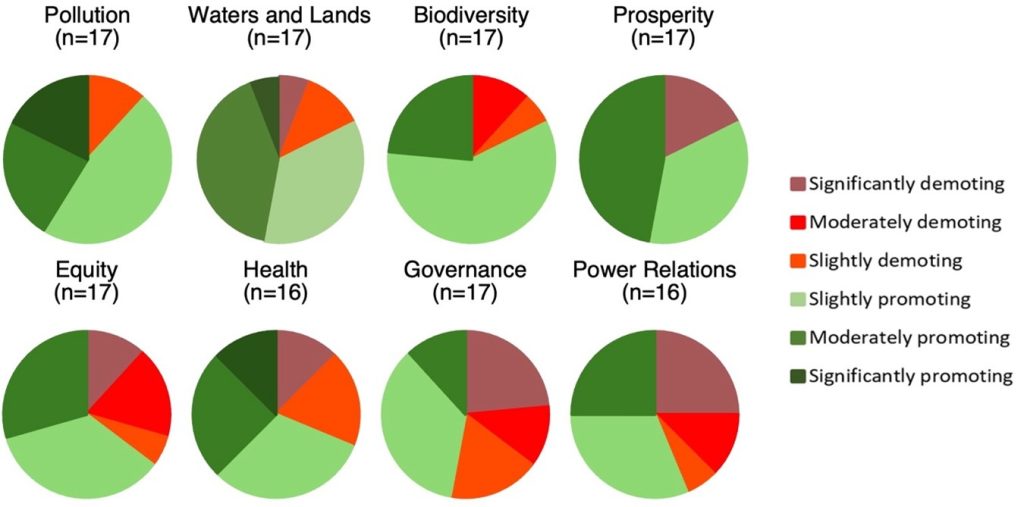
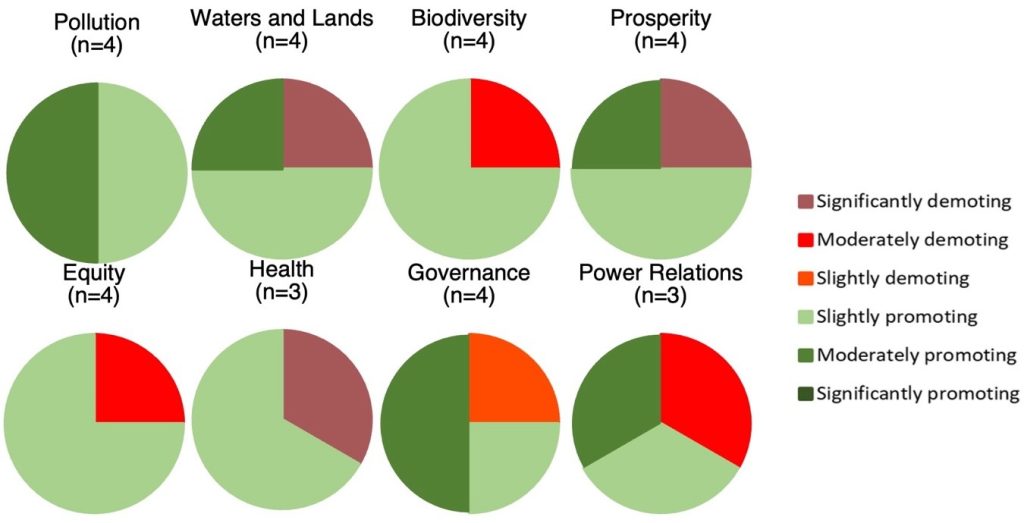
Interestingly, but not surprisingly, the assessment varied across groups. Figures 13.4 and 13.5 show how results differed according to the type of respondents. Here we present the results from the Social Group and the Business Group, as an example of groups’ contrasting views. Group positions were elicited in the main report but are not presented in this chapter.
Figure 13.4 Snapshot of Questionnaire Responses from the Social Group
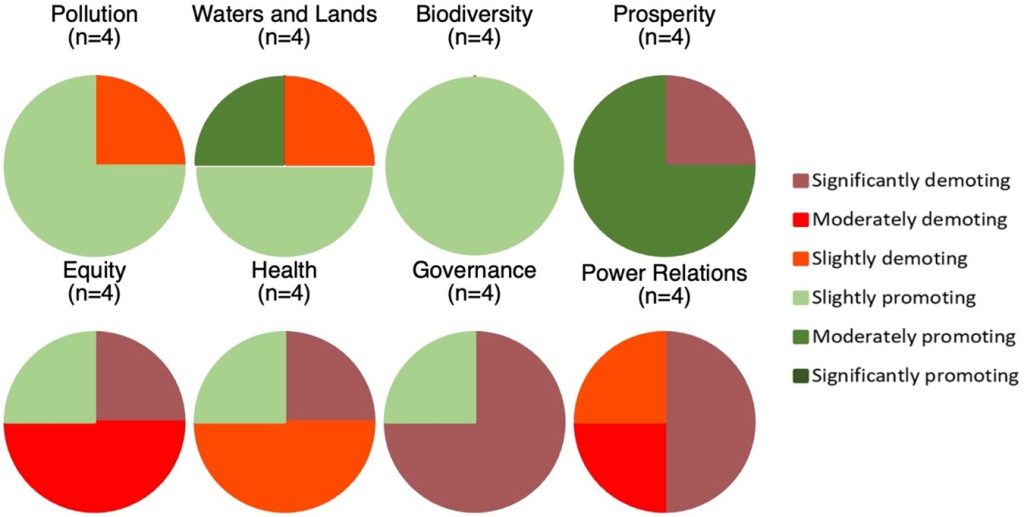
Figure 13.5 Snapshot of Questionnaire Responses from the Business Group
Each dimension of the Planetary Health Framework was then documented using the focus group verbatims to explore how the OCP’s policies and actions might contribute to or detract from planetary health. Table 13.1 presents a summary of the findings.
Table 13.1 OCP’s Potential Contributions to Planetary Health
| Planetary Health dimensions | Strengths | Risks |
|
Pollution |
The OCP included measures to reduce pollution, such as promoting green infrastructure and sustainable transportation options. | Urban sprawl and increased traffic congestion were identified as potential sources of pollution. Participants emphasized the need for better infrastructure to support non-car travel. |
|
Waters and Lands |
The OCP’s focus on protecting natural environments, such as watersheds and green spaces, was well-received. The Trails and Parks Master Plan (an accompanying policy document to the OCP) was highlighted as a positive initiative. | Concerns were raised about the lack of enforcement and monitoring of environmental protections. Participants called for stronger regulations and better coordination with regional authorities. |
|
Biodiversity |
The OCP’s policies on biodiversity conservation, including habitat protection and green space expansion, were praised. | The need for clearer metrics and stronger protections for biodiversity was emphasized. Participants highlighted the importance of mitigating the impacts of development on local ecosystems. |
|
Prosperity |
The OCP aimed to promote economic prosperity by supporting local businesses and creating job opportunities. The focus on sustainable economic development was appreciated. | Balancing economic growth with environmental sustainability and community well-being was identified as a challenge. Participants stressed the need for diverse economic opportunities and better support for local businesses. |
|
Equity |
The OCP’s commitment to promoting equity and inclusion was recognized. Initiatives to support marginalized communities and improve accessibility were seen as positive steps. | The lack of clarity and inclusivity in the OCP’s operational elements was a concern. Participants called for more engagement with diverse community groups to ensure their needs are addressed. |
|
Health |
The OCP’s focus on promoting health through green spaces, recreational facilities, and walkable infrastructure was well-received. | Limited access to healthcare services and the need for better emergency preparedness were highlighted. Participants emphasized the importance of addressing mental health and providing resources for youth. |
|
Governance |
The OCP was seen as a significant improvement over previous plans, with a strong focus on community values and aspirations. | Concerns about decision bias, lack of transparency, and insufficient resources for implementation were raised. Participants called for better coordination and accountability in governance. |
|
Power relations |
Efforts to engage the community and promote participatory decision-making were appreciated. The Memorandum of Understanding with the T’sou-ke Nation was seen as a positive step towards reconciliation. | The influence of lobby groups and the need for more inclusive decision-making processes were significant concerns. Participants stressed the importance of ensuring that all community voices are heard and valued. |
Source: Mountfort, K. R. (2025). An Evaluation of the District of Sooke’s Official Community Plan from a Planetary Health Perspective. University of Victoria. https://hdl.handle.net/1828/20884
Media Attributions
- Figure 13.3 Snapshot of All Questionnaire Responses Across Focus Groups regarding Participant Perceptions on the Official Community Plan’s Alignment with Planetary Health
- Figure 13.4 Snapshot of Questionnaire Responses from the Social Group
- Figure 13.5 Snapshot of Questionnaire Responses from the Business Group