Chapter 3 – Identifying Objects
Unit 2 — Cultural Insight
Conversation style and “personal” questions
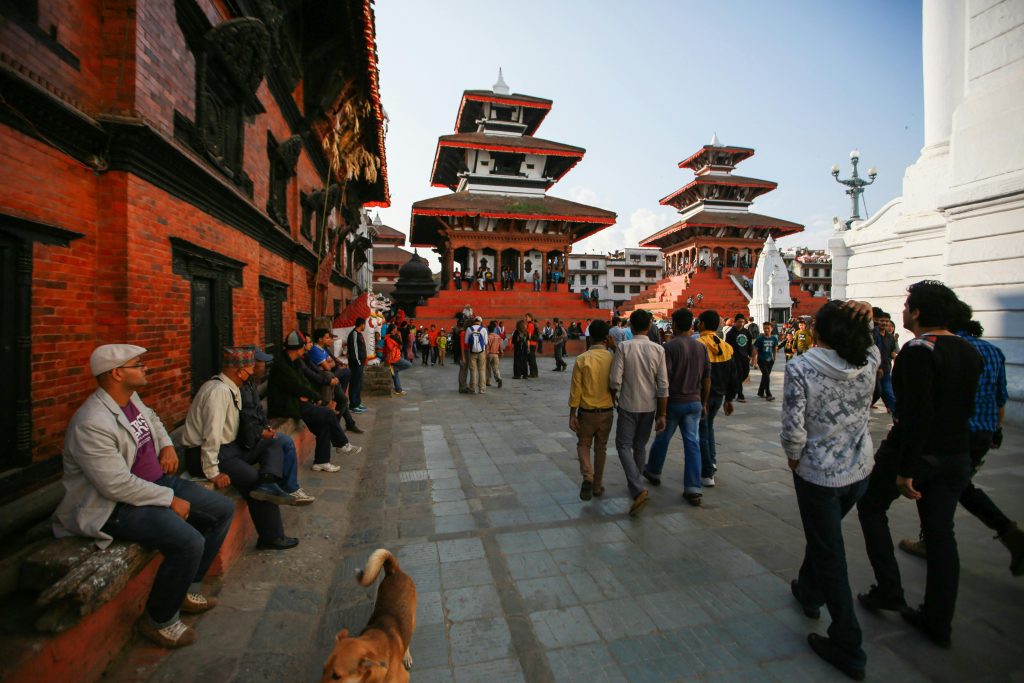
In Nepal, friendly conversation often begins with relationship-based small talk, and it is common for someone you have just met to ask questions that may feel quite personal in many Western settings—where you live, where you are from, what you do for work, how long you are staying, and sometimes whether you are married or have children. In some situations, people may also ask practical financial questions (for example, what something cost, how much rent is, or even what you earn), not necessarily to be intrusive but because money and expenses are treated as everyday, discussable topics in many communities.
In most everyday contexts, these questions are usually meant as warmth, hospitality, and connection, helping people place you socially and create a comfortable tone rather than “crossing a boundary” on purpose. Because Nepali communication can be more indirect and rapport-oriented, it is normal for conversations to feel longer and more contextual, with people easing into the main topic through a few friendly questions—especially with guests, newcomers, and elders.
If you’re comfortable, a short, simple answer is enough. If you’re not, you can stay polite while being general (e.g., “I’m here for studies/work,” “I’m visiting for a short time,” “My family lives abroad,” or “It depends—I’m still settling in”) and then smoothly redirect by asking a question back (“How about you?” “What do you recommend?” “Where is a good place to visit/eat?”). A calm smile, minimal detail, and a gentle topic shift is a socially “safe” way to keep the interaction respectful and comfortable—especially with elders or in more formal settings where indirectness and maintaining harmony are valued.
Media Attributions
- Durbar Square Street in Kathmandu, Nepal © Mehmet Turgut Kirkgoz is licensed under a Public Domain license