Chapter 1 Introduction to Pathophysiology; Cellular Responses to Stress, Injury, and Aging
Section 1: Key Terminology
Zoë Soon
This chapter introduces the foundational vocabulary used in pathophysiology, along with an overview of cellular responses to stress, injury, and aging.
The ‘P’ Words: Pathology, Pathophysiology, Pathogen, and Pathogenesis.
Pathology is the study of a cell or tissue changes due to disease. The word breaks down neatly; pathos (Greek for disease or pain) + -ology (the study of).
Building on this, physiology is the study of the function of a particular structure within the human body, and anatomy is the study of a particular structure. Combining these concepts, pathophysiology refers to the study of abnormalities in the function of a particular structure of the human body as a result of disease.
A pathogen is any microorganism that causes disease – this could be a bacterium, virus, fungi (e.g., yeast), helminth (parasitic worm), or protozoa.
Pathogenesis. refers to the mechanism of disease and all the steps that unfold as a disease progresses. Breaking down the word: pathos- (‘suffering’) + genesis (‘creation of’). Pathogenesis includes all events occurring at the cellular, molecular, organ, and organ system level.
Finally, a lesion is defined as the anatomic abnormality of a disease – it might be an open wound, tissue damaged by a pathogen, a broken bone, or a cancerous growth.
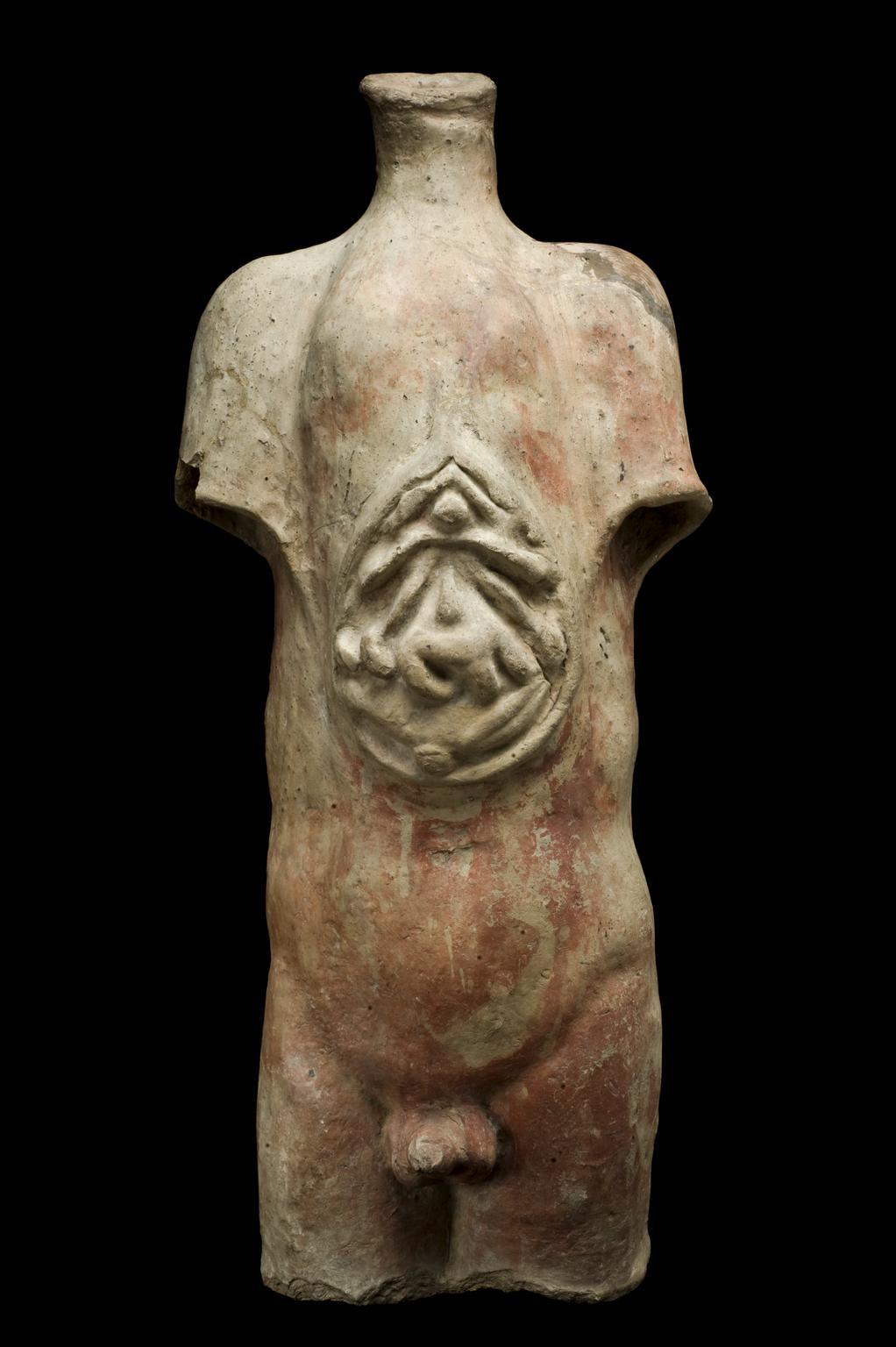
This torso was created in the image of a man’s torso, dissected so that the internal organs could be seen, and was probably dedicated to heal someone suffering from internal disease or injury. Made c. 200 BCE – 200 CE, most likely in Isola Farnese, Italy. The piece is now part of the collection of the Science Museum in London, UK.
What is Disease? What is Considered Healthy?
To understand disease, we must first understand what is considered healthy. Disease is most often accompanied by indicators that signal that something is negatively affecting normal physiology, either temporarily or permanently.
Normal physiology is understood through the concept of a normal range – a set of physiological measurements conducive to organ and tissue homeostasis and physical wellbeing. Homeostasis (from Greek ‘homoiosis’ meaning ‘same’ and stasis meaning ‘standing”) refers to the relatively stable internal environment that allows for optimal functioning of all of the tissues, organs, and organ systems.
Examples of body measurements with normal ranges include: blood pressure, heart rate, body temperature, water and electrolyte levels, oxygen, carbon dioxide and pH levels, nutritional compounds (e.g., amino acids), waste compounds (e.g., urea), and hormones. It is important to note that these ranges differ by individual factors.
Example: Heart Rate and Its Many Influences
Heart rate is a good example of how normal ranges depend on context. Heart rate typically varies depending on: body size, biological sex, age, body composition, fitness level, exertion level (rest vs. exercise), and lifestyle (e.g., smokers tend to have higher resting heart rates).
For instance, in comparison to age-matched males, females tend to have higher heart rates during rest and exercise. This is thought to be due to females having smaller heart sizes in proportion to stature as well as differences in body composition.
Likewise, infants have smaller hearts and higher heart rates than children, who have smaller hearts and higher heart rates than adults.
Similarly, trained athletes typically have lower resting heart rates than sedentary individuals, often due to the impact of training on heart size and strength.
How does Disease affect Homeostasis?
When disease negatively affects the functioning of cells, tissues, organs, or organ systems, homeostasis can be disrupted. If cells, tissues, and/or organs cannot maintain homeostasis over time, more cells throughout the body become affected, slow in function, and may eventually die.
It is worth clarifying that not all difference from the “average” represent disease. For example, a person born blind or with a hearing impairment is not usually experiencing a disease – these differences do not negatively impact organ function or cellular homeostasis. When we speak of disease, disorder or pathophysiology, we are referring to conditions that affect cellular homeostasis in a negative way.
Circadian Rhythm and the Expected Fluctuations in Physiological Measurements
Health care professionals must account for normal expected daily fluctuations in physiological measurements. When you sleep, your body temperature drops by approximately 1ºC. Two key hormones govern the daily cycle:
| Cortisol (the waking hormone) | Produced by the adrenal cortex. Plasma levels rise in the morning thought to induce wakefulness and alertness. |
| Melatonin (the sleeping hormone) | Secreted by the pineal gland. Plasma levels rise in the evening response to darkness, inducing sleepiness and maintaining the daily circadian rhythm. |
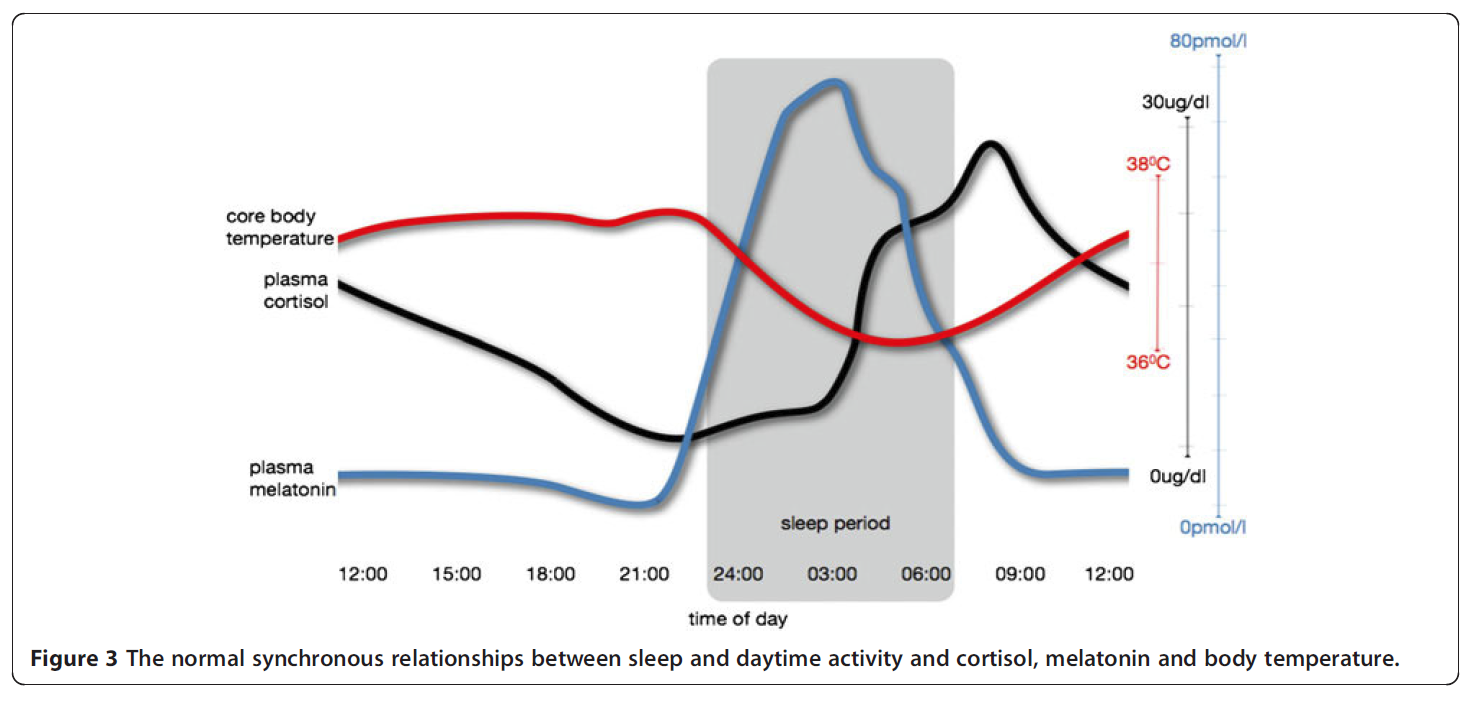
Hickie, I, Naismith, S., Robillard, R, Scott, E, Hermens, D. (2013). BMC medicine. 11. 79. 10.1186/1741-7015-11-79.
Disease, Disorder, and Syndrome – What is the Difference?
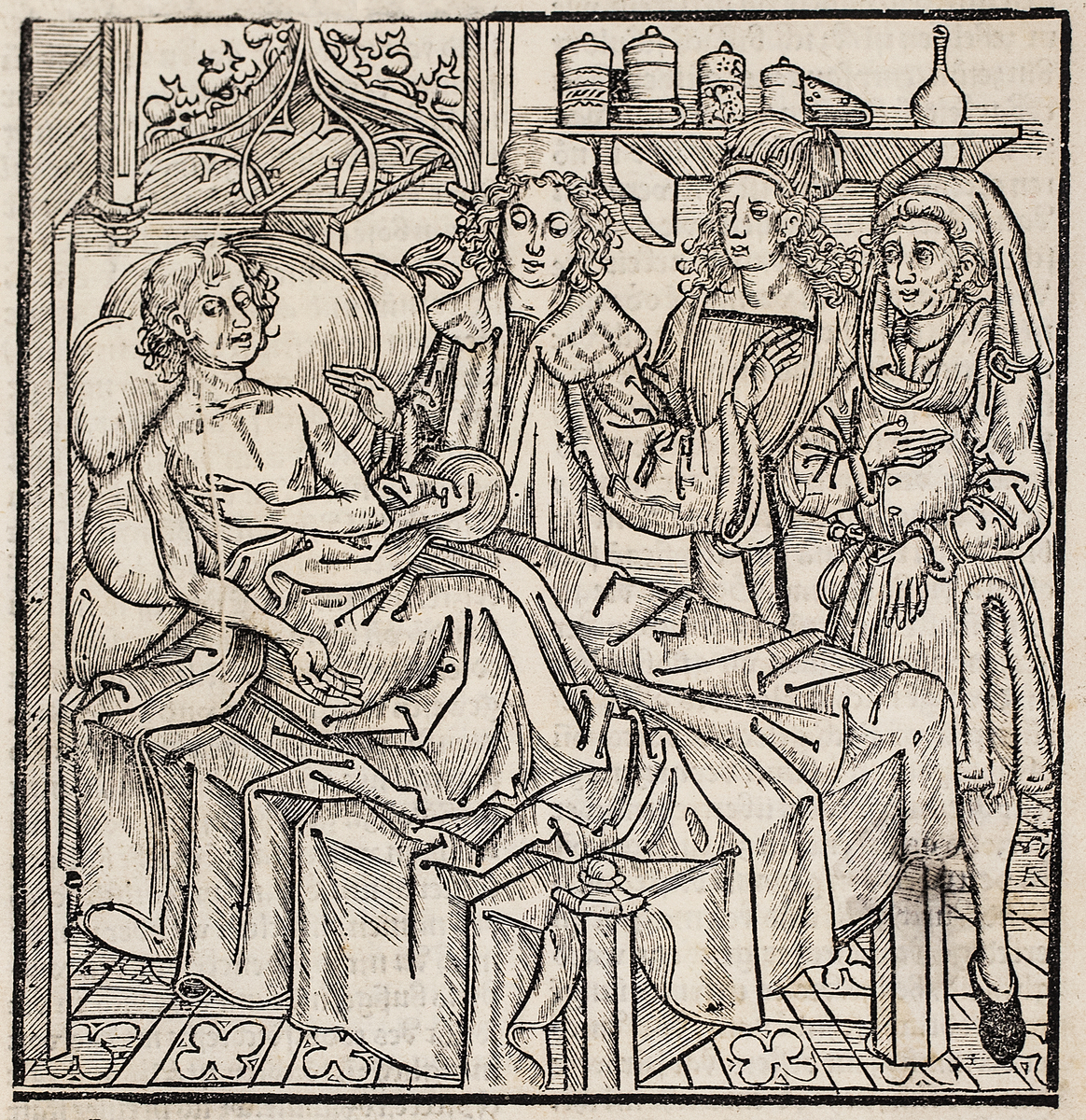
These three terms are sometimes used interchangeably, but they have distinct meanings:
| Disease | A physiological or biological ailment either an underlying cause that may result in anatomical changes that are temporary or permanent. |
| Disorder | As defined by the National Institutes of Health (NIH): a disturbance of normal functioning of the mind or body. Disorders may be caused by genetic factors, disease, or trauma. |
| Syndrome | A cluster of various signs and symptoms that can vary over time and together suggest the presence of – or increased risk for – a particular disease. |
Terms to Describe Duration, Severity, and Stages of Disease
Several important terms convey how quickly a disease develops, how severe it is, and how it progresses over time:
| Acute Onset | Sudden onset with severe symptoms. |
| Insidious Onset | Gradual onset with mild symptoms that become more pronounced over time. |
| Acute Illness | A sudden, severe, and typically short-term illness. |
| Chronic Illness | An illness lasting longer than 3 months, often starting with mild symptoms. |
| Remission | A period within a chronic illness when the person recovers somewhat and feels better. |
| Relapse | A period within a chronic illness when the disease worsens. |
| Subacute | Not as severe as acute illness and shorter than a chronic illness (sub- = below/less) |
| Subclinical | Early stage of disease in which no signs or symptoms are present; detectable only by sensitive and specific tests (e.g., imagining, or lab tests) |
A Note on Chronic Pain
Current literature suggests that chronic pain is not always proportional to biological or physiological damage. In some cases, damage exists without pain; in others, pain persists after the damage has been resolved. Many internal and external factors contribute to chronic pain and treatment is therefore highly individualized, potentially involving physical rehabilitation, lifestyle strategies, and therapeutic counselling.
Latent Stage, Incubation Stage and Prodromal Period
These terms are closely related and are often confused. The key is to distinguish between infections and non-infectious scenarios, and to understand what each stage begins and ends with.
| Subclinical | No signs or symptoms; disease is present but undetectable by routine exam |
| Incubation Stage | Applies only to infectious disease. Begins when the pathogen enters the body; end with signs and symptoms develop. |
| Latent Stage of Infectious Disease | Begins when a pathogen enters the body; ends when the person becomes infectious (contagious). Most often overlaps with the incubation stage. |
| Latent Stage of Non-Infectious Disease | Begins with the start of the disease (e.g., the first cancerous cell); ends when the disease becomes detectable by testing. |
| Prodromal | The first time that signs or symptoms of illness are noticed (e.g., a scratchy throat at teh onset of a cold or flu). |
Real-World Application: COVID-19 and Silent Spreaders
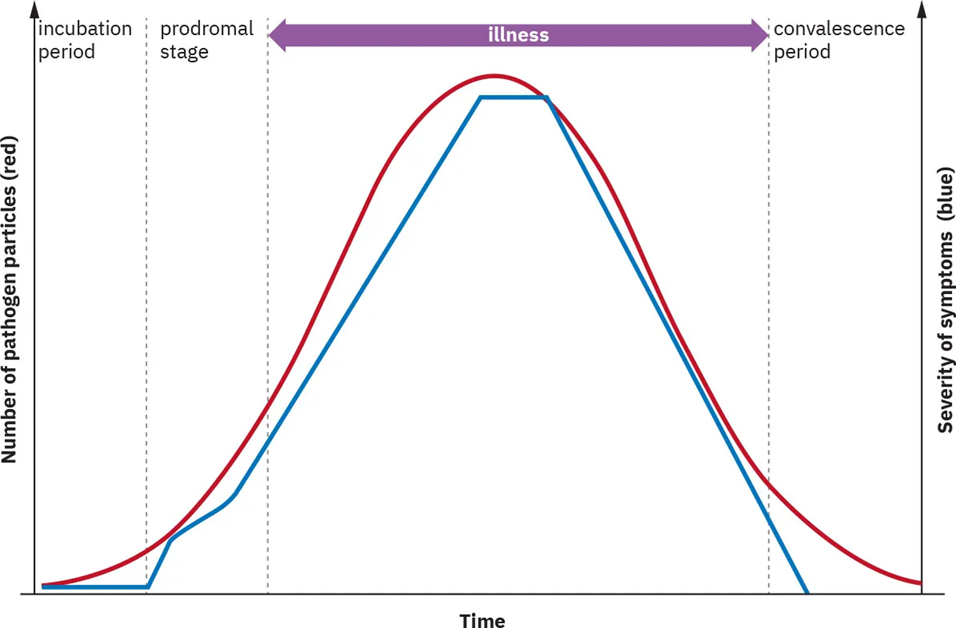
Studies of SARS-CoV-2 (COVID-19) viral infections revealed an important distinction. While the incubation stage often directly overlaps with the latent stage of an infection, it was found that with COVID-19, the infectious stage can occur before signs and symptoms develop. This means the latent stage can end and the infectious stage can begin while a person still appears healthy – a phenomenon known as ‘silent spreading’. This differs from most respiratory infections such as colds and flu, where the infectious stage coincides with the appearance of symptoms like a runny nose and coughing.
The Four Stages of Infection
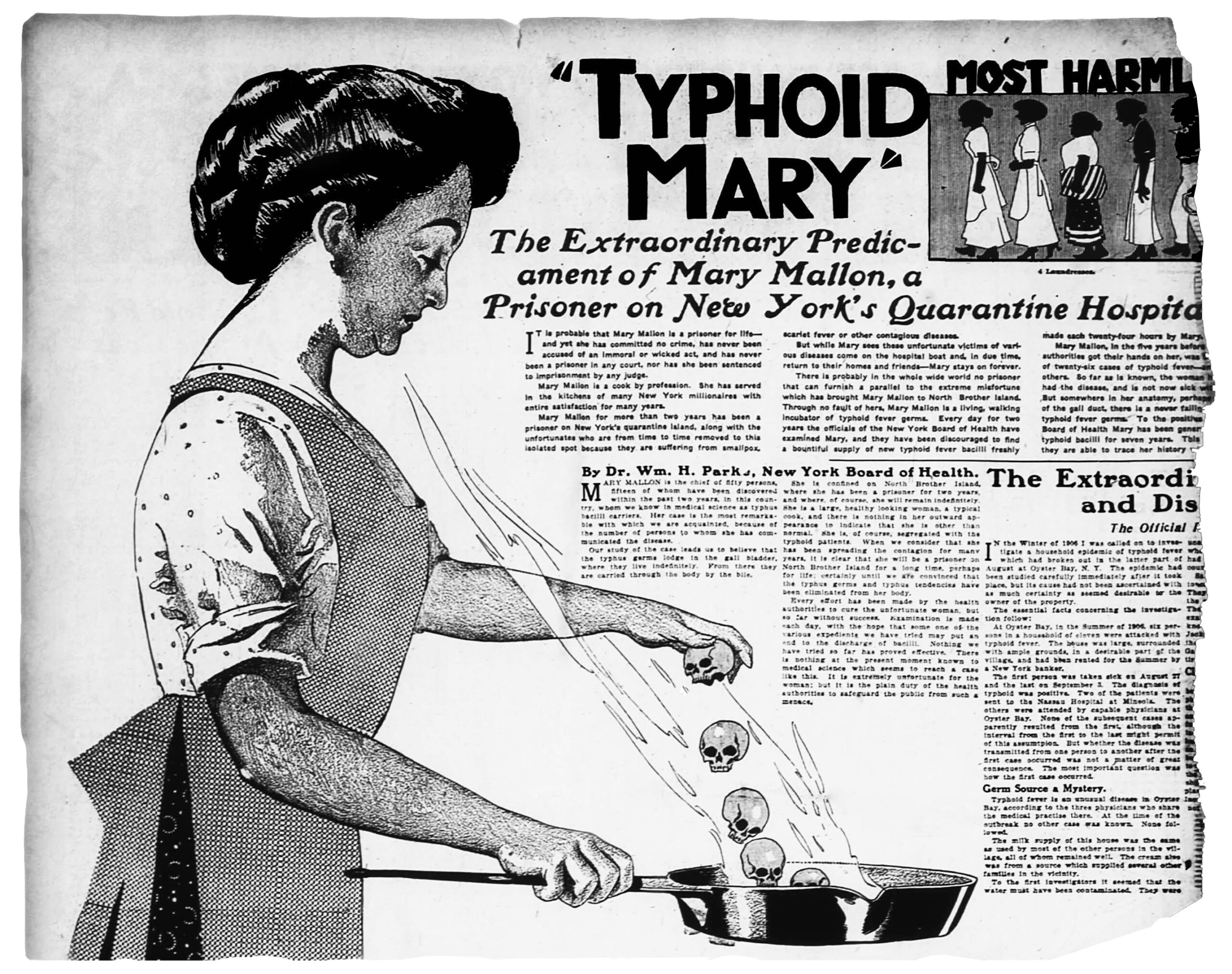
All infections – localized and systemic – progress through four stages:
| Incubation Period | Begins when a pathogen enters the body; ends when signs and symptoms appear. Typically lasts 1-3 days; characterized by pathogen amplification and spread. Often overlaps with the Latent Period. |
| Prodromal Stage | Characterized by the initial appearance of mild or vague symptoms. |
| Illness | The person experiences signs and symptoms related to damage caused by the pathogen and the immune system’s response. |
| Convalescence | Recovery and healing, coinciding with diminishing pathogen numbers and the fading of signs and symptoms. |
Local vs. Systemic: Where Does is Affect the Body?
| Local | Only a specific, discrete area of the body is affected (e.g., a localized wound or infection). |
| Systemic | The illness affects the whole body (e.g., a fever or hypertension, which affects blood pressure throughout the entire body). A fever that heats up the whole body is another example. |
Complication, Sequelae, and Convalescence
As a disease progresses, additional complications may arise. It is important to distinguish between a complication and a sequela:
| Complication | The development of further negative conditions arising from the original illness (e.g., a heart attack results in the formation of a blood clot that travels to an organ depriving it of blood flow). |
| Sequelae | Permanent or long-term impairment resulting from a disease or complication – from the Latin word sequi, meaning ‘follow’ (e.g., kidney failure following poorly managed diabetes; or paralysis following a stroke). |
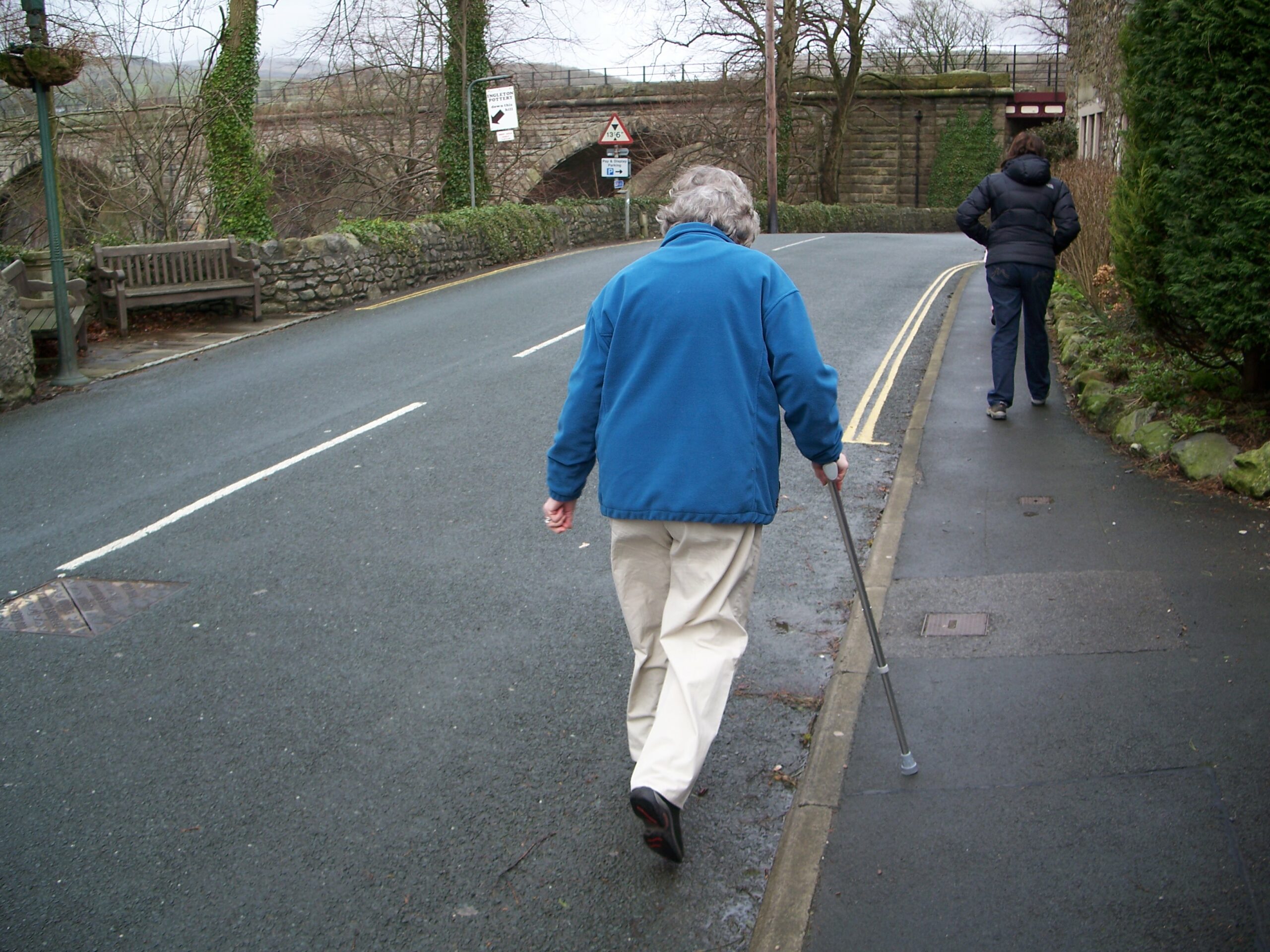
| Convalescence | The period of recovery, which may involve rehabilitation exercises, speech therapy, improved mobility strategies, or other lifestyle changes. |
Examples of Sequelae
Chronic Example – Diabetes: If diabetes is poorly managed over time, permanent biological damage can accumulate in blood vessels throughout the body. Common complications of vascular damage include chronic kidney disease, which may lead to kidney failure, requiring dialysis and placement on a transplant waiting list. Kidney failure in this context is a sequela of diabetes.
Acute Example – Stroke (CVA, cerebrovascular accident): A stroke affecting the left cerebral hemisphere in the frontal lobe may result in paralysis on the right side of the body. Some recovery is possible depending on stroke severity and treatment, but some paralysis is often permanent – this is a sequela.
Mental Health Example – PTSD: Post-Traumatic Stress Disorder (PTSD) can develop following trauma (e.g., soldiers returning from war). If it becomes a long-term or permanent mental health impairment, it is considered a sequela of the trauma. Encouragingly, individualized and emerging treatments offer pathways to recovery.
Media Attributions
- Staff nurse teaching students. © Christiana Care on Flickr is licensed under a CC BY (Attribution) license
- Roman Votive Healing Object © Original image by Science Museum in London, UK. Uploaded by Arienne King, is licensed under a CC BY-NC-SA (Attribution NonCommercial ShareAlike) license
- fresco-with-wounded-aeneas-3854
- Private: Knuckle_pad_hyperpigmentation_in_29_yo_female_with_B12_deficiency © Ankita Srivastava and Sanjiv Choudhary is licensed under a CC BY (Attribution) license
- The normal synchronous relationships between sleep and daytime activity and cortisol
- three-doctors-attend-a-man-with-the-plague-12034 is licensed under a CC BY-NC-SA (Attribution NonCommercial ShareAlike) license
- 4 Stages of Infection © Christy Bowen, Lindsay Draper, Heather Moore is licensed under a CC BY (Attribution) license
- Private: Mallon-Mary_01 © The New York American is licensed under a Public Domain license
- Private: Total_knee_replacment_convalescence_-2008 © Dave Haygarth is licensed under a CC BY (Attribution) license