Chapter 10 Selected Diseases and Disorders of the Digestive System
10p17 Liver Damage, Liver Inflammation (Hepatitis), and Liver Enzyme Blood Tests
Zoë Soon
Indicators of Liver Damage:
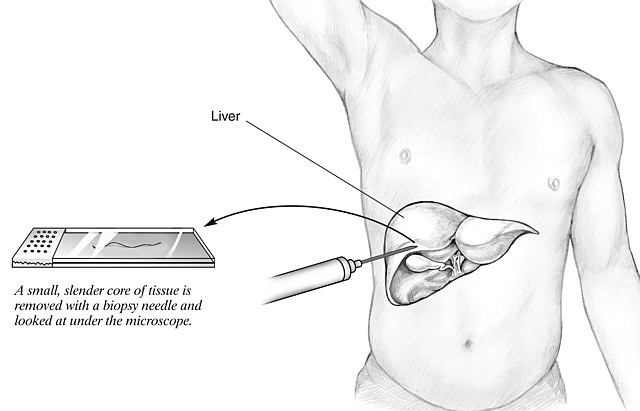
1. Liver Enzymes in Blood
- Liver enzymes (e.g., ALT, AST) are normally contained within hepatocytes (liver cells).
- When liver cells rupture or die:
- Enzymes leak into the bloodstream.
- Elevated enzyme levels indicate cell damage or hepatocyte rupture.
- Blood tests measuring these enzymes can assess the extent of liver injury.
2. Impact on Liver Function
- Protein synthesis:
- Damaged hepatocytes can’t produce normal levels of plasma proteins and clotting factors.
- Result: Reduced plasma proteins in blood, affecting clotting and fluid balance.
- Bilirubin metabolism:
- Damage causes build-up of unconjugated bilirubin in the blood, leading to jaundice.
3. Hepatitis: Inflammation of the Liver
- Hepatitis literally means liver inflammation.
- Causes:
- Injury or irritation (e.g., alcohol, toxins).
- Infections: Hepatitis viruses (at least 5 types).
- Idiopathic (unknown causes).
Pathophysiology
- Severe inflammation damages hepatocytes.
- Structural damage:
- Loss of normal liver architecture.
- Scarring (fibrosis) and biliary stasis (bile flow impairment).
- Bile may back up into the liver, causing further damage.
Signs of Liver Damage
- Edema in inflamed tissues.
- Pain and tenderness due to nerve irritation.
- Biliary stasis may reduce bile secretion or cause bile duct blockage, exacerbating liver injury.
Liver Structure & Function
- ** hepatocytes **:
- Main functional cells.
- Take in blood, screen nutrients.
- Store glucose as glycogen, lipids, and amino acids.
- Produce bile and send it through bile ducts.
- Damage to hepatocytes impacts:
- Blood protein and clotting factor synthesis.
- Bilirubin processing.
- Overall metabolic processes.
Causes of Liver Injury
- Alcoholic liver disease.
- Some causes: idiopathic.
- Viruses (including Hepatitis Virus types A, B, C, D, E):
- Cause viral hepatitis, varying severity.
- Drugs and toxins
- Reye syndrome
- Chronic inflammation can lead to cirrhosis and liver failure.
Summary
- Elevated liver enzymes, decreased protein synthesis, and bilirubin build-up signal liver damage.
- Hepatitis involves inflammation from multiple causes and can vary from mild to severe.
- Protecting the liver involves limiting alcohol, managing viral hepatitis infection, and avoiding toxins.
Media Attributions
- Private: Human_liver_biopsy_sample © NIDDK is licensed under a Public Domain license