
Chapter 1 Introduction to Pathophysiology; Cellular Responses to Stress, Injury, and Aging
Section 2 Diagnosis, Prognosis and Epidemiology
Zoë Soon
Diagnosis, Prognosis, Morbidity and Mortality
| Diagnosis | The identification of the disease, disorder, or syndrome. An accurate diagnosis is essential for appropriate treatment and helps in making a prognosis. An accurate diagnosis can depend on the availability of specific tests and medical equipment. |
| Prognosis | The predicted outcome of an illness or injury. |
| Morbidity | The rate of a particular disease within a population. |
| Mortality | The typical death rate associated with a disease or disorder. |
| Etiology | The study of the cause of a disease, disorder, or syndrome. |
Etiology – Categories of Causes
The causes of diseases, disorders, and syndromes can be organized into the following categories:
- Infectious diseases: caused by viruses, bacteria, fungi, helminths, and protozoa.
- Immune dysfunction: illness arising from a deficient or overactive immune system (e.g., allergies, autoimmune diseases).
- Trauma: bone fractures, wounds, injuries.
- Nutritional deficiencies.
- Cancer.
- Lifestyle factors.
- Toxins.
- Genetics.
- Congenital defects.
Genetic Disorders, Hereditary Diseases, and Congenital Defects
Three closely related but distinct terms deserve careful attention:
| Genetic Disorder | An ailment caused by a DNA mutation. Mutations can be inherited or occur spontaneously during cell division. Exposure to carcinogenic agent also damages DNA and give rise to cancer. Cancer is therefore an example of a genetic disorder caused specifically by mutations in genes that control cell division (mitosis) and apoptosis. |
| Hereditary Disease | A genetic disease that has been inherited from a parent (e.g., Hemophilia, resulting from a mutation in a clotting factor gene). |
| Congenital Defect | Anatomical or functional defects occurring during embryonic or fetal development, presenting at birth. The word comes from Latin con- (‘with’) + genesis (‘creation of’). |
Examples of genetic disorders you may be familiar with:
- Cystic fibrosis: recessive, caused by a mutation on chromosome 7.
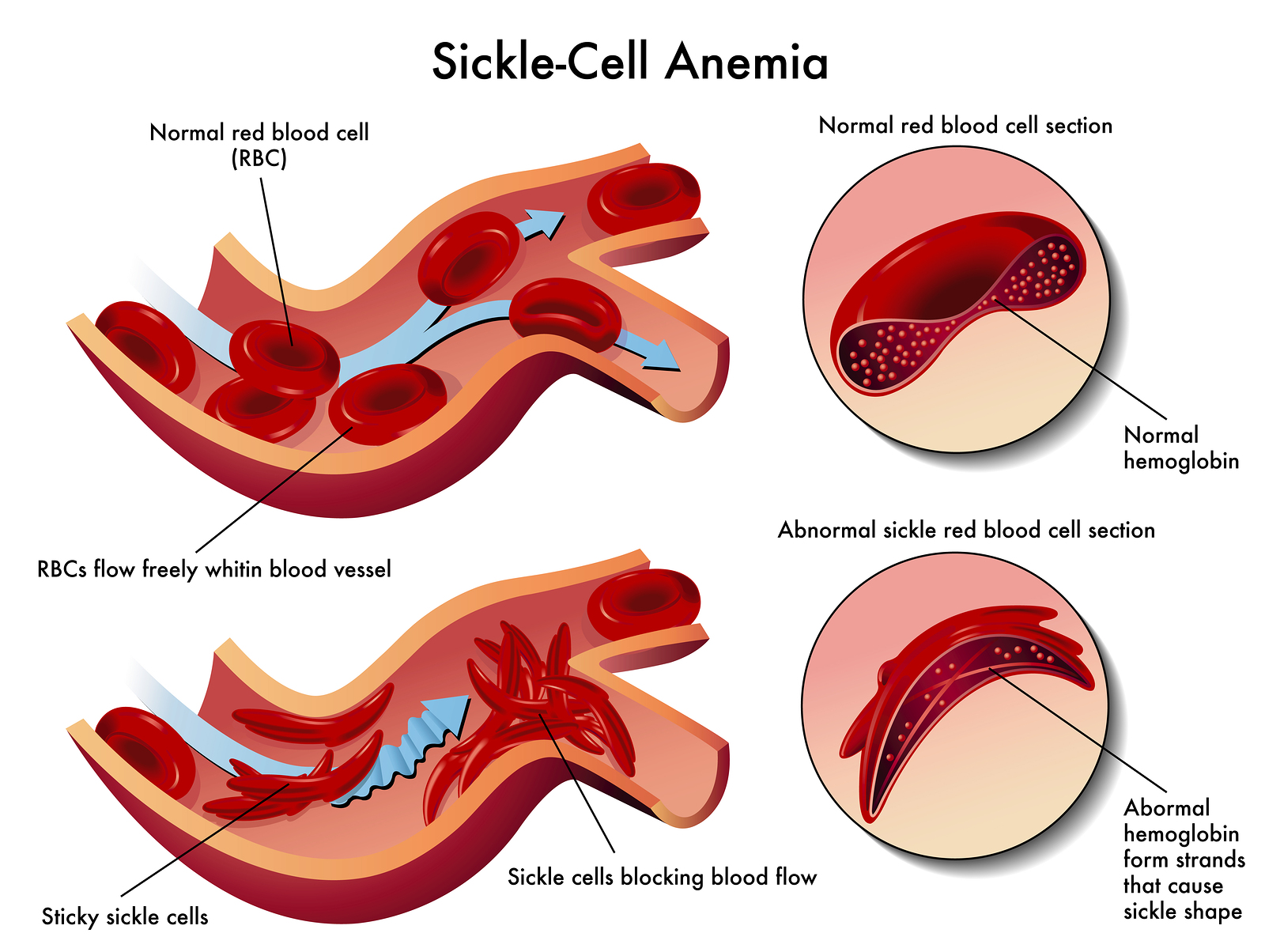
- Sickle cell anemia: recessive, caused by a mutation in the hemoglobin beta chain gene on chromosome 11.
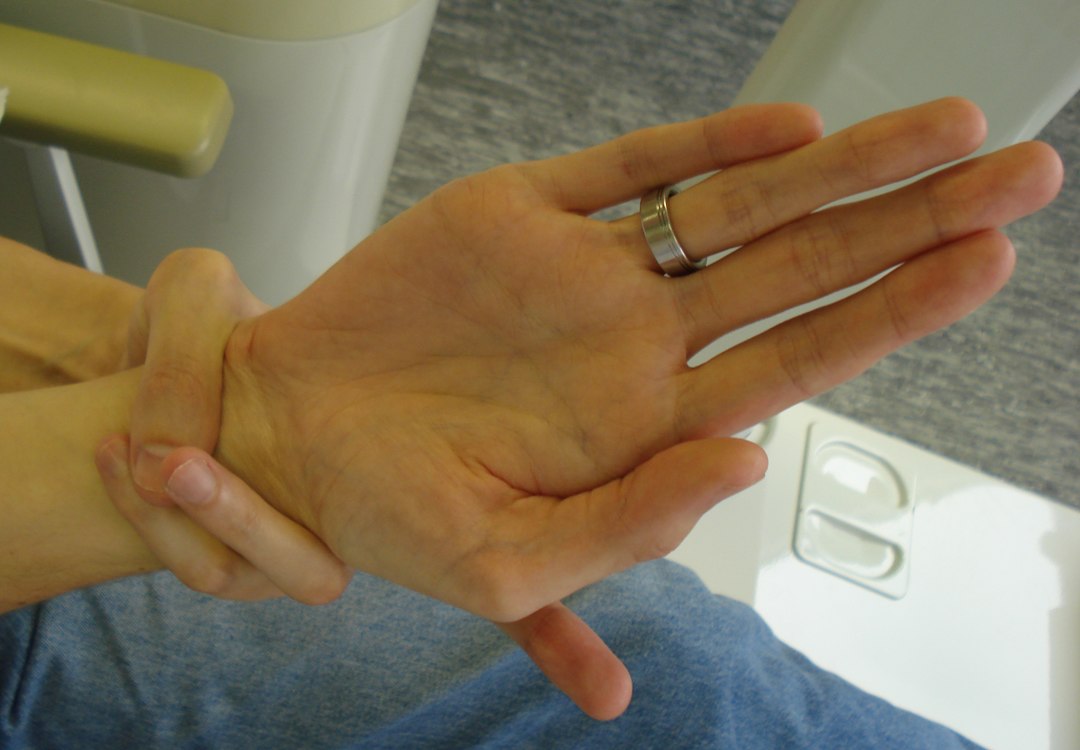
- Marfan syndrome: autosomal dominant, mutation on chromosome 15.
- Huntington’s disease: autosomal dominant, mutation on chromosome 4.
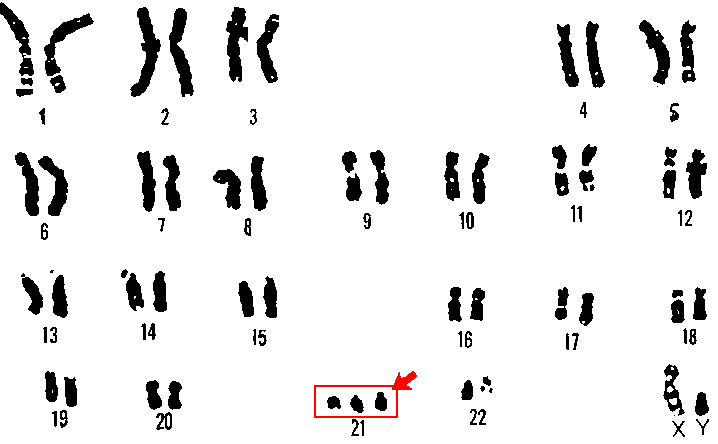
- Down syndrome: inheritance of three copies of chromosome 21 (trisomy 21).
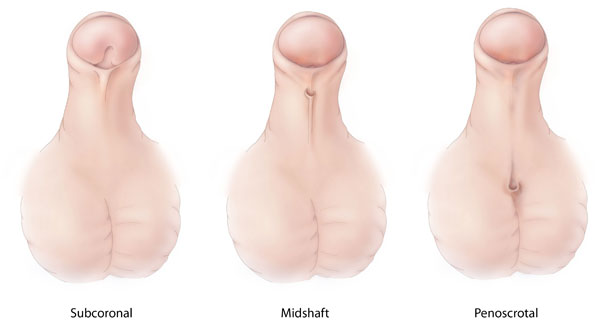
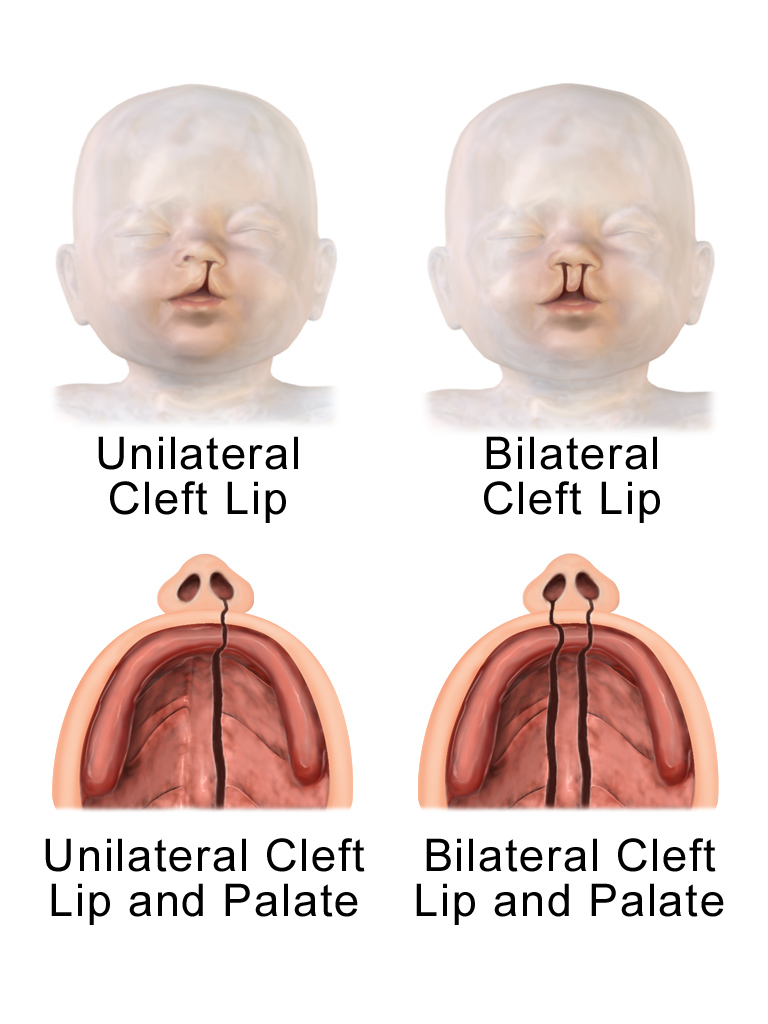
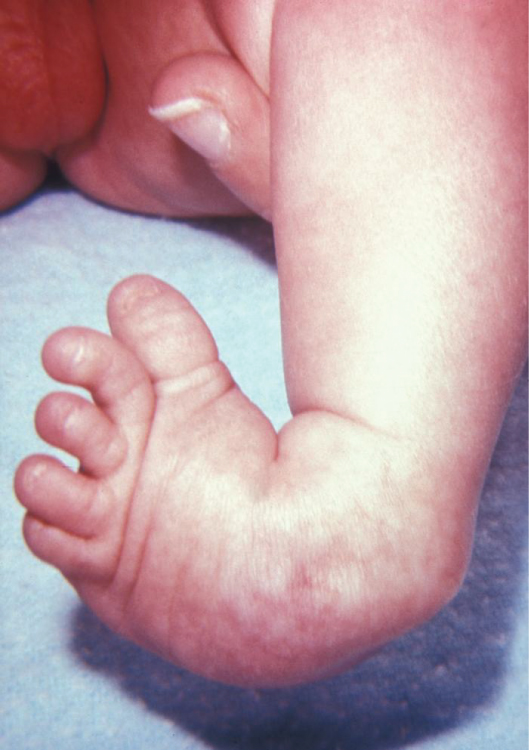
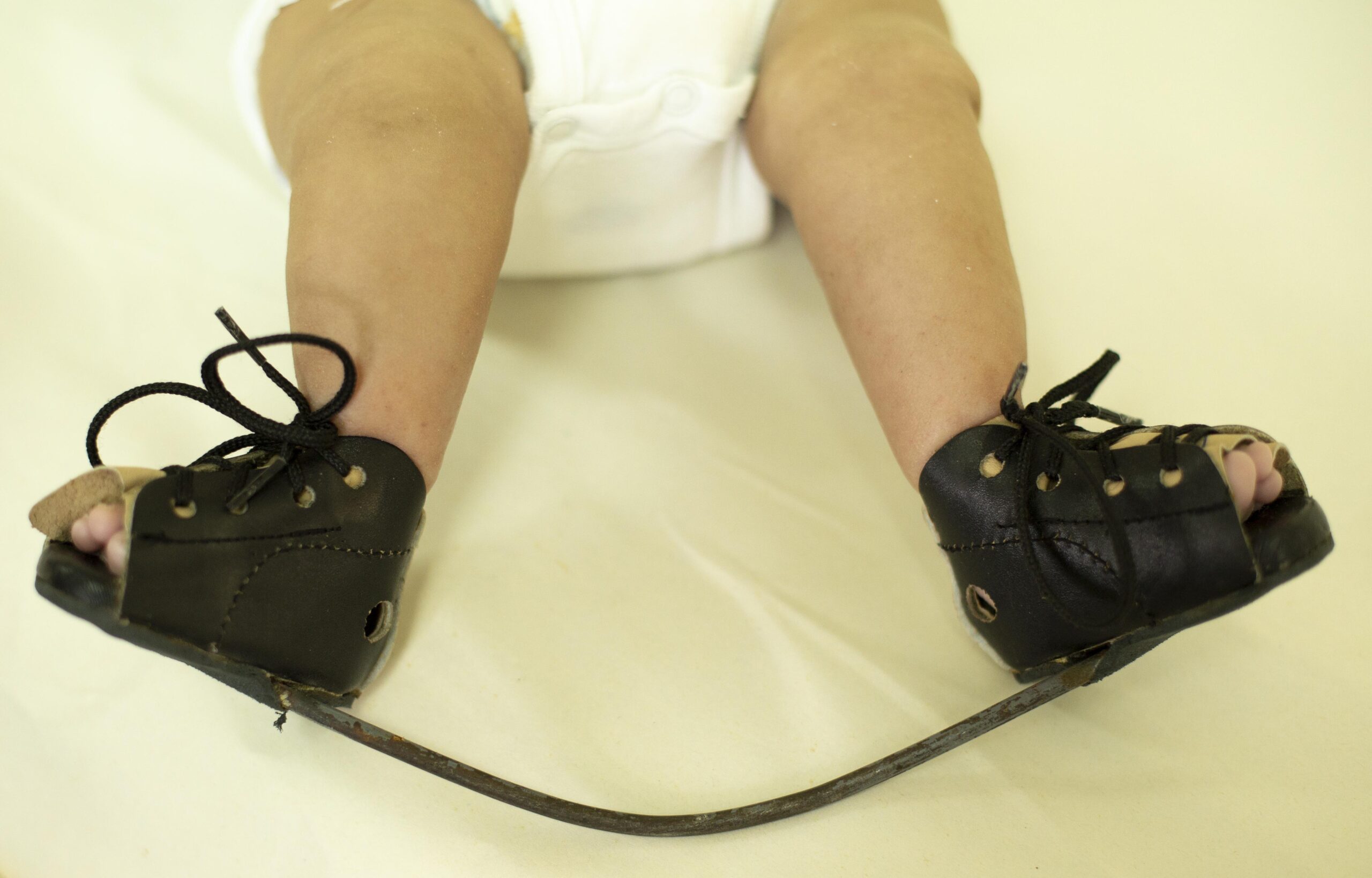
The most common congenital defects include: congenital heart defects, hypospadias (slight misplacement of urethra within penis), clubfoot (inward turn of foot), cleft lip and cleft palate (incomplete fusion of right and left palatine and/or maxillae bones in the roof of the mouth), limb defects, and mental dysfunction. Many of these can be surgically corrected or managed with physical therapy.
The causes of congenital defects are most often multifactorial – meaning many factors are responsible – including genetic susceptibilities, fetal exposure to teratogens.
What are Teratogens?
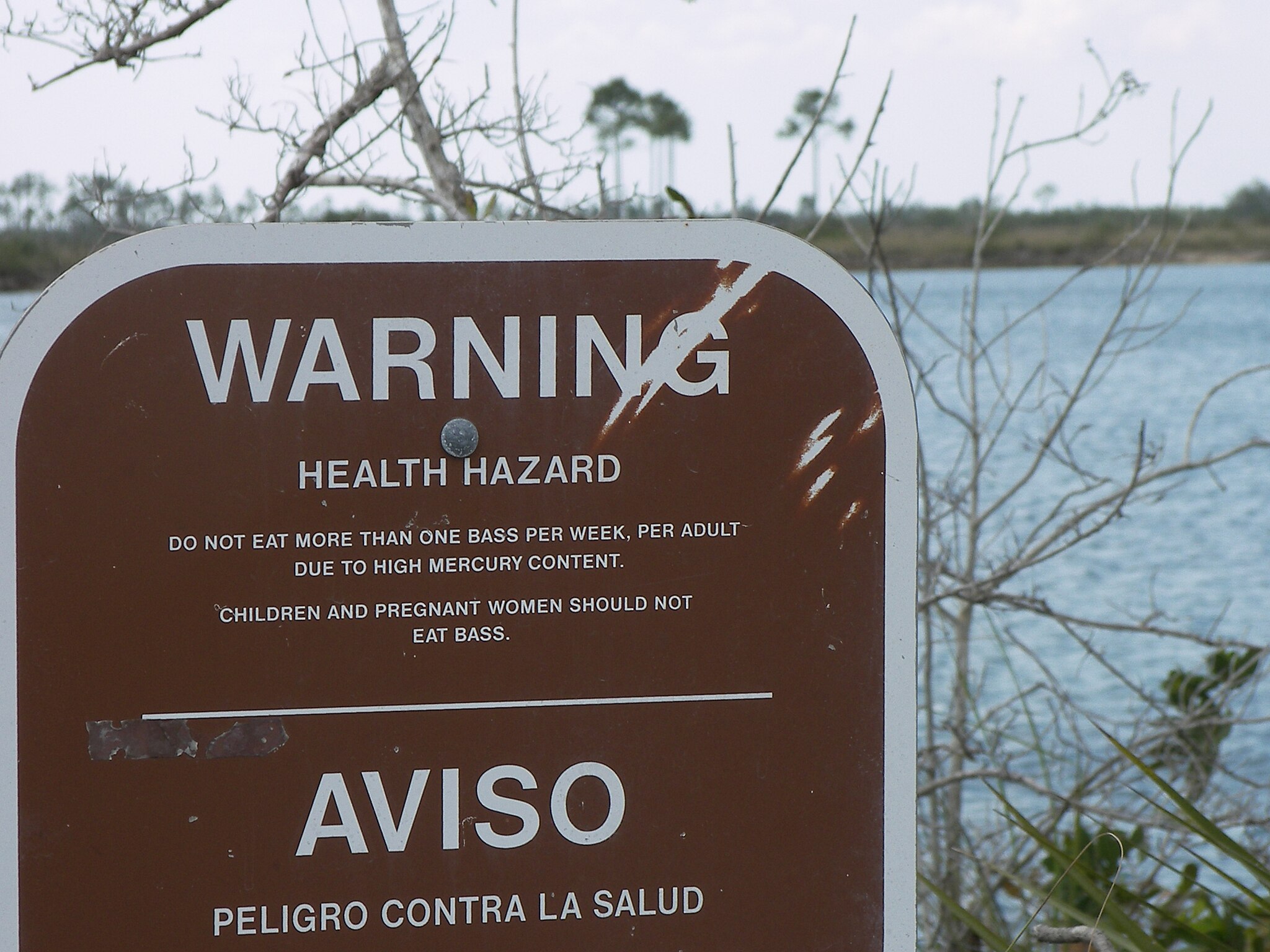
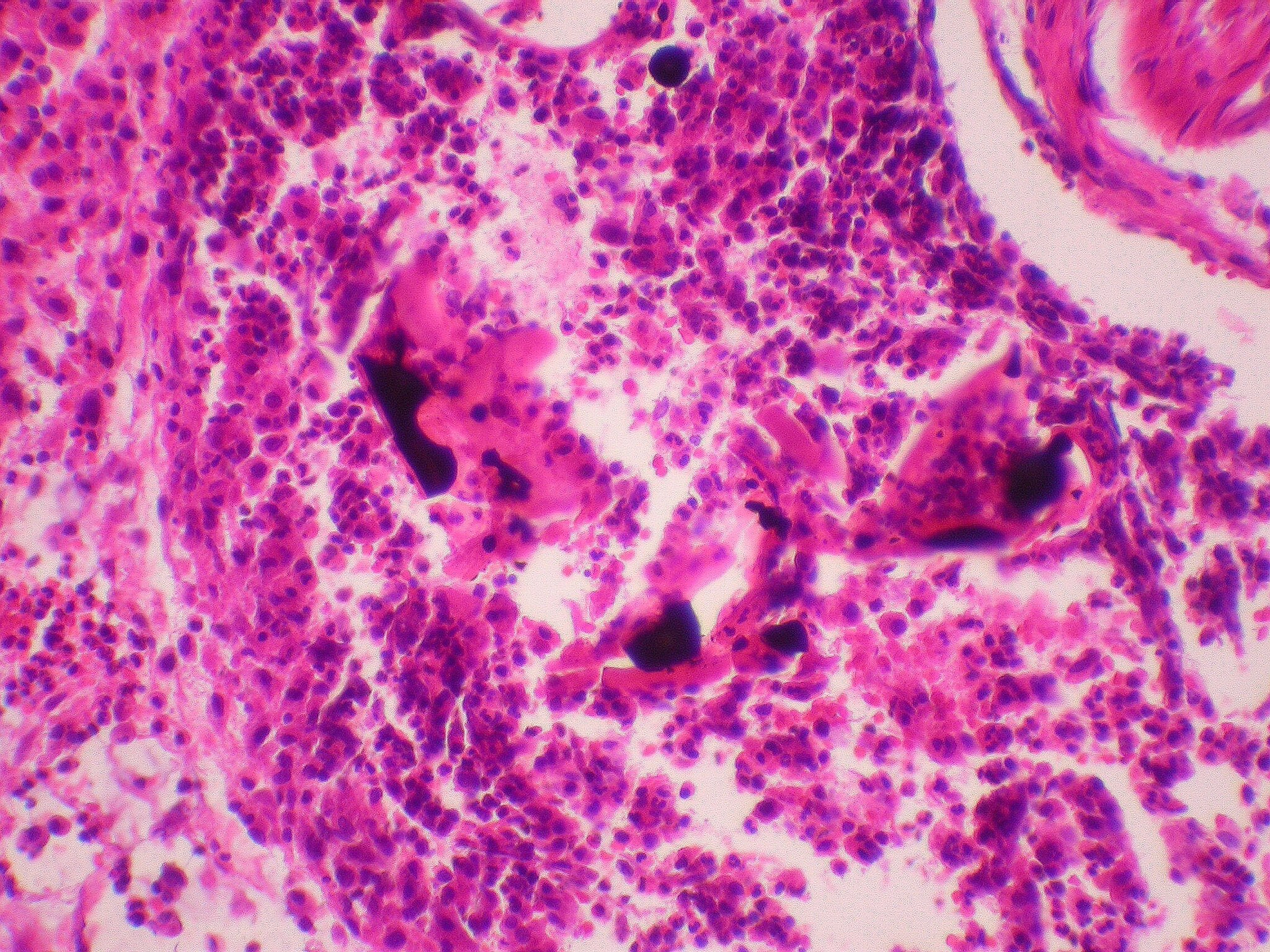
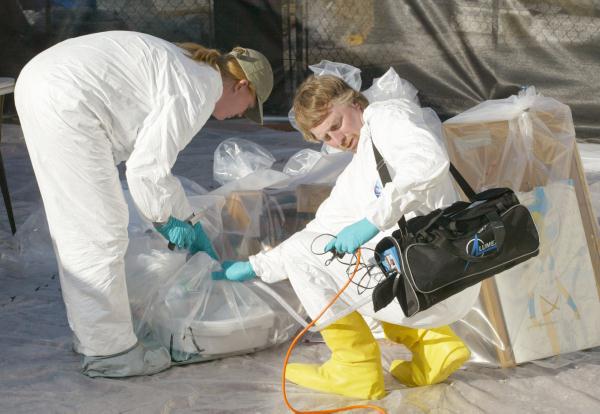
All agents that can cause congenital defects, miscarriages, or stillbirths are grouped together and called teratogens. These include: various microbes, alcohol, drugs, toxins (e.g., mercury, lead), gamma radiation, x-rays, and nutritional deficiencies.
A growing embryo and later fetus are especially susceptible during organogenesis (the formation of new organs), when teratogens can have the most harmful effects. The severity of congenital defects typically depends on the timing, duration, and concentration of teratogen exposure, as well as the fetus’s genetic composition.
Examples include: Fetal Alcohol Syndrome (caused by prenatal alcohol exposure), and congenital defects caused by infections such as rubella, measles, mumps, chlamydia, and syphilis – which can cause blindness, deafness, and cognitive delay.
Zika virus, spread by mosquito species in tropical regions (e.g., Uganda, Central America) has been linked to congenital defects including microcephaly, reduced brain development and cognitive impairments.
The overall risk factors for congenital defects also include maternal health, maternal age, and maternal exposure to cigarette smoke.
Clinical Manifestations – Signs and Symptoms
| Clinical Manifestation | A formal term for signs or symptoms |
| Sign | Observable indicators of illness – fever, rash, lab test results, imaging results |
| Symptom | Indicators of illness that are not observable by another person – pain, weakness, fatigue, nausea, headache, cramps, sleeplessness. |
What is a Biopsy?
A biopsy refers to the excision or scraping of a tissue sample, usually examined under a microscope for signs of disease. For example, a Pap smear involves scraping cervical cells and sending them to a lab where cellular morphology is examined for early signs of cervical cancer. The Pap smear is typically recommended every 2-3 years (as per physician recommendation) after an individual becomes sexually active. Early detection of cervical cancer greatly improves the chance of successful treatment.
Idiopathic and Iatrogenic Disease
| Idiopathic | A disease of unknown cause. The prefix idios is Greek for ‘one’s own’. The synonym essential is also used (e.g., essential hypertension: high blood pressure not resulting from a medical condition, most often linked to obesity, unhealthy diet, sedentary behaviour and family history. |
| Iatrogenic | A disease caused by the health care practitioner or by the treatment itself. The prefix iatro is Greek for ‘doctor’. |
Predisposing Factors (Risk Factors)
A predisposing factor is another term for risk factor – a condition or characteristic that increases a person’s susceptibility to developing a disease. Common risk factors include:
- Age: Older age increases risk for cancer and many other diseases, as a lifetime of exposure to damaging agents accumulates and cells become less effective at providing protection, fighting infection and healing tissue.
- Biological sex: Females are more susceptible to autoimmune diseases and lung cancer. Males are more susceptible to cardiovascular disease, X-linked colour blindness, and Duchenne muscular dystrophy.
- Genetics: Certain genetic profiles increase susceptibility (e.g., sickle cell anemia, cystic fibrosis).
- Congenital defects: Some defects (e.g., congenital heart defects) can make organs less robust and more susceptible to wear and tear, injury and disease.
- Diet: Malnutrition impairs growth, cognitive function, and organ function globally. In many Western countries, diets high in fat, sugar, and/or salt increase risk for heart disease, diabetes, and possibly Alzheimer’s disease.
- Occupation: Exposure to radiation, asbestos coal dust, and pollutants, increases risk for cancers and lung disease. Pesticide use is being linked to the onset of Parkinson’s disease.
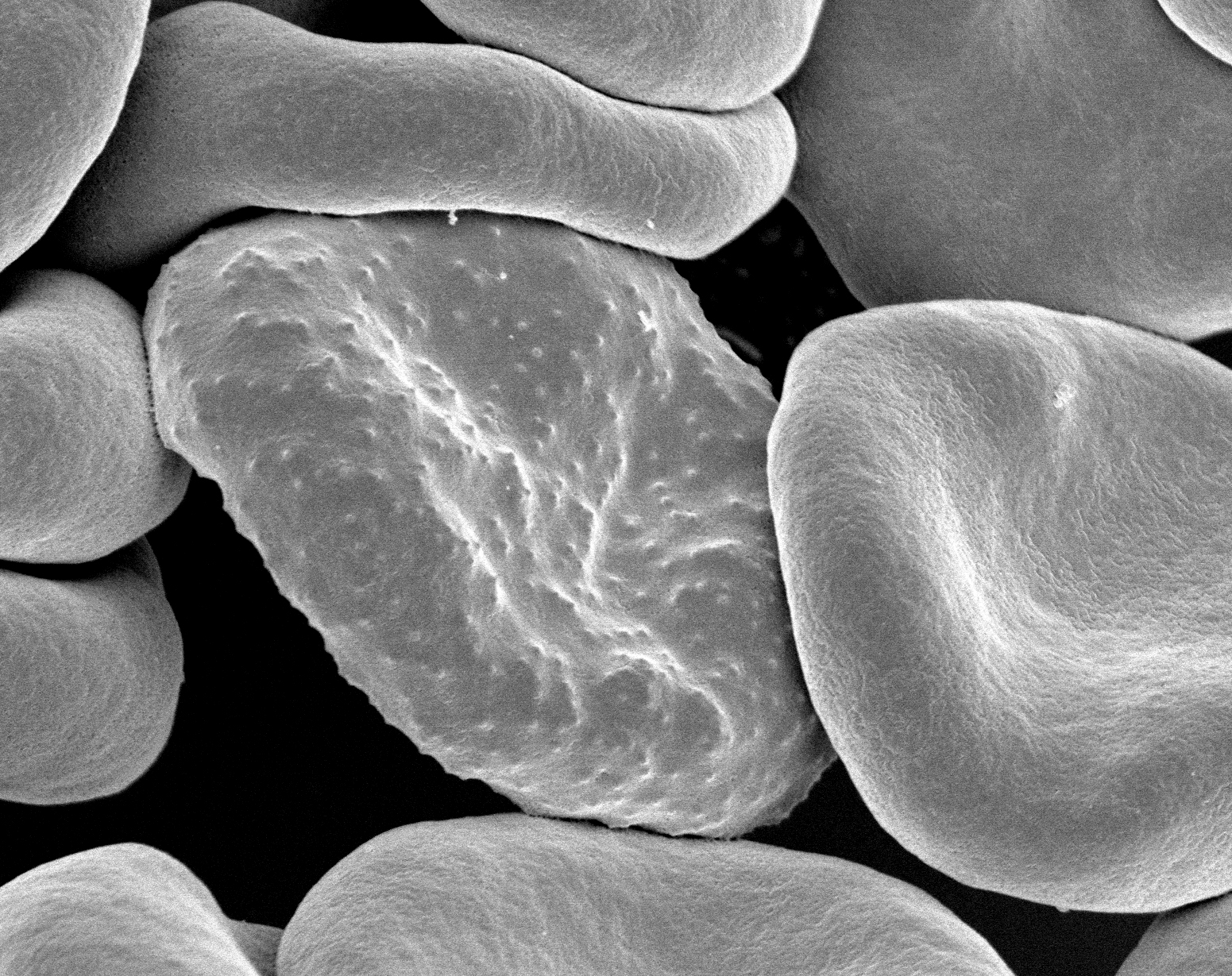
- Location: Geography determines exposure to local infectious microbes, sociodemographic factors, and cultural practices. For example, malaria is endemic to tropical regions where the Plasmodium protozoan parasite is carried by specific mosquitoes.
Neglected Tropical Diseases (NTDs)
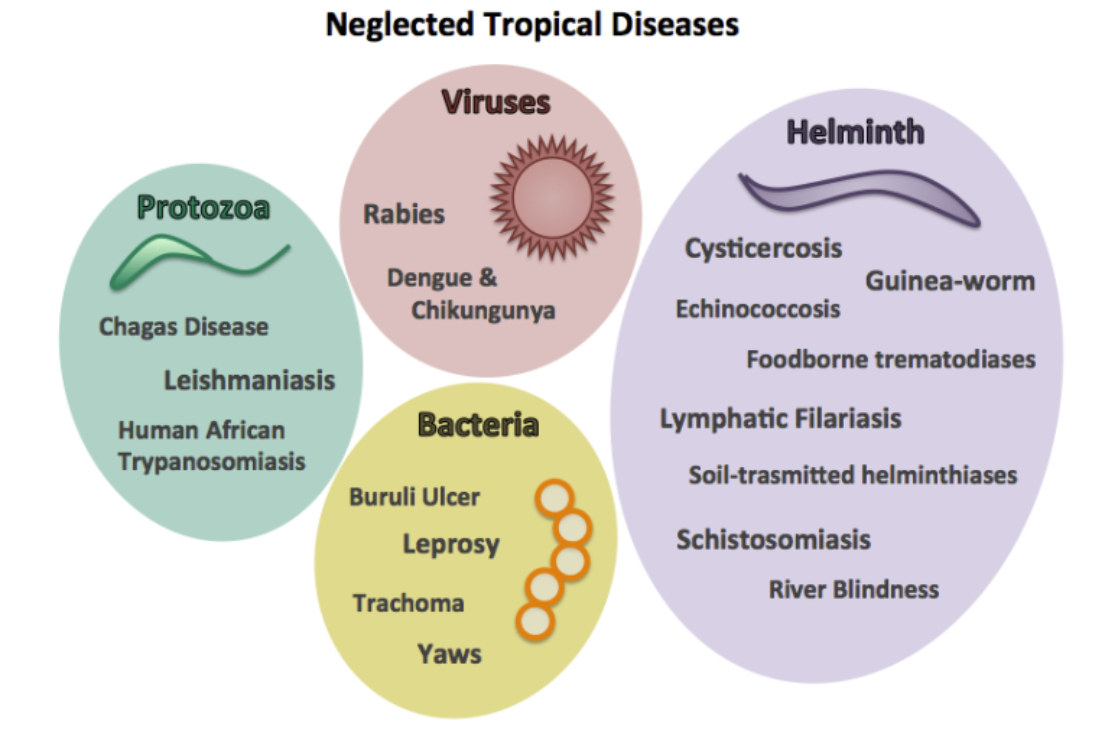
Neglected Tropical Diseases (NTDs) are a group of diseases most prevalent in the tropics, that despite affecting millions of people each year, lack adequate prevention and treatment strategies. Malaria and Tuberculosis alone kill 2 million people annually.
These diseases are called neglected because pharmaceutical companies and governments historically direct little research funding toward them by Western nations, partly because these regions are largely unaffected, which additionally makes these treatments less commercially profitable. Addressing NTDs often also requires significant investment in local infrastructure such as access to clean water, healthy food, sanitation, mosquito netting, work safety conditions, health education and health care access.
The World Health Organization (WHO) currently prioritizes 18 NTDs, affecting over 1 billion of the world’s poorest people. A landmark study found that of more than 1,500 drugs that come to market between 1975 and 2004, only 10 were targeted at NTDs. Approximately 1.4 billion people are currently affected by NTDs.
Examples of Neglected Tropical Diseases
Chagas disease: caused by a protozoa carried by an insect vector (triatomine bugs, also known “kissing bugs”).
Dengue fever: caused by virus transmitted through mosquito bites.
Leprosy: caused by bacteria in airborne respiratory droplets
Helminth infections: caused by tiny parasitic worms (e.g., Guinea-worms) that enter the body through contaminated water (consumed or waded in), through the skin or through contaminated food.
What is Epidemiology?
Epidemiology is the science of tracking the pattern and the occurrence of disease. It is essential for planning effective prevention strategies, efficient use of health care resources, and appropriate training and deployment of health care professionals.
Prevention strategies typically include: health education, food security, travel advisories, vaccinations, equipping health facilities with appropriate equipment and medications, and public health campaigns (e.g., hygiene strategies during cold and flu season).
| Communicable | Used interchangeably with infectious disease. |
| Notifiable Disease | A disease tracked by health authorities because regular and timely information is necessary for planning prevention and control in order to maintain public safety. |
| Incidence | The number of new cases of a disease within a population over a given time period. |
| Prevalence | The number of new plus existing current cases of a disease within a population. Prevalence is always higher than incidence. |
Endemic, Epidemic, and Pandemic
The etymology (study of word origins) of these three terms can be helpful in remembering the difference between them. All three share the Greek word demos meaning ‘people’.
| Endemic | ‘Endo-‘ (within) + ‘demos’ (people): A disease maintained in a population at expected baseline levels without an outside source. Example: cold and flu viruses in Canada, which circulate year-round and peak each winter. |
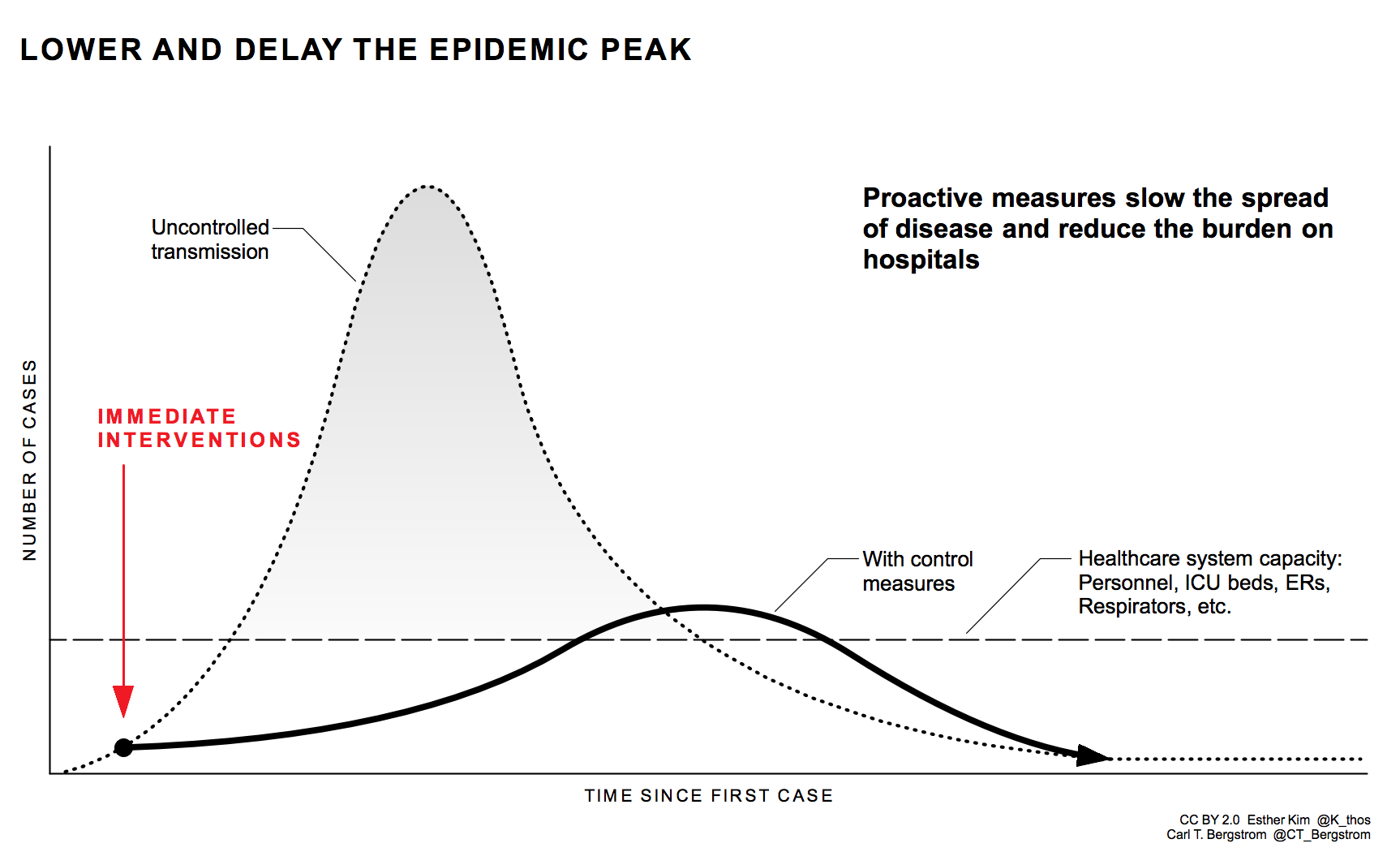
| Epidemic | ‘Epi-‘ (above) + ‘demos’ (people): An outbreak in which a disease occurs at a higher rate than expected within a set population. Example: a year with unexpectedly high flu rates in Canada |
| Pandemic | ‘Pan-‘ (all/global) + ‘demos’ (people): An infectious disease that has spread across borders or worldwide. Examples include the Spanish flu (1918), H1N1 flu (early 2000s), SARS-CoV1 (2003), and SARS-CoV2 (2019) also known as COVID19. |
Notifiable Diseases in Canada and the Years Notifiable:
Media Attributions
- Private: Sickle Cell Anemia © Diana Grib is licensed under a CC BY-SA (Attribution ShareAlike) license
- Private: Marfan_wrist.tiff © Staufenbiel I, Hauschild C, Kahl-Nieke B, Vahle-Hinz E, von Kodolitsch Y, Berner M, Bauss O, Geurtsen W, and Rahman A is licensed under a CC BY-SA (Attribution ShareAlike) license
- Private: 21_trisomy_-_Down_syndrome © U.S. Department of Energy Human Genome Program is licensed under a Public Domain license
- Private: 2048px-Everglades_Mercury © Tom Friedel is licensed under a CC BY (Attribution) license
- Private: Mercury_-_Skin_-_42041654271 © Y. Rosen, MD is licensed under a CC BY-SA (Attribution ShareAlike) license
- Private: EPA_workers_clean_up_residential_mercury_spill_3986683989-1 © USEPA Environmental Protection Agency is licensed under a Public Domain license
- Private: Hypospadias-lg © Centers for Disease Control and Prevention is licensed under a Public Domain license
- Private: Unilateral_and_Bilateral_Cleft_Lip_and_Palate © Bruce Blaus is licensed under a CC BY-SA (Attribution ShareAlike) license
- Private: 813_Clubfoot © OpenStax College is licensed under a CC BY (Attribution) license
- Private: Clubfoot Foot Abduction Brace © Bassgrab75 is licensed under a CC BY-SA (Attribution ShareAlike) license
- Private: Red_blood_cells_infected_with_malaria © Rick Fairhurst and Jordan Zuspann, National Institute of Allergy and Infectious Diseases, National Institutes of Health is licensed under a Public Domain license
- Neglected Tropical Diseases © Rachel Cotton is licensed under a CC BY-NC-SA (Attribution NonCommercial ShareAlike) license
- Private: SlowTheSpread_whiteBG © Esther Kim & Carl T. Bergstrom is licensed under a CC BY (Attribution) license

2.jpg)


