Chapter 1 Introduction to Pathophysiology; Cellular Responses to Stress, Injury, and Aging
Section 6 Degenerative Diseases and Cellular Accumulations
Zoë Soon
Aging is a significant risk factor for several degenerative diseases, particularly those affecting the nervous system (e.g. Alzheimer’s, ALS, Parkinson’s disease) or a resulting from a lifetime of wear and tear (e.g. Osteoarthritis).
Some cells in the body have very long life spans. For example, neurons and most heart and skeletal muscle cells are as old as you are. Over time, these cells and tissues can accumulate different materials that become detrimental to their function. These compounds may take the form of intracellular accumulations, building up inside cells, or may collect outside of cells in the form of extracellular accumulations. When a cell can neither process nor eliminate these materials, its function deteriorates- and so does the health of the surrounding tissue.
- Endogenous compounds: substances that are a normal part of the body but accumulate at unhealthy levels, such as lipids, proteins, carbohydrates, pigments, and metabolic toxins.
- Exogenous compounds: substance from the external environment such as lead, mercury, silica, coal dust, and smoke particles.
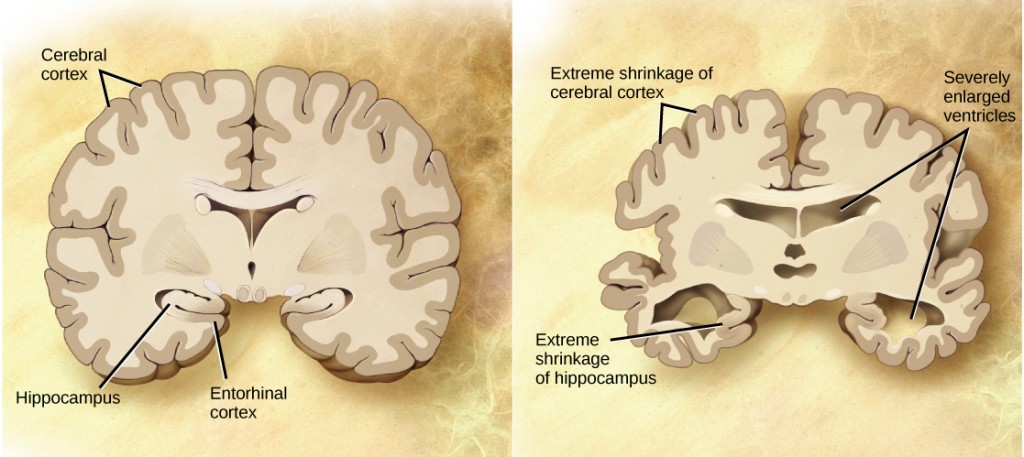
As the brain ages and accumulates potentially harmful compounds, it becomes increasingly susceptible to different forms of dementia – all of which are considered degenerative diseases. This underscores the importance of healthy lifestyle choice throughout life in minimizing the accumulation of harmful compounds and preserving cellular function into old age.
Four Mechanisms of Intracellular Accumulation
1. Abnormal Lipid Metabolism: Fatty Change
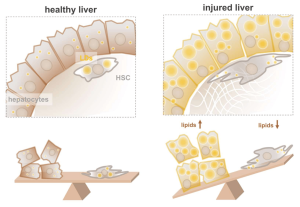
Under normal conditions, cells metabolize lipids through a balance of lipogenesis (the creation of new lipids) and lipolysis (the breakdown of lipids). When something disrupts this balance – for example, when liver cells are under stress – the cell may inappropriately increase lipogenesis while simultaneously reducing lipolysis. The net result is an abnormal buildup of lipid droplets inside the cell.
This phenomenon, called fatty change or steatosis, is commonly seen in the liver of individuals with alcoholic liver disease. Under a microscope, the affected liver appears dramatically different from a healthy liver – cells are engorged with fat, and overall liver function is compromised.
2. Abnormal Protein Accumulation
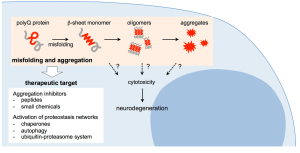
Proteins produced in a cell undergo a precise process: a gene is transcribed and translated, and the resulting protein is folded into its functional shape and tagged for transport to its destination. If folding fails or if the transport process is disrupted, the protein remains inside the cell. Accumulations of these misfolded or mislabeled proteins are toxic and progressively impair cell function.
3. Enzyme Deficiency and Lysosomal Failure
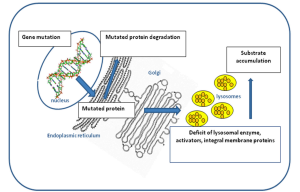
Cells rely on lysosomes – organelles filled with lytic enzymes – to break down and recycle old or damaged proteins. This recycling process keeps cells functioning optimally by ensuring a constant supply of fresh, functional proteins. If a critical lysosomal enzyme is deficient or absent, old proteins cannot be degraded. They accumulate inside the cell, progressively obstructing normal function.
4. Accumulation of Exogenous Particles
Cells can phagocytose (engulf) particles from the external environment – such as coal dust, lead, mercury, silica, asbestos, and wildfire smoke particles. If the cell is unable to degrade these particles, they accumulate and interfere with cellular function. Over time, the tissue as a whole deteriorates as more and more cells become burdened by these indigestible materials.
Clinical Examples of Intracellular Accumulation
Fatty liver (Steatosis): Liver cells engorged with lipid droplets are visible on biopsy and are associated with conditions such as alcoholic liver disease. A fatty liver appears pale and swollen compared to a healthy liver.
Silicosis: Prolonged inhalation of silica dust (e.g., in mining or sandblasting) leads to the accumulation of silicon particles in lung cells, causing progressive lung damage.
Alzheimer’s disease: Intracellular accumulations of tangles of tau protein and extracellular accumulations of beta-amyloid protein clumps (beta amyloid plaques) – disrupt normal brain cell function and contributes to the neurodegeneration seen in Alzheimer’s disease. These will be explored in greater detail in the neurology chapter.
Media Attributions
- Private: Figure_35_05_01-1024×457-1 © Charles Molnar and Jane Gair, (credit: modification of work by “Garrando”/Wikimedia Commons based on original images by ADEAR: “Alzheimer’s Disease Education and Referral Center, a service of the National Institute on Aging”) is licensed under a CC BY (Attribution) license
- Lipid Hepatocytes © Molenaar, M.R.; Penning, L.C.; Helms, J.B. Playing Jekyll and Hyde is licensed under a CC BY (Attribution) license
- ProteinMisfoldingAccumulation © Takeuchi, T.; Nagai, Y is licensed under a CC BY (Attribution) license
- LysosomeDysfunction © Dardis, Andrea & Buratti, Emanuele. is licensed under a CC BY (Attribution) license