Chapter 4 – Ownership and Belongings
Unit 2 — Cultural Insight
Body Language and Everyday Gestures
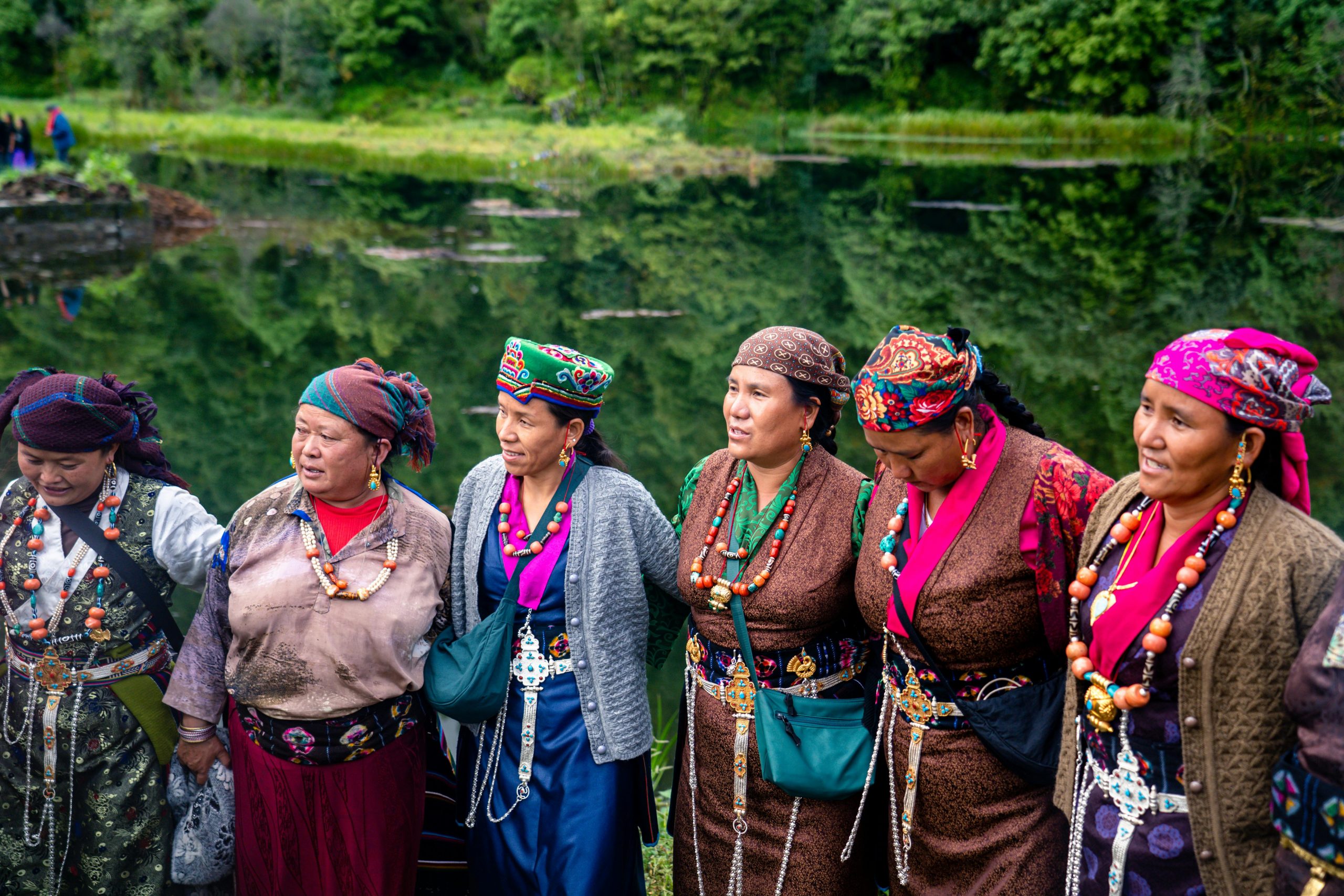
Body language in Nepal can feel quite different from what people from North America and Europe are used to. Some gestures may look familiar but carry a different meaning. Understanding these differences can help learners communicate more respectfully and avoid misunderstandings.
The Head Wobble
One gesture that often stands out is the gentle side-to-side head movement sometimes called a “head wobble.” Instead of nodding up and down to show agreement, many Nepalis may use a soft side-to-side tilt. This movement is usually friendly and positive. It can mean “yes,” “okay,” “I understand,” or “I am listening.”
For visitors, this gesture may be confusing at first because a side-to-side movement often means “no” in many North American and European contexts. In Nepal, however, the head wobble is often a sign of agreement, acknowledgement, or polite attention.
Saying “No” Politely
A firm side-to-side head shake is not always the most common way to refuse something in Nepal. Instead, many people may lift one hand, palm facing outward, and make a small, gentle rotation of the wrist. This soft gesture can mean “no,” “not needed,” or “that is okay.”
This kind of refusal is usually less direct and less confrontational. It allows the speaker to decline politely without sounding too abrupt.
Eye Contact
Eye contact also carries different cultural meanings. In many North American and European settings, steady eye contact is often seen as a sign of confidence, honesty, and attention. In Nepal, however, long or very direct eye contact can sometimes feel too bold, especially when speaking with elders, teachers, or authority figures.
A respectful listener may soften their gaze, look down briefly, or use shorter moments of eye contact. This does not necessarily mean the person is shy, nervous, or uninterested. In many Nepali settings, it can show humility, respect, and good manners.
This is especially noticeable in classrooms. Students may avoid looking directly at teachers for long periods and instead show respect through quiet attention, body posture, and careful listening.
Pointing
Pointing directly at someone with the index finger can feel rude or too direct in Nepal. When pointing to a person, object, or direction, many Nepalis may use a softer gesture instead. For example, they may use an open hand, a small chin movement, or a slight head tilt toward the direction.
These gestures feel less harsh and more polite than pointing with one finger.
Calling Someone Over
The gesture for calling someone over can also be different. In many Western contexts, people often hold the palm upward and curl the fingers toward themselves. In Nepal, this same gesture may feel inappropriate or disrespectful in some situations.
A more common and polite gesture is to hold the palm downward and gently sweep the fingers inward. This creates a softer invitation and fits better with local expectations of courtesy.
Cultural Meaning
These differences show how body language reflects cultural values. In many North American and European settings, gestures often emphasize clarity, directness, and individual expression. In Nepal, nonverbal communication often emphasizes subtlety, respect, and social harmony.
For learners and visitors, paying attention to these gestures can make everyday interaction smoother and more respectful. Small adjustments in body language can help show cultural awareness and build warmer connections with Nepali speakers.