Chapter 3 – Identifying Objects
Unit 2 — Cultural Insight
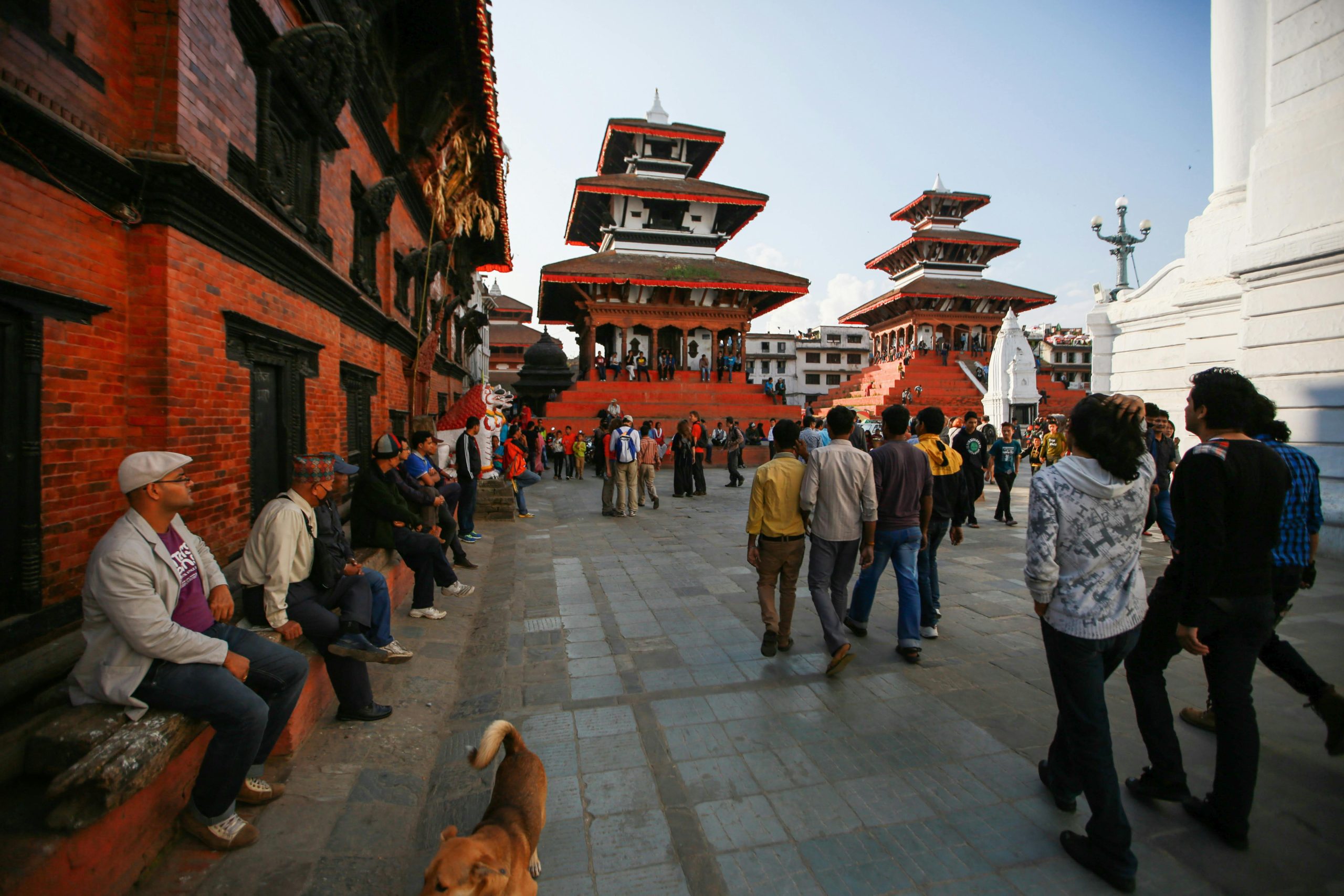
Conversation Style and “Personal” Questions
In Nepal, friendly conversation often begins with relationship-based small talk. Someone you have just met may ask questions that feel quite personal in many Western settings. For example, people may ask where you live, where you are from, what you do for work or study, how long you are staying, or whether you are married or have children.
In some situations, people may also ask practical questions about money, such as how much something cost, how much rent is, or what kind of salary people earn. These questions are not always meant to be intrusive. In many communities, money, expenses, family, work, and daily life are common topics of conversation.
Why People Ask
In everyday Nepali interaction, these questions are often meant to show warmth, hospitality, and interest. They help people understand who you are, where you fit socially, and how to speak with you comfortably. The goal is usually to build connection, not to cross a personal boundary.
Nepali conversation can also be indirect and relationship-oriented. People may spend time asking friendly questions before moving to the main topic. This is especially common when speaking with guests, newcomers, elders, neighbours, shopkeepers, or community members.
How to Respond
If you feel comfortable, a short and simple answer is enough. You do not need to give too much detail. For example, you can say:
- I am here for study.
- I am here for work.
- I am visiting for a short time.
- My family lives abroad.
- I am still settling in.
If you do not feel comfortable answering directly, you can stay polite but general. A brief answer, a calm smile, and a gentle change of topic usually works well.
Redirecting Politely
One useful strategy is to answer briefly and then ask a question back. This keeps the conversation friendly while moving attention away from personal details. For example:
- How about you?
- What do you recommend?
- Where is a good place to visit?
- Where is a good place to eat?
This kind of gentle redirection is socially safe in many Nepali settings. It helps maintain respect, comfort, and harmony, especially when speaking with elders, hosts, or people in more formal situations.