Chapter 11 – Family and Relationships
Unit 2 — Cultural Insight
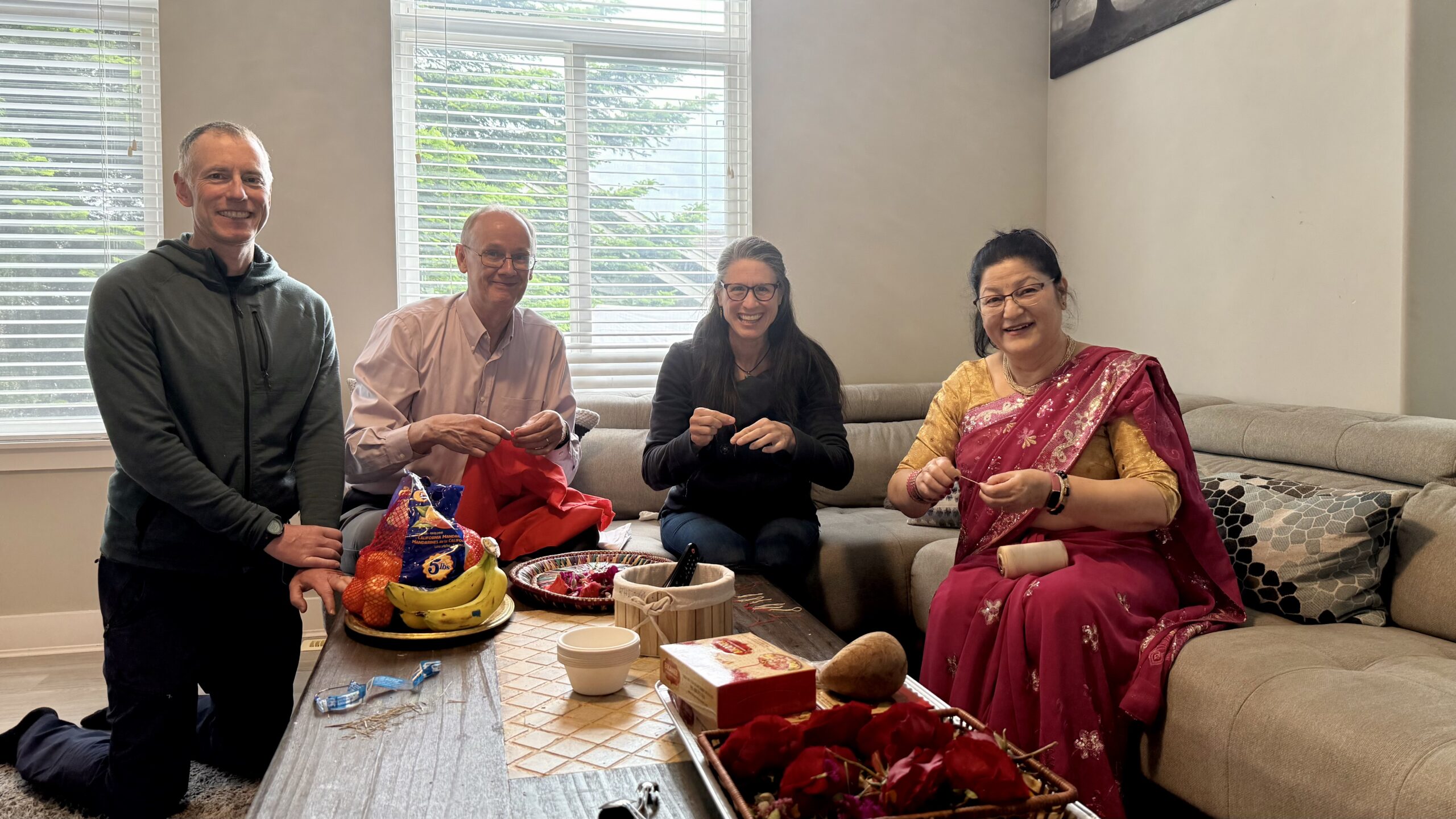
The Importance of Family in Nepali Culture
Family plays a central role in daily life in Nepal. For many Nepalis, “family” means more than parents and children. It often includes grandparents, aunts, uncles, cousins, in-laws, and relatives who remain closely connected across households.
Because of this strong sense of extended family, everyday conversations often include family references early on. People may ask about your parents, siblings, spouse, children, or where different relatives live. For learners, family vocabulary is therefore more than a language task. It helps you participate naturally in Nepali small talk and build friendly connections.
Extended Family and Everyday Conversation
In Nepali culture, relatives often remain part of daily life even when they live in different homes, cities, or countries. Family members may visit often, help with practical needs, and stay involved in important decisions.
This is why questions about family are common in conversation. Asking about someone’s family can show care, interest, and respect. It helps people understand your background and create a warmer social connection.
Respect Across Generations
A key feature of Nepali family life is respect across generations. Older relatives are addressed with specific kinship terms, and respectful speech is used when talking to them or about them.
For example, दाइ (dāi, “elder brother”) and दिदी (didī, “elder sister”) are respectful and friendly terms for people slightly older than you. These words can also be used for people who are not your actual relatives. In this way, kinship terms help create a polite and relational tone.
Similar patterns appear when speaking to parents, grandparents, teachers, and elders. Speakers often choose respectful pronouns, polite verb forms, and careful word choice. This is why learning family terms also helps learners understand respect in Nepali grammar and communication.
Family Support and Responsibility
Family is closely connected to social responsibility and support. Relatives often help with childcare, education decisions, health matters, celebrations, and care for elders.
Major festivals and life events also bring families together. Weddings, coming-of-age ceremonies, religious rituals, and memorial events may involve many relatives. Family members may travel long distances to attend and participate.
Because family involvement is so strong, talking about relatives, where they live, and how they are doing becomes a natural and meaningful part of Nepali conversation.
Family and Interdependence
Compared with many North American and European contexts, where independence and nuclear households are often emphasized, Nepali family life often places more emphasis on interdependence across generations.
Adult children may live separately, but they often remain closely connected to family decisions, responsibilities, and celebrations. Parents, children, siblings, and extended relatives may continue to support one another emotionally, socially, and financially.
Nepali Families Today
Nepali families today are diverse and changing. Some people live in extended families, while others live in nuclear families. Many Nepalis live abroad, move for education or work, or maintain family connections across countries.
In Canada and other Nepali diaspora communities, you may hear bilingual conversations and frequent references to relatives overseas. A person may have parents in Nepal, siblings in Canada, cousins in Australia, or in-laws in the United States.
Useful Sentence Patterns
The language in this chapter will help you talk about family in both Nepali and international contexts. For example:
मेरा आमाबुबा नेपालमा हुनुहुन्छ।
merā āmābubā nepālmā hunuhuncha.
My parents are in Nepal.
मेरो दाइ क्यानाडामा हुनुहुन्छ।
mero dāi kyānāḍāmā hunuhuncha.
My elder brother is in Canada.
मेरी सानीआमा भ्यानकुभरमा हुनुहुन्छ।
merī sānīāmā bhyānkubharlmā hunuhuncha.
My aunt lives in Vancouver.
These patterns show how family relationships remain meaningful wherever Nepalis live. They also help learners take part in one of the most common and important areas of everyday Nepali conversation.