Chapter 6 – Talking about Location
Unit 2 — Cultural Insight
Hospitality, Tea, and Visiting Homes
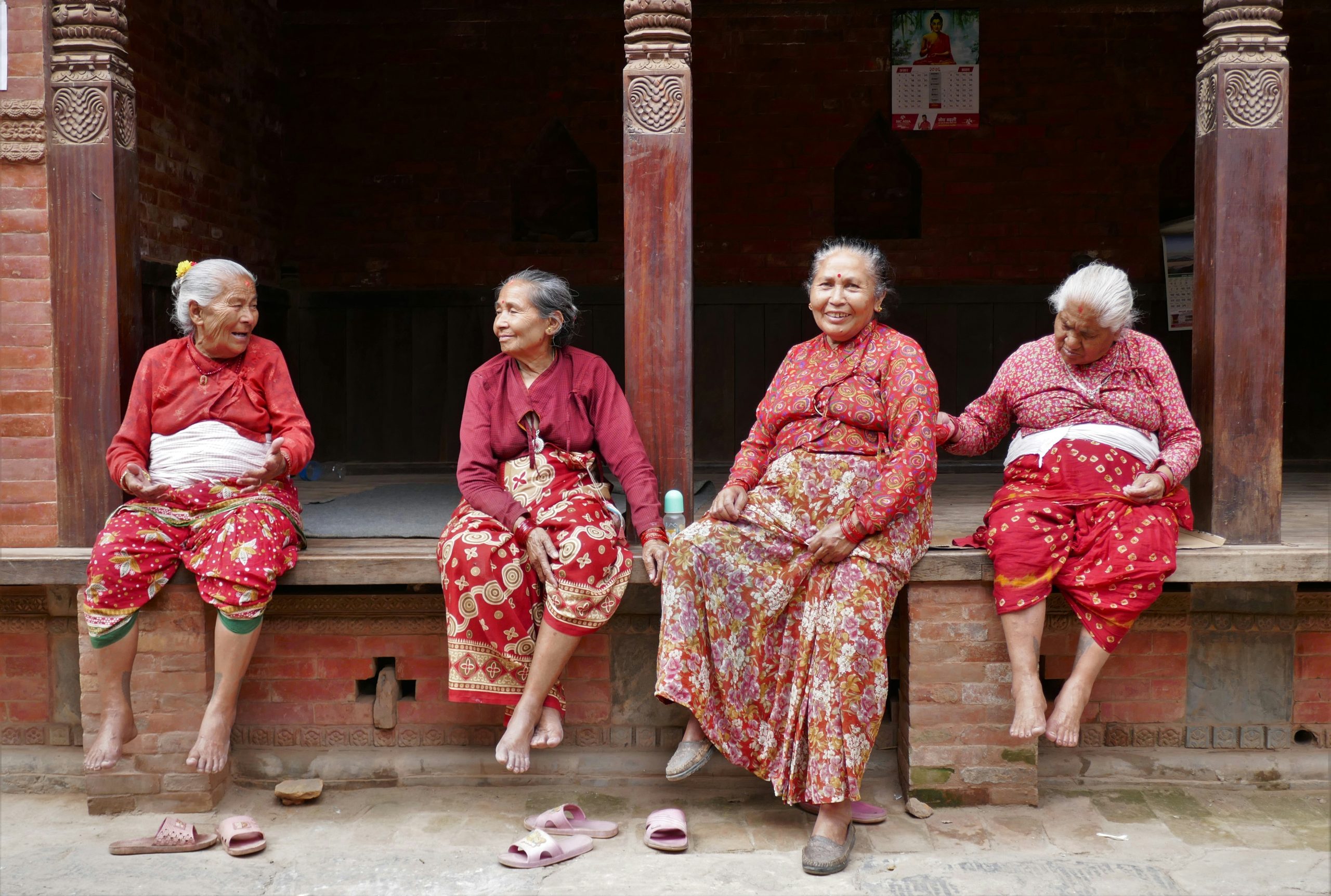
Hospitality is an important cultural value in Nepal. Being offered tea is often a genuine sign of warmth, welcome, and respect. In a home, office, or small shop, you may be served a cup of चिया (ciyā), usually sweet milk tea, soon after arriving.
In many North American and European settings, being offered a drink may feel optional or casual. In Nepal, however, offering tea is often an expected part of hosting. Declining it directly can sometimes feel rude or distant. In most situations, it is polite to accept, even if you only take a few sips.
Tea is such an everyday social connector that people may even greet each other by asking चिया खानुभयो? (ciyā khānubhayo?, “Have you had tea?”). Local tea stalls, चियापसल (ciyāpasal), also function as neighbourhood meeting places where people talk, share news, and catch up.
Visiting Someone’s Home
When you visit someone’s home, pay attention at the entrance. If you see shoes left outside, that is a sign that you should remove your shoes too. In many Western homes, shoe customs vary widely, and guests may keep their shoes on unless asked to remove them. In Nepal, it is usually respectful to notice the household custom and follow it.
It is also fine, and polite, to ask before stepping inside. A simple question shows awareness and respect for the home.
Being Treated as a Guest
Inside the home, hosts may warmly insist more than once that you sit, eat, or drink. This may surprise visitors from North America or Europe, where hosts often offer once and then leave the choice to the guest. In Nepal, however, hosting is viewed as a responsibility. Making sure a guest is comfortable is a point of pride.
Guests are often served first. You may also be gently discouraged from helping with cooking, serving, or cleaning, even if you offer. This is not meant to exclude you. It reflects the idea that a guest should be cared for, not put to work.
Bringing a Small Gift
When visiting someone’s home, bringing a small gift can be appropriate. Fruit, sweets, or another simple item are common choices. The gift does not need to be expensive. The gesture matters more than the value.
Nepali hosts may show appreciation in modest ways. They may not always use strong verbal expressions such as “thank you,” which are more common in many Western settings. Appreciation is often shown through care, food, attention, and continued hospitality.
Social Plans and Invitations
Social plans can be more flexible in Nepal than in many North American and European contexts. Invitations may happen at the last minute, and friends or relatives may visit with little notice. Nepali social life can be spontaneous and fluid, so a relaxed attitude is helpful.
A late invitation usually does not mean that you were forgotten or added as an afterthought. It may simply reflect a more flexible approach to time and social planning.
At the same time, it can be considered impolite to join other people’s plans without being clearly invited. When in doubt, it is more respectful to wait for the host or friend to extend the invitation.